The BCTS Review that was launched in January 2025, and co-chaired by Brian Frenkel, Lenny Joe and George Abbott, is nearing an end for public input intake. The BC government describes this initiative as a periodic review to ensure BCTS is evolving in an ever-changing marketplace while meeting its mandate commitments. The reality is that BCTS performance has been seriously impacted over the last few years. This review comes as the Premier seeks to meet his mandated target for a timber harvest of 45 million m3. Raising the BCTS harvest off its historic lows will help the Premier in his drive to 45!
BCTS harvest data speaks for itself. Although BCTS is supposed to represent 20% of the harvest on average, it has rarely met that 20% level over the past decade. The BCTS harvest fell to a low of just 10% of the overall provincial harvest in 2023. Given that the overall provincial harvest was also severely depressed, a BCTS harvest at 10% of total was a pretty dismal achievement. However, in 2024 and based on a running 12-month moving total, BCTS has increased it’s proportion of the provincial harvest to approximately 12%. BCTS harvest performance actually outperformed non-BCTS harvesting in 2024 and so far, is continuing to do so in the first quarter of 2025. Despite the recent improvement, the overall issue for the forest sector is that an average BCTS harvest of 10 million m3 has shrunk to 4 million m3.
According to the BC government’s recently announced BC Budget 2025, the outlook for BCTS harvest is positive. Elstone continues in his piece by pointing out the challenges ahead, and proposing his own suggested solutions.
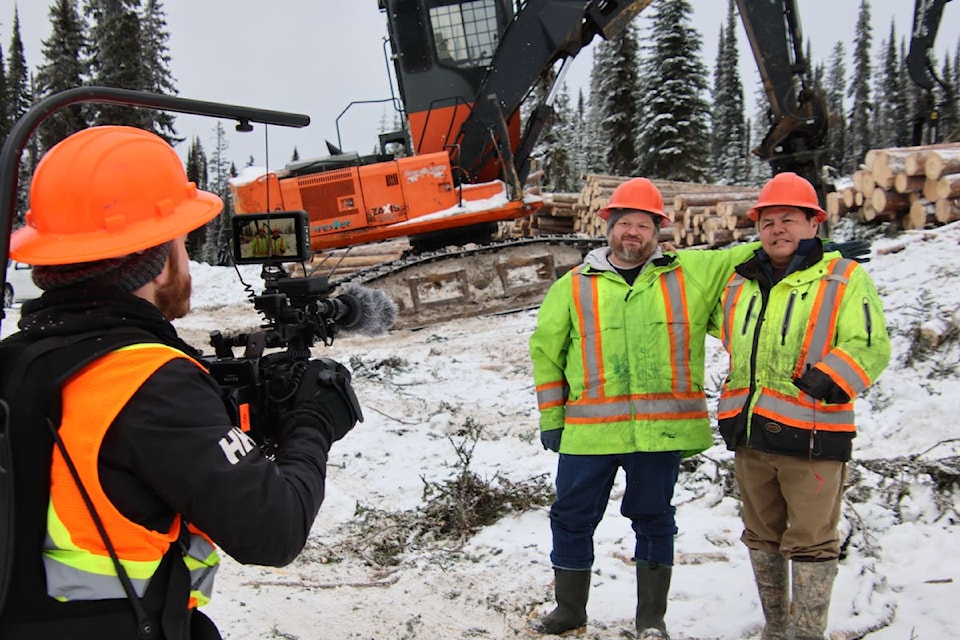
 British Columbia’s forests are increasingly on fire—and the consequences are catastrophic. As we approach another fire season, communities, ecosystems, and livelihoods are at growing risk. In this crisis, BC is Burning, a new two part documentary, offers both a wake-up call and a beacon of hope. The film explores fuel loading, carbon emissions, proactive forest management and the need for a shift from suppression to increasing proactive prevention activities, offering solutions to reduce the mega-fires that are becoming all too common. … The core message of BC is Burning is the importance of active forest management. By managing forest landscapes… we can reduce fuel loads and prevent catastrophic fires. … BC is Burning is more than just a documentary—it calls for collective action. …become part of the conversation. Together, we can turn the tide on wildfires and ensure that our forests—and our future—remain safe and resilient.




 At MacLeod Forest Services, our primary business focus is providing training and response services to a variety of customers. This includes our S100 Wildfire for Industry Program. Our aim is to provide timely, achievable, effective, up to date and cost-efficient wildfire instruction to all stakeholders that have the potential to be affected by a wildfire. By staying involved in response we can continually improve our products and services as changing conditions require. We have provided training to stakeholders from First Nations crews, the Forest, Agriculture, Outdoor Recreational and Construction Industries, Type 2 and 3 Wildfire Contractors, BC Wildfire Service crews as well as rural residents. The MacLeod S100 for Industry is a two-day BCWS S100 course enhanced to better prepare participants to be on their own until organized help arrives. Upon completion participants will be able to: assess wildfires accurately; develop an appropriate plan; and respond safely and effectively. Course runs April 29-30, 2025.
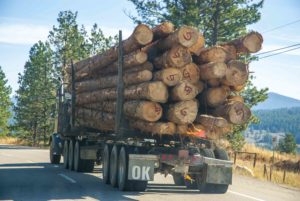 As of 2024 there are 2,500 sawmills in the U.S. and 850 in Canada. However, these numbers have to be looked at in context of housing starts in both countries. An interesting number: The rebuilding of 16,000 houses that burnt down in California require 4,300 fully loaded eight-axle trailer trucks with dimensioned lumber. We must be innovative and need more skilled workers. We should have a few smaller mills and/or machinery producing metric size timber for Europe and Japan. …We cannot change what is happening in the US, but despite an executive order from higher up, many mills in the US are suffering from a steady lack of timber supply and do not have the manpower or loggers required to steadily feed some of the mills. In Montana for example, 36 mills have closed over the last years because of a lack of timber supply, as well as a lack of loggers.
 At the Council of Forest Industries convention, Premier David Eby underscored the provincial government’s commitment to forestry as a major project — and made it clear that forestry will be treated with the same focus and urgency, saying, “This is a shared project that we can get to that 45 million (cubic metre) target, which we all know is absolutely essential.” …Eby’s commitment to a “whole of government” approach is exactly what the sector needs. …We applaud Forest Minister Ravi Parmar’s recent announcements… Equally important is ensuring BCTS delivers its full potential. Consistently hitting 90 per cent or more of its annual harvest target is critical to a thriving wood products industry that supports communities and workers throughout the province. We also can’t lose sight of reconciliation. Increasing the distribution of stumpage fees to First Nations is one achievable step that would help advance shared prosperity and strengthen Indigenous participation in the sector.
 An appeal contesting a 12-month notice period awarded to an operations specialist who had been recruited from a long-term, secure position
  By raising duties on Canadian lumber, the United States is contending that the producers benefit from unfair subsidies and sell products below market value. However, British Columbia Premier David Eby called it an “attack on forest workers and British Columbians” on April 5. …Harry Nelson, an associate professor of forestry at the University of British Columbia, said the increase stems from Washington’s annual review of its trade remedy findings. “The main reason for the significant increase is that both rates went up, the antidumping especially so.” …Nelson said some companies such as Canfor face a nearly 50 percent tariff and could be unsustainable. “Lumber margins tend to be small — certainly not 50 percent, and it is hard to imagine how Canfor will be able to continue to operate,” he said. “I would expect a curtailment in production, where higher-cost firms may either take temporary downtime or permanently shutter some more mills.”
 When forestry contractor Mike Egli heard the sawmill in Vanderhoof was closing, he was expecting the worst. Egli co-owns logging contractor Dalchako Transport with his brothers. As with many local forestry companies, Dalchako’s livelihood was tied to the Plateau sawmill, Vanderhoof’s largest employer. With more than 200 workers, the sawmill was integral to the local economy. It closed at the end of December 2024. Egli has found other contracts to keep working since December, but the mill’s closure has caused a massive upheaval. “We lost all that work there,” he said. …Meanwhile, workers in Vanderhoof are looking to other industries to make a living. It’s a shift many northern B.C. workers have had to make before. …Not all workers are leaving the industry. Mayor Moutray said local forestry contractors are commuting 200 kilometres to Quesnel, B.C., for work, or flying into remote work camps to stay in forestry.


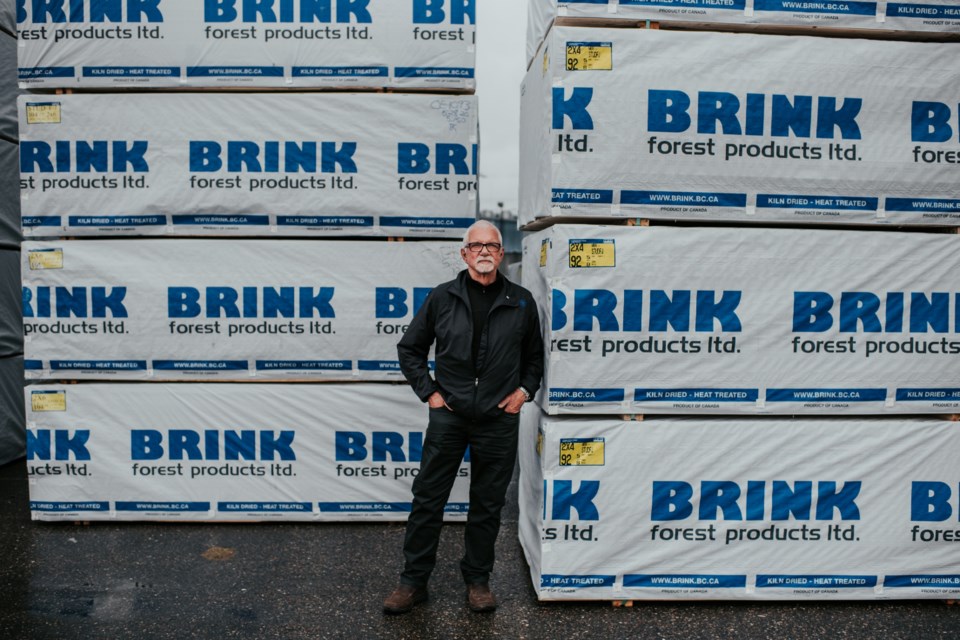 AUDIO STORY: John Brink, CEO of Brink Forest Products, talks to host Gloria Macarenko about the economic potential for value-added wood products in B.C. and the impact of higher duties and tariffs from the U.S.
 Tariff uncertainty continued to weigh on Vancouver’s housing market in March, deepening the slowdown in activity. Escalating US trade actions have fuelled fears of a recession, job losses and equity market volatility, pushing many potential buyers to the sidelines. The latest data from the Greater Vancouver and Fraser Valley real estate boards showed a deepening of the sales pullback in March. MLS sales fell 17.6% year over year. …The severe drop in home sales aligns with declining business confidence, which has plunged to record lows—a pretty good bet that weak confidence is playing out in housing. With sales held back, inventory has ballooned. Active listings were up 43% year over year and marching higher. …Meanwhile, after recording a surplus in merchandise trade balance for two consecutive months, Canada’s trade balance shifted to a deficit in February as exports retreated significantly following a frontloading of US imports.
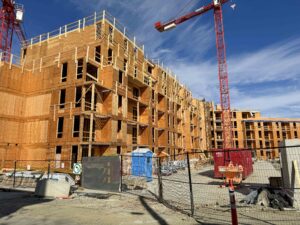 CALGARY — The one constant of Trump’s tariff plan seems to be that it is in a constant state of flux. “The time is now to start planning for what those impacts could possibly be and develop the mitigation strategies and tracking mechanisms…so that as they (tariffs) evolve in real time you are prepared to deal with them,” said Rick Moffat. Moffat moderated a webinar panel recently on legal and practical strategies for managing the impacts of the tariffs on construction projects in Canada. …Stressing the importance of detailed contingency plans that account for potential cost hikes caused by tariffs, Bulut Cinar said contractors would benefit by including “multiple scenarios” illustrating how their contingencies help manage their costs. …If contractors consider delay-causing tariffs a force majeure event, but the contract deals with tariffs differently they might be “precluding themselves” from compensation, he added.

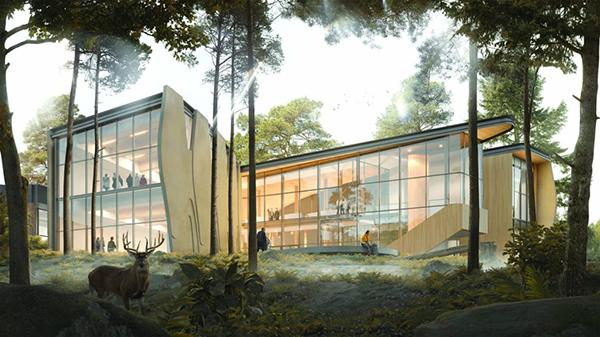
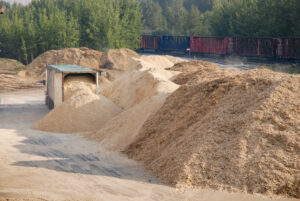
 Prince George city council took the first step in renewing its contract with Lakeland Mills Ltd. to supply fibre for the Downtown Renewable Energy System through 2026 with options to extend it through 2027 and 2028 at its Monday, April 7 meeting. From a central location near the intersection of Second Avenue and George Street, the system uses wood waste to power boilers that pump heated water to buildings across downtown Prince George like city hall, the Prince George Public Library, the Canfor Leisure Pool, the Ramada Hotel and more. The original contract with Lakeland Mills to supply the products used to power the boilers ran from 2012 to 2022. If the bylaw creating the new agreement eventually passes fourth reading, the new agreement would stretch retroactively from July 1, 2022 to Dec. 31, 2026 with options to extend it through 2027 and 2028.
 The Ancient Forest Alliance (AFA) and Endangered Ecosystems Alliance (EEA) are calling for better protection of old-growth forests from the BC Government. [They want the] province to refocus their measures, implement their draft biodiversity, and Ecosystem Health Framework to ensure a transition to a sustainable forest industry. Executive Director of EEA Ken Wu said there is two directions the government can go in response to tariff threats from the U.S. “Either take the easy but foolish route by falling back on the destructive status quo of old-growth logging and raw low exports, or instead take the opportunity to invest in a modernized, sustainable, value-added, second-growth forest industry that is the future of forestry in BC, while protecting the last old-growth forests.” …The groups are also issuing a warning which commercial logging must not be permitted in protected areas under the guise of wildfire risk reduction.
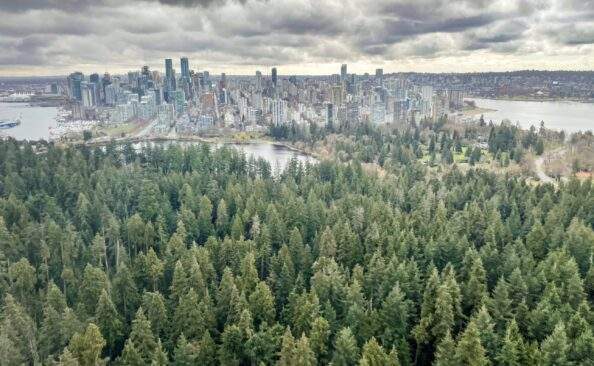 The Sḵwx̱wú7mesh Úxwumixw (Squamish Nation) is calling for better education on Stanley Park’s Indigenous history after a First Nations group threw their connection into question during a logging protest earlier this month. A “sacred fire” lit March 15 was kept ablaze for over a month at Brockton Park’s totem poles by a woman who identified, according to protest group Save Stanley Park, as a “matriarch” of the land. The woman claimed to be a descendent of “Portuguese Joe”, an early B.C. settler with Musqueam lineage, and was in protest of the Vancouver Park Board’s ongoing project to remove hundreds of trees affected by the looper moth disease. Squamish Nation elected councillor Wilson Williams says the claims are still yet to be verified, and his own community is left reeling at the group’s failure to address the history of the Squamish people that dates back thousands of years within the park.
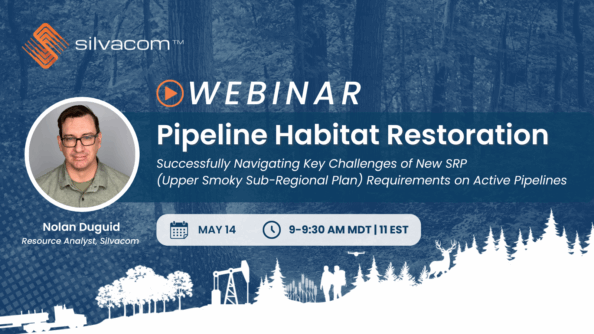 Silvacom is hosting a free webinar titled “Pipeline Habitat Restoration: Strategies and Innovations” MAY 14, 2025 9:00 AM MDT | 11 EST. This event will bring together industry experts, environmental scientists, and key stakeholders to discuss the latest developments and best practices in habitat restoration in areas affected by pipeline projects. Join Our Webinar on Pipeline Habitat Restoration: Successfully Navigating Key Challenges of New SRP Requirements on Active Pipelines (Upper Smoky Sub-Regional Plan). With Alberta’s Sub-Regional Planning Process introducing new regulatory requirements for caribou habitat restoration, the energy sector must adapt and implement habitat restoration on active pipeline corridors. Unlike decommissioned or abandoned pipelines, active right-of-ways (ROW) present unique operational, regulatory, and ecological challenges. This webinar will explore the complexities of meeting habitat restoration objectives while balancing: Ecological restoration goals; Operational efficiencies; Regulatory requirements; and Indigenous community and stakeholder values.
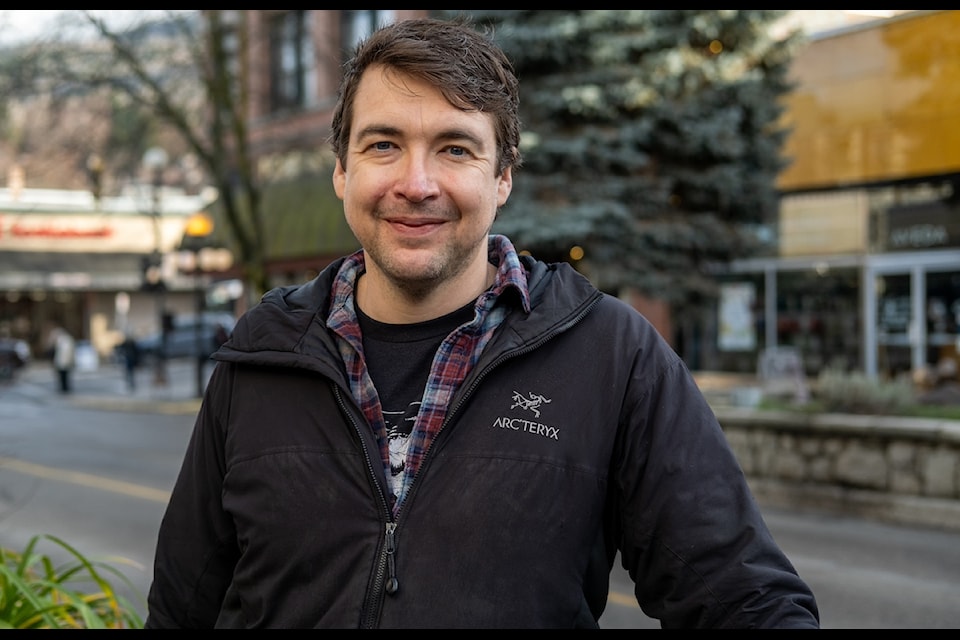
 The BC Council of Forest Industries (COFI) is now accepting applications for the 2025 Forestry Scholarships. As part of our commitment to supporting the next generation of forestry professionals, COFI will award 10 scholarships of $2,000 each to students from across British Columbia pursuing post-secondary studies or skilled trades training related to the forest sector. The scholarships are open to BC residents entering a forestry-related program at an accredited post-secondary institution in fall 2025 or spring 2026—whether you’re from a rural community, coastal town, or urban centre.
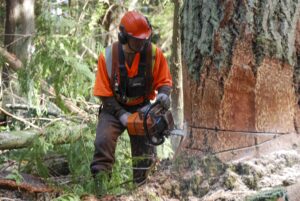 ʔakisq̓nuk First Nation is among communities that have taken a proactive approach to reducing risk ahead of B.C.’s next wildfire season, supported by Indigenous-owned resource management firm Nupqu and $365,000 from the Forest Enhancement Society of BC (FESBC). East of the Nation’s reserve and just north of Fairmont Hot Springs, work will continue through summer and into fall as the ʔakisq̓nuk community collaborates with foresters and the province to treat natural fire fuel and ensure a safer future for locals. It’s become a successful project, first proposed back in 2018. According to ʔakisq̓nuk Chief Donald Sam, fire suppression in these forests for more than a century has challenged and restricted the health of these ecosystems.
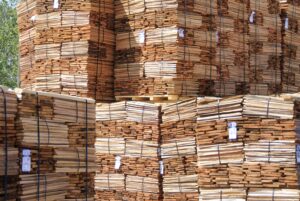 A decision by the Supreme Court of British Columbia to reject a $75-million compensation claim made by a logging company that once operated on Haida Gwaii could have reverberations across the province as the government continues its reconciliation efforts with First Nations… A prime example is the $84 million in compensation that the B.C. government agreed to pay MacMillan Bloedel in 1999 after the government created a number of new parks on Vancouver Island. In seeking $75 million in compensation for alleged losses of portions of its logging tenures on Haida Gwaii, however, Teal Cedar Products Ltd., a subsidiary of the Teal-Jones Group, tried to argue something entirely different: that changes to where it could log, how it could log and when it could log amounted to a form of expropriation for which the company should be compensated millions in taxpayer dollars.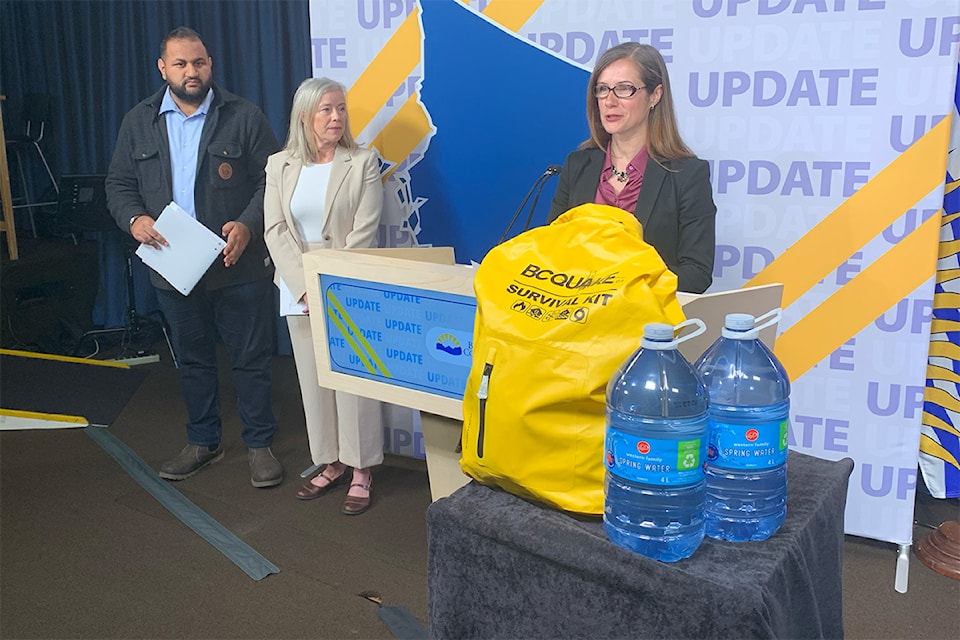

 GRAND FORKS – The Forest Practices Board has completed an investigation into a complaint about range practices and government enforcement in the Ingram-Boundary range unit. A resident of Midway submitted the complaint in January 2023, raising concerns about overgrazing, inadequate fencing to protect riparian areas and the spread of invasive plants. The investigation examined whether two range agreement holders followed legislative requirements during the 2023 grazing season. It also considered whether government enforcement had been appropriate. Board investigators visited the range unit in September 2023. The board determined that the range agreement holders complied with legal requirements when grazing livestock in the 2023 grazing season, and protected riparian and upland areas as required. However, investigators found the actions that deal with the spread of invasive plants in the range agreement holders’ range use plans were unmeasurable and could not be evaluated for compliance.
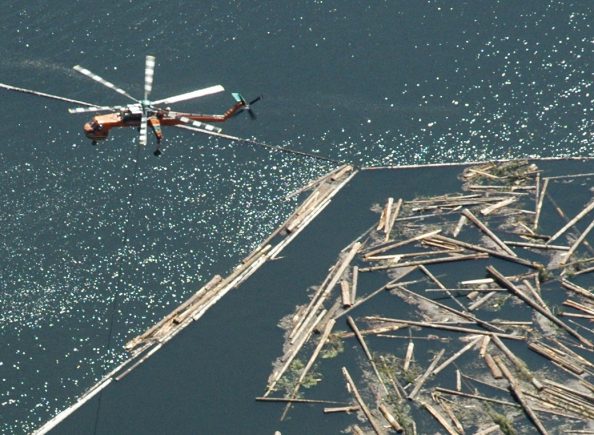 It’s been hard to keep up with the impact of U.S. President Donald Trump’s tariff trade war on Canada. Punishing tariffs have been levied on steel, aluminum and automobiles and — critically for B.C. — softwood lumber. “Tariffs are the top election issue for workers,” Canadian Labour Congress president Bea Bruske said. “This uncertainty really has people very, very stressed out about the future of their jobs.” …The United Steelworkers union represents about 14,000 forestry workers across Canada. Wood Council chair Jeff Bromley said it’s still not clear what the tariffs will mean for members. …Bromley said the federal government can support forest workers by enhancing employment insurance and funding training support for workers who need to find work in other industries. But Bromley said the ultimate solution is a new softwood agreement.
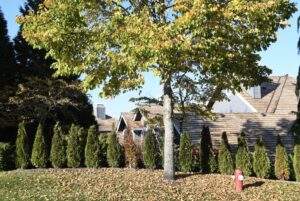 Proposed changes to Port Moody’s tree protection bylaw will adjust the requirements for developers and property owners to replace trees, afford greater protection to larger trees and establish a registry for significant landmark or legacy trees. In a report to be presented to council’s city initiatives and planning committee on Tuesday, April 15, Port Moody’s manager of policy planning, Mary De Paoli, said the new rules are consistent with council’s strategic goal to strengthen the city’s urban forest and enhance its natural assets. The revisions come more than five years after some councillors advocated for increased protection of Port Moody’s tree canopy. “It’s such and important part of our climate action plan,” said Coun. Amy Lubik. “It’s critical for keeping our community safe in these extreme climate events.”
 Hundreds of municipal, First Nations and BC Wildfire Service (BCWS) firefighters from across the province are coming together at the Wildfire Resiliency and Training Summit in Penticton to train, collaborate and learn about new technology and practices ahead of the 2025 wildfire season. “We don’t know exactly what this wildfire season will bring, but I want British Columbians to know that we are working hard every day to be ready,” said Ravi Parmar, Minister of Forests. …The Wildfire Resiliency and Training Summit brings together First Nations and local government representatives, emergency managers, wildfire mitigation specialists, and firefighters to collaborate and train with the BCWS and discuss the latest developments in wildfire technology, mitigation and prevention. The five-day event attracts more than 350 wildfire professionals and includes two days of collaborative training between structural fire departments from throughout the province and the BCWS.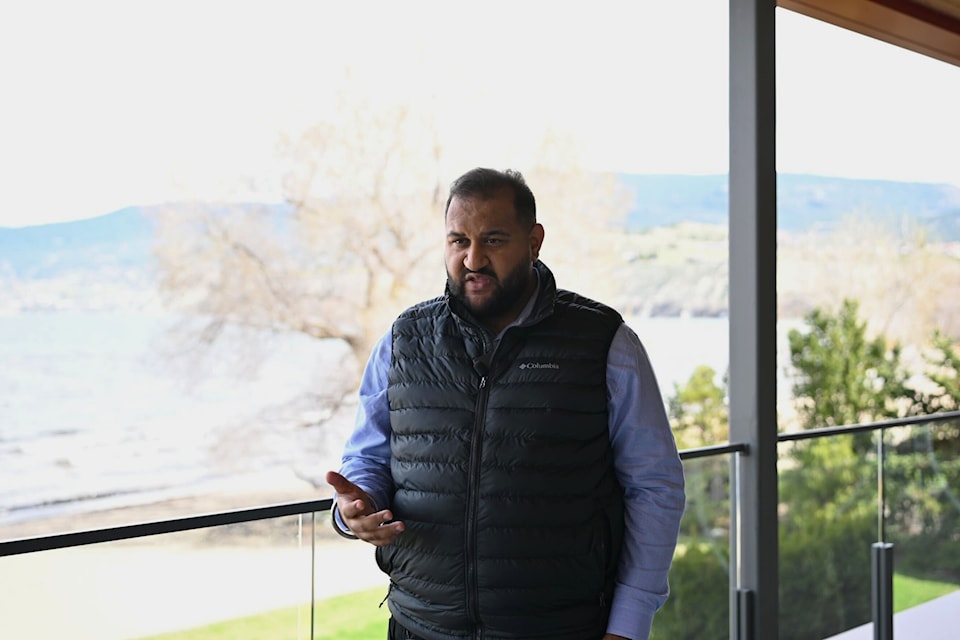

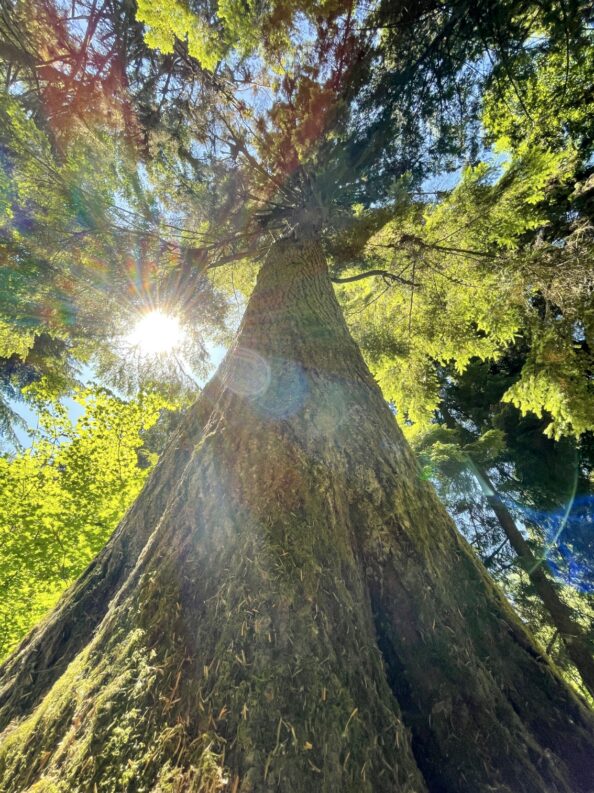 On March 31, the Supreme Court of B.C. released its decision on a historic case with implications for the future of resource management in Canada. The judge sided with the Haida Gwaii Management Council and Province of British Columbia against logging giant Teal Cedar Products Inc., which argued its profitability had unjustly diminished due to the former’s sustainability regulations and improved forestry stewardship standards. In its defence, Haida Gwaii Management Council and the province pointed to Teal’s careless logging and business practices, which it continued despite expert, repeated advice from Haida and Crown governments. Proceedings involved numerous expert witnesses … in 2023. Almost exactly two years later, the judge dismissed Teal’s claims. …If corporations were to earn the power to sue governments any time they passed new legislation to uphold sustainable and ecologically sound practices, then we would witness a nation-wide proliferation of lawsuits arising from every sector.

 The Bow Valley—encompassing Banff National Park, the Town of Banff, Canmore, and MD of Bighorn—is at imminent risk of a catastrophic wildfire. Despite commendable efforts in localized fire prevention (e.g., firebreaks, fireguards, neighbourhood mitigation), it is our opinion no comprehensive measures are in place to address the risk of an extreme wildfire—the kind that devastated Fort McMurray (2016) and Jasper (2024). A fire of that scale in this region would be both a national tragedy and a global environmental disaster. …Our call for action for our federal candidates: Acknowledge the real and rising risk of a Class 6 wildfire in the Bow Valley; While working with the Province and Indigenous Peoples, support federal investment in a landscape-scale fire mitigation strategy for the Bow Valley; Advance policy reform recognizing forests as carbon assets requiring active stewardship; and Champion this initiative as a model for national wildfire and carbon management.
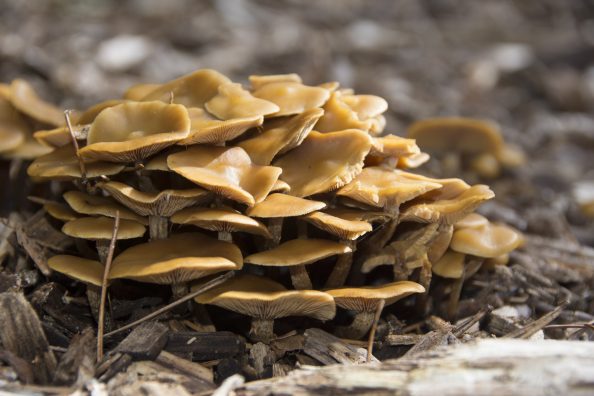 Officials in Fox Creek Alberta are trying to find ways to better protect the community from future fires. One option includes using fungi. …This summer, researchers from Lac La Biche, Alta.-based Portage College will go into the the boreal forest surrounding Fox Creek to collect local fungi. Spores from that fungi could later be used to inoculate wood in man-made slash piles. Forests are thinned to remove wood biomass so there is less material to burn during a wildfire. Wood that has been removed can be stored in massive slash piles, which can be fire risks themselves. Fungi could be used to break down the wood faster, returning them to soil, said Michael Schulz, research chair in environment and sustainability in the boreal forest at Portage College.