VANCOUVER — The Forest Innovation & Bioeconomy Conference (FIBC 2025) returns May 6-8, 2025, at the Westin Bayshore in Vancouver, bringing together industry, researchers, policymakers, investors, and First Nations leaders to explore the future of forest sector innovation. Hosted by the B.C. Ministry of Forests, the University of British Columbia’s BioProducts Institute, and Foresight Canada, this international event will focus on forest product innovation, diversification, and the commercialization of high value bioproducts. Early Bird Registration – Save by registering early by March 31, 2025.
Key Highlights
- Lab-to-Market: The Pathway to Commercialization
- Horizon Europe & Canada Collaboration
- Europe Bioeconomy Cluster Development
- B.C.’s Forest Bioeconomy & Sector Diversification .
- Business to Business Matchmaking
 COFI 2025 Convention: April 2-4, Prince George, BC — The global trade landscape is evolving rapidly. Economic uncertainty, shifting regulations, and geopolitical challenges are reshaping market access for Canadian forest products. Staying competitive requires a clear understanding of emerging risks and strategic opportunities. At the COFI 2025 Convention, a panel of industry experts will examine the forces shaping international trade and explore actionable strategies to enhance industry resilience. Presenter and Moderator Russ Taylor, President, Russ Taylor Global will lead the discussion with panelists: Kate Lindsay, Senior VP & Chief Sustainability Officer, Forest Products
 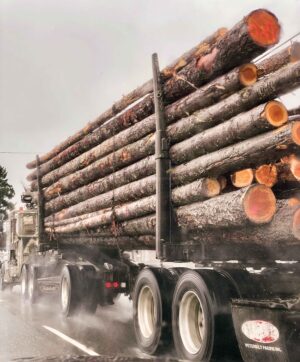 The two BC regions that include resource-reliant communities like Smithers, Vanderhoof and Terrace stand to lose the most from tariffs, according to new research from the Institute for Research on Public Policy. …While BC stands to be the least affected province, tariffs are likely to cause the greatest disruptions in regions of Bulkley-Nechako and the Kitimat-Stikine. The first region depends heavily on forestry, while the second includes Rio Tinto’s aluminum smelter in Terrace. Counting existing countervailing duties, BC forest products could face tariffs exceeding 50 per cent, if not higher. …Almost three-in-10 workers in Bulkley-Nechako hold jobs in export-oriented industries with about 5.6% of the total work exposed to US tariffs. …Rounding out of the Top 5 are the Peace River and Cariboo (both 5.5%) and Kootenay-Boundary (5.4%). Regions potentially least affected by the tariffs include the Capital Region (1.5%), Squamish-Lillooet (1.4%) and the Central Coast (1.2%). Greater Vancouver’s exposure is 2.8% and the fast-growing Fraser Valley is 4%.
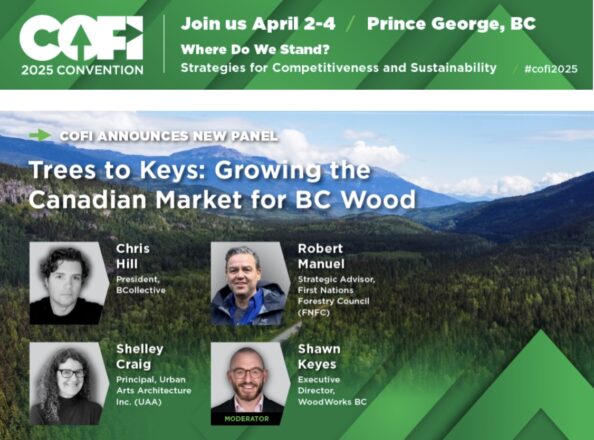 As Canada faces an urgent need for housing, BC’s forest sector has a critical role in meeting this demand with sustainable, high-quality wood products. Developing new strategies for how we generate and move wood fibre across the supply chain in partnership with First Nations, utilize the right wood in the right buildings, and deploy innovative pre-fab and off-site construction methods will be essential to increasing the domestic use of wood. Don’t miss this conversation on how we can help address Canada’s housing needs while driving economic growth and supporting sustainable forestry. Panelists:
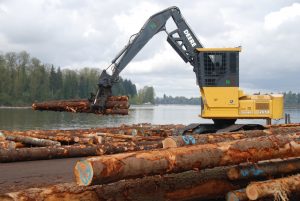 The federal government is providing about $20 million in funding to support BC’s forestry sector. Energy Minister Jonathan Wilkinson says it’s more important than ever to support the sector, which is subject to American duties on softwood lumber and now faces the additional threat of steep tariffs. NRCan says the funding will support 67 projects. …About $11.3 million will flow through the Investments in Forest Industry Transformation program for six projects that are adopting new technologies. More than $7 million will go through the Indigenous Forestry Initiative to 50 projects advancing economic development opportunities. Another $1.6 million will go to nine projects promoting the commercialization of wood-based products in the construction sector, while $600,000 will go to projects aimed at strengthening international partnerships and decreasing market barriers. …Ottawa has also announced $5 million in funding for four projects in B.C. and one in Yukon aimed at helping laid-off workers from the forestry and mining sectors.
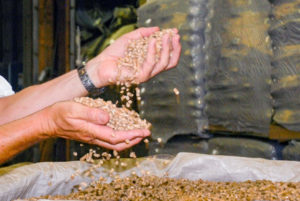 The federal government is providing funding to support BC’s forestry sector. …In what could mark a turning point for the Fort Nelson economy, a long-awaited pellet mill project is poised for significant progress with a $250,000 funding injection. The Fort Nelson First Nation is set to receive the funding, which will bolster its partnership with Peak Renewables. Together, they aim to convert an idle former Canfor sawmill into a large-scale wood pellet plant. …The region, historically reliant on its resource sector, has faced a number of challenges in bringing the project to fruition. In November 2020, the Fort Nelson First Nation extended a $1 million interest-free loan to Peak Renewables to advance the project. Originally, the pellet mill was slated to begin operations in early 2022. Since then, no new timeline has been provided as to when the mill may become operational.
  Several Cariboo businesses are receiving money from the BC Government to aid in some of their major projects. …$422,000 will be given to Tsi Del Del Development Corporation, 94 Mile House, to purchase equipment for the creation of a sort yard for biomass that aims to centralize the processing of waste wood … in order to manufacture higher value products. This project will create up to 16 jobs. …OT Timber Frames in 150 Mile House $235,000 to expand their production facility and two CNC machines to scale-up the production of prefabricated homes, including a new product offering, and year-round employment for staff, creating 5 jobs and protecting 20. …And $10,000 to Massive Canada Building Systems in Williams Lake to establish a new 91,000 square foot mass timber modular home manufacturing facility that will prefabricate laneway homes, apartment units, townhouses and commercial projects using mass-timber building products. This project will create 71 jobs. Funds provided through the Manufacturing Jobs Funds.
 Ravi Parmar, Minister of Forests, celebrated the official opening of Canoe Forest Products’ new kiln. The new kiln was made possible with funding from the Province’s BC Manufacturing Jobs Fund (BCMJF). …Canoe received more than $2.2 million in November 2023 to commission a new kiln, boosting both production and sustainability at its operation in Salmon Arm and help protect 200 jobs. …Parmar accompanied Canoe employees, community guests, and Nick Arkle, CEO of the Gorman Group, at an opening ribbon-cutting ceremony. …Parmar is also visited Tolko Industries who received $8 million to help expand Tolko’s Heffley Creek operation. Family-run Gilbert Smith Forest Products in Barriere received $1.1 million to support facility modernization and new equipment. AcuTruss Industries in Vernon received $100,000 to support the purchase and commissioning of equipment to manufacture precision cut I-joists through automation.
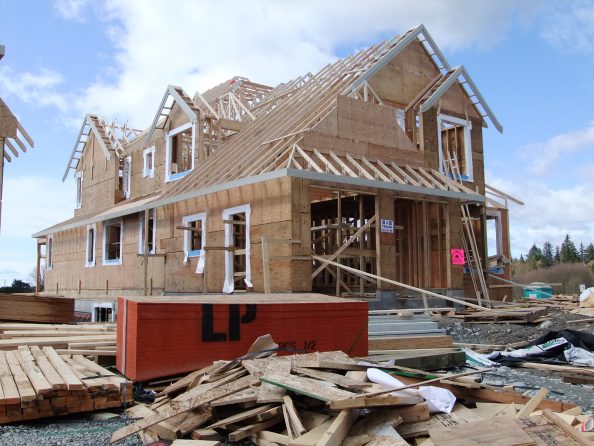 Lumber and other costs could soar … but that’s not even the biggest problem. First, Canada was hit with tariffs. Then it wasn’t. Then came March 4, a.k.a. Tariff Tuesday. Then the U.S. stock markets tanked and big American industries — including the auto sector — ramped up their tariff objections. Then we had Oops Never Mind About Those Tariffs For Now Thursday. …As it stands, Canada has a second tariff reprieve on goods covered under the Canada-U.S.-Mexico Free Trade Agreement. Until April 2. So this trade war is far from over. Whether directly or due to instability, it affects every aspect of our economy — and that includes housing. …While builders can use Canadian lumber, of course, other materials and products are traditionally imported largely from the U.S. These include appliances, glass windows and doors, ceramic tiles, hardware components such as fasteners, and machinery and tools.
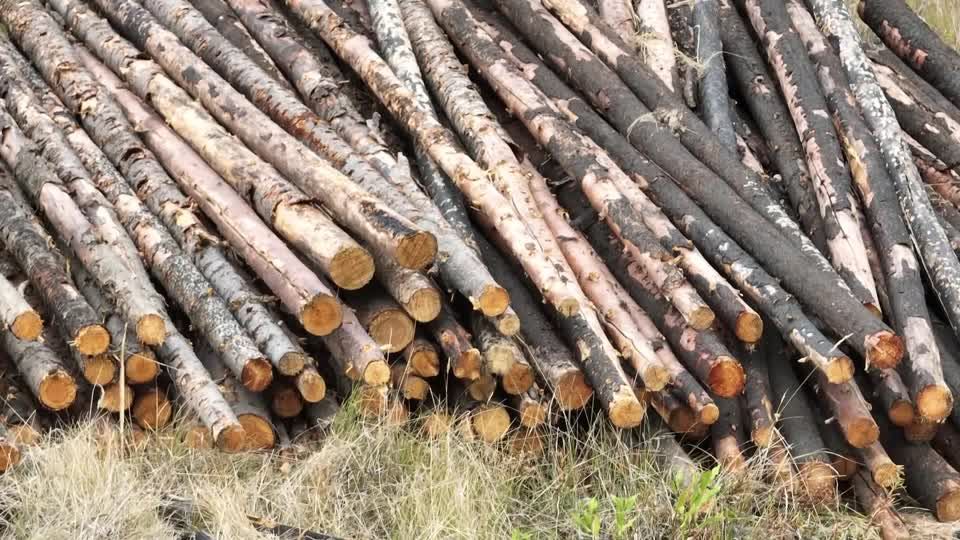
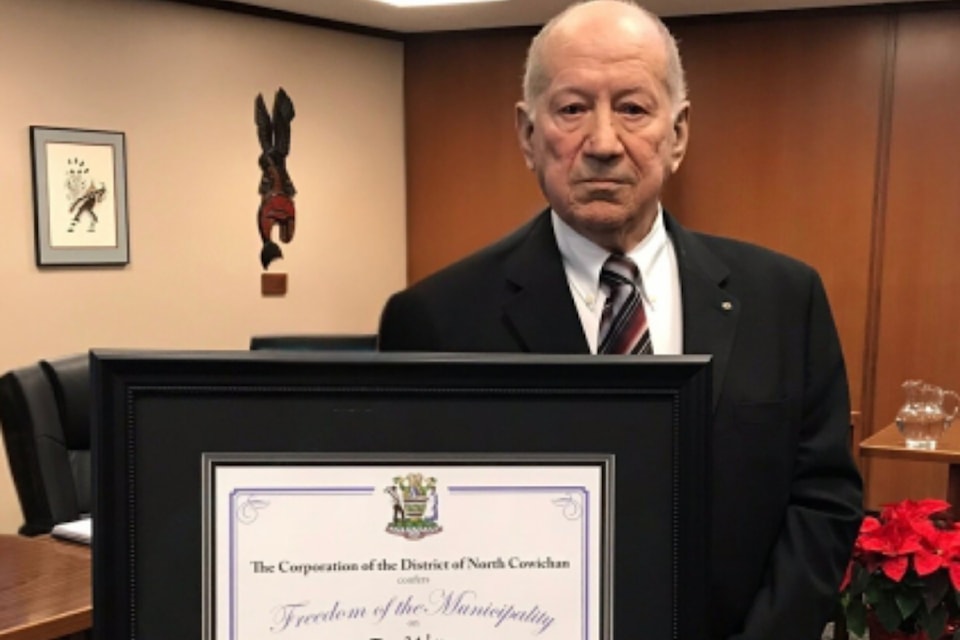

 A Vernon internet personality known for her funny online responses has shifted to creating political content with an upcoming federal election and ongoing trade war with the United States. Vernonite Elle James, known online as Shameless Elle, has been creating content for years, primarily making humorous reaction videos. Things started to shift for James during the most recent U.S presidential election.
  VANCOUVER — Conifex Timber reported results for the fourth quarter and year ended December 31, 2024. EBITDA from continuing operations was negative $2.1 million for the quarter and negative $13.6 million for the year, compared to EBITDA of negative $3.5 million in the fourth quarter of 2023 and negative $25.8 million for the year. Net loss was $29.8 million for the quarter while it was $11.8 million for the full year. …While there are signs that the macro-environment for the lumber industry is starting to improve, Conifex continues to review its options to improve liquidity. …Since January 6, 2025, we have been operating our sawmill complex on a two-shift basis and capturing the dual benefits of higher shipments and lower unit costs that a two-shift operation provides over a single-shift configuration.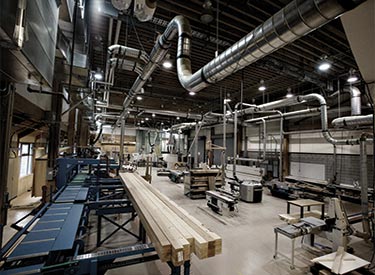

 VANCOUVER, BC — T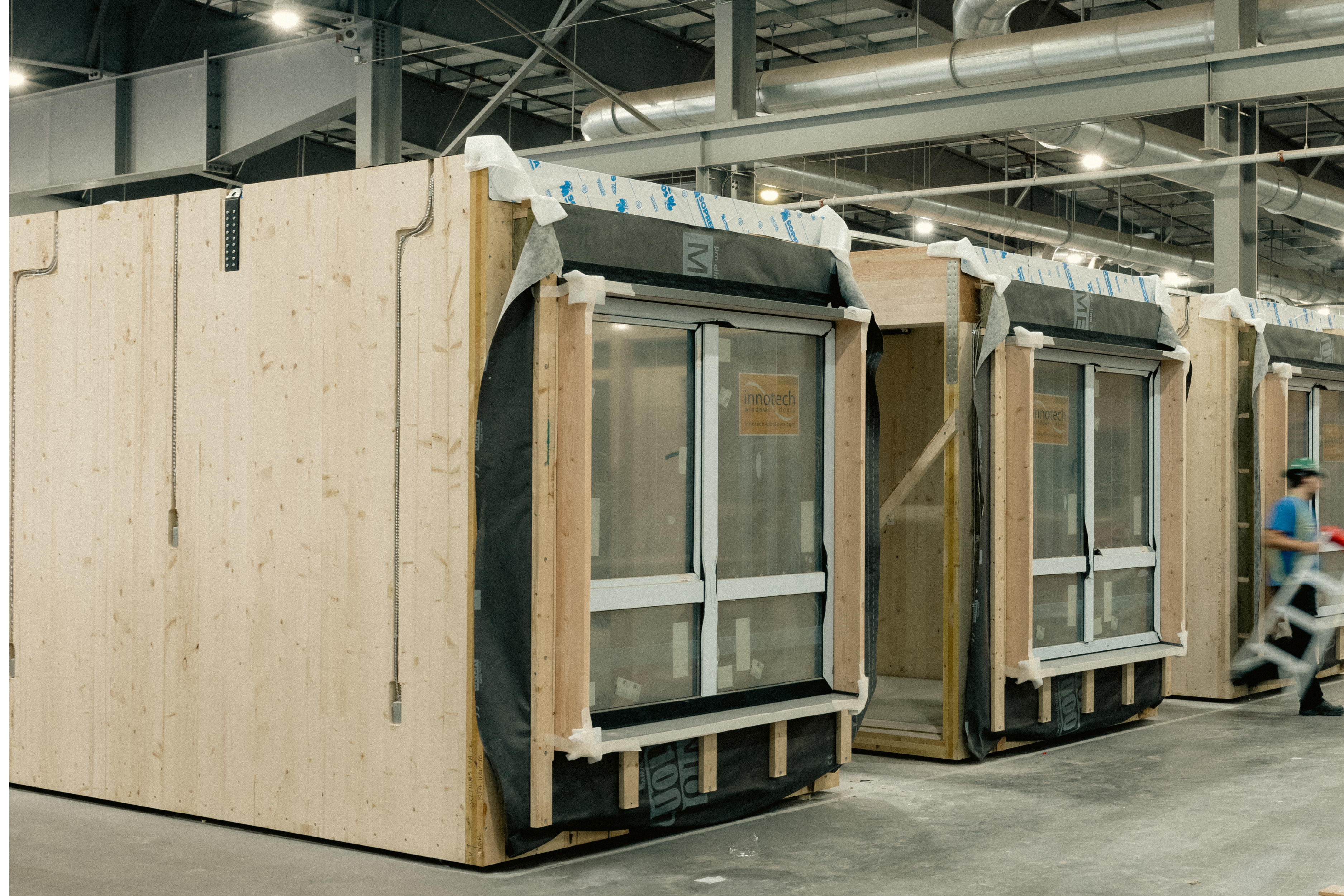

 A Canfor operation in Prince George and three area First Nations have received federal funding to boost innovation in forestry. The $293,500 in local funding is part of more than $20 million the Canadian government is investing in 67 projects province-wide. The funds are part of a broader effort to enhance the competitiveness and resiliency of Canada’s forest industry, which has faced increasing trade barriers, particularly from the US. Among the recipients is Canadian Forest Products, or Canfor, which will receive up to $121,500 for a project aimed at producing innovative, formaldehyde-free and isocyanate-free wood adhesives. The company will explore extracting kraft lignin from black liquor at its Northwood mill in Prince George, converting it into a new, sustainable bioproduct. The project aims to determine the commercial viability of this process, which could open up new revenue streams and reduce reliance on harmful chemicals.
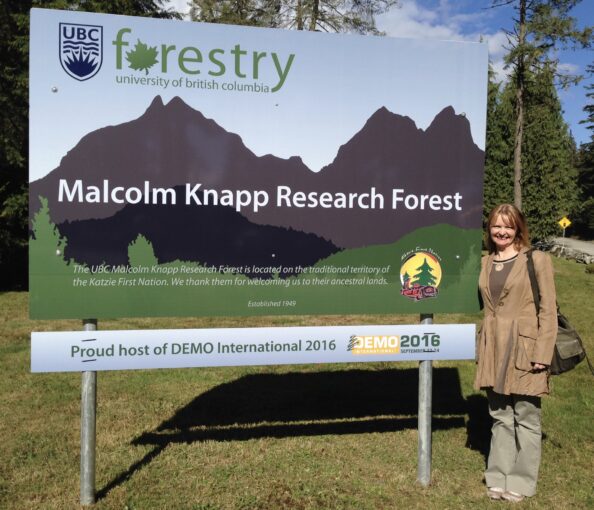 At UBC’s Faculty of Forestry, we are shaping a sustainable, biodiverse, and inclusive future by advancing the stewardship of forests and the environment. The Faculty is Canada’s largest forestry school, welcoming over 1,600 students annually. Our innovative research, hands-on education, and community engagement are addressing some of the most pressing global challenges. This Giving Day, we’re proud to feature the
  More than $2.3 million in funding is coming to Vancouver Island to help First Nations and forestry businesses. Federal natural resources Minister Jonathan Wilkinson announced the funding this week, saying it shows a commitment to defending and strengthening BC’s forestry sector. In total the federal government is funding 67 projects with $20 million across BC.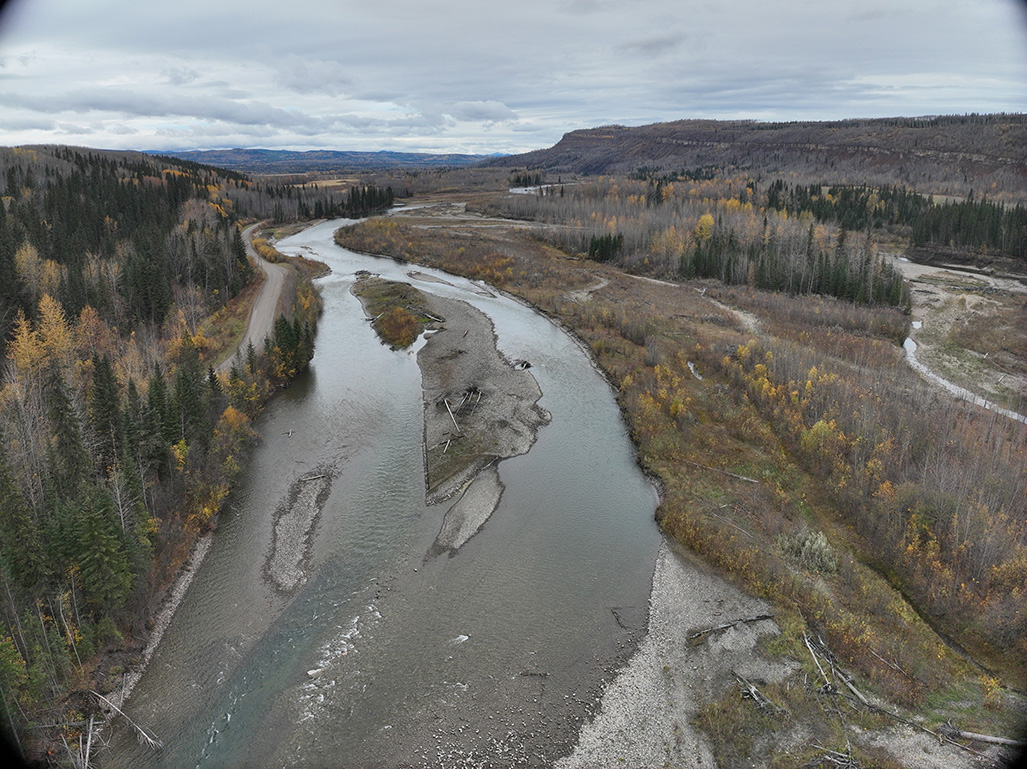


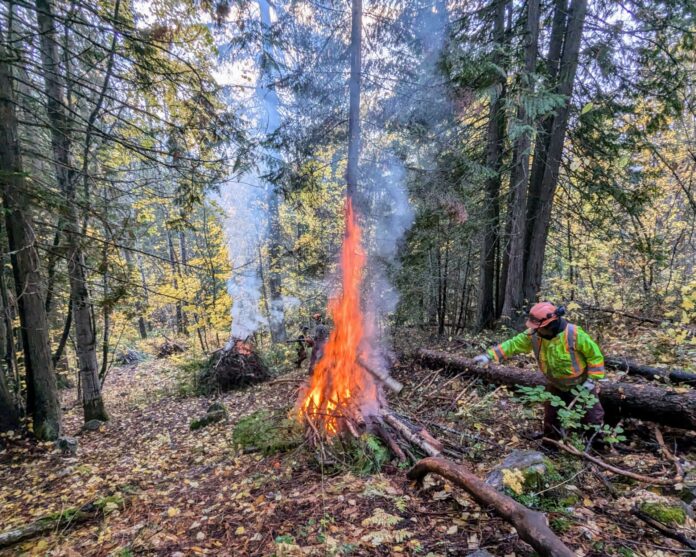
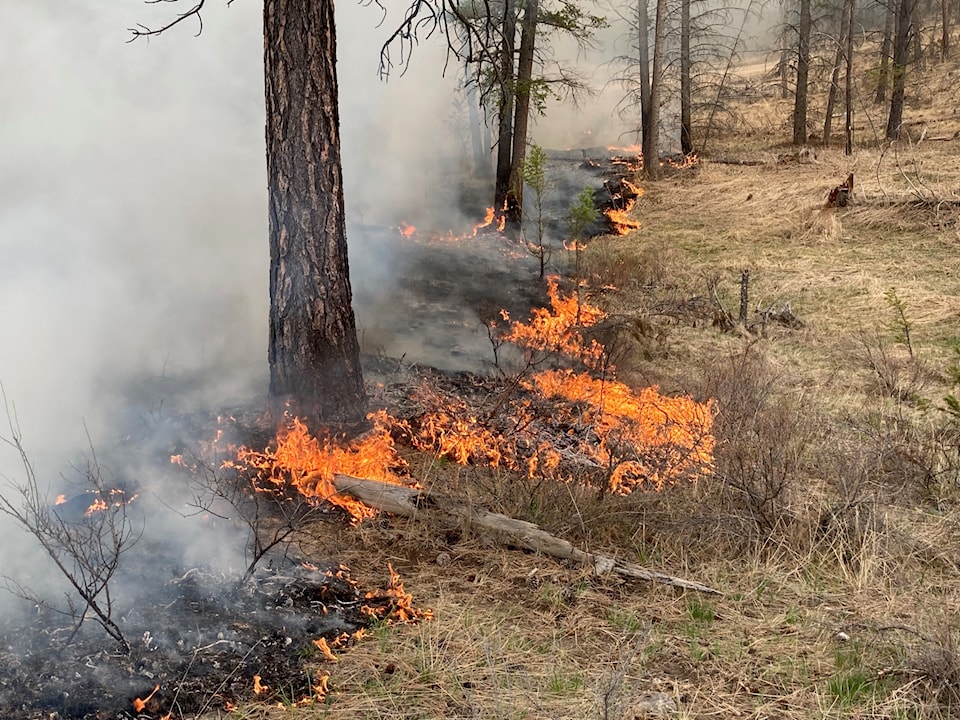
 West Kelowna, B.C. – …Ntityix Resources LP (Ntityix), owned by Westbank First Nation (WFN) has undertaken extensive wildfire risk reduction work . They have achieved significant milestones in their ongoing efforts with support from the Ministry of Forests and the Forest Enhancement Society of BC (FESBC). …“Our government has all hands on deck to protect people, communities and forests, but we cannot do it alone. That’s why the work done by organizations like Ntityix is critical, especially in the Thompson Okanagan region where the wildfire risk is high. I thank them for doing their part in the fight against climate change and wildfires,” said Ravi Parmar, Minister of Forests. …Ntityix has been at the forefront of wildfire risk reduction initiatives in the Thompson Okanagan region, leveraging cultural practices and traditional knowledge to enhance fuel modification zones and significantly contribute to long-term wildfire mitigation strategies.


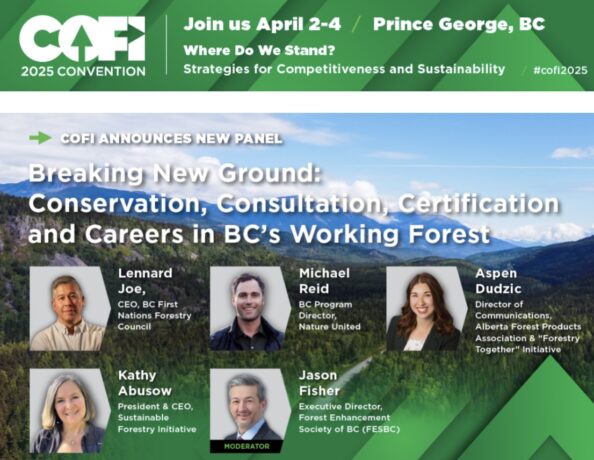 As forestry practices evolve, the intersection of conservation, Indigenous consultation, third-party certification, and workforce development is central to the future of the industry. The “Breaking New Ground” panel at the 2025 COFI Convention will explore how innovative partnerships and collaborative approaches can balance ecological stewardship with economic opportunity. Panelists will share insights on advancing reconciliation through meaningful consultation, supporting the next generation of forestry professionals, and ensuring sustainable practices through conservation financing and certification. Panelists: Lennard Joe, CEO, BC First Nations Forestry Council; Michael Reid, BC Program Director, Nature United; Kathy Abusow, President & CEO, Sustainable Forestry Initiative; and Aspen Dudzic, Director of Communications, Alberta Forest Products Association & “Forestry Together” Initiative. Moderator: Jason Fisher, Executive Director, Forest Enhancement Society of BC (FESBC). Join us for a forward-looking discussion that brings together diverse perspectives on how BC’s working forests can thrive while meeting environmental and social responsibilities.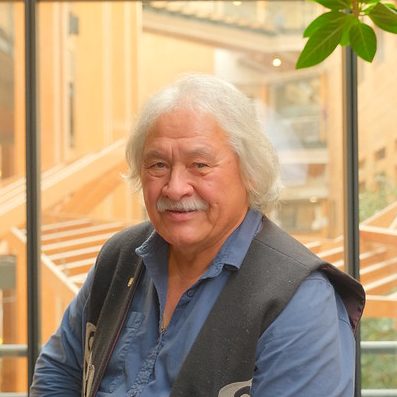

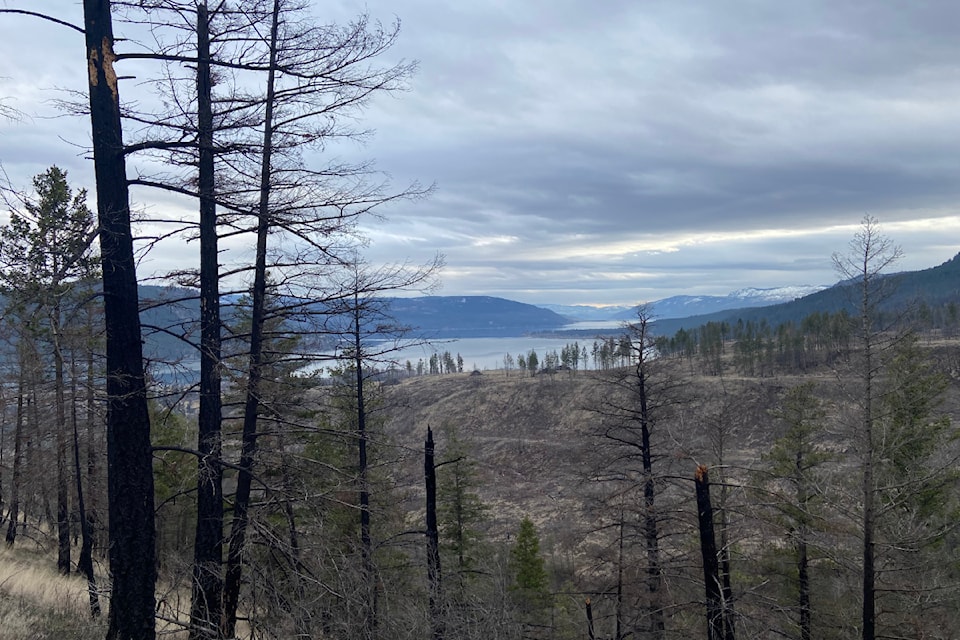


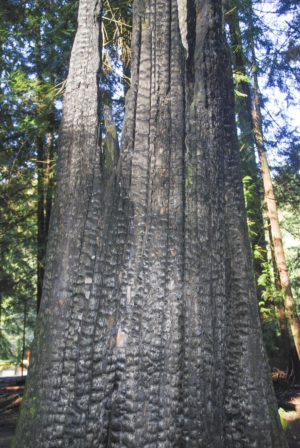 If forest fires burn organic matter, and biochar is created by burning of organic matter shouldn’t forest soils be full of biochar? Not exactly. There is a difference between the burnt product of wildfire and biochar. Forest fires do produce charcoal, but while both charcoal and biochar are types of pyrogenic carbon, they’re not quite the same thing… Forests in Alberta have been affected by the mountain pine beetle, leaving behind dead trees that act as easy fuel for fires. These dead, dry trees are extremely flammable. The Canadian government has looked into using these dead trees as biofuels and some companies do use them to create biochar. Another source of organic matter for biochar is the material removed from forests as part of fuel management… Both of these methods help manage wildfire and could potentially increase the carbon sequestration of forests if the resulting biochar was added back into the forest’s soil.
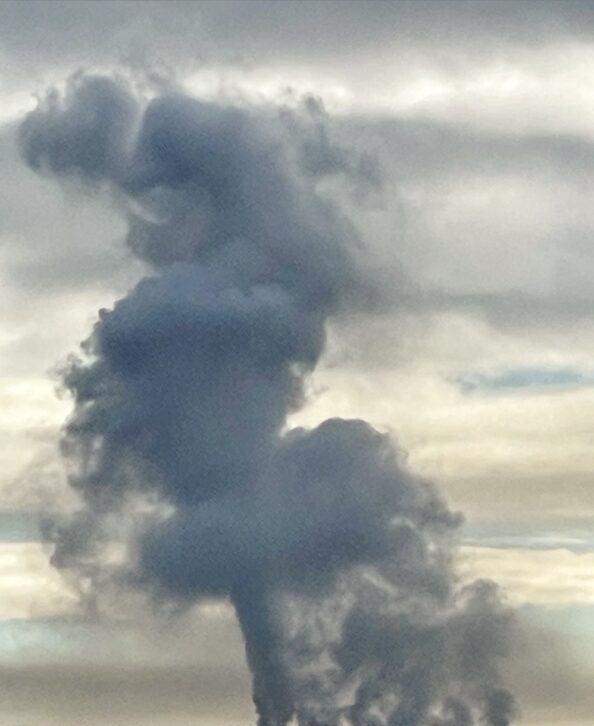 Apologies are in order if anyone blamed it on the dog. The Kruger pulp mill on Mission Flats Road says it is responsible for what some might have noticed was a stronger than usual odour in the air in Kamloops late Friday afternoon. According to Kruger spokesperson Paule Veilleux-Turcotte, the smell was the result of a failure in the mill’s odour control equipment. “The plant halted its operations to repair the equipment, but, despite shutting down, some residual levels of the gases would still have been noticeable within the community,” Veilleux-Turcotte said in an email to Castanet Kamloops. “Despite the equipment issues, operations remained in compliance with the site permit for the duration of the event.” Veilleux-Turcotte said the issue was fixed by about 10 p.m. on Friday night, and, upon confirmation of the repairs, the mill resumed operations. [END]
 Headlines in this month’s news include: