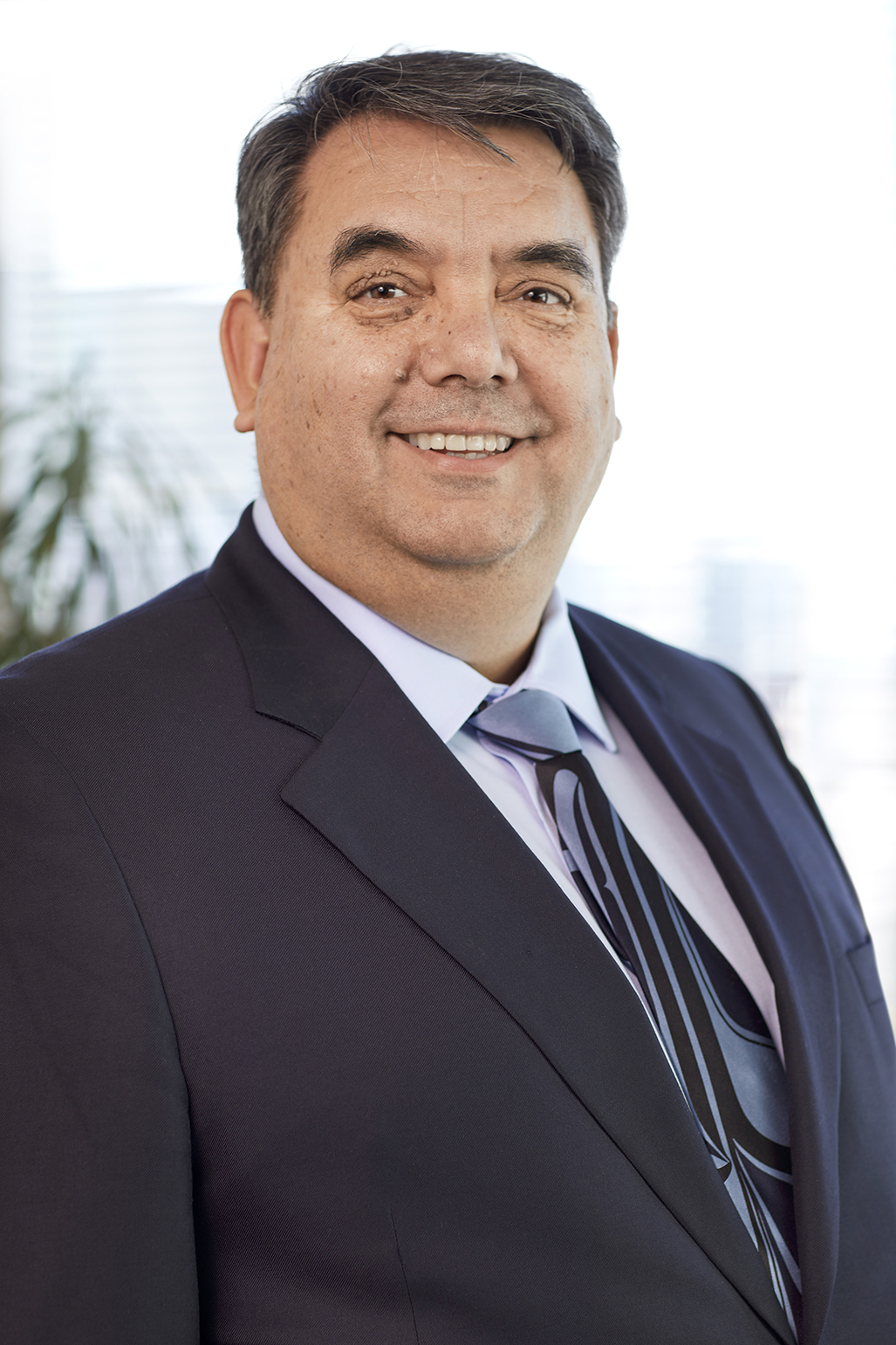
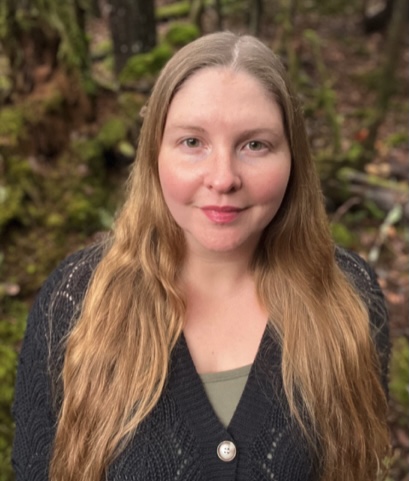
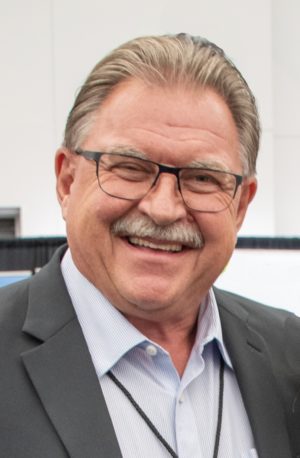
 Vancouver —Forest Professionals British Columbia (FPBC) honoured 11 individuals as part of its recognition program in Victoria on February 6. FPBC recognized four Distinguished Forest Professionals, one Forest Professional of the Year, one volunteer of the year, and five authors for best magazine article at the 77th FPBC forestry conference recognition banquet. Mark Hay, RPF, of Vernon, Steve Kozuki, RPF(Ret), of Williams Lake, Randy Waterous, RFT, of Grand Forks, and the late Cindy Stern, RPF, of Parksville, were honoured as Distinguished Forest Professionals. This category recognizes significant accomplishments over a career, for providing outstanding service to the profession of forestry and for furthering the principles of FPBC. It is the profession’s highest honour for a registrant. Colin Mahony, PhD, RPF, of Victoria, is the Forest Professional of the Year, recognizing a Registered Professional Forester (RPF), Registered Forest Technologist (RFT), or Affiliated Forest Professional (AFP) for recent, outstanding service to the profession of forestry and furthering the principles of FPBC.
Related coverage in:
- The Vernon Morning Star: Mark Hay recognized as Distinguished Forest Professional
- My Grand Forks Now: Randy Waterous, Grand Forks local honoured as distinguished forest professional


 British Columbia’s lumber industry is facing uncertainty, as looming tariffs threaten the sector. “We don’t know what’s going to happen, businesses don’t like that because you can’t make investment plans,” said Nick Arkle, CEO of Gorman Bros. Lumber. …“About 60 per cent of our lumber in B.C. for the last couple of years has been going to the U.S., which in a way is funny because we have the president saying ‘We don’t need their trees.’ Well, that’s false,” BC Forest Minister, Ravi Parmar said. Gorman Bros. Lumber in West Kelowna sends about 50 per cent per cent of its product to the States, while about 30 per cent stays in Canada. “The U.S is a strong market, you never want to walk away from a market, where first of all you have loyal friends, partners, and customers, people we’ve sold to for 30 to 40 years in some cases,” Arkle said.
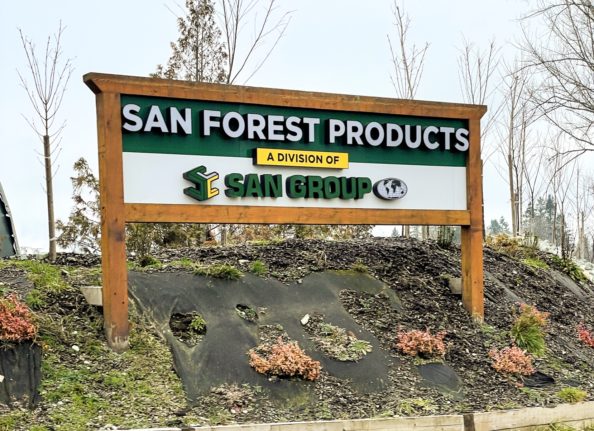 The largest creditor of the San Group wants to take control of some other Vancouver Island businesses connected to the former sawmill company. Kingsley Group operates in Coombs, and court documents show that it has some close ties to the San Group. The Royal Bank of Canada, which is owed $6.7 million from the Kingsley Group, wants to recall its loan and secure the company’s assets. The bank is owed more than $107 million from the San Group. It comes as the San Group’s Alberni Valley mills remain for sale as a court-appointed-monitor tries to drum up interest. …Kamal Sanghara and Sukhjit Sangara are directors with a 32.5 per cent stake each in Kingsley Group, and both are former owners of the group. …CHEK News spoke with Sukhijit Sanghera, a former owner of San Group at Kingsley, and asked if the San Group moved money to Kingsley Trucking and other places to hide assets or prop up Kingsley’s business.
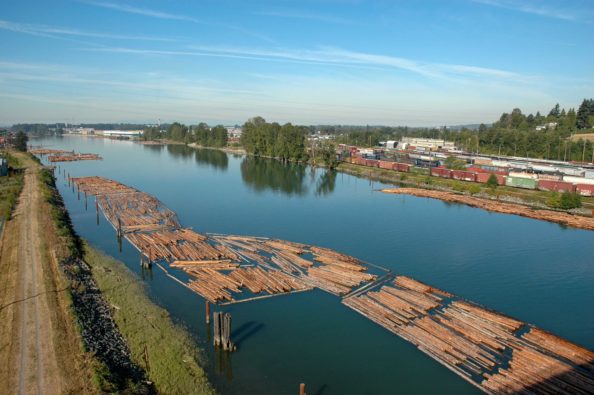 The minister responsible for forestry and local MLA Ravi Parmar said a new council on softwood lumber will bring industry expertise together to help navigate the economic concerns with U.S. duties, and any potential tariffs that could be coming Canada’s way. While many people across the country have let out a sigh of relief about the pause on U.S. tariffs, Parmar said those in the forestry industry are still feeling the economic threat loom. “We’re already dealing with duties to the tune of 14.4 per cent. With tariffs on top of that—we could be dealing with 50 to 55 per cent duties and tariffs on our softwood lumber going into the United States,” he said, adding how that scenario would be devastating. …However, Parmar acknowledged the softwood lumber dispute with the U.S. has been a long-time problem, adding that his task of getting the industry back on its feet is made difficult by the duties.

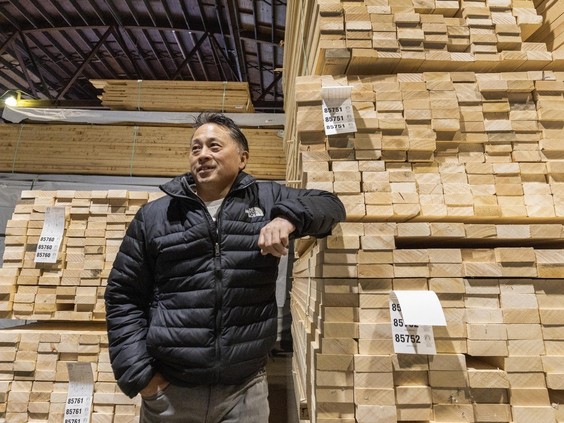
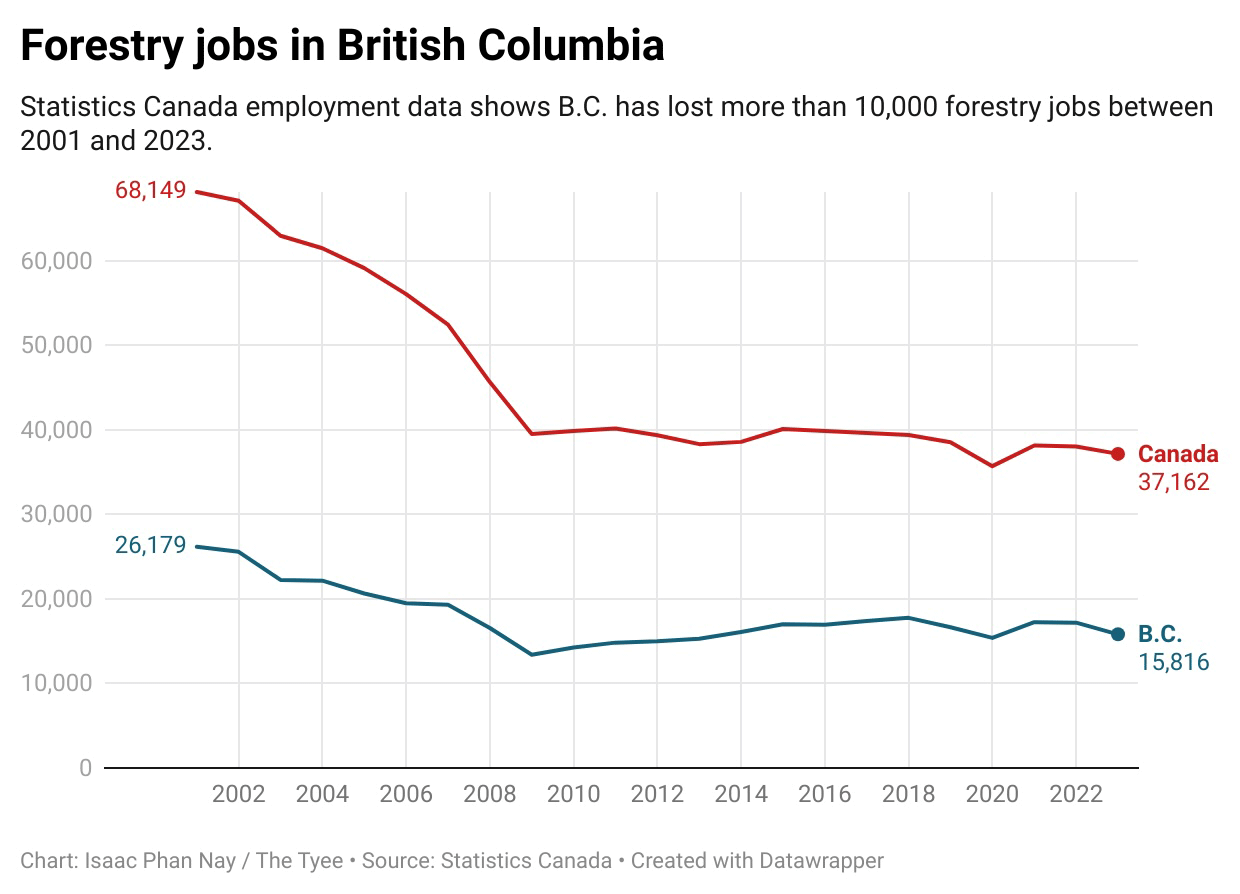

 BURNABY, BC — The United Steelworkers union welcomes Premier David Eby and the Government of BC’s decision to expedite major projects, representing an investment of approximately $20 billion, and for establishing a council to advocate for forest workers in the face of existing and pending duties and tariffs. The strategic move to advance critical mineral and energy products not only boosts the province’s economic resilience, but also ensures job security for USW members. …By accelerating these projects, the province is taking proactive steps to mitigate external economic pressures and reinforce that B.C. is a key leader in the sector. The advisory council to deal with potential impacts of increased duties and possible additive tariffs on lumber exports to the U.S. is equally important. The USW is pleased to be included in the council, which is working to get rid of the softwood duties.

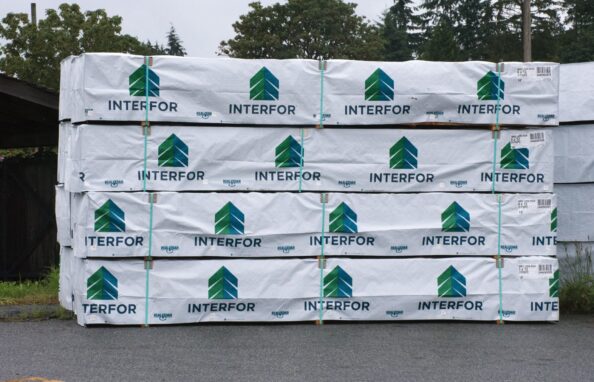 [Companies] in B.C. and across Canada, were given a last-minute, one-month reprieve Monday afternoon after Prime Minister Justin Trudeau spoke with U.S. President Donald Trump… The wood products sector sends $5.7 billion of products to the U.S., and another $962 million in pulp-and-paper products. On Monday, Interfor said it has been closely monitoring the U.S. tariff issue for some time, and as a diversified North American producer, comes into this new environment in as good a position as anyone in the industry. “Our leadership team has been hard at work identifying ways to insulate our company from tariff exposure where possible and put us in the best position to continue to thrive,” said Svetlana Kayumova, Interfor’s vice-president of corporate communications and government relations. “We know there is a housing shortage across North America, and the lumber products we produce are a vital part of the solution.” Interfor has mills on both sides of the border.
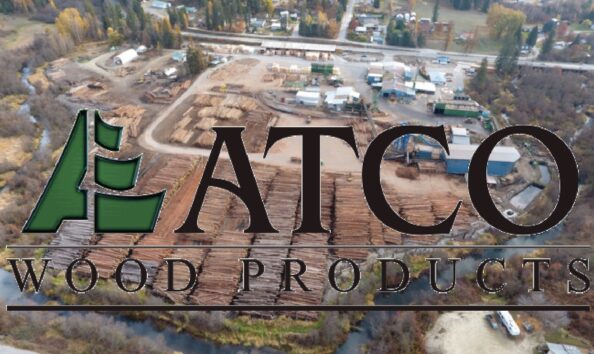 A local forest-sector manufacturer is receiving a boost from the province to help grow its product line. Atco Wood Products — located in Fruitvale, 67 kilometres southwest of Nelson — is considered one of the top producers of softwood veneers and related by-products in the region. Through the B.C. Manufacturing Jobs Fund (BCMJF), the Government of B.C. will hand Atco $50,000 to complete planning for a new veneer-production facility, and purchase and commission new equipment to improve fibre utilization and optimize production. The company — which also manufactures veneer, ties, posts, wood chips, mulch and biomass — has evolved from its sawmilling roots, into a cutting-edge manufacturer of specialized softwood veneer and other wood products. As part of new support for forest-sector manufacturers throughout the province will help create jobs and boost local economies while diversifying the range of fibre sources used to manufacture high-value, made-in-B.C. forest products.
 Premier David Eby is tasking a new cabinet committee with co-ordinating the whole-of-government approach to protect B.C.’s workers, businesses and economy against ongoing tariff threats from the United States. Ravi Kahlon, Minister of Housing and Municipal Affairs, will chair the committee, which will act as a day-to-day war room, co-ordinating actions across government to fight back on behalf of British Columbians and grow the province’s economy. “The proposed U.S. tariffs are a direct attack on B.C.’s families,” Premier Eby said. “This threat isn’t going away anytime soon – not while this president is in power. …Minister Kahlon brings deep experience in government to the table and is uniquely positioned to co-ordinate this work across government ministries.” The B.C. government has stepped up with a three-point strategy to fight back and protect British Columbians …The new committee will ensure that B.C.’s response is fast, tough and fully focused on protecting British Columbians.
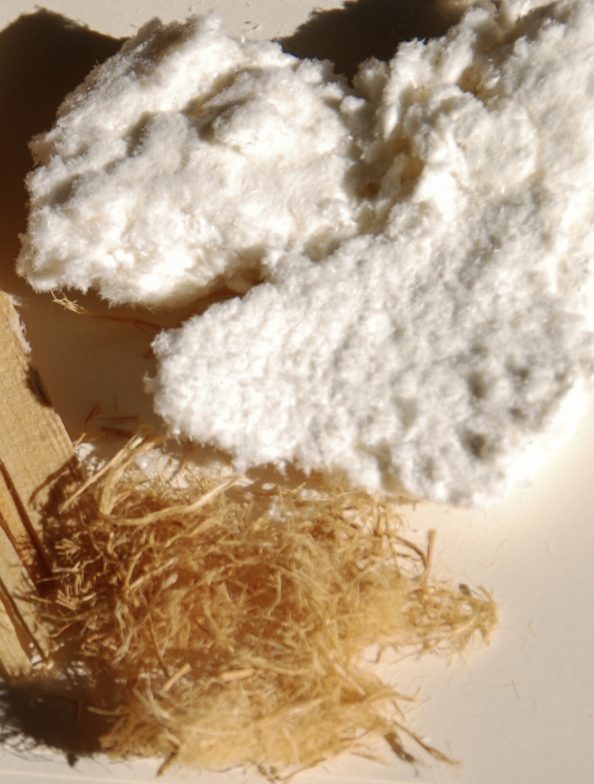 The B.C. government has turned down a petition to investigate Canada’s largest forestry company at a time when a federal probe into the firm faces the prospect of total collapse. On December 2, 2024, the national Standing Committee on Natural Resources unanimously passed a motion summoning Paper Excellence owner Jackson Wijaya to testify before lawmakers—an order that was enforceable with a legal subpoena if necessary. …Charlie Angus, the NDP’s natural resources critic and member of Parliament for Timmins–James Bay, said Wijaya’s expanded ownership over APP represents a break down in government oversight. …the probe came to a grinding halt when Prime Minister Justin Trudeau … prorogued Parliament. That act wiped out the work of all parliamentary committees, including the motion to summon Wijaya….When asked if B.C.’s Ministry of Forests would heed calls to launch its own investigation into Paper Excellence, a spokesperson deferred to the federal government.
  The Western Retail Lumber Association used its trade show, taking place now in Edmonton, as the platform for announcing a major rebranding initiative. After in-depth consultation with its members and board, partners, and key stakeholders, the WRLA has been renamed as Supply-Build Canada. The change is effective today. “As the association expands its advocacy efforts and external partnerships, the ‘Western Retail Lumber Association’ name became a misnomer,” says association president Liz Kovach. “The building supply industry encompasses building materials beyond lumber, and the association represents manufacturers, distributors, wholesalers, and other categories not represented by just retail.” Because many of the association’s members, especially on the supplier side, have offices and production outside of the West, the new name intends to capture that, “making a wholesale change of name both necessary and timely,” Kovach adds.
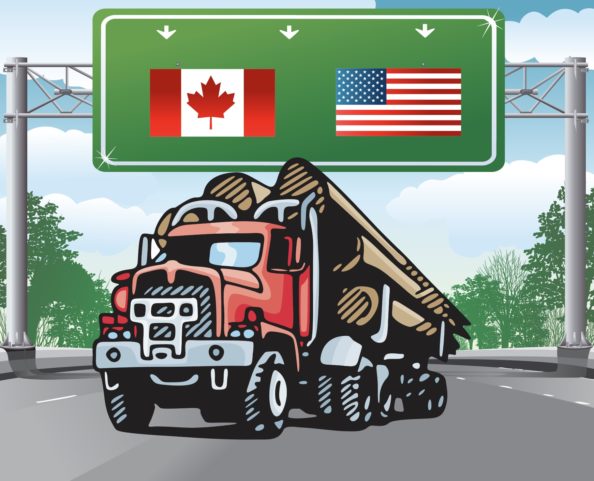 Stocks in B.C.’s three major publicly traded forestry companies were predictably down this morning (February 3), when stock markets opened after this weekend’s declaration of a trade war between the U.S., Canada and Mexico. U.S. stock markets were jolted, too, Monday morning, as was the S&P TSX composite Index. The Canadian dollar fell to $0.68 to the American dollar following Saturday’s confirmation that Trump will hit Canadian imports with 25 per cent tariffs, and 10 per cent tariffs on Canadian energy imports, beginning Tuesday. North American stocks fell sharply in early morning trading before recovering somewhat. Canadian companies that are highly exposed to the U.S. were jolted, with companies like West Fraser Timber, Canfor Corp and Interfor Corp. experiencing early morning drops of four, five and six per cent respectively, before correcting somewhat later in the morning.
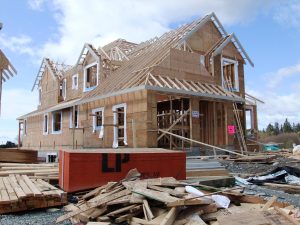 Calgary’s construction industry is hoping the threat of American tariffs doesn’t slow its momentum in 2025. …Bill Black, the head of the Calgary Construction Association, says when it comes to certain building materials, the tariffs could cause unrepairable damage. “Lumber suppliers selling are obviously going to feel a really significant impact on their volume that goes into the U.S.,” Black said. “The overall viability of the lumber business is based on a blend of the two markets, and if one market becomes unfeasible because of tariffs, that then puts pressure on the operating businesses. “That could impact their ability to service the Canadian market as well.” …The city has seen consecutive years of a record number of housing starts, and those in the sector don’t want to lose vital momentum. …Alberta’s forest ministry reiterated the importance of cross-border trade Friday, saying there’s still optimism a tariff-stopping solution can be found.
 Len Apedaile, RPF, is the general manager of Tiičma Forestry, a small market logger based up in Ka:’yu:’k’t’h’/Che:k’tles7et’h’ First Nations (KCFN) territory on Vancouver Island’s north coast. He thinks, if anything, the American tariffs scenario of 25% on all Canadian imports will give businesses the opportunity to re-evaluate how they fundamentally do things. …“This doesn’t happen overnight, but I think that you’ll see that this will spur on those efforts over time,” said Apedaile. …“We really don’t understand where these tariffs are coming from because they just don’t make sense for the Americans or us. …Tiičma Forestry operates in a high-cost area of Vancouver Island. The relatively new First Nations forestry company sells west coast old and second growth logs to a Terminal Forest Products sawmill on the mainland who exports primarily to the U.S.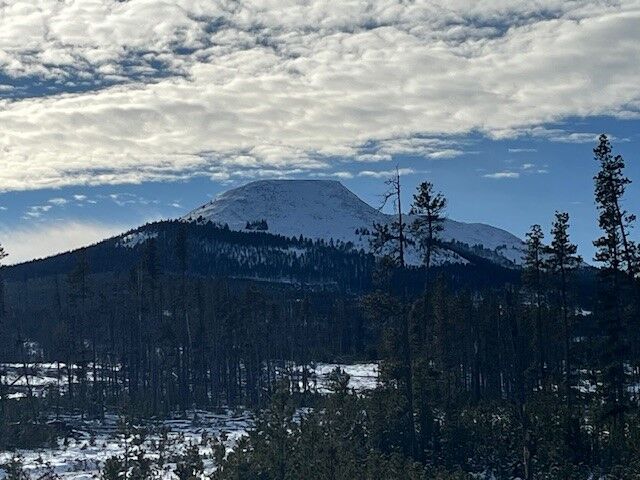

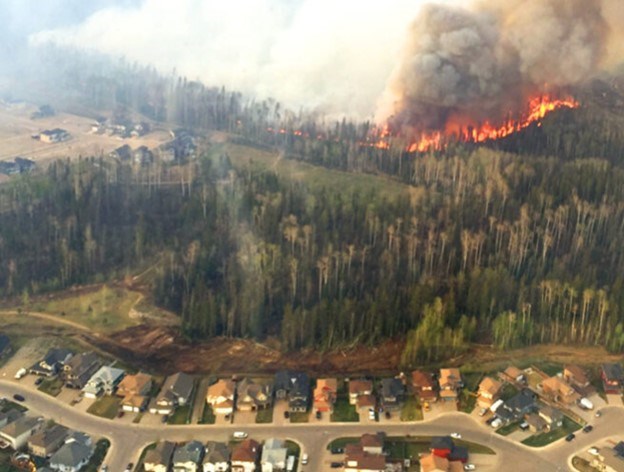
 Dear Minister Ravi Parmar: I am writing to you in reference to your recent Minister’s Statement regarding photos of tree spiking claimed to be of Fairy Creek, submitted to you anonymously and without verification. I understand from the reporter who subsequently interviewed me that the purported sender was “Friends of Fairy Creek.” My name is Kathy Code and I am a Fairy Creek Forest Defender. …Thus, I was dismayed to read your statement. Not only are you giving public voice to unsubstantiated claims from an unknown sender, but the weight of your office gives some credence to the underlying accusations. …I ask on behalf of the citizens of BC that you withdraw your statement as a means of maintaining the dignity of your office.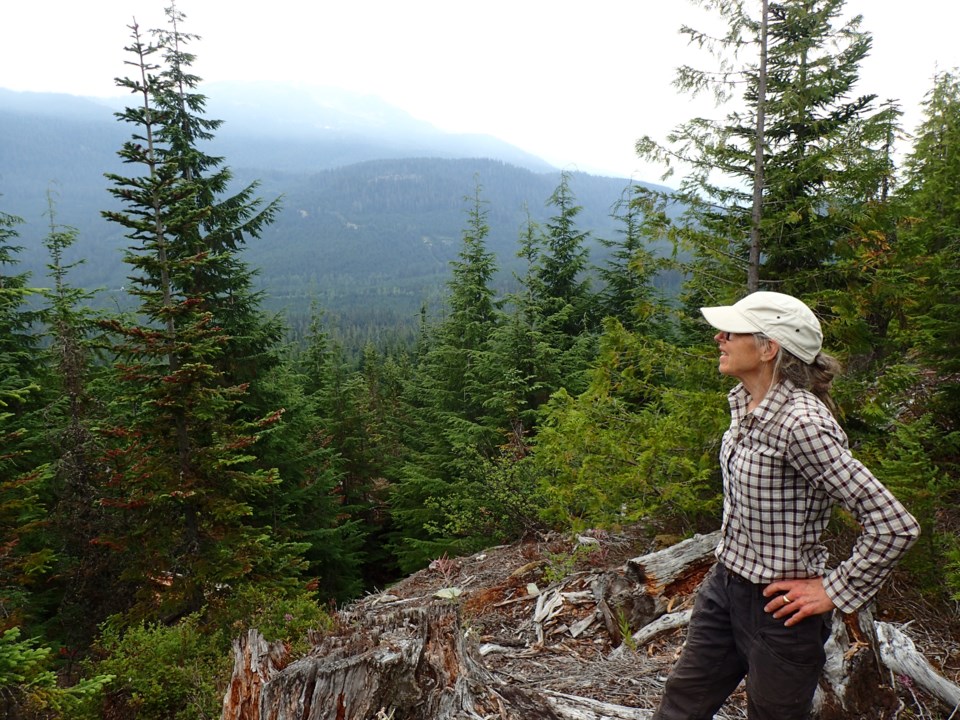
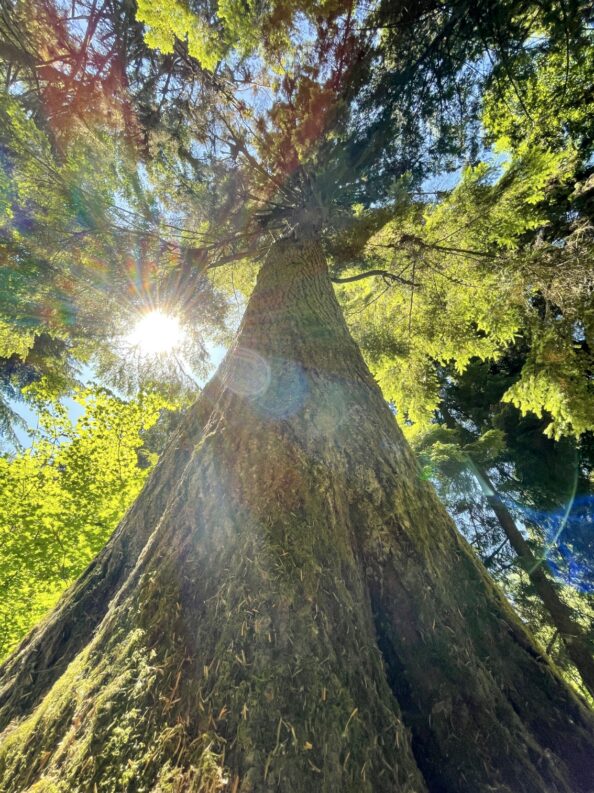 The overall goal is to have a working forest while sustaining ecological and cultural values so that future generations have access to forest areas just as diverse and healthy as those currently enjoyed. For Sunshine Coast Community Forest (SCCF) operations manager, Warren Hansen, ecosystem-based management (EBM), a tool introduced in its operations in 2021, “came from the heart” of what the community wants from SCCF. In his opening remarks at a Jan. 30 Community Advisory Panel and public information webinar, he noted that SCCF’s board and community advisory panel are committed to using EBM in stewarding its tenure by harvesting timber in a way that curbs losses of biodiversity. The overall goal is to have a working forest while sustaining ecological and cultural values so that future generations have access to forest areas just as diverse and healthy as those currently enjoyed. To do that, SCCF relies on advice from contractors including Laurie Kremsater and Anna Yuill, who presented an overview of EBM to about 35 people tuned into the webinar.



.jpg)


 One of the biggest policy changes needed in B.C. is to forestry policy. B.C. policy for the last 50 years has resulted in a rapid clear-cutting of a large part of our forests even as all the research indicates that: Within a 60-80 year time span, only 20-30 per cent of forests can be cut in any one area without harming the hydrological cycle. On this basis, most BC commercial forests have been severely over-cut making a mockery of the Annual Allowable Cut. …Clear-cutting results in increased risk of forest fires up to 30 years when replanted. …Re-planting is a form of green-washing giving companies cover for the forest damage they do. …Due to the increase in forest fires partially due to logging, BC forests have [become a] carbon source. …The Power of Forests: Protecting Communities and Nature with a New Forest Act effort was launched by the
 This is the beginning of convention season and that means many opportunities to learn, connect, and hear from government officials, project partners, and community organizations about problems, policies, and possibilities for the sector. The mood, thus far, is introspective, with reviews planned for BC Timber Sales and the forest sector in general. …At FESBC, we are reviewing applications for funding over the next two years. Demand for funding currently far exceeds supply. In this newsletter: A safety tip from the BC Forest Safety Council; Faces of Forestry features Erin McLeod; Information on FESBC’s 2025-27 second round of funding; Impact and benefits of the Pressy Lake Pilot Project; Nakusp & Area Community Forest’s wildfire risk reduction projects; and a podcast feature from the University of Northern British Columbia Forestry Club.
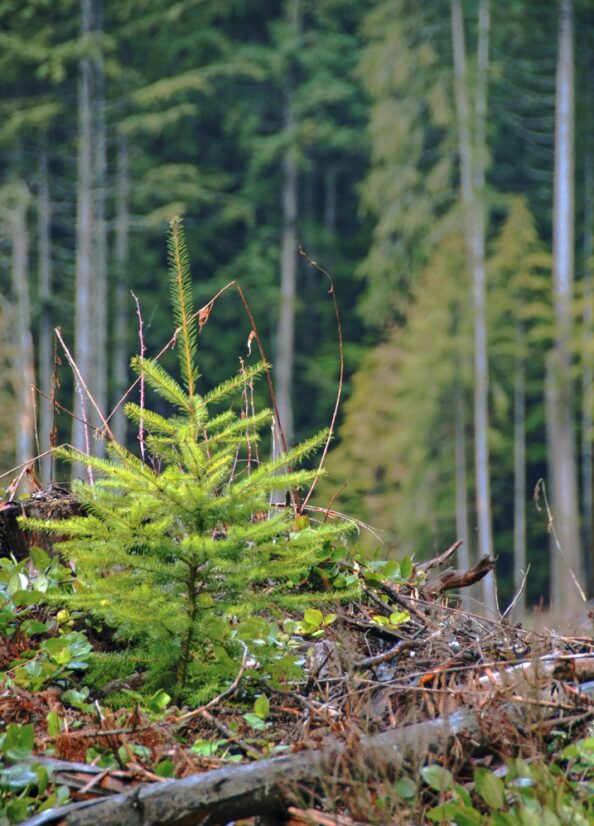 …changes in climate are expected to drive wildlife seeking refuge up mountains and further north. But for trees… the changes in climate are often coming too fast to get out of the way, especially when combined with pressures from logging, said Suzanne Simard, a professor in the University of British Columbia’s Faculty of Forestry. …In a new study published in Global Change Biology, Simard and her UBC colleagues took three-year-old interior Douglas fir seedlings from locations in southern B.C. and planted them as far north as Fort St. James, the northern limit of the species’ range … to find out how the trees would handle the human-assisted migration, and if they would do better in a colder climate. …As early as 2006, University of Alberta researcher Andreas Hamann published a study that concluded climate change could push the range of B.C.’s tree species north at a rate of 100 kilometres per decade.
  VICTORIA – The Forest Practices Board has completed its audit of BC Timber Sales (BCTS) and Timber Sale Licence (TSL) holders in the Haida Gwaii Natural Resource District. A compliance audit examined all forestry planning and activities carried out in the area between May 1, 2022, and May 31, 2024. The parties complied with most legislative requirements with two exceptions. Auditors found BCTS was not diligent in inspecting approximately 90 kilometres of its roads and structures in its Sewell Inlet operating area. …Following the audit, BCTS inspected these roads … and has committed to working with the Ministry of Forests and the Haida Nation to develop road deactivation plans as needed. …Auditors found all three TSL holders audited had abated fire hazards within the required period. However, two TSL holders did not complete the required number of fire-hazard assessments and did not conduct fuel-hazard assessments on time. This is considered an area requiring improvement…