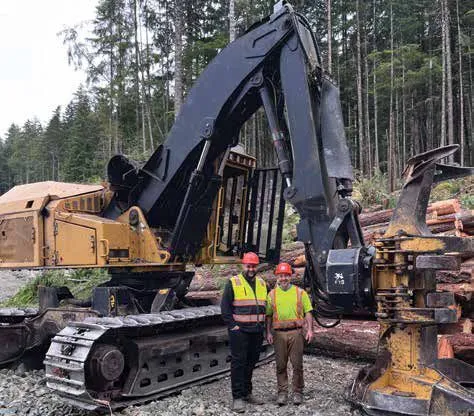
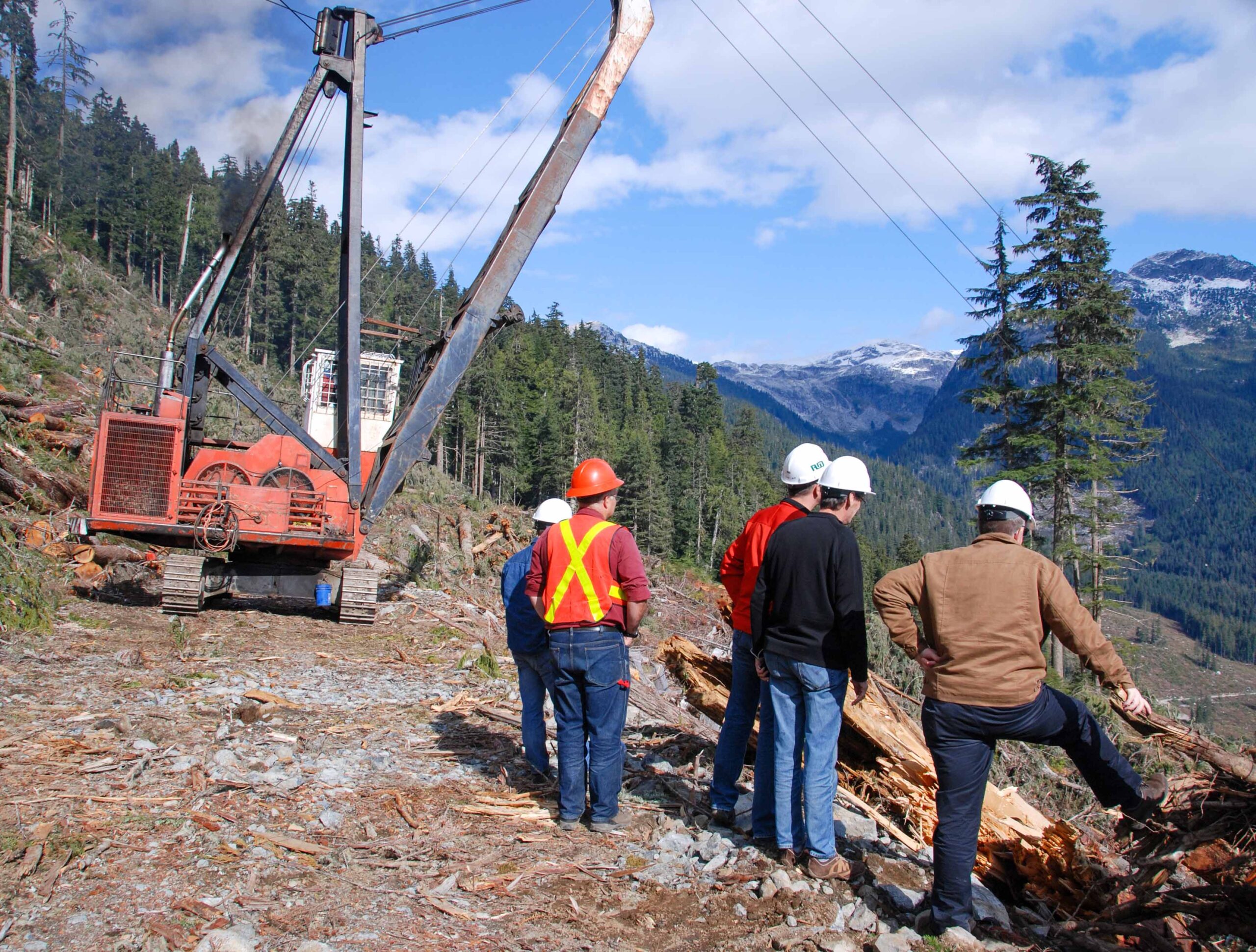
 In May, I had the honour of being invited By Dorian Uzzell to the Wahkash Contracting harvesting operation. From the first few moments in the air heading to East Thurlow Island… it was obvious how this area of the province could sustain both our economy and the abundant and beautiful nature we all cherish. Back on the ground, I met with the dry land sort and shop crews and the float camp staff who all make the operation possible. …I also had the opportunity to get an upclose look at the stewardship going into Tree Farm License (TFL) 47 in Hemming Bay, held by Mosaic Forest Management. This area is part of the Great Bear Rainforest where ecosystem-based management guides forest stewardship. The scale of work, the attention to detail, the sheer effort and the work going into the management of the full scope of values, including streams, cultural and biodiversity values is outstanding in this TFL.
Related News by Dorian Uzzell, TLA President: My boots-on-the-ground tour with Forest Minister Ravi Parmar
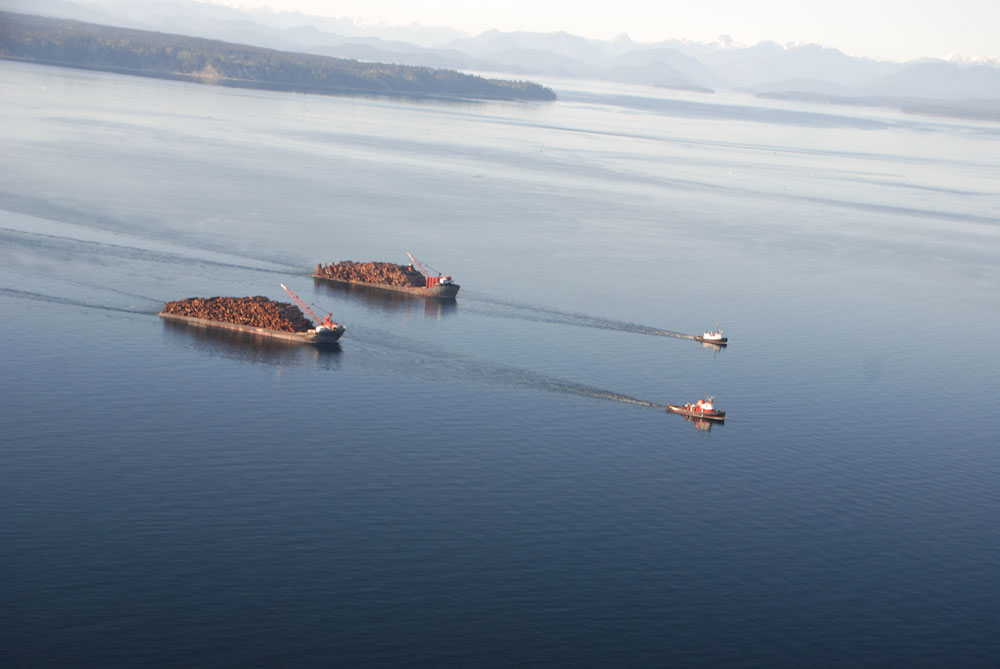
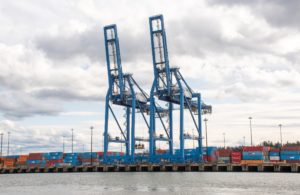 The Vancouver Fraser Port Authority is now searching for a construction company to plan and build the Roberts Bank Terminal 2 container port project wharf and landside facilities. The port said the state-of-the-art marine container terminal will unlock over $100 billion in new trade capacity and contributing $3 billion in GDP annually. …Construction is planned to begin in 2028, and the terminal is expected to be in operation by the mid-2030s. …The port authority has signed mutual benefits agreements with 27 First Nations. …Following the federal and provincial governments’ 2023 approval of the project, the port authority submitted a Species at Risk Act-compliant Fisheries Act authorization application in 2024. A decision on that, the final major permit, is expected no later than October 2026, the port authority said. …Pang said the terminal will be a catalyst for economic transformation nationally. He said it aims to support Prairie grain exports and BC’s forestry sector.

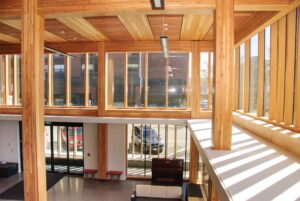 Although mass timber is widely praised for speedy, low-carbon construction, not everyone has boarded that train yet. Many people in construction still believe the risks of using mass timber outweigh the benefits. To shed some light on the subject, Urbanarium and the UBC School of Architecture and Landscape Architecture recently sponsored a debate in Vancouver on the proposition: “Mass timber is not worth the risk(s).” On the pro side (not worth the risk) were Adam Rysanek, an associate professor at SALA, and Graham Brewster, the senior director of development at Wesgroup Properties. On the con side were Shawn Keyes, the executive director of WoodWorks BC, and now VP strategic growth and development at Intelligent City, and Jana Foit, a principal and higher education practice lead in the Vancouver studio of Perkins&Will. …“Everybody came in wanting mass timber to work. What they heard were practical arguments that showed that it’s not that easy.”



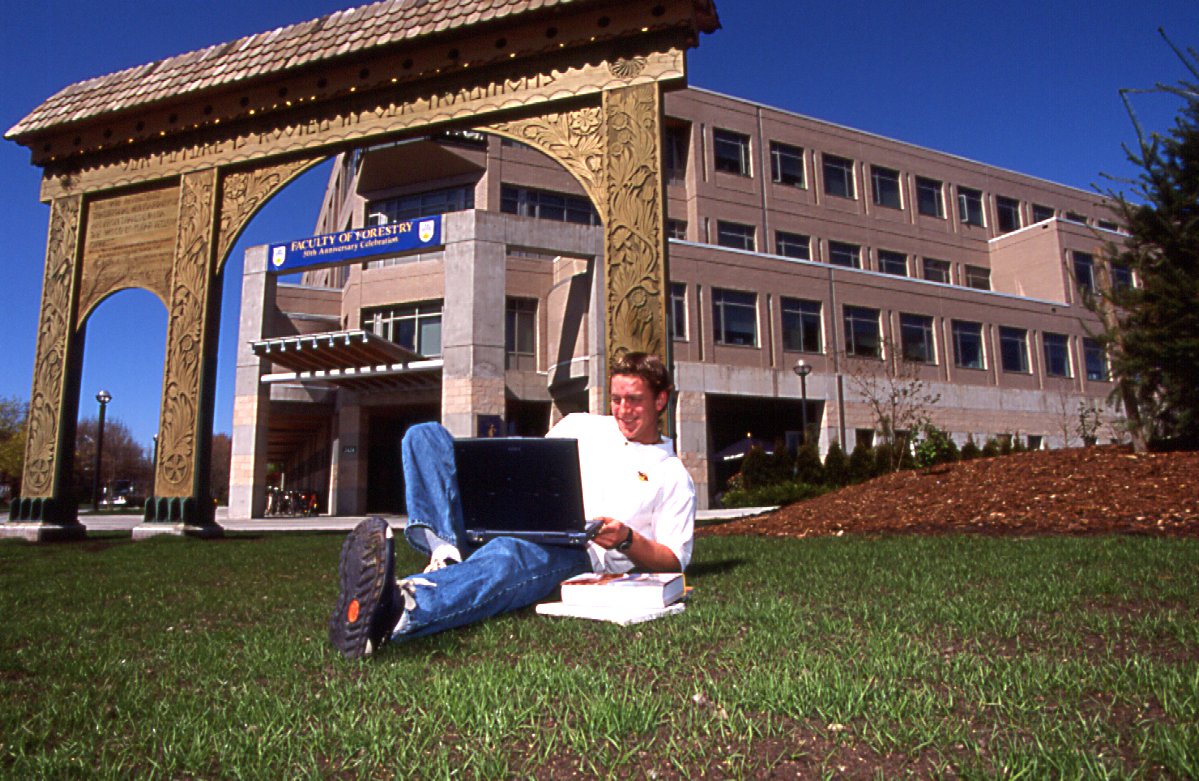 The Department of Forest Resources Management, Faculty of Forestry, at the University of British Columbia (UBC) Vancouver campus is recruiting an outstanding researcher in Natural Resources Governance. The successful candidate is expected to be eligible for a full-time appointment at UBC at the rank of Professor, or the rank of Associate Professor… The successful appointee will be nominated for a Canada Excellence Research Chair (CERC). …The appointment presents a unique opportunity for leading research focused on developing, implementing, and maintaining a research program in natural resources governance capable of advancing multiple sustainable development priorities. …As a faculty member and CERC holder, the successful candidate will be expected to lead a strong, externally–funded research program, supervise postdoctoral fellows and graduate students, teach undergraduate and graduate courses, collaborate with other faculty members, and actively participate in service to the Department, University, and academic/scientific community.
 The B.C. government, Fort Nelson First Nation and the B.C. Energy Regulator (BCER) are working collaboratively to implement new protection measures to support boreal caribou recovery in northeastern B.C. “Helping caribou populations recover is a complex challenge requiring multiple approaches to stabilize and reverse the decline of herds in B.C.,” said Randene Neill, Minister of Water, Land and Resource Stewardship. “The Boreal Caribou Protection and Recovery Plan and the implementation of the new measures are crucial for caribou-recovery efforts in these four northeast ranges. The Fort Nelson First Nation community continues to be an integral partner in this important work.” …The Boreal Caribou Protection and Recovery Plan was co-developed by the B.C. government and Fort Nelson First Nation, with contributions from the Northern Rockies Regional Municipality. The plan is designed to meet federal and provincial targets for species-at-risk recovery, while supporting opportunities to strengthen the natural-resource economy in the region.
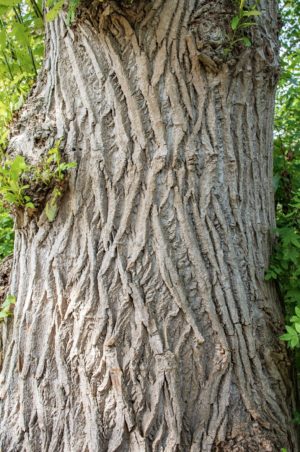 Floating fluff? Summer snow? Cotton balls? If you’ve been noticing more of that white stuff floating around the N.W.T. this summer, you’re not alone. “One thing I noticed is a buildup of that stuff in my yard,” Yellowknifer Justin Grandjambe said. “When it’s windy it kind of gathers in corners and stuff … almost looks like a little bit of snow.” Turns out, that fluff is from trees dispelling their seeds. It’s a stress response from the poplars, aspen and willows reacting to the dry conditions from the past few years, according to the N.W.T.’s department of Environment and Climate Change (ECC). Within each fluff ball is a bunch of tiny seeds. The department’s experts couldn’t say how much more “fluff” there is this year compared to other years. That’s something that might also vary depending on where in the territory you’re looking.
 Host Stephanie Massicotte speaks with an expert from the University of Saskatchewan about how long it takes forests to grow back, and whether people should step in to help. [Listen to the segment from Saskatoon Morning here]
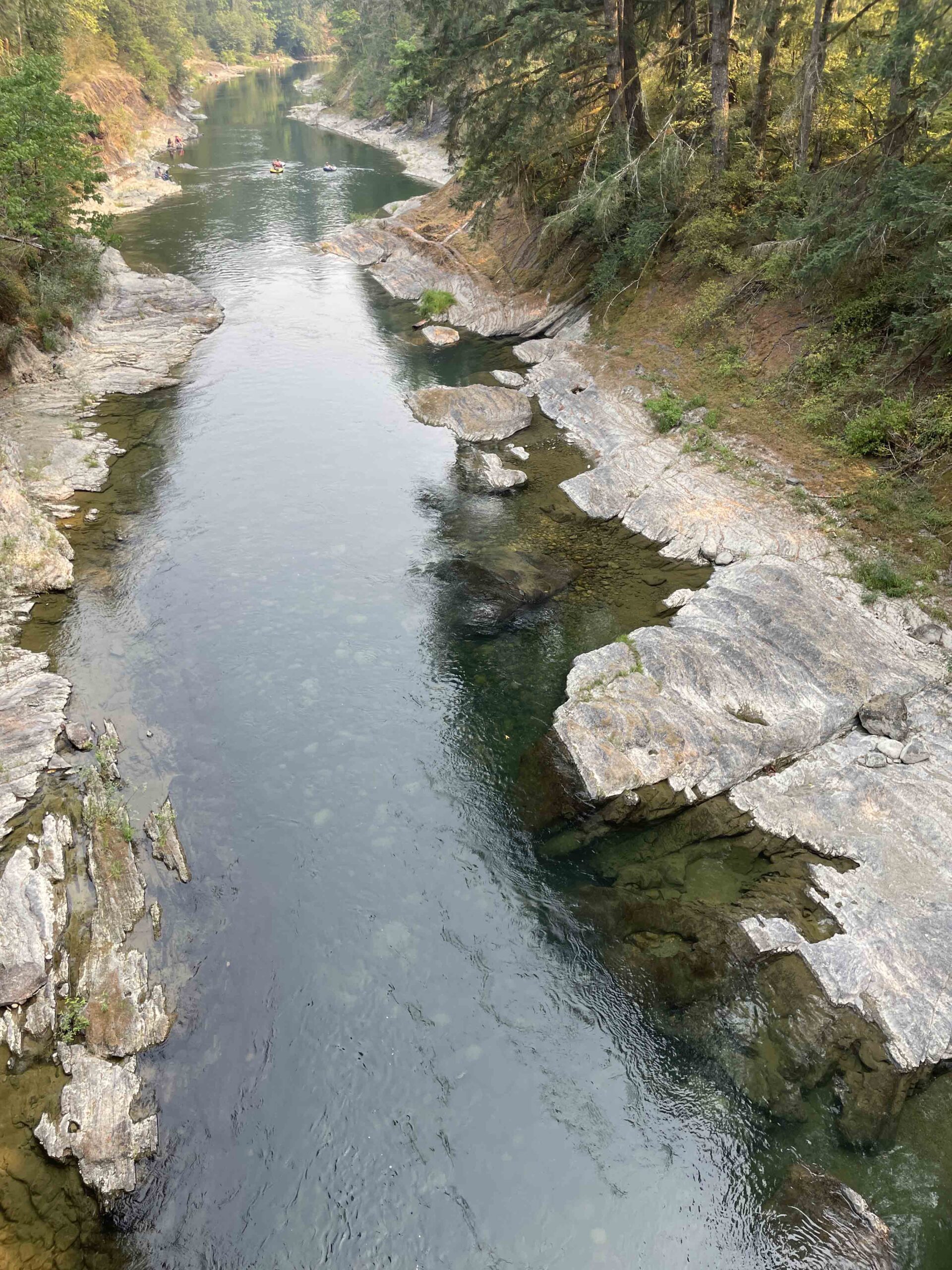 Flow at the Cowichan River will be reduced again with the lake at 48 per cent full. Brian Houle, environmental manager at Domtar’s Crofton pulp mill, says a meeting with regulators of the watershed on July 7 led to an agreement to reduce flow from seven cubic metres per second (cms) to 5.5. “Given the summer 2025 drought conditions in Cowichan Lake, careful watershed management decisions need to be made,” reads a news release from Houle. “Today’s water levels are not dissimilar to 2023, when several factors resulted in a fish kill event in the upper Cowichan River and pumping of lake to river was needed for extended period of 36 days in the fall.” In May, the flow was reduced to seven cms and Houle said the plan was to hold that rate through July and August. In 2023, the river flow was reduced to 4.5 cms in May. Houle says keeping it at seven this year was intended to reduce impacts on fish.
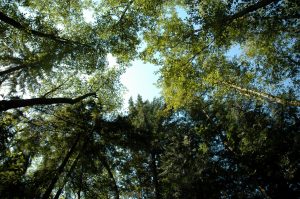 NELSON, BC — BC Timber Sales is talking to residents about logging and wildfire protection planned for the Falls Creek watershed in the Bonnington area. In a June 6 letter to residents posted on social media, Mark Tallman, planning forester for BCTS, said the agency is beginning a community watershed planning process that will include local residents. …Will BCTS have already decided which trees will be cut before the watershed plan is created? …A Ministry of Forests spokesperson said potential cut blocks have not yet been mapped. “The project is being designed to use early engagement with interested parties to help guide BCTS planning around forest harvesting, road construction, and wildfire risk reduction.” …An initial draft of the watershed forest plan is expected to be completed by “early winter 2026” and the “timing of the timber sale is anticipated to be around 2028-29 at the earliest.
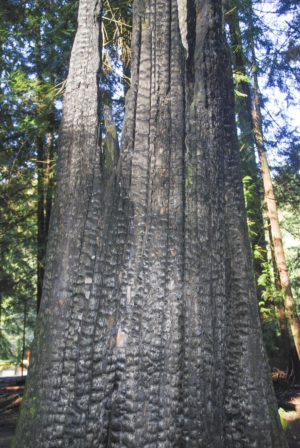 It’s a widely-accepted mystery: whether or not a tree that falls in the forest makes a sound. But what about the riddle that Jasper National Park officials were faced with last year: If hundreds of thousands of burned trees are down in high visitor use areas, who clears them away? Since the Jasper Wildfire Complex razed 33,000 ha of Jasper’s forests last July, Lethbridge’s Adam Ross and his team of arborists, foresters, danger tree specialists and wildlife tree assessors, have been cutting, pruning, clearing, mulching, sawing, chipping and generally making passable the area’s roads, right-of-ways and trails. “Bush surgeons, that’s who we are,” says Ross, who owns and operates Rossco’s Tree Service. Ross’ company has been contracted to clear all of Jasper’s campgrounds, day-use areas and roadways impacted by the fire. The enormity of the crews’ task is difficult to put into perspective, and not just because of the sheer volume of trees to be cleared.
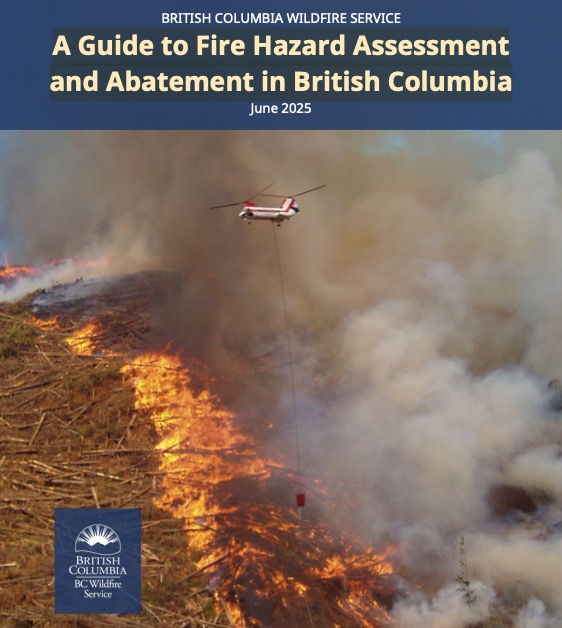 Fire hazard assessments and hazard abatement are key activities in reducing the potential threat of wildfires arising from fuels left on the land base following industrial activities. Under the Wildfire Act a person carrying out an industrial activity or prescribed activity is required to assess and abate fire hazards as necessary. The BC Wildfire Service has developed


 At
At 


 Overlapping work activities are one of forestry’s most complex safety challenges; without proper controls, phase congestion can pose serious hazards to workers. However, with proper management, forestry operations can achieve safe, efficient phase integration. “Preventing injuries and fatalities takes ongoing commitment to coordinated planning, qualified supervision, worker training, and clear communication, says Tom Pawloski, manager of prevention programs and services at WorkSafeBC. Phase congestion occurs when multiple harvesting phases overlap in the same or nearby area, often due to insufficient time or distance between phases. It often builds gradually and can go unnoticed until a serious incident occurs. …When phases aren’t properly coordinated, workers face greater risks of being struck by or caught between equipment or missing other hazards. …Safe phase integration begins before work starts. …”Phase congestion doesn’t always show up right away … staying proactive, adjusting plans as conditions change, and maintaining clear communication is essential to keeping workers safe,” Pawlowski says.

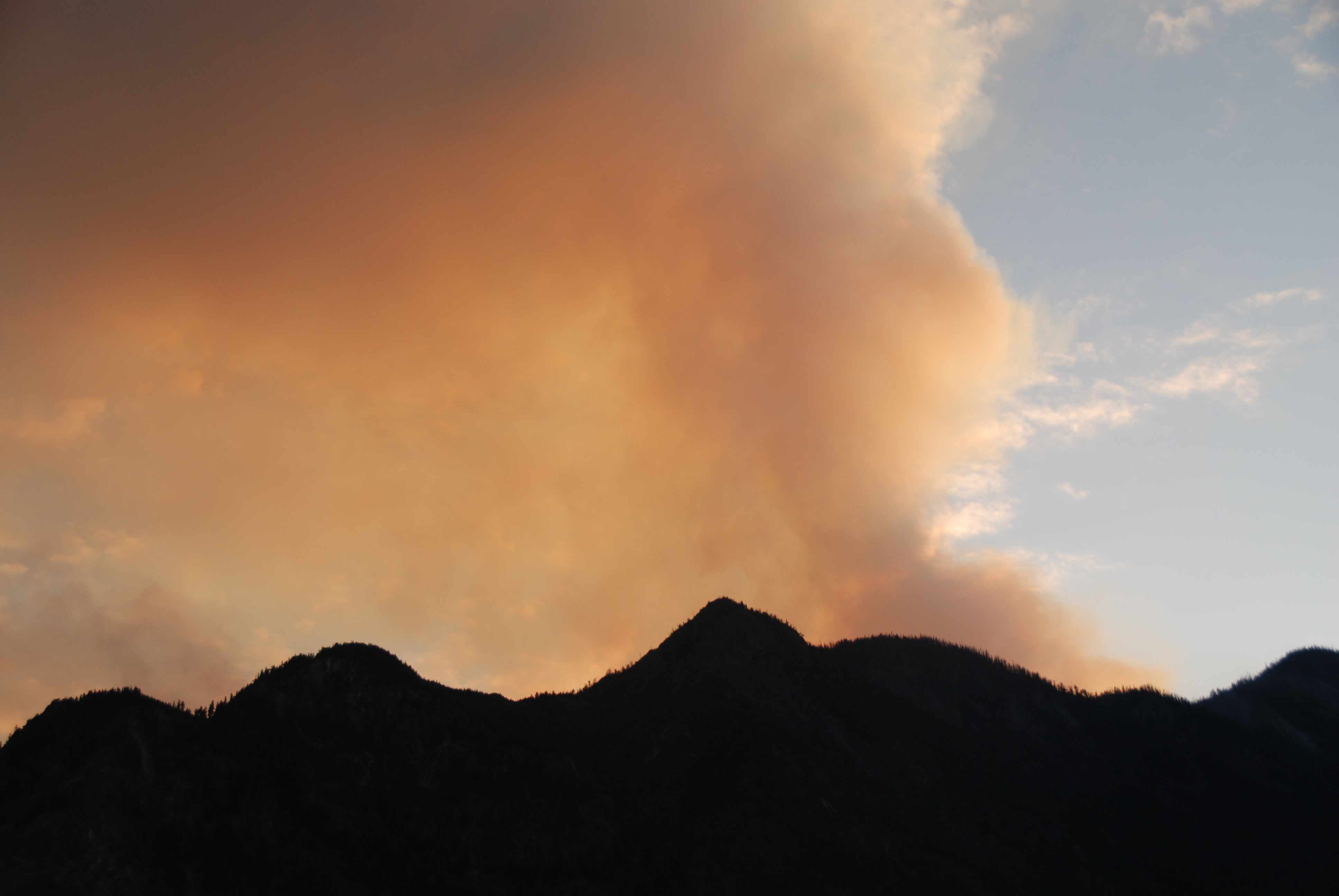 Wildfire smoke from just across the U.S. border is drifting into southern B.C., prompting a Level 1 activation of the Regional District of Kootenay Boundary’s Emergency Operations Centre (EOC). As of Wednesday night, the Hope Fire had grown to 3,500 acres with zero per cent containment, burning 11.4 miles southwest of Northport, Washington. Wednesday morning, the regional district issued an update on the Hope (USA) Fire. According to the Regional District of Kootenay Boundary (RDKB), as forecasted, favourable weather conditions last night resulted in shifting winds that blew the fire back onto itself and away from the Canada/US border. The United States has put considerable resources on the now 3,200-acre fire. For current information on the Hope Fire, residents are advised to consult U.S. agency sources, such as