 International Pulp Week kicked off today at the Pan Pacific Hotel in Vancouver, BC. This annual three-day conference organized by the Pulp and Paper Products Council brings together the world’s leading producers of market pulp, suppliers, financial analysts, logistic companies, and their customers for a first-class informational and networking opportunity. The goal of the event is to provide knowledge, data, and in-depth analysis on the latest market developments and trends in the market pulp industry worldwide as well as to serve the market pulp industry by allowing for a multitude of business meetings and networking opportunities that would otherwise require travel to several continents. Stay tuned all week for Tree Frog News coverage of the event. Here are a few of the attendees gathered at the opening reception.
 British Columbia is world renowned for its incredible wilderness landscape, mountains, rivers, lakes and forests. It’s a great place to live, work and play. Our forests are regionally diverse – from coastal and interior rainforests, dry belt pine and fir forest and higher elevation spruce and balsam, old growth and new growth – they all have one thing in common … trees!
 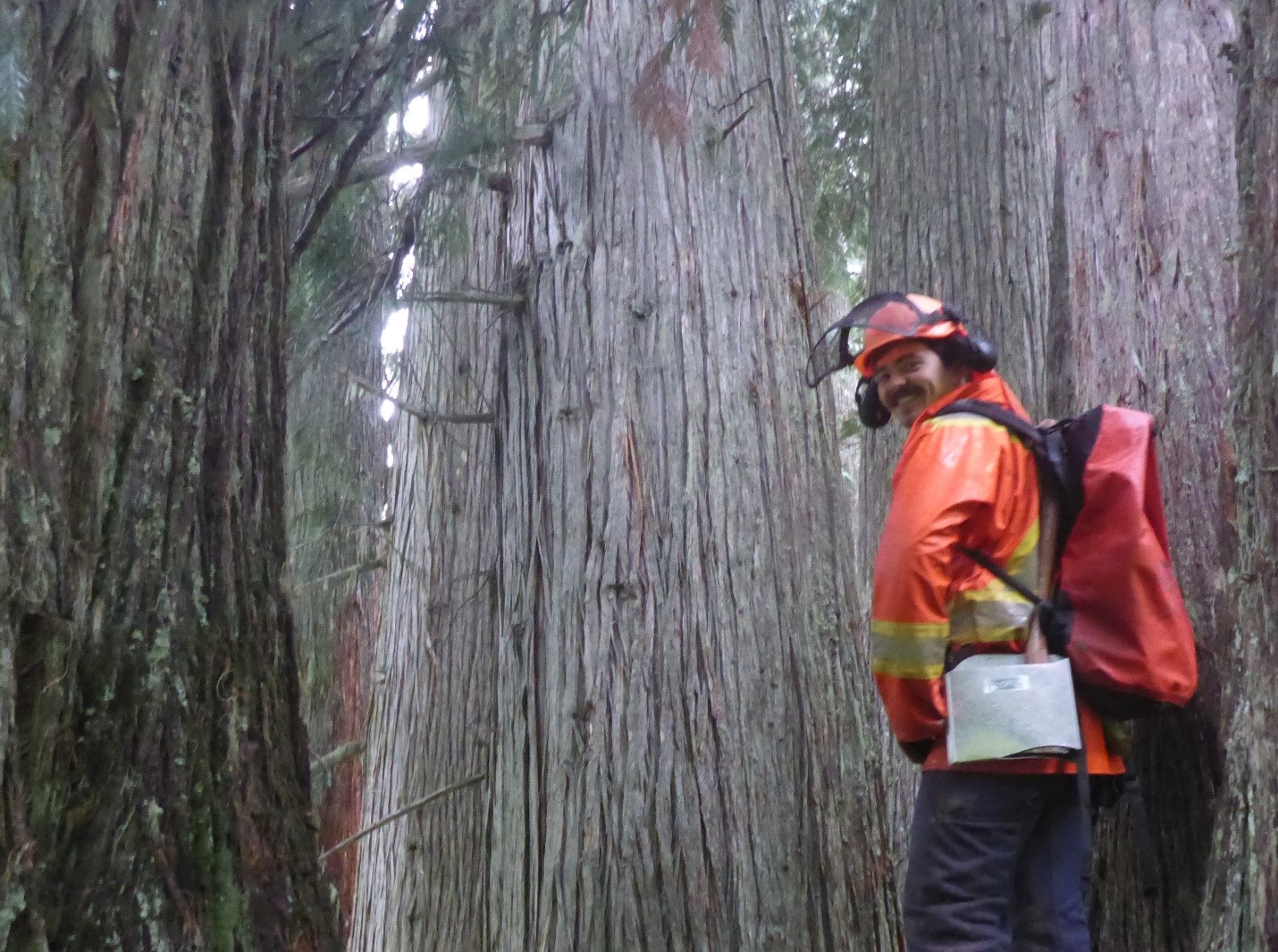 Whether working or playing, it is essential to be aware of a forest’s potential hazards and what can put you at risk, specifically as it relates to the trees. …“If a tree falls in the forest, does anyone hear?” … only if someone is near enough to hear. The same applies to the danger it may pose. If no one is near it, then even if it falls, it isn’t a danger to anyone. Spend enough time in a forest and you will witness a tree fall over on its own.
 As Prime Minister Mark Carney’s Liberal government plans billions in financing for builders of prefabricated homes, one expert says it’s a “significant amount of money” and “a very healthy kick-start” for the industry. The federal government’s Build Canada Homes (BCH) plan promises, among other things, more than $25 billion in financing to “innovative prefabricated home builders in Canada,” according to the Liberals’ website. Ramping up prefabrication could result in cheaper, faster and better-quality homes, said Tony Yang, professor of structural and earthquake engineering at University of British Columbia. “We are building too slowly right now,” he said. “We are lacking skilled workers on site.” The goal of prefab is to shift manufacturing from construction sites, which he called relatively inefficient, onto production lines that operate more quickly through repetition.
 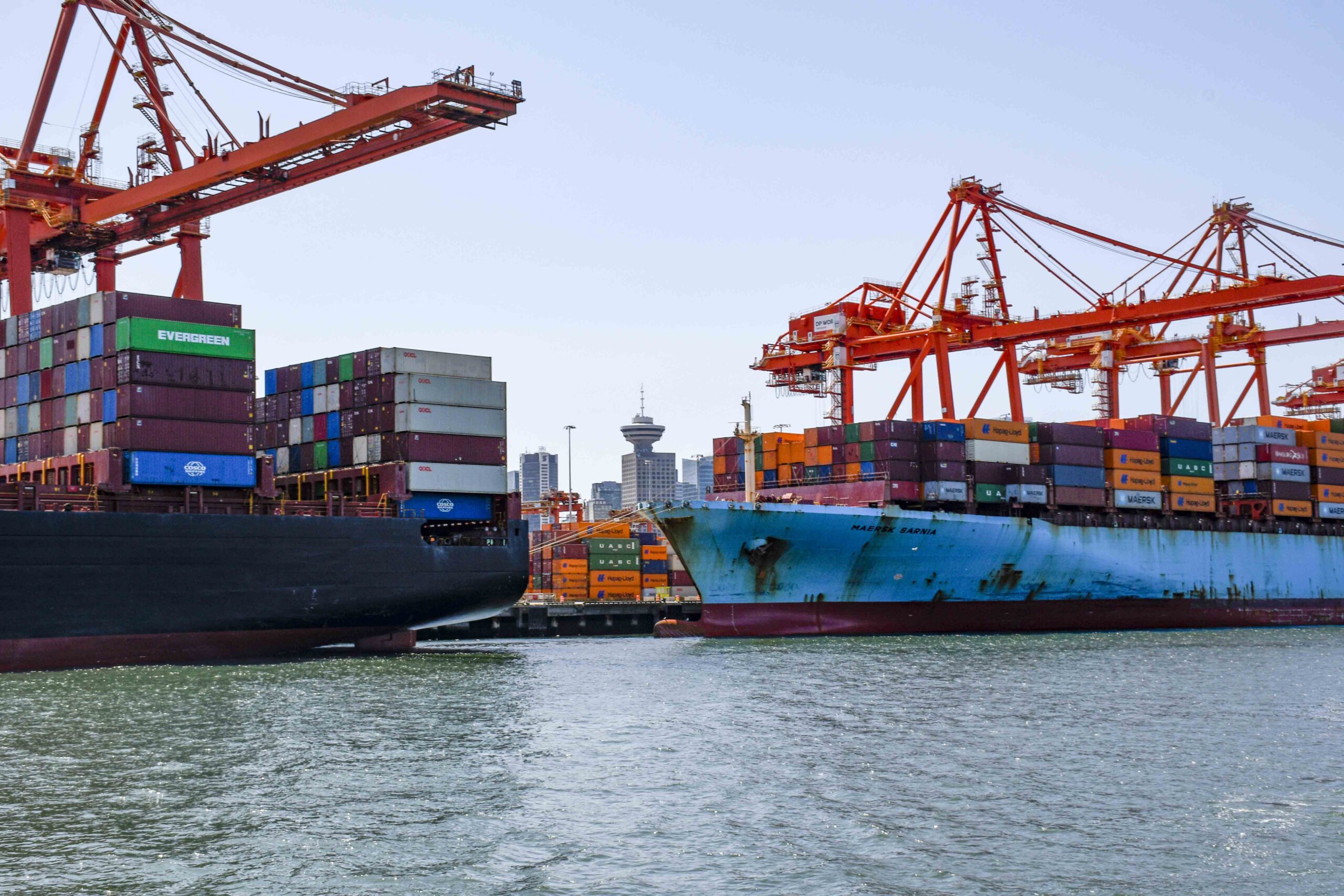 Maritime employers in British Columbia and the union representing port foremen say they have ratified a new four-year collective agreement, after a dispute that saw workers locked out of container terminals last year. The British Columbia Maritime Employers Association and the International Longshore and Warehouse Union Ship and Dock Foremen Local 514 said in a joint statement that the new collective agreement extends from April 1, 2023, to March 31, 2027. …It is the second major labour deal for Canada’s West Coast ports that will be in place until March 2027, after an earlier agreement with thousands of port workers that was signed in August 2023 following a strike. The details of the new deal with supervisors have not been released, and neither the employers association nor the union representing roughly 700 supervisors immediately responded to requests for comment. They had been without a deal since the last accord expired in March 2023.
 In partnership with the Province, the Tahltan, Taku River Tlingit, Kaska Dena, Gitanyow and Nisga’a Nations are kicking off land-use planning in the northwestern corner of B.C., engaging with industry, community and other partners to implement world-leading land-use plans that will provide greater certainty for investors, First Nations and communities alike. Last week, Premier David Eby outlined government’s vision for building prosperity centred on the pillars of economic growth, reconciliation and conservation in northwestern B.C. The vision includes partnering with First Nations to achieve large-scale conservation and strengthen reconciliation envisioned by the Declaration on the Rights of Indigenous Peoples Act (DRIPA). …To that end, over the next year, the Province, Tahltan, Taku River Tlingit, Kaska Dena, Gitanyow and Nisga’a Nations will undertake expedited, inclusive land-use planning and essential stakeholder and public engagement.
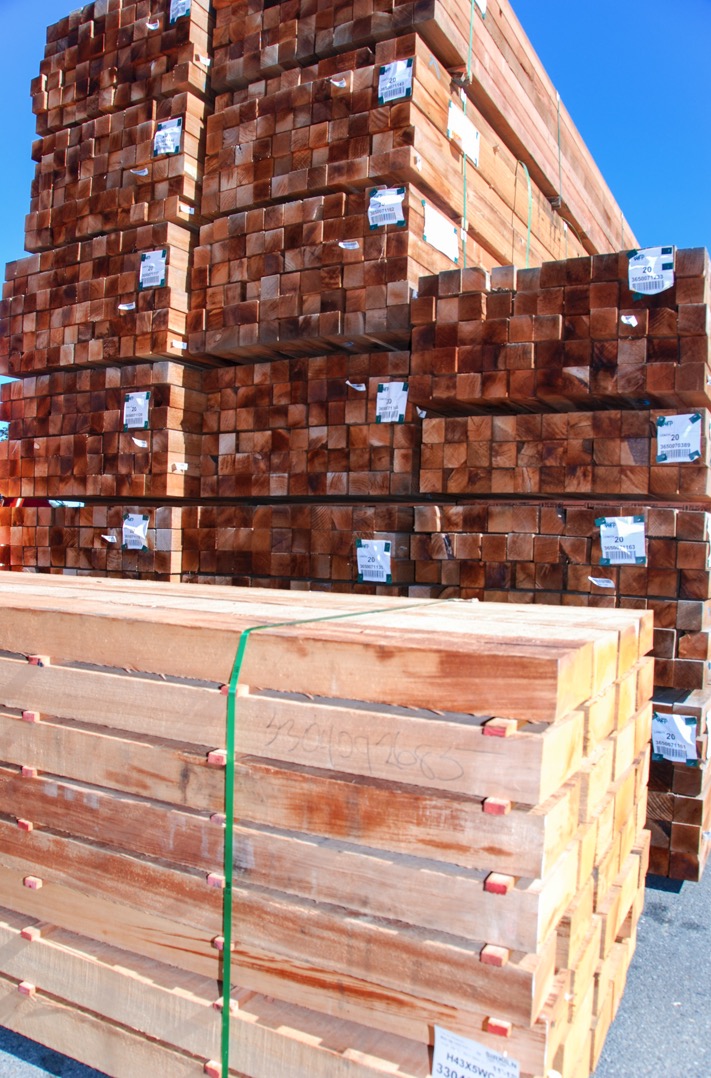 As Premier David Eby and a British Columbia delegation tours Japan, South Korea and Malaysia, Prince George’s opposition MLAs say the trip is “damage control” for his government’s previous policies as well as the reception to the recently passed bills 14 and 15. Eby and a delegation left for a 10-day trip to Japan, South Korea and Malaysia on Saturday, May 31. One notable absence from the trip is British Columbia Assembly of First Nations Regional Chief Terry Teegee, who said in a Friday, May 30 media release that he could not participate in a mission launched by a government that passed legislation trampling First Nations’ rights. Reached by phone on Monday, June 2, Prince George-North Cariboo, Prince George-Valemount and Prince George-Mackenzie Conservative MLAs Sheldon Clare, Rosalyn Bird and Kiel Giddens said the NDP are trying to make up for having closed British Columbia’s independent trade offices in Asia over the last eight years.
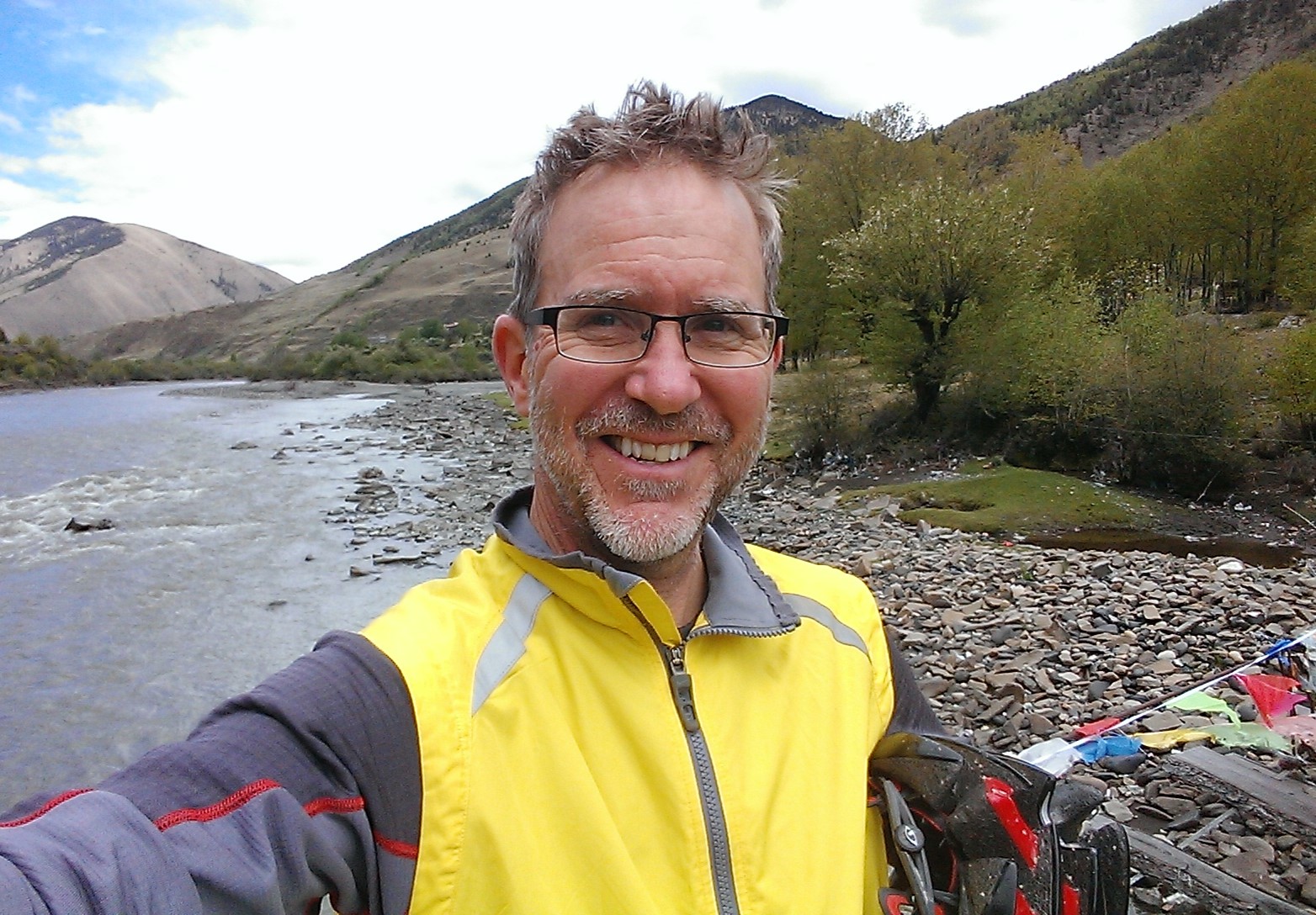
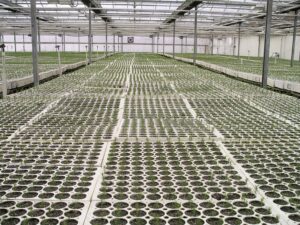 Crystal To… is part of a small crew of tree planters who are slowly filling the Whitehorse South fuel break with aspen. It’s her first time doing the job. …The goal of the fuel break is to protect the capital city from wildfires by creating a natural barrier, removing all the highly flammable conifers in an 800-hectare area and replacing them with more fire-resistant aspens. The Yukon government began work on the fuel break in 2020, near the Mary Lake subdivision. It’s one of the first such projects in Canada, and the goal is to have it finished by 2032. The aspens are being planted by the thousands every summer. This year, 232,000 seedlings will be planted.
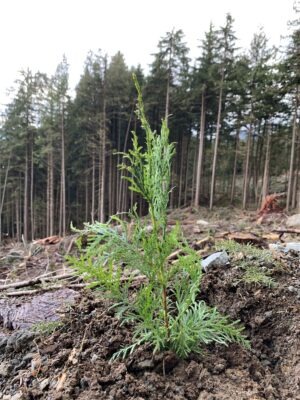 Following fire mitigation efforts in and around the 108 Mile Ranch, a new generation of trees have been planted to restore the land. West Fraser 100 Mile donated 1,200 trees that were planted by treeplanters from Zanzibar Holdings Ltd. on behalf of the 108 Mile Ranch Greenbelt Commission. Greenbelt commissioner Chris Betuzzi said it’s all part of the commission’s work to secure the 108 Mile Ranch against future fire seasons and avoid a repeat of the 2017 Gustafsen fire, which burned parts of Walker Valley. As a registered forest technologist, he said helping manage the forest is a responsibility close to his heart. In May of 2024, Betuzzi said they carried out fire mitigation efforts in three areas along the Greenbelt, including Donsleequa Road, Qua Place and Gloinnzum Drive to reduce forest fuel in the event of a wildfire. Betuzzi said they had Tsi Del Del Enterprises Ltd come up to process the slash piles and fibre.
 are expected to go up around Edmonton this week to capture the emerald ash borer. The shining and dangerous pest is poised to wreak havoc on Edmonton’s $400-million population of ash trees, and the city has two staffers working full time to detect any advance here as the invasive bug closes in from the west or east into Alberta. “We have the largest percentage of our urban forest canopy in green ash of almost any city in North America,” said Michael Jenkins, senior scientist with the City of Edmonton. Ranging from 8.5 mm to 14 mm long and 3.1 mm to 3.4 mm wide, the beetle is difficult to spot. “A single piece of firewood can destroy millions of trees,” warns a poster depicting a stack of ash firewood as dynamite sticks with an emerald ash borer at the tip of the fuse.
 Is your community prepared for the rising risk of wildfires? Join wildfire mitigation experts from Silvacom for an insightful webinar on launching effective Community Fireguard projects. This session is designed to equip you with the knowledge to protect people, infrastructure, and vital ecosystems. Learn how Fireguards serve as a critical front-line defense and understand the comprehensive process from initial concept to successful construction. Municipal Leaders, First Nations Representatives, Planners and Land Managers, and people involved in community wildfire preparedness and mitigation in Alberta are encouraged to attend. Highlights:

 The BC government spent a decade killing wolves to protect caribou. Now, critics warn that despite questions about its effectiveness, ethics and impact on the rest of the environment, the government is moving to make the wolf cull a permanent part of its strategy. Launched as a short-term emergency measure in 2015, the decade-long wolf cull is a morally outrageous tactic to divert public attention from the root cause of caribou declines — the province’s failure to significantly address habitat destruction — said Pacific Wild co-founder Ian McAllister. …The future for caribou and wolves is looking even more dire given the federal and provincial plans to fast-track permitting and reduce environmental assessments for development, McAllister said. …The province is looking to make its “short-term emergency” measure of shooting wolves to protect caribou a permanent practice in lieu of protecting habitat, critics warn.
 Climate change has put Western Canada’s glaciers on track for devastating loss over the coming decades, with the southern half of BC expected to lose nearly 75% of the alpine ice — even if warming stops today, a new study has found. The planet has so far warmed an average of about 1.2 degrees Celsius above pre-industrial temperatures. If that increase climbs to 1.5 degrees C, 81% of Western Canadian and US glacier mass would melt, according to the study published Thursday in the journal Science. …Harry Zekollari, the study’s lead author and a glaciologist at Belgium’s Vrije Universiteit Brussel, said the international research team used eight glacier computer models to analyze the potential long-term evolution of the year-round ice. The results painted a dire picture for the world’s glaciers, as the planet has already locked in enough warming to melt 40% of the Earth’s year-round ice by the end of the century.
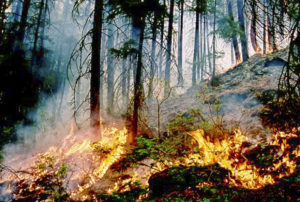 Fighting forest fires has always been a physically demanding and dangerous job. But it can take a toll on firefighters’ mental health as well. In 2023, the deaths of six wildland firefighters in B.C. highlighted the importance of mental health, both for frontline responders and support staff. Wildland firefighters are challenged with stress and exhaustion, but the loss of colleagues heavily contributed to the mental toll on firefighters during the 2023 wildfire season, said Jessa Barber, a former wildland firefighter who is now a safety officer with the BC Wildfire Service. …BC Wildfire said it is being proactive, implementing policies and practices to support the mental health of its staff. …One of these practices is the New Recruit Boot Camp, which prioritizes educating recruits about the risks and dangers of being a wildland firefighter both physically and mentally. Ongoing support is provided to recruits.
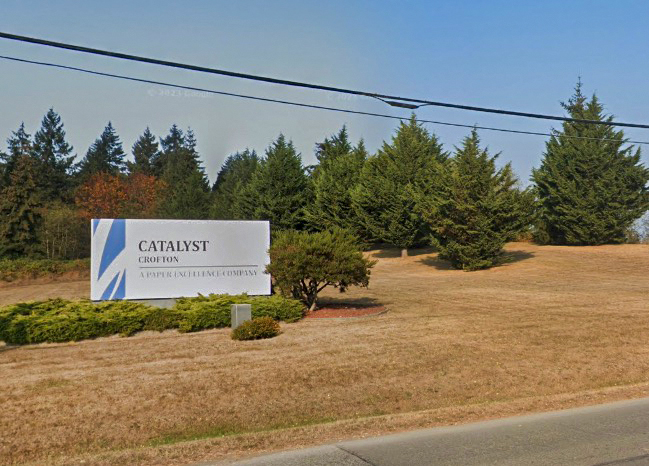 North Cowichan/Duncan RCMP are investigating the drowning of a machinery operator in an industrial incident at the Crofton pulp mill on Wednesday. Police responded about noon to the Catalyst Pulp and Paper Mill after receiving a report that a piece of heavy equipment had fallen into the ocean with its operator trapped inside. Canadian Coast Guard divers attempted a rescue, but the 30-year-old man could not be revived. RCMP spokesperson Alex Bérubé said the B.C. Coroners Service and WorkSafeBC are both investigating what led to “this tragic outcome.”
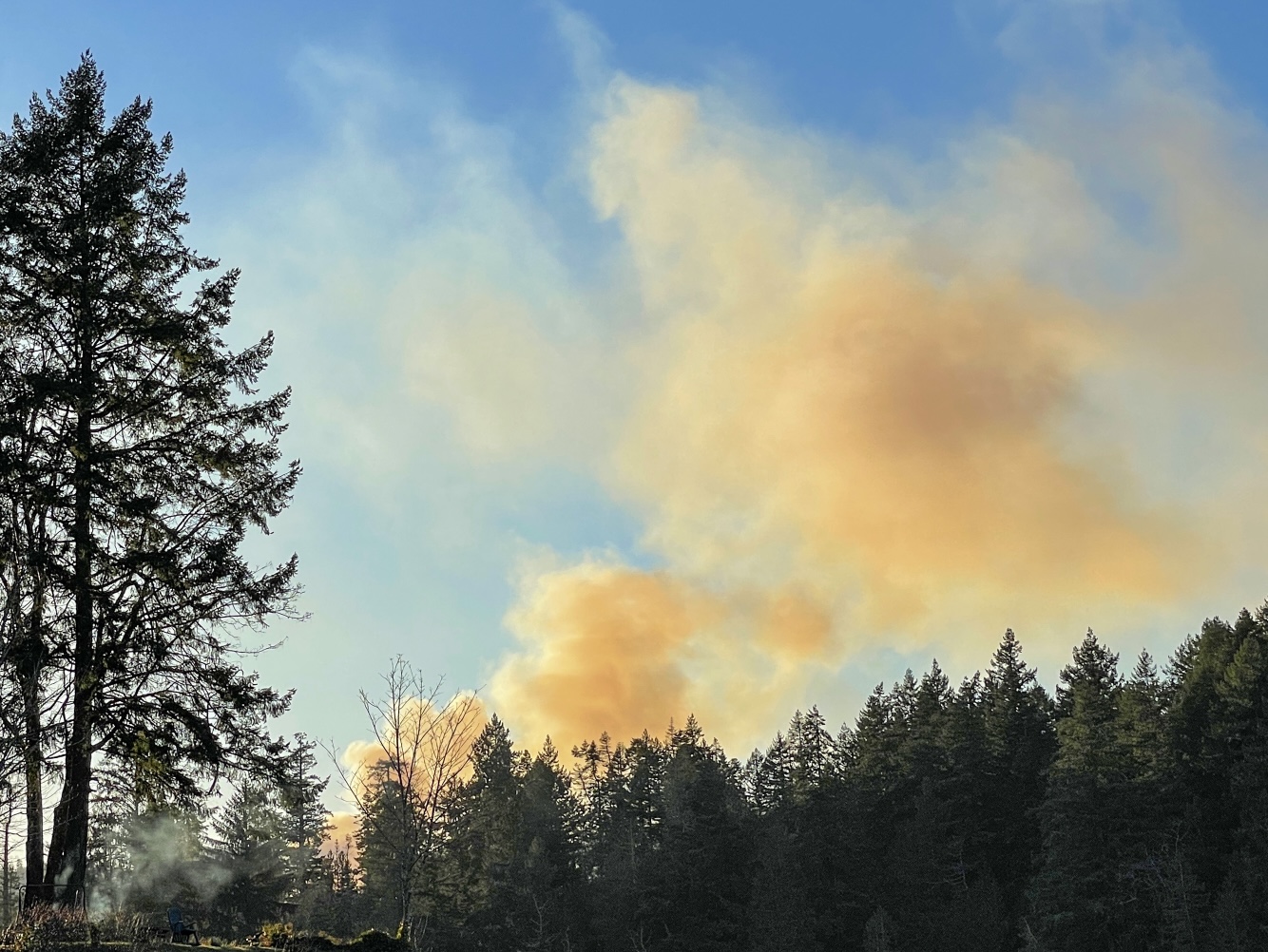 Saskatoon & Winnipeg — In response to the devastating wildfires threatening communities in central Canada. Dr. Murray Opdahl, a family physician and co-chair of CAPE Saskatchewan said, “It’s a dark day in … with so many of our communities at risk from these devastating wildfires. Wildfires and wildfire smoke pose immediate safety risks, and can have long-lasting impacts on people’s health and mental health. Our communities need immediate support during this crisis. We also need bold action to stop these wildfires from continuing to get worse each year. The science is clear: these increasingly severe wildfires are directly linked to climate change driven by fossil fuel emissions. What we’re witnessing isn’t natural; it’s the result of human activity warming our planet. I’m calling on all governments to take immediate action to protect people on the frontlines of this crisis—and to declare their commitment to accelerate the transition from fossil fuels to safer alternatives.”
 BC Wildfire Service crews are responding to an out-of-control, 10-hectare blaze south of Sproat Lake on Vancouver Island and say it’s expected to spread. Gordon Robinson, Coastal Fire Centre information officer, tells CHEK News 18 firefighters, three helicopters and a response officer are on scene in the Beverly Main area, west of Port Alberni. The fire currently measures 10 hectares, reads information online. The blaze was discovered on Sunday – and as of around 2 p.m., it’s listed as “out-of-control,” meaning it’s “anticipated to spread beyond the current perimeter or control line. Robinson says the fire is believed to be human-caused because there hasn’t been any lightning in the area. Crews are trying to determine the cause, the BC Wildfire website says, adding that such investigations “often take time and can be very complex.”




 Wildfires in Saskatchewan are expected to continue to grow aggressively during the next few days, fuelled by high temperatures, winds and dry conditions. And there’s no sign of relief in sight, according to the Saskatchewan Public Safety Agency. “This will drastically impact our ability to contain some of these fires and will actually cause some of these fires to grow in size over the next period of time,” Steve Roberts, SPSA vice-president of operations, said Sunday. As of Sunday afternoon, 15 fires were burning in the province, down from 17 because two fires have merged and some small fires have been contained, the SPSA said. Roberts said 20 communities are under an evacuation order as of Sunday. The latest evacuation orders have been in Sturgeon Landing and Timber Bay. Thousands of people have already been displaced from their homes in communities including Hall Lake, Pelican Narrows, Creighton, Denare Beach and Weyakwin.
 It’s not yet summer, but out-of-control wildfires are raging across Western Canada, fuelled by drought, warmer temperatures and lack of rainfall. Residents in northeastern BC, near Kelly Lake, have fled their homes, as Manitoba and Saskatchewan declared provincial emergencies this week. As of Friday, wildfires in Manitoba had displaced more than 17,000 people. Thousands more have been given evacuation orders because of wildfires in Saskatchewan and Alberta, including 1,300 residents of Swan Hills, a community northwest of Edmonton. …“We did see similar early-season activity like this in the far northeast in 2023 and in 2024 in BC,” said Budd. “That’s really the result of prolonged drought in the region that goes back as early as 2022.” …Manitoba is also facing a dire situation. The Flin Flon fire, located on the Manitoba-Saskatchewan border near Creighton, started at a landfill before crossing over the Manitoba border. It has grown to more than 200 square kilometres.
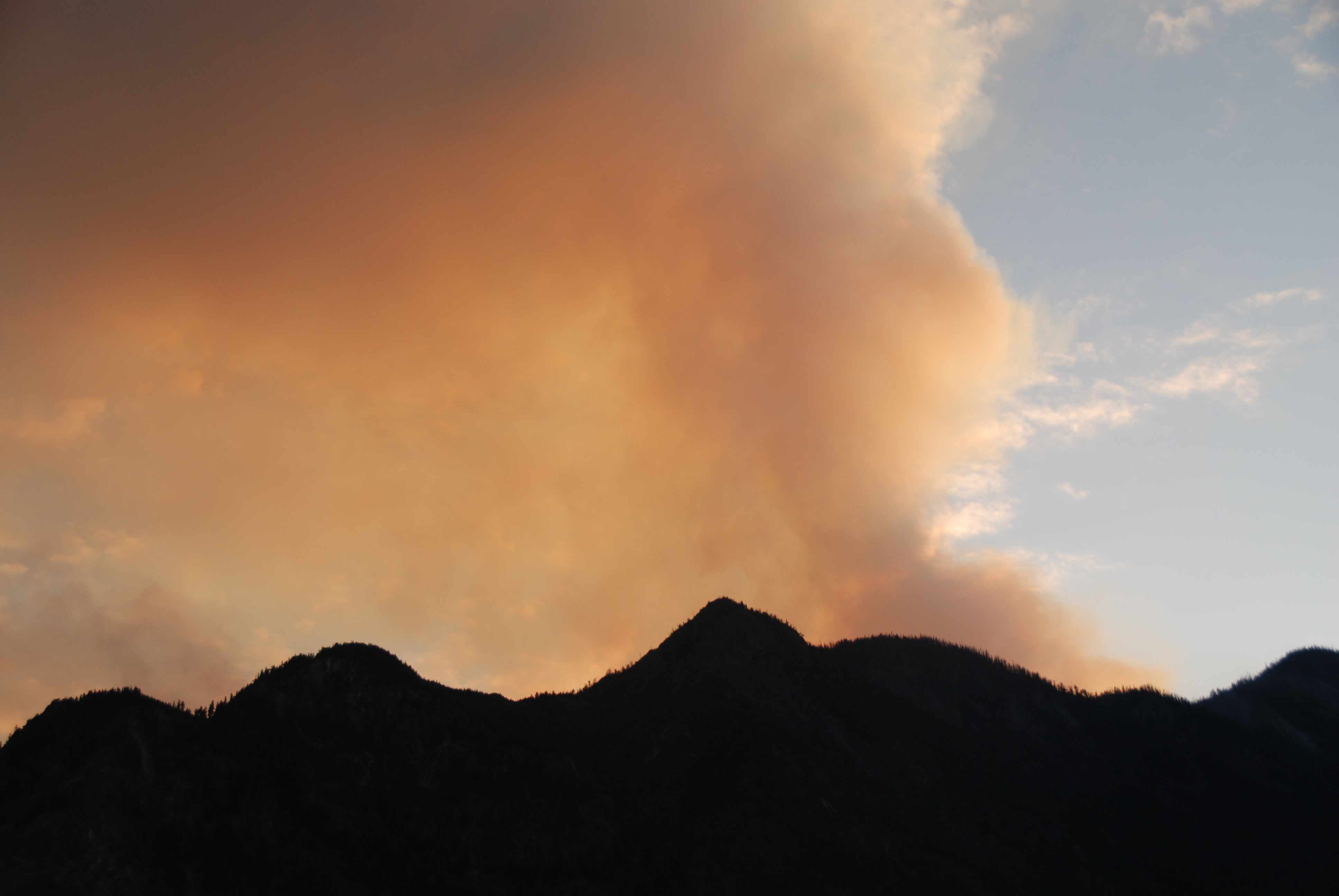 Fire crews in northern Manitoba have so far been able to contain an encroaching wildfire that forced thousands from their homes, while more residents in Saskatchewan have been told to leave due to a fast-moving blaze. The Saskatchewan government issued an evacuation alert Sunday morning for the dozens of residents that live in the hamlet of Timber Bay. Residents were told to leave the community on their own and head south to a hotel in Regina, about 484 kilometres away, to receive further support. …Approximately 80 people from Timber Bay are the latest to be forced from their homes. In Manitoba, some 17,000 Manitobans have had to leave their homes due to fires. Officials in Flin Flon, Man., where a nearby out-of-control wildfire crews have been trying to keep a nearby blaze at bay, said the fire burning near the mining city has been contained to outside its perimeter highway…
 FLIN FLON, Manitoba – Cooler temperatures and a chance of rain this week is expected in a northwestern Manitoba city that’s had to evacuate thousands of people due to wildfire. Environment Canada says temperatures in the mid teens to mid 20s are forecasted this week, with a good chance of rain coming Saturday in Flin Flon. Fire crews have been trying to keep a blaze near Flin Flon at bay, and have said the fire has been contained to outside its perimeter highway. Crews say there have been no structures lost due to the wildfire. More than 17,000 people have been displaced by wildfires in Manitoba, including 5,000 from Flin Flon. Thousands have been affected by wildfires across the Prairie provinces, with Saskatchewan issuing an evacuation alert Sunday morning for dozens of residents in the small northern community of Timber Bay, located about 260 kilometres northeast of Saskatoon. [END]
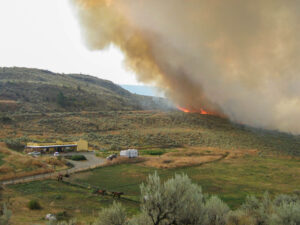 Saskatchewan is battling the worst wildfire it’s seen in decades — including the 300,000-hectare Shoe Fire in northern Saskatchewan — and experts say it’s largely caused by climate change. “This is classic climate change,” said Colin Laroque, head of soil science and professor at the University of Saskatchewan. Laroque said climatology is studied using 30-year timeframes of weather patterns, which “weren’t that different” until recently. …”These are things that we traditionally saw more in June, July and later summer, when everything dried out and then the fires took off,” Laroque said. Saskatchewan is making its way out of a relatively dry period. Few places had snow for long periods of time over winter. In the past, “snowpacks” would take time to fully melt and trickle into the ground as it warmed up. This would recharge the moisture of the soil.