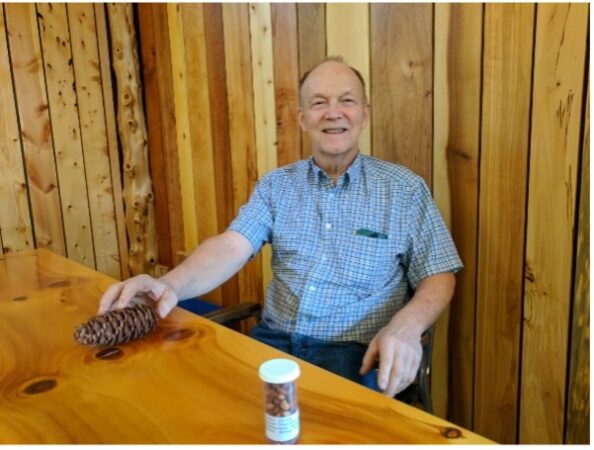
 The BC Forest History Association is thrilled to welcome Don Pigott as our December Speaker Series guest! Don will share his expertise on the evolution of cone collection in British Columbia over the past century. With 50 years of experience, he’ll also highlight some of the seed-related projects that have shaped his career and the field of forestry. No forester is too young, old, inexperienced, or seasoned to learn something from Don!
 About the Speaker: Don Pigott’s career spans decades of groundbreaking work in forestry and silviculture. During his 13 years at MacMillan Bloedel, he managed seed supply for reforestation, established seed orchards, and oversaw operational tree improvement programs. In 1982, Don founded Yellow Point Propagation Ltd., a private silviculture company providing comprehensive services, including cone and seed processing, and consulting for forestry projects across North America and Europe. For the past 16 years, Yellow Point Propagation has focused on gene conservation for whitebark pine, limber pine, alpine larch, and numerous other species, further cementing Don’s legacy as a pioneer in forestry innovation. Don’t miss this opportunity to learn from an expert with unparalleled insights into forestry’s past, present, and future.
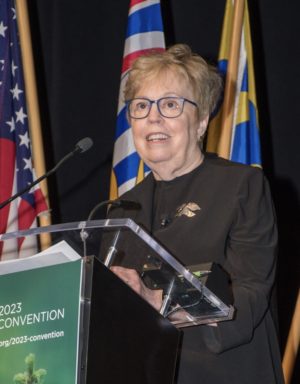
 Vancouver, BC – Canfor Corporation announced that it has acquired 7% of outstanding shares of VIDA AB effective today. The shares were acquired from certain minority shareholders utilizing their option privileges under the February 2019 agreement in which Canfor purchased 70% of VIDA AB, Sweden’s largest privately owned sawmill company. After concluding this transaction, Canfor owns 77% of VIDA AB. [END]

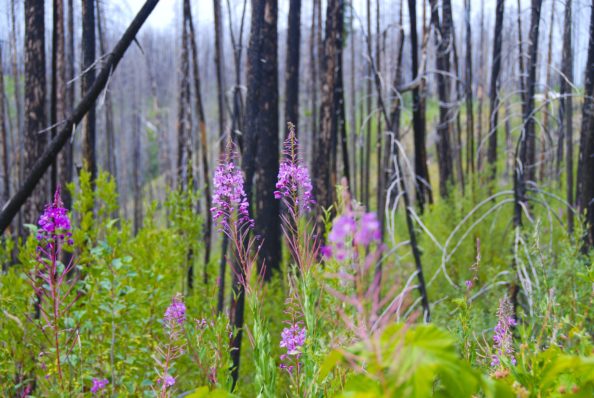 British Columbia’s government expects to plant nearly 60 million fewer trees next year — a 23 per cent drop from this year’s planting season at a time the province has seen a major spike in wildfire activity. The projections come from presentation slides obtained by Glacier Media and shown to industry in September, less than 10 days before the B.C.’s provincial election campaign kicked off. During the campaign, the BC NDP promised to plant 300 million trees annually across the province to “help increase forest resilience.” That promise came off the back of two of the most destructive wildfire seasons in B.C.’s history. In 2023 alone, more than 6,000 fires torched 15 million hectares of land, an area larger than England, according to Natural Resources Canada. But according to the province’s own projections, the government expects the number of trees planted to sink to 233 million in 2025, down from 291 million in 2024 and far short of its election promise.
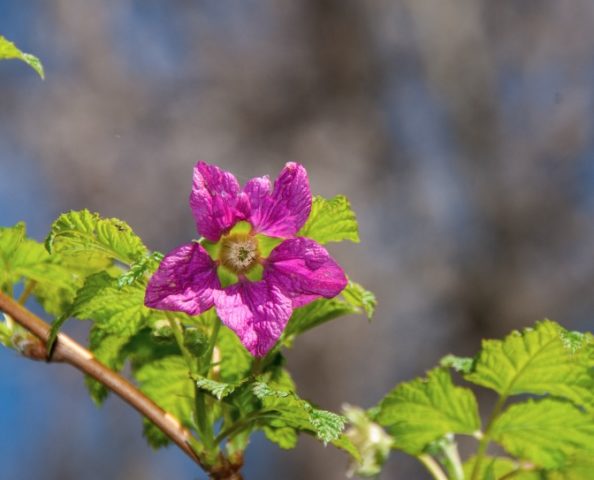 For decades, forestry companies in B.C. have used chemical herbicides like glyphosate to kill off plants that might compete with trees destined for timber. Trembling aspen, named for its almost heart-shaped leaves that seem to quiver in the wind, is often on the hit list. But after years of destructive wildfires that have wiped out whole neighbourhoods and sometimes whole towns, more and more people are questioning the wisdom of killing off this tree. Because when wildfires sweep across the landscape, aspen can help calm the flames… “Anytime we apply herbicides, we are changing potential fire behaviour,” wildland fire ecologist Robert Gray explains… in areas where aspen and other deciduous trees are killed, a natural fire break is lost too.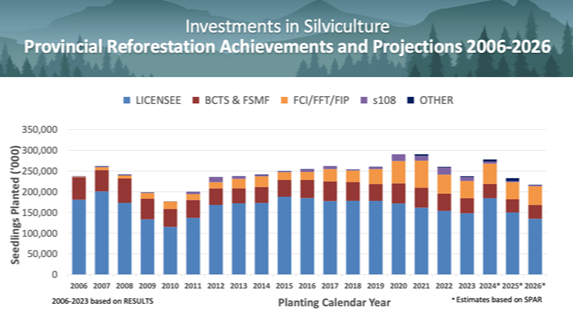


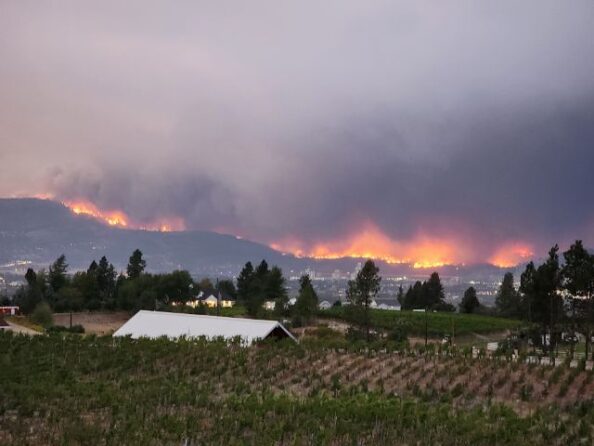 Squamish-based FireSwarm Solutions Inc., a startup that develops autonomous drone technology for wildfire management, announced it has $500,000 in funding from the BC Centre for Innovation & Clean Energy (CICE). CICE is an independent not-for-profit corporation that funds “clean energy innovators.” Other past projects it has invested in include the electrification of snow plows and funding for a company that aims to make lithium battery manufacturing cleaner, among others. In the spring, CICE put out a call to companies developing “ground-breaking solutions to better manage and mitigate the growing threat of wildfire.” They awarded $3 million to six of the 74 companies that applied for the 2024 Wildfire Tech Call for Innovation, including FireSwarm Solutions. CICE claims this is Canada’s first-ever funding opportunity for wildfire technologies. The $500,000 will speed FireSwarm’s deployment of long-endurance, heavy-lift autonomous drone swarms to detect, map, and suppress wildfires.
 Nelson forestry advocate, Joe Karthein is pushing for greater protection of ancient forests in the Selkirk Mountains, calling for more designated protected areas. Founder of the Save What’s Left Conservation Society, he is leading a campaign and petition to implement legislation to improve the province’s forest management model. One initiative focuses on transferring land known as Duncan Lake Ancient Cedars, north of Kaslo, into a provincial park system. “We are lobbying to have a grove of ancient trees located north of Kaslo permanently protected by moving 531 hectares from the Forest Service and into the parks system,” he said. Adding that conserving land from resource extraction is essential for preserving biodiversity. “An ecosystem won’t thrive completely surrounded by incessant industrial activity,” said Karthein. His petition notes that while the oldest forests in the area are not currently threatened by logging, nearby areas are at risk and need protection.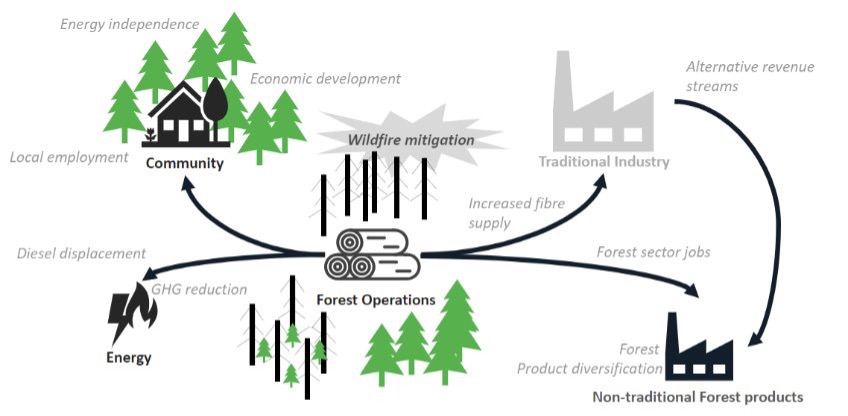
 At its May 2024 meeting, WorkSafeBC’s Board of Directors approved amendments pertaining to Emergency Planning in Part 5 of the Occupational Health and Safety Regulation. These amendments will come into effect on February 3, 2025. Part 5 of the Occupational Health and Safety Regulation sets out the requirements for emergency planning relating to hazardous substances. On February 3, 2025, amendments to these requirements will come into effect, to provide additional clarity and to further reduce risk to workers and other people posed by emergencies involving hazardous substances. This resource provides an overview of the changes to help affected employers prepare for the new requirements. OHS Guidelines are also being developed to provide additional support for employers; these guidelines will be available on February 3.