 It’s not behind a paywall. It doesn’t chase clicks. And it doesn’t try to be everything to everyone. Instead, it’s quietly become a daily habit for thousands across the forest sector—industry, government, First Nations, researchers, students, and retirees alike—all looking for a simple way to stay informed. What started as a small idea has grown into something much bigger than we imagined. Today, Tree Frog directly reaches more than 100,000 readers across BC, Canada, the US and beyond, with thousands more picking it up through company circulations, association newsletters, and even university classrooms. In many ways, it has become shared infrastructure for the sector—a common starting point for understanding what’s happening and why it matters.
But like many things that are widely used, it can be easy to assume it will always just be there. Tree Frog has remained free and open-access by design. We’ve always believed the sector is better off when information flows easily—when a student can access the same news as a CEO, and when smaller operators have the same visibility as larger ones. That only works, however, because a portion of the organizations and individuals who rely on it choose to support it. And in a year when the forest sector is facing real challenges, that support matters more than ever. To those organizations already supporting Tree Frog—thank you.
If Tree Frog is something you or your organization rely on, we’d encourage you to consider being part of that support—whether as a sponsor, a Friend of the Frog, or simply by spreading the word. Even small steps help ensure we can continue delivering this service in its current form. Either way, we’re grateful you’re here and part of the community.

 The BC Supreme Court’s decision in
 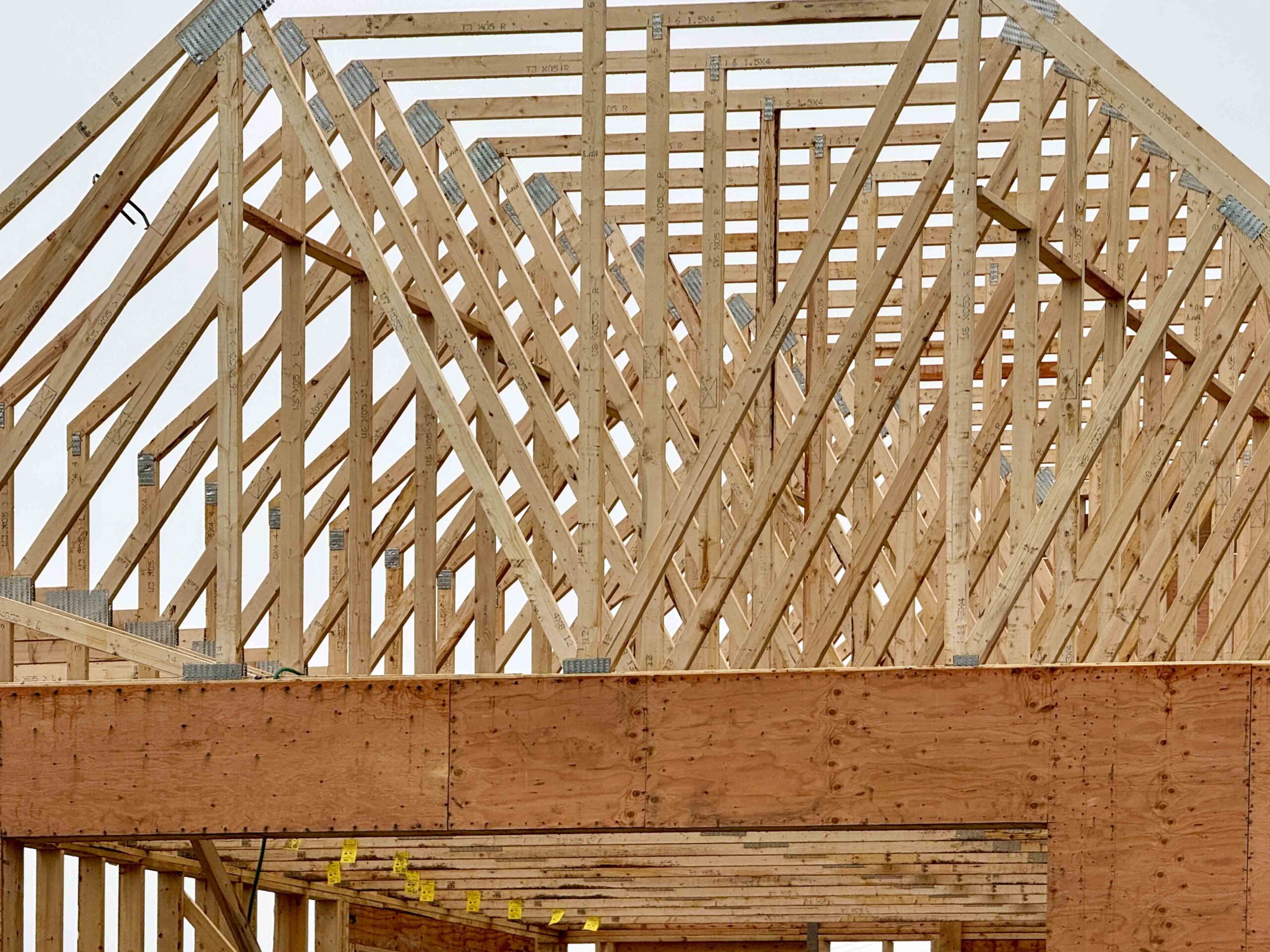 TORONTO — Canadian businesses hit by targeted U.S. tariffs are struggling to respond as the trade war drags into its second year. …industries like metal production, lumber and automobiles continue to face steep duties more than a year after U.S. President Donald Trump upended the global status quo. Companies have cut staff, pulled back on production and pushed for government action as the heavy duties continue to shake the crucial and long-standing trade relationship with the U.S. …“Because of the way that these tariffs are imposed … five to six key manufacturing subsectors are really, really hurting versus the rest of the economy”, said Claire Fan, senior economist at RBC. …The softwood lumber industry was hit by harsh duties back in 2017, which Trump has since added to, resulting in production down over 25 per cent since the first round, she noted. The result is 22 mills closed since 2022 and another 50 with reduced operations…





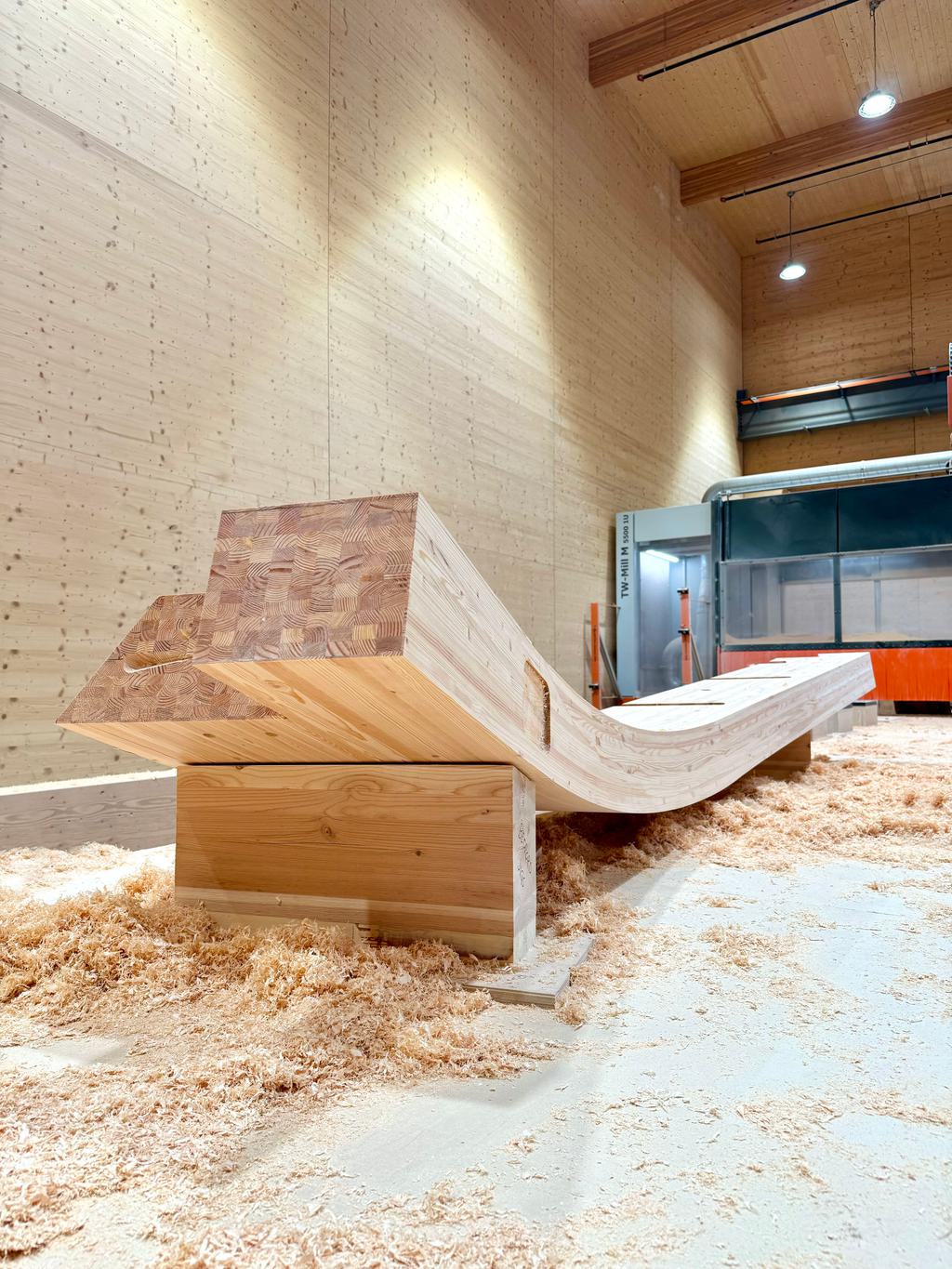
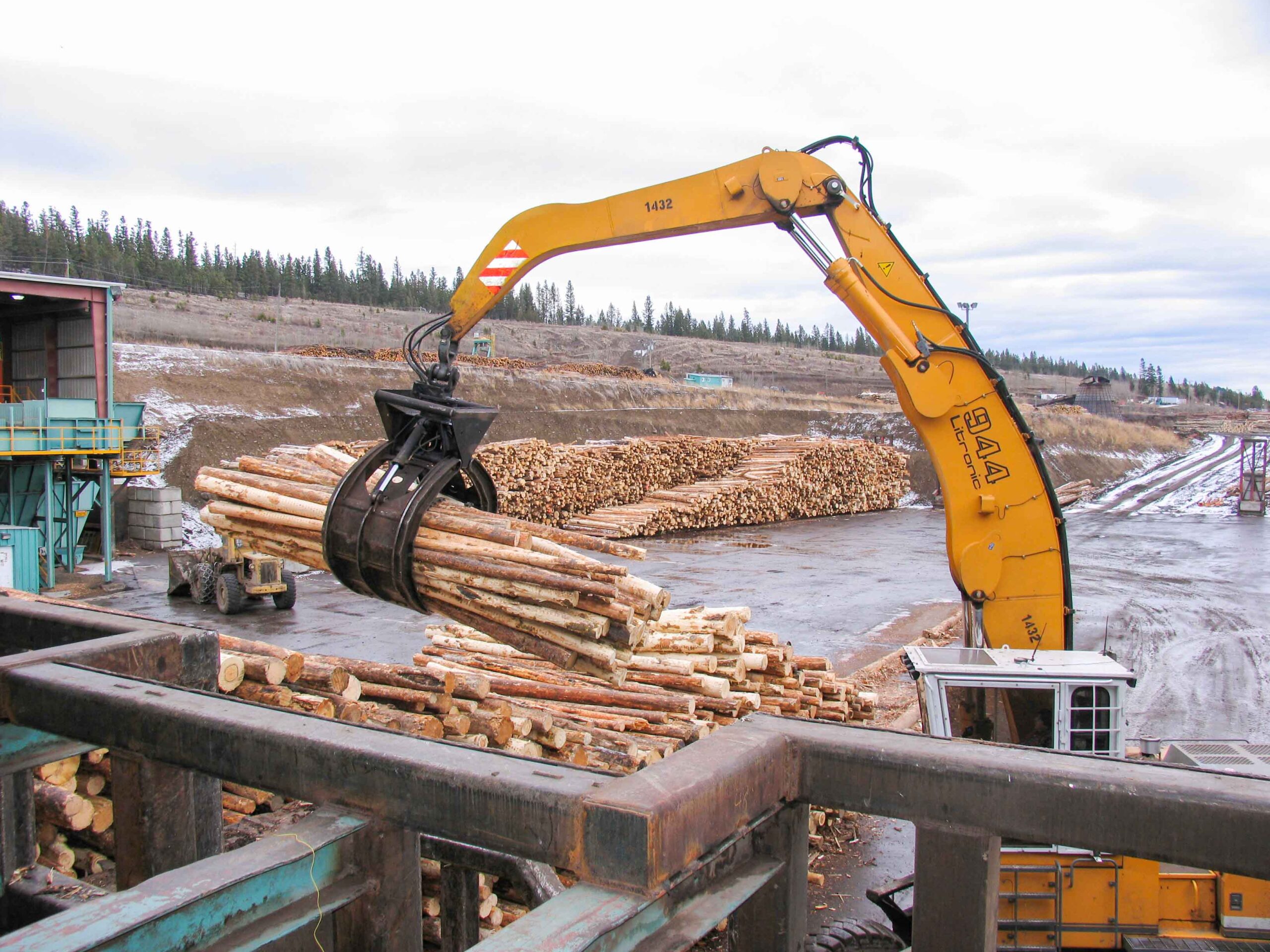 The B.C. government says it’s making legislative changes to bolster access to wood fibre, including timber damaged by wildfires, insects and windstorms. The Forests Ministry says the changes will potentially increase the supply of fibre by as much as 17,700 truckloads and allow B.C. Timber Sales to auction off contracts for forestry thinning, wildfire risk reduction and damaged timber salvage. A statement from the ministry says these “fibre-generating activities” will be available to forestry contractors and value-added mills. …B.C.’s forestry industry has been facing a shortage of fibre as the Wood Pellet Association of Canada said in 2025 that the fibre supply has fallen more than 40 per cent since 2018… Kurt Niquidet with B.C. Council of Forest Industries said in 2024 that local and global demand for wood products to build more affordable housing is growing, but the forestry industry is also facing a “critical shortage” of timber for B.C. mills.
 The BC Council of Forest Industries (COFI) Annual Convention is just days away, with registration closing April 2 for the April 8–10 event at the JW Marriott Parq Vancouver.

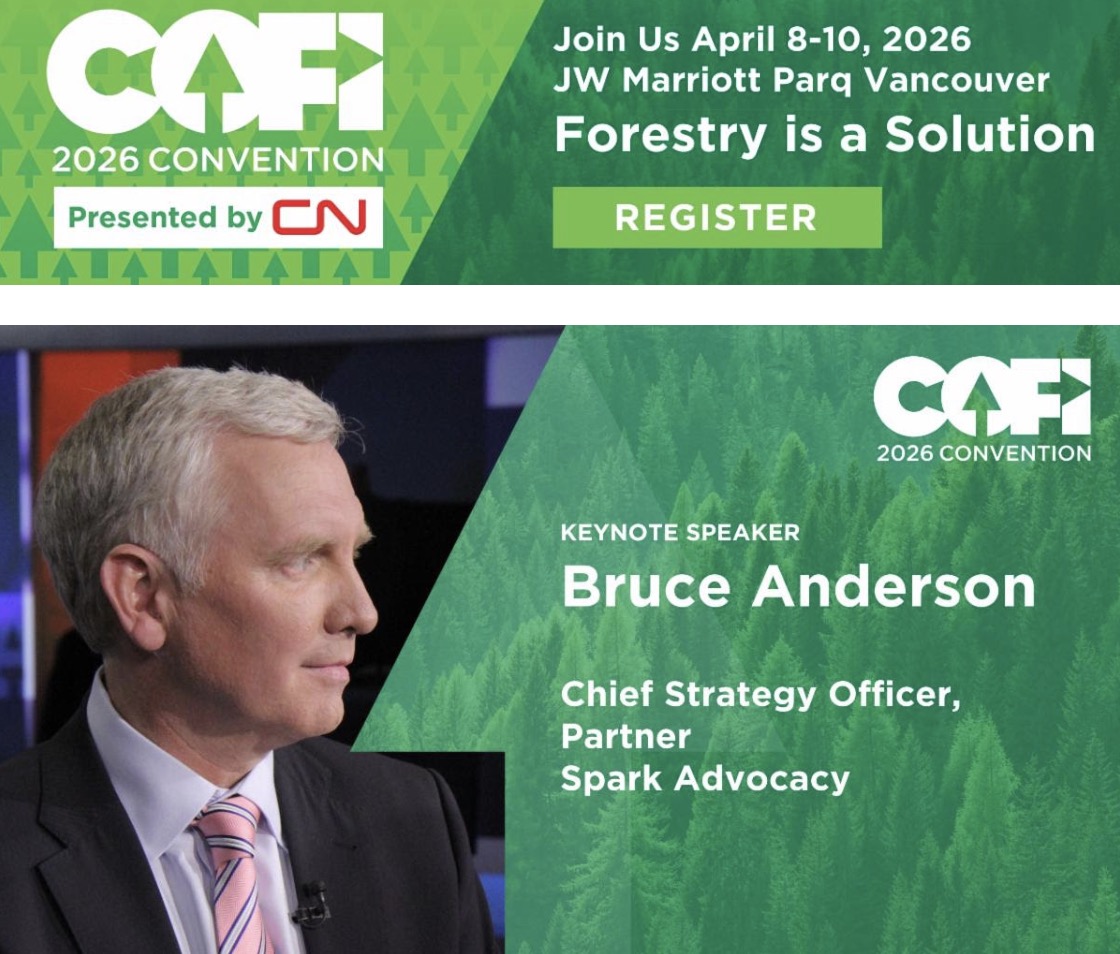 The Council of Forest Industries 2026 conventions welcomes veteran strategist
 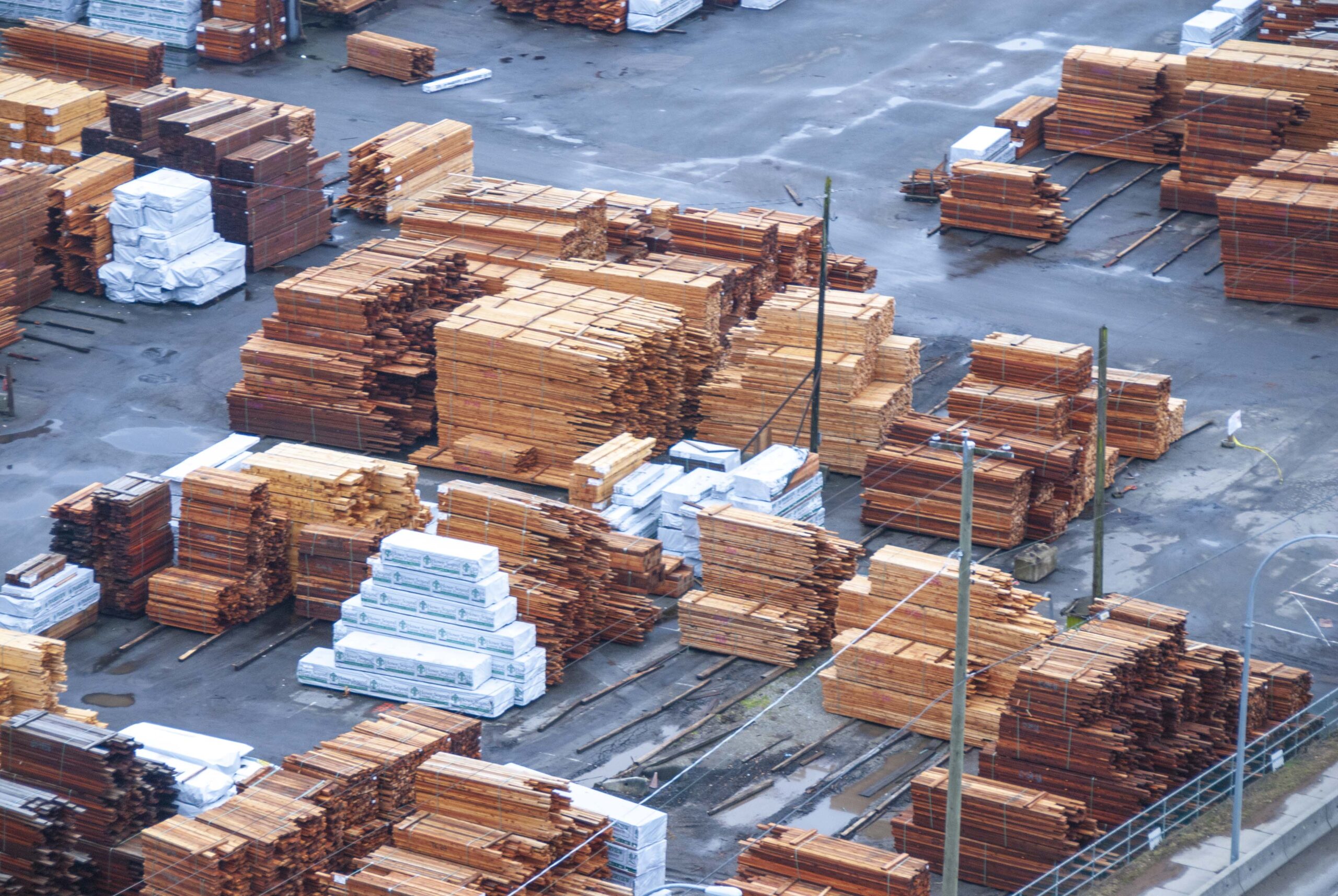 Alberta’s government has tabled legislation to ease regulations and barriers to more easily enable the sale of some goods from other provinces. It’s part of a commitment Alberta made with its provincial and federal counterparts in signing an interprovincial free trade pact in November. That trade accord, which is supposed to take effect this summer, would see provinces recognize each other’s regulations for most consumer and capital products to avoid duplicative inspections and requirements. …Government officials told reporters before the bill was tabled that manufacturers in industries such as oil and gas, lumber and logging and fertilizer producers will likely see the most positive impact once the pact takes effect.
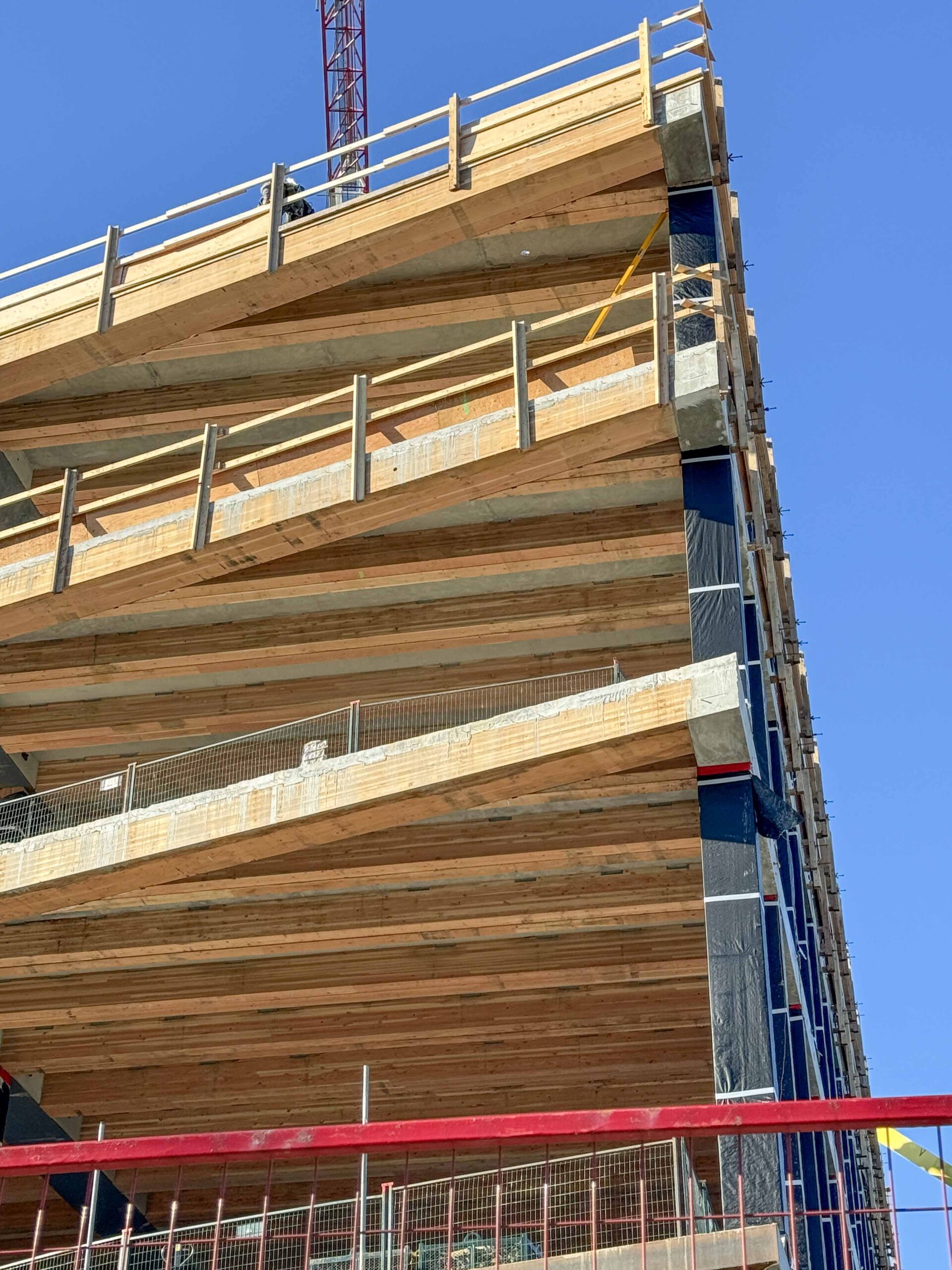 B.C.’s latest budget confirmed: One of the province’s foundational industries has lost more than half its public revenue base in a single economic cycle. Forestry revenues are projected at $521 million, down from $1.3 billion just a few years ago. …It is a structural failure. For decades, Canada built its forest economy around a single export market and a narrow set of commodity products. That strategy has now been exposed as dangerously fragile. …The issue is not a lack of fibre, skills, infrastructure or industrial heritage. …The issue is the absence of investment-grade data and intelligence that allow global firms to move quickly from site selection to financing and construction. …Canada already has a strong global investment attraction network through Invest in Canada and the trade commissioner service… What is missing is nationally consistent, standardized data sets on forest biomass availability, infrastructure capacity, workforce readiness, and permitting pathways that allow those teams to respond immediately when firms begin evaluating locations.
 With just 13 days to go, anticipation is building for the




 Acadian Timber, one of Canada’s largest forest landowners, wants to close the performance gap between New Brunswick and its business in Maine, a goal its new interim CEO says is achievable despite labour and market challenges. …Malcolm Cockwell, who was named interim boss last month, said, “There are a lot of strong companies here that are investing in their facilities and running them pretty consistently even in challenging markets. Maine is a little bit more hit-and-miss with facilities not being as consistent with their operating schedule and a number of facilities dropping out over the last couple of years.” Acadian has just under 1 million hectares of land under management across New Brunswick and northeastern Maine, with approximately 313,000 hectares of freehold timberlands – privately owned forest land – in New Brunswick and 121,000 in Maine. …One way to make that happen in Maine is to improve Acadian Timber’s contractor base.
 Lumber futures retreated toward $590 per thousand board feet as the cooling of the North American residential construction sector eroded the demand floor that had supported the market since January. The primary downward pressure stems from a slowdown in housing activity where single-family starts plunged 14.2% in March and building permits fell 5.4% signaling a sharp reduction in seasonal requirements. This demand destruction was catalyzed by a 11 basis point surge in mortgage rates to 6.45% following the Federal Reserve decision to hold interest rates steady alongside global inflationary spikes. While geopolitical tensions in the Strait of Hormuz initially pushed energy costs higher, the resulting increase in financing costs and a 10% drop in US housing starts outweighed the potential for supply chain disruptions. Furthermore a 2.4% increase in unsold builder inventory forced price cuts.
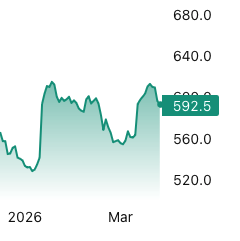 Lumber futures fell below $600 per thousand board feet as a slowdown in the North American housing market and rising financing costs outweighed persistent supply constraints. This downward pressure was driven by a 5.4% decline in building permits and a sharp 14.2% collapse in single-family housing starts, which signaled a cooling of construction activity as the spring season began. Additionally, 30-year fixed mortgage rates climbed to 6.22% following the Federal Reserve’s decision to hold interest rates steady, the market was further pressured by a sharp drop in crude oil prices that reduced the energy-heavy transport and production overheads. These factors effectively neutralized the marginal one-point gain in the NAHB Housing Market Index to 38, leaving 37% of builders reliant on deep price cuts to move a 2.4% increase in unsold inventory. Structural supply issues like the 45% combined duties on Canadian softwood and ongoing sawmill closures continue to provide a floor.
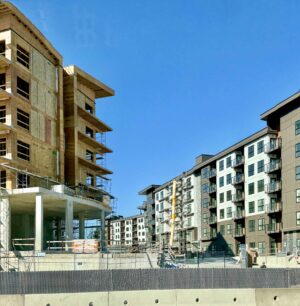 ONTARIO — Potential buyers across Ontario are poised to receive a significant tax discount on newly-built homes, but only for a limited time, as the Ford government looks to boost a sector struggling with a slump in sales. As part of his spring budget, Finance Minister Peter Bethlenfalvy is expected to announce that the provincial portion of the harmonized sales tax will be removed for anyone buying a newly-constructed home, rewriting a policy the government introduced just months ago. …Ontario’s pledge to waive its portion of the HST came shortly after a similar announcement by the federal government — allowing first-time homebuyers to save up to $130,000 on a new home under $1 million, and lower rebates for homes costing up to $1.5 million. But the offer failed to ignite the market, forcing the government to take a second pass at the policy, and offer the discount to a wider swath of purchasers.
 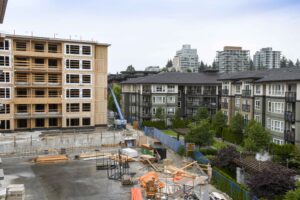 Today, not only is Canada in a housing affordability crisis, but Build Canada Homes (BCH), the new federal agency-turned-Crown Corporation tasked with building affordable housing at record speed and scale, is already largely staffed, selecting projects, and hoping to break ground by this fall.
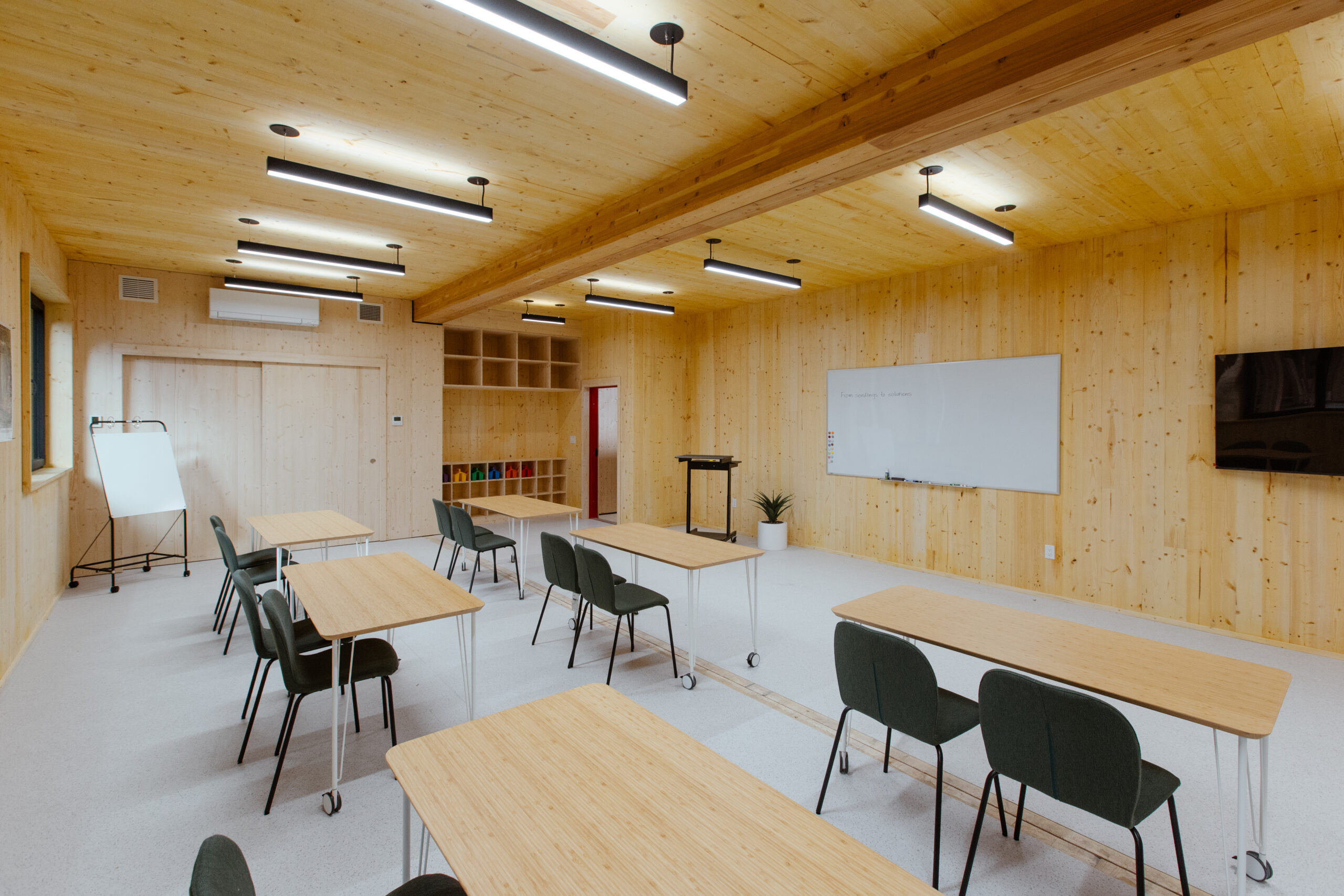 Kalesnikoff Mass Timber is launching a new line of modular timber classrooms today at the world’s largest mass timber conference in Portland, Oregon, showcasing its innovation to thousands of attendees. The company said that the classrooms are designed to address growing pressures on school infrastructure across North America. “Many communities are growing, leaving local schools at capacity,” said Chris Kalesnikoff, President and C.E.O. of Kalesnikoff. “These new modulars can be built and deployed rapidly, are cost effective, and create a warm and exceptional learning environment for students and staff.” The modular classrooms, constructed of cross-laminated timber (CLT) from Kalesnikoff’s mass timber facility in the West Kootenays using high-quality B.C. wood, are highly adaptable. They can function as a single classroom or be combined into larger expansions or entirely new schools. They can also be built in single-storey, or stacked configurations, and arrive with pre-installed heating, plumbing and digital systems.

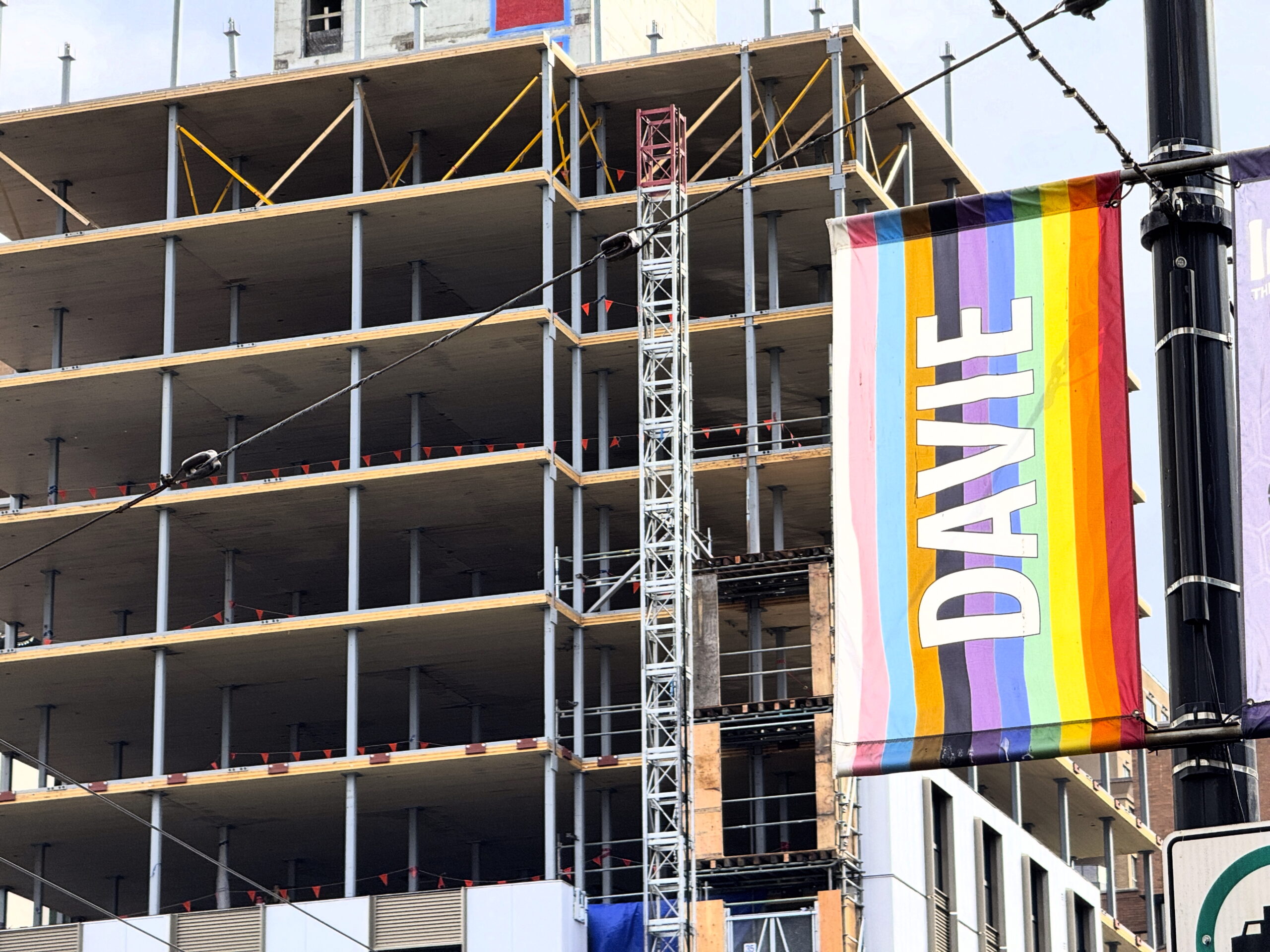 A 17-storey mass timber-Passive House tower under construction in downtown Vancouver will help push forward clean, tall timber construction techniques, the company building the mixed-use structure at 981 Davie St. says. The builders,
 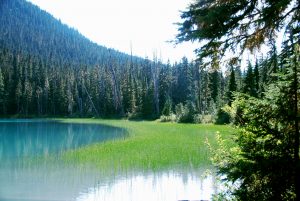 It’s a well-established fact that forests and water are deeply connected. For decades, paired-watershed experiments have shown that when we lose forests, the total amount of water flowing through our rivers tends to rise. But a critical question has remained unanswered: does this extra water come from previous reserves, or is it simply “new” rain that the land is failing to hold? Is forest loss causing our watersheds to lose their internal integrity and leak like a sifter? Our recent study at the University of BC analyzed 657 watersheds across the globe. By using a tool called the Young Water Fraction, we found that forest loss significantly accelerates how fast precipitation travels through a landscape. We estimate that for every 1% of forest lost, the “young water” in our streams increases by about 0.17%. Crucially, our research reveals that… the way we arrange forest patches can either aggravate or mitigate this leakage.
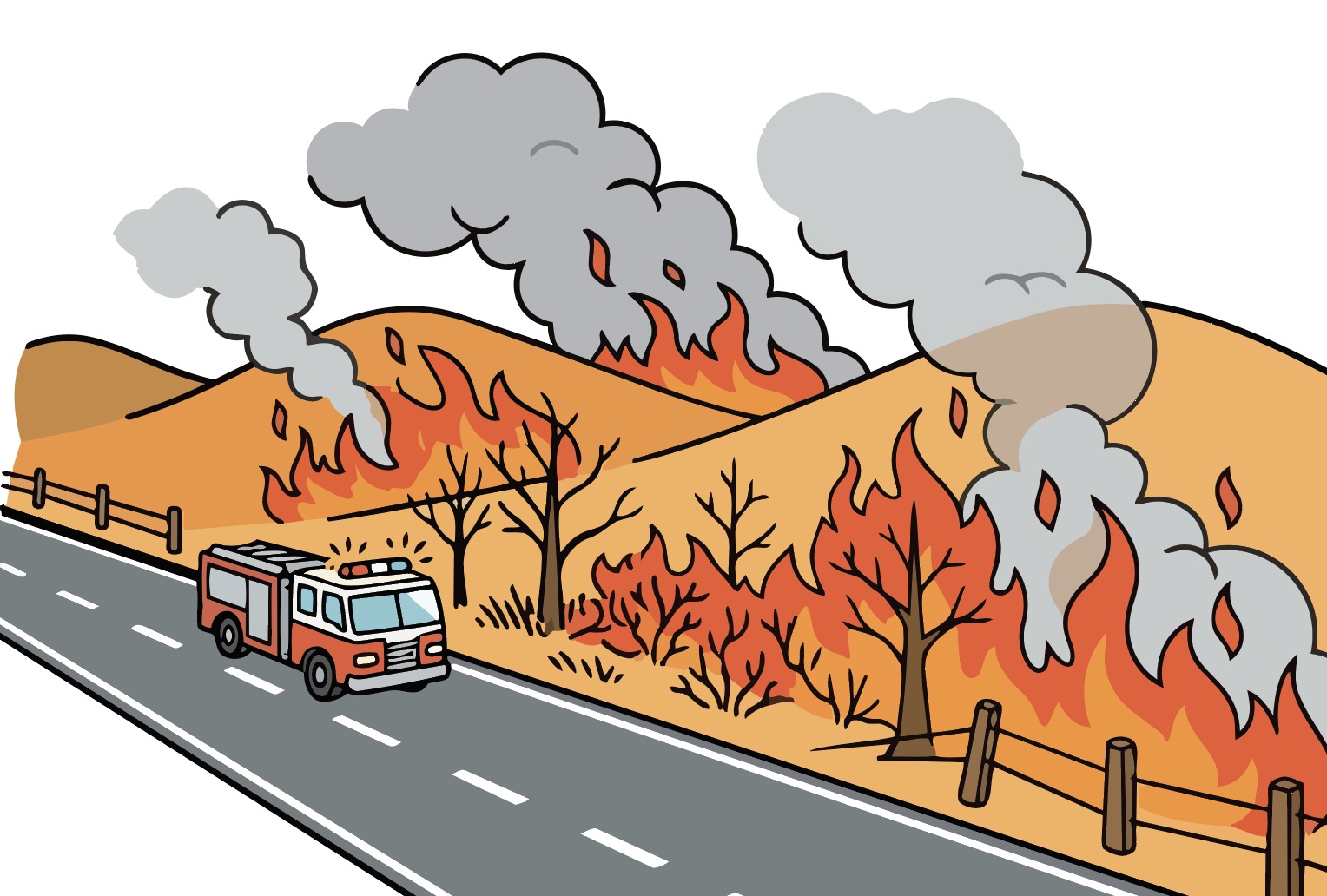 2025 was Canada’s second-worst wildfire season on record. Canada’s air quality was worse than the United States in 2025, thanks to a record-breaking wildfire season last summer, according to a new report by IQAir. Canada doesn’t have the worst air quality in North America: That designation goes to Mexico, which landed at 50 on IQAir’s 2025 list of most polluted countries and regions. Wildfires pushed Canada to 117 in 2025, with the United States taking the 120th spot. These wildfires not only made Canada more polluted than the United States, but they were also large enough to affect air quality in Europe as smoke crossed the Atlantic Ocean. Between May 2025 and November 2025, Canada experienced its second-worst wildfire season ever, with over 6,000 wildfires and 8.3 million hectares burnt across the country. …Health Canada estimates that air pollution contributes to 15,300 premature deaths each year in Canada.
 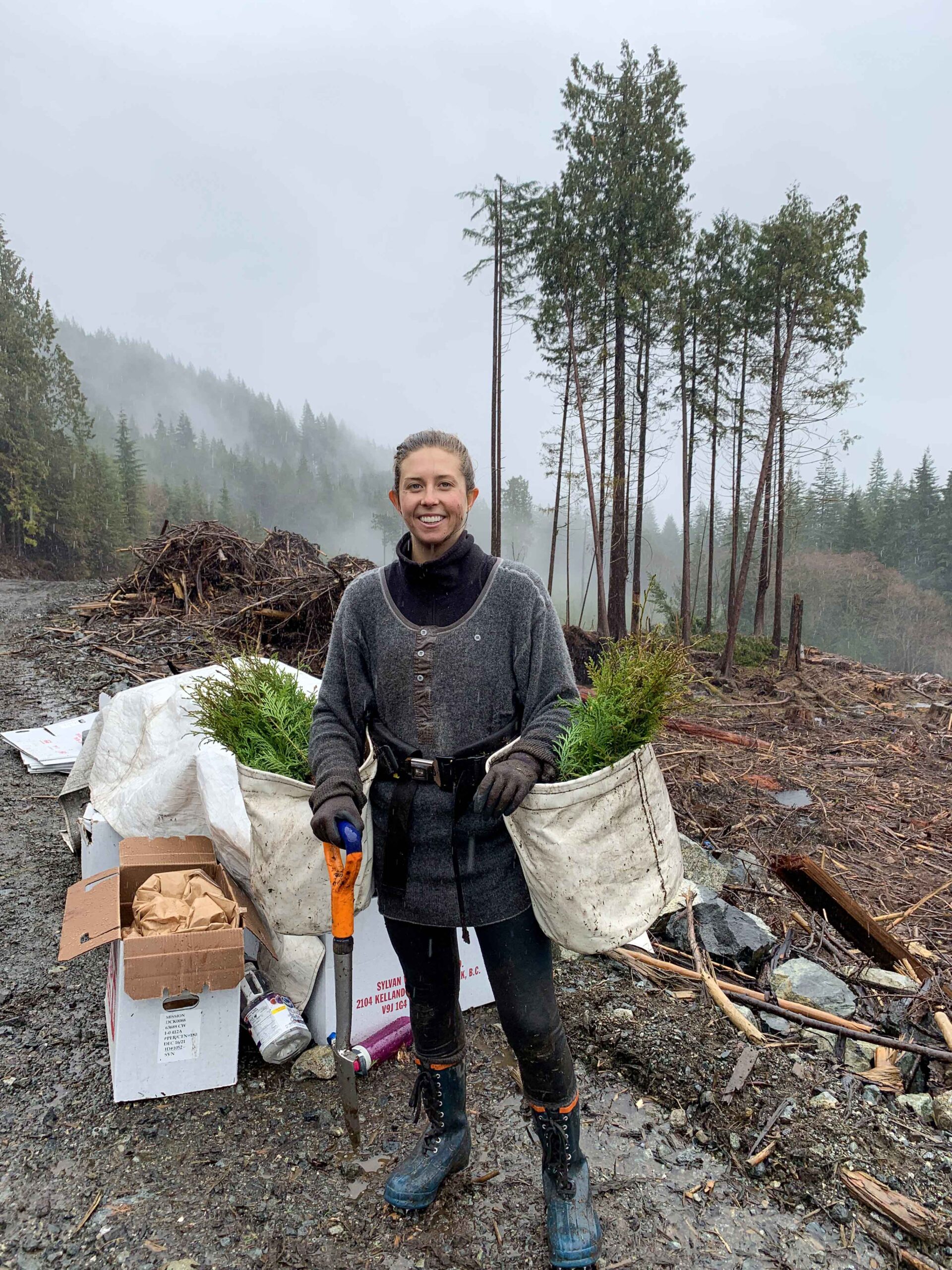 PRINCE GEORGE – Canada’s forests are burning faster than they can be replanted, and the Canadian Tree Nursery Association is calling it a crisis, though not everyone agrees on the scale of the problem. The association says more than 7.3 billion seedlings would be needed just to replant 15 percent of the areas burned in the last three years of record wildfires. In B.C., the situation is worsening: seedling production is expected to decline from 300 million in 2024 to 226 million by 2026. Dr. Phil Burton, Professor Emeritus in Forest Ecology and Management at the University of Northern BC, agrees there’s a genuine problem but says the numbers need context. Millions of hectares that burned in places like the Northwest Territories were never part of the managed forest, he notes, and many forests are capable of recovering on their own. …The central debate isn’t whether any replanting is needed most agree some is. The question is how much, and who pays for it.


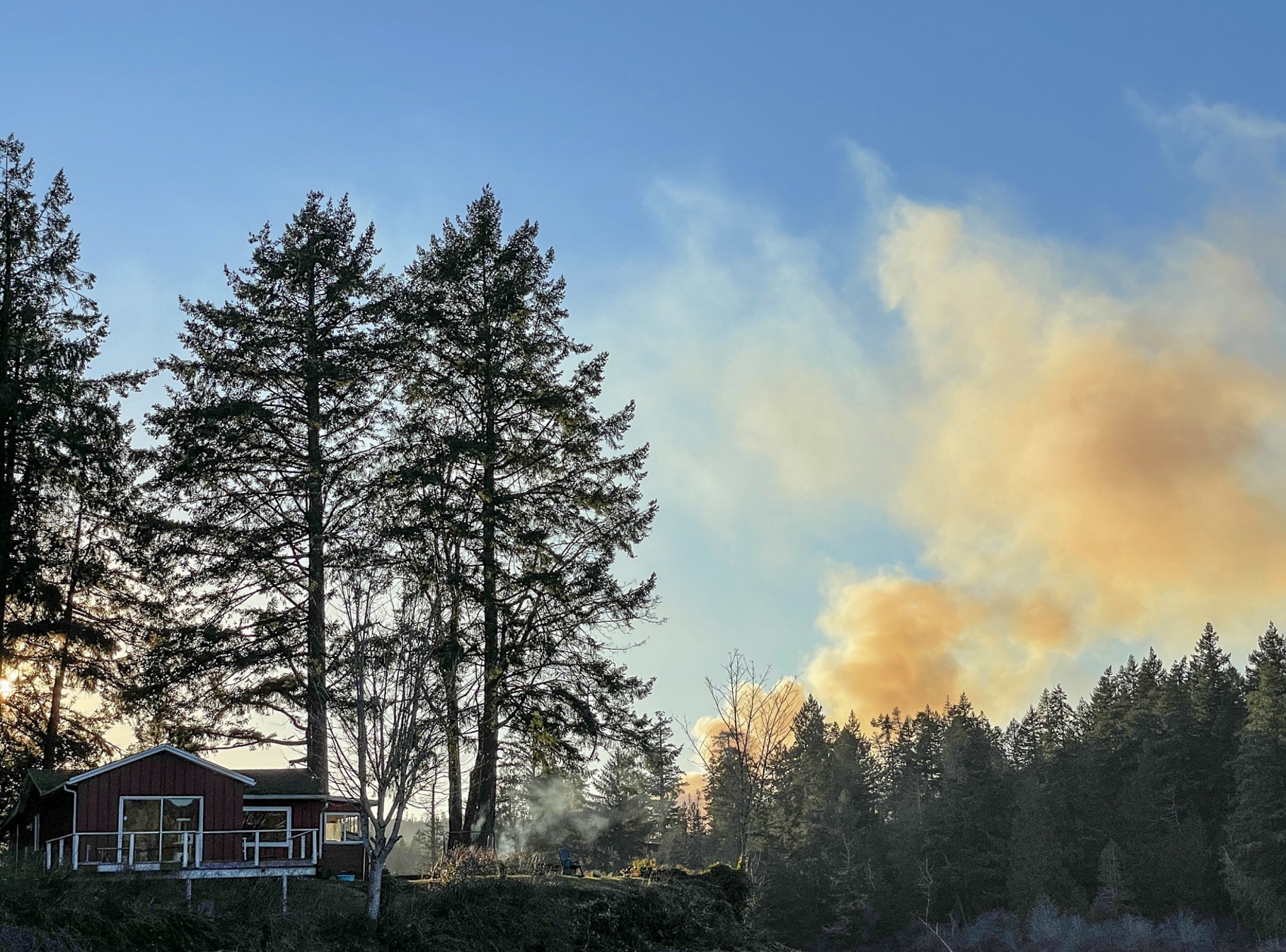 …Wildfires scorched 2.9 million hectares of Saskatchewan forest last year, forcing thousands of people from their homes and destroying more than 450 dwellings across the province, according to the Saskatchewan Public Safety Agency (SPSA). Some experts are warning this year could be just as bad. A relatively dry fall and unusual winter conditions are setting the stage, said Colin Laroque, a professor of environmental science at the University of Saskatchewan. …Finance Minister Jim Reiter called this year’s provincial budget “essentially” the status quo for wildfire preparation and response. The province announced a $20-million increase for the SPSA earlier this month, bringing its total budget to $140 million. The increase includes an additional water bomber. …Eric Lamb, a professor at U of S, said extreme weather conditions are no longer rare and require a different approach focused more on preventative measures, like prescribed burns, before a wildfire season begins.

 The Okanagan Screen Awards, a two-day celebration of film, creativity, and community, took place March 28–29, 2026 in the sunny paradise of Kelowna, BC. The Okanagan Screen Awards are proudly presented by the Okanagan Society of Independent Filmmaking (OSIF), a non-profit organization dedicated to supporting, educating, and advocating for independent filmmakers in the Okanagan region. Congratulations to “BC is Burning” for winning 1st Place in the Feature Docs category!
 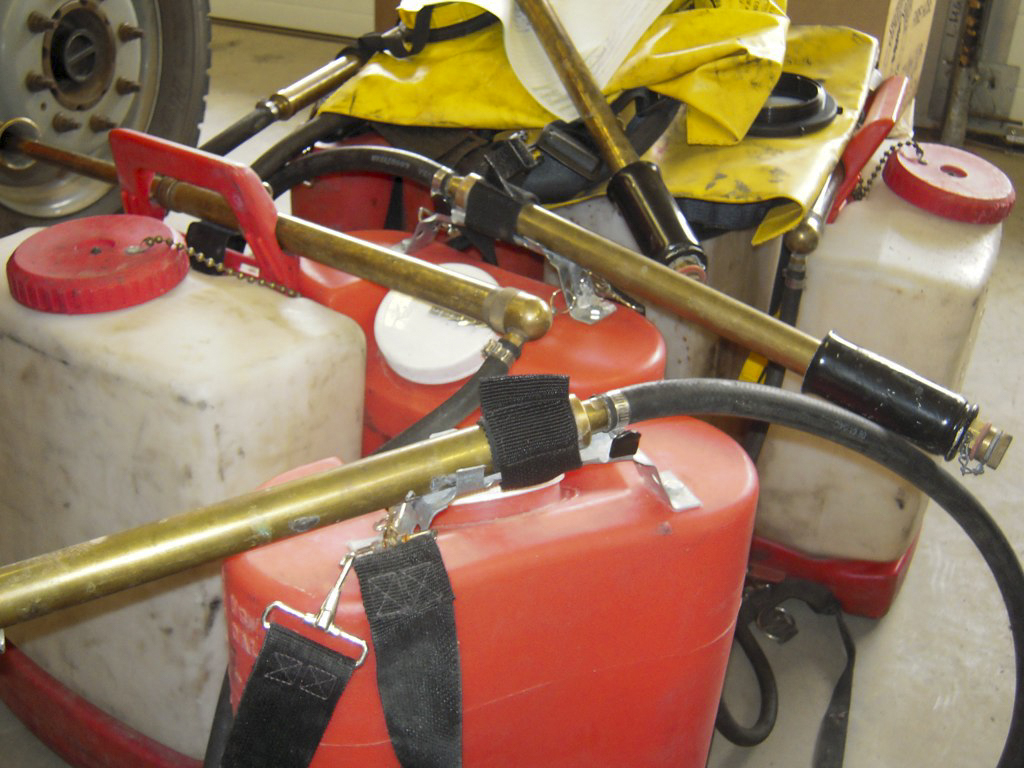 The BC Wildfire Service (BCWS) will be jointly working on two fuel reduction measures near Lytton, one in Botanie Valley and the other near Highway 1 north of the town, and one in the Hat Creek Valley. The Hat Creek cultural burn will cover an area of up to 40 hectares, approximately 15 kilometres west of Cache Creek in the Upper Hat Creek Valley. The project, known as the Harry Lake Grasslands cultural burn, is in partnership with the Thompson Rivers Natural Resource District and Bonaparte First Nation. The burn is part of a multi-year project meant to introduce fire into the Upper Hat Creek Valley. Key goals of the burn include revitalization of cultural burning practices by St’uxwtéws (Bonaparte) First Nation; reintroduction of fire to a fire deficit ecosystem; and ecological maintenance and improvement of grasslands. It is also part of a research initiative being undertaken by the University of British Columbia into prescribed fire in the area.

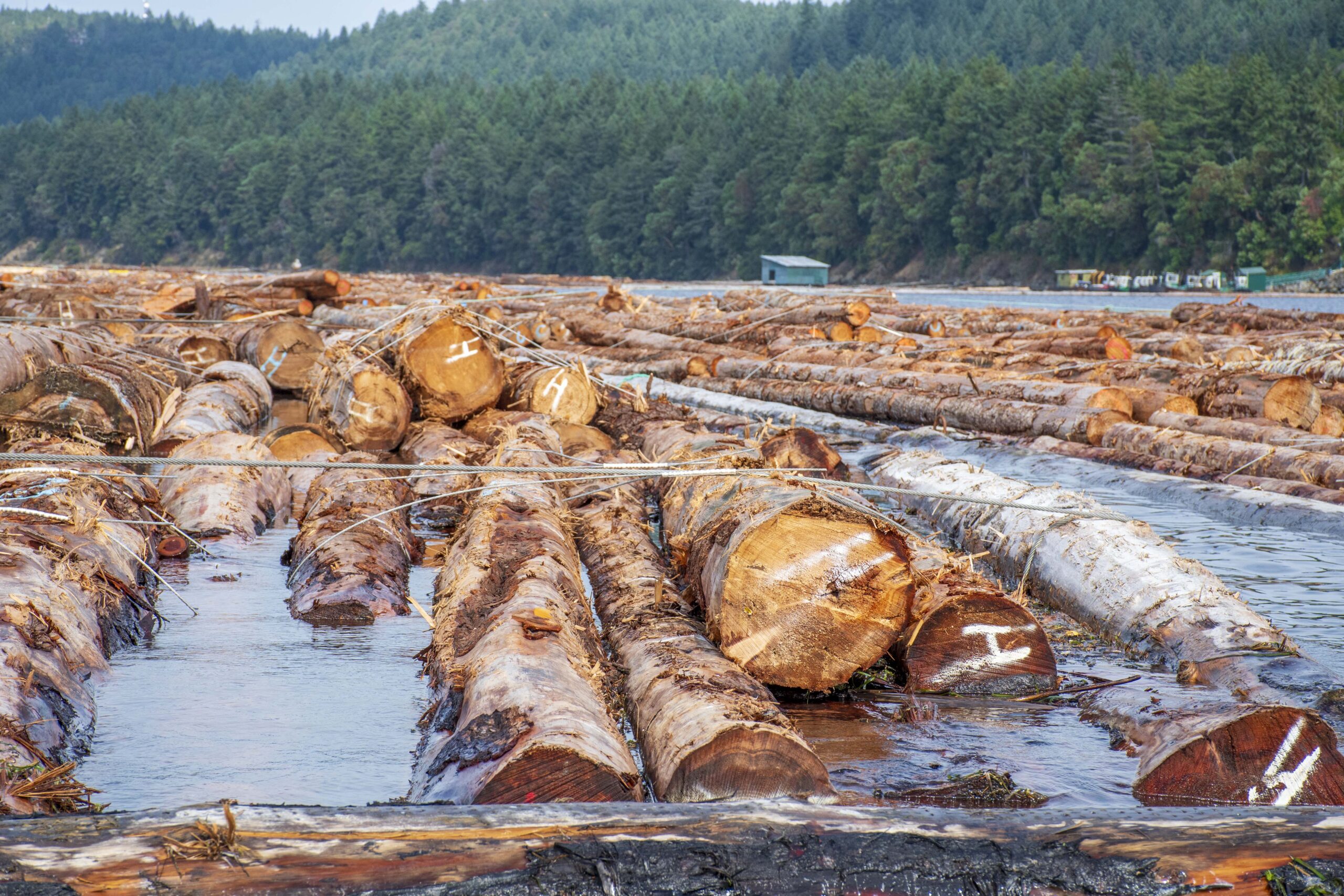 Recovery operations are ongoing after 19 log bundles ended up on beaches in the PQB area after rough weather caused a log boom to break open at Mosaic Forest Management’s Northwest Bay waterfront facility two weekends ago. Mosaic said more than half of the bundles have been retrieved, but crews need favourable tides and calm weather to safely recover the remaining logs. “We’re hoping to have suitable conditions in the next few days to complete the recovery as quickly and safely as possible,” Mosaic told the PQB News on March 24. Mosaic notified the provincial regulator and is in direct contact with Rathtrevor Provincial Park representatives about its plans and timeline. The province has declared the area where the logs went astray as a “closed area in so far as the marine salvage of logs is concerned”. END
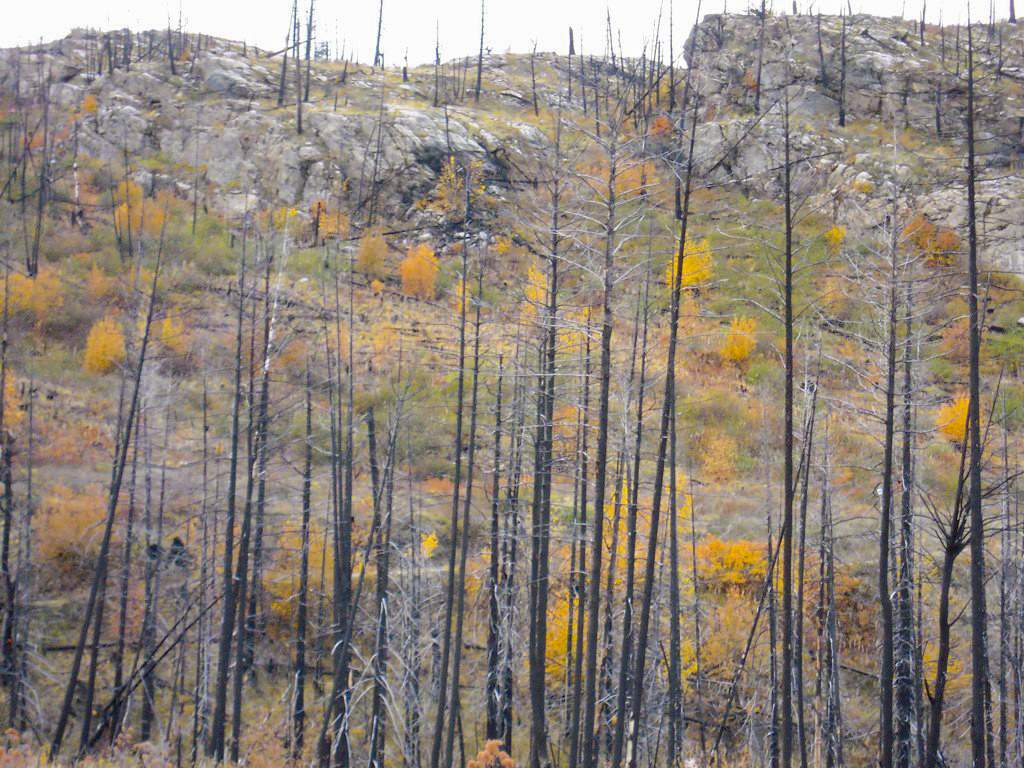 Wildfire fuel mitigation will remain a priority for the city, despite the B.C. government’s plans to stem the flow of FireSmart funding. At its March 23 meeting, city council received a presentation by Assistant Fire Chief Carmen Guidos, who was seeking direction on a couple of matters. One had to do with the Community Wildfire Resiliency Plan (CWRP) currently under development. The other was in regard of fuel mitigation work already planned for Coyote Park, South Canoe, and a small treatment area on Mt. Ida. The connecting thread prompting Guidos’ presentation was recent changes by the BC government to how it funds community FireSmart initiatives. The province introduced the FireSmart Community Funding and Supports (FSCFS) programs in 2018, providing approximately $175 million since then for communities to hire coordinators, conduct education campaigns and pay for fuel management efforts.
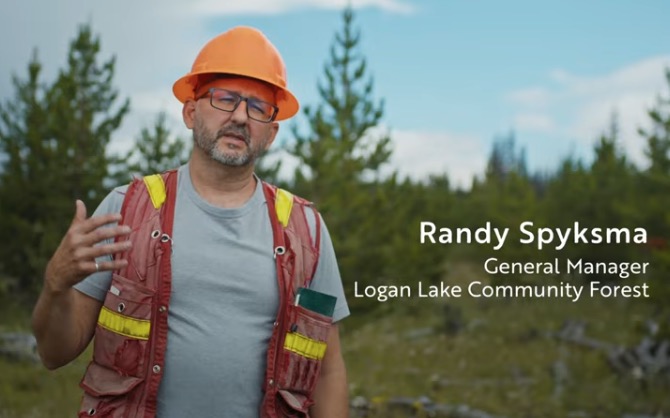 A new website and film showcasing wildfire mitigation efforts have been launched by the Logan Lake Community Forest. New branding has been launched alongside the release of a movie that delves into the community forest and its role in wildfire risk reduction and recreation. In a news release, Randy Spyksma, general manager for Logan Lake Community Forest, said the new, refreshed branding “better reflects who we are today and where we are going.” “It is a visual highlight of our commitment to responsible forest stewardship while supporting the long-term sustainability of our community.” …“Our film speaks to the heart of what we do as a community forest and allows us to share this work through storytelling,” Spyksma said.
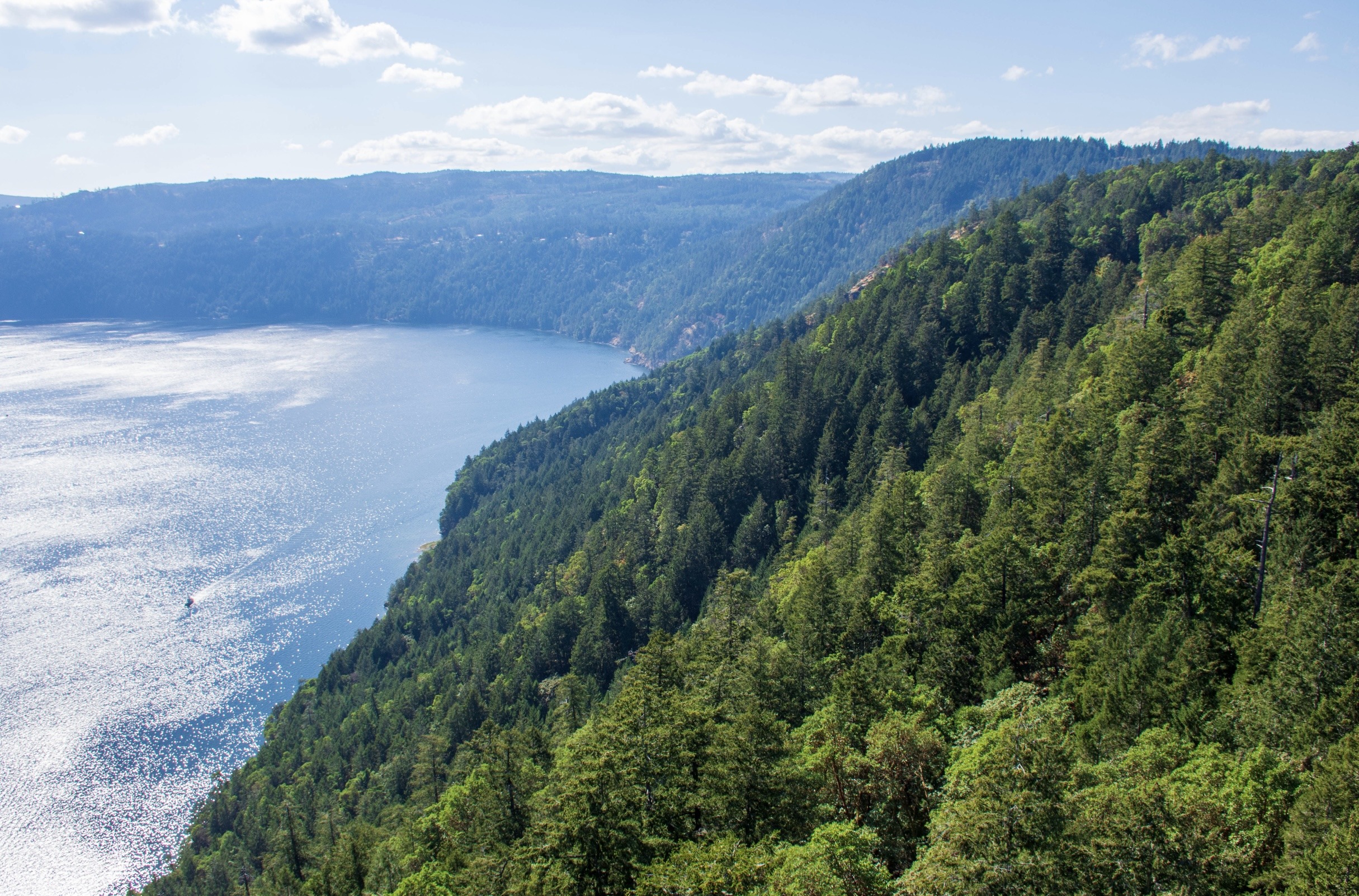 A commentary by two forest ecologists who lead Raincoast Conservation Foundation’s Forest Conservation Program, and Raincoast’s executive director, who is a Southern Gulf Islands resident. The Islands Trust recently invited public input to help update its Trust Policy Statement, a document that guides how land-use decisions are made across the Trust Area in the Salish Sea. While the draft includes some overdue updates, it drifts from its mandate of environmental protection and fails to connect words in a policy document to decisions on the ground. To work properly, the Trust Policy Statement must clearly show how the Islands Trust will carry out its environmental protection mandate. The Islands Trust is a unique form of government. When it was established 50 years ago, its role was clear: to prevent unrestrained growth and development in the Trust Area of the Gulf Islands. The legislation recognized that the islands’ natural environment and rural character were fragile and irreplaceable.

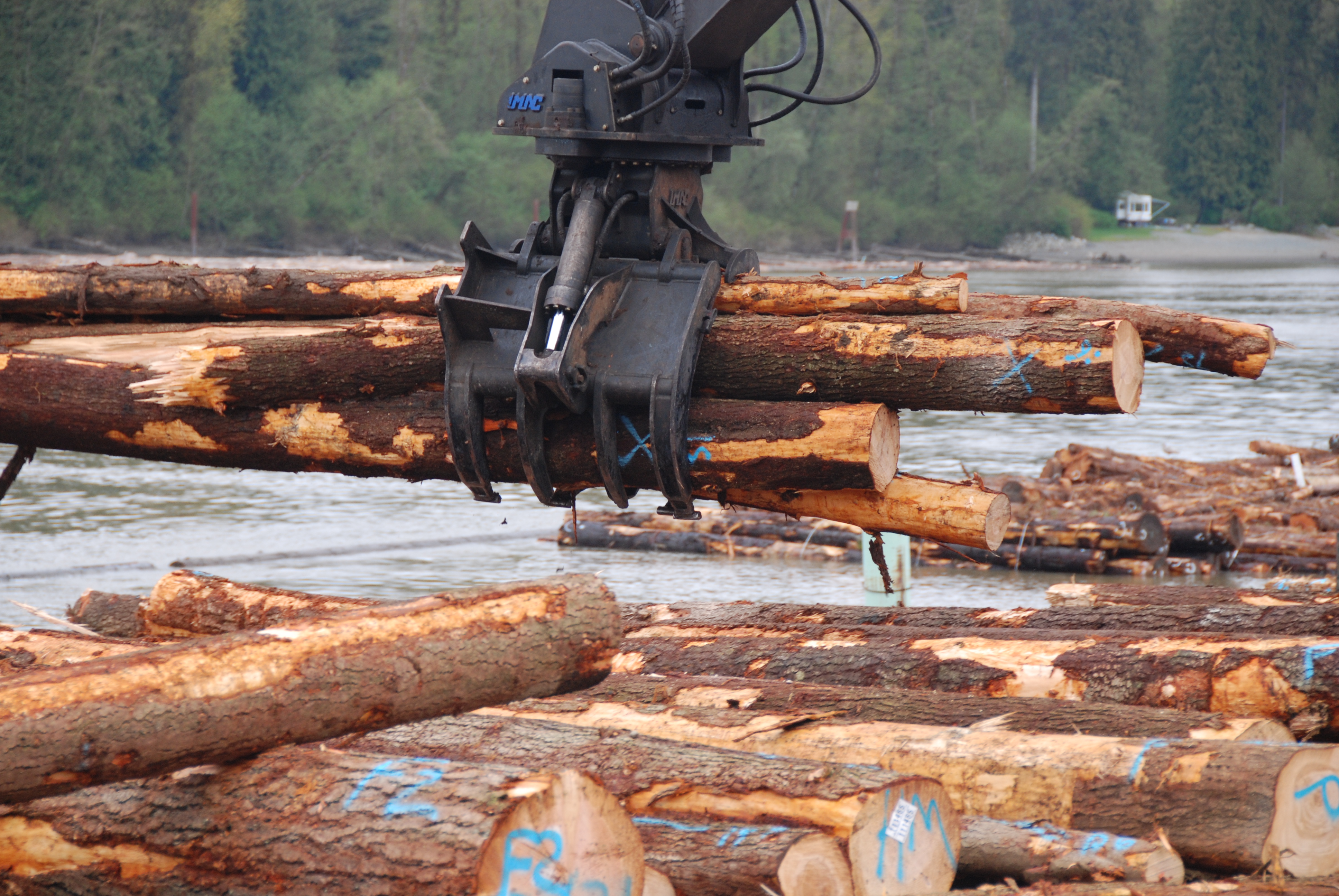 Several log bundles ended up on beaches in the Parksville and Nanoose Bay area after rough weather caused a log boom to break open at Mosaic Forest Management’s Northwest Bay waterfront facility last weekend. … “Shifting high winds pushed the logs into shallow water before crews could safely reach them,” Mosaic told the PQB News. “We responded as soon as we were alerted early Sunday morning, recovering 10 of the 19 bundles.” Mosaic says salvage crews are standing by to recover the remaining nine bundles, but the current weather system has hampered access to the shallow beach areas where they came ashore.
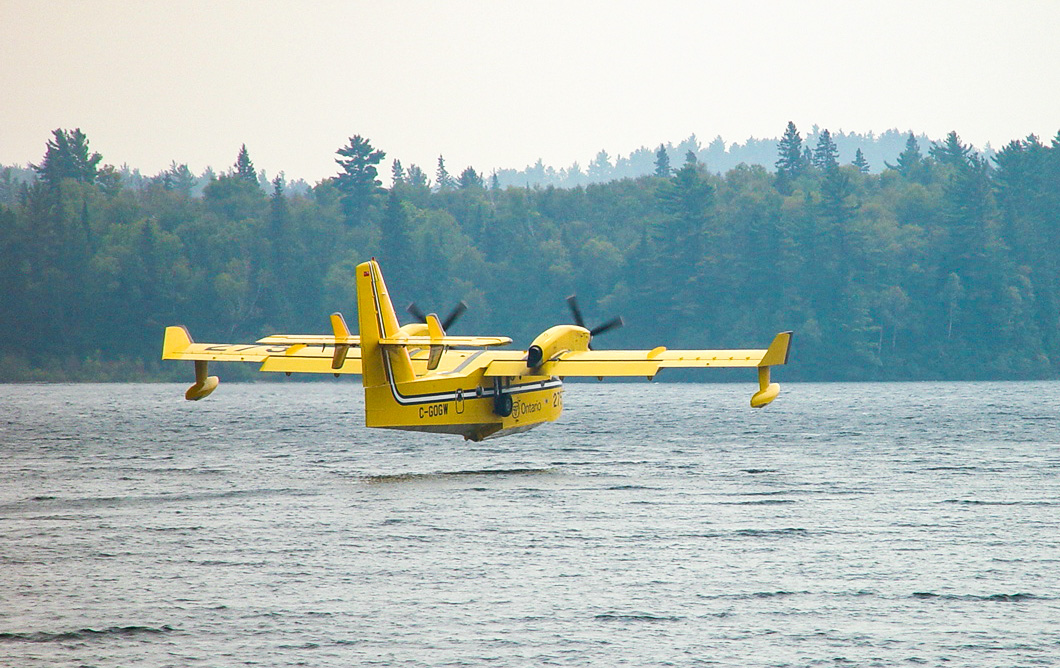 TORONTO — Ontario is ready to protect people and communities this wildland fire season, which lasts from April 1 until October 31. In preparation, the province has added an additional 68 permanent staff and increased compensation for critical staff including wildland firefighters, pilots and aircraft maintenance engineers. …“Our government stands behind the wildland firefighters, pilots and support staff that make up our frontline response and we will ensure they have everything they need for the upcoming fire season,” said Mike Harris, Minister of Natural Resources. In addition to the new staffing measures, Ontario and Canada are investing in projects through the Wildfire Resilient Futures Initiative that will help enhance local training, education and outreach programs. These measures will ensure communities across the province are equipped with the tools and resources to prevent and mitigate wildland fire risks, while advancing science and research projects to reduce wildland fire risk.


 For more than a decade scientists have documented how Antarctic sea ice has been retreating because of human-caused climate change. Now a team of Canadian and Chilean scientists is returning to Punta Arenas, Chile from a 14-day expedition on an icebreaker with data that will contribute to understanding how the continent’s ice, oceans and ecosystems are changing and how much glacier melt is accelerating. …Understanding climate change in Antarctica is important because it holds about 90 per cent of the world’s glacier ice, so what happens here will have major effects on the rest of the world, said B.C. scientist Thomas James. He’s the chief scientist of the expedition with the Geological Survey of Canada. …With this data, scientists can begin to understand how much human-caused global warming is changing the environment over time.
 Drax, the U.K. company that operates the world’s largest wood-fired power plant, recently made headlines when it said that it will stop using trees cut down in Canada as part of its feedstock. But the move, which has been hailed by some in the environmental community as a huge milestone, won’t make an iota of difference on the ground in Canada — or anywhere else for that matter. That’s because Drax is both a major consumer and producer of wood pellets, which are burned like coal, natural gas and oil in thermal power plants around the world to produce electricity. …The company will shift to sourcing those pellets from elsewhere. …One consequential but almost completely ignored aspect of the Drax story is that “switching” from coal to wood hasn’t made so much as a dent in global demand for coal — or greenhouse gas emissions. In fact, worldwide use of both wood and coal continues to rise.
 BC has quietly eliminated its Climate Action Secretariat, the long-running agency that produced and implemented climate policy across government ministries. In an email to staff, Peter Pokorny, deputy minister of energy and climate solutions, said that “to align with key priorities” some secretariat staff would move to new subject matter, including supporting LNG, pipelines and gas fracking. …Other staff will be moved to a newly formed “climate solutions” division, which will also bring in staff from the now-folded “energy decarbonization division.” The new division will focus on some of the secretariat’s previous responsibilities, including emissions accounting and efforts to reduce emissions in sectors like buildings, transportation and industry. …Stand.earth, described the move as part of the “slow-motion death” of the province’s climate plan, CleanBC. …The Ministry of Energy and Climate Solutions pushed back on the idea that it had eliminated the secretariat, instead referring to the cuts as a “reconfiguration.”

 A European energy giant Octopus Energy Generation Ltd. will spend as much as $6 billion to build and operate a renewable energy park in Nova Scotia. Octopus plans to use biomass …from forest-based industries to produce sustainable aviation fuel (SAF) it will sell to European customers. The processing for Nova Sustainable Fuels, as the Canadian subsidiary is known, will be done at a to-be-constructed renewable energy park in Goldboro, N.S. The site, estimated to cost between $4 billion and $6 billion, is expected to take about three years to build and have a 50-year lifespan. …With airlines seeking to decarbonize, the World Economic Forum reported in 2025 that the global demand for SAF is projected to grow exponentially, reaching 17 million tonnes annually by 2030. That represents four to five per cent of total jet fuel consumption. Parsons said the foundation of the project is based on supplying SAF to European markets.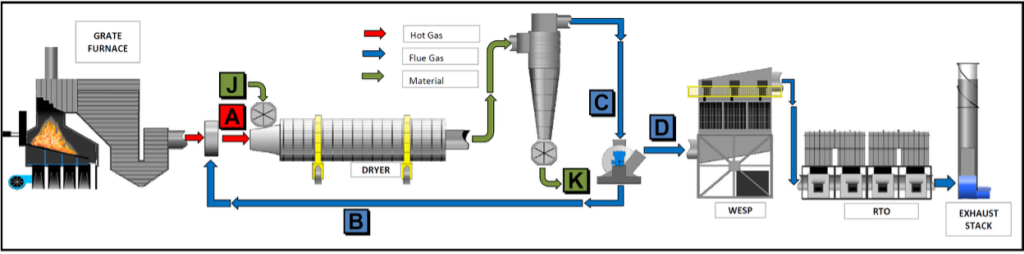
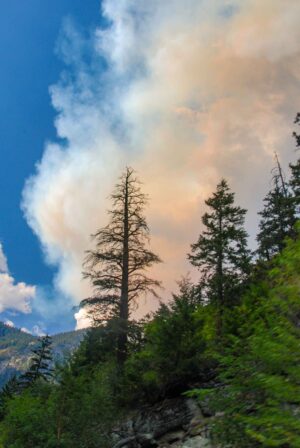 Health officials and advocates are raising concerns about gaps in air quality monitoring across rural BC, saying some communities may be exposed to dangerous wildfire smoke levels if they don’t have access to accurate local data. It comes as the health impacts of wildfire smoke are becoming clearer, and as new monitoring stations are being installed in parts of the province to address the gaps. Air quality is typically monitored by federal and provincial governments and according to Environment Canada, 286 sites across every province and territory make up the National Air Pollution Surveillance program. “Even with nearly 300 sites, there are enormous gaps in geography — often at the expense of rural and remote communities,” said Christopher Lam, of the BC Lung Foundation. …Smoke from the record-breaking Canadian wildfires in 2023 caused an estimated 5,400 acute deaths and about 82,100 premature deaths worldwide.