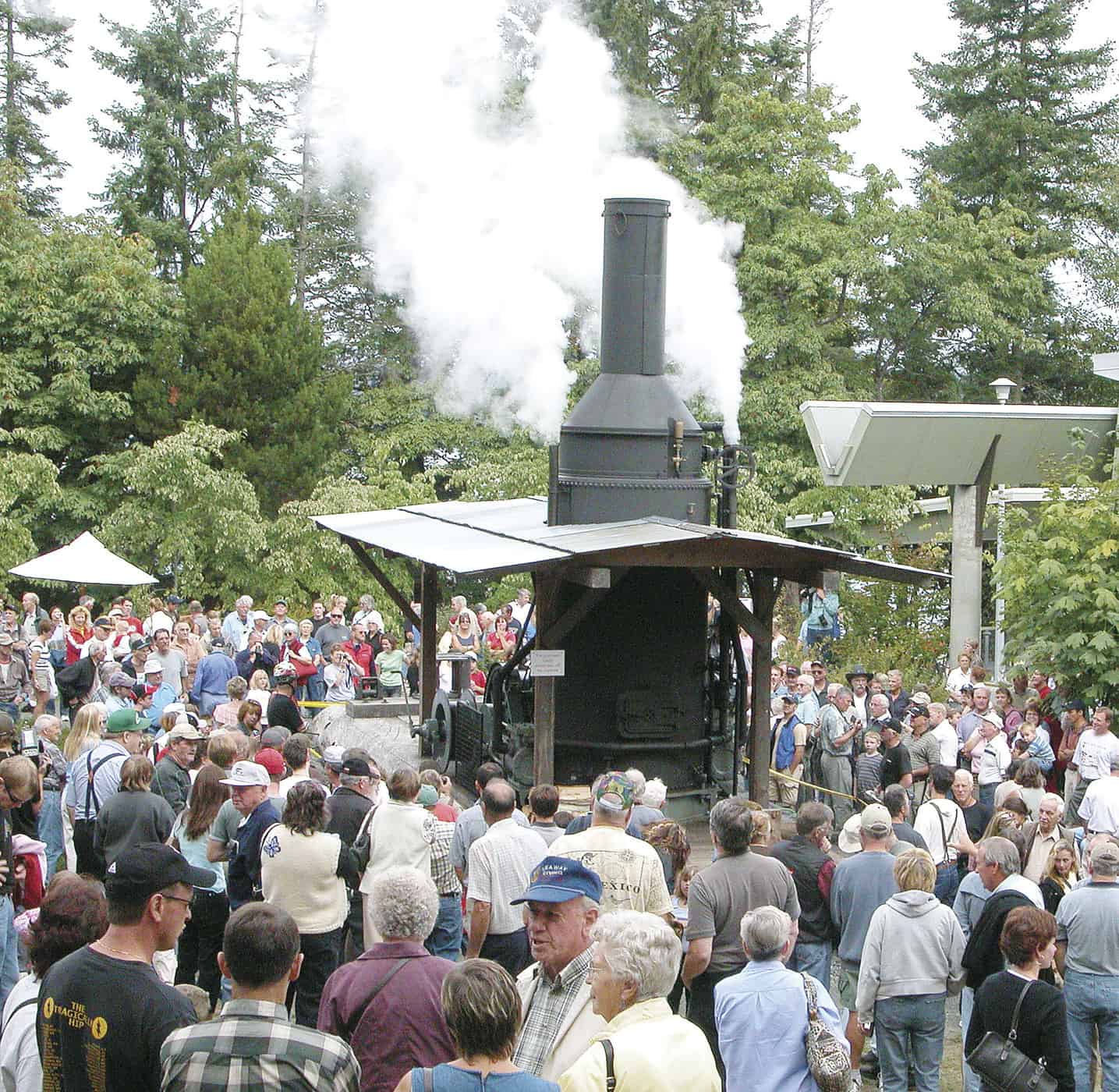
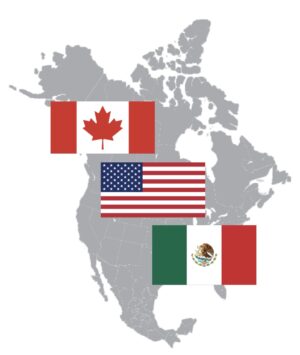
In a world of colourful economic pie charts and slick bar graphs, the image of a three-sided circle is both awkward and uncomfortable. Yet this image may depict the emerging fate of the Canada-US-Mexico Trade Agreement. For Canada, the wild ride through Trumpian trade policy has now entered a decisive phase. …Some rules of the road ahead are beginning to take shape. First there is a recognition and begrudging acceptance that there will be some tariffs where CUSMA had none. …Secondly, despite warm commitments to the trilateral CUSMA relationship, Canada and Mexico are engaged in separate bilateral discussions with the US. …Enter the three-sided circle. Here the current comprehensive trilateral agreement would evolve into three bilateral trade agreements bound by a core centre that holds common rules and undertakings. …In triaging the trade-wounded, no sector deserves a bigger fix than Canada’s softwood lumber industry. Its market access to the US has been battered by 40 years of aggressive protectionism.

 Trade watchers say they are shocked at the latest tactic being used by the US to shore up its tariff wall against Canada after a legal setback last month. US Trade Representative (USTR) launched investigations into 60 economies under Section 301(b) of the U.S. Trade Act of 1974 to determine whether they have failed to impose or enforce bans on imports produced with forced labour. But critics in the Washington beltway say the 301 probes are basically a “show trial” and that the verdict is sure to go against trading partners such as Canada. Canada is being grouped together with China and dozens of other countries for these investigations. The probes will examine whether Ottawa’s forced-labour rules and framework… are sufficient for screening goods produced by child or forced labour. …“This has nothing to do with forced labour,” said Inu Manak, at the Council on Foreign Relations. …He thinks the administration is constructing a pretext to defend the tariffs it’s already planning.
 While Canada’s economy is far more reliant on exports to the US than vice versa, Canadian negotiators have crucial ammunition in their efforts to land a trade deal that reduces or eliminates tariffs imposed by US President Trump. …Canada’s attempts to negotiate relief from Trump’s tariffs on such exports as steel, aluminum, automobiles and softwood lumber are now wrapped into fresh talks on renewing the Canada-US-Mexico Agreement (CUSMA). …Barry Appleton, says Canada needs to shift its strategy by exerting its leverage as a crucial U.S. customer. …Inu Manak, says the US needs Canadian natural resources to achieve the industrial policy goals set out by the US administration. …Canada is among the top sources of foreign direct investment in the U.S., largely as a result of decisions by pension funds. …The US has repeatedly emphasized the importance of steady access to a reliable supply of critical minerals.
 Kemptville, ON — Under the leadership of Canadian Forest Owners (CFO), the Ontario Woodlot Association (OWA), along with partnering associations nationwide, has appointed BrokerLink as our exclusive insurance broker. This


 The final step in a $120-million investment into BC’s forestry sector by a West Kelowna family-owned forestry company has concluded, following the Minister of Forests’ official approval of a tenure transfer from Weyerhaeuser to Gorman Group. “Gorman Group is investing in the future of forestry, investing in a new chapter for Princeton, and investing in the transformation of the community into a real forestry hub,” said Ravi Parmar, Minister of Forests. …“By approving this tenure transfer, we are supporting a company that believes in value-added manufacturing, using every fibre to its fullest potential and keeping jobs here at home.” …The transferred tenures total approximately 682,000 cubic metres. …“We recognize that any Crown tenure transfer comes with important responsibilities and obligations to First Nations, communities and employees who depend on the long-term stewardship of the land and the careful use of the fibre,” said Nick Arkle, CEO, Gorman Group.
 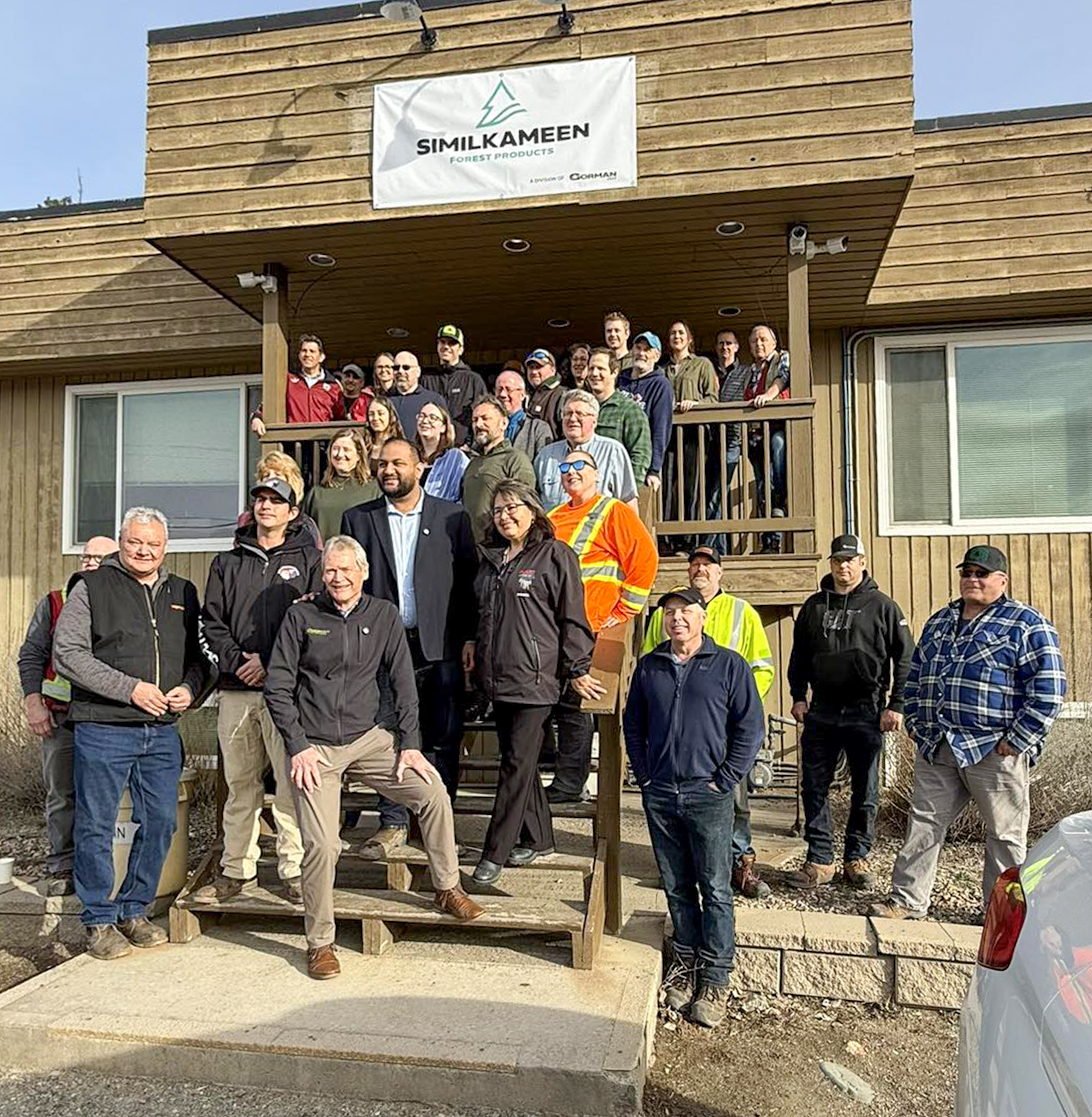 Princeton’s mill celebrated not just new owners but a new name as well with the handover of forestry tenures from Weyerhaeuser to West Kelowna-based Gorman Bros on March 19. …The transfer of the timber tenures has happened quickly since being announced in September 2025, as far as tenure transfers go and especially with the new legislative requirements to consider public interest. Forests Minister Ravi Parmar said “Here you have a company that is continuing to make investments in BC in a time where things are tough right now in forestry. …That speaks well to the future of forestry and gives me the hope and optimism.” …The Ministry of Forests received nearly 300 letters in support of the Gorman tenure transfer from individuals, businesses, First Nations, contractors, community forests and unions during the public input period. “This is a good step forward for a sustainable forestry sector,” Princeton Mayor Spencer Coyne said.

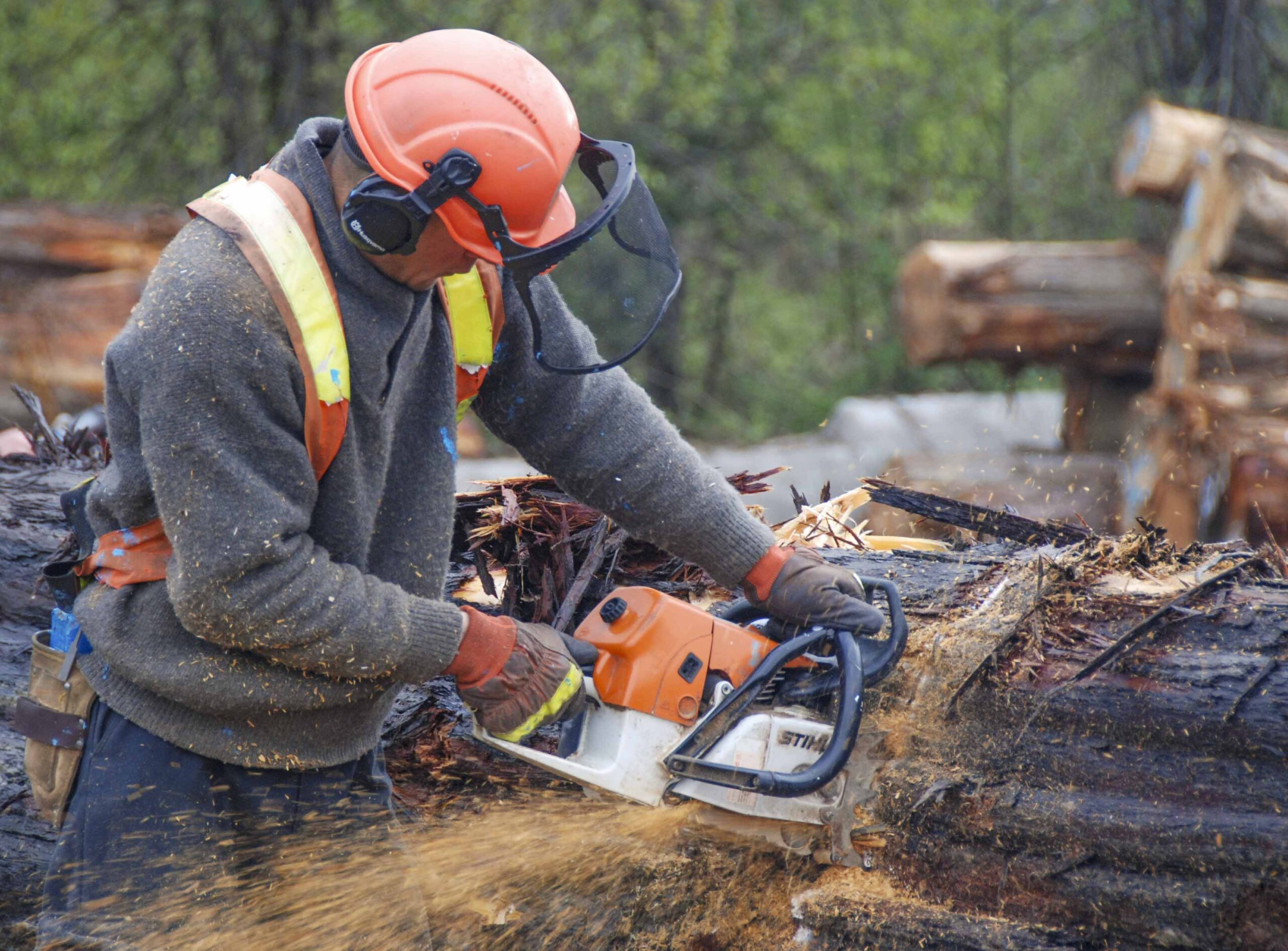 Last year was hard on workers in some industries within B.C.’s resource sector, particularly forestry, and 2026 doesn’t look like it’s starting much better. Statistics Canada’s February labour force survey, the report that tracks overall unemployment, tracked job losses in both the natural resources and manufacturing sectors for both the previous month and for the 12 months since the same month in 2025. Natural resources … had a year-over-year loss of 9,300 jobs from February 2025 to February 2026. The manufacturing classification, which includes lumber production, had a year-over-year loss of 12,200, according to StatCan. StatCan’s … survey of employment and payroll counted at least 1,200 job losses in forestry, which include logging and supporting jobs, and at least 800 job losses in sawmills between December 2024 and December 2025. …“The worst was probably in the fourth quarter (of 2025) when the full bite of the duties hit, and then the (U.S.) tariffs,” said industry consultant Russ Taylor. “That’s when we saw a lot more of the jobs falling off.”
 The Supreme Court of Canada is being asked to consider a clash between Aboriginal title and private land in a New Brunswick case that would have significant national implications. Last December, the New Brunswick Court of Appeal ruled that the Wolastoqey Nation could not seek a declaration of Aboriginal title over private property as part of its claim against the province. The decision was a sharp contrast to a lower-court ruling in BC last summer. After a trial that stretched five years, the BC Supreme Court declared that the Cowichan Tribes had Aboriginal title to about 800 acres in the Vancouver suburbs. In the Wolastoqey case, Justice Ernest Drapeau wrote that he was “unable to see” how Aboriginal title could co-exist with private land. He stated that a declaration of Aboriginal title over such land “would sound the death knell of reconciliation.” …The Wolastoqey are Tcalling on the top court to enter the fray to settle the legal uncertainty. [to access the full story a subscription is required]


 Mercer posted Q4 earnings per share (EPS) of -$4.61 against a consensus estimate of -$0.83, a miss that signals the commodity cycle has gone from painful to existential. The headline driver was a $238.7 million non-cash impairment charge, including a $203.5 million write-down on its Peace River hardwood pulp mill. …International Paper’s Q3 2025 losses look alarming on the surface, with a $1.01 billion impairment on its Global Cellulose Fibers business and $675 million in accelerated depreciation from mill closures. But adjusted EBITDA came in at $859 million, up 28% sequentially. IP is taking pain by choice. Mercer is absorbing pain it cannot control. …IP’s pivot to pure-play global packaging via DS Smith gives it pricing leverage and diversified end markets. Mercer’s mass timber order book, at roughly $163 million in contracts including data center projects, is a genuine bright spot, but it cannot offset a pulp business bleeding cash.
 The Bank of Canada held its benchmark interest rate at 2.25% today as the economy performs below expectations, but war in the Middle East threatens higher inflation. The central bank’s decision to keep to the sidelines today was widely expected, but the future path for the policy rate is much less clear. Governor Tiff Macklem says in prepared remarks that the Bank of Canada is in a “dilemma” with U.S. trade uncertainty keeping the economy soft, but the Iran war sending global oil prices surging and likely spurring higher inflation in the months to come. Macklem says the central bank will look through the immediate inflationary hit from the war, but monetary policymakers will move to prevent persistent price hikes if the conflict persists or broadens. Statistics Canada reported an economic contraction in the fourth quarter of the year and sharp job losses in February.
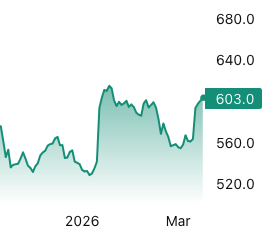 Lumber futures climbed past $600 per thousand board feet as stabilizing housing sentiment and tightening production capacity across North America reversed a two month downward trend. The NAHB Housing Market Index edged up to 38 in March with buyer traffic and future sales expectations showing marginal gains despite persistent economic uncertainty. While 37% of builders continue to offer price cuts to attract buyers the market is finding support from a 29.1% surge in multifamily housing starts and a 7.2% rise in total residential construction activity. On the supply side mill closures and elevated duties on Canadian imports are projected to remove over 1.3 billion board feet from the market this year. Geopolitical tensions in the Middle East further pressure the outlook as rising energy costs inflate transport and shipping expenses for global timber. These factors suggest a shift toward a supply constrained environment that offsets the impact of high mortgage rates.
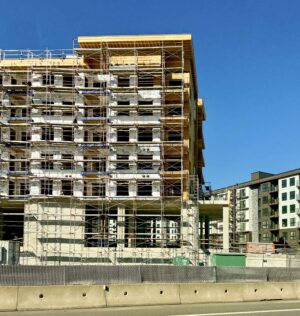 Canadian housing starts posted a modest rebound in February, but economists and industry data pointed to a market still losing momentum beneath the surface. The latest figures suggest builders are working through earlier project decisions while facing weaker demand, higher costs and a darker macro outlook. Canada Mortgage and Housing Corporation (CMHC) reported that the seasonally adjusted annual rate of housing starts rose 4.5% month over month to 250,900 units in February. That’s up from a revised 240,148 in January. The six‑month trend – a moving average used to smooth volatility – inched up just 0.4% to 256,005 units, essentially flat. …“Looking ahead, we expect heightened levels of business uncertainty and construction costs to weigh on the rate and trend of housing starts in the near‑to‑medium term.” …Among Canada’s largest centres, Montreal posted an
 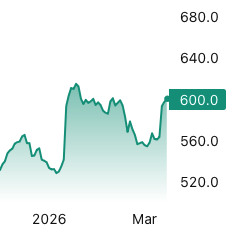 Lumber increased to 602.00 USD/1000 board feet, the highest since February 2026. Over the past 4 weeks, Lumber gained 1.1%, and in the last 12 months, it decreased 9.51%.
 Canada’s unemployment rate rose to 6.7% in February as more people looked for work and the economy shed 84,000 jobs, according to the latest report from Statistics Canada, released Friday. The country’s employment rate fell 0.2 percentage points to 60.6%, the second consecutive monthly decline. …Nearly 23% of the 1.5 million people who were unemployed in February were in long-term unemployment and had been continuously searching for work for 27 weeks or more. Statistics Canada said that percentage was little changed from a year ago, but “significantly above” the pre-COVID-19 pandemic average of 17.1% recorded during 2017-19. Economists had been expecting a gain of 10,000 jobs in February but the numbers were “weaker than expected,” said Andrew Hencic, director and senior economist at TD Economics. “Looking forward, we are expecting the labour market to tread water in 2026, as a rapid slowdown in population growth drags on labour supply, and soft economic momentum limits hiring,” he said.
 VANCOUVER, BC — Conifex Timber reported results for the fourth quarter and year ended December 31, 2025. EBITDA* from continuing operations was negative $12.6 million for the quarter and negative $27.5 million for the year, compared to EBITDA of negative $2.1 million in the fourth quarter of 2024 and negative $13.6 million for the year. Net loss was $35.7 million or negative $0.87 per share for the year versus net loss in the preceding year of $29.8 million. …Our lumber production was 147.9 million board feet in 2025 reflecting an annualized operating rate of 62%. Lumber production in 2025 benefited from higher operating rates in the first half of the year but was impacted by curtailments and modified operating configurations in the second half of 2025 in response to lower lumber prices and higher duty deposit rates and tariff impositions. Lumber production in 2024 was 134.8 million board feet, reflecting an annualized operating rate of 56%.
 TORONTO — Bespoke Metrics announced the finalization of its Mass Timber Project Scoring Methodology, following the close of a public comment period. Bespoke Metrics was engaged by the Climate Smart Buildings Alliance and the Canadian Wood Council, through the Mass Timber Insurance Action Plan, to develop this methodology as part of broader efforts to enhance transparency, comparability, and insurability in the use of sustainable construction materials. By standardizing how mass timber experience and risk management practices are evaluated, the framework supports more informed decision-making among owners, insurers, and lenders. …Mass timber presents significant opportunities as a lower-carbon building material, but it also introduces unique risk factors–including combustibility considerations, moisture sensitivity, supply chain constraints, and a more limited pool of experienced subcontractors and suppliers. The finalized methodology is designed to ensure these factors are consistently and transparently reflected in contractor risk assessments. …The final methodology is


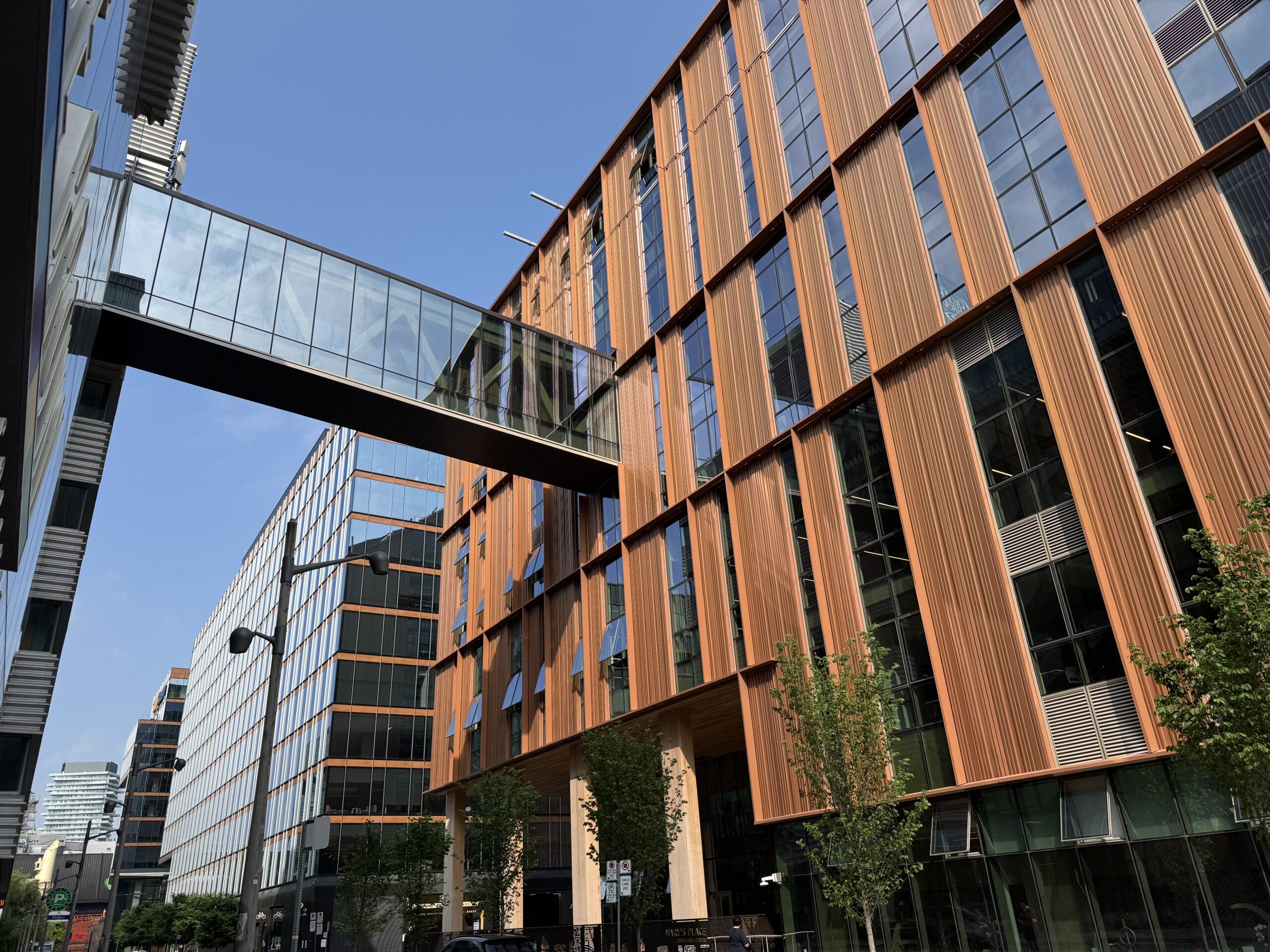 PCL Constructors Canada Inc. (Toronto) earned a pair of awards at the Toronto Construction Association’s (TCA) Best of the Best Awards. Presented at the TCA’s 158th Annual General Meeting, PCL was awarded Project Achievement Awards for the Kingsway College Senior School Phase 2 renovation and George Brown Polytechnic’s Limberlost Place. Creating a new era for George Brown Polytechnic students and faculty, Limberlost Place exemplifies what’s possible through collaboration, out-of-the-box thinking and a shared commitment to building a resilient future. The 10-storey mass timber, net-zero educational facility integrates first-of-its-kind solutions including the cross-laminated timber (CLT) slab band structural system and North America’s largest mass timber columns spanning three storeys. Early engagement from the entire team during the preconstruction phase was crucial to design development and determining constructability.
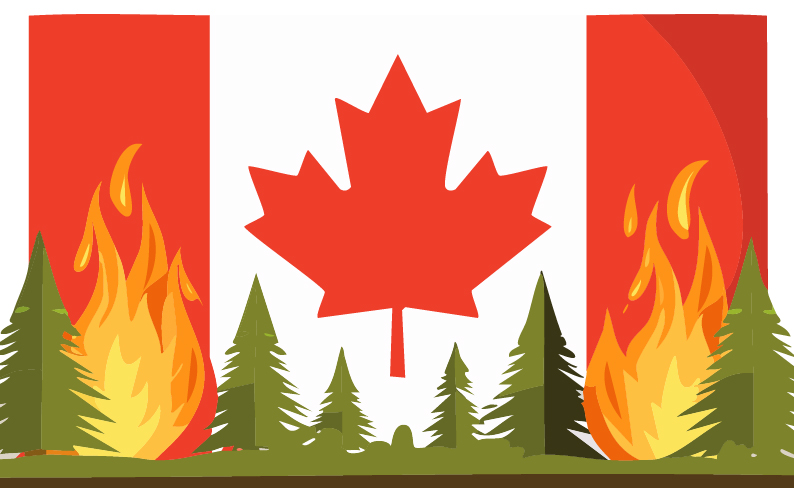 Canada’s insurance industry is urging Ottawa to take direct control of wildfire management, warning that rising disaster costs and what critics describe as a reactive federal response demand a centralized national agency. Blacklock’s Reporter says in submissions to the House of Commons environment committee, the Insurance Bureau of Canada called on Parliament to create a federal emergency management body similar to the U.S. Federal Emergency Management Agency, arguing current systems are no longer adequate. “The trend is clear,” the Bureau wrote. “Canada has already entered an era of record-breaking natural disasters with no signs of slowing.” The proposal would mark a major shift from the current model, where provinces and territories lead wildfire response efforts through mutual aid agreements coordinated by the Canadian Interagency Forest Fire Centre, established in 1982.
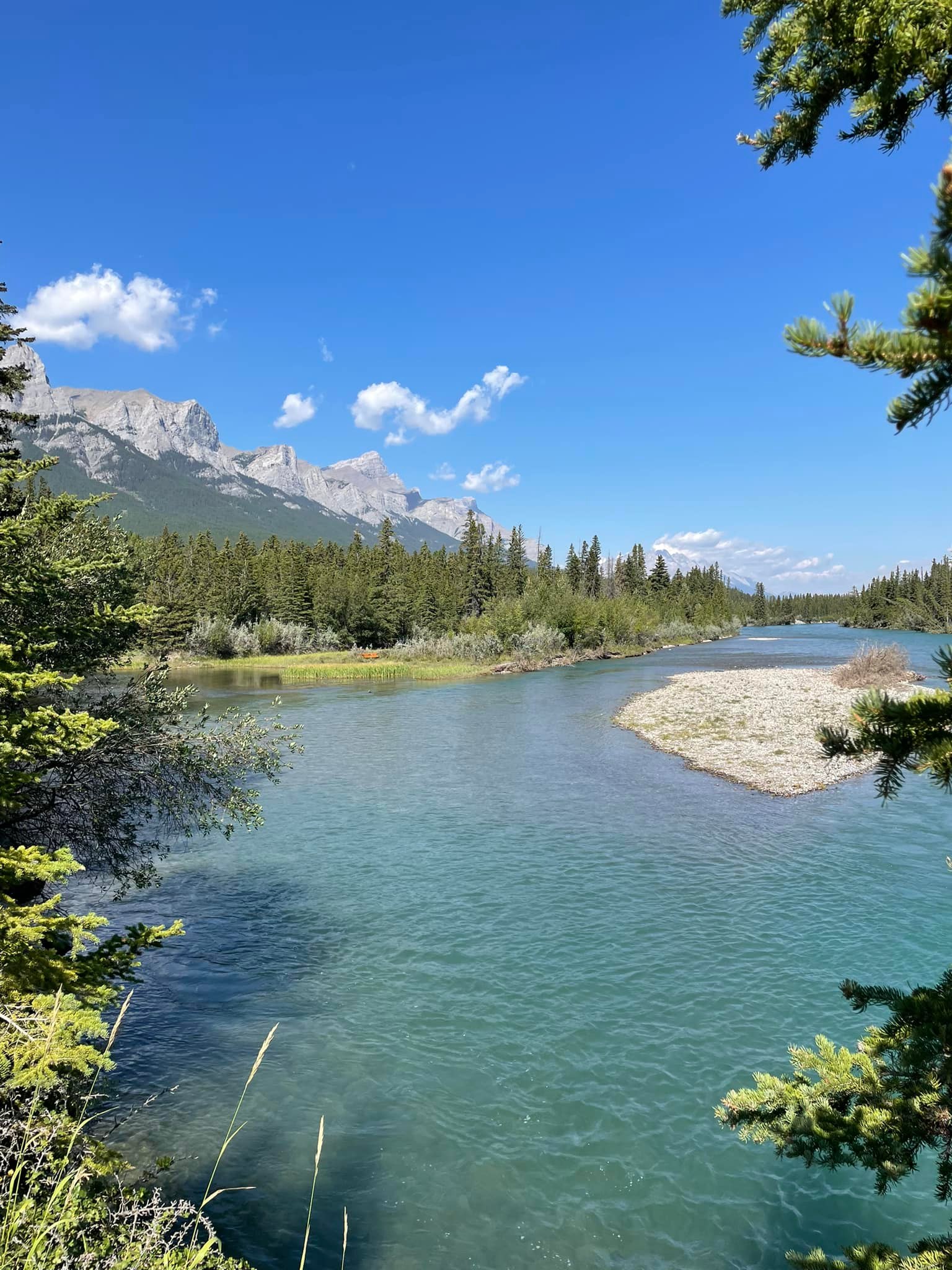 GATINEAU, QC — Today, during Canada Water Week, the Honourable Julie Dabrusin, Minister of the Environment, Climate Change and Nature, is announcing the release of the National Freshwater Science Agenda, which aims to better align freshwater science and research efforts across Canada. The Science Agenda is the result of over two years of engagement efforts led by Environment and Climate Change Canada with input from more than 800 science experts, Knowledge Holders, experts, and science users across governments and sectors, Indigenous organizations, and Canada’s freshwater science community. It is grounded in Western science and Indigenous Knowledge and reflects the diverse scientific needs and perspectives that are relevant to partners and stakeholders across the country. It outlines interconnected themes including bridging, braiding, and weaving Indigenous science and Knowledge; water availability; land‑use stressors and water pollution; ecosystem resilience and biodiversity; socio‑ecological considerations; and economic research.


 Daria Mykhailovych, a Sooke resident, has been raising awareness across Greater Victoria about a petition calling on the provincial government to strengthen protections for British Columbia’s remaining old-growth forests in hopes of encouraging more people to support it. …Originally from Ukraine, she said landscapes like those on Vancouver Island are rare elsewhere in the world. …The petition was launched in fall 2025 by two B.C. forest ecologists, Dr. Suzanne Simard, a professor at University of British Columbia, and independent ecologist Dr. Rachel Holt. Originally, the petition was started with a goal of getting 10,000 signatures. As of March, 16, the petition has received support from about 4,070 people. …“Our concern is that we’ve been cutting these forests at an unsustainable rate,” Simard said. “We wanted to raise awareness and encourage people to question whether the path we’re on is good for the people of British Columbia and for the forests themselves.”

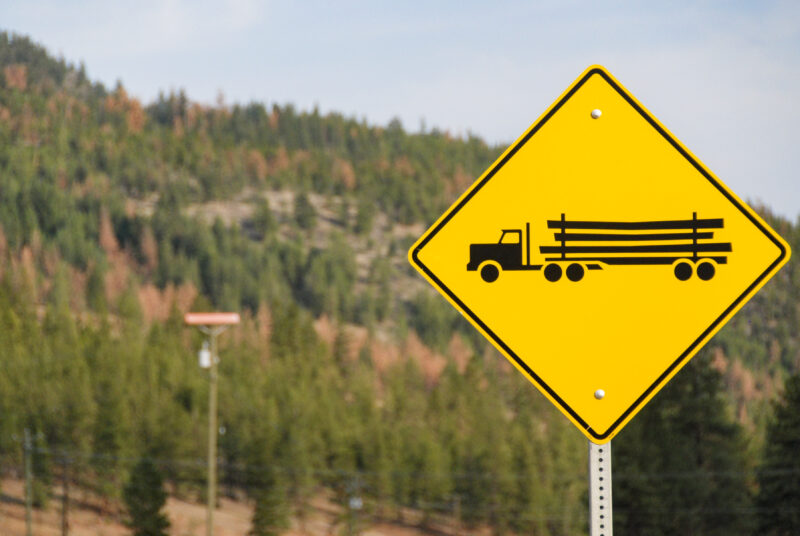 BC Timber Sales is bringing forward an application to establish 17 new cut blocks on Crown land east of Okanagan Falls and Penticton. The application is being brought to the Regional District of Okanagan Similkameen on March 19 for support, as the proposed cut blocks are located within the boundaries of the Okanagan Falls electoral area. The 17 cut blocks total 494.7 hectares, and the proposal would also see road construction and road deactivation. The rehabilitation process for the roads would include tree replanting. The land is in an RDOS-designated resource area, and a staff report says the proposed cutblocks fall within watercourse development permit areas and “important ecosystem areas.” The advisory planning committee for Okanagan Falls gave its support to the application at its March 9 meeting, while requesting that any approval be subject to a full environmental assessment.


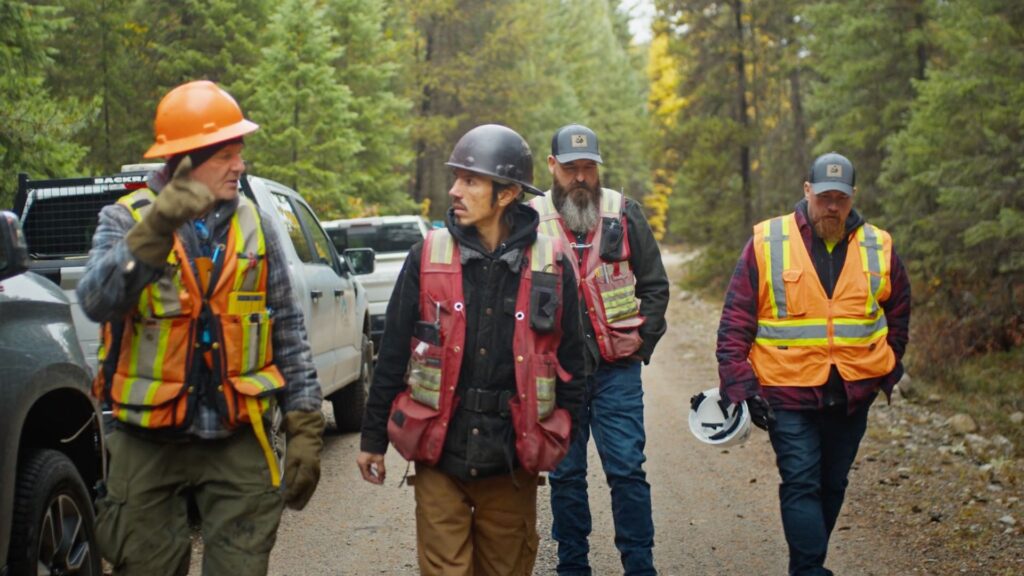

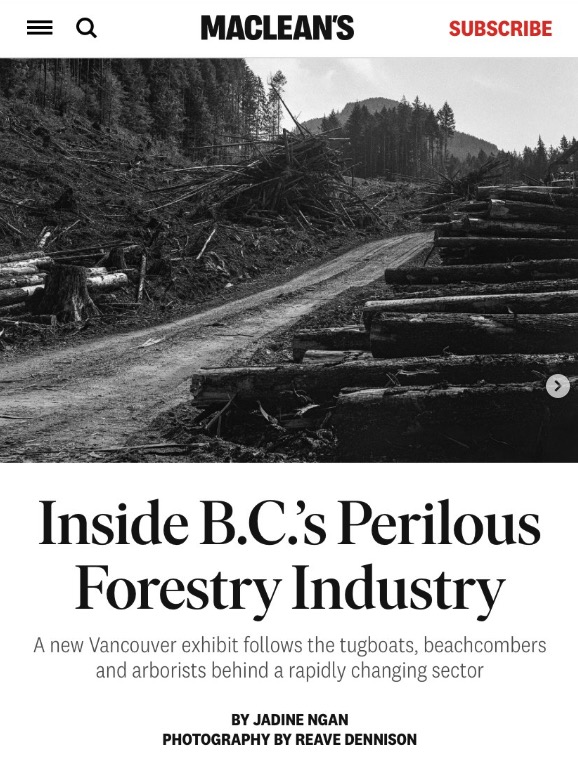 A tree felled in B.C.’s coastal rainforest, is towed by tugboat to lumber mills along waterways like the Fraser River. It’s difficult work. In the cold months, gales tear through inlets and the river ices over; tides and storms can yank logs out of formation all year round. For decades, beachcombers salvaged escaped logs and sold them back into use. But fuel and boat costs are rising, and beachcombers’ ranks are thinning. Reave Dennison is sometimes a tugboat worker, sometimes a beachcomber and sometimes even an arborist, doing maintenance work on trees. …Over the last 10 years, he’s assembled a collection of photographs that document the beauty he sees while toiling in the field. …As part of this year’s Capture Photography Festival in Vancouver, Dennison’s images will be displayed at the Pale Fire art gallery from March 19 to May 9. The exhibit, called Tree Work, folds three of his projects into one.
 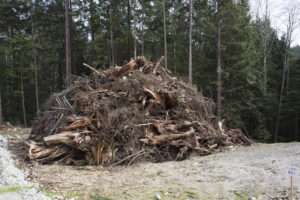 At the Natural Resources Forum in Prince George, the Council of Forest Industries announced its new platform entitled “Forestry is a Solution”. It is asking British Columbians to voice their support for forestry workers by pushing the BC government to speed permitting and access to timber but the main problem is that much of the timber needed does not exist because of decades of over-cutting. That is why more than 100 mills in BC have shut down since 2005. What COFI is really asking for is more access to protected areas, fire- and insect-damaged forests and the very modest and dwindling areas of remaining, unprotected old growth forests. …What is needed now are some major changes in how forests are monitored and trees allocated, with a lot less cutting and no cutting in primary forests whether old growth or fire or insect-damaged forests. …But what is allocated for cutting must make ecological sense.

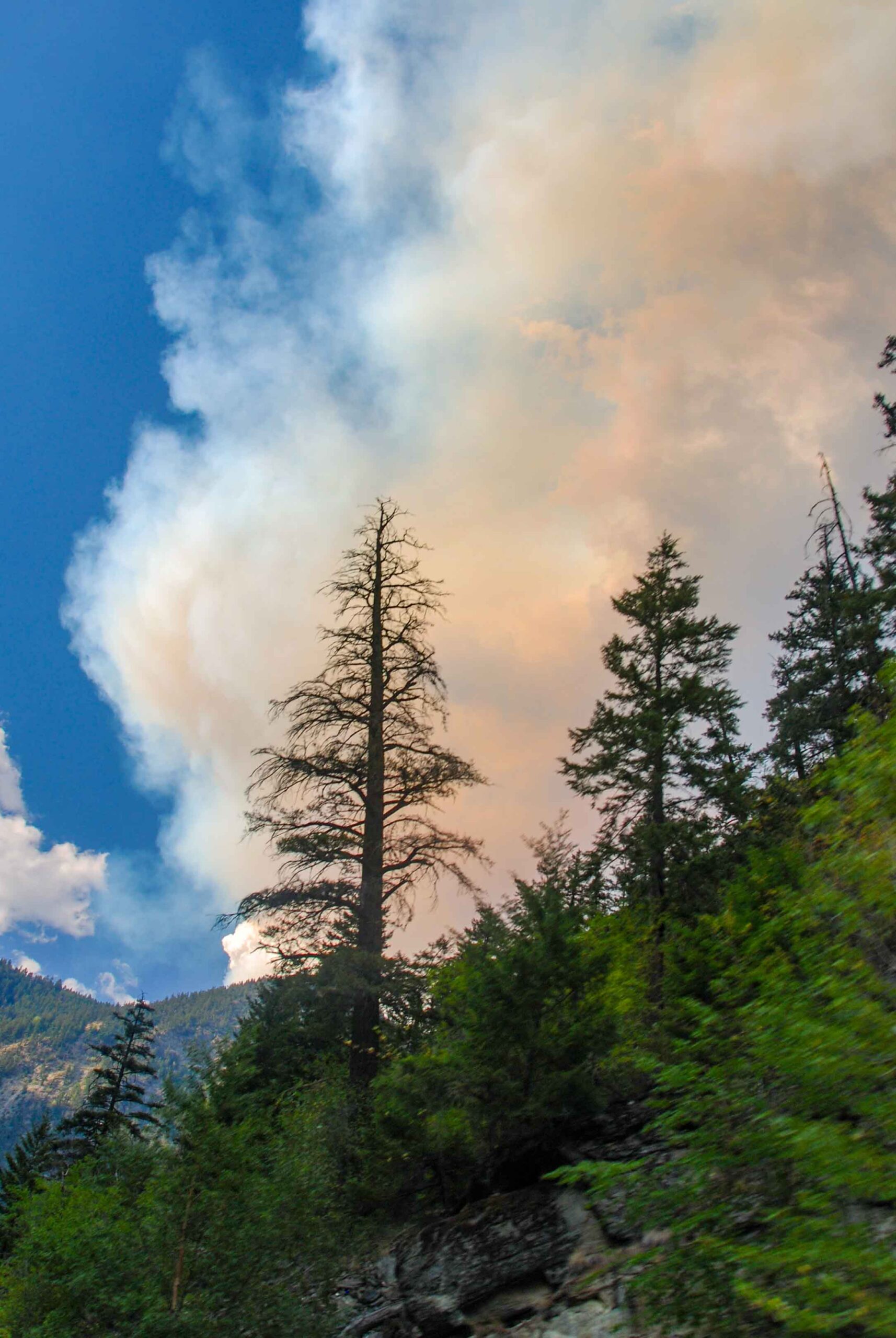 Columbia Basin organizations and residents are benefiting from $3 million in wildfire reduction funding through a partnership between the Province of British Columbia and Columbia Basin Trust, according to a March 17 funding announcement. The projects are guided by FireSmart principles and aim to reduce wildfire risk and strengthen local resilience. The practical projects range from managing wildfire fuels to educating residents. Actions include hiring FireSmart coordinators, preparing fuel-treatment plans, carrying out on-the-ground fuel management and providing FireSmart training. The program is tailored to the Columbia Basin and is part of B.C.’s Community Resiliency Investment Program. The Ministry of Forests, BC Wildfire Service and Columbia Basin Trust are partners in delivering this support.

 District of 100 Mile House Council voted unanimously to write a letter of support, as well as sign a petition related to the Forestry is a Solution initiative. A letter was written to the District Council by Kim Haakstad, the president and CEO of B.C. Council of Forest Industries, which outlined its key priorities: speeding up access to economic wood, improving competitiveness and cost certainty, fixing B.C. Timber Sales and supporting First Nations partnerships. The letter asked council to endorse the campaign, sign a petition and send a letter to their MLA, government officials and the Forests critic. Finally, it asked council to support the District of 100 Mile House staff to share information about the campaign through official communication channels.


 A national organization is seeking people with experience in Canada’s forestry sector as they put together a working group that will examine ways to improve forest recovery following wildfires. Jessica Kaknevicius is the CEO of Forests Canada. She said last year the group reached out to tree planting organizations, to ask them how they are changing their planting practices after forest fires. “We got a lot of insight in terms of this kind of gap of knowledge with how should we be planting differently?” “That’s everywhere from looking at species selection, to looking at how densely are we planting, health and safety of planters, where are we planting, all those things,” she said. “From that dialogue last year, what really came about was the need to bring together a national working group to share best practices, identify gaps, to get better trees in the ground, and really focus on survivability.”
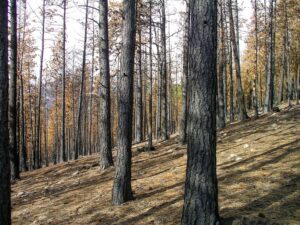 From the moment he became BC’s forests minister, Ravi Parmar has been under pressure to increase logging rates in the province. One way he has decided to do that is by expediting the logging of forests burned in recent wildfires. He issued the Fort Nelson First Nation a new licence to log 100,000 cubic metres of trees in burned forests in BC’s remote northeast corner. …A number of industry associations, including the Council of Forest Industries, asked him to set “definitive, aggressive timelines for completion” of plans to accelerate logging in burned forests. …But increasing “wildfire salvage” of forests, Parmar is travelling down the same road that has seen BC’s logging rates plummet by more than half since the heyday of the 1980s. …Accelerated logging of burned trees may help bend the curve, but history shows that it is short-lived and comes at the cost of degraded ecosystems and even sharper declines ahead.
 With the April 1, 2026, deadline for the Alberta-Ottawa memorandum of understanding fast approaching, leading climate policy experts are calling on Prime Minister Mark Carney to restore the strength and integrity of Canada’s industrial carbon pricing system to increase competitiveness and reduce greenhouse gas emissions. The
  A key plank of Canadian Prime Minister Carney’s climate plan will likely miss its target implementation date, industry sources said, raising new doubts about Canada meeting its environmental goals in the face of higher oil prices and uncertain US trade policy. Carney, a former UN climate envoy, committed last fall to negotiating a stronger industrial carbon pricing policy with Alberta by April 1. He is counting on a strengthened pollution pricing scheme to keep Canada’s emission reduction targets on track after rolling back many of his predecessor Trudeau’s climate policies to restore friendlier relations with the oil-and-gas producing province and prioritize economic growth. Two industry sources say these negotiations have been challenging, and that no deal will be struck by the April 1 deadline because large oil sands companies are pushing back on parts of the federal proposal. …Natural Resources Minister Tim Hodgson has acknowledged there may be a slight delay.
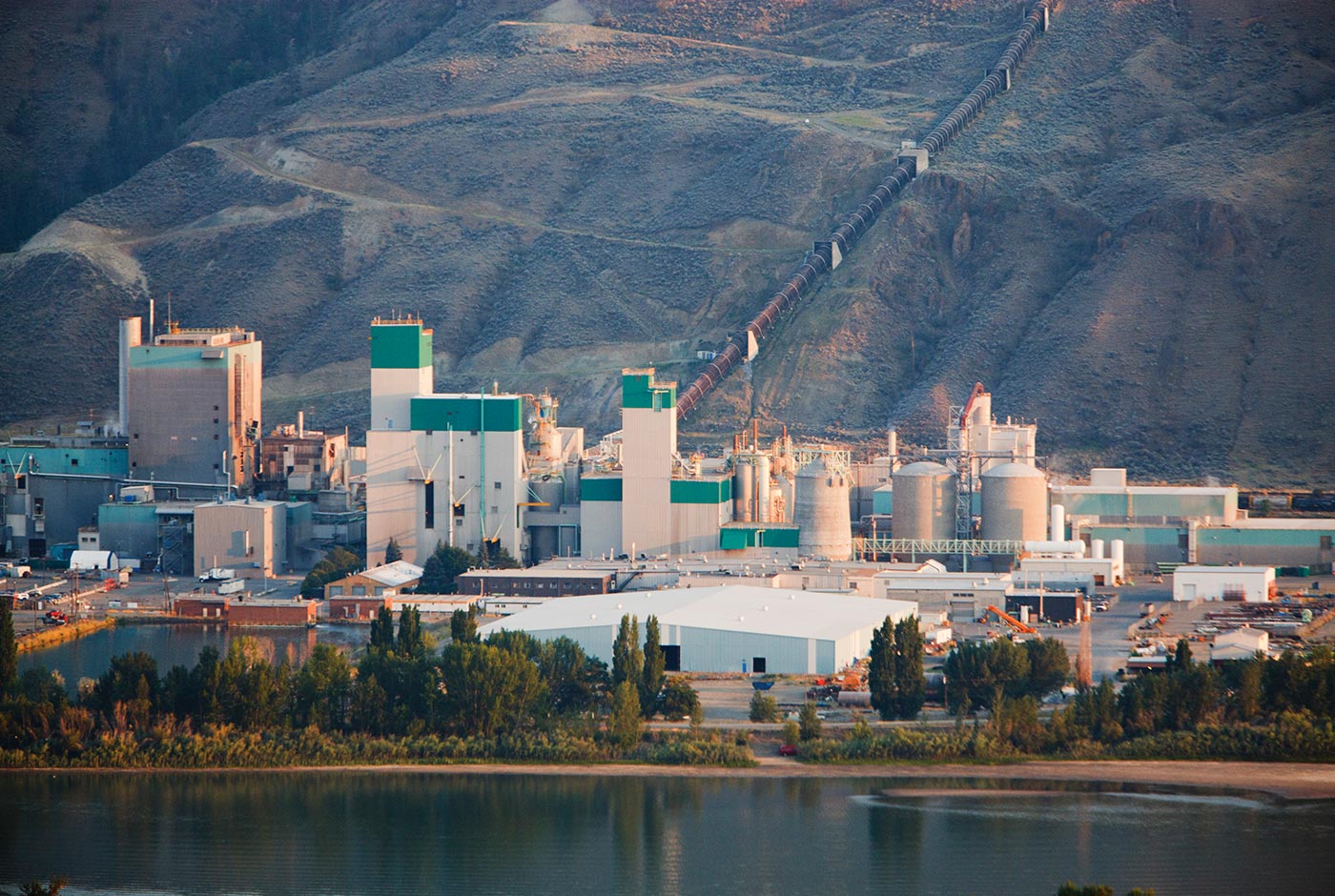
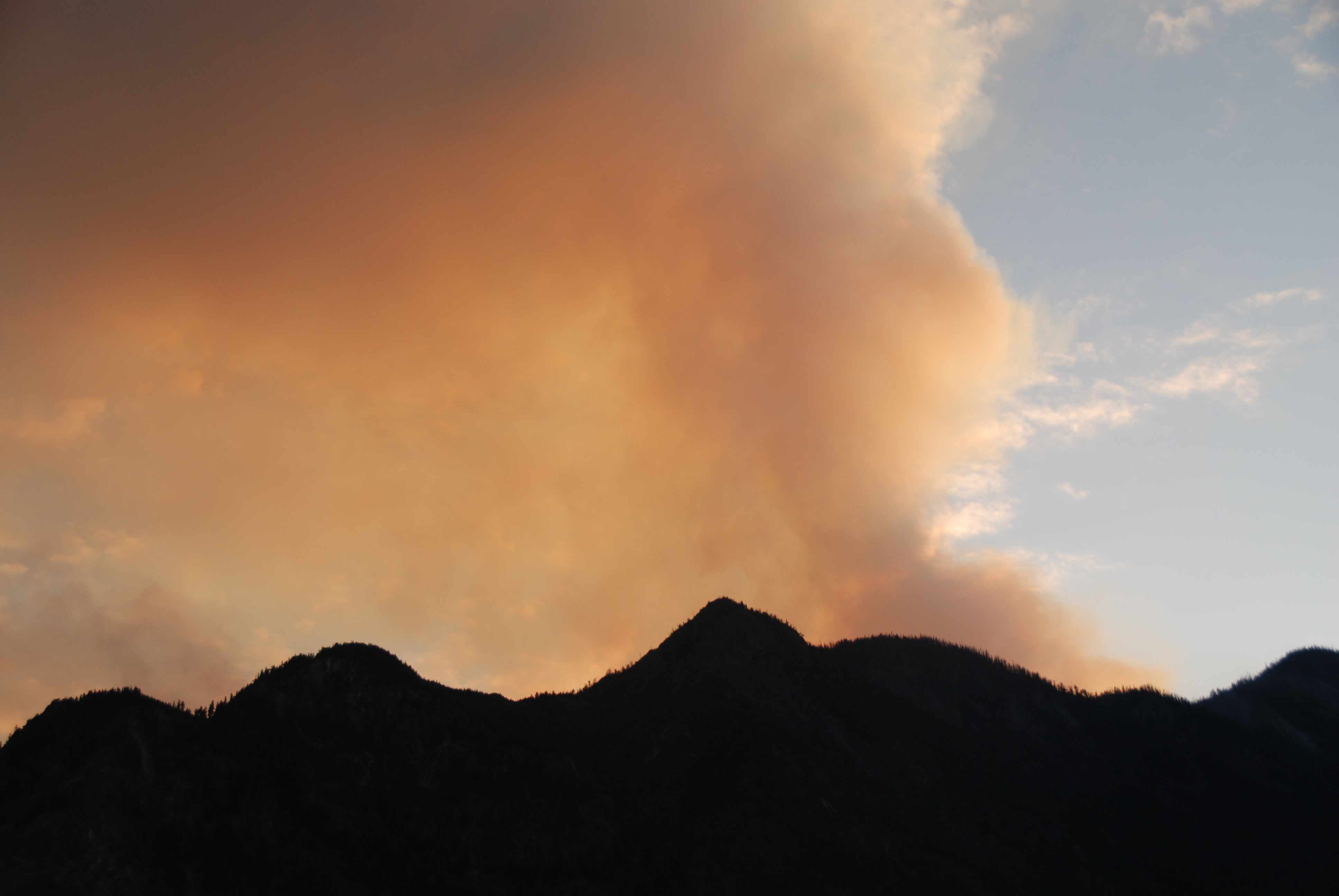 Wildfire smoke is a toxic cocktail of gases, small particles and other ingredients. It’s known to contain hundreds of chemicals. It contains particulate matter, sometimes referred to as soot. …According to an article published by Stanford University, repeated, acute exposure to smoke can shorten firefighters’ life expectancy by about a decade. …Guy Bourgouin, an NDP member of provincial Parliament in Ontario, has demanded breathing protection for wildland firefighters in the province’s legislature. He says the government has been receptive. …Provincial agencies share information and resources through the non-profit Canadian Interagency Forest Fire Centre. It sets standards, including a fitness test used to determine whether a candidate is strong enough to withstand the job’s rigours. But CIFFC has no discernible role in breathing protection and denied an interview request for this story. …The BC Wildfire Service has emerged as Canada’s leader in this quest. Working with the University of Alberta, in 2019 it began studying smoke’s contents and sought to determine whether they were getting into workers’ bodies, with or without N95 masks. [The Globe and Mail is a subscription publication]
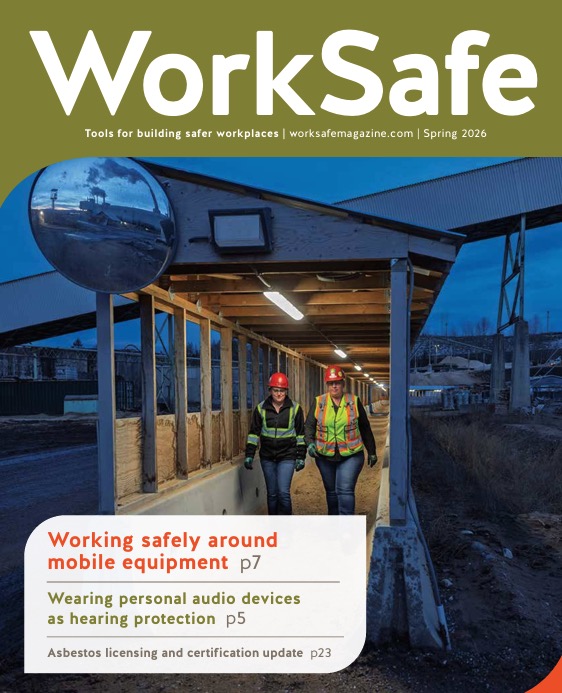 The Tree Frog Forestry News encourages readers to check out the WorkSafeBC Spring 2026 issue of WorkSafe Magazine. The lead story has a strong focus on preventing “struck-by” incidents and improving safety around mobile equipment. It highlights how B.C. forest-product operations are redesigning worksites with engineered controls—such as barriers, walkways, and traffic systems—to better separate workers from moving equipment. Additional features include practical tools to help employers assess and control struck-by risks, along with guidance on roadside work planning and traffic management. The issue also tackles hearing safety, cautioning that personal audio devices are not a substitute for approved hearing protection. WorkSafeBC updates round out the edition, including a refreshed commercial fishing safety guide, clarified rules for reporting tips and gratuities, and progress on asbestos licensing and certification programs. Together, the issue emphasizes proactive planning, clear controls, and shared responsibility as key to safer workplaces across B.C.
 COCHRANE, Alberta — West Fraser Mills has been charged in relation to a workplace death in Alberta