
Kevin Mason
The US tariff regime is far from over despite a US Supreme Court ruling striking down last year’s tariffs authorized by President Trump under the International Emergency Economic Powers Act (IEEPA). Although the court noted in its ruling that the president overstepped his authority in applying reciprocal tariffs on virtually all trading partners, it did leave the door open for other means of tariff application—and the US Administration has wasted no time in charging through that door, turning to Section 122 of the Trade Act of 1974 to impose new global tariffs of 10% (likely moving to 15%). Tariffs under Section 122 expire after 150 days without congressional approval, but we assume other options will be put in place before expiry (Section 232, 301 or some other creative mechanism).
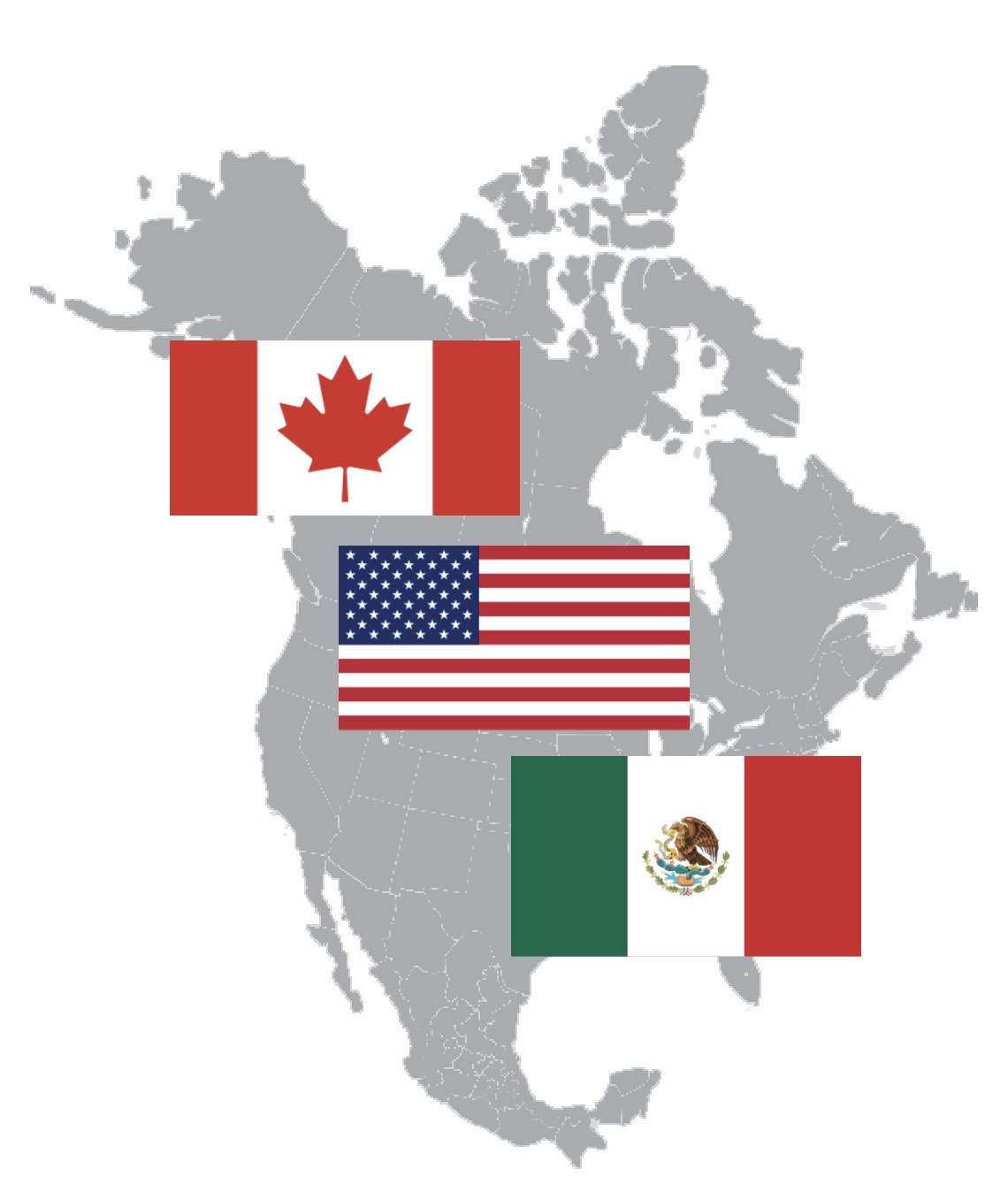
With respect to the forest products industry, cessation of IEEPA tariffs and application of these new Section 122 tariffs have no impact on existing lumber duties (35% remains intact), nor for any existing tariffs under Section 232 (at 10%) or goods currently compliant under USMCA (such goods remain tariff-free under Section 122). Although USMCA-compliant goods are safe from tariffs for now, with that trade deal being reviewed this summer the tariff-free flow of goods among the US, Mexico and Canada could be upended. Since almost all newsprint supply comes from Canada (see page 19), that fear is ostensibly already causing U.S. buyers to accelerate purchases. Our table details what we know at the moment about the new tariff regime (Section 122 at 10% but probably moving to 15%). Brazil and China appear to be winners in these latest moves, but, with other mechanisms available to Trump, we don’t think these recent tariff reductions are going to lead to any dramatic increase in imports from these countries (uncertainty seems to be part of the goal under Trump’s methods).


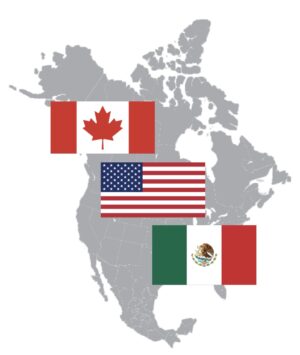 Canada-US Trade Minister Dominic LeBlanc says he sees a path to renew the Canada-United States-Mexico Agreement (CUSMA) and anticipates more specifics from the U.S. administration soon. Gearing up to head back to Washington, DC next week to meet with US Trade Representative Jamieson Greer and “others” next week, LeBlanc said he’s “not pessimistic about renewing the trilateral framework.” “Renewing. It doesn’t expire, it expires in 2036. But the review is not a renegotiation,” LeBlanc said. LeBlanc said two of the key factors underpinning his optimism are that when US President Trump levied his latest global tariff, he maintained the CUSMA exemption, and because American political and business leaders are “speaking up more now.” …Amid speculation that Trump wants to scrap the trilateral trade pact and strike trade deals with Canada and Mexico independently, LeBlanc said the way he sees it, Trump may pursue separate bilateral deals, but that doesn’t necessarily mean the end of CUSMA.
 Trade negotiations used to be underpinned by an unspoken assumption: that trade barriers were lose-lose propositions. All sides could gain something if they mutually disarmed. …[They] were always about how much tariffs and other walls would go down, not how much they would go up. …United States Trade Representative Jamieson Greer sums up the Trump administration’s break with the postwar trade consensus, saying the administration is “focused on reshoring supply chains related to automotive, steel, aluminum … If Canada wants to come in and participate in this type of reshoring we’re trying to do, we’re happy to have those discussions.” …The U.S. wants higher tariffs at home, and lower tariffs abroad. The old give-and-take is now take-and-take. …”We want to have production here. We don’t necessarily want to be dependent on China, Canada or anybody else for things like cars.” [This article is only available to subscribers to the Globe and Mail]
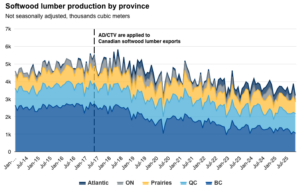 Anti-dumping and countervailing duties, and now additional tariffs on softwood lumber and derivative wood products add to a long history of trade measures applied to Canadian exports. …Recent trade data shows exports of targeted wood products to the US have declined by roughly 11% in 2025 from a year earlier with losses concentrated in Quebec and BC. Export gains elsewhere have only partially compensated for reduced US market access—in part reflecting the geographical constraints in shipping lumber and wood products. …Average industrial capacity utilization rate for wood product manufacturing has declined roughly 10 percentage points to 75% in 2025 Q3 from a decade earlier, while employment in sawmills and wood preservation fell roughly 20% between May 2017 and November 2025 with more pronounced declines in BC (-32%) and Quebec (-13%). …Reduced domestic supply could also put pressure on downstream industries such as pulp and paper mills and construction. The combination of weak demand and constrained supply raises the risk of further production curtailments and mill closures.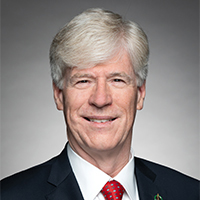
 The Forest Products Association of Canada responded to the federal government’s announcement to support and retool our forest sector to ensure it remains a pillar of national strength and prosperity. The Minister of Energy and Natural Resources, launched a national
  Conifex Timber announced that its wholly-owned subsidiary Conifex Mackenzie Forest Products has completed a $19 million secured term loan with the Business Development Bank of Canada (BDC) under the Softwood Lumber Guarantee Program. The loan has a maturity date of July 15, 2033. …The loan allows for interest-only payments until August 2028. A portion of the loan was used to repay a bridge advance from Conifex’s existing senior secured timber lender. The balance of the loan is available for working capital and general corporate purposes. Conifex also announced that it successfully restarted its sawmill in February. With the successful completion of the term loan, the Company is progressing toward normalized operations and currently anticipates sustaining two-shift operations in the second half of 2026, subject to fibre supply conditions.
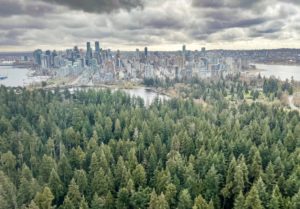 The Musqueam First Nation’s agreement with Ottawa to advance the nation’s rights and title over an area that spans the western half of Greater Vancouver will force Canada to grapple with overlapping Indigenous claims, the boundaries of civic governance, and the principles of co-operative federalism. The deal acknowledges the existence of constitutionally protected Aboriginal title and creates a framework to implement Musqueam’s rights and title in their traditional territory. It is accompanied by two other agreements that create a framework for shared decision-making over fisheries, marine stewardship and land use. Just where that title will be recognized, and what rights will be affirmed, are yet to be negotiated. The Musqueam’s traditional territory has overlapping and shared territories with its First Nation neighbours. …Ottawa’s deal with Musqueam First Nation raises alarm about property rights in Vancouver area. …Cowichan decision leads to another claim on private lands in BC. [to access the full story a Globe & Mail subscription is required]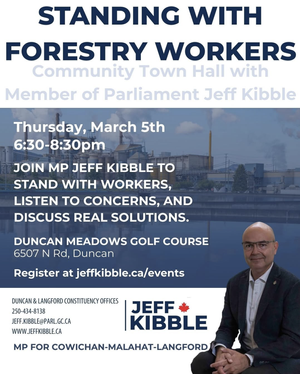
 March 19, 2026 | 6:30-9 PM | UBC Robson Square Theatre — Experts from the Allard School of Law (Ljiljana Biuković), Vancouver School of Economics (Torsten Jaccard), Faculty of Forestry & Environmental Stewardship (Harry Nelson), and Political Science (Stewart Prest) will explore the evolving Canada–U.S. economic relationship and what it means for Canada’s future. As the 2026 joint review of the Canada–United States–Mexico Agreement (CUSMA) approaches, Canada faces significant shifts in its most important trading relationship. From tariffs on steel to ongoing tensions in British Columbia’s forestry sector, long-standing trade dynamics are being tested and the era of predictable trade and stable multilateral rules may be coming to an end. Policymakers, industry leaders, and people interested in understanding the structural changes shaping Canada’s economic future are encouraged to attend. Panelists will examine emerging geopolitical realities and their implications for Canada, highlighting BC forestry as a case study on how international trade pressures are affecting local industries, workers, and communities.

 The head of B.C.’s Declaration Act Secretariat has left government on the eve of Premier David Eby’s move to change the landmark law to address court rulings that threaten private property rights. Jessica Wood, the province’s first Indigenous deputy minister, announced late last week she was departing the secretariat. “The Declaration Act was the first legislation in Canada to require consideration and alignment of provincial law with the United Nations Declaration on the Rights of Indigenous Peoples in consultation and cooperation with Indigenous Peoples,” Wood said in a post on
 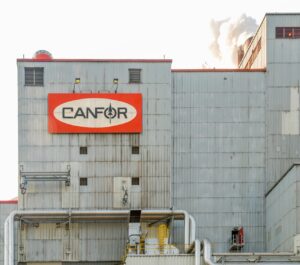 Twenty years after spinning out Canfor Pulp Products as a separate entity, Canfor Corp. plans to bring it back into the fold to prevent the subsidiary from sinking. …Since December, its stock has plunged to about $0.50 per share. A March 6 shareholder vote on a plan of arrangement is just one of the vital signs indicating how bad 2025 was for the forestry sector in general, and BC forestry companies in particular. …But B.C. has been particularly hard hit with sawmill and pulp mill closures due to its fibre constraints and higher operating costs. The most recent high-profile mill closure in BC was the Domtar pulp mill in Crofton at the end of December. BC pulp mills rely on wood chips from sawmills to produce pulp. But so many sawmills have permanently shuttered in B.C. in the last few years that pulp mills now struggle to find enough fibre to run their mills.

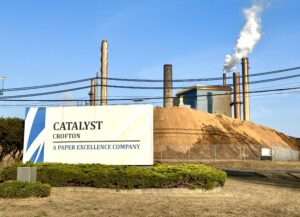 On Dec. 2, 2025, Domtar announced it would permanently close Crofton’s nearly 70-year-old mill citing a lack of affordable fibre in BC and rising cost of materials. In response, the Municipality of North Cowichan created a Community Transition Table to coordinate union leadership, worker support and discussions on the future of the mill site. …The Discourse has compiled a timeline of major events at the Crofton mill to help understand the historical context of the latest mill closure. …1957: The mill opens and BC Forest Products (BCFP) told the citizens of Crofton it would employ 300 people and have an annual payroll of $1.5 million. Crofton was chosen as the location for the mill after an “extensive” three year survey by BCFP found the Cowichan River had adequate water supply for the mill. 1963: BCFP announced an $18.5 million expansion of the Crofton mill to expand the capacity to produce paper for its second newsprint machine.
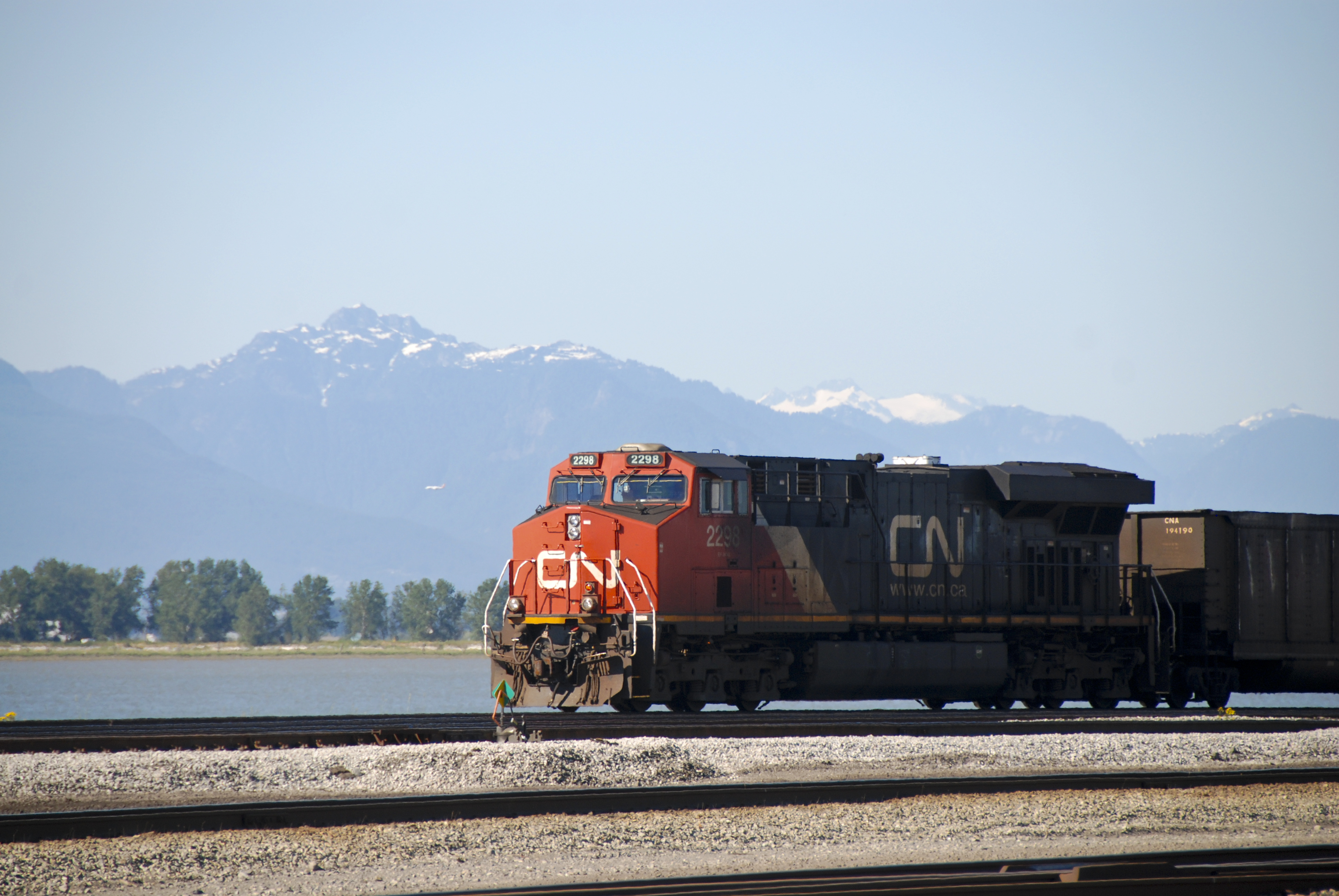 The mayors of Squamish and 100 Mile House, B.C., want to see the railway linking their two communities preserved. CN Rail is responsible for the maintenance and upkeep of a portion of B.C.’s rail network between Squamish and Exeter, just northwest of 100 Mile House. In July 2025, the national rail operator said it provided notice of its intent to discontinue those operations. 100 Mile House Mayor Maureen Pinkney says her town is working with several other municipalities to make a business case for the railway, and have hired a consultant to research the details. The rail line goes through an industrial park in 100 Mile House, explained Pinkney, connecting industries like forestry. The town’s oriented strand board plant shut down in 2019 and West Fraser closed its lumber mill at the end of last year, but Pinkney said there’s still fibre that can be utilized for other wood products.
 HOUSTON, BC –Houston area First Nations were in talks to buy Canfor’s now-closed Houston sawmill and timber tenure throughout last fall, only to have an offer rejected in December, says the chief councillor from the Lake Babine Nation. “Canfor shut down all talks at once,” said Wilf Adam last week. “They did not like the price. That was it.” The company has been trying to sell its Houston and area holdings after years of rolling openings and closures in response to overall market pressure and high operations costs at the mill. …There was hope in the spring of 2023 when… but that hope was quashed in the spring of 2024 when the company announced it was shelving the prospect of a new mill. It then began looking for a buyer for the mill and tenure.
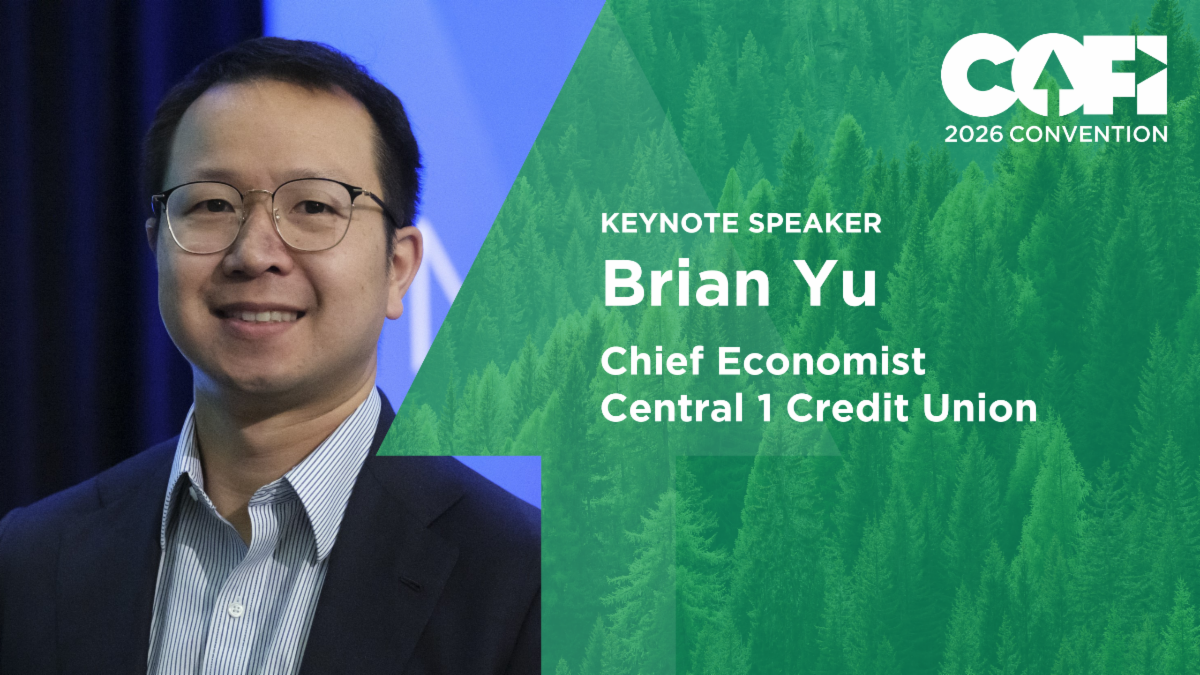 Join Bryan Yu, Chief Economist at Central 1 Credit Union, for a clear-eyed keynote on the economic forces shaping the year ahead. In his presentation, 2026 Macroeconomic Outlook he will examine trade uncertainty, global competition, and pressure at home. What’s ahead for BC and Canada’s economy? Hear what the outlook means for BC’s forest sector and the strategic decisions leaders will face in a rapidly changing economy. Mark your calendar for April 8 – 10, and register before March 6 to take advantage of Early Bird discounts.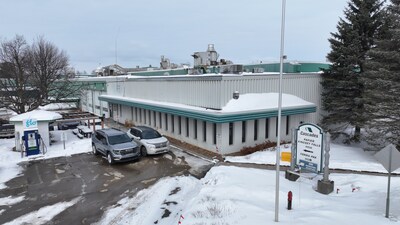
 EAR FALLS, Ontario — No news is not good news when it comes to the future of the sawmill in Ear Falls. Mayor of the community Kevin Kahoot says he’s supposed to talk with Interfor, the owner of the mill, this week. “We have regular conversations in the last few months…every couple of weeks,” says Kahoot. “It’s been kind of status quo recently. They keep pushing markets and tariffs and those kinds of things. But I don’t see a lot of movement maybe until springtime.” The sawmill shut down indefinitely back in October throwing 150 people out of work. [END]
 New Brunswick royalty revenues have plummeted by $45 million. It’s a figure that has forestry royalties on track to come in at an historic low in the current fiscal year. And it was a decision to significantly cut royalty rates made quietly by the Holt government last July that’s behind it. That’s as the government suggests it’s a move that’s successfully sheltered the industry from curtailments and closures that are being felt across the country. …The province moved to overhaul timber royalty rates in 2022 after acknowledging its former policy of charging forestry companies a flat rate for wood cut in public forests had failed to take advantage of a two-year explosion in international lumber prices. A new system created under the former Higgs government allowed for rates to rise and fall with the prices of various wood-based commodities. “As forest product markets improve in the future, royalty rates will index upwards,” Herron said.

 Statistics Canada says the economy capped off a volatile year with a contraction in the final quarter of 2025. The agency said that real gross domestic product declined 0.6% on an annualized basis in the fourth quarter, falling short of expectations from the Bank of Canada and most economists for flat growth. Real GDP per capita was unchanged in the fourth quarter. StatCan said the main reason for the contraction was businesses drawing down their inventories. The economy swung back and forth between gains and losses every quarter last year as sharp changes in exports tied to US tariffs drove volatility in GDP data. …The agency said real GDP rose 1.7% in 2025 overall, cooling from 2% growth in each of the previous two years and marking the slowest pace of annual growth since 2016 outside the COVID-19 pandemic. “Lower exports, particularly to the United States, were the main contributor to the slower rise in GDP in 2025”.
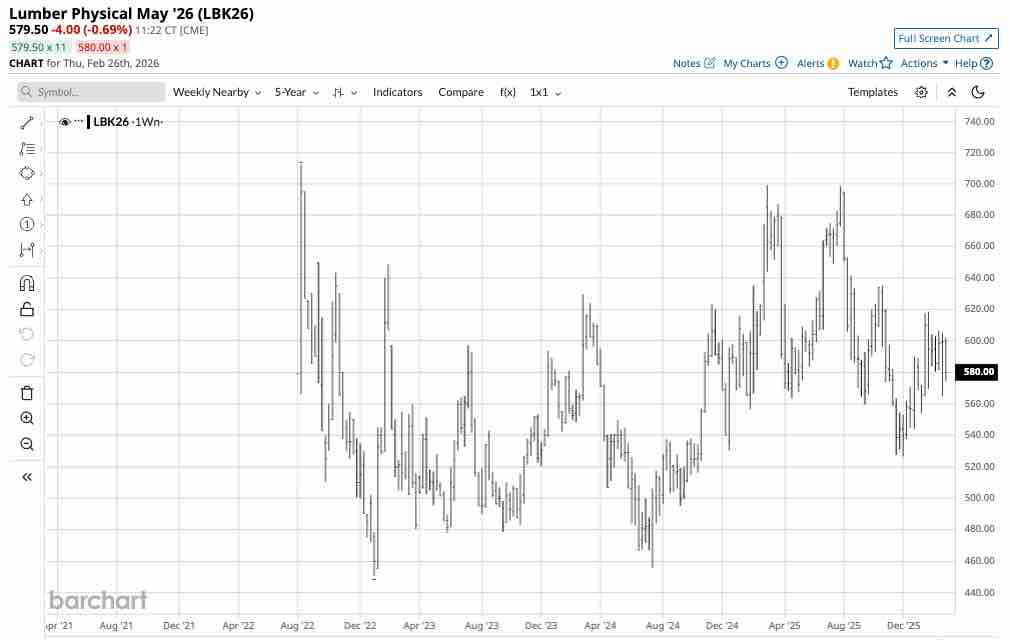
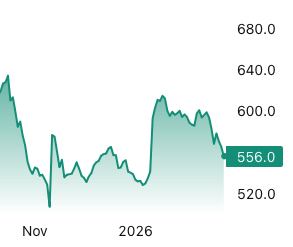 Lumber futures fell toward $550 per thousand board feet, marking a six-week low, as a stagnant North American housing sector failed to absorb heavy seasonal inventories. Demand weakened as January data showed a 7% year over year drop in single family starts and an 8.4% decline in units under construction. High 6.25% mortgage rates and a 5.8% slump in Canadian home sales during January 2026 further stalled new project starts. On the supply side, regional inventory remained bloated. While BC curtailments continued harsh winter storms in the US South halted jobsite activity more than mill output, creating a distributor logjam and forcing aggressive dealer discounting to clear yard space. Additionally, while Trump’s administration 45% softwood duties were meant to buoy prices they instead stifled demand by adding nearly $17,500 to average home costs. This eroded the builder confidence needed to clear current supply.


 Visit Canada Wood’s Market News for these stories and more:
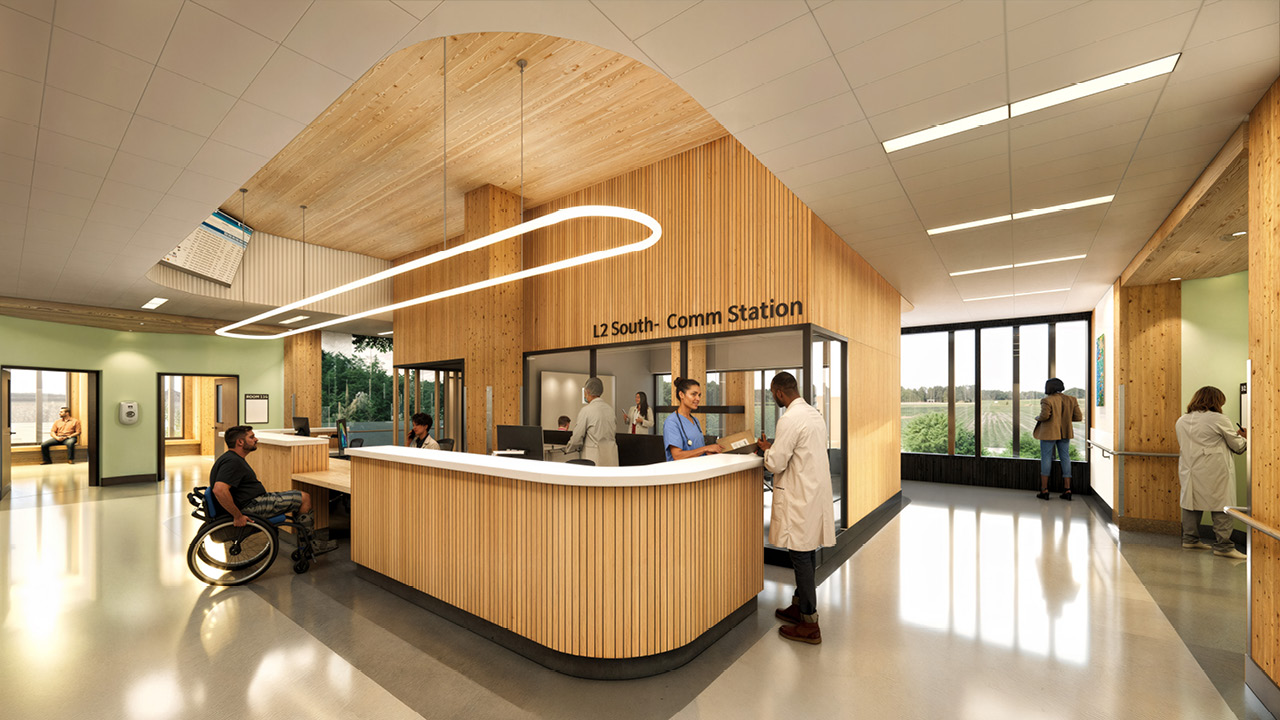
 VANCOUVER — UBC’s newest building, Gateway Health, is opening as a hub for student health, interdisciplinary teaching and collaborative research. The 270,550-square-foot building gives a purpose-built home to the school of nursing, consolidates kinesiology programs from eight campus locations, and centralizes student health and wellbeing services for the first time. …



 North Cowichan wants the province to expedite increases to water licences for the Cowichan and Chemainus aquifers. Council authorized Mayor Rob Douglas to write a letter to Randene Neill, B.C.’s Minister of Water, Land, and Resource Stewardship, asking the government to accelerate the licence process at its meeting on Feb. 18. The request came after a presentation by North Cowichan’s engineering director Clay Reitsma on key infrastructure constraints in the municipality. Reitsma said that increased growth and development demands, provincial housing targets, and the recent closure of the Crofton pulp mill have combined to create significant constraints and impacts on North Cowichan’s limited water and sewer servicing, and water-licensing limits. He pointed out that most of Crofton’s water currently comes from the now closed Domtar mill… Domtar has committed to keep the water flowing from the mill’s water systems to Crofton until the end of 2026, but no promises have been made beyond that.

 Canada’s drinking water can remain at risk long after wildfires burn out, according to a
  PRINCE GEORGE – Recent shifts in the global wood pellet industry have started a debate in BC about forestry, climate impacts, and local jobs. Drax, a UK-based energy company, plans to stop using wood pellets from BC at its power plant in England. Environmental groups believe this move will not affect BC much, but the province’s Forest Minister disagrees. Ravi Parmar, BC’s forests minister, says critics are spreading fear and insists the industry uses byproducts from forestry, not old-growth trees. Michelle Connolly from Conservation North says that although Drax stopping shipments to the UK seems important, the situation in BC is actually much more complex. …Forest Minister Ravi Parmar says BC uses some of the world’s strongest sustainable harvesting practices. He adds that pellet plants use leftover byproducts from logging, not valuable logs from primary forests.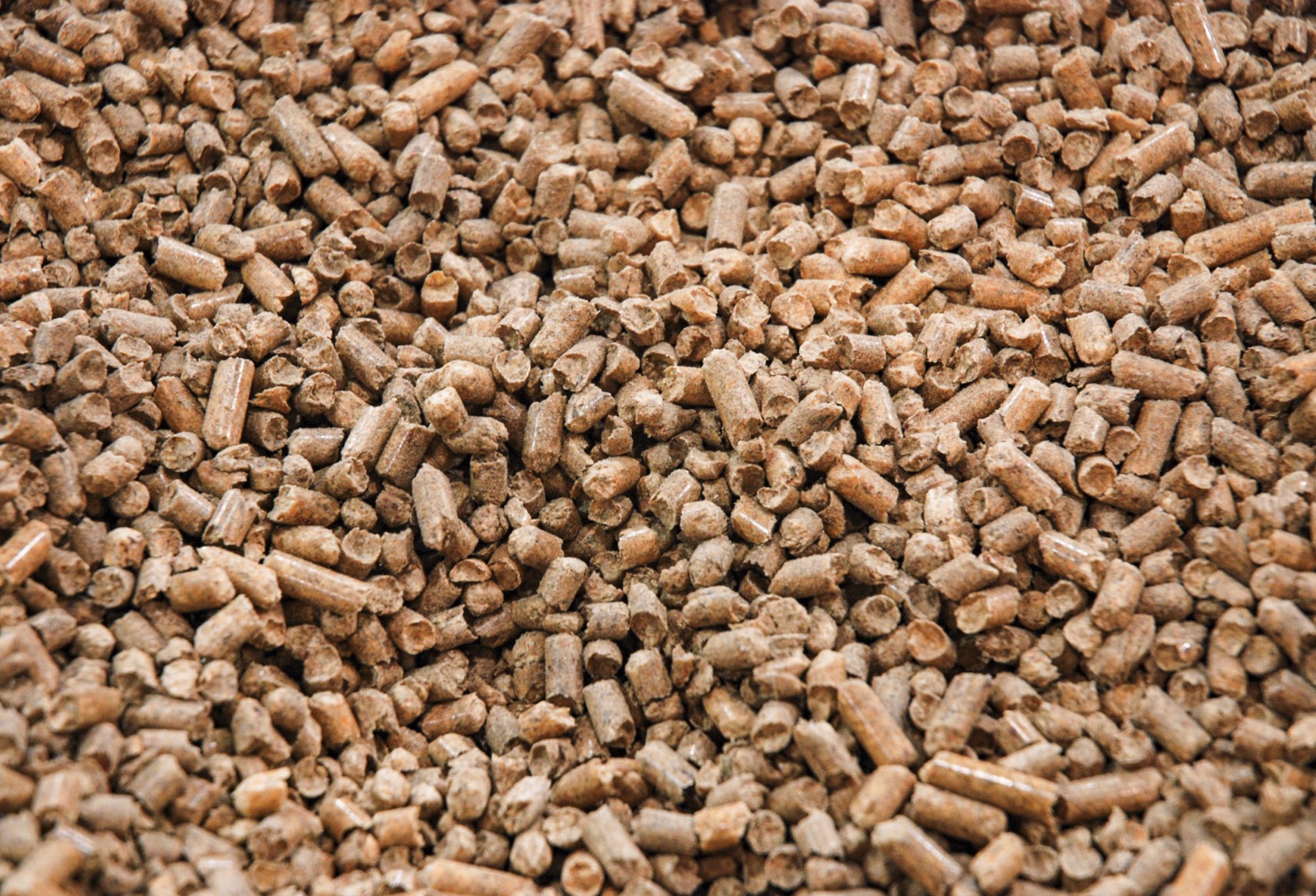


 BC Wildfire Service (BCWS) staff have returned to B.C. after supporting Forest Fire Management Victoria in Australia for the past month with wildfire-fighting efforts. “Our world-class BC Wildfire Service has once again stepped up on the global stage,” said Ravi Parmar, Minister of Forests. “As we prepare for the 2026 wildfire season, our BCWS crews consistently demonstrate exceptional skills, courage and professionalism wherever they’re called to serve.” On Jan. 25, 2026, BCWS deployed 37 people to the state of Victoria to help respond to the Walwa River Road fire and provide support in the Tallangatta Incident Control Centre. The team consisted of a 15-person incident management team, a 20-person fire crew and two agency representatives. …Ahead of this year’s wildfire season, B.C. continues work to keep people and communities safe by focusing on all four pillars of emergency management: prevention, preparedness, response and recovery.
 The February 2026 FGC eNewsletter highlights several key developments in forest genetics across British Columbia and beyond. It introduces Dan Nadir, RPF, as the new Executive Secretariat for FGC, succeeding Brian Barber, and outlines his forestry background and experience. The newsletter promotes an upcoming BC Seed Orchard Association webinar on March 12, featuring presentations on seed extraction and orchard management from Quebec and New Brunswick. Recent events where forest genetics featured prominently are covered, including presentations on seed planning in a changing climate at the Western Forestry Contractors’ Association conference and FGC’s participation at the Forest Professionals BC conference. The update also highlights a new national report identifying challenges and solutions for improving Canada’s tree seed supply chain. Finally, it lists upcoming meetings and conferences in 2026, such as tree improvement workshops and international seed orchard conferences, encouraging engagement and continued professional development.
 In this newsletter you will find:
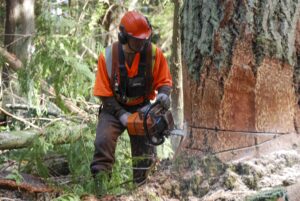 How the hell did we end up in this situation? It’s a question that everyone involved in BC’s wood products business has asked themselves during the last few years. The question doesn’t have a simple answer. Instead, there are several contributing factors that have steered the forest industry into its current mess. But two problems are of critical importance now: securing reliable fibre access and dealing calmly with the international uncertainty triggered by US President Donald Trump’s lust for world trade dominance and military supremacy. But the BC forest industry has deep roots and some of the issues which began long ago have now come home to roost. All at the same time. They’ve created a confluence of concerns. That’s evident in the silent sawmills, the scattering of a skilled workforce—and communities in crisis throughout the BC interior.
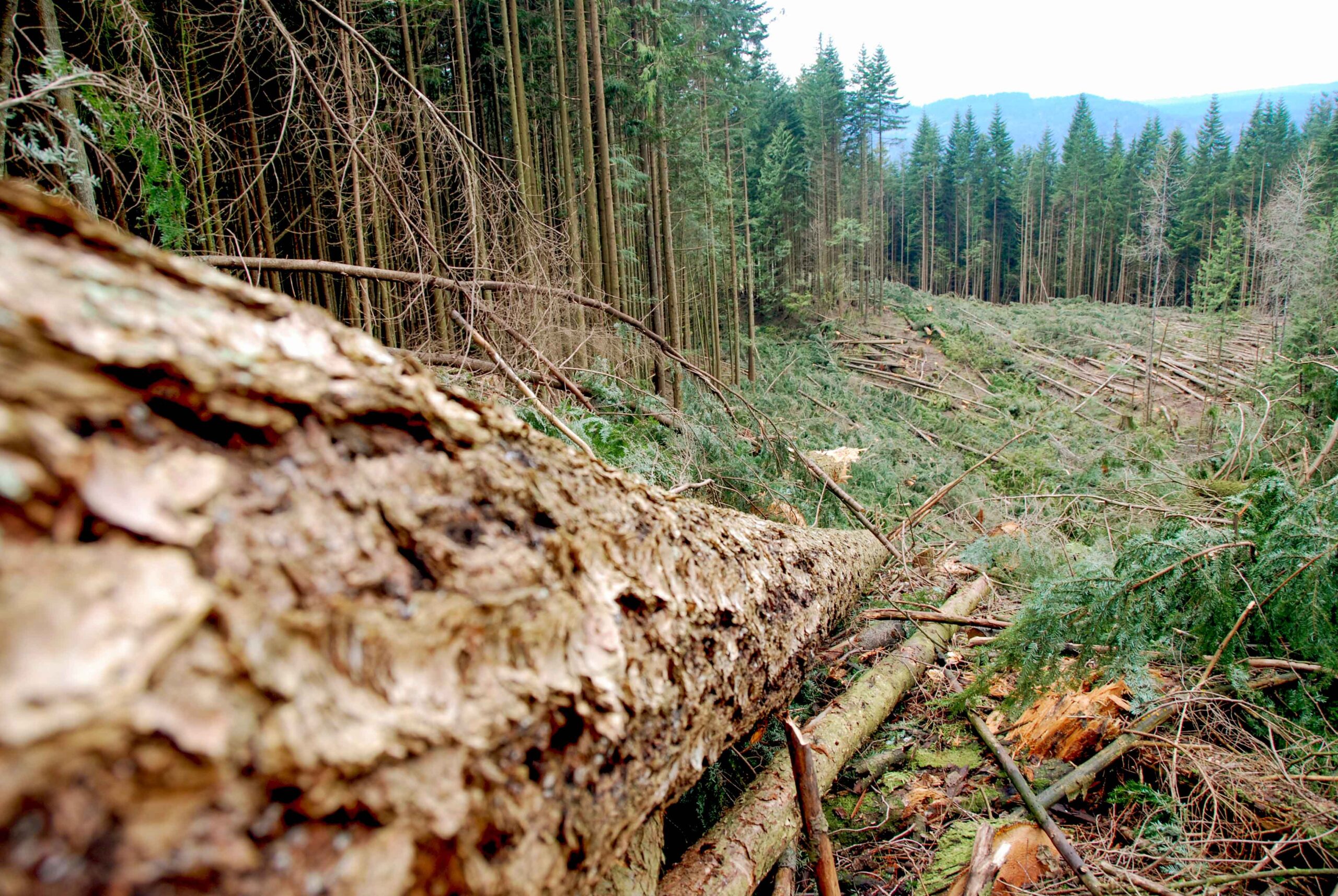 MISSION — Hundreds of Mission residents are hoping to stop a logging project at its root before the first branch breaks. The Hatzic Valley Community Association recently issued an advisory regarding plans to log between Eng and Kussman Roads, with construction set to begin this summer if Forest Service Road Proposal 2801 is permitted. Residents were then advised to share their thoughts about terrain stability, historical flooding and landslide events, or watershed concerns in the area before March 6 with the Chilliwack District Tenures Team. As of Thursday, February 26, a petition was started to stop the project, citing the watershed’s 44-year history of repeated debris flows, landslides and destructive flooding that have once damaged 45 homes in a single storm and relocated entire creek channels through residential areas.
 Results from a targeted deer hunt in the Cranbrook area show no new detections of chronic wasting disease (CWD), supporting ongoing efforts to contain and manage the disease in southeastern B.C. From Jan. 5-31, 2026, a general open-season deer hunt was implemented in a defined area near Cranbrook to bolster sampling efforts and reduce the risk of CWD spreading to surrounding deer and elk populations. A total of 228 deer were harvested during the hunt. All samples submitted for testing were negative for CWD. Of the deer harvested and tested, 79% were white-tailed deer and 21% were mule deer. Although no animals tested positive, targeted hunts within the established management zone aim to reduce deer population and density, providing fewer opportunities for close contact between animals and limiting the risk of CWD spread.
 The newsletter highlights the ongoing work of the Forest Enhancement Society of BC (FESBC) as it enters its tenth year of operations, showcasing the positive impact of FESBC-funded partners on forests across British Columbia. It opens with a safety tip from the BC Forest Safety Council aimed at improving workplace orientations and on-the-ground safety. FESBC also invites readers to participate in its Decade in Review, asking for stories about memorable, locally meaningful projects that have strengthened forests or communities. The newsletter introduces FESBC’s new Administrative Assistant, Jen Kulchar, and celebrates community forestry by linking to the BC Community Forest Association’s new film, Rooted Together. It also features a Faces of Forestry profile on Hengda Liu and shares additional news on FESBC-related forestry developments and partnerships. Throughout, the focus remains on collaboration, forest resilience, and the people driving meaningful forestry work province-wide.
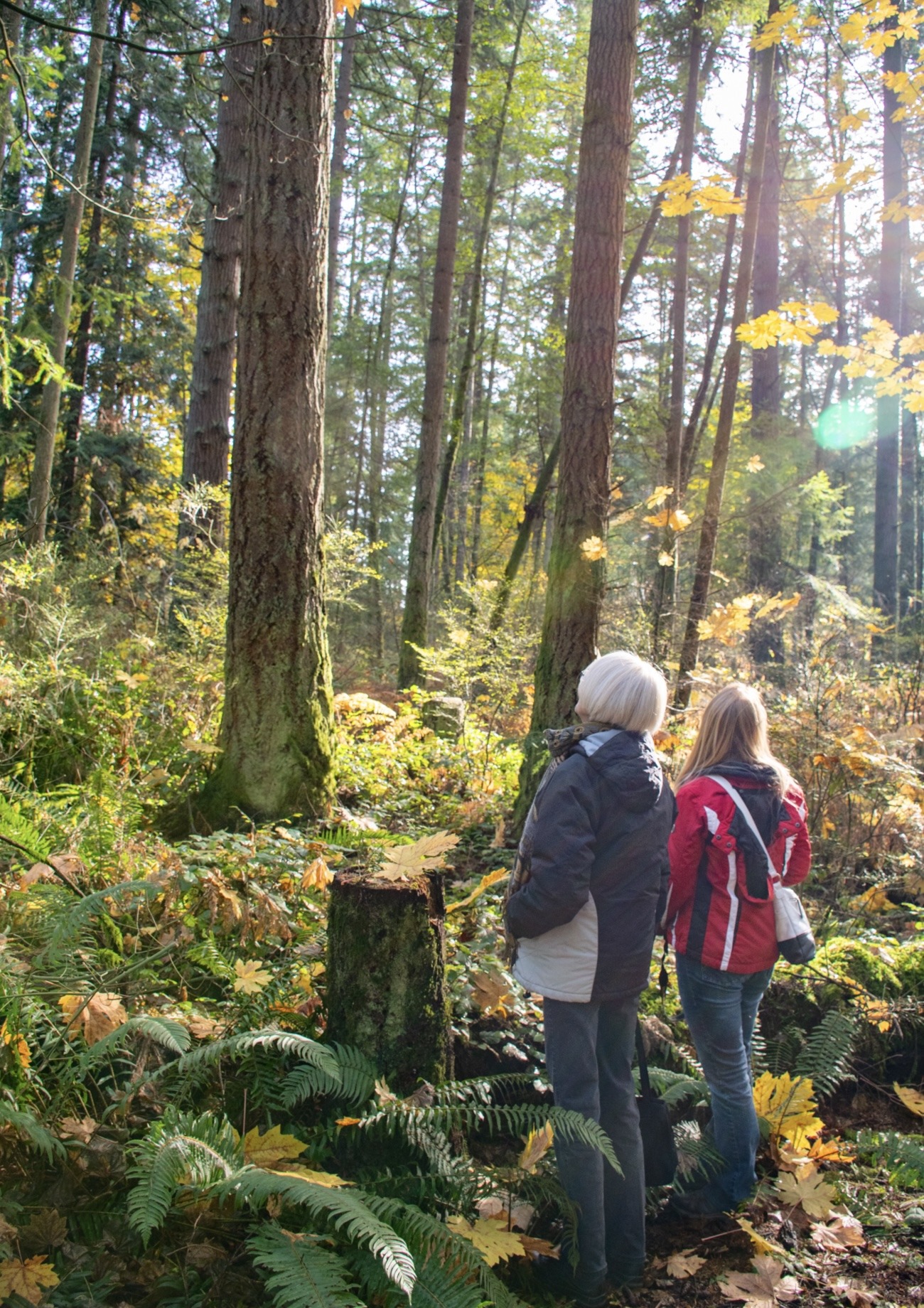 Many people in British Columbia, including those living in remote First Nations communities, still rely on forestry revenue to keep the lights on. But as the forestry industry continues to wade through economic uncertainty, outdated forest legislation and – in some regions – a declining fibre supply, one can’t help but wonder: Could shifting gears to tourism pay the bills? “We watched the fishing industry decline …Now we’re watching the forestry decline. We are in a place where we need to look at other options…. I think tourism is a great option for that story,” said Paula Amos, Indigenous Tourism BC (ITBC). The harvest tenure for TFL 61 is held by Pacheedaht Andersen Timber Holdings (PATH) and managed by Angus Hope. … “There are a lot of challenges,” Hope says. From the “glacial pace” of government to the high cost of getting the logs to market, Hope says the status quo just doesn’t make sense anymore.
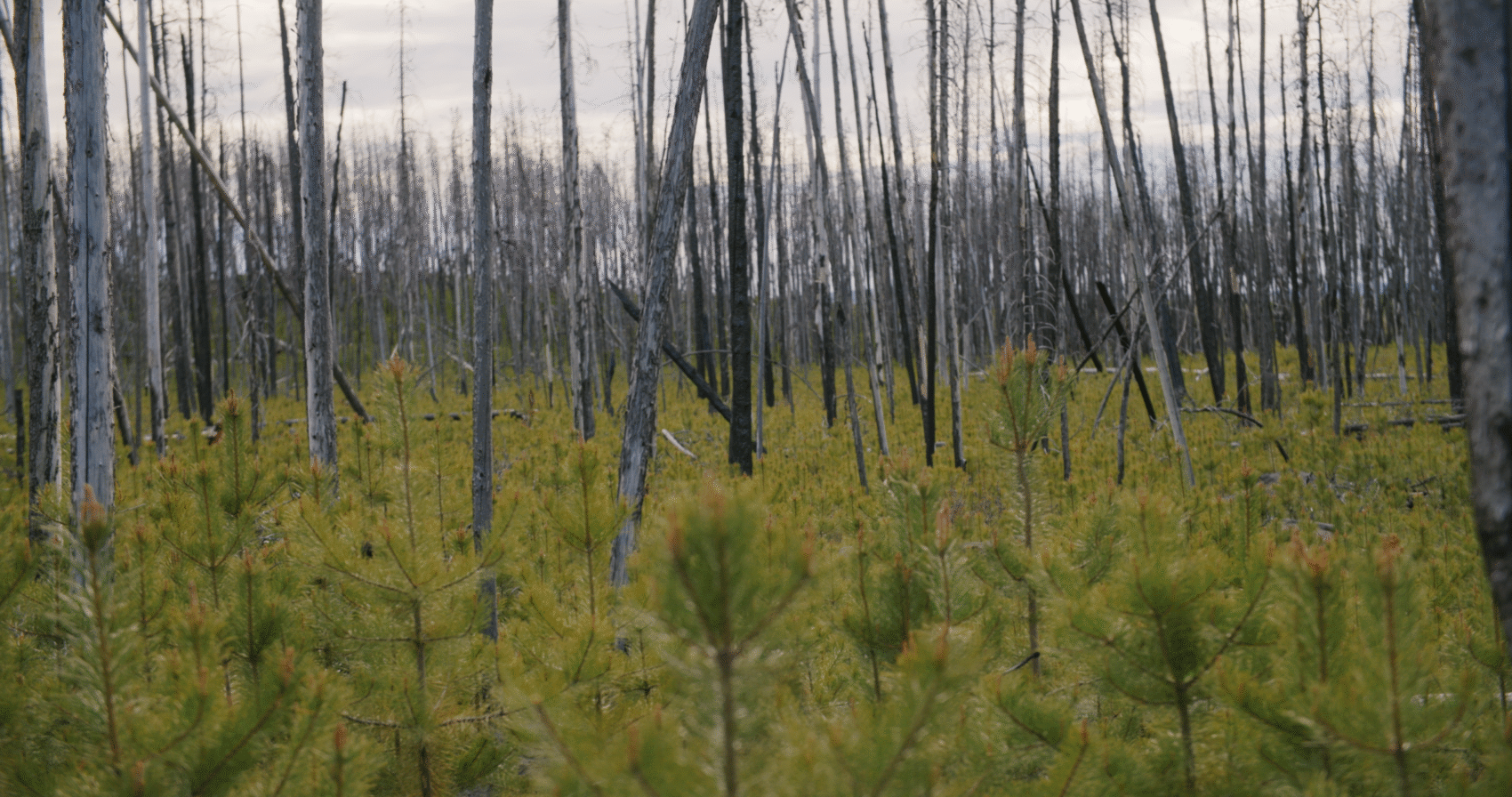
 DUNCAN, BC — Mosaic Forest Management is launching a multi-year pilot on its private lands in the Koksilah watershed on Vancouver Island to demonstrate how working forests can deliver both economic performance and environmental resilience by integrating watershed services, carbon programs, renewable energy, recreation and real estate activities alongside timber production. This pilot supports the historic government-to-government agreement signed by Cowichan Tribes and the Province in May 2023 to develop BC’s first water sustainability plan in the Koksilah River which has experienced critically low summer flows in recent years. As part of the planning process, Mosaic sits on the Community Collaborative Advisory Table for the Xwulqw’selu / Koksilah Watershed and Water Sustainability Plan (XWWSP). “This pilot is about figuring out what works by combining sustainable forestry with watershed stewardship and other land solutions,” said Duncan Davies, President and CEO of Mosaic. “We’re committed to building the business model that makes this approach viable and scalable where the right conditions exist.”

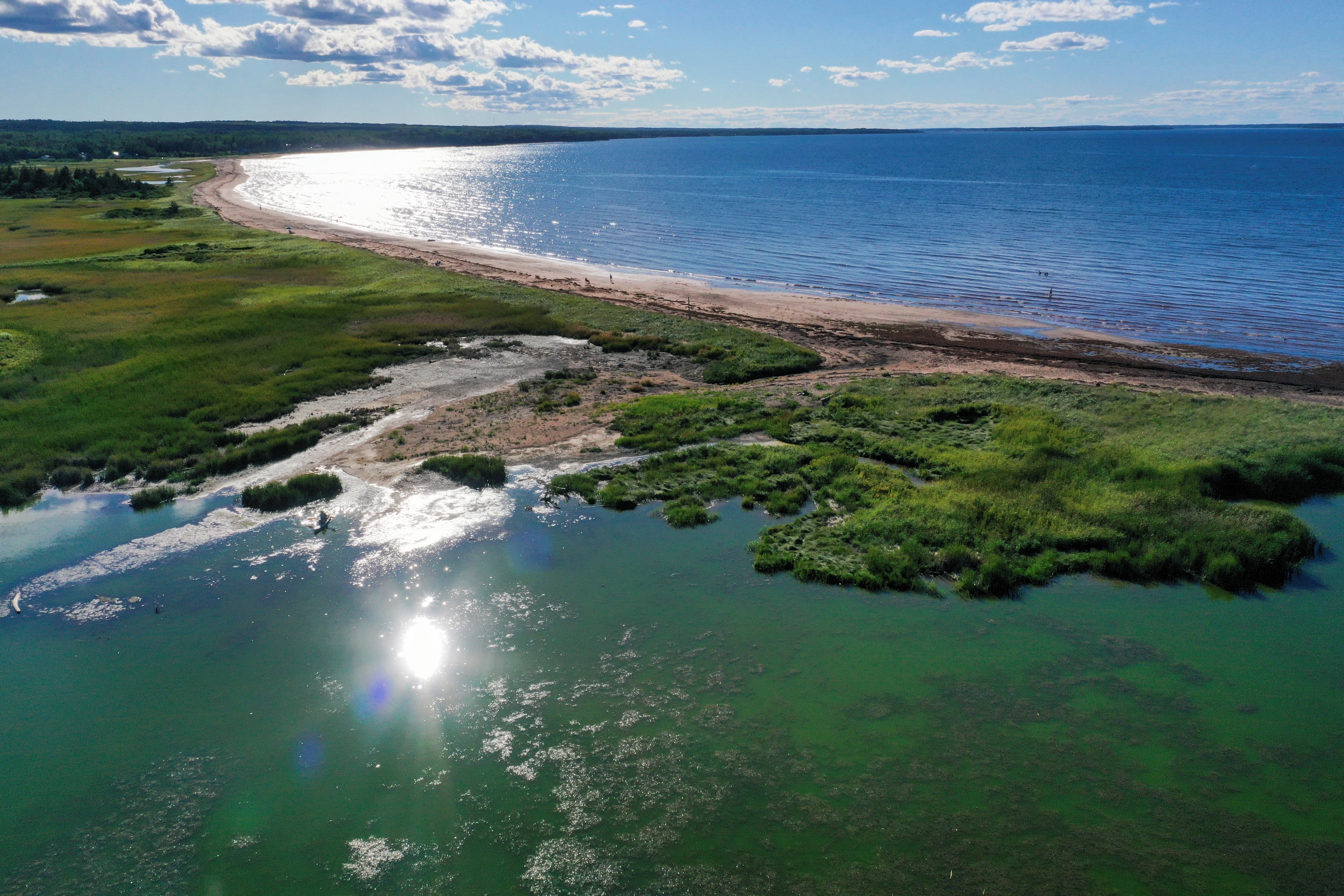

 The head of an Indigenous-owned forestry company in New Brunswick says that provincial government statements about consultation with Indigenous communities over forestry policy are “hollow” without efforts to increase self-determination. Annie Simoneau, owner of L’Puk’Tuwis Forestry — which is based in Natoaganeg, also called Eel Ground First Nation — says that most small Indigenous communities currently lack the capacity to cut and manage their own timber. “Many are forced to rely on large forestry companies or urban-based contractors to do the harvesting for them. Those companies decide the methods — and too often that means clear-cutting, followed by herbicide spraying,” she told the NB Media Co-op. “That’s not self-determination,” she continued. “That’s dependency created by decades of policy that withheld equipment, training, and access from First Nations, then turned around and said, ‘You were consulted.’”
 Welcome to the Wood Pellet Association of Canada’s Spring 2026 newsletter. We hope you enjoy reading it, and we welcome your feedback.
 Drax Group is launching a strategic review of its Canadian pellet operations due to a constrained fiber market and low margins. …CEO Will Gardiner discussed the company’s changing pellet production strategy. …“Our US business is fundamentally part of our UK supply chain. That business is doing very well As you will have seen, our Canadian business is more challenged, and we’ve been talking about this for some time as margins have come down due to fiber costs rising in Canada more rapidly than indexed power prices in Asia. As we noted last year, this dynamic contributed to the decision we’ve made to close one of our pellet plants in Williams Lake towards the end of last year.” As a result, Drax is not currently expecting to commit any additional capital to the pellet production segment, including the paused pellet plant planned for development in Longview, Washington.
 Transport truck drivers have the most injury claims for work-related crashes of any occupation in BC over the last 10 years. And driver fatigue is a contributing factor in many crashes. Developing a strategy for reducing driver fatigue is smart business. It can help save lives and reduce the risk of injuries. It can also help you meet your legal responsibilities. Use Road Safety at Work’s no-cost resources to create or enhance your fatigue management strategy. Transport truck drivers account for nearly one-quarter of all injury claims from work-related vehicle crashes in our province, according to WorkSafeBC. …A successful fatigue management strategy depends on an effective safety culture and employee engagement. Encourage drivers to report fatigue and to pull over for a short rest when they feel it. Discuss it at safety meetings. Make fatigue part of your fit for duty assessments. Emphasize the importance of adequate sleep.
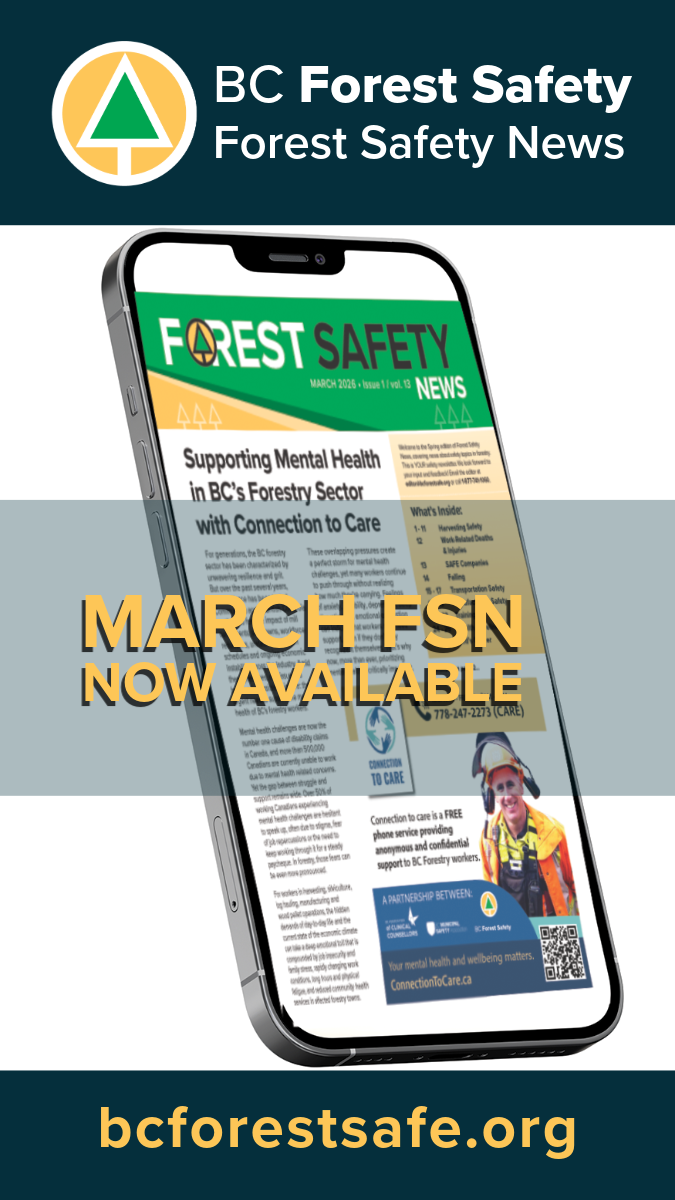 The March 2026 issue of Forest Safety News is out now — and it’s packed with important updates for everyone in the forest sector! From mental health resources to leadership changes and upcoming safety events, this edition focuses on building safer workplaces across British Columbia. This month’s lead story highlights the Connection to Care program, a FREE and confidential support service for forestry workers navigating stress, job pressures, or life challenges — because mental wellness is now a core part of workplace safety. We also mark a leadership moment as long-time CEO Rob Moonen retires after 16 years, and Cherie Whelan steps in as the new CEO, bringing deep experience in safety and industry engagement. Plus, don’t miss the Interior Safety Conference in Kamloops — a full day of sessions and networking for professionals across harvesting, silviculture, transportation, and manufacturing. There’s much more inside including safety alerts, training updates, and industry links you’ll want to see. Read the full issue for all the details!