 The past few years have been tough for Canada’s forest industry. …In response to US tariffs and as a partial solution to our continuing housing crisis, Prime Minister Carney has made a commendable move, providing support for the lumber industry and setting a target of doubling housing starts. He’s also announced the Canadian Forest Sector Transformation Task Force. Achieving Mr. Carney’s targets for the forestry sector will require transformation of our wood products and construction industries. …When a log is cut up for lumber, about 40% of the tree is converted to residual chips, and without demand for wood chips to make paper, production of lumber will not be viable. New, alternative uses for those residuals become essential. One option would be to replace a number of idled pulp mills with a couple of large, modern mills.
…New pulp mill designs act as biorefineries, making a range of products. Heat can be exported to district heating plants and power to the grid. Methanol, also known as wood alcohol, can be used in various industrial processes. Currently, methanol is made largely from natural gas, so replacing this product with wood-based spirits offers a carbon advantage. Lignin extracted from pulp mills can be used to displace petroleum-based incumbents in a range of products such as plywood glues and polyurethanes. Currently, because of the steep decline in demand for our pulp and paper products, we are only cutting half the wood that provincial forest ministries deem sustainable. This leaves large amounts of biomass in the forests, which can amplify the threat of wildfires. Reinvesting in our forest sector can help us to lower the risk of catastrophic fires going forward. [to access the full story a Globe and Mail subscription is required]

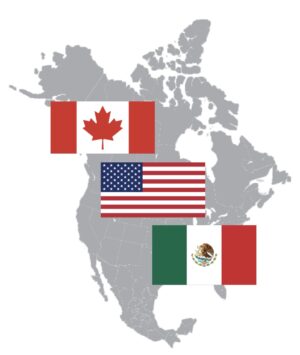 US President Trump’s point man on trade talks says Canada needs to accept that tariffs will be a part of any deal with the administration, including renewal of the Canada-US-Mexico Agreement (CUSMA). In interviews after Trump’s state of the union address, US trade representative Jamieson Greer suggested Canada can’t expect to land a trade agreement that is free of tariffs. …”If Canada wants to agree that we can have some level of higher tariff on them while they open up their markets to us on things like dairy and other things, then that’s a helpful conversation.” It’s the clearest signal yet from the Trump administration that it’s aiming for a fundamental rewrite of the free-trade deals that have existed since NAFTA took effect in 1994. …He also criticized Canada for failing to agree to US requests to back off from “practices that we think are unfair”.

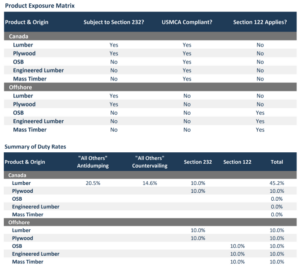 President Donald Trump announced a temporary import duty under Section 122 of the Trade Act of 1974, shortly after the US Supreme Court struck down his tariffs imposed under the International Emergency Economic Powers Act. The Section 122 surcharge is scheduled to take effect February 24 and remain in place for up to 150 days. Under the proclamation, Section 122 duties do not apply to goods that are subject to Section 232 of the Trade Expansion Act of 1962 or that are USMCA compliant. The implications for wood products are as follows:
 Delaware – President Trump’s announcement of a 15% tariff following last week’s Supreme Court ruling has created uncertainty in financial markets. While some retailers and consumer companies may benefit from reduced trade barriers, domestic lumber and packaging firms face increased competition from cheaper imports. …On Monday, domestic lumber companies saw their stock prices drop amid concerns that cheaper foreign imports could undercut their pricing power. The court’s tariff decision threatens to erode the competitive advantage that domestic packaging and lumber businesses previously held against lower-cost foreign competitors, industry analysts warn. RBC analysts identified potential negative consequences for companies including Clearwater Paper, Rayonier, Sylvamo, and Smurfit WestRock. A recent industry survey revealed that most U.S. purchasers reported declining containerboard prices in February, as increased European imports expanded supply and created additional pricing pressures. Monday trading saw Smurfit and domestic competitor International Paper decline by 7% and 6%, respectively.
 US President Donald Trump just lost his biggest emergency tariff weapon at the US Supreme Court – but for Canadian exporters and long‑term investors, the real story is that the pressure has shifted to narrower, more strategic sectors that matter for jobs, growth and returns. …Trump reacted by promising new tariffs through other statutes. …Section 232 now defines Canada’s real exposure. …Softwood timber and lumber: 10 percent tariffs imposed last October, alongside US countervailing and anti‑dumping duties on Canadian lumber that the Commerce Department increased from 14.5 percent to 35 percent earlier this year. …Upholstered wooden furniture, cabinets and vanities: 25 percent tariffs since last October; a planned increase in January was paused. …Dominic LeBlanc, Canada’s minister for US–Canadian trade relations, told CBC News that “what’s hurting the Canadian economy are the sectoral tariffs under a different American law,” and said this “reminds us again of the importance of diversifying our trading relationships.”
 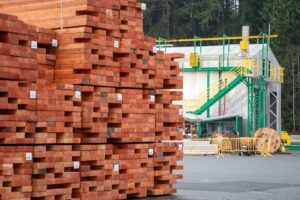 The US Lumber Coalition has expanded its list of complaints against Canadian softwood producers. The group has presented nine “new subsidy allegations,” claiming that Canadian producers benefit from federal government programs, including one that offers refundable tax credits for clean technology such as solar power. …The Commerce Department is investigating the nine new allegations put forward by the group. Canada has repeatedly rejected American arguments that Canadian producers benefit from subsidies and also denies dumping. …One of the group’s complaints targets a federal program in Canada, open to eligible forestry companies, that provides refundable tax credits for carbon capture, utilization and storage. In addition, the group’s allegations name provincial programs in BC, Alberta, Ontario and Quebec. …The Commerce Department deferred a potential probe, suggested by the Coalition, into cases pertaining to alleged subsidies for long-term timber tenures in BC and Alberta. [to access the full story a Globe & Mail subscription is required]
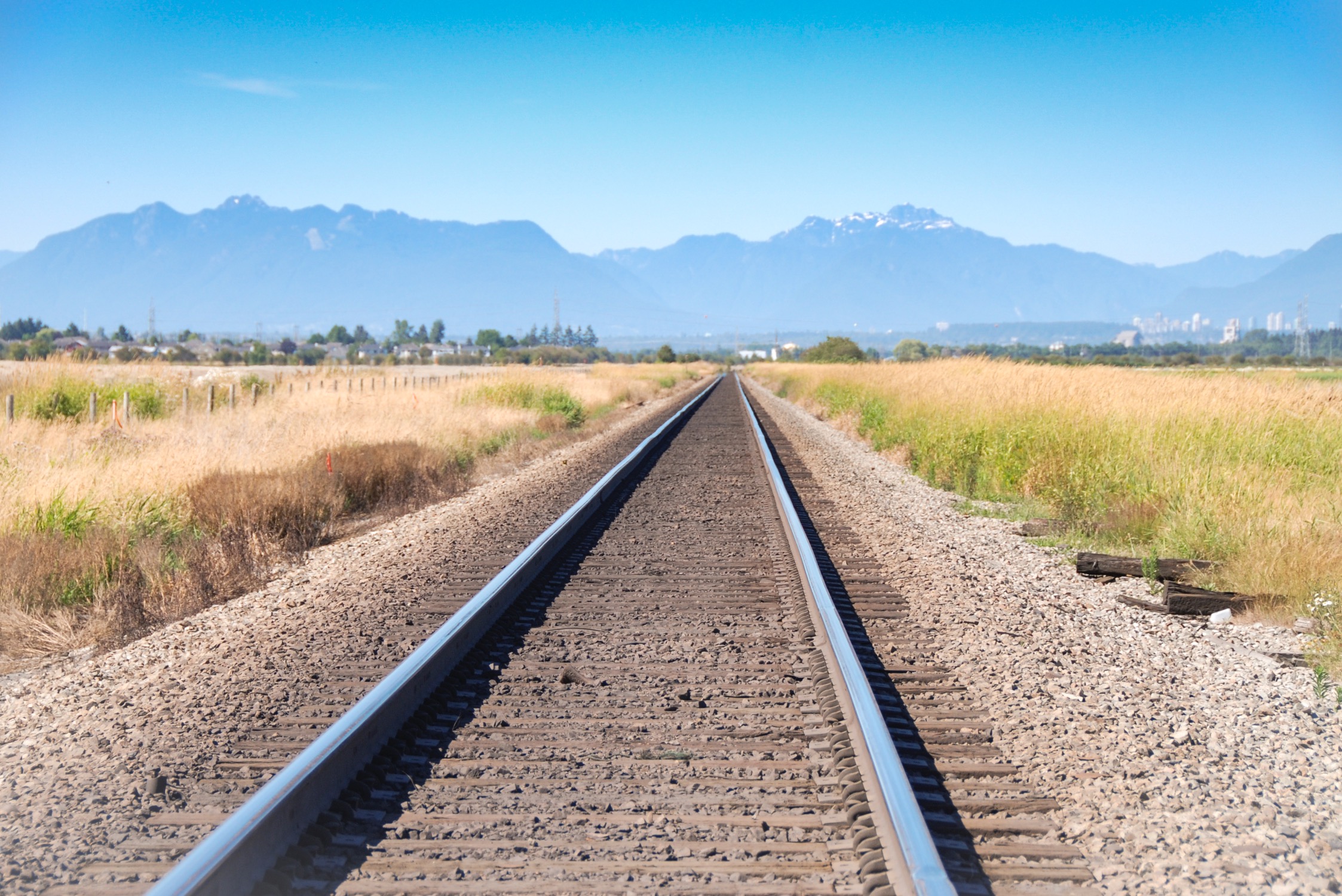 OTTAWA — The Supreme Court of Canada will help decide the appropriate means of reviewing a company’s complaint about the service provided by a railway. In November 2023, the Canadian Transportation Agency ruled that Canadian National Railway Co. failed to meet the level of service it owed to Alberta Pacific Forest Industries Inc. The agency is a federal regulator and quasi-judicial tribunal and, under section 41 of the Canadian Transportation Act, its decisions may be appealed to the Federal Court of Appeal on questions of law or jurisdiction. CN wanted to contest factual findings so it pursued an appeal under a provision of the Federal Courts Act, not under section 41.

 Raw logs were being loaded for export at the shuttered Crofton pulp mill – just weeks after hundreds of local workers were laid off over a lack of wood fibre, and as about 120 sidelined Chemainus sawmill employees brace for their EI benefits to run dry. “I don’t want a handout, I want a job,” said Brian Bull, who was laid off from Western Forest Products’ Chemainus sawmill. …North Cowichan’s mayor says repeated appeals to federal officials to grant workers the additional 20 weeks of EI benefits promised by the Prime Minister in the summer of 2025 have gone unanswered. “There’s about 120 workers impacted at the Chemainus sawmill. The majority are set to lose their EI benefits next month. …So laid-off Chemainus sawmill workers are urging the provincial government to stop raw log exports. Elzinga said he fears their the Chemainus sawmill may never re-open, due a lack of fibre supply.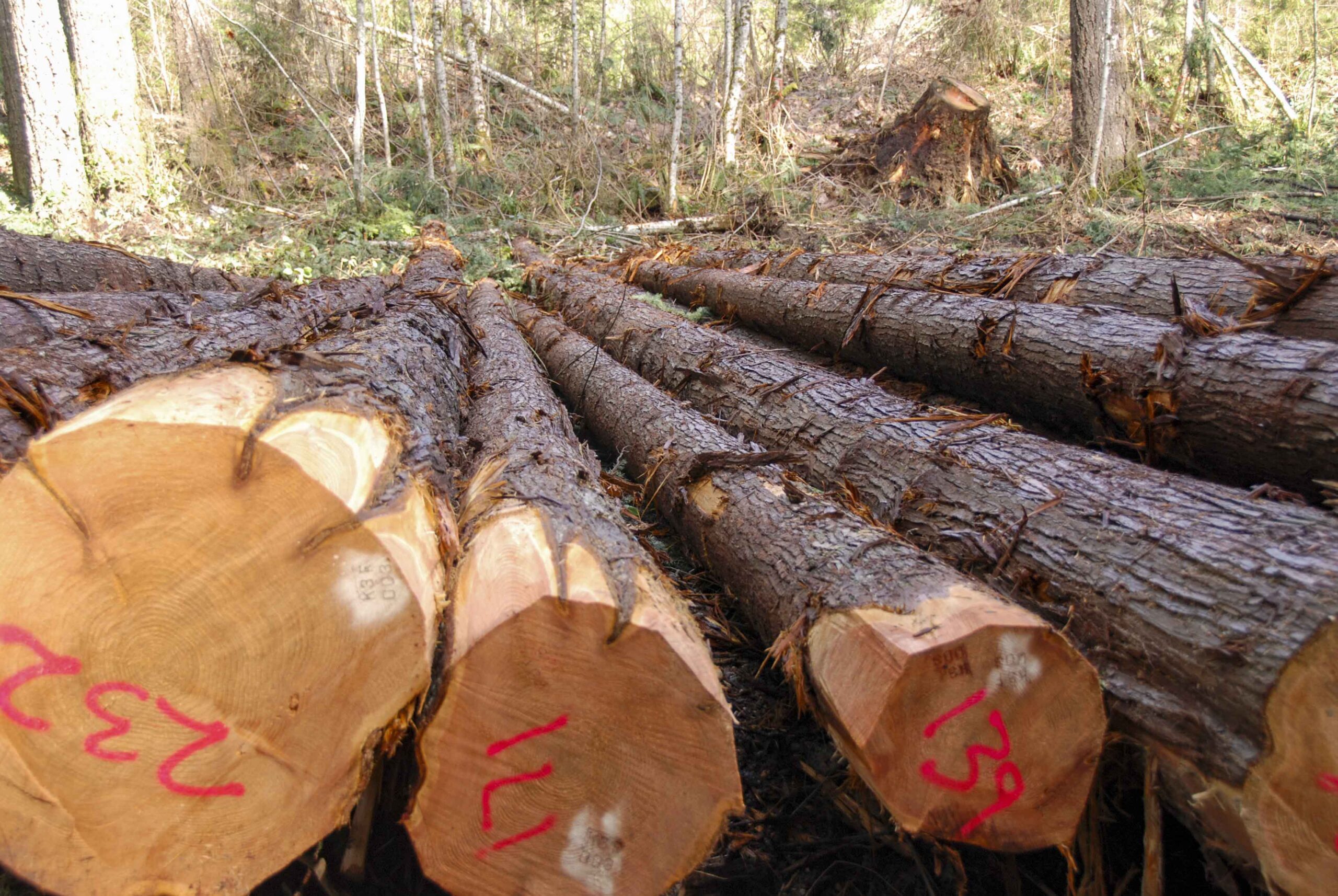

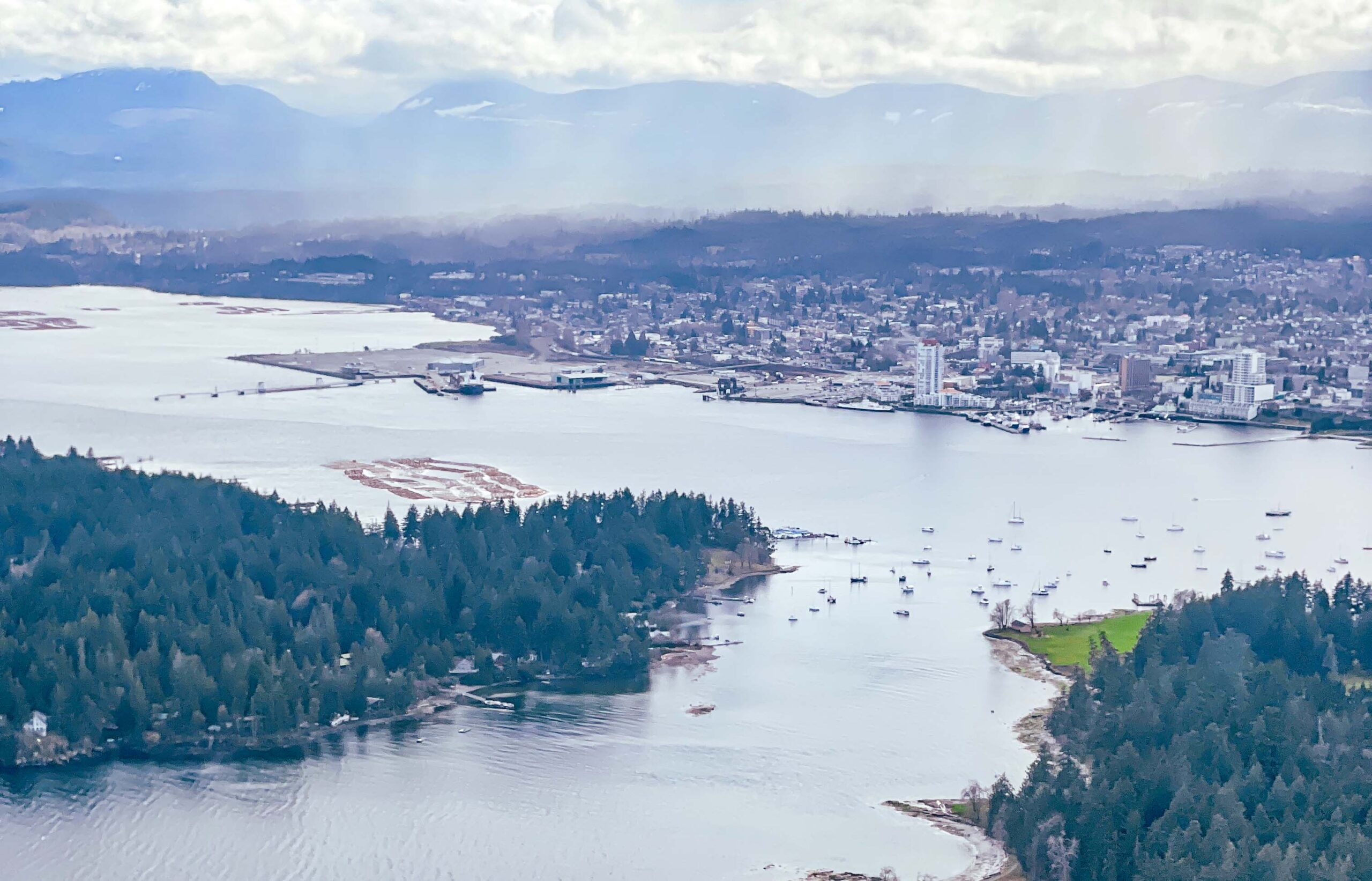 Snuneymuxw First Nation is calling on other levels of government to act to protect its waters following an oil spill and long-standing discharge of “toxic sawmill effluent” at Duke Point near Nanaimo. The nation is calling for a full environmental investigation following the incidents it says are caused by Environmental 360 and Western Forest Products. The nation has sent letters to the federal, provincial and municipal governments calling on them to act. This comes after an
 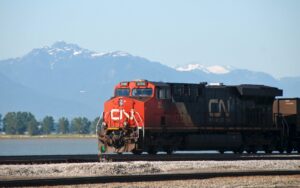 The CN railway running through 100 Mile House will not be discontinued after all. District of 100 Mile House Mayor Maureen Pinkney said that the consultant hired to assess the rail line’s future had told her, and around 87 other stakeholders in the region between North Vancouver and Prince George, that removal of the rails was off the table. …CN Rail announced it would be discontinuing service between Squamish and 100 Mile House… and that rails and ties are removed after discontinuance. …Potentials for the new use of the rail tracks include the return of passenger rail to 100 Mile House. …Pinkney said that there could be opportunities from the saved rail line to make up for lost tax revenue from the closure of the West Fraser Mill, as well as the OSB plant.





 The BC government is forecasting that the natural gas industry will play a larger role as the top driver of provincial resource revenue, while warning about tough times in the former economic powerhouse of forestry. Natural gas royalties are expected to ring in at nearly $1.3-billion for the 12 months ending March 31, 2027, up 38%. …The government is anticipating $521-million in forestry revenue for the 2026-27 fiscal year, up 3%, but still down sharply when compared with several years ago. …In the 2020-21 fiscal year, forestry revenue surpassed $1.3-billion and natural gas royalties reached $196-million. …Tuesday’s budget introduces a temporary Stumpage Payment Deferral Program in an effort to ease the cash crunch for companies. The voluntary program covers the first 11 months of 2026. …The government anticipates that the trend of depressed annual volumes of tree harvesting will continue over the next several years, restricting the production of softwood lumber. [to access the full story a Globe & Mail subscription is required]
 The United Steelworkers union found positives in a difficult BC budget. …Recognizing the uncertainty created by US trade policy… USW Western Canada Director Scott Lunny said… “Today’s budget advances the government’s work towards long-term economic stability, including BC’s goal of securing $200 billion in private-sector investment over the next decade in sectors including mining, forestry and manufacturing”. …USW noted positives, including: a continued commitment in funding to strengthen permitting capacity in resource industries; a $400- million Strategic Investments Special Account to leverage federal government dollars for investment and job creation in key sectors like value-added forestry, responsible mining, manufacturing and clean energy; and unprecedented investment in skilled trades funding as well as a training grant to encourage apprenticeships. …”While we welcome the $20 million to help workers and employers in tariff-impacted sectors like steel and forestry, there is still a missing commitment to stabilizing and sustaining the primary forestry sector,” said Lunny.
 The Ontario Forest Industries Association is looking forward to welcoming you to our 83rd Annual Convention at One King West Hotel & Residence in Toronto, April 28 – 29, 2026. We are planning another high-impact event, and we want to ensure your visit is as smooth and enjoyable as possible. If you have not registered for the event, do so as soon as possible as limited spots remain. If you haven’t yet secured accommodations, we encourage you to do so as soon as possible. There are options at the One King West Hotel as well as several hotels within a short walking distance of One King West. The OFIA is a trade association representing Ontario’s sustainable forest industry and serves as a unified voice for forest products companies across the province — from timber producers to wood manufacturers — advocating on policy, market access, sustainability, and economic development issues. The Annual Convention is our flagship event, intended to bring together industry leaders, members, and stakeholders for networking, education, discussion, and celebration.
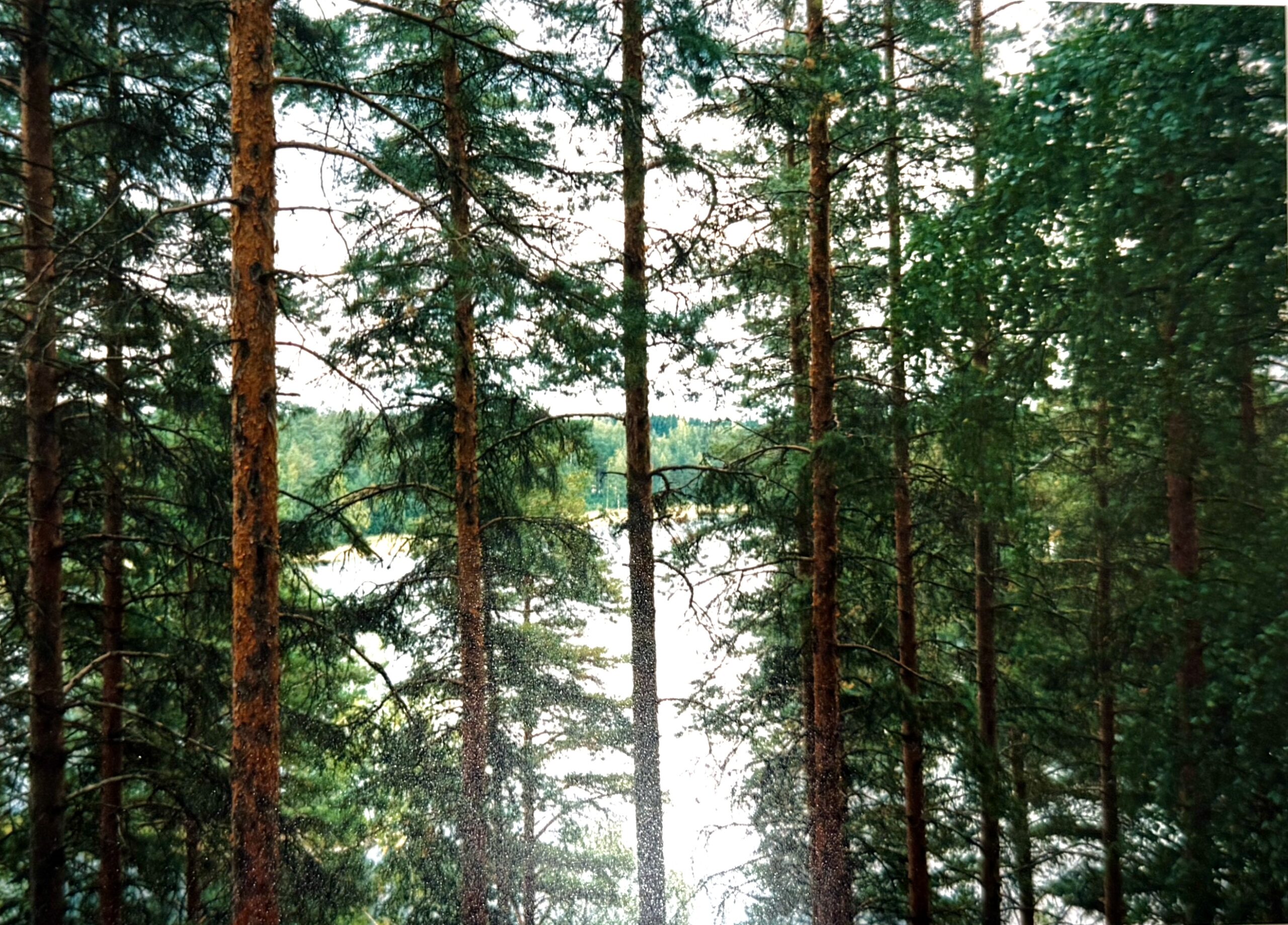 The Quebec government says it will hold a “mini-reform” of the province’s forest regime to provide relief for sawmills and other businesses pressured by cumulative U.S. tariffs. Jean-François Simard, Quebec’s minister of natural resources and forests, said that the changes aim to prevent plant closures and job losses which have surged in recent months. Simard said in a statement on Tuesday that 60,000 jobs are at risk. Quebec’s forestry and logging industry is the second largest in Canada in terms of employment, according to Statistics Canada. The forest regime dictates how Quebec’s forests are managed and harvested. The announcement comes days after a group of Indigenous land guardians and First Nations hereditary chiefs filed a lawsuit seeking formal recognition of their rights over a vast stretch of Quebec. Their legal challenge aims to curb industrial logging and ensure the protection of their traditional way of life.

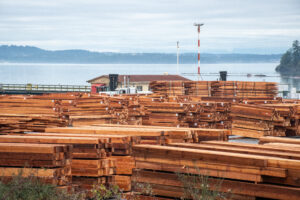 The decision by the US Supreme Court to invalidate many of President Trump’s tariffs has been met with mixed reactions in Quebec, as the steel, aluminum and lumber sectors remain subject to US tariffs. Economy Minister Jean Boulet said, “its effects for Quebec seem limited,” noting that Quebec exports in accordance with CUSMA were already exempt. “American tariffs on lumber and other key sectors remain in place,” Boulet stressed. …Stakeholders from Quebec’s economic and union sectors pointed out that Friday’s ruling is far from putting an end to the trade war with our southern neighbors. …“While this decision is great news for free trade, its impact on Canada remains limited and we are not out of the woods yet,” said senior public policy analyst Gabriel Giguère in a statement. Moreover, the review of the USMCA planned for this year still looms over Canada-US relations.



 The strong momentum and bull run of basic materials carried over into 2026 and appears poised to be the TSX’s top-performing sector for the second consecutive year. While mining heavyweights continue to lead the surge, lumber stocks are delivering market-beating returns. Stella-Jones, Canfor Corporation, and Doman Building Materials are worth watching right now. These companies offer operational leverage and have maintained resilience amid persistent price volatility and trade restrictions.
 Prices of products manufactured in Canada, as measured by the Industrial Product Price Index (
 VANCOUVER, BC – Canfor Corporation announced today that it will record a non-cash asset write down and impairment charge totaling approximately $321 million in its fourth quarter of 2025 results. Of this amount, $215 million relates to the Company’s lumber segment and $106 million relates to its pulp and paper segment. In the lumber segment, the impairment is associated with the Company’s European operations and reflects ongoing log supply pressures in the region, which have resulted in significant increases in log costs and reduced asset carrying values. In the pulp segment, the impairment reflects sustained declines in global US-dollar pulp list prices as well as continued challenges in securing economically viable fibre necessary to support operations. This impairment charge is non-cash in nature and does not affect Canfor’s liquidity position, cash flows or day-to-day operations.





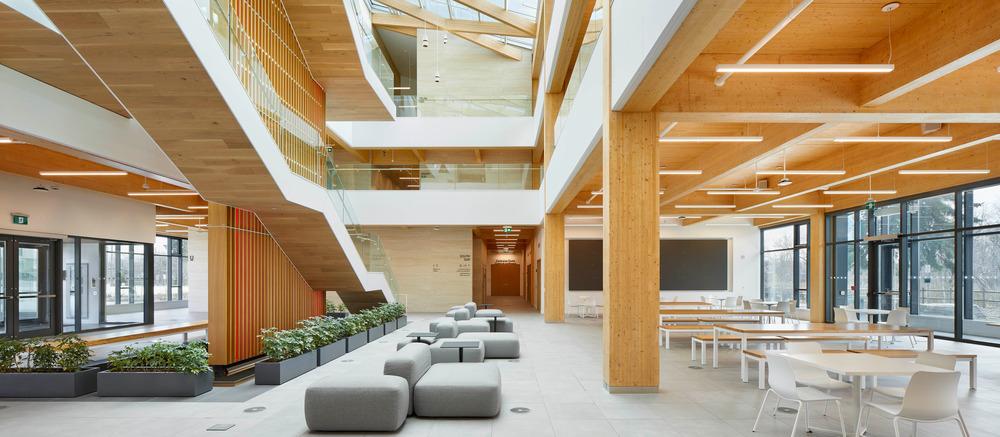
 FPInnovations’ latest newsletter pulls articles from their blog that feature several developments of interest to Canada’s forest sector. An update to its
  Applications Now Open For FPAC’s 2026
 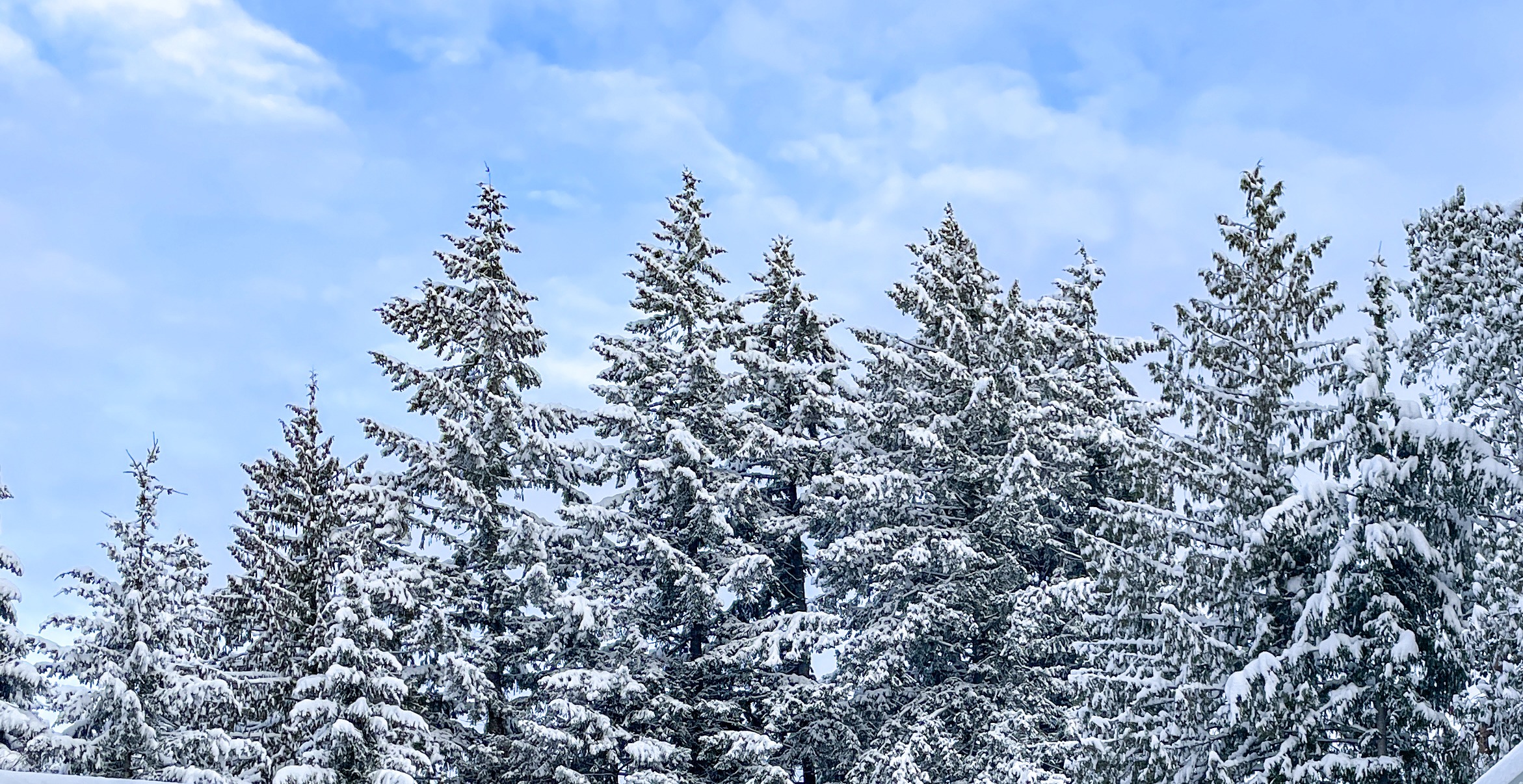 It could take anywhere from six months to a year before a coalition of area First Nations can start logging following a timber acquisition deal made with the provincial government in January during a natural resources forum in Prince George. The wood, amounting to 1 million cubic metres, comes from a licence held by Canfor and was timber that the company was not logging itself. Called an ‘undercut’ because it amounts to less than what Canfor could cut, the timber will now be converted into a licence held by a coalition of Wet’suwet’en Hereditary Chiefs, the Witset First Nation, the Lake Babine Nation, and the Wet’suwet’en First Nation. When logging does start, the new licence will call for logging of 200,000 cubic metres a year for five years. Through regulations, an undercut can be transferred by the forests ministry from one entity to another.

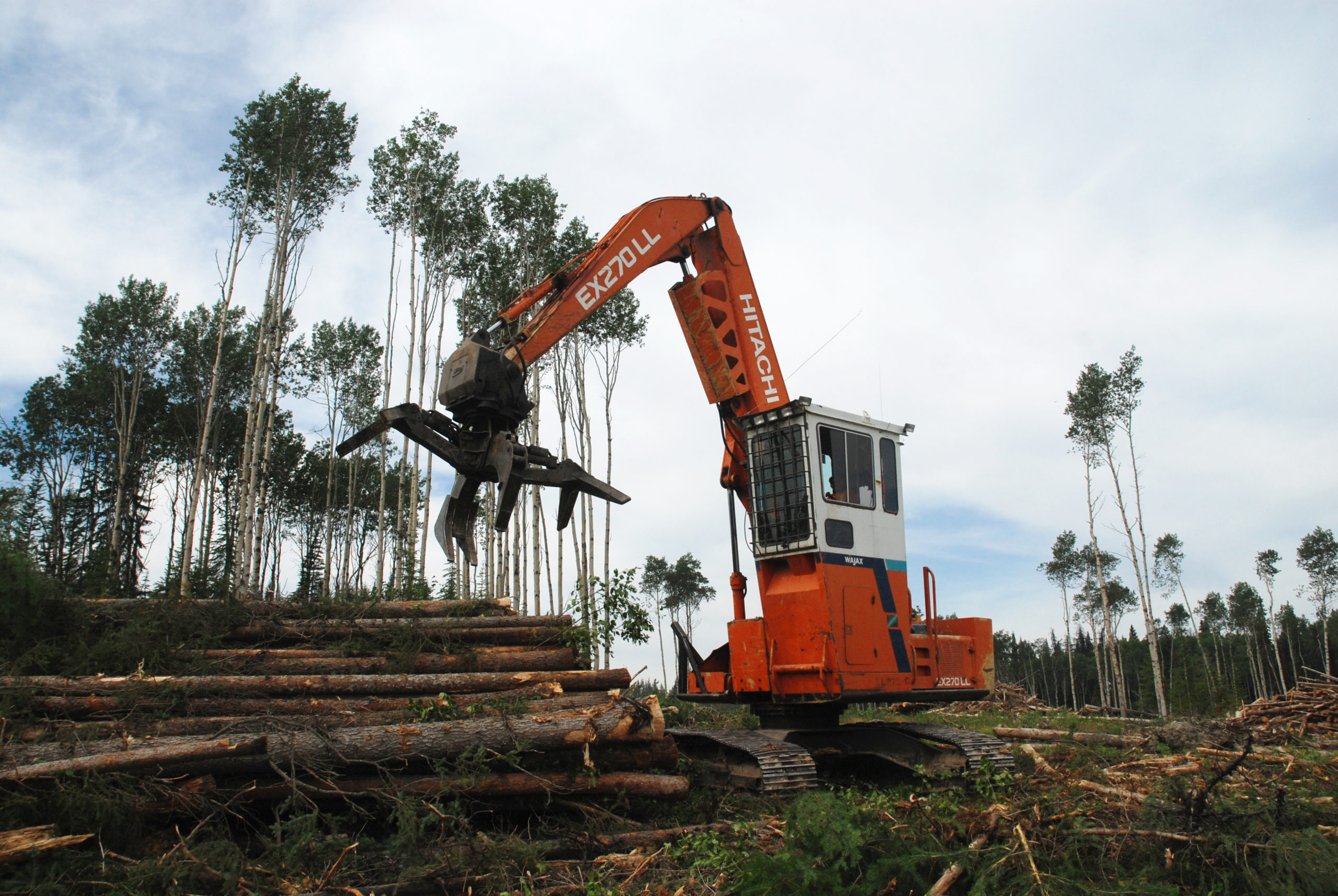 PRINCE GEORGE – British Columbia’s Forests Minister Ravi Parmar has announced that changes to BC Timber Sales are beginning to yield positive results, particularly in the Prince George area. The province aims to boost job creation, support local mills, and enhance forest health through this updated approach. Following a 2021 review of BC Timber Sales, several recommendations were made, and since then, the province has reported an increase in timber sales across British Columbia. This includes the recent auction of two new commercial thinning sales in the Prince George area, marking a significant achievement for the region.
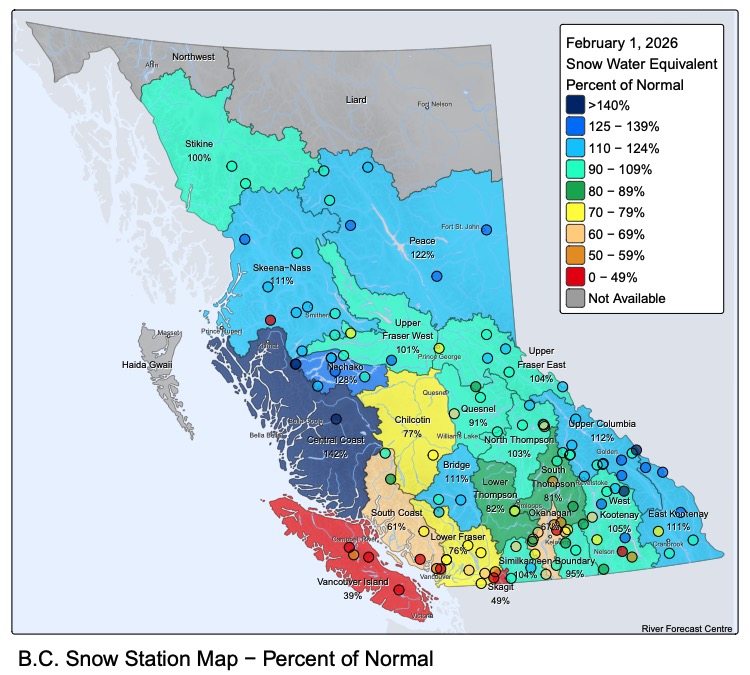 The mood was jubilant at Mount Washington Alpine Resort on Vancouver Island after a weekend storm saw 108 centimetres of snow blanket the resort. The snow was a welcome reprieve from the warm and wet weather that started the season… A

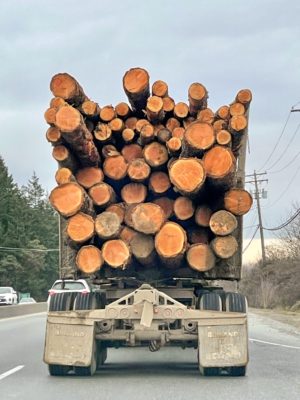 The forest industry and related associations, unions and community leaders have now coalesced behind the banner “forestry is a solution.” Their purpose, they say, is “to address the urgent challenges, from building affordable housing to reducing wildfire risks in our backyards” and to “rally British Columbians to support forestry workers and their families.” They will roll out the old dogma that BC practices the most sustainable forestry in the world. …The real purpose, I suspect, is that the coalition wants to continue the old model of intensive industrial forestry, despite the reality that our forests can no longer support this outdated model. In 2003, in an address at UBC, Pedersen, the chief forester of the day, stated that the forest industries’ plan was to harvest BC’s primary forests as quickly as possible and convert them into densely planted managed forests. Today, they have achieved that vision.
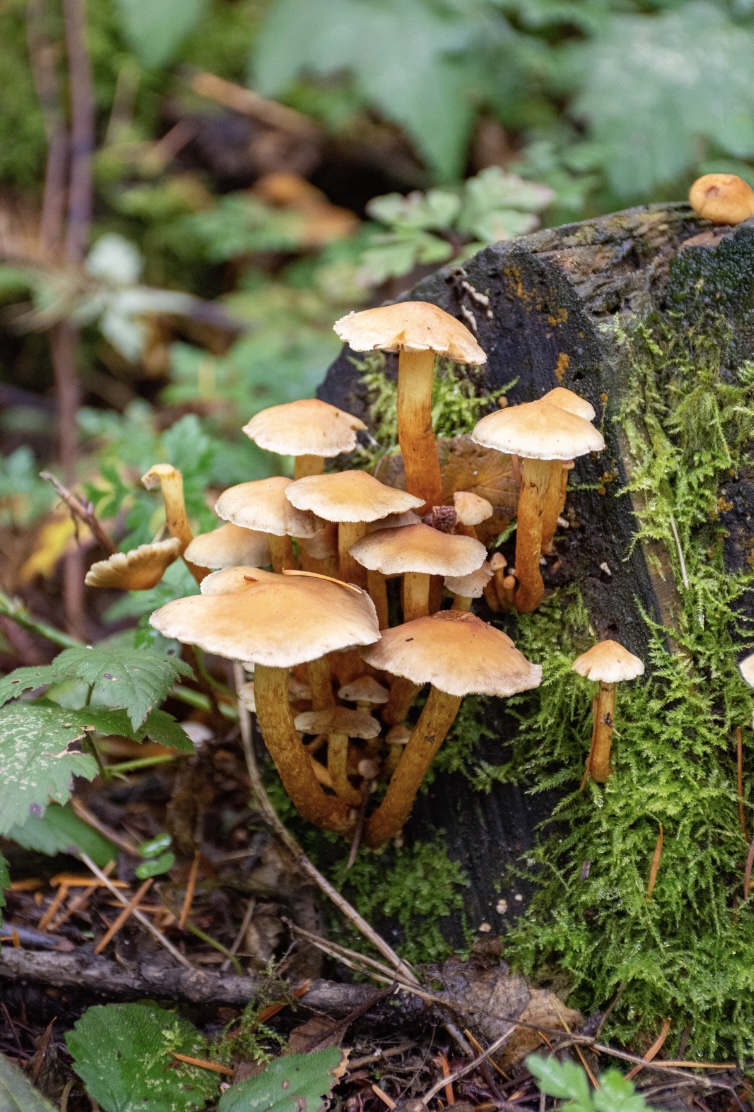 A community science initiative is uncovering previously unrecorded fungi across Greater Victoria, highlighting the region’s rich and still largely unknown biodiversity. Some discoveries may even represent species new to science. The project, MycoMap BC, invites the public to photograph, collect and submit mushroom and slime mould samples for DNA sequencing. Since launching last fall, nearly 14,000 collections have been submitted across British Columbia, including about 2,500 from Greater Victoria. “We’re building baseline data on fungal biodiversity that simply doesn’t exist yet,” said Elora Adamson, project coordinator at the University of Victoria biodiversity lab. As of mid-February, roughly 350 DNA sequencing results have been processed. Adamson said 11 collections represent species recorded for the first time in British Columbia. … Of those results, six newly recorded fungi were found in Greater Victoria, four in Sooke and two in Victoria.
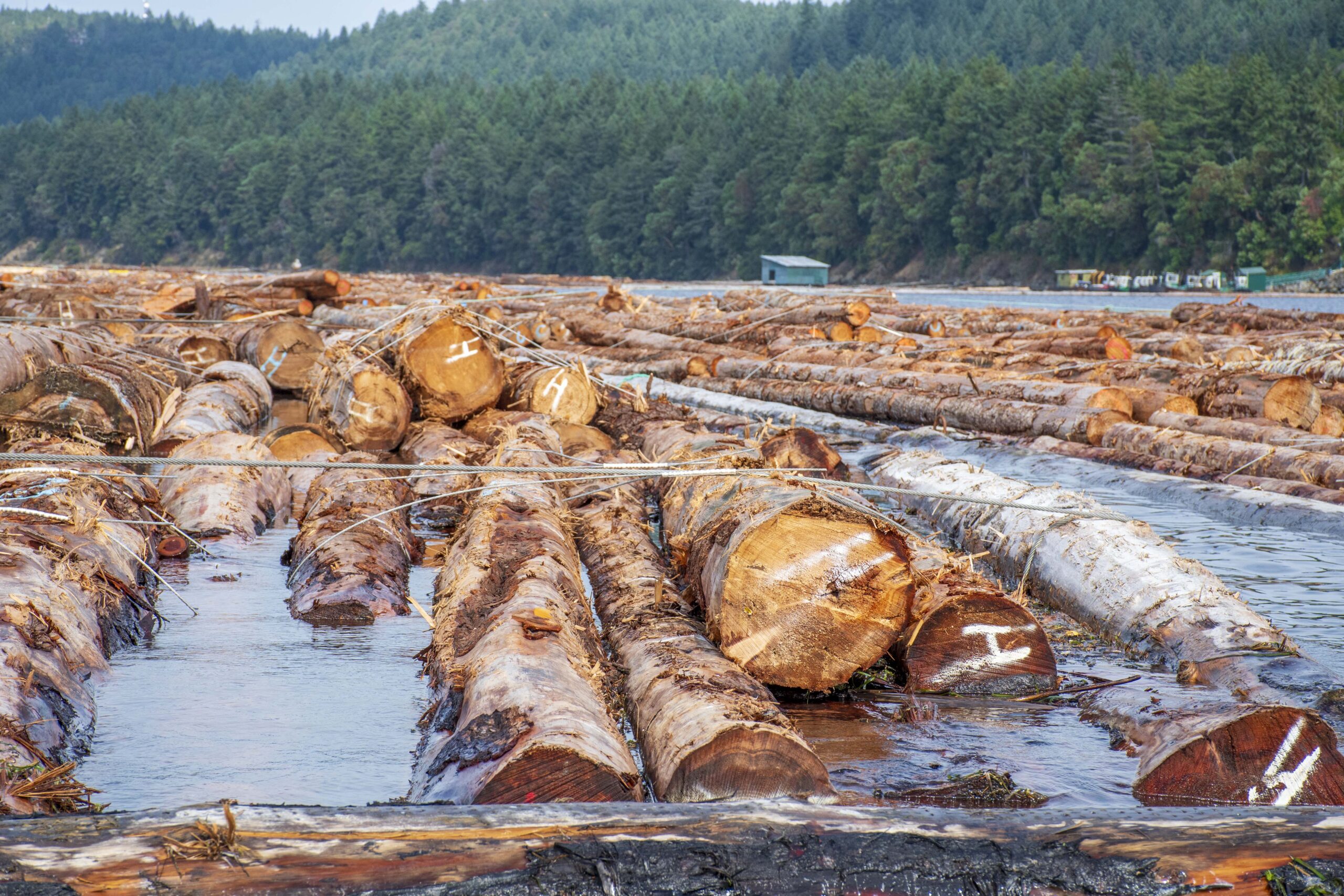 By the time a so-called “raw log” is loaded onto a truck — or in a small minority of cases, onto a ship — it has already travelled through a dense web of economic activity that is anything but raw. It has been identified and cruised through professional forest planning. Roads have been engineered and constructed. Heavy equipment has been purchased, financed and maintained. Logging crews have mobilized. Mechanics and welders have serviced machinery. Truck drivers have hauled. Fuel suppliers have delivered. Silviculture obligations have been funded or secured. Stumpage has been paid to the Crown on public lands. In many instances, Indigenous partnerships and benefit agreements structure access and revenue sharing. Every log carries embedded value long before it ever approaches a mill gate or tidewater. Industry analyst David Elstone has noted that it can take more than 100 distinct job functions to sustainably plan, harvest and deliver timber from forest to primary manufacturing.
 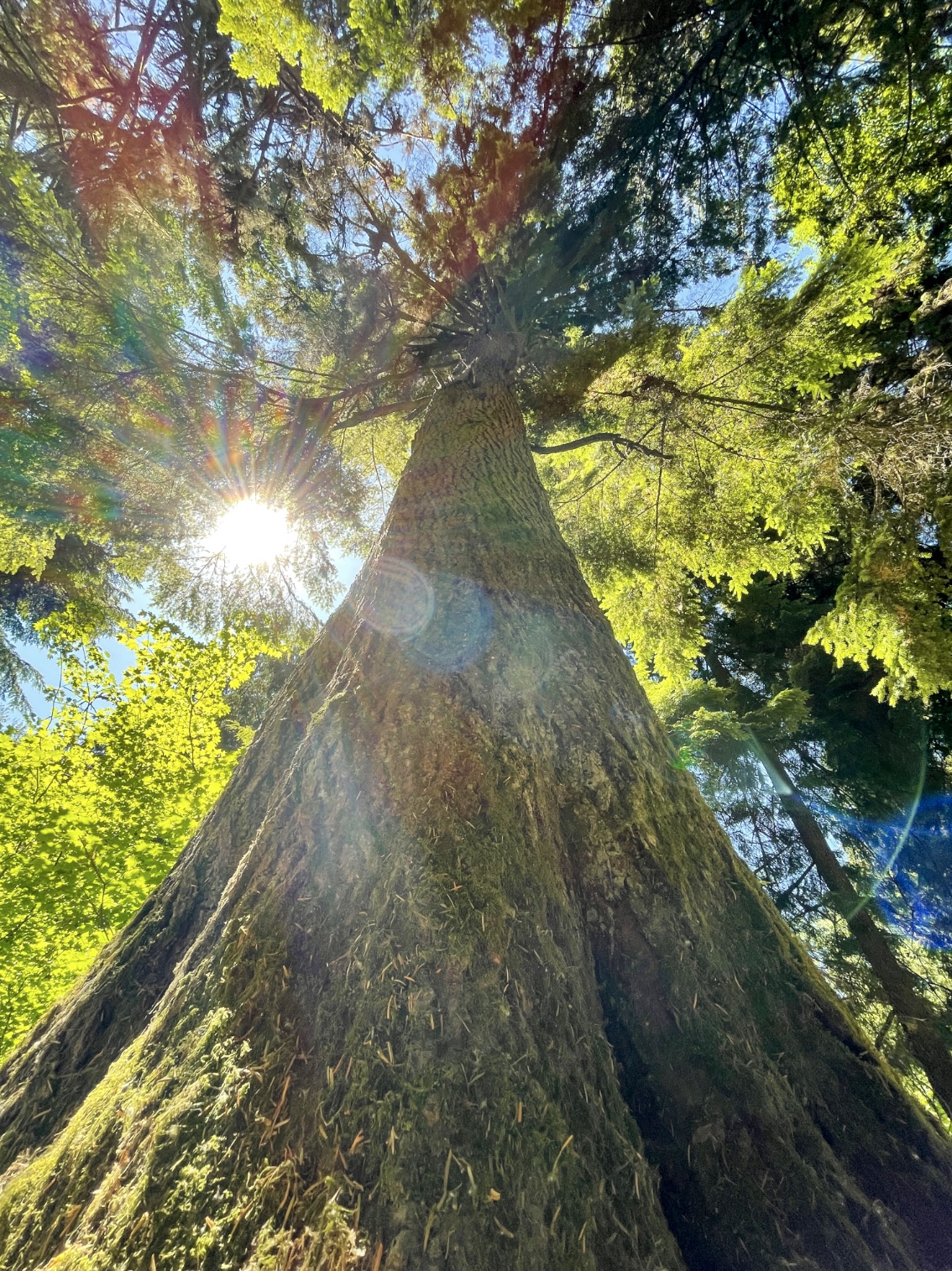 FRASER CANYON — The Nature-Based Solutions Foundation in Vancouver says it has recently acquired two clusters of private land inholdings totaling just over 55 hectares within the traditional territory of the Kanaka Bar Band in the Fraser Canyon for conservation purposes. According to a news release from the conservation organization, the 55 hectares of land are inside the boundaries of Kanaka Bar’s proposed Indigenous Protected & Conserved Area (IPCA). The foundation says the acquisitions will safeguard exceptionally diverse old-growth forests, including habitat that features Canada’s largest documented Rocky Mountain juniper, and they build on NBSF’s earlier purchase of the “Old Man Jack’s” parcel in 2022, thereby bringing the total to three private properties to be returned to Kanaka Bar through Indigenous-led conservation, title-registered legal protection, and long-term stewardship funding.
 A BC First Nation in the final stages of treaty negotiation is suing the province for allegedly breaching the “honour of the Crown” after an official extended an expiring timber licence in its traditional territory. Filed in a BC Supreme Court last week, the application for judicial review from ’Wuìk̓inux̌v Nation seeks to overturn an August 2025 decision… that gave Interfor a three-year extension to log an estimated 50,000 cubic metres of timber. The court application argues that allowing a third party to continue harvesting on the nation’s lands—without their consent and against their environmental concerns—is a step backward that the law no longer allows. The claim, which also names Interfor, arrives at a volatile moment for BC politics: by leaning on a landmark legal precedent set in December 2025, it lands squarely in the middle of a heated debate over how the province manages its natural resources in an era of reconciliation.
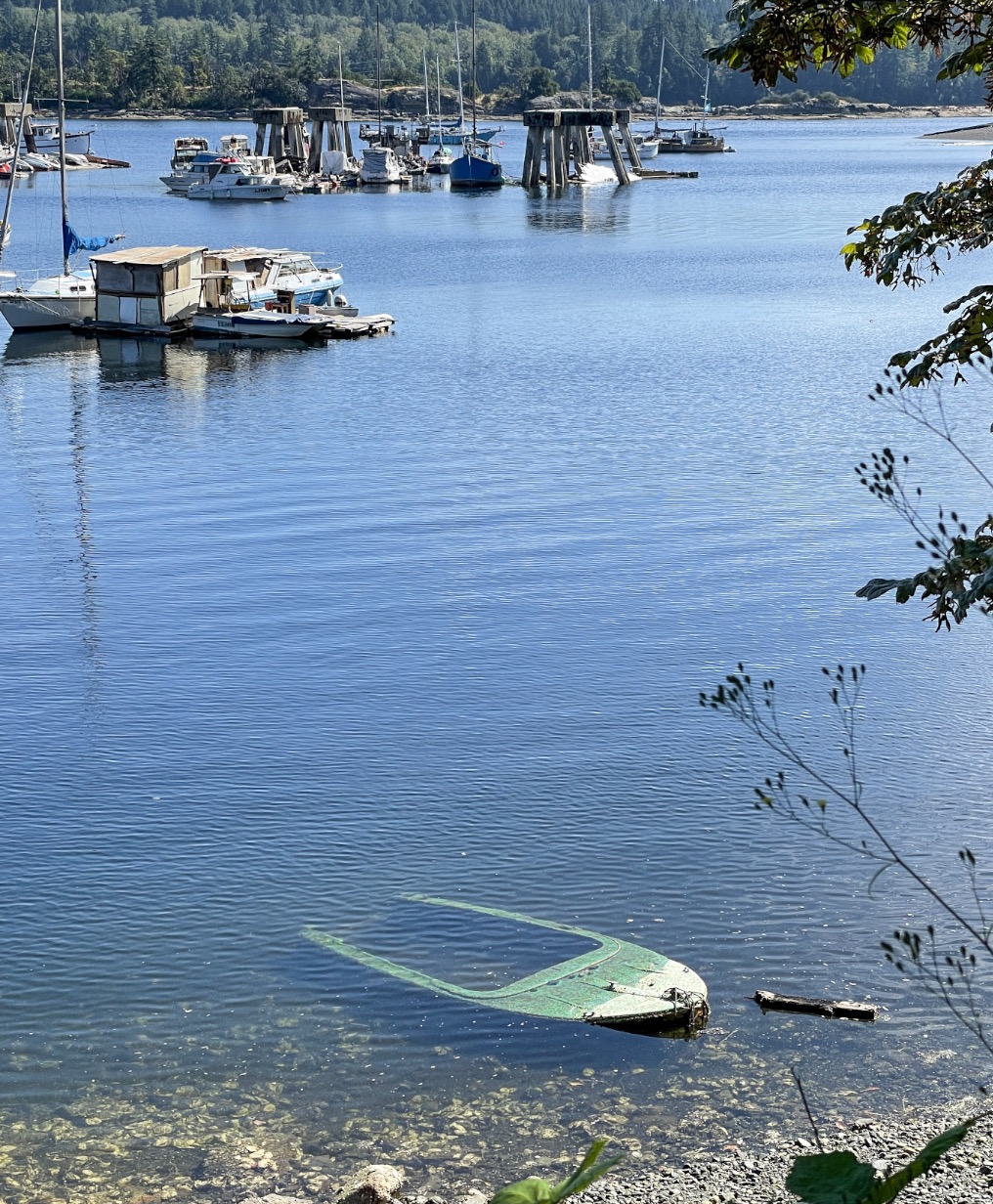 North Cowichan wants something done about the growing amount of fibreglass pollution in the Cowichan estuary. Council passed a motion at its meeting on Feb. 4 that the municipality write a letter to senior levels of government and the appropriate regulatory authorities asking that they raise awareness of the issue and take action to deal with the problem. Coun. Christopher Justice, who made the motion, said that the issue of derelict and deteriorating fibreglass boats is something that is becoming more acute in local harbours and waterways. …North Cowichan Mayor Rob Douglas said the municipality must signal its support for the continued operation of the Western Forest Products sawmill, which operates in that area. He said he spoke to officials at the mill before the council meeting. “They advised me that they are not aware of any fibreglass contamination coming from the mill site,” Douglas said.
 Nearly 40 Indigenous land guardians, alongside hereditary and traditional chiefs, have filed a lawsuit seeking formal recognition of their rights over a vast stretch of Quebec. Their legal challenge aims to curb industrial logging and ensure the protection of their traditional way of life. The application, filed in Quebec Superior Court last week, covers a territory spanning between the St. Lawrence River, the Saint-Maurice River valley and the forested areas of northern Mauricie, according to the document. The plaintiffs are specifically asking the court to declare all supply guarantees and intervention permits granted to forestry companies null and void. This legal move follows a summer of tensions marked by numerous blockades across the ancestral lands of several Indigenous nations. These actions were spearheaded by MAMU First Nation — a collective of land guardians from the Atikamekw and Innu nations — to protest a proposed overhaul of the province’s forestry regime.
 QUEBEC — A group of First Nations chiefs has filed a lawsuit claiming Aboriginal title over three large tracts of land. They say it’s to have more control over forestry but the implications go much further. For months, First Nations land defenders have been disrupting the logging industry on their traditional lands. It started in protest of Bill 97, the controversial forestry reform bill that Quebec scrapped in September. Nitassinan hereditary chief Dave Petiquay says the group of hereditary chiefs — from the Haute-Mauricie and Saguenay–Lac-Saint-Jean regions want the power to decide who can log on their lands and where. Lawyer Frédéric Bérard argues the Canadian constitution gives them that right. …The lawyer says, if successful, the suit would have repercussions for hereditary chiefs across the country and could impact future major infrastructure projects. The chiefs say they are willing to go all the way to the Supreme Court of Canada.
 Canada should ensure its ‘project of national interest’ designation is helping build competitive clean industries, starting with four key focus areas, according to a new report from the