Tree Frog Editor: This insight paper by political risk analyst Robert McKellar offers a strategic lens on how a second Trump administration is shaping US behaviour as a global actor — an issue with direct implications for trade-exposed sectors. McKellar is a founding partner at Harmattan Risk and the co-author of “Trump’s Second Term: Political Risk and the Forest Products Sector,” an analysis of US trade policy, tariff dynamics, and geopolitical uncertainty. In this paper, he steps back from industry-specific analysis to explore the broader strategic logic — and contradictions — underlying current US global behaviour, providing context for the policy volatility and trade uncertainty facing the sector.

Robert McKellar
The US, a lynchpin global player, has become a change bomb, and having a clear sense of the US as an agent on the world stage is critical to sense-making that can inform appropriate strategic responses. But as it stands, Trump, whose character shapes his administration, is a wildcard. He is seemingly bored to tears by stability in any issue he deals with, and bored by a set menu of priorities. …Do we resign ourselves to perpetually playing catch up with US moves and their reverberations, or is it possible to get ahead of the Trumpian storm with a reasonably accurate sketch of the US as a global actor? If its moves were guided by strategic rationality, we would be able to extrapolate some idea of its future behaviour, and even a sense of how the international system might look in a few years and the critical challenges any given state might present…
Seasoned observers of US politics and international behaviour might have foreseen some of what is happening now, but by and large they did not expect Godzilla. Thus, they have often latched onto their own predispositions to fill in the considerable blanks. This has, for the most part, yielded two poles of interpretation. One is that Trump and his team are acting on a strategic assessment, and that despite apparent mayhem their moves are rational, even coldly calculating. The other is that the US has succumbed to the baser aspects of personal rule. Thus, Trump’s eccentric character and ego are the main source of US global behaviour. …The emerging reality no doubt lies somewhere in between, but to triangulate to an approximation, we need to prod around both poles of interpretation.




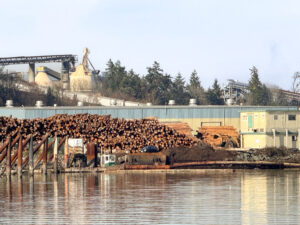 Efforts to support forestry workers displaced by the closure of the Crofton pulp mill and the ongoing curtailment at the Chemainus sawmill are expanding, as local leaders press the federal government for clearer and more robust income supports. The District of North Cowichan says its Mill Closure Response Working Group met for the first time last week, bringing together municipal, provincial and federal representatives, along with labour, industry and impacted workers, to coordinate next steps. …“The stories we heard at the first working group meeting show how urgent this is,” North Cowichan Mayor Rob Douglas said. “This is why we’re continuing to press the federal government to extend employment insurance supports for all impacted workers and to release the forestry industry support funding announced last summer. People need income security while they plan their next steps.” Updates and resources for affected workers and businesses are available at
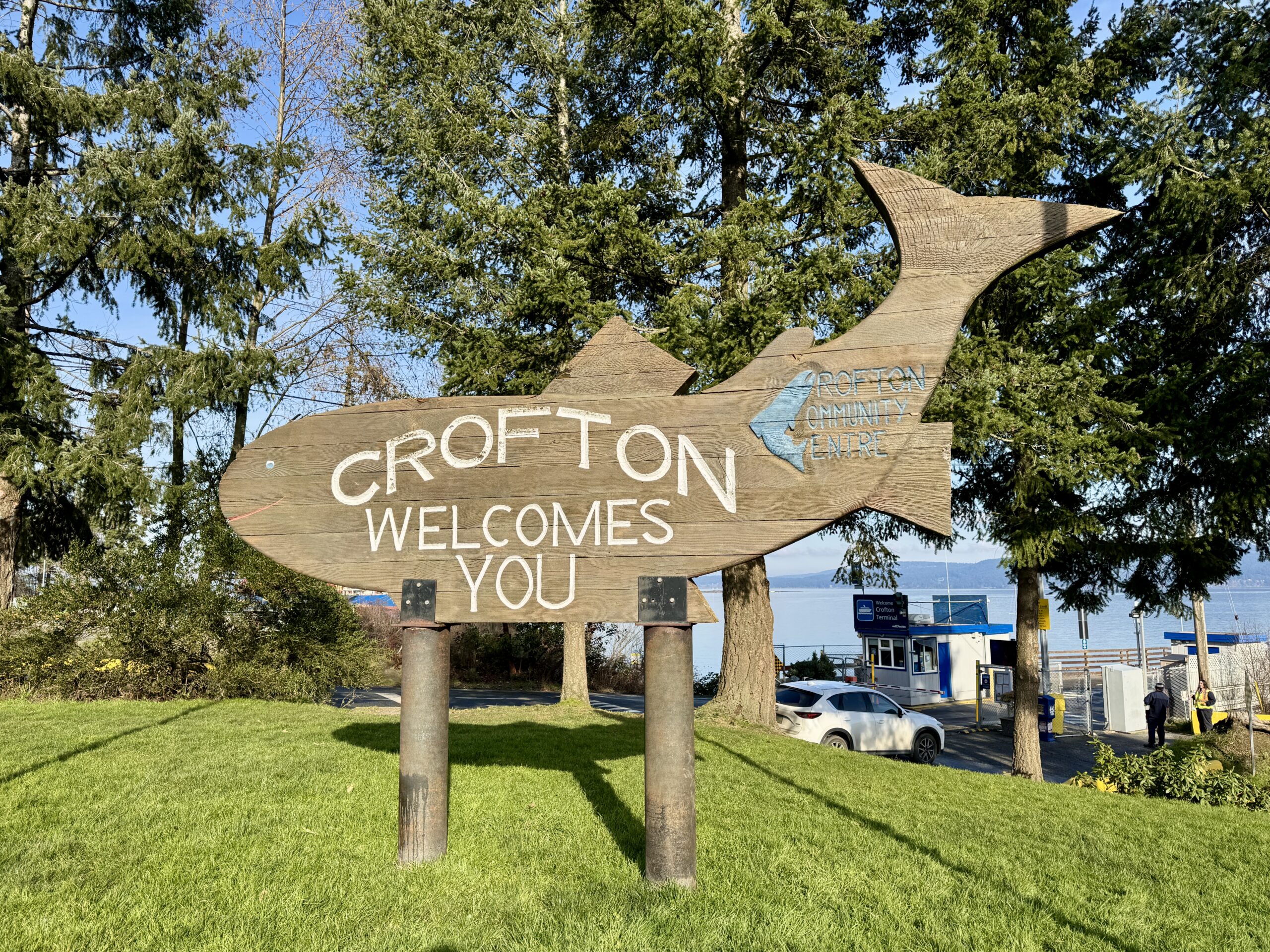 The national head of the union representing workers at the Crofton pulp mill is not in favour of efforts to have a special task force formed locally to investigate the reasons for the troubles in the forest industry. Geoff Dawe is the president of the Public and Private Workers of Canada which represents more than 400 workers at the Crofton pulp mill, which will soon close permanently. He spoke to North Cowichan’s council at its meeting on Jan. 21 about a proposed motion by Coun. Tek Manhas for the municipality to set up the special task force that, if approved, would undertake an investigation into the reasons for the closure of the Crofton mill and the ongoing curtailment of the Chemainus sawmill, impacting another approximately 150 workers. …Dawe said his concern is that a task force that is not working collaboratively with his union and its workers may get into some finger pointing at government…
 COFI 2026 CEO Panel to Tackle the Forest Sector’s Future: The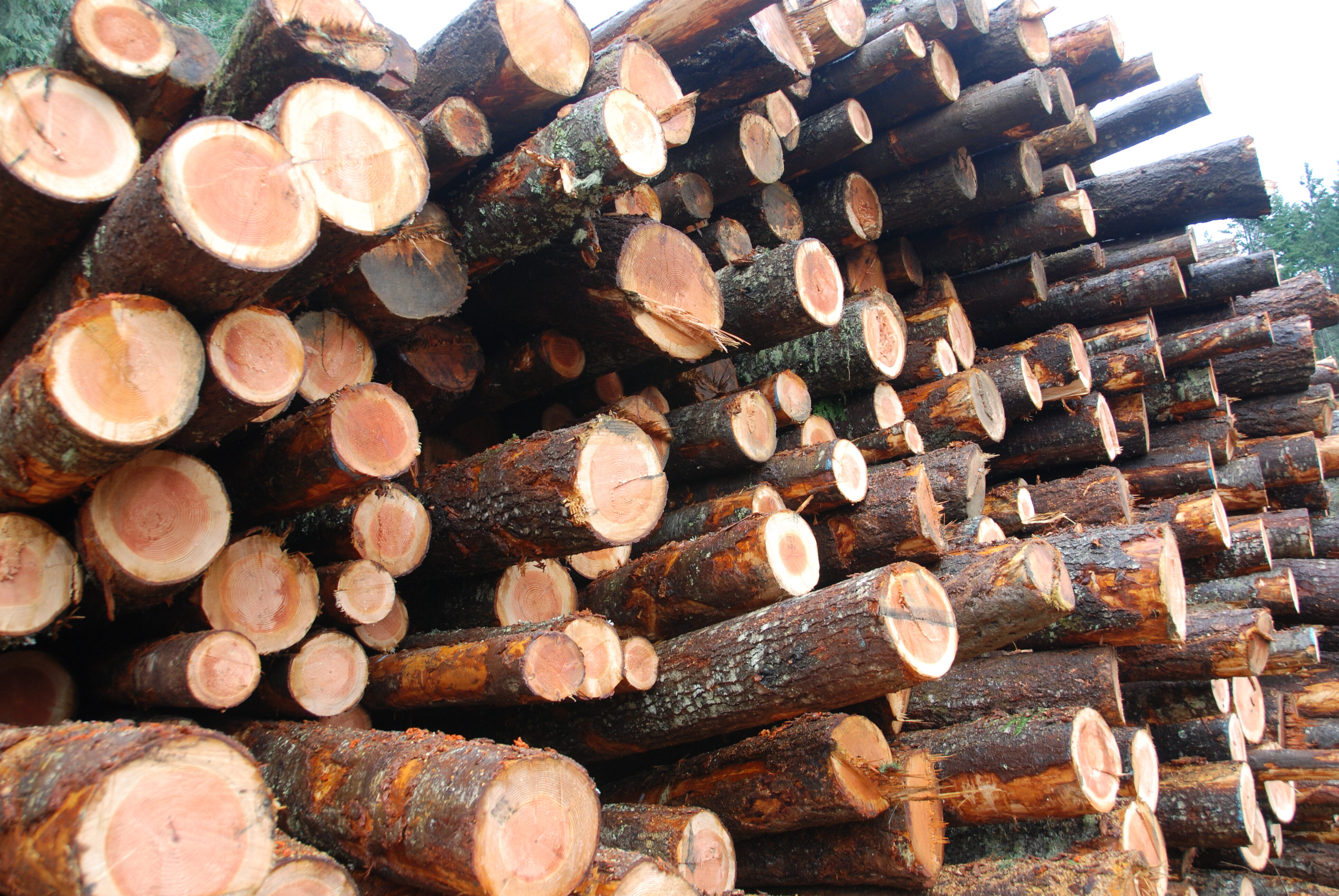




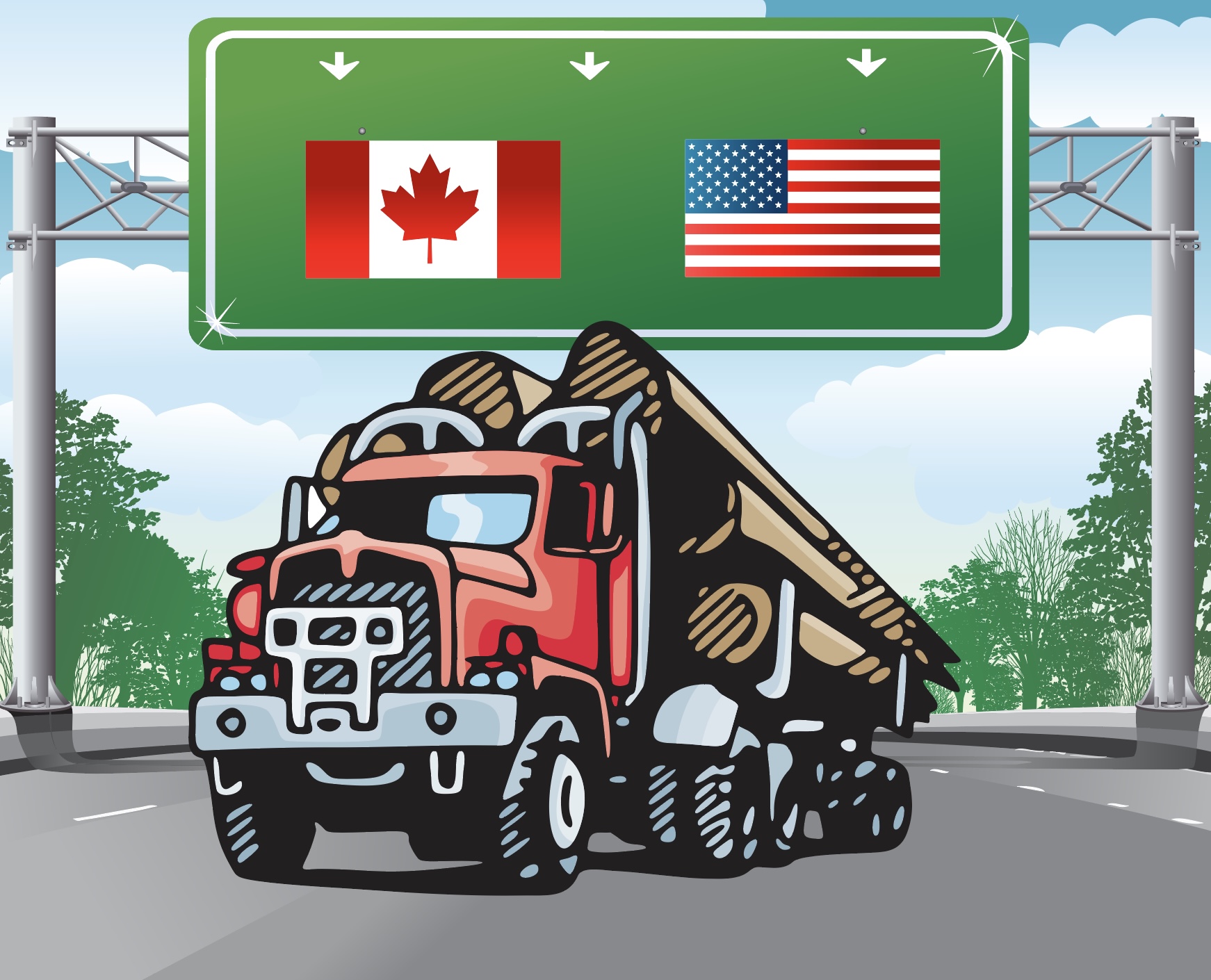 The head of the New Brunswick Forest Products Commission was in front of a legislative committee Thursday, answering MLA’s questions about the state of the industry. The commission is a liaison of sorts between the provincial government, saw and pulp mills and wood marketing boards. Tim Fox acknowledged the Commission has been working to try and help the industry through challenging times, but he said everyone has to work together. “There’s obviously our sawmills who are impacted by the tariff situation and that has spilled over into the private woodlot sector as well,” he said after the meeting. …Private producers have recently expressed frustration over how little support there’s been for woodlot owners to help them through the ongoing U.S. tariff situation. Countervailing and anti-dumping duties on softwood are almost a decade old, but U.S. President Donald Trump added another 10 per cent in the fall, bringing tariff totals to 45 per cent.


 The unravelling of our trade relationship with the US compels us to act decisively. The chaotic diplomacy of the Trump Administration should encourage Canada to build up economic capacity where Canadians possess both agency and an existing industrial base to rely upon. This capacity‑building goal dovetails with the inherent purpose of the Sustainable Jobs Action Plan (SJAP). …Acting on these priorities, industry can direct its capital and follow its own strategic objectives, but it will do so in an environment that better reflects Canada’s long‑term economic goals. The SJAP can play a pivotal role. …One can look to the forestry sector. …Forestry faces an existential crisis from the 45% U.S. duties and tariffs imposed on Canadian lumber. …However, the sector also holds immense potential for manufacturing a variety of high value‑added products while also being a renewable resource key to decarbonizing construction.
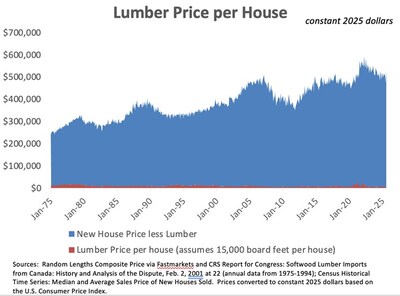
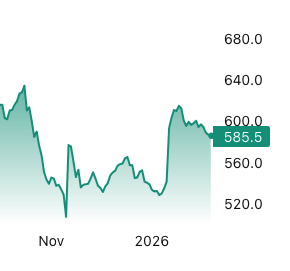 Lumber futures slipped below $590 per thousand board feet, the lowest level in nearly four weeks, as housing demand weakened and earlier restocking momentum faded. Demand softened as financing costs edged higher and housing activity cooled, with US pending home sales plunging 9.3% month on month in December 2025, removing a key source of construction and renovation related wood consumption ahead of the spring building season. At the same time, mills continued running to rebuild inventories after the winter squeeze, increasing physical availability while distributors reported quieter order books. The combination of softer demand and rising availability encouraged position unwinds after January’s rally, with falling volumes and open interest amplifying the price decline. [END]
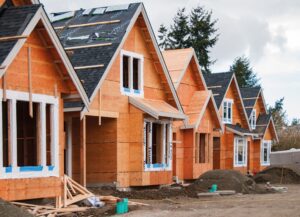 Canada’s housing and homelessness crisis touches nearly every Canadian. Over the past decade, while federal housing spending has increased, affordability has worsened for all but the wealthiest, and homelessness is surging. Despite recent declines in housing prices and rents, unsheltered homelessness is still up 300% since 2018, according to the most recent national point-in-time count. The country has a narrow but historic window to tackle this crisis and rebuild our housing system so it delivers at the speed, scale and affordability this moment demands. …Federal action alone won’t get us there. Provinces and territories control the planning systems, development-charge frameworks, zoning rules, supportive housing, health services and income supports. …That is why we need a Canada Housing Accord. [Tim Richter is the chief executive of the Canadian Alliance to End Homelessness and Tyler Meredith is a senior fellow at the Munk School of Global Affairs and Public Policy]
 RUSS TAYLOR provided the latest quarterly report from the
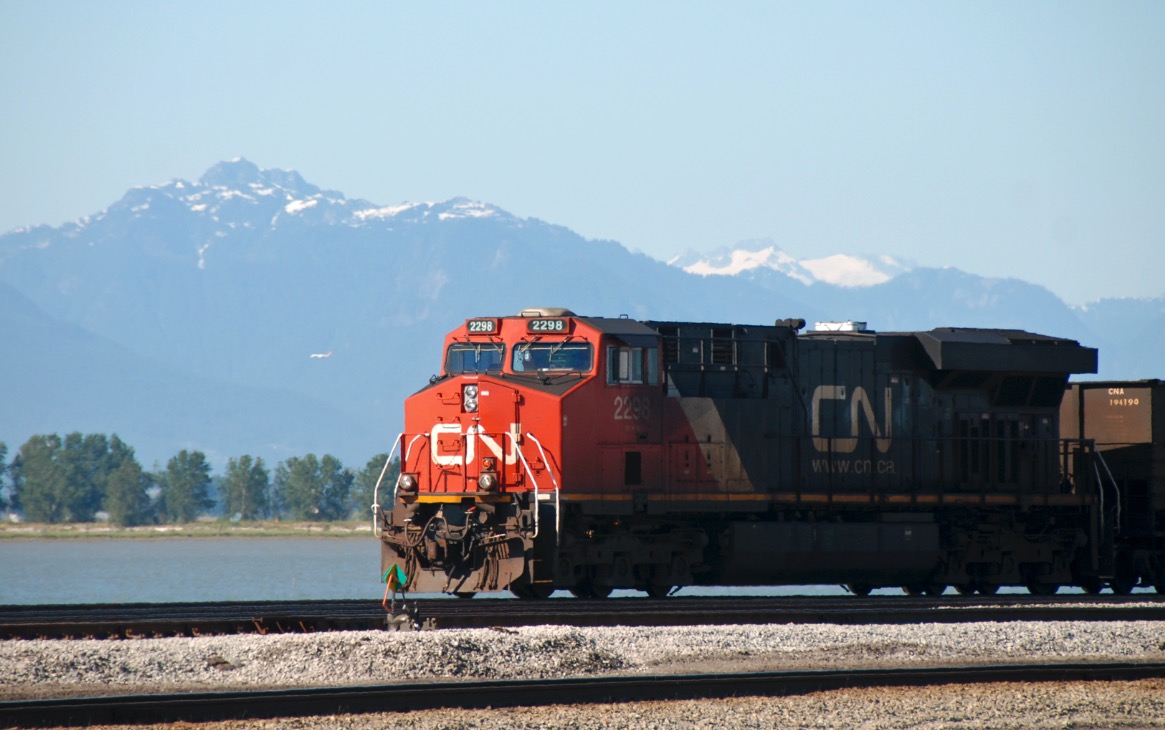 MONTREAL — Tariffs and economic angst delivered a significant blow to Canadian National Railway Co. last year, as the question mark hanging over North American free trade continues to threaten profits in 2026. “Tariffs, trade uncertainty and volatility impacted our full-year 2025 revenues by over $350 million,” chief commercial officer Janet Drysdale told analysts on a conference call Friday. Forest products and metals took the biggest bruising, she said, with the two segments seeing a year-over-year revenue drop of eight and four per cent, respectively, in the latest quarter. …On top of trade uncertainty, a less publicized source of angst has rippled through the rail industry since last summer. Union Pacific Corp., the second-largest railway operator in the United States, announced in July it wants to buy Norfolk Southern Corp. in a US$85-billion deal that would create that country’s first transcontinental railway, and potentially trigger a final wave of rail mergers across North America.
 The federal government
 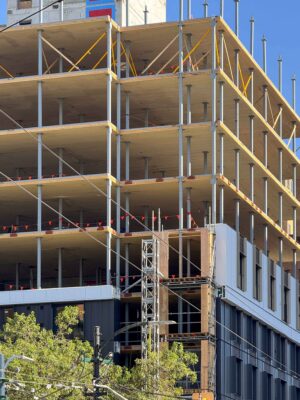 Imagine if we embraced wood as the primary solution for everything we are capable of building tall. As Canada and industry mobilize to scale our national housing stock under Build Canada Homes, I believe that the way we build in Canada is on the precipice of a pivotal moment. Optimizing mass timber for multifamily residential construction — a key pillar of the federal housing plan — presents a tremendous opportunity to bolster our forestry and manufacturing economies while gaining on national targets for emission reductions. On top of delivering urgently needed housing, prioritizing Canadian mass timber is also regenerative for our communities, our economies and our planet. …Having received Royal Assent in 2009, British Columbia’s Wood First Act was enacted to promote the use of wood in provincially funded buildings — a prime example of legislation that strengthened the provincial forestry industry and heavily influenced mass timber adoption across the province.
 35 Countries. 300+ Voices. One Room. Be a part of the conversation. Join us in Vancouver May 10-12, 2026. Each year, International Pulp Week brings together leading voices from across the global pulp value chain to examine emerging trends, innovations, and the market forces shaping the industry. The 2026 program will feature dynamic discussions on strategy, markets, technology, sustainability, supply chains, and the broader role of pulp-based materials. Registration for the 21st edition of IPW is now open, and you can benefit from the Early Bird rate until February 16. More details are available on the registration page.

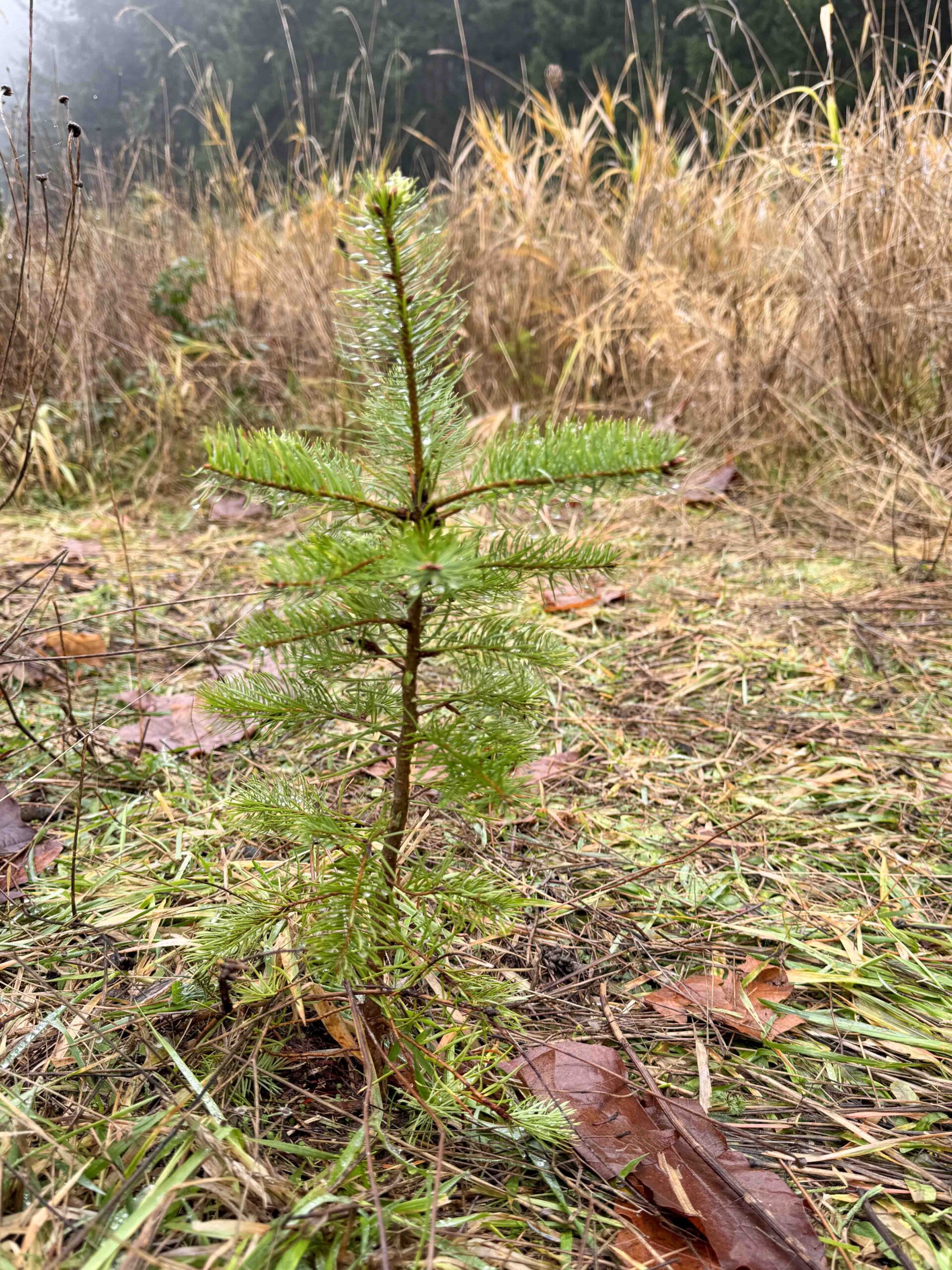 A national horticultural association is sounding the alarm after new data shows a “staggering gap” in Canada’s post-wildfire forest restoration efforts. The Canadian Tree Nursery Association (CTNA) says current programs are restoring only a small fraction of forests lost to recent wildfires and is calling for “immediate and substantive action” from provincial and federal governments to dramatically increase commitments to restoring wildfire-impacted forests. Speaking at the Western Forest Contractors Association Annual General Meeting and Conference in Victoria from Jan. 28-30, Rob Keen, RPF, Executive Director of the CTNA warned that more than 7.3 billion seedlings are required to restore just 15 per cent of the forests destroyed by wildfires between 2023 and 2025 – more than 10 times Canada’s current annual seedling production capacity. “The crisis is compounded by a troubling biological trend – the declining ability of forests to regenerate naturally after more frequent and higher-intensity wildfires,” said Keen.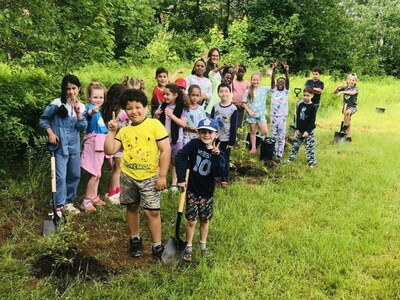
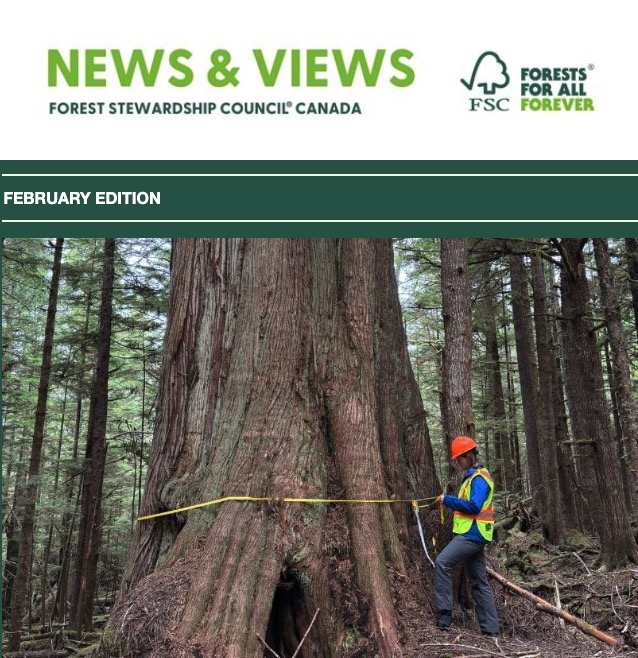 Don’t miss the FSC Canada, February Update: Canada’s Taan Forest is now the first FSC Verified Impact Forest, recognizing protection of Indigenous cultural values and biodiversity. FSC Canada is inviting input via a social metrics survey open until March 16, 2026. The edition also highlights two new job opportunities, an updated trademark policy for certificate holders, newly welcomed Canadian promotional licence holders, a new guide on integrating FSC certification into impact investing, and details on where FSC will be present at events in 2026.

 BC NDP Forests Minister Ravi Parmar avoided the usual political pledges to accept recommendations from the latest in-depth analysis of the province’s troubled forest industry. The NDP government’s appointed experts, the Provincial Forest Advisory Committee, tabled their findings on February 2 after a six-month review of an industry that is moving from decline to collapse. …Parmar took the NDP’s familiar path, rather than address the sweeping recommendations to restructure the entire forest land base… he said the mill closures that are devastating communities across the province are mostly Donald Trump’s fault. …The
  Forest harvesting events will be analyzed at an upcoming event at Maple Ridge’s UBC Research Forest. The event titled “Not-So-Clear-Cut: Rethinking How We Harvest Forests” is coming up on Feb. 21, in two sessions from 10 a.m. to 3 p.m. at the Malcolm Knapp Research Forest. Participants are invited to join Dr. Suzanne Simard, a professor and the author of Finding the Mother Tree, and Hélène Marcoux, director and forester at the Malcolm Knapp Research Forest, for a two-hour guided walk along hiking trails through the forest. As part of ongoing research exploring alternatives to clear-cuts, attendees can discover how tree retention forestry supports soil carbon and ecosystem resilience – all while exploring the challenges and trade-offs of logging in a living ecosystem.
 The Provincial Forest Advisory Committee’s (PFAC)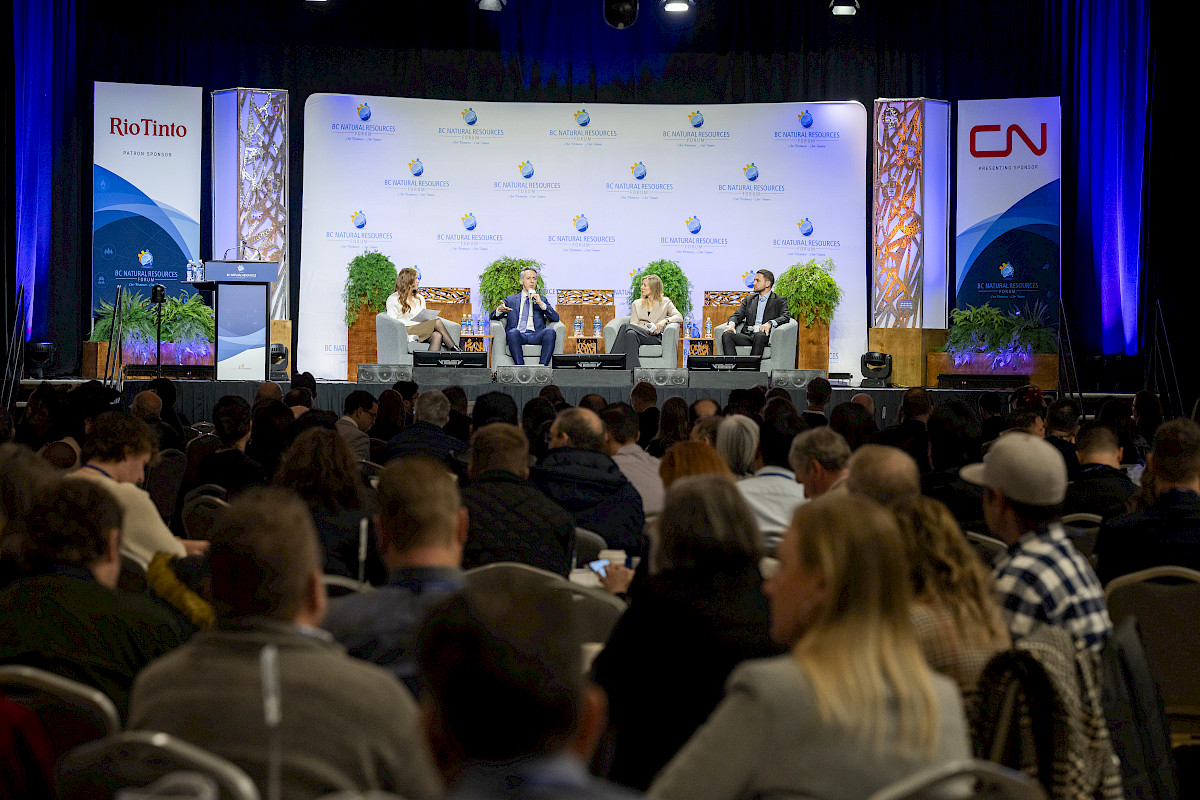
 …the IISAAK OLAM Foundation, which promotes the establishment of Indigenous protected conservation areas … hosted the Estuary to Old Growth Gathering in Parksville, bringing together representatives from Nuu-chah-nulth, Coast Salish, Kwakwaka’wakw and Haida nations. …Concurrently, the B.C. Natural Resources Forum launched its “Forestry is a Solution” campaign in Prince George on Jan. 20. This push seeks support for the logging and manufacturing sector, stressing the need to “speed up access to economic wood by expediting permits and approvals”. Many of the industry’s leading associations are backing this campaign. “The coalition is asking British Columbians to voice their support for the workers and families that depend on forestry,” stated the B.C. Council of Forest Industries. …Not surprisingly, a Feb. 2 report from the Provincial Forestry Advisory Council stated that the days of “abundant access to low-cost fibre” are over. The report was presented as “a call to fundamentally reimagine our relationship with the land.”
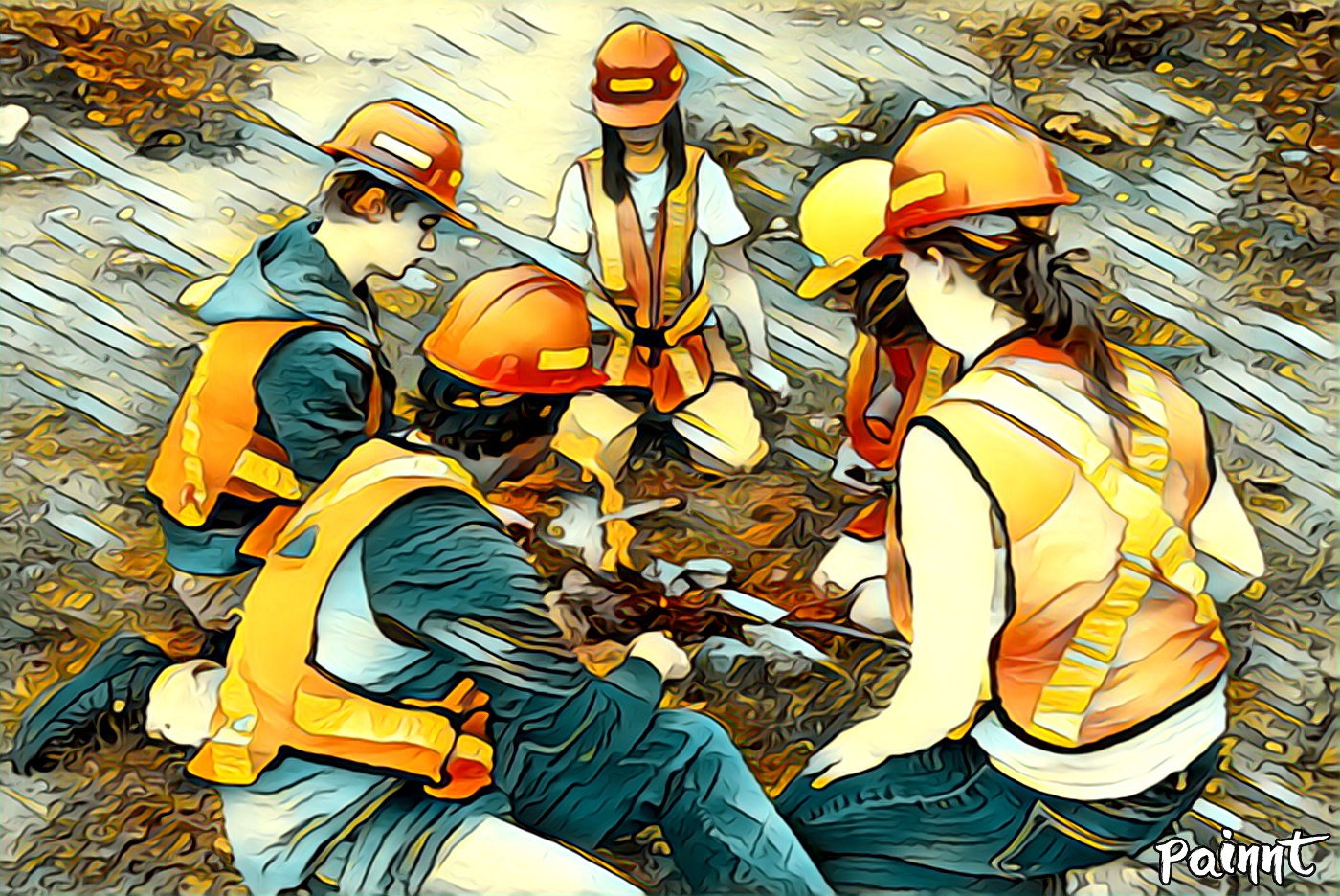 Several programs have been suspended at North Island College, but before the decision came down, students and alumni made their displeasure known outside Koumox Hall in two different rallies. …The Ministry of Post Secondary Education sent out a provincial mandate for schools to review all programs last June after federal policy changes regarding the reduction of international student visas issued. The ministry projected it could lead to a province-wide negative annual revenue impact of a $300 million deficit. 15 programs are being considered for suspension including Coastal Forestry Certificate, Coastal Forestry Diploma, and Furniture Design and Joinery Certificate.
 Reducing wolves to protect endangered caribou doesn’t always deliver the expected results—and the shape of the land may be the deciding factor. That’s according to

 A forest advisory council has recommended shifting BC’s forest regime towards more local decision-making. The plan has received applause from forestry groups, the BC Greens and the head of the BC First Nations Forestry Council. But some experts warn the plan lacks teeth and risks putting fragile forest ecosystems at risk. …“I think of this like the cod fishery,” said Garry Merkel, a forester and co-chair of the advisory council, at the report’s launch event Monday. Merkel likened B.C.’s crisis to the fishery collapse on Canada’s East Coast. …BC First Nations Forestry Council’s Lennard Joe said he supports efforts to bring forest decision-making closer to people it affects. …But UBC forest management professor Peter Wood noted that the report made little mention of the province’s Old Growth Strategic Review. …Rachel Holt, a conservation ecologist worries that the council’s recommendations stop short of changes that are required to protect key ecosystems.
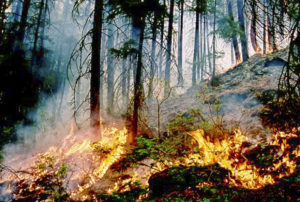 Forests Minister Ravi Parmer hosted the high-profile first National Wildfire Symposium in Vancouver and wildfire risk featured prominently at the 23rd B.C. Natural Resources Forum in Prince George. Dialogue at the symposium made it clear that wildfire is a coast-to-coast-to-coast challenge. It has stretched the resources of all provinces and territories. …But what if there is a way for our provincial government to more effectively spend available dollars to maintain wildfire suppression, improve prevention capabilities and support beneficial fires as an essential ecological function, while at the same time becoming better at identifying cross-government areas for new investments to improve wildfire resilience? This is the focus of a new report being published by the
 The attorney general of BC has decided to take over any potential prosecutions of those arrested for violating an injunction prohibiting people from blocking roads in an area of the Walbran Valley. Forestry company Tsawak-qin Forestry Limited Partnership, which has rights to log in the area where protesters have set up blockades, asked the attorney general to take over the proceedings, and to determine if there is enough evidence to charge those arrested with criminal contempt. Those arrested have faced civil contempt of court charges for alleged breaches of the injunction. …Lawyer Noah Ross, who represents Bill Jones, a Pacheedaht First Nation elder who opposes the logging, said, “By being willing to step in and fund the prosecution, they make it effectively cheaper for the logging company”. …The decision means it’s now up to the BC Prosecution Service to determine what charges, if any, it will approve against those arrested.

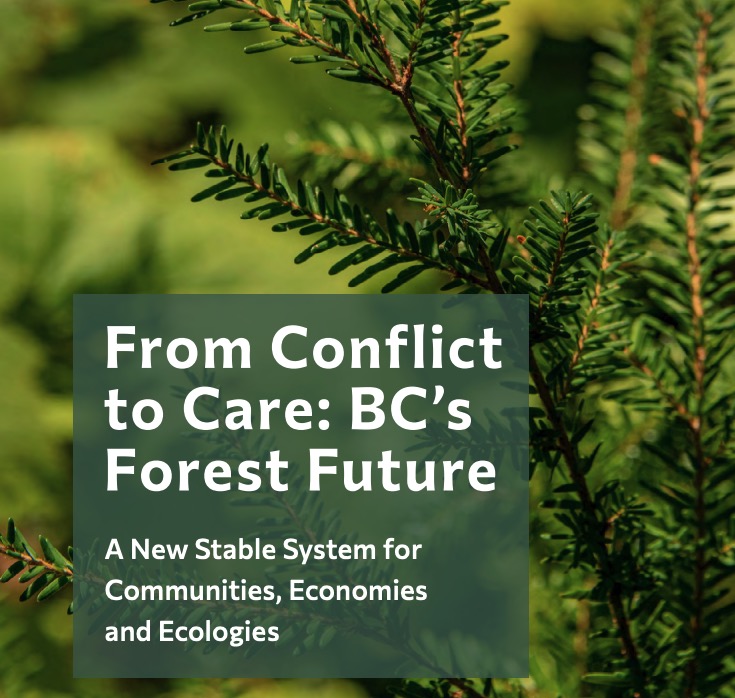 Victoria, B.C. – A new independent report from the Provincial Forestry Advisory Council (PFAC) finds that British Columbia’s current forest management system is failing to meet a range needs, including communities, First Nations, businesses and the environment. The report concludes that small, incremental reforms are not enough to address the scale of challenges facing the sector. Titled
  VANCOUVER — A government-commissioned review of forestry in British Columbia is calling for the system to be razed and rebuilt with a focus on trust and transparency about the state of the province’s forests, shifting away “from managing harvest volumes to managing lands.” …The authors of the report, including industry representatives and academics, pitch a model that would change who makes decisions about lumber allotment, taking that power away from the provincial government and shifting it to regional bodies that manage defined areas. …Shannon Janzen a co-chair of the advisory council, and former chief forester, said the use of area-based land management is not a new idea and is already in use in places like Ontario and Alberta. …Forest Minister Ravi Parmar would not commit to implementing the report’s recommendations, telling reporters that he has to consult with other ministries. …A statement from the BC Council of Forest Industries said it would be reviewing the recommendations with its members. …Brian Menzies, the executive director of the Independent Wood Processors Association of B.C., said there’s little detail in the report about how its members would access more fibre.
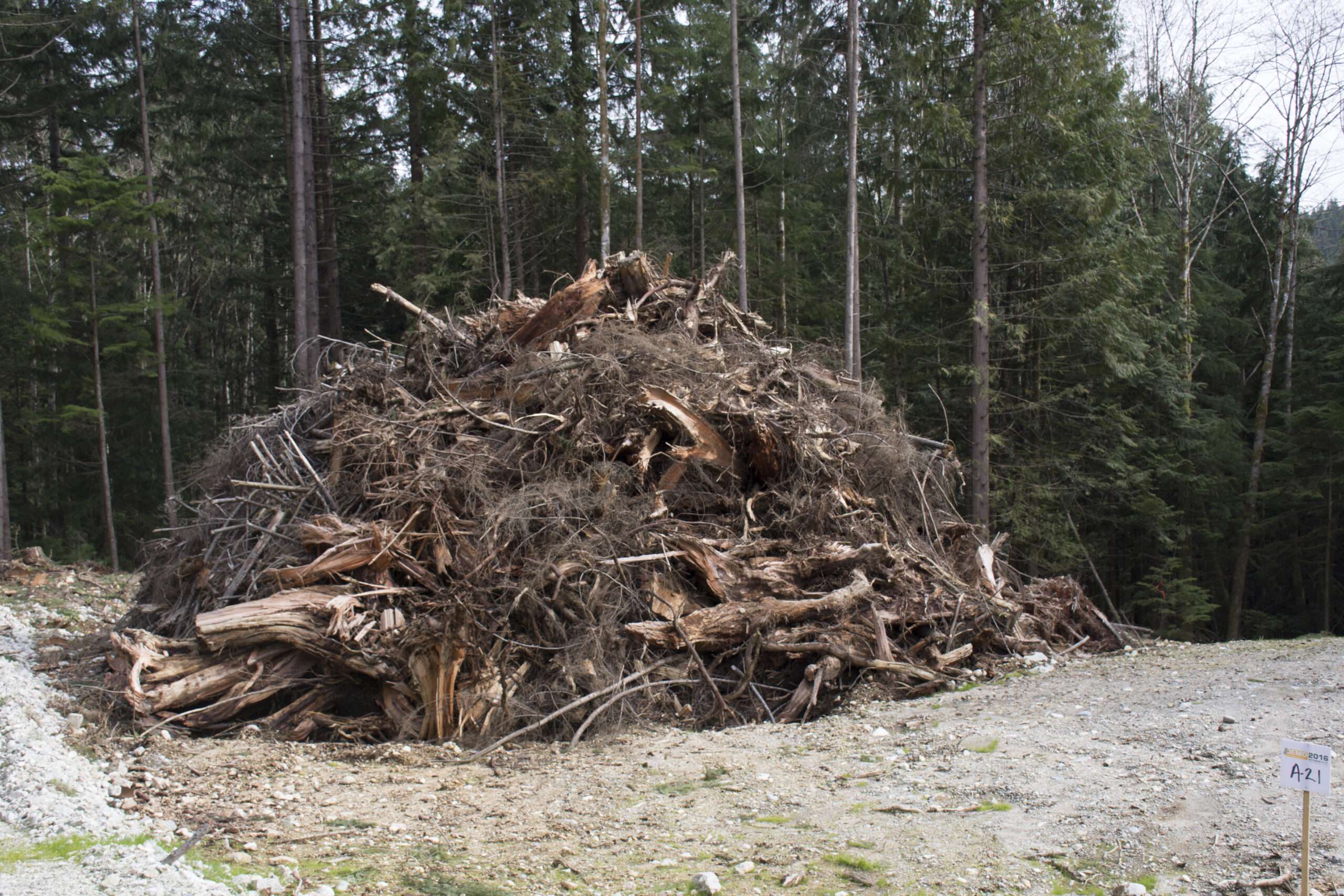 A First Nations-owned company west of Williams Lake says continued funding is essential for projects that use fire-killed wood instead of burning it in slash piles or leaving it to decay. Percy Guichon and Daniel Persson with Central Chilcotin Rehabilitation Ltd. (CCR) attended a Jan. 27 regular city council meeting in Williams Lake to provide an update on the Palmer Project, a multi-year Indigenous-led stewardship initiative which aims to reduce wildfire risk and improve public safety and forest health through spacing treatments that remove hazardous fuels. To date, the project located along Palmer Lake Road, about one and a half hour west of Williams Lake, has treated more than 1,500 hectares with recovered fibre utilized by Atlantic Power for biomass and Cariboo Pulp & Paper for pulp. Fibre was also previously utilized by Drax, which closed in Williams Lake by the end of 2025, into fibre pellets for bioenergy.


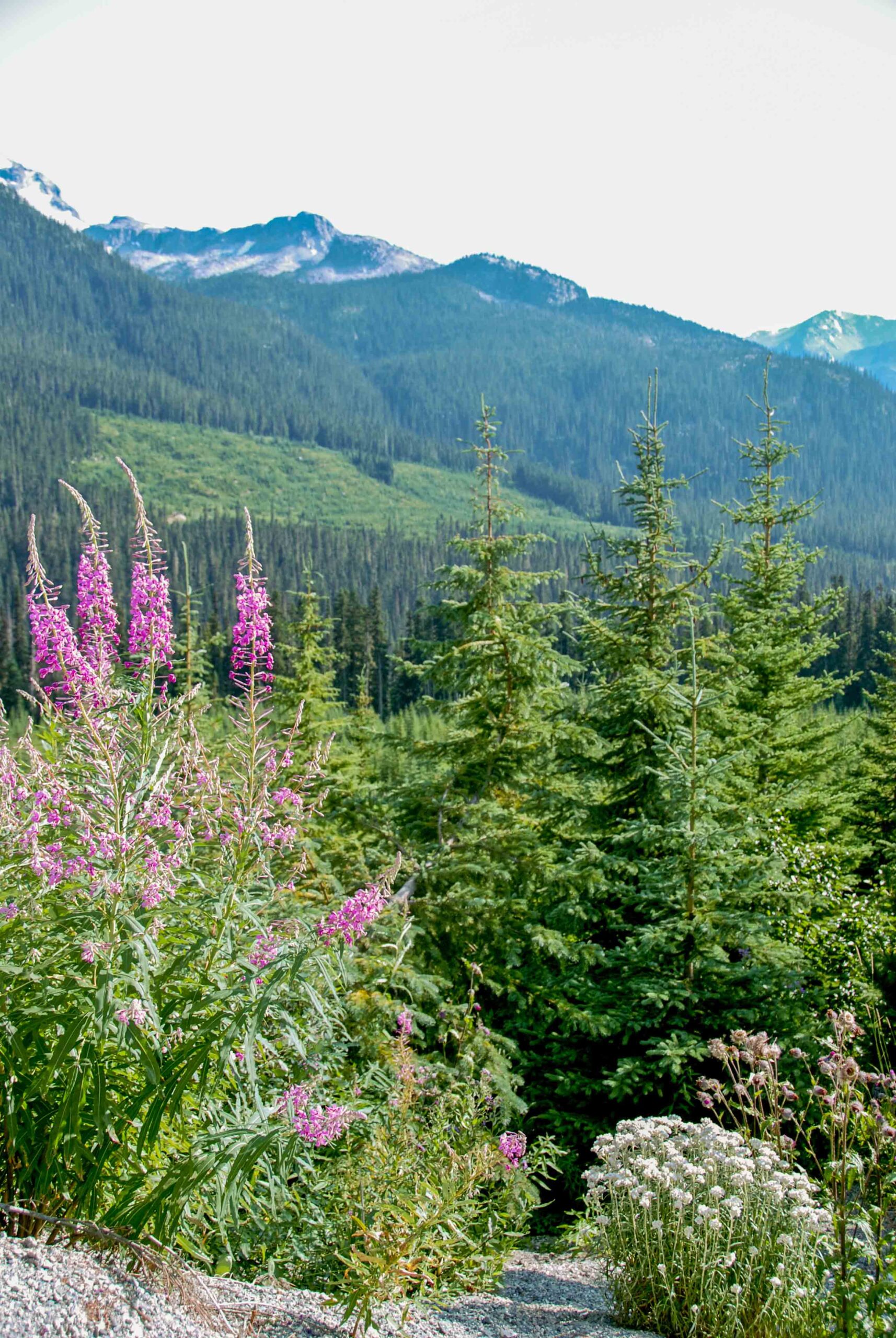 Residents of a Bonnington, 18 km west of Nelson, hope they can rely on B.C. Timber Sales’ assurances that logging in their watershed will reduce wildfire risk and won’t threaten their water supply. For nearly a year, BCTS has engaged in an elaborate communication process with the residents of Bonnington about its plans for the Falls Creek watershed. The agency has a timber license on Crown land in the watershed, which provides drinking water to the rural community of about 600 people. …BCTS plans and designs logging operations, builds logging roads, then sells the timber to the highest bidder. The B.C. government added wildfire mitigation to the BCTS mandate last year. In the spring of 2025, the province hired Cathy Scott-May, a communications consultant, to steer a communication process along with BCTS professional forester Mark Tallman of Nelson. …Tallman said this consultation process is different from anything BCTS has done in the past…


 NEW BRUNSWICK — J.D. Irving approached a number of municipalities last fall, asking them to support its request to be able to log 32,000 hectares of protected areas on its Crown timber licence in exchange for conserving forest near those communities. At least nine municipalities signed a letter asking that Natural Resources Minister John Herron “give equal weight to the social and economic interests of local governments when seeking to balance the interests of multiple stakeholders across New Brunswick.” …Conservation groups, including the Conservation Council of New Brunswick, said the proposal is extremely concerning. Roberta Clowater questioned why protected areas would be treated as “a wood bank for industry.” …The proposal is in response to the government’s promise to increase conservation lands from 10% to 15% of the province’s landmass. That would mean protecting an additional 360,000 hectares, which the province hopes to source from a mixture of Crown and private land.
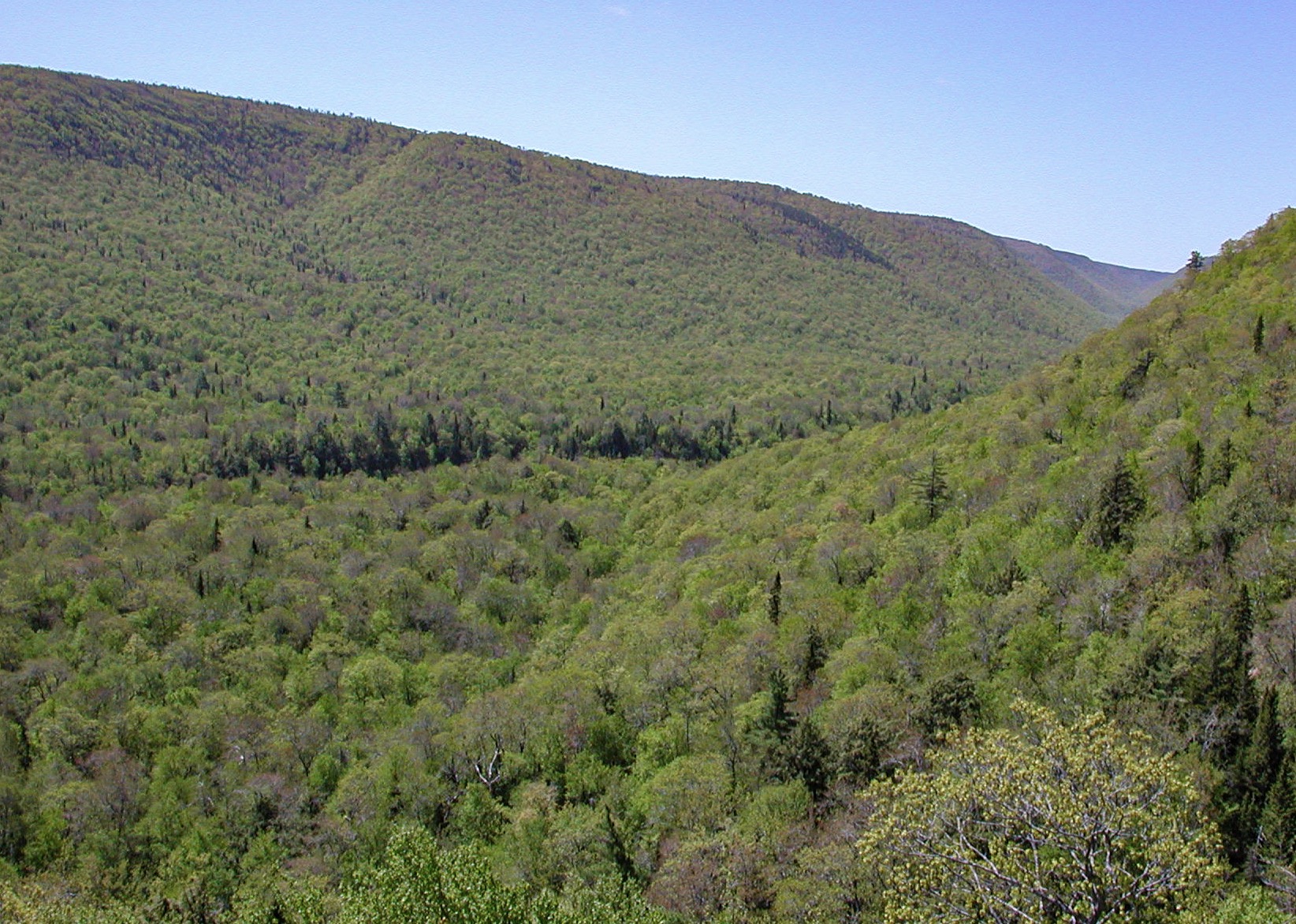 A new study finds that Canada could remove at least five times its annual carbon emissions with strategic planting of more than six million trees along the northern edge of the boreal forest. The