
Christine Gelowitz
BC’s forest sector is undergoing a momentous change, buffeted by a combination of policy reform, economic uncertainty, new models of shared governance, shifting markets, climate impacts, workforce demographics, and evolving public expectations. This moment feels different than previous market downturns and it’s increasingly obvious there will be no return to “business as usual.” Clearly, a transformation in forestry is underway, some of it overdue, some daunting, and some full of possibility. In moments like this, certainty is elusive. Information floods in while the signals that matter are often buried beneath speculation, opinion, and outright misinformation. It is easy to get stuck in the ‘muddiness’ of it all and hope someone else will bring clarity and provide a clear and obvious path forward.
The policy choices, management decisions, planning assumptions, and stewardship priorities made today will shape BC forests and forest sector for decades. Who will lead in making those decisions? How will we prevent the strong desire to place all the focus on urgent short-term fixes from overshadowing the important and the need for improving our long-term potential? This is a moment fit for forest professionals. [Extracted from the BC Forest Professionals Winter 2026 Magazine]

 Prime Minister Mark Carey is planning to host premiers in Ottawa later this month as the Canada-US-Mexico trade agreement (CUSMA) comes up for review later this year. The first ministers’ meeting, which will take place Jan. 29, comes just over a month after the last one. …Negotiations over the trilateral trade agreement were the focus of the last first ministers’ meeting, as the prime minister briefed premiers on what the federal government was doing ahead of the mandatory review of CUSMA, which is scheduled to be completed by July 1. Relief from punishing sectorial tariffs on steel, aluminum and forestry seems unlikely within the next six months, according to the prime minister. …All 13 premiers are expected to hold their own meeting the day before sitting down with Carney. …Canada continues to look for other export markets in the face of US tariffs.
 President Trump has delayed new tariff increases on upholstered furniture, kitchen cabinets, and vanities for a year, pushing their implementation to 2027, according to a
 The
The 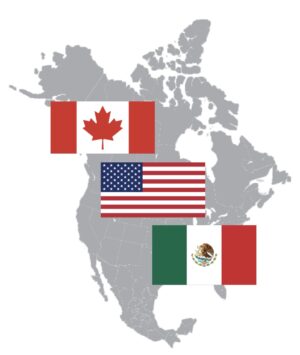 Prime Minister Mark Carney said Canada probably won’t reach a near-term deal with the United States to lower tariffs on sectors such as steel and aluminum, and negotiations are likely to be rolled into next year’s review of the US-Mexico-Canada Agreement. Canada and the US were close to a pact on metals tariffs, but President Donald Trump then terminated talks in October. …“My judgment is that that is now going to roll into the broader CUSMA negotiation, so we’re unlikely, given the time horizons coming together, to have a sectoral agreement,” Carney said on Thursday. “Although if the United States wants to come back on that in those areas, we’re always ready there — we’re very ready.” …Canada is “very ready on forest products to strike an agreement,” the prime minister added. The U.S. has placed roughly 45% duties and taxes on imports of Canadian softwood lumber, to the frustration of US homebuilders.
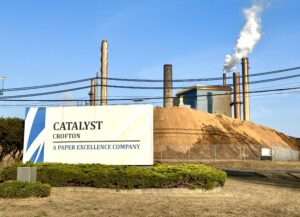 The union representing 350 Crofton mill workers facing layoffs next month wants federal money earmarked for softwood lumber workers to pay for early retirement for some of its members. Geoff Dawe, president of the Public and Private Workers of Canada, said he’s not sure why it’s taken so long for the provincial government to negotiate its share of a $50-million federal fund aimed at supporting softwood lumber workers. The fund is for income support and costs of re-training an estimated 6,000 forestry workers across the country. …Dawe wants some of that $50 million to go toward an early-retirement fund for members who will be out of work when forestry company Domtar starts laying off its Crofton workers on Feb. 3. …Dawe said the provincial and federal governments should bring back a lump-sum payment program for older mill workers that will “leave them some dignity.”

 Premier David Eby will lead a trade mission to India promoting British Columbia’s businesses, critical minerals and sustainable wood products, supporting work to build a more independent economy and creating more good jobs for people in British Columbia. … “India is a key market for B.C. with enormous opportunities for trade. This trade mission is about deepening our relationships, supporting good jobs in B.C. and strengthening our position as the economic engine of the new Canadian economy,” Premier Eby said. As India moves toward becoming the world’s third-largest economy, the Premier will highlight opportunities for sustainable forestry, clean energy and responsible mining through new partnerships that are available only in B.C. …During the mission, from Jan. 12-17, 2026, Premier Eby, along with Ravi Kahlon, Minister of Jobs and Economic Growth, will meet with government and business leaders in major centres of commerce and technology, such as New Delhi, Mumbai, Chandigarh and Bangalore.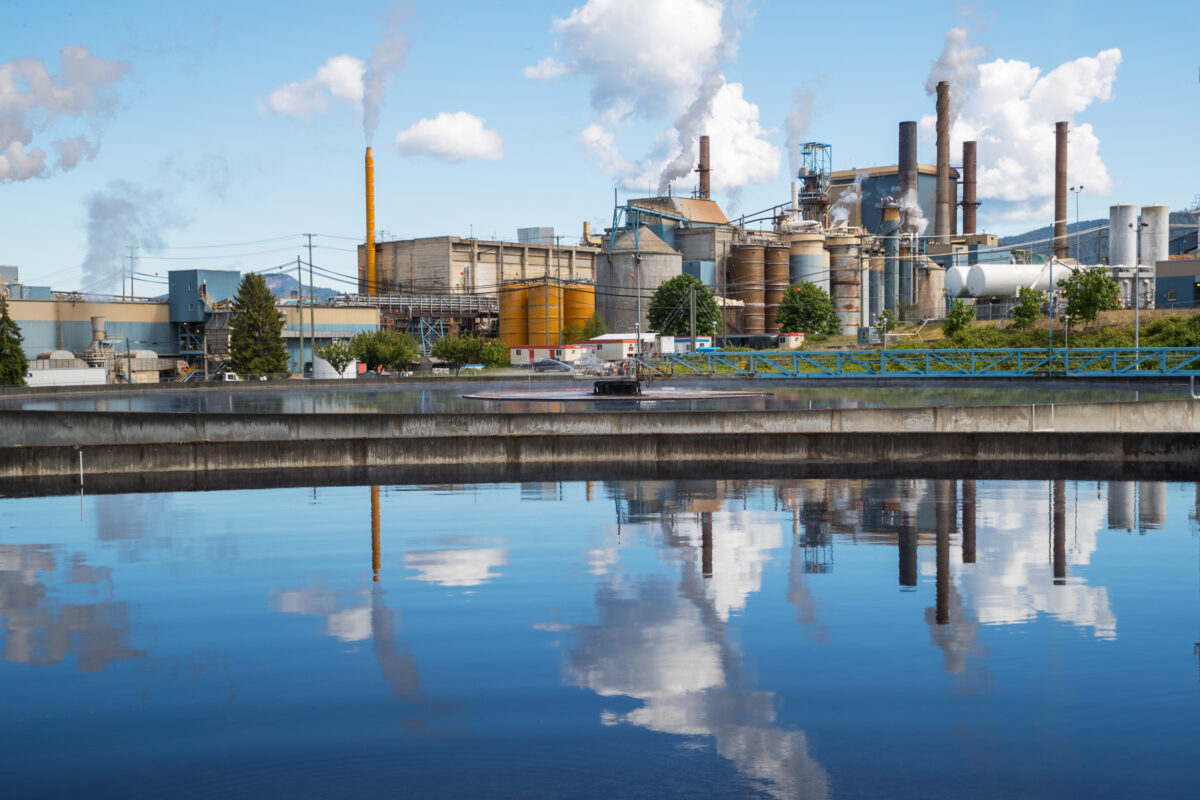
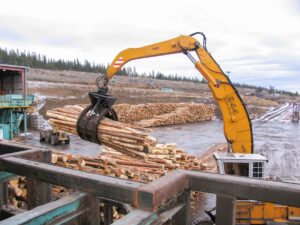 Since 2018, notes forestry watcher David Elstone, the British Columbia government has introduced more than 43 measures, policies, plans, systems, laws, reviews and reports about and affecting the BC forest sector. Meanwhile, there have been a series of closures and curtailments (permanent, temporary or indefinite) of sawmills and pulp mills, and thus workforce reductions. “And the fibre-supply crisis has continued to worsen, and . . . the industry is in far worse condition than ever before.” Elstone’s basic message: “Government has been busy designing change rather than figuring out solutions and moving forward. …Kim Haakstad, CEO of the BC Council of Forest Industries (COFI) echoes the analysis “There’s been a significant amount of change that hasn’t settled itself into the system, and there’s been no look at what regulatory efficiency can be achieved to make processes clearer, more transparent, and more accountable.”
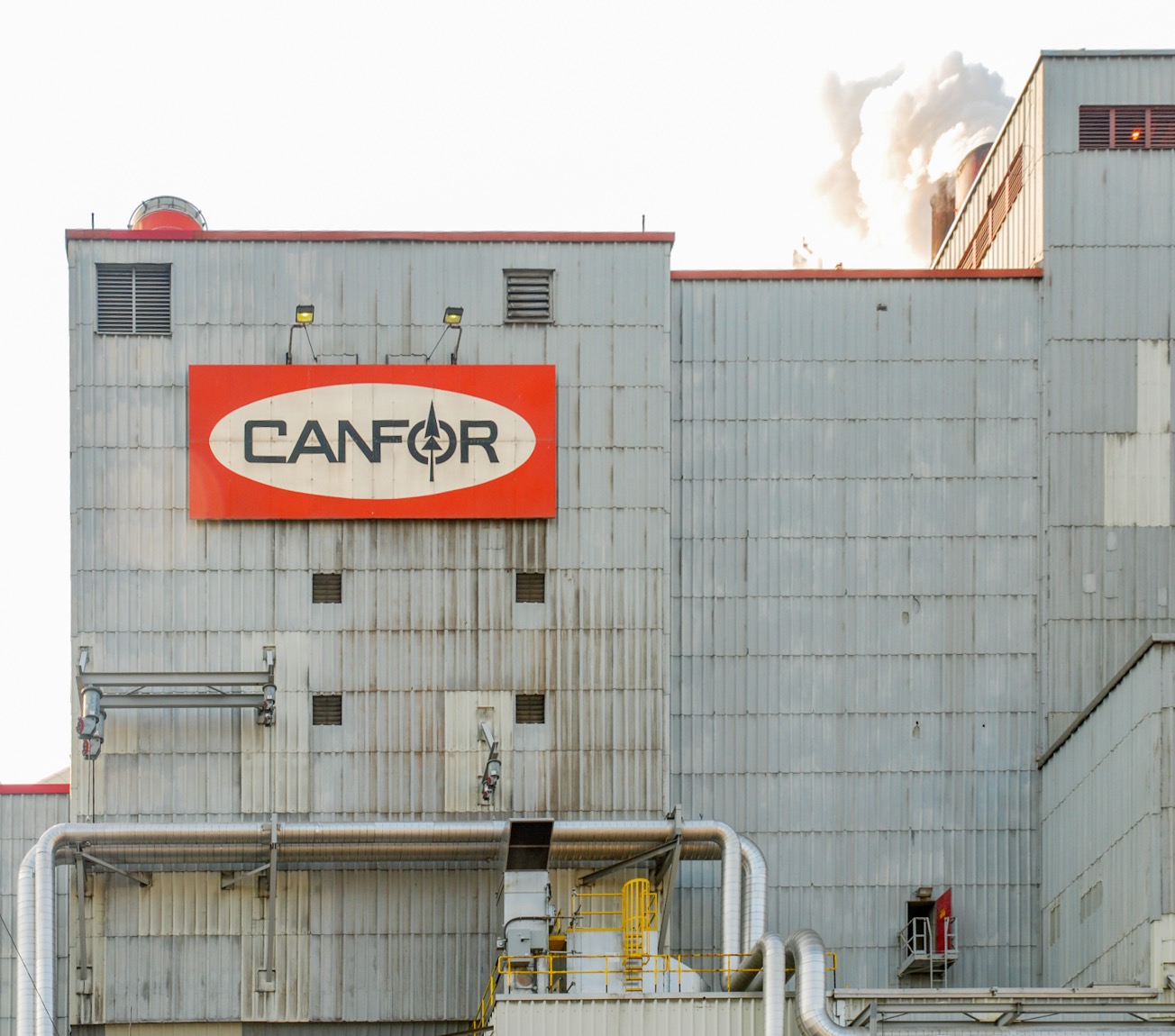 The District of Vanderhoof, says it is now feeling the full financial impacts of Canfor’s 2024 Plateau sawmill closure and is facing a substantial loss of tax revenue for 2026. Canfor closed its sawmills in both Vanderhoof and Fort St. John, B.C., in December of 2024 citing “increasing regulatory complexity, high operating costs and the inability to reliably access economically viable timber.” Kevin Moutray is the mayor of The District of Vanderhoof, says the closure will create a loss of $580,000 in tax revenue equivalent to 11 per cent of its tax base. …Recent closures include the West Fraser’s sawmill in 100 Mile House and Domtar’s permanent closing of its plump mill in Crofton on Vancouver Island. “It’s difficult and sometimes action only happens in a crisis even though you sort of, can see some of it coming,” said Kurt Niquidet, B.C. Lumber Trade Council president and B.C. Council of Forest Industries chief economist.
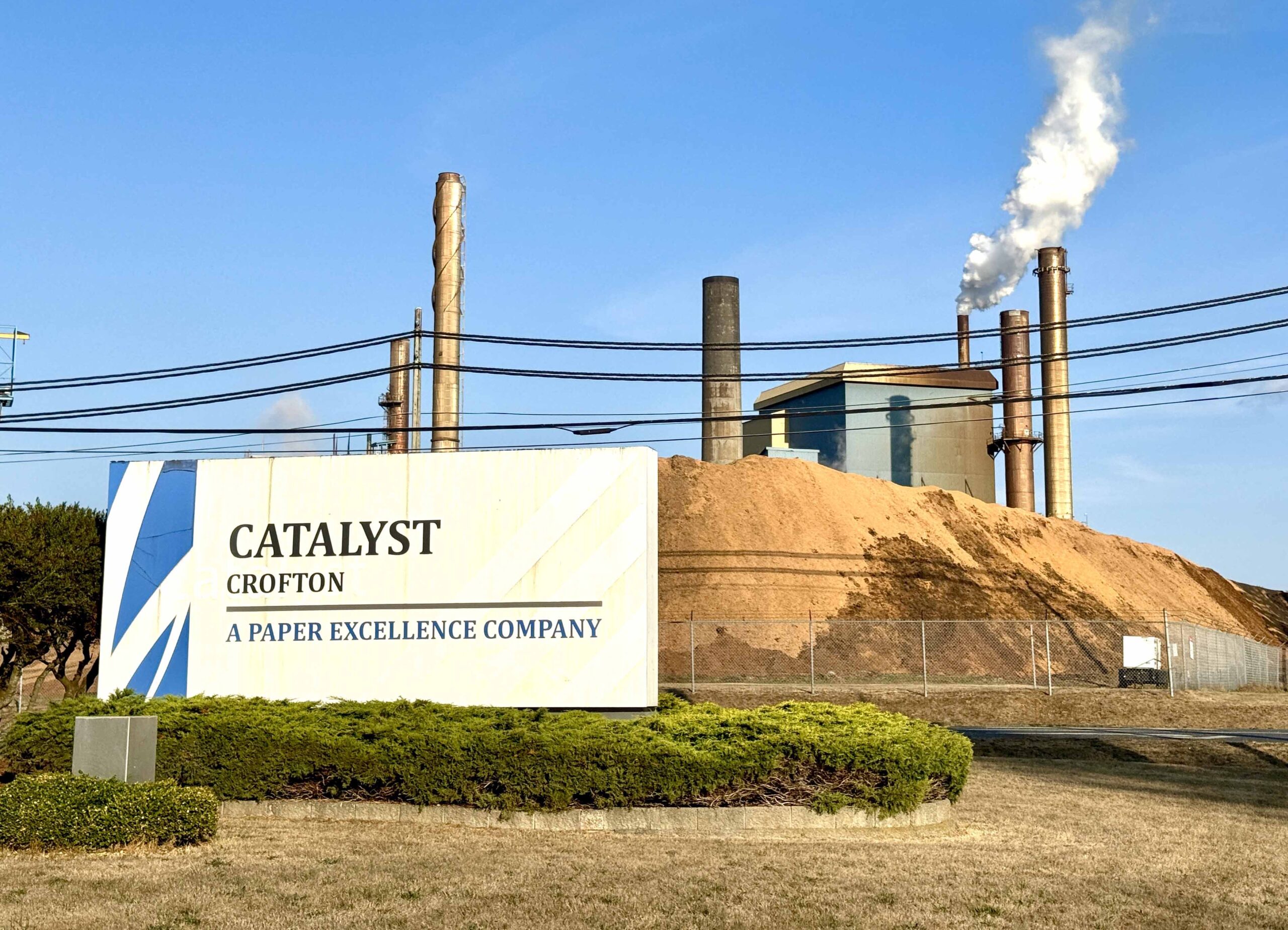 The Municipality of North Cowichan said it is hoping to reopen the Bridging to Retirement Program and lower the eligible age to increase support for workers affected by the Crofton mill closure. Mayor Rob Douglas said he has asked the premier and the minister of forests to work with the federal government to reinstate the program, which was launched in 2021. He said the program is aimed at workers over 55 who do not “relish the idea” of retraining for new careers. “We recognize workers who are in their 50s and 60s are in a tough spot and are able to access pensions,” Douglas said. “For obvious reasons some aren’t too excited about going back and getting retrained to work in a whole different field.” …Douglas said the decision rests with the province and there is no definitive timeline for when workers or the municipality could see results.
 SUNDRE, Alberta – The general manager of what will soon become the former West Fraser – Sundre Forest Products said there will be no impact on staff or operations amid a corporate reorganizing. According to a December letter to vendors, West Fraser is “undertaking an internal corporate reorganization, whereby Blue Ridge Lumber, Spray Lake Sawmills, Crowsnest Forest Products, Sundre Forest Products, and Manning Forest Products will be amalgamated into one company and renamed West Fraser Alberta Wood Products Ltd.” The new entity is to remain a wholly-owned subsidiary of West Fraser Mills Ltd., and the amalgamation and rebranding will be effective as of end of day on Dec. 31. “There’s zero impact to operations,” said Jason Foote. “This restructure is administrative”.

 MACKENZIE COUNTY, Alberta — An agreement with Calgary-based PowerWood Canada Corp. will bring two new wood pellet manufacturing facilities to the Mackenzie County region in Northern Alberta, Canada. Josh Knelsen, Mackenzie County Reeve, announced Dec. 23 the agreement. “This is a leading-edge, first-of-its-kind project in Canada that turns wildfire-damaged wood into clean energy and helps reduce reliance on coal,” said Knelsen. The two facilities represent the potential for up to 300 direct jobs,” with many more across forestry, construction, transportation, and local businesses. …Construction on two sites is expected to begin by mid-2026. …The facilities will also see the introduction of Canada’s first steam explosion pellet production process – developed by leading industrial systems engineers Valmet and capable of producing black wood biofuel pellets with 94% less carbon release than coal. …PowerWood Canada plans to open a second Alberta plant and has developed expansion plans for further plants in New Brunswick and Nova Scotia.
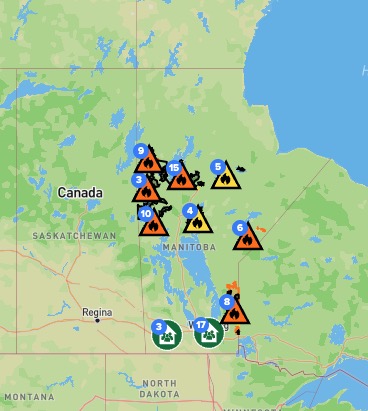 Manitobans should expect higher cabin and home insurance premiums in 2026, one expert says, after a 2025 fire season that destroyed at least 130 properties in the province and forced more than 32,000 people to leave their communities. Owners may also encounter new caps on payouts or exclusions in their policies that won’t cover certain hazards or parts of a property, or may find insurers will not provide coverage at all, said Jason Thistlethwaite, an assistant professor at the University of Waterloo’s school of environment, enterprise and development. “Insurance is a business, and they’re going to be looking to recoup those losses,” said Thistlethwaite, who studies the economic impacts of climate risk and natural disasters.

 Nine more forestry companies are being supported to modernize, innovate and diversify their product lines and fibre sources to make more high-value, made-in-BC products, and help protect and create jobs. “It’s no secret our forestry sector is facing many challenges, making these investments timely,” said Minister of Forests, Ravi Parmar. …Through the BC Manufacturing Jobs Fund, the Province is contributing $2.5 million to plan or complete capital projects. For example, Canadian Bavarian Millwork and Lumber in Chemainus will receive as much as $1.4 million to help build its new facility. …Additional investments include:
 CHEMAINUS, BC — Western Forest Products’ value-added division in Chemainus is receiving up to $7.5 million from the province to add two new continuous dry kilns to its manufacturing operations. The investment, from the province’s BC Manufacturing Jobs Fund, will allow WFP’s facility on River Road to expand the production of high-value products and create new opportunities for second-growth hemlock to produce higher-value products, as well as increasing the stability of the forest company’s operations on Vancouver Island. Minister of Jobs and Economic Growth Ravi Kahlon and Forest Minister Ravi Parmar joined Steven Hofer, CEO of WFP, to make the funding announcement, which is expected to strengthen Vancouver Island’s manufacturing sector. In addition, the ministers announced that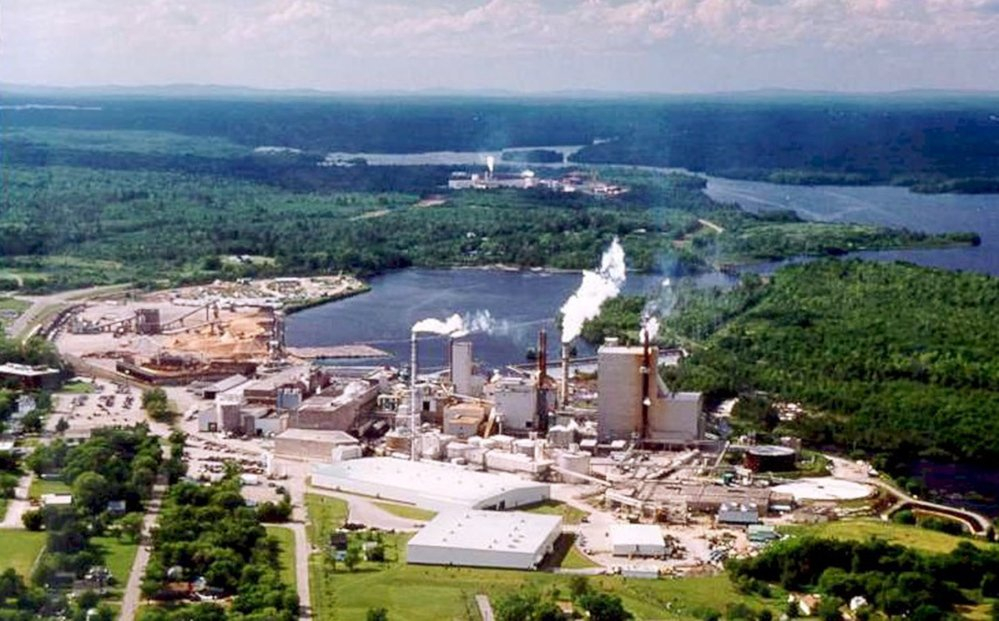
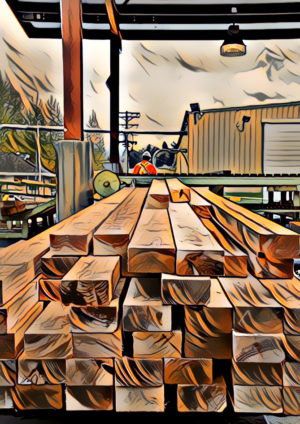 The Scierie St-Elzéar in Quebec, Canada, isn’t just a lumber mill; it’s a glimpse into the future of forestry. A $32.7 million investment in modernization, particularly in artificial intelligence (AI) and automation, is transforming the 80-year-old cooperative into a highly efficient, technologically advanced operation. …The core driver behind this shift is a growing labor shortage. …The St-Elzéar mill has reduced the number of personnel needed for planing operations from 16 to 8, while tripling productivity and boosting product quality by nearly 50%. This isn’t about replacing workers; it’s about shifting their roles. …The integration of AI isn’t limited to a single process. At Scierie St-Elzéar, AI-powered systems now identify wood species, allowing for the creation of more homogenous lumber batches for drying – a critical step in quality control.

 Lumber futures slid below $530 per thousand board feet, testing the lowest levels since October 2024, as weak near-term demand collided with abundant and re-emerging supply. Homebuilding activity remains subdued and mortgage borrowing costs are still elevated, restraining new starts and repair and remodel demand, while US housing starts have softened and 30-year mortgage rates entered January little changed near the mid-6% range. At the same time structural supply pressures are returning, with several panel and OSB mills ramping up or preparing to add capacity and shifts in North American output seeing Canadian curtailments largely offset by higher production in the US South, keeping physical availability ample and capping any upside. In the meantime, inventory and futures market activity increased over the holiday period, amplifying downside moves when buyers stayed sidelined after year-end and seasonal restocking remained muted. [END]
 President Trump’s tariff and trade policies dominated the world’s political discourse through 2025. …The good news is that the BC economy has been fairly resilient through 2025. …BC trade resilience can also be attributed to a broader export commodity mix, dominated by forestry, agricultural and seafood products, as well as mining and oil and gas. …Forest products were tagged with a sectoral tariff of 10 per cent in October 2025, on top of new anti-dumping and countervailing tariffs on softwood lumber. …This has put tremendous pressure on an industry. …It’s difficult to disentangle the impact of tariffs from overall adverse trends in the BC forest industry, many mill closures and curtailments in recent years. BC forestry exports are among the most exposed to the US market, with about 75% of forestry exports headed south. Exports of softwood lumber were down 26% in August 2025 compared to August 2024. Pulp and paper exports were also down 9% on a year-to-date basis compared to 2024.
 B.C.’s GDP is forecast to increase by 1.6% this year,

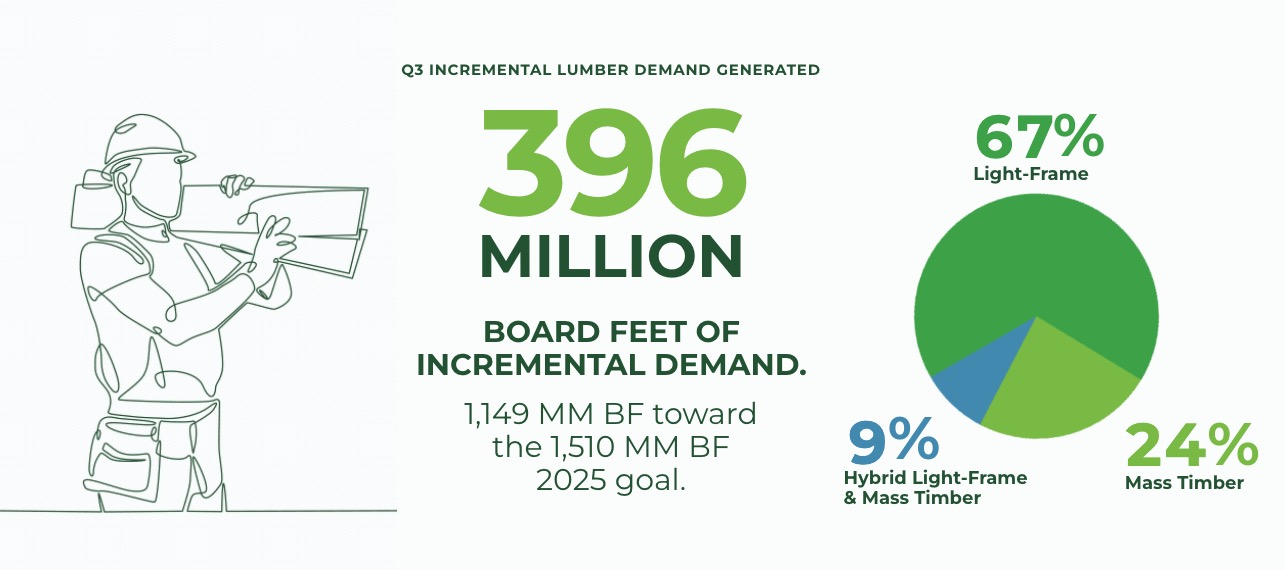 The Softwood Lumber Board has released its Q3 2025 Report, highlighting significant progress tied to its new strategic plan. This quarter, SLB-funded programs advanced a coordinated strategy centered on high-opportunity sectors—1-8 story multifamily, commercial, K-12 education, and the fast-growing industrial segment—while accelerating project conversions, strengthening building code support, scaling post-secondary education, and expanding outreach in key cities.


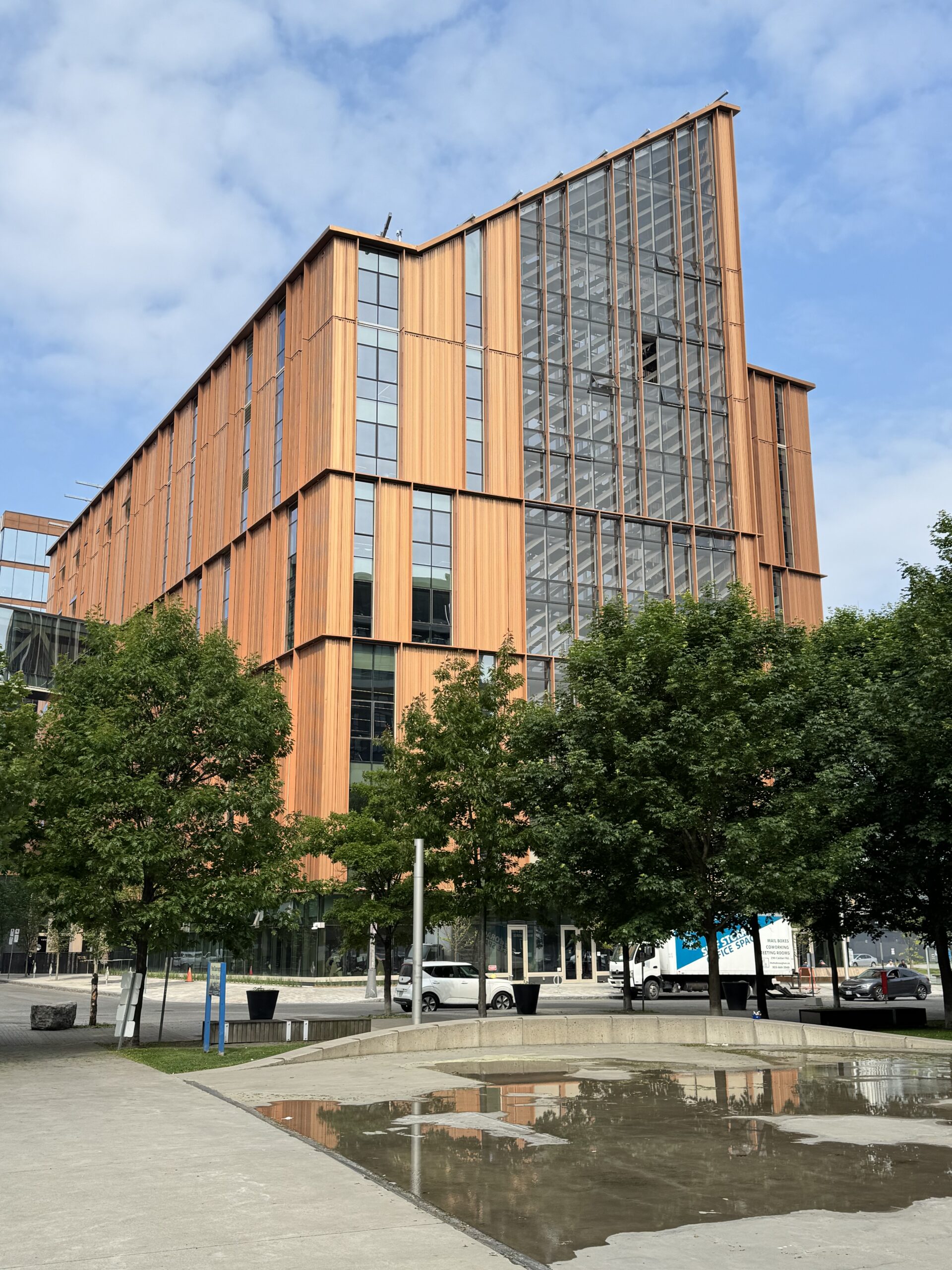 EDMONTON, AB – Celebrated for its pioneering mass timber design and construction, commitment to safety and collaborative excellence, Limberlost Place has been named the Global Best Project of the Year by Engineering News-Record (ENR). In addition to PCL Construction and partners taking home the top honour, PCL was also awarded ENR’s Global Best Projects Award for Limberlost Place in the Education/Research category. …Ontario’s first institutional building of its kind, George Brown Polytechnic’s Limberlost Place has set a new precedent for mass timber construction as a model for sustainable, green building innovation. Located in Toronto, Ontario, the 10-story mass timber, net-zero educational facility integrates first-of-its-kind solutions including: Groundbreaking slab band structural system that advances the use of mass timber in multi-storey buildings; North America’s largest mass timber columns soaring three stories tall; and a striking mass timber feature stair, spanning levels three to five as a centerpiece of architectural design.
 In 2022, Canada hosted a pivotal UN nature summit in Montreal, where the Liberal government led a diplomatic push for a global deal on protecting ecosystems. Countries agreed to conserve 30 per cent of the world’s lands and oceans. Canada pledged to reach that target by 2030 with a plan to more than double the current amount of protected spaces. Three years later, the landscape is very different. Steven Guilbeault, the former environmental minister … has quit cabinet over new moves to expand oil and gas resource development. Prime Minister Mark Carney’s first budget barely mentions nature and his government is focused instead on major resource projects. Now, environmental groups and others are concerned that the apparent pivot from the Carney government will reverse years of progress made on nature conservation. Among the initiatives now facing uncertainty: new national parks and protected areas, as well as federal support for the “win-win” Indigenous guardians program…
 …council was about to vote to log our protected community forest. At the last moment, a chief saved the day. But we are now forewarned — our forest isn’t protected. …a new council could throw down the gauntlet. So, once again we’re asking ourselves, as a community how do we protect the Six Mountains? Now that we know our North Cowichan council can ignore our public consultation, and our vote for conservation, what can we legally do? In the next election, vote in a pro-conservation council? This is our intention, but there are no guarantees. …an extraordinary solution [exists to] protect ecosystems from human destruction. It’s called the Rights of Nature movement (RoN). …founded on indigenous ancestral reverence for nature, as sacred and sacrosanct, beyond human control and ownership… it’s the perfect solution for our Valley where we, N. Cowichan and Quw’utsun, “own” the legal right to protect the ecosystem surrounding our home.
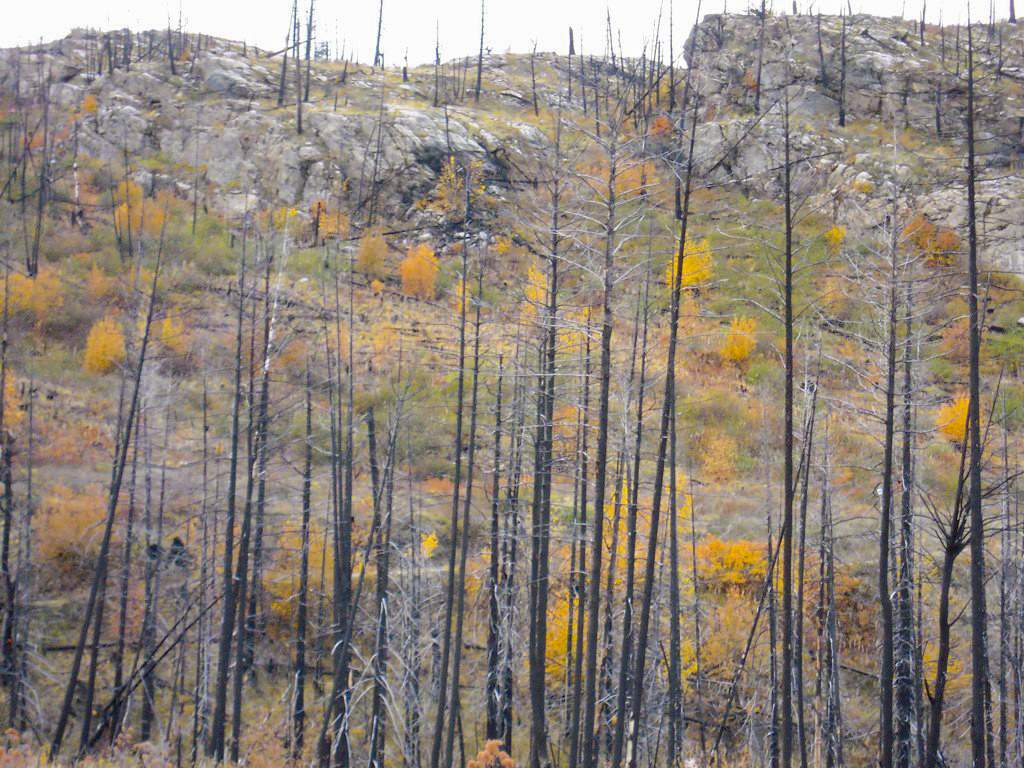 The in-creek infrastructure for the Peachland water treatment plant is at risk of a landslide in the aftermath of the summer’s Munro Lake wildfire. The
 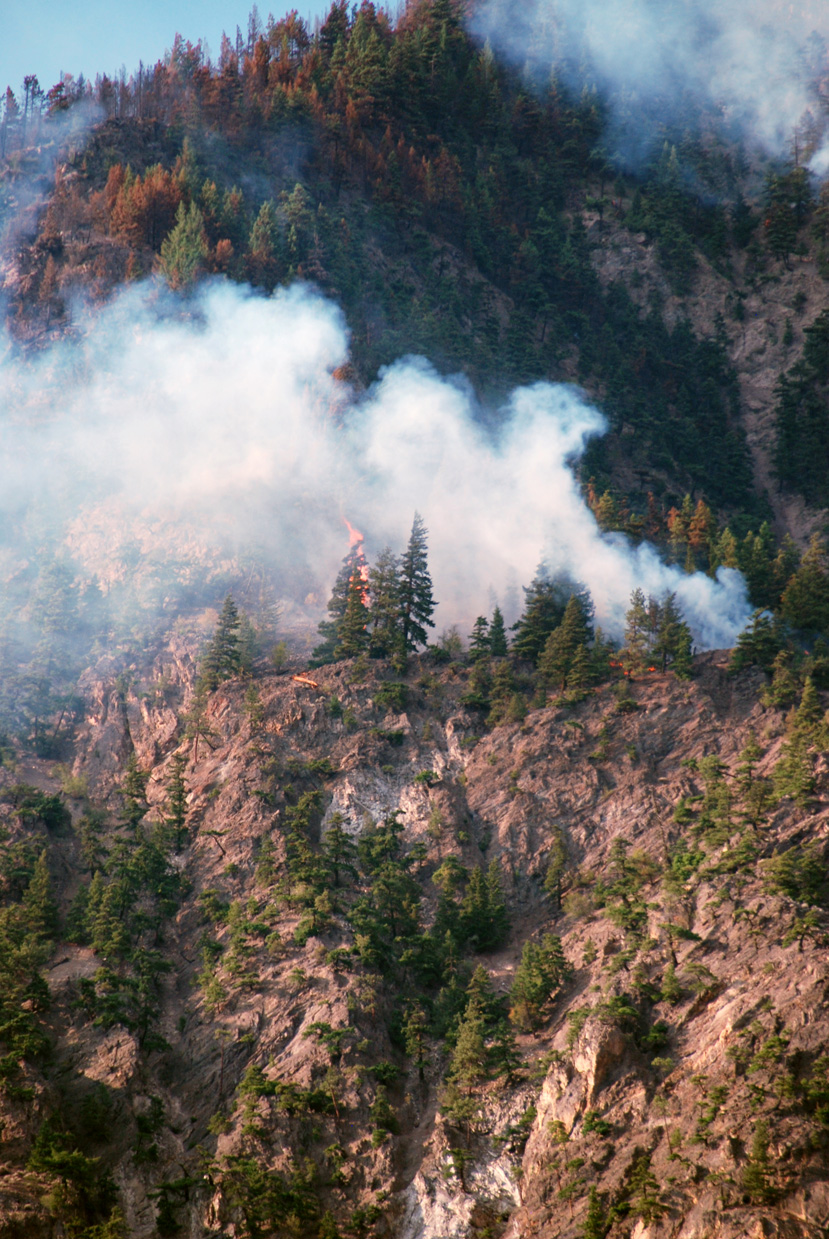 The intense 2025 wildfire season in B.C. means firefighters will face challenges in 2026 because of overwintering wildfires, also called holdover or zombie fires, that smoulder deep underground through the colder season. As they spread below the forest floor in the dried-out peat, the fires can ignite in spring, sparking new life into last season’s devastating blazes. Canada’s 2025 wildfire season was the second-worst on record after 2023, with more than 6,000 fires burning more than 83,000 square kilometres across Canada, according to the Canadian Interagency Forest Fire Centre. In B.C., the season started early because of several zombie fires in the northeast region of the province, where fire officials say overwintering fires and underlying drought combined to create challenging conditions in April and May. …Scientists say climate change is making B.C.’s wildfire season longer and more intense as drought dries out the forest floor and heat waves become stronger.
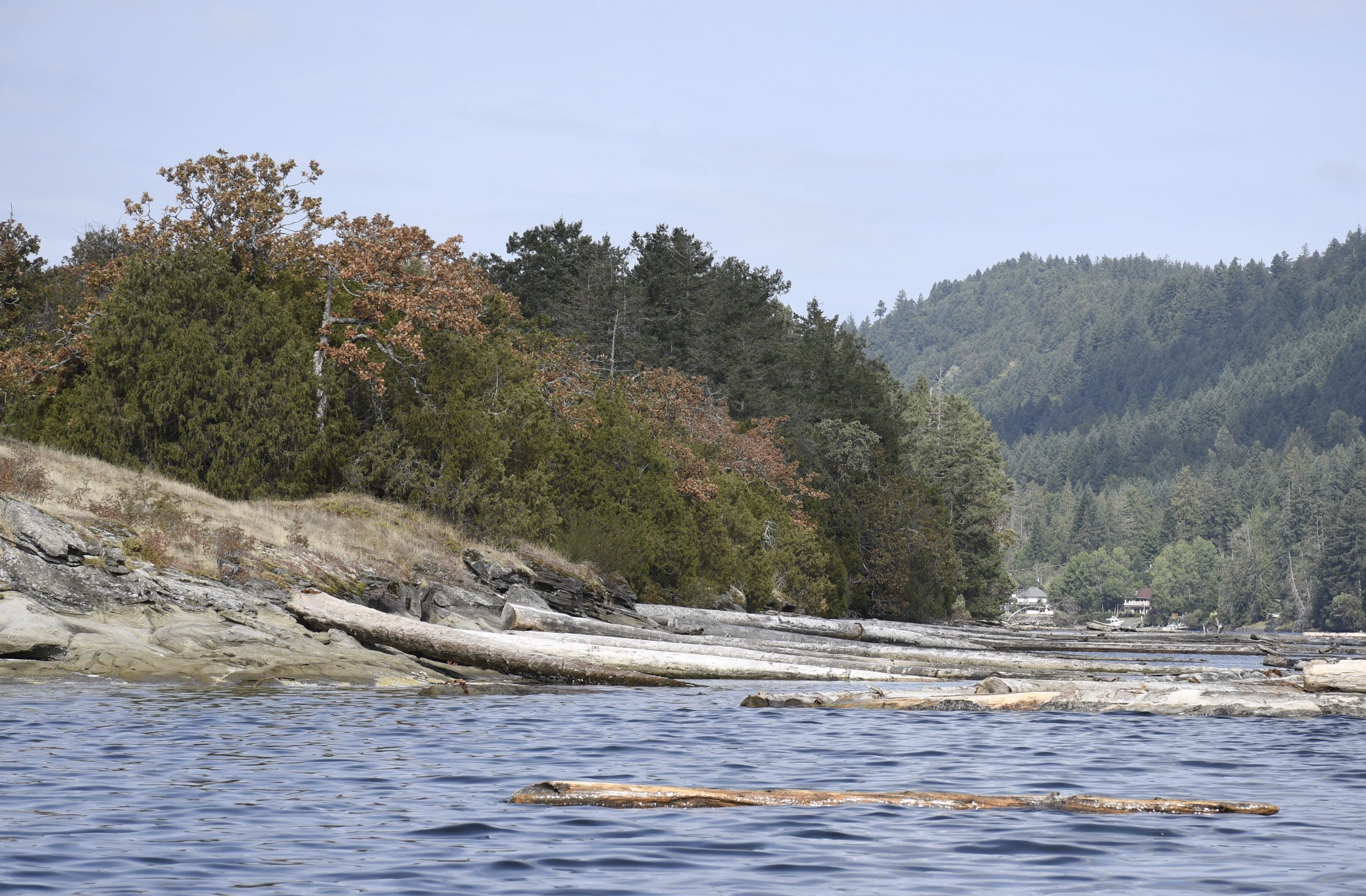 If we’ve reached the point where we’re fretting over barnacles being knocked off by drift logs, perhaps we’ve run out of real crises. A recent University of Victoria study warns that wandering logs — nature’s most passive travellers — are scraping B.C.’s intertidal ecosystems into oblivion. …I mean no disrespect to my academic descendants at UVic — my alma mater — but I can’t help recalling a time when a scientist would distinguish between data and drama. Anyone raised on this coast knows those “thundering” drift logs are as much a fixture of our marine landscape as kelp, rockweed, and yes, barnacles themselves. …Here lies the problem with this kind of “drive-by ecology.” A barnacle count taken on a single day, at a single beach, photographed from orbit, becomes a sweeping “coast-wide phenomenon.” Probability alone tells us that the fraction of shoreline simultaneously blanketed and agitated by free logs — especially those resting on sand — is marginal.
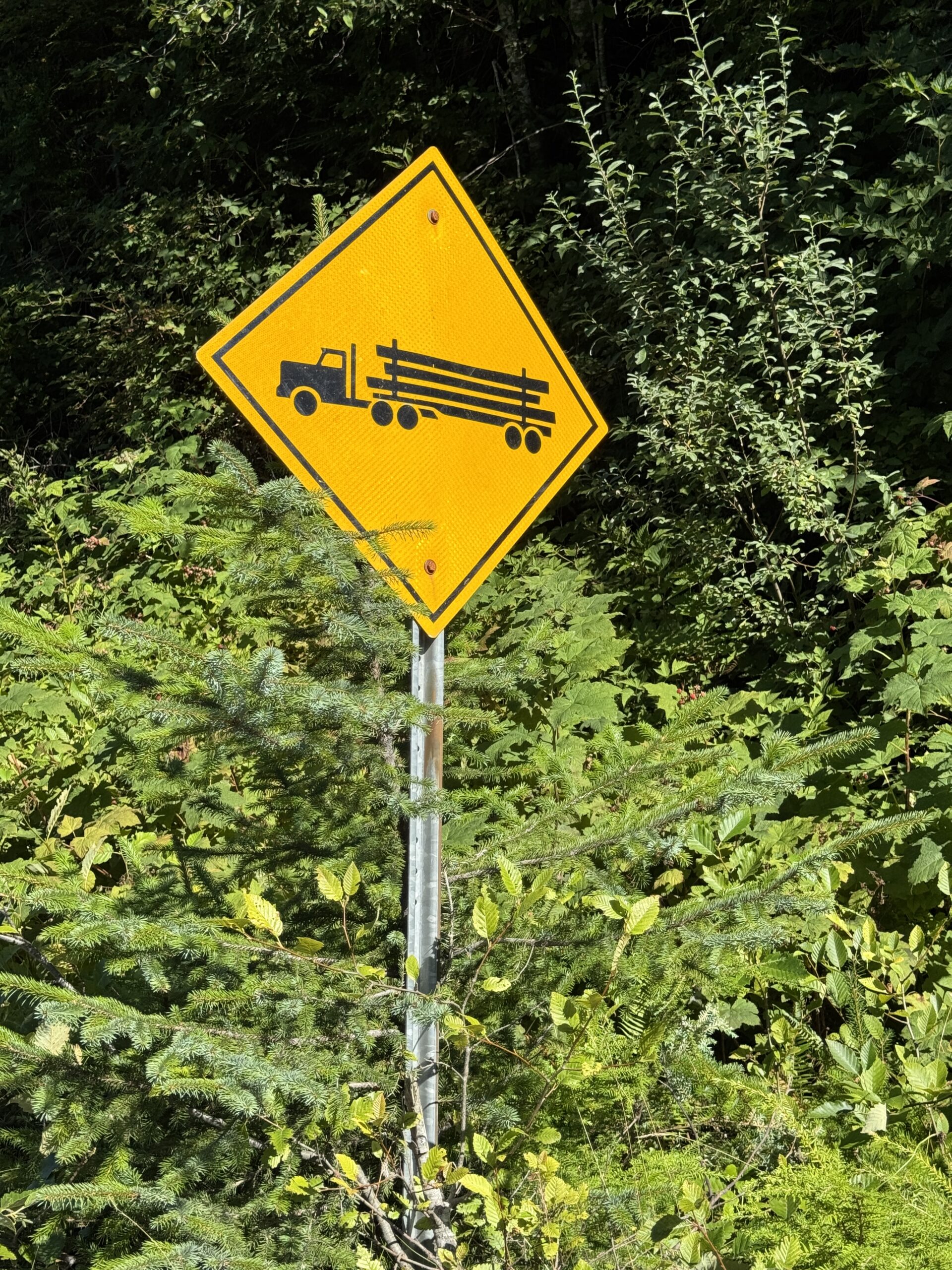 Mark Bryson received a call early on Friday morning stating that a massive equipment fire was burning along the Caycuse Main logging road, approximately an hour and 15 minutes outside of Lake Cowichan. Three machines were destroyed, with Bryson saying that there are millions of dollars in damages. …Lake Cowichan RCMP and the Lake Cowichan Fire Department were called to the scene and RCMP confirmed they are investigating the incident. However, Bryson said he doesn’t think investigators have to look too far. He said the logging equipment was stationed 30 minutes down the road from where heavy protests are taking place at Tree Farm License 44, where Tsawak-qin Forestry Limited Partnership (C̕awak ʔqin Forestry) operates a timberlands business. …Global News went to the protester camp, but no one there was authorized to comment on the matter and we did not receive a response to email requests.
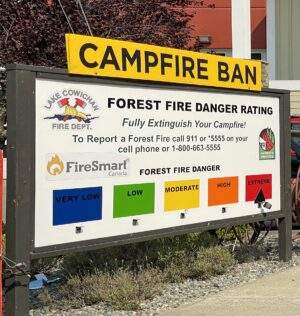 In 2025, the BC Wildfire Service (BCWS) worked tirelessly with people and communities to fight wildfires and build community resilience throughout the province. “We’re coming off our second-worst wildfire season in Canadian history,” said Ravi Parmar, Minister of Forests. “From technology to equipment and training, all to protect people and communities, the BC Wildfire Service has shown us that they are a global leader in wildfire work. Thanks to the dedicated members working tirelessly to fight the threat of wildfire. In 2026, we will raise the bar even higher. …Since April 1, 2025, more than 1,350 wildfires burned an estimated 886,360 hectares of land in B.C. The 2025 season compared to the past five years:
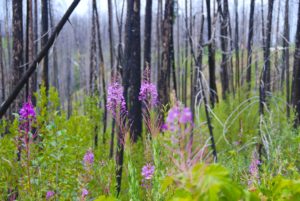 VICTORIA — The BC government says cutting red tape has allowed provincial pulp mills to more than double their use of timber salvaged from forest fires. The Ministry of Forests says in a statement that mills processed more than one million cubic metres of wildfire chips in 2024-25, up from 500,000 cubic metres in 2023, and representing about seven per cent of all processed wood. Forests Minister Ravi Parmar says that BC can’t let anything go to waste, including logs that have been burned in wildfires.” The statement says pulp mills rarely accepted burned timber before 2022, but both government and industry recognized the opportunity of turning wildfire-affected fibre into wood chips. It says that faster permitting and stronger partnerships between government and industry made it even easier to use that type of timber and the work will continue in 2026.
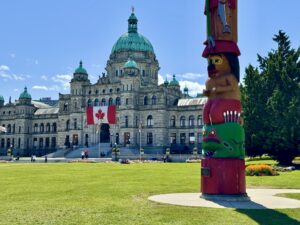 The BC Conservative leader fostered fear and falsehoods in his
 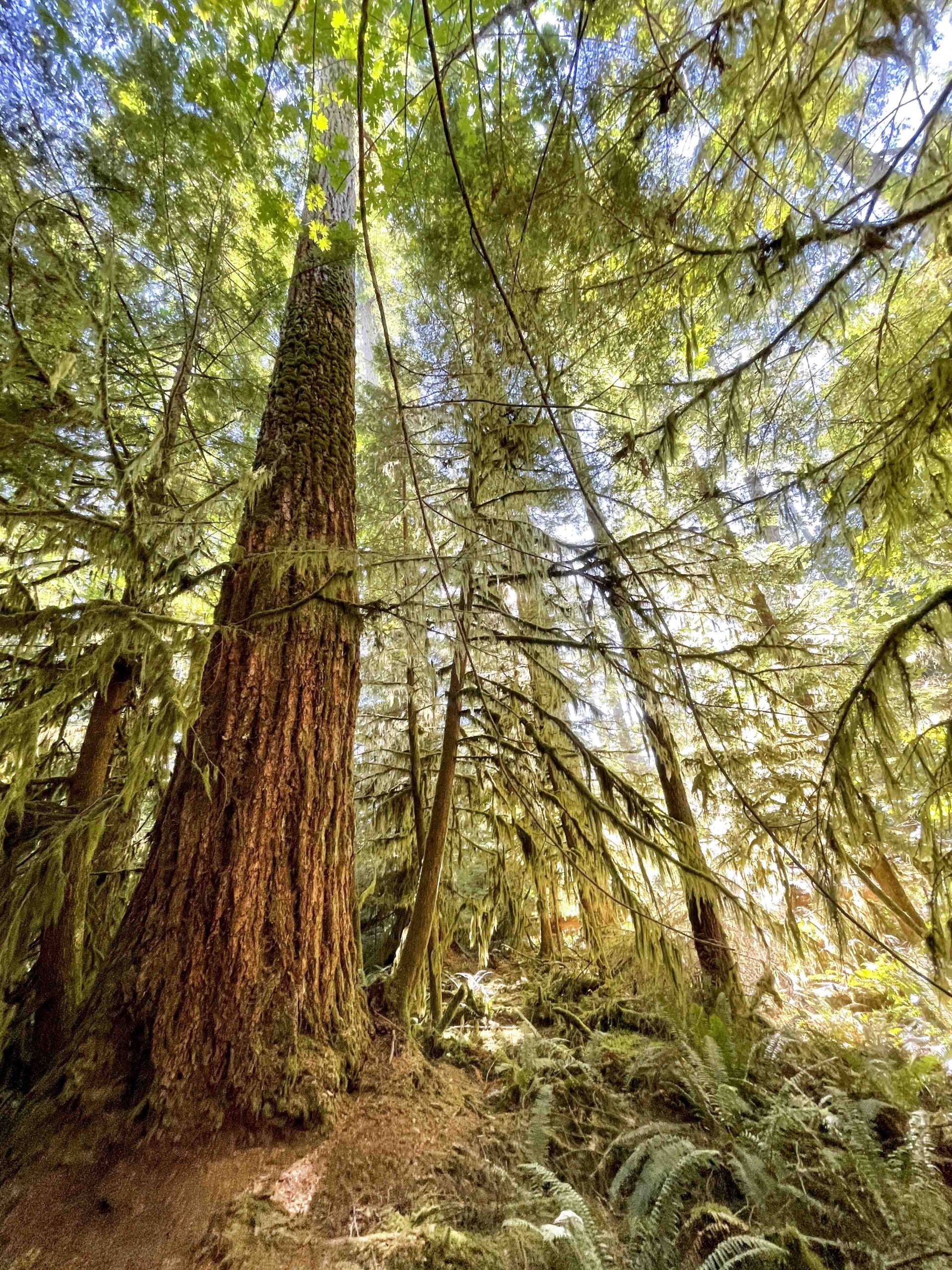 My grandfather, Gordon Gibson Jr., taught me to speak up when I see injustice in the world, and I am seeing it now. I am absolutely furious regarding Premier Eby’s plans to destroy old-growth and primary forests. They are the lungs of our atmosphere, and cutting them down is not only an attack on our future, it’s anti-Canadian. The only possible benefit to the logging would be to make a few people richer, most of whom are not Canadian, and those people do not care about the longevity of our species. We are facing a major extinction event, at the end of which the planet will not be able to support human life. I ask the province to listen to the science, and to care about the people who you are tasked with caring for. Care about our futures, and our dreams. …Stop the deforestation of old growth, and save the lungs of our planet.
 Over an hour of discussion followed BC Timber Sales’ (BCTS) presentation at the Sunshine Coast Regional District’s (SCRD) Dec. 11 committee of the whole meeting. …BCTS representatives, a delegation at the committee meeting, faced a direct ask from Gibsons area alternate director Annemarie De Andrade to pause harvesting activities on TA0519, in the Gibsons aquifer recharge area pending further study of the impacts of such logging. “We can continue to listen and continue with a light footprint, but we cannot pause,” was the response from BCTS’s Chinook Business Area timber sales manager Stacey Gould. She explained BCTS has a role as a revenue generator for the province. …That “lighter” BCTS footprint… is havesting about half of the volume it is permitted to on the lower Sunshine Coast. To make up for that, higher levels of harvesting need to be undertaking in other locations.
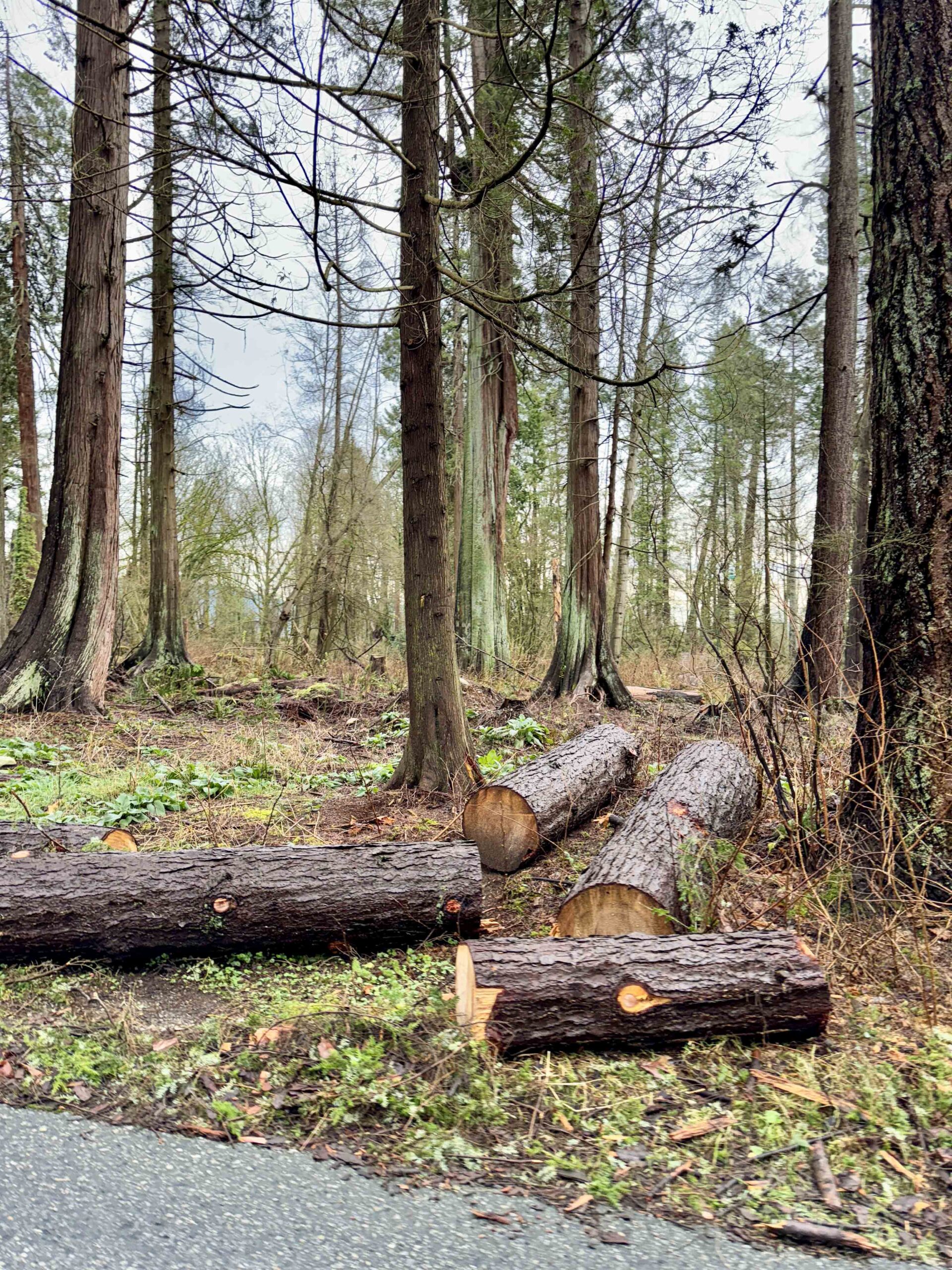 A B.C. court has issued a rebuke to the City of Vancouver, declaring it overstepped its authority when it authorized the cutting down of thousands of trees in Stanley Park without approval from the park board. Handed down Dec. 17, the decision from B.C. Supreme Court Justice Jasvinder Basran analyzed a multi-stage approval to cut down thousands of trees in Vancouver’s largest park. In 2023, the city entered into an $1.9-million supply agreement with B.A. Blackwell and Associates to remove an initial 7,000 trees over six months [due to] a hemlock looper moth infestation… According to Basran’s judicial review, the initial decision to cut down trees in Stanley Park … was made without the proper authority. …The judge found the city circumvented the park board’s authority in the first phase of the tree removal, but that it went through the proper channels to approve the second and third stages of the work.


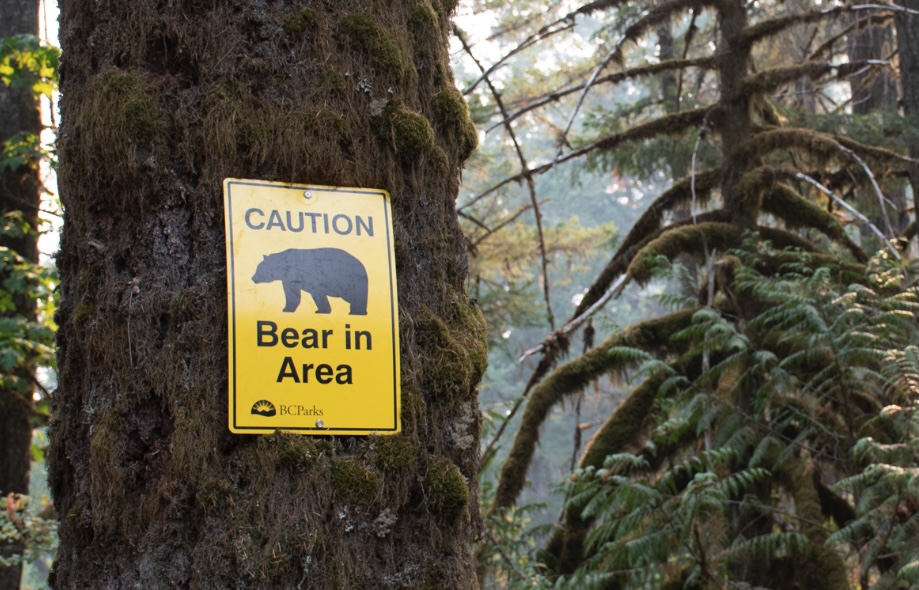 The Alberta government isn’t ruling out lifting a near 20-year ban on hunting grizzly bears, a divisive issue between conservationists, politicians, and hunters. Forestry and Parks Minister Todd Loewen says all options are on the table following several recent bear attacks and close encounters in the province. Grizzlies are being spotted in parts of the province they haven’t inhabited in more than a century. “There’s no plans at this time yet. We don’t want to take anything off the table. I think it would be irresponsible not to have all options on the table so we’re looking at everything,” Loewen said. There has been a ban on hunting grizzly bears in Alberta since 2006. …Loewen says there are several factors that would have to be considered …including the number of bears in the province and recent grizzly-human interactions, and their expansion into the foothills.

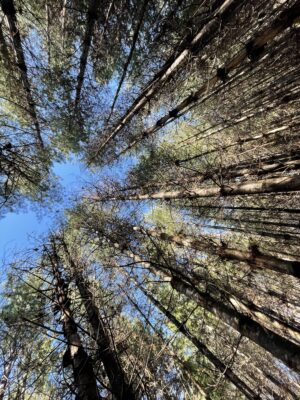 QUEBEC — A rare old-growth forest in Quebec’s Mauricie region is at the centre of a growing conflict between conservation advocates and the provincial government, after forestry roadwork was authorized in an area currently under review for protected status. The forest, known as the Grandbois Lakes forest, is located near Sainte-Thècle, in the Mékinac Regional County Municipality, northeast of Shawinigan. Composed largely of red spruce trees, the ecosystem is considered one of the last intact forests of its kind in southern Quebec. Despite its ecological value, the Ministry of Natural Resources and Forests has approved the construction of a winter road through part of the forest — a step that could lead to logging in the coming months. The roadwork is slated to be carried out by the forestry company Forex Langlois. …Environmental groups and local residents gathered to oppose what they say is a threat to an irreplaceable ecosystem.

 NEW YORK, NY – Mercer International announced that its subsidiary, Mercer Peace River Pulp (MPR), and Svante Technologies (Svante) have commenced operation of a previously announced carbon dioxide (CO₂) capture demonstration unit at the Mercer Peace River pulp mill in northern Alberta. The pilot project is designed to evaluate Svante’s solid sorbent carbon capture technology on biogenic CO₂ emissions from the mill’s recovery boiler flue gas. As a cost-efficient step, this stage builds on the previously announced Front-End Engineering and Design Phase 2. …“Commissioning this demonstration unit… allows us to evaluate carbon capture performance in our operating environment and gather practical data on what would be required for any future scale-up,” said Bill Adams. “The results from this on-site demonstration will help us evaluate the decarbonization potential of this technology for biogenic emissions and inform longer-term planning across our pulp operations.”
 The Cache