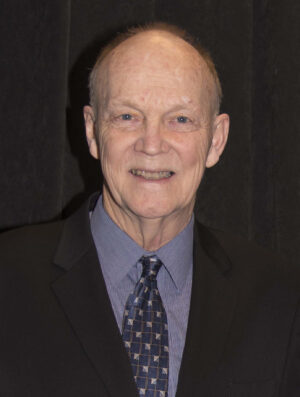
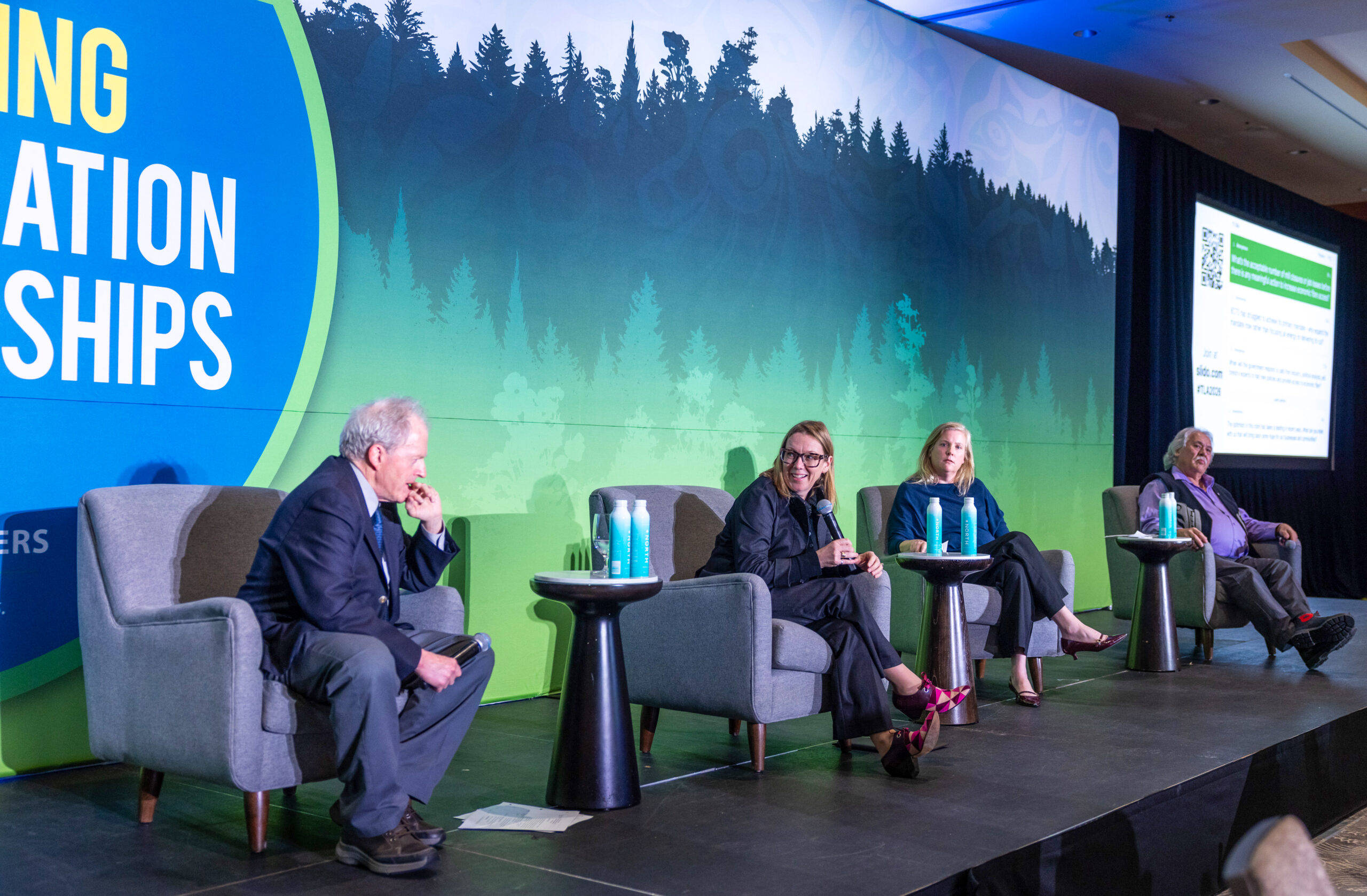
 Day 1 of the TLA Conference continued with the Government Initiatives Update panel, offering a detailed look at current policy work within the BC Ministry of Forests, reforms at BC Timber Sales, and longer-term system challenges. Moderated by Vaughn Palmer, the session featured Makenzie Leine, Deputy Minister of Forests; Melissa Sanderson, Assistant Deputy Minister; and Garry Merkel, Co-Chair of the Provincial Forestry Advisory Council. Leine outlined the ministry’s priorities, including tariff response, the Path to 45 initiative, and a shift toward management-unit-level problem-solving rather than broad, one-size-fits-all policy. Sanderson provided an update on the BCTS review, its expanded public-interest mandate, and early implementation steps, including Category 4 value-added supply, stewardship work, and measures affecting contractors. Merkel addressed longer-term structural issues, questioning why repeated reviews have failed to deliver lasting stability and calling for governance approaches that better align economic activity, communities, and forest stewardship.
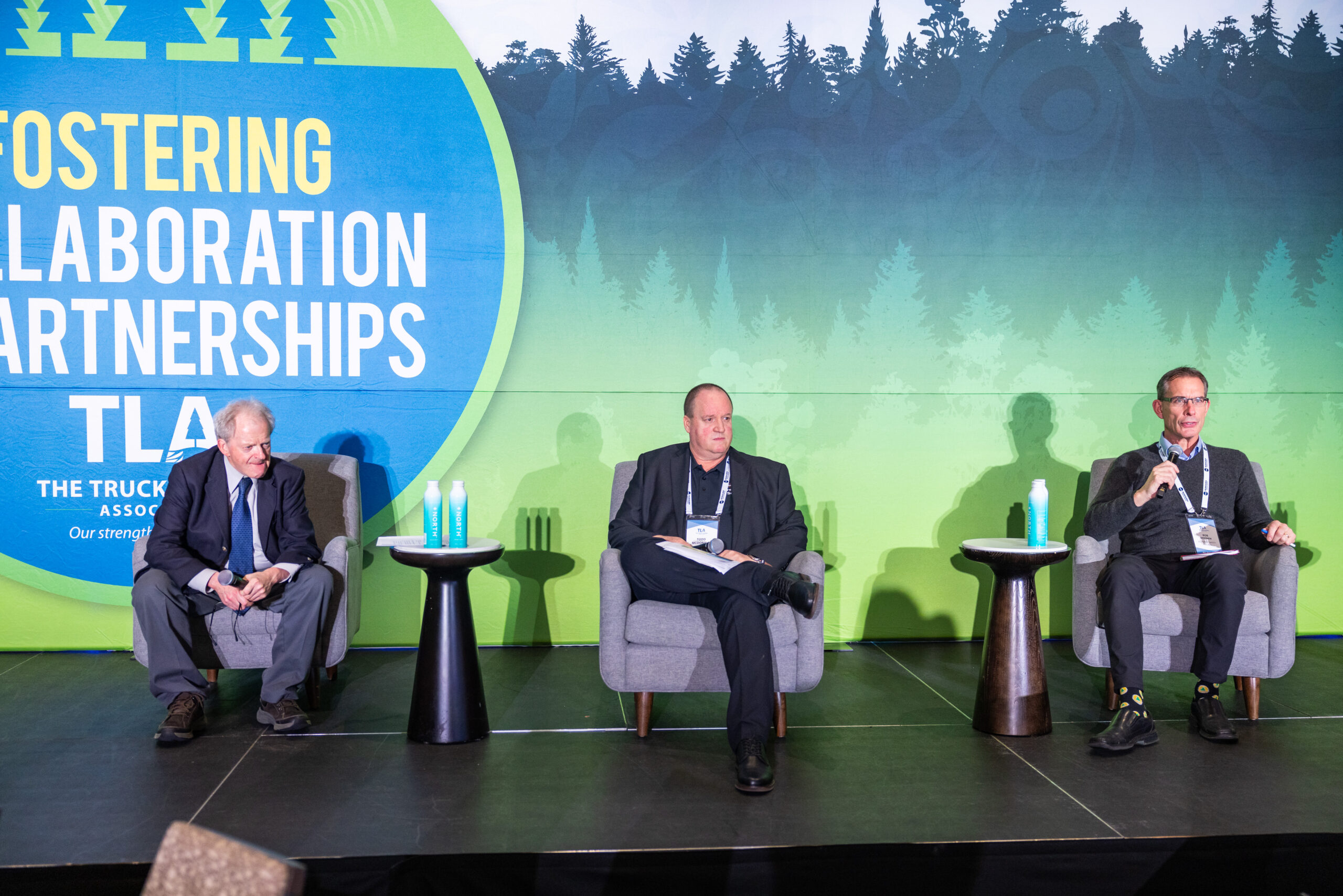 Day 1 of the TLA Conference concluded with the Improving Workplace Safety panel, examining how industry and regulators are addressing risk during a period of economic pressure and operational uncertainty. Moderated by Vaughn Palmer, the session featured Rob Moonen, CEO of the BC Forest Safety Council, and Todd McDonald, Head of Prevention Services at WorkSafeBC. Moonen, who noted he will retire at the end of March, warned that cost pressures and tighter margins are creating conditions that can undermine safety, stressing that the industry “cannot afford to wait for another crisis before acting.” He highlighted mental health as a growing concern and outlined the Council’s new Connection to Care counselling initiative. McDonald described WorkSafeBC’s prevention approach, emphasizing education and consultation alongside enforcement, and identified key risk areas including extreme weather, motor-vehicle incidents, ergonomics, and mental health. Both speakers underscored that sustained leadership and collaboration remain essential to protecting forestry workers.



 MONTREAL, Quebec – Domtar announced a curtailment in its lumber production. Due to challenging market conditions, US tariffs, and ongoing economic uncertainty, the company will temporarily reduce its lumber production by 150 million board feet for the first quarter of 2026 across its facilities in Quebec, Ontario and the United States. “The demand for lumber in North America remains weak, requiring us to adjust our production levels in line with market conditions,” said Luc Thériault, CEO, Wood Products, and President – Canada, for Domtar. “While this decision is necessary, we are fully aware of the impact it will have on our employees, contractors, suppliers and the communities in which we operate.” Domtar will continue to monitor market conditions and adjust its production plans accordingly. Domtar has a workforce of nearly 14,000 employees in more than 60 locations across North America.
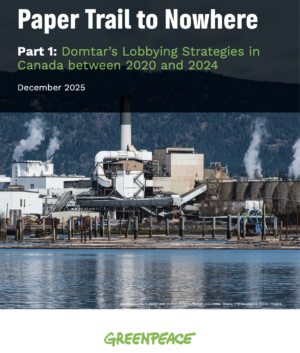 Environmental group Greenpeace is calling for more transparency on the part of Canada’s largest pulp and paper company, saying it has received millions of dollars in government funding without providing the public with details of how that money is being used or sharing its plans for the future of Canada’s forests. In a report entitled
 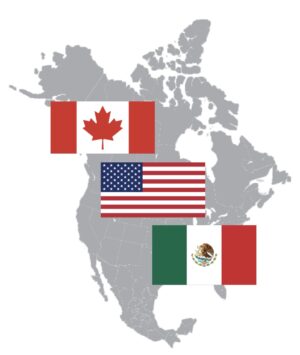 With the fate of North America’s free trade pact on the line, 2026 will be a significant year for some of Canada’s hardest-hit sectors in the trade war with the United States—including auto, steel, forestry and aluminum—as they advocate for Ottawa to do what’s necessary to preserve the deal, and to also help these sectors in the meantime by following through on domestic support measures. …Derek Nighbor, CEO of the Forest Products Association of Canada, said that Canada’s auto and forestry sectors are among the most highly-integrated with the US. While both sectors share this deep integration, Nighbor highlighted a critical distinction for forestry: unlike other industries, forestry facilities cannot be relocated to another country because the natural resource—the trees—remain in Canada. This comment comes amid heightened concerns regarding the 2026 CUSMA review and ongoing trade disputes, such as US softwood lumber tariffs. [to access the full story a Hill Times subscription is required]
 Two recent decisions from the courts of British Columbia and New Brunswick have addressed the relationship between Aboriginal title and private property rights. In Cowichan Tribes v. Canada, the Supreme Court of BC granted a declaration of Aboriginal title, which included lands held in fee simple by third parties. In contrast, in JD Irving Limited et al. v. Wolastoqey Nation, the New Brunswick Court of Appeal held that such a declaration could not extend to privately-owned lands. While these remedial declarations are discretionary, the apparent conflict in judicial approaches raises questions about the future approach to Aboriginal title claims in respect of private property. What you need to know:
 VANCOUVER, BC — West Fraser Timber announced that it will record an impairment of its Lumber segment goodwill in the fourth quarter of 2025 due to persistently challenging economic conditions. The Company is also providing initial 2026 guidance for key product shipments, operational costs and capital expenditures. In Q4-2025, West Fraser expects to record an approximately $409 million non-cash impairment of goodwill as a result of the protracted downcycle that has caused management to recalibrate certain assumptions used in its annual goodwill impairment test. Adjustments to these assumptions include, but are not limited to, species-specific product pricing trends, lower demand and pricing for wood chip residuals, and the depth and duration of the current downcycle and its expected recovery. The impairment represents the entire amount of goodwill associated with the Company’s US lumber operations.
 A new global risk assessment is warning that no country would be more “profoundly affected” by a political upheaval in the US than Canada. Published Monday, the Eurasia Group’s “
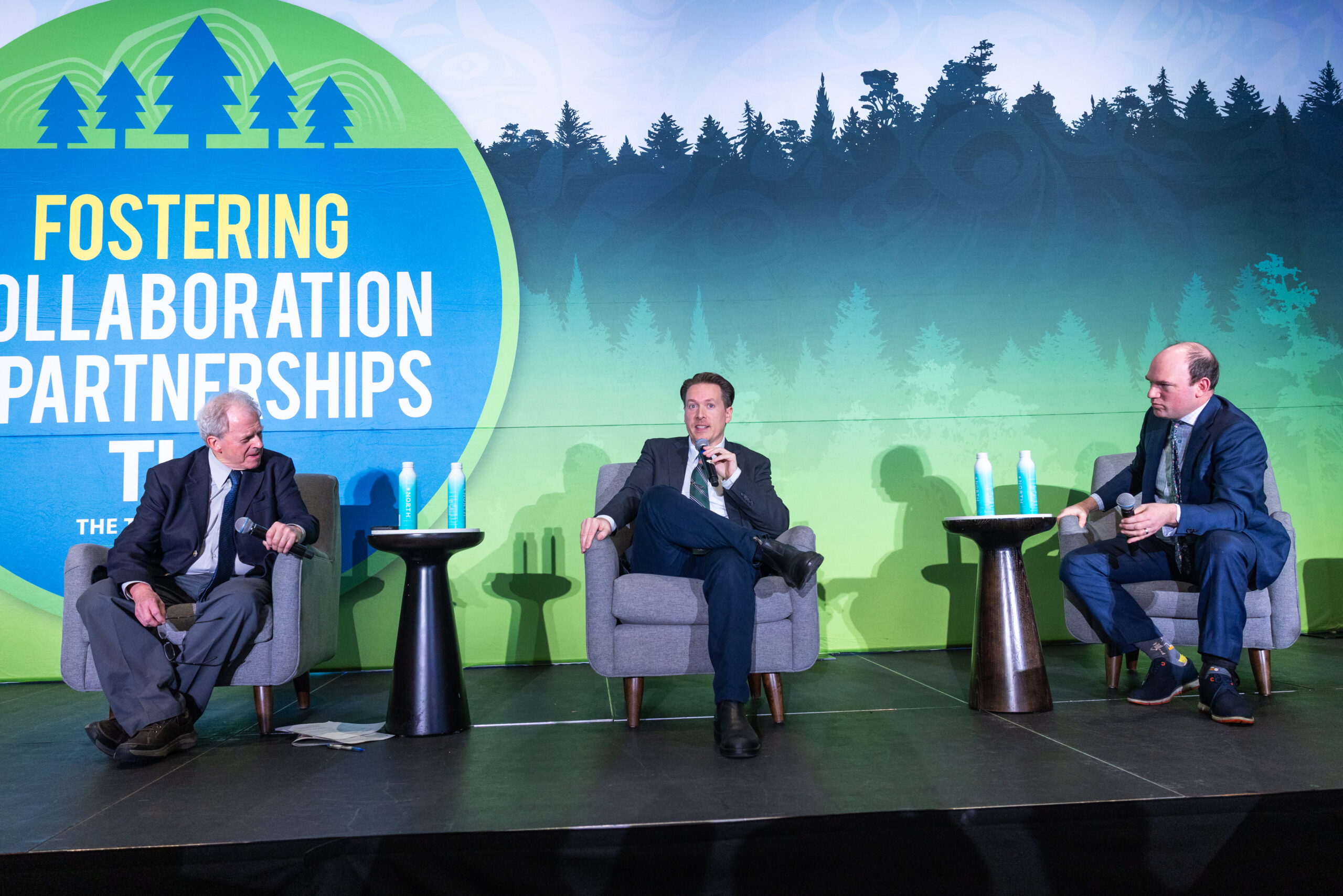 Day 1 of the TLA Conference featured the Politics over Lunch session, a wide-ranging and candid discussion of BC’s political landscape and its implications for the forest sector. Moderated by Vaughn Palmer, the luncheon brought together Rob Shaw, Political Correspondent with CHEK News, and Richard Zussman, Vice President of Public Affairs at Burson. The pair examined shifting government priorities, with Zussman arguing that economic growth and jobs are increasingly shaping policy decisions amid trade uncertainty and fiscal pressures, while Shaw highlighted inconsistent communication around those priorities. They explored the BC Conservative leadership race, the challenges of translating regional resource issues into urban political discourse, and ongoing uncertainty surrounding land use and DRIPA. Discussion also touched on the province’s projected $11-billion deficit, and the gap between government rhetoric and forestry realities. Delivered with humour and frankness, the session offered delegates a clear-eyed view of how politics, policy, and economic pressures are colliding in BC’s forest sector.
 With Canadian lumber producers facing crippling American duties and tariffs, Canadian sawmills that want to stay in business may have to develop markets outside the U.S. Since North America is the only major lumber market that still uses imperial measurements for lumber, this would require retooling logging and sawmill operations to metric. Some B.C. mills are already partway there. With Japan and China becoming saturated, Canadian lumber exporters will need to develop–or redevelop–markets beyond the Indo-Pacific. “We did this before,” said Rick Doman, chairman of Forest Innovation Investment (FII). In the 1990s and early 2000s, Canadian sawmills produced lumber for those markets, he said, but eventually lost them. “The North American market got so strong that we left those markets, and really the Nordic countries took over those markets,” Doman said. But the U.S. has since erected trade barriers in the form of duties and tariffs.

 Nathanson, Schachter & Thompson LLP is again ranked as a Tier 1 firm in Dispute Resolution in British Columbia by The Legal 500. We are included as one of four firms in British Columbia ranked as Tier 1. We are also the only firm in Tier 1 that received a Client Satisfaction accolade. Partners Irwin Nathanson, K.C. and Stephen Schachter, K.C. are included in the Hall of Fame category once again. They are the only two partners from the same firm included in this category. Partner Karen Carteri continues to be recognized as a Leading Partner, particularly for her work in complex shareholder and partnership disputes. Clients describe NST as a firm that “whole-heartedly embraces and delivers a hands-on and effective approach” while offering particular praise for partners Karen Carteri, Emily Hansen, Julia Lockhart and Kayla Strong.


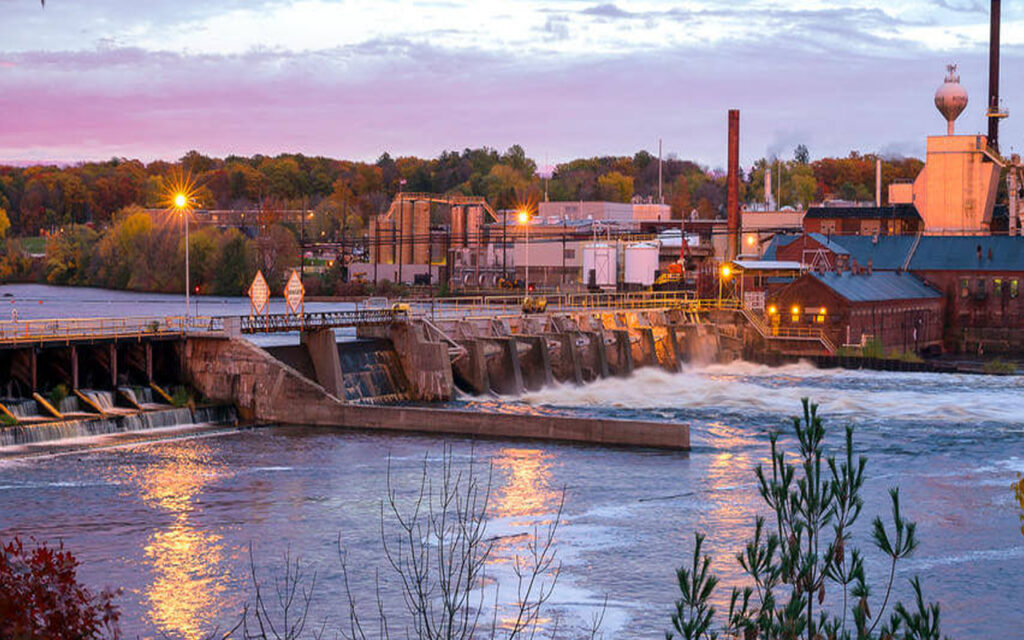
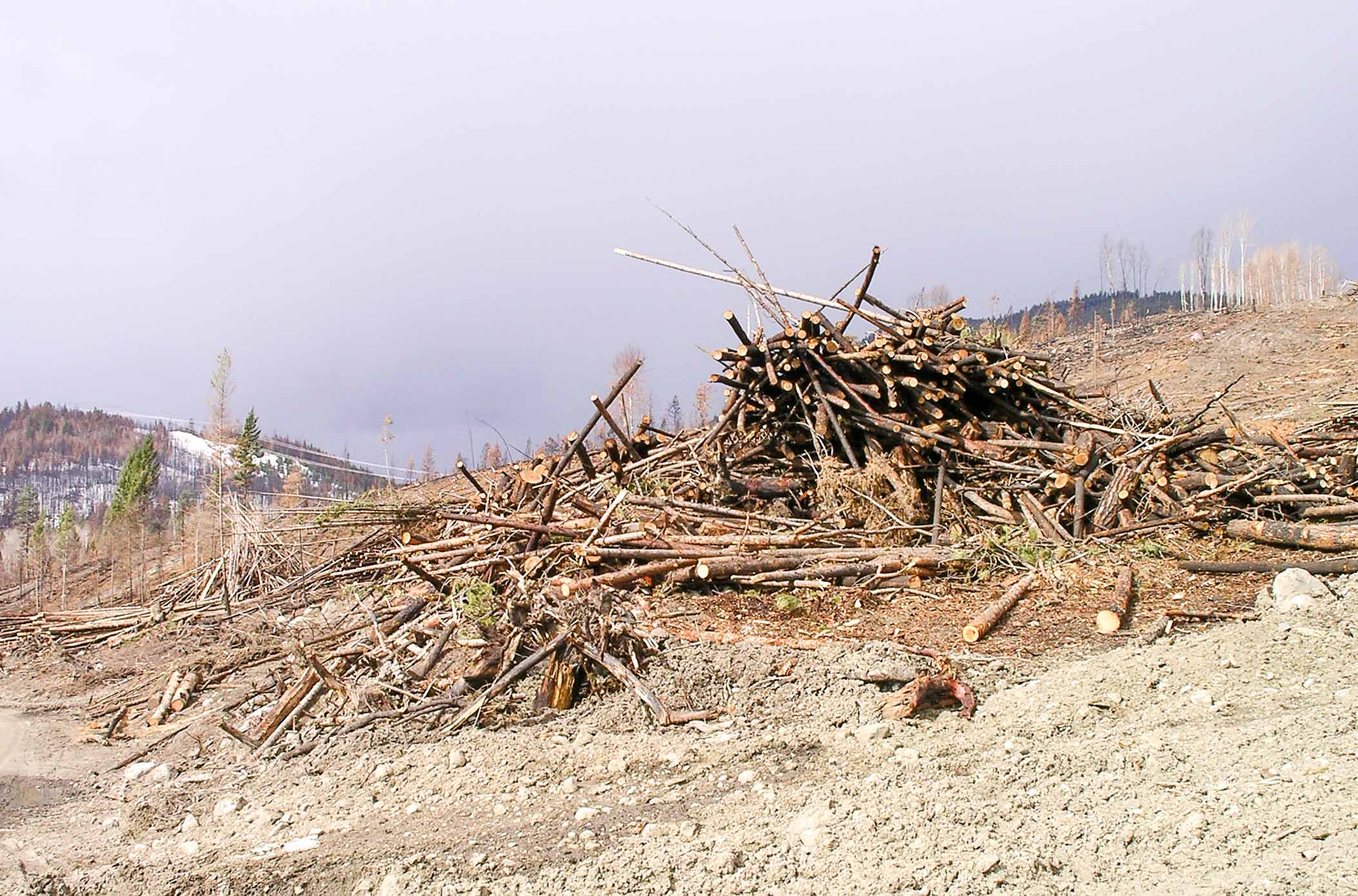 For a town still feeling the loss of its paper mill more than a decade ago, the promise of new industry is tantalizing; 50 or more new jobs, a much-needed boost to the local economy, perhaps a stepping stone to attract new business or help those already here expand. …the plan to build a new $210-million biofuel plant in Fort Frances is coming close to fruition and it could be a game-changer for the region – if it breaks ground this fall as anticipated. After an exhaustive search, the team has settled on the former Resolute mill site for its pilot project, a refinery that can turn the byproducts of logging … into synthetic gas, diesel and aviation fuel. The town is close to an abundant feedstock source, in the heart of a small labour market, owns its own affordable power production and is not far from colleges primed to provide essential training.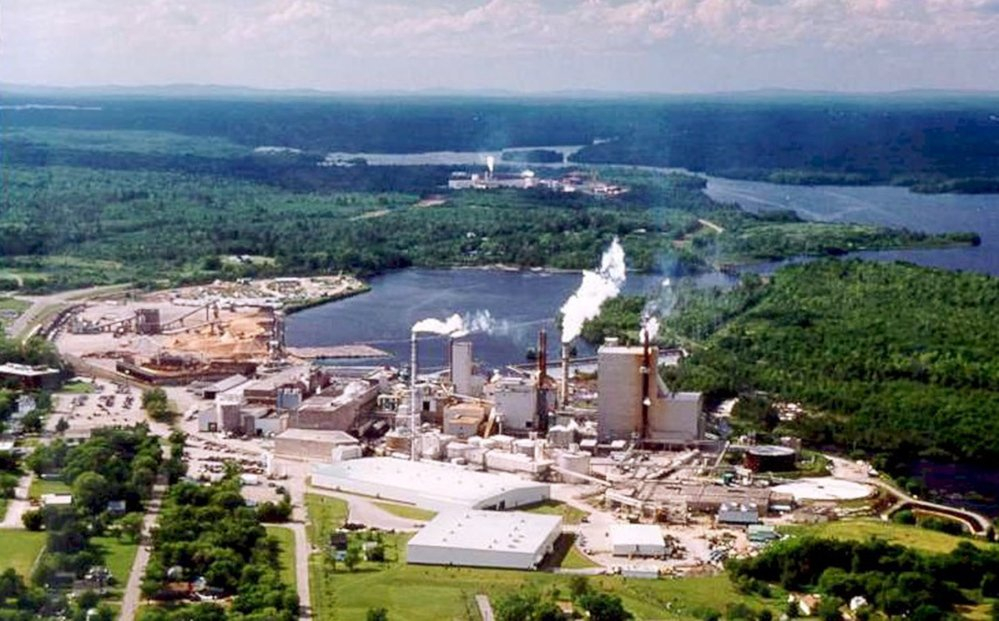
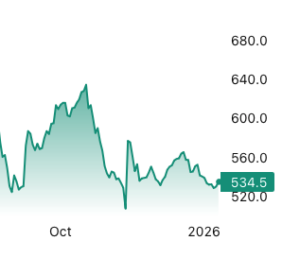 Lumber futures rose toward $535 per thousand board feet, rebounding from the September low of $528 reached on January 7th after a low liquidity holiday sell off unwound, improving seasonal demand expectations and longer term supply tightening. Renewed engagement from market participants, signaled that forced selling and the thin trading conditions that pushed prices to multi month lows have faded. Seasonal demand expectations have strengthened as builders begin positioning ahead of the spring construction period, when consumption typically improves following year end destocking. Industry forecasts point to a modest pickup in US housing starts and repair and remodel activity in 2026 as interest rates ease and trade uncertainty recedes, supporting demand after a weak finish to 2025. At the same time, longer term supply growth remains constrained by ongoing tariffs on Canadian softwood and slower capacity expansion across North American sawmills, limiting surplus.
 Canada is becoming far more attractive in commodity goods to the rest of the world, as it diversifies its trade away from the US, says one analyst. Imports outpaced exports in October. Merchandise imports increased by 3.4% in October while exports increased by 2.1%. Because of this, Canada’s merchandise trade balance went from a surplus of $243 million in September to a $583 million deficit in October. …William Pellerin, a trade lawyer, said whether it be Malaysian kitchen cabinet manufacturers, or Chinese goods, he said “Canada is becoming far more attractive at lower pricing in many commodity goods and in many manufactured sectors.” On the other hand, the data shows exports to the US made up 67.3% of all Canadian exports, which is the lowest since the pandemic. …Cabinet and wood makers face a difficult challenge as they face a 25% tariff and lose access to the US market, said Pellerin.

 B.C.’s GDP is forecast to increase by 1.6% this year,
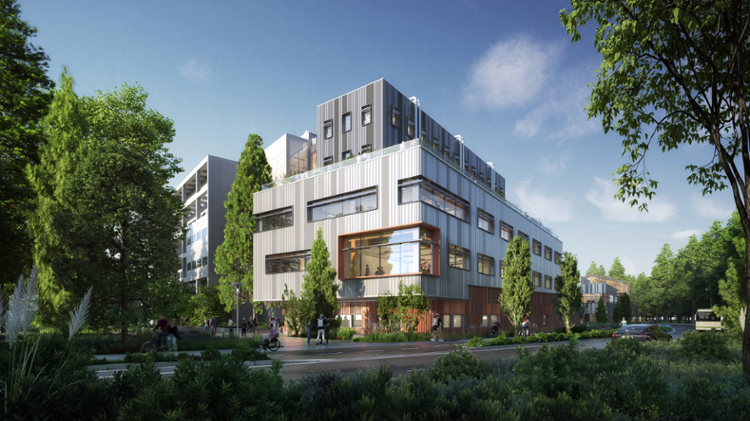
 International Pulp Week (IPW) is the premier annual gathering of the global market pulp industry, hosted by the Pulp and Paper Products Council. As the leading event dedicated exclusively to the market pulp sector, IPW provides a unique platform for producers, end-users, and key stakeholders to exchange insights, strengthen relationships, and explore the trends shaping the industry’s future.

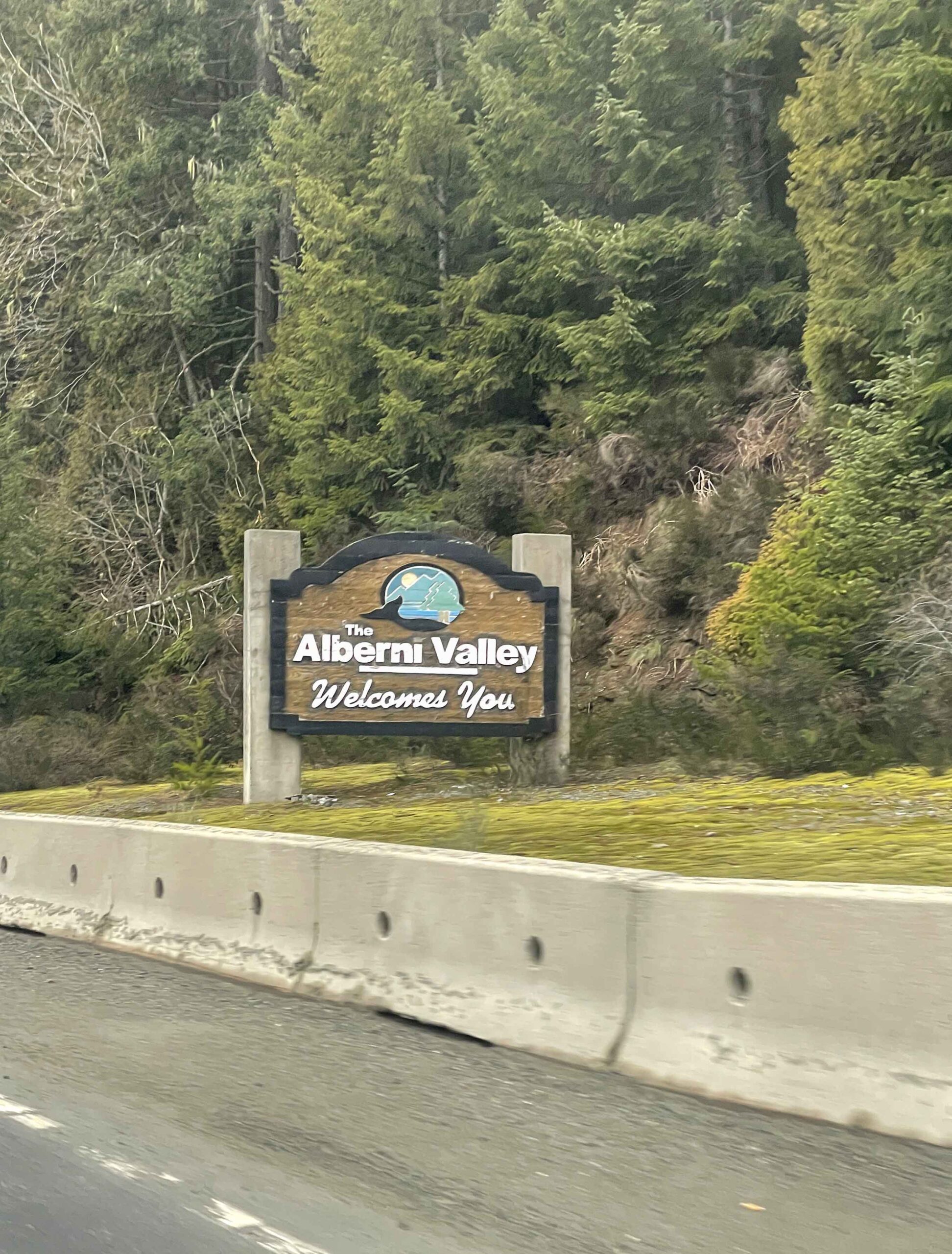 Students and instructors at North Island College (NIC) say they’re disappointed following the institution’s recommendation to suspend 15 programs from its three main campuses on mid and north Vancouver Island. The recommendations were made as part of the college’s expedited program impact assessment that began last fall, and will go to the board of governors for approval on Feb. 5. …The suspensions are not permanent cuts, but create “opportunities to re-imagine how and what programs are delivered.” …NIC faculty president Jen Wrye says many of the programs have strong enrollment and offer good job opportunities for students at the Comox Valley, Campbell River and Port Alberni campuses — regions without other college-based post-secondary opportunities. The programs facing suspension include:
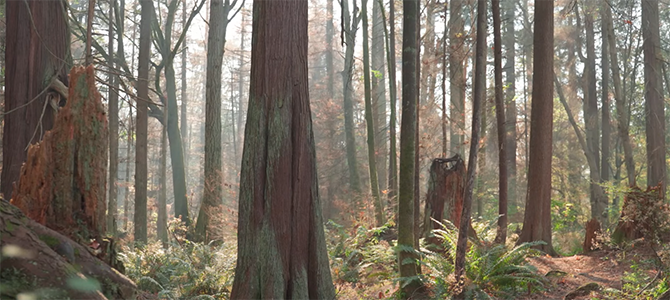

 Nearly 1,060 hectares is being added to West Twin Protected Area to increase protection of important wildlife habitat across the Robson Valley. …West Twin Protected Area was established in 2001, and together with adjacent West Twin Park, covers more than 30,000 hectares to form the only protected wildlife corridor across the Robson Valley. The area spans from the Cariboo Mountains in the south, through the main Robson Valley trench and up to the front ranges of the Rocky Mountains. The additional land improves habitat connection for caribou, moose, elk, deer, grizzly bears and many other species. The Crown land was originally identified for protection through the Robson Valley Land and Resource Management Plan, but the land had two historical mineral claims that have now been forfeited. The land also contains old-growth priority deferral areas and an existing old-growth management area.
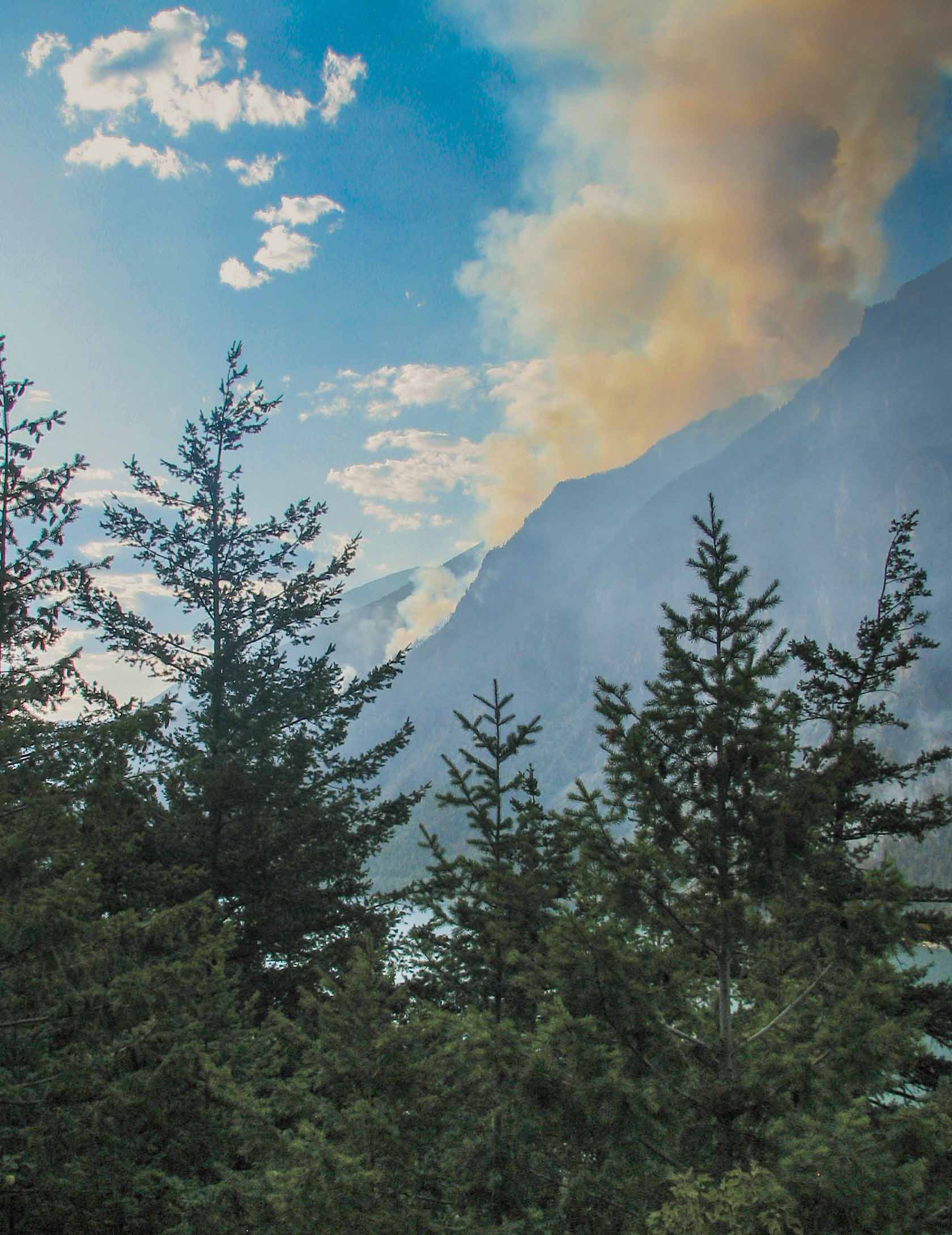 FORT ST. JOHN, B.C.— In the 2025 wildfire season, 199 wildfires were fought in Fort St. John, Fort Nelson and Dawson Creek areas in the “second-worst wildfire season in Canadian history.” The Ministry of Forests said in a news release on December 29th, 2025, the province has experienced over 1,350 wildfires burning an estimated 886,360 hectares of land since April 1st that year. In the news release, Ravi Parmar, minister of forests, said: “We’re coming off our second-worst wildfire season in Canadian history.” The Prince George Fire Centre specifically – the branch of the BC Wildfire Service (BCWS) covering northeast B.C. – recorded 354 fires in the 2025 wildfire season. …For the 2026 wildfire season, the province says it will continue to look at new technology and opportunities for better prevention and response.


 A BC judge has quashed a decision from the province to transfer a major forestry licence to an Indigenous-owned forestry company, after the government was found to have failed to uphold the “honour of the Crown” with a neighbouring nation. The Jan. 8 ruling centred on the BC Ministry of Forest’s decision to approve the transfer of a forest licence to the Kitsumkalum First Nation. The transfer, which occurred after the previous holder Skeena Sawmills entered into bankruptcy proceedings in 2023, was opposed by eight Gitanyow hereditary chiefs. … In his decision, the judge found the government oversimplified the impacts of the transfer, and relied on “hope and optimism” that the two First Nations could reach an agreement. …The Gitanyow had called on the court to quash the transfer of the forestry licence. Instead, the judge forced the province to reconsider the licence transfer while properly consulting with the Gitanyow.
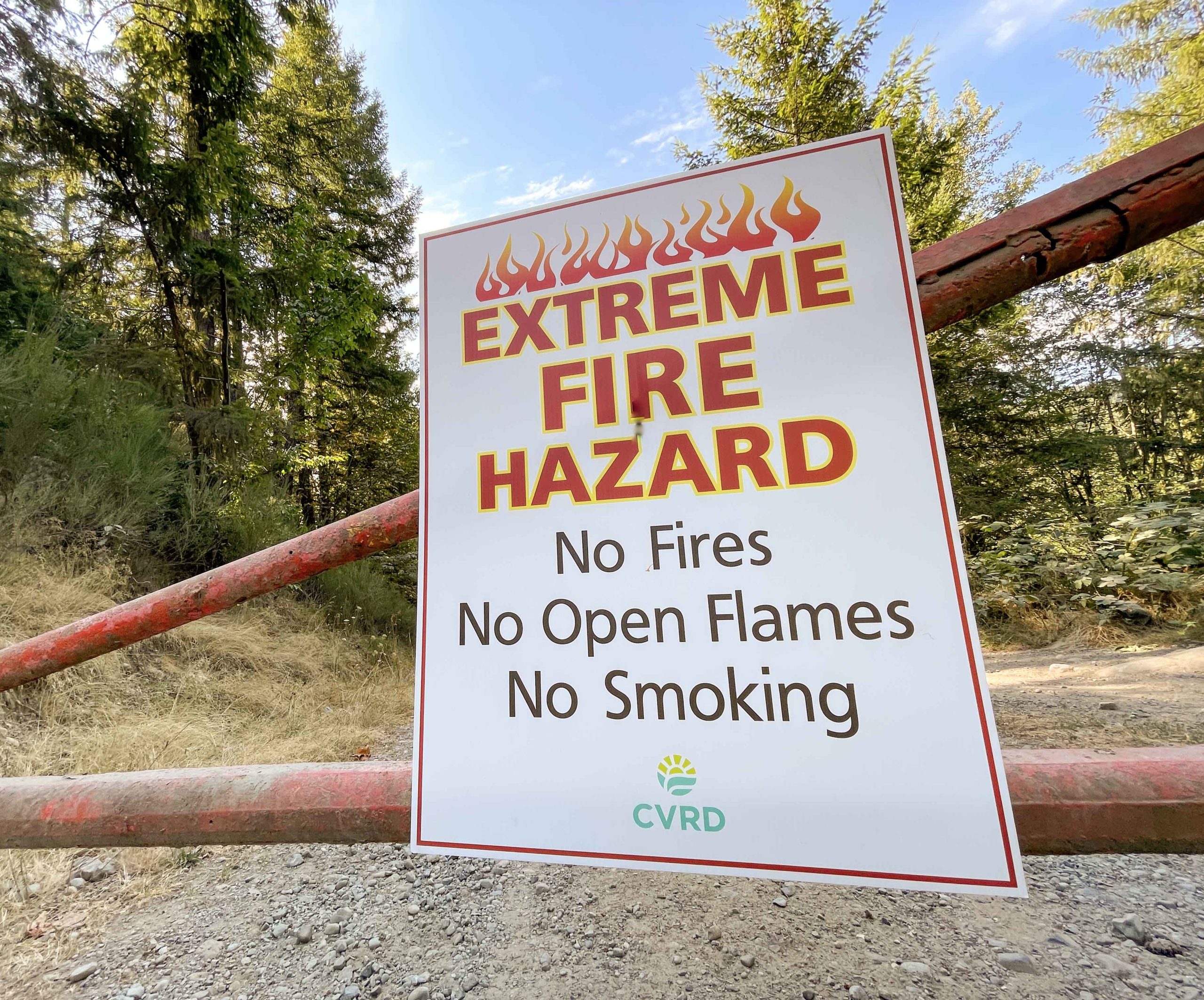 North Cowichan will hire a wildfire specialist to support wildfire-protection planning in the municipality. At its meeting on Dec. 3, council voted to allocate $95,000 in North Cowichan’s budget for 2026 for the position from the Climate Action and Energy Plan’s reserve funds, and funding for the wildfire specialist will come from general taxation in following years. As well, council decided to allocate $115,000 in the 2026 budget for the creation of a Strategic North Cowichan Wildfire Plan, with the funding also coming from CAEP reserve funds. Council adopted a resolution establishing wildfire preparedness as a strategic priority in September, and the key actions identified and recommended by staff since then include strengthening the fire department’s wildfire-response capabilities, vegetation management, FireSmart education, evacuation planning, infrastructure standards, and community volunteer initiatives.
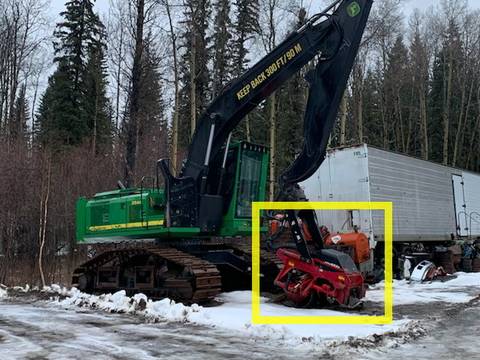
 Three pieces of logging equipment owned by Fraser Valley Timber were torched overnight Jan. 1 into the morning of Jan. 2, putting multiple employees immediately out of work and potentially costing the company hundreds of thousands of dollars in replacement costs. …While a company spokesperson suggested to television media that the fire may be linked to nearby anti-logging protests, members of the Ada’itsx/Fairy Creek blockade denied any involvement. RCMP said investigators have not made any connection between the fire and the protest. Blockade members posted on Facebook that to assign blame to them before the facts are known “serves to vilify old-growth forest protectors without grounds.” …the Office of the Fire Commissioner brought an accelerant detection dog to the scene as part of the investigation. “…the Office of the Fire Commissioner is assisting in determining the circumstances, origin, and cause of the fires,” according to the Ministry of Public Safety and Solicitor General.
 A group protesting old-growth logging on Vancouver Island is hitting out at an “insinuation” they were involved in the suspected arson of logging equipment last week. Sgt. Kevin Mack with Lake Cowichan RCMP says officers responded to the scene of the suspected arson at a site operated by Fraser Valley Timber on Jan. 2, and they are keeping an “open eye to all possibilities.” Two grapple yarders and a log loader reportedly sustained more than $530,000 in damage in the fires… The company did not immediately respond to a request for comment, but media reports quoted a spokesman suggesting that the proximity of the protest camp wasn’t a coincidence. But the Walbran Valley Blockade protest camp says its code “explicitly prohibits violence and the damage or destruction of property.” It says it supports a full and transparent investigation and that “assigning blame before the facts are known serves to vilify forest protectors.”
 …council was about to vote to log our protected community forest. At the last moment, a chief saved the day. But we are now forewarned — our forest isn’t protected. …a new council could throw down the gauntlet. So, once again we’re asking ourselves, as a community how do we protect the Six Mountains? Now that we know our North Cowichan council can ignore our public consultation, and our vote for conservation, what can we legally do? In the next election, vote in a pro-conservation council? This is our intention, but there are no guarantees. …an extraordinary solution [exists to] protect ecosystems from human destruction. It’s called the Rights of Nature movement (RoN). …founded on indigenous ancestral reverence for nature, as sacred and sacrosanct, beyond human control and ownership… it’s the perfect solution for our Valley where we, N. Cowichan and Quw’utsun, “own” the legal right to protect the ecosystem surrounding our home.
 In late August 2025, FREED (Field Research in Ecology and Evolution Diversified) at their University of Toronto (UofT) chapter hosted their fourth annual weeklong event in Algonquin Park. FREED, created in 2020, was founded to provide accessible, barrier-free outdoor and fieldwork opportunities for Indigenous, Black, and/or Racialized (BIPOC) undergraduates. Experiencing the outdoors and nature can be formative in building a connection to the land and pursuing a career in a related field but these experiences are often inaccessible to underrepresented communities due to financial, societal, cultural, or other potential barriers. …At the Algonquin Wildlife Research Station (AWRS), we welcomed a wonderful group of fifteen BIPOC undergraduate students bringing bright, inquisitive energy, teeming with excitement for the week to begin. The 7-day program was filled with activities to help students build skills and confidence in the outdoors and field work, as well as to build community and relationships amongst their peers and with the Land.



 THUNDER BAY — The source of the bad smell detected across a broad section of the city last week remains unconfirmed. Residents of various neighbourhoods contacted the fire department and Enbridge gas the morning of Jan. 7 to report an unpleasant odour in the air. A spokesperson for the ministry of the environment, conservation and parks says it investigated after a complaint was filed with the Spills Action Centre. “No incidents or spills were reported to the ministry (that were) linked to the odour,” he told Newswatch, adding that the ministry would follow up if it received any new information. The spokesperson also said Thunder Bay Pulp & Paper confirmed it was operating normally at the time the bad smell occurred.