
Mark Carney
OTTAWA — Prime Minister Mark Carney said Thursday his government is not considering hitting American goods with more retaliatory tariffs, even as the trade war rages on, because there are signs that the bilateral talks on relief are headed in the right direction. Carney is facing pressure from some premiers, like Ontario’s Doug Ford, and organized labour to take on US President Trump as he ramps up his tariffs on critical sectors — levies that have drawn jobs and investment away from Canada. …”There’s time to hit back and there’s time to talk. And right now, it’s time to talk,” Carney told reporters. “We’re having intense negotiations.” Canada-U.S. Trade Minister Dominic LeBlanc is back in Washington. …While the so-called Section 232 tariffs on steel, aluminum, lumber and autos have been particularly punitive, most other Canadian goods continue to trade into the U.S. tariff-free.


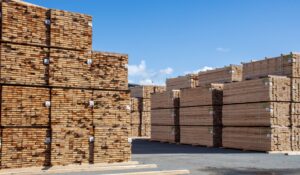 The US imports about 40% of the softwood lumber the nation uses each year, more than 80% of that from Canada. President Trump says that the US has the capacity to meet 95% of softwood lumber demand and directed federal officials to update policies and regulatory guidelines to expand domestic timber harvesting and curb the arrival of foreign lumber. …As researchers studying the forestry sector and international trade, we recognize that the US has ample forest resources. But replacing imports with domestic lumber isn’t as simple as it sounds. There are differences in tree species and quality, and U.S. lumber often comes at a higher cost, even with tariffs on imports. Challenges like limited labor and manufacturing capacity require long-term investments, which temporary tariffs and uncertain trade policies often fail to encourage. In addition, the amount of lumber imported tends to mirror the boom-and-bust cycles of housing construction, a dynamic that tariffs alone are unlikely to change.
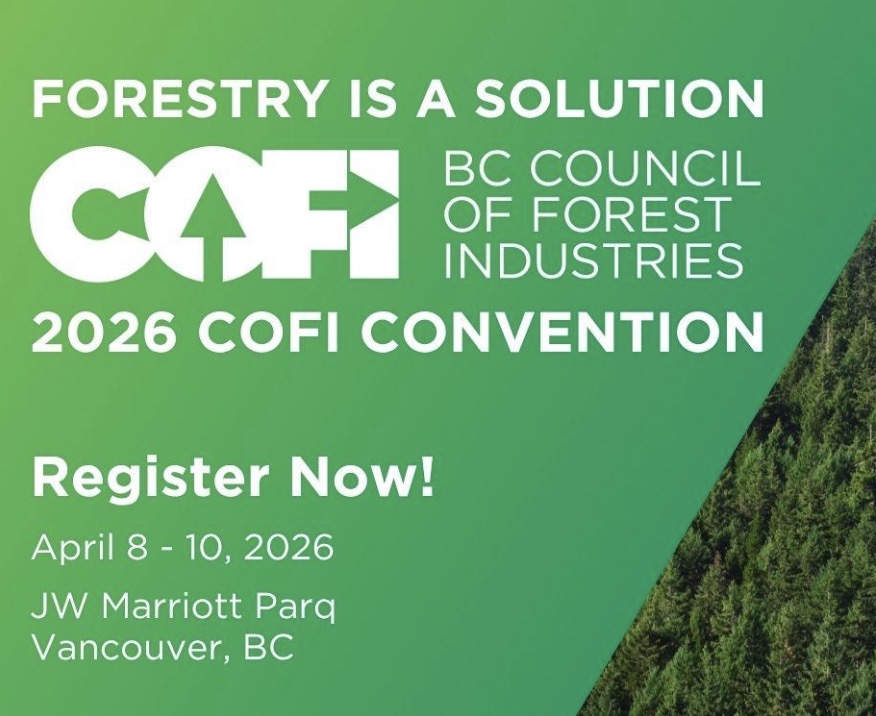 British Columbia’s forest sector is at a crossroads — facing tough challenges, but also leading the way in solutions that matter most to our province: housing, wildfire resilience, reconciliation, and sustainable economic growth. At the 2026 COFI Convention, leaders from across industry, government, and Indigenous and community partners will come together to rebuild competitiveness and chart the future of a strong, sustainable forest sector. Join us in Vancouver for the largest forest sector gathering in Western Canada. April 8 – 10, 2026 at the JW Marriot Parq Vancouver
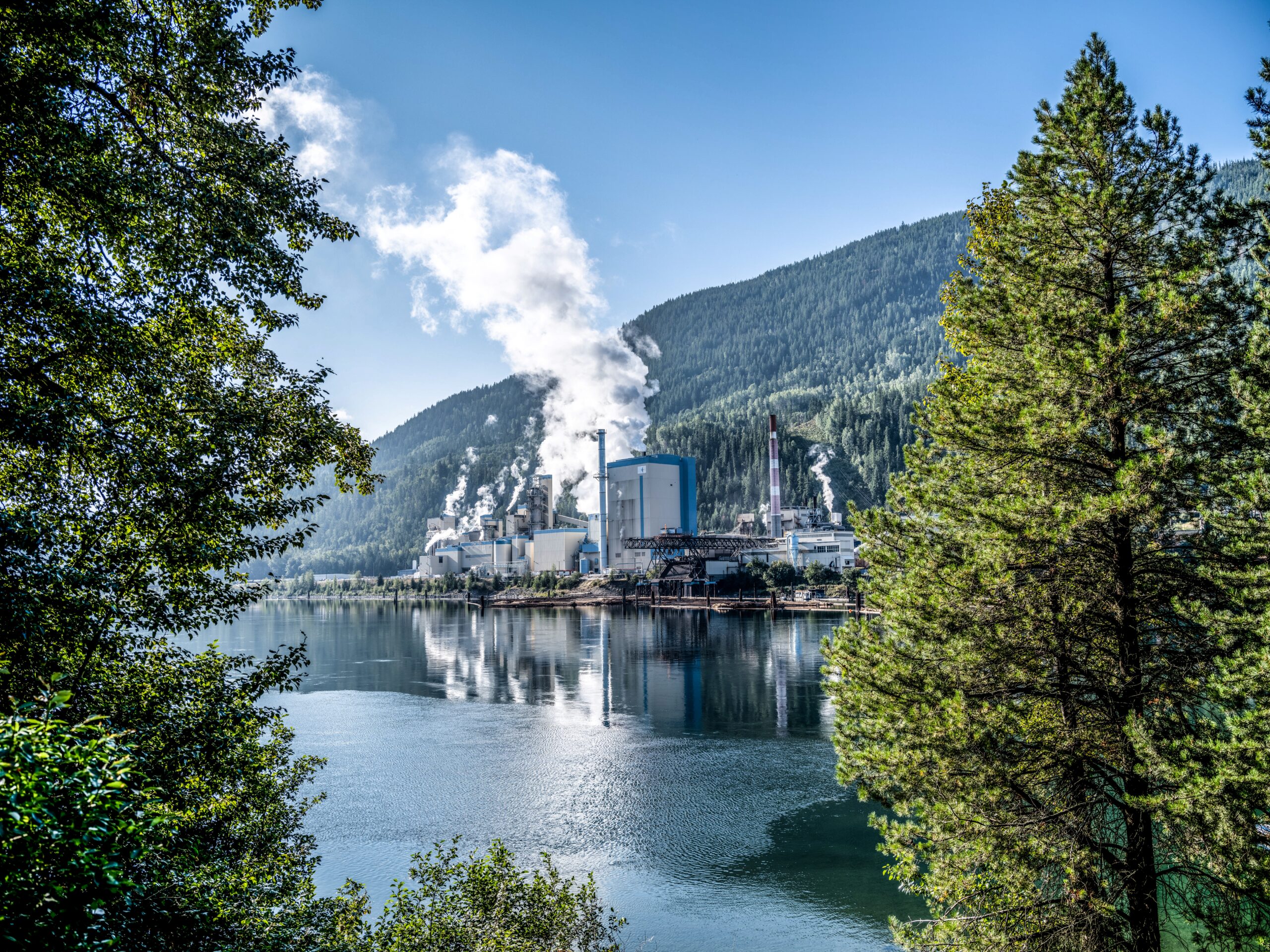





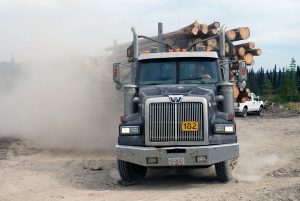 Linda Bell says there has been turmoil and chaos along parts of the US and New Brunswick border as trucks carrying lumber navigate the new tariffs that came into effect on Tuesday. But Bell says there’s been confusion as to what’s included under the new tariffs. In her almost three decades working as the general manager of the Carleton Victoria Wood Producers Association in Florenceville, she says it’s the first time there appears to be a duty on roundwood. “Trucks that were headed over there have been turned back and had to be unloaded. Some have been allowed to cross. We really don’t know what is going on,” she said. She said a few large mills in Maine who’ve been buying New Brunswick wood for five decades have halted all deliveries until the confusion can be cleared up. …Minister Mélanie Joly said there are different interpretations happening at various border locations.

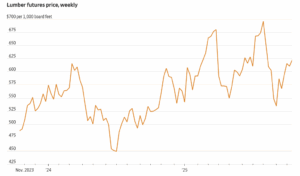 Lumber futures have risen about 19% from a low hit in early September, driven by the production cuts, hopes that declining interest rates will revive the housing market and Trump’s import tax. The 10% levy is on top of steep duties on Canadian lumber, which are adjusted annually in a heavily litigated process that is the result of a decades-long trade dispute. Those antidumping and countervailing duties rose in August to about 35% for most Canadian producers, up from roughly 15%. Canada’s sawmills are by far the largest source of softwood lumber from beyond U.S. borders, fulfilling about 24% of domestic consumption last year. Other significant importers of softwood lumber, the type used to frame houses, include Brazil and European countries such as Germany and Sweden. Homebuilders argue that import taxes will raise construction costs. U.S. lumber producers and timberland owners, however, urged Trump to enact a tariff.
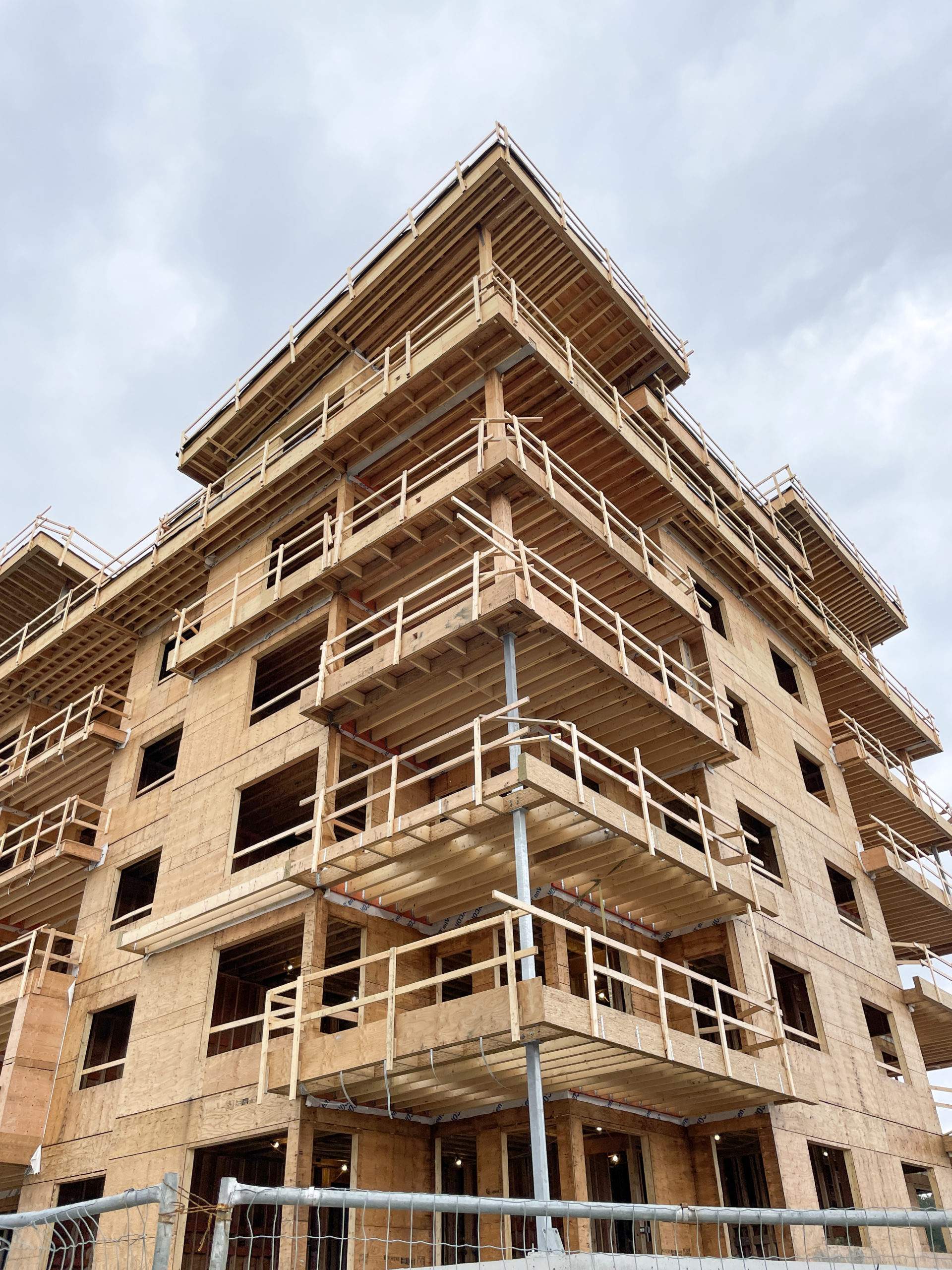 Canada is facing a housing crisis of historic proportions. With affordability slipping out of reach for millions and supply lagging far behind demand, we need bold, scalable and sustainable solutions. The federal government’s Build Canada Homes initiative is a promising start and an opportunity to scale up the use of Canadian wood in building construction.
  The October newsletter includes these headlines and more:
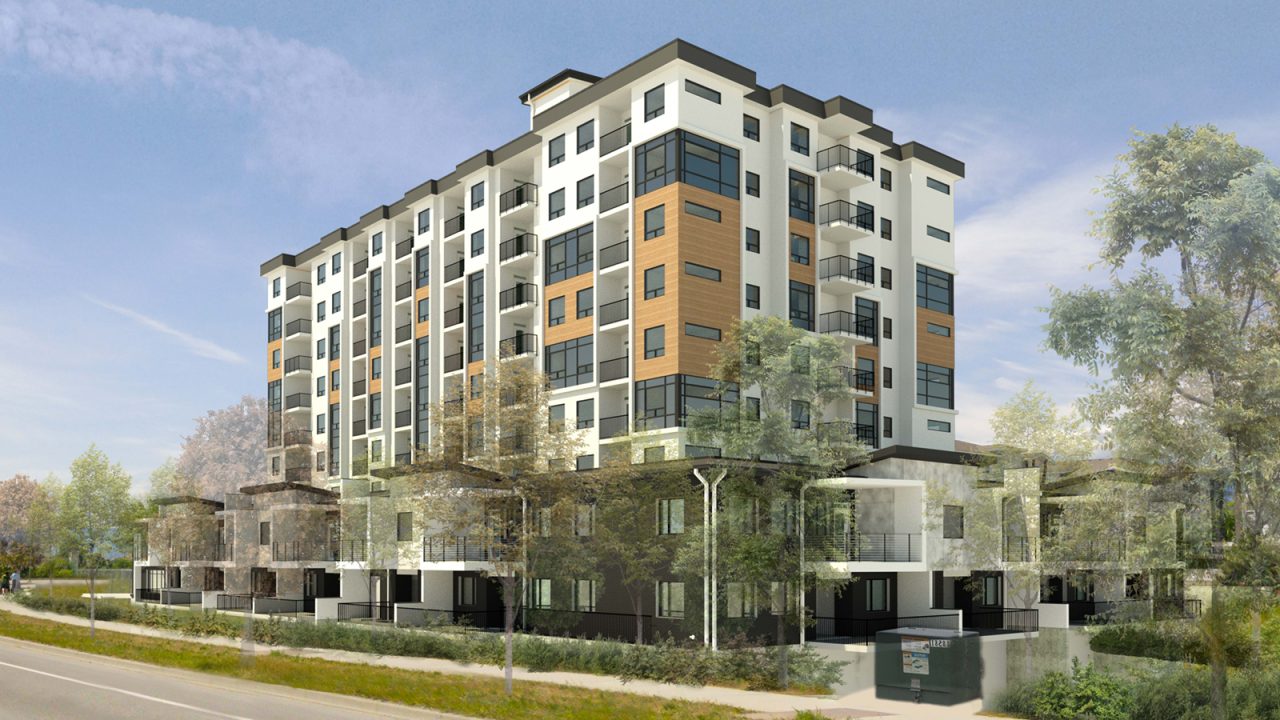

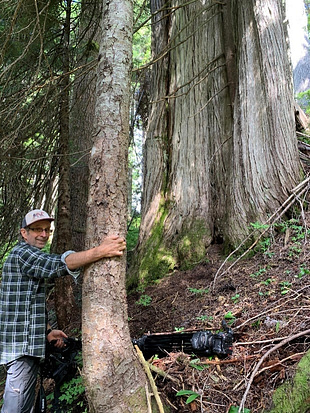
 BC’s forest communities are on life support. Families are losing jobs, mills are shuttering, and entire towns are being hollowed out. And now, with another punishing softwood lumber tariff slapped on by the U.S., the bleeding has gone from slow to catastrophic. Premier David Eby calls it an “existential crisis” and wants the prime minister to declare a national emergency. Here’s a better idea: How about the premier stops being the emergency? For eight years, the B.C. NDP has dismantled the foundation of our forest industry. They have made it harder to cut, harder to haul, harder to process, and harder to survive. Now Eby is running to Ottawa and blaming the Americans while ignoring the damage his government has already done. Let’s be clear. The forest industry is not collapsing because of one more tariff. It is collapsing because this government has gutted it from the inside.
  Local residents are invited to share their input on the development of the West Central Vancouver Island (WCVI) Forest Landscape Plan (FLP), which will guide long-term forest management in the area. …People can share their thoughts through a short survey, open from Wednesday, Oct. 15 until Dec. 15, 2025, or attend an open house in a nearby community. Four in-person open-house engagement sessions are planned so people can learn more about forest landscape planning and comment on the development of the plan in Zeballos, Gold River, Tahsis and Campbell River. FLPs are co-developed with First Nations, with input from communities, subject-matter experts and forest licensees. The WCVI FLP is being developed with the Mowachaht/Muchatlaht First Nation, Ka:yu:’k’t’h’/Che:k’tles7et’h’ First Nations and Ehattesaht Chinehkint First Nation.
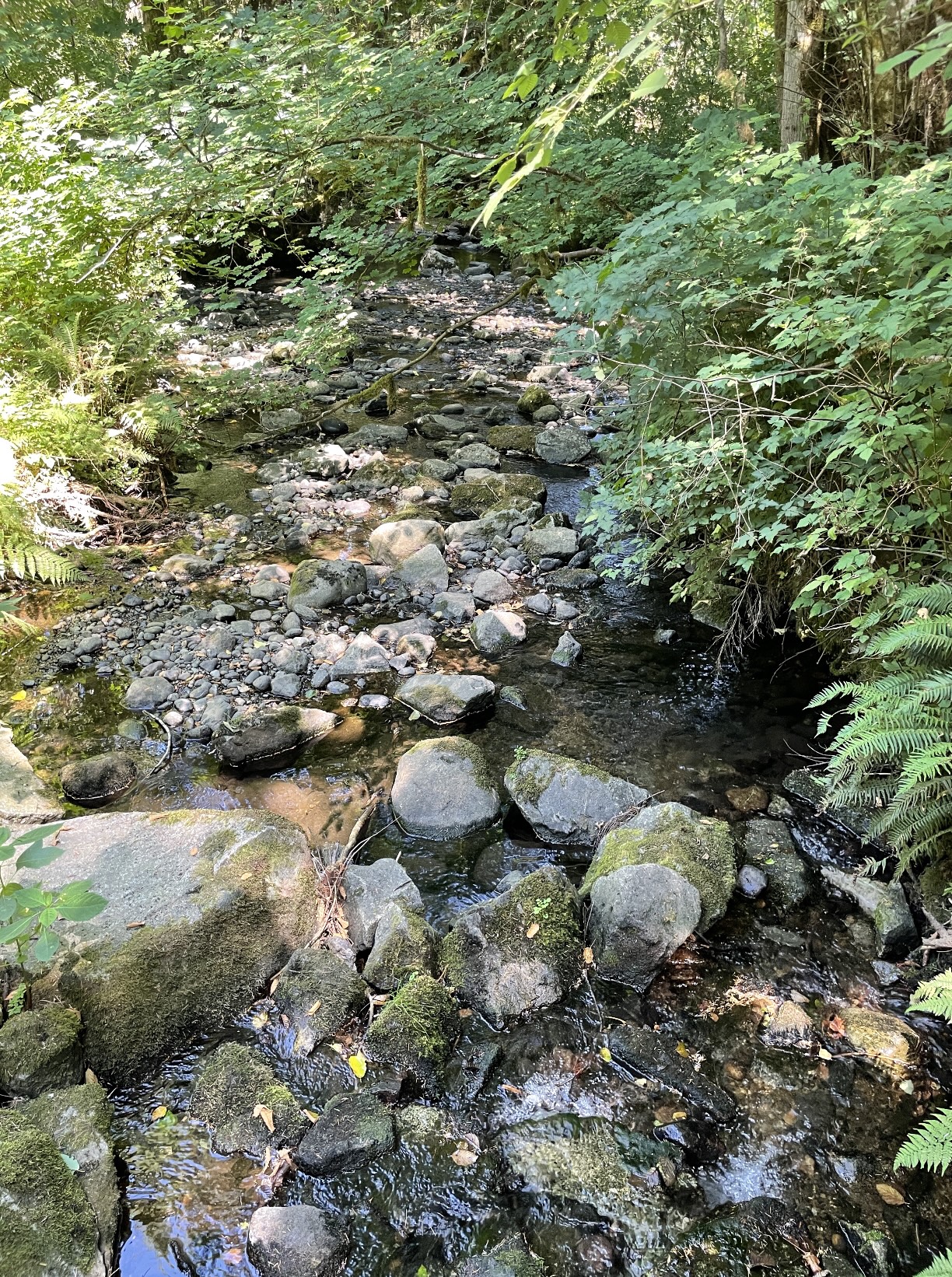 Environmental advocates and industry officials are divided over whether new logging plans in the Upper Highwood River watershed will provide sufficient protection for the threatened Bull Trout population. West Fraser Cochrane recently obtained Fisheries and Oceans Canada (DFO) authorization under the Fisheries Act and sections 73 and 74 of the Species at Risk Act (SARA) to install 14 temporary crossings for timber harvesting. The company says it is balancing responsible resource use with habitat conservation. “We understand how important it is to protect bull trout and Westslope cutthroat trout habitat in the Highwood– and share that priority,” said West Fraser Cochrane. “…we will monitor conditions before and after harvest to help inform responsible stewardship.” …Both environmental advocates and West Fraser agree on one point: safeguarding the Bull Trout and its habitat is a critical challenge. The question is whether the mitigation steps currently underway will prove sufficient to ensure the species’ long-term survival.
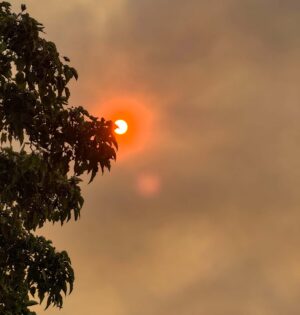 The Saskatchewan NDP’s critic for forestry is calling on the province to provide support to help forests in the north recover from this summer’s destructive wildfire season. Cumberland MLA Jordan McPhail said more than 2.9 million hectares of forest was destroyed by fire over the summer, and this is having an impact on the forestry sector. “They’re literally seeing future profits go up in smoke,” he said. The northern Saskatchewan MLA said the provincial government can play a positive role by investing in reforestation work. McPhail said provincial regulations dictate that forestry companies replant two trees for every single tree they take. These dictates do not apply in instances where trees are destroyed by fires. …The Government of Saskatchewan said the province is committed to doubling growth in the forestry sector and is prepared to support the industry to do this.
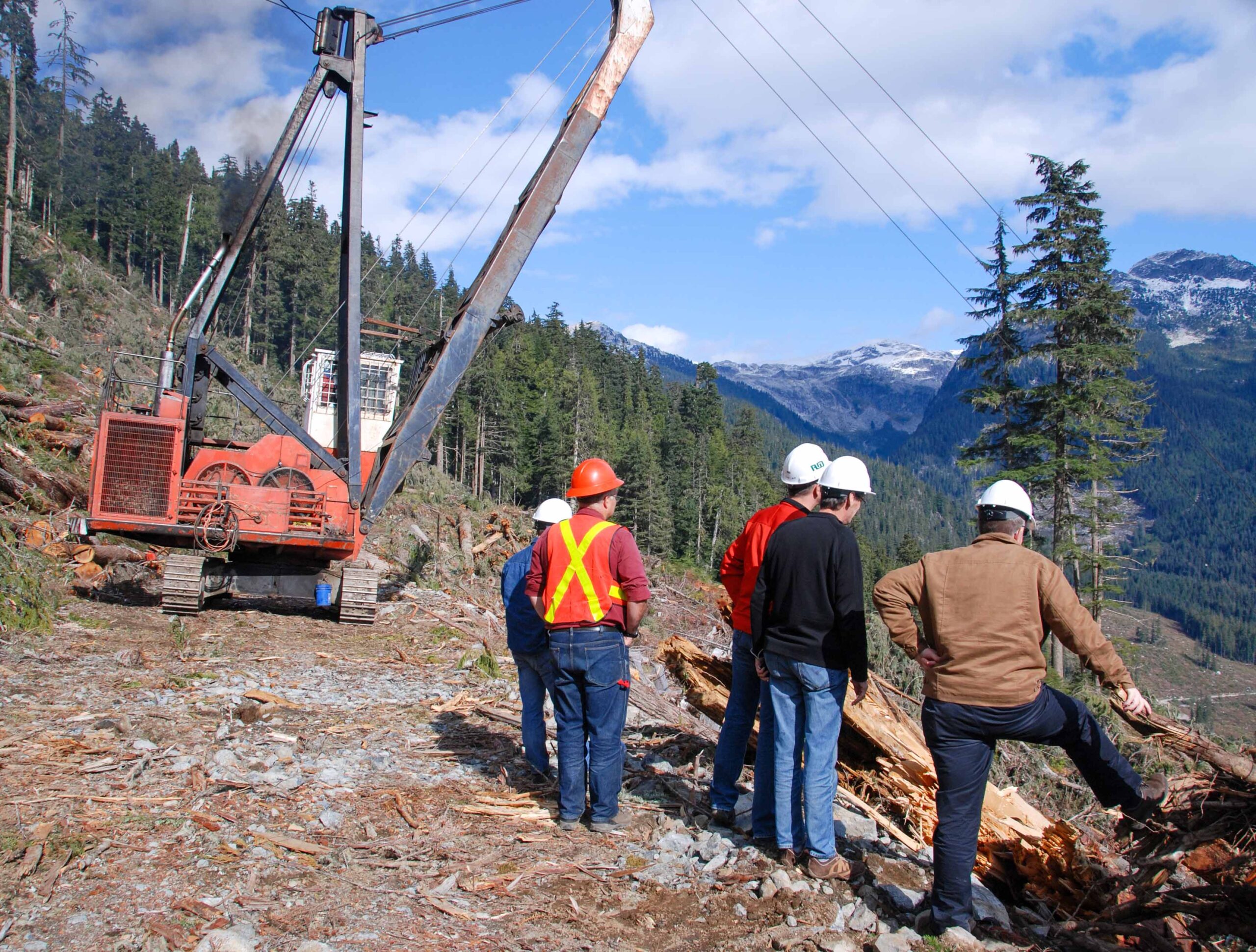 BANFF – A large swath of land will be logged at the base of Sulphur Mountain this winter to help further protect the Banff townsite from a future runaway wildfire similar to one that destroyed part of Jasper last year. As part of Parks Canada’s ongoing work to reduce the threat of wildfire to the townsite, the plan calls for 125 hectares to be logged and thinned in the Spray and Middle Springs area over the next two winters, including about 79 ha this winter. The entire project – which aims to slow the spread of an approaching wildfire and aid in suppression efforts to protect the Banff townsite – is slated to begin by the end of November and wrap up by spring 2027. …The Town of Banff has directed almost $1.5 million to be spent in 2025 wildfire mitigation work in 2025 within the four-km2 townsite.
 Maple Ridge’s greenery is being recognized and awarded on a national scale. Malcolm Knapp Research Forest is one of two forests operated by the University of B.C. (UBC) that was recently acknowledged with a Canadian Institute of Forestry – Canadian Forest Management Group Achievement Award. …The award recognizes outstanding achievements by teams of managers in the field of natural resource management in Canada, and the local forest was praised for its “pivotal role” in advancing forest education, research, and management across B.C. and beyond, explained Helene Marcoux, local research forest director who was on hand for the recent awards presentation. …Through the coordination of more than 1,400 research projects and the delivery of experiential learning programs to thousands of students and professionals, the research forests have significantly shaped forest policy, sustainable management practices, and public understanding of forestry, said presenters of the national awards.
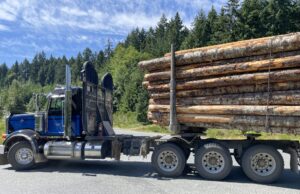
 At the Kelsey Bay log sort near the town of Sayward, B.C., pulverized cedar bark [is] evidence of the millions of trees that departed from here, never to return. “We’ve seen our territories decimated,” Wei Wai Kum Chief Christopher Roberts explains. Behind him, five freshly cut, old-growth cedars line the warming pavement. These trees, Roberts says, help explain why the nation is here today. …nations are claiming sizable stakes in an industry that has long excluded them. Wei Wai Kum is one of four First Nations to purchase a $36-million stake in La-kwa sa mukw Forestry Partnership, a joint operation with logging company Western Forest Products Ltd. Their partnership came after companies agreed to leave canoe-carving trees in their communities. A sign, for Roberts, that the industry was willing to change. …Now … First Nations’ tenure opportunities have exploded as B.C.’s biggest forest companies sell off major parts of their long-held licences.
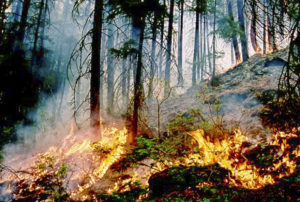 KAMLOOPS, BC — The impacts of climate change on wildland fires, cultural burning practices and inter-government cooperation are areas of research and interest among experts gathered by the newly-formed Wildfire Resilience Consortium of Canada. The national consortium was announced in July and received $11.7 million in funding over four years from Natural Resources Canada through the Wildfire Resilient Futures Initiative. Delegates from across Canada met for the first time on Thompson Rivers University’s campus last week for a three-day conference, which aimed to facilitate discussion, networking, and to pool knowledge. Rapid-fire presentations saw recipients of NRCan’s Building and Mobilize Foundational Wildland Fire Knowledge program speak about their projects and research studies. …Many of the presenters spoke of the increasing severity of wildfires, highlighting recent record-breaking fire seasons. University of Northern B.C. professor Che Elkin said climate change is having an impact on forest ecosystems, affecting individual tree growth and mortality.
 The man charged after an investigation into the largest wildfire in Nova Scotia history has been fined $25,000. Dalton Stewart, 23, chose not to speak when he was handed the sentence Thursday in Barrington provincial court. The sentence — a joint recommendation from the Crown and defence — also includes an order to complete educational training on wildfire prevention.
  ONTARIO — The Northwestern Ontario Innovation Centre has partnered with the Thunder Bay Community Economic Development Commission (CEDC), the Centre for Research and Innovation in the Bio-Economy (CRIBE), Lakehead University and Confederation College to launch the Boreal Springboard, an innovative initiative aimed at strengthening and diversifying the forestry sector in Northwestern Ontario. Graham Bracken, at the Northwestern Ontario Innovation Centre, said the launch comes at a critical time for forestry in the region. …“The trade pressures were really the impetus to focus people’s minds,” Bracken said. “The sector is really integrated, and any threat to protection on the sawmill side weakens the rest of the sector. There’s a real drive to look to trade diversification and try and develop new value-added products that we can access other markets with.” Bracken says these investors will bring skills, technologies, and solutions that can be adapted to strengthen and grow the sector.
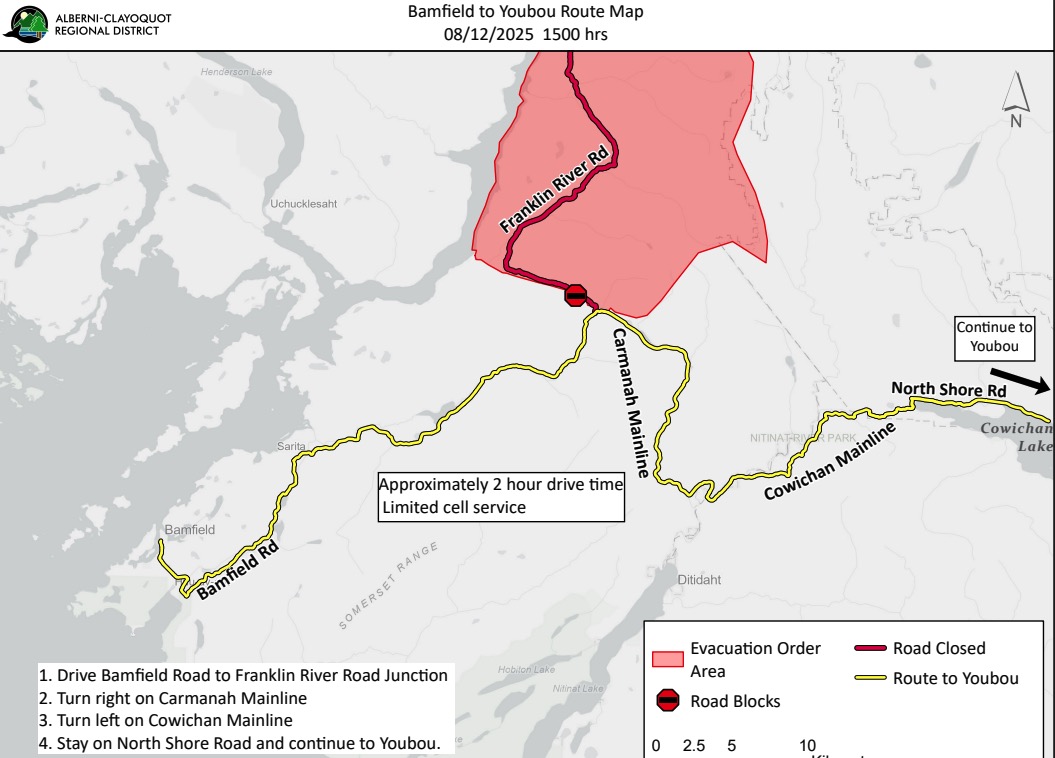 Since Aug. 11, the Bamfield Main Road has been closed. …When the Mount Underwood wildfire broke out, that road had to be closed because of a blaze raging nearby. …Bamfield-area residents have to travel more than four hours to get to Port Alberni. …Another point of frustration for the people on the other side of the closure is the existence of a logging road owned by Mosaic Forest Management, a section of that road goes around the Bamfield Main Road closure. Harrison said she and a small group of other people drove the road to check it out. …”The Youbou Road is 100 times worse than that little 20-minute bypass road,” claimed resident Sherry Harrison. …The ministry said the road owned by Mosaic is private and public use is up to the discretion of the company, but added those logging roads were not built and are not maintained for public use.