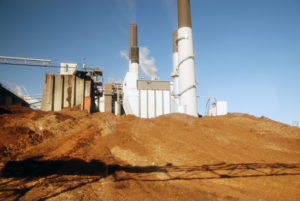
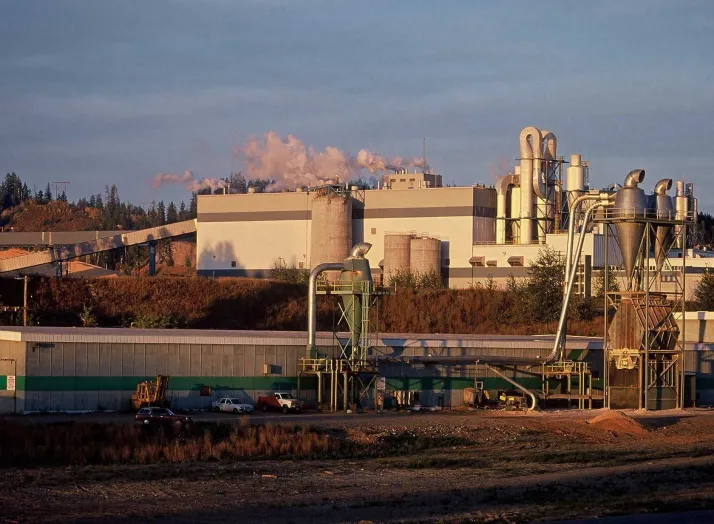
 When the City of Nanaimo tabled a zoning amendment to Bylaw 4500 that could effectively change the heavy industry zoning in Nanaimo on Nov. 17, there was one main target: Nanaimo Forest Products. NFP owns Harmac Pacific, ‘the little pulp mill that did,’ which continues to pay around 350 full-time employee-owners while maintaining consistent profitability, and is a major Vancouver Island success story. They’ve done that thanks to an employee ownership model that sees workers share in its profits, as well as clever leadership which has made several key investments. …One of NFP’s key strategic moves was purchasing the 61 hectares adjacent to Harmac, which is industrial land. Developing that will benefit NFP and its worker-shareholders, companies that want to set up business in Nanaimo with ocean access, Harmac employees and taxpayers.
The anti-Harmac bylaw specifically targets bio-mass/cogeneration, thermal electricity generation from fossil fuels or biomass, liquefied natural gas, petroleum refineries, and anything else that might produce a whiff of emissions. Not to mention that Harmac uses biomass to supply most of its energy needs and they use 100 per cent biomass to produce all of the electricity it supplies to BC Hydro. It would make sense that future operations should include similar companies as fuel costs rise. The original goal of having Harmac where it is – and Duke Point – was to move the industrial land out of town where exhaust wouldn’t impact local residents. This motion aims to curtail that. …NFP has been progressive in its thinking and pro-active in its movements. Jobs on that site will be good for them and for the local economy. An expanded industrial tax base could be expected to keep residential taxes lower.




 As US President Trump sticks with his campaign of tariffs on imports from Canada, some American industries are accusing Canadian competitors of using cheap materials from China in ways that violate free trade rules and undercut U.S. companies. The accusations emerged during recent public hearings in Washington into the future of the Canada-U.S.-Mexico Agreement (CUSMA). …Luke Meisner, counsel for the American Kitchen Cabinet Alliance, told the hearings that Canada and Mexico have become conduits for products from China, circumventing the hefty countervailing duties the US imposed on Chinese-made cabinets and materials in 2020. …Over the past five years, Canada “dramatically increased” its imports of made-in-China cabinets and cabinet materials — such as plywood, medium-density fibreboard (MDF) and moulding — while at the same time boosting exports of finished cabinets to the US, Meisner said. …The Canadian Kitchen Cabinet Association defends its products as Canadian-made.

 Over 600 public servants were notified this week that their jobs are on the line, with Natural Resources Canada (NRCan) feeling the brunt of the potential cuts. The Public Service Alliance of Canada (PSAC) said in a news release that 219 workers at NRCan received warning that their position could be cut. In addition, the Professional Institute of the Public Service of Canada (PIPSC) told Radio-Canada that 200 of its members at NRCan were also given notices of a potential layoff. …Jean Bérubé, a forest pathologist at NRCan who is also a union rep for 3,000 federal research scientists, said he was informed his position is being eliminated.The federal government’s cuts to the public service feel similar to those occurring south of the border under the second administration of U.S. President Donald Trump, he said. …Bérubé pointed to the emergence of the invasive Emerald ash borer that has killed millions of ash trees in Canada’s urban areas.
 OTTAWA, ON
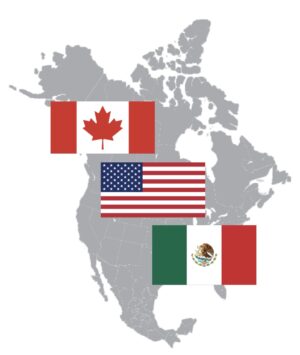 US President Trump could decide next year to withdraw from the Canada-United States-Mexico trade agreement (CUSMA), Politico reported on Thursday, citing U.S. Trade Representative Jamieson Greer. “The president’s view is he only wants deals that are a good deal. The reason why we built a review period into CUSMA was in case we needed to revise it, review it or exit it,” Greer told Politico’s White House bureau chief Dasha Burns in a podcast episode that airs Friday. Greer also raised the idea of negotiating separately with Canada and Mexico and dividing the agreement into two parts in the podcast, adding that he spoke with Trump about that possibility just this week. …Trump on Wednesday said that the CUSMA agreement – which faces an upcoming review- will either be left to expire or another deal will be worked out.
  Montréal, Quebec – Domtar Wood Products announced today a curtailment in its lumber production. Due to challenging market conditions and ongoing economic uncertainty, Domtar will temporarily reduce its lumber production by 100 million board feet for the fourth quarter of 2025, including additional curtailments for the holiday season, at its facilities in Quebec, Ontario, and the United States. “Demand for lumber continues to stagnate in North America, exacerbating an already difficult market,” said Luc Thériault, President of Domtar Wood Products. Domtar will continue to monitor market conditions and adjust its production plans accordingly. [END]
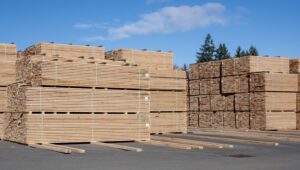 The federal government has rejected an industry request for payouts to softwood producers in Canada on the hook for US duties, fearing that direct intervention would further irritate the US. Canadian softwood producers have paid more than $10-billion since 2017 in accumulated duties, which are cash deposits held in trust by the US that collect interest. The producers expect the US to refund a portion of the duties if and when the two countries resolve the trade dispute. In the meantime, the industry has suggested that the Canadian government make payouts to reflect the present value of anticipated refunds. The two sources said Ottawa would have received any future refunds in exchange for injecting much-needed liquidity into the struggling industry. Ottawa rejected the idea because of fears that such payouts would be viewed as subsidies and become a serious irritant during the wider US trade war, according to a senior government official. [to access the full story a Globe & Mail subscription is required]
 Western Forest Products says the temporary curtailment at its Chemainus sawmill will extend into the new year, while work slowdowns are expected at its other mills across Vancouver Island in December. The WFP curtailment in Chemainus began in June, affecting about 150 workers, with work yet to resume. …Meanwhile, reduced hours are expected at other work sites on the Island later this month. “In the latter half of December, we will take temporary downtime at our Saltair mill in Ladysmith, Duke Point mill in Nanaimo, and Cowichan Bay mill in Duncan,” said Babita Khunkhun, senior director of communications at WFP. “This will involve reduced operating hours, an extended holiday break and adjusted shift schedules.” Khunkhun says regular operations are expected to resume at all of those mills – except for Chemainus – on Jan. 6 “depending on market conditions and available log supply.”
 VANCOUVER, BC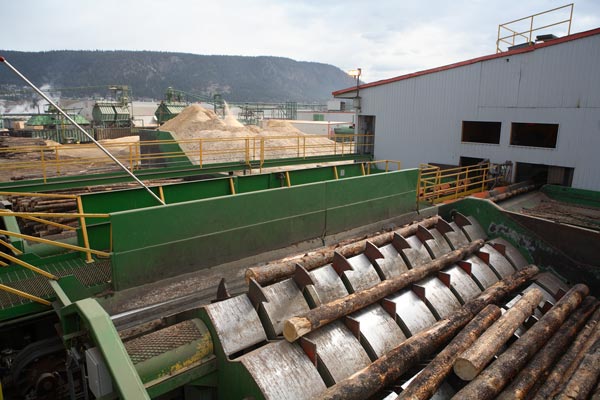

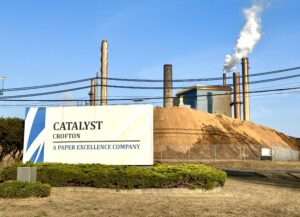 When it comes to what ultimately lies behind Crofton’s impending closure, previous BC Liberal and NDP governments past and present all have much to answer for. Both were at the helm as tumultuous changes rocked BC’s forestry sector. And both did little of consequence in response. The result is not only pain for workers and their families, but a big economic hit for local government. …The first change that governments ignored was the disintegration of what were once highly integrated forest companies. At one point, each of B.C.’s three remaining coastal pulp mills — Crofton, Harmac and Howe Sound — were part of a continuous production chain owned by the same company. In the case of Harmac and Crofton, that company was MacMillan Bloedel, while Howe Sound’s pulp mill was co-owned by Canfor. With integrated companies, all aspects of production from the tree standing in the forest to final products were linked.
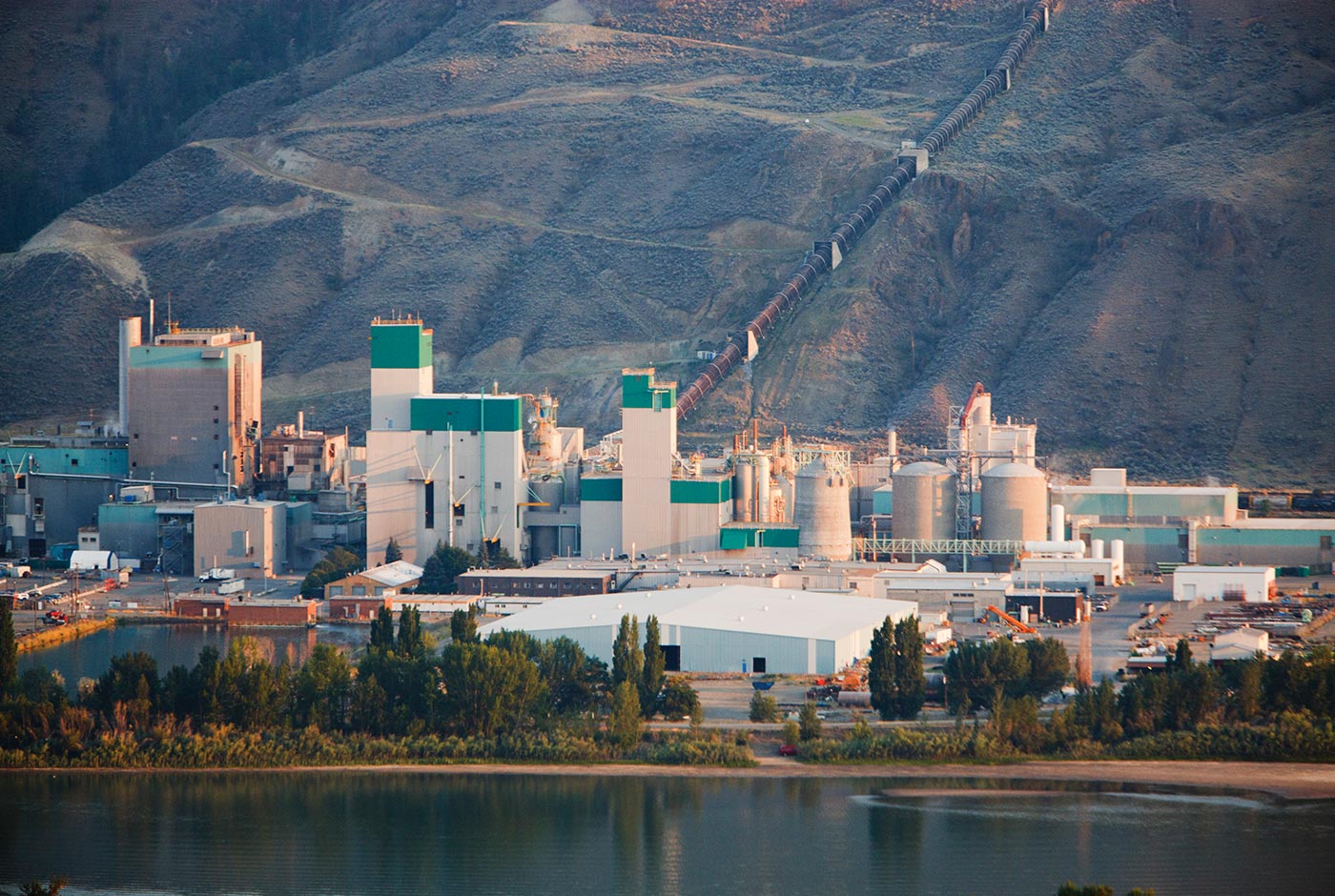
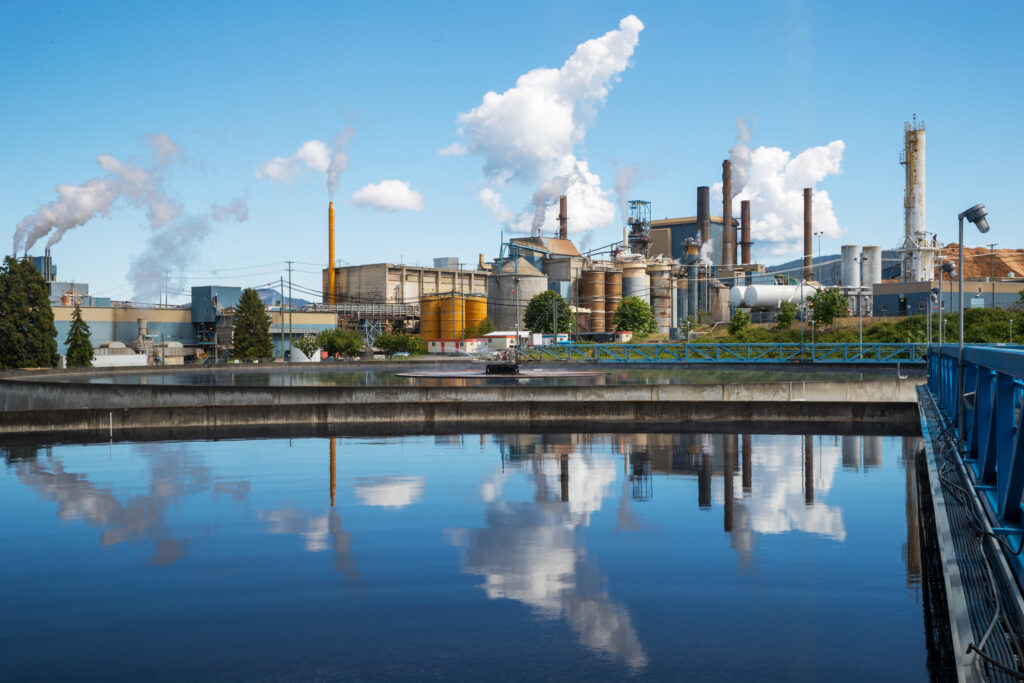
 Domtar’s announcement of its Crofton pulp and paper mill closure was a major and far-reaching loss for its workers, the North Cowichan community, and the broader forest-industry supply chain across the BC Coast. It is especially difficult knowing that this closure was preventable. Industry, labour and municipal governments have been warning the BC government about the risk of mill closures for many months. The government was given numerous recommendations, solutions, and opportunities that could have helped avoid this outcome, but has largely failed to act with the urgency that was required. …This closure underscores the many challenges facing BC’s coastal forest sector: ongoing constraints on access to economically viable fibre, an uncompetitive business cost structure, and regulatory uncertainty. For TLA members, these pressures threaten the stability of their operations and the forestry-dependent communities they support. The TLA remains committed to working with government and industry partners to stabilize the sector…
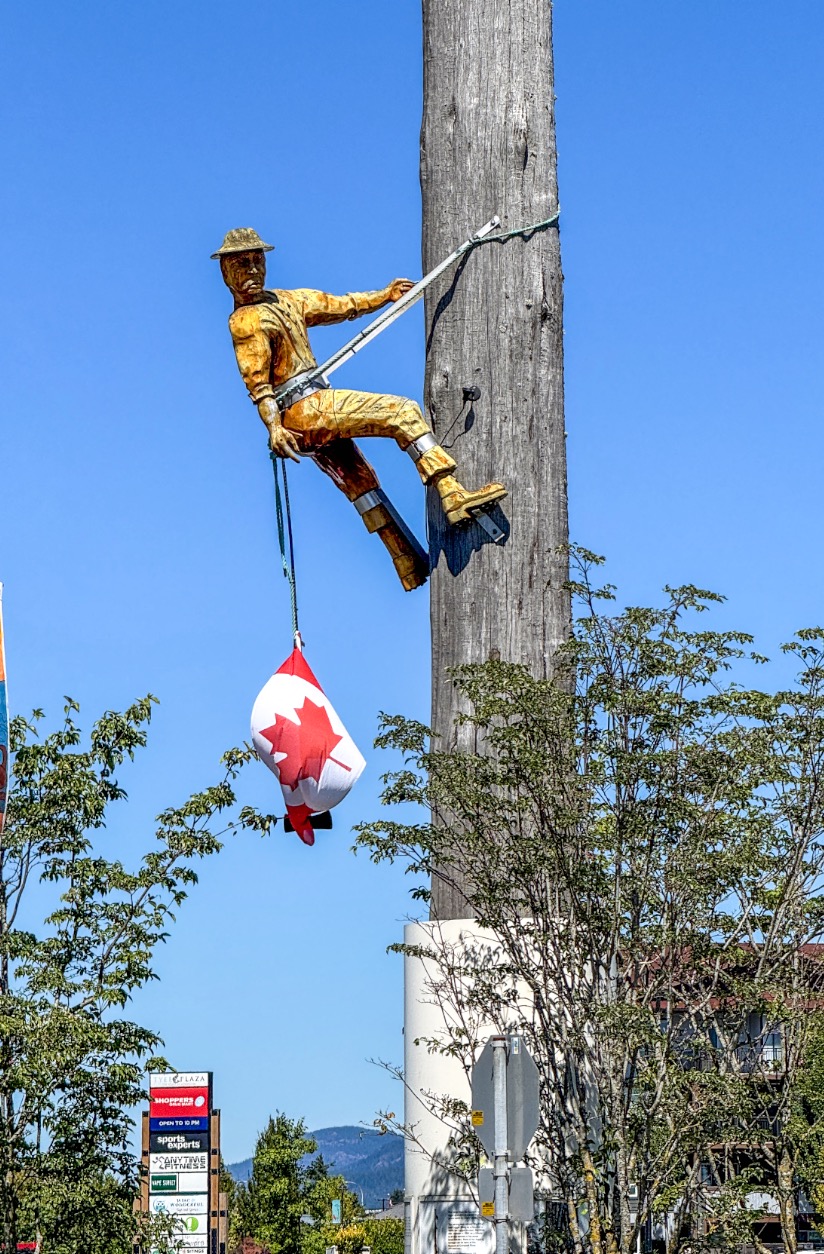 More than 100 unionized North Island forestry workers on strike rallied in Campbell River on Wednesday. They’ve been without a contract for more than six months. They warned their employer that they are united and will succeed in their demands… The United Steelworkers marched to the Campbell River offices of Western Forest Products… The company owns a controlling 55 per cent share of La-kwa sa muqw Forestry (LKSM). On Oct. 20, the union filed a common-employer application with the Labour Relations Board. “…we’re challenging the fact that LKSM is actually a separate company. …We believe our members deserve the same collective agreement that all WFP members have,” said Brian Butler, president of United Steelworkers Local 1-1937 …“What this issue is really about is the union’s demand that it wants all contractors, new contractors, working for us, including First Nation contractors, to be mandatorily certified with the union,” said Greg DeMille, Operations Manager of La-kwa sa muqw Forestry.


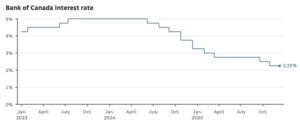 The Bank of Canada is holding its key interest rate at 2.25%, a move that was widely expected after an encouraging round of third-quarter data showed the Canadian economy has withstood some trade war-induced turmoil. Central bank governor Tiff Macklem wrote in his opening remarks that the current rate is at “about the right level” to give the economy a boost while also keeping inflation close to its 2% target rate. Canada’s economy proved more hardy than expected in the third quarter, with GDP and jobs growth beating expectations, and the unemployment rate dropping to 6.5% in November. Inflation is hovering just above 2%, and the Bank of Canada’s core measures of inflation are trending closer to 3%. While the steel, aluminum, auto and lumber sectors have been pummelled by US tariffs, which is weighing more broadly on business investment, “the economy is proving resilient overall,” Macklem said.
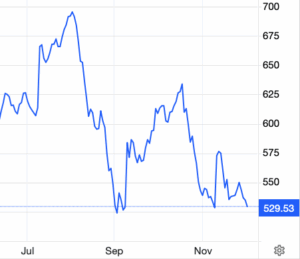 Lumber futures fell toward $530 per thousand board feet, down nearly 10% from November’s peak, as the market contends with pronounced oversupply and lingering weak demand. Mills and distributors continue to carry elevated inventories, a hangover from early 2025 when buyers front-loaded purchases in anticipation of tariffs, leaving the market with a persistent supply overhang. At the same time, US housing starts and building permits remain below last year’s levels, reflecting a prolonged construction slowdown as easing borrowing costs have yet to materialize in higher new building activity and limit near-term consumption of framing lumber. Demand from renovation and new homebuilding also remains subdued, with housing-related wood products consumption estimated to have declined in 2024 and only a modest recovery expected in 2025.
  Prime Minister Carney announced measures to help protect and strengthen the sectors most affected by U.S. tariffs. …The focus of the liquidity initiatives are to reduce bankruptcy or closure risk for leveraged or high-cost lumber mills through initiatives such as the BDC Softwood Lumber Guarantee Program… and enhancing EI worksharing and training grants. The demand support initiatives include working with railway companies to cut freight rates, prioritizing shovel-ready, multiyear projects that use Canadian wood products and creating demand for Canadian Wood products. The structural initiatives include a “forestry concierge” at Natural Resources Canada to help mills navigate loans and programs as well as an industry-led transformation task force to expand, diversify and identify opportunities and support affected communities. …The measures will help the sector but the bigger picture is really about duties and a supply/demand balance that has traditionally been difficult to obtain given this industry’s capital intensity. [to access the full story a Globe & Mail subscription is required]
 Vancouver, BC – Canfor Corporation and Canfor Pulp Products Inc. announced today that they have entered into an arrangement agreement pursuant to which Canfor Corp will acquire all of Canfor Pulp’s issued and outstanding common shares not already owned by Canfor Corp and its affiliates pursuant to a court-approved plan of arrangement under the Business Corporations Act. Under the terms of the Arrangement Agreement, the shareholders of Canfor Pulp, other than Canfor Corp and its affiliates, will have the option to receive, for each Canfor Pulp Share held: 0.0425 of a common share of Canfor Corp, or $0.50 in cash. ….Canfor Corp currently owns approximately 54.8% of the issued and outstanding Canfor Pulp Shares. The $0.50 per Canfor Pulp Share represents a premium of 25% to Canfor Pulp’s closing share price on December 2, 2025, on the Toronto Stock Exchange and a premium of 38% based on the 10-day volume-weighted average share price of Canfor Pulp as of December 2, 2025, on the TSX.
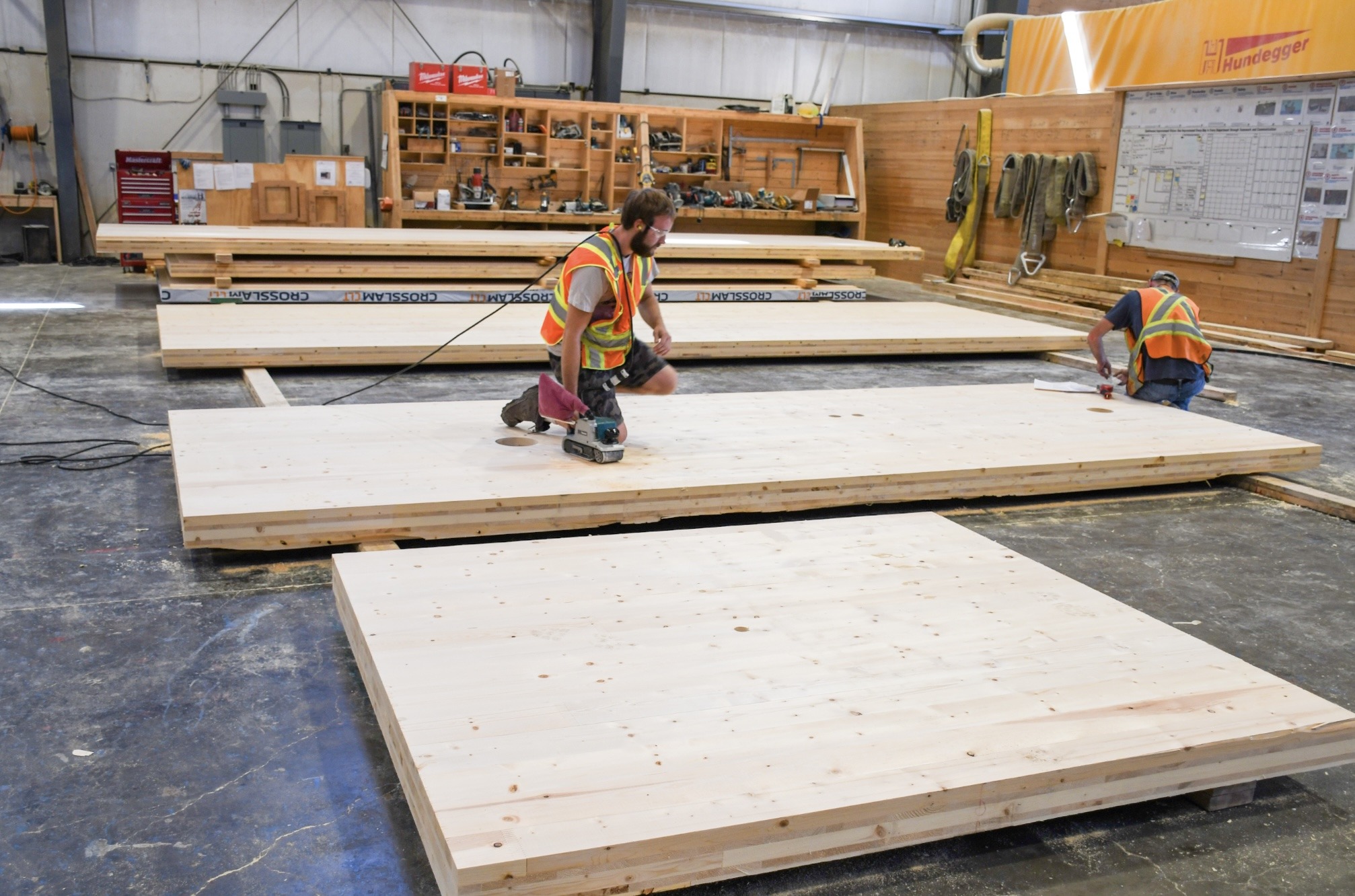 When Prime Minister Mark Carney toured Intelligent City’s advanced manufacturing facility in Delta, B.C. this spring, it was more than just another campaign stop. It signalled that prefabricated and modular construction has moved from the margins to the mainstream of Canada’s housing conversation. That recognition is overdue. If we are serious about tackling Canada’s housing affordability crisis by delivering more homes at scale, governments need to stop paying lip service to the huge potential of off- site construction and start putting it into policy and practice. …First, governments should publish a multi-year prefabricated housing procurement roadmap. Off-site manufacturing depends on predictable, portfolio-scale demand. A provincial roadmap in British Columbia, for example, that consolidates housing needs across ministries, Crown agencies, and municipalities would give factories the confidence to invest in automation, skilled labour, and supply chains.

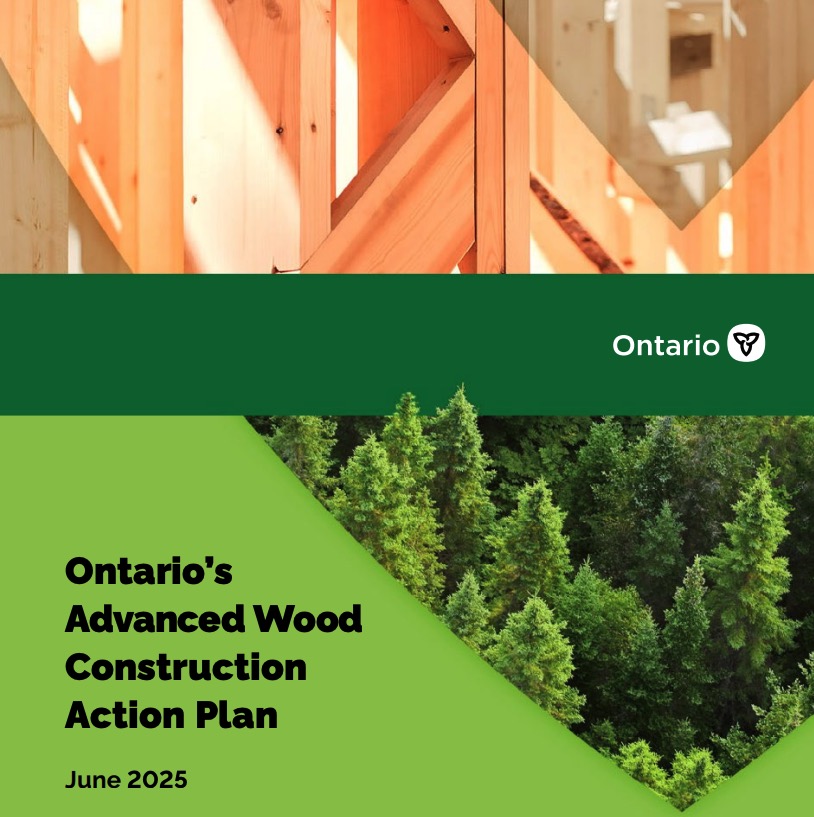 TORONTO — The Ontario government has launched a new working group to guide the implementation of the
 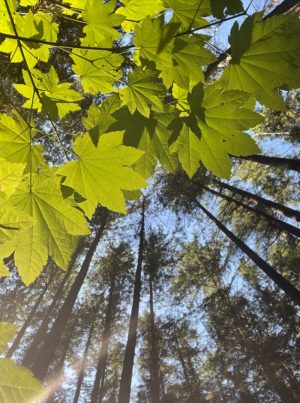 Dr. Richard Karban, a trained ecologist and member of the UC Davis Entomology Department… who covers an array of intriguing topics, from “eavesdropping” plants to distinct plant “personalities”, is fully aware of the controversy surrounding his field. But he emphasizes that plant communication isn’t a fantasy; it is a biological response to specific cues. …Decades ago, little was known about it. Today, many researchers, such as Dr. Karban, argue that forests are highly communicative biological networks. These are sophisticated behaviors, but Karban attributes them to evolution and natural selection, not hidden sentience. He cautions against projecting human emotions onto biology, but suggests that to understand plants, we must understand their version of a “Hierarchy of Needs.” …Dr Kathryn Flinn, an ecologist at Baldwin Wallace University, believes that while mycorrhizal networks move resources, this does not mean the tree sending those resources is making a strategic or selfless decision. …Another notion gaining attention is that of a ‘Mother Tree’ recognising family members.


 I have great sympathy for mill workers in Crofton and Chemainus and the other 43 mills in towns throughout B.C. that have closed because there is “insufficient viable fibre supply.” This statement is smoke to hide the fact that the companies, with the complicity of the province, have over-harvested the forest since at least the 1970s. Second-growth trees are not as voluminous as virgin timber. Second-growth is harvested in a last gasp to get as much profit from the woods before shuttering mills due to “insufficient viable fibre supply”. The forest sector has made high profits and paid tariffs and softwood lumber duties since the 1980s, and now that the merchantable timber is gone, the blame is being transferred. …This situation even has a name — “The Fall Down Effect” — and has been predicted since the 1970s. …Timber processing will have to adapt to less volume and evolve toward greater value added.
 These letters are all in today’s Victoria Times Colonist “Letters” section:
 Four people were arrested, one for the second time, at an old growth logging protest encampment in Upper Walbran, according to RCMP. On Sept. 12, a judge granted an injunction to Tsawak-qin Forestry, which is co-owned by Western Forest Products and the Huu-ay-aht First Nations. RCMP have been enforcing the injunction, going into the forest for the third time. On Dec. 8, RCMP says four men were arrested for allegedly breaching the injunction. One is being held for breaching release conditions from his arrest on Nov. 25. One person was arrested for criminal obstruction of police for allegedly resisting arrest. RCMP says when officers arrived on Dec. 8, they found “physical structures” had been set up on the only bridge leading to a work site where the employees needed access. …Solène Tessier said “Why would the Eby keep clearcutting ancient forests instead of protecting the communities that rely on this dying industry?”
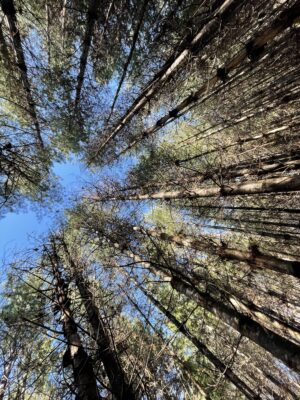 PRINCE GEORGE – Conservation North is calling out Premier David Eby for what they see as inconsistencies in his stance on old-growth logging. They highlight his opposition to logging old-growth forests to keep a Vancouver Island pulp mill running, while remaining quiet about the ongoing old-growth logging happening in the northern regions. …Conservation North argues that in central BC, nearly all the wood supplied to pulp and pellet mills still comes from primary forests, including old-growth areas. …The provincial government said “The interior of B.C. is home to a vast network of lumber sawmills, specialty wood manufacturing facilities, and pulp, paper, and pellet plants. This interconnected sector uses every part of the tree. …The pulp and paper sector is integral to this supply chain, buying lumber sawmill residuals, like sawdust, shavings, and chips, and harvest residuals like branches and bark. …The pulp and paper sector has also been leading the way in using wildfire salvaged wood.
 British Columbia’s logging agency has changed a policy that conserved remnant old-growth forest in the province’s northwest, with a government briefing note showing a plan to open those areas for harvesting has been approved. The note, obtained by The Canadian Press and written by a BC Timber Sales manager in the Babine region, acknowledged the shift “may invoke scrutiny” from conservationist environmental groups. It says First Nations in the Bulkley, Morice and Lakes timber supply areas do not support old-growth logging deferrals recommended by a provincially appointed panel in 2021,and continuing to conserve remnant stands “does not demonstrate respect of the First Nations’ responses” to that process. …Independent ecologist Rachel Holt says the briefing note demonstrates a lack of understanding within BC Timber Sales about “the importance of … these irrecoverable ecological values.” But the crisis in B.C.’s forests is not just ecological.

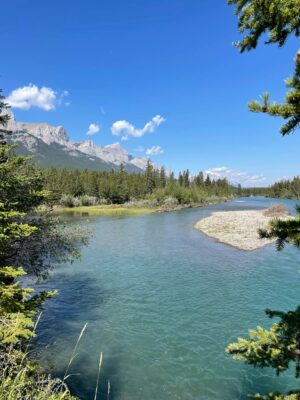 NOOTKA SOUND, BC — Optimism for the future of Chinook salmon is swimming up Muchalat River near the town of Gold River, BC in Mowachaht/Muchalaht First Nations (MMFN) territory. Kent O’Neill, of the Nootka Sound Watershed Society (NSWS), says he observed hundreds of fish using a newly restored gravel spawning pad this fall. …Navigating a storm of challenges from historical logging practices to droughty summers, Chinook salmon in the region were assessed as Threatened by the Committee on the Status of Endangered Wildlife in Canada in 2020. To revive local Chinook salmon stocks, a collective effort led by NSWS, Ecofish Research, a Trinity Consultants Canada team, MMFN and the Pacific Salmon Foundation (PSF) was hatched. …Western Forest Products (WFP) also played a major role by providing the gravel and access to the forest service roads. “We wouldn’t have been able to do this project without WFP,” said O’Neill.

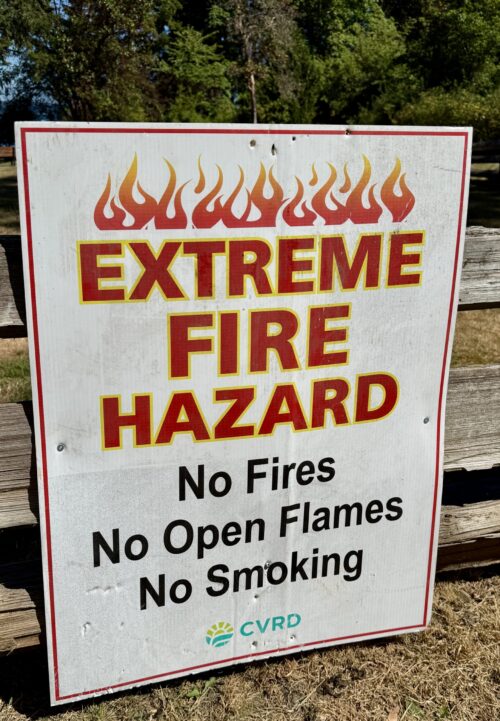 FORT ST. JOHN, B.C. — The B.C. Ministry of Forests is encouraged that the Government of Canada has taken a huge step to amp up aerial firefighting capacity. Anthony Housefather, parliamentary secretary to Eleanor Olszewski, federal minister of emergency management and community resilience and minister responsible for Prairies economic development, recently highlighted a new multi-million-dollar investment of over $257.6 million for four years to Natural Resources Canada. The funds will be used to lease firefighting aircrafts, which can include waterbombers or other aircrafts to deliver water or fire retardant drops in hard-to-reach areas. …The Ministry of Forests will be hosting a
 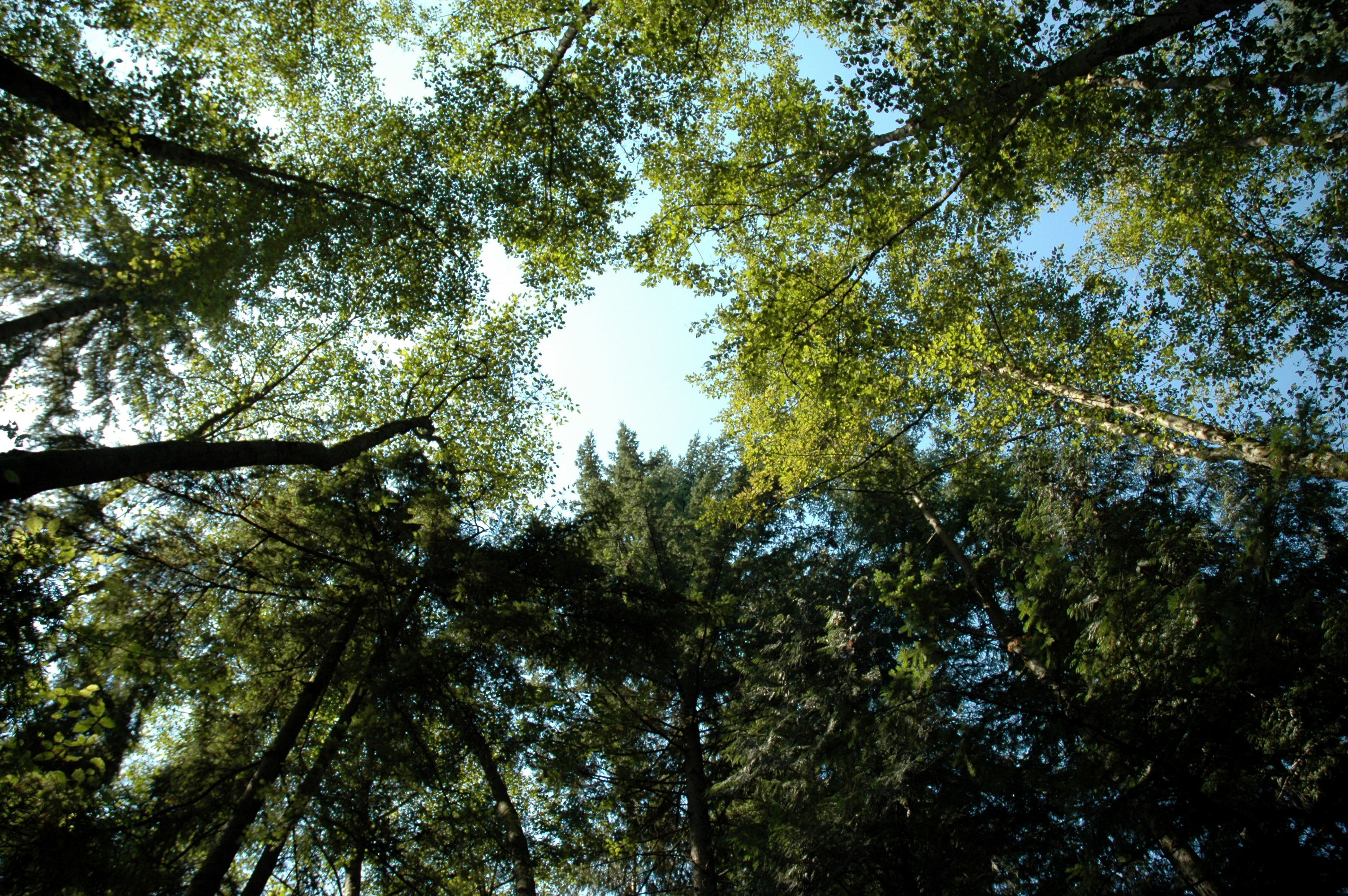 Joshua Wright says a yellow cedar tree he photographed last year was the largest he’d ever seen in a decade of hiking around Vancouver Island. …Wright measured the cedar’s diameter at 2.79 metres, a size that should have ensured protection for the tree, along with a one-hectare buffer under provincial law. But when he returned to the area south of Gold River in June, Wright says the tree had been felled as part of a logging operation approved by the province. …the area where Wright documented the yellow cedar overlaps significantly with a category of old-growth representing the largest trees left standing. …Yet the deferrals required support from First Nations to go ahead, and at the time, there was no significant funding to help communities offset foregone revenues. …the yellow cedar was felled in an area where Matchlee Ltd. Partnership, majority owned by Mowachaht/Muchalaht First Nation, holds a non-renewable forest licence.

 A BC Resource Sector Coalition says current federal and provincial policymaking has become unpredictable enough to justify an immediate pause on all implementation and action under Declaration on the Rights of Indigenous Peoples Act (DRIPA). …“We write to you on behalf of thousands of British Columbians whose livelihoods, communities, and futures are tied to the natural resource sector. Today, those livelihoods are at risk,” the letter begins. “A series of federal and provincial policy decisions have destabilized the industries that sustain our province and are eroding the economic foundations of British Columbia.” …The coalition is composed of a cross-industry membership spanning land and marine activity: BCCA, Geoduck Underwater Harvesters Association, ICBA, Deep Sea Trawlers Association of BC, Guide Outfitters Association of British Columbia, Pacific Prawn Fishermen’s Association, North West Loggers Association, and the Council of Marine Carriers.
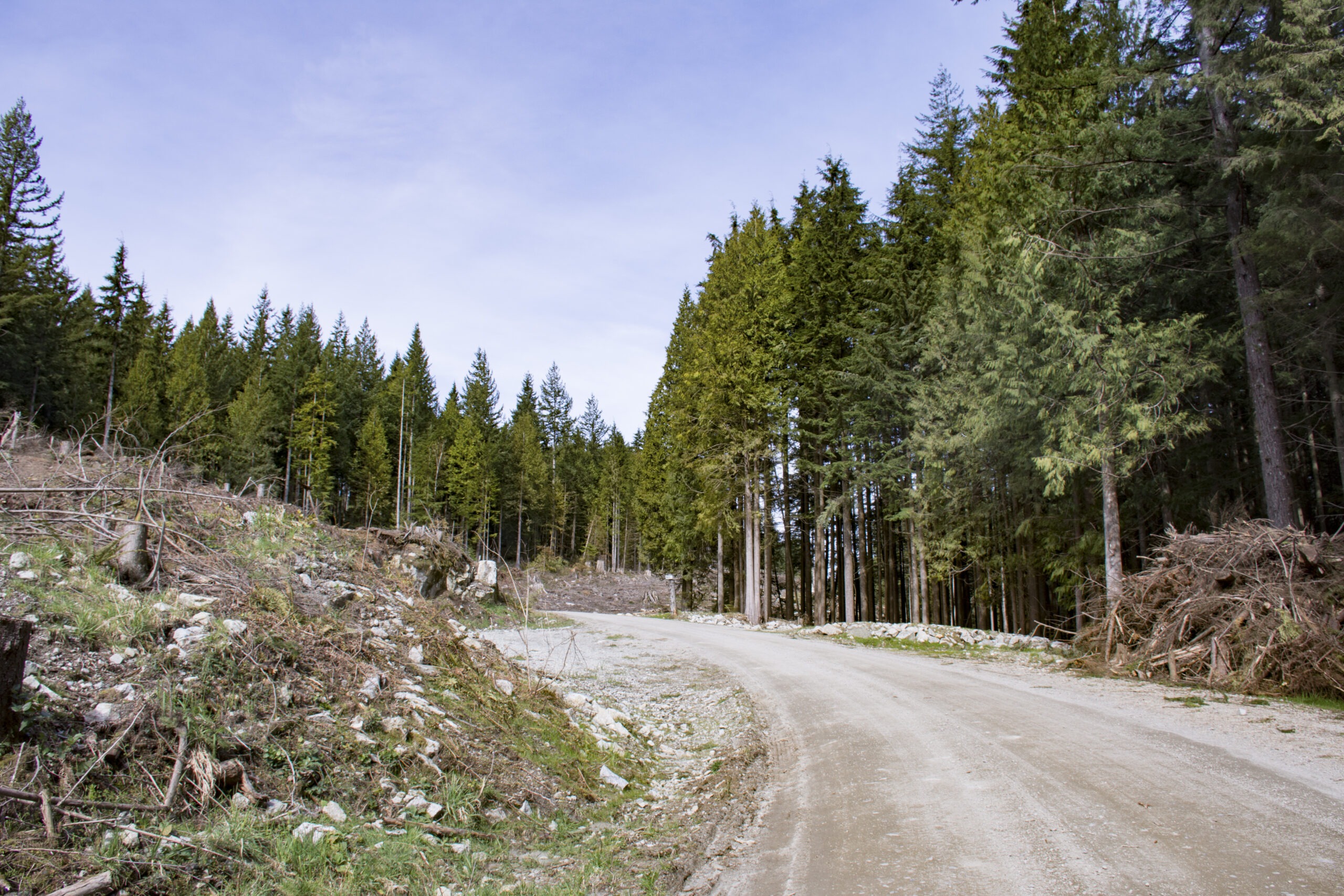 We tend to take logging roads for granted as an inherent right of access to Crown land. Their importance was recently reinforced when, just before the first snowfall, we travelled on one of the longest continuous and scenic forestry roads in the province. Ontario’s forest industry is critical to the provincial economy and many northern and rural communities. In 2023, the forest industry contributed $5.4 billion to Ontario’s Gross Domestic Product (GDP) and generated $21.6 billion in total revenue. The sector supported approximately 128,000 direct, indirect, and induced jobs in 2024, many of which are in Indigenous, rural, and northern communities. …The Ontario Forest Industries Association’s policy advisor, Adrian Smith said, “Forest access roads serve far more than the forestry sector. Built and maintained by our sector, they provide vital infrastructure. Forestry companies invest millions of dollars in grading, resurfacing, bridge and culvert upkeep, and winter snow clearing to keep this extensive network safe and reliable.
 Welcome to the Wood Pellet Association of Canada’s Fall 2025 newsletter. We hope you enjoy reading it, and we welcome your feedback. The Headlines: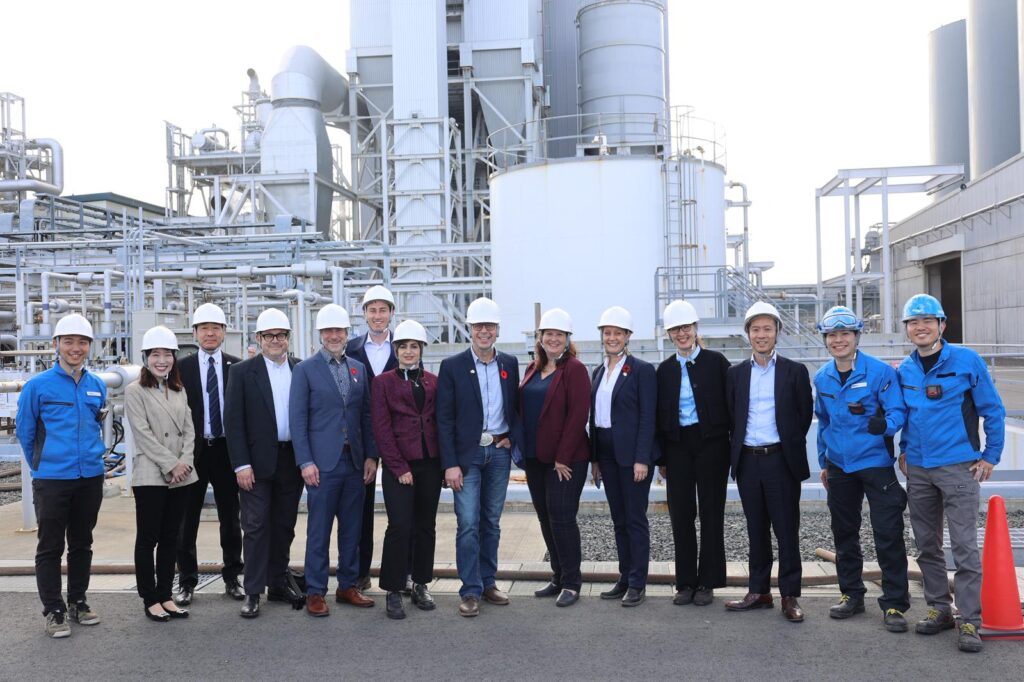
 The Arctic Energy Alliance and the Wood Pellet Association of Canada will co-host the Arctic Bioenergy Summit and Tour this January in Yellowknife—an emerging hub for northern renewable energy innovation. With the speaker roster nearly complete, Day 1 will set the tone with a deep dive into bioenergy’s role across Canada’s North, from evolving policy frameworks to community-led energy solutions. Sessions will explore regional strategies, technology developments, and bioenergy success stories, highlighting what’s working in remote and Indigenous communities and the lessons learned along the way. Speakers will also tackle supply-chain challenges, including logistics, fuel production and distribution, and the unique complexities of operating in northern climates. The program wraps up with a networking reception—an opportunity for delegates to connect, share insights, and build partnerships advancing sustainable energy in the Arctic and beyond.
 The Climate Risk Institute (CRI), in collaboration with the Canadian Institute of Forestry/Institut forestier du Canada (CIF-IFC) and with contributions from the Ontario Ministry of Natural Resources (MNR), have developed a Climate Adaptation and Resilience Professional Development Program for Forest Professionals in Canada. This course is designed to provide forestry professionals and practitioners with new knowledge of climate change, climate impacts and adaptation strategies to complement their existing knowledge base, strengthen climate resilience in forest management, and build capacity across the sector to integrate adaptation measures into daily practice. Funded in part by Natural Resources Canada through the
  Pulp and paper mills sit at the intersection of several decarbonization pressures. …This makes them tempting targets for hydrogen developers who are trying to find new markets… In Prince George the firm Teralta attempted what was possibly the only hydrogen-for-energy scheme in British Columbia with a chance of working. Their idea was to capture hydrogen produced as a by-product by the nearby chemical plant Chemtrade (from its sodium-chlorate process), purify and pipe it about 500 metres to a nearby pulp mill owned by Canfor. …The
  The Province has released the 2025 Climate Change Accountability Report, reaffirming its commitment to climate action and affordability while highlighting progress in cutting emissions and advancing clean energy throughout B.C. The report shows that CleanBC is working. British Columbia is making progress in many areas… In spring 2025, the 2024 Climate Change Accountability Report indicated that B.C. was not on track to meet its 2030 emissions targets. The recently released CleanBC review provides independent advice to strengthen the climate plan and keep delivering results. Government is reviewing the recommendations to guide the next phase of action, with a focus on expanding clean energy, supporting cleaner industry and making low-carbon choices more accessible for people and communities.
 Thunder Bay – For more than 100 years, the pulp and paper mill in Dryden has been the most important building in this small city in northwestern Ontario. It was the engine of the local economy, providing jobs for generations and connecting Dryden to a larger network of forest products that includes Thunder Bay and other communities in the area. But the same industrial complex also caused one of Canada’s worst environmental disasters. In the 1960s and 1970s, a chlor-alkali plant that was part of the mill dumped an estimated 9,000 to 10,000 kilograms (about 10 metric tons) of mercury into the English–Wabigoon River system. …People have lived with symptoms of mercury poisoning for generations, including Minamata disease. Commercial fishing was stopped, and guiding jobs disappeared. The main question is still painfully unanswered decades later: Who should pay to clean up the river, fix the land, and help the people who were hurt?