 Canada’s government has moved quickly to protect and strengthen the sectors most affected by U.S. tariffs – introducing new measures to help workers gain new skills, support businesses as they modernise and diversify, and boost domestic demand for Canadian goods. Building on previously announced measures to help transform the Canadian steel and softwood lumber industries, the following new initiatives were announced:
- Further limit foreign steel imports
- Make it easier to build with Canadian steel and Canadian lumber
- Canada will work with railway companies to cut freight rates for transporting Canadian steel and lumber interprovincially by 50%.
- To maximise the use of Canadian softwood lumber in housing, Build Canada Homes will prioritise shovel-ready, multi-year projects.
- Canada will implement our Buy Canadian Policy later this year, which requires that all contracts worth over $25 million prioritise Canadian materials – including steel and lumber.
- Increase protections for Canadian steel and lumber workers and businesses
- Canada will earmark more than $100 million to provide support in all sectors with an active Work-Sharing agreement.
- Canada will provide an additional $500 million to the BDC Softwood Lumber Guarantee Program.
- For softwood lumber firms facing liquidity pressures, Canada will earmark $500 million under the Large Enterprise Tariff Loan facility.
- Canada will launch a Canadian Forest Sector Transformation Task Force.

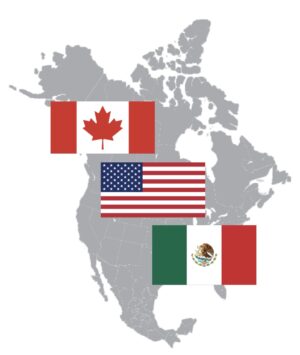 As Canada’s trade deal with the US and Mexico faces a crucial review, many US industries are urging the Trump administration to preserve the agreement and to stop putting tariffs on imports from its northern and southern neighbours. Ahead of the public hearings scheduled this week, some of the heaviest hitters in the U.S. manufacturing, industrial and retail sectors have submitted briefs extolling the agreement’s benefits to the domestic economy. …CUSMA is “the most pro-US manufacturing trade agreement in history,” said the National Association of Manufacturers, the largest organization in a sector that contributes $2.9 trillion US to the nation’s GDP. …The National Association of Home Builders calls on the Trump administration to scrap all tariffs on building material imported from Canada and Mexico, including Canadian softwood lumber, which it says “fills a unique niche in residential construction that is not easily replaced with domestic sources.”
 The much-pilloried Canada-U.S.-Mexico trade agreement was signed seven years ago this weekend—on November 30, 2018. A year later, it was amended to address rules of origin for autos, digital trade, IP, dairy and, who could forget, a sunset clause. We can all do the math. The December 10, 2019 amendments set in motion a 16-year term for the agreement, with a mandatory review every six years. Which means we’ll see more of a requiem than a birthday bash next week when Mark Carney is in Washington to help kick off the 2026 FIFA World Cup. But don’t bury CUSMA just yet. Despite the U.S. President’s freeze on negotiations, officials from both countries are talking every day and laying the groundwork for what will be an intense 2026. Not many insiders seriously expect CUSMA to go away; they’re working on changes—modifications, enhancements, renovations, depending on your point of view—that will continue to change the fabric of continental commerce.
 The United Steelworkers union (USW) welcomes the federal government’s new measures to support Canada’s steel and softwood lumber sectors, calling them a meaningful step forward in the face of US tariffs and global market instability. The package includes tighter import controls, a 25% surtax on steel derivatives, strengthened border enforcement, expanded liquidity supports for softwood producers, a top-up to the Work-Sharing program, lower interprovincial freight costs, and new domestic-content requirements for federal projects. …Marty Warren, USW National Director… underscored that the Work-Sharing top-up will help workers stay on the job during temporary downturns and also pointed to the importance of strengthening procurement rules. On softwood lumber, the union welcomes the government’s efforts… “But let’s be honest, forestry towns cannot rebuild on temporary fixes. A long-term resolution to the softwood lumber dispute with the United States is essential. Without it, workers and communities remain vulnerable to decisions they cannot control.”


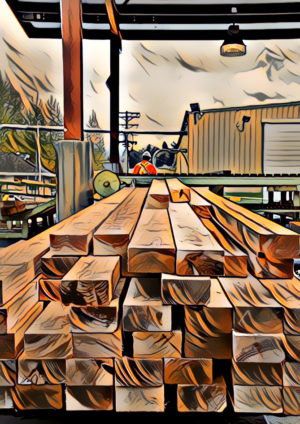 Help is on the way for Canadian steel producers and those in softwood lumber affected by the ongoing trade dispute with the United States. Multiple senior government sources confirmed that Prime Minister Mark Carney will announce measures on Wednesday to protect the steel industry, which has been hit with 50 per cent tariffs by the Trump administration. The measures include cutting limits to the amount of steel that can be imported into the country from nations that do not have a free trade agreement with Canada. …The Carney government will also increase the total money available to struggling softwood lumber companies to $1.2 billion. It’s a $500-million increase from the previously announced Softwood Lumber Development Program, which gives companies access to government-backed loans. …Trade talks between the two countries have been put on pause for the last month.
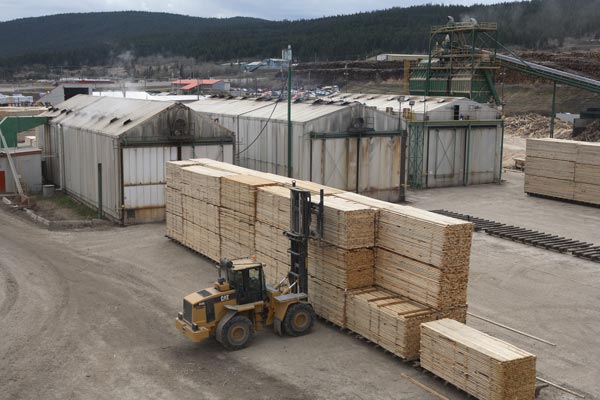

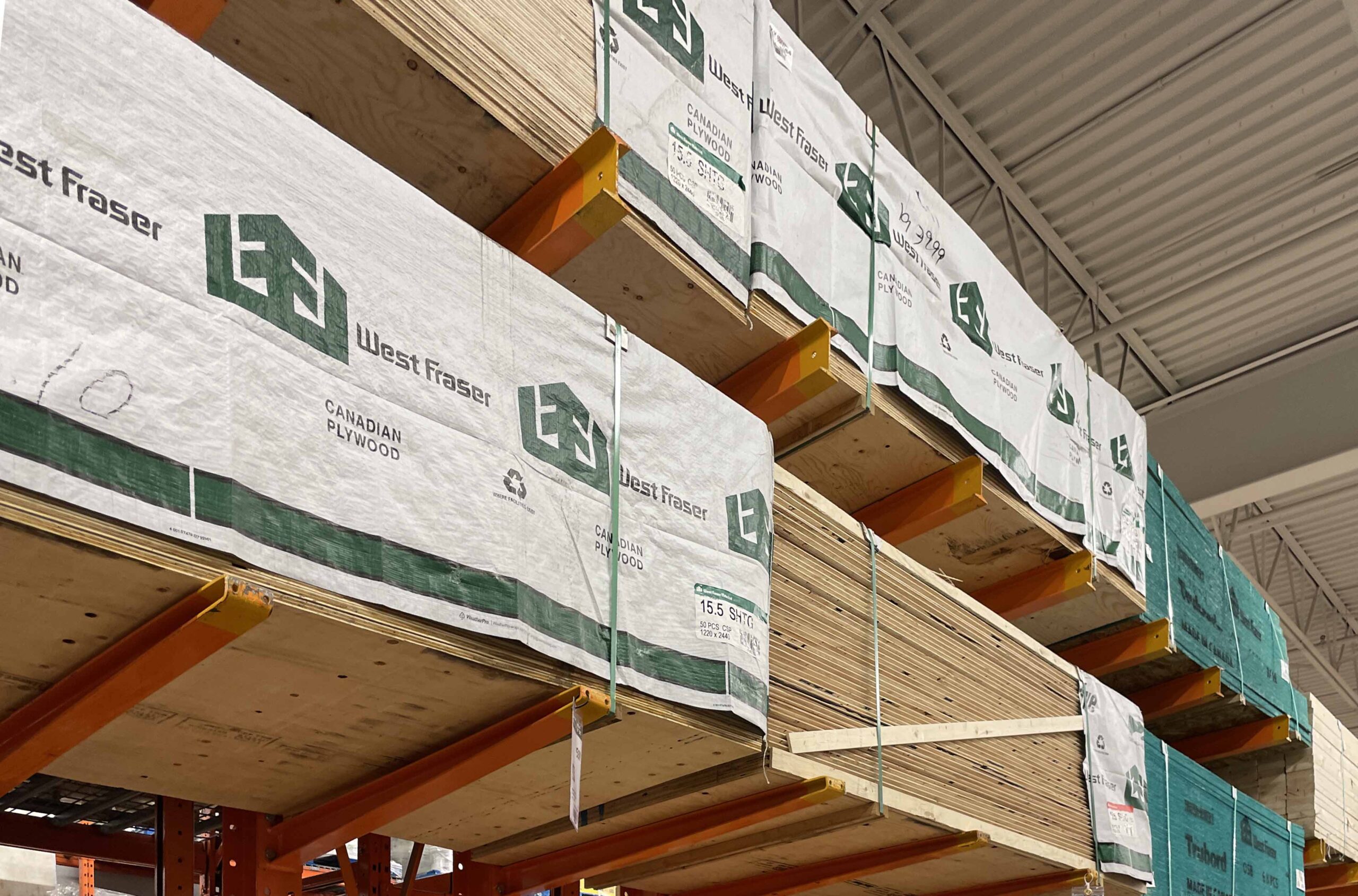 The District of 100 Mile House’s mayor and one of its councillors went to Victoria for meetings with provincial government officials over the impending West Fraser Mill closures on Monday, Nov. 24. During the Mayor’s Report at the Nov. 25 District of 100 Mile House Council meeting, Mayor Maureen Pinkney and Coun. Donna Barnett both revealed details about a visit to Victoria regarding issues surrounding 100 Mile, including the impending permanent closure of the 100 Mile West Fraser mill, as well as frequent closures of the emergency department at the 100 Mile Hospital. On Nov. 6, West Fraser Lumber announced in a release that it would be closing its 100 Mile House lumber mill following a two-month wind-down.

 MACKENZIE, BC — Forestry company Conifex Timber announced that it will temporarily curtail operations at its Mackenzie, BC sawmill for a planned four-week period commencing December 15, 2025. The curtailment is being implemented in response to, among other things, continued weakness in North American lumber markets. The curtailments will begin on December 15, for a planned four-week duration, Conifex said, adding that it is expected to reduce production by roughly 13 million board feet. The North American timber industry has gone through several curtailments in response to US President Trump’s decision to implement tariffs. …The company said it does not anticipate any challenges in securing sawlogs to maintain capacity operations in the future, once market conditions permit a return to full operations. It also expects to see gradual recovery in demand in the second half of 2026.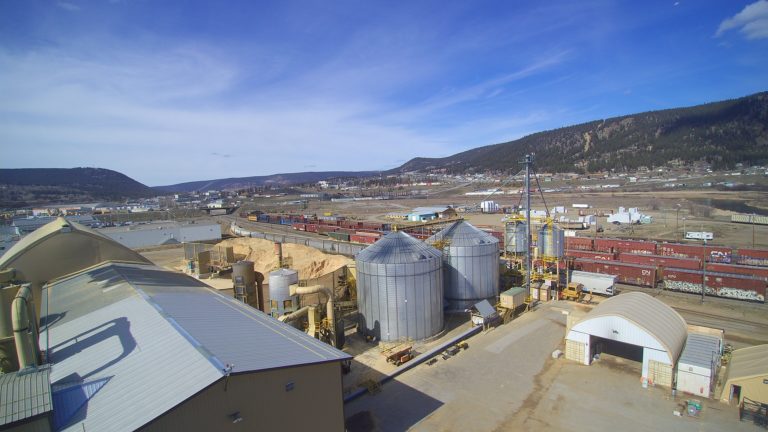





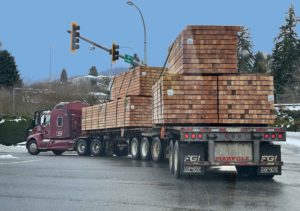 Ottawa threw the beleaguered softwood lumber industry a bone. …The new measures include $500 million in new loan guarantees for softwood lumber companies. “Loans are only good if i can sell my prioduct and pay for those loans,” said Brian Menzies, at the Independent Wood Processors Association of BC. “At 45%, I can t sell my product into the United States.” Other steps announced include cutting freight rates. …The measures are window dressing – say some – when compared to the impact of the steel industry supports. “I’m afraid we’ve come to the point that ‘Sophies choice’ is happening and softwood lumber is the child who’s going to be left behind,” said Menzies. It’s a concern shared at Leslie Forest Products, in Delta where James Sanghera said the measures won’t make a difference. “Most of the wood we’re sending down to the States is going on truck.”


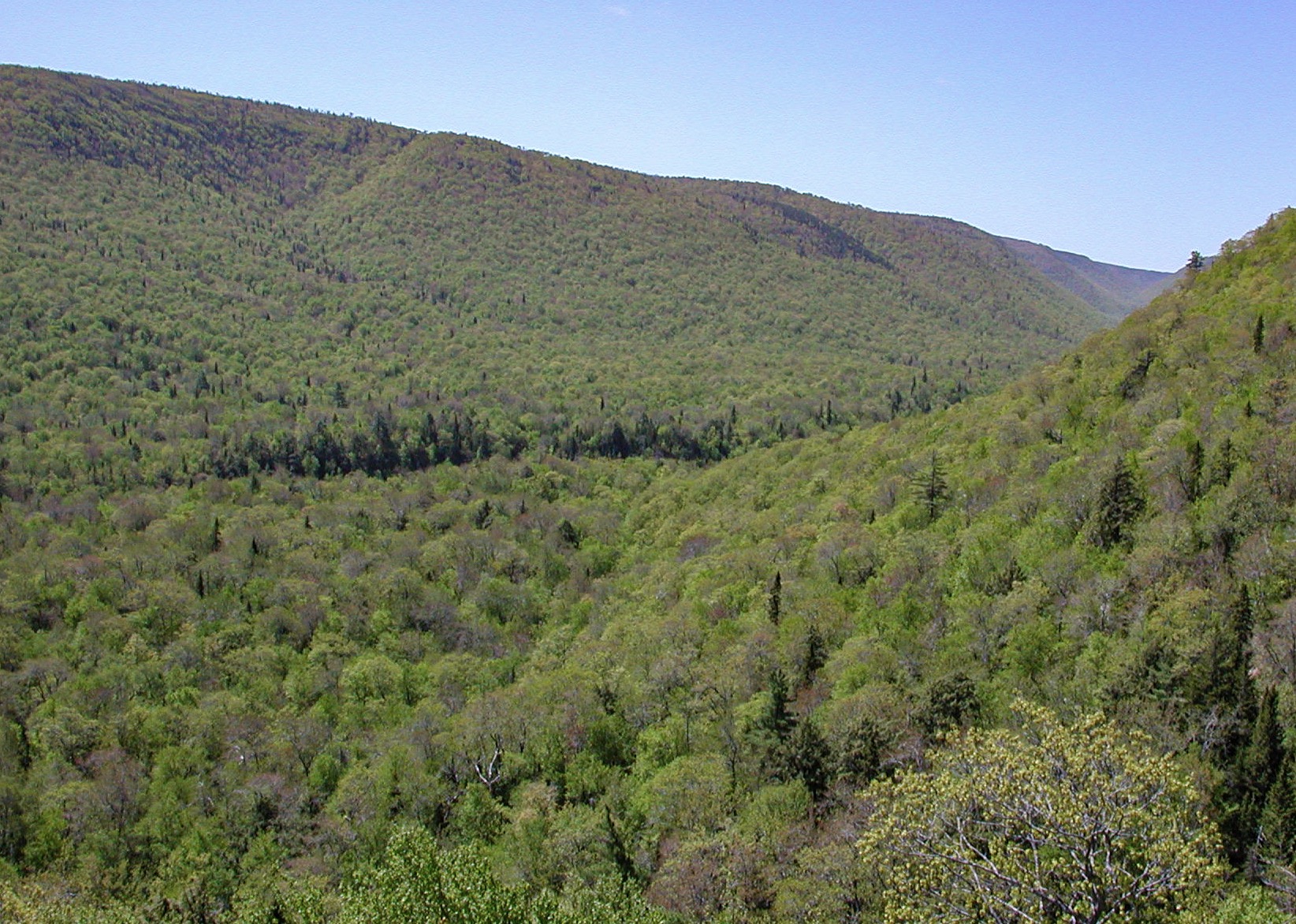 Private woodlot owner Andrew Clark says this year is one of the toughest he’s seen in the six decades he’s worked in the woods. For him, sales are ‘maybe 50 per cent’ of what they were last year. “It is the lack of markets which are the result of the tremendous uncertainty that the industry is in now because of the actions of the American government,” he said. He feels some of the federal government’s new supports – announced this week – could help. Prime Minister Mark Carney announced Wednesday a $500-million increase to the previously announced Softwood Lumber Development Program, which gives companies access to government-backed loans, totaling $1.2 billion. He also said Ottawa is working with railway companies to cut freight rates when transporting Canadian lumber across the country by 50 per cent. But Clark says the current situation – with the U.S. duties and tariffs amounting to 45 per cent – isn’t sustainable.



 B.C.’s largest-ever forestry trade mission to Asia
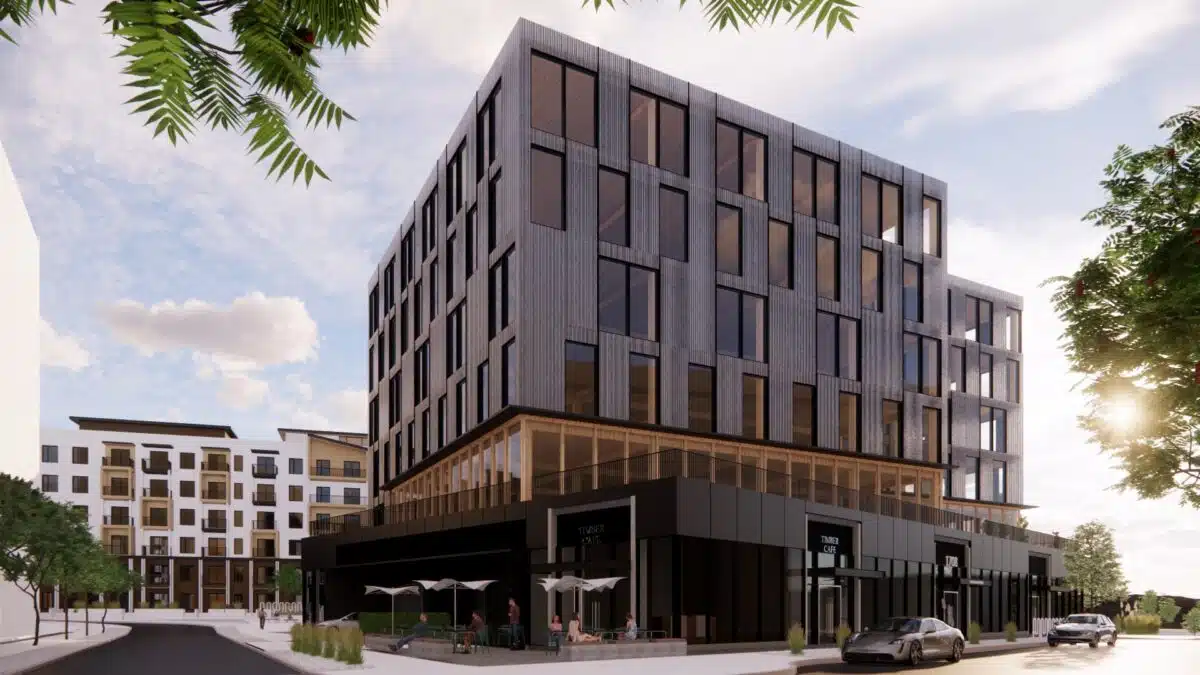
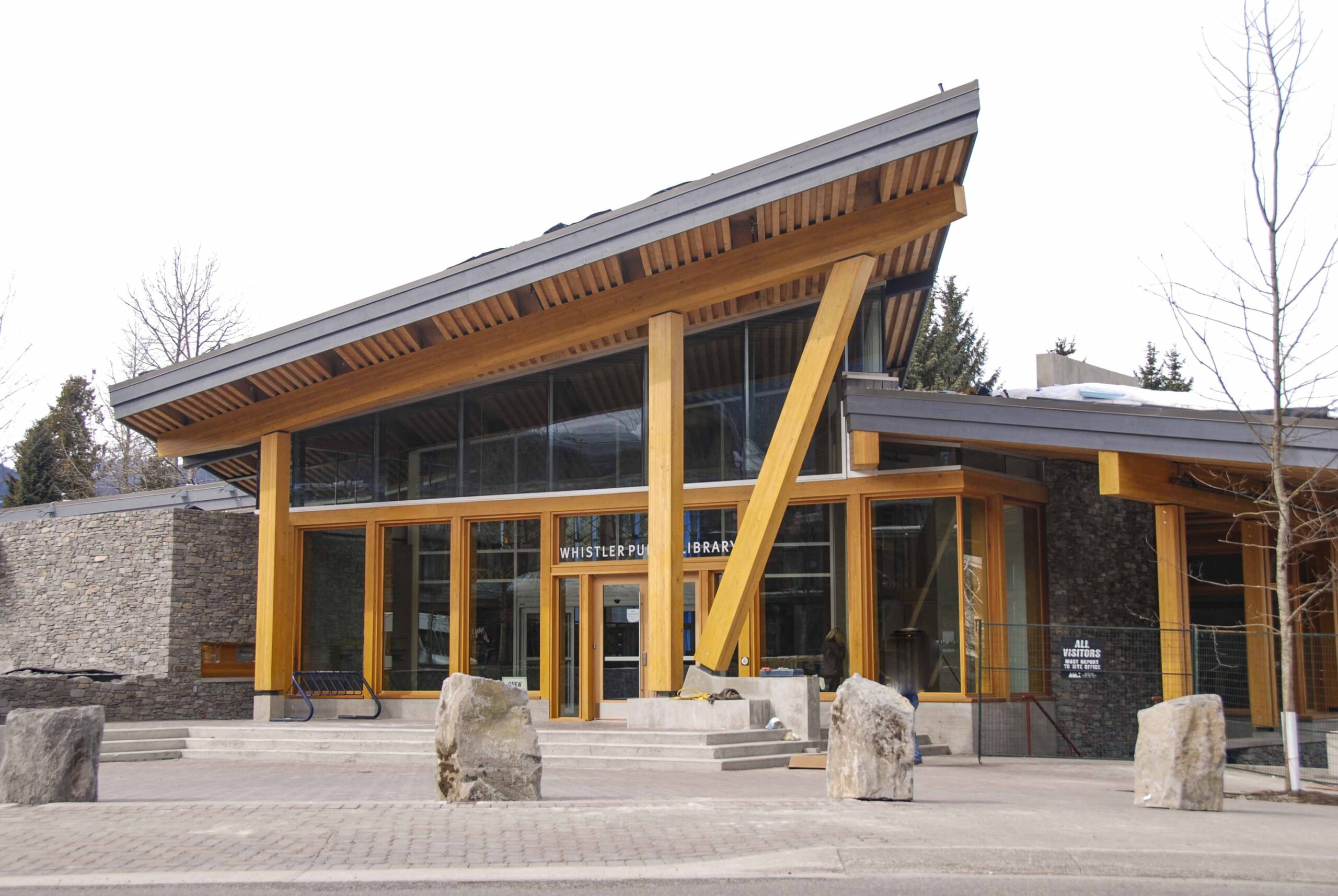 The audience of dedicated urbanists at Vancouver’s Robson Square Theatre was startled earlier this year when the first speaker at a debate about mass timber—which B.C. has been promoting vigorously—said it isn’t the for-sure climate-change silver bullet that everyone likes to think it is. Adam Rysanek, a UBC professor of environmental systems who specializes in energy efficiency, poked hard at the assumption that, because everyone thinks of mass timber as just wood—a plant! that comes out of the ground!—it must be natural and environmentally friendly and surely better than concrete. But Rysanek kept making the point at the Urbanarium debate that those ideas are not fully proven. A study he cited, which aimed to factor in all the uncertainties of carbon emissions in different types of building materials, found there is not a clear answer yet about the differences between mass timber and concrete.
 The December edition — issued by FSC Canada — includes several major updates: the Canadian home-improvement and construction retailer RONA has become the first such retailer in Canada to use DoorDash for distribution; there’s news that Chantiers Chibougamau reaffirmed its commitment to FSC certification; Esri donated $1.65 million worth of geospatial technology to FSC; and there are recap highlights from the 2025 General Assembly in Panama. The newsletter also announces the launch of a new registry for certificate holders (ES Registry), publishes a new “Advice Note” on Indicator 55 of the Risk Assessment Framework, and opens two major consultations — one on Indigenous Cultural Landscapes and another to revise FSC’s Chain-of-Custody standards.
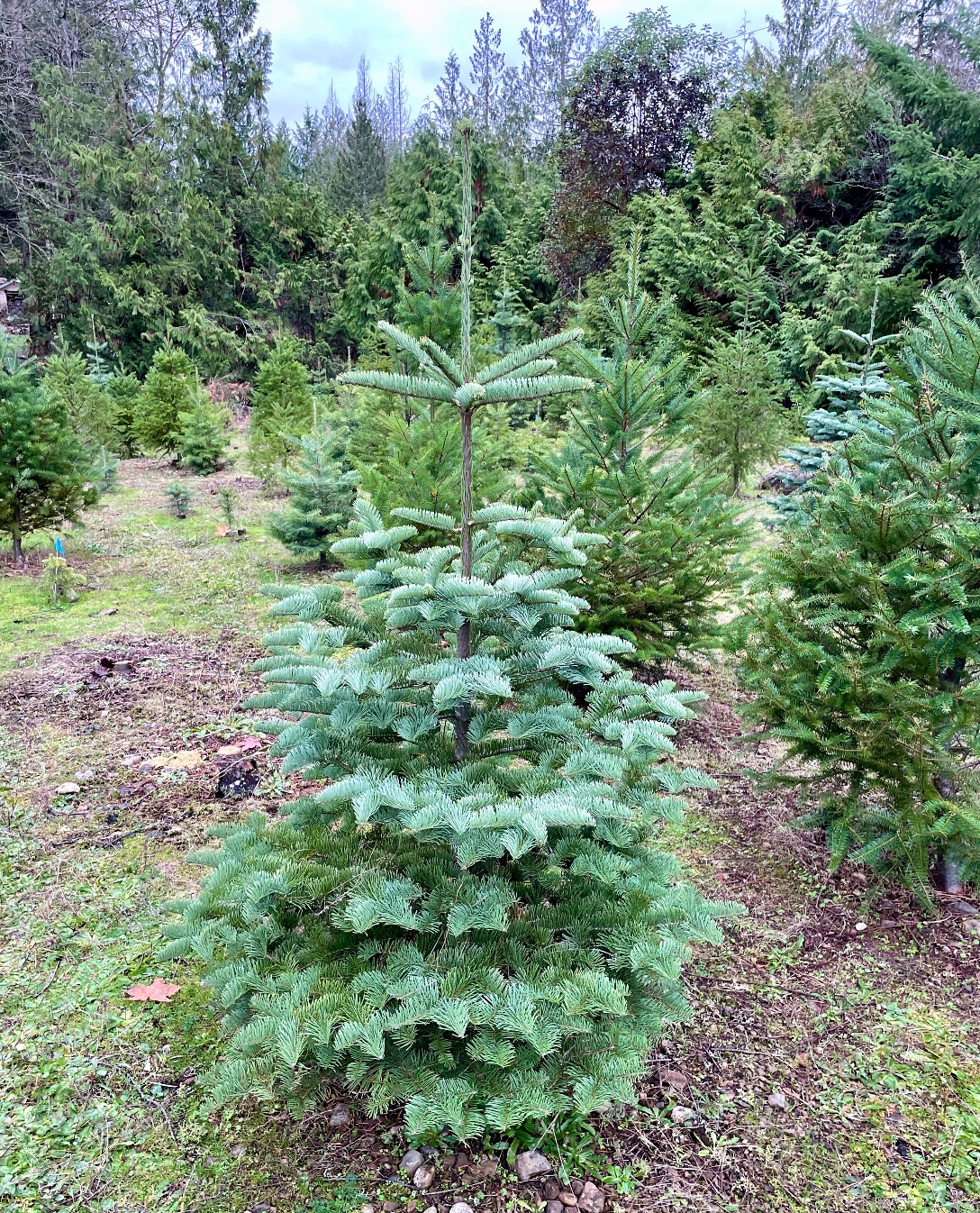 Modern-day circumstances are slowly transforming the Christmas tree farming industry. …weather is a challenge Michael Cormack faces on the Christmas tree farm he owns and operates in Ontario. … “Mother nature is a big, big factor in the business,” Cormack said. “This year in July, we were averaging over 29 C. So we had trees from two to three years ago that just died. … Four years ago, we had a tornado here that wiped out a bunch of our stuff.” …Another major factor is the cost of living crisis. …“Right now many of the farms are owned by elderly growers, and they’re aging out. So we’re losing a lot of farms year after year, which is unfortunate,” said Kelsey Leonard, founder and director of the Christmas Tree Lab at the University of Waterloo. …U.S. tariffs are also likely to have an impact on the costs associated with growing Christmas trees this year, Leonard said.


 Prince George residents had better pay attention to last week’s report showing that unelected bureaucrats in Victoria are playing politics when they decide how much can be logged up here. I’ve been informed that our unelected Office of the Chief Forester, currently led by Shane Berg, is figuring out the Annual Allowable Cut (AAC) in the Prince George Timber Supply Area for the next 10 years. The process, known as a Timber Supply Review (TSR), masquerades as scientific and expert-driven, but in reality it’s politics. The amount we log is largely pre-determined and the game is how to manipulate the models and forests to achieve it. That’s why we get glyphosate with our blueberries and fertilizer-poisoned cattle. It’s why we don’t thin the plantations or do more selective logging. …The Office of Chief Forester prioritizes the “timber supply” over diverse, fire-resistant forests, as if the two are mutually exclusive.
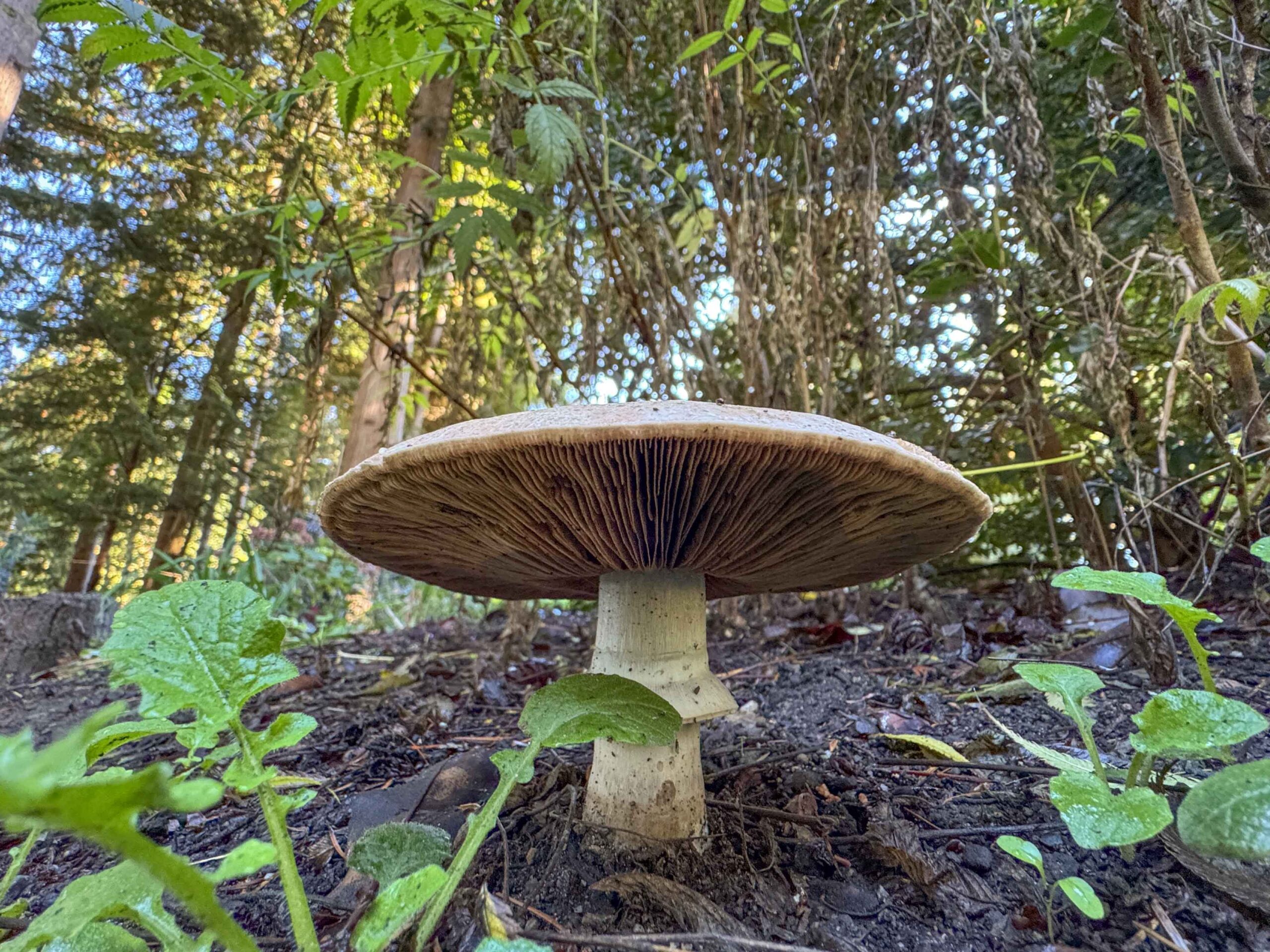 I am writing to express my concern for the fate of B.C.’s remaining old growth forests, including the globally rare and at-risk Inland Temperate Rainforest. Most of this endangered forest is still not protected, and thus all creatures who dwell therein are equally unprotected. The Valhalla Wilderness Society … is putting forth a plan to protect the remaining intact Inland Temperate Rainforests through its three park proposals: the Rainbow-Jordan Wilderness proposal; the Selkirk Mountains Ancient Forest Park proposal; and the Quesnel Lake Wilderness proposal. This protection is crucial for the survival of these rare temperate rainforests. David Eby, you are undoubtedly well informed as to the many scientific reasons for protecting more forest, especially old growth forests…Importantly, only the BC Park Act and the BC Protected Areas Act can provide secure protection to preserve forest for future generations. Please adopt and implement the VWS park proposals as quickly as possible.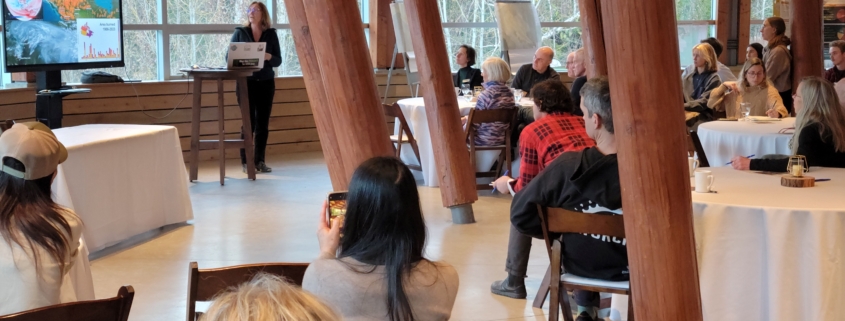
 The Forest History Association of BC is hosting its 43rd Annual General Meeting tonight, December 1, 2025 at 7:00 pm PST. All members are warmly invited to attend this virtual gathering and take part in shaping the direction of the organization for the coming year. The AGM will include key updates on current projects, board activities and election, and ongoing efforts to preserve and share BC’s forest and community history. For those interested in learning more about the FHABC’s mission—promoting research, storytelling, and education about the province’s rich forest heritage—visit their objectives
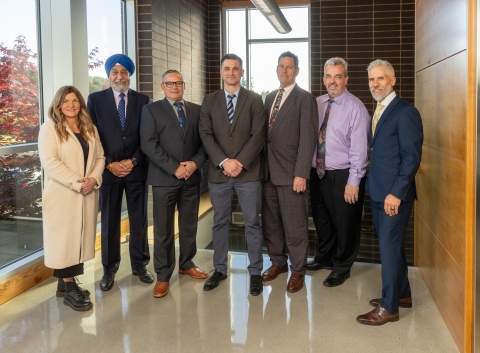
 B.C. has invited stakeholders, experts, Indigenous partners and government representatives from throughout the country to a wildfire symposium in Vancouver on Dec. 5, 2025. The focus will be the 2025 wildfire season, wildfire technology, active forest management and national readiness for future wildfires. The symposium includes advancing discussions on a national leadership strategy and stronger collaboration that will shape the framework of wildfire resiliency in Canada. Enhancing a national framework for wildfire resilience, including the challenges and opportunities people and communities are facing, is one intended outcome for the upcoming symposium on wildfires to be hosted in B.C. After the second-worst wildfire season nationally, B.C. is leading the symposium to bring together national and international experts, provincial, federal and territorial governments, as well as key industry and Indigenous partners, with the goal of sharing best practices and considering mitigation and preparation steps for 2026.
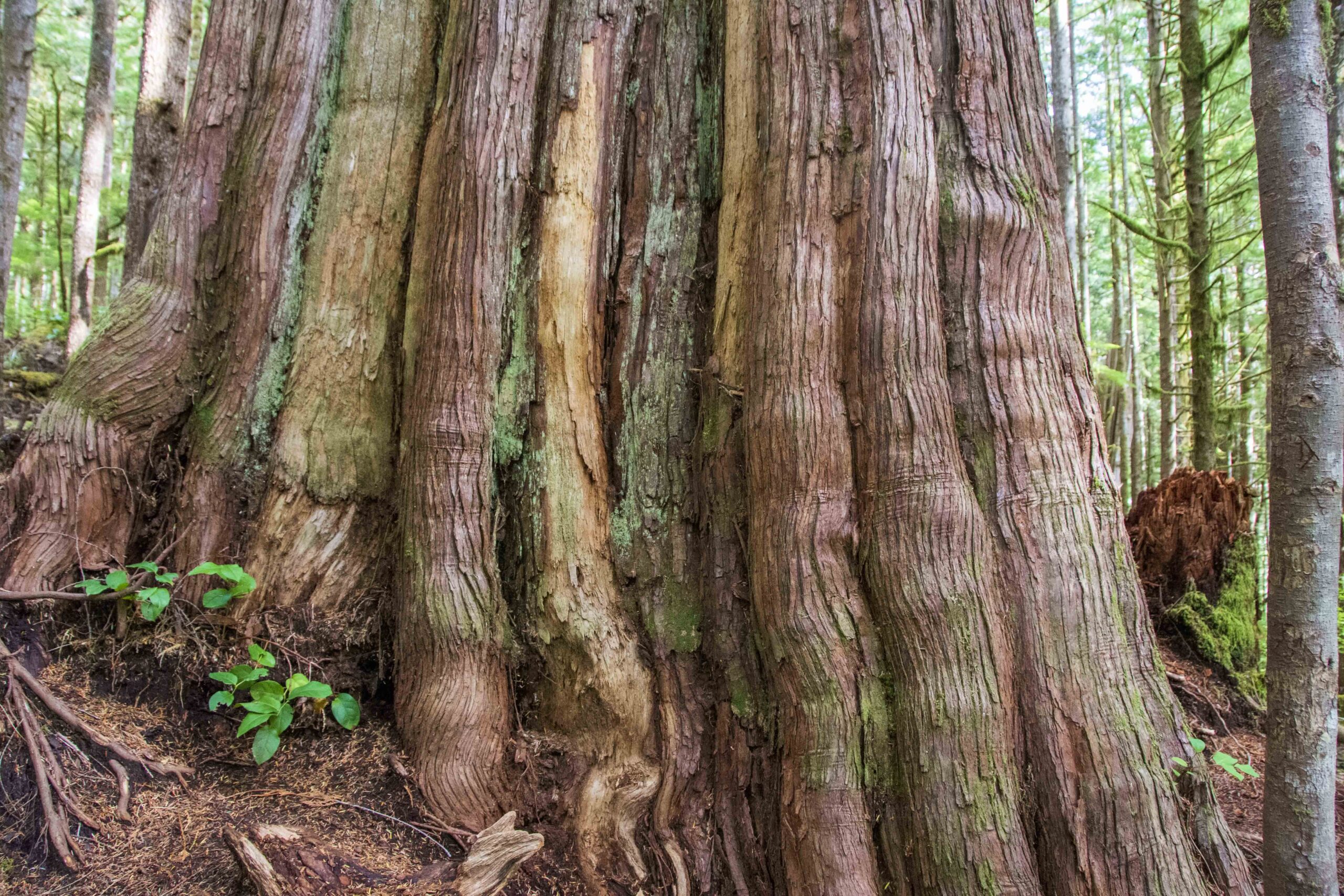 A proactive new tool that can help preserve old forests in British Columbia has been developed by University of Alberta researchers. A new study gives crucial insight into where to focus conservation measures, by identifying areas of old-growth forest in areas predicted to be stable in the face of climate change. The approach shifts the focus toward what can still be protected, says Nick Pochailo, who led the study…. “Old-growth forests located in areas of potential climatic stability offer exceptional long-term conservation value. By identifying these places, land managers can prioritize and plan conservation efforts more effectively.” …old-growth forests account for about 25 per cent of BC’s forested areas. They’ve shrunk from 25 million hectares to about half that due to logging, wildfires, and pests like the mountain pine beetle… computer models predict how these ecosystems might shift by the 2050s, then mapped the changes to geographically pinpoint areas most likely to survive.
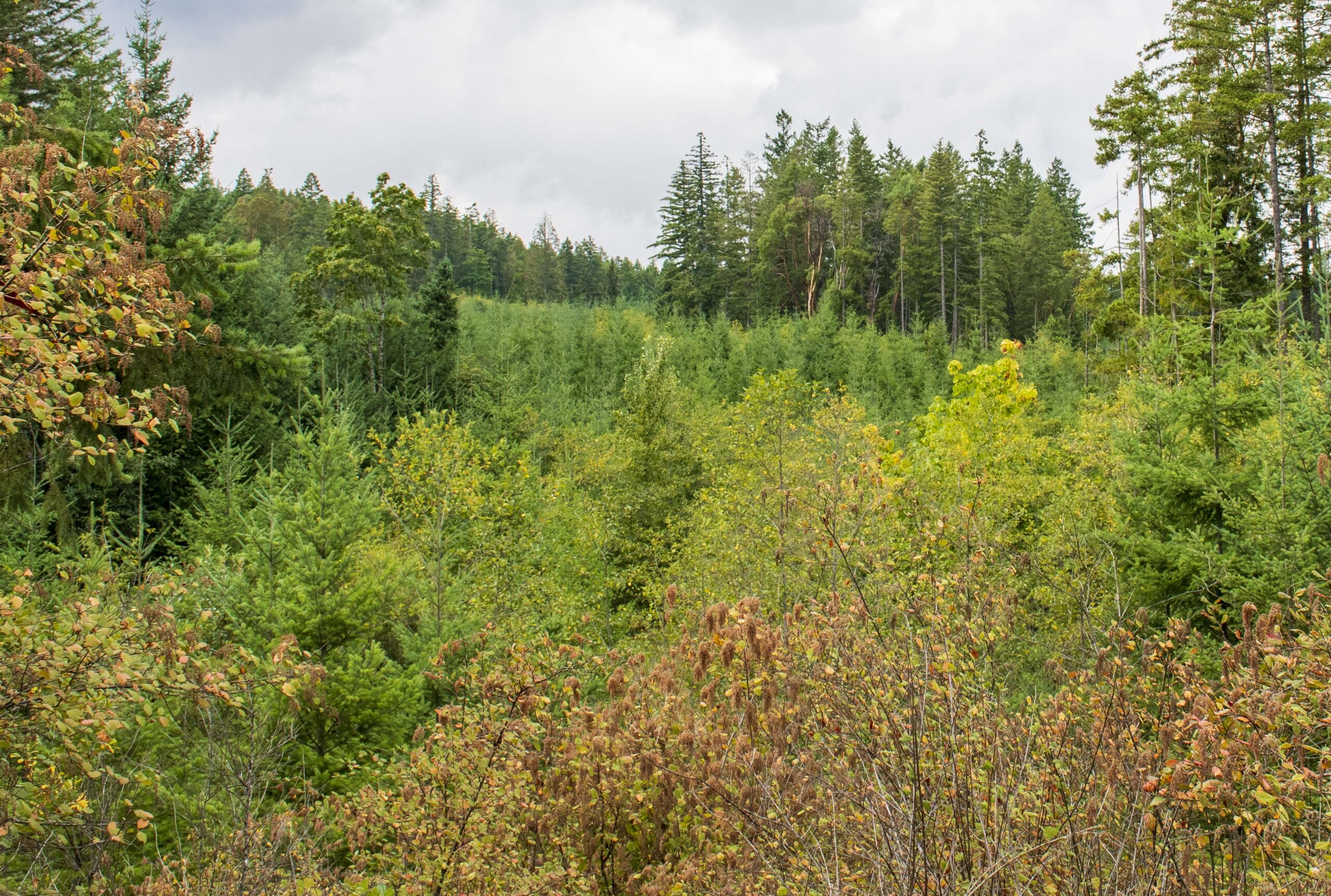 A First Nation in north-central B.C. says it is banning the use of herbicides across all of its territory, which includes Prince George and the Robson Valley. The Lheidli T’enneh First Nation says the ban is being put into place because of the negative impacts herbicides, and glyphosate in particular, have had on the environment and wildlife for which they are stewards. “It is our duty to disallow toxic chemicals in our territory that reduce biodiversity and have negative impacts on our members’ health, wellbeing and the environment where we exercise our living rights and traditions,” Lheidli T’enneh Elected Chief Dolleen Logan said in a statement. She also says the nation expects both government and private industry workers operating in the region to adhere to the ban. It was not immediately clear if the ban would also apply to private and municipal property. More details coming Tuesday morning.
 The new allowable annual cut (AAC) for Tree Farm Licence (TFL) 49 near Vernon has been chopped. The cut, which is the maximum amount of timber that can be harvested each year, is now 150,500 cubic metres, and takes effect immediately. That’s a 26.2% reduction from the previous AAC. “That decision reflects a return to sustainable harvest levels following wildfire impacts in 2021 and 2023,” said the
  For more than 80 years, the annual
 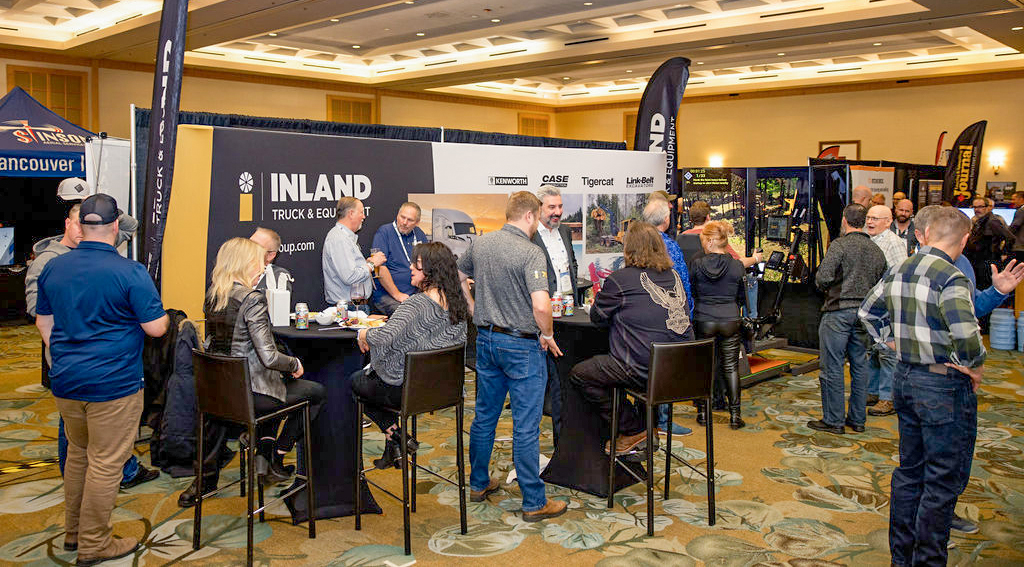 Sponsors enjoy high-profile recognition before, during, and after the convention, ensuring your brand stays top of mind among key industry players. Tracey Russell, Vice President-Equipment, Inland Truck & Equipment Ltd. is a regular at the Convention, “We sponsor the TLA Convention + Trade Show every year because it’s one of the best opportunities for exposure and relationship building – connections that have made a lasting impact on our business and our brand.”
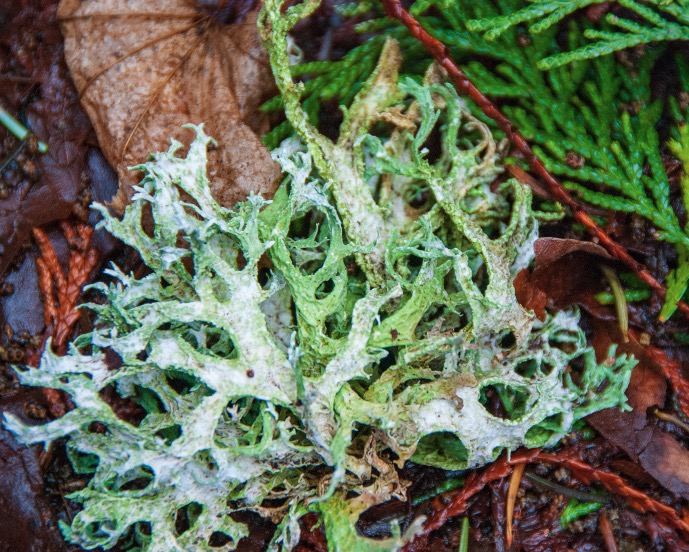 Researchers with the Nature Trust of New Brunswick are on the hunt for four different types of lichens and they’ve found one – in an unusual spot. The scaly fringe lichen, known scientifically as heterodermia squamulosa, was found between Alma and Riverside-Albert, east of Fundy National Park. “As far as I know, it’s the most eastern recorded occurrence of the species to date,” said Ilana Urquhart, a conservation coordinator with the Nature Trust. …Urquhart said lichens can be a good indicator of a healthy environment that can support a variety of species. “We might not directly see what the importance of them is, but they’re often found in areas that are really rich, that are biodiverse.” The biggest threat to lichens is habitat loss, according to Urquhart, which can be caused by logging and harvesting.
%20(6).jpg)
 OTTAWA — The Carney government will still pay to help plant a previously announced 52 million trees in New Brunswick, even though hardly any of them are in the ground and the program’s funding has been cancelled. The recent federal budget scrapped a program to plant two billion trees across the country by 2031 in order to find hundreds of millions of dollars in savings. It was a climate change initiative first announced by former Prime Minister Justin Trudeau during the 2019 election campaign with $3.2 billion over 10 years earmarked to carry it out. New Brunswick was one of the last provinces to reach an agreement for its cut of that money. It didn’t sign on until March 2024. A few months after that, the feds and the New Brunswick government announced $71.6 million to plant more than 52 million trees on Crown lands across the province over the next eight years. [A Telegraph-Journal subscription is required for full access]
 Yellowknife, Northwest Territories, will host a premier in-person event for Canada’s bioenergy sector from January 26 to 28, 2026—the
  BELÉM, Brazil
 TORONTO — Environmental experts are calling out the City of Toronto for not including a what they say is a key climate tool in its five-year climate action plan. The Toronto Environmental Alliance is highlighting the lack of building emission performance standards (BEPS) in the plan. BEPS are regulations that set emission limits for new and existing buildings. How-Sen Chong, TEA’s climate campaigner, such standards are one of the most significant policy tools as they would help the city cut emissions more efficiently. …Bryan Purcell, at the Atmospheric Fund, said, “Buildings are the largest source of GHG emissions in Toronto, accounting for over half of the emissions,” he said. “Reducing emissions from buildings is absolutely key to reaching the city’s climate targets.” …Chong “we’re hoping city council recognizes how important this is because so much of the city’s emissions are coming from the building sector,” he said.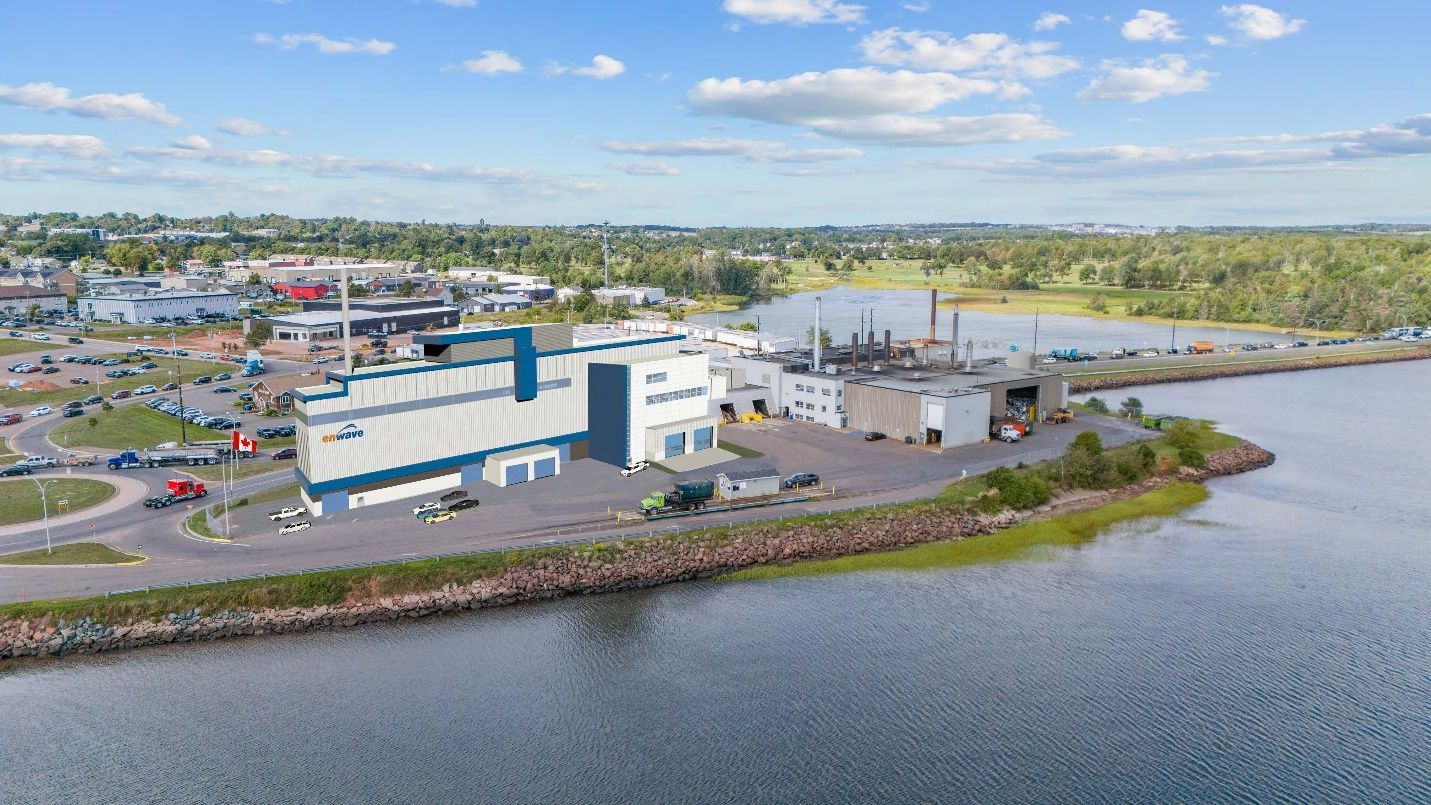
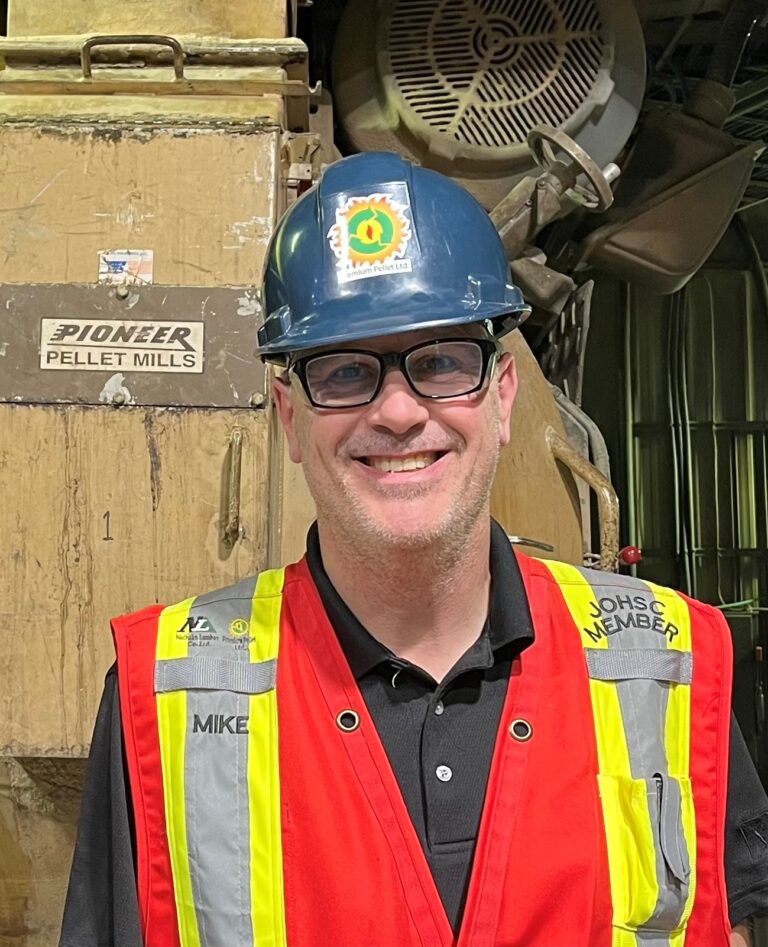
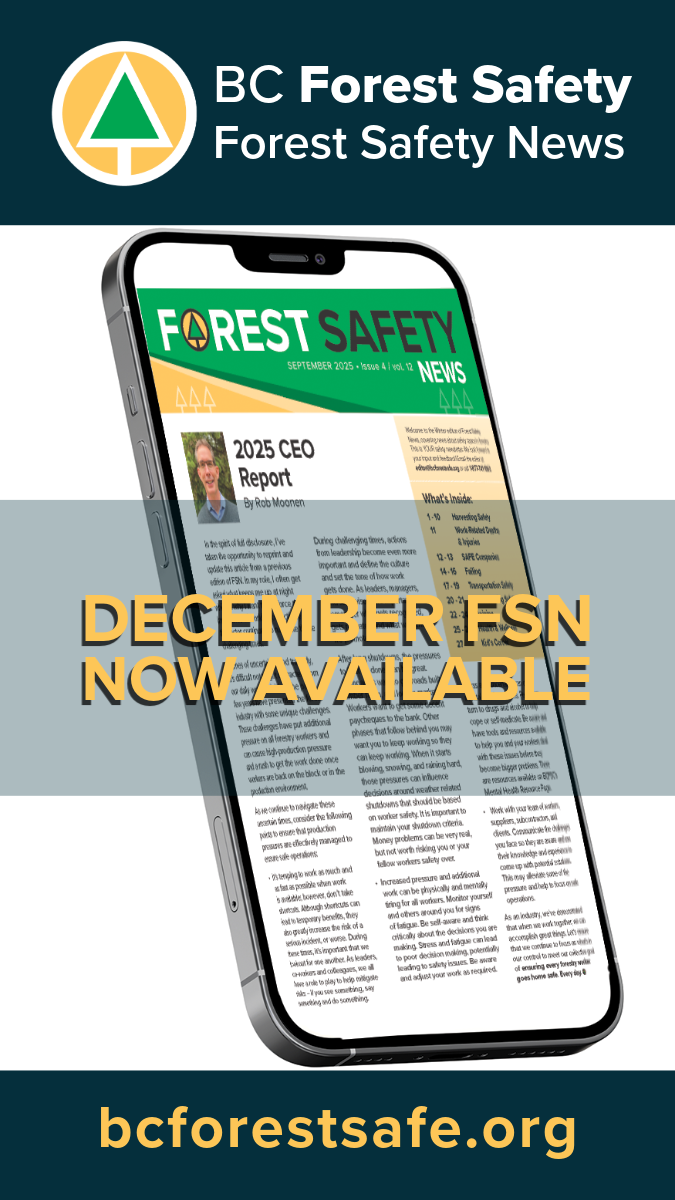 The December issue of Forest Safety News is here, bringing timely insights and practical tools for safer forestry work this winter. One standout feature explores how RPAS drones are transforming field safety, reducing worker exposure during steep-slope layout, post-fire assessments, and difficult terrain navigation. It’s a look at technology that’s not just impressive — it’s making real crews safer in real time. This issue also recaps the 18th Annual Vancouver Island Safety Conference, where powerful keynote speakers shared stories of perseverance, leadership, and the importance of mental and physical well-being. The message was clear: safety culture is built person by person, conversation by conversation. You’ll also find a useful update on winter driving and hauling preparedness, including tips for planning routes, managing changing conditions, and supporting drivers during the toughest season of the year. Packed with practical advice, inspiring stories, and forward-looking innovations, this issue offers a strong finish to 2025 for BC’s forest sector.
 WorkSafeBC is holding a virtual public hearing on