 For more than 80 years, the annual TLA Convention + Trade Show has been the premier gathering place for forestry’s top decision-makers. Whether you choose to sponsor the convention or exhibit at the trade show, your participation offers unmatched opportunities to connect, showcase, and grow your business. Unparalleled Networking: The TLA Convention + Trade Show brings together the leaders who shape the future of BC’s forest industry. As a sponsor or exhibitor, you’ll gain direct access to influential professionals—contractors, suppliers, government representatives, and business owners—all in one place. …Premium Brand Exposure: Visibility at the TLA Convention & Trade Show extends well beyond the event.
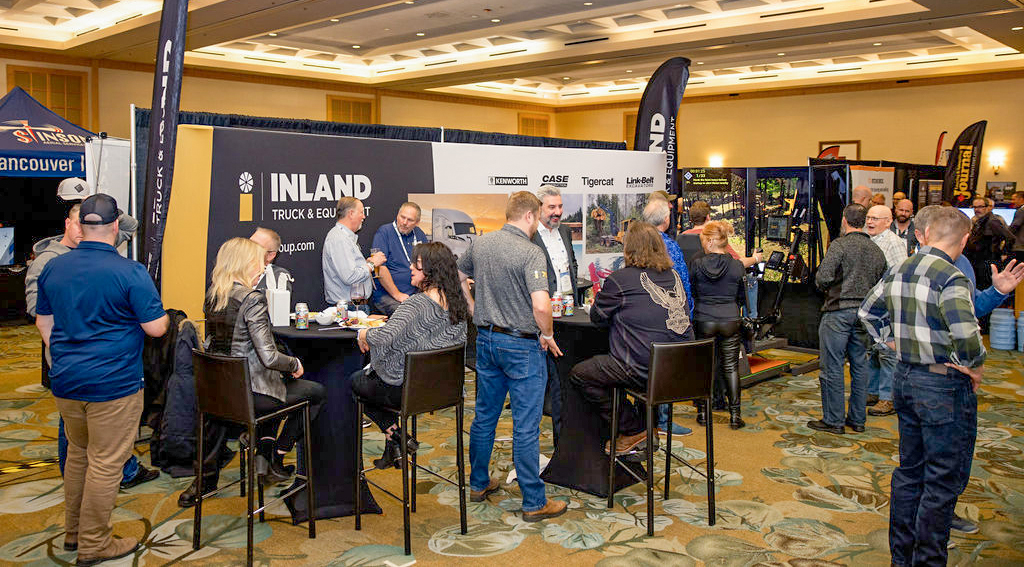 Sponsors enjoy high-profile recognition before, during, and after the convention, ensuring your brand stays top of mind among key industry players. Tracey Russell, Vice President-Equipment, Inland Truck & Equipment Ltd. is a regular at the Convention, “We sponsor the TLA Convention + Trade Show every year because it’s one of the best opportunities for exposure and relationship building – connections that have made a lasting impact on our business and our brand.”

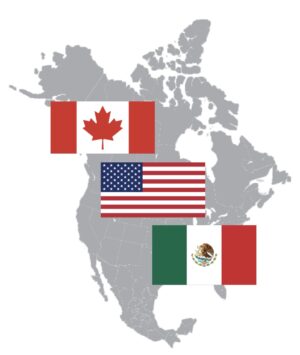 WASHINGTON — American industries ranging from whiskey makers and Wisconsin dairy producers to steel and automobile associations are weighing in on the future of the Canada-U.S.-Mexico Agreement on trade. The continental trade pact, known as CUSMA, is up for mandatory review next year and the Office of the United States Trade Representative has been collecting input on the changes it should consider. CUSMA has been rattled by U.S. President Trump’s massive tariff agenda and many of the submissions urged the administration to restore duty-free trade. The Can Manufacturers Institute wrote to the Trump administration saying steel and aluminum tariffs on Canada are making their products more expensive and causing prices in grocery stores to increase. …The United States Steel Corporation said tariffs on that metal should remain indefinitely. The submissions provide insight into areas that could become irritants in looming negotiations on the critical trilateral trade pact.
 President Donald Trump has yet to follow through on his threat to impose an additional 10 percent tariff on Canadian imports, four weeks after he halted “all trade negotiations” over an anti-tariff ad the province of Ontario ran. Trump’s announcement had Canadian exporters preparing for a worst-case scenario: a sweeping levy layered on top of existing double-digit duties. …The White House did not say whether it still plans to impose the tariff when asked for comment. But a separate US official suggested the Trump administration had opted to hold off on additional duties — which would have sent tariffs on Canadian goods to 45% — and instead continue to dangle the threat as the two sides gear up for future talks. “The Canadians know what’s on the table,” said the official. Volpe said a personal intervention by Carney in Asia last month may have helped matters, too.

 OTTAWA — Prime Minister Mark Carney on Tuesday defended making a commitment to carbon emission targets to get the government’s spending plan over the finish line. Carney told reporters before the weekly cabinet meeting in Ottawa that he was “very pleased” his government narrowly won the crucial budget vote on Monday night. …”I can confirm to this House that we will respect our Paris commitments for climate change, and we are determined to achieve them,” Carney said. He also said a nature strategy will be released soon, keeping Canada on target for its commitments on biodiversity as well. That was enough to sway May to vote with the Liberals, a vote that earned her grateful applause from the Liberal caucus. …”Canada is blessed with immense natural resources, everything from hydroelectricity through to conventional oil and gas. We’re part of an energy transition, we’re going to help to lead it.”


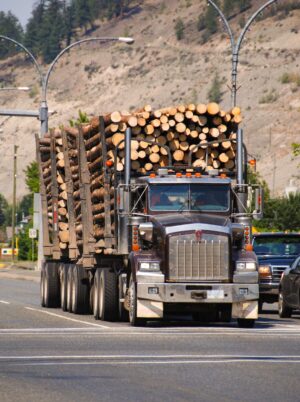 The looming closure of a lumber mill in central BC is highlighting the forestry industry’s challenges in accessing an economically viable timber supply — with one academic urging an “emergency response” to deal with it. West Fraser Timber announced it would shut its mill in 100 Mile House by the end of the year. BC’s forestry industry has taken major hits over the last few years, as escalating US duties on softwood lumber imports have piled atop challenges like a major beetle infestation and wildfires, leading to thousands of jobs lost. …UBC professor Gary Bull explained that to have an “economically viable fibre supply,” it needs to make sense financially for a company to transport logs from a forest to its mill. And the viability is complicated by the fluctuating price of lumber. …Bull estimated that insect outbreaks and wildfires have contributed to a 50 to 60 per cent reduction in available fibre near 100 Mile House.

 “The BCIT School of Construction and the Environment offers two Associate Certificate programs designed to support workforce development in the North American lumber and sawmill sector:
 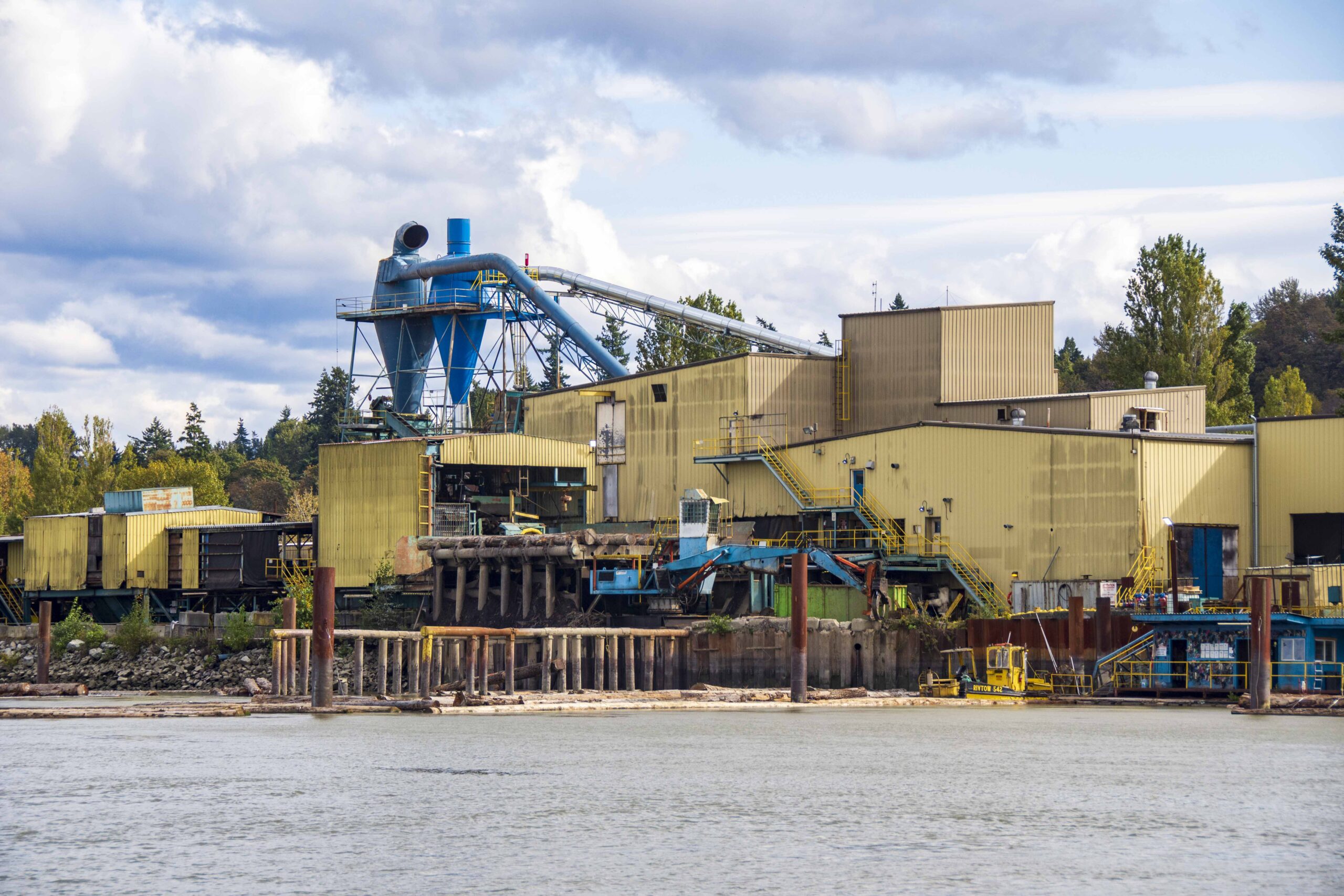 VANCOUVER, BC — A large fire broke out on the banks of the Fraser River in Delta on Thursday morning. Fire crews from Delta and Surrey were called between 9 a.m. and 10 a.m. to the former sawmill under demolition north of the Alex Fraser Bridge on Alaska Way. The land is owned by the Port of Vancouver and the organization confirmed the fire is at the site of the former mill. There are currently no impacts to port operations. …The fire broke out on the site of the former Acorn mill, which stopped operations after a blaze in April 2024. The sawmill was built in 1963 and was acquired by forestry giant Interfor in 2001. It was used primarily to cut specialty timber for traditional Japanese home construction. In 2022,
  The BC NDP’s new
  Delegates from B.C.’s largest forestry trade mission to Asia have returned home, bringing back business deals, signed agreements and deeper ties with key trading partners in Japan and South Korea, driving growth and investment for B.C.
 West Fraser-100 Mile Lumber employees like Kris Taylor are taking each day as it comes, following the announcement of the
  PRINCE ALBERT, Saskatchewan — The sale of a defunct Prince Albert pulp and paper mill from Domtar to the Ontario-based BMI Group has ended plans to re-open the mill and sparked a search for industrial business tenants for the site. “The site will never be a pulp mill again. That is for sure,” said Chris Rickett, BMI Group’s head of government and community relations. After eight months of negotiations, BMI purchased the former Weyerhaeuser Prince Albert pulp mill site and buildings from Domtar, Canada’s largest pulp and paper company. …The former Weyerhauser Prince Albert Pulp and Paper Mill ceased operations in 2006. Approximately 700 workers at the mill lost their jobs, with further indirect job losses in the forestry industry. A spokesperson for the One Sky Forest Products said it is gathering investors to build an oriented strand board (OSB) manufacturing plant on the former mill site.
  This is a rare opportunity to lead highly respected, independent oversight in one of the province’s most important and visible sectors. The Chair plays a pivotal role in strengthening public confidence in forest and range practices across BC. Ideal candidates bring strong governance experience, a background in forestry, and a commitment to transparent oversight. The Chair is a flexible, full-time role leading BC’s independent watchdog for forest and range practices. The Chair plays a key role in strengthening public trust in how the province’s forests and rangelands are managed. The Chair provides strategic leadership, oversees audits and investigations, approves reports, and represents the Board in engagements with Indigenous governments, provincial agencies, stakeholders, and the media. The role is well suited for someone with strong governance experience, sound judgment, and a balanced understanding of BC’s natural resource sector. Appointed by Order-in-Council for an initial term of 3 to 5 years the position may be re-appointed for additional terms of up to 5 years. Closing Date: December 11, 2025
 Government has launched Look West, a strategic plan to deliver major projects faster, expand skills training and grow key sectors to strengthen B.C.’s economy, creating good jobs and opportunities for people and businesses, and benefiting all of Canada. “British Columbia can get big things done – which is why our province is vastly overrepresented in the list of major projects Ottawa is fast-tracking,” said Premier David Eby. “This plan sets big goals as we make B.C. the economic powerhouse of Canada to create great jobs and drive prosperity in every corner of the province.” Look West rises to the challenges brought on by U.S. tariffs. The strategy sets a 10-year vision to strengthen B.C.’s economy, including continuing work to speed up permitting and diversify key sectors, so B.C.’s economy is less reliant on the United States.
 Pierre Poilievre says he’d succeed where Prime Minister Mark Carney has failed, and that New Brunswick’s softwood lumber sector would quickly get a “tariff-free” deal with the US if he was in charge. …Ottawa responded by releasing a financial aid package for the industry that includes up to $700 million in federal loans, “$500 million to supercharge product and market diversification. …Poilievre said that “one of my top priorities as prime minister will be to go down to Washington, get a deal on lumber, make the pitch that they will get more affordable homes if we can get tariff-free access to their market.” …MP Dominic LeBlanc sent a statement…. “In the coming weeks, we will take further urgent action, building on the significant support for the sector announced on August 5, 2025. In addition, Build Canada Homes, a new federal agency that will build affordable housing at scale, will prioritize the use of Canadian-made materials. [Access may require a Telegraph-Journal subscription]
 The Nova Scotia Forestry Innovation Transition Trust is investing $1.8 million to assist private landowners and forest contractors in finding new markets for underutilized wood fibre and to support sustainable forestry management. According to a
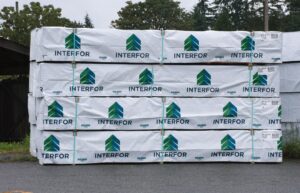 EAR FALLS, Ontario — Northerners know what it means to put in an honest day’s work. …But in Ear Falls, that northern way of life is under threat. In October, Interfor announced the indefinite closure of the Ear Falls sawmill. Over 160 jobs have vanished, and the community is left waiting—hoping that leaders in Ottawa and Toronto will step up, restore these jobs, and fight for the future of Ear Falls. But Ear Falls did not just stand by, they united. Workers, families, municipal leaders, Unifor, and MPP Sol Mamakwa stood shoulder to shoulder to demand action. …But the response from Premier Ford and Prime Minster Carney? Deafening silence. The indefinite closure of Ear Falls’ sawmill, and the silence from Conservative and Liberal governments lay bare the legacy of under-development, under-investment, and under-representation that holds Northerners back.
 The Consumer Price Index (CPI) rose 2.2% on a year-over-year basis in October, down from a 2.4% increase in September. The all-items CPI decelerated largely due to gasoline prices, which fell at a faster pace year over year in October (-9.4%) compared with September (-4.1%). Excluding gasoline, the CPI rose 2.6% in October, matching the increase in September. …The CPI rose 0.2% month over month in October. On a seasonally adjusted monthly basis, the CPI was up 0.1%. …Consumers paid more year over year in October for homeowners’ home and mortgage insurance (+6.8%) and passenger vehicle insurance premiums (+7.3%). Among the provinces, prices rose the most in Alberta for both measures, with a 13.7% increase in homeowners’ home and mortgage insurance and a 17.8% increase in passenger vehicle insurance premiums.





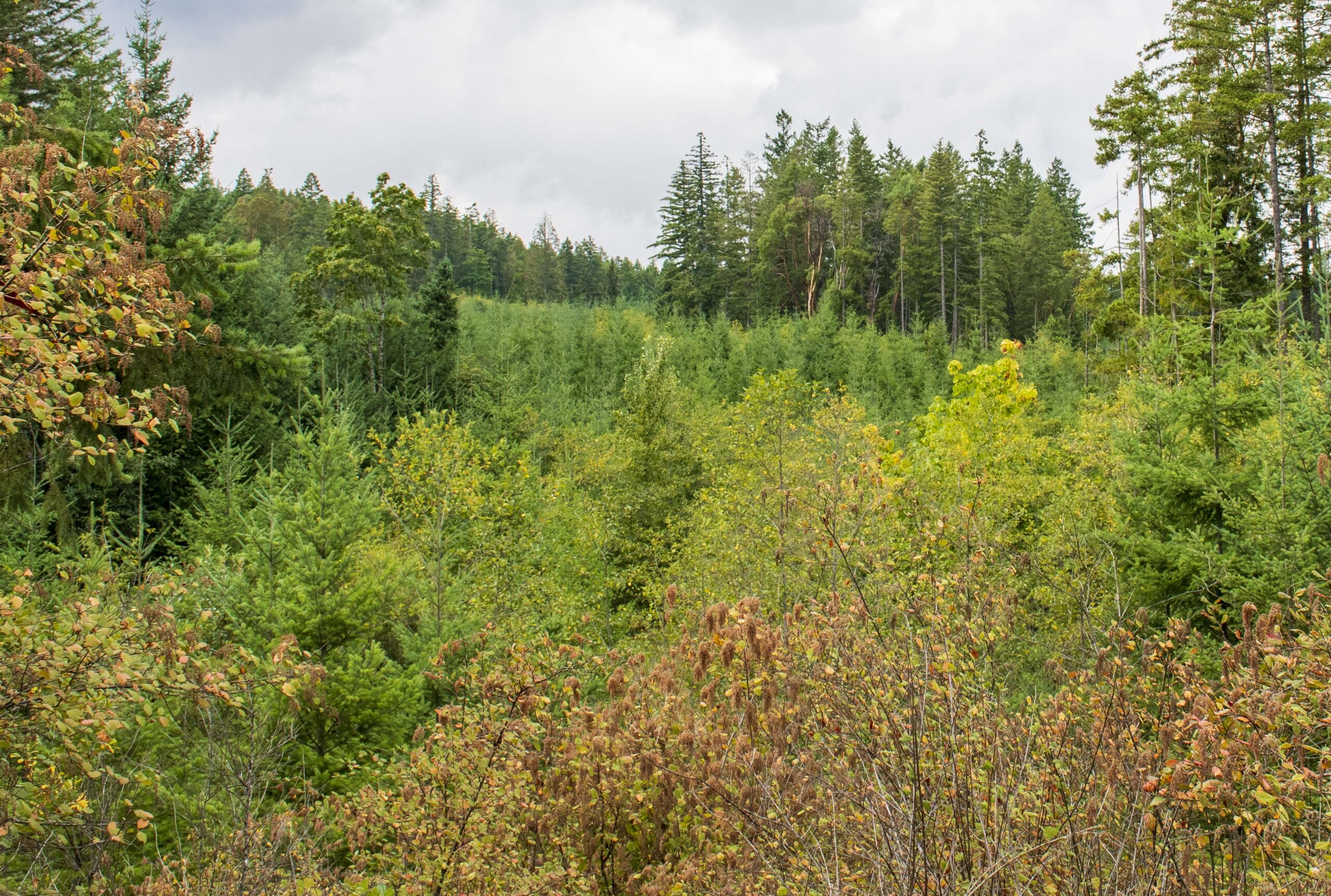 A First Nation in north-central B.C. says it is banning the use of herbicides across all of its territory, which includes Prince George and the Robson Valley. The Lheidli T’enneh First Nation says the ban is being put into place because of the negative impacts herbicides, and glyphosate in particular, have had on the environment and wildlife for which they are stewards. “It is our duty to disallow toxic chemicals in our territory that reduce biodiversity and have negative impacts on our members’ health, wellbeing and the environment where we exercise our living rights and traditions,” Lheidli T’enneh Elected Chief Dolleen Logan said in a statement. She also says the nation expects both government and private industry workers operating in the region to adhere to the ban. It was not immediately clear if the ban would also apply to private and municipal property. More details coming Tuesday morning.
 The new allowable annual cut (AAC) for Tree Farm Licence (TFL) 49 near Vernon has been chopped. The cut, which is the maximum amount of timber that can be harvested each year, is now 150,500 cubic metres, and takes effect immediately. That’s a 26.2% reduction from the previous AAC. “That decision reflects a return to sustainable harvest levels following wildfire impacts in 2021 and 2023,” said the
 The return of cold and snow at the close of the year typically signal the end of the wildfire season. …Zombie fires, sometimes betrayed by a plume of steam emerging from the bubbling ground in the frozen forest, were once a rare occurrence in the boreal regions that stretch across the far north through Siberia, Canada and Alaska. But in a rapidly heating world, they are becoming increasingly common. The overwintering burns are small – and often hard to detect – but they are transforming fires into multi-year events. …“It is a massive problem,” says Lori Daniels, a professor at the University of BC. Current estimates show that only about 15% of the northern hemisphere is underlain by permafrost, yet these frozen soils contain roughly twice as much carbon than is now in the atmosphere. By burning slowly and at a lower temperature, they release vastly more particulate pollution and greenhouse gas emissions than flaming fires.


 The crowd stretched from the doors of City Hall to the Ward Street sidewalk in Nelson to hear guest speaker David Suzuki and other forest ecology advocates at a rally held Nov. 18 in Nelson. …The Broken Promises rally was held simultaneously in Nelson, Victoria, Vernon, Revelstoke, Smithers, Courtenay, Parksville, and Powell River to protest what is seen as provincial government backtracking on the protection of old growth forests, biodiversity and watersheds, and continuing with timber volume as the only priority. …Speaker Suzanne Simard said failure to use that foresight, to respect all life and give back more than we receive, has resulted in climate change, biodiversity loss, and land degradation. …She said the province should stop clearcutting and creating tree plantations that are flammable and subject to erosion. …Slocan Valley ecologist and forester Herb Hammond spoke about secondary forests… That’s where we should get our wood and our employment…


 A leaked technical review prepared for a group of First Nations claims British Columbia is greatly overestimating how much timber it can sustainably harvest in a push for short-term economic gains. The previously unreleased report charges that the methods the province uses to calculate how many trees are on the landscape—and therefore how much can be logged—is fundamentally flawed and based on “wildly extreme assumptions” that hurt the long-term health of B.C.’s forests. The report’s authors … only agreed to speak with BIV after it independently obtained a 572-page draft of the report originally dated September 2024. “There’s a strong likelihood that throughout the province we’re cutting almost at twice the rate of what is considered sustainable,” said co-author Dave Radies. The report focuses on the Mackenzie timber supply area… The analysis challenges the methods B.C. uses to determine the annual allowable cut …concluding their numbers are likely double what can be harvested without causing significant long-term damage.



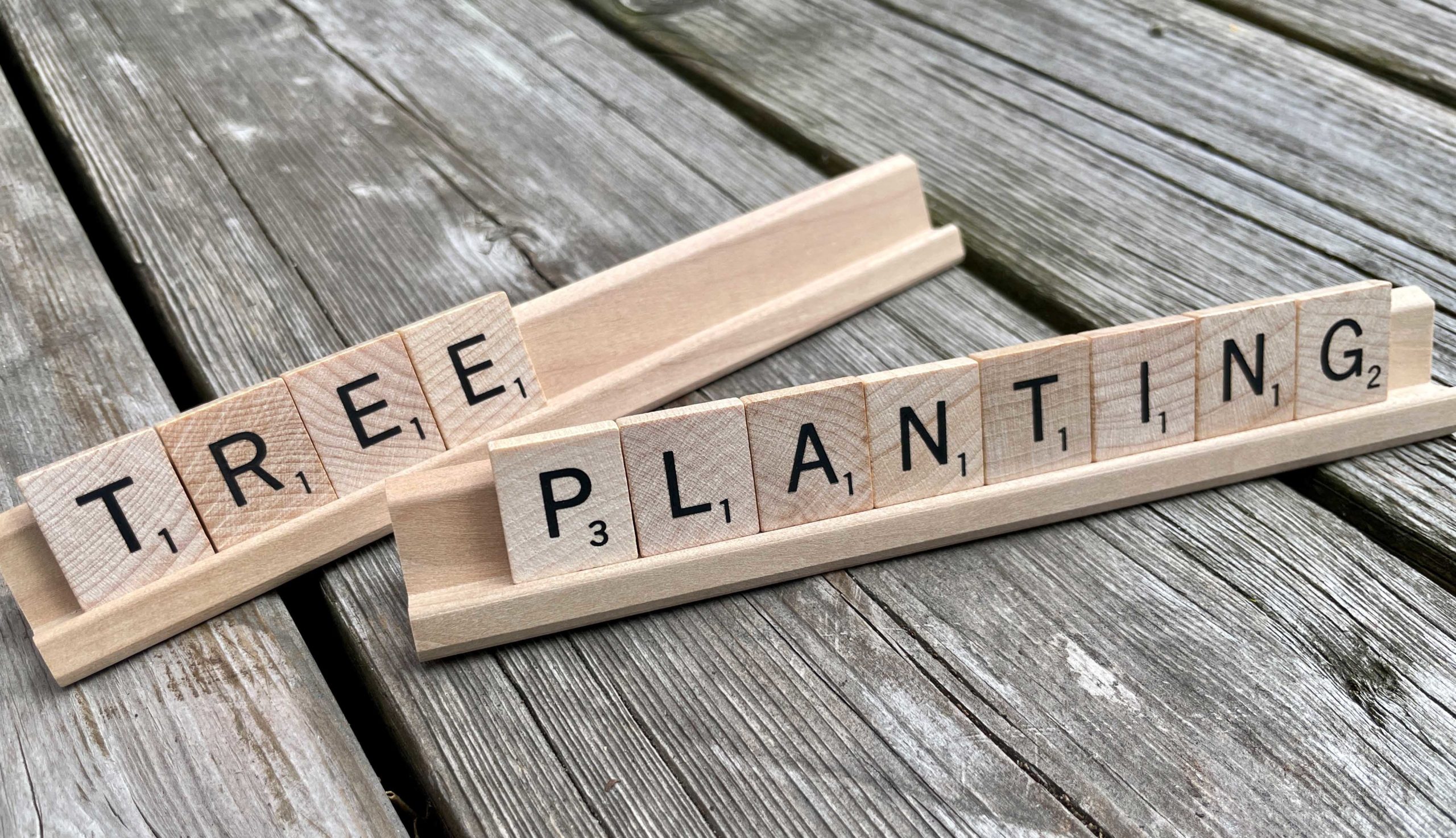 OTTAWA — The Carney government will still pay to help plant a previously announced 52 million trees in New Brunswick, even though hardly any of them are in the ground and the program’s funding has been cancelled. The recent federal budget scrapped a program to plant two billion trees across the country by 2031 in order to find hundreds of millions of dollars in savings. It was a climate change initiative first announced by former Prime Minister Justin Trudeau during the 2019 election campaign with $3.2 billion over 10 years earmarked to carry it out. New Brunswick was one of the last provinces to reach an agreement for its cut of that money. It didn’t sign on until March 2024. A few months after that, the feds and the New Brunswick government announced $71.6 million to plant more than 52 million trees on Crown lands across the province over the next eight years. [A Telegraph-Journal subscription is required for full access]
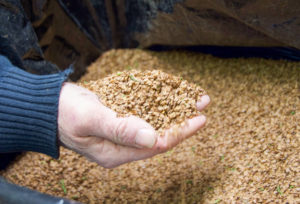 BANFF, Alberta – Because of this importance of whitebark pine, Parks Canada is working across the mountain national parks of Banff, Yoho, Kootenay, Jasper, Revelstoke-Glacier and Waterton Lakes to try to give endangered whitebark pine a fighting chance. The higher elevation trees, which can live to be 1,000 years old, are dying off at an alarming rate. Climate change, more than a century of wildfire suppression and mountain pine beetle are all playing a role, but the biggest threat comes from white pine blister rust. …One clear sign of infection is orange blisters on the bark. McLellan said less than one per cent of whitebark pine are naturally resistant to the rust. …Charlie McLellan said last summer about 6,500 rust-resistant saplings were planted in the Banff National Park field unit and in Kootenay National Park – made up of whitebark pine and limber pine, another species recommended to be listed as endangered.
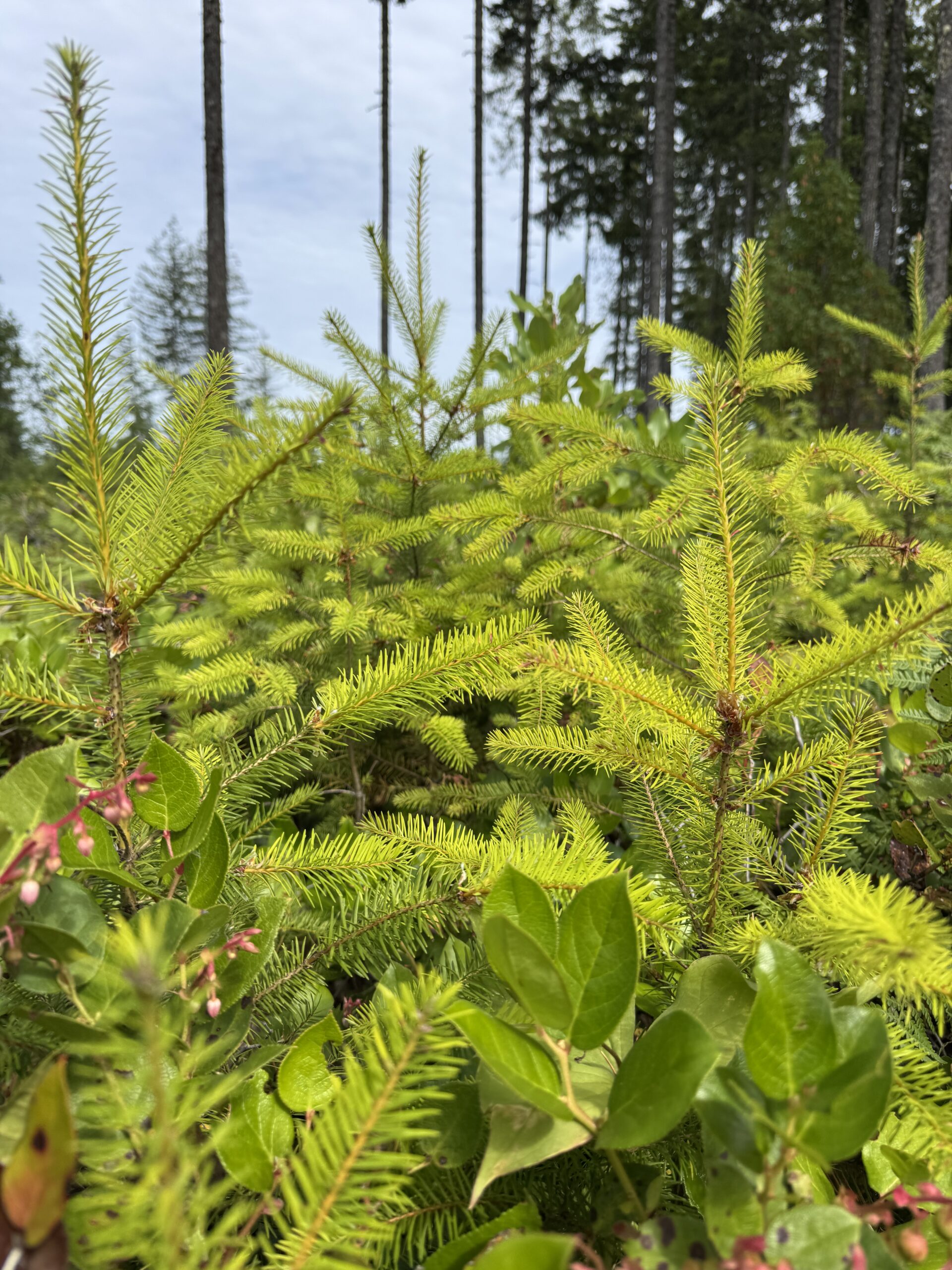 The best time to plant a tree is 10 years ago. Or 20. That’s what I was told by the two retired foresters who put 2,000 one-year-old seedlings in the ground on my farm back in 2017. I had signed on with what was then called the 50 Million Tree program run by Forests Ontario, which subsidized plantings for private landowners. …the Forests Ontario program made tree planting easy. At 40 cents a stem, those trees cost me $800. While 2,000 trees seems like a lot, they cover just under one hectare. We got the seedlings in the ground a couple years before Doug Ford nixed the initiative in 2019. But then, Justin Trudeau created the
 BELÉM, Brazil
 Canada’s latest federal budget has earmarked tens of billion dollars over the next decade to kick-start the country’s clean economy. But according to a national association of accountants, it has failed to adopt national climate disclosure standards to transparently assess what will work. The latest federal budget lays out federal government spending through a new Climate Competitiveness Strategy. It earmarks a rolling $2 billion toward a Critical Minerals Sovereign Fund and $6 billion for a Build Communities Stronger Fund (over 10 years) to build and retrofit local infrastructure and clean energy projects. …It also seeks to create and expand investment tax credits for clean electricity, technology and critical minerals. …But on Tuesday, Chartered Professional Accountants Canada CEO Pamela Steer warned the lack of consistent and verifiable financial disclosure measures means there’s no reliable way to understand how government spending truly reduces emissions.
 Greenwashing experts are cautiously optimistic that Ottawa’s plan to roll back nearly half of Canada’s anti-greenwashing rules does not represent a wholesale abandonment of federal efforts to curb climate disinformation following comments by Finance Minister François-Philippe Champagne. …Champagne did not elaborate on what could be included in the standard. A Department of Finance official told Canada’s National Observer in a statement that the “provisions are creating investment uncertainty and having the opposite of the desired effect with some parties slowing or reversing efforts to protect the environment.” …Announced this month in the 2026 budget, the changes ditched a requirement that companies prove their green claims using international, though unspecified, standards. The changes also prevent third parties from filing a greenwashing complaint with the Competition Bureau. …The budget claims the provisions were “creating investment uncertainty and having the opposite of the desired effect with some parties slowing or reversing efforts to protect the environment.” [A National Observer subscription may be required for story access]

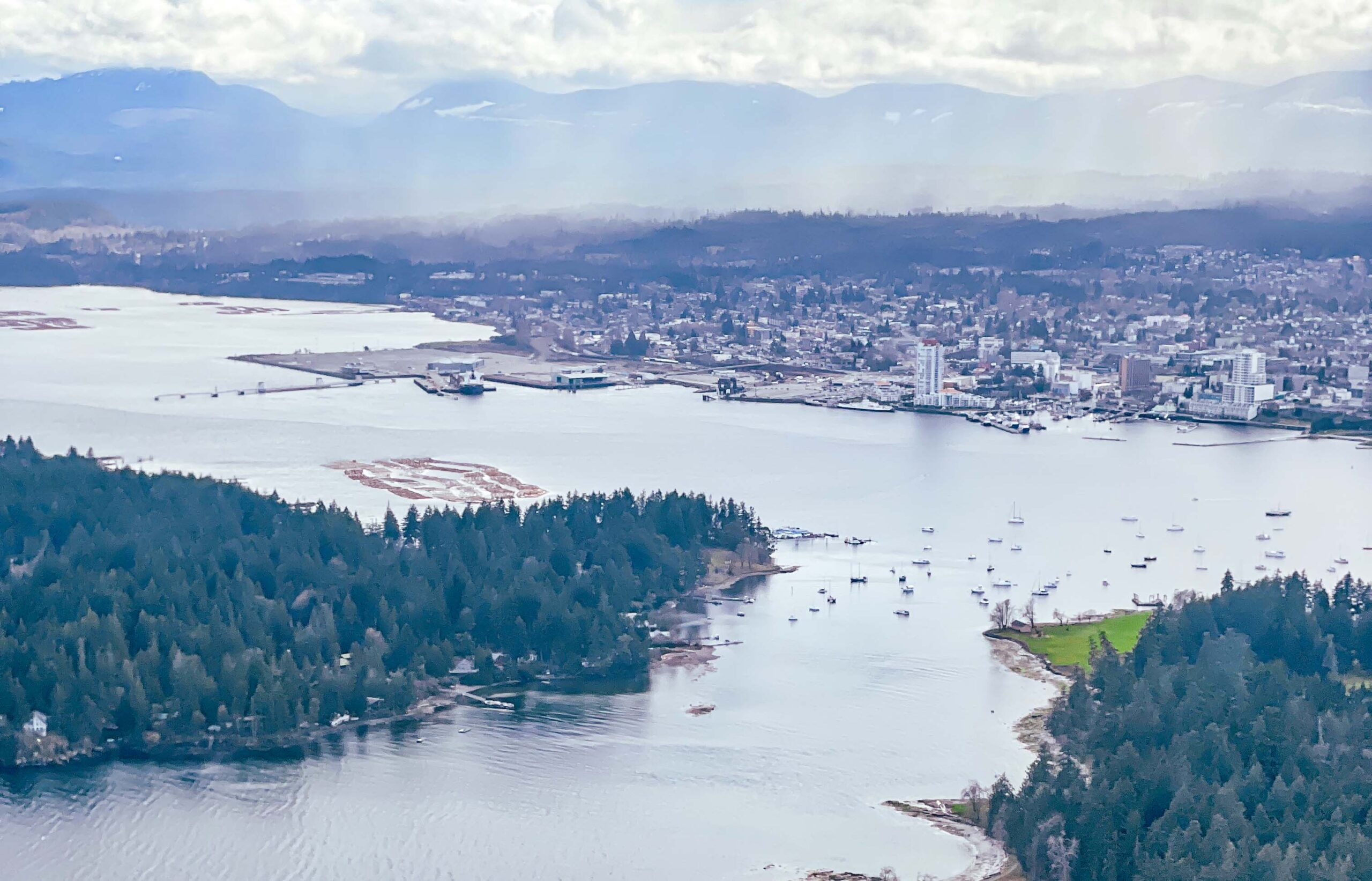 Nanaimo city council Coun. Paul Manly tabled a motion that asked staff to prepare a report with options for a zoning amendment for industrial lands that would exclude emissions-intense heavy industry such as “waste energy, incinerators, chemical plants, thermal electrical generators, petroleum refineries and [liquefied] natural gas export facilities” from existing industrial zones in order to require site-specific zoning. …Ryan Prontack, a manager for Harmac Pacific, Nanaimo Forest Products, also appeared as a delegation. He said Harmac is looking to diversify its operations and has about 61 hectares of industrial-zoned land ready to develop. “While this motion represents many different activities we currently do, it also represent many that we have plans to diversify in the future,” Protack said. Manly said the motion does not affect Harmac’s current operations and is not about “blocking industry uses in perpetuity” but is about ensuring the city has a democratic process to evaluate project proposals.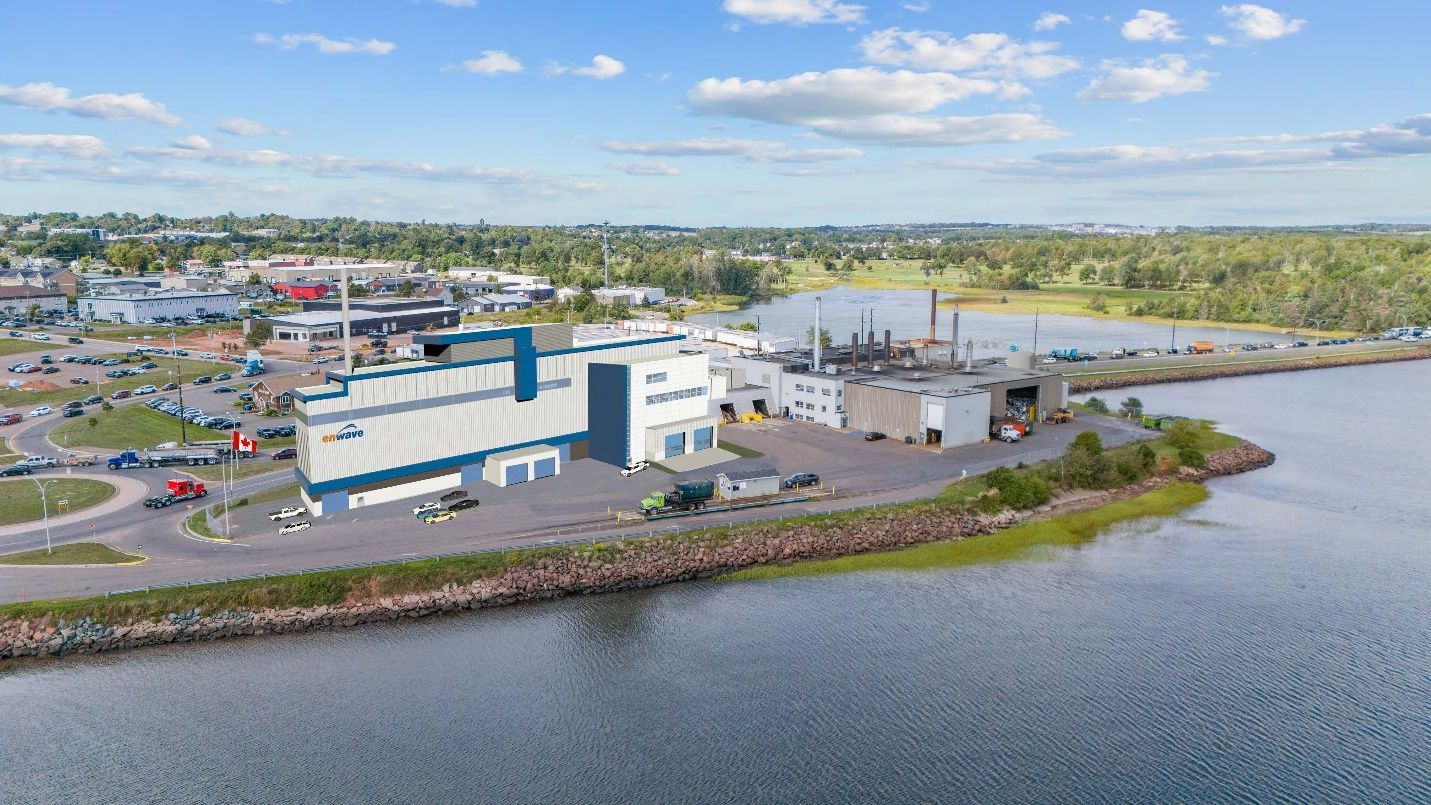
 WorkSafeBC is holding a virtual public hearing on
  In this newsletter you find these stories and more: