 Earlier this year, British Columbia appointed a new deputy minister for the Ministry of Forests. Raised in the heart of the forestry sector, born into the family of a truck logger and growing up in a forestry camp, Makenzie Leine has been tasked with supporting a sector facing significant challenges. …Working with Minister of Forests Ravi Parmar and the ministry team to fulfill a mandate focused on both immediate, short-term improvements and long-term sustainability for the sector, there are a series of deliverables she is supporting. These include increasing value by supporting value-added and innovative forest products; diversifying wood products in domestic and international markets; bringing groups together in forest landscape planning tables to chart a path forward for the stewardship of BC’s forests and forest industry; improving permitting efficiency; and, working toward ensuring a sustainable land base to enable the harvest of 45 million cubic metres a year, while fulfilling the Province’s commitment to old growth.
Easy, right? And all this with the added challenge of combatting the impacts of American tariffs—including those on softwood lumber and other protectionist measures—the price crisis in the timber sector, the impacts of wildfires and insect infestation on supply, and increasing wildfire activity due to impacts of climate change. “We’re in a very unique time right now, and it’s very, very tough,” Leine says. “It’s a time that is probably different than anything we’ve seen. …”I don’t think we can come to the table with the answers. I think we have to come to the table with our own understanding of our accountability and our part in it and work together to figure out how we sort through it, together.” Ultimately, Leine says, it can only be achieved by bringing together industry, First Nations, communities, and other interested parties to work together toward these goals, with government being stewards of the work ahead.


 The United Steelworkers union (USW) is denouncing the latest escalation in Trump’s trade war, following his September 29 proclamation imposing a 10% tariff on Canadian softwood lumber exports to the US. …“For decades, Canadian lumber has supported the US housing market, keeping construction costs down for American families while sustaining good jobs here at home,” said Marty Warren, USW National Director. “Instead of recognizing that reality, Trump has chosen to pursue reckless trade policies that will drive up housing prices in the US and put tens of thousands of Canadian jobs at risk.” …Jeff Bromley, Chair of the USW Wood Council, underscored the toll on workers and communities across the country. “With nearly half the value of every Canadian lumber shipment being siphoned off at the border, sawmills, logging operations and whole towns in Canada are facing devastating consequences.” …The Steelworkers are urging the federal government to respond with urgency and resolve.
 Canada’s forest products sector strongly opposes the US administration’s decision to impose additional punitive tariffs not only on softwood lumber but also on derivative products, including furniture and kitchen cabinets. The targeting of Canada’s forestry products under Section 232 of the Trade Expansion Act is unjustified and disregards decades of evidence and cooperation that confirm Canadian forest products strengthen, rather than threaten, US national security. This broad action further undermines a deeply integrated North American supply chain that supports housing affordability, infrastructure, manufacturing, and shared prosperity and security on both sides of the border. …The new Section 232 tariffs pushes the total duty burden to over 45%. This compounds pressure, distorts markets, threatens jobs on both sides of the border, and escalates trade tensions. …This misguided move risks raising housing costs in the United States and undermines the integrated trade relationship that has provided jobs, investment, and prosperity in both countries,” said Nighbor.
 Canada has repeatedly rejected the US positions in the softwood trade battle, which dates back to the early 1980s. “These tariffs will not improve U.S. national security – they will only drive up lumber costs, making housing even less affordable for American families,”
 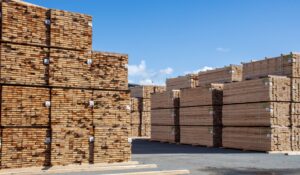 President Trump on Monday ordered significant new tariffs on wood and various wooden products, including imported lumber, timber, kitchen cabinets and upholstered furniture – potentially adding costs to homebuilding and furnishing, which have surged in price in recent months. In a proclamation, Trump said the United States would begin charging a 10% tariff on foreign softwood lumber and timber, used in a wide variety of building materials. He also announced a 25% tariff on kitchen cabinets, vanities and upholstered wooden furniture. Those rates are set to go into effect October 14. On January 1, Trump will boost the tariff on cabinets to 50% and upholstered furniture to 30%. He first announced those new tariffs on Thursday. …“In my judgment, the actions in this proclamation will strengthen supply chains, bolster industrial resilience, create high-quality jobs, and increase domestic capacity utilization for wood products such that the US can fully satisfy domestic consumption while also creating economic benefits through increased exports,” Trump wrote.


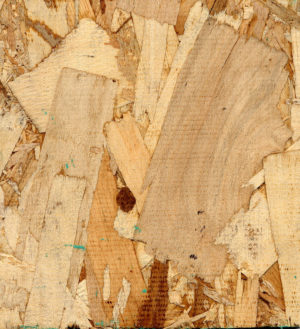 PRINCE ALBERT, Saskatchewan — “It’s taking way too long, and harder than we were hoping, but we have not given up.” That’s the message being delivered by those involved with One Sky Forestry Products‘ OSB mill project planned for Prince Albert. Last week, the Saskatchewan NDP said the mill was the latest in a string of major economic projects delayed or cancelled under a Sask. Party government. …However, a source at the OSB mill project said while they were in somewhat of a holding pattern because of the trade uncertainty with the US, the board of directors had a meeting last week and made the unanimous decision not to cancel or shelve the project, but instead look at ways to move it along. …They added the timing of the project that was supposed to be completed in 2027 and provide 700 jobs, will depend on whether they can tap into financing support sooner rather than later.



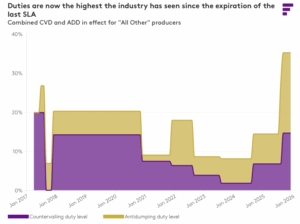 Although we are skeptical how effective the C$500 million in “transition” funding will be, the C$700 million in loan guarantees, which are clearly designed as a short-term lifeline for companies to weather the storm, seem pretty meaningful to the Canadian industry at first glance. …If Canadian producers were to simply absorb the incremental duty rate increase, using today’s FOB price for most Canadian softwood lumber and last year’s export volumes to the US translates to a “just pay it” cost of C$1.6-1.7 billion in additional duty payments over the next 12 months. Canadian mill operators are not in a financial position to simply absorb an additional 21-percentage-point increase in duties, so this is an extreme estimate of the true cost. Mills will curtail output rather than continue producing at heavy losses until prices adjust accordingly. Additionally, there is usually some degree of passthrough from the buyer to the seller.
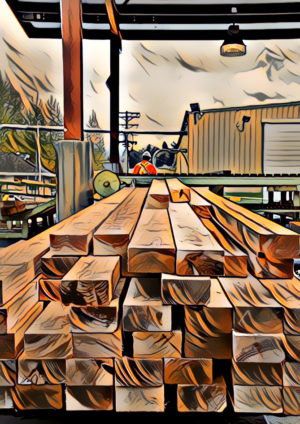 The softwood lumber trade dispute between the US and Canada, which has led to ever-higher US import duties on Canadian lumber, has lasted for decades. …Canadian lumber has the backing NAHB, which sees lumber tariffs as exacerbating high costs for builders and worsening the US housing affordability crisis. There is currently a “Wall of Wood” in the US, after Canadian producers increased shipments to the US in anticipation of the hike to existing ADD and CVD duties in August. Expectations that a large increase in duties would force the closure of Canadian sawmills, lead to shortages, and a boost in lumber prices, overlooked the current weak US demand for lumber, according to Matt Layman. …As US homebuilders now face additional tariff-driven costs, including a 50% tariff on cabinets and vanities, it’s hard to see the lumber demand situation improving, even if more Canadian suppliers have to curtail production or close sawmills.
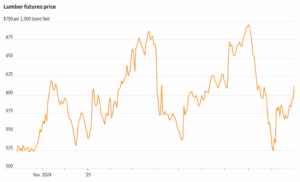 Lumber futures prices are trading higher after President Trump slapped a 10% tariff on wood imports. Lumber prices have been on a rollercoaster this year, lifted by higher import taxes and tugged lower by the deteriorating housing and construction markets. …Trump’s executive order said the additional 10% tariff, which will also raise the price of lumber from European suppliers like Germany and Sweden, is aimed at protecting domestic sawmills. …Analysts expect the tariff to benefit domestic sawyers and timberland owners, such as Weyerhaeuser and PotlatchDeltic, at the expense of competitors north of the border, who have been losing US market share because of the duties, challenges supplying their sawmills with logs and the abundance of cheap US pine. “Canadian lumber producers’ cash costs should further increase, resulting in capacity closures and a tightening of lumber supply-demand dynamics,” said Michael Roxland of Truist Securities. [to access the full story a WSJ subscription is required]
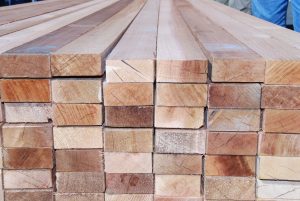 The Trump administration’s latest tariffs on housing materials could raise the average cost of building a single-family home by nearly $9,000, according to a report Tuesday from UBS. Research analyst John Lovallo said the new levies include “an incremental 10% Section 232 tariff on softwood timber and lumber imports, as well as 25% levies on kitchen cabinets, vanities and upholstered wood products.” UBS estimates the lumber tariff will add about $720 per home, while cabinet and vanity tariffs could tack on another $280. Upholstered wood products were not included in the calculation because they are generally purchased by homeowners rather than builders. “As a result, we now estimate the total tariff impact on the cost to construct an average home at approximately $8.9K,” Lovallo wrote. …“Importantly, we continue to believe this cost impact will be spread throughout the entire housing value chain, with the builders perhaps best positioned to push back on suppliers,” he said.


 In this newsletter you’ll find:
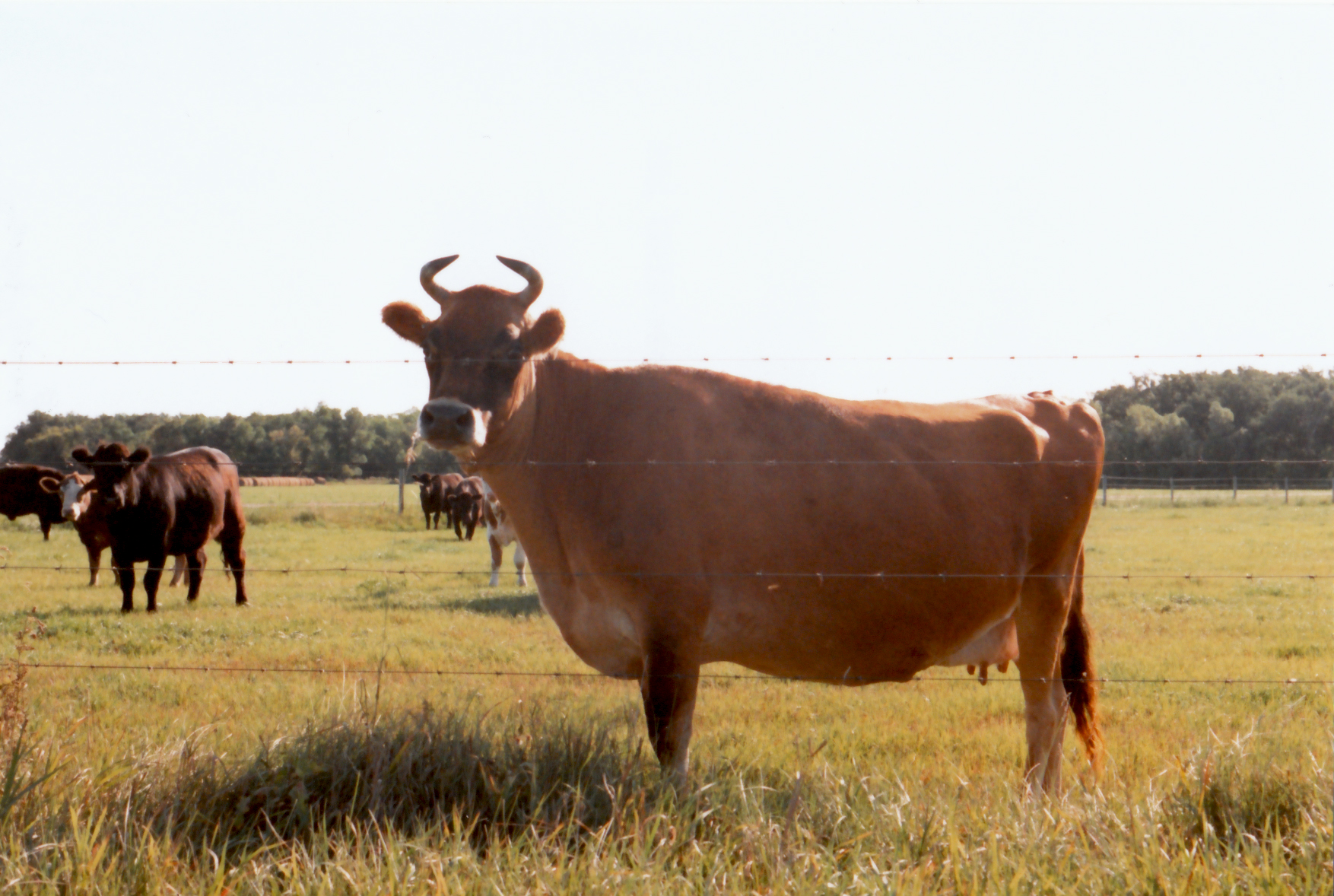 …the carcasses of 11 cattle were found on a logging road near Quesnel earlier this week… The owner of the animals, who holds tenure for an area of Crown land in B.C.’s Cariboo region, discovered the cows had ingested a nitrate-based fertilizer used in forestry to encourage tree growth, said Kevin Boon, of the B.C. Cattlemen’s Association. “They licked it, thinking it was salt, and died of nitrate poisoning,” he said. …Boon said the rancher … fears more may have been poisoned… The fertilizer is usually applied in the winter or early spring, while cows aren’t grazing in B.C.’s forests. It appears to have been done earlier this year, due to a “lack of understanding,” said Boon, emphasizing that it doesn’t appear to be deliberate. “When you have multiple tenure-holders on the land, there needs to be communication with the stakeholders,” he said. …B.C. Forests Ministry is aware of the situation and is investigating…
 Look for these stories and more in the Woodlots BC News:
 Don’t miss the September BCCFA newsletter with these headlines and more:
 Date: Wednesday, October 8, 2025 | Doors: 6 pm | Event: 7 pm | Reception: 8:30 pm | Location: Hollywood Theatre, 3123 W. Broadway, Vancouver
 Do you remember the hydrological cycle that you learned about in school? Rain and snow fall from the sky. Tree leaves and branches slow the fall of rain. In the spring, snow slowly melts, the melt slowed because trees shade the snow and cool the air. Some of the rain and melted snow infiltrate deep into the ground, aided by the presence of tree roots, to become part of the ground water that flows downhill, slowed by tree roots. …Transpiration from tree leaves, and evaporation from the land, lakes and ocean return the water to the sky and the cycle starts over again. But wait. Remove a major part of the trees from the cycle and what happens? Rain and snow land directly on the ground. Less rain infiltrates the soil and, with no tree roots, what ground water there is flows downhill more quickly.


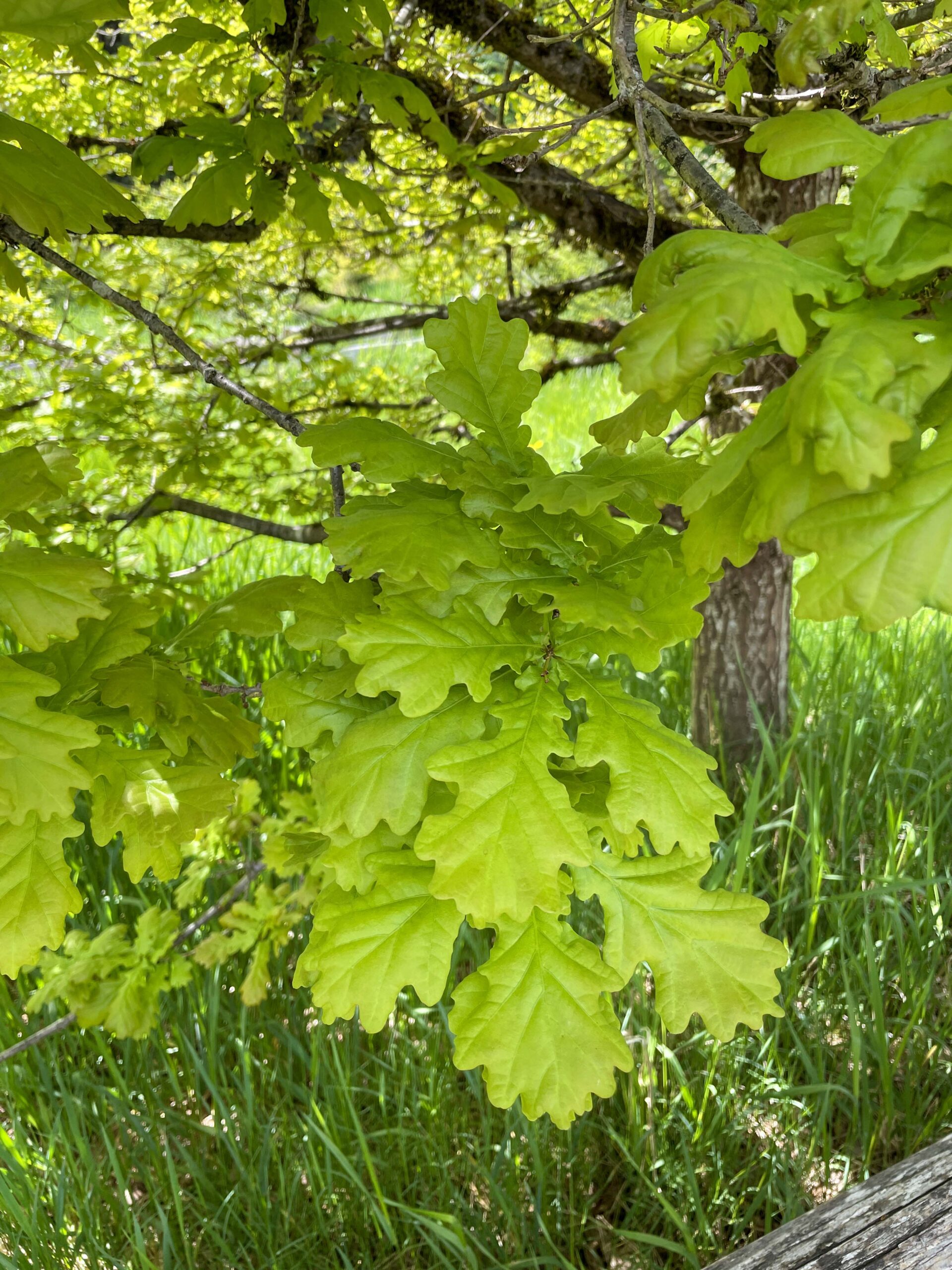 A group of University of Toronto forestry students collected acorns from a giant White Oak tree at Queen’s Park on Wednesday as part of an effort to preserve the diversity of Toronto’s native trees. Eric Davies, a forest ecologist at the University of Toronto, led a group of undergraduate students in the university’s foresters club as they gathered about six litres of acorns from a tree in Queen’s Park North, one of four remaining large White Oaks in the park. White Oaks, a common deciduous tree species in North America, are the largest and oldest trees in the green spaces outside the Ontario Legislature. …Davies said timing is key, as White Oaks produce acorns about once every five to 10 years — this year being one of them. …Davies said the students will donate most of the acorns to the City of Toronto’s tree seed diversity program in the next two weeks. Some of the acorns will be kept at U of T to be grown there, he added.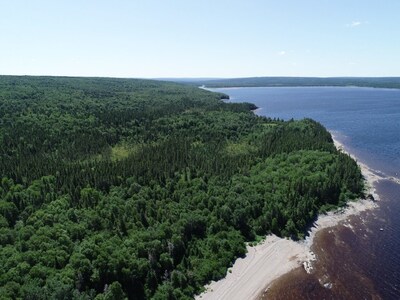

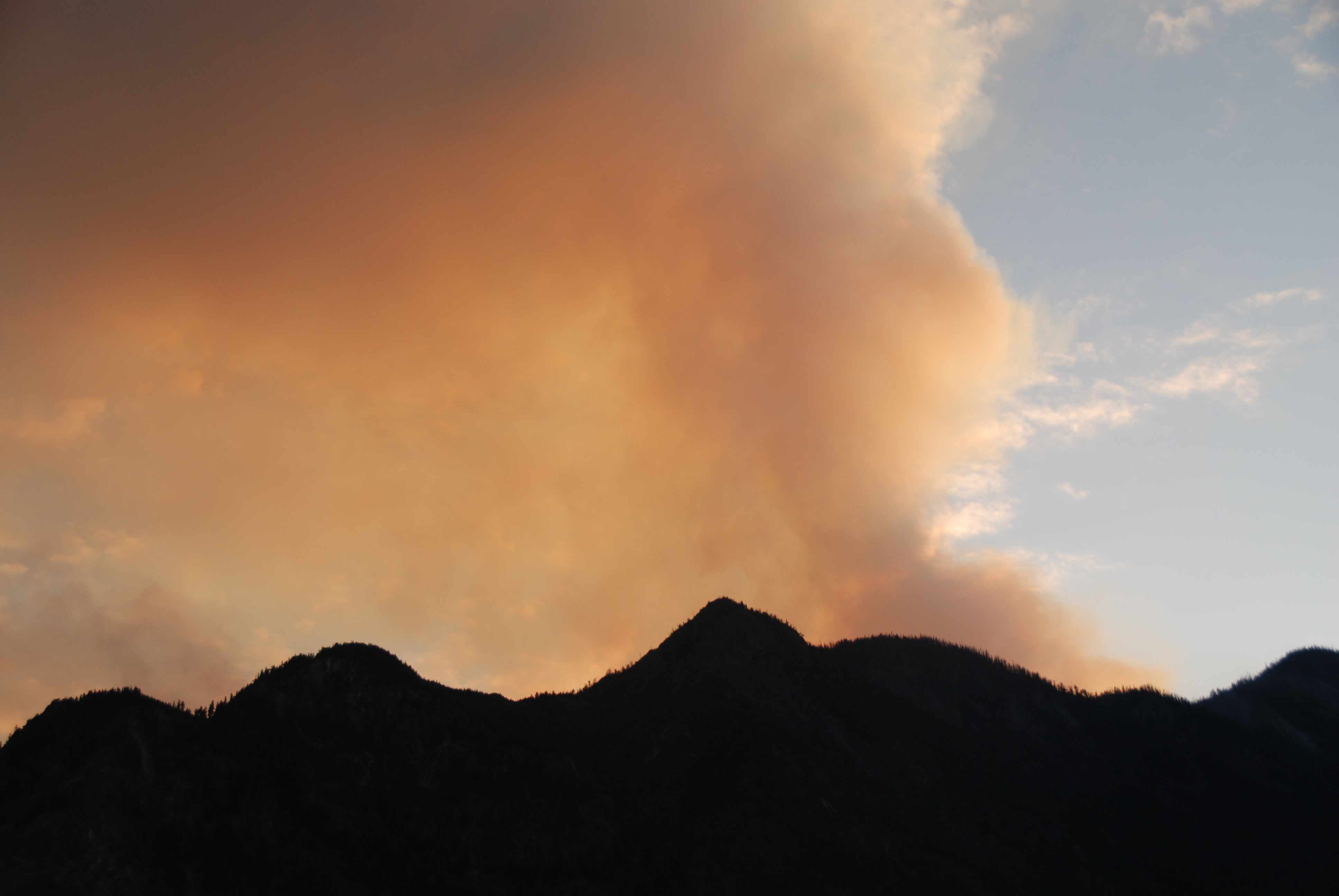 Nova Scotia’s Department of Natural Resources says more evacuations are possible as a fire near Lake George in the Annapolis Valley continues to burn out of control. Residents of … Aylesford Lake’s southwest end have been told to prepare to evacuate. The fire in Kings County, which broke out Sunday, is estimated to be 150 hectares. It had been pegged at 300 hectares Monday night but officials at a briefing Tuesday afternoon said that was the result of an overestimation due to dense smoke conditions. Jim Rudderham, DNR’s director of fleet and forest protection, told reporters the cause of the fire has not been determined but it’s presumed human activity is responsible since there has been no lightning in the area. “It’s frustrating for us and for everybody when this happens,” Rudderham said. No buildings have been damaged but 275 civic addresses have been evacuated and 56 others are under an evacuation alert. Some of those addresses are cottages.