
Robert McKellar
Friday’s Tree Frog interview with political risk expert Robert McKellar drew exceptional interest—and for good reason. Given reader response and the ongoing fallout from Trump’s trade policies, we’re featuring it again for those who missed it. McKellar, who divides his time between Turkey and Canada, brings an international perspective to his analysis of Trump’s second-term trade environment and its implications for Canada’s forest sector. His message is clear: US protectionism is not a passing phase. The current tariff and duty structure reflects a broader nationalist realignment that will persist well beyond the Trump presidency. He notes it is unlikely that the upcoming USMCA review will restore pre-Trump-2 market access, and that while Washington is betting tariffs will attract new foreign investment, the result has instead been greater political risk.
McKellar also examines the recent US–China flare-up, concluding it is unlikely to reignite a full-scale trade war. Within the US, he observes that political momentum currently favours the US Lumber Coalition over homebuilders, but that balance could shift if housing affordability again becomes a political flashpoint. Should the housing crisis deepen, Trump has shown he’s willing to adjust course when broader political pressures outweigh protectionist instincts. For Canadian producers, diversification and value-added strategies remain essential—but slow to materialize. That reality underpins McKellar’s central question: “If that’s true—then what?” His answer calls for a fundamental shift in mindset—challenging the sector to rethink its future and chart a course less dependent on the US market. He concludes that companies should view political-risk awareness as a practical framework—linking foresight, market intelligence, and decision-making into a continuous process of adaptation. The tools already exist within most organizations, he says; the opportunity lies in using them more deliberately as part of everyday business planning.


.png)
 A U.S.-Canada trade deal on steel, aluminium and energy could be ready for Prime Minister Mark Carney and US President Donald Trump to sign at the Asia-Pacific Economic Cooperation summit later this month in South Korea, the

 BURNABY, BC — Interfor announced today revised operating plans for the fourth quarter of 2025. Due to persistently weak market conditions and ongoing economic uncertainty, Interfor will further temporarily reduce lumber production across its operations in British Columbia, Ontario, the US Pacific Northwest and the US South. These curtailments are expected to reduce lumber production in the fourth quarter of 2025 by approximately 250 million board feet, or 26%, as compared to the second quarter of 2025, which reflected a more normal operating stance. The curtailment volumes are approximately evenly split between Interfor’s Canadian and U.S. operations. …These curtailments are an amendment to Interfor’s previously announced curtailments on September 4, 2025. “Lumber prices in all regions of North America have continued to weaken, from already unsustainably low levels,” said Ian Fillinger, Interfor’s CEO. …While necessary, we fully recognize the impact these actions will have on our employees, contractors, suppliers and communities.”



 British Columbia’s forest sector is at a crossroads — facing tough challenges, but also leading the way in solutions that matter most to our province: housing, wildfire resilience, reconciliation, and sustainable economic growth. At the 2026 COFI Convention, leaders from across industry, government, and Indigenous and community partners will come together to rebuild competitiveness and chart the future of a strong, sustainable forest sector. Join us in Vancouver for the largest forest sector gathering in Western Canada. April 8 – 10, 2026 at the JW Marriot Parq Vancouver



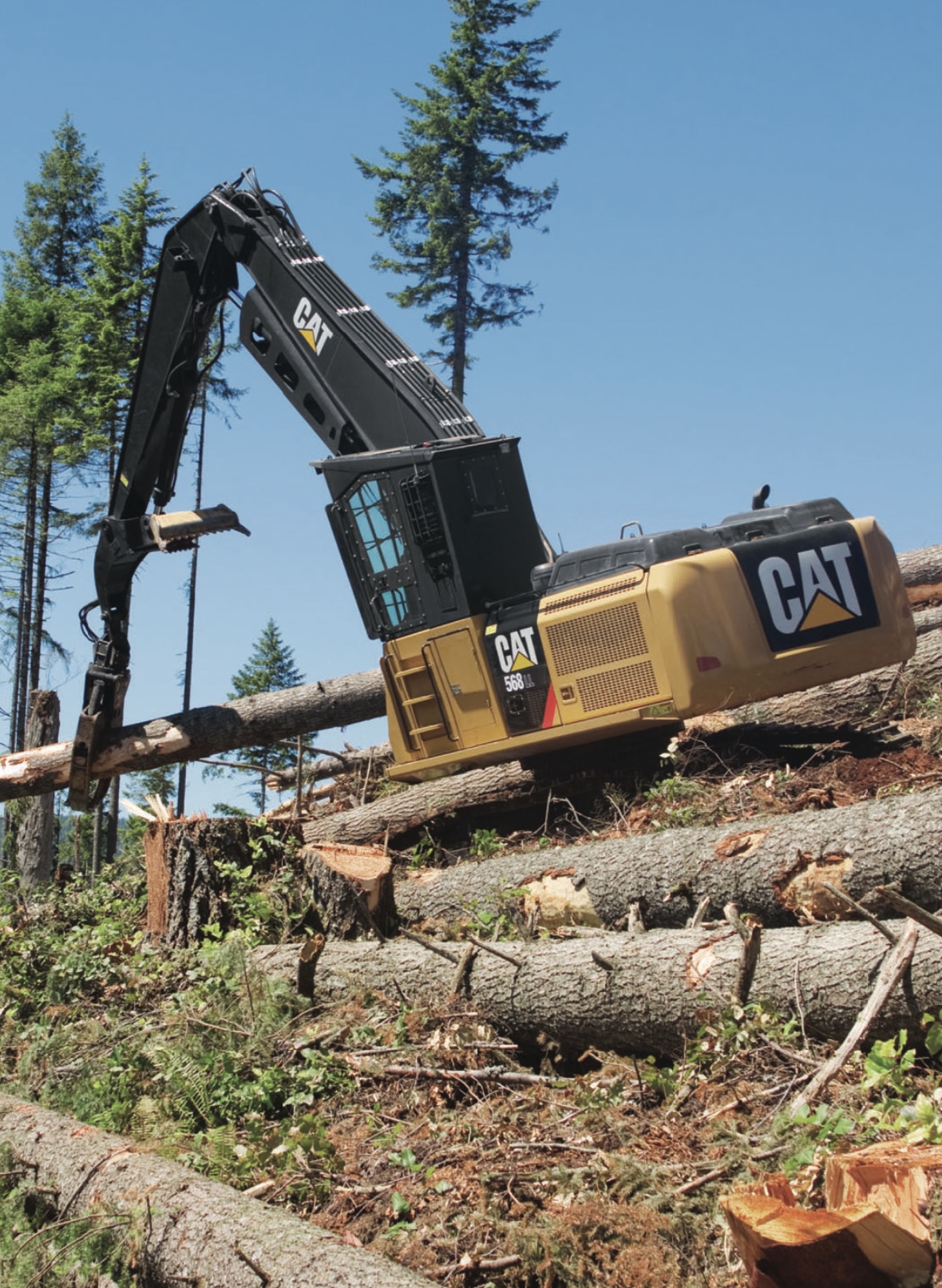 THUNDER BAY – Ontario’s MPPs are officially back at Queen’s Park for a new sitting of the provincial legislature, after breaking for the summer and forestry was top of mind for the region’s leaders. Opposition member Sol Mamakwa, MPP for Kiiwetinoong, questioned the Ford government on how they plan to help 160 unionized workers affected by the shutdown at the sawmill in Ear Falls. “Our government is disappointed of the news coming from Ear Falls. Immediately following the announcement of the mill, the premier and I reached out to company officials and Mayor (Kevin) Kahoot offering support for the workers and the community,” Associate Minister of Forestry and Forest Products Kevin Holland said. …The tariff hike contributed to ongoing market challenges in the sector forcing Interforb to suspend operations at the sawmill indefinitely.
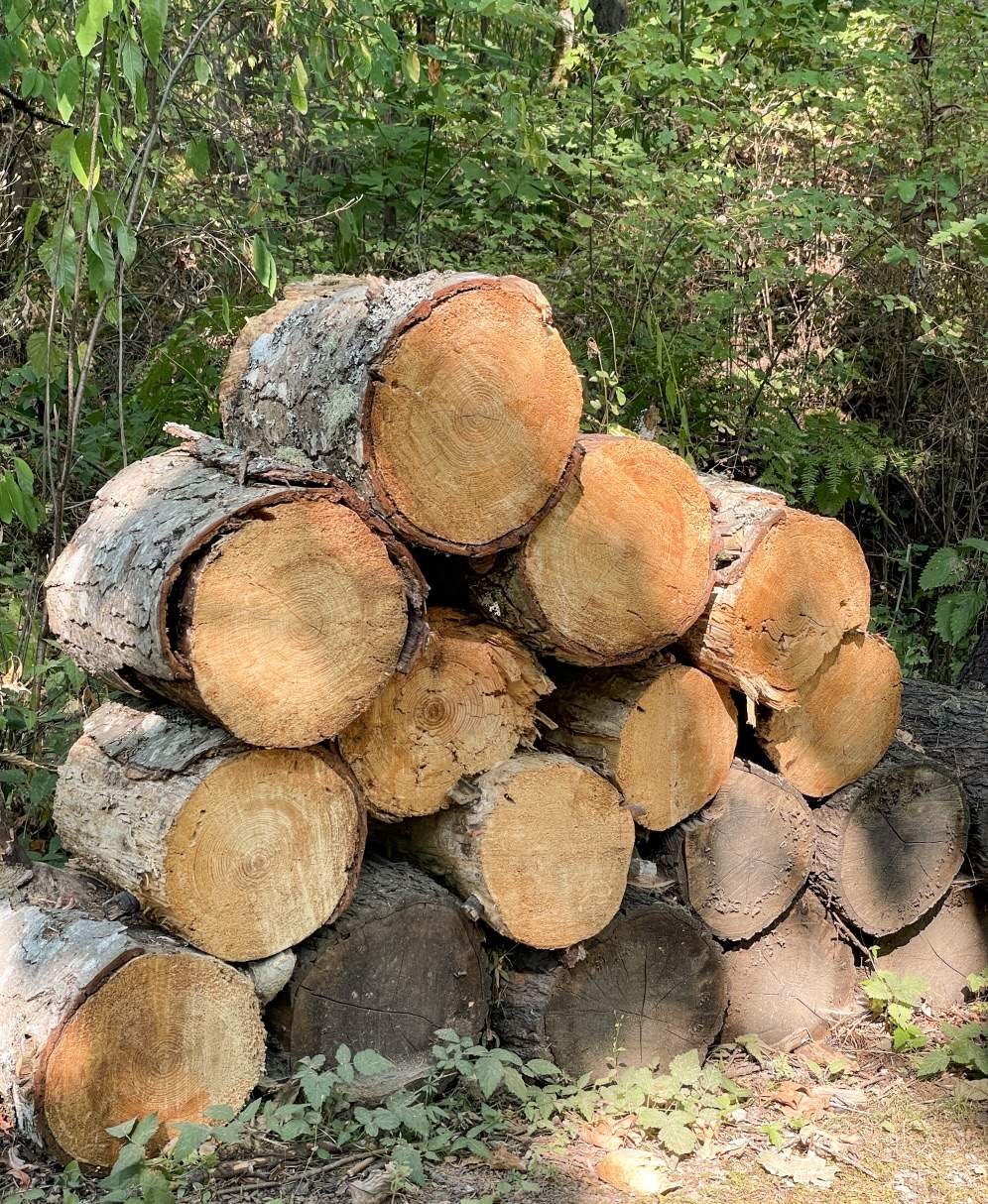 Friday was a good news, bad news day for Northern Ontario’s forest products sector. Folks in Kapukasing are breathing easier…the federal and provincial governments announced they’re contributing a total investment of $28.8 million to sustain the Kapuskasing paper mill for the short term. Broken down, the province is spending $16.8 million, while the feds are chipping in $12 million. …However, forestry’s shaky conditions have put another community in peril [with] Interfor indefinitely shutting down its Ear Falls sawmill. …Unifor is calling for immediate action involving all levels of government to develop an industrial strategy for the forestry sector… The Northwestern Ontario Municipal Association and the Federation of Northern Ontario Municipalities issued a joint statement that “urgent and coordinated action is required to ensure long-term stability across Northern Ontario’s forestry and resource sectors.” The best outcome, the group said, is for government to strike a long-term trade deal with the U.S. to ensure economic and employment stability.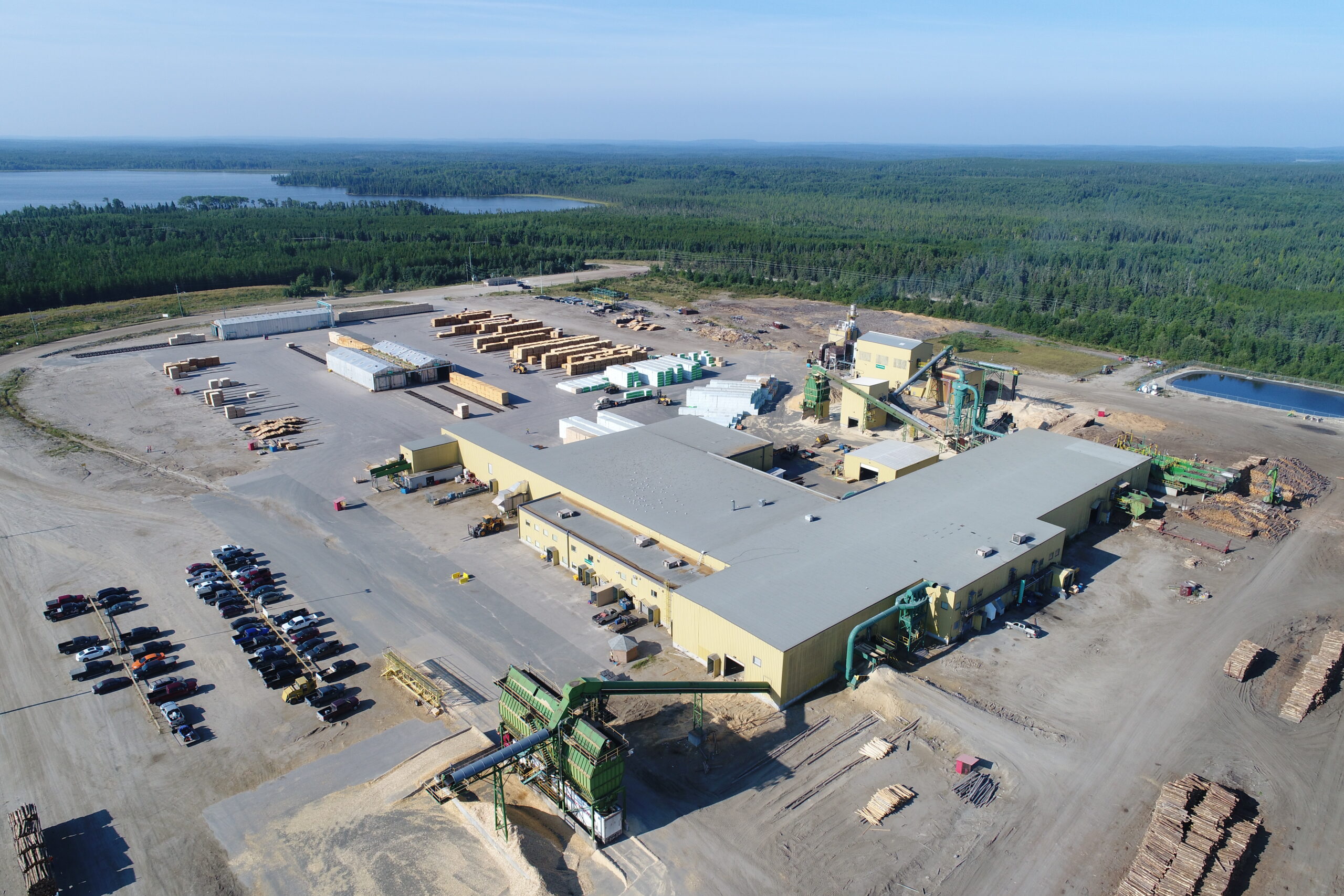

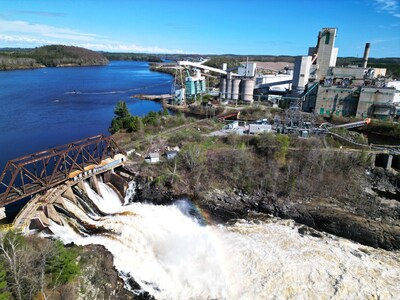

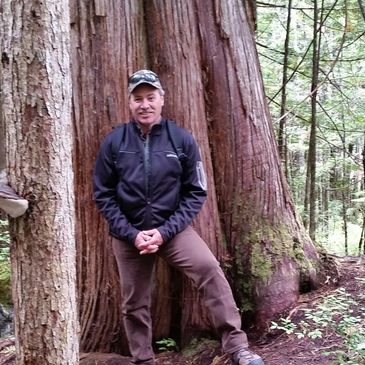
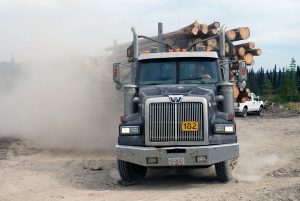 Linda Bell says there has been turmoil and chaos along parts of the US and New Brunswick border as trucks carrying lumber navigate the new tariffs that came into effect on Tuesday. But Bell says there’s been confusion as to what’s included under the new tariffs. In her almost three decades working as the general manager of the Carleton Victoria Wood Producers Association in Florenceville, she says it’s the first time there appears to be a duty on roundwood. “Trucks that were headed over there have been turned back and had to be unloaded. Some have been allowed to cross. We really don’t know what is going on,” she said. She said a few large mills in Maine who’ve been buying New Brunswick wood for five decades have halted all deliveries until the confusion can be cleared up. …Minister Mélanie Joly said there are different interpretations happening at various border locations.
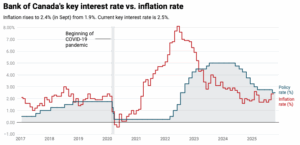 OTTAWA — Some economists say surprisingly strong September inflation figures will give the Bank of Canada pause ahead of its interest rate decision next week. Annual inflation accelerated to 2.4% last month, Statistics Canada said Tuesday. That’s a jump of half a percentage point from 1.9% in August and a tick higher than economists’ expectations. …The September inflation report will be the Bank of Canada’s last look at price data before the central bank’s next interest rate decision on Oct. 29. The central bank lowered its benchmark interest rate by a quarter point to 2.5% at its last decision in September. The Bank of Canada’s preferred measures of core inflation showed some stubbornness in September, holding above the three per cent mark. “This will make the Bank of Canada’s decision a bit more interesting next week than previously expected,” said BMO chief economist Doug Porter.
 Alain Ouzilleau, owner of Groupe Cabico, spent millions upgrading his two factories in Quebec and Ontario into state-of-the-art facilities shipping around $100-million worth of high-end kitchen cabinets to the US each year. Almost overnight, that business has been thrown into jeopardy. …“We have very long-term loyal customers,” Mr. Ouzilleau said. “But the 50% that is planned to be effective January 1st is just a death sentence.” …Hundreds of other Canadian cabinet and furniture makers also stand to lose their key export business, with limited ability to expand in a crowded domestic market. …What started as tariffs on steel, aluminum and automobiles has expanded to include copper and lumber, with a tariff on heavy trucks slated to come into force in November. The Trump administration is also conducting investigations into aircraft, semiconductors and industrial machinery, among other industries, suggesting more tariffs are on the horizon. [to access the full story a Globe & Mail subscription is required]
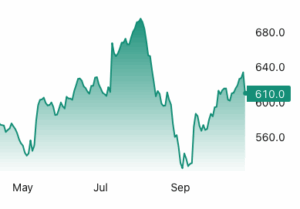 Lumber futures fell below $610 per thousand board feet, their lowest level since October 8 and down 12% from a three-year high in early August, as a slowing US housing market outweighed potential supply curbs from tariffs. August building permits dropped to a seasonally adjusted annualized rate of 1.33 million, the lowest since May 2020, while housing starts fell 8.5%, marking the fourth-lowest reading in over five years. Earlier this month, the US imposed a 10% tariff on Canadian lumber, with the Trump administration stating it aims to expand domestic timber harvesting and reduce reliance on foreign lumber. Looking ahead, expected Federal Reserve rate cuts could stimulate construction and home buying and encourage homeowners to borrow for repairs and renovations, the largest driver of lumber demand. However, signs of a slowing labor market and rising inflation suggest demand may remain subdued.
 The Canadian government has opened applications for a $700 million loan guarantee program that helps lumber companies weather mounting US tariffs that have pushed some firms into bankruptcy. The Business Development Bank of Canada
  Prices of products manufactured in Canada, as measured by the Industrial Product Price Index (IPPI), increased 0.8% month over month in September and gained 5.5% year over year. Meanwhile, prices of raw materials purchased by manufacturers operating in Canada, as measured by the Raw Materials Price Index (RMPI), increased 1.7% month over month and rose 8.4% year over year. …Prices for lumber and other wood products declined 4.4% in September, after two straight monthly increases. The decrease was caused by falling softwood lumber prices (-10.7%), the largest decrease since June 2022. In August 2025, the United States announced a significant increase to the duties it levies on Canadian softwood lumber.
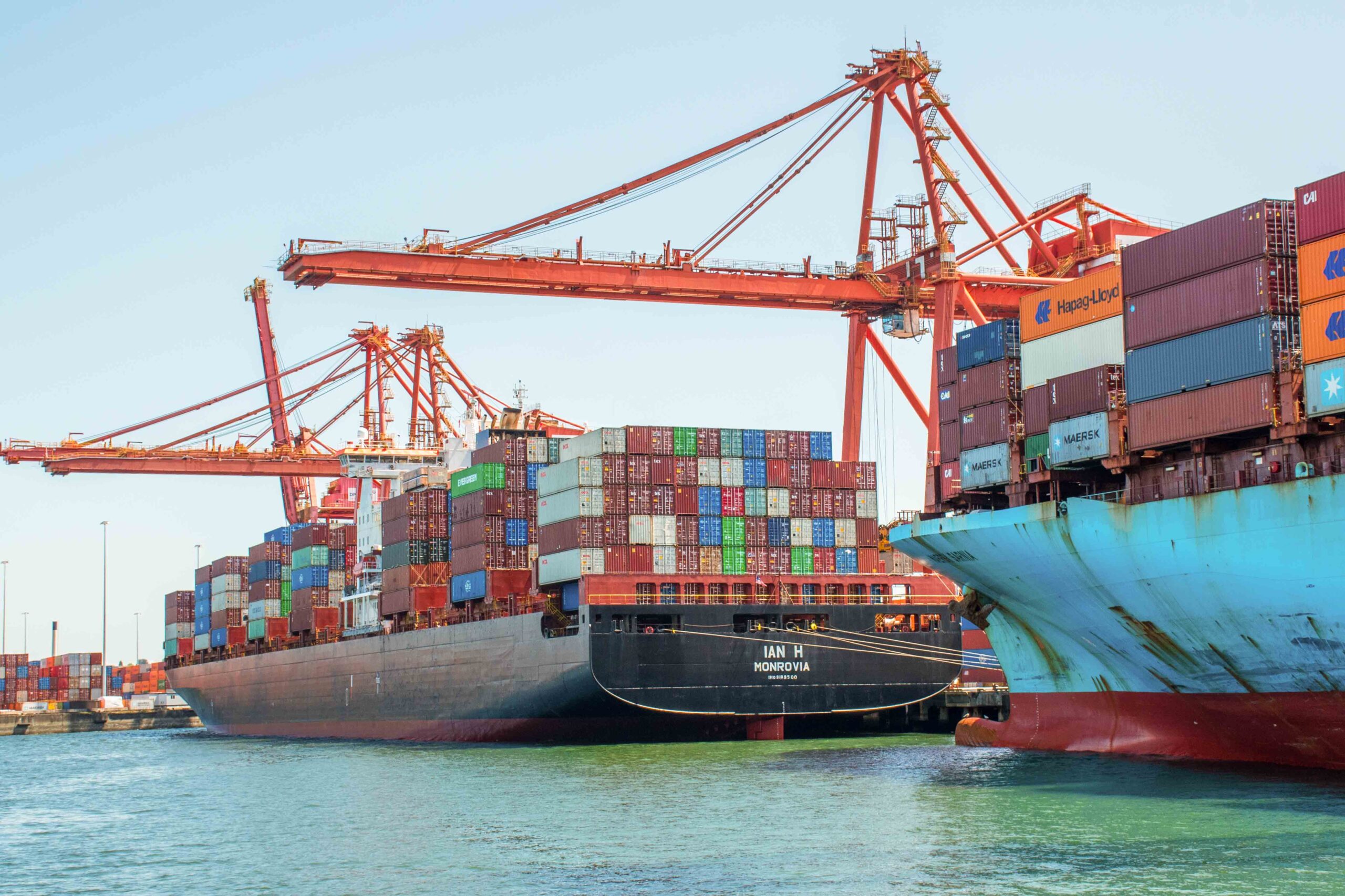 Canada’s merchandise exports fell by three per cent in August to a seasonally adjusted $60.5 billion. This was the second lowest month of the year after April as sales to the U.S. retreated. Imports rose by 0.9 per cent to a seasonally adjusted $66.9 billion during the month. Consequently, the trade deficit grew to $6.3 billion, down from a revised $3.8 billion in July. …The decline was led by a 21.2 per cent drop in forestry products and a 12.5 per cent decline in energy products. The steep decline in forestry products in August 2025 followed the increase of anti-dumping and countervailing duty rates on Canadian softwood lumber that took effect in the U.S. in late July and early August. Section 232 tariffs on lumber in effect in October will be a further headwind. …Year-to-date exports are down slightly (-0.1 per cent) with lower forestry products and building and packaging materials exports (-6.1 per cent)
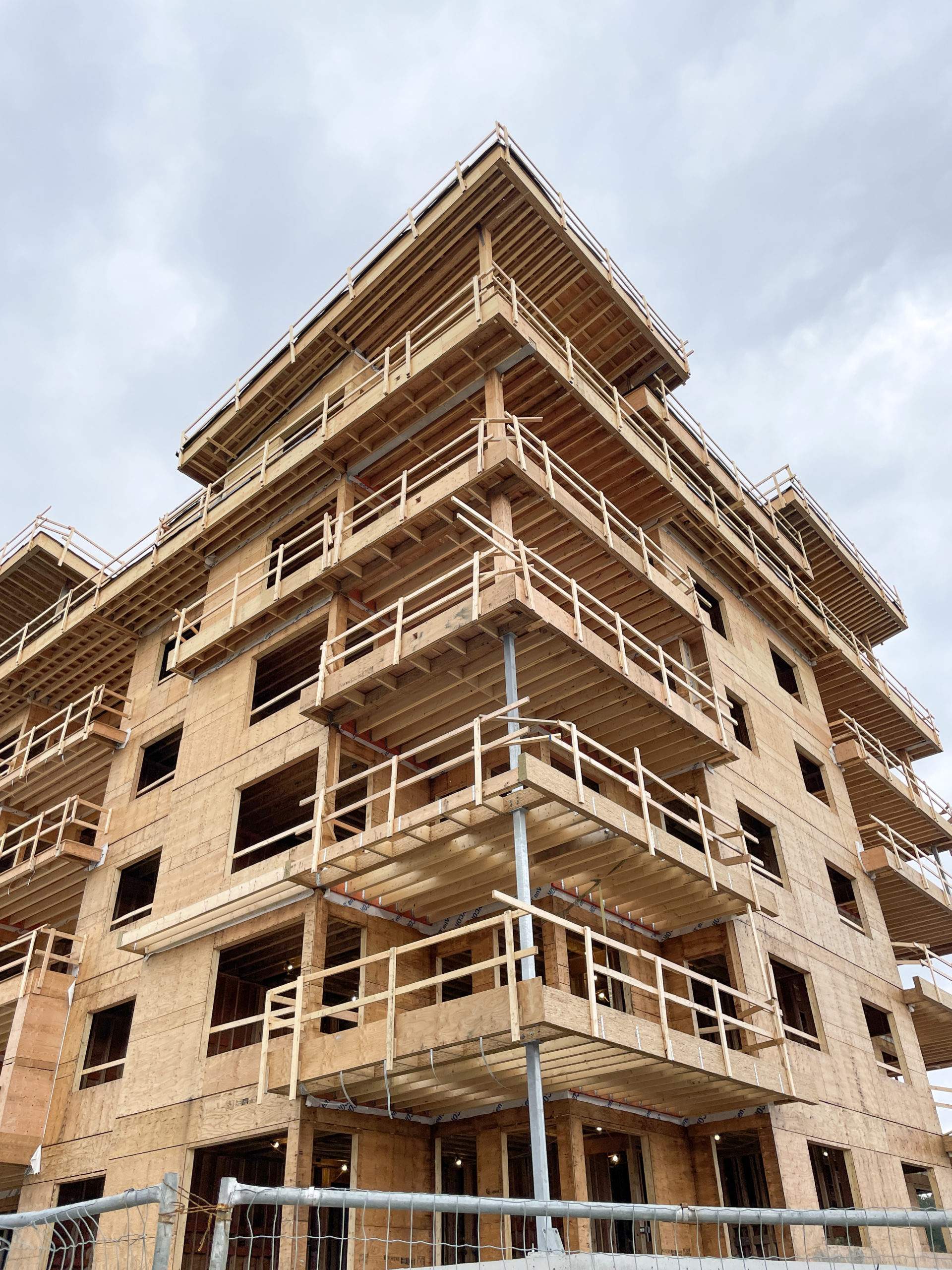 Canada is facing a housing crisis of historic proportions. With affordability slipping out of reach for millions and supply lagging far behind demand, we need bold, scalable and sustainable solutions. The federal government’s Build Canada Homes initiative is a promising start and an opportunity to scale up the use of Canadian wood in building construction.
 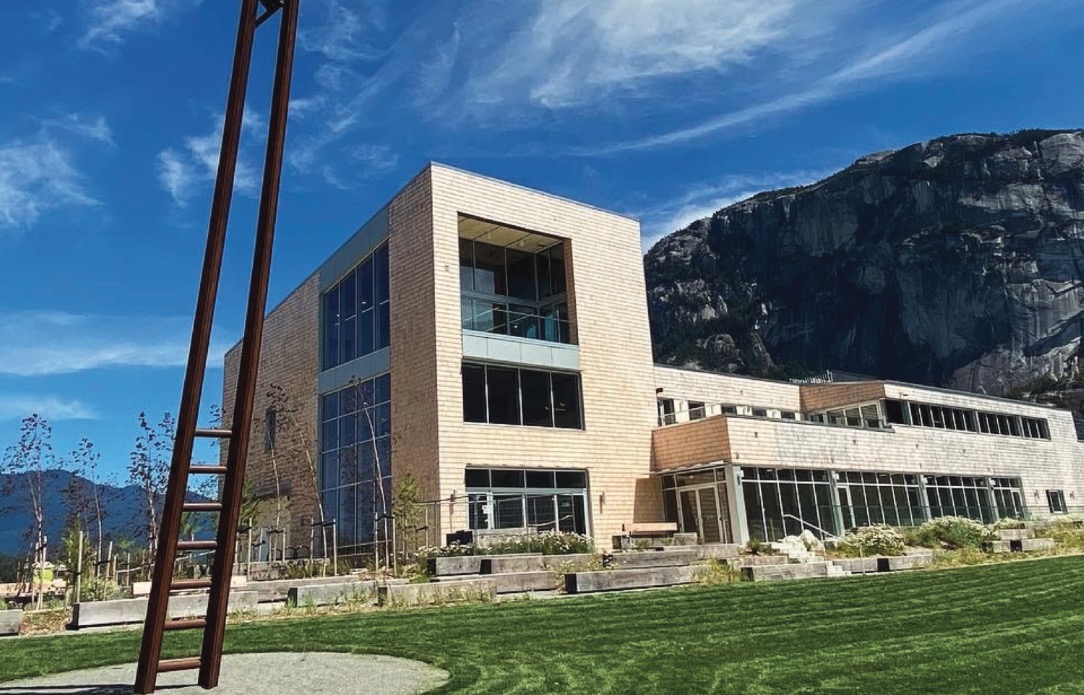 At the recent 2025 Vancouver Regional Construction Association (VRCA)



 NASHVILLE, Tenn.– LP Building Solutions (LP) announced the continuation of its partnership with the [US based] Forest Workforce Training Institute’s ForestryWorks® program and a new collaboration with the [British Columbia, Canada] First Nations Forestry Council. Both initiatives aim to develop the next generation of forestry professionals and advance sustainable forest management across North America. …“Programs like ForestryWorks and First Nations Forestry Council help ensure forests remain healthy and productive while supporting the future of sustainable forestry,” said LP Chair and CEO Brad Southern. “By investing in tomorrow’s workforce, we’re also investing in the continued success of renewable, high-performance building solutions.” …“We’re pleased to welcome LP Building Solutions as a program partner in advancing Indigenous participation in forestry through the Indigenous Forestry Scholarship Program,” said BC First Nations Forestry Council CEO Lennard (Suxʷsxʷwels) Joe.
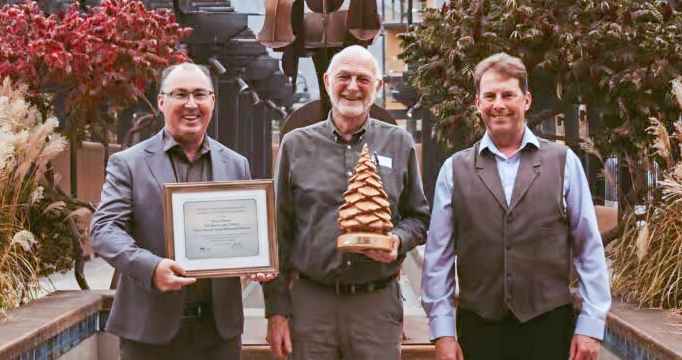
 CAMPBELL RIVER – The Forest Practices Board will conduct an audit of Aat’uu Forestry Limited Partnership’s Forest Licence A19236 in the Campbell River Natural Resource District of the North Island Timber Supply Area, starting Monday, Oct. 20, 2025. The audit will examine whether forestry activities carried out between Oct. 1, 2023, and Oct. 24, 2025, comply with the Forest and Range Practices Act and the Wildfire Act. …Forest Licence A19236 is held by Aat’uu Forestry Limited Partnership, a company owned by the Ehattesaht First Nation, and is managed by Strategic Natural Resource Group from its Campbell River office. The licence covers an operating area of about 60,000 hectares, of which Aat’uu currently manages an allowable annual cut of approximately 50,000 cubic metres. The audit area is on the west coast of Vancouver Island, about 70 kilometres south of Port McNeill, near the community of Zeballos, within Ehattesaht territory and neighbouring territories of the Nuchatlaht and Ka:’yu:’k’t’h’/Che:k:tles7et’h’ Nations.
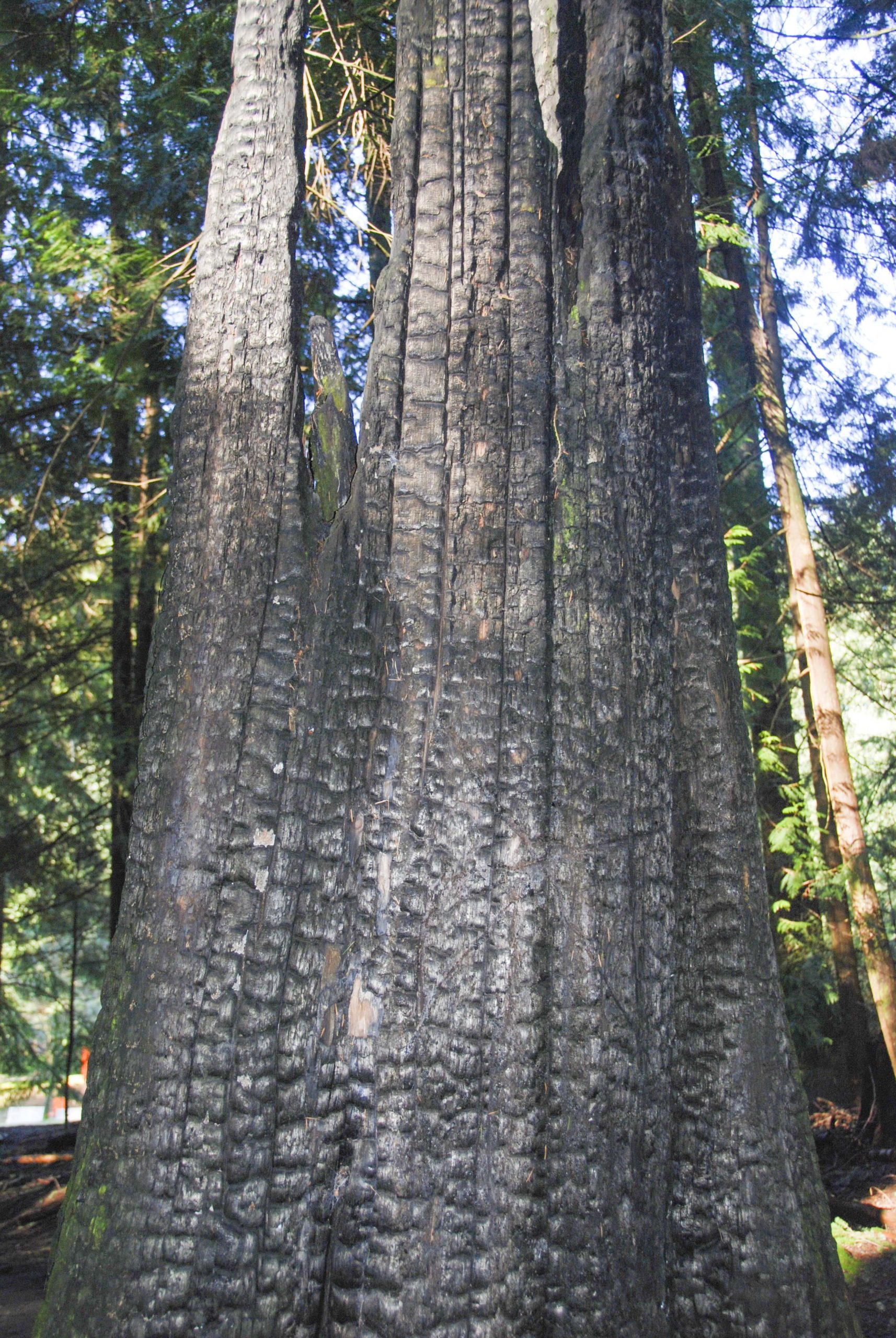 Two new reports on the July 2024 devastating wildfire in Jasper, Alta., confirm the blaze was caused by lightning and accelerated by “tornado-force fire-generated” winds and dry conditions. The fire — three separate blazes that merged into one — destroyed a third of the community’s structures. It forced 25,000 residents and displaced an estimated 2,000 people. The reports, commissioned by Parks Canada, say efforts to reduce fuel for wildfires, including prescribed burns, helped mitigate the blaze. But one of the reports, which looks at how the fire formed and developed, says more burns and other attempts to reduce fuel would have been beneficial, since the fire began in an area south of town that had not burned or been treated in over a century. …The reports come after the town published its own fire report earlier this year, leading to controversy with the province as it said Premier Danielle Smith’s government caused command challenges in the fire response.
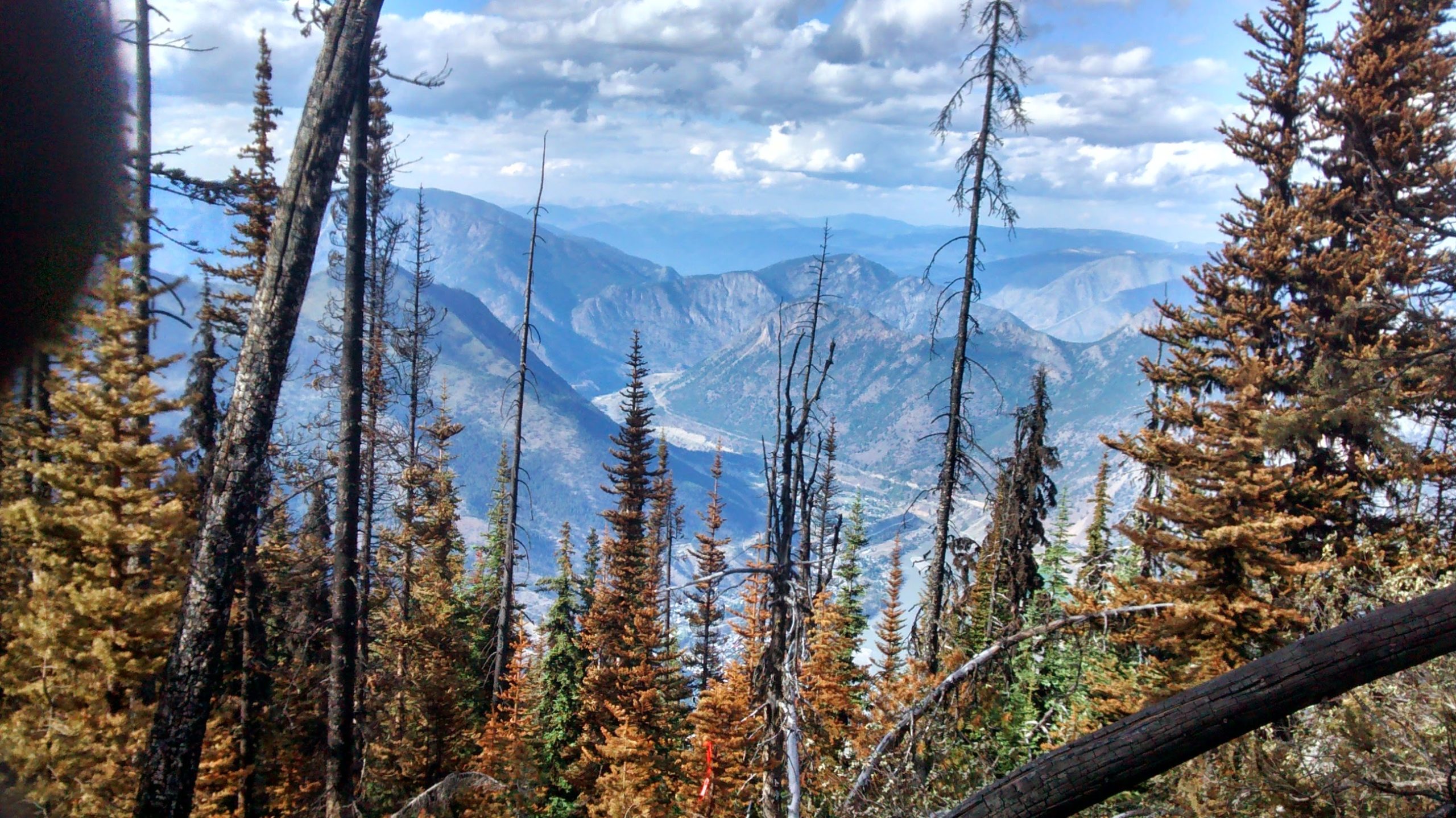 The Northwest Territories could see more difficult wildfire seasons ahead – all the way into the next century, according to recent research. One
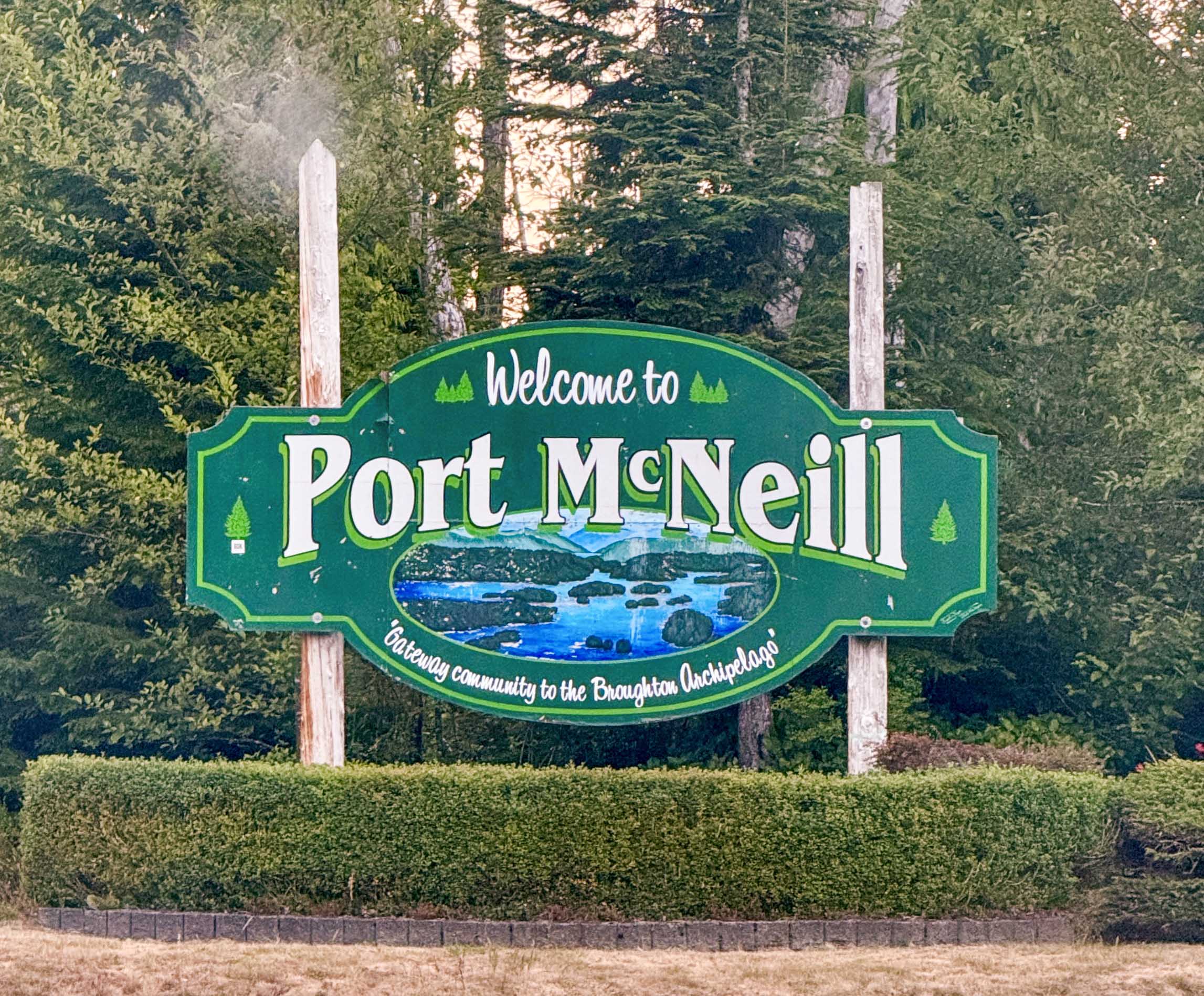 The Forest Practices Board, an independent watchdog, is set to conduct an audit on a forestry operation near Port McNeill. The Aat’uu Forestry Limited Partnership’s Forest Licence A19236 in the Campbell River Natural Resource District of the North Island Timber Supply Area is the subject of the audit, starting on Oct. 20. “The audit will examine whether forestry activities carried out between Oct. 1, 2023, and Oct. 24, 2025, comply with the Forest and Range Practices Act and the Wildfire Act,” reads a press release from the Forest Practices Board. “Activities subject to audit include timber harvesting; road and bridge construction, maintenance, and deactivation; silviculture; wildfire protection; and related operational planning.” The Aat’uu Forestery Limited Partnership is a company owned by the Ehattesaht First Nation. It is managed by Strategic Natural Resource Group from an office in Campbell River.
 The BC Forest History Association is pleased to welcome Dr. Barry Cooke, Research Scientist with the Canadian Forest Service, as our second speaker of 2025. Dr. Cooke is one of Canada’s leading experts on modeling insect outbreak processes and patterns, with more than 30 years of experience studying spruce budworm population dynamics and forest insect ecology. He has authored over 90 scientific publications, advancing our understanding of budworms, beetles, and other major forest pests through spatial simulation modeling. Join us for this free online presentation, “A History of Debate on Budworms: A BC Perspective.” Tuesday, October 21st 2025 – 7:00 to 8:00 PST
  Canada’s vast forests are the envy of much of the world, but they’ve seen brighter days. Our changing climate has beckoned wilder wildfires, disease and drought. And after decades of cutting big and fast to maximize profits, the country’s logging industry is in freefall. But there’s opportunity in crisis — or that’s the bet some First Nations in British Columbia are making. …“Now we’re dealing with a lot of scrub in that corner that we didn’t get to before,” Garry Merkel, a professional forester and a member of the Tahltan Nation. …In Manitoba, the forestry industry watched this summer as profits went up in smoke. Devastating fires burned more forest in logging areas than any year in recorded wildfire history, according to an analysis by Manitoba reporter Julia-Simone Rutgers. And forestry companies are “scared to death,” said.
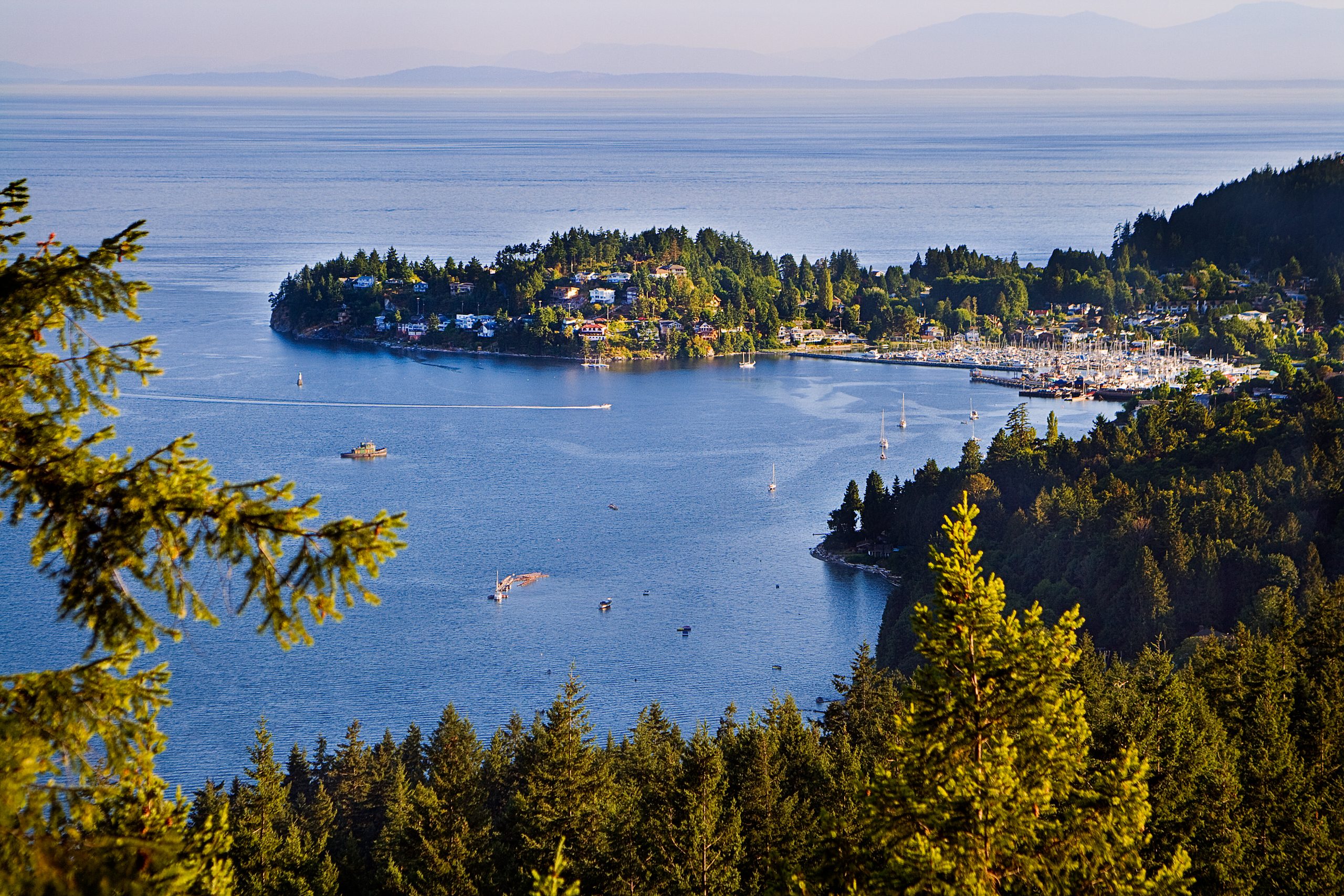


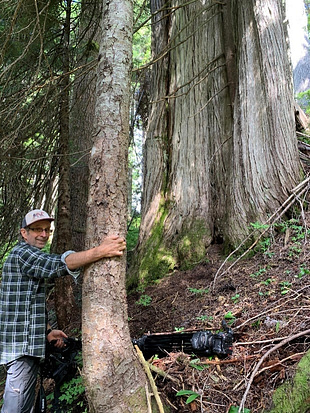
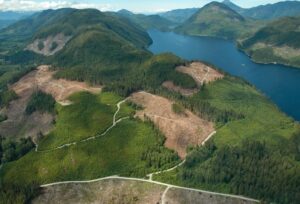 BC’s forest communities are on life support. Families are losing jobs, mills are shuttering, and entire towns are being hollowed out. And now, with another punishing softwood lumber tariff slapped on by the U.S., the bleeding has gone from slow to catastrophic. Premier David Eby calls it an “existential crisis” and wants the prime minister to declare a national emergency. Here’s a better idea: How about the premier stops being the emergency? For eight years, the B.C. NDP has dismantled the foundation of our forest industry. They have made it harder to cut, harder to haul, harder to process, and harder to survive. Now Eby is running to Ottawa and blaming the Americans while ignoring the damage his government has already done. Let’s be clear. The forest industry is not collapsing because of one more tariff. It is collapsing because this government has gutted it from the inside.
  Local residents are invited to share their input on the development of the West Central Vancouver Island (WCVI) Forest Landscape Plan (FLP), which will guide long-term forest management in the area. …People can share their thoughts through a short survey, open from Wednesday, Oct. 15 until Dec. 15, 2025, or attend an open house in a nearby community. Four in-person open-house engagement sessions are planned so people can learn more about forest landscape planning and comment on the development of the plan in Zeballos, Gold River, Tahsis and Campbell River. FLPs are co-developed with First Nations, with input from communities, subject-matter experts and forest licensees. The WCVI FLP is being developed with the Mowachaht/Muchatlaht First Nation, Ka:yu:’k’t’h’/Che:k’tles7et’h’ First Nations and Ehattesaht Chinehkint First Nation.
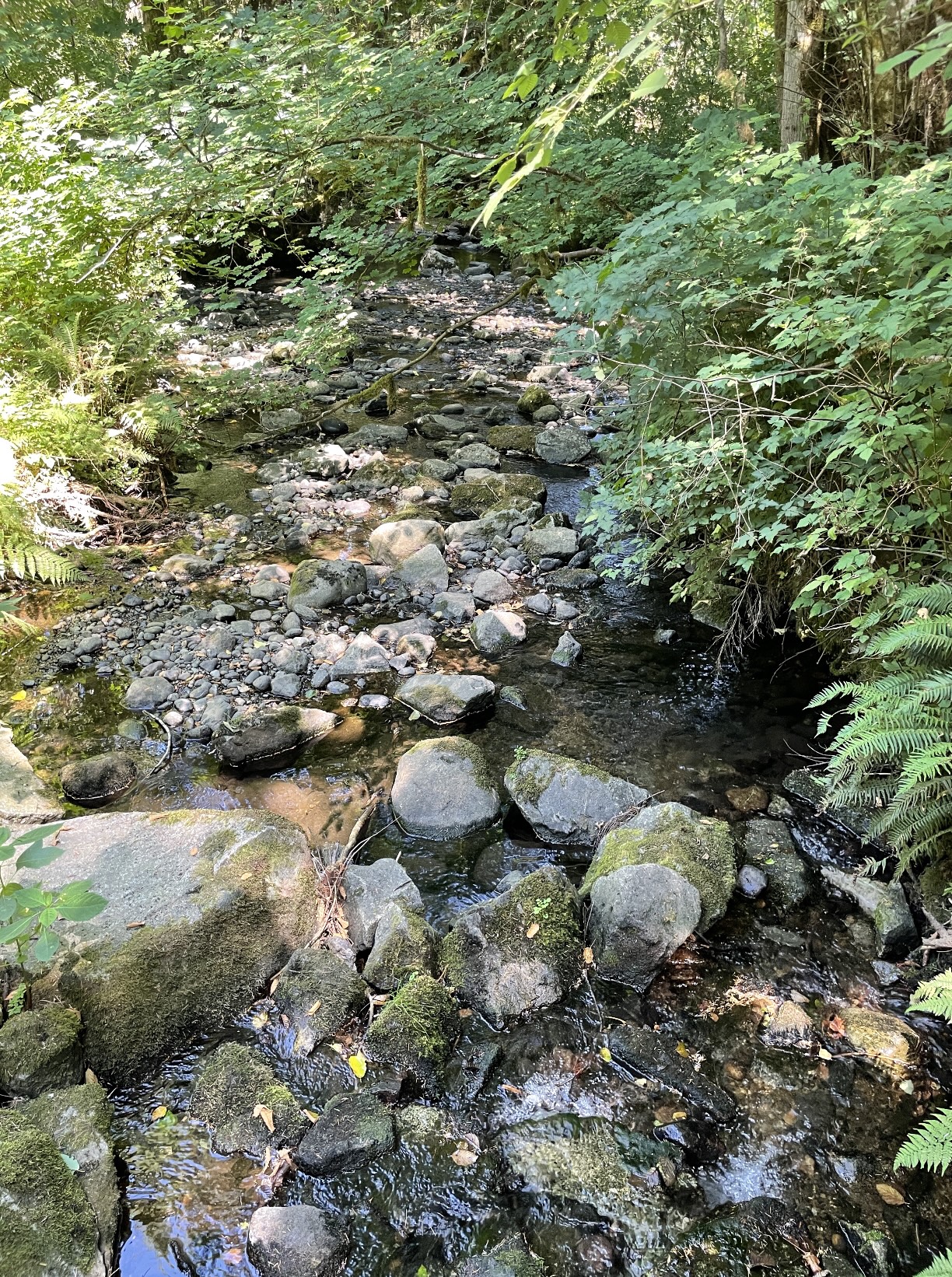 Environmental advocates and industry officials are divided over whether new logging plans in the Upper Highwood River watershed will provide sufficient protection for the threatened Bull Trout population. West Fraser Cochrane recently obtained Fisheries and Oceans Canada (DFO) authorization under the Fisheries Act and sections 73 and 74 of the Species at Risk Act (SARA) to install 14 temporary crossings for timber harvesting. The company says it is balancing responsible resource use with habitat conservation. “We understand how important it is to protect bull trout and Westslope cutthroat trout habitat in the Highwood– and share that priority,” said West Fraser Cochrane. “…we will monitor conditions before and after harvest to help inform responsible stewardship.” …Both environmental advocates and West Fraser agree on one point: safeguarding the Bull Trout and its habitat is a critical challenge. The question is whether the mitigation steps currently underway will prove sufficient to ensure the species’ long-term survival.
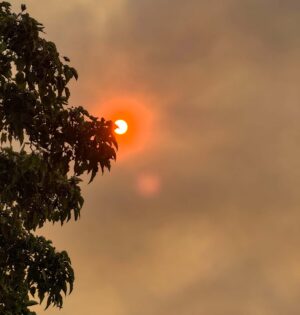 The Saskatchewan NDP’s critic for forestry is calling on the province to provide support to help forests in the north recover from this summer’s destructive wildfire season. Cumberland MLA Jordan McPhail said more than 2.9 million hectares of forest was destroyed by fire over the summer, and this is having an impact on the forestry sector. “They’re literally seeing future profits go up in smoke,” he said. The northern Saskatchewan MLA said the provincial government can play a positive role by investing in reforestation work. McPhail said provincial regulations dictate that forestry companies replant two trees for every single tree they take. These dictates do not apply in instances where trees are destroyed by fires. …The Government of Saskatchewan said the province is committed to doubling growth in the forestry sector and is prepared to support the industry to do this.
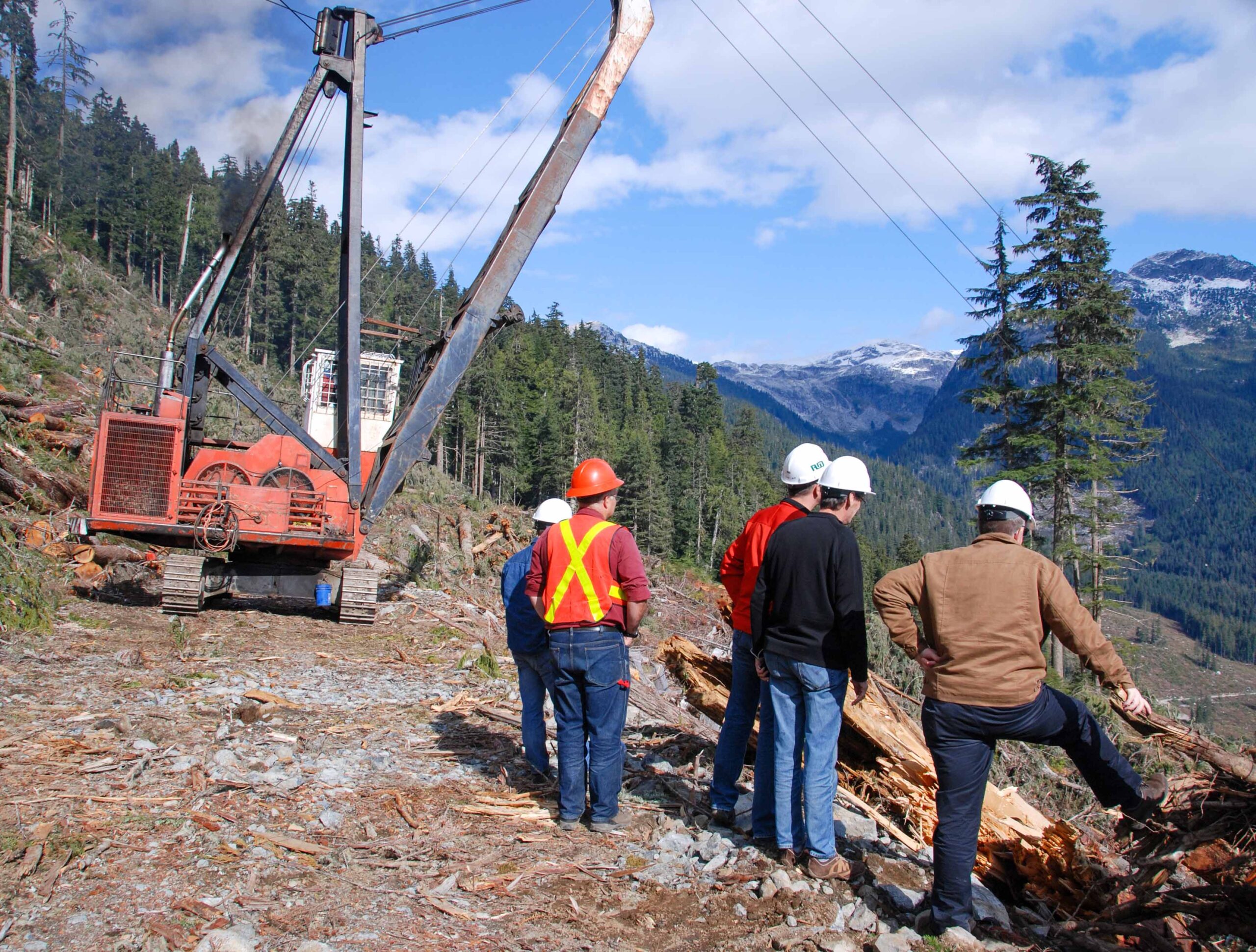 BANFF – A large swath of land will be logged at the base of Sulphur Mountain this winter to help further protect the Banff townsite from a future runaway wildfire similar to one that destroyed part of Jasper last year. As part of Parks Canada’s ongoing work to reduce the threat of wildfire to the townsite, the plan calls for 125 hectares to be logged and thinned in the Spray and Middle Springs area over the next two winters, including about 79 ha this winter. The entire project – which aims to slow the spread of an approaching wildfire and aid in suppression efforts to protect the Banff townsite – is slated to begin by the end of November and wrap up by spring 2027. …The Town of Banff has directed almost $1.5 million to be spent in 2025 wildfire mitigation work in 2025 within the four-km2 townsite.
 Maple Ridge’s greenery is being recognized and awarded on a national scale. Malcolm Knapp Research Forest is one of two forests operated by the University of B.C. (UBC) that was recently acknowledged with a Canadian Institute of Forestry – Canadian Forest Management Group Achievement Award. …The award recognizes outstanding achievements by teams of managers in the field of natural resource management in Canada, and the local forest was praised for its “pivotal role” in advancing forest education, research, and management across B.C. and beyond, explained Helene Marcoux, local research forest director who was on hand for the recent awards presentation. …Through the coordination of more than 1,400 research projects and the delivery of experiential learning programs to thousands of students and professionals, the research forests have significantly shaped forest policy, sustainable management practices, and public understanding of forestry, said presenters of the national awards.
 Atlantic Canada’s wildfires are growing and a scientist at the University of New Brunswick (UNB) says the combination of climate change and regional forest management are making things worse. Anthony Taylor is a forestry expert at the UNB. He studies the impact of climate change and forest composition. “We should expect more weather like this into the future,” Taylor said. “That’s largely a consequence of inaction on climate change over the past 20 or 30 years.” Taylor said the weather and drought conditions in the Maritimes can be blamed on the climate change already baked into the system and people should expect more warming in coming decades. He said weather impacts wildfires more than any other variable but the next biggest factor is ignition. “More than 90 per cent of our fires that do occur, including this year, are from human ignition,” Taylor said. “Obviously we want to try to reduce and stop climate change but the next best thing after that is to be fire smart around the woods.”
:quality(65))
 The man charged after an investigation into the largest wildfire in Nova Scotia history has been fined $25,000. Dalton Stewart, 23, chose not to speak when he was handed the sentence Thursday in Barrington provincial court. The sentence — a joint recommendation from the Crown and defence — also includes an order to complete educational training on wildfire prevention.
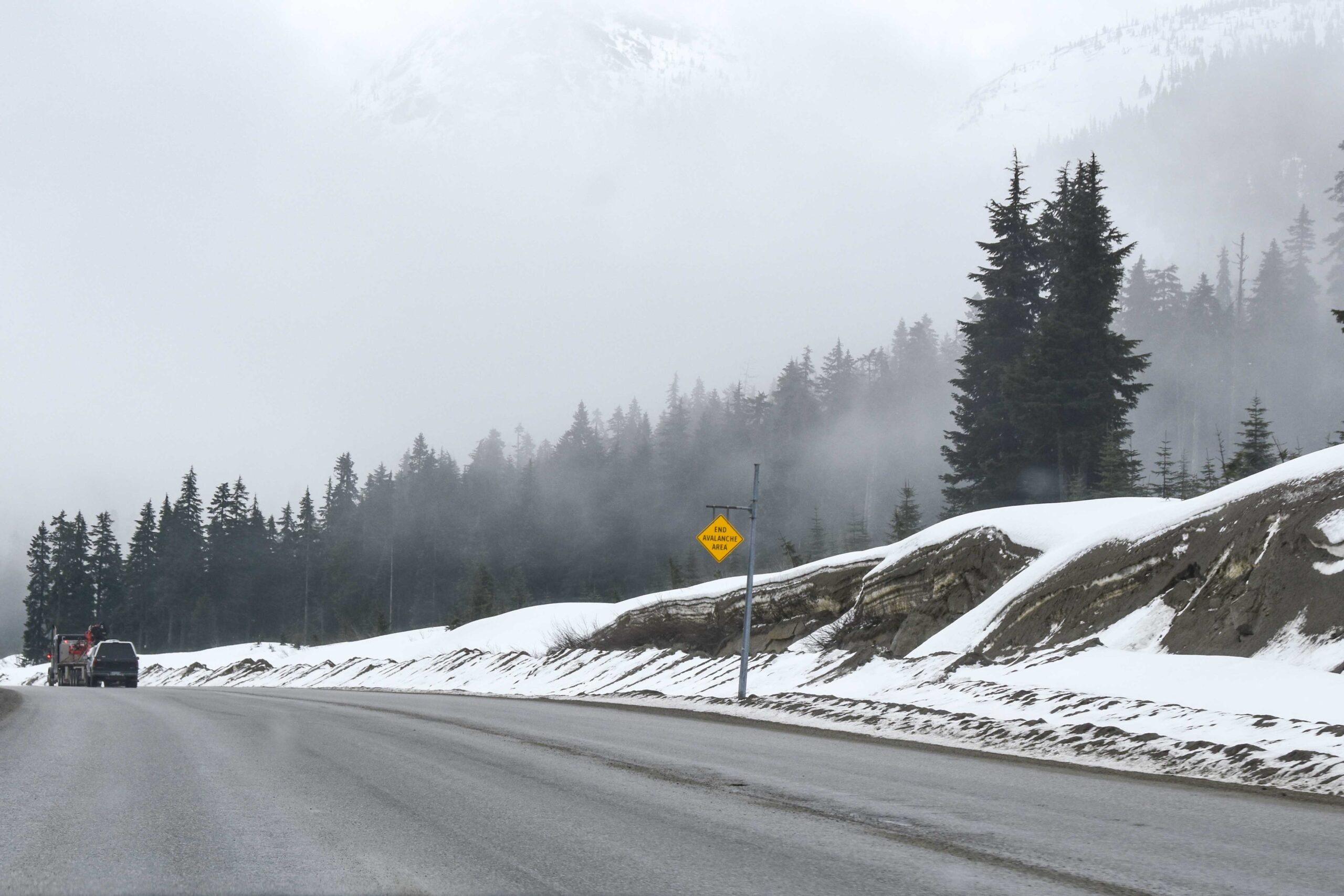 Does your workplace safety program include steps to reduce the risks your drivers face when driving on the job in winter? It needs to. Your safety responsibilities don’t change with the seasons. But you do need to address the additional driving hazards created by winter road and weather conditions. Some of the biggest hazards for log haulers include:
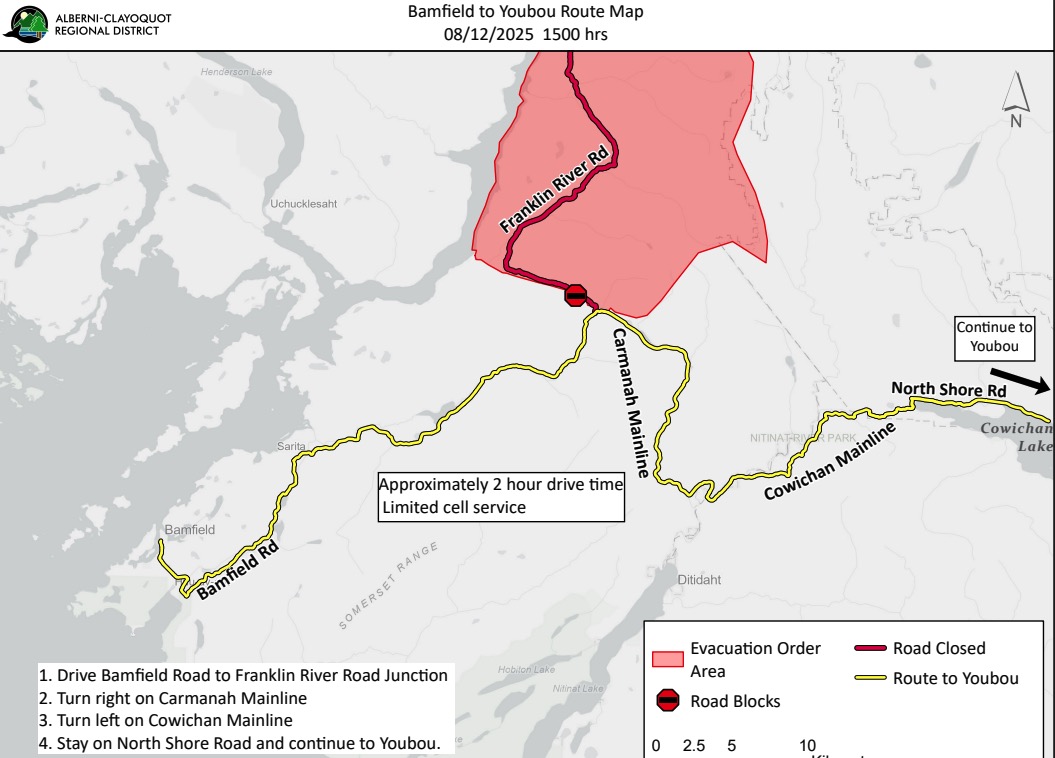 Since Aug. 11, the Bamfield Main Road has been closed. …When the Mount Underwood wildfire broke out, that road had to be closed because of a blaze raging nearby. …Bamfield-area residents have to travel more than four hours to get to Port Alberni. …Another point of frustration for the people on the other side of the closure is the existence of a logging road owned by Mosaic Forest Management, a section of that road goes around the Bamfield Main Road closure. Harrison said she and a small group of other people drove the road to check it out. …”The Youbou Road is 100 times worse than that little 20-minute bypass road,” claimed resident Sherry Harrison. …The ministry said the road owned by Mosaic is private and public use is up to the discretion of the company, but added those logging roads were not built and are not maintained for public use.