
Christine Gelowitz
Wildfires may fade from view in the fall, but the danger — and need for action — remains. More than 880,000 hectares burned in B.C. this year; that’s 75 per cent higher than the 20-year average. With the likelihood of more extreme fire seasons ahead, work to prepare for and mitigate the wildfire risk needs to happen year-round, not just when we smell smoke. And registered forest professionals are at the forefront of that preparation.
Earlier this year, the Ministry of Forests provided a $620,000 grant to Forest Professionals BC to expand the role of forest professionals in reducing wildfire risk. The funding is helping strengthen professional standards, develop new training programs, and build a connected community of practitioners who share knowledge and stay current with the fast-changing realities of managing wildfire in forests. …If we want fewer catastrophic wildfire seasons, we need to empower the work guided by forest professionals: fund multi-year treatment programs, fast-track permits for well-designed prescribed burns, reward projects that show measurable risk reduction, and keep the work in the hands of people who are trained, tested, and accountable to the public.




 Industry leaders say they are disappointed with the additional 10% tariff on Canadian goods announced Saturday by US President Trump… over Ontario ad. Jean Simard of the Aluminum Association of Canada said that this announcement is “very unfortunate and uncalled for.” …“I don’t think it’s going to add anything to the situation that the U.S. will be facing moving into the fall season with prices that will be increased by these stacked up tariffs on everything that moves into the U.S.” A $75-million television ad from the Ontario government, featuring remarks by former US President Reagan on tariffs is what prompted Trump to announce he was ending trade discussions with Canada. …“We might see the same phenomenon that unfolded in the course of the months of July and August, where our metal started moving towards Europe instead of the U.S,” Simard said.
  President Trump said that he, personally, wants to attend next month’s Supreme Court hearing on his tariff policies. The U.S. Supreme Court will hear oral arguments, beginning on November 5th, whether the president can unilaterally impose tariffs under emergency powers and is acting legally in his bypassing of Congress. The case involves the import tariffs against Canada, Mexico, and China, over allegations of fentanyl trafficking, as well as Trump’s reciprocal tariffs. …Canada is suffering under some of the toughest US tariff actions for some of its largest export sectors — the auto industry, along with steel, aluminum, and Canada’s softwood lumber. …John Weekes, one of the chief Canadian negotiators of the original North American Free Trade Agreement said a lot of Canadians seem to be holding onto hope that Trump’s tariff war will disappear when the USMCA is renegotiated next year. To that, John Weekes says don’t bet on it.
 SASKATCHEWAN — A massive pile of logs that caught fire Monday morning at the Meadow Lake Mechanical Pulp yard was continuing to burn Tuesday, and fire crews say the blaze won’t stop anytime soon. “It’s actually probably going to burn for at least a week, maybe longer, just due to the amount of material burning,” Meadow Lake fire department Chief Joe Grela said. …“We’re probably talking about 100,000 cubic meters of logs here, so quite an immense material,” Grela said. The company that owns the mill, Domtar, said the destruction of the wood is a huge loss. …”It’s always unfortunate when something like this happens, but it’s particularly unfortunate at a difficult time for the sector across the country.” The mill’s wood room was shut down as firefighters kept an eye on the smouldering logs. The fire department said the rest of the mill was running as usual.
 Efforts are underway to diversify and strengthen British Columbia’s forestry sector with a new office in London, England. The office will be a hub for BC’s forestry sector to expand its market share across Europe and the United Kingdom. “British Columbia is the second largest exporter of softwood lumber in the world, and with US President Trump’s continued attacks on our forestry workers and economy, we are not sitting idly by,” said Ravi Parmar, Minister of Forests. BC’s Crown corporation, Forestry Innovation Investment (FII), will be expanding its presence to the U.K. to work with the forestry industry there, around Europe, and eventually, select markets in the Middle East and northern Africa, to grow BC’s forestry sector footprint internationally. This new office will give B.C.’s forestry sector a representative to help expand growing wood markets in the UK and Europe. …This is the newest FII office, joining offices in China, India and Vietnam, and industry-led offices in Japan and South Korea.




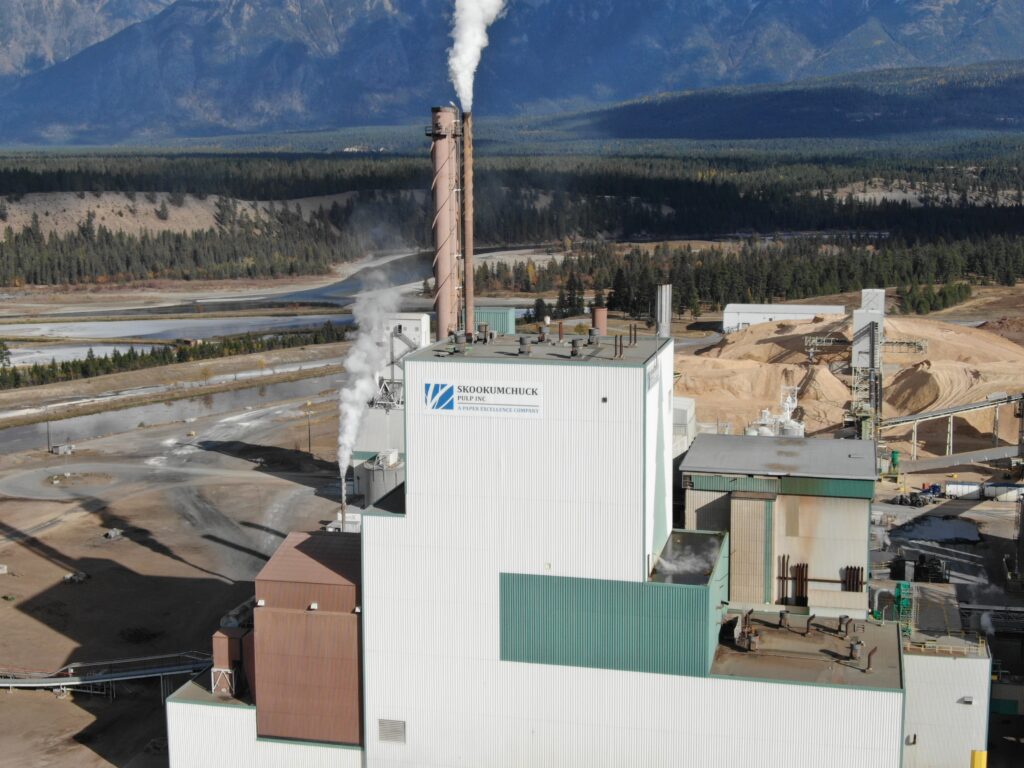

 The judges at New Brunswick’s highest court are wrestling with how to award costs in the first part of a massive and complex litigation that has entangled the province’s biggest landowners. The New Brunswick Court of Appeal heard arguments from three timber firms that successfully argued their case in preliminary motions in a lower court in the Wolastoqey Nation’s big title claim for about 60% of the province’s territory. …Lawyers for J.D. Irving, Acadian Timber, and H.J. Crabbe and Sons argued that because the case is so complex and important for the rights of all private properties in the disputed territory, they deserve a bigger payout. …The case is expected to cost millions over the years. This is one of the reasons the Liberals say they decided the government should settle the dispute. …The judge said the court would make its decision known at a later date.
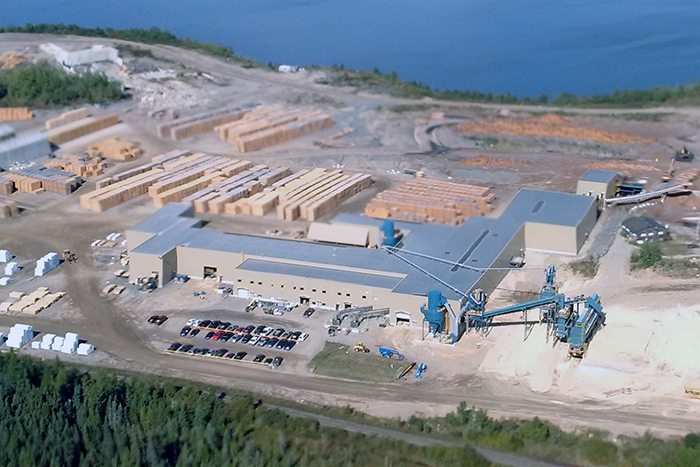

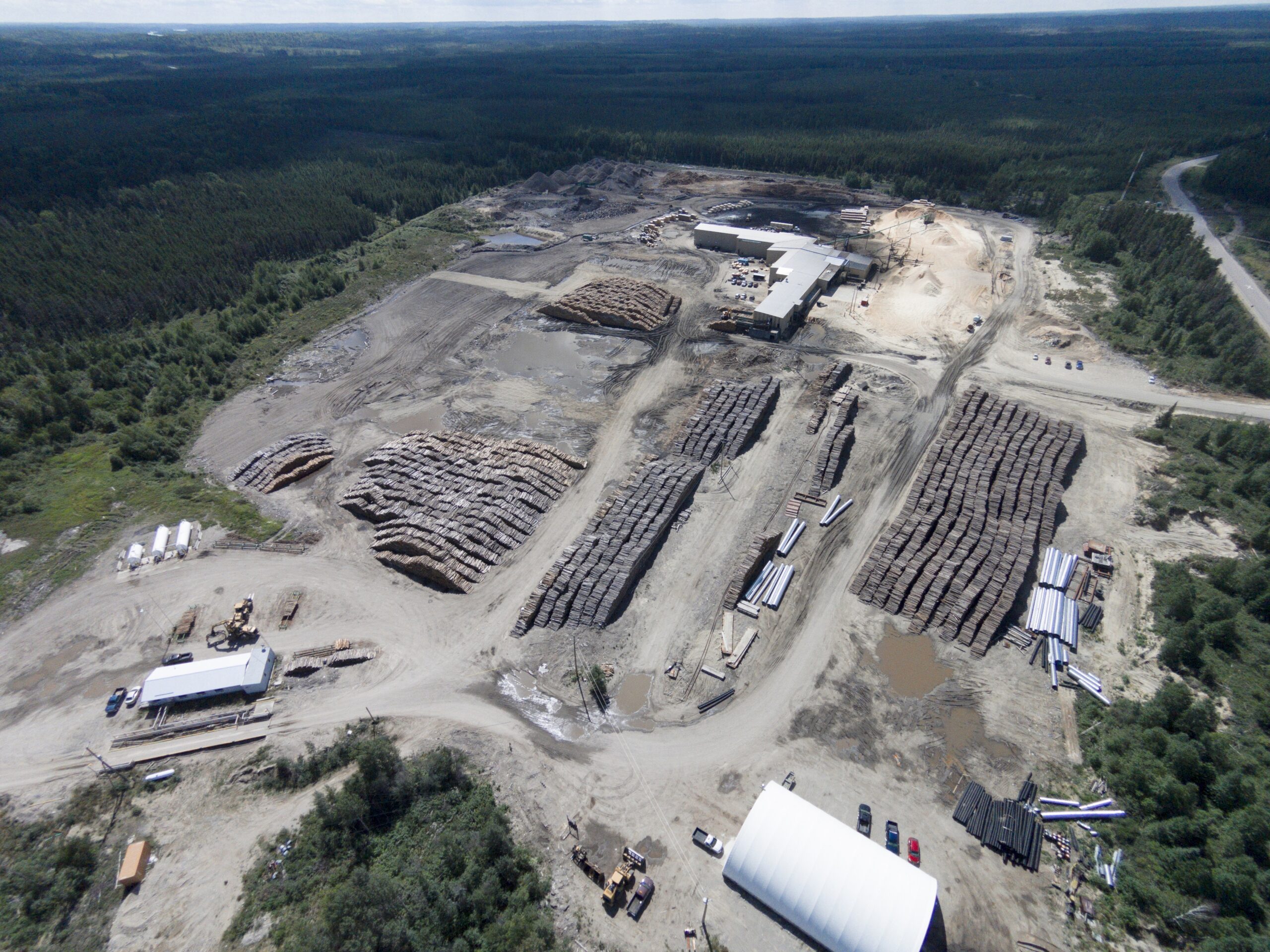

 Kapuskasing Mayor Dave Plourde says after receiving good news on Friday, Kap Paper is slowly getting up and running again. Plourde said the facility was idle for about six weeks after the board ran out of funds to pay employees. Now the community is relieved that the federal and provincial governments have stepped up with close to $29 million to get around 300 people back on the payroll. Plourde said work is underway to plan for the operation’s future. “We started yesterday on the commencement of that,” he said. “It had already been in the works prior to that, but we’re having regular updates and we’re going to make sure that we have something in front of government very soon.” Plourde, who is also chair of the Federation of Northern Ontario Municipalities, said the support is appreciated, but overall, northern Ontario’s forestry sector requires urgent and coordinated action to ensure long-term stability.
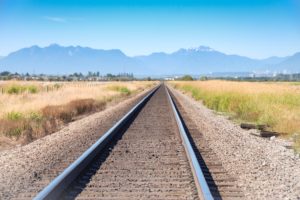 Canadian Pacific Kansas City reported a big profit boost in its latest quarter despite US tariff disruption and fears over fallout from a potential merger of rivals down the line. The railway saw net income for the quarter ended Sept. 30 rise 10% year-over-year to $917 million. Revenues increased three per cent to $3.66 billion on the back of higher shipping volumes. Grain, potash and container volumes rose markedly year-over-year while forest products — struggling under a sectoral tariff imposed by US President Trump — and energy, chemicals and plastics sagged. …Cross-border steel shipments also dropped due to 50% US tariffs on imports of the metal, though CPKC helped make up the decline with domestic traffic and direct Canada-to-Mexico trade, said chief marketing officer John Brooks. A new item of concern crossed the CEO’s desk over the summer. Union Pacific announced in July it wants to buy Norfolk Southern, and potentially trigger a final wave of rail mergers.
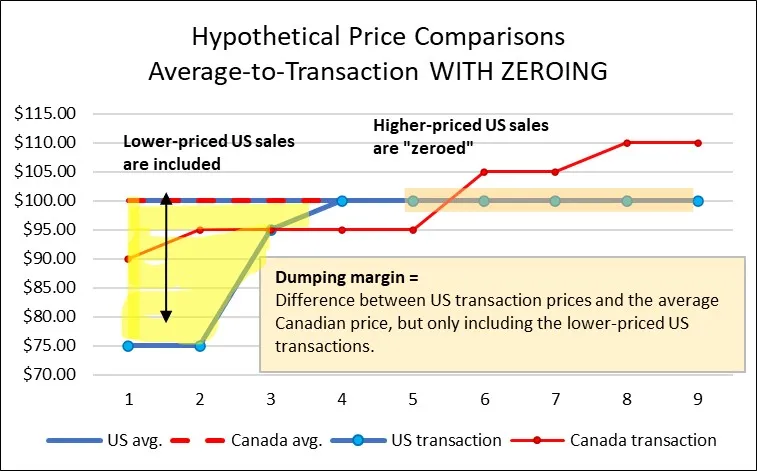
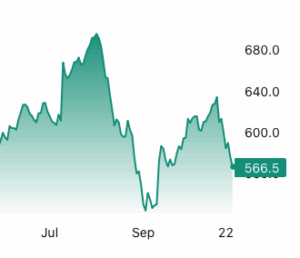 Lumber futures tumbled toward $560 per thousand board feet, a seven-week low, as weakening demand, persistent oversupply, and trade-policy uncertainties converged. US tariffs are intensifying pressure on Canadian softwood, with existing antidumping and countervailing duties around 35%, plus new Section 232 levies of 10% on timber and 25% on wood products, lifting import costs above 45%. Weak demand compounds the decline, with US residential building permits at a seasonally adjusted 1.4 million units in July, the lowest since June 2020, and construction spending down 3.4% from May 2024. Housing starts remain near five-year lows, keeping retail price pass-through muted despite higher import costs. Export channels have narrowed, with Canadian softwood constrained by tariffs and hardwood exports to China dropping from 40% of volume in 2017 to 7% today. Temporary curtailments and mill closures are emerging, yet abundant inventories and sluggish construction sustain downward pressure. [END]
 US tariffs on key Canadian goods and weakening global demand triggered a sharp pullback in exports in the second quarter of 2025, according to new data released by
  The Bank of Canada cut its interest rate by 25 basis points to 2.25 per cent on Wednesday, but signalled that it may end its easing cycle there if the economy operates in line with its latest forecast. …Bank of Canada governor Tiff Macklem said, “If the economy evolves roughly in line with the outlook in our Monetary Policy Report, governing council sees the current policy rate at about the right level to keep inflation close to 2% while.” …The central bank presented its first baseline forecast since January after trade war uncertainty prompted policymakers to instead assess multiple potential scenarios. After a contraction in the second quarter, the bank expects weak growth for the remainder of 2025, with 0.5% annualized GDP growth in the third quarter and 1% growth in the last quarter of this year. It projects GDP growth of 1.1% in 2026 and 1.6& in 2027.
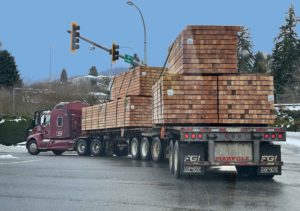 Let’s keep this simple: lumber and steel are two of the biggest drivers of flatbed freight in this country. …So where are we right now, closing out 2025? Lumber futures are sliding off their highs and steel demand is soft with some pockets still running hot. That combination is sending a pretty clear message to flatbed haulers: expect mixed demand instead of broad “every lane is on fire” demand. Some regions will stay busy. Some will get quiet. …Lumber futures have fallen back into the $590–$610/mbf range, down double digits from that August spike, and recently touched the lowest levels in weeks. …There are two main reasons for that weakness: Housing affordability is still brutal. Inventory is sitting. So instead of steady flatbed freight — lumber from mill to yard, yard to jobsite, jobsite to next jobsite — you get pauses. …Lumber and steel tell the truth before the broader market does.
 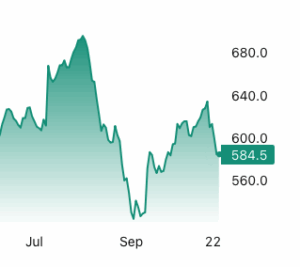 Lumber futures tumbled toward $590 per thousand board feet, a near one-month low, as weakening US housing activity and pre-tariff front-loading left wholesalers awash with stock while stacked US duties on Canadian imports and trade uncertainty pushed prices lower. US homebuilding has slowed, with housing starts falling 8.5% in August to a 1.307 million annualized pace and building permits drifting lower. Many US buyers front-loaded inventories ahead of expected import tariffs earlier this autumn, leaving distributors to work down excess stock before fresh order flow returns. On the supply side, a 10% Section-232 tariff added in mid-October atop roughly 35% in existing duties lifted border costs above 45% for many Canadian shipments, forcing sellers to find new markets or accept lower domestic prices. Producers like Interfor have trimmed output since mid-October, but the cuts are too recent to significantly reduce inventories or regional log supply.
 VANCOUVER, BC —



 The world’s largest green timber label will vote next week on whether to begin work on new traceability rules, amid renewed scrutiny and accusations over whether the body is doing enough to prevent fraud within its supply chains. The Bonn-based Forest Stewardship Council (FSC) bills itself as “the world’s most trusted mark for sustainable forestry.” …But forestry experts and whistleblowers have alleged for years that the FSC lacks a proper control system, allowing bad actors to fraudulently pass off timber that was illegally or unsustainably logged as FSC-certified. Phil Guillery, who was the FSC’s integrity director from 2011-21,
 Forest Products Association of Canada (FPAC) President and CEO Derek Nighbor released the following statement following yesterday’s EU Commission proposal related to the implementation of the EU Deforestation-free Product Regulation (EUDR). “This proposal does not address real concerns with an EU Information Technology (IT) system that is still not fit for purpose and does not address concerns raised by micro- and small businesses part of the integrated supply chain for larger organizations. “We would like to see practical simplification of the EUDR, that appropriately recognizes low-risk third countries such as Canada, as well as EU Member States. We are committed to work quickly with global partners to find an improved proposal, that will both meet the intent of the Regulation, while also enabling strong and vibrant trading relationships, as committed to in the June 2025 strategic partnership between the European Union and Canada.
 QUESNEL, BC — Given what’s going on around the world, it’s easy to understand why more areas in BC are taking a closer look at the Community Forest form of log harvesting tenure. It returns the management and responsibility for small, designated areas of forest land back into the hands of appointed people who live, work and care about them. Some control of what happens to and on the forest land in their own back yard has a growing appeal to its residents. …A community forest attempts to better accommodate other land users. …Co-operating with others as one cohesive unit becomes the catalyst for achieving dynamic, site specific land use solutions. It’s challenging but exciting work. It requires administering a cocktail of flexibility and responsiveness. Nick Pickles understands all that. It’s part of the appeal to being manager of the Three Rivers Community Forest based in the Cariboo region.
  North Cowichan Mayor Rob Douglas has, again, sent a letter to Minister of Forests Ravi Parmar asking the province to help increase the amount of timber that the municipality’s saw and pulp mills have access to. Douglas said that three tree-farm licenses held by Western Forest Products supply much of the timber and fibre for local mills. He said that improving access to timber in these areas could help stabilize mill operations and reduce the impact of challenging market conditions and trade pressures. Douglas said Parmar’s mandate is to ensure a sustainable land base to enable the harvest of 45-million cubic metres of timber while the province is on track to harvest only 29-million cm this year. …The Domtar pulp mill in Crofton, along with Western Forest Products’ sawmills and remanufacturing plant in Chemainus and Cowichan Bay, collectively employ more than 670 workers and generate $7.7 million per year in property taxes for North Cowichan.
 The TLA commends the Provincial Forest Advisory Council (PFAC) for its ongoing work to develop a long-term vision for BC’s forest sector, and
  The Province is making 187 amendments to 38 regulations across 10 ministries to reduce red tape, improve permitting timelines and make government services more efficient and accessible. This work is part of Better Regulations for British Columbians (BR4BC) amendment package… This year’s focus is on expediting permitting and approval timelines for people and businesses in British Columbia. By streamlining approval processes, such as removing construction permit requirements for very small private water systems, simplifying the level of authority needed for special-use forestry permits, and eliminating outdated provisions related to soil relocation and open burning activities, the Province is making it easier to do business in B.C.

 Backgrounder: On October 24, 2025, the Honourable Rebecca Chartrand, Minister of Northern and Arctic Affairs, on behalf of the Honourable Tim Hodgson, Minister of Energy and Natural Resources,
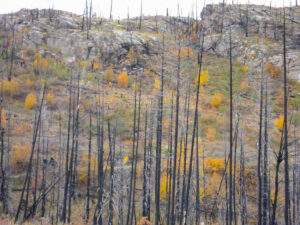 For the Northwest Territories government’s 2024 Forest Health Report, published last month, researchers were only able to survey about one third of the area they would normally study. Smoke from nearby wildfires reduced visibility for crews on the ground and in the air, making it difficult for researchers to do their work. Even so, one of the report’s findings is the sheer impact of a drought that has covered much the NWT since June 2022 – and its effect on forests. Of about four million hectares of forest surveyed by researchers in 2024, more than 220,000 hectares showed stresses from either the ongoing drought or the high water of 2020 and 2021, the report asserted. Because the survey work was limited by factors like smoke, researchers think the real extent of the issue “is likely substantially larger.” …Drought can contribute to tree and plant mortality, which in turn creates fuel for wildfires.
 VANCOUVER, BC – NorthX Climate Tech (NorthX), a BC-based innovation catalyst backing the builders of Canadian climate hard tech, today launched a funding opportunity for Canadian wildfire technologies. Through the 2025 Wildfire Tech Call for Innovation, NorthX will provide up to $3 million in non-dilutive investments to Canadian companies developing advanced technologies that prevent mega wildfires, enhance firefighting response, and support faster recovery. “With each passing year, wildfires are posing an ever-growing threat to communities across Canada,” said Sarah Goodman, President & CEO of NorthX. “In response, NorthX led the way with Canada’s first wildfire innovation call in 2024. This new round builds on that success, backing Canadian innovators developing the tools to fight fires, cut emissions, and protect lives.” …Founded in 2021 with an initial investment from the Government of Canada, the BC Government, and Shell Canada, NorthX Climate Tech (NorthX) is a catalyst for climate action…




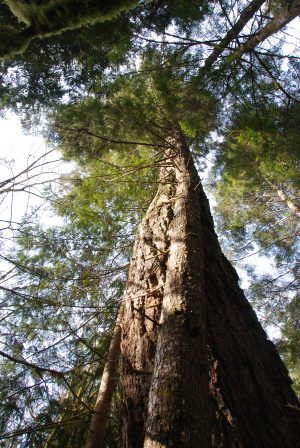 HALIFAX – A documentary on BC’s Fairy Creek blockade is making waves in Nova Scotia. “Fairy Creek” covers a period of eight months in 2021, when thousands of activists blockaded logging roads leading to old-growth forests on Vancouver Island. …Now, it’s getting a Nova Scotia debut with screenings in Halifax, Tatamagouche, Inverness, Annapolis Royal and Wolfville. …Neal Livingston, a Nova Scotia filmmaker, says… “We don’t have a history of that (in Nova Scotia).” Livingston says the film is especially timely for Nova Scotians, as activists in Cape Breton say they have been targeted by recent legislation. …The province introduced an omnibus bill that would make blocking forest access roads illegal and come with a fine of up to $50,000 and/or six months in jail. This fine is a steep increase from the current $2,000 penalty.

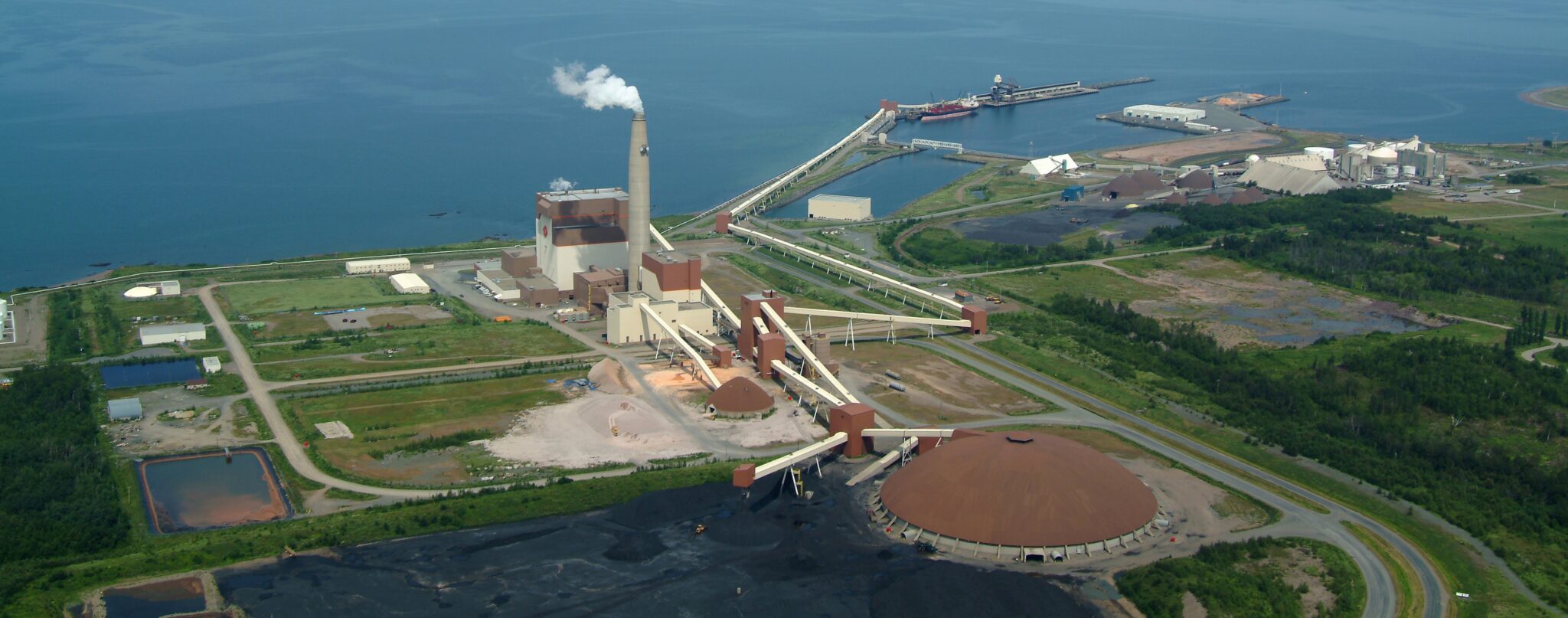
 See these stories and more in the October newsletter: As we mark Manufacturing Month and Ergonomics Month, we’re highlighting ways employers can help keep workers safe.
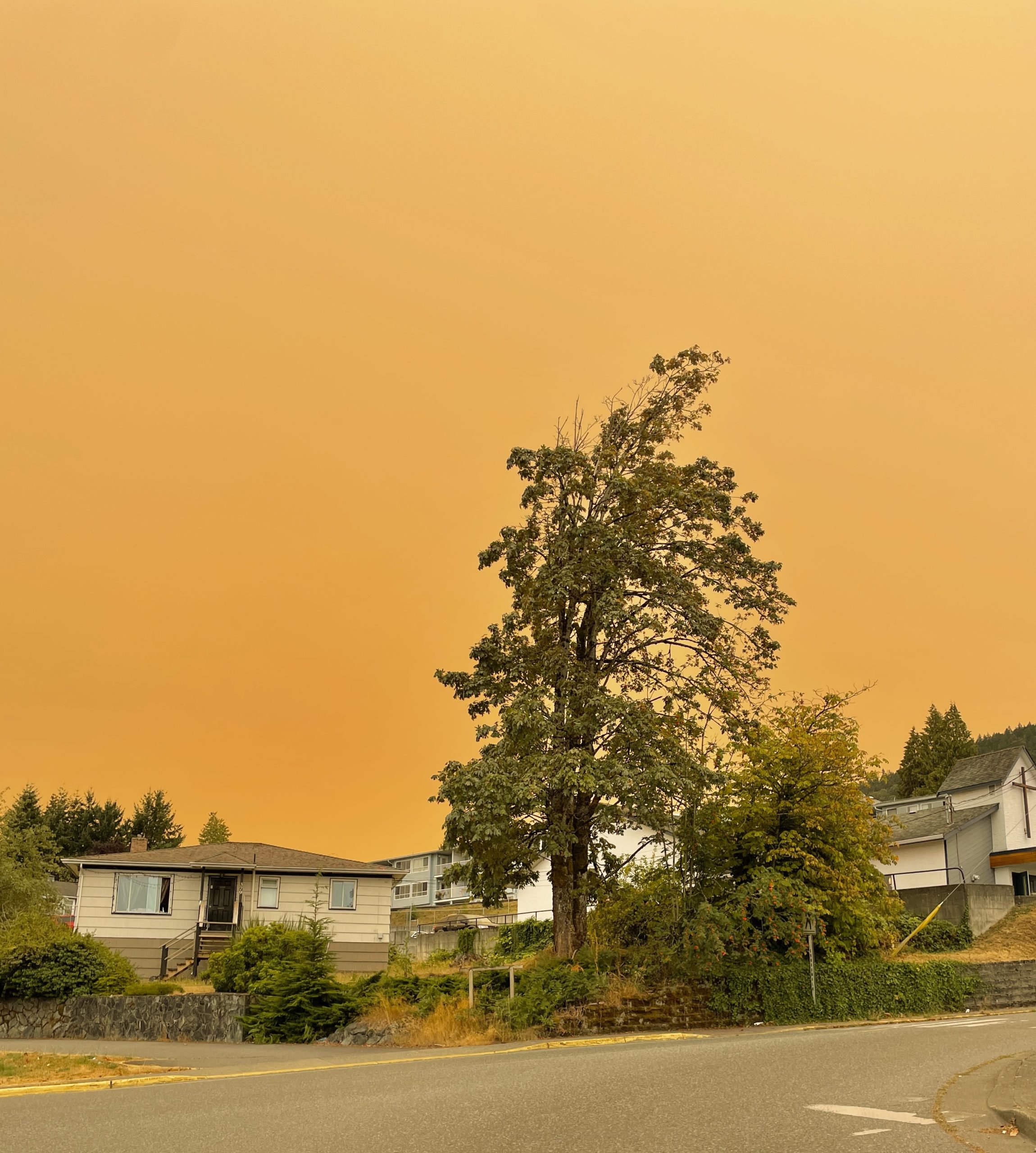
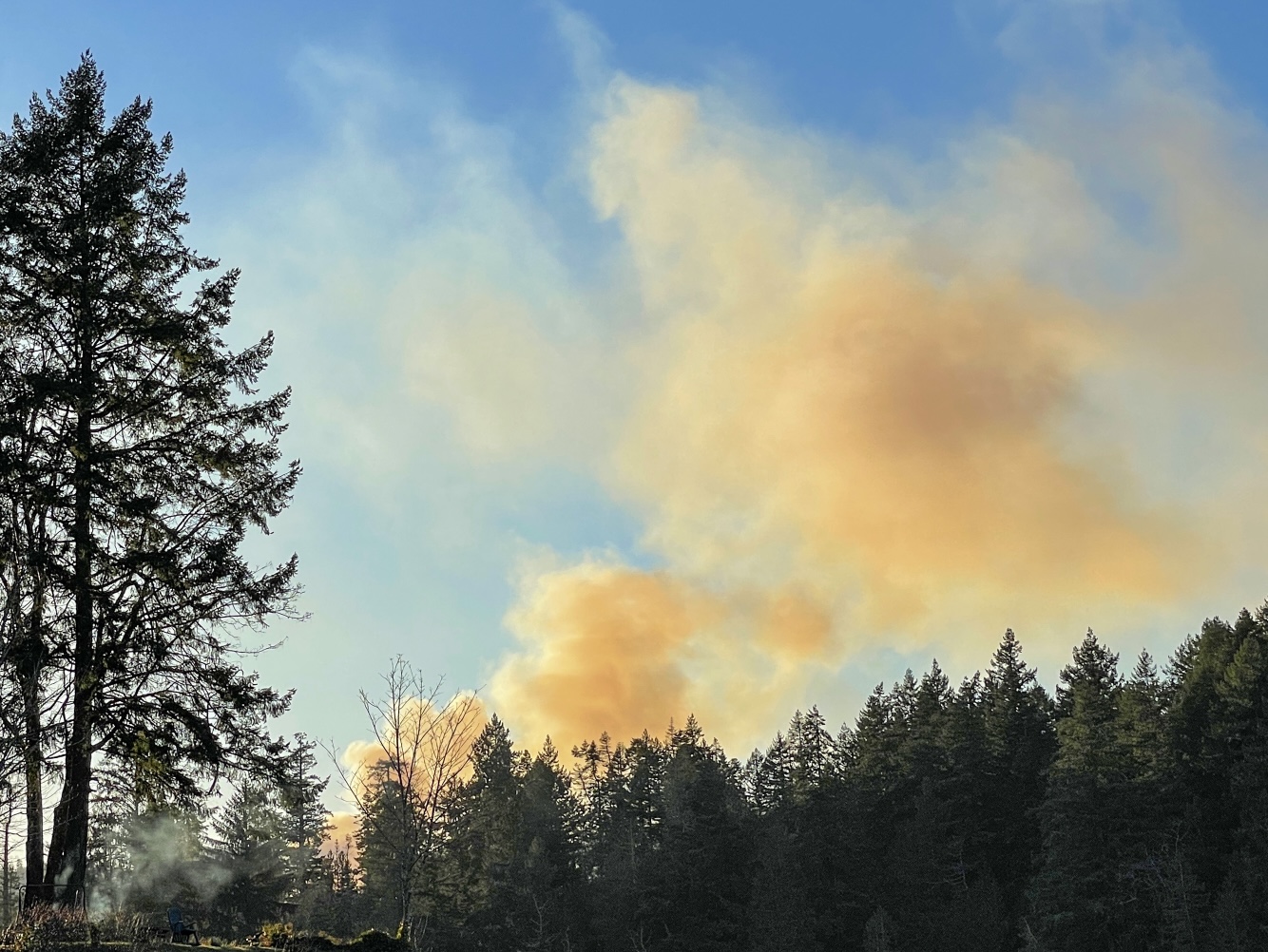 There’s been a cool edge to the air the last week or so. You may have noticed something else in the air, too — smoke. Unfortunately for those with health conditions like respiratory problems and heart disease, and for those who don’t want to develop them, two jurisdictions in the Cowichan Valley still allow at least some backyard burning, and wood burning appliances are still common everywhere in the Cowichan Valley Regional District. The Town of Ladysmith, City of Duncan and Town of Lake Cowichan have completely banned backyard burning. The Municipality of North Cowichan has cut back on what it allows, but there are still large swaths of territory within its boundaries where lighting up a burn pile is still allowed. … Cowichan’s transfer stations accept yard waste free of charge, so people can take their debris there instead of lighting it up. So consider your alternatives, and the people around you before you burn. Smoke travels.
 Quebec’s workers’ safety board (CNESST) concluded that driving a forestry vehicle that had no seat belt or complete door contributed to the death of a worker in Saint-Côme-Linière, in the Chaudière-Appalaches region. The forestry worker died in a workplace accident on Jan. 6 while reversing a vehicle known as a skidder, according to the Commission des normes, de l’équité, de la santé et de la sécurité du travail (CNESST). During the maneuver, the vehicle backed up onto the stump of a felled tree, causing vibrations that ejected the worker from the cab. The man was crushed by the front wheel of the skidder. In its report, the CNESST concluded that “operating a skidder that is not equipped with seat belts or full doors violates section 21 of the Regulation respecting occupational health and safety in forest development work.”
 MOUNTAIN VIEW COUNTY – Provincial officials upgraded the wildfire danger rating to high across the Rocky Mountain House Forest Area Thursday as a new wildfire erupted in the area earlier in the day. Parts of Mountain View County are included in the forest area, namely west of Sundre and Bergen, covering Coal Camp and Bearberry west of Range Road 60 from Township Road 312 to the north boundary of the county. “The wildfire danger in the Rocky Mountain House Forest Area has increased to high,” the province’s Oct. 23 update said.”Continued warm temperatures, windy conditions and dry vegetation are contributing to the elevated risk. The wildfire danger will remain high until the area receives consistent and lasting moisture.” A wildfire was detected in the Rocky Mountain House Forest Area earlier in the day on Thursday. RWF080 is estimated at 80 hectares in size.