
Kevin Mason
As we begin to think about our 2026 forecasts, we (and the market) are challenged by the declining quality of information. Across geographies and sectors, both the quantity and quality of stats have been deteriorating over the past few years, reducing the market’s ability to understand the present context and the future outlook. …At the same time, the need for quality and timely stats is greater than ever. The full impact of seismic changes in global free and fair trade is still unfolding. Commercial pivots take time given pre-tariff inventory builds, contracts, and buyer familiarity and preference. …Producers also lack confidence, impacting the willingness to invest in (or close) assets that drive our supply/demand models. Finally, we worry about investor confidence, as assessing an appropriate risk-weighted return is much more difficult in the current environment.
As a result of the ongoing US government shutdown, much of the regular housing data (starts, permits, etc.) have not been published this month, meaning that we are flying blind, to an extent, in terms of US housing analysis. However, based upon recent solid-wood pricing trends and commentary from industry contacts, there is little to suggest that the US housing market has shown any improvement in the past few weeks. With a seasonally slower period for housing demand and homebuilding activity approaching very quickly, we are unlikely to see any marked improvement in US housing before next spring (at the earliest). …While the US housing market may see some minor tailwinds from improving affordability over the coming months, that boost to housing (and wood products) demand could be more than offset by the negative impacts of the ongoing government shutdown.
 On August 5, 2025,
  Forest Products Association of Canada put forward 19 practical recommendations for Budget 2025 focusing on three areas where immediate federal action can make a tangible difference: Smarter regulation to improve competitiveness; Clear signals to improve investment confidence; and Stronger trade and market access measures to protect Canadian jobs. …Hundreds of rural and northern communities depend on a strong forest sector. The Government of Canada’s $1.25 billion softwood package is welcome support for the immediate term, but finding a path to a more certain trading arrangement with the United States remains the Canadian forest sector’s top priority. …The inclusion of Investment Tax Credits (ITCs) for biomass projects in Budget 2025 is a welcome, long-overdue step for Canada’s forest sector. …With the right tax measures in place, these projects can modernize mill operations, sustain and grow jobs in rural and northern communities, and strengthen Canada’s position as a secure producer of renewable energy.
 The head of the Forest Products Association of Canada wants the upcoming federal budget to help “future-proof” the forestry sector while tariffs and duties pile up, as some mills have already been forced to curtail production or close. “Let’s not waste a crisis,” said Derek Nighbor, FPAC’s president and CEO. “Let’s use this as a moment to future-proof and future-ready our industry, and to support our workers and ensure that some of these mills can operate, for decades to come.” …When the budget is shared Nov. 4, Nighbor will be looking for more details on spending to help the forestry industry diversify its export markets. He also expects to learn more about spending on innovation to help retool mills and support a growing, mass timber, prefabricated modular homebuilding industry. …Lana Payne, Unifor’s national president, said she also wants to see a made-in-Canada housing strategy that relies on Canadian lumber.
 WASHINGTON — Donald Trump’s tariff agenda is set to face a major legal hurdle in the US Supreme Court this week but no matter the ruling, it will not spare Canada from all of the president’s devastating duties. The US Supreme Court will hear arguments Wednesday from businesses and states that say Trump’s use of a national security statute — the International Emergency Economic Powers Act of 1977 — to hit nearly every nation with tariffs is illegal. The hearing will combine two cases: one pushing back on what are usually referred to as Trump’s reciprocal tariffs and the other which also argues against the fentanyl-related duties on Canada, Mexico and China. It will not impact Trump’s expanding use of tariffs under Section 232 of the Trade Expansion Act of 1962. …Carlo Dade at the University of Calgary’s School of Public Policy, said no matter the outcome of the hearing, Canada will be facing tariffs.
 VANCOUVER — Politicians from B.C. and Ottawa will meet in Vancouver today for a forestry summit on how to prop up the industry in the face of American fees and tariffs topping 50 per cent. Federal politicians including Dominic LeBlanc, the minister responsible for Canada-U.S. trade, along with B.C. Premier David Eby and his forests and jobs ministers, are set to discuss ways to support workers and businesses being hammered by the increased fees. In September, the Americans imposed anti-dumping and countervailing duties on Canadian companies ranging from 26 per cent to more than 47 per cent, and then added another 10 per cent last month, claiming Canada’s industry is a U.S. national security threat. B.C.’s goal for the summit is to push for more federal help for the industry that employs tens of thousands of workers in the province. The softwood lumber dispute has been a friction point for decades.
 FORT MILL, South Carolina and MONTRÉAL and RICHMOND, BC — Domtar is proud to celebrate its one-year anniversary of uniting under a single brand: Domtar – The Fiber for the Future. The year has been one of expansion, achievement and living Domtar’s new values. “Reflecting on the last 12 months, I’m deeply impressed by the extraordinary progress our teams have made,” said John Williams, Non-Executive Chairman, Management Board. “Their hard work and commitment have been essential to the success of this integration. While we can’t acknowledge every achievement today, it’s important to pause and recognize the milestones that define our first year as one company.” They include: Reaching a historic agreement with Tla’amin Nation…; Investing in Wisconsin and the Rothschild Dam…; Donating lands to the Nature Conservancy of Canada… ;Publishing our first unified sustainability report…; Expanding our network in point-of-sale receipt rolls… ; and Winning industry recognition.
 WASHINGTON — The US Senate passed legislation Wednesday that would nullify US tariffs on Canada, just as US President Trump is engaged in trade talks in Asia as well as an increasingly bitter trade spat with US’s northern neighbour. The 50-46 tally was the latest in a series of votes this week to terminate the national emergencies that Trump has used to impose tariffs. While the resolutions won’t ultimately take effect, they have proven to be an effective way for Democrats to expose cracks between the president’s trade policy and Republican senators who have traditionally supported free trade arguments. …The Senate passed a similar resolution applying to Brazilian tariffs on Tuesday. …Vice-President JD Vance visited Republicans during a closed-door luncheon this week and also argued that they should steer clear of trade policy while the president negotiates deals.

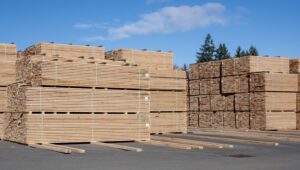 Politicians from BC and Ottawa met in Vancouver Monday for a forestry summit, where they agreed to create a working group on supporting the industry in the face of ever-increasing U.S. fees and tariffs. …Speaking after the forestry summit on Monday, he said the federal government’s commitment to a working group with the province felt “very heartening.” Kim Haakstad, the president of the B.C. Council of Forest Industries, said in a statement that the group is pleased the governments are working together to keep people working — even when markets are challenging. Haakstad said the working group should also include the industry to help focus on keeping mills open, which means prioritizing a new softwood lumber deal and accelerating the rollout of the $1.2 billion from federal government.


 Following today’s BC Forestry Summit, the TLA was pleased to hear the encouraging remarks from Premier Eby and the Honourable Dominic LeBlanc, Federal Minister of Intergovernmental Affairs, Infrastructure and Communities. Their commitment to … addressing softwood lumber tariffs is an important step toward ensuring the long-term stability and competitiveness of Canada’s forest sector. As the backbone of most BC communities, the TLA appreciates today’s much needed recognition that forestry remains critical to both BC and Canada’s economies. The TLA emphasizes the importance of ensuring that a portion of the federal government’s $700 million in funding directly supports forestry’s timber harvesting contractors. …this support can strengthen a sustainable and more certain forest industry. BC was once the lowest cost lumber producer in North America and is now amongst the highest… There is an urgent need to improve certainty by diversifying markets, enhancing access to fibre, and reducing costs to ensure the industry’s long-term viability and global competitiveness.
 VANCOUVER — British Columbia Premier David Eby says the province is walking back plans to run anti-tariff advertisements in the United States after a meeting with federal officials about the province’s beleaguered forestry sector. Eby said Monday that B.C. won’t be running the ads “by ourselves,” in favour of aligning with the federal government in its dealings with the U.S. government under President Donald Trump. “The unfair and unjustified tariffs imposed by the White House on this sector directly threatens thousands of jobs right across the country,” Eby said at a news conference after a forestry summit meeting with federal officials and others. …”Minister LeBlanc didn’t have to ask,” Eby answered Monday when a reporter asked LeBlanc if he requested that the B.C. government hold off on its anti-tariff advertising campaign. “I knew that it was a source of anxiety for many people, including potentially the federal government.”

 Was Premier David Eby ever really serious about running anti-American softwood lumber ads? Maybe, briefly, back when nobody cared about $100,000 worth of sponsored content promoting B.C. wood products. But after Ontario’s ads blew up Canada-U.S. trade talks, Eby seemed to realize the true value of his campaign — namely, in not running it at all. On Monday, Eby all but admitted his tough talk over the past 10 days about the urgent need to educate Americans on B.C.’s softwood sector was just leverage to score a meeting with federal cabinet ministers. …The premier had spent several weeks loudly proclaiming that these softwood ads were essential, and that they would go forward regardless of what the federal government thought. …In exchange for backing off his threat, Eby hyped up a “softwood summit” on Monday his government called the “turning point in our fight for forestry workers.”
 Uh oh. BC Premier David Eby is about to launch his own anti-tariff advertising campaign aimed at US citizens. Eby said this week he expects ads targeting US lumber penalties to begin airing some time in November. It’s safe to say they will not mention Ronald Reagan. …Eby’s teaser for the BC ad campaign shows stacks of Canadian lumber, overlaid with a simplified graph of “winners” and “losers,” terms US President Trump likes to use. In these ads, the losers are American consumers and the Canadian lumber industry, and the winners are the Russians. “It’s important to speak directly to Americans looking to build homes or renovate,” Eby said. …Eby’s got a better case on lumber trade than Ford has on cars and trucks. US home builders have acknowledged that they can’t produce enough lumber for domestic needs, despite Trump’s claim that the US has plenty of trees.

 The BCIT School of Construction and the Environment offers two Associate Certificate programs designed to support workforce development in the North American lumber and sawmill sector:






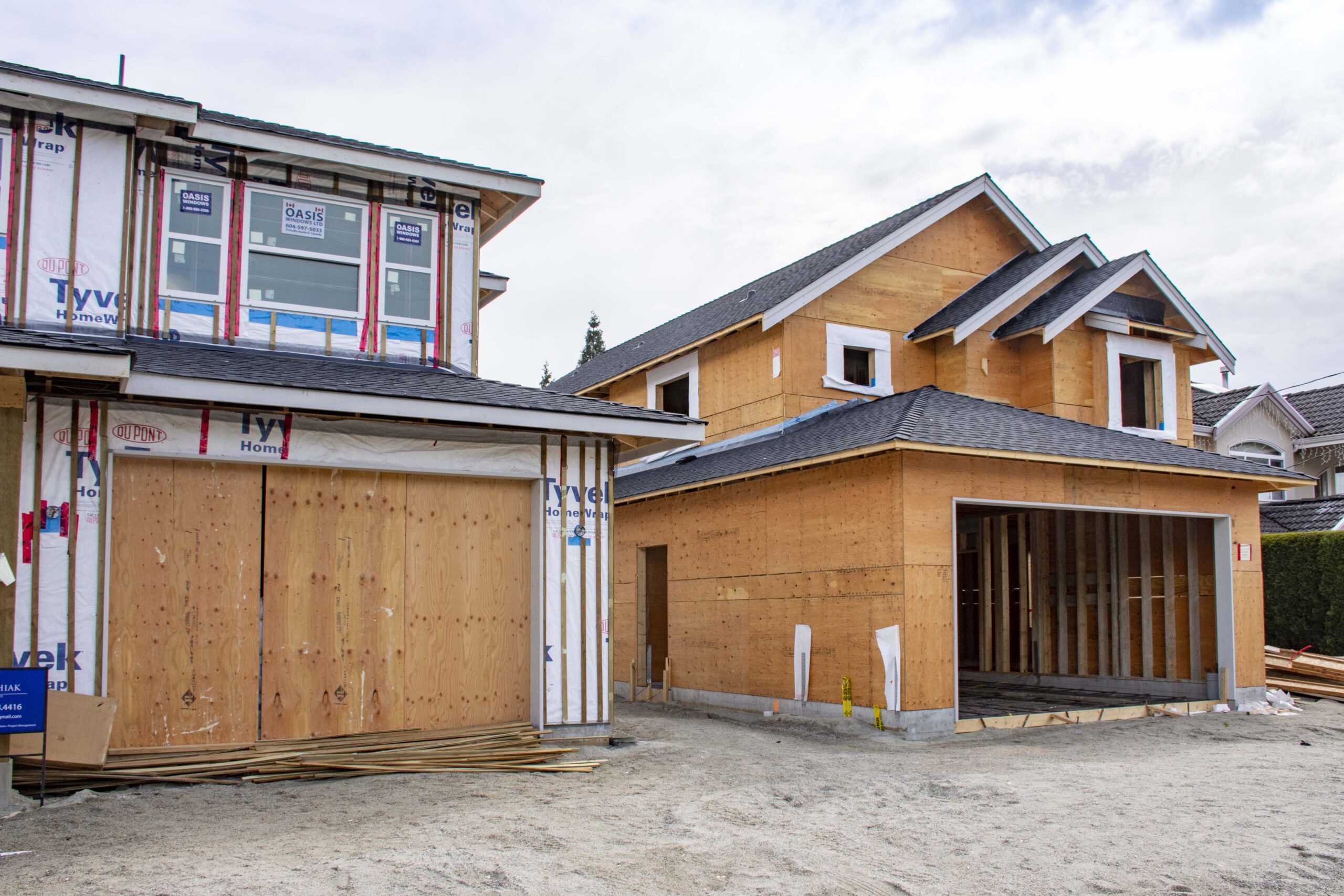 The federal government says its housing agenda can “drive transformation” in the forestry sector as it continues to feel the squeeze of U.S. President Donald Trump’s trade war. That was among the messages relayed by Natural Resources Canada assistant deputy minister Glenn Hargrove to the House natural resources committee on Wednesday. Hargrove touted a $1.25 billion aid package for the sector unveiled by Prime Minister Mark Carney in August, noting $700 million of that, which will flow in loan guarantees through the Business Development Bank of Canada, will start to roll out this week. While there have been many pulp, paper, and sawmill closures across the country in recent years, Hargrove said the department sees a “huge opportunity” to “divert” Canadian products away from the U.S. and into the feds’ efforts to boost homebuilding.
 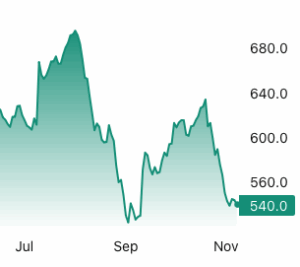 Lumber futures steadied around $540 per thousand board feet, hovering near seven-week lows, after a sharp selloff driven mainly by softer US construction demand and lingering post-rally inventories. US housing starts and builder activity failed to accelerate, leaving order flow thin and dealer and distributor stocks higher than the summer buying binge implied. Supply has only partially adjusted, with North American mills signaling temporary curtailments, but looming US softwood measures and announced support for Canada’s industry have kept export channels and production incentives intact, preventing a rapid physical tightening. Traders are now pricing a likely mix of modest Q4 production cuts, seasonal pre-winter restocking and the risk of trade-related disruptions.
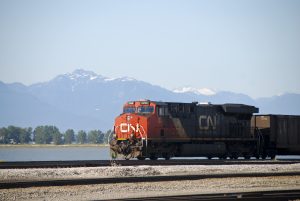 MONTREAL — CN Rail reported its financial and operating results for the third quarter ended September 30, 2025. Highlights include: Revenues of C$4,165 million, an increase of C$55 million, or 1%; Net income of C$1,139 million, an increase of C$54 million, or 5%. …Tracy Robinson, President and Chief Executive Officer said, “We are taking decisive actions to navigate a challenging macro environment including doubling down on productivity efforts, setting our 2026 capital spend at C$2.8 billion*, down nearly C$600 million from this year’s levels, driving increased free cash flow on a go-forward basis. We are positioning this business to benefit from higher future volumes and ensuring everything we do enhances our customers and shareholders long term value.”
 Vancouver, BC — Western Forest Products Inc. reported Adjusted EBITDA of negative $65.9 million in the third quarter of 2025, which included a non-cash export duty expense of $59.5 million related to the determination of final duty rates from the sixth Administrative Review. In comparison, the Company reported Adjusted EBITDA of negative $10.7 million in the third quarter of 2024, which included a $1.0 million export duty recovery related to the determination of final duty rates from the fifth AR, and Adjusted EBITDA of $0.5 million in the second quarter of 2025. Net loss was $61.3 million in the third quarter of 2025, as compared to a net loss of $19.6 million in the third quarter of 2024, and net loss of $17.4 million in the second quarter of 2025.
 MONTREAL, Quebec – Stella-Jones announced financial results for its third quarter ended September 30, 2025. Highlights include: Sales of $958 million, up 5% from Q3 2024; Operating income of $135 million, up 4% from Q3 2024; EBITDA of $171 million, or 17.8% margin, up 6% from Q3 2024; and Net Income of $88 million, up 10% from Q3, 2024. …“Stella-Jones achieved another solid performance in the third quarter, supported by volume improvements, robust margins, improved cash flow and a strong balance sheet,” said Eric Vachon, CEO. …The increase in pressure-treated wood sales resulted from an increase in utility poles and industrial products volumes and higher pricing for railway ties and residential lumber. This was partially offset by lower pricing for utility poles. Logs and lumber sales decreased by $14 million or 47%, mainly driven by lower logs activity.
 EDMUNDSTON, New Brunswick – Acadian Timber reported financial and operating results1 for the three months ended September 27, 2025. Acadian generated sales of $23.0 million, compared to $26.0 million in the prior year period. …Operating costs and expenses decreased $2.0 million compared to the prior year period as a result of decreased timber sales volumes and timber services activity, partially offset by higher average operating costs and expenses per m


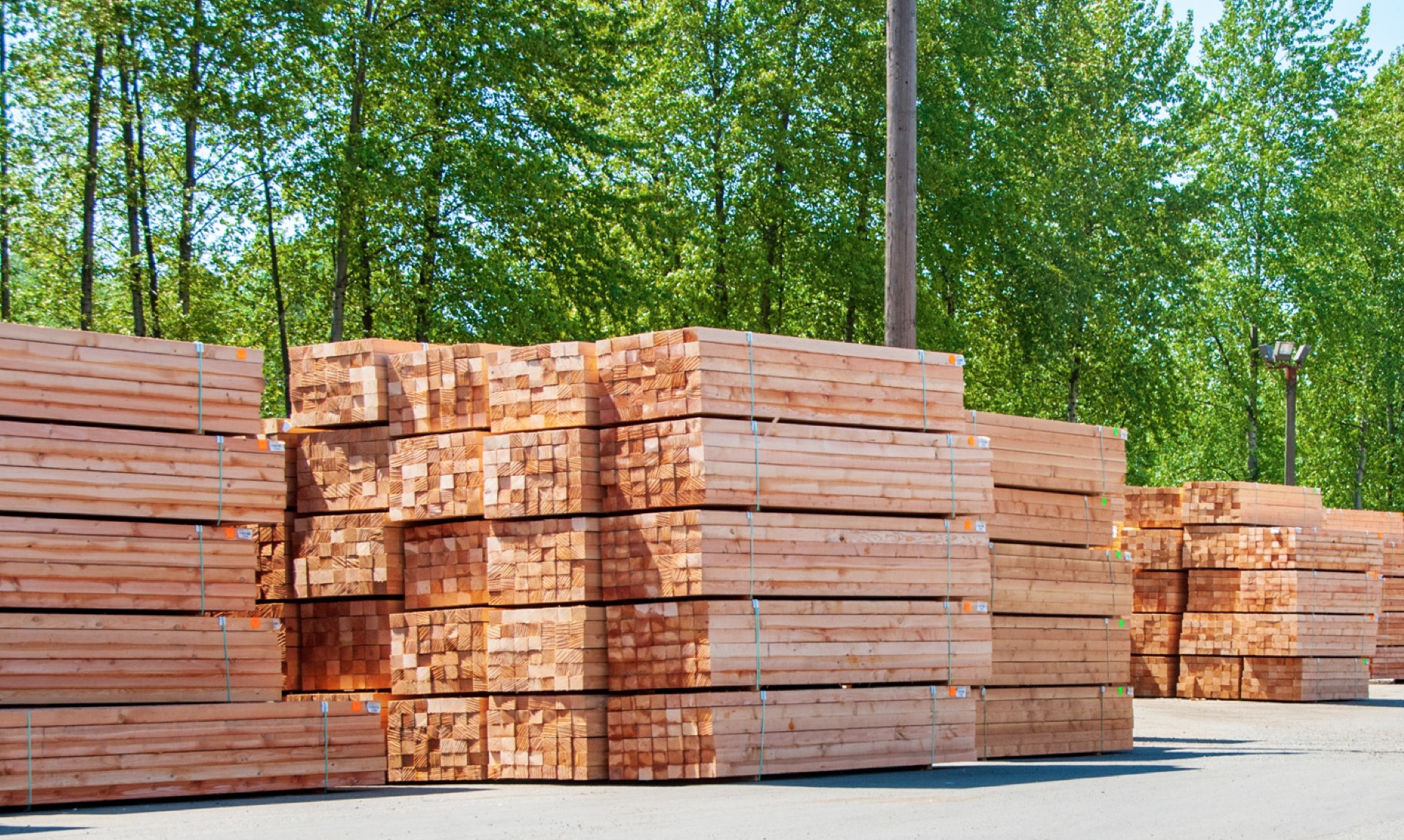 A technique used for the long-term preservation of human and animal remains is now being tested on Western red cedar. Plastination, originally designed to embalm the dead, is now being used to improve the functionality and durability of advanced composite materials. A team from UBC Okanagan’s School of Engineering has been experimenting with the technique and published a study that examined the
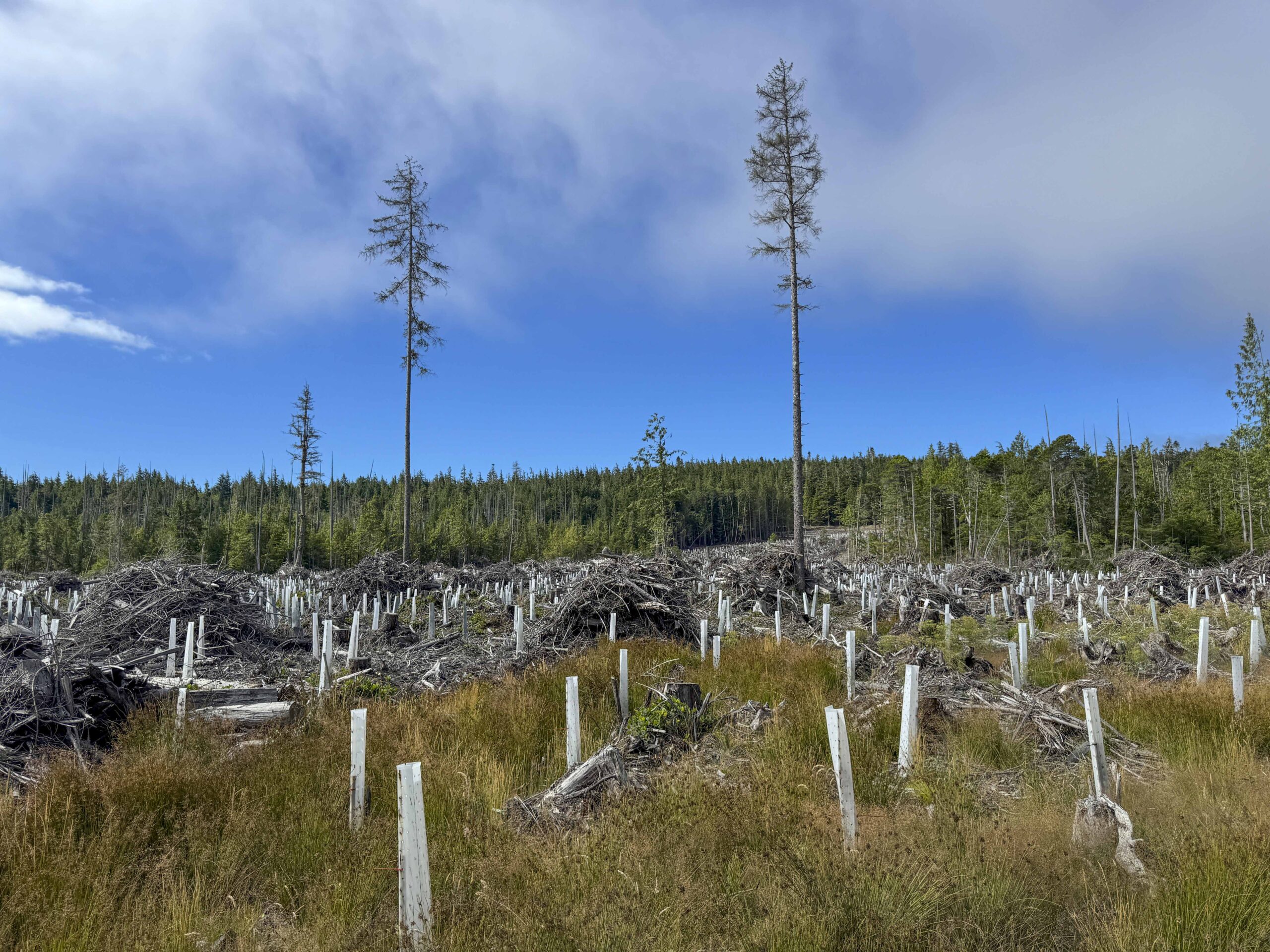
 The Liberal government is dropping its goal to plant two billion trees by 2031 as part of Tuesday’s budget, according to sources familiar with the matter. The government currently has contracts that they intend to fulfil to plant one billion trees, one source said. The news was first reported by the Globe and Mail. Prime Minister Mark Carney said last month that the budget will include a “climate competitiveness strategy.” But this is another key Trudeau-era climate policy that Carney has dropped since becoming leader, after ending the consumer carbon tax and pushing back the electric-vehicle sales mandate. …The government has struggled to keep up with the commitment, missing its annual planting targets in the past two years. Over 228 million trees have been planted so far, according to Natural Resources Canada’s latest update — leaving more than 1.7 billion in order to reach the target by 2030-31.

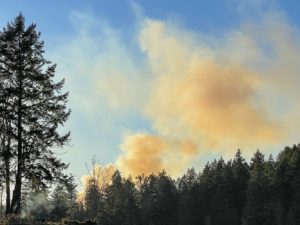 FORT ST. JOHN, BC — Every single wildfire in northeast B.C. is now either ‘under control’ or extinguished as temperatures decline and snow starts to fall across the province. The BC Wildfire Service website shows the last two ‘out of control’ wildfires in the region, both located near Fort Nelson — are now ‘under control.’That means they’re not expected to spread beyond their current boundaries, as opposed to an ‘out of control’ wildfire that’s expected to keep burning aggressively. …Several other wildfires that were previously listed as ‘being held’ — meaning they’re expected to temporarily remain within their current boundaries, but could become ‘out of control’ again — have also been downgraded to ‘under control.’ …This year’s wildfire season saw over 300 wildfires in the PGFC coverage area.
 NANAIMO, BC: Following Vancouver Island’s devastating wildfire season, Mosaic is focusing on ways it can help reduce the chances of fires starting or limit their damage. Mosaic responded to 34 wildfires in 2025—a 19% increase over the previous year’s 26 fires. This year, all five of the most significant blazes were human-caused. The first concerning fire ignited near Campbell River in early May, making 2025 one of the earliest wildfire starts for the company. The Mount Underwood wildfire near Port Alberni burned almost 2,400 hectares of Mosaic lands—roughly the size of the city of Duncan—destroying new forests and conserved old growth while causing community evacuations and road closures. Throughout the season, Mosaic’s fire crews worked with BC Wildfire Service, contractors, First Nations and emergency responders to protect communities and forests.
  Local governments are frustrated after receiving a long-awaited answer to when legislative changes are coming to the law governing how some forest lands are managed in B.C. The answer: with the trade war targeting B.C. lumber, the priority is protecting forestry jobs. …The 2003 Private Managed Forest Land (PMFL) Act puts no limit on the volume of timber that can be harvested, contrary to logging on Crown land. It’s administered by the Private Managed Forest Council, two of the five members of which have active vested interest in PMFLs. …The ministry maintains modernization to the act is being considered. In July… CBC reported the ministry is “working to modernize the act following the 2019 review.” When asked what changed between July and August, the ministry repeated it “continues to work with the Private Forest Landowners Association and the Managed Forest Council to modernize the Private Managed Forest Land Program.”
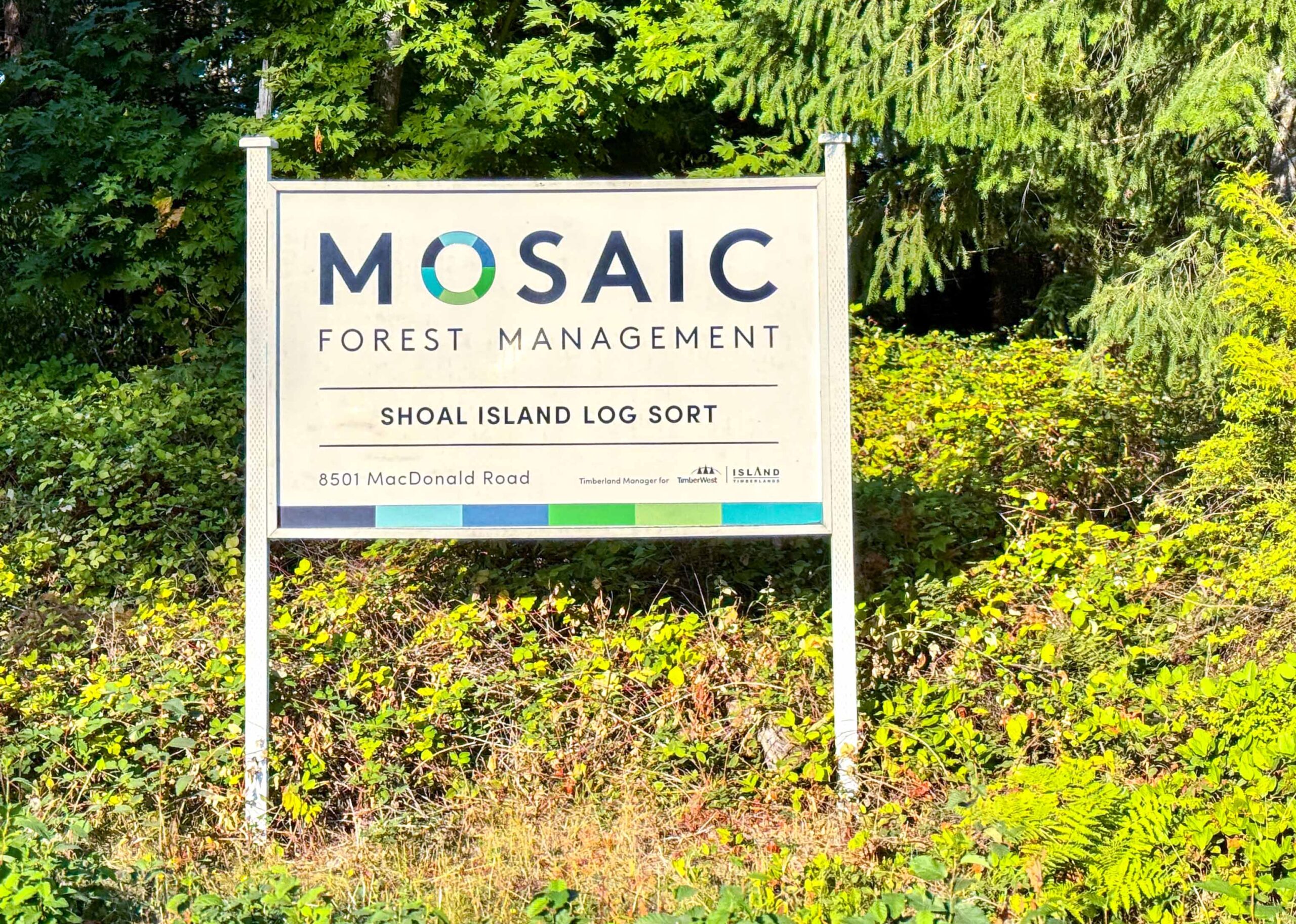 Local governments on Vancouver Island are frustrated after finally receiving a long-awaited answer to when legislative changes are coming to the law governing how some forest lands are managed in BC. The answer … after years of fighting, change is not coming. The 2003 Private Managed Forest Land (PMFL) Act puts no limit on the volume of timber that can be harvested, contrary to logging on Crown land. …“What they’re looking for is the same standards that apply on Crown land to apply on private property,” BC’s Minister of Forests, Ravi Parmar said. “…we have a number of private licensees that do really good work in BC, and I would highlight Mosaic being the largest.” Parmar added he has recently spoken to Mosaic … and feels the company is taking steps to address local government concerns that don’t require legislative changes.
  Campbell River council has given the green light to the fire department to apply for a $419,000 grant through the Union of British Columbia Municipalities. This funding will help mitigate wildfire risks within the city over the next five years. Fire Chief Kelly Bellefleur and Assistant Fire Chief Stephanie Bremer told council the grant will be used to develop a new Community Wildfire Resiliency Plan (CWRP) with a more comprehensive, science-based framework. It will assess current wildfire risks in the city, identify priority treatment zones, and establish a five-year framework for wildfire mitigation and community preparedness. The grant will also help the city upgrade the fire department’s capacity to fight wildfires by purchasing a Type 2 Structure Protection Unit, a mobile trailer equipped with pumps, hoses and sprinklers designed to protect multiple structures during a wildfire, among other priorities.
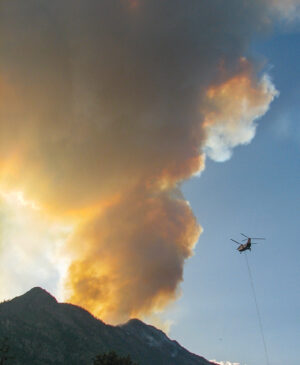 Alberta’s wildfire season unofficially came to an end Oct. 31, though there are still 30 burning. Since the season began on March 1, there have been 1,245 wildfires across the province. Nearly 682,000 hectares were scorched—slightly less than 2024 (705,621) and much less than 2023 (2,212,399). The Calgary Forest Area had 63 wildfires that burned around 35 hectares—the lowest number compared to the other zones in the province. The Slave Lake Forest Area was the most damaged, with more than 379,000 hectares burned from 214 wildfires. The moderate fire season around Calgary was thanks to normal temperatures from June to August, with a warmer May and September. The rain also kept fires at bay with the third-wettest July on record in Calgary. According to Environment and Climate Change Canada, there were 110 hours of smoke this year. “This is not a lot compared to most of the recent years,” said Natalie Hasell, ECCC warning preparedness meteorologist.

 On Friday, October 17, the Ministry of Forests, through the Value-Added Accelerators, in partnership with the BC First Nations Forestry Council, the Council of Forest Industries, and the BC Value-Added Wood Coalition, hosted the Coastal Currents Regional Fibre Flow Forum in Richmond. Coastal Currents was designed to bring together stakeholders from across the coastal region to share insights, discuss fibre flow challenges and opportunities, and foster connections that support business development. Modeled after successful regional forums such as Roots in the Koots (Nelson), the Robson North Thompson Forestry Coalition, and the Northwest Fibre Symposium (Terrace), this event focused on collaboration within a specific geographic area to strengthen the value-added wood sector. The response was overwhelming, the session sold out, welcoming over 70 participants with strong representation from both the value-added and primary sectors.
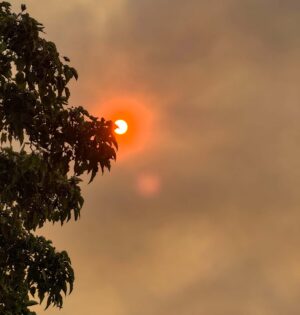 BANFF – Most of the homes destroyed by the destructive Jasper wildfire were in neighbourhoods with many combustible roofs, highly flammable conifer trees and woody vegetation close to buildings after embers showered down on the national park townsite. That’s according to one of two independent Parks Canada-commissioned reports released last week, which examined the devastating wildfire in Jasper in July 2024 that destroyed 358 buildings – approximately one-third of the national park townsite. …“Once structures ignited, strong winds drove fire growth through densely-built up neighbourhoods, with structure to structure ignition dominating the spread,” according to the 71-page report by FP Innovation Wildfire Operations. “In the areas surrounding the townsite, continuous fuel pathways were often present between the wildland and structures. Consequently, a high proportion of ignitions were likely caused by direct flame contact and radiant heat emanating from burning wildland fuels. …The findings in FP Innovation’s report, said Martens, reiterate that “FireSmart works.”
 Since its inception almost 10 years ago, the Forest Enhancement Society of BC (FESBC) has been guided by a simple but powerful principle: collaboration drives impact. …Partnering with First Nations organizations has also deepened our understanding of how traditional knowledge can guide projects with a generational focus. This approach has helped foster greater Indigenous participation and leadership within forestry, contributing to a more inclusive and sustainable future. …Together, we are investing in projects that help create healthier, more productive and resilient forests for the future, and we are also strengthening the relationships that help make it all possible.
 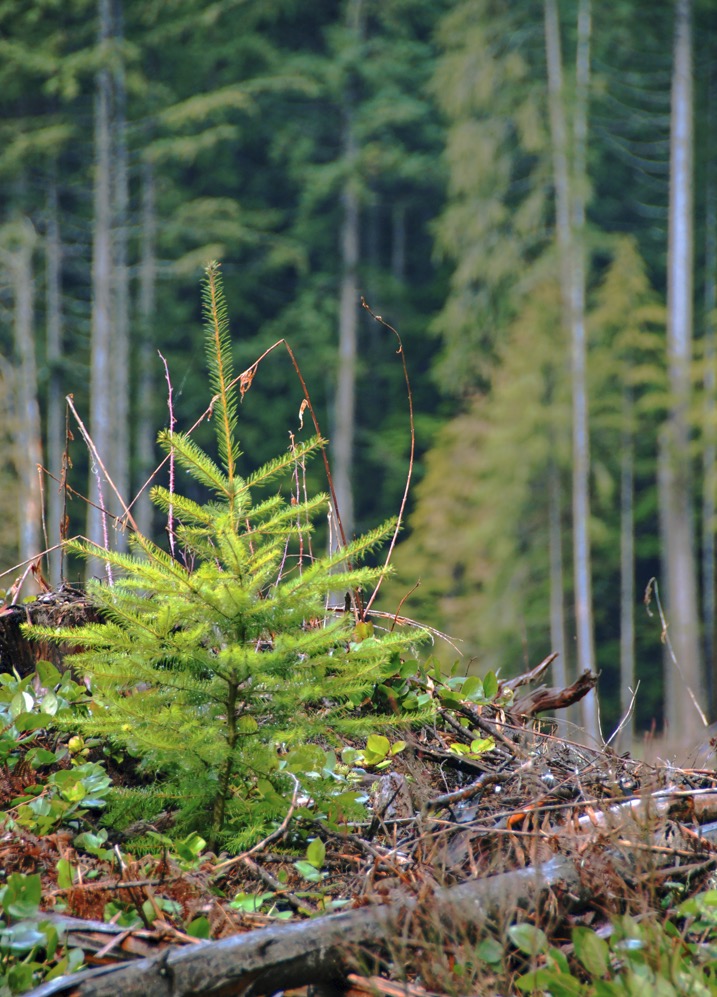 As wildfires continue to devastate communities across North America, it’s time we confront a hard truth: neglecting the forests that surround our towns is no longer an option. …Silviculture — the science of managing forest growth, composition, and health — is not just a tool for local timber production. It’s a vital strategy for climate resilience and community safety. Through practices like selective harvesting, thinning, and replanting, silviculture reduces fuel loads, promotes biodiversity, and maintains the ecological balance necessary to prevent catastrophic fires. Critics often question the ethics of cutting trees in the age of climate change. But when done responsibly, harvesting followed by replanting can actually enhance carbon sequestration. …Moreover, strong forest management isn’t just about trees — it’s about people. …Let’s stop treating forest management as a luxury or a controversial topic. It’s a necessity. Investing in silviculture is investing in the safety, sustainability, and future of our communities.
 In response to the article, “
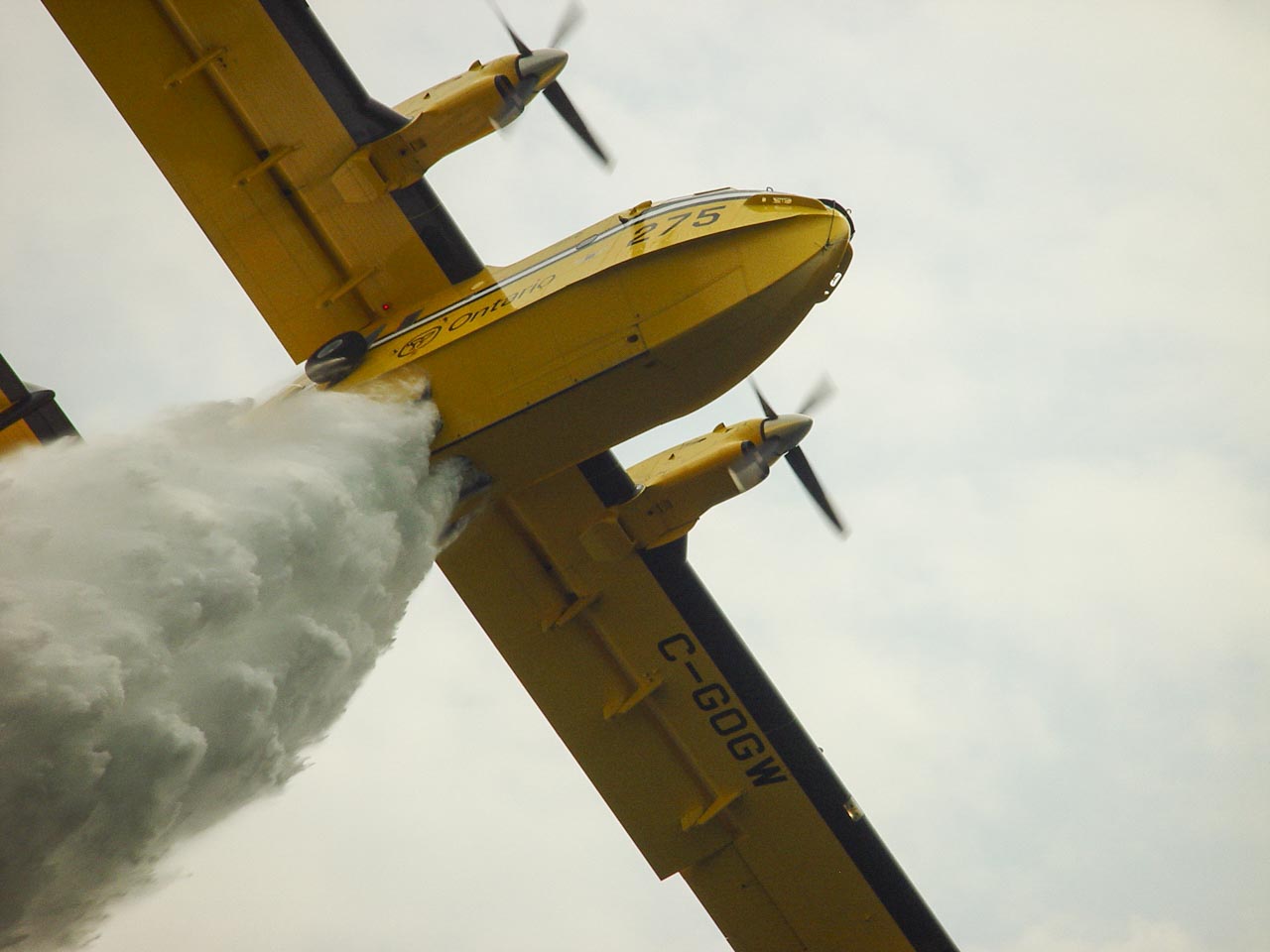 The Ministry of Natural Resources says nearly 6,000 square kilometres burned in Ontario this wildfire season, much more than last year and well above the province’s 10-year average. The ministry says 643 wildfires were recorded between April and October, with 597,654 hectares — or just over 5,976 square kilometres — burned. The province says 480 fires burned nearly 900 square kilometres in 2024, and the 10-year average for Ontario is 712 fires and about 2,100 square kilometres burned. Figures released by the Canadian Interagency Forest Fire Centre in August showed that Canada’s 2025 wildfire season was the second-worst on record. Those figures suggested the fires tore through 72,000 square kilometres, an area roughly the size of New Brunswick. Scientists say that climate change, driven by the burning of fossil fuels, has made Canada’s fire seasons longer and more intense.
 TORONTO — As the 2025 fire season ends, Ontario’s fire crews, aviation services and support staff responded to 643 fires between April and October with 597,654 hectares burned. While the 2025 fire season began with an early active start, the coordinated efforts of frontline staff, municipalities, Indigenous communities and firefighting crews ensured a rapid response to protect people and communities from wildland fires. …With the rest of Canada also experiencing a demanding fire season, Ontario extended support to our partners, with over 400 fire personnel and six aircraft supporting firefighting in British Columbia, Manitoba, Saskatchewan, Nova Scotia, Newfoundland and Labrador, New Brunswick, as well as south of the border in Minnesota. As this year’s fire season ends, Ontario is now turning its focus to ensuring provincial fire crews are ready to respond next fire season. …The 2026 fire season will begin on April 1, 2026.

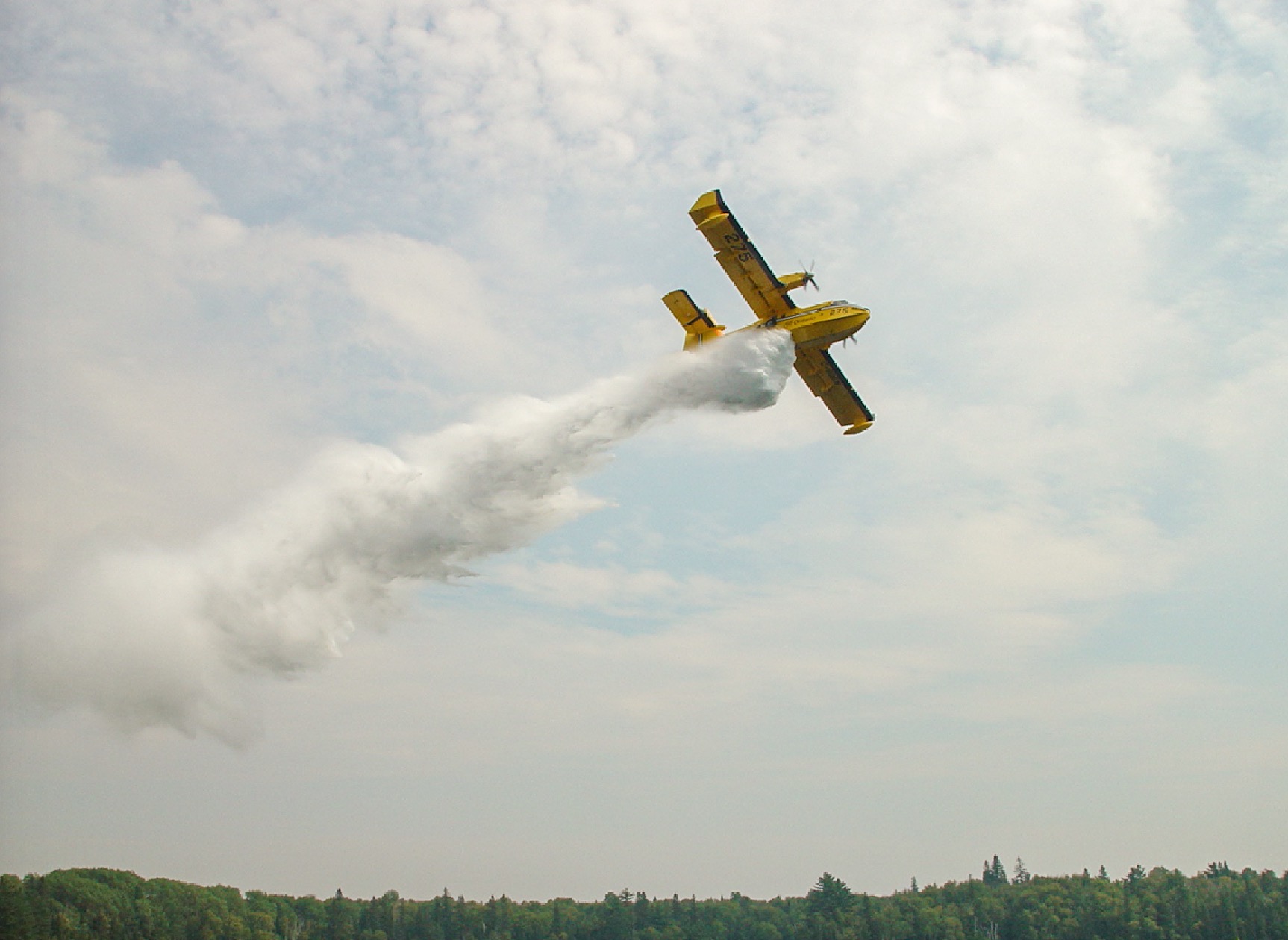 DRYDEN — Wildland fire crews were kept “very busy” throughout the 2025 forest fire season as Northwestern Ontario saw over 560,000 hectares go up in flames. “It would be fair to call the 2025 wildland fire season a very busy one in the Northwest,” said Chris Marchand, a fire information officer with the Ministry of Natural Resources’s regional fire management centre in Dryden. “Often in the spring, you hear us speak of the volatility of spring fire hazard conditions,” he continued. “And this year, from about the second week of May, it really provided a good demonstration of how a few weeks of dry weather combined with high winds and low humidity can really produce extreme fire behaviour in forests that haven’t greened up yet.” Those early conditions were the spark for a season that saw 560,234.9 hectares burned by 435 fires in the Northwest region alone. Comparatively, the Northwest’s relatively slow 2024 season saw 69,938.3 hectares burned in 218 fires.