 BC Wood is set to welcome delegates and buyers from British Columbia and around the world to the 22nd Annual Global Buyers Mission (GBM), kicking off tomorrow in Whistler, BC. This signature event brings Canadian wood manufacturers together with pre-qualified international buyers in an exclusive, business-focused environment. The GBM opens with a welcome breakfast, where Premier David Eby will address participants and officially launch the trade show. His presence underscores the critical role of BC’s wood and forestry sector in driving innovation, sustainability, and economic growth. Nearly 800 attendees are expected, a testament to the GBM’s significance in connecting Canadian producers with global markets.
New this year, a high-profile panel will analyze the impact of escalating U.S. softwood lumber duties, now raised to over 35%. Introduced by Forest Minister Parmar, the panel features Mo Amir, Nick Arkle, Liz Kovach, and Kurt Niquidet, who will provide insights on how these tariffs could disrupt supply chains, inflate costs, and reshape the industry.
On the tradeshow floor, buyers will discover Canada’s diverse range of value-added wood products, from mass timber to specialty lumber. Networking continues into the evening, with a reception at Whistler’s Roundhouse Lodge, set against the stunning mountain backdrop.

 Trade disputes between the United States and Canada are nothing new. What began as two neighbouring countries seeking to expand their markets and assert economic sovereignty has evolved into a broad range of conflicts. These historical trade disputes have included accusations of unfair subsidies, protectionist tariffs, and, more recently, concerns over national security, fentanyl and border security. Softwood lumber, one of the most important items on the list of Canadian exports to the U.S., has been consistently under attack by different American administrations. …Though some might call it weakness, Prime Minister Mark Carney’s recent move to lift the retaliatory tariffs on U.S. goods covered under CUSMA, while retaining tariffs on auto, steel and aluminum, is arguably a wise strategy. The end goal is to minimize economic damage to Canada. According to Carney, this tariff removal on about 85 per cent of Canada-U.S. trade is consistent with the commitment under CUSMA.
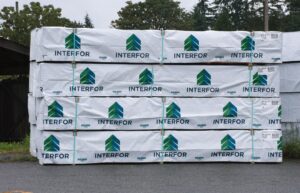 Lumber prices that have dropped more than 20% over the past month are prompting one of North America’s largest producers to throttle back output by 12%. Interfor said Thursday that it would reduce hours and reconfigure shifts as well as lengthen holiday breaks and maintenance shutdowns at its mills in Canada and the US to reduce output by about 145 million board feet through year-end. Lumber futures, which had fallen 18 of the past 22 trading sessions rose in response. …Interfor, which has headquarters in BC, is among the big Canadian sawyers that have shifted operations into the US as duties and diminished log availability have put sawmills out of the money back home. About 50% of Interfor’s capacity these days is in the US South. Another 12% is Washington and Oregon, where mills compete fiercely with Canadian rivals to sell the same species of wood. [to access the full story a WSJ subscription is required]
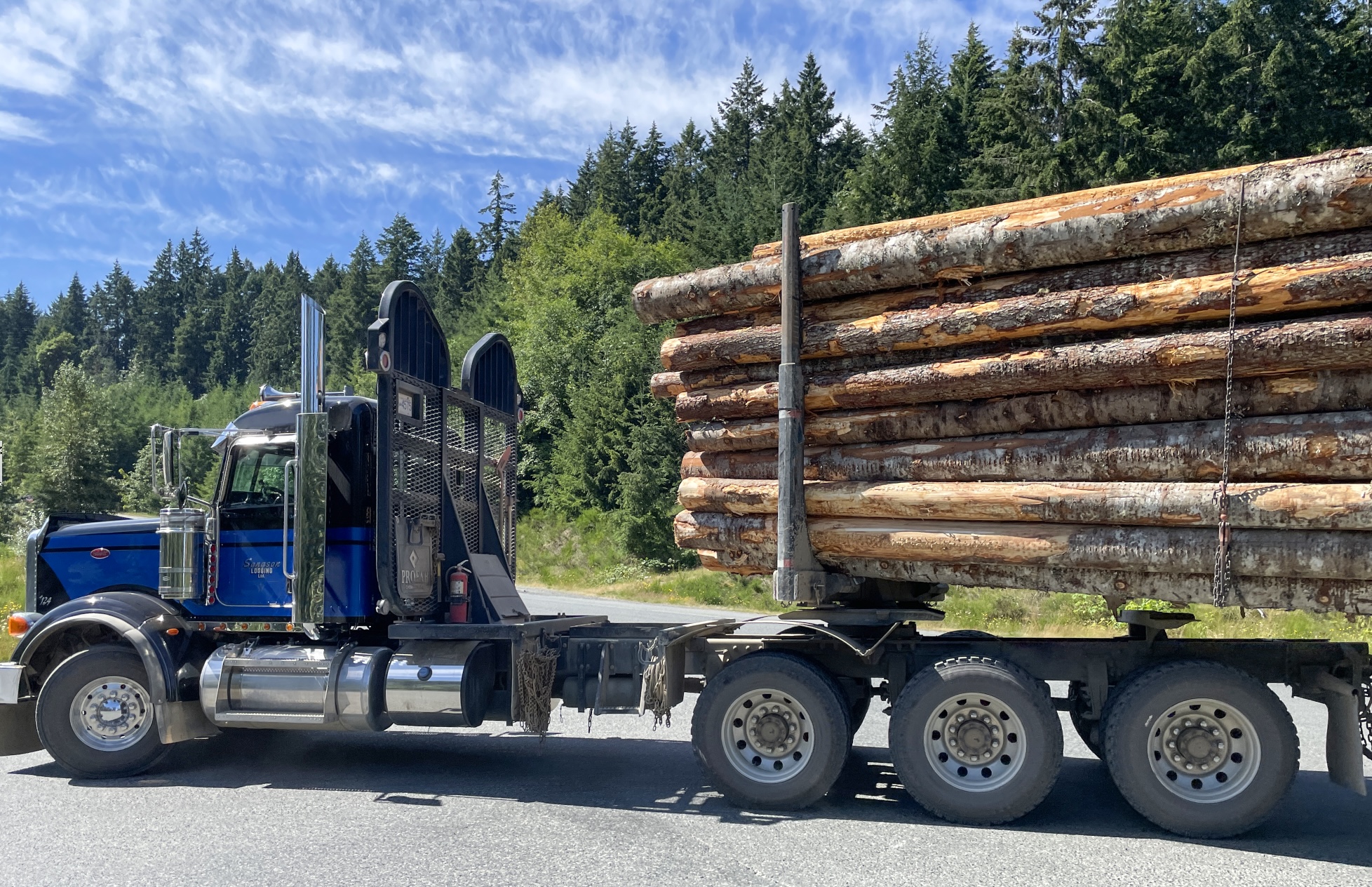 WASHINGTON – Canada’s government joined the Canadian lumber industry in seeking a trade panel review over certain softwood lumber products from Canada under the USMCA, according to a U.S. government notice posted online on Monday. The two requests were filed with the U.S. Department of Commerce’s International Trade Association following the departments July 29 decision following its investigation into the matter, the notices posted to the Federal Register said.
 BURNABY, BC — Interfor Corporation announced plans to reduce its lumber production by approximately 145 million board feet between September and December of 2025, representing approximately 12% of its normal operating stance. The temporary curtailments will be through a combination of reduced operating hours, prolonged holiday breaks, reconfigured shifting schedules and extended maintenance shut-downs. The curtailments are expected to impact all of Interfor’s operating regions, with both the Canadian and US operations expected to reduce their production levels by approximately 12% each. The curtailments are in response to persistently weak market conditions and ongoing economic uncertainty. The Company will continue to monitor market conditions across all of its operations and adjust its production plans accordingly. [END]
 WASHINGTON — US President Trump is indicating that he’ll ask the Supreme Court tomorrow to overturn a federal appeals court ruling that found many of his
 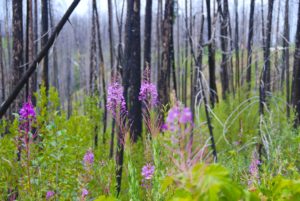 CALGARY — Fewer tourists are coming to Jasper, Alberta than usual this year, but it’s not for a lack of people eager to visit the picturesque Rocky Mountain town. Numbers are about as good as they can be, considering about one-fifth of the town’s overnight accommodations burned when a ferocious wildfire swept through last summer, said Tourism Jasper CEO Tyler Riopel. …As the Jasper recovery continues, tourism operators affected by wildfires elsewhere this year are struggling. Northern Saskatchewan and Manitoba have been particularly hard hit, which has taken a toll on outfitting businesses that cater to hunters and fishers. Roy Anderson, acting CEO of the Saskatchewan Commission of Professional Outfitters, said his group is surveying members to quantify the financial impact. “We’re talking millions of dollars in terms of lost revenue at a minimum,” he said.
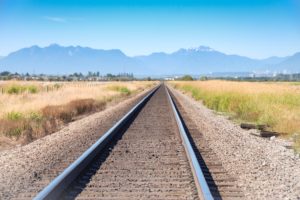 To better compete with Canada’s transcontinental railroads, efficiencies within the trucking industry, and to capitalize on a more relaxed regulatory environment, the railroad industry is entering into a consolidation phase with the major operators all reportedly in play. On the heels of the 2023 merger between Canadian Pacific and Kansas City Southern which connected Canada, the US and Mexico with the first single-line railway, Union Pacific and Norfolk Southern are pursuing a merger that would create the first coast-to-coast railway system in the US. The tie-up between Norfolk Southern and Union Pacific raised the possibility of further consolidation in the industry with investors eyeing a merger between CSX and BNSF, or with CPKC. While mergers might satisfy shareholders and activist investors, industry insiders see the trend creating more inefficiencies. …Freight Rail Customer Alliance is opposed to further consolidation given that past mergers have resulted in higher transportation costs and unreliable service for customers.
 Western is proud to launch a refreshed brand that better reflects who we are, where we’re going and what our customers, communities, and partners expect from us. Our refreshed brand is rooted in our belief that wood plays a vital role in building a more sustainable future. Wood has always been part of everyday life – in the homes we live in, the furniture we use and the warmth and comfort we seek in natural materials. At Western, we are proud to carry that legacy forward by helping meet today’s demand for beautiful, low-carbon building materials. This brand refresh is grounded in our long-term strategy and shaped by the people who make Western what it is. It reflects our continued commitment to quality, sustainability and stewardship. Explore the rest of our site to see how our refreshed brand reflects the care we put into everything we do, from forest to finished product.
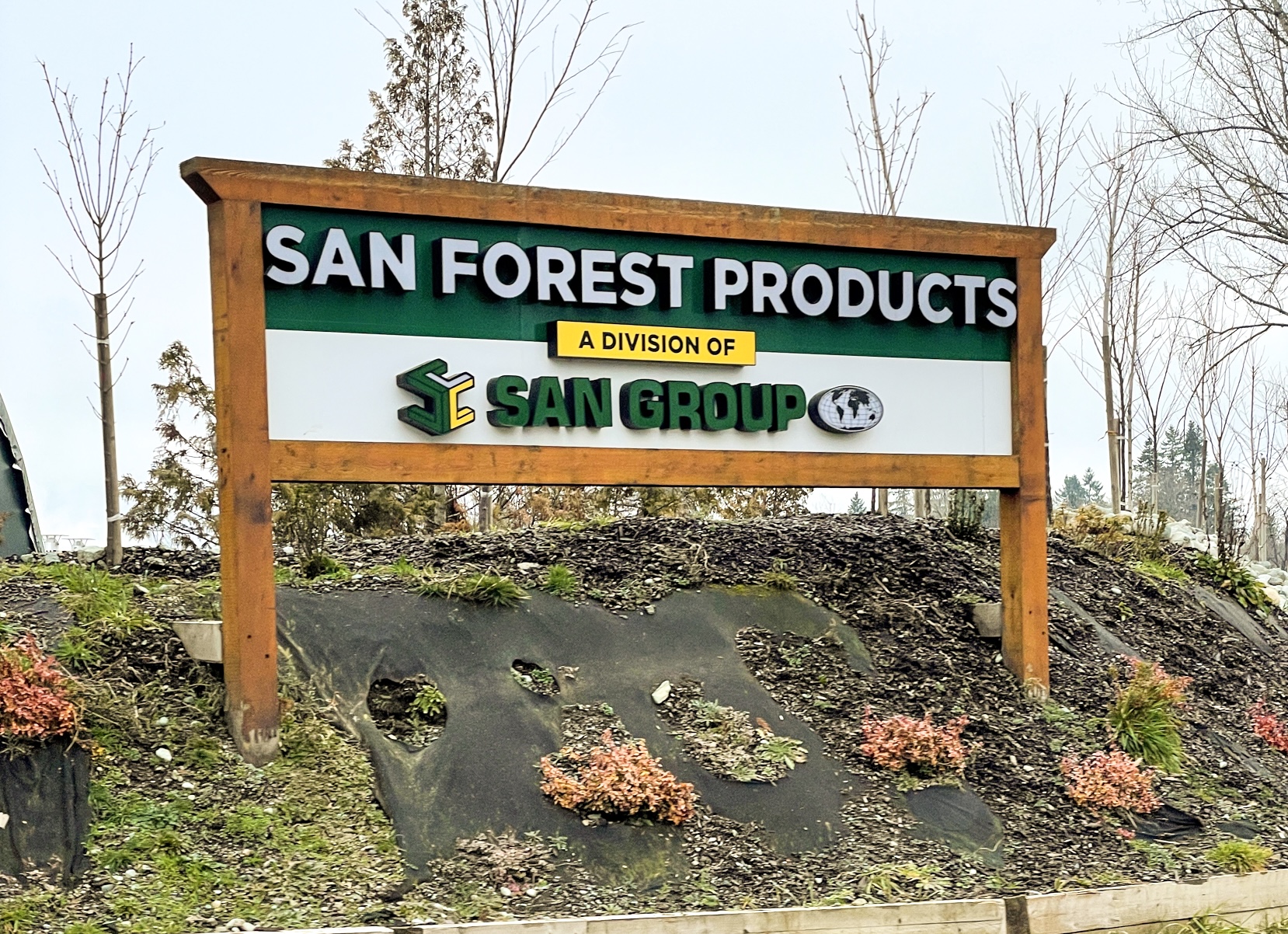 The monitor overseeing the credit-protection process for San Group, a Langley-based forestry company with debts in excess of $150 million, has applied to the courts for an extension of the process in order to complete the sale of the company’s assets. Deloitte Restructuring has asked the courts to extend the process to Oct. 31. It currently expires Sept. 5. …According to the monitor’s ninth report to the courts, filed this week, the sale of three San Group properties has now closed, and only a Langley farm remains of the major assets. The sale of the Coulson Mill in Port Alberni closed June 20 with proceeds of $12.06 million, the Langley mill site closed July 15, netting $12.37 million, and the Port Alberni value-added facility sale closed July 29, netting $8.25 million. On top of that, Tradewest Asset Solutions has now completed the sale of all of San Group’s remaining inventory, which resulted in $1.178 million being added to the pile.
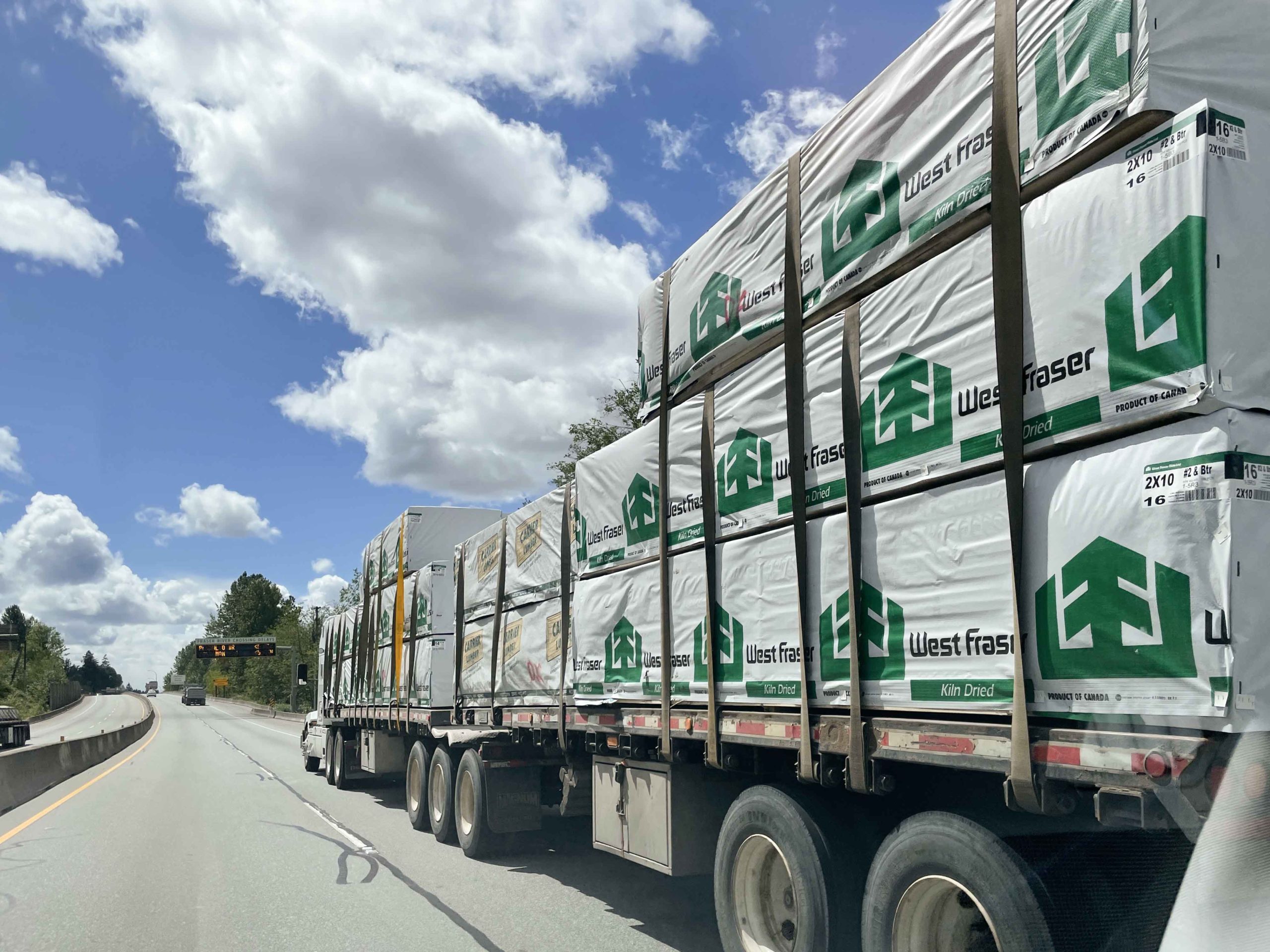 West Fraser Timber is continuing to succeed in this ever-changing world, despite a lower second quarter. …Sales were up slightly from Q1 — $1.532 billion, compared to $1.459 billion. However, earnings were nearly cut in half — $24 million compared to $42 million in the first quarter. “Demand for many of our building products slowed in the second quarter as spring building activity fell short of our expectations,” said Sean McLaren, West Fraser’s President and CEO. “This was more acute in our North America Engineered Wood Products segment, which experienced further easing of demand as the quarter progressed [with] softer U.S. new home construction.” …West Timber’s director of communications, Joyce Wagenaar, told Black Press Media that this year has been a challenge economically. “2025 has brought a number of changes, most notably sluggish demand for building products in Canada and the U.S. due to challenging economic conditions, leading to a slowdown in new home construction,” said Wagenaar.
 MANIWAKI, Quebec — The Domtar sawmill in Maniwaki, Quebec, will temporarily close again next month. The company, which acquired the mill when it bought Resolute Forest Products in 2023, confirmed Wednesday to Radio-Canada that the indefinite closure will begin Oct. 10. It cited difficult market conditions and US softwood lumber duties, which rose to more than 35 per cent last month. About 120 workers at the mill lost their jobs in a previous closure that started in December 2024. The mill reopened for about 50 hours a week at the start of June. About 3,800 people lived in the western Quebec community as of the 2021 census. [END]
 Falling lumber prices are sounding an alarm on Wall Street about potential problems on Main Street. Wood markets have been whipsawed of late by trade uncertainty and a deteriorating housing market. Futures have dropped 23% since hitting a three-year high at the beginning of August and ended Friday at $535 per thousand board feet. The price drop might have been greater—but two of North America’s biggest sawyers said last week that they would curtail output, slowing the decline. Crashing wood prices are troubling because they have been a reliable leading indicator on the direction of the housing market as well as broader economic activity. …Analysts and traders say there will have to be further cuts to ease the glut of wood. That might not be a problem, given how higher duties have pushed up Canadian sawmills’ break-even prices while demand wanes. “We anticipate further closures or curtailments,” said Truist Securities analyst Michael Roxland. [to access the full story a WSJ subscription is require]
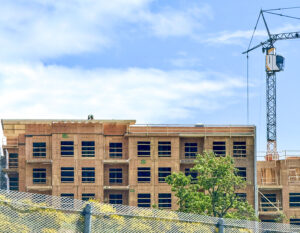 Canada’s new homes market is booming with near record housing starts — with one exception, Ontario.
 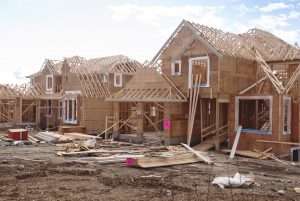 Lumber futures fell again Wednesday, dropping to their lowest prices since last autumn. …Futures for September delivery shed $6 or about 1.1%, to end at $524 per thousand board feet. Futures have now declined 18 of the past 22 trading sessions. The selloff—about 25% over the past month—is reminiscent of the wild trading in lumber during the Covid-19 pandemic [but this time] …the continuing gyrations have been driven by trade policy. Lumber buyers stocked up ahead of a big increase in the duties levied on Canadian imports. …President Trump’s threats for additional tariffs on imported wood added incentive to hoard lumber. …The $54 difference in price between lumber futures for delivery this month and those for November in midday trading was well above the cost of warehousing wood for two months and a sign that traders’ demand outlook is bleak, Stinson Dean said. [to access the full story a WSJ subscription is required]

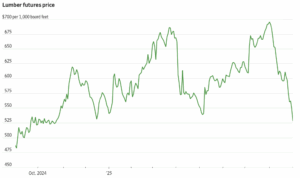 Lumber prices, which shed more than 20% in August, have continued to fall to start September, hitting their lowest price this year thanks to a glut of wood that was piled up ahead of a big increase in duties on Canadian imports. “There has clearly been a speculative inventory accumulation at every level from mills to single location lumber dealers,” said Matt Layman, who publishes Layman’s Lumber Guide “For the first time in my 40-plus year career there is indeed a wall of wood that must be liquidated.” As with many raw materials, the lumber market has been whipsawed by President Trump’s tariff threats. The White House is studying tariffs on imported lumber in the name of national security. …Any lumber tariff will come on top of duties on Canadian softwood lumber that rose to about 35% for most producers, from 15% last year. [to access the full story a WSJ subscription is required]
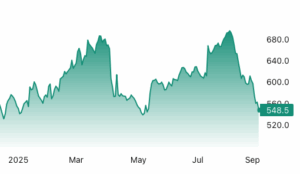 Lumber futures fell to $550 per thousand board feet in September, the lowest in nearly four months, amid softer demand for new home building and ample supply. US building permits fell 2.2% in July to a seasonally adjusted annualized rate of 1.362 million, the lowest since June 2020. Although the market anticipates a potential rate cut in September, rates are expected to remain restrictive, and high inflation expectations are expected to support long-maturity yields, which dictate mortgage costs. Seasonal slowdown in construction is set to magnify the drop in housing construction. On the supply side, Canadian mills continue to push large volumes of surplus lumber into the US market, far exceeding actual demand and creating an oversupply situation. Additionally, ongoing tariff issues between the US and Canada add further uncertainty, as potential changes in trade policy could significantly affect US lumber prices.›
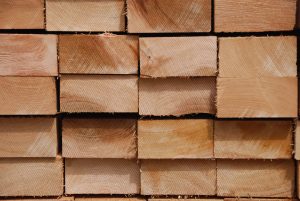 Lumber futures have come under strain after the initial tariff-driven upswing has fizzled out and the cracks in the housing market are beginning to show… retreating from an early August high of ~$695 per thousand board feet to about $560, a decline of nearly 19.5%, making it just shy of the 20% mark that would push it into a technical bear market. Lumber futures saw a surge driven by tariffs and optimism over lower interest rates, which pushed prices to their highest levels in more than three years. However, the enthusiasm soon faded away, as recent housing data disappointed, and builders scaled back due to higher input costs, weaker demand and looming affordability challenges. Housing affordability remains stretched even with potential rate cuts, requiring better wage growth or increased supply for meaningful improvement, according to Rafe Jadrosich, Senior US Homebuilders and Building Products analyst.
 The Canada Wood Group Newsletter includes these headlines and more:

 In the September newsletter, you’ll find these stories and more:
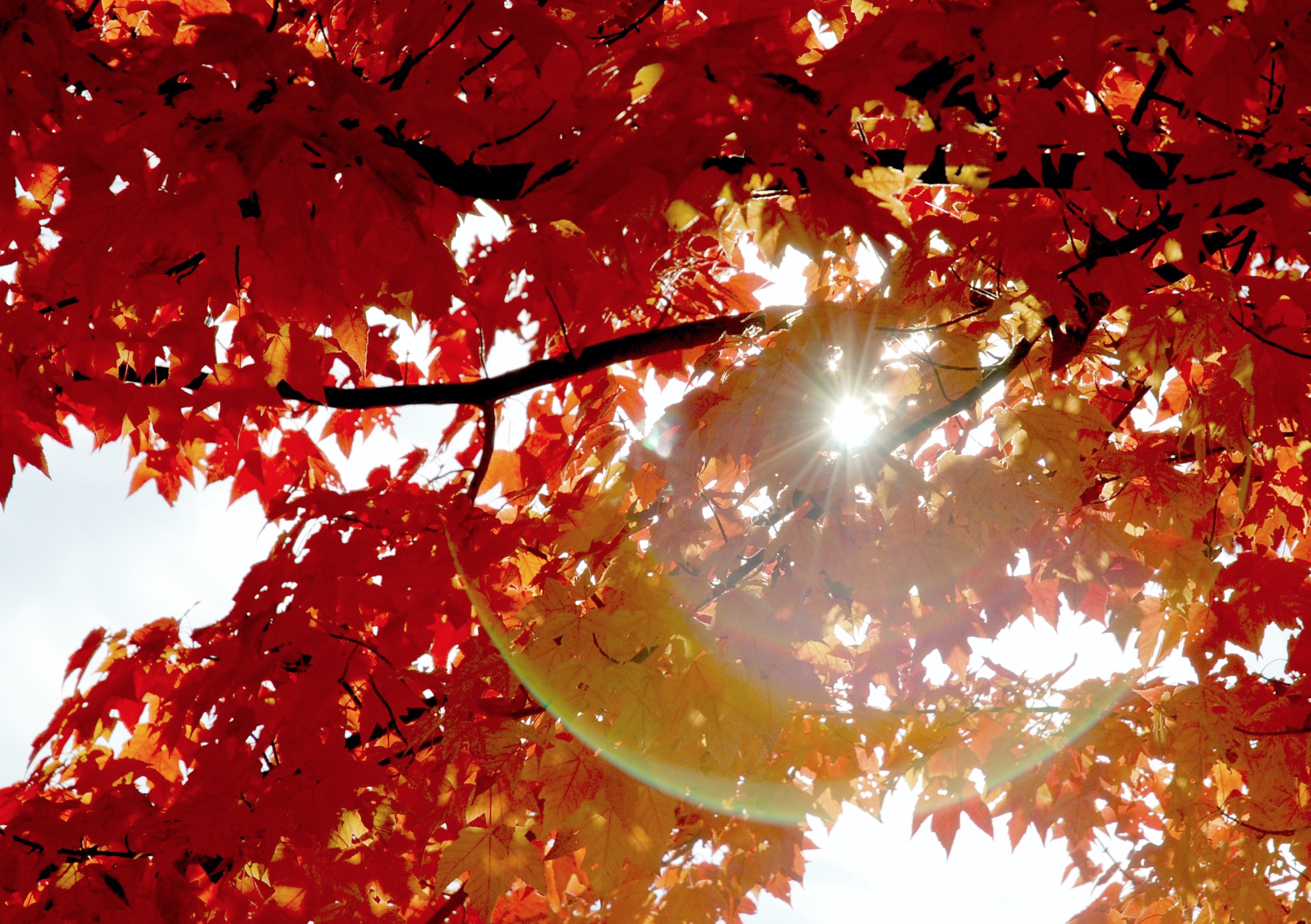 Professor Susan Dudley at McMaster University in Ontario says drought-stricken parts of Canada could be in for some underwhelming fall foliage if stressed trees lose out on the energy needed to generate some of the season’s most brilliant colours. Dudley says trees in dried out parts of the country could see their leaves die off rather than turn red. As the days shorten, green chlorophyll in tree leaves starts to break down and reveals the yellow and orange pigments underneath. Yet Dudley says some trees, such as maple, oak and sumac, synthesize a pigment in the autumn responsible for turning their leaves into the reds and purples associated with the most brilliant foliage. If a tree is too stressed … the leaves may die off before that new pigment can fully develop and give off its most vibrant colour, leaving brown leaves associated with rapid stress-induced death…
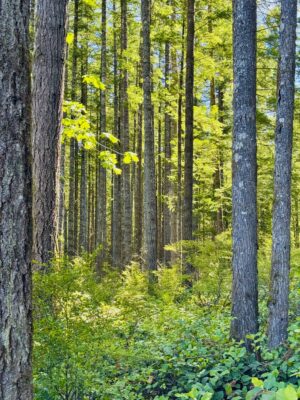 Artificial intelligence (AI), machine learning, remote piloting, and robotics are beginning to have a profound impact on the forest industry as we have known it, from forest management to log harvesting and delivery and right through to lumber production. This is only the beginning. In a recent interview, Bill Gates said that AI will have a more profound impact on humanity than the personal computer (PC) did. …From a forest management perspective, AI offers incredible potential for planning forest cutblocks and reforestation. In the face of climate change, forest companies will have no choice but to design forests that are more resilient to forest fires, pest and pathogens. The ability of AI to provide a variety of solutions in minutes, based on collating and analyzing past research, will make a forest technician’s job easier, while providing better solutions. This is a clear example of using AI for good—and we should make the most of it.
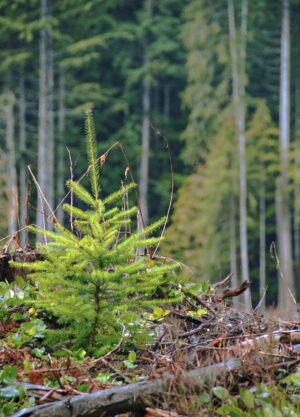 The Government of Canada says it is just over a 10th of the way to its goal of planting two billion trees across the country. Launched in 2021, Canada’s 2 Billion Trees program has reached the milestone of 228 million trees planted, with agreements already in place to plant a total of nearly one billion within the coming years. As of June, 11 provinces and territories, 58 Indigenous partners, 30 municipalities and 88 non-governmental organizations has signed or are negotiating tree-planting agreements. The program aims to protect crucial wildlife habitat, restore areas impacted by wildfires and sequester carbon. …Some of these initiatives include creating at least 10 new national parks and marine conservation areas and 15 new urban parks, as well as designating 30 per cent Canada’s land and water as conservation areas by 2030. The federal government has also committed to reach an emissions reduction target of 40 per cent below 2005 levels by 2030 and net-zero emissions by 2050.
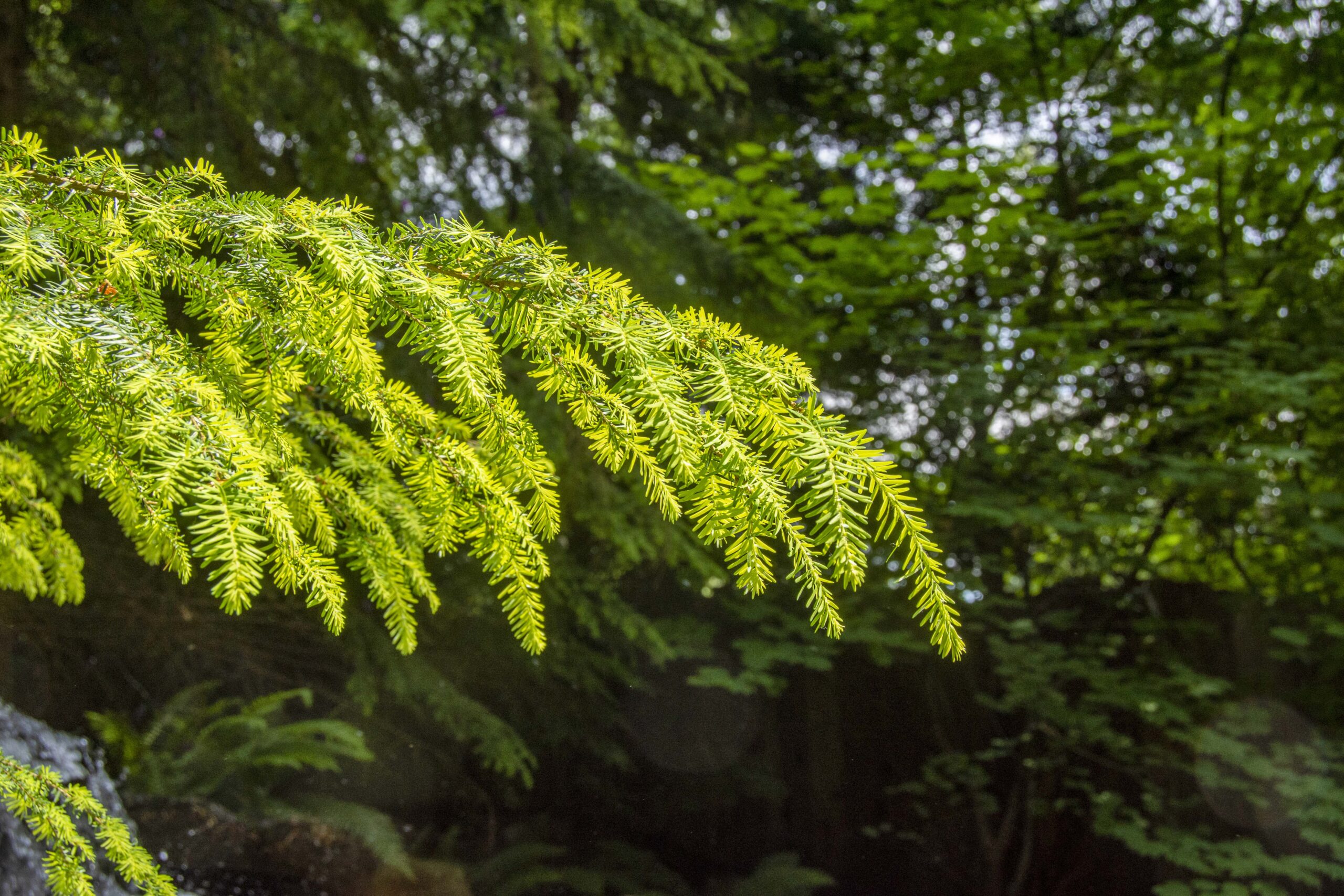 Five years after the release of the Old-Growth Strategic Review report, the BC NDP’s momentum towards a “new, holistic approach” to the management of old-growth forests has slowed almost to the point of regression. “Rather than the ‘paradigm shift’ we were promised, we’ve seen Premier Eby’s government doubling down on its prioritization of timber and industry profits over all other values,” said Eddie Petryshen, Wildsight Conservation Specialist. After its public release on September 11, 2020, the BC NDP government promised to enact all 14 recommendations made in the landmark Old-Growth Strategic Review (OGSR). The goal: to shift its focus towards ecosystem health, rather than timber. Since then, temporary logging deferrals have been put in place in high-risk old-growth stands in some parts of the province, and a 2023 Draft Biodiversity and Ecosystem Health Framework was released for public review.
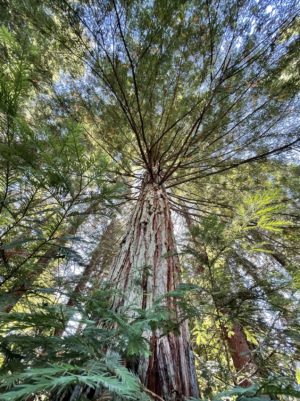 A BC logger is fighting for the return of a $180,000 deposit he paid to the provincial government to access a timber lot that he did not harvest for lack of demand. In 2023, Bill Bosovich struck a deal with BC Timber Sales to log 116 hectares of forest between Osoyoos and Midway. …Bosovich promised to pay the government at least $1.7 million for the wood he would harvest, and put down a cash deposit of $176,700 to cover any contingencies. However, before any logging had occurred and as wood prices fell, Bosovich learned that the four major log buyers in the area were not interested in his wood. …Bosovich let BC Timber Sales know he could not find buyers and was offered a 12-month extension, but only if he committed to paying a further $83,000 deposit. …Bosovich did not want to extend the licence. …BC Timber Sales’ Allan Powelson responded that the government would be keeping his money.
 In this edition of our newsletter you’ll find these headlines and more:
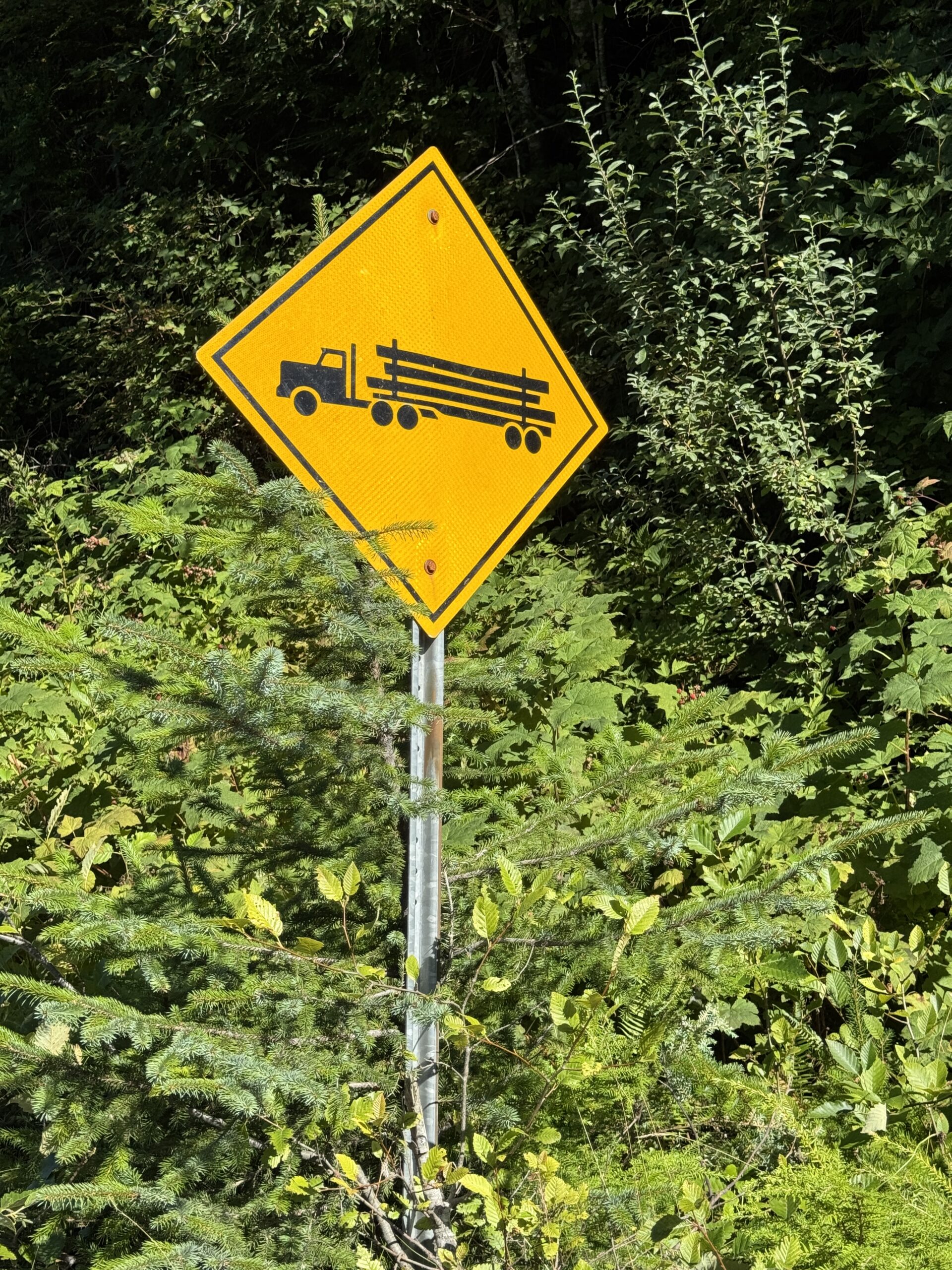 Bikers should take note that end-of-summer logging operations are kicking into gear at Revelstoke’s Mount MacPherson for a month starting next week, but minimally impacting recreational trails, according to a local cycling group. In a Facebook post on Wednesday afternoon, Aug. 27, the Revelstoke Cycling Association (RCA) advised that forest harvesting begins at the mountain’s upper trail network on the weekdays following the Labour Day weekend. This comes one week later than previously indicated in RCA’s trail report. Logging will run from 3 a.m. to 5 p.m. weekdays through most or all of September, with no activity planned for weekends, according to the association.
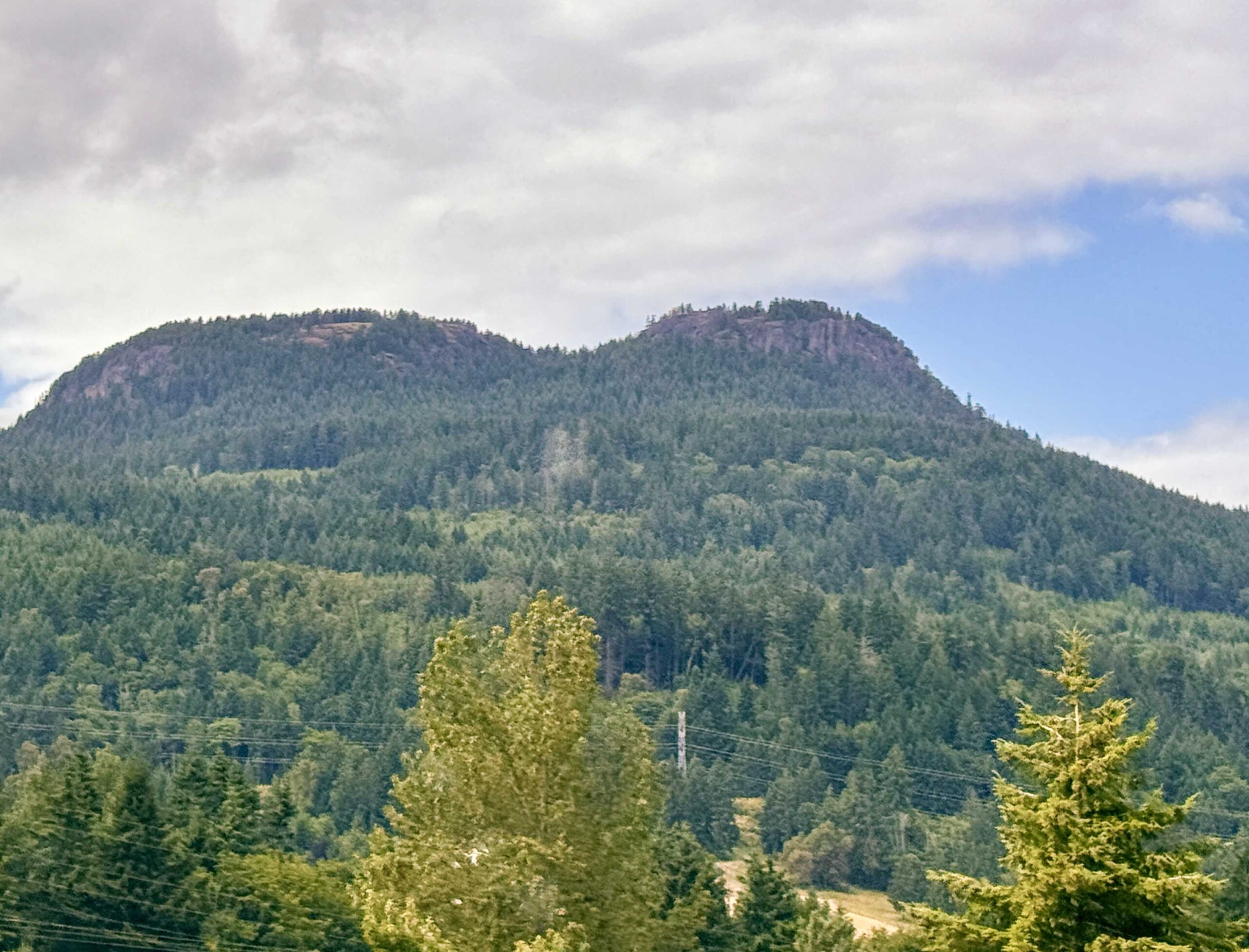 North Cowichan council has voted to make logging in the municipal forest reserve a strategic priority, despite warnings from some councillors and staff that the move could jeopardize years of work with the Quw’utsun Nation on a forest co-management framework. Timber harvesting in the roughly 5,000-hectare public forest has been on pause since 2019 to allow for public engagement, consultation with local First Nations and advice from experts on how to manage the publicly-owned woodland. Surveys found a majority of residents preferred conservation over harvesting — with 67 per cent of telephone respondents and 76 per cent of online respondents supporting either limiting timber harvesting … or not harvesting timber at all. In 2021, North Cowichan signed a memorandum of understanding with the Quw’utsun Nation… While it could take years before harvesting resumes, some around the council table warned that exploring harvesting options could negatively impact progress made towards a co-management framework with the Quw’utsun Nation.
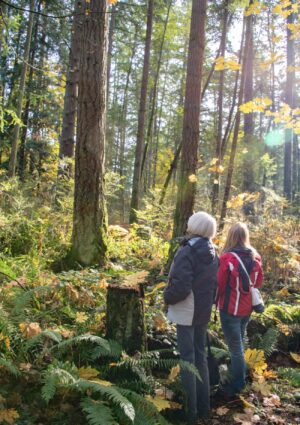 QUESNEL, BC — The Three Rivers Community Forest (TRCF) is showing how local control can bring fresh ideas to forest management, general manager Nick Pickles told Quesnel council this week. The area-based tenure, signed in October 2024, covers more than 38,000 hectares and is jointly owned by the City of Quesnel and the Esdilagh, Lhtako Dene, and Nazko First Nations. It comes with an allowable annual harvest of about 43,000 cubic-metres of conifer and another 10,500 cubic-metres of deciduous timber, Pickles explained at council’s Aug. 26 meeting. …Pickles said the TRCF mandate is more than just cutting trees. “It’s designed to provide long-term access to forest resources for community benefit. It focuses on local decision-making, stewardship, and sustainable forest use.” Profits are reinvested locally, whether it’s jobs, education, or infrastructure, Pickles added.
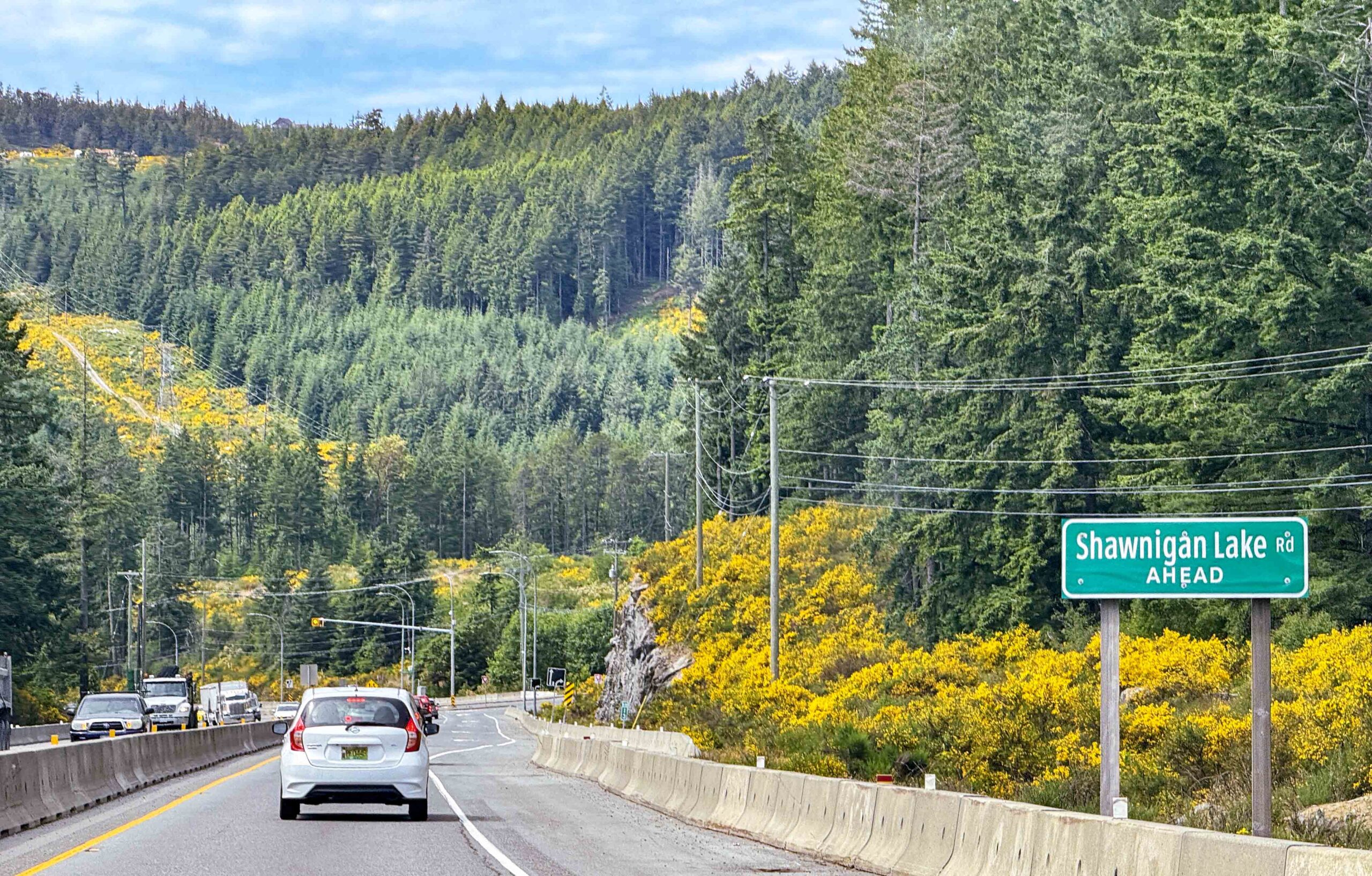 A reader wrote The Discourse recently with a question about why the BC Wildfire Service protects privately-owned forest land on Vancouver Island. It was an interesting question, but it hinted at a bigger one: What are forestry companies doing to prevent and mitigate wildfires from happening in the first place? Recent major wildfires on Vancouver Island have been on a mix of Crown land and private land owned by or under license of forestry companies. This includes the fire from early this week on Block 290 near Mount Benson that was recently transferred to Snuneymuxw First Nation. A recent special investigation by the BC Forest Practices Board on
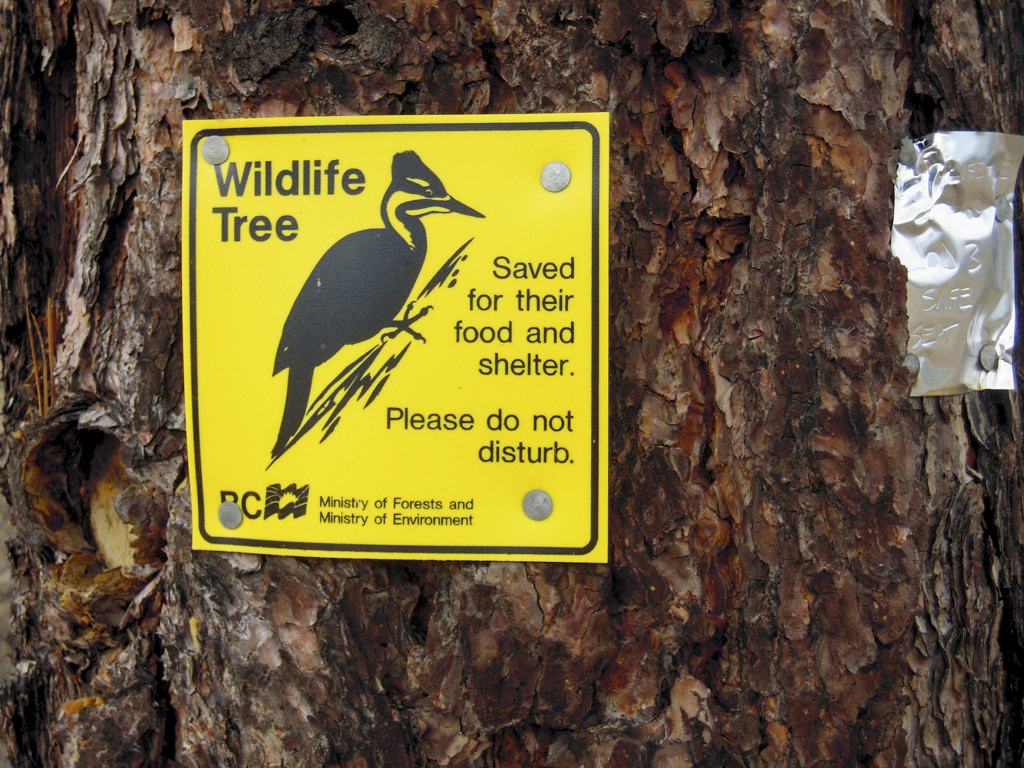 As wildfires tear through New Brunswick’s forests at record rates this year, researchers say the resulting damage is reshaping bird habitats — displacing some species while creating new opportunities for others. “With every disturbance in a forest, you have winners and losers,” says Joe Nocera, a forestry and environmental management professor at the University of New Brunswick. In this case, the winners will be woodpeckers. Wildfires, while destructive, are a natural part of forest ecosystems, said Amy-Lee Kouwenberg, an associate director at Birds Canada explained. They clear out underbrush and create habitats that support a wider range of species, boosting biodiversity in the long run. Woodpeckers thrive in burned areas, and the resulting tree cavities they leave behind are used as nesting sites that other birds rely on. …Species like the Canada warbler, wood thrush and Bicknell’s thrush — all of which depend on dense, mature or shrubby forests — are particularly vulnerable .
  Air quality warnings are becoming a feature of Ontario summers, but for most, the source has felt far away. As southern Ontarians stayed indoors … under air quality warnings this summer, fires closer to home ignited. In July and August, the province experienced a number of wildfires in places including the Kawarthas, a couple hours northeast of Toronto, and near the town of Huntsville, in the cottage country region of Muskoka. Farther north, First Nations communities like the Pikangikum First Nation and North Spirit Lake First Nation were evacuated due to wildfires and smoke… How do wildfires in southern Ontario stack up to the massive fires farther north, and what can be done? Here’s what you need to know. …fires in southern Ontario are different for two main reasons: the forest type and the many, many people here.
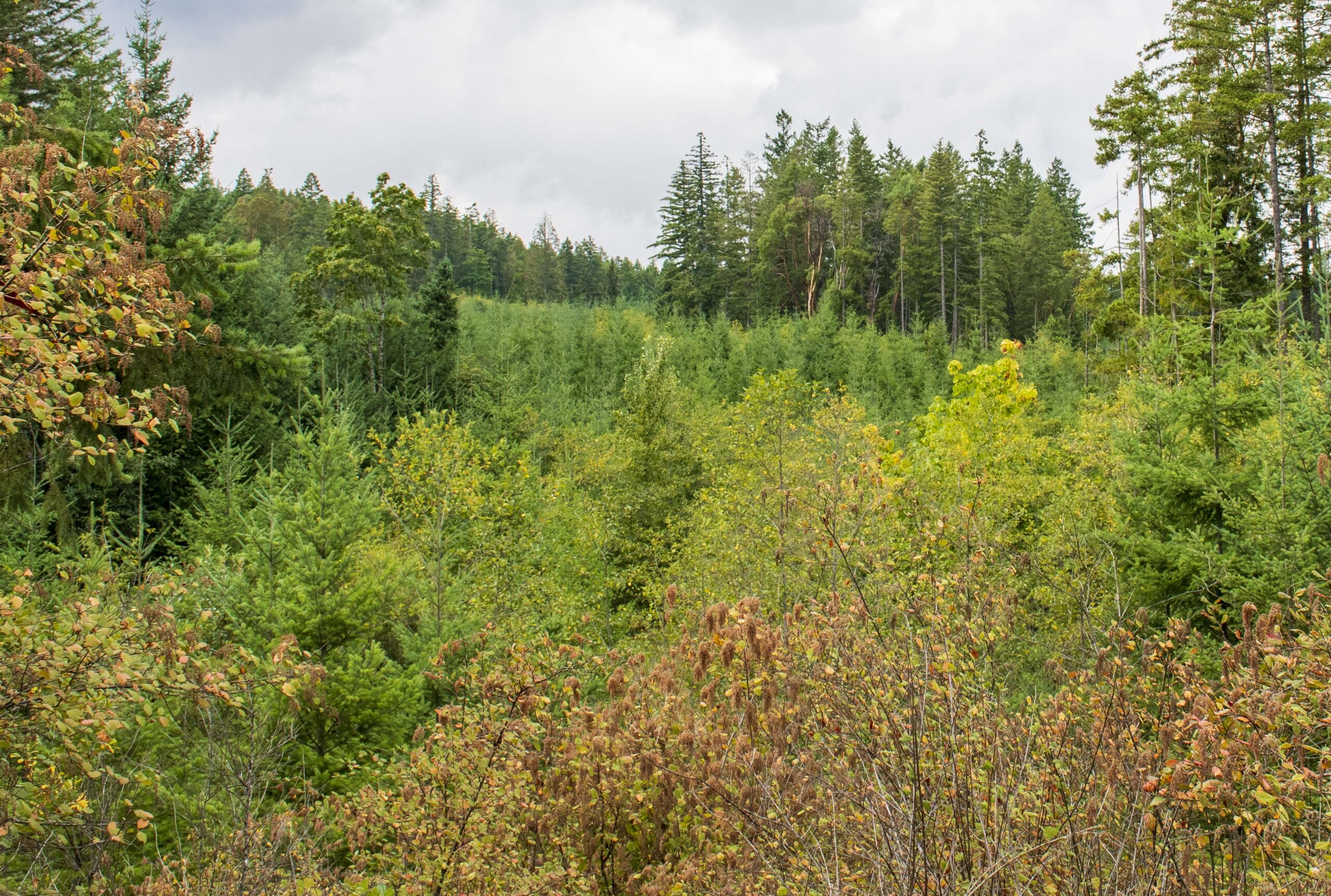 Activists are pushing for more information about where aerial spraying of glyphosate is happening after the Nova Scotia government has stopped releasing the locations for spraying of the herbicide by forestry companies. However the forestry sector says the use of the herbicide gets unfair attention, and identifying the locations draws protesters who block access to woodlots. Glyphosate is used by some woodlot owners to …reduce competition for more profitable softwood species… Previously, the provincial government provided premises identification (PID) numbers for where aerial sprays were approved. That didn’t happen when four approvals for spraying were issued in August. “We don’t have to tell everyone where these PIDs are, because it attracts people who don’t know the full story about forest management to show up roadblock your private woodlot, and prevent you from managing it as you see fit,” said Todd Burgess, executive director of Forest Nova Scotia.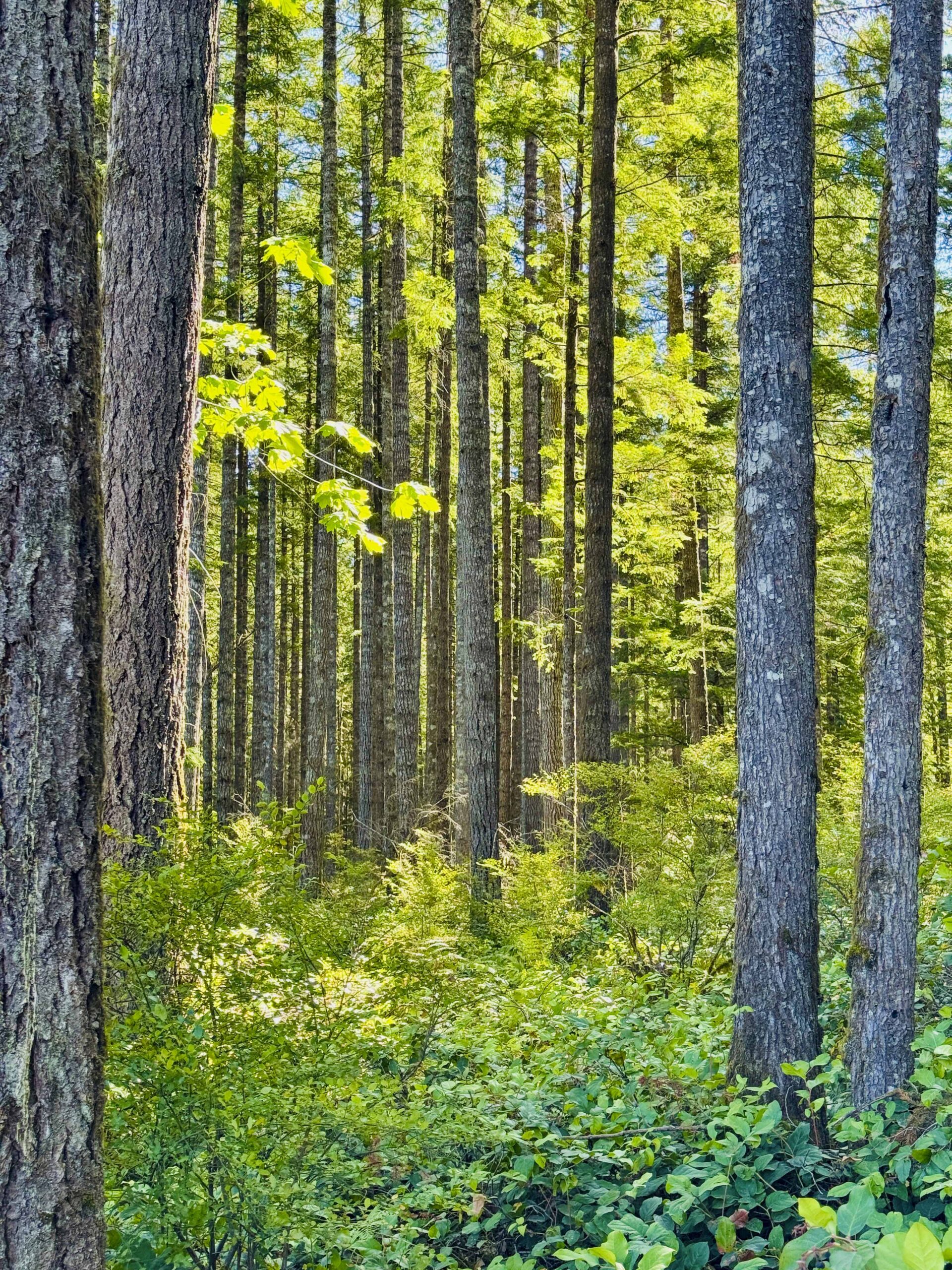

 …Sweden, like Canada, sits atop vast boreal forests — part of the same great green belt circling the Northern Hemisphere. These forests act as planetary lungs, storing more carbon than even the Amazon. But the Swedish government’s latest forestry inquiry, En robust skogspolitik för aktivt skogsbruk, is heading in a troubling direction: grow more trees, cut them faster, and burn or export more biomass in the name of “green energy.” It sounds like a climate solution. But here’s the problem: forests are not factories. Most of the carbon in a boreal forest isn’t stored in the trees at all. It’s locked underground — in roots, fungi, humus, and delicate microbial networks built up over thousands of years. When forestry is intensified — shorter harvest cycles, heavier machines, wider clear-cuts — that underground bank of carbon is steadily drained. The trees grow back, yes, but the soil can take centuries to recover, if it recovers at all.
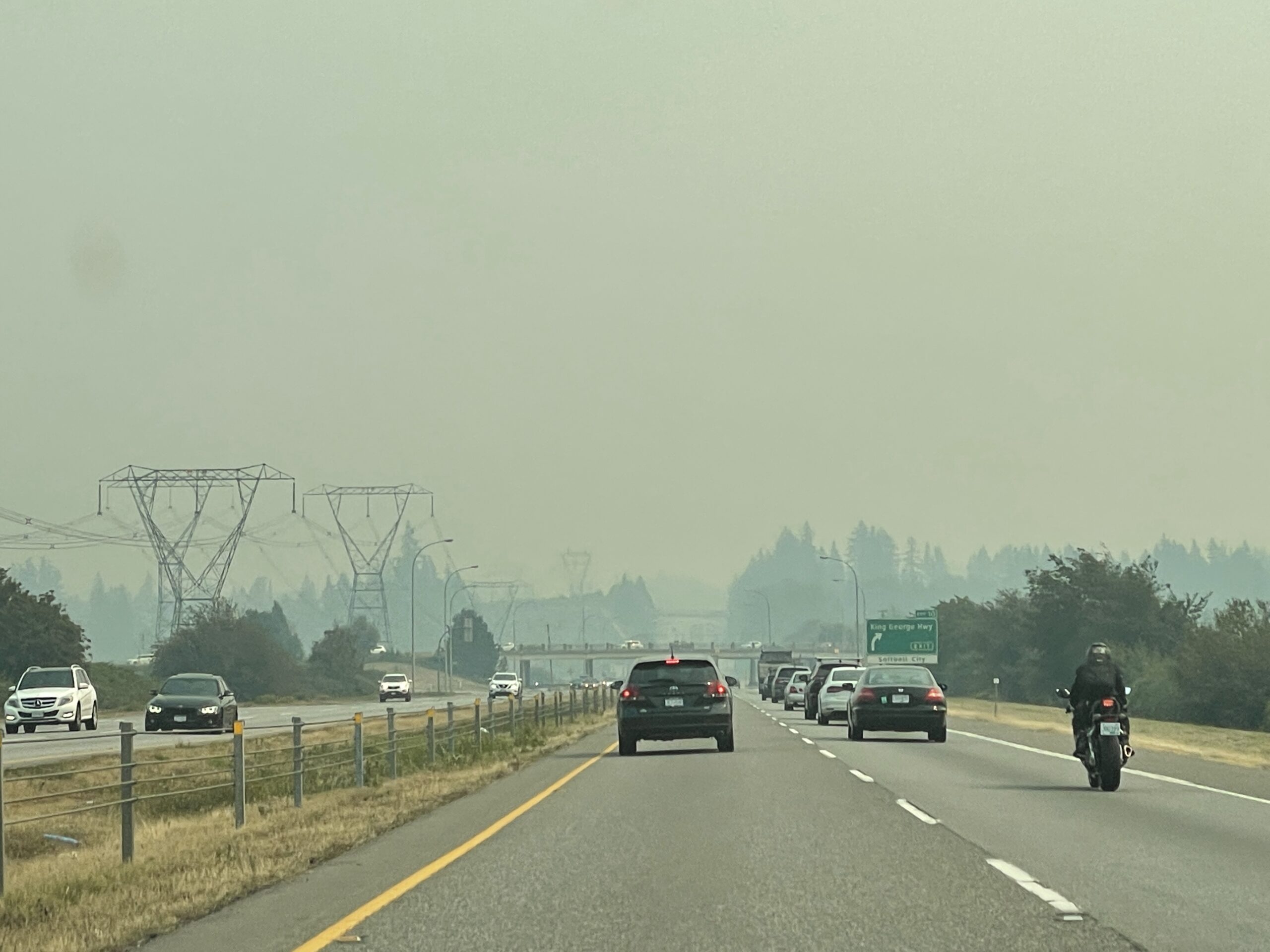 It’s hard not to forget the 2023 Canadian wildfire season, when more than 16 million hectares of forest were lost, thousands were displaced and smoke suffocated cities across both Canada and the U.S. And it turns out Canada experienced its worst air pollution levels that year since 1998, according to a new report released today by the University of Chicago’s Air Quality Life Index (AQLI). At the same time, the report found that pollution levels didn’t change much for the rest of the world in 2023. If those levels continued for a person’s lifetime, the average Canadian would lose roughly two years of their life expectancy, according to the report. Efforts have been made around the world, including in Canada, to curb harmful emissions of fine particulate matter with a diameter of less than 2.5 micrometres, also known as PM 2.5. But wildfires are reversing those advances — with serious health consequences.
 There are fewer injuries and deaths occurring on B.C. construction sites compared to previous years and decades, although much work remains to ensure worker safety. “Struck by’s,” “falls from” and “trips and slips” are among the most common incidents on job sites, and major events like Kelowna’s deadly crane collapse in 2021 highlight the risks that accompany modern construction. Work-related death claims in the construction sector totalled 31 in 2020, 29 in 2021, 54 in 2022, 39 in 2023 and 25 in 2024, according to data provided by WorkSafeBC. …Dave Baspaly, president of the Council of Construction Associations (COCA), which represents all major construction associations in BC said… the industry’s improved safety record is a result of more training, stricter enforcement of WorkSafeBC rules, and a culture of compliance where non-adherence is not tolerated. He emphasizes that proactive measures, like rigorous inspections and coordinated site management, are making construction sites safer.
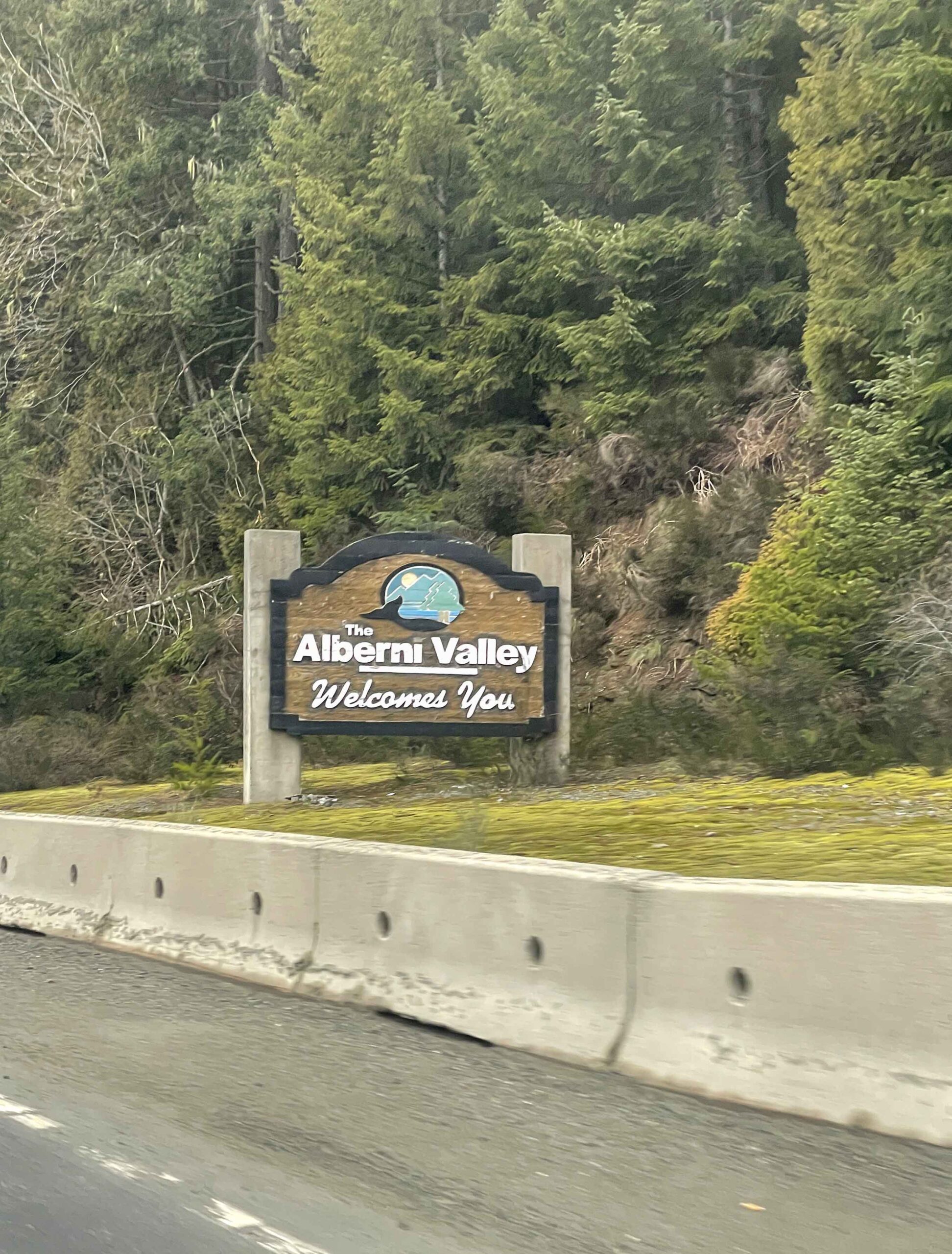 There are fresh calls for an alternative route to the west coast of Vancouver Island after it emerged the main route between Port Alberni and Bamfield, B.C., is closed indefinitely. …The only alternative is a logging road detour through Youbou in the Cowichan Valley. …Ditidaht First Nation Chief Councillor Judi Thomas said she hopes the province will go further and redesignate the forest service industrial road as a provincial road and fast-track investment. But the Ministry of Transportation and Transit said, “there is mixed ownership of the road(s) in this area, but all are private industrial roads, and the ministry has no plans to take over the ownership”. …The province says it’s working with Mosaic Forest Management, which is responsible for maintaining 15 kilometres of Bamfield Road, to beef up maintenance on the detour road . …D’Arcy Henderson, Mosaic’s chief operating officer, said it was working with stakeholders on maintaining that detour route.
 In this edition of Forest Safety News you’ll find these stories and more:

 It’s been a summer of blue skies for British Columbia’s Lower Mainland, but that’s changed with a wave of wildfire smoke rolling into the region. The Metro Vancouver Regional District has issued an air quality advisory for Metro Vancouver and the Fraser Valley due to elevated levels of fine particulate matter causing hazy conditions across the region. At a Wednesday briefing, B.C. Forests Minister Ravi Parmar said conditions were expected to worsen, with much of Southern B.C. to be affected in the days to come. “We should expect to see wildfire smoke come south in the days ahead. Weather forecasters are saying that the smoke is going to be a major factor in the next 24 to 72 hours,” Parmar said. “There are already reports of smoke hitting communities. We do expect more smoke to arrive in the central and southern interior tonight or tomorrow, and reach Abbotsford and the coast by Friday.”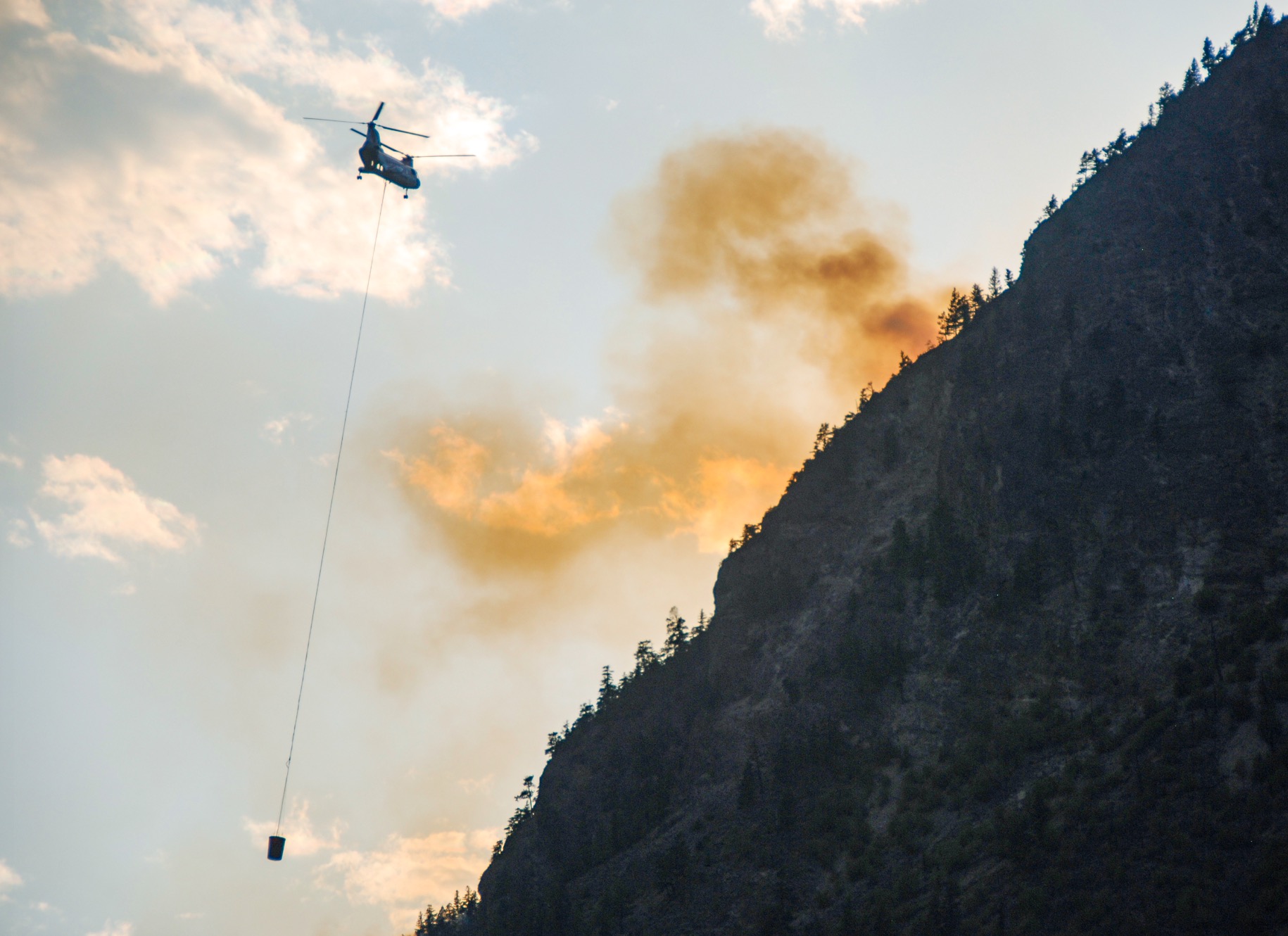
 The number of active wildfires in British Columbia has leapt by more than a dozen following several days of hot, sunny weather. B.C. Wildfire Service (BCWS) figures Thursday morning show 81 active blazes, up from 68 on Wednesday, with 19 new starts and seven fires declared out over the past 24 hours. There are now 17 fires classified as burning out of control, up from four on Monday, including a cluster of new starts in the northwestern part of the Cariboo region. The wildfire service’s map also shows three new blazes detected Thursday in conservancy areas northwest of Whistler. BCWS says hot, dry conditions have left fuels across much of the province highly susceptible to ignition and spread. …The wildfire service says thunderstorms in the south are bringing a risk of lightning to the Coastal and southern Interior fire centres, and while those storms could help moderate temperatures slightly…
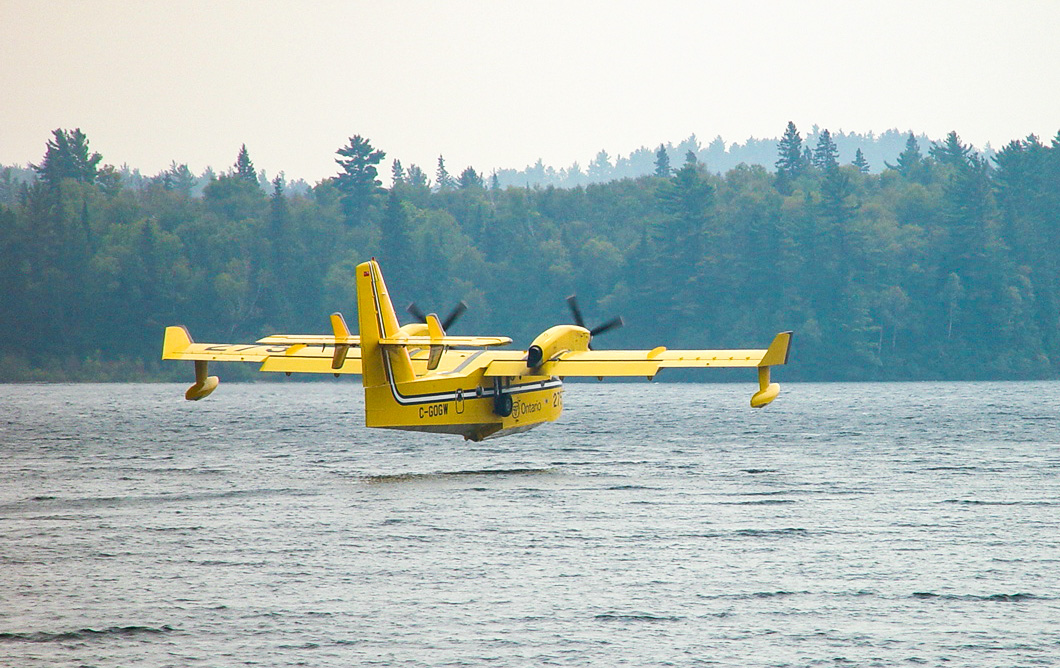 Three new wildfires were confirmed today in the Northeast Region, one is out and two are burning out of control, according to the latest report from Aviation, Forest Fire and Emergency Services. North Bay 14 is on the north side of French River, about 4.5 km south of Sandy Island on Lake Nipissing. This fire is 1.5 hectares and not under control. Haliburton 26 is 0.5 hectares and located on Coo-ee Island on Kahshe Lake. The fire is also not under control. Chapleau 14 was 0.1 hectares and located on the south side of Bunting Lake, approximately 2.6 kilometres west of Perth Lake, and 1.1 kilometres south of Nackawic Lake. It is out. There are six active fires in the Northeast region; one is under control, two are not under control, and three are being observed.
 The local service district of Lethbridge, N.L., is partially evacuated after a wildfire started in a bark pile and its adjacent forest outside Sexton Lumber late Sunday afternoon. The evacuation zone includes the areas of Oldford’s Hill to Southwest Bridge and Bayside Drive and Forest Drive, where the saw mill is located. Anthony Paddon Elementary in Musgravetown has been converted into a reception centre for impacted residents. In a social media post, the school announced that it will be closed to students on Monday, as it supports the efforts of emergency responders. The elementary school in Lethbridge, Hertiage Collegiate, is closed as well. In a social media post the school says more updates will be provided at 10:30 a.m. N.T. Route 233 remains impassible in both directions to all traffic. As of Sunday, three water bombers and ground crews were working the fire, and crews remained on the scene overnight to monitor conditions.
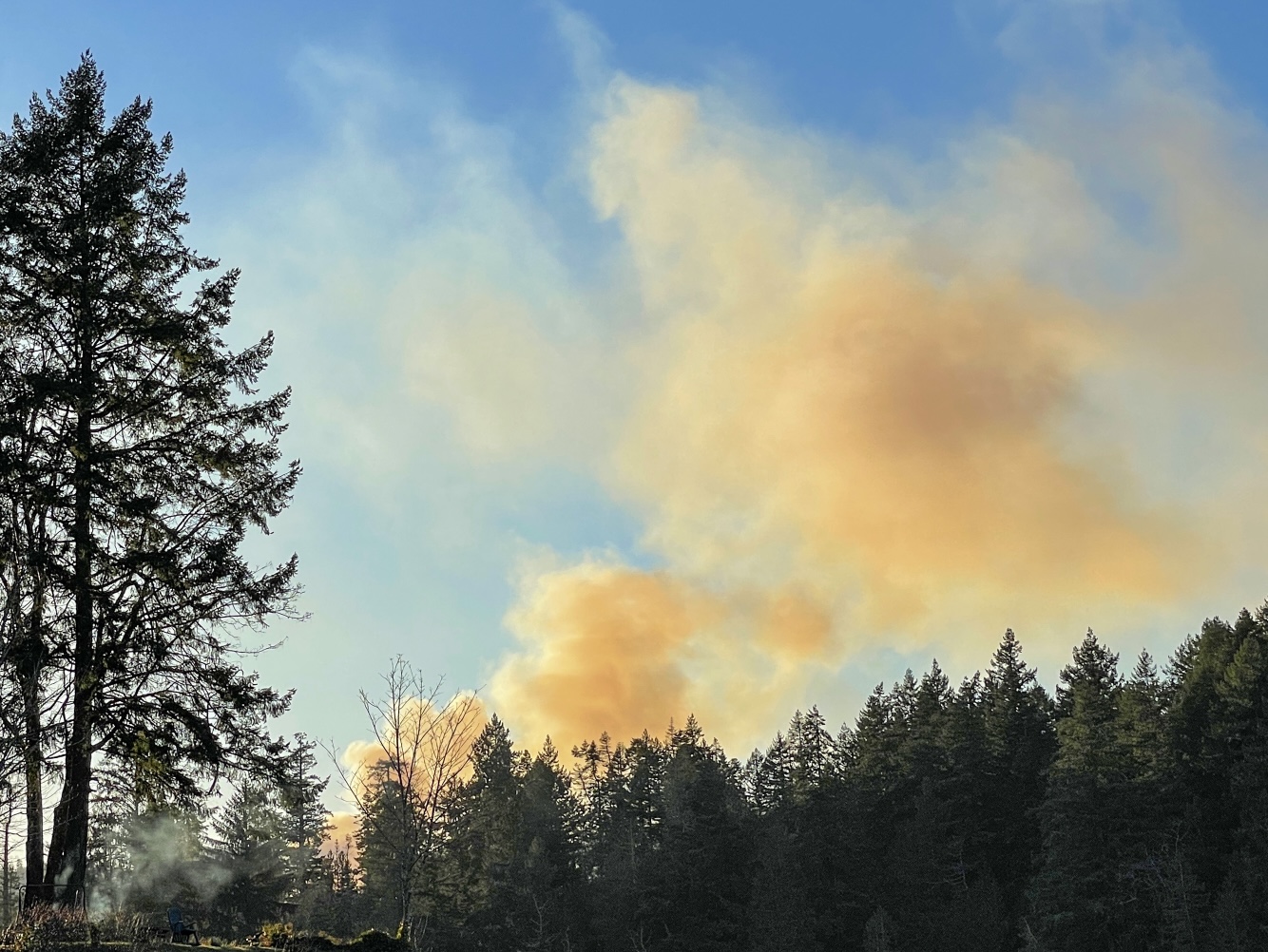 The Nova Scotia government has confirmed 20 homes were destroyed last weekend in the Annapolis County wildfire, which remains out of control and is estimated at 8,234 hectares — or more than 82 square kilometres. According to a news release on Thursday, the residences were destroyed Sunday on West Dalhousie and Thorne roads. Not all of the residences were primary structures. “Our hearts are broken for residents in the West Dalhousie community who’ve lost their homes,” Premier Tim Houston said in a news release. “It’s overwhelming to get that news, it will be a long road to recovery, and I know residents will find comfort through this strong, tight-knit community. The wildfire in the West Dalhousie area of Nova Scotia is still burning out of control and has destroyed 20 homes. The Long Lake fire, which started on Aug. 13, is estimated to be 8,234 hectares in size (or more than 82 square kilometres), as of 11:30 a.m.