 BC Wood’s 22nd Annual Global Buyers Mission (GBM) opened in Whistler, BC on Friday morning, with Premier David Eby declaring the tradeshow floor open and underscoring the value-added sector’s critical role in British Columbia’s economy and its importance to international markets. …Nearly 600 participants attended this year’s gathering, including specifiers, government representatives, and international buyers from across Asia and beyond. BC Wood CEO Brian Hawrysh welcomed the attendees… and Board chairperson Kelly Marciniw of Zirnhelt Timber Frames, introduced the Honourable Premier of British Columbia, David Eby. …Eby emphasizing the importance of BC’s international buyers, pointing to his recent experience at Expo 2025 Osaka. …At the same time, he acknowledged the dual challenges of natural and man-made disruptions, from wildfires and the mountain pine beetle to softwood lumber duties.
“Our friends and allies in the United States, who remain friends and allies, but are under the leadership of an individual who somehow sees affordable BC timber products as a threat to the United States, at a time when the government is simultaneously recognizing a housing crisis in the United States and a need to improve affordability for people,” he said. He argued that Canada and the US have an opportunity to reset their relationship, suggesting that the $8 billion currently held in a tariff account could be used “to promote wood products across North America for a net win for everybody.”…Eby also outlined steps the provincial government is taking to support the industry, including a pause on stumpage payments. …”There are so many opportunities for us right now, and they are matched, unfortunately, by threats. But we will be successful as a group if we push together in ensuring we’re expanding those markets.”
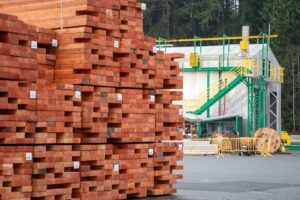 Shortly after Prime Minister Carney’s announcement of $500-million to help Canada’s softwood-lumber industry decrease its reliance on the hostile US market, BC’s Forestry Minister offered a modest target of 10%. …History suggests, however, that even that degree of market diversification stands to be an uphill battle. …While there have been modest inroads in China and Japan, diversification has mostly proved quixotic − partly because the proximity of the massive US housing market, for which there is not enough lumber harvested stateside to serve, has been a disincentive to reach further….Rick Doman, chair BC’s Forestry Innovation Investment board − mentioned South Korea, Vietnam, India, Australia, Britain. …Canada Wood Group president Bruce St. John describe it as a painstaking process involving promotional efforts, direct engagement with local governments on building codes and standards, and expertise-building for industry. …To succeed, particularly amid growing softwood-export competition from Europe especially, will require steady focus through and perhaps beyond the Trump era. [to access the full story a Globe & Mail subscription is required]

 Ottawa — Forest Products Association of Canada (FPAC) welcomes the federal government’s announcement of new measures to support trade-exposed Canadian businesses and employees and to enable economic transformation. The measures announced today — ranging from the Strategic Response Fund to procurement reforms, tariff-response financing, workforce supports, and biofuels incentives — if well executed, can provide hope for the future for Canada’s forest sector and its 200,000 employees. In addition to the measures announced today, FPAC continues to call on the federal government to extend Clean Investment Tax Credits (ITCs) to include biomass for heat and electricity generation as part of Budget 2025. Introducing the biomass ITCs will create new jobs, improve energy security, lower carbon emissions, and help reduce wildfire risks. …“While a negotiated agreement on softwood lumber is the sector’s number one priority, today’s announcement is about trying to create stability as we modernize and innovate for the future,” said FPAC President and CEO Derek Nighbor.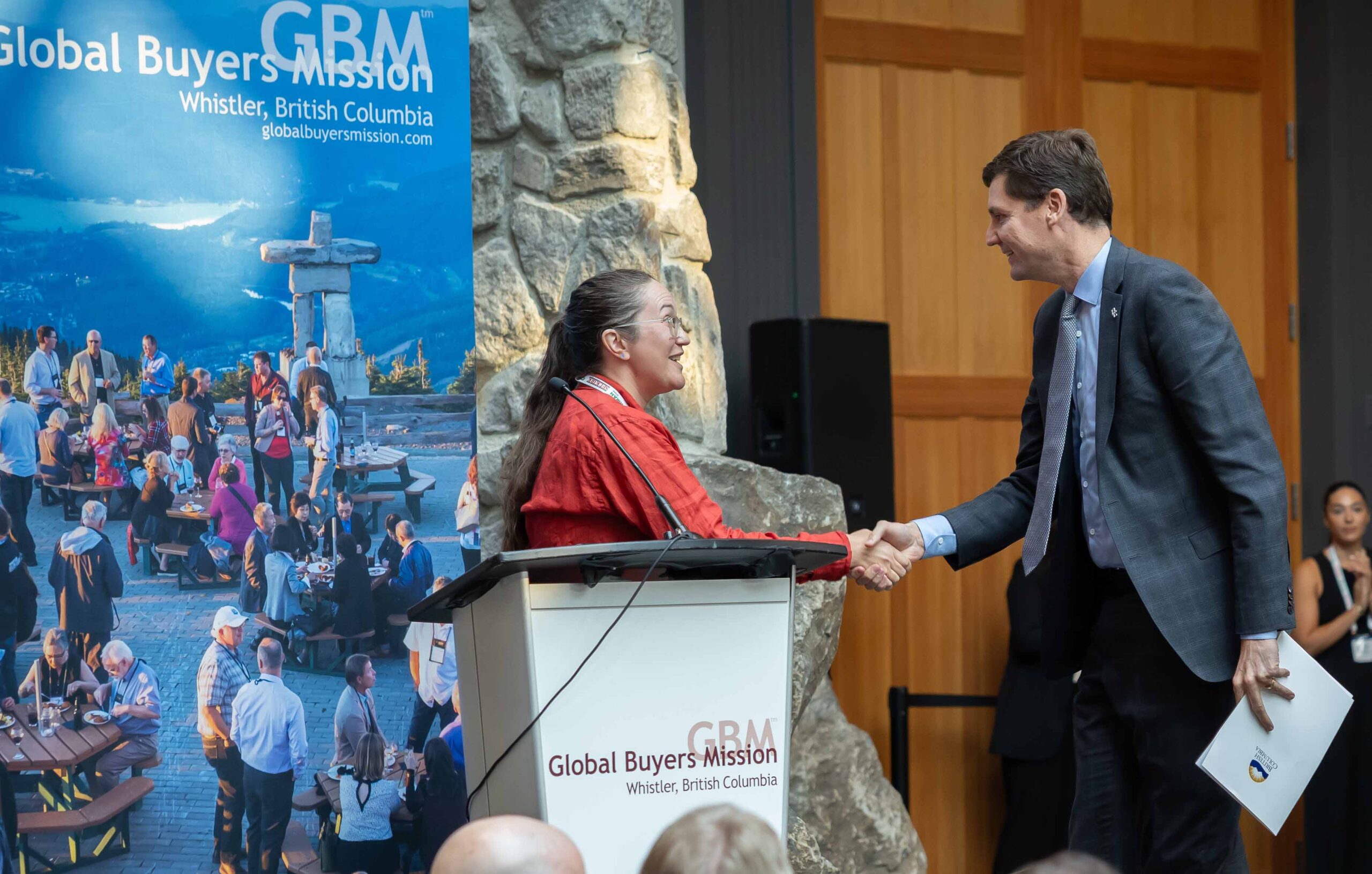


 Coulson Aircrane says the Saskatchewan government has agreed to pay more than twice what it should have for four firefighting aircraft — a decision the B.C.-based company says will cost Saskatchewan taxpayers an extra $100 million. Coulson, one of the leading companies in the world for retrofitting planes for firefighting, made the claim last month in an application to the Court of King’s Bench. “We are concerned the government of Saskatchewan has awarded a very large (over $187,000,000) contract for forest fire airplanes, without affording any reasonable opportunity to Coulson or any other competitor to bid on the contract,” says an affidavit filed by company president Britt Coulson. Coulson is asking the court to quash the sale and order a fair, transparent competition. …He says the government failed to hold a proper, competitive tendering process, resulting in Conair making “an immense profit.” …Conair has declined to comment, as the matter is before the courts.
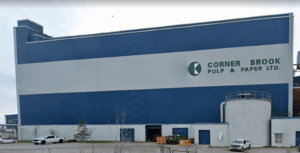 The provincial government, through Newfoundland and Labrador Hydro, is extending its agreement with Corner Brook Pulp and Paper to buy electricity. The initial agreement was made in March, 2024 for Hydro to buy electricity from Deer Lake Power, which energizes the paper-making machines at the Corner Brook mill for 27.5 cents per kilowatt hour. The deal has now been extended until March 31, 2026. Hydro will continue to purchase excess green energy from Deer Lake Power, while the mill continues work to identify new revenue sources through viable wood-based projects “to unlock Newfoundland and Labrador’s high forest potential while further stabilizing the mill’s sustainability and future,” wrote the province’s Department of Fisheries, Forestry and Agriculture in a news release on Wednesday. The department said the agreement will not impact rate payers. The announcement comes after the mill was forced to pause operations due to a number of wildfires.


 WENDAKE, QC
 Canada’s annual inflation rate rose to 1.9% in August, Statistics Canada said on Tuesday, the final piece of economic data to be released before the Bank of Canada’s next interest rate decision. The higher rate was largely expected. Gas prices, which dropped at a rate of more than 16% in July, were still declining in August — but at a slower pace than they had previously, contributing to the upward tick in the overall inflation rate. …With gas stripped away from the overall inflation rate, the numbers mostly ticked down in August. Economists anticipate that the central bank will cut rates by 25 basis points during its Wednesday meeting — which would mark the bank’s first cut since March. “This report was mostly a low-drama affair,” wrote Douglas Porter, chief economist at BMO, in a note to clients. The pace of price growth “won’t cause the Bank of Canada much stress,” Porter wrote.

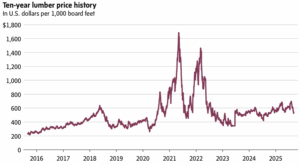 A “normal” annual softwood lumber price cycle sees prices dropping from Labour Day until early in the new year when buying starts again for the spring construction season. We are also expecting three interest rate cuts this year from the US Federal Reserve. With lower mortgage rates expected, will we see increasing demand for lumber? …The short term outlook for lumber prices continues to see weakness with price projections as low as US$450 per thousand board feet until the spring construction season. Looking into 2026 and 2027, prices are expected to recover to the mid-US$500 to low-US$600 per thousand board feet range. Ongoing duties, the upcoming court rulings on tariffs and the protracted housing shortage will all impact the price of lumber over the next two years. [to access the full story, a Globe & Mail subscription is required]
 The Canada Mortgage and Housing Corporation (CMHC) released its
 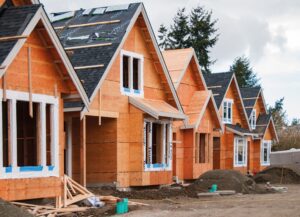 Prime Minister Mark Carney announced Sunday afternoon the launch of Build Canada Homes, the federal government’s new agency that will oversee federal housing programs. The agency was part of the Liberals’ election promise to double housing construction. The government is touting Build Canada Homes as a centralized agency to oversee new affordable housing programs initiated at the federal level. Carney said the agency will “supercharge housing construction across Canada” by helping to build supportive and transitional housing in collaboration with provinces, territories and Indigenous communities. It will also expand “deeply affordable and community housing” and partner with private developers to build homes for the middle class. The prime minister also announced that former Toronto city councillor Ana Bailão will be the CEO of Build Canada Homes. …Carney said $13 billion is earmarked for the new agency.

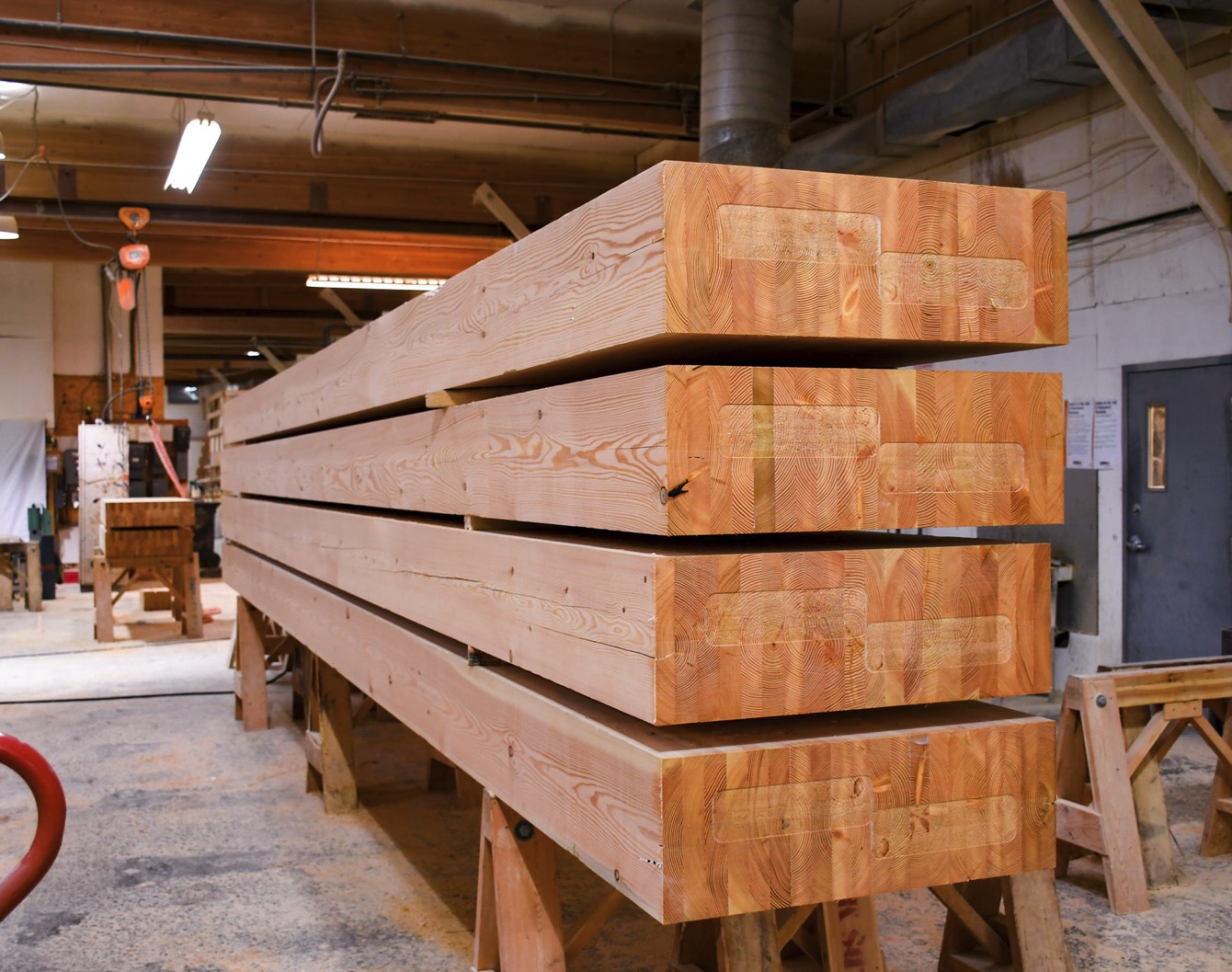
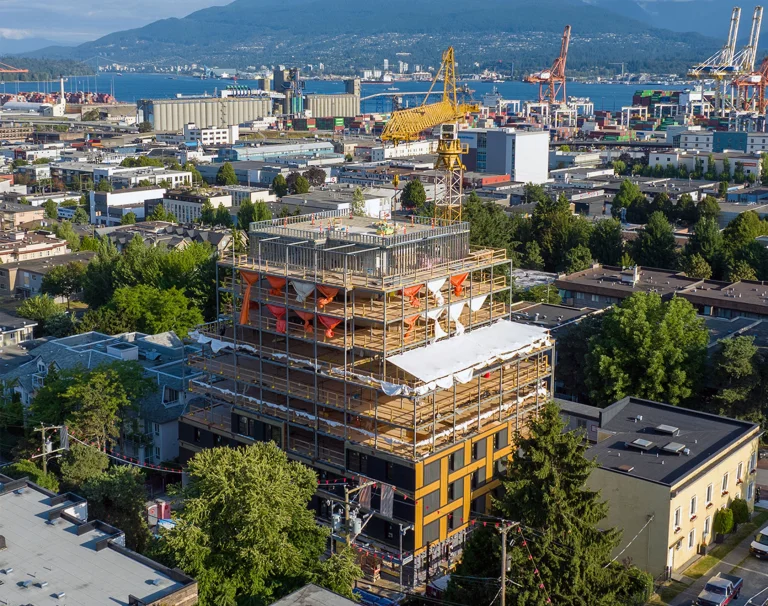
 This summer, five exceptional students from across Canada were selected for the Forest Products Association of Canada’s (FPAC) 2025 Green Dream Internship Program, an initiative that continues to spotlight the next generation of forestry professionals. Now in its twelfth year, the Green Dream Internship offers students a unique opportunity to explore the forest sector from the inside out. Over six weeks, interns shared their experiences through creative storytelling—capturing everyday moments in forest operations, conducting interviews, and reflecting on their career journeys. Each intern received a $1,000 scholarship to support their studies. “As these students return to their studies and continue building their expertise, they now carry with them an even deeper understanding of the sector’s challenges, innovations, and opportunities,” said Derek Nighbor, FPAC’s President and CEO.
 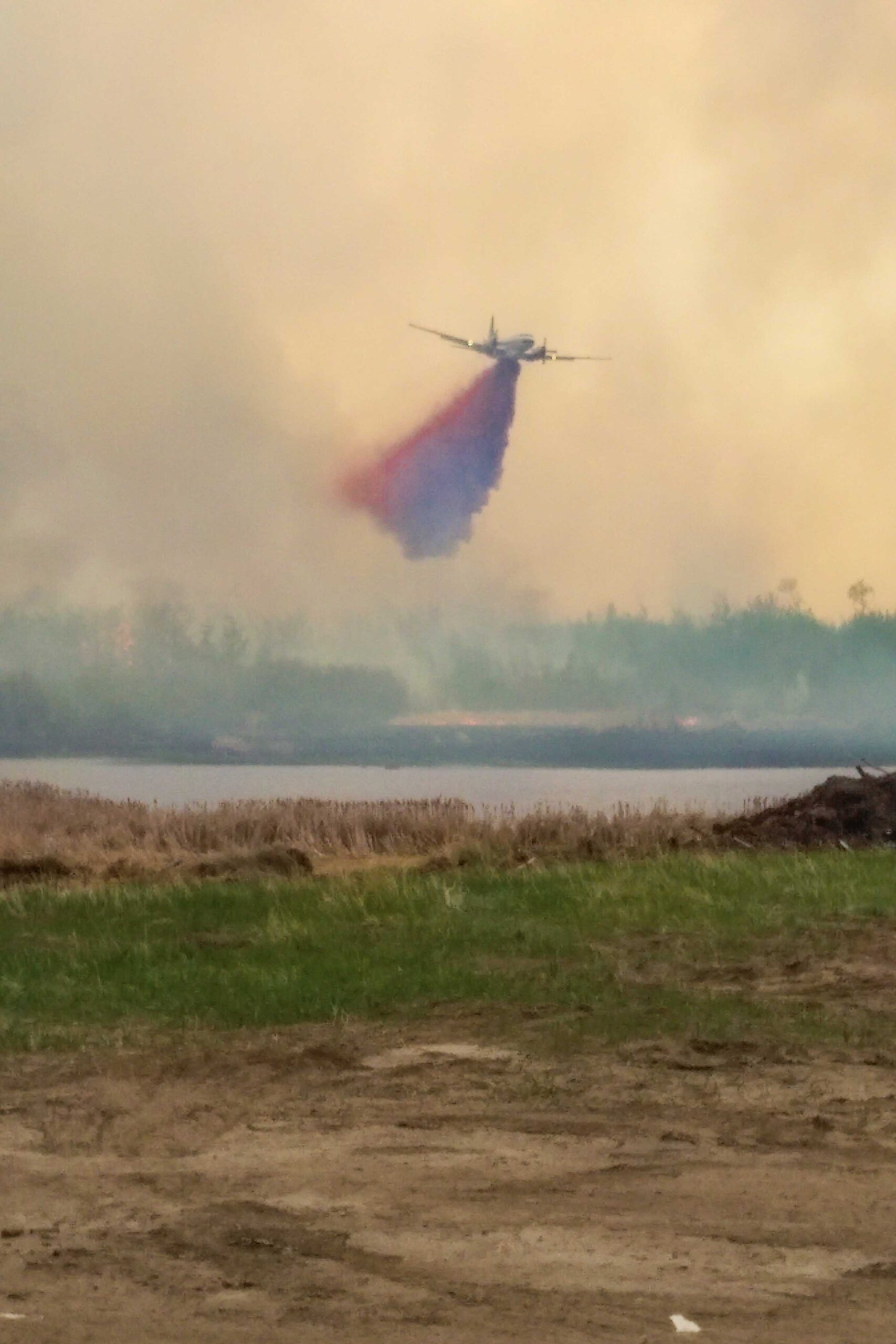 Dropping fire retardant solutions from planes is a crucial strategy in wildfire fighting, but some experts are concerned about their impact on the environment, including aquatic ecosystems. Once dropped, these retardants leave a rust-coloured or pinkish liquid coating on roads, roofs, and vegetation. This technique, commonly used since the mid 20th century, helps fire crews contain blazes by depriving flames of oxygen, explains Jen Baron, a postdoctoral researcher at the University of British Columbia’s Centre for Wildfire Coexistence. Since 2009, the B.C. Wildfire Service has relied on Phos-Chek LC-95A, a widely used retardant from Perimeter Solutions… Its main ingredient, ammonium polyphosphate, is a common fertilizer. Additives, like iron oxide, give the retardant its signature red colour, helping crews to see where it has been dropped. …Uldis Silins, a professor of forest hydrology at the University of Alberta says studying retardants like Phos-Chek remains crucial, especially because their specific chemical composition is proprietary and therefore unknown.
 The ancient forests near Fairy Creek, where the largest act of civil disobedience in Canadian history took place in 2021, have been fairly silent for nearly four years. But as logging in Vancouver Island’s old-growth forests picks up, protesters have returned to protect these ancient trees. On Friday, BC Supreme Court judge Amy Francis approved an injunction requested by Tsawak-qin Forestry Inc.—co-owned by Western Forest Products and the Huu-ay-aht First Nations—after two days of hearings. Those named in the injunction—including Elder Bill Jones…are banned from blocking the logging company’s access to old-growth forests in the Tree Farm License 44 area. …The removal of the sculpture and the people protesting could happen at any time. Today, blockaders at Cougar Camp—named for the sculpture blocking the logging road—said they were ready and waiting to be arrested while protecting Upper Walbran.
  Zoom Presentation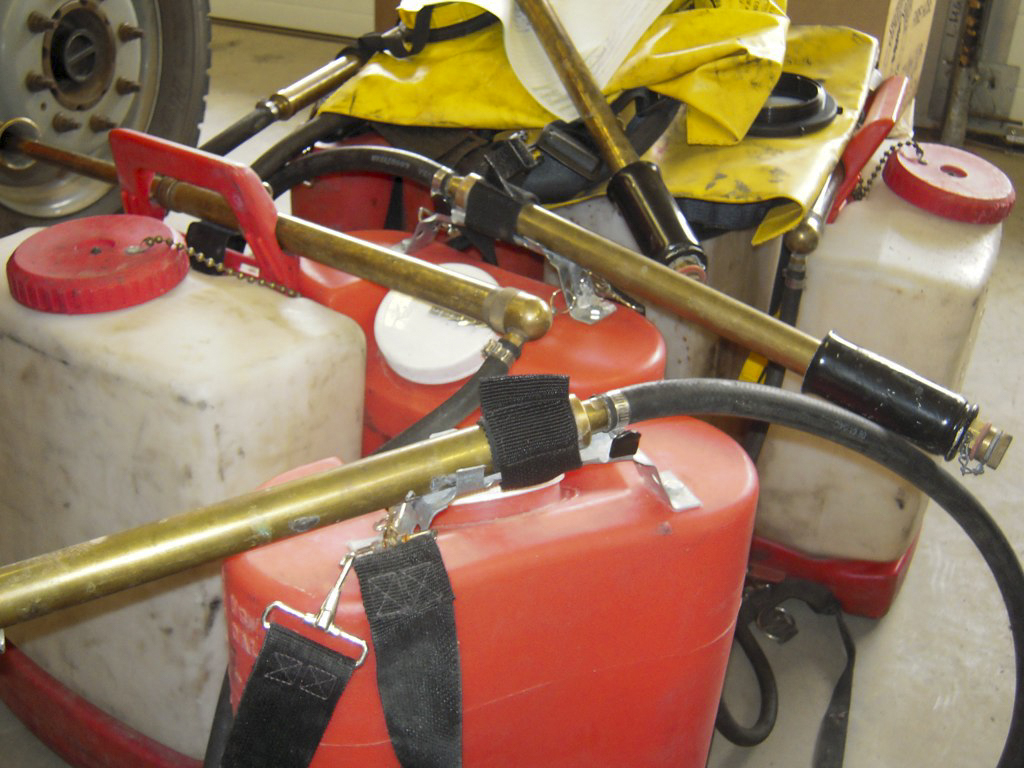
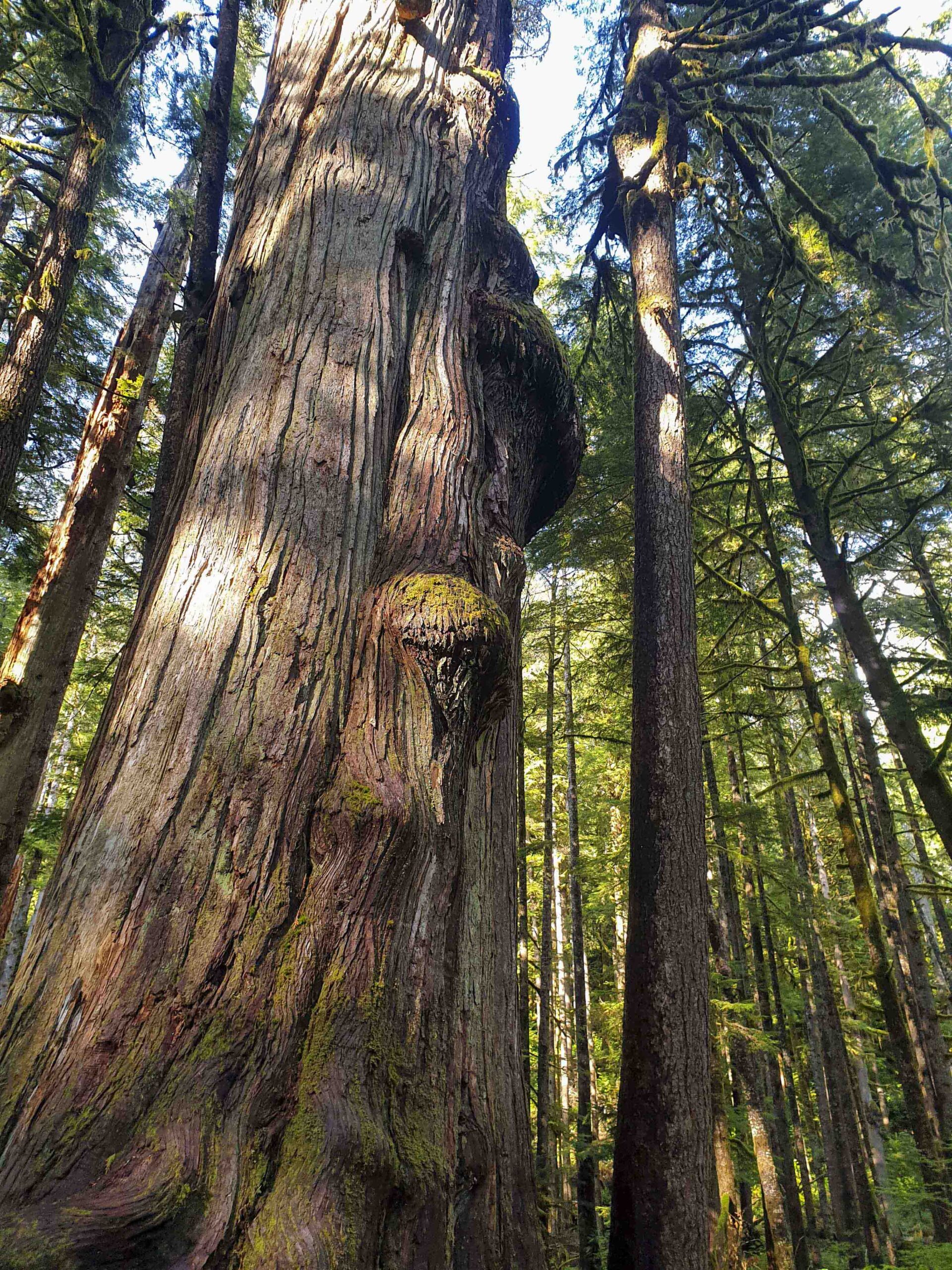

 A B.C. Supreme Court justice has ordered a group of people blocking a logging road in the Walbran Valley on southern Vancouver Island to stop. The decision to grant an injunction to Tsawak-qin Forestry Limited Partnership, a joint partnership between the Huu-ay-aht First Nations and Western Forest Products, alongside an enforcement order is expected to set the stage for the RCMP to remove people from the area. This fight over British Columbia’s old-growth forests comes four years after the start of the historic Fairy Creek protests, where more than 1,100 people were arrested. The Walbran Valley blockade began in late August and has prevented a logging company from working and accessing tools, equipment and vehicles on the other side of the blockade. Pacheedaht Elder Bill Jones, who was at the forefront of the Fairy Creek protests, is one of the parties named in the court filing, and the only person to respond to the application.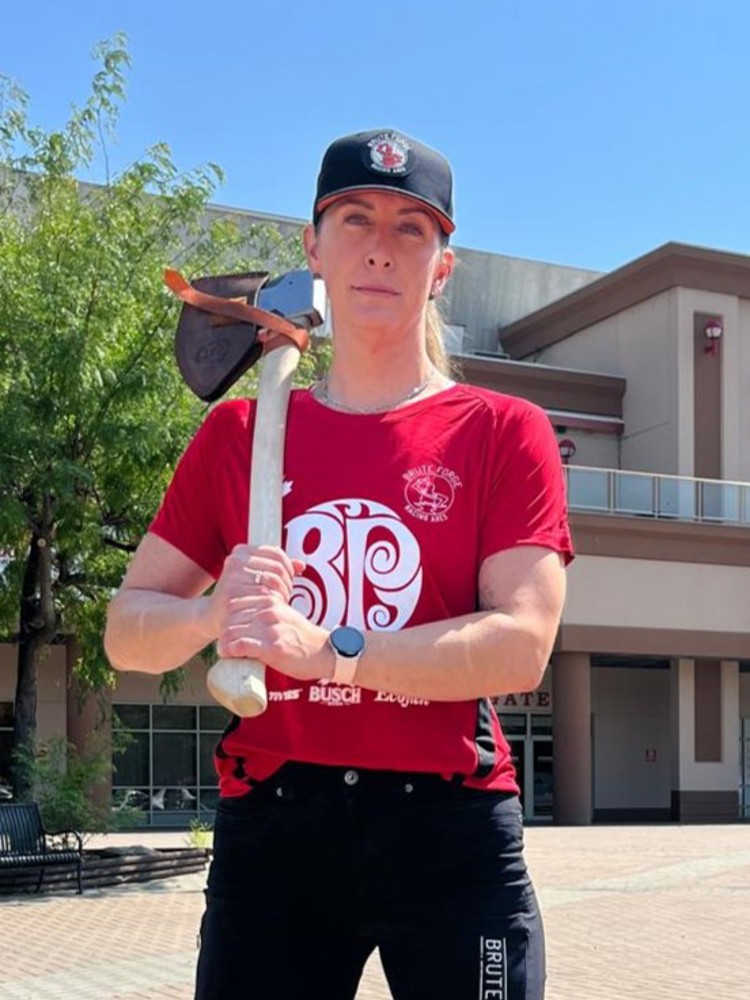
 As summer winds down, I’m pleased to welcome you to this special edition of the Forest Practices Board’s newsletter. This season marks a significant milestone for us—our 30th anniversary. For three decades, the Board has worked diligently to provide independent oversight of forest and range practices in British Columbia, helping to ensure that our natural resources are managed sustainably and in the public interest. …This issue highlights some of the conversations, initiatives, audits, investigations and special reports the Board is involved in as we embark on this anniversary year.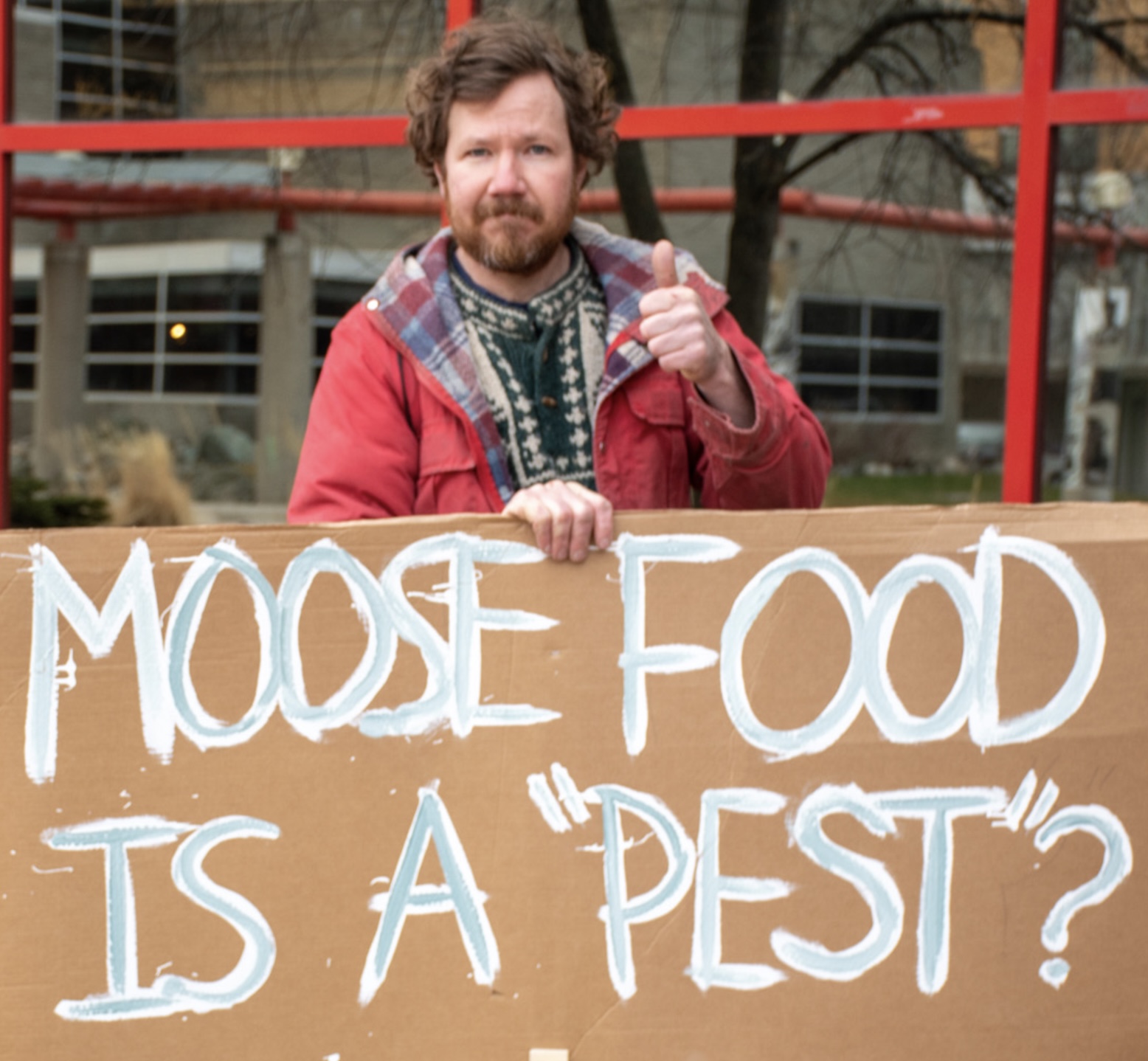
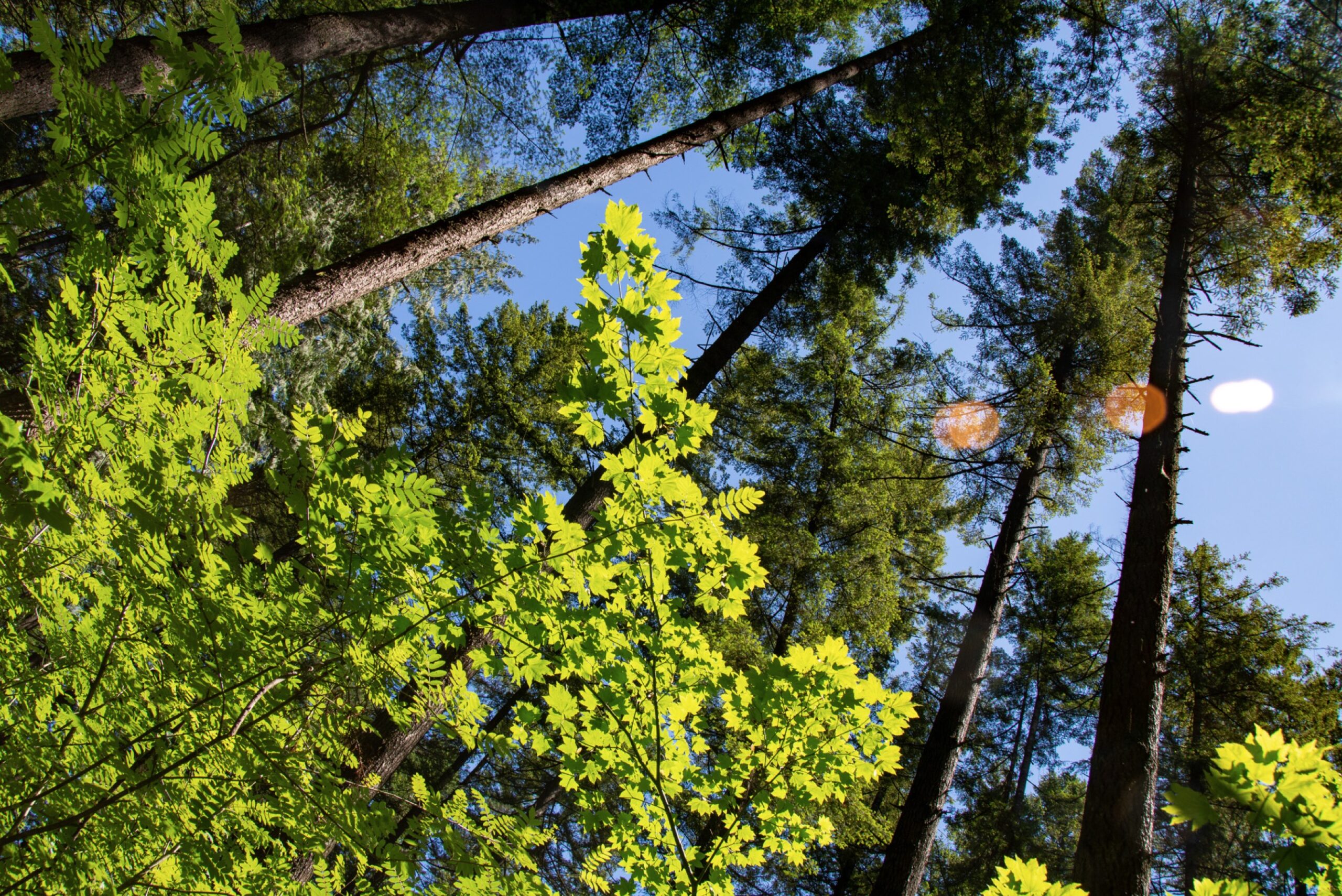 The Cariboo Wood Innovation Training Hub (CWITH) is inviting people to bring their ideas and opinions to an upcoming workshop on contemplative forestry. The workshop will be facilitated by Jason Brown, an affiliate forest professional with Forest Professionals British Columbia, on Saturday, Sept. 20. Participants will explore the concept of contemplative forestry, an approach which meets two extreme views on forestry in the middle. …Stephanie Huska, project lead with CWITH, said the workshop is a way to open the door to conversations which historically have not been included in natural resource management discussions based on western worldviews. …A contemplative approach to forest management values manual work as a form of spiritual practice, allows forests to ‘speak’ for themselves, admits there are some aspects of life we don’t have the language for and sees forestry as a mutually beneficial, place-based vocation.
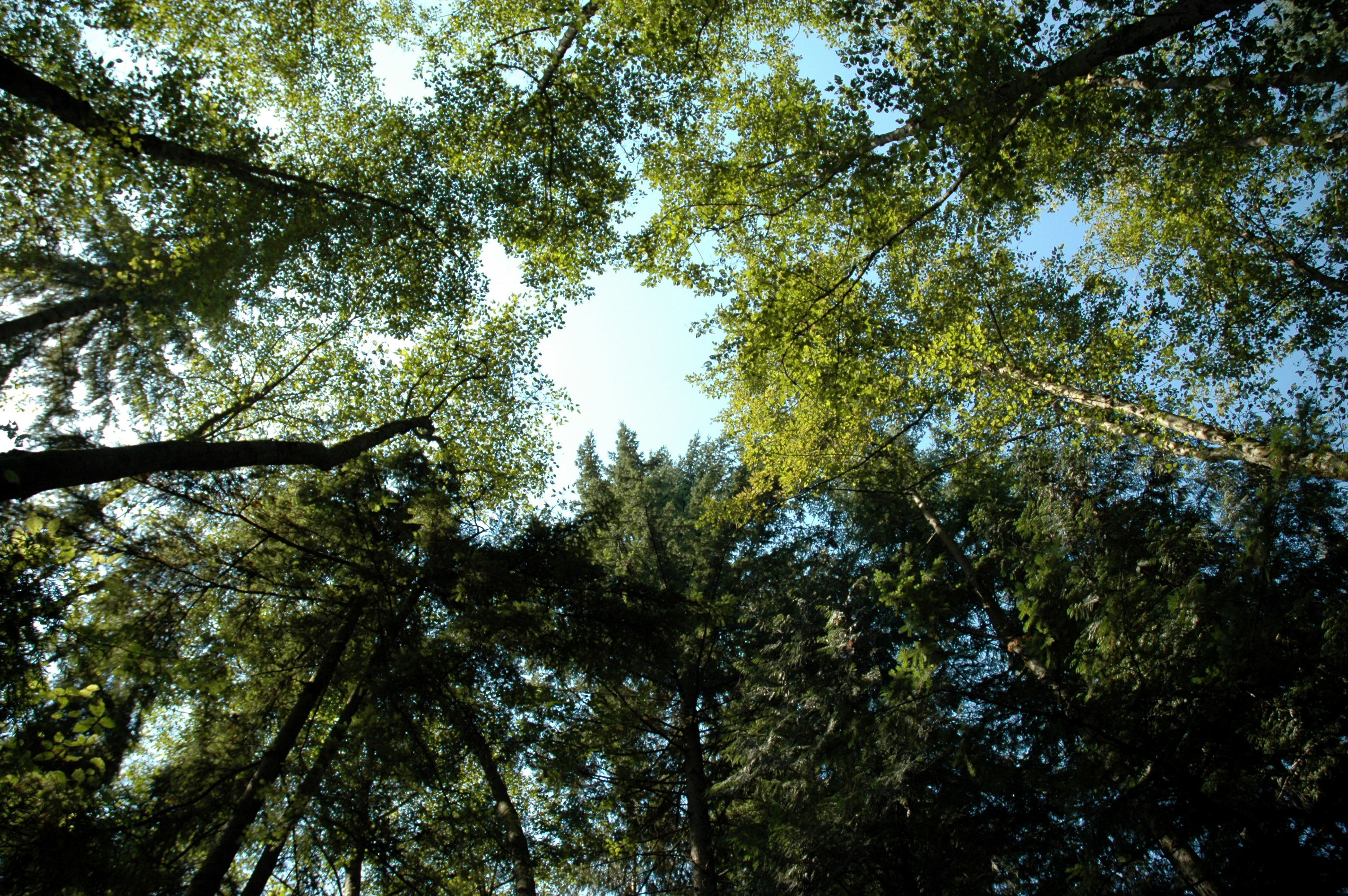 VANCOUVER — The B.C. Supreme Court is set to rule on an injunction to halt a blockade against old-growth logging in the Walbran Valley on Vancouver Island, but a lawyer for one of the blockaders says the law is evolving and in need of a “course correction.” The Pacheedaht First Nation has decried the blockade on its traditional territory near Port Renfrew, B.C., claiming it is undermining its authority and should disband. The First Nation said in a statement that forestry is a “cornerstone” of its economy, and is calling for the blockaders to “stand down and leave.” The statement came after Tsawak-qin Forestry Inc., a firm co-owned by the Huu-ay-aht First Nations and Western Forest Products Inc., filed a lawsuit last week in B.C. Supreme Court alleging that “a group of largely unknown individuals” began the blockade of a road on Aug. 25.

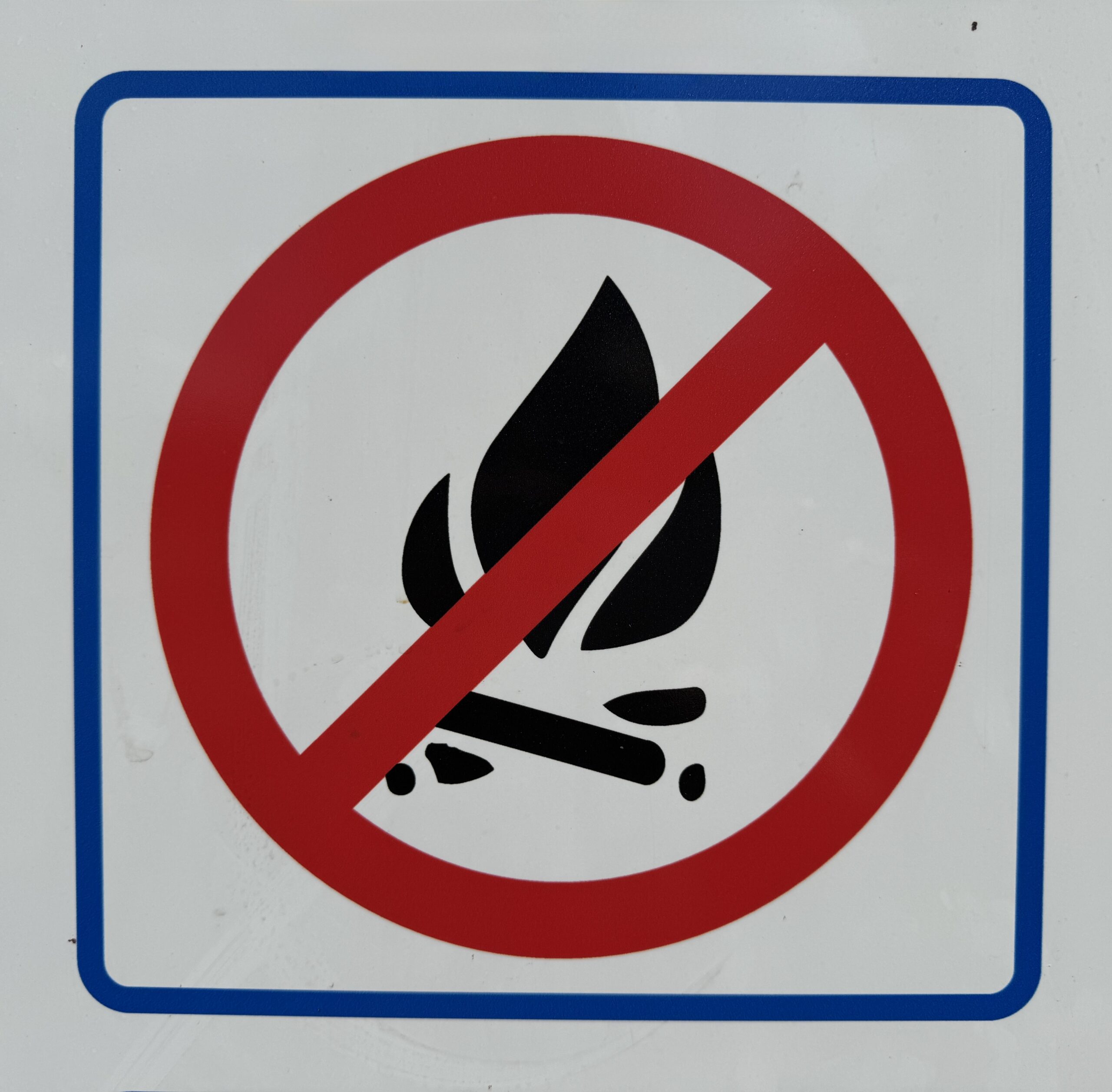 The existing Category 1 campfire prohibition for the Cariboo Fire Centre and Tsilhqot’in (Xeni Gwet’in) Declared Title area will be extended. It will go in effect at noon tomorrow (September 11) and will remain in effect until September 30 or until the order is rescinded. A Category 1 campfire is defined as any fire smaller than 0.5 metres high by 0.5 metres wide. The Cariboo Fire Centre said this prohibition applies to all areas in the Fire Centre that are outside of municipal boundaries. In addition, it also applies to these land types within municipal boundaries: Parks, conservancies and recreation areas; Recreation sites, recreation trails, interpretive forest sites and trail-based recreation areas; Ecological reserves; and Wildlife management areas and private managed forest land.
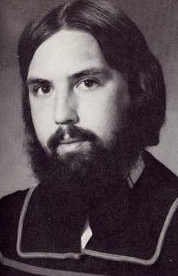 Zoom Presentation, September 16th, 7:00 pm. The BC Forest History Association is honoured to host Larry Pedersen as the first speaker for the 2025 Speaker Series. Larry Pedersen was BC Provincial Chief Forester from 1994 to 2004. A graduate from UBC with a Bachelor of Science in Forestry in 1975, he became a registered Professional Forester in 1977. During his career, he advanced through a number of positions in the Forest Service and he also worked in the private sector. In his presentation titled Reflections from British Columbia’s 14th Chief Forester, Larry will discuss some important historical events that helped shape forestry in the province, explain how he ended up in the job, discuss some of the challenges that he faced, and will tell some stories about things that were said and done during his tenure. The presentation is intended to highlight just a few of the many important events that have shaped forestry in the province. To register for this Zoom presentation use this

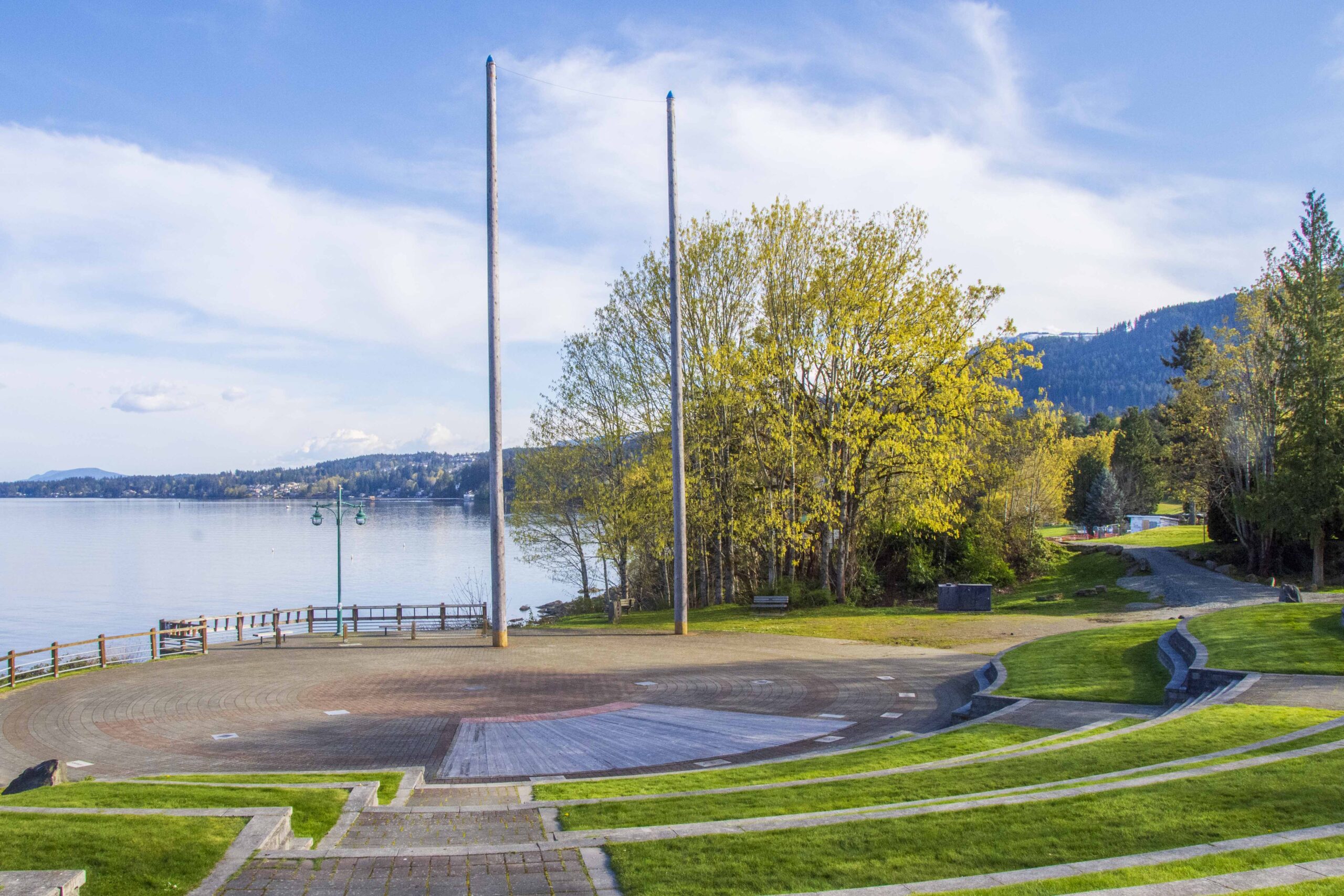 The tools of BC’s traditional industry will take centre stage in Ladysmith on Sunday, Sept. 14 for Ladysmith Loggers’ Sports. The event supports the Cops for Cancer Tour de Rock, an annual bike tour across Vancouver Island that raises funds for childhood cancer research and support programs. The loggers’ sports exhibition event will take place at the Transfer Beach amphitheatre starting at 2 p.m. …Among the upgrades this year are three massive dummy logs donated by Western Forest Products. This year’s key supporters include Spuzzum Contracting, LCU Insurance Agencies, Mosaic Forest Management and the Town of Ladysmith.
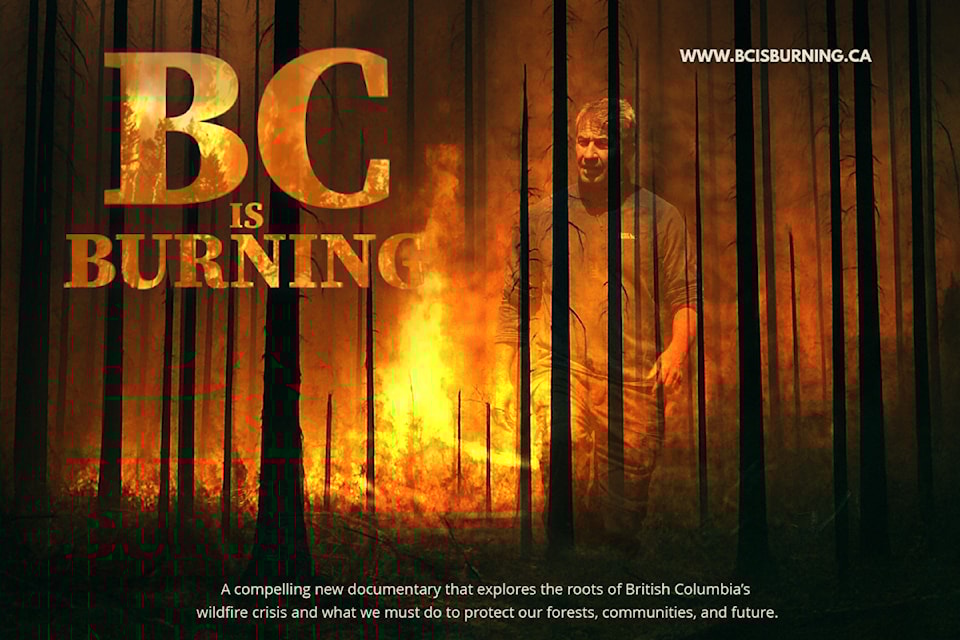 A documentary addressing British Columbia’s escalating wildfire crisis and the urgent need for solutions is playing in Castlegar on Sept. 11. The film was produced by former Castlegar resident Murray Wilson. Wilson graduated from Selkirk College’s Forest Technology program in 1981 and then worked in Salmo and Nakusp before spending more than three decades in forestry across British Columbia. “My early forestry work in the Kootenays showed me the wildfire risks communities face and the solutions we need, which is at the heart of B.C. is Burning,” said Wilson.


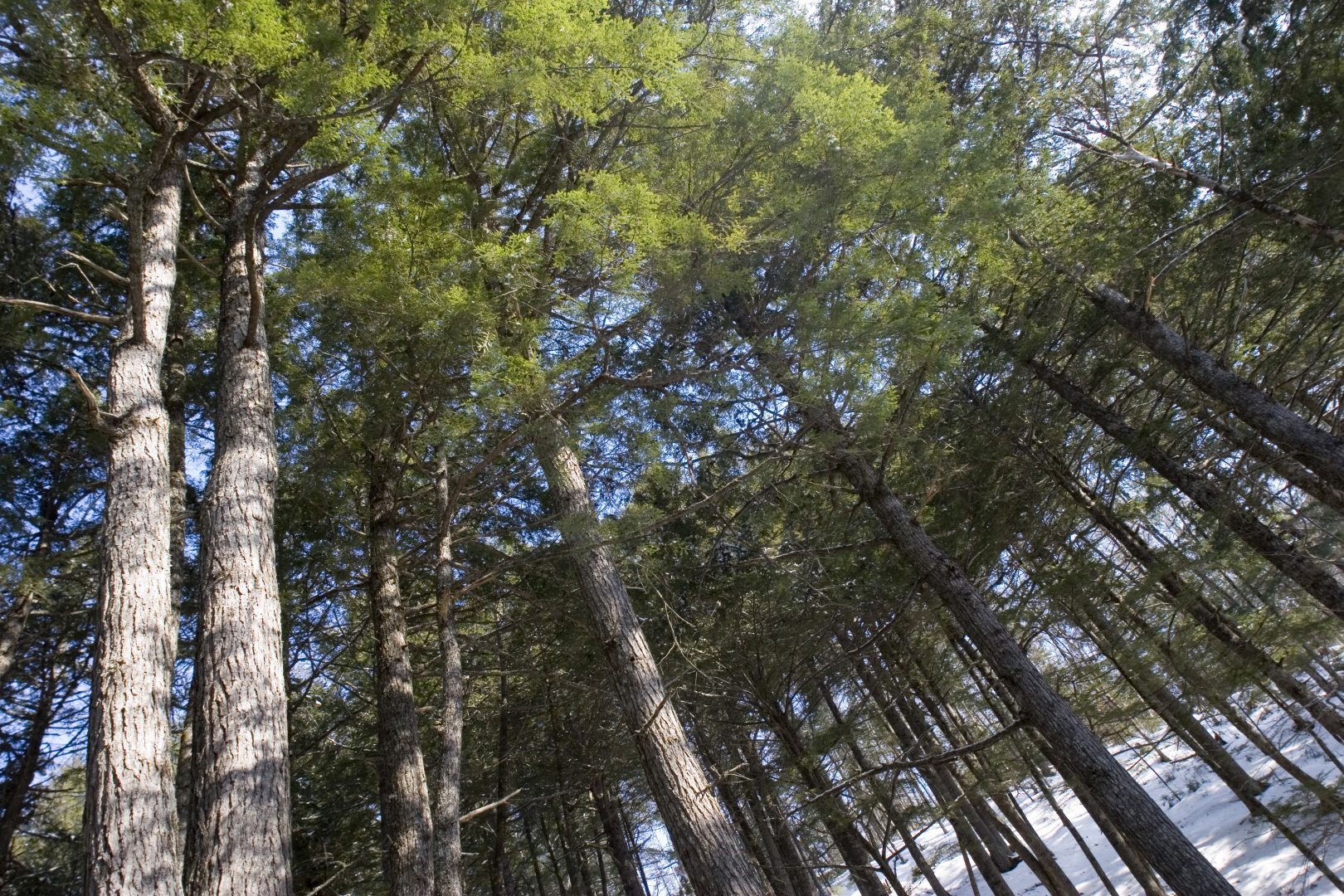
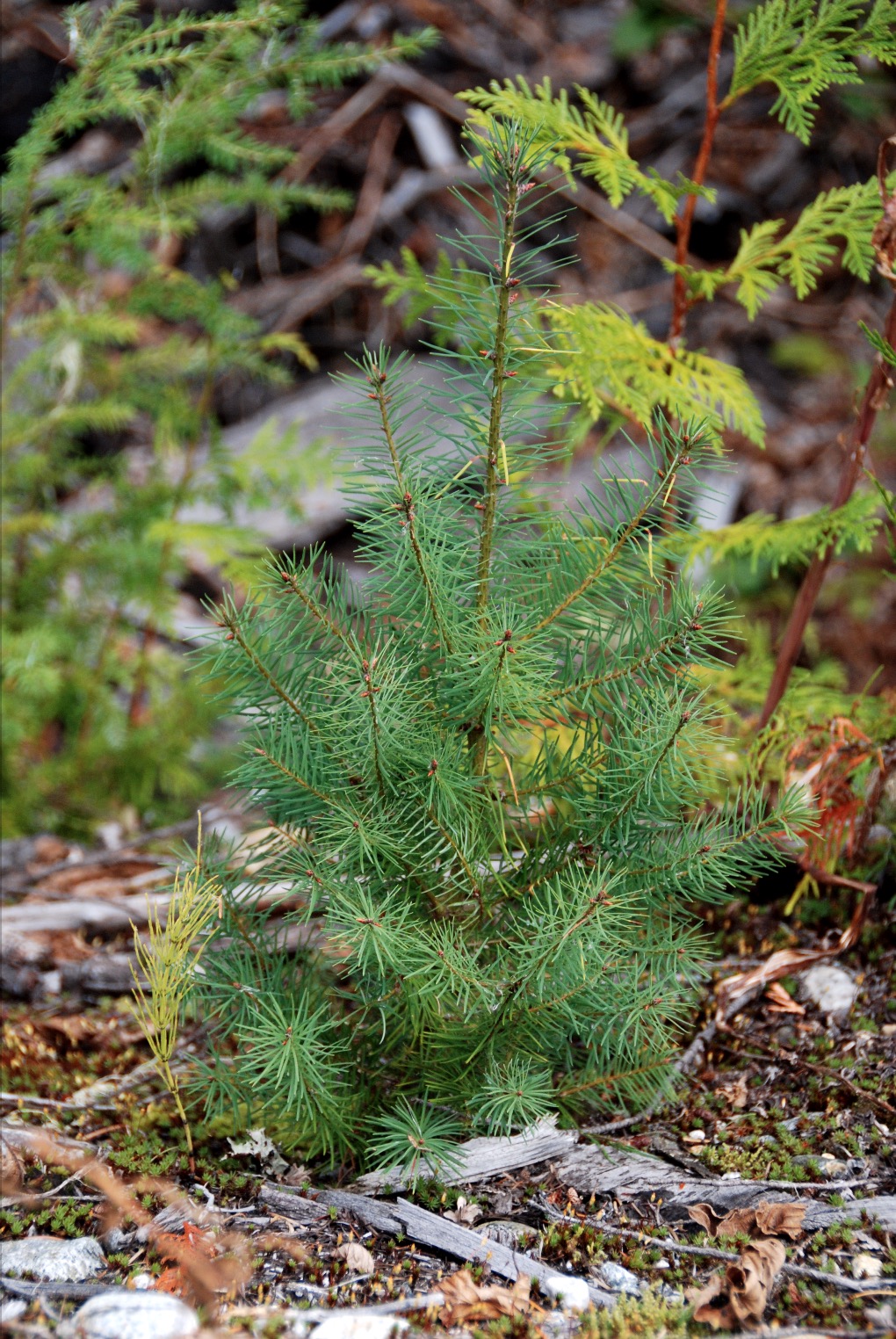 As Nova Scotia grapples with one of its most severe wildfire seasons, a controversial decision by the provincial government has flown under the radar: the approval of aerial glyphosate spraying on 3,577 acres of drought-stricken, fire-prone forest. This move not only risks human health and ecosystems but also exacerbates the very wildfires it claims to mitigate. …Glyphosate-based herbicides are used in forestry to kill deciduous plants and shrubs that compete with commercial softwood species. However, this practice replaces diverse, resilient forests with flammable monocultures. By inhibiting plant growth and causing vegetation to wilt and die, glyphosate leaves behind dry, combustible biomass — effectively turning forests into tinderboxes. In a province already parched by drought and under travel bans due to fire risks, adding fuel to the fire is nothing short of reckless.
 Michelle Conroy says she appreciates all the work the province’s firefighters have put into protecting Miramichi, as wildfires raged out of control. But the Progressive Conservative MLA for Miramichi East also wonders if their employer, the Department of Natural Resources, might have unintentionally made conditions in the forests worse by encouraging herbicide spraying so that New Brunswick’s powerful timber industry could have softwood plantations. …The idea that the ecosystem could had been thrown “out of balance,” was addressed by Deputy Minister Cade Libby. “Your comment is one we’ve heard quite a few times,” Libby said. “Yes, herbicides target broad-leafed plants. …But a working forest is a great way to mitigate forest fire risk.” The deputy minister said timber cutters use forestry roads that act as fire breaks and that they work on forests of various types and age classes that have less fuel load than virgin, old-growth forests do.
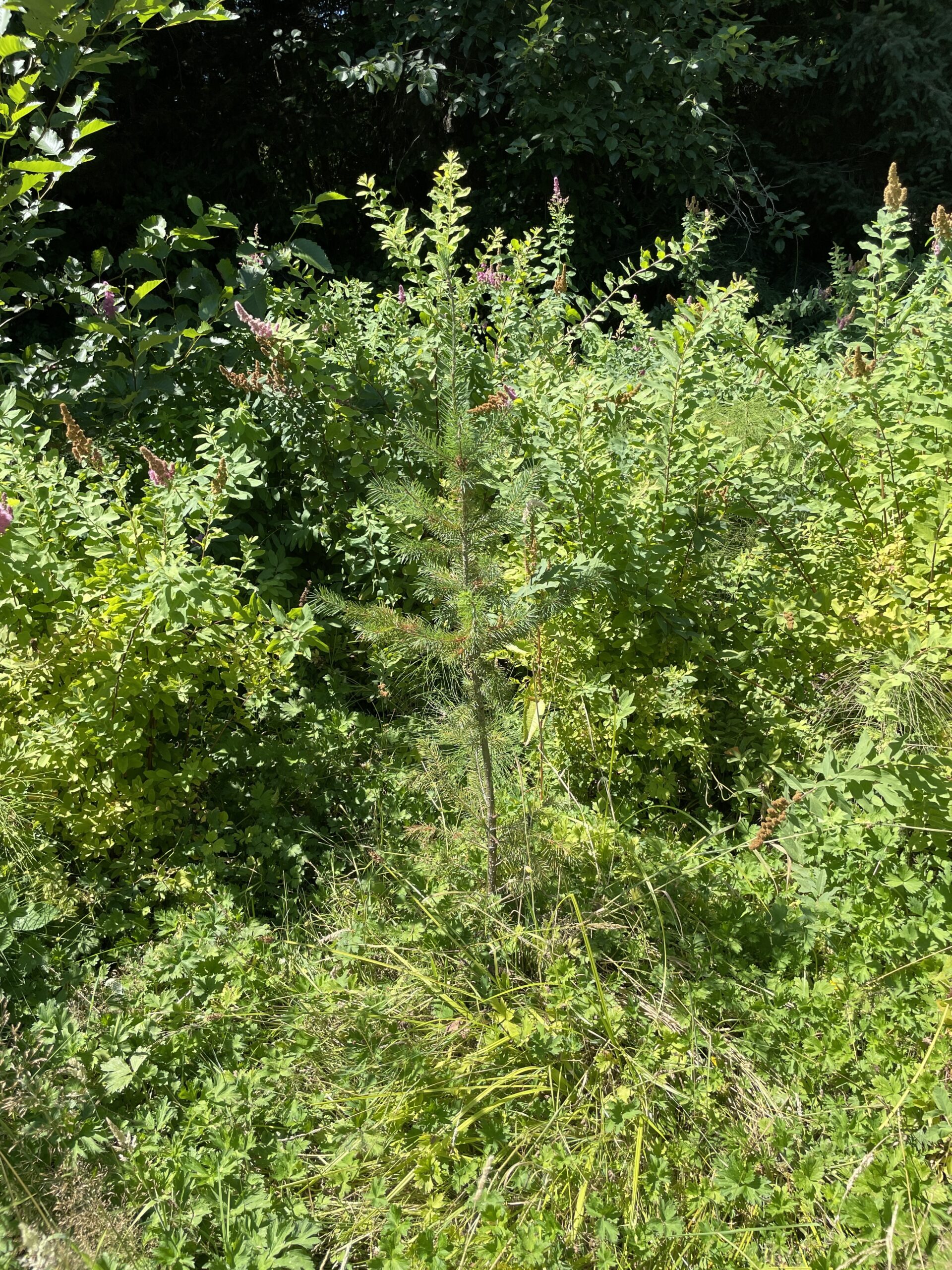 Amid calls from some First Nations and municipalities in northeastern Ontario to stop glyphosate spraying on Crown land, environmental groups are raising concerns over the herbicide’s effect on biodiversity. …Wildland fire ecologist Bob Gray said leafy deciduous trees, like aspen, are more resilient to wildfires than softwood conifers like pine and spruce. “Softwoods are highly resinous,” he said. “The foliage and bark is highly flammable. When you’ve got large contiguous areas of conifer forest, you can have large continuous forest fires.” If a timber company’s goal is to promote the growth of softwoods for harvest, at the expense of hardwoods, it can make that area more prone to wildfires. …Jocelyne Laflamme is a Ph.D. candidate at the University of British Columbia found that aspen becomes more flammable in the fall, when they lose their leaves. …In August, forest company Interfor cancelled plans to spray herbicides on trees along the north shore of Lake Huron.
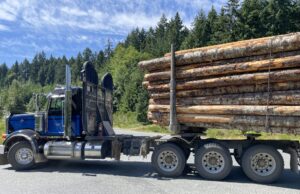 NOVA SCOTIA — Mikmaq have begun blocking logging trucks from leaving Hunters Mountain. Madonna Bernard began the blockade on Monday afternoon when she stood in front of two logging trucks. She was then joined by other Mi’kmaq seeking to stop harvesting from the Cape Breton Highlands. …“This is not a protest, this is a protection. We’re willing to stay as long as it takes.” A large RCMP presence has gathered and more Mi’kmaq supporters are arriving. …Port Hawkesbury Paper mill manager Bevan Lock said that the supercalendered paper relies on wood coming from the highlands for a significant part of its woods fibre. He said some 70 people work for forestry and logging contractors operating in the area. “The province and RCMP have taken steps to remove the blockade and allow travel on a public road,” said Lock.
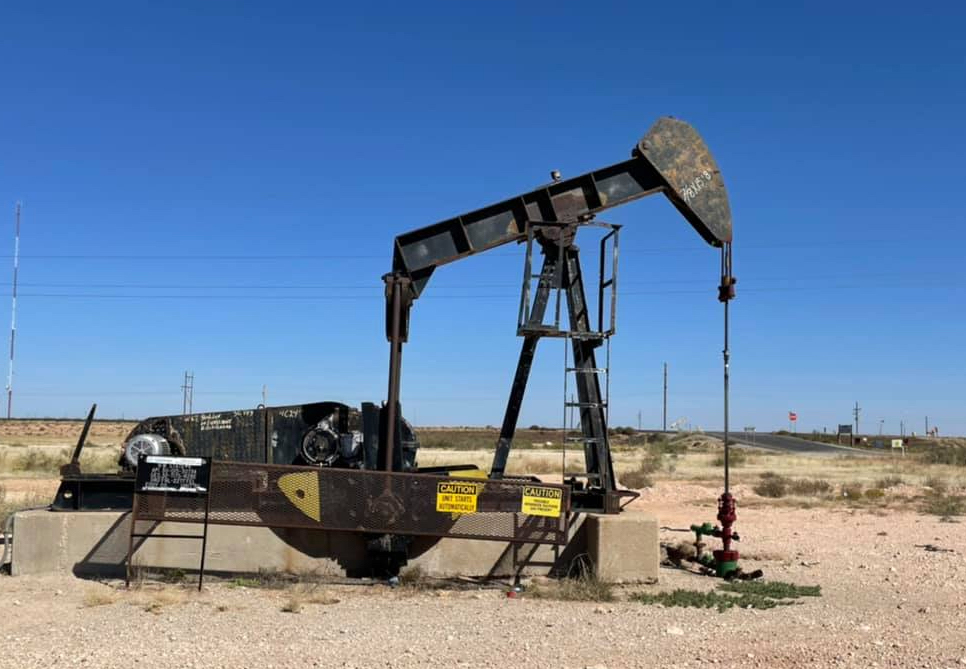 Planet-warming emissions from a group of the world’s largest fossil fuel producers have significantly ramped up the intensity of heat waves, a new study suggests, one of the first peer-reviewed papers to link dozens of climate-fuelled weather events to specific companies. The study led by a group of Swiss-based climate scientists says about one-quarter of the 213 recent heat waves they studied, including the 2021 B.C. heat dome, would have been virtually impossible without human-caused climate change. It says emissions from some individual companies, including relatively smaller ones and some of Canada’s oil-and-gas producers, would have been enough to make otherwise impossible heat waves statistically possible. …The researchers linked emissions from the group of cement and fossil-fuel producers to about half the increase in heat wave intensity connected to human-caused climate change.


 Smoke from record-breaking Canadian wildfires in 2023 caused an estimated 5,400 acute deaths and about 82,100 premature deaths worldwide, a new study shows. The study
  WorkSafeBC will be holding a virtual public hearing on
  Provincial investigators looking into the cause of this spring’s wildfire near Lynn Lake, Man., allege it started at the nearby Alamos Gold Inc. mining site and that the company was negligent because it didn’t use water to extinguish its burn piles, according to search warrant documents obtained by CBC News. Manitoba Conservation investigators allege the fire, which eventually grew to over 85,000 hectares, started on May 7 after a burn pile reignited at the Toronto-based gold producer’s MacLellan mine site, about 7.5 kilometres northeast of Lynn Lake. By late May, the fire had come within five kilometres of Lynn Lake and forced the evacuation of the nearly 600 residents of the town… Dozens of properties in the area were destroyed. …The investigators asked Alamos Gold staff how they ensured the burn piles were extinguished. The workers said they stirred the piles and installed a fire guard around them, according to the documents.