Derek Nighbor
Canada’s forest-dependent communities are at a critical point. Rising global demand creates an opportunity to bring more Canadian wood products to the world, while simultaneously growing jobs, building more homes, and reducing fire risks here at home. But as the Canadian economy faces significant upheaval and needs to transform, the industry and its 200,000 employees can’t do it alone. The current trade environment is volatile. Increased duties on softwood lumber exports to the US and related trade uncertainty threaten Canadian forestry’s ability to deliver at scale. …Securing the best possible outcome at the Canada-US negotiating table is job one. Exports remain the foundation of the sector and the livelihood of forest-dependent communities. Concurrent to that, we need the federal government to focus on the policy levers we can control.
The Canadian government can act now by implementing three priorities: Designating domestic wood as a strategic material in its Build Canada Homes recommendations prioritizes made-in-Canada forest products in federal housing projects to reduce emissions, accelerate build times, and support rural and northern job creation. …By strengthening competition and accountability among carriers and growing investment in trade corridors, Canada can markedly improve supply chain performance for all economic sectors. …Improving competitiveness through smarter regulation—a new approach that leverages provincial systems, reduces duplication, focuses on outcomes, and will make Canada a destination for more strategic investment in infrastructure and people. …Despite the challenging headwinds and uncertainty that abound, Canadian forestry sees a path forward to transformation and growth. That path must be anchored in a new partnership with the federal government—one that stabilizes the sector, creates greater certainty and predictability in regulation, and allows us to bring more innovative, sustainably-sourced, Made in Canada wood products to Canada and the world.
 As leaders gather t
 his week at the 2025 Union of BC Municipalities’ convention to chart the future of British Columbia, forestry must be central to those discussions. Forestry touches communities of every size in every part of BC It is not just an industry — it is part of BC’s fabric. And at a time of pressing challenges, forestry offers solutions: for rural, urban and Indigenous communities, it can and should be a unifying force. …Yet the sector faces headwinds. US softwood lumber duties exceed 35%, global markets remain volatile and further tariff increases loom. These forces are beyond our control, but they make action at home urgent. In challenging times, we need to focus on solutions that make us stronger together — solutions that are about “and”, not “or.”
 Terrace, a small town nestled in the foothills of the mountains of BC, boomed in the 1920s, shipping Canadian cedar for telephone lines and power cables across the globe. But today local sawmill owners such as Warren Gavronsky are on the front line of a crisis hitting the country’s US$63bn forestry industry as a result of US duties and a slowdown in the world’s largest economy. …Canada’s forest products industry is one of the country’s largest employers, operating in hundreds of communities and providing 200,000 direct jobs. …Ottawa this week quietly withdrew two challenges to US anti-dumping duties on softwood lumber, a “strategic choice” aimed at improving relations with Washington, said Canada’s foreign ministry. The issue for US housebuilders, according to Gavronsky, is that they need softwood lumber. …The US industry accuses its Canadian rivals of dumping because they have no other market to sell into and it is convenient to ship it across the border.
 Canada withdrew challenges against some import taxes the US levied against softwood lumber in what the government called a “strategic choice,” as Prime Minister Carney seeks a trade deal with President Trump. The government has revoked two separate claims disputing US anti-dumping duties on softwood lumber based on trading between June 2017 and December 2019, according to Canada’s Global Affairs department. “Canada has made this decision in close consultation with Canadian industry, provinces and key partners, and it reflects a strategic choice to maximize long-term interests and prospects for a negotiated resolution with the US,” John Babcock said. …The move follows a pattern of Carney’s government trying to remove so-called trade irritants in pursuit of a wider settlement with the Trump administration, which has erected tariffs against key Canadian industries like steel and autos, as well as a 35% “emergency” tariff against other goods if they aren’t compliant with the US-Mexico-Canada trade deal.
 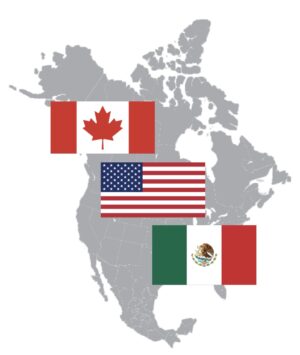 Canada is expected to announce it’s launching formal consultations on the North American trade pact within the next week, after the Trump administration kicked off its own review and the US ambassador said a larger deal is “not going to happen” soon. Canada-US Trade Minister Dominic LeBlanc’s office said the government is expected to imminently post an official notice seeking the public’s comments and feedback about the Canada-US-Mexico Agreement (CUSMA). In preparation for the review, “Canada will be engaging with Canadian industry leaders, provinces and territories and Indigenous partners,” LeBlanc’s office said. The US announced Tuesday it’s formally starting consultations to evaluate the agreement’s results over the past five years. …The formal negotiations to review CUSMA could begin in early 2026. …The prime minister and several ministers are headed to Mexico… an effort to shore up support ahead of the CUSMA review.
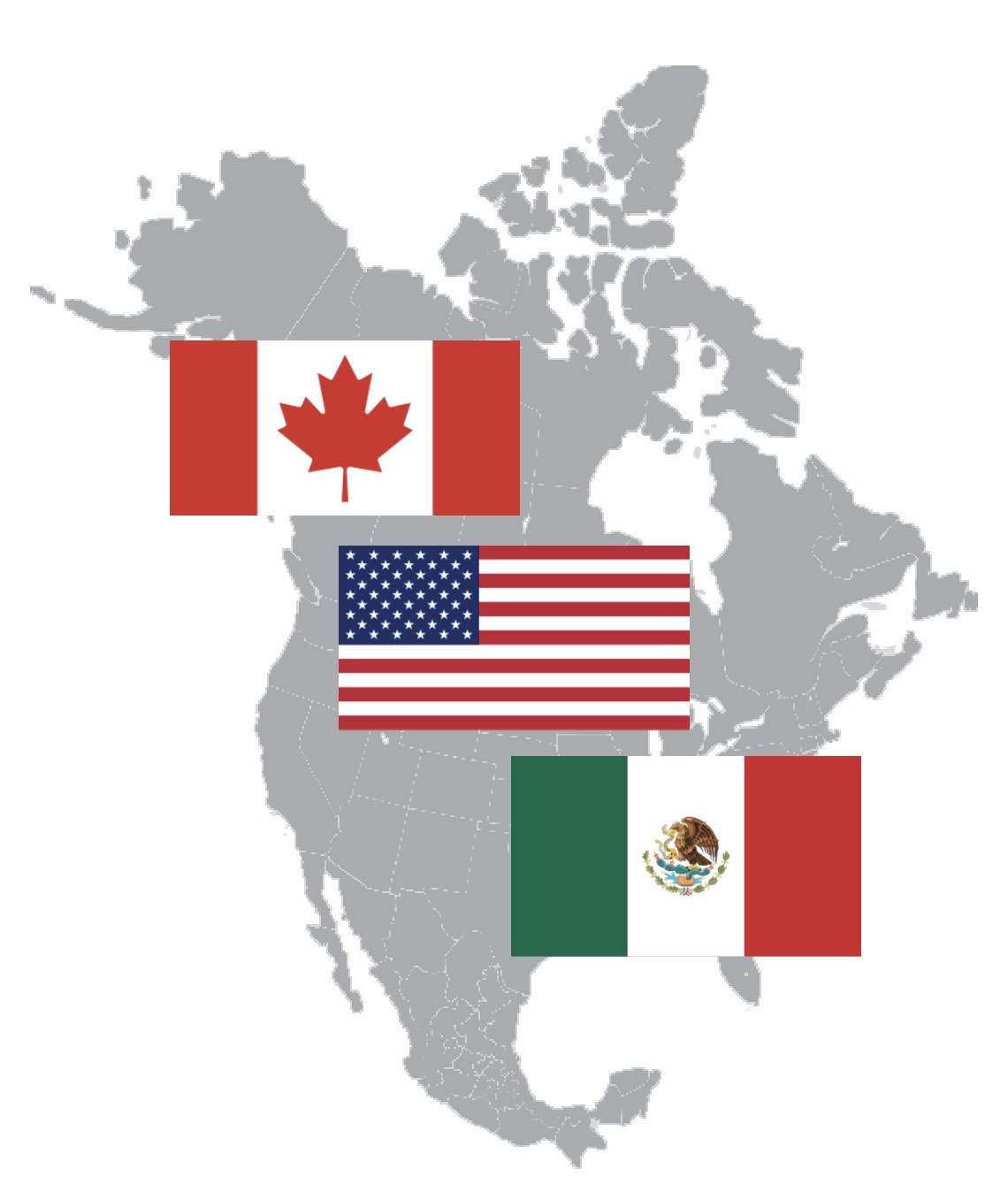 Prime Minister Mark Carney is embarking on a pivotal meeting with Mexican President Claudia Sheinbaum, just as the United States officially launches the process to review the North American trade agreement. The Office of the US Trade Representative will seek public comments on the Canada-US-Mexico Agreement (CUSMA) over 45 days and has scheduled a public hearing in November. Public consultation is required by law and is a clear sign that the Trump administration is preparing to renegotiate, not just review, the trilateral agreement, says Eric Miller, president of Rideau Potomac Strategy Group. Under the current agreement, Canada’s trade with the U.S. is 85% tariff free, but that could change when CUSMA expires next June. …It’s under this pressure that Carney is meeting with Sheinbaum to
 VANCOUVER — Canfor Corporation announced that its 77%-owned subsidiary, Vida AB, has completed the acquisition of AB Karl Hedin Sågverk. The transaction,


 Campbell River, British Columbia: La-kwa sa muqw Forestry Limited Partnership (LKSM) has been working to bring closure to the strike, which began on June 6, 2025, in a way that supports strong, positive, and enduring relationships between First Nations and other participants in the forestry sector in their territories and allows everyone to move forward together. Despite LKSM’s repeated efforts to achieve a negotiated resolution—including multiple applications for mediation and requests for special government intervention, the USW has continued to refuse both direct bargaining and third-party mediation. This now leaves legal action as the only available recourse to advance the interests of all parties and communities affected by the dispute. …This situation has left LKSM with no other option than to pursue a legal remedy that will remove this impediment to progress and enable resumption of negotiations.
 VANCOUVER ISLAND — Over 3 months later, 105 forestry workers are still on the picket lines this week after walking off the job June 6, and it doesn’t look like they expect to be going back to work anytime soon. …“I didn’t think we’d get to this point,” said United Steelworkers’ Jason Cox. …The union says the company wants to contract out jobs but La-kwa sa muqw Forestry says that’s not the case, it just wants to give new employees the choice. Operations manager Greg DeMille said, “They are demanding that we agree to mandatory union certification. And so with that and the fact we can’t agree to that because we feel it impacts employee’s rights to choose and has an impact to First Nations rights to free, prior and informed consent. …The union says it respects First Nation rights but insists this should be considered a “normal labour dispute” and nothing else.
  TORONTO – The Ontario government is investing over $3.5 million through the


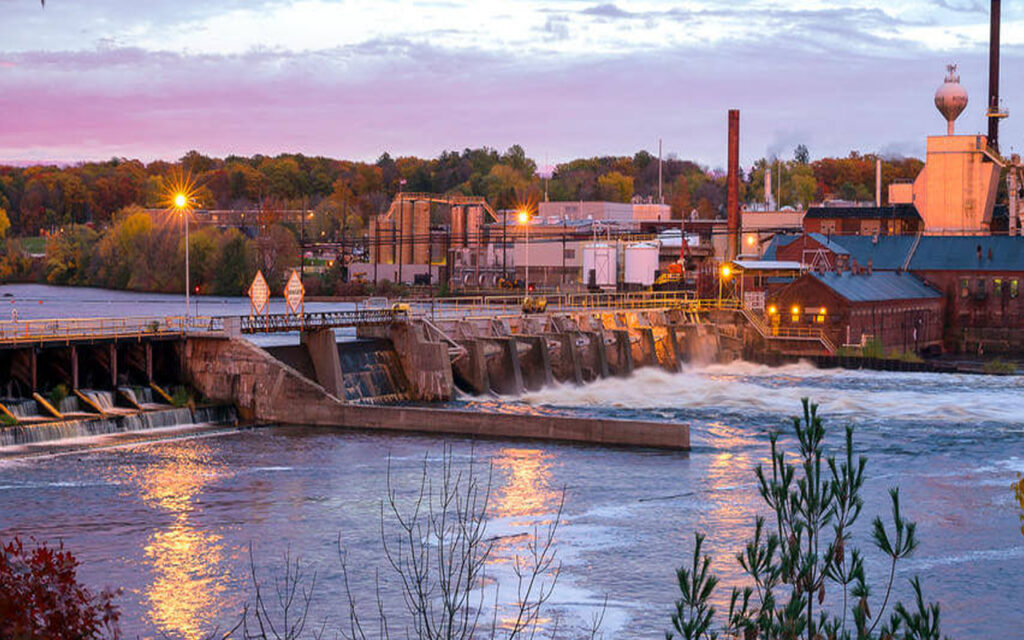
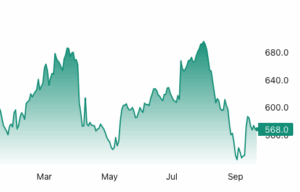 Lumber futures fell back below $570 per thousand board feet in September, reflecting the struggles in the US housing market. Builders are scaling back new construction amid a recent inventory glut and growing economic uncertainty, while the Trump administration’s fluctuating stance on tariffs for imported lumber over the past few months has added further volatility. Meanwhile, a significant gap remains between the number of homes for sale and the demand from Americans seeking housing. Affordability challenges have caused many buyers to withdraw in recent months, keeping construction activity muted throughout 2025. However, recent cuts in US interest rates, along with prospects of further easing, have helped curb some of the losses. Without a substantial increase in new home demand, the subdued pace of construction is likely to persist, as builders continue to compete with the steadily growing inventory of existing homes. [END]
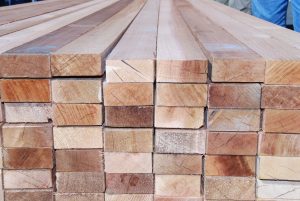 When the Trump administration more than doubled import fees on Canadian softwood lumber earlier this year, the goal was to support domestic prices and boost US production. Instead, prices have plunged, and mills on both sides of the border are scaling back. A benchmark for the commodity mostly used in construction has plunged 18% since an August peak to the lowest in seven months, driven by sluggish homebuilding activity and a glut of inventory. The drop shows how protectionist measures aren’t always enough to protect domestic industries from broader market dynamics at a time when high interest rates and elevated costs are squeezing consumers and weighing on their confidence, dampening demand for new homes. …“The US producers were looking for more of a price bump from the duties, and they didn’t get one,” said Brooks Mendell, at Forisk Consulting. “The interpretation of that is, well, the demand isn’t there.”
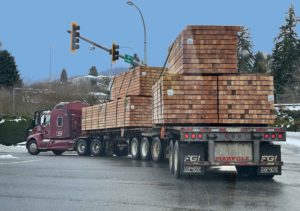 Higher duty rate and possible additional tariffs have transportation modes on edge. The softwood lumber dispute threatens to have repercussions on various transportation modes, particularly trucking. “Our members are saying their business is still okay, even with the softer rates due to mill overcapacity, but they’re worried that if anyone pushes on this wall with more tariffs, there’s nothing to hold it up,” says Dave Earle, the BC Trucking Association’s CEO. …Trucking has already been dealing with the overcapacity that was put in place for the greater demands for deliveries for most everything during the pandemic but has not subsided. …In terms of rail services, CPKC has seen its forest product shipments rise this year to date based on revenue ton miles. …At the Port of Vancouver in British Columbia, the potential to export more lumber is significant with approximately half of last year’s containers leaving the port empty.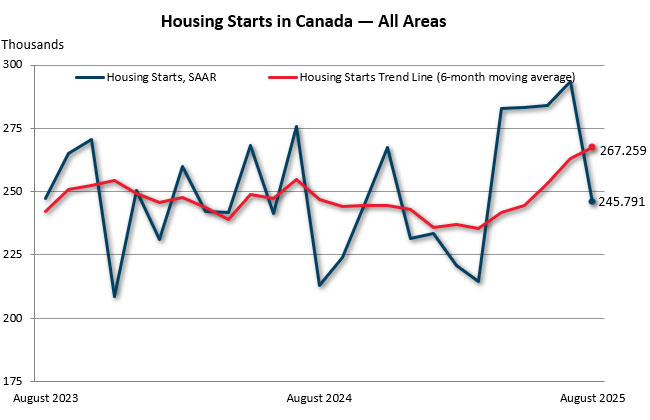
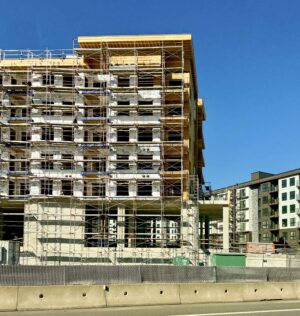 Housing starts and pre-sales in much of Southern Ontario have earned failing grades and are on track to get even worse, a new study warns — a situation that “should alarm policymakers across all three orders of government.” The report from University of Ottawa’s Missing Middle Initiative compares housing starts and sales in 34 municipalities across the Greater Toronto Area and neighbouring Southern Ontario cities for the first six months of 2025 with the same period from 2021–2024. It found starts are down 40% relative to that four-year average, with pre-construction condo sales plunging 89 per cent and other homes 70 per cent. The reduction in starts has direct employment implications, and the collapse in pre-construction sales, the study says, is “a clear indication that Ontario’s housing situation will get worse before it gets better, and that market weakness is not isolated to the condo market.” …The study paints a similarly bleak picture for the first half of 2025.

 The Canadian Wood Council (CWC) welcomes
 Forest Products Association of Canada (FPAC) welcomes

 The BCIT School of Construction and the Environment offers two Associate Certificate programs designed to support workforce development in the North American lumber and sawmill sector: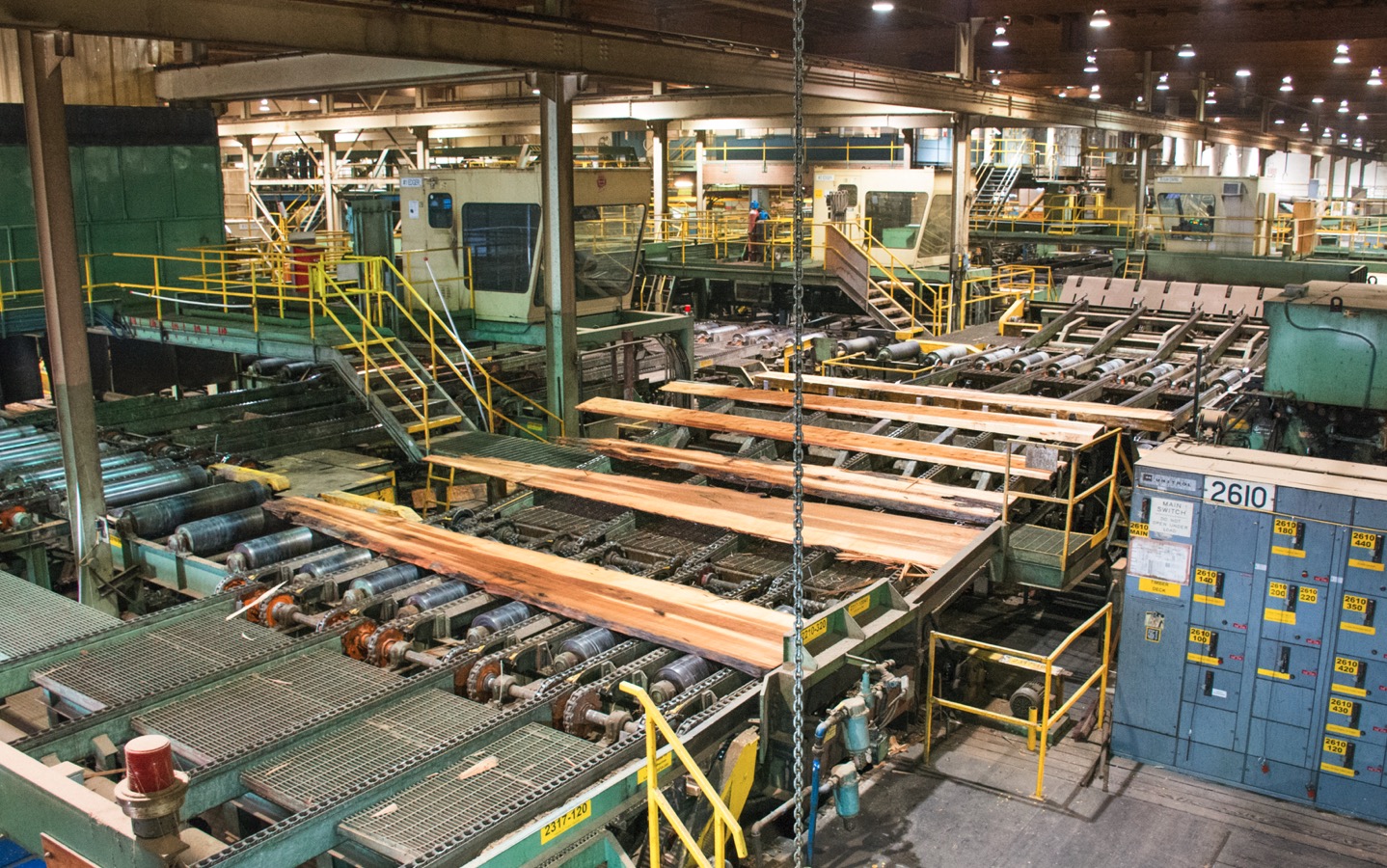
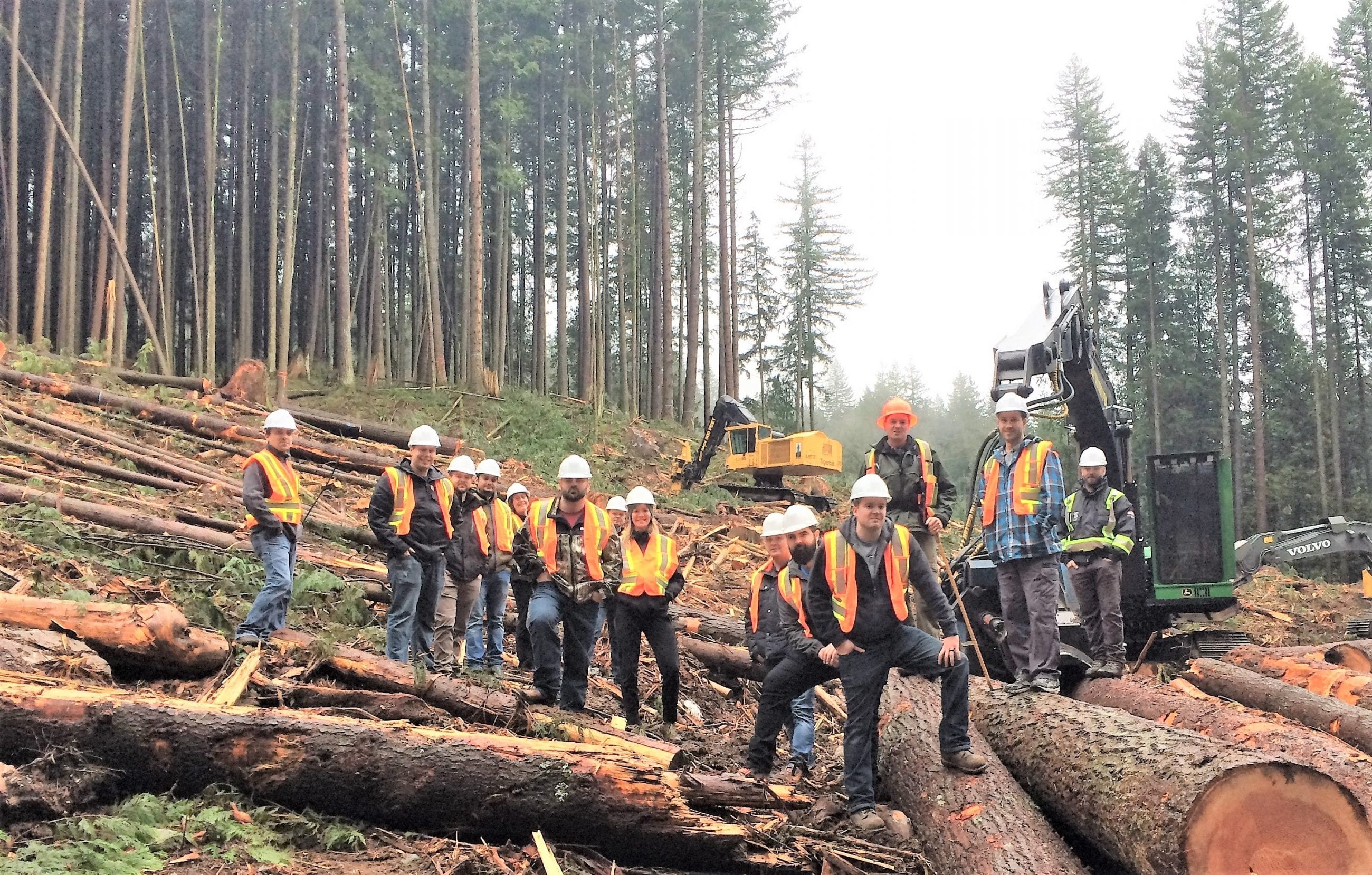
 In this newsletter you’ll find these stories and more:


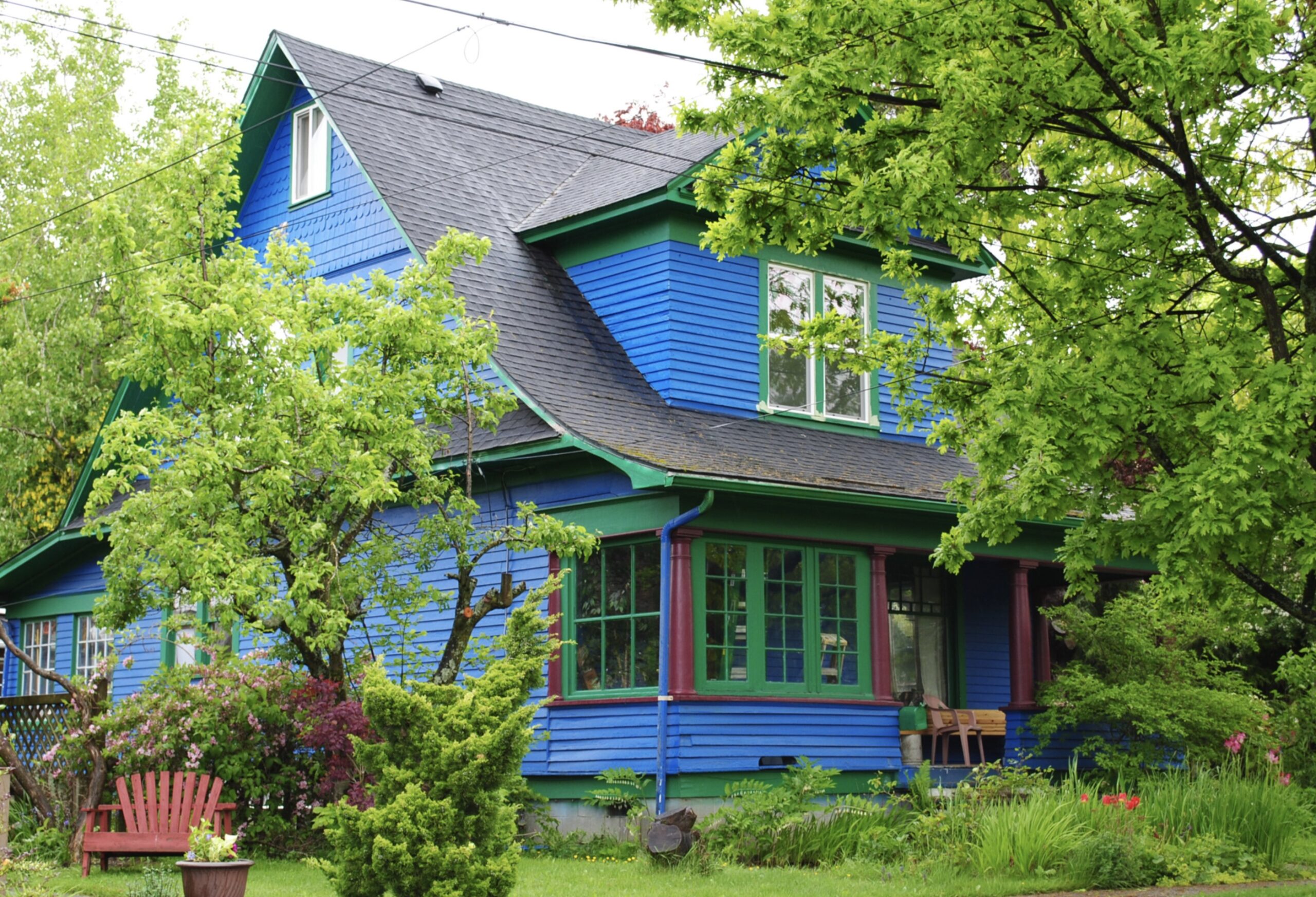 … Fires in Canada’s Wildland Urban Interface (WUI) are becoming more common as cities continue to sprawl, increasing the risk to structures. Regions across the country are grappling with the competing pressures of building housing and expanding industry, while climate change… continues to create hot, dry conditions that make wildfires more intense and frequent. A
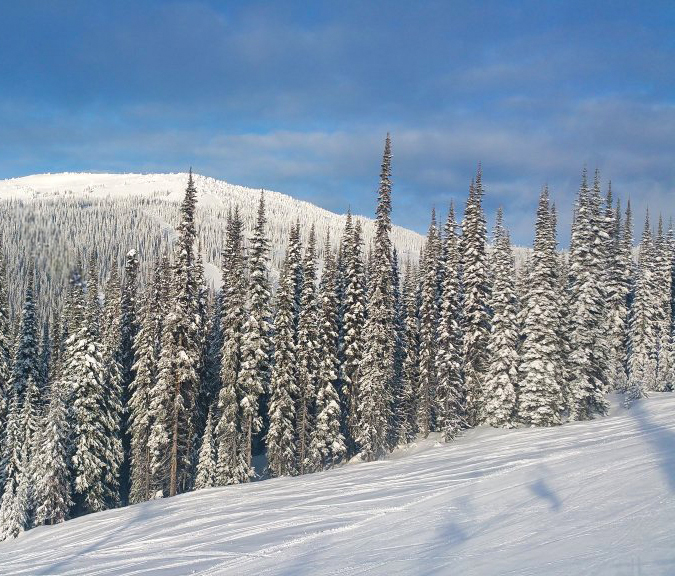 After a successful 2025 event, Quesnel council has approved $20,000 to advance the 2027 Future of Forestry Think Tank (FFTT) Summit. On May 21 and 22, the fourth FFTT took place at the North Cariboo Community Campus where 54 delegates from various orders of government, academia, industry, and funding organizations from across Canada attended. B.C.’s Minister of Forests, Ravi Parmar, opened the event with a pre-recorded message to the attendees addressing the importance of a positive, proactive, innovative, and local approach to the significant challenges confronting the province’s forest sector. This year’s theme was ‘Accelerating Change’ and in total,
 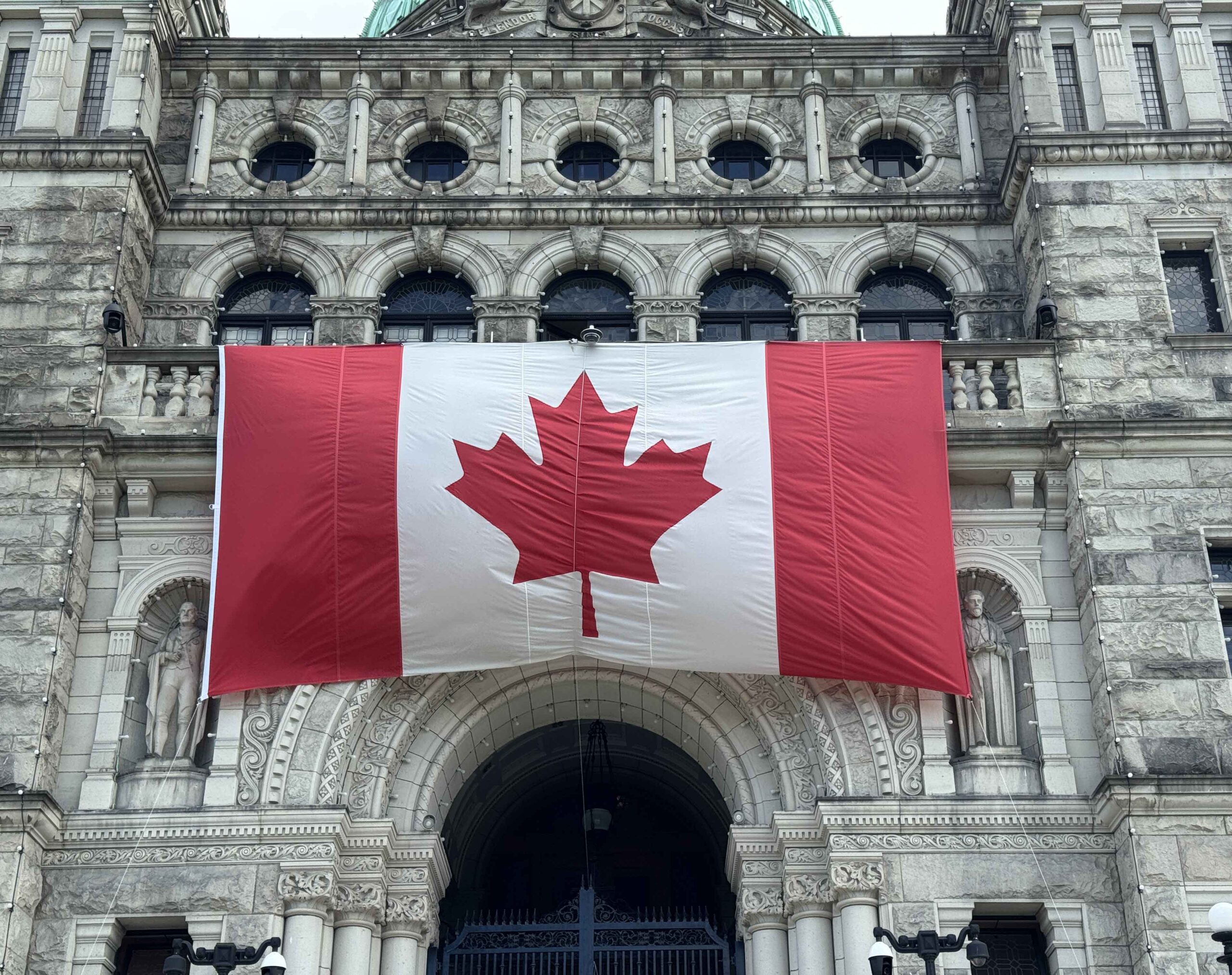 The B.C. government says two partnerships with the federal government are being expanded to help workers and communities affected by U.S. tariffs. The first is Build Your Own Future. A program originally focused on forestry, it is being expanded to support workers across all industries affected by U.S. President Donald Trump’s trade policy, says a release from the Social Development and Poverty Reduction Ministry Sept. 19. It’s funded through the Northern Innovation Network as a three-year initiative to develop and deliver entrepreneurship training tailored to skilled trades people and technicians. The ministry says the program offers five-day business boot camps, with one-on-one coaching and mentorship to “help displaced workers transition into entrepreneurship.” Those who complete the program are eligible for a $5,000 grant to help cover startup costs, the release adds.
  Lil’wat Forestry Ventures (LFV), working in partnership with the Líl̓wat Nation and with support from the BC Wildfire Service (BCWS), is set to carry out a cultural burn this fall adjacent to the Xetó̓lacw community in Mount Currie. The burn—located approximately 16 kilometres northeast of Pemberton—aims to reduce wildfire risk, restore ecosystems, and reintroduce culturally important plants like berries and mushrooms. “We’re proud to support this cultural burn, which combines traditional Indigenous knowledge with modern fire management practices,” said Fire Chief Marshall Ritchie in a release. “It will help protect our community from future wildfires while also restoring the landscape, bringing back berries and mushrooms over the next two to five years. That renewal will benefit not just us, but also local wildlife like deer and bears.”
 A group of people staged a rally outside the Museum and Archives of Vernon Saturday, calling for climate action and raising awareness about human activities they say are a net negative when it comes to human health. … Climate activist Jane Weixl, said one climate-related issue on her mind is the need for forestry reform. She said the five-year mark has just passed from when the provincial government said it would implement 14 forestry recommendations from a strategic review. “We need to stop clear-cut logging. We have a lot of different excuses for clear-cut logging, that it’ll help with forest fires — well, we know it causes flooding. We know it makes forest fires worse because the whole top layer dries up when there are no trees sheltering it. We are really in serious need of forestry reform,” she added.
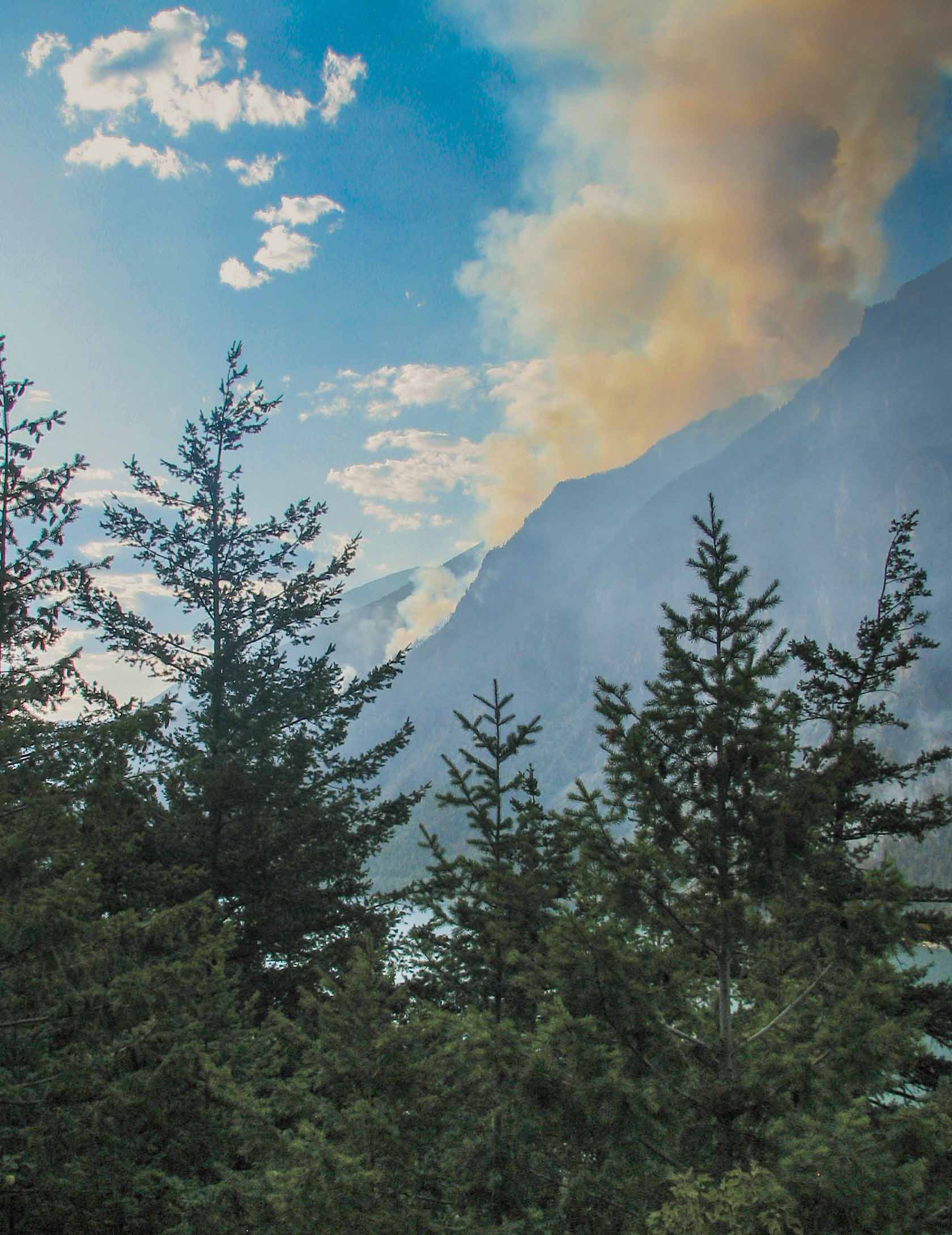 Summer is nearing its end but one Yukon community is already thinking about next year’s wildfire season. The Village of Mayo, Yukon is the latest community to finalize its wildfire community protection plan. It identifies potential wildfire risks within the community and surrounding areas, while outlining actions to prevent, or reduce those risks. The plan was designed with input from the municipality, the First Nation of Na Cho Nyak Dun, and the territory’s Wildland Fire Management. Ellis, Mayo’s mayor, said now that the plan is outlined on paper it’s time to start implementing it. “The big thing is the physical stuff,” he said, like thinning fire breaks for example. “That stuff is going to take some time and we’ve got to get to work on it.”

 Mosaic Forest Management has clearly heard that communities value their outdoor access. After receiving what the company calls an “overwhelming” response to a survey, they will be moving forward with next steps on improving its recreation program. The survey garnered 7,600 responses in 23 days. “What we heard was clear. Communities value access to the outdoors and want more and better opportunities to do so,” said Mosaic’s CEO Duncan Davies (see report titled
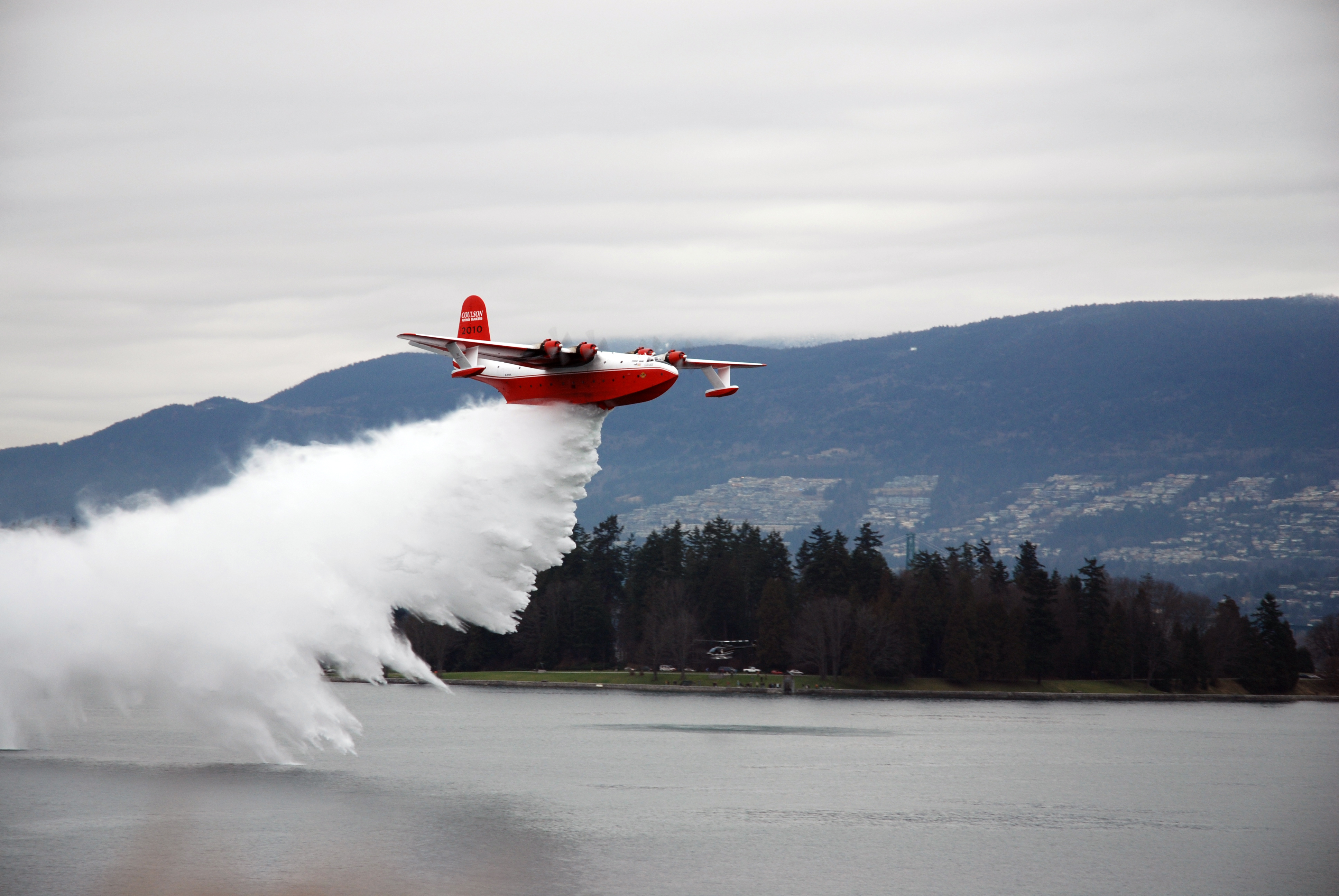 People should continue to use caution and take steps to be prepared by staying up to date on current conditions, following fire prohibitions and being Firesmart, as the risk of wildfire is expected to continue into fall. The BC Wildfire Service’s fall seasonal outlook forecasts ongoing wildfire risk for much of the province, especially in the Cariboo and southwestern Interior. Convective thunderstorms typically decrease as fall approaches; however, despite a lower likelihood of wildfires due to lightning, human-caused wildfires remain a risk. Until the southern coast shifts to a stormier fall-like pattern and the Prince George and Kamloops fire centres receive substantial rainfall, the wildfire danger ratings will continue to be elevated. As a result of the late summer’s record-breaking heat wave, combined with ongoing drought, people in B.C. are encouraged to be prepared for the risk of wildfire this fall.
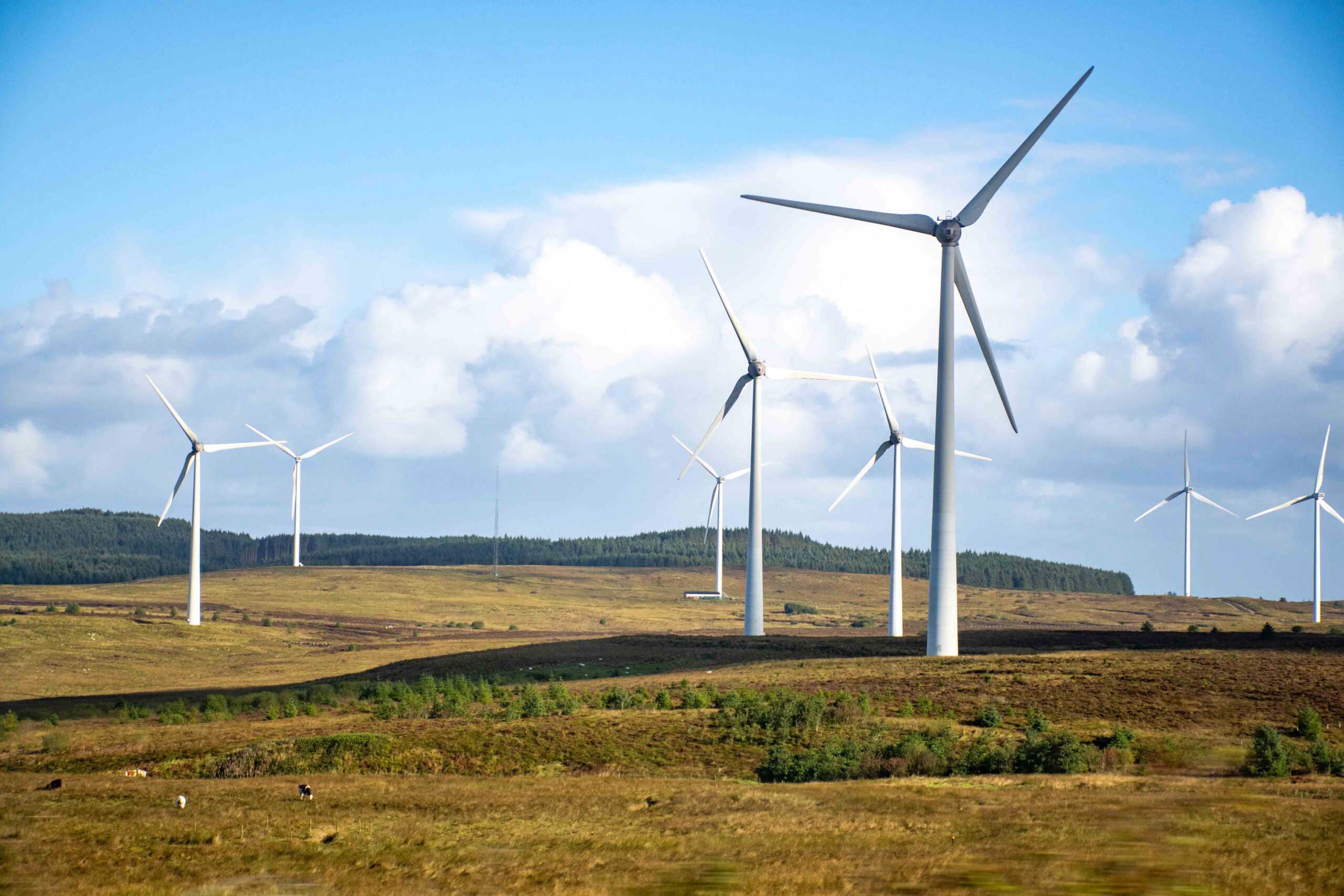 The District of 100 Mile House is refusing a proposed project that could see solar and wind farms built in the South Cariboo. During the Sept. 9 District of 100 Mile House Council meeting, around 50 people showed up to council to hear them deliberate about the Cariboo Wind and Solar Projects, which are a collection of wind and solar projects that are being proposed by MK Ince and Associates Ltd. …In a letter to the district, Tyrell Law, who is the current manager of the 100 Mile Community Forest, said that the project significantly overlaps with the Community Forest areas. The 100 Mile Community Forest is around 18,000 hectares in size and is managed by the 100 Mile Development Corporation. The proposal comprises around 730 hectares of the community forest. Law said that while Ince is partially correct to say that the area had been recently harvested and was in a plantation, it is more complicated than that.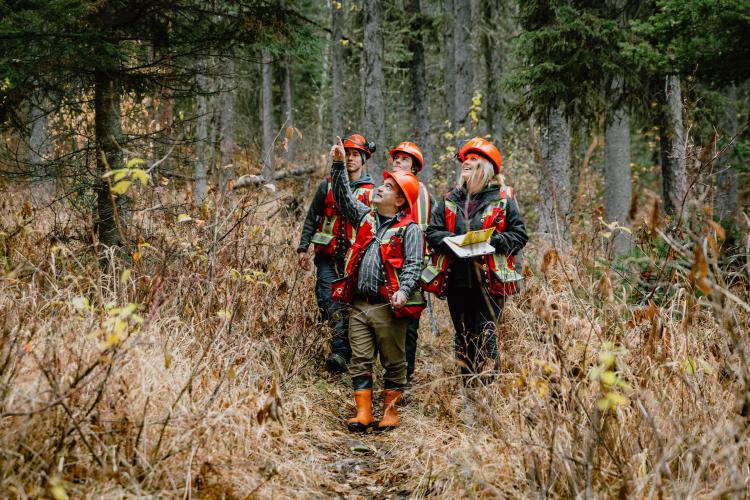
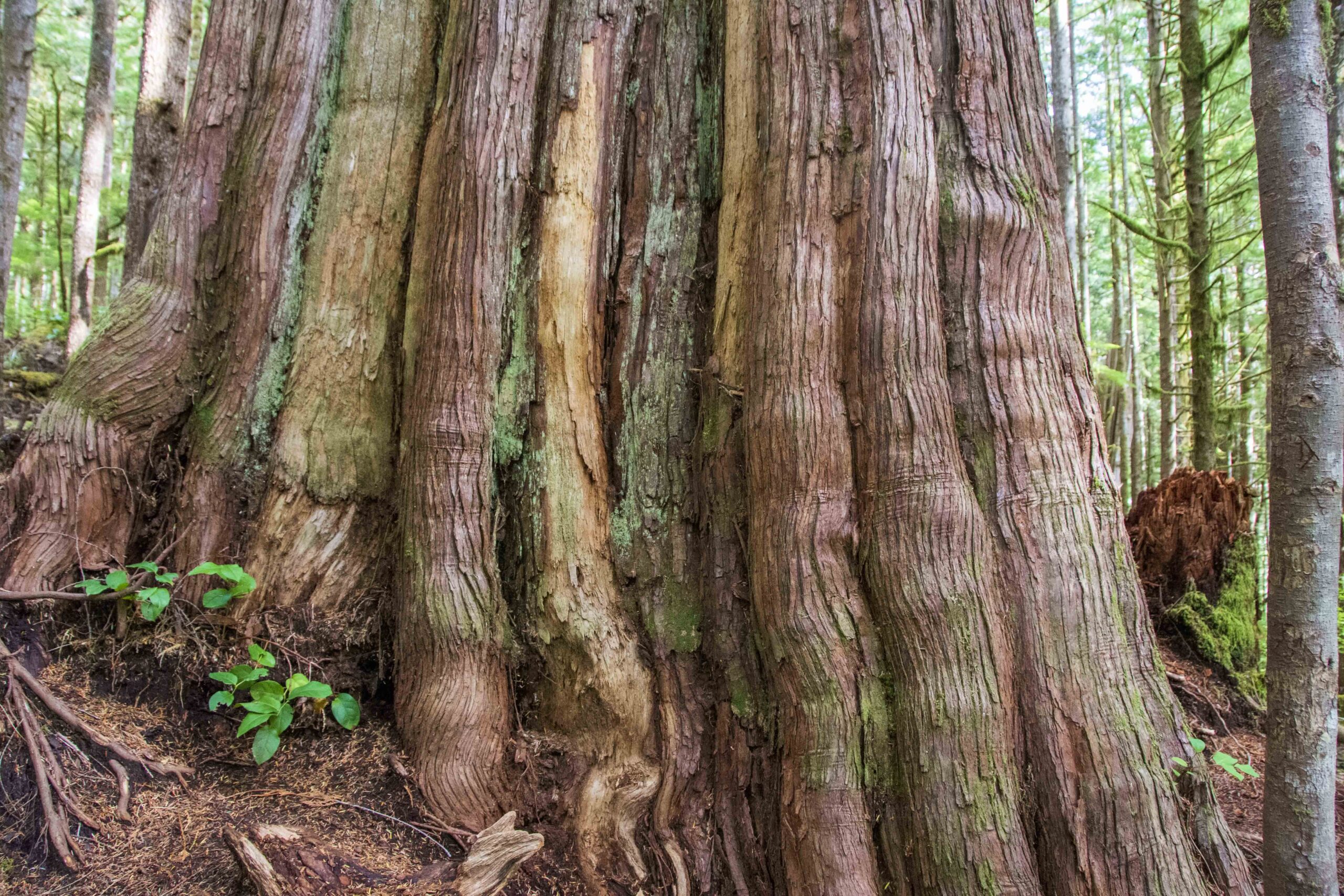 A shaggy, cool-green lichen hangs from the trunk of a tree in a forest on northeastern Vancouver Island. Lichenologist Trevor Goward has named it oldgrowth specklebelly. …Old-growth advocate Joshua Wright photographed oldgrowth specklebelly this summer in a forest about 400 kilometres northwest of Victoria. …Wright and Goward prize the forest in the Tsitika River watershed for its age and biodiversity, and a provincially appointed panel recommended that it be set aside from logging in 2021. But if a plan by the provincial logging agency, BC Timber Sales, goes ahead, the site will be auctioned for clearcut logging by the end of September. The area was stewarded by several Indigenous nations. …The plan to log it reveals differing opinions among Kwakwaka’wakw leaders on how to protect old-growth forests, while raising questions about which Aboriginal rights holders the BC government chooses to listen to, and why.
 Drought and wildfire have become the rule rather than the exception and that is bad news for wildlife, for fish, and for British Columbians who rely on healthy watersheds. …over the past couple of decades we drained wetlands, straightened streams, logged forests, built highways, and ripped millions of beavers from the landscape. The result is dry forests, destructive fire seasons, and choking smoke … every summer. Dry riverbeds are unable to support salmon populations, or any wildlife for that matter. A dewatered landscape is a towering forest of matchsticks waiting to burn. … So, how do we get from here to there? Fortunately, some of the answers are simple, natural, and inexpensive. …Prescribed and cultural burning helps restore native grassland and shrub-steppe ecosystems providing improved forage for large mammals. …BCWF’s 10,000 Wetlands Project has recently installed more than 100 beaver dam analogues and dozens of post-assisted log structures…
 The Osoyoos Indian Band is kicking off its first commercial thinning silviculture treatment via Siya Forestry. In the project 28 kilometres northeast of Oliver, select trees will be harvested while the strongest will remain left to grow in the OIB First Nations woodland licence area. …Siya Forestry, the OIB-owned new company, said it aims to care for the land through stewardship, balance, and responsibility. “This is a great pilot project and hopefully it will lead to a bigger program within the Osoyoos Indian Band’s traditional territory,” said Luke Robertson, Siya Forestry, operations supervisor, in the press release.
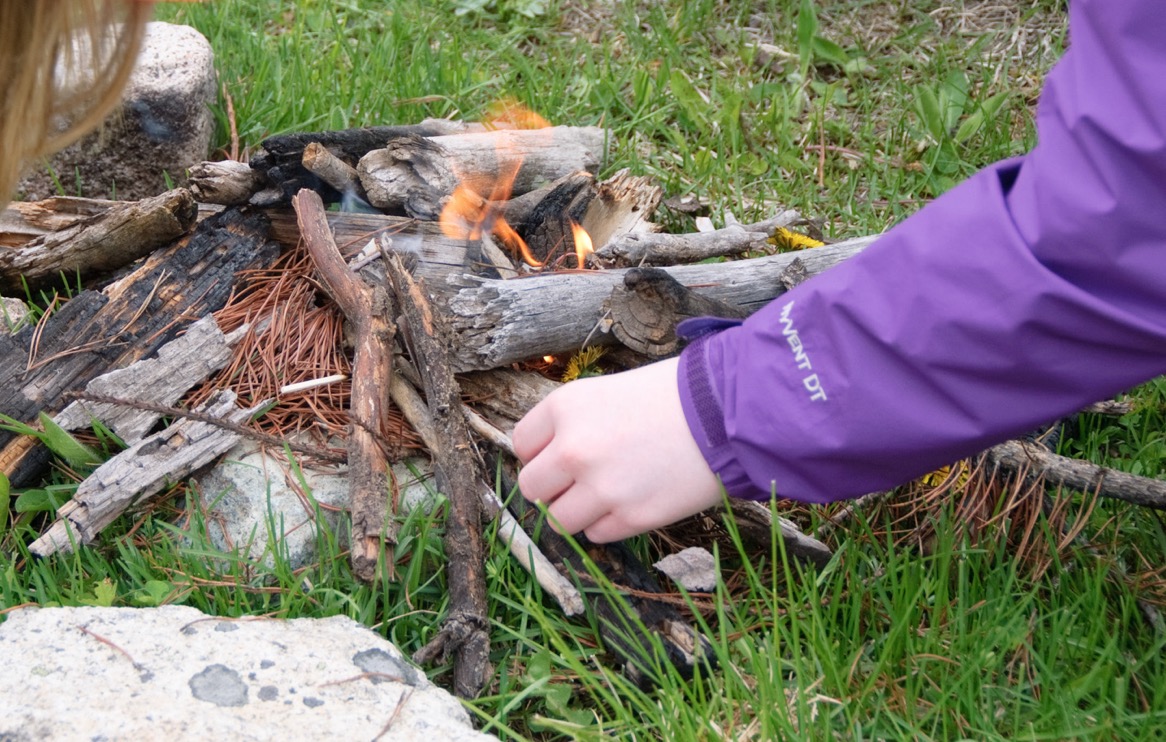 The Coastal Fire Centre is lifting the campfire ban for the Campbell River, North Island and Sunshine Coast forest districts as of Sept. 17 at noon. Due to declining fire danger ratings on the northern part of Vancouver Island, the Province has chosen to re-allow campfires and other small fires in the area. Campfires will remain prohibited for the rest of the Coastal Fire Centre, with the exception of the Haida Gwaii Forest District. The activities that will be allowed also include the use of sky lanterns, wood-fired hot tubs, pizza ovens and other devices that are not vented through a flue or are incorporated into buildings. Category 2 and 3 open fires remain prohibited throughout the Coastal Fire Centre, which includes backyard burning, industrial burning, fireworks, burn barrels and burn cages. These restrictions will remain in place until 12:00 (noon), PDT, on Friday October 31, 2025, or until the order is rescinded.
 First Nations in the North Cowichan region on Vancouver Island say a motion by the municipality is undermining collaborative efforts on the future of logging in the region’s forest reserve. …Cindy Daniels, chief of Cowichan Tribes, said the move by the council “undermines the collaborative nature” of work to date on a joint plan for the forest. …The North Cowichan council has been in discussions for a collaborative framework with Quw’utsun Nation since 2021 and announced a commitment to establish a co-management strategy for the forest reserve in April 2024. …Gary Merkel, director of the Centre for Indigenous Land Stewardship at UBC…. “It’s a little bit ahead of itself that motion, but not too far. I mean, they haven’t said ‘we’re just going to go and log,’ they’ve allowed the possibility”. …”We are going to get a staff report outlining some of the implications and next steps,” North Cowichan Mayor Rob Douglas said.
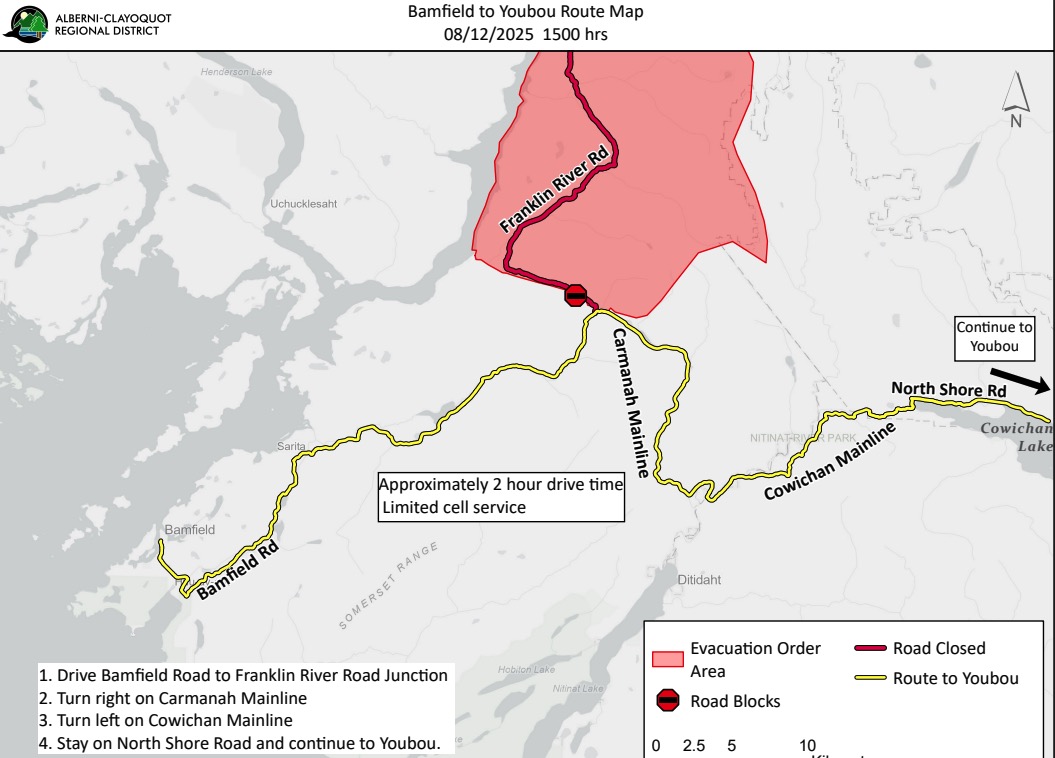 The fire-ravaged Bamfield Main Road, which connects Bamfield and several First Nation communities to Port Alberni, will reopen by the end of October, the Transportation Ministry announced. The ministry said temporary closures could still occur, however, during periods of heavy rain and strong winds. It said a geotechnical assessment to identify hazards, and assessments of the stability of trees are ongoing. Based on those findings, thresholds are being established for wind and rain events that will trigger increased patrols of Bamfield Main and potentially closures. A weather station and closure gates will be installed in the coming weeks, according to the ministry, which is leading efforts to reopen the road with Mosaic Forest Management, the company that oversees the affected stretch. …Ditidaht Nation Chief Judi Thomas said she suspects the Alberni-Clayoquot Regional District, Huu-ay-aht First Nation and Mosaic and Bamfield would be more than happy to support a provincial paved alternate route.
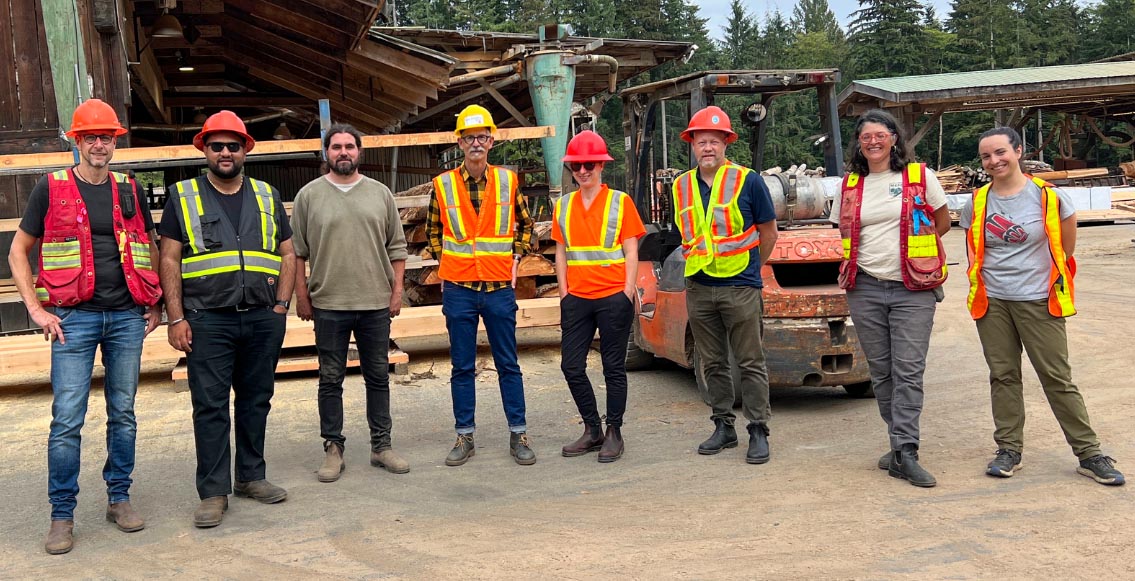 On September 11, 2025, UBC’s Faculty of Forestry welcomed British Columbia’s Minister of Forests, Ravi Parmar, to the Malcolm Knapp Research Forest (MKRF) to witness the critical work being done to advance sustainable forest management and educate the next generation of foresters. The tour, led by Dr. Dominik Roeser, Associate Dean of Research Forests and Community Outreach, and joined by Dr. Robert Kozak, Professor and Dean of the Faculty of Forestry and Hélène Marcoux, Malcolm Knapp Research Forest Manager, provided an important opportunity to showcase MKRF’s role in bridging scientific research, education and practical forest management. Minister Parmar’s visit included important conversations focused on forest stewardship and the role research plays, not just in understanding forests, but also in driving innovation, education, and creating future opportunities. Minister Parmar was able to see firsthand the vital research taking place to support both industry and government, and the advancement of sustainable forest management practices in British Columbia.
 Researchers from Trent University are immersing themselves in forests and streams in northwestern Ontario to understand how forestry practices and climate change affect brook trout populations and freshwater ecosystems. The team is working in the Walkinshaw and Wolf watersheds, northeast of Thunder Bay. They are focusing on headwater streams, which are small rivers that feed larger waterways across the Great Lakes. “Northern freshwater ecosystems are currently experiencing major disturbances, two of which are forest harvest and climate change. One of the effects of climate change is an increase in water temperatures. And the consequences of these predicted increased temperatures on the stream ecosystem are still unclear,” said PhD student Celeste Milli, who is leading the fieldwork. …Milli said the research could help inform science-based policy decisions in Canada’s northern forests, ensuring that both forest ecosystems and freshwater resources remain resilient in a changing climate.
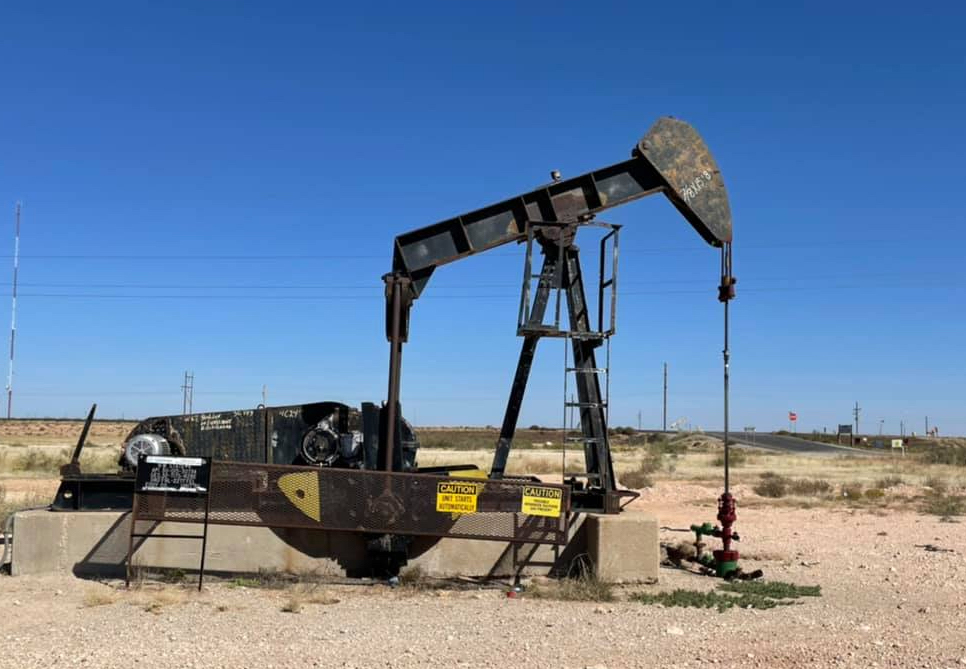 OTTAWA, ON – Canada’s emissions progress flatlined in 2024, according to the latest Early Estimate of National Emissions (EENE) from 440 Megatonnes, a project of the Canadian Climate Institute. With emissions essentially unchanged from 2023, at 694 megatonnes of carbon dioxide-equivalent (Mt), the new data shows that previous years’ improvements have stalled. Further, emissions trends indicate Canada’s 2030 emissions reduction target is now out of reach given weakening policy momentum across the country. That’s despite years of disruptive and costly wildfires, extreme weather and other climate-related disasters that increasingly threaten Canadians’ security and drive up the cost of living. …While some sectors—including electricity and buildings—continued to cut emissions in 2024, progress was modest and more than countered by rising emissions from oil and gas, particularly oil sands production.