 BC Wood recently announced that Premier David Eby will open the 22nd Annual Global Buyers Mission (GBM) on Friday, September 5th. This shows the significance of the GBM to British Columbia’s forestry and value-added wood industry. Kicking off the tradeshow, the Premier will join delegates on the tradeshow floor. Premier Eby’s presence highlights the critical role of British Columbia’s wood and forestry sector in driving innovation, sustainability, and economic growth. With recent U.S. decisions increasing countervailing duties on Canadian softwood lumber to over 35%, there’s an unprecedented level of uncertainty about how the market will be impacted. A newly announced panel presentation will analyse the escalating tariffs threatening to disrupt supply chains, inflate costs, and reshape the forestry industry. Forest Minister Parmar will introduce the panel and participants Mo Amir, Nick Arkle, Liz Kovach and Kurt Niquidet on September 4th.


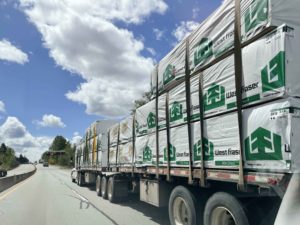 The US and Canada are fighting about lumber once again. The neighbors have feuded over softwood lumber since the 1980s. The US has periodically put in place duties to counteract what it claims are unfair subsidies and sales of lumber priced below market value. …Canada has long resisted changing its trade practices on lumber. But as the Trump administration has become more bellicose about its trade relationship with Canada, the country’s stance may be softening. On July 16, BC Premier Eby said that Canadian officials are now open to putting a quota on the amount of lumber exported to the US. The increased fees will benefit foresters in the US South… but the US would struggle to offset the lumber it gets from Canada in the short-term, potentially driving up housing prices. Here’s what to know about the commodity that has long dominated US-Canada trade tensions. [to access the full story a Bloomberg subscription is required]
 Since Feb. 1, 2025, Canada has been plunged into a major trade war, triggered by U.S. President Donald Trump. …These measures threaten thousands of jobs and destabilize the deeply integrated supply chains between the two countries. This is not the first time Canada has faced such a threat. In 2018, similar tariffs were imposed by the same president but lifted in 2019 with the conclusion of the CUSMA. The difference today is the far greater scale and scope of the trade war. …The USW calls for a robust industrial strategy to reduce Canada’s dependence on U.S. trade. Priority must be given to steel, aluminum, wood and materials manufactured in Canada in all government-funded projects. Public money must be used to support Canadian jobs. The union is also calling for a tax credit to encourage the procurement of Canadian-manufactured goods, as well as the creation of strategic reserves of critical minerals to stabilize demand and secure supply chains.


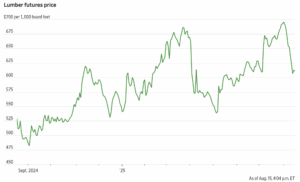 Lumber futures have dropped about 12% since hitting a three-year high two weeks ago, a sign that wood buyers stocked up before duties on Canadian two-by-fours more than doubled this month and that traders are worried about the U.S. housing market. Futures for September delivery fell to around $610 per thousand board feet late Friday and have declined in nine of the past 10 trading sessions. On-the-spot prices are also down, according to Random Lengths. …Jordan Rizzuto, chief investment officer at GammaRoad Capital Partners… said that besides indicating that lumber was piled high in U.S. lumberyards before the higher duties took effect, the whipsaw in wood prices is a warning sign for other asset classes. “Lumber’s price behavior over the past several weeks relative to countercyclical and defensive assets suggests potential weakening of new construction and cyclical sectors of the economy,” he said. [to access the full story a WSJ subscription is required]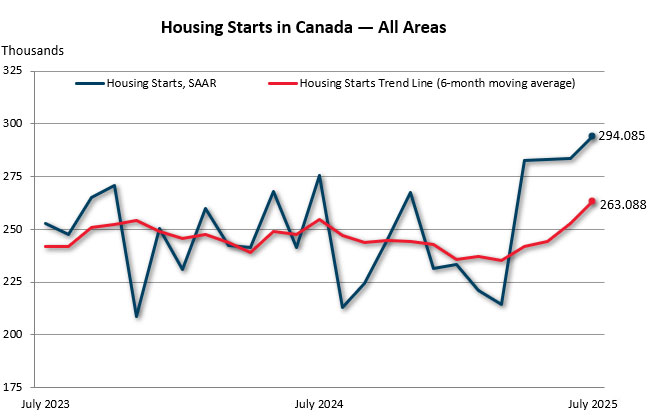
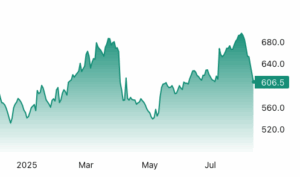 Lumber futures fell toward $610 per thousand board feet, retreating from the May-2022 high of $695.5 seen August 1st as weakening demand, recovering supply and tariff-driven trade distortions jointly sapped pricing power. Demand has cooled sharply with US single-family starts slipping to an 11-month low and building permits plunging, a direct consequence of elevated mortgage rates that curbs the core market for lumber. On the supply side, sawmills remain under-utilized but production has stabilized and Canadian mills are ramping output off a curtailment-heavy base, Statistics Canada shows production and shipments recovering into mid-2025, keeping physical availability ample. Tariffs meant to restrict Canadian flows are, in this oversupplied environment, simply redirecting trade and encouraging inventory build rather than creating scarcity, so inventories remain high and limit upside even as duties rise.
 VANCOUVER, BC — Conifex Timber reported results for the first quarter ended March 31, 2025. EBITDA was negative $3.2 million for the quarter compared to EBITDA of $4.9 million in the first quarter of 2025 and negative $7.1 million in the second quarter of 2024. Net loss was $8.3 million for the quarter versus net income of $0.6 million in the previous quarter and net loss of $9.7 million in the second quarter of 2024. …Lumber production in the second quarter of 2025 totalled approximately 35.3 million board feet, representing operating rates of approximately 59% of annualized capacity. Second quarter production was negatively impacted by operating the sawmill on a four-day configuration, necessitated by reduced log availability.
 Technological advances are also primary drivers of construction material innovations. …Also, there are new
 With recent U.S. decisions increasing countervailing duties on Canadian softwood lumber to over 35%, there’s an unprecedented level of uncertainty about how the market will be impacted. These escalating tariffs threaten to disrupt supply chains, inflate costs, and reshape the forestry industry. At BC Wood, we’re dedicated to helping you navigate these challenges. Which is why we will be hosting a Tariffs Panel at the Global Buyers Mission (September 4, 2025). Introduced by Minister Ravi Parmar, the panel will bring together top leaders to analyze the challenges, opportunities, and strategies amid escalating trade tensions. Moderated by Mo Amir, GM of SPF Precut Lumber, the panel will include: Nick Arkle, CEO, Gorman Brothers Lumber; Liz Kovach, President, Supply-Build Canada; and Kurt Niquidet, President, BC Lumber Trade Council.
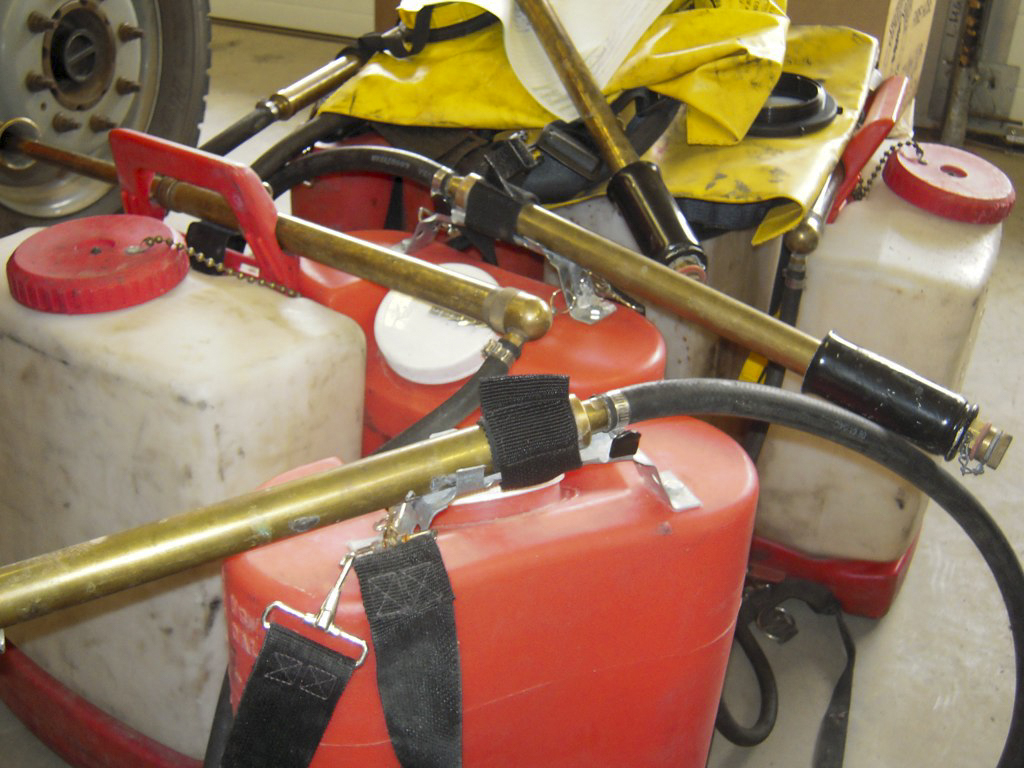 Both Canada and Australia have experienced megafires in the past few years, the size and severity of which have been unprecedented. It has been suggested that Canada needs to “fight fire with fire” in order to solve the problem, and follow Australia’s lead in tackling this national environmental issue. Wrong. Rather, it is critically important that Canada does not repeat the mistakes that Australia has made. The widespread application of prescribed burning or hazard-reduction burning has been proposed as a way to protect people and property in Canada. Prescribed burning to reduce fire hazards has been employed throughout large parts of Australia. Yet robust scientific evidence showing that it is effective is remarkably limited. In some places, prescribed burning can reduce fire severity and restrict fire spread for a few years, but afterwards the regrowing vegetation becomes more flammable – an increased fire-risk effect that can last for many decades. That is: short-term gain, but long-term pain.
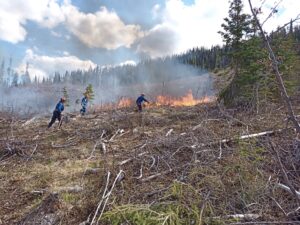 OTTAWA — Corey Hogan, Parliamentary Secretary to the Honourable Tim Hodgson, Minister of Energy and Natural Resources, announced an investment of $540,300 for two projects through the Government of Canada’s Fighting and Managing Wildfires in a Changing Climate Program (FMWCC) – Training Fund. The funding includes: $335,000 to Yorkton Tribal Council in Yorkton, Saskatchewan… [and] $204,800 to the Rural Municipality of Piney, Manitoba. Through this investment, community members in Manitoba and Saskatchewan — two provinces that have faced severe wildfire conditions this year — will receive wildland firefighting training to enhance their communities’ capacity to prepare and respond to wildfires. …The addition of these 95 trainees has us on track to train over 2,800 wildland firefighters in
  As wildfires scorch Canada amid its second-worst wildfire season on record, Indigenous leaders and experts say the country’s approach remains reactive — leaving Indigenous communities disproportionately vulnerable. At a Monday press conference, federal officials reported that 707 wildfires are currently active nationwide. The extreme fire activity has strained firefighting resources, prompting Canada to deploy over 560 international firefighters from six countries alongside Canadian personnel. This situation is particularly dire for Indigenous communities. Jen Baron, a postdoctoral researcher and incoming assistant professor at the University of BC’s Centre for Wildfire Coexistence, said… Many First Nations communities are “overexposed and underserved.” Remote, fly-in communities with minimal access routes face significant risks in evacuation and recovery. The infrastructure gaps make an already dangerous situation much worse, Baron said. Some federal investments have targeted these gaps. This week, officials announced a $540,000 commitment to two wildfire training programs.
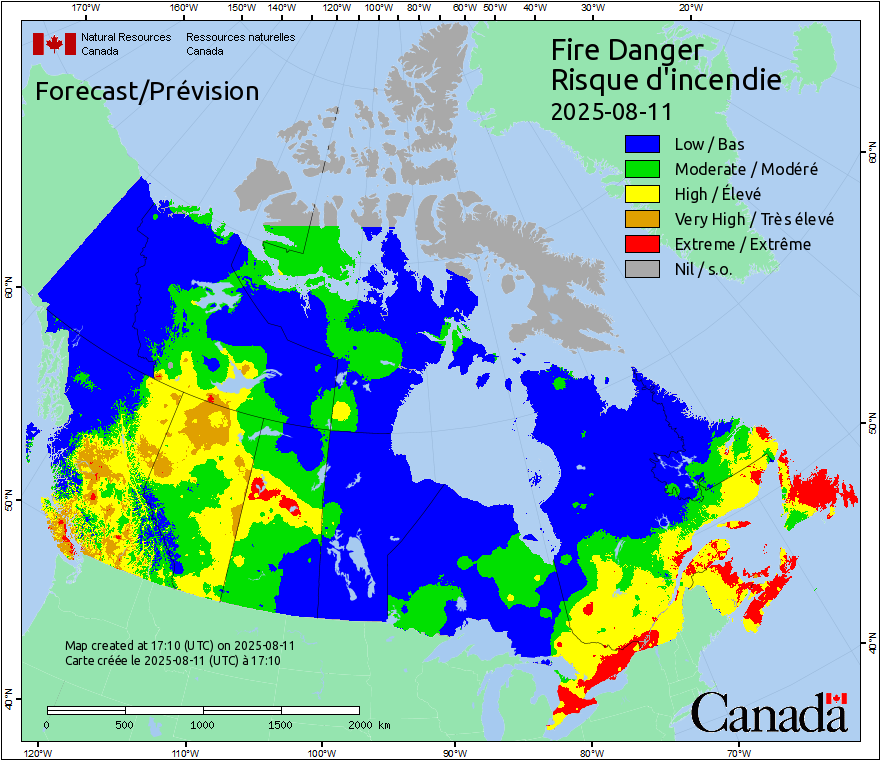
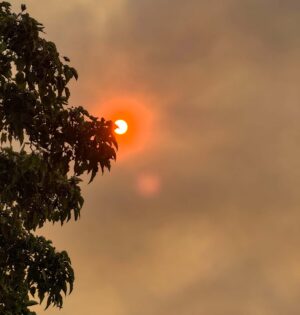 Western provinces and the East Coast should remain on alert for the possibility of more wildfire activity throughout the rest of summer, based on the latest federal government update. Wide swaths of B.C. and the prairie provinces are expected to be drier and hotter than normal. Federal government forecasters also see above-average seasonal temperatures for most of the country over the next three months. Typically in the more northern regions, fire activity starts to wind down around September as cooler weather sets in and the days grow shorter. Not this year. Federal bureaucrats said there’s a high likelihood that the large fires currently burning will continue well into the fall amid the higher temperatures. …Emergency Management Minister Eleanor Olszewski said “it’s been a really hot and dry summer and this has of course contributed to above-normal fire activity in BC, Manitoba, Saskatchewan and Newfoundland. New Brunswick and Nova Scotia.”

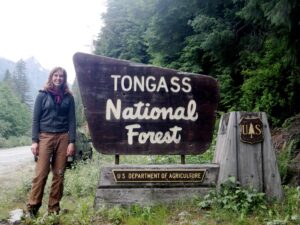 KLAWOCK, Alaska — Steinway pianos have a particular sound. …The secret to the sound isn’t merely Steinway’s skilled craftsmen—who’ve been using the same methods since 1853—but the specialized wood they use for the soundboards. It comes from the Tongass National Forest in Alaska. Unfortunately, a broken promise from the federal government will soon stop the music. …In 2016 the U.S. Department of Agriculture created a management plan that promised the availability of old-growth timber from the Tongass annually on a fixed schedule. …Not only has the Forest Service never met the timber-sale goals outlined in their management plan, in the past four years it offered less than 10% of the annual needs for the industry. …An executive order from President Trump… and a lawsuit we filed against the USDA earlier this year haven’t been enough to get the Forest Service to stop starving the industry. [to access the full story a WSJ subscription is required]
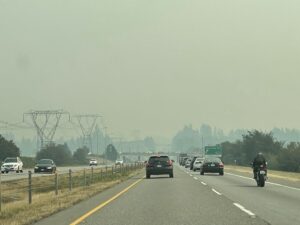 Road closures, evacuations, travel chaos and stern warnings from officials have become fixtures of Canada’s wildfire season. But as the country goes through its second-worst burn on record, the blazes come with a twist: few are coming from the western provinces. Instead, the worst of the fires have been concentrated in the prairie provinces and the Atlantic region, with bone-dry conditions upending how Canada responds to a threat that is only likely to grow as the climate warms. Experts say the shift serves as a stark reminder that the risk of disaster is present across the thickly forested nation. …“We had fire everywhere,” said Paul Kovacs, at the Institute for Catastrophic Loss Reduction at Western University. “And so for the first time, we had a different thought about wildfires as a country. …This is a national issue. This can show up anywhere.”
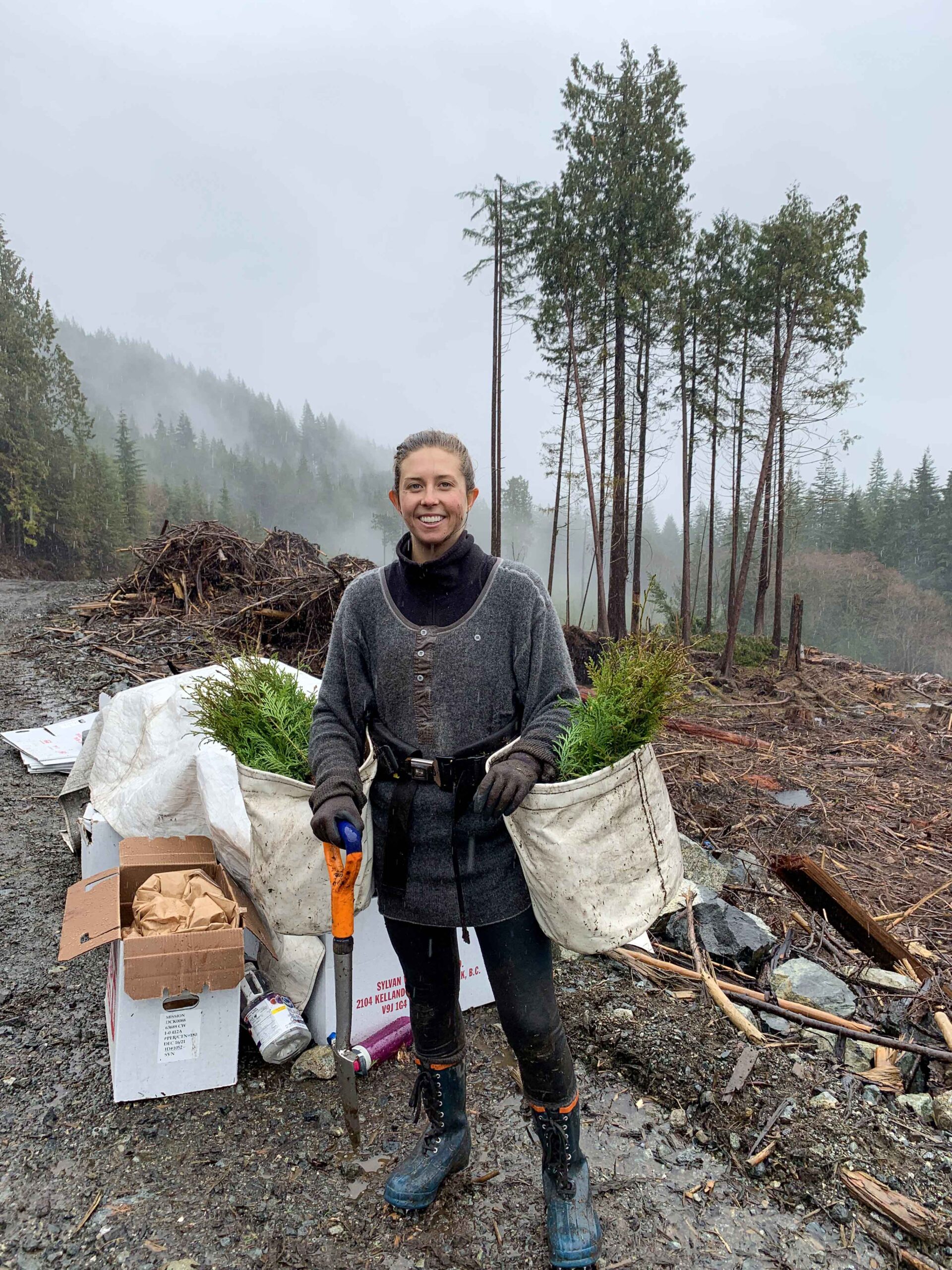 Early last September, firefighters were in the final stages of containing a 33,000-hectare wildfire complex in Alberta’s Jasper National Park. Elsewhere, park workers were already replanting the first batch of trees in the recently scorched earth. The Douglas firs were chosen because they resist fire better than other conifers, according to Marcia DeWandel, vegetation restoration specialist for Parks Canada. However, replanting so soon after a fire is much more exception than rule. Replanting is typically expensive, time consuming, labour intensive — and doesn’t always work. …In most cases, it can take years for replanting to begin after a fire. …”It’s actually really important not to speed and just go right after a fire,” says Jess Kaknevicius, CEO of Forests Canada, one of the organizations supporting Ogoki’s replanting. …In some replanted areas, ensuring survival is easier said than done, especially when dealing with other effects of climate change.
  CALGARY, Alberta — Wildfire season is in full effect across much of Canada, and Canadians are facing significant impacts. …Corey Hogan, Parliamentary Secretary to the Honourable Tim Hodgson, announced $45.7 million in funding for 30 projects across Canada through Natural Resources Canada’s Build and Mobilize Foundational Wildland Fire Knowledge program. These projects are driving research focused on protecting Canadians from the growing threat of wildfires, strengthening wildfire risk assessments and improving mitigation and adaptive forestry practices. We are also helping Indigenous communities access the tools needed to lead on wildfire readiness in their communities and backing Indigenous-led projects that support fire stewardship.
 A powerful documentary that addresses BC’s escalating wildfire crisis and the urgent need for solutions will be shown tonight in Williams Lake. “BC Is Burning” was written and produced by retired forester Murray Wilson who has over 4 decades of experience in wildfire suppression and forest management. “In August 2024 I started filming mainly around the Interior of BC.” Wilson said, ” I didn’t do any filming in the Williams Lake area but Central Chilcotin Rehabilitation Ltd. had some excellent videos and they very graciously gave me some of their footage from around the Williams Lake area as well as Percy Guichon who is also in the documentary.” …So far the documentary has been shown in Kelowna, Vernon, Merritt, Kamloops, and Williams Lake tonight (August 19) then it will be in Nakusp and on to Castlegar. A 20 minute Q & A with Wilson and Josh Prestie, Regional Executive Director for the Ministry of Forests will follow the Williams Lake show.
 BARRIE, ON – As Canada faces rampant wildfires, non-profit charity Forests Canada and forestry consulting firm Cariboo Carbon Solutions are partnering to help private landowners and First Nations communities restore their forests. They supported the planting of 100,000 trees in North Shuswap and Criss Creek, British Columbia in response to the 2023 Bush Creek East wildfire and will plant 2.2 million in other areas of the province over the next five years. “Canada is facing a devastating wildfire crisis,” Elizabeth Jarrett, Chief Operating Officer, Forests Canada, says. “This new partnership will enable us to support restoration efforts.” In regions across British Columbia, Cariboo Carbon Solutions is providing private landowners and First Nations communities that have been devastated by wildfires with professional reforestation services for their properties. After the successful planting of 100,000 trees in North Shuswap and Criss Creek this spring, the organization is looking to support other communities in BC.
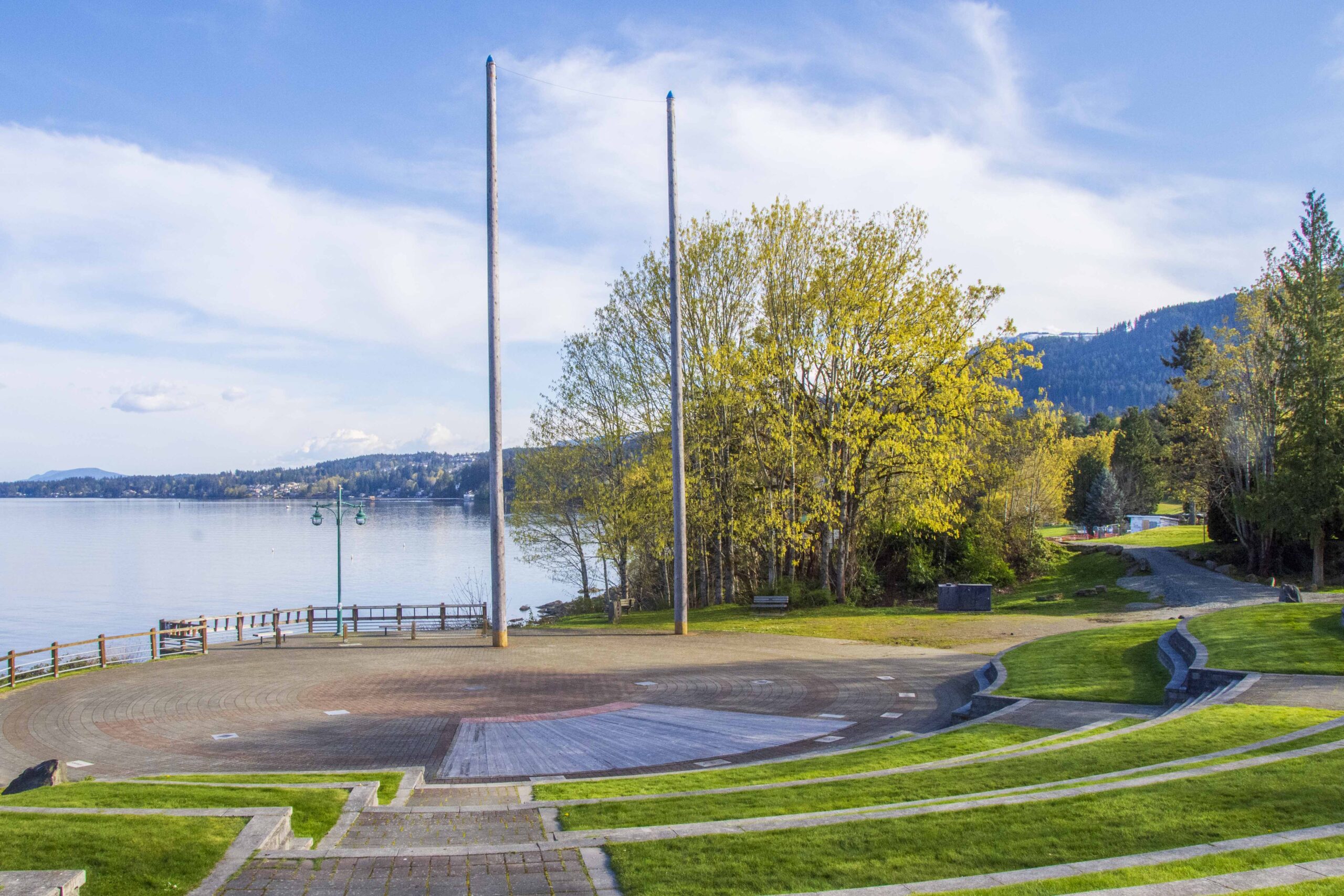 …It’s a rare sight today to see a spar tree in a timber harvesting area, but you can see them at any loggers’ sports shows. This year locals will have a chance to see climbers in action on Sunday, Sept. 14 at the Transfer Beach Amphitheatre. Just a couple of weeks ago the state of the two spar poles at the amphitheatre was in question. …Dave MacLeod from Husky Forest Service, a professional tree climber as well as a loggers’ sports tree climber, said instead of destroying the trees, they could be taken out to find out where the rot ends. His suggestion was accepted and the trees were taken out by RKM Cranes on July 30 and laid down to be examined. MacLeod did tests at various lengths of the trees and it was determined that the rot was up 10 feet from the bottom, so 11 feet was cut off.
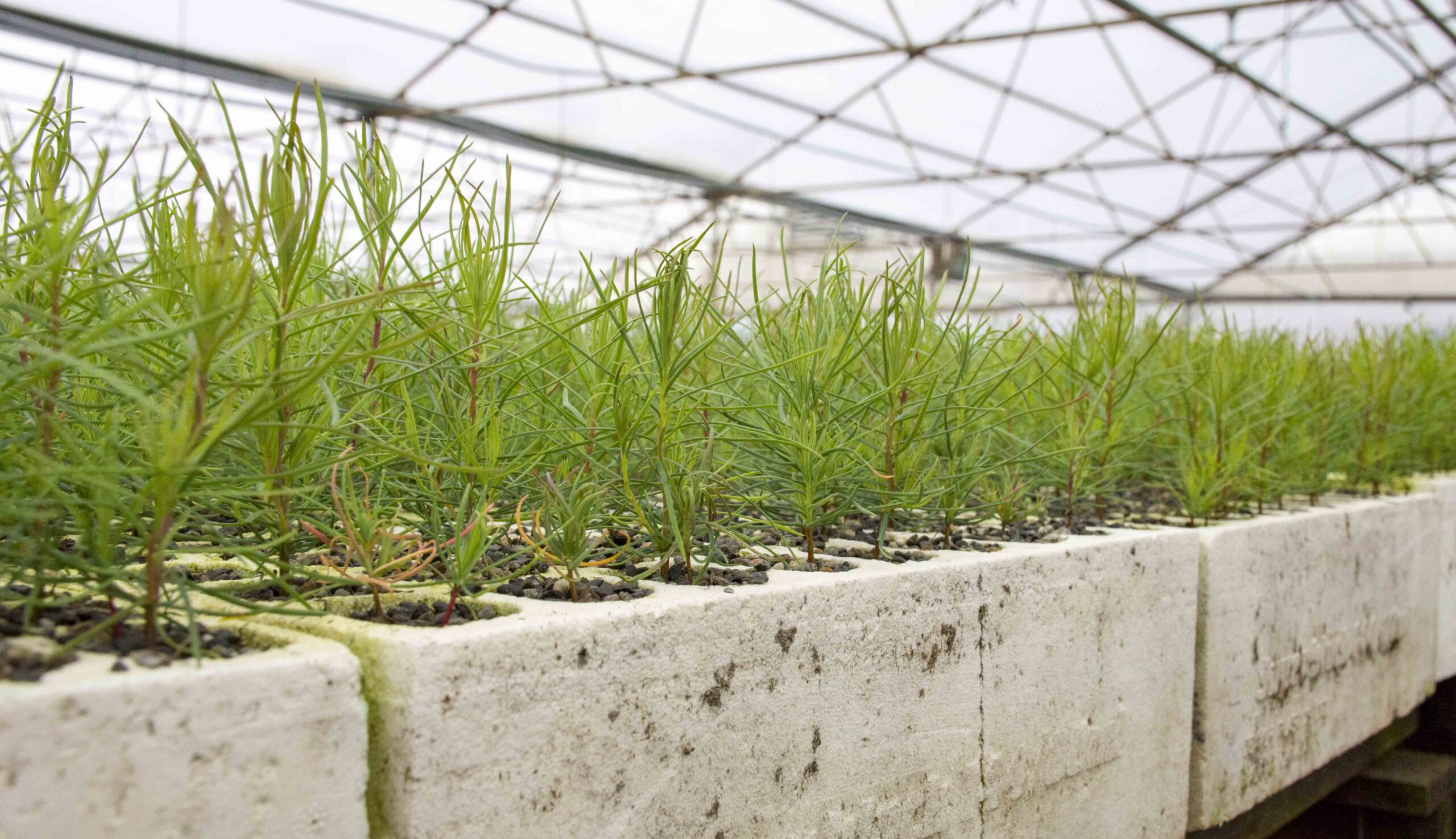 The number of trees planted in British Columbia is set to decline for a third year in a row, falling a combined 135 million seedlings short of a B.C. government’s election promise to increase planting amid a string of devastating wildfire seasons. In B.C., the logging industry is legally required to reforest after harvesting. But as harvest levels have dropped, so too has tree planting. The province planted 281 million tree seedlings in 2024. But by the end of the 2025 season, that number is expected to drop to 238 million, according to the Ministry of Forests. By the end of 2026, projections from the Canadian Tree Nursery Association (CTNA) suggest the number could fall even further to 226 million — far short of the 300 million trees promised by the NDP government in the last election.
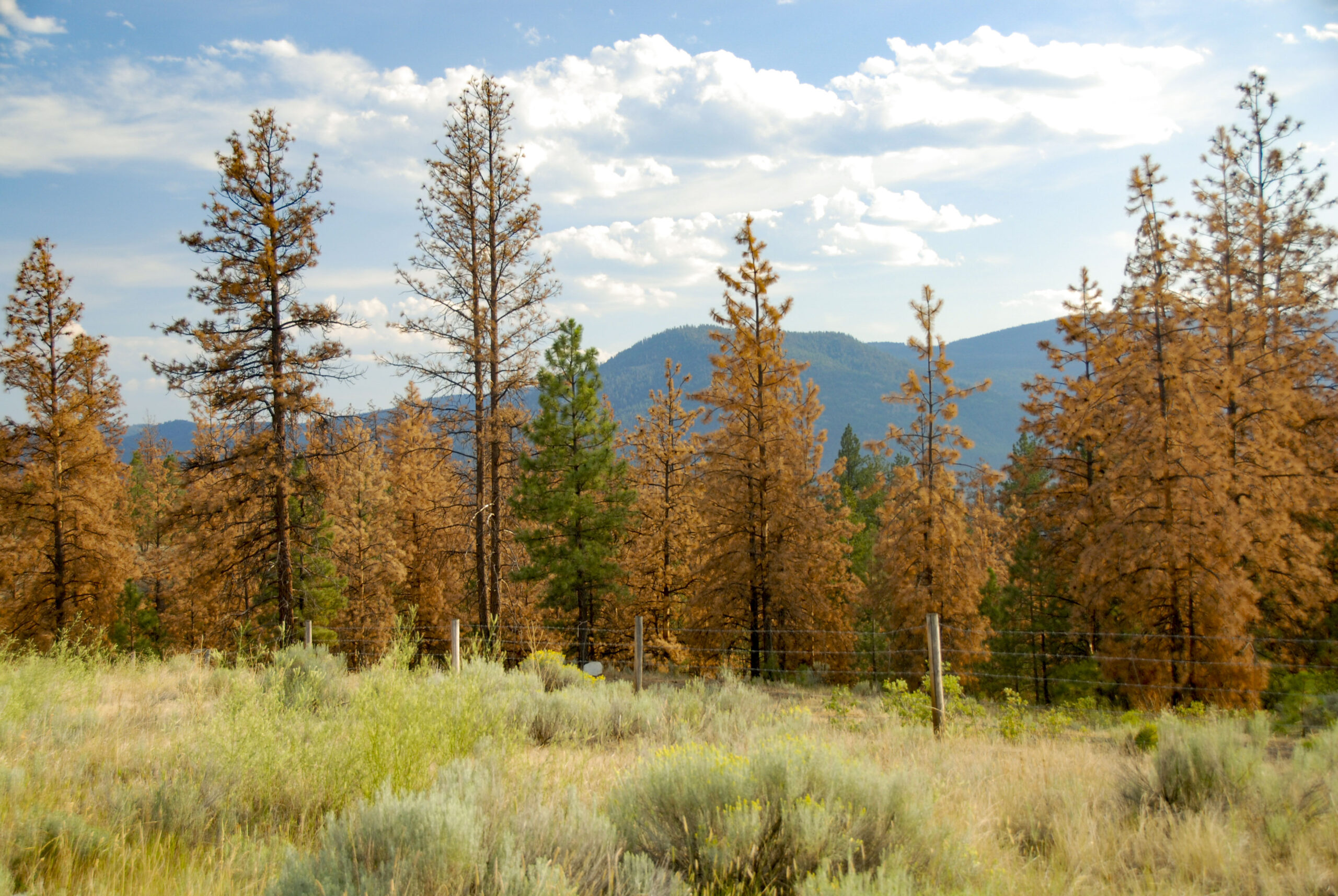 Ottawa is offering $45.7 million for projects in B.C. and across Canada that advance knowledge about wildfires. The projects will be focused on protecting Canadians from the growing threat of wildfires, strengthening wildfire risk assessments, and improving mitigation and adaptive forestry practices. …The Vancouver-based Métis Wildfire Community Research Initiative is among the funding recipients. “Our approach is different because we are building strong relationships with local people.” said Joe Desjarlais, Director of Research for the B.C. Metis Foundation. “We’re training them to do wildfire research, to recover their own knowledge for their own benefit, to give them a voice.” …Natural Resources Canada said annual national costs for fighting wildland fire total over $1 billion. It says fire-suppression costs could double by 2040.
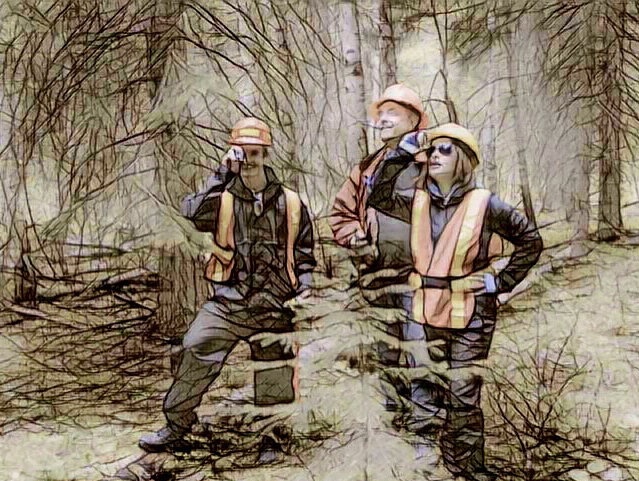 CNC’s Applied Research team received a $170,775 Applied Research Tools and Instruments (ARTI) grant through the Natural Sciences and Engineering Research Council of Canada (NSERC) for the creation of a state-of-the-art remote sensing lab. …The grant allows for the acquisition of terrestrial LiDAR scanners, allowing researchers to capture, analyze and better understand individual tree characteristics, forest structure, and wildfire hazards, among other forest attributes. CNC research fellow Dr. Pablo Crespell will lead research activities related to remote sensing lab purchases and operation, including drones, LiDAR sensors and scanners, multispectral sensors, software applications, and computer hardware. Grant funds will also be used to support the costs of relevant training for CNC research staff, such as drone pilot training and new analysis approaches.
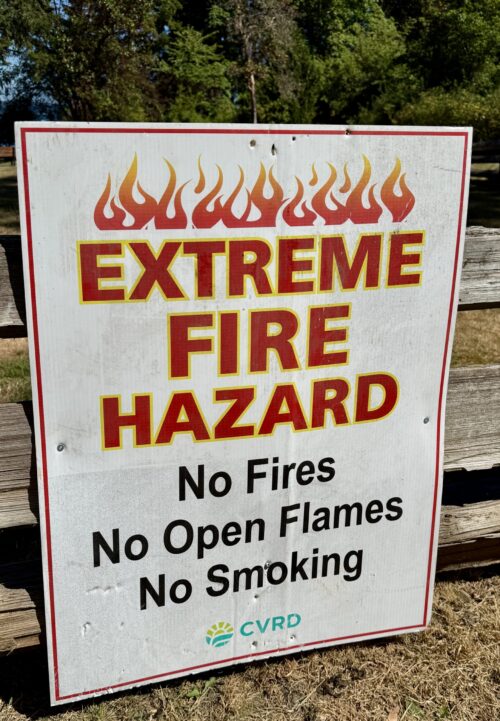 …as climate change fuels more frequent and intense wildfires, governments can reduce the damage and protect lives with proactive, targeted actions. That means strengthening policies that guide where and how we build, investing in land and fuel-management strategies, supporting Indigenous leadership and stewardship, expanding emergency-response capacity and accelerating emissions reduction. The solutions are within reach, but they require governments to lead with urgency, coordination and commitment. …Here are five key actions governments can take to reduce wildfire risk — noting that no single strategy can solve the problem by itself: Stop encouraging building in harm’s way; Make new development fire-resilient; Manage forests and reduce wildfire fuel; Strengthen firefighting capacity; and Cut carbon pollution to avoid runaway risk. Governments at all levels face a clear choice: continue with business as usual and see fire seasons grow worse or take bold action to reduce risk, protect people and ensure public resources are spent wisely.
 The human side of forestry is often overlooked but always present. Seeing the forest for the trees in this case means connecting the dots between the many ways that people interact with, benefit from and shape natural spaces, and the consequences these activities are having on everything from environmental sustainability to community wellbeing. In this issue, we delve into the social sciences of forestry, highlighting how the academic work, career paths and actions taken by our UBC Forestry community are shaping the future for the sake of humans and the planet.
 SMITHERS – The Forest Practices Board has released the results of its investigation into a complaint about logging in the Lemieux and Gardner Creek watersheds, 30 kilometres southeast of Smithers. A resident alleged that over-harvesting had dried up creeks and wells, and that logging proceeded without proper public consultation. Board investigators examined recent harvesting, road construction and maintenance by three licence holders: BC Timber Sales (BCTS), Kyah Development Corporation (KDC) and the holder of woodlot licence W0104. Investigators assessed whether licensees met legal requirements for water management and public review. All three licensees complied with requirements for public review. BCTS and KDC exceeded requirements by voluntarily sharing operational-planning information with stakeholders. BCTS and KDC also met all water- management requirements.
 LAKE HURON, Ontario — Jenifer Brousseau often picks berries and traditional medicines in the bush around her community in northeastern Ontario. But in recent years, Brousseau and many others from Serpent River have been concerned about the forestry industry’s use of herbicides that contain the chemical glyphosate. …Environmental groups — including Friends of the Earth Canada, the David Suzuki Foundation, Safe Food Matters and Environmental Defence Canada — have launched a court challenge of Health Canada’s conclusions on glyphosate. …Some small municipalities in northern Ontario have also started to petition the province in their effort to get the ban. …Fred Pinto, an adjunct professor of forestry at the University of Toronto said herbicides are just one tool used by forestry companies to manage vegetation. Pinto said herbicide spraying is often done using aircraft in areas that have little to no road access.




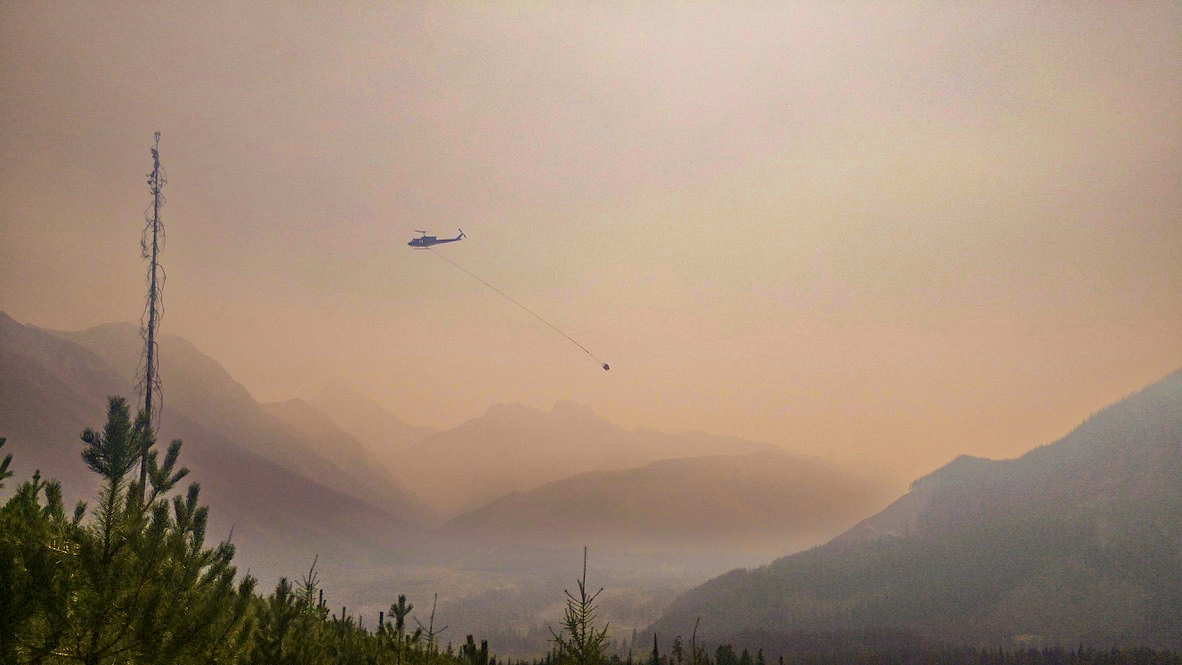 As Saskatchewan experiences one of its worst wildfire seasons on record, smoke continues to prompt air quality alerts for the public. …however, less than five per cent of personnel working the wildfires in Saskatchewan are wearing masks, and despite the health risks, that’s not likely to change any time soon. “Saskatchewan Public Safety Agency (SPSA) personnel have access to N95 masks if they wish to wear them on the fire line, but most choose to wear bandannas,” the SPSA wrote in an email to paNOW. Structural firefighters within urban centres are required to wear self-contained breathing apparatus (SCBA) to protect them from smoke inhalation and exposure to harmful airborne contaminants, but in Saskatchewan, using facial protection is voluntary for wildland firefighters, and there is no provincial protocol to use them. …N95 masks can help reduce exposure to fine particles, but don’t filter out harmful gases. Bandannas offer little to no protection.

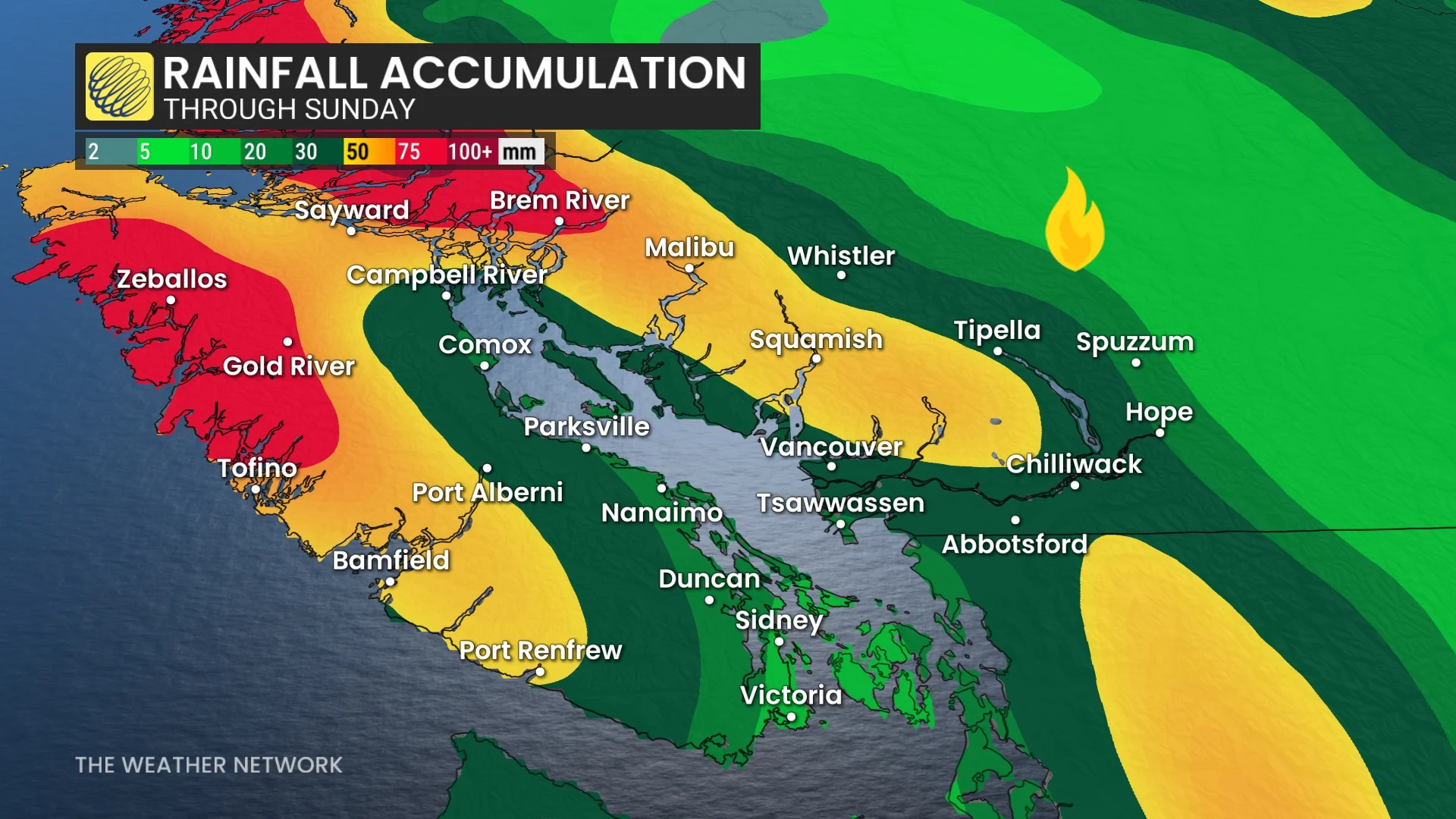
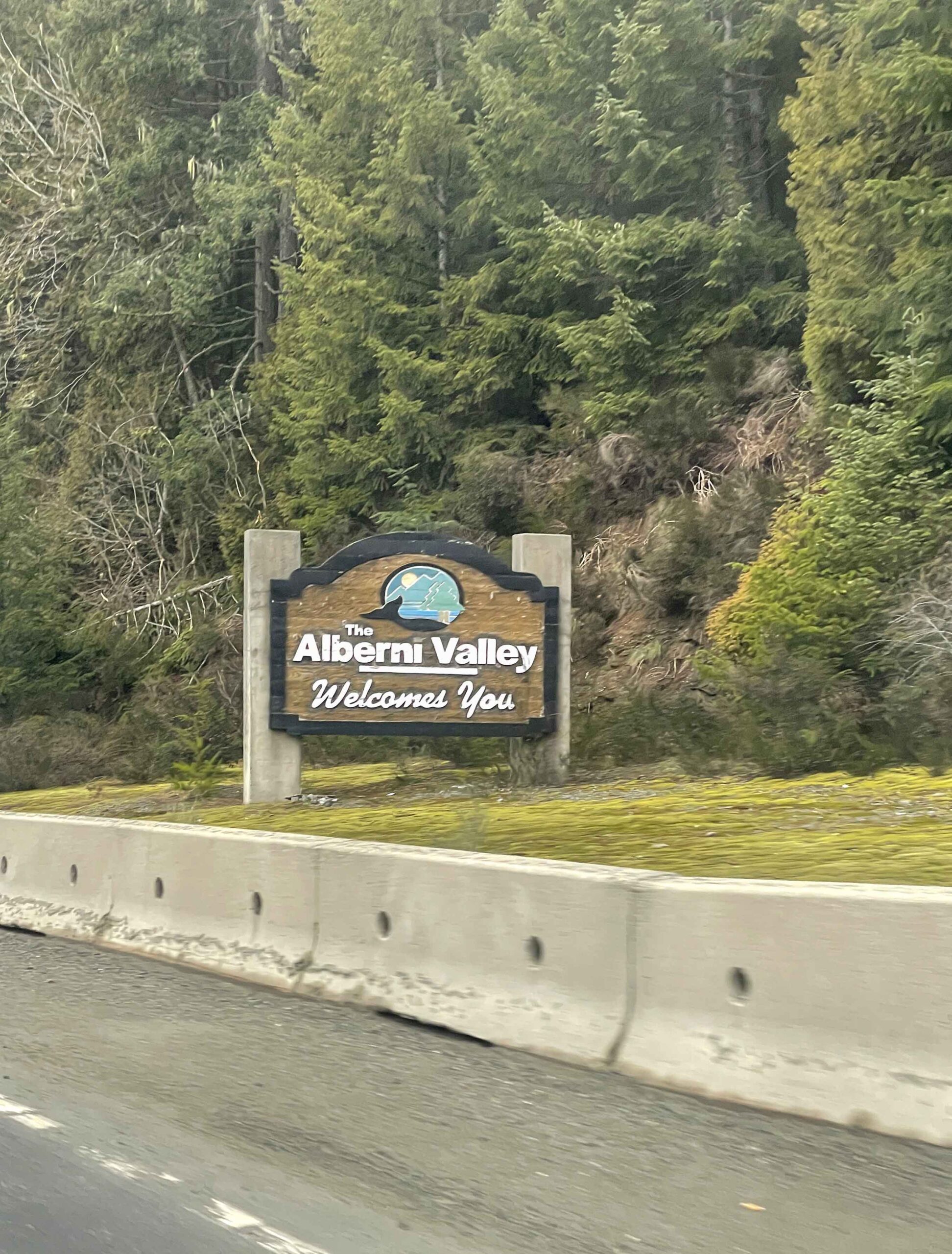 Sharie Minions told a news conference Tuesday that officials are working with the BC Wildfire Service to update two evacuation orders and three alerts that are in place due to the out-of-control Mount Underwood fire. The regional district’s chief administrative officer Daniel Sailland said about 50 permanent residents had to be evacuated along with approximately 150 campers and other visitors due to the fire, which was discovered Aug. 11. Fire information officer Karley Desrosiers said 160 personnel are working on the fire, which is not expected to grow beyond its current 36 square kilometres as the area warms up after several rainy days. “We have received considerable rain since Thursday, and more rain is expected today,” she said. “Going forward, we are expecting conditions to get a little bit warmer and a little bit drier and a bit windier as well. …The blaze has shut off power and the main road access to Bamfield since Aug. 11.
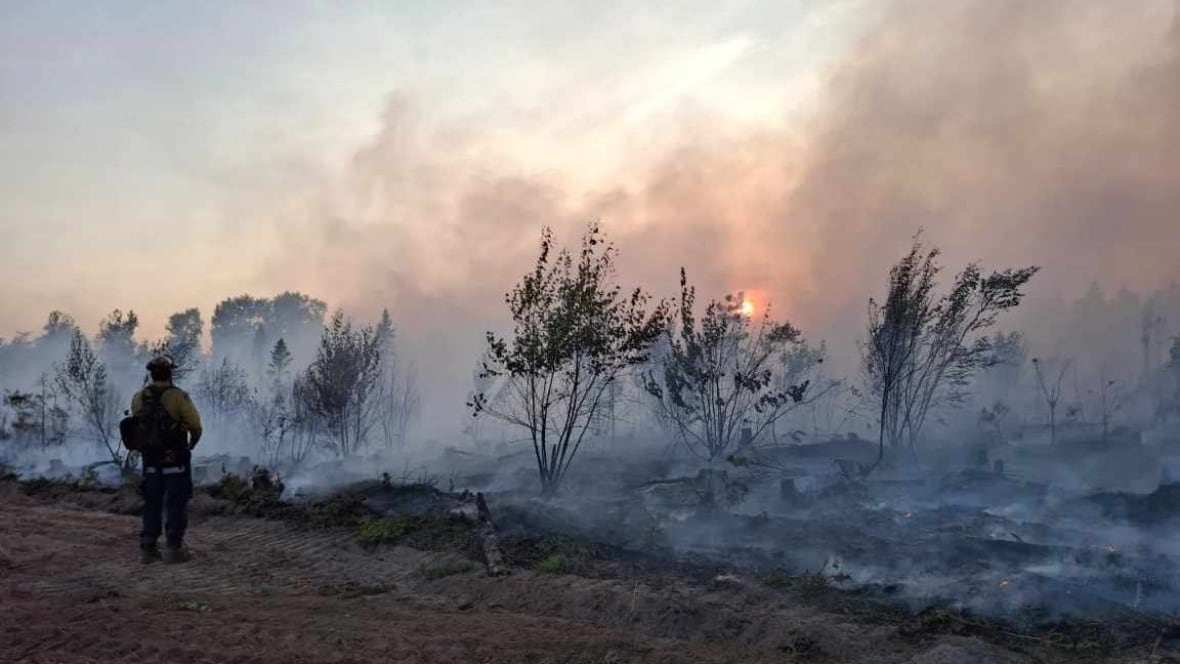



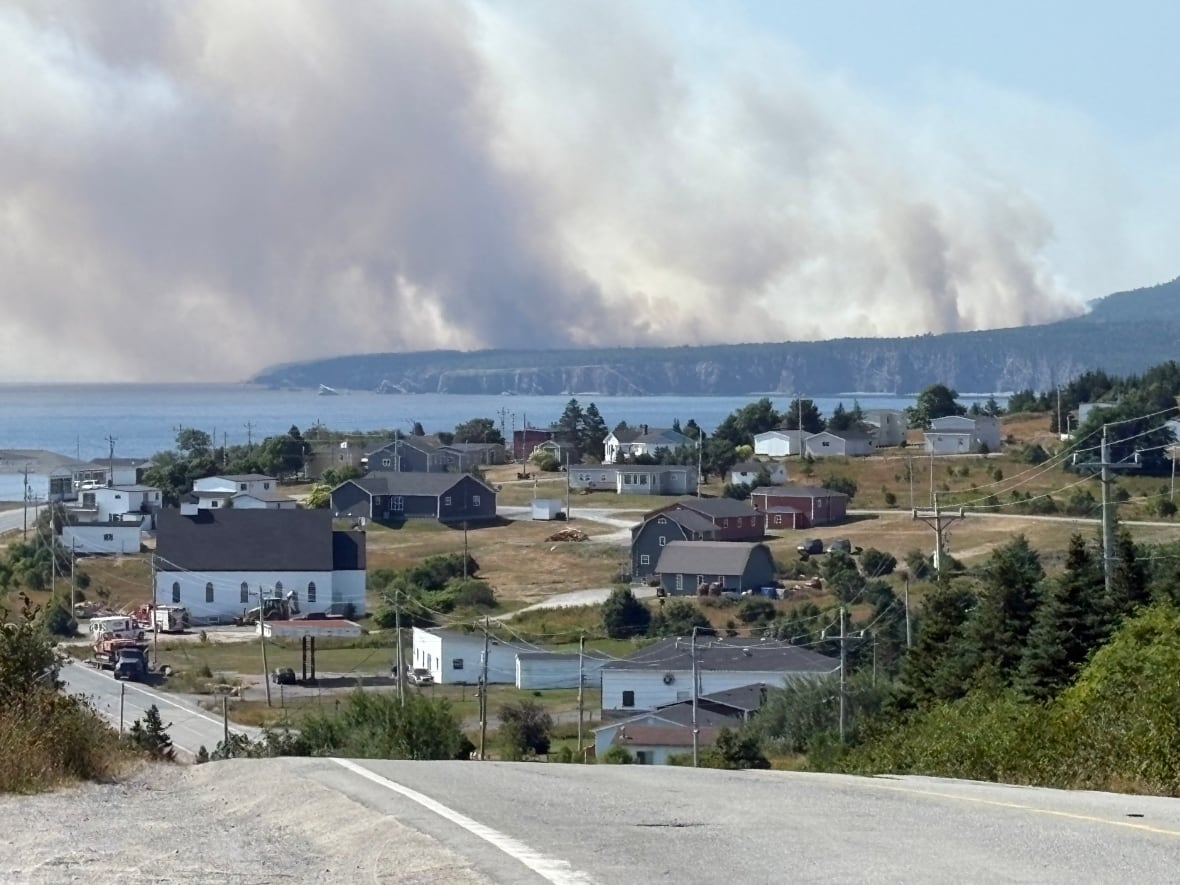
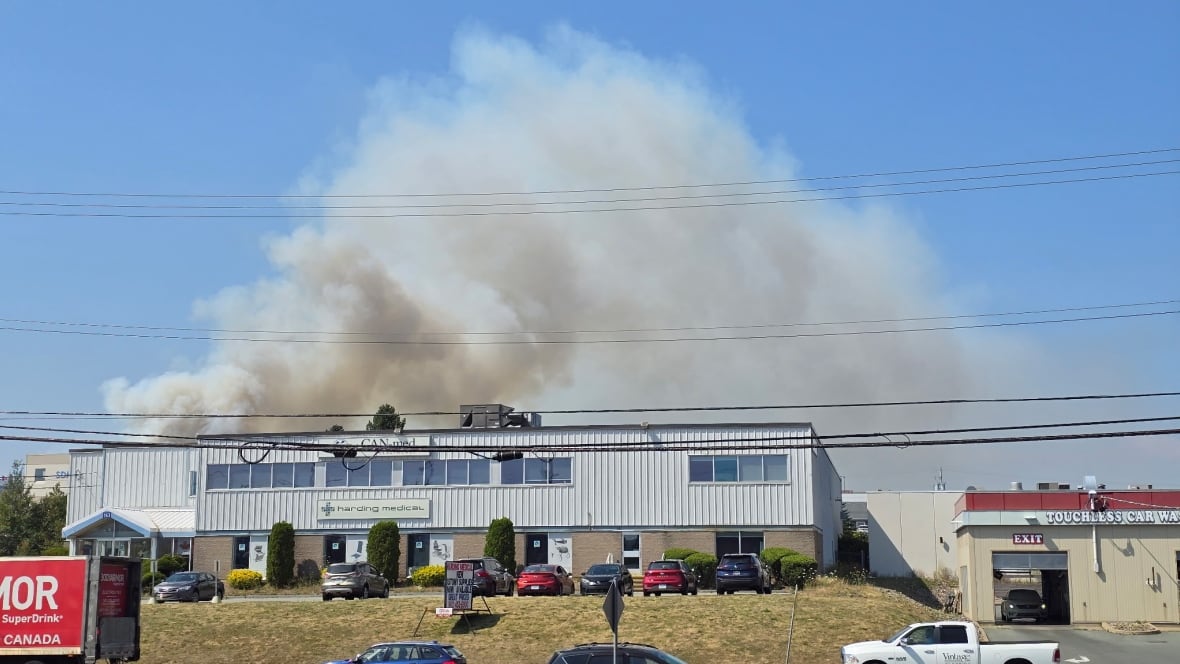
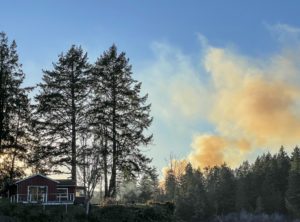 Officials in Nova Scotia say a wildfire in the western part of the province has grown and could force people out of their homes, while cooler temperatures and low winds have helped firefighters in Newfoundland and Labrador. The Long Lake wildfire is expected to grow, said Scott Tingley, manager of forest protection with Nova Scotia’s Natural Resources Department. On Sunday evening, the Nova Scotia Department of Natural Resources said the fire had almost doubled in size, growing from 11 square kilometres in the morning to nearly 20 square kilometres. It had spread past Godfrey Lake to the intersection of Fairns and West Dalhousie roads on one side and the south side of Spectacle Lakes on the other, it added. “These are not favourable firefighting conditions,” Tingley told reporters Sunday morning. “It’s very, very dry.” Two contracted helicopters were helping local firefighters along with crews from Prince Edward Island and Ontario, he said.
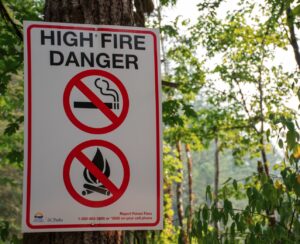 NOVA SCOTIA –More than one hundred homes have been evacuated as an out of control wildfire near West Dalhousie in Annapolis County continues to burn Friday morning. The fire broke out Wednesday on the north side of Long Lake, about 20 kilometres east of Annapolis Royal, Nova Scotia. The provincial Department of Natural Resources has said a lightning strike caused the fire. …The national weather forecaster has issued an air quality statement for Annapolis County and parts of Halifax County, saying smoke from the wildfires is reducing air quality in the area, and that people who are more likely to be impacted by smoke — including pregnant people, infants and young children, people with chronic health conditions and people who work outdoors — should avoid strenuous outdoor activities.