The United States has increased countervailing duties on Canadian softwood lumber [from 6.74% to 14.63%], bringing the total duties on lumber to 35.19%. The decision was announced on Friday by the US Department of Commerce. Although the escalating fees were anticipated, they still drew swift condemnation and words of alarm from industry and political leaders in BC and Ontario, who say it is yet the latest example of unfair treatment of the industry from their largest and most important international partner. “Two words describe Donald Trump’s latest move to increase countervailing duties on Canadian softwood lumber: absurd and reckless,” B.C.’s Forests Minister Ravi Parmar said. “Adding these additional softwood duties … will only worsen an affordability crisis on both sides of the border.”
In response to the increase in countervailing duties:
- Kim Haakstad, Council of Forest Industries: COFI condemns doubling of duties. Urges action to improve business environment for forestry in BC
- Government of Ontario Ministers: Ontario renews calls for removal of duties on softwood lumber exports
- Kurt Niquidet, BC Lumber Trade Council: Urges Canada and the US governments to make resolving the dispute a top economic priority
- Northern Ontario Municipalities: Softwood lumber tariffs ‘deal a serious blow’ to northern forestry sector

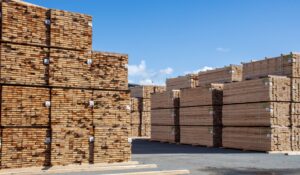 KELOWNA — Prime Minister Mark Carney’s government is preparing financial supports for the forestry sector as the United States ratchets up duties on Canadian softwood lumber. …It comes amid heightened trade tensions with the United States over softwood lumber, a decades-long friction point in the Canada-U.S. trade relationship. The US Commerce Department recently announced it intends to hike anti-dumping duties on Canadian softwood to just over 20%. The prime minister outlined a series of supports at a lumber mill in West Kelowna, B.C., on Tuesday, saying Canada will be its own best customer by relying on more Canadian timber as it works to double the pace of new home building to almost 500,000 homes a year over the next decade.
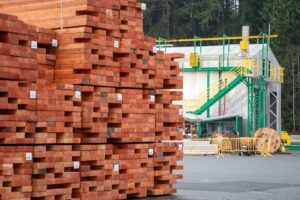 The US lumber industry says new financial support pledged by Canada to domestic forestry companies risks deepening the neighbors’ long-running trade dispute, and may result in yet more import taxes. Last week Prime Minister Mark Carney promised as much as C$1.2 billion in loan guarantees, grants and contributions for Canadian sawmills to pursue product development and market diversification — in response to what he said were unjustified US import taxes. Three days later, US Department of Commerce separately confirmed it would more than double combined anti-dumping and countervailing duties on Canadian softwood lumber. …“We will absolutely be asking Commerce to look at whether companies received a distortive benefit from this package,” said Whitney Rolig, who acts as lead attorney for the US Lumber Coalition. …The Quebec Forest Industry Council said that “even the Department of Commerce has long since ceased to consider loan guarantees as subsidies,” and the aid package also aims to boost domestic demand.
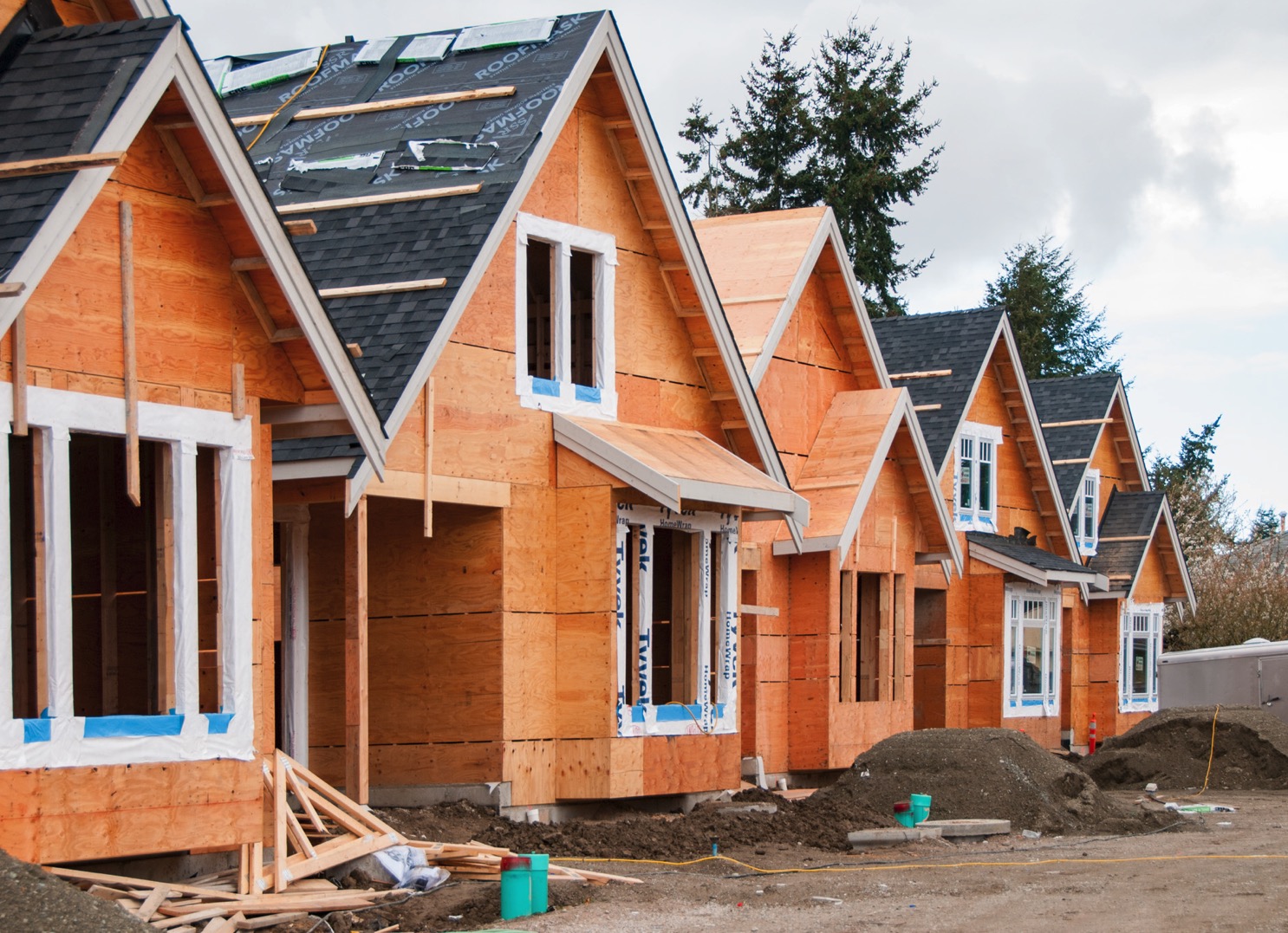 The Liberal government has released a proposal for its new housing entity, laying out suggested loan offerings and other details ahead of the planned fall launch. …The Liberals said the new entity would develop and manage affordable housing projects and partner with builders for the construction phase, providing $10 billion in low-cost financing and capital to affordable home builders. …The BCH would also provide $25 billion in debt financing and $1 billion in equity financing to prefabricated home builders, with the Liberals saying the housing type can reduce construction times by up to 50 per cent and lower costs by up to 20 per cent. The entity would issue bulk orders of units from manufacturers to create sustained demand.


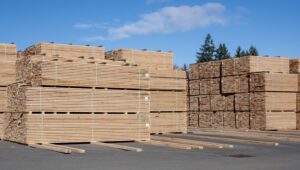 A $1.2-billion lifeline from Ottawa that’s being thrown to the forest industry is welcome news to northwestern Ontario mayors and the Canadian Wood Council. …The 37-member Northwestern Ontario Municipal Association (NOMA) called it a “significant and timely commitment to ensuring the long-term competitiveness of the forest sector” and comes at a crucial time when local jobs, economic growth and municipal stability is on the line. …“These measures recognize the vital role of forestry in Northwestern Ontario and across Canada,” said Marathon Mayor and NOMA president Rick Dubas in a statement, “helping our sector adapt to ongoing trade challenges, protect local jobs, and create opportunities for both Indigenous and non-Indigenous communities.”


 It will take time to fully understand the implications of a landmark court ruling that appears to place Aboriginal title in British Columbia above standard private property rights. But already, there’s a fierce political debate. The BC Supreme Court ruled that the Cowichan Tribes holds title over federal, city and private land in Richmond that it historically used as a fishing village. This title sits higher in the legal hierarchy than fee simple land rights of other current owners. The ruling could set a precedent that fundamentally changes the security of standard private property in B.C. …Eby’s comments hit at the core of the fallout — that with most of British Columbia identified by First Nations as traditional territory, the court ruling could scare away not only the general public but businesses considering investing in the province. …But Justice Young appeared to set a new precedent by calling Aboriginal title the “senior interest in land vis-a-vis the fee simple titles.”
 For one local lumber mill, the federal government’s announcement of support for the Canadian softwood lumber industry is a step in the right direction. Nick Arkle, CEO at Gorman Brothers Lumber, said in his 50 years of working in the forestry industry, he hasn’t sensed a government that has been this supportive at a federal level. “Both federally and provincially, I’m seeing some major shifts,” Arkle said after Prime Minister Mark Carney visited the Gorman Brothers Lumber mill in West Kelowna to announce the federal government’s strategy to bolster Canada’s softwood lumber industry. …Arkle said Canada also has to figure out how to get along with its neighbours. Gorman Brothers has strong relationships with many customers in the U.S., said Arkle, and those customers can’t figure out why they’ve got this trade action going on because they want Gorman Brothers’ lumber.
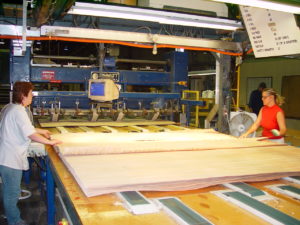 A BC manufacturer that says it’s facing closure is accusing the provincial government of hypocrisy after the premier recently touted a product it had a hand in. BC Veneer Products provided the wood fibre that UBC designers used to fabricate a soccer ball out of innovative “wood leather,” something which Premier Eby promoted while on a June trade mission to Japan. …The problem, Gunia explained, is the company hasn’t been able to secure more logs to keep his plant and its 17 employees working. The forestry company he works with on Vancouver Island has already reached its maximum allowable cut for the year. The operator has another block it can harvest in January, but Gunia says that will be too late. …Gunia said his company’s troubles are particularly galling, given the emphasis the premier and the province have put on promoting value-added wood products.
 Kalesnikoff Mass Timber has been recognized by the federal government for its role in advancing Canada’s housing goals. In June, Kalesnikoff opened North America’s first mass timber pre-fabrication and modular facility, expanding its product for use in multi-storey affordable and market housing, schools, workforce housing, and more. The facility aligns closely with Prime Minister Mark Carney’s new Build Canada Homes Program, which he discussed during a stop in Kelowna on Aug. 5. Carney plans to launch the program this fall, offering federal financing to homebuilders who use Canadian materials, as the government aims to develop around 500,000 homes per year. He praised Kalesnikoff as a catalyst for this effort, while announcing several other initiatives aimed at increasing housing supply and market diversification – including a $25-billion commitment for private builders who prioritize Canadian materials in housing and infrastructure projects.


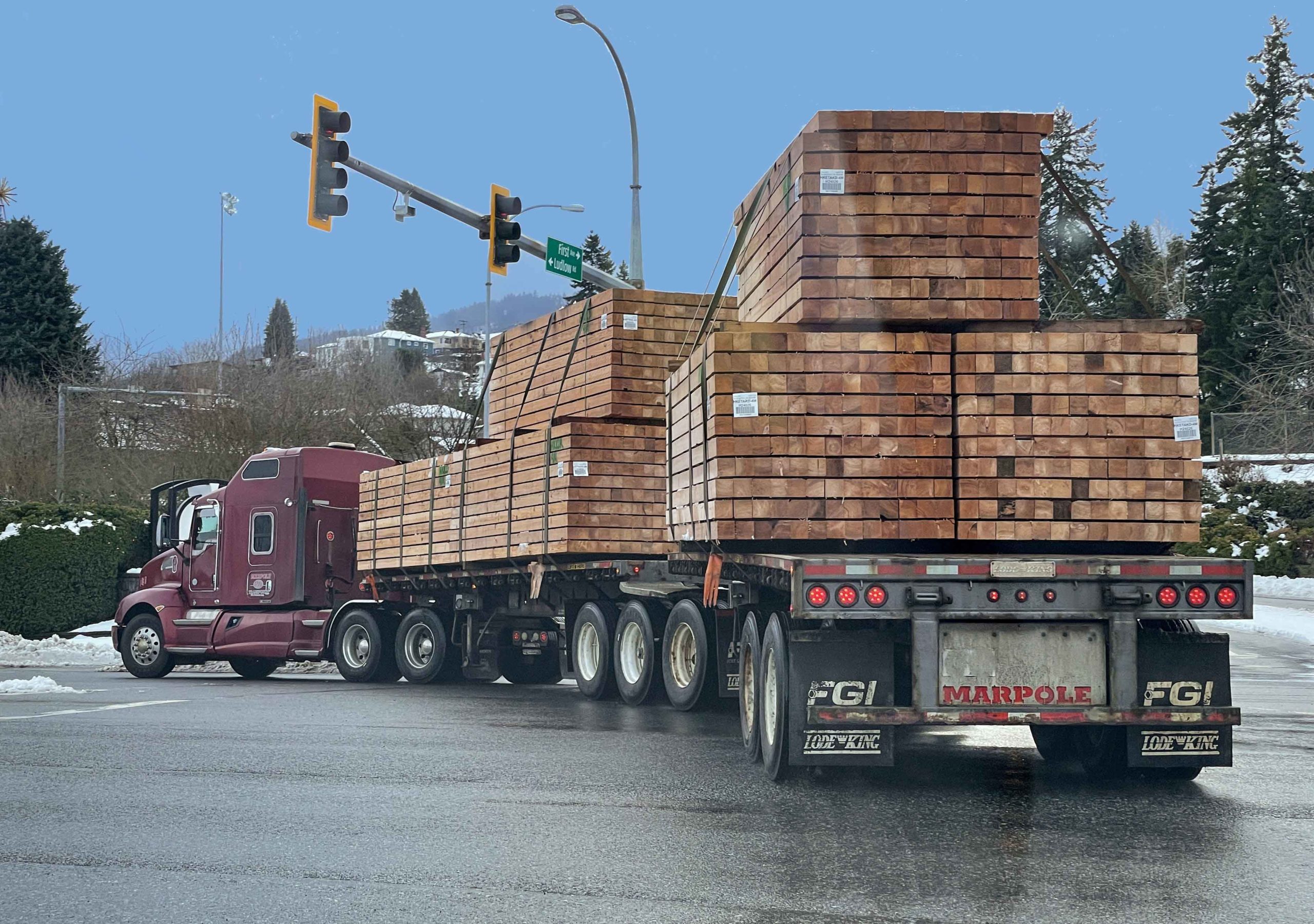 British Columbia’s forestry leaders offer a mix of praise and caution following the announcement of federal aid for Canada’s lumber industry. While both welcomed the support, they emphasized the urgent need for fiber access and resolving the US trade dispute. B.C. Forestry Minister Ravi Parmar called the federal funding package “really good news” and a long-overdue show of federal support for a sector that has long felt sidelined in Ottawa. …Parmar emphasized that B.C., as the world’s second-largest exporter of softwood lumber, must receive a proportional share of the funding to modernize its mills and build new global partnerships. …B.C. Conservative forestry critic Ward Stamer, welcomed the funding as a positive sign of federal commitment but warned that the underlying problems plaguing B.C.’s forestry industry remain unaddressed. …“It shows the federal government understands how important the forest industry is not just to B.C., but to the whole country,” said Stamer.




 BURNABY, BC — Interfor recorded net earnings in Q2’25 of $11.1 million compared to a net loss of $35.1 million in Q1’25 and a net loss of $75.8 million Q2’24. Adjusted EBITDA was $17.2 million on sales of $780.5 million in Q2’25 versus Adjusted EBITDA of $48.6 million on sales of $735.5 million in Q1’25 and an Adjusted EBITDA loss of $16.7 million on sales of $771.2 million in Q2’24. …North American lumber markets over the near term are expected to remain volatile as the economy continues to adjust to changing monetary policies, tariffs, labour shortages and geo-political uncertainty. …Overall, the Company is well positioned to navigate this volatility with a diversified product mix in Canada and the US, with approximately 60% of its total lumber produced and sold within the US Ultimately, only about 25% of the Company’s total lumber production is exported from Canada to the U.S. and exposed to duties and any potential tariff.
 VANCOUVER, BC – Western Forest Products reported its second quarter 2025 financial results. Highlights include: Revenue of $289.1 million (versus $309.5 million in the second quarter of 2024, and $262.5 million in the first quarter of 2025); Adjusted EBITDA of $0.5 million in the second quarter of 2025 (versus $9.4 million in the second quarter of 2024, and $3.5 million in the first quarter of 2025; Net loss was $17.4 million in the second quarter of 2025, as compared to a net loss of $5.7 million in the second quarter of 2024, and net income of $13.8 million in the first quarter of 2025. …Markets in North America are expected to be volatile through the third quarter of 2025 as softwood lumber duties have increased significantly. Persistently high interest rates, low consumer confidence and general economic uncertainty are leading to a slower pace in repairs and renovations, and housing activity. Expectations are for this trend to continue throughout the third quarter of 2025.
 The Canada Mortgage and Housing Corporation (CMHC) has just issued a sobering warning to policymakers regarding the state of Canadian housing. Yet, governments do not appear to be getting the message, nor do they seem willing to take the necessary steps to address the crisis. In their
  It’s been over a week since the U.S. Commerce Department confirmed that it’s nearly tripling its anti-dumping duties on Canadian lumber imports from 7.66% to 20.56% following its annual review. The response from north of the border has been apoplectic, to say the least. …In the US, several entities are worried about the hiked duties, too. The NAHB continues to sound the alarm that new duties will raise the cost of homebuilding. …”We are also urging the administration to move immediately to enter into negotiations with Canada on a new softwood lumber agreement.” …The US Lumber Coalition continues to be the loudest voice in the room in favor. …”Canada continues its relentless shipments of dumped and subsidized lumber with devastating consequences for mills, workers, and communities.” …The downstream effects of all these trade war machinations remain to be seen, though the cross-border lumber trade has already slowed down considerably.
 Canada’s merchandise trade deficit widened in June to C$5.9 billion as imports grew faster than exports due to a one-time high-value oil equipment import. The deficit observed in June is the second highest on record after the deficit expanded to its largest in history in April to C$7.6 billion, when the impact of US tariffs first started to weigh. Canada’s exports to the US as a share of total exports shrank to 70% in June from 83% in the same period a year ago while its surplus with the US contracted by a half in the same period, data showed. Total imports were up 1.4% in June to C$67.6 billion from a drop of 1.6% in the prior month, Statistics Canada said. Canada’s total exports grew 0.9% in June to C$61.74 billion following an increase of 2% in May, led primarily by an increase in crude oil exports.
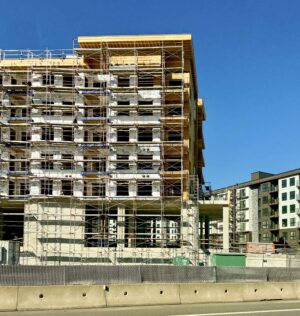 OTTAWA — Canada’s housing crisis may get worse before it starts to show much relief, as new projections say that the number of housing starts will actually decrease this year and next. These new estimates, from both public and private sector housing forecasts, contradict political promises from all levels of government to boost supply of homes across the country. The Canada Mortgage and Housing Corporation (CMHC) forecasts that the total number of housing starts in Canada this year will be about 237,800, down from 245,367 in 2024. CMHC, a Crown corporation that acts as Canada’s national housing agency, also forecasts a drop to no more than 227,734 next year and 220,016 in 2027. Those forecasts are all below the 267,000 annual output for housing starts from 2021-22 and less than half the 480,000 that the CMHC says Canada needs to add each year over the next decade.
 EDMUNDSTON, New Brunswick – Acadian Timber reported financial and operating results for the three months ended June 28, 2025. “During the second quarter, Acadian delivered mixed results,” said Adam Sheparski, CEO. …Acadian generated sales of $17.1 million, compared to $41.2 million in the prior year period. The second quarter of 2024 included $19.7 million in carbon credit sales, while no carbon credit sales occurred in the second quarter of 2025. Acadian generated $0.8 million of Free Cash Flow during the second quarter and declared dividends of $5.2 million or $0.29 per share to our shareholders. …While the second quarter of the year is traditionally our weakest due to seasonal operating conditions, operating activity in Maine was impacted by prolonged wet conditions which significantly delayed the commencement of deliveries in the spring.

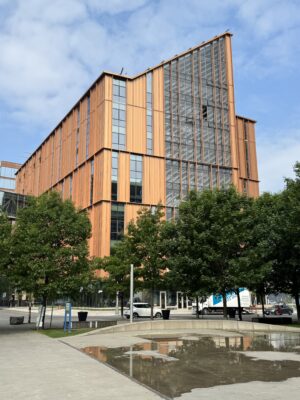 TORONTO — George Brown College’s (GBC) Limberlost Place has helped trigger major changes to Ontario’s building codes and is playing a key role in the province’s strategy to grow its mass timber construction sector, college officials say. The 10-storey academic building—Canada’s first institutional structure made from mass timber and designed to achieve net-zero carbon emissions—has served as a catalyst for the Ontario government’s Advanced Wood Construction Action Plan, unveiled on June 26. The action plan outlines four goals: Promote awareness and use of advanced wood construction; Remove regulatory barriers in codes and standards; Stimulate innovation and investment in advanced manufacturing; and Showcase successful projects to build industry confidence. Limberlost Place embodies all four goals. …By demonstrating the viability and benefits of mass timber at scale, George Brown College has positioned itself—and Ontario—as a leader in sustainable construction and advanced wood manufacturing.
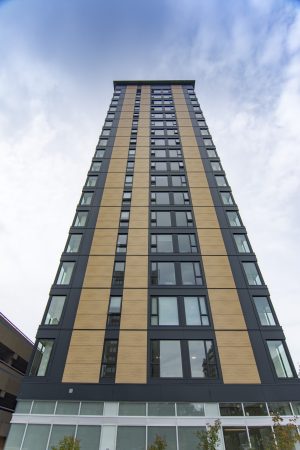 There may have been dissension surrounding the Morris Street bikeway, but the Halifax mayor and regional council found common ground with mass timber. Mayor Andy Fillmore tabled a motion at Tuesday’s council meeting to direct the chief administrative officer to prepare a staff report that, with changes to land-use bylaws and amendments to a municipal planning strategy, would knock down barriers to mass timber construction to help expedite housing builds. That would include the potential to increase the height of built-form requirements from 10 to 12 storeys for mass timber construction. The motion passed unanimously. “The principal reason (for supporting the mayor’s motion) is that this unlocks some newfound potential in local supply,” Coun. Jean St-Amand (Bedford-Wentworth) said. “I think that’s something that can have a very positive impact to the acceleration of our ability and our capacity to build.


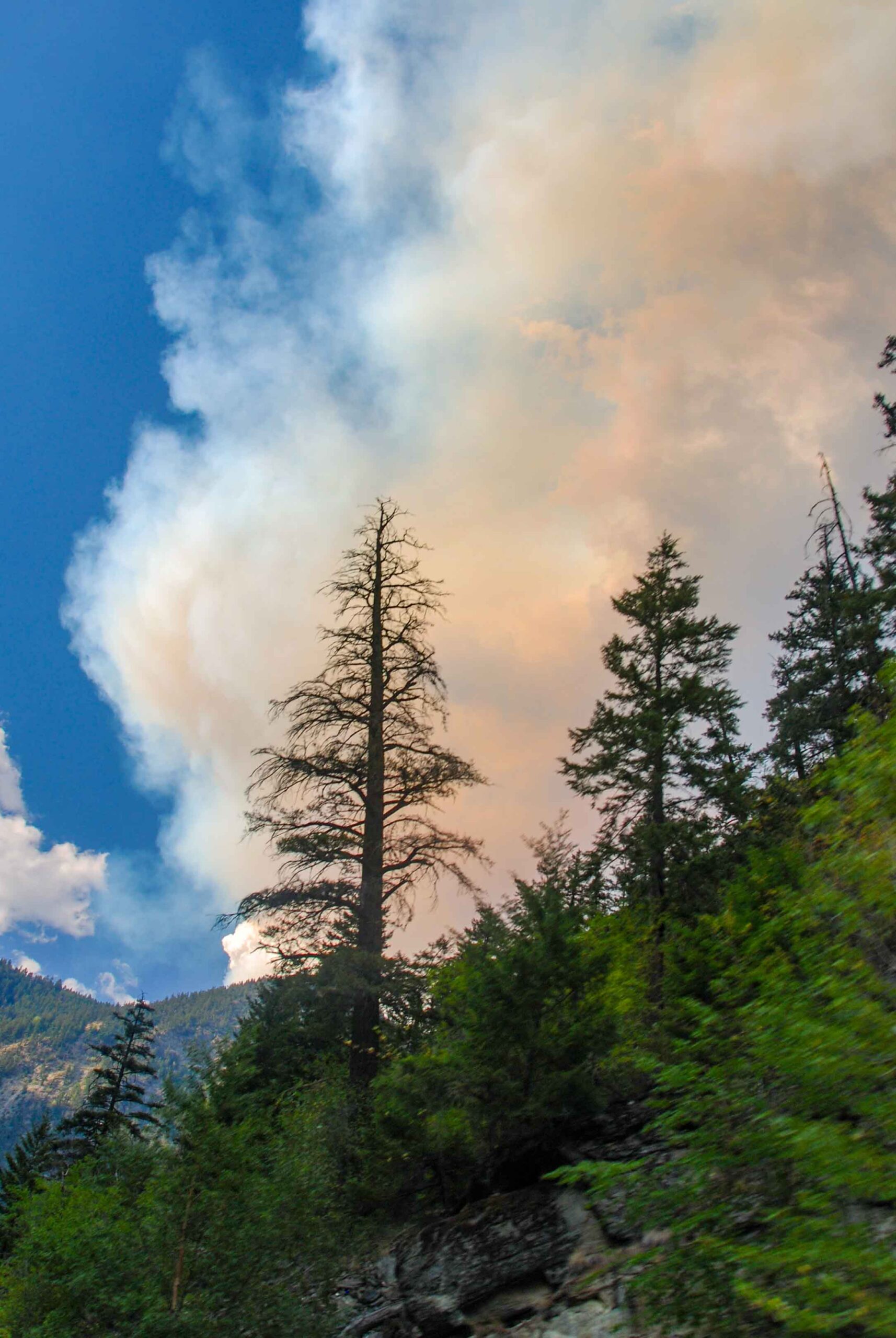


 TORONTO — Canada’s 2025 wildfire season is now the second-worst on record. The latest figures posted by the Canadian Interagency Forest Fire Centre suggest the fires have torn through 72,000 square kilometres, an area roughly the size of New Brunswick.That surpasses the next worst season in 1989 and is about half the area burned during the record-setting 2023 season, according to a federal database of wildfire seasons dating back to 1972. Climate change, driven by the burning of fossil fuels, has made Canada’s fire season longer and more intense, scientists say. The last three fire seasons are all in the 10 worst on record. “We really need to do a lot more to manage our forest, to reduce the impact of climate change and better prepare the communities that are at risk,” said Anabela Bonada, managing director of climate science at the Intact Centre on Climate Adaptation at the University of Waterloo.
 With wildfires forcing evacuations from Vancouver Island on the Pacific Coast to Newfoundland in the North Atlantic, Canadian officials were mustering additional resources on Thursday to help provinces cope with the blazes and the disruption. Eleanor Olszewski, Canada’s emergency management minister, announced on social media Thursday morning that the armed forces and the Coast Guard would assist the island province of Newfoundland in fighting blazes. Three out-of-control fires forced the evacuation of 900 people in the province on Thursday. Some provinces have moved this week to limit activities like hiking that could spark additional blazes, with forecasts indicating it is unlikely that sufficient rain would fall in regions plagued by out-of-control fires. Canada’s national fire threat level has been at 5, the highest danger rating, since late May. About 7.1 million hectares, or 27,000 square miles, of forest have burned so far this season in the country. [to access the full story a NY Times subscription is required]
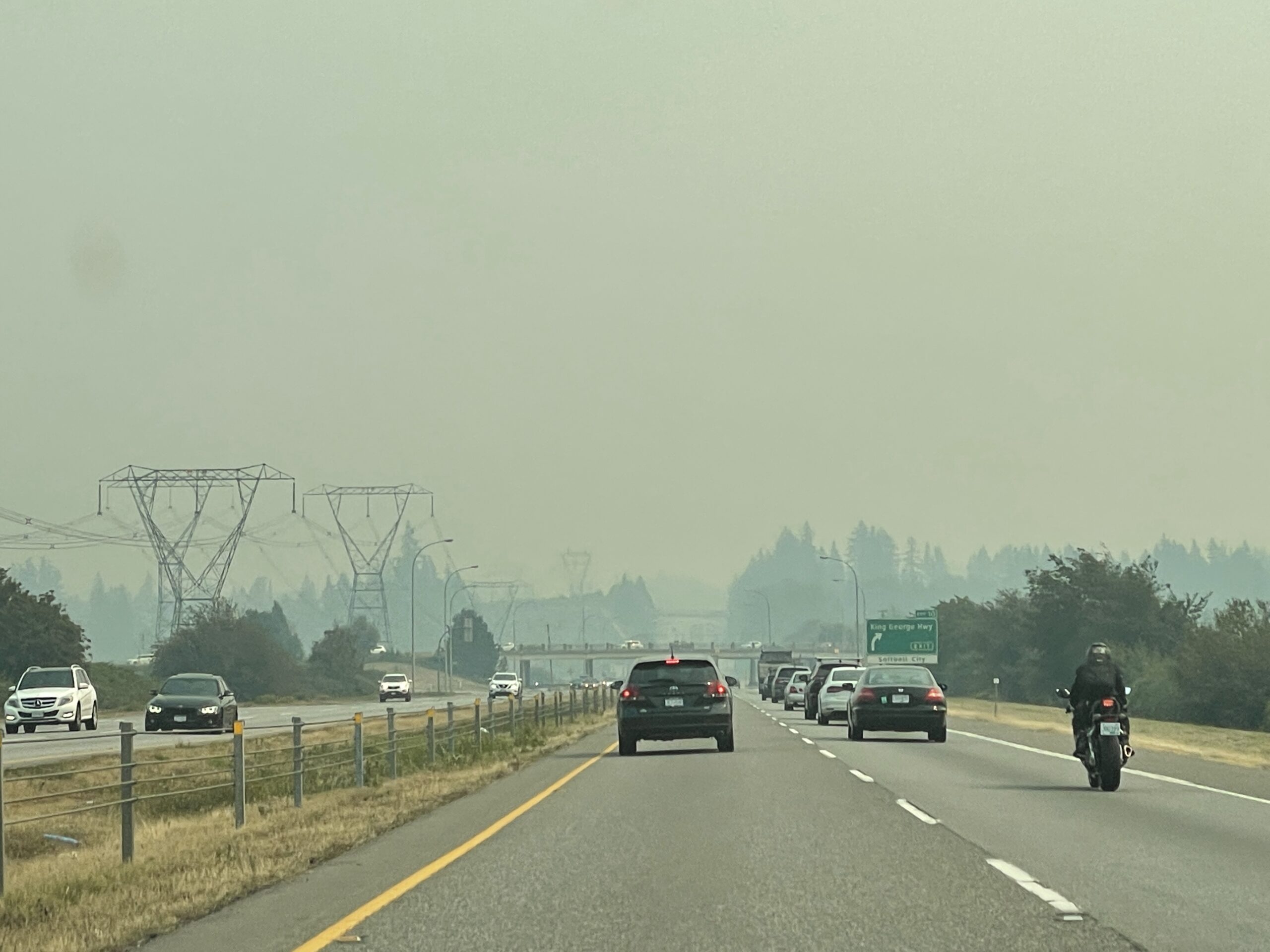 Growing up in the Greater Toronto Area, smog days were par for the course. …We’ve traded our smog days for smoke days. …Improving wildfire response should be an imperative of Prime Minister Mark Carney and his newly formed government. …Wildfires will burn no matter how many waterbombers Canada has, but there is no question there would be fewer homes destroyed, less First Nations forced to evacuate and fewer air quality alerts issued if Saskatchewan had 600 aircraft in action right now, rather than six. …Let’s turn this whole country into a waterbomber assembly line. The demand isn’t going anywhere — domestically or internationally. …In the meantime, the federal government needs to ramp up funding transfers to the provinces for wildfire fighter and pilot training programs and equipment purchases. …Getting forest fires under control is also an act of sovereignty.
  Castlegar sawmill and mass timber producer Kalesnikoff Lumber received a mention from Prime Minister Mark Carney on Aug. 5 during a visit to Kelowna. Carney was talking about his government’s Build Canada Homes initiative when he brought up Kalesnikoff’s innovations. The Build Canada Homes program prioritizes domestic materials in construction and requires companies contracting with the federal government to source Canadian lumber. It also calls for the use of Canadian technologies and resources in off-site construction of prefabricated and modular homes. “One example of the possibilities, just a few hours drive from here in Castlegar, Kalesnikoff Mass Timber recently opened its 100,000-square-foot mass timber prefabrication and modular facility – the first of its kind in North America,” said Carney. “They’re adding new products and services, including prefabricated wall panels, mass timber modules, and trusses designed and manufactured for construction efficiency.”
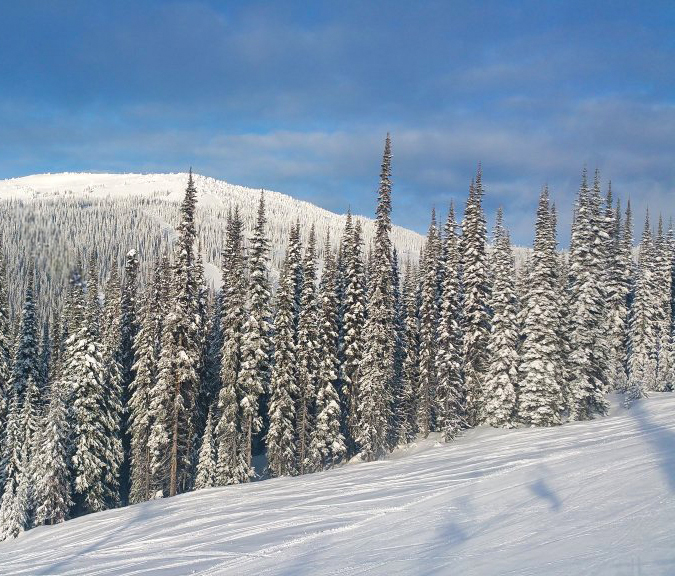 One of Revelstoke’s most popular mountains for Nordic skiing and cycling has reappeared on the map for B.C.’s lumber licensee, raising questions of how recreationists’ favourite routes could be impacted. Within the last year, BC Timber Sales (BCTS) issued a Forestry Operations Map outlining plans for Mount MacPherson, home to the Revelstoke Nordic Ski Club (RNSC) and various Revelstoke Cycling Association trails. Currently, several dozen hectares in the Wetask-Mt. MacPherson area are licensed for cut blocks, while several hectares more are mapped for retention areas and roads. …Operations are indicated to run until 2027, and all six cut block licenses have a planned development date of last Jan. 15. In a statement the Ministry of Forests said one of its recent licences was auctioned last spring and will be harvested this fall or winter. Another licence currently sits in the development stage, slated for auction next summer.


 Above average spending on Yukon wildfires is in the forecast due to rising costs of fuel, aircraft, vehicles, food and fire retardant, Yukon wildfire officials told reporters during a July 30 briefing. Officials indicated more spending doesn’t necessarily mean more fires; it relates to higher costs in general. “The cost of fuel is going up. The cost of aircrafts are going up. The cost of vehicles is going up. Fire retardant, which we used over a million litres of, has almost doubled in price in the past several years. Food for catering, for feeding all these crews. Obviously, the cost of food has gone up,” director of Yukon Wildland Fire Management Devin Bailey said at the mid-season briefing. “As everything gets more expensive, we’re going to see more expensive responses during fire season.”
 Gibsons council is renewing its push for stronger watershed protections and clearer oversight of forestry operations, following a staff report on
 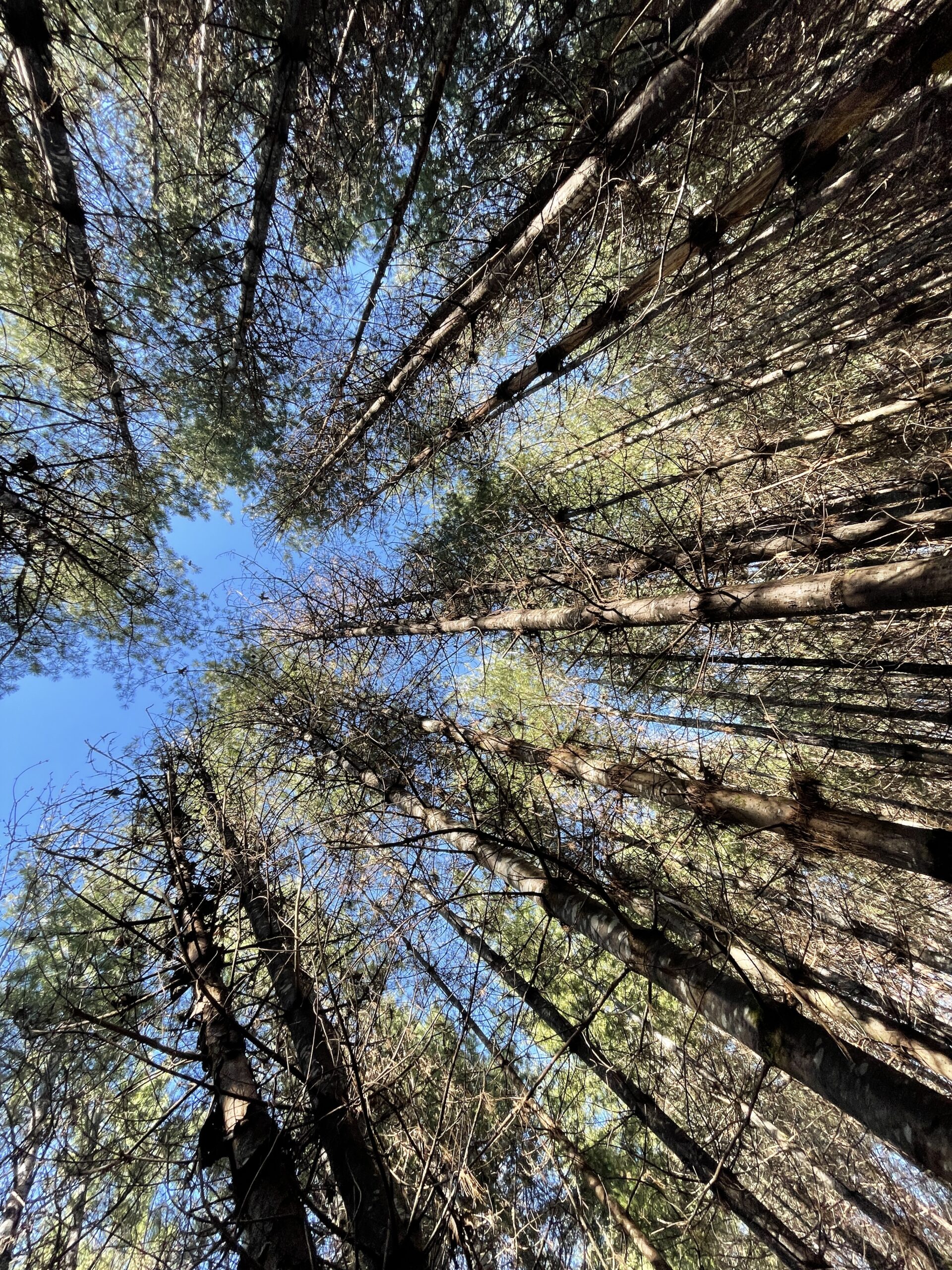 Worsening dry conditions across New Brunswick — which sparked a provincewide burn ban and led this week to an uncontrolled wildfire near Miramichi — have prompted the provincial government to impose restrictions on some industrial activities in forested areas. The Department of Natural Resources said in a news release Friday that some forestry operations would be banned for the next several days given the high risk of another wildfire. …From midnight on Aug. 8 to midnight on Aug. 12, harvesting, forwarding, skidding, scarification, chipping and all pre-commercial thinning and cleaning are all banned. That restriction applies to all forestry on both Crown and private lands. Trucking, road construction and maintenance, vegetation management and tree planting are allowed to continue. …Except for the possibility of a shower Saturday afternoon in northern New Brunswick, the province could see at least six more days of dry, hot weather, according to Environment Canada forecasts.

 MIRAMICHI, New Brunswick — In response to the increased wildfire risk, some forestry operations in New Brunswick will be restricted over the next couple of days. A release from the province’s Department of Natural Resources says the move is to protect both the forests and people living in the province. On Friday, the natural resources minister said in the release the restrictions will be on both Crown and private lands. “These measures will help protect our forests, animals, natural habitats and our communities, as well as our wildland fire crews,” John Herron said. As of midnight Friday, harvesting, forwarding, skidding, scarification, chipping and all pre-commercial thinning and cleaning are restricted until Tuesday. However, trucking, road construction and maintenance, vegetation management and tree planting are still getting the green light. These restrictions apply to all forested lands in the province, both private and Crown.
 Fostering inclusive economic development and ensuring that local communities, including Indigenous partners, benefit from these opportunities are key priorities for the Government of Canada. Today, Claude Guay, Parliamentary Secretary to the Minister of Energy and Natural Resources, concluded a two-day tour of Northern Quebec, where he highlighted the importance of Quebec’s mining and forest sectors in building Canada’s supply chains and export opportunities, creating good jobs, and strengthening reconciliation… Parliamentary Secretary Guay concluded the trip with a visit to Les Chantiers Chibougamau’s Kraft Pulp Mill in Lebel-sur-Quevillon and their head manufacturing plant in Chibougamau. These sites are key examples of Quebec’s forest sector excellence and innovation in modernizing the industry, accelerating affordable housing and promoting green construction using value-added Canadian wood-based products.
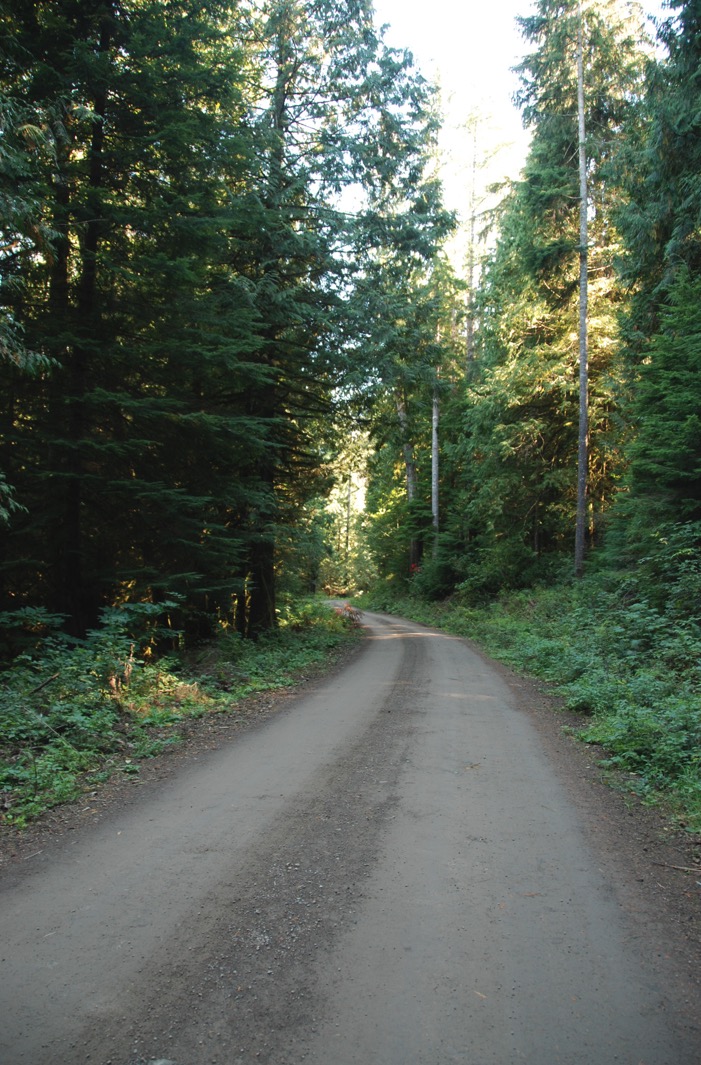 Pointing to several recent closures that caused major traffic disruptions on Highway 97, Okanagan MPs and MLAs are urging the provincial and federal governments to work together on a solution. The group of six politicians gathered outside Okanagan Lake West-South Kelowna MP Dan Albas’ office on Tuesday (Aug. 12) to offer their own idea — pave 201 Forest Service Road (201 FSR) between Kelowna and Penticton so it can be used during emergency closures of Highway 97. “People are going to be taking that road, as we’ve seen reported by local journalists, and they’re getting lost,” Albas pointed out. “So this is going to happen whether or not the federal and provincial governments decide to act, but we can’t tolerate that.” The 201 FSR is a long and winding route that many Okanagan residents use during extended closures of Highway 97.
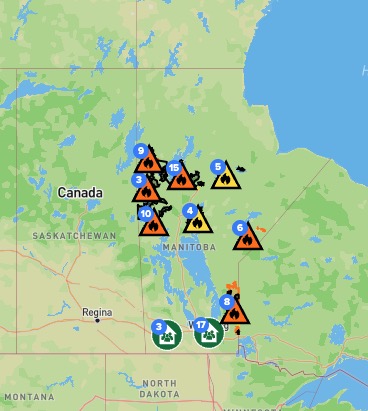 Rapidly growing wildfires in several provinces forced thousands of people from their homes and prompted air-quality warnings in cities thousands of kilometres away, while hot and dry conditions had other areas on high alert, including Nova Scotia, where the government banned most summertime activities in wooded areas. The deteriorating conditions have added up to a wildfire season that is on track to be one of Canada’s worst on record in terms of area burned, second only to 2023. As of Tuesday, at least 15,000 people were under evacuation orders in Manitoba, largely in the province’s north, while fires on Newfoundland and Labrador’s Avalon Peninsula had forced around 600 people from their homes. Across the country, more than 760 wildfires are burning, at least 205 of them deemed out of control. About 6.8 million hectares of land have burned so far this year.
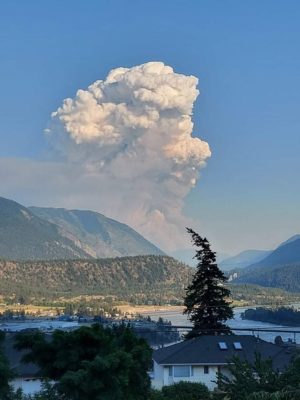 Hundreds of residents who were forced out of their homes by a wildfire burning near Cameron Lake on Vancouver Island are being allowed to return. The Regional District of Nanaimo (RDN) has posted an update removing 257 properties from its evacuation order, although residents remain on alert and must be ready to leave right away. The district said 37 properties in Little Qualicum River Village remain under evacuation order due to the six-square-kilometre wildfire that is now classified as being held. The B.C. Wildfire Service updated the status of the Wesley Ridge blaze, burning about 60 kilometres northwest of Nanaimo, saying it’s not expected to grow beyond its existing containment lines. An update from the wildfire service on Monday said the Wesley Ridge fire did not grow Sunday and was displaying mostly rank-one fire behaviour, a “smouldering ground fire with no open flame.”
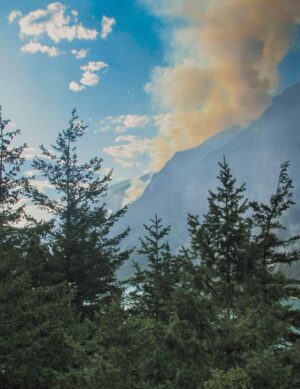 VICTORIA — BC Wildfire Service said an out-of-control wildfire burning on Vancouver Island near Cameron Lake could generate smoke for the “coming weeks, and potentially the coming months.” The warning appears in a video that BCWS posted Sunday as part of a larger update on the Wesley Ridge wildfire. “The public will be seeing smoke at the height of land here on Wesley Ridge for the coming weeks, and potentially, the coming months,” said operations sections chief Beau Michaud while seen standing on a temporary helicopter landing pad fashioned out of logs. But Michaud added that he does not expect the fire to impact Highway 4 connecting communities along the western shore of Vancouver Island with communities on the eastern shore.
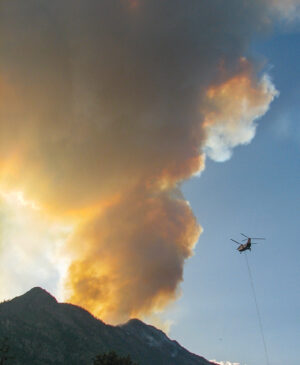 Forest Minister Ravi Parmar told reporters on Wednesday (Aug. 6) that in the past week, roughly 70,000 lightning strikes have hit B.C., leading to a “sudden increase” in fire activity. He also said that the B.C. Wildfire Service has largely been able to keep the fires from spreading. So far this season, more than 850 wildfires have sparked in B.C, but the province has kept 85 per cent of them smaller than four hectares, and only 120 were active on Aug. 6. As of Aug. 11 last year, there had been more than 1,300 fires, with almost 400 still active on that date. The only current “wildfire of note” is the Wesley Ridge fire on Vancouver Island. The fire is at Cameron Lake, between Parksville and Port Alberni, and is 530 hectares in size. Evacuation orders are in place for 400 homes, and 700 more are on evacuation alert.


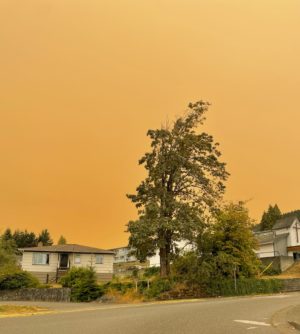 The air quality has finally improved after several days of wildfire smoke hanging over much of southern Quebec. Montreal, along with several other cities in the province, were dealt an air quality advisory starting Saturday and clearing up Monday evening. But this year, the smoke causing the poor air quality isn’t coming from within the province but rather from the fires raging in the Prairies. While Quebec is seeing a rather tame wildfire season, this year is still gearing up to be another intense season for other parts of Canada. So far, 2025 has seen wildfires consume 6.5 million hectares. Last year the number totalled 5.3 million, and in 2023 — Canada’s worst wildfire season on record — a little over 16 million hectares burned. “The thing that is quite exceptional right now is that we had three years in a row with very, very high fire activity in Canada,” said Boulanger. The three most active fire seasons since 1995 have been recorded between 2023 and 2025, he said.