Breaking News: The US Department of Commerce today announced the final anti-dumping duty rate of 20.56% in the sixth annual antidumping review of unfairly traded Canadian softwood lumber imports into the United States.
 The Forest Stewardship Council lifted its suspension of Asia Pulp & Paper in the interest of speedy redress—to Greenpeace’s dismay. In other Business news: Kruger plans a $700M modernization of its Corner Brook mill; Northern Pulp’s cleanup plan is still pending; Port Angeles demands a full cleanup of Rayonier mill site; UPM to curtail paper production due to overcapacity; Weyerhaeuser posts lower Q2, 2025 earnings; the US plans to continue investigating hardwood plywood imports; and the USDA draws criticism for relocating DC staff. Meanwhile: Ontario invests in forest biomass; and the Wood Flooring Association has a new CEO.
In Forestry/Wildfire news: BC’s Forest Practices Board released its annual report; West Fraser and Lake Babine Nation celebrate a new tenure; Ben Parfitt on the fibre challenge faced by BC’s value-added mills; a blockade highlights Quebec’s Indigenous consultation gap; Thompson River University joins National wildfire resilience network; Washington state secures long-delayed wildfire funds; a study say US forest diversity continues to decline, the Fix Our Forests Act draws fire; and Congress moves to stop killing of barred owls.
Finally, West Fraser was justified in safety violation firing, and WorkSafeBC’s proposed regulatory amendments.
 As trade talks intensify between the US and Canada, those in the forest industry await what will happen with that long-term irritant of a trade file – softwood lumber. The US Lumber Coalition’s (USLC) July 2, 2025 press release, “
 BURNABY, BC – The United Steelworkers union (USW) District 3 and the USW Wood Council are calling on the federal government to take urgent action in response to the latest escalation in the softwood lumber trade dispute. …“This latest increase, along with other threatened tariffs, is yet another blow to workers, communities and the long-term sustainability of our industry,” said Scott Lunny, USW Western Canada Director. “We represent thousands of loggers and mill workers… and their families, are at risk – governments need to act now.” …“It’s a constant attack on our industry and our workforce from the US administration. ….In addition to calling for a deal on softwood lumber to be a priority for Canada in trade talks with the US. …“These duties are unfair and will only drive up housing costs for U.S. consumers, while putting thousands of Canadian jobs at risk,” said Jeff Bromley, USW Wood Council Chair.
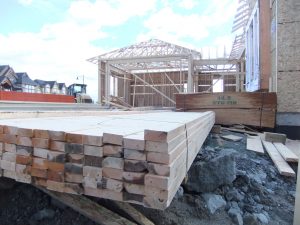 BC’s independent wood product makers say hundreds of small- and medium-sized manufacturers may be forced to shut down in light of the latest decision from the US to raise anti-dumping duties on Canadian softwood… [which] includes a requirement for Canadian companies to retroactively remit duties for products shipped to the US since Jan.1, 2023. Association chair Andy Rielly says that requirement could not only force small BC producers to shut down, but may also threaten operators’ personal assets as they may have to risk using their homes as collateral to secure bonds to pay. …Association executive director Brian Menzies describes independent wood product producers as “collateral damage” in the trade war.” …“We acquire logs and lumber at ‘arm’s length’ from various suppliers on the open market, just like claims made by members of the US Lumber Coalition, and yet our Canadian companies along with U.S. consumers must pay these unfair and costly duties.”


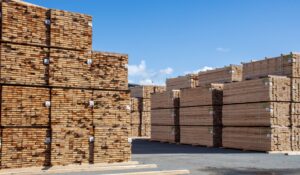 BC’s forestry sector would have been brought to its knees Friday by new American duties on Canadian softwood lumber, if it wasn’t already flat on its back from being hammered by years of provincial government policies. …But even before the new duties, B.C.’s forestry sector was in a crisis. Annual harvest volumes are down by tens of millions of cubic metres, lumber production and exports have shrunk dramatically, export revenues have fallen, thousands of jobs have been lost, and dozens of mills have been curtailed or shuttered. The industry has blamed various BC NDP policies, including new old-growth logging deferrals… and extraordinarily long permitting delays. …If New Democrats are serious about saving the industry from ruin, now would seem to be the time to shelve the never-ending reviews and actually do something. The government could spin a pivot to pro-forestry policies not as a retreat, but as a made-in-BC response to American trade aggression.

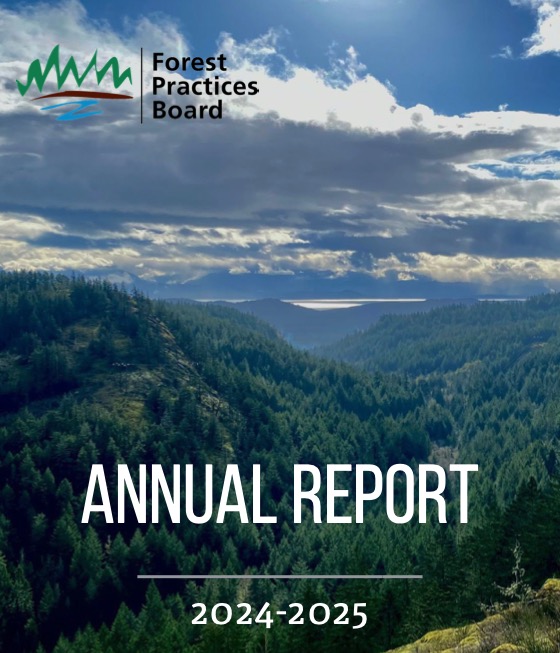 VICTORIA – The Forest Practices Board has released its 2024-25 annual report, highlighting nearly three decades of independent oversight and a continued commitment to sound forest and range practices throughout British Columbia. This year’s report reflects a sector in transition with growing pressures from climate change, wildfires and the need to modernize land management — all requiring strong oversight and innovative responses. Highlights include:
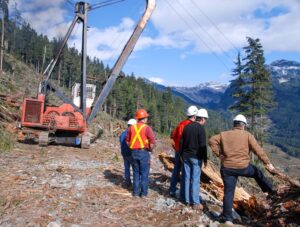 A cornerstone industry of northwestern Ontario is at risk, says a regional municipal group, with the decision by the U.S. Department of Commerce to raise anti-dumping duties on Canadian softwood lumber to 20.56 per cent. “Forestry is the economic lifeblood of communities across northwestern Ontario,” said Rick Dumas, president of the Northwestern Ontario Municipal Association (NOMA), in a July 28 statement. “This unjustified and protectionist action will have a direct and harmful impact on workers, families, Indigenous communities, and local economies throughout our region.” The provincial government called the U.S. commerce department’s decision to increase duties on Canadian softwood lumber exports an “unjust burden” on American consumers that will raise construction costs in the U.S., make homes less affordable, and negatively impact economic growth on both sides of the border. “We remain firm in our position that these duties should be lifted entirely, for the benefit of workers and families on both sides of the border.”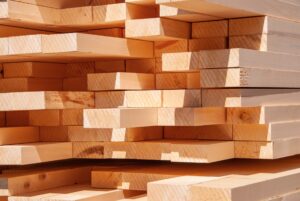
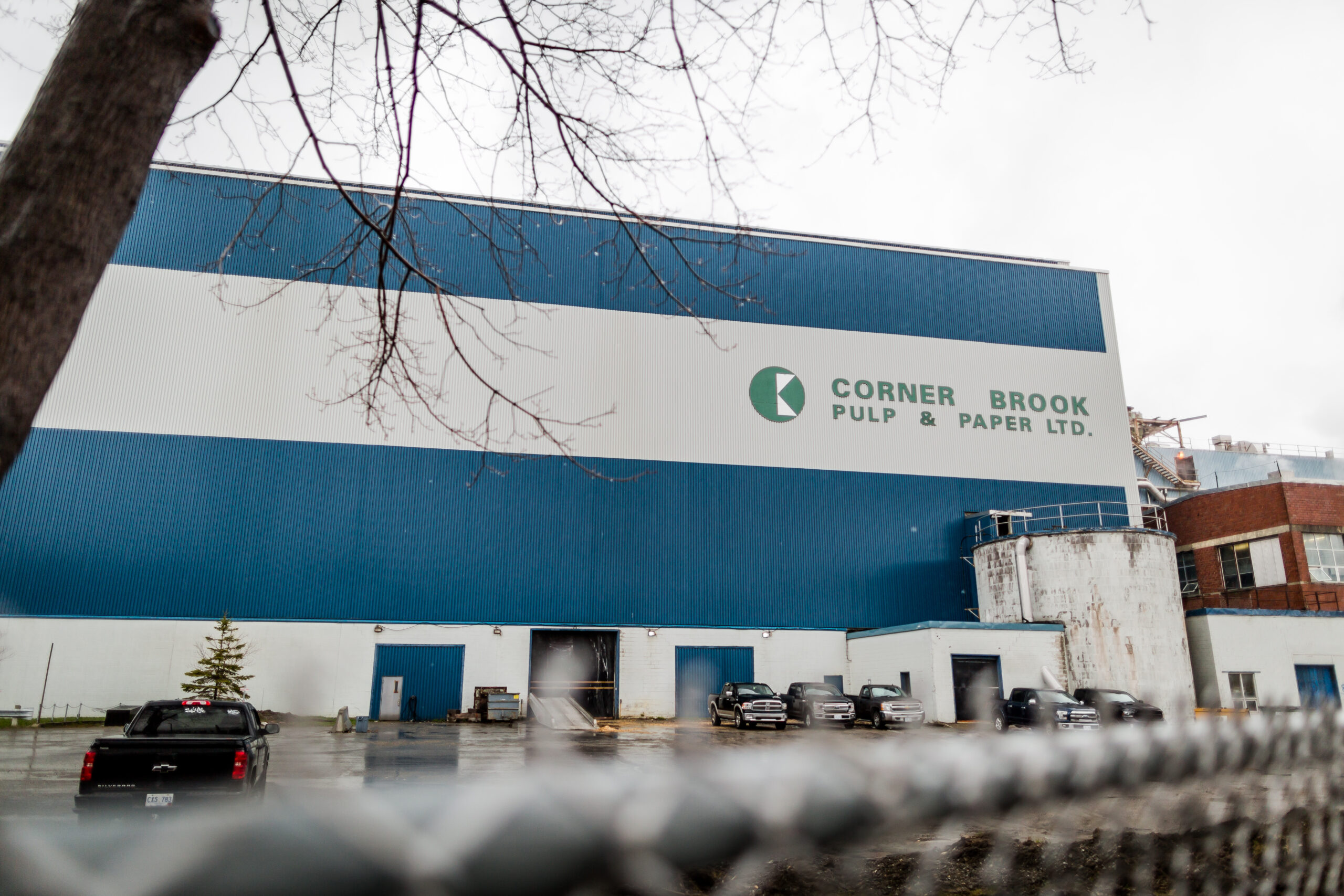
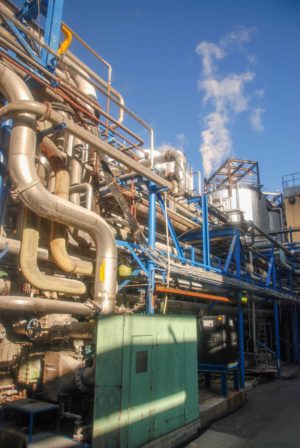 Northern Pulp is abandoning its plans in Nova Scotia, but the province is still counting on the company to decommission its old mill and clean up the site in Pictou County that was used for heavy industrial activity for more than half a century. Environment Minister Tim Halman says his department is waiting for the company to file a reclamation plan. …Northern Pulp had been pursuing a new mill in Liverpool, and had said it would maintain the old mill for “potential logistics operations.” But the plan for a new mill was abandoned earlier this month. In a settlement agreement, Northern Pulp agreed to pay up to $15 million to the province for the mill’s closure and any necessary cleanup. …(However), it must first pay off hundreds of millions of dollars owed to its creditors as part of an insolvency process being handled in a BC court.
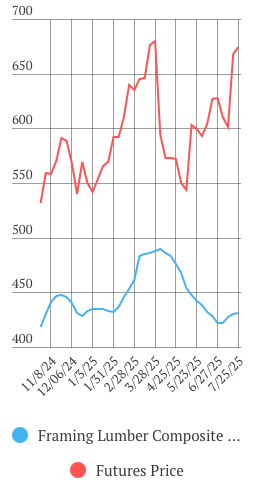 The U.S. Commerce Department has announced it is nearly tripling its anti-dumping duties on Canadian lumber imports from 7.66% to 20.56% following its annual review of existing tariffs. The anti-dumping duties are in addition to current countervailing duties set at 6.74%, which would bring the total lumber duties above 27%. However, the countervailing duty rate is expected to move higher on Aug. 8. Commerce issued a preliminary determination on countervailing duties earlier this year that would raise the countervailing duty rate to 14.38%. Moreover, President Trump’s Section 232 [investigation] could result in higher lumber tariffs. …For years, NAHB has been leading the fight against lumber tariffs because of their detrimental effect on housing affordability. In effect, the lumber tariffs act as a tax on American builders, home buyers and consumers. …We are also urging the administration to move immediately to enter into negotiations with Canada on a new softwood lumber agreement that will… eliminate tariffs altogether.
 The US Lumber Coalition (USLC) has aggressively promoted strong enforcement of US trade laws and railed against “unfair Canadian trade practices.” …The USLC’s arguments have been challenged by a pair of Canadian independent consultants — Russ Taylor Global and Spar Tree Group:
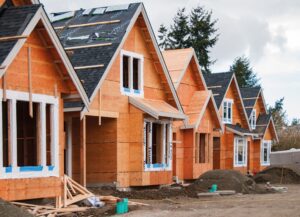 OTTAWA—Home buyers and builders in Canada are in retreat, adding to the woes of an economy struggling under the weight of President Trump’s tariffs. Housing helped spur growth in Canada just prior to, and after the worst of, the Covid-19 pandemic. …Data this month indicated existing-home sales climbed modestly for three straight months as of June. But economists and real estate agents are far from convinced it signals recovery after a tariff-fueled slowdown. They note the sales rebound was the result of sellers cutting their listing price. Housing affordability remains stretched in Canada, according to the Bank of Canada data. …For builders, prices for new homes are failing to cover higher costs for labor, loans and taxes and fees set at the municipal level. The Canadian Home Builders’ Association said its own confidence index is at historically pessimistic levels. [to access the full story a WSJ subscription is required]
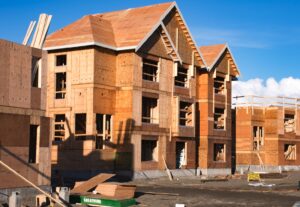 As a tariff storm blew in from south of the border earlier this year, many industries in Canada, including the home building sector, feared the unknown ahead of them. With stakeholders already keenly aware of the need to rapidly scale up housing supply and improve Canada’s housing affordability gap, blanket tariffs and more targeted material-specific levies meant additional unwelcome obstacles to overcome. That included a potential need to slow down the pace of construction as supply chains shifted and key construction parts became more expensive. …About six months after US President Trump’s return to the White House, many in the home construction sector say unpredictability persists around the cost and timing of obtaining the materials they need. For Geranium Homes, a residential developer in southern Ontario, that’s meant having to pivot on the fly when it comes to the supply chains it’s long relied on.
 Canada is home to nearly 347 million hectares of forest, which account for about 9% of the world’s forests. As I travel this week across the northern boreal to visit mill and woodlands employees and local community leaders, I’m reminded of the vastness of our forests, the 200,000 direct jobs and families that rely upon them, and how the resilience of those workers is part of both an ever-evolving story and my sense of self as a Canadian. Our connection to our forests has also informed our role in the world beyond commerce, and beyond symbols. …As we endure another devastating wildfire season across Canada, there is more discussion at the community level about turning to more active forest management as a solution. …In a world in which Canada’s exportable natural assets are being besieged by avoidable uncertainty, Canada’s forests are our most sustainable, renewable resource. …To me, being Canadian means having a privileged relationship with nature, especially with our trees and forests.
 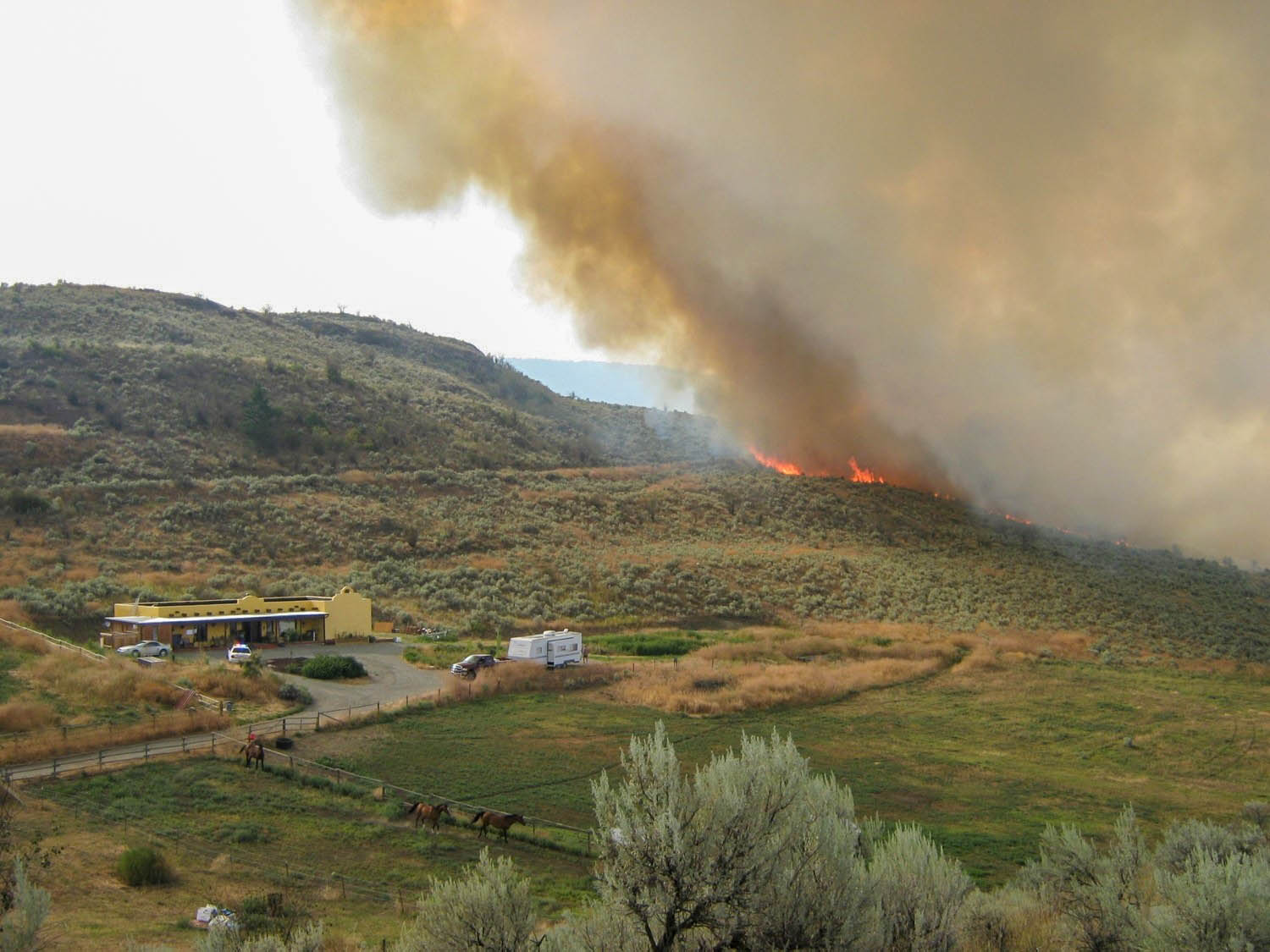 A recent report out of British Columbia suggests using beneficial fires to build wildfire resilience. In the Yukon, that idea is not new — but finding a way to reap the benefits of fire while preventing devastation is a delicate balancing act. …the


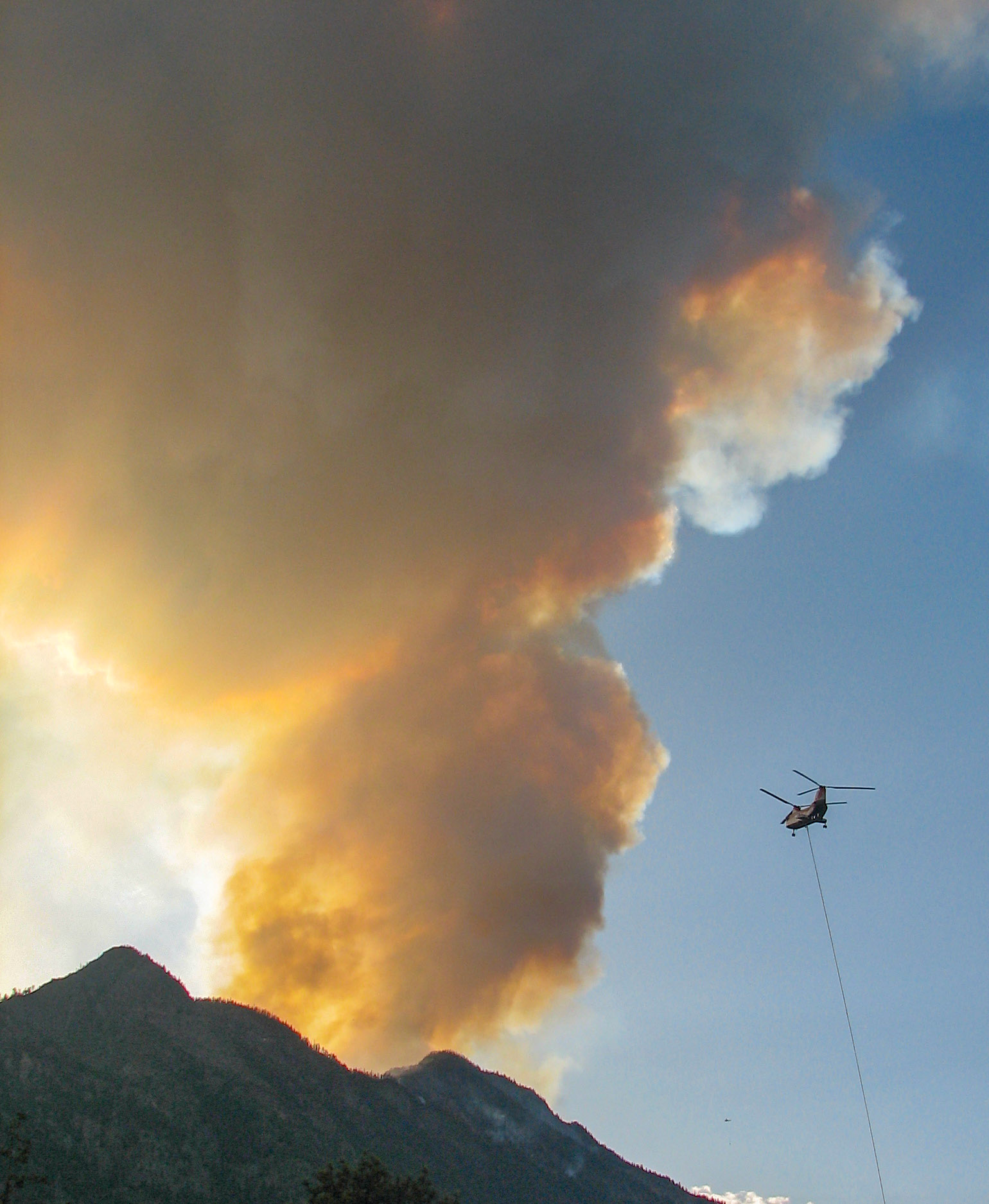 …The National Film Board–produced Incandescence is just one of several documentaries either released this year or currently in production that speak to the province’s new reality and the urgency of the climate crisis that’s fuelled it. This spring, B.C.’s Knowledge Network released a five-part docuseries called Wildfire, about BC Wildfire Service firefighters and the on-the-ground reality of their work. A third crowdfunded documentary, BC is Burning, recently finished production and had its first community screenings in the Okanagan in June. The appearance of these films feels especially timely, and speaks to deeper trends around documentary as a storytelling tool in times of social or ecological crisis. “Environmental documentaries have kind of come in waves that are often in response to policy,” says Chelsea Birks, the learning and outreach director at Vancouver’s The Cinematheque and a film studies lecturer at the University of British Columbia. She says climate change is not an easy subject to capture.
 VANCOUVER, BC — West Fraser Timber and the Lake Babine Nation Forestry Limited Partnership (LBN Forestry) welcomed the
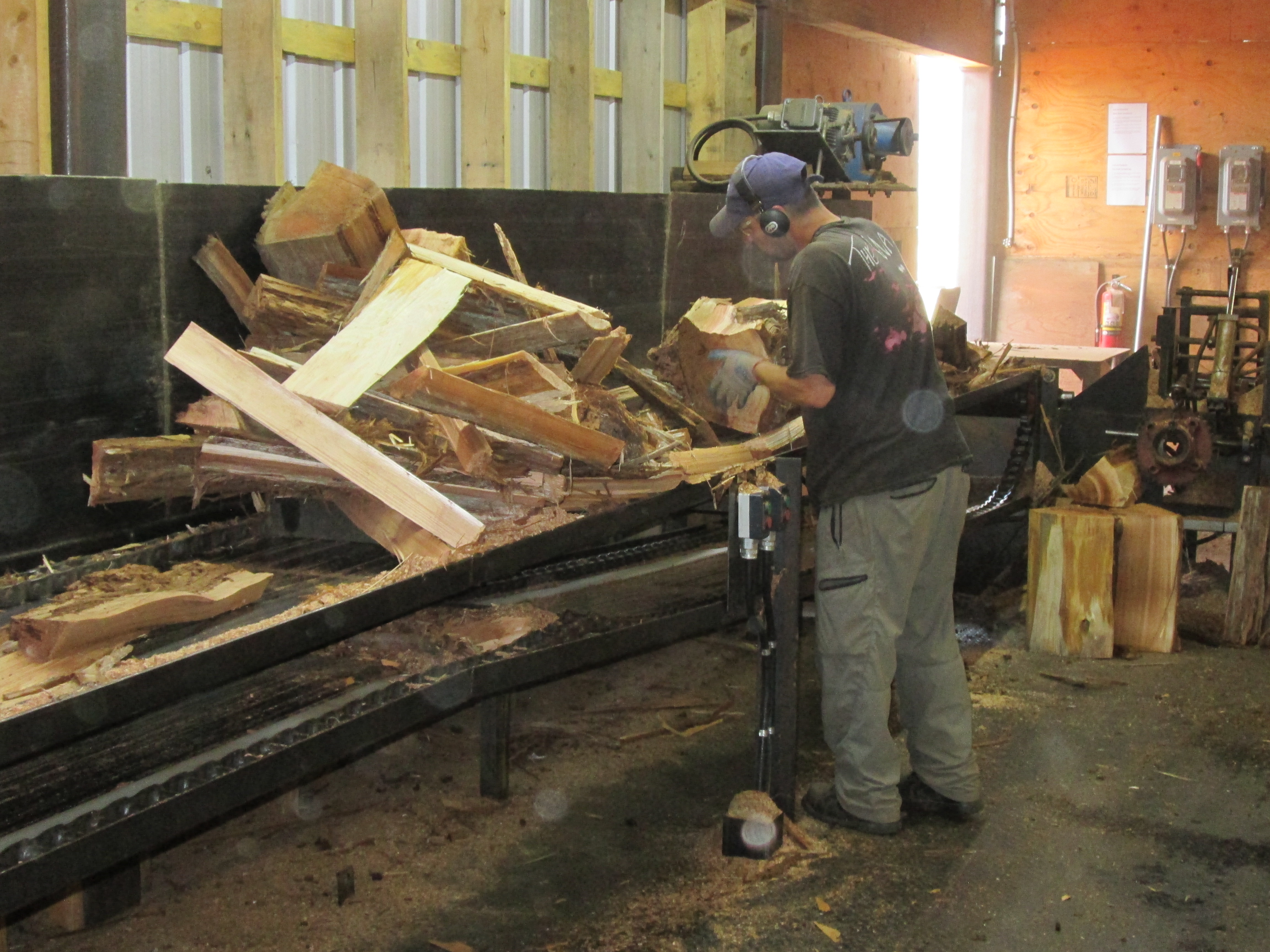


 THUNDER BAY — The Government of Ontario is protecting workers and jobs in the forest sector by investing over $6.2 million in research, innovation and modernization projects in Northwestern Ontario. As part of the government’s plan to protect Ontario, the investments from the Forest Biomass Program will boost Ontario’s forest sector’s competitive advantage by creating new jobs, increasing productivity and opening up opportunities for new revenue streams in new markets for underused wood and mill by-products, known as forest biomass. …Ontario’s investment is supporting
  100 MILE HOUSE, BC — West Fraser Mills (WFM) had just cause to fire a worker who violated a safety policy on May 13, 2024, and tried to minimize the risk involved,
  WorkSafeBC is holding a virtual public hearing on proposed amendments to the Occupational Health and Safety Regulation. The virtual public hearing will be streamed live on September 24, 2025, in two sessions. The first will take place from 11 a.m. to 1 p.m. and the second from 3 to 5 p.m. Further information on how to view or participate in the virtual public hearing will be provided closer to the hearing date. These details will be posted on