 With roughly 2,000 wildfires in B.C. each year, forestry workers are often operating in or near fire-affected areas. It’s up to employers to ensure their crews are properly trained and prepared to recognize the risks and respond safely. …Employers are responsible for identifying hazards, assessing risks, and ensuring effective controls are in place — along with providing training, supervision, and fit-for-use equipment.
“The key is planning,” says Budd Phillips, Prevention Field Services Manager at WorkSafeBC. “Employers must not only put the right controls in place but also ensure they’re working and adjust them when needed. This process is most effective when workers are properly supervised and actively involved.” …Employers should also monitor air quality levels and adjust work practices or reschedule outdoor work, if necessary, to minimize exposure. One useful tool is the IATSE Local 891 wildfire smoke exposure app, developed to help employers and workers assess air quality risk levels and develop exposure control plans. The app pulls data from local air quality monitoring stations and is used by WorkSafeBC to support field officers in assessing potential smoke exposure.
In 2025, WorkSafeBC inspections focus on smoke exposure, heat stress, danger tree management, and evacuation readiness, in collaboration with the BC Wildfire Service and Ministry of Forests. Resources include the B.C. Wildfire Service app and WorkSafeBC’s FAQ page on wildfire smoke.
 In celebration of Canada Day, the Tree Frog News team is taking a short break on Monday. We’ll return to our lily pad bright and early Wednesday morning with your full dose of forestry news and insight.
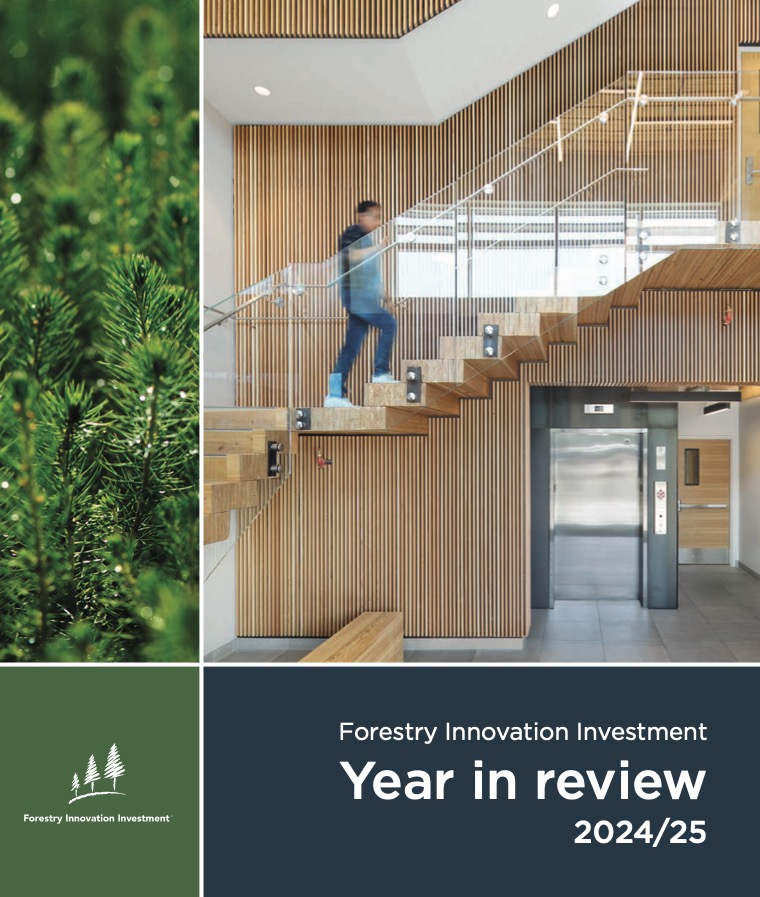 Forestry Innovation Investment (FII) is proud to share our “Year in Review”, a compilation of market development activities completed by FII and our many industry, association, government, academic, and research partners over the past year. Throughout 2024/25, B.C.’s forest sector faced significant headwinds, as difficult industry and market dynamics were compounded by trade threats. Despite these ongoing challenges, the forest sector continues to play a vital role in B.C.’s economy and remains a key global supplier of sustainable forest products and advanced wood building systems. To support a resilient forest economy, FII and its partners are actively working to diversify markets for B.C. forest products both domestically and internationally—a goal that has become increasingly important amid current trade uncertainty. Our commitment to a collaborative delivery approach means we build on the strengths and shared resources that other organizations bring to this important work.
 A
A 
 The second Trump administration has come out swinging on trade. New tariffs have reignited uncertainty across global supply chains and forced America’s economic allies to find ways of placating the White House. For Canada and Mexico, Washington’s partners in Trump’s U.S.-Mexico-Canada Agreement, this has been a stark reminder of how easily trust can erode, even in the most integrated trade relationship in the world. …In terms of trade, the stakes could not be higher: Mexico and Canada are the United States’ no.1 and no. 2 trading partners. But the partners don’t just trade enormous amounts with each other; they build things together. Therefore, the review process is also a chance to modernize North America’s trade architecture, reinforce strategic industries, and rebuild the foundations of regional trust and cooperation. America’s competitiveness depends heavily on the integrated North American manufacturing platform, and thus on the success of Mexico and Canada, its partners.
 Domtar (formerly Paper Excellence) has signed a purchase agreement with Cranberry Business Park Ltd. for the sale of the remaining half of its lands at the former Tis’kwat paper mill site in Powell River. “We are looking forward to contributing to the economic future of Powell River and the region,” stated Craig Austin and Thomas Ligocki, from Cranberry Business Park Ltd., in a media release. “With waterfront access and abundant energy sources, this site has so much potential. We are proud to be part of the revitalization of the city’s Historic Townsite, alongside our neighbour at Tis’kwat, the Tla’amin Nation.” “It was a priority for Domtar to find a buyer who would ensure that the lands continue to generate jobs and economic benefit for the broader community well into the future,” stated Carlo Dal Monte, vice-president, Domtar Legacy Assets.
 MACKENZIE — The District of Mackenzie has seen challenges in recent years with a downturn in British Columbia’s forestry industry, but Mayor Joan Atkinson said that diversifying into other industries has made a big impact on her community. … “We suffered a huge loss in taxation from 2024 to 2025 as a result of the closure of two large industrial facilities, but this community has always been resilient,” said Atkinson. …Canfor said it was indefinitely curtailing activity at its Mackenzie sawmill in July 2019. … Paper Excellence permanently shuttered its Mackenzie pulp mill in April 2021. Atkinson noted two factors that have helped the local forestry industry. The first was Forests Minister Ravi Parmar announcing a change in an appraisal system that makes it more economically viable for companies to operate in Northern BC. The second is ownership of nearby timber supply areas by First Nations.


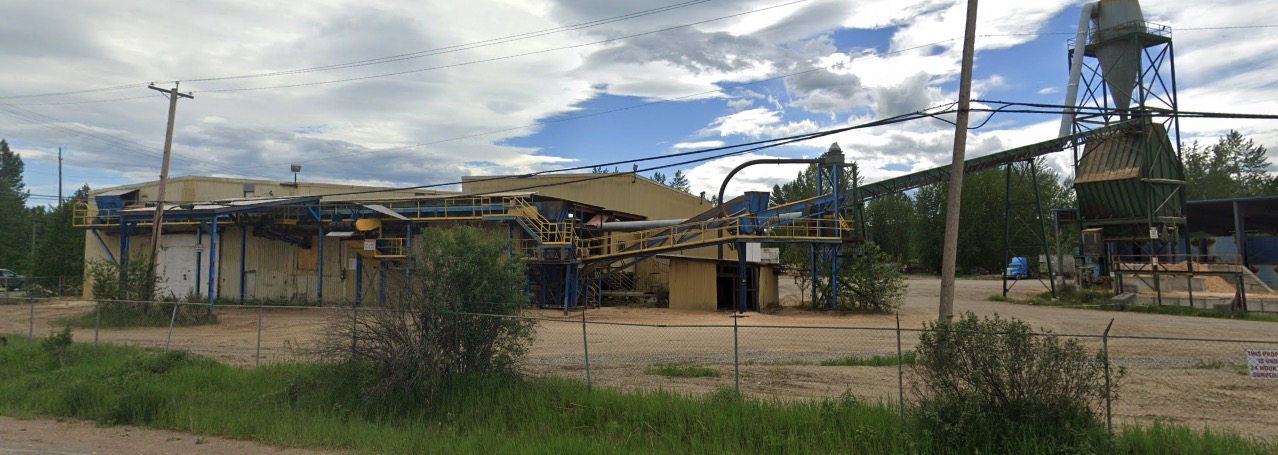 The East Fraser Fibre mill in Quesnel was on fire Saturday, June 21, closing a stretch of Highway 97 at the intersection with Quesnel-Hixon Road. Firefighters from multiple departments including Quesnel Volunteer Fire Department (QVFD), Ten Mile Volunteer Fire Department and Barlow Creek Volunteer Fire Department responded to the blaze. “On arrival we had heavy smoke and flames exiting the roof of the building,” said QVFD chief Ron Richert. “Crews were on scene for almost 12 hours, until seven o’clock in the morning.” Crews were also called back to the East Fraser Fibre building to manage hot spots, where small fires in some areas of the building or grass outside flared up. Richert said the building is now clear of fibre but it is still under investigation.
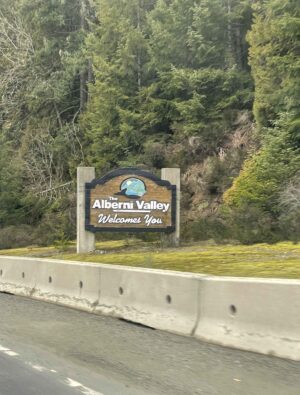 Two industrial properties in the Alberni Valley that were shuttered when San Group declared bankruptcy last year have been sold. The Coulson Mill, located a few kilometres up the Alberni Inlet, has been purchased for an undisclosed amount by Fraserview, a Surrey company that has been producing manufactured wood products since 1994. The remanufacturing plant on Stamp Avenue has been sold to a numbered company, 037BC, which will in turn lease the premises to IGV Housing Ltd. This company, from Ucluelet, specializes in manufacturing scalable and sustainable housing using a hybrid construction system, according to court documents. The company intends to “revitalize the…plant as a central hub for prefabrication and production of affordable housing.” Again, the purchase price was not disclosed. The closing date for the reman plant purchase will be before June 30, 2025.


 VANCOUVER, BC – Canfor announced today its decision to permanently close the Estill and Darlington sawmills in South Carolina, effective August 2025. These closures follow an extended period of persistently weak market conditions and sustained financial losses, which have made continued operations at these facilities no longer viable. “We understand the significant impact this difficult decision will have on our employees,” said Lee Goodloe, President, Canfor Southern Pine. “This outcome is in no way a reflection of the dedication and hard work of our teams. We are committed to supporting our employees through this transition, including providing severance payments and exploring opportunities for redeployment within our other operations where possible.” Approximately 290 employees will be affected by the closures, which will also reduce Canfor’s U.S. lumber production capacity by 350 million board feet annually.
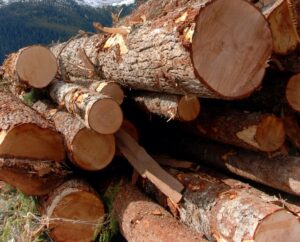 ONTARIO — A northern Ontario forestry company says a train crossing Highway 560 collided Wednesday morning with logs that were spilled by an overturned contractor’s trailer. It happened at the railroad crossing near Interfor’s Gogama Division and resulted in the road being closed between highways 144 and 560A. “There are no injuries or derailment,” Ontario Provincial Police said in a social media post at 8:40 a.m. “A train stop order is in place.” Interfor also confirmed this. …“At Interfor, the safety of our people and the communities where we operate is our highest priority. We are focused on supporting those affected and are actively monitoring the situation.” There is no estimated time of reopening, said OPP Const. Michelle Simard. “The officers are still investigating,” Simard said.
 A new Canada-US trade deal will likely carry forward the Canada-United States-Mexico Agreement tariff exemptions shielding most Canadian exports from American tariffs, says Deloitte Canada chief economist Dawn Desjardins. …US President Donald Trump has set July 9 as the deadline for countries to ink a trade deal in order to avoid his “Liberation Day” tariffs. For Canada, Prime Minister Mark Carney and Trump agreed on the sidelines of the recent G7 meeting in Alberta to strike a deal by July 21. “Our baseline view assumes that at a minimum, we continue to operate with our CUSMA carve-outs. “The sounds we’re hearing seem to be moving in the right direction. Obviously, I have no inside information. It’s just an assumption that we will not be severely hit by 25 per cent tariffs across the board.” …Deloitte Canada’s latest economic forecast, published on Wednesday, calls for a “modest recession” in the second and third quarters of the year.
 The annual pace of inflation held steady at 1.7% in May as cooling shelter costs helped tame price pressures, Statistics Canada said. Shelter costs rose three per cent in May, StatCan said, marking a slowdown from 3.4% in April. The agency singled out Ontario as the major source of rent relief in the country. …Mortgage interest costs meanwhile decelerated for the 21st consecutive month amid lower interest rates from the Bank of Canada. Economists had broadly expected inflation would remain unchanged heading into Tuesday. The removal of the consumer carbon price continues to drive down gasoline costs annually, StatCan said. …Inflation excluding tax changes – stripping out influences from the carbon price removal – was also steady at 2.3 per cent last month. …The central bank’s closely watched core inflation metrics meanwhile ticked down a tenth of a percentage point to three per cent in May.
 Lumber futures traded below $610 per thousand board feet, easing from two-month highs of $626 seen June 13th, driven by improving supply while demand slowed. This pullback reflects a temporary surge in supply as sawmills and wholesalers restocked early-season safety stocks, while builders delayed purchases after earlier buying . The decline also stems from softer demand: high mortgage rates continue to suppress new house builds and remodeling activity, with treaters and end-users scaling back orders. Although longer-term forecasts expect a pickup in Q3, driven by renewed tariff pressure and projected housing recovery, the current correction is supply-led, driven by modest restocking, seasonal slowdown, and rate-constrained construction spending. [END]›
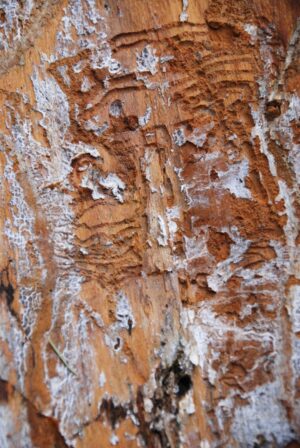 Most researchers today explore high-tech materials like carbon nanotubes or graphene to develop a class of composite known as radar-absorbing material, i.e., a composite that can attenuate radar signals for stealth applications. Such high-tech materials are costly and energy-intensive to produce. Researchers from Brazil and Canada have explored sustainable carbon made of tree bark waste as an affordable alternative to those options. Their findings were recently published in the
 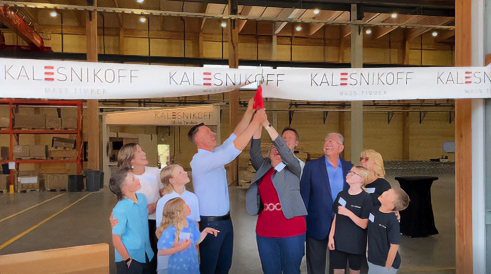 Kalesnikoff Mass Timber recently opened its new 100,000-square-foot mass timber prefabrication and modular facility in Castlegar, B.C., 400 miles east of Vancouver. Starting small just before the Second World War, Kalesnikoff today is a family-owned, fourth-generation company that produces dimensional lumber, glulam beams and columns, glue-laminated timber (GLT) panels, cross laminated timber (CLT) and prefabricated components. The new facility, which is built entirely out of Kalesnikoff’s own mass timber… enables Kalesnikoff to provide new products that can be used for prefabricated walls, flooring, modules and full modular construction. Chief operating officer Chris Kalesnikoff says it’s the first vertically integrated mass timber operation in North America. Kalesnikoff was started by Chris’s great-grandfather and two of his brothers in 1939 as a logging operation. His grandfather and his father (Ken) expanded the sawmill into value-added wood products.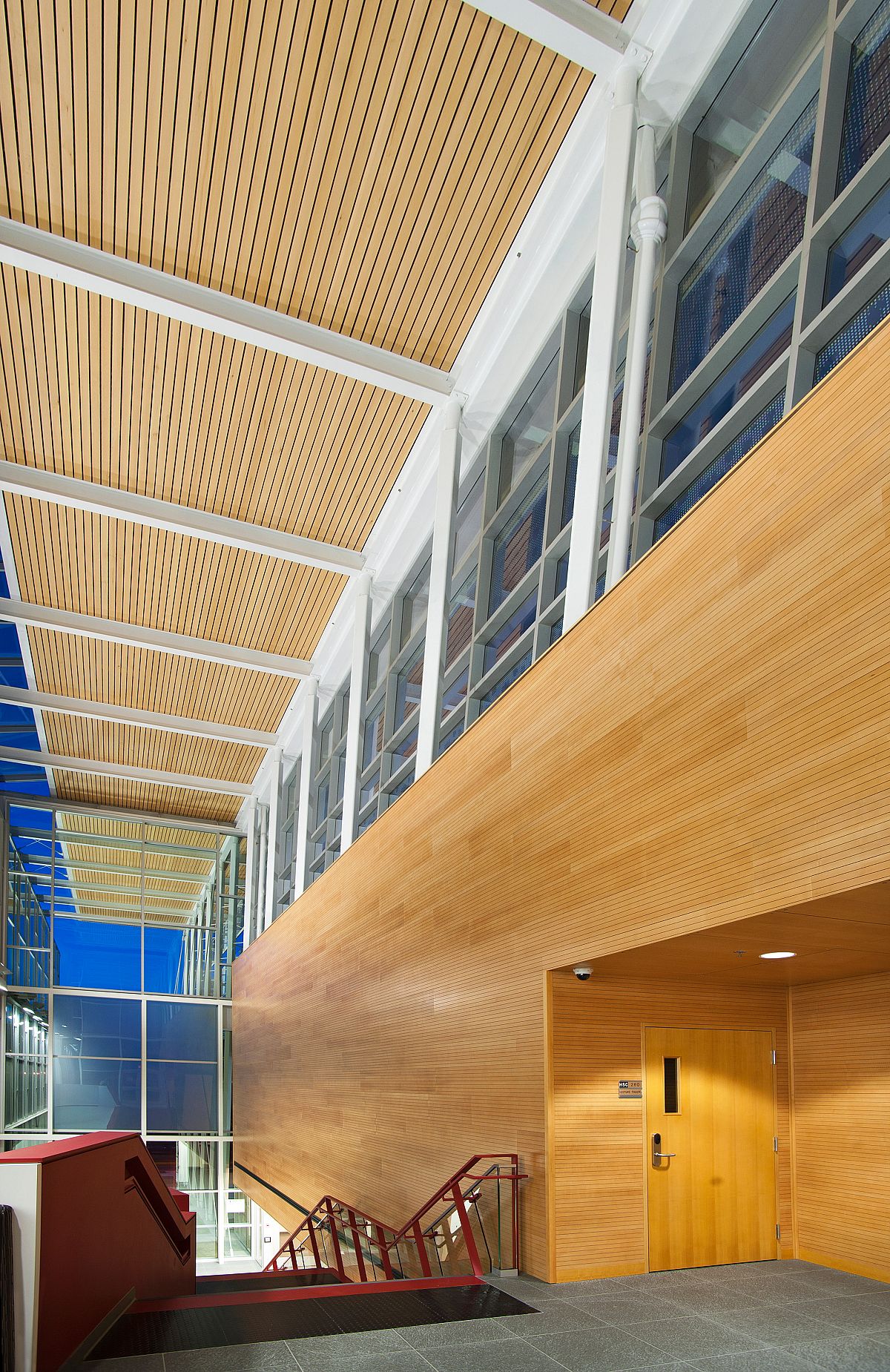
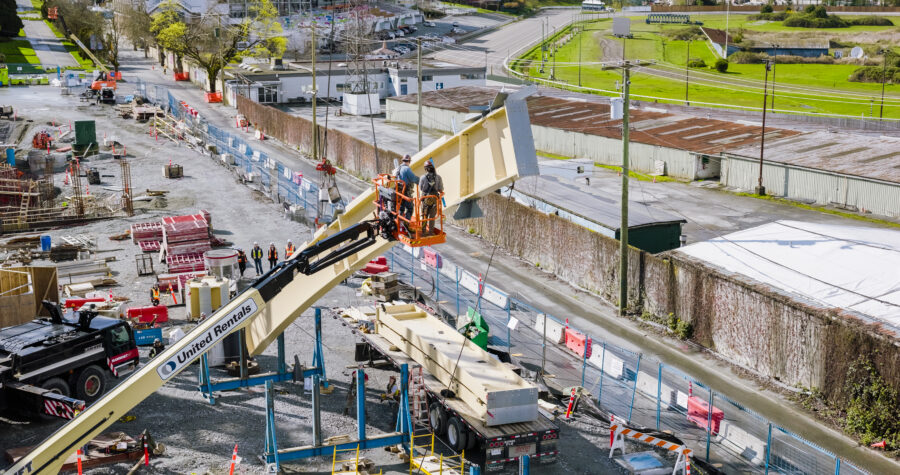
 The Kelowna International Airport (YLW) is proud to share a significant project milestone for Airport Terminal Building (ATB) expansion – the mass timber roof structure of the facility is now complete. The use of mass timber throughout the terminal building expansion highlights the airport’s commitment to sustainability, innovation and community reflection in this project. YLW received $500,000 from the Province’s Mass Timber Demonstration Program, which aims to grow B.C.’s mass timber and engineered wood products industry and position B.C. as a world leader in wood design, engineering and construction. An important design consideration for the ATB Expansion is to incorporate characteristics that showcase our local community. The use of mass timber plays a meaningful role in conveying our region’s natural beauty, heritage and character.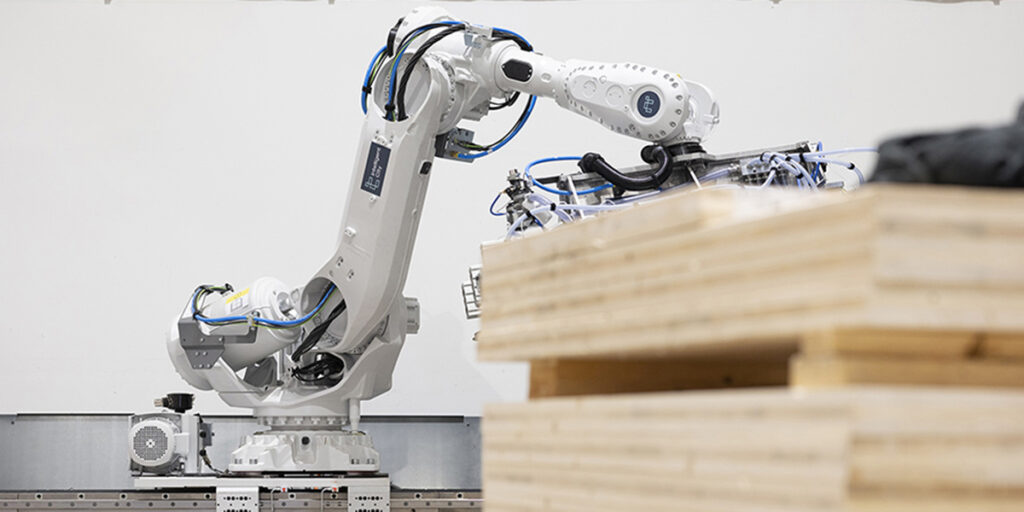
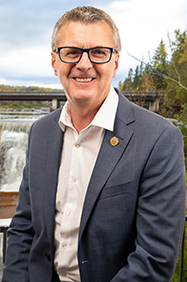
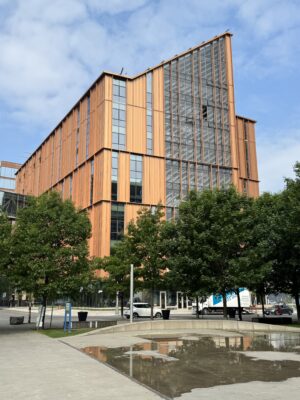 TORONTO — A mass timber showcase on Toronto’s George Brown campus is also a study in collaboration and innovation. George Brown College’s Nerys Rau, Moriyama Teshima Architects partner Philip Silverstein and PCL’s Mike Love all explained the process behind building Limberlost Place at a session titled Exploring Limberlost Place: at the Canada Green Building Council’s Building Lasting Change conference held recently in downtown Vancouver. Limberlost Place is a 10-storey mass-timber net-zero building that achieved occupancy in January. …Silverstein said the building is rated at Tier 4 of the Toronto Green Standard, adding no other building in the city has reached that metric. “It’s like LEED Platinum on steroids,” Silverstein said. Love said the number one question was “what if the wood gets wet?” “It’s OK for wood to get wet. Just remove any ponding water and let it dry. It wants to breathe,” he said.
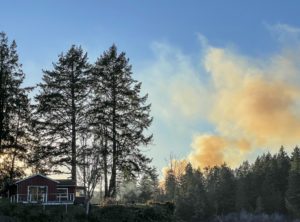 As world leaders gathered for the G7 summit last week in Kananaskis, Alberta, more than 50 wildfires burned across the province. The leaders’ joint statements included the
 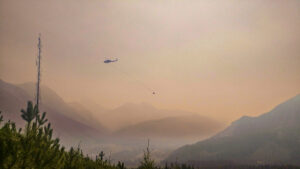 Ash and chemicals from some of BC’s largest wildfires are winding up in the Fraser River, which could eventually lead to low oxygen levels and harm marine life, say UBC researchers. In a peer-reviewed study, published in the journal Science of The Total Environment, scientists linked increases in the concentrations of compounds like arsenic and lead, and nutrients such as nitrogen and phosphorus, to wildfires that had burned near the 1,375 kilometre long river. These are all compounds that are found naturally in the water. However, researchers tracked a significant increase in compounds as wildfires were happening near the river. The researchers studied fires within 500 metres, 1,000 metres and 1,500 metres. Fires burning close to major waterways had immediate influence on water quality, said Emily Brown, a research scientist at UBC’s institute for the oceans and fisheries. The more distant wildfires had delayed influence on water quality.
 Llenllenéy’ten (High Bar) First Nation (HBFN) has signed a historic Joint Development Agreement (JDA) with West Fraser Timber Co. Ltd. (West Fraser). The JDA was signed during HBFN’s National Indigenous Peoples Day event in Clinton on June 21. A press release issued by High Bar on June 24 stated that “The landmark agreement highlights HBFN’s commitment to sustainable forest management through partnership with the private sector to achieve mutually beneficial outcomes.” The relationship ensures fibre supply for West Fraser, and opens the door for more diverse fibre product development. At the same time, HBFN notes that the agreement creates a path toward increased resource revenues and decision-making authority for HBFN, which marks a meaningful step toward economic reconciliation. Under the JDA, West Fraser will transfer a portion of its timber harvesting rights to Llenllenéy’ten (High Bar) First Nation.
 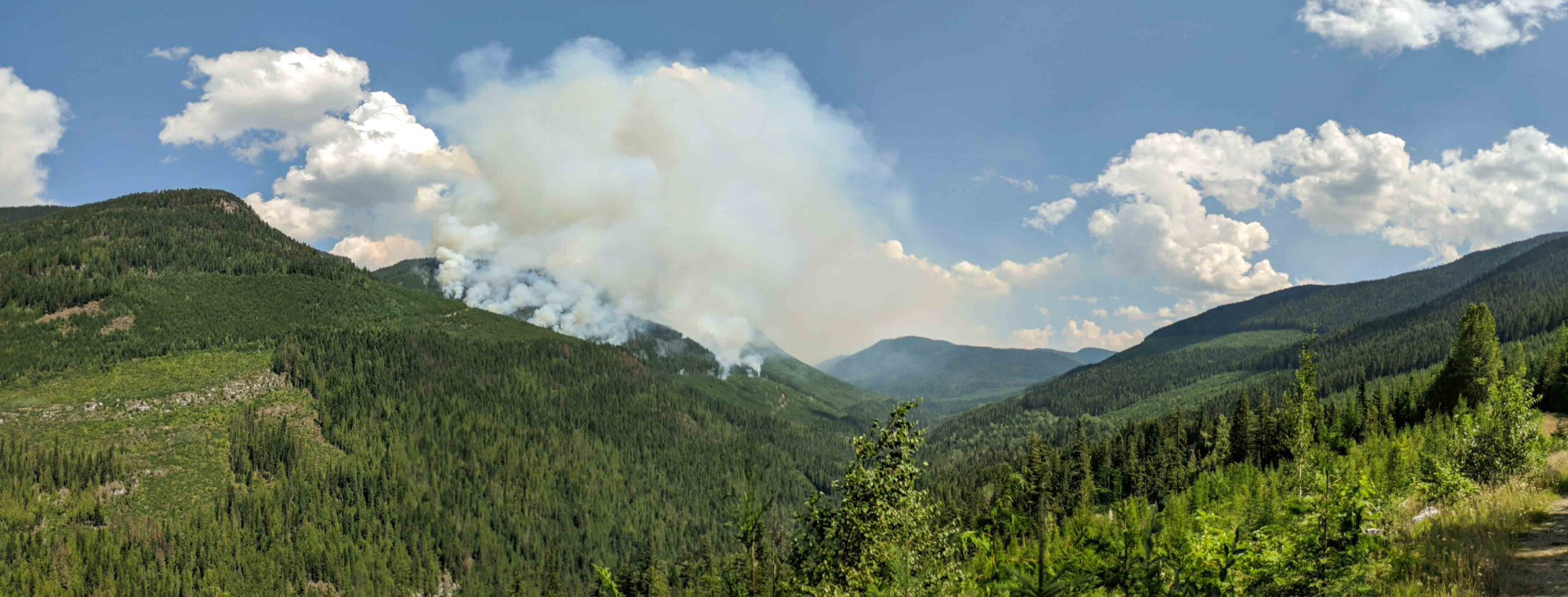 With wildfire season in full swing, an immigration consultant says there is a simple way to end the shortage of qualified people to fight wildfires: Let existing, trained firefighters who are non-residents stay once their work permits expire by letting them choose a path to permanent residency. Jennie McCahill is representing Irish national Jake McGavin, a team leader with a wildfire-fighting contractor called Carmanah Wildfire, which is based in Sidney but has firefighting crews spread all over B.C. …McGavin, who turns 29 in September, is in his third season fighting wildfires in B.C. He’s been lucky to have received a pair of two-year work permits, but the second is soon to run out. …He wants to stay in Canada not only because he’s fallen in love with B.C. …”Unfortunately, Immigration, Refugees and Citizenship Canada does not recognize wildland firefighting as skilled work.”
 Over 7,600 people shared their views on outdoor recreation in a first-ever public survey conducted by Mosaic. “The feedback we received tells us how important Mosaic’s managed forests are to people’s lives,” said Jimmie Hodgson at Mosaic. “It reinforces our responsibility to work toward solutions that reflect what we heard.” Early findings show:
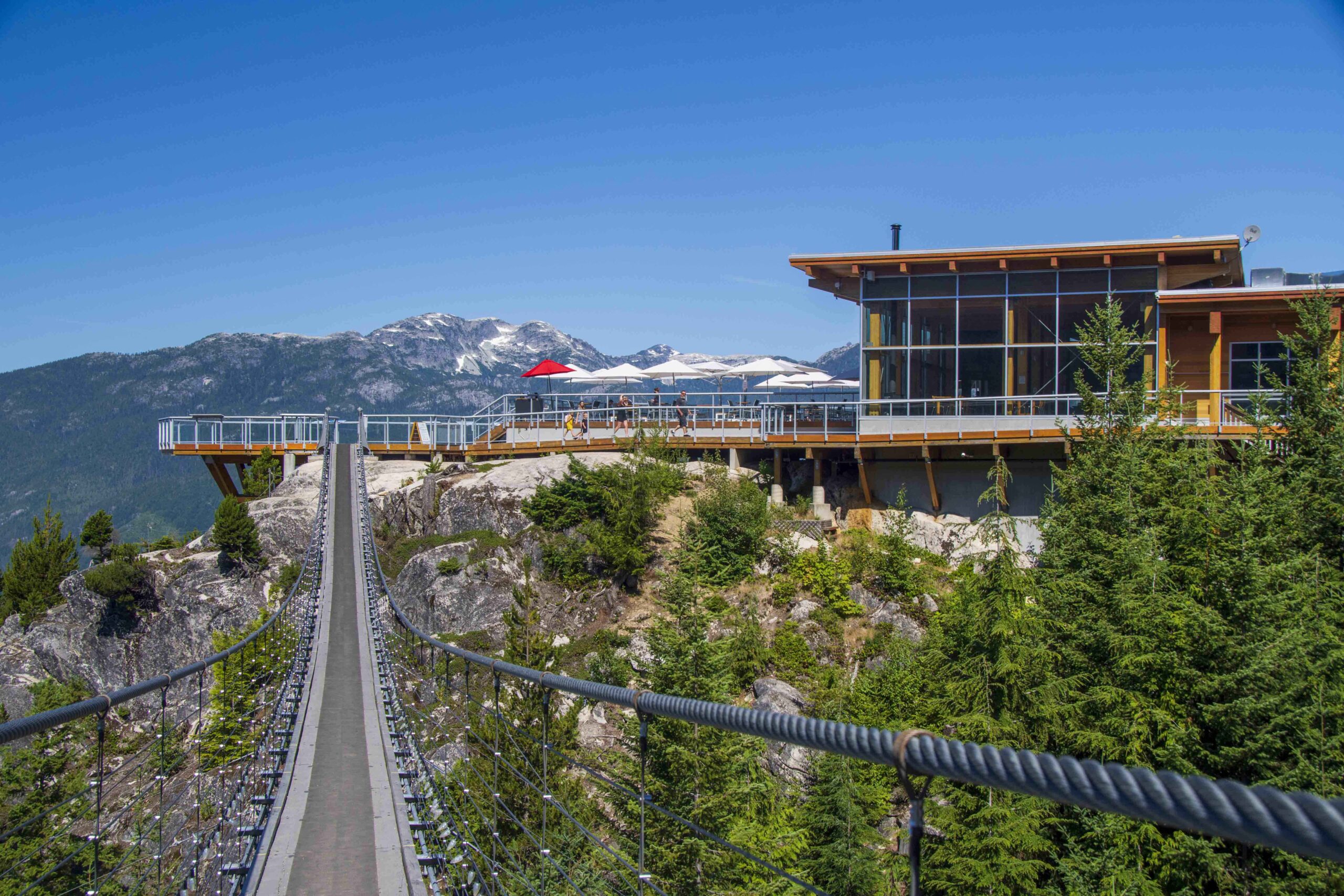 Sḵwx̱wú7mesh Úxwumixw (Squamish Nation) and the Province have signed an agreement to guide forest stewardship in Squamish Nation territory at a ceremony held at the top of the Sea-to-Sky gondola overlooking Átl’ḵa7tsem (Howe Sound). “This agreement will ensure our cultural sites and key environmental areas are protected for future generations. These have been our lands for thousands of years, and the fact they are now back under our direct control provides a greater sense of security for our people, and a strong optimism for our future,” said Sxwíxwtn Wilson Williams, Councillor and elected spokesperson, Sḵwx̱wú7mesh Úxwumixw (Squamish Nation). …The next step will be to complete a ministerial order, which will include consultation with First Nations, and engagement with the public. It aims to establish objectives for the forestry sector to follow in alignment with the agreement and provide the Squamish Nation certainty in sites of high value.
 Firefighters are urging hikers and mountain bikers not to enter trails closed due to a wildfire just north of Squamish, B.C., ahead of the Canada Day long weekend. The Dryden Creek wildfire, which was discovered on June 9, is considered under control by the B.C. Wildfire Service, but a local state of emergency remains in Squamish and a campfire ban remains in effect for the district. Fire suppression work is ongoing in the area, and evacuation orders and alerts remain due to the danger of trees falling and rocks rolling loose. Despite that, firefighters say they’re seeing people disobey trail closures, which could prove to be a risky decision. “Especially last weekend, numerous hikers and mountain bikers accessed trails that were closed,” said B.C. Wildfire fire information officer Jennifer Lohmeyer on Tuesday. “Some people even moved barriers that had been put in place to indicate that the trail was closed,” she added.
 The City of Delta is undertaking an inventory of its trees. Crews started last week in Ladner, collecting data on street and park trees as part of Delta’s Urban Forest Strategy. In its request for proposals this spring for a qualified arboricultural consultant to conduct the urban forest subsection inventory of individual city-owned urban trees, the city noted it wanted to focus on street and park specimen trees. The project does not include trees on private property, nor is it the intent to include larger stands of trees in the city’s natural areas. The purpose of the project is to expand a tree inventory that was started in-house in 2023, improve asset management, as well as gain an accurate cost of a city-wide tree inventory for areas with low, medium and high canopy coverage.
 It’s been hot in southern Ontario [with] apocalyptic news coverage out of Toronto…. “The world is burning,” announces the headline of a parenting advice column in The Globe and Mail. “Should we tell our children?” The author’s children are not told about forest fires… They are not told about the huge, ongoing increase in greenhouse gas emissions in Asia, cancelling out many times over the modest reductions achieved at great cost in North America and Europe. …The answer… is that natural variability is larger than the trend line produced by statistics. It’s true that Canada has seen more communities damaged or destroyed by fire, but that’s largely because there are more communities. …The Second World War was nearing its end, but the war on forest fires was just beginning, with the deployment of heavy equipment as well as aircraft. Saving timber was the goal, and the unintended consequences have piled up ever since.
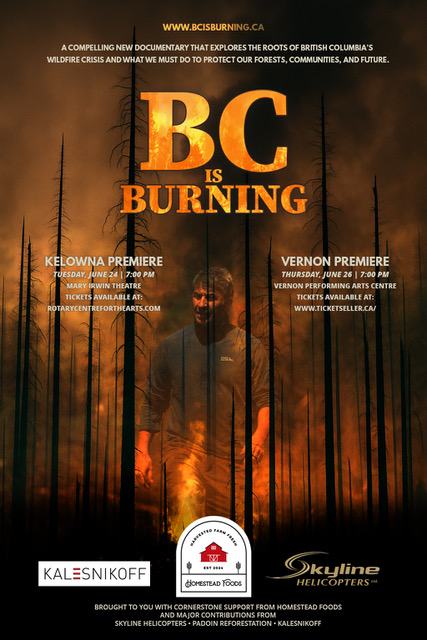 New film reveals the roots of B.C.’s wildfire crisis—and what we must do to stop it. A powerful new documentary exploring the causes and consequences of British Columbia’s escalating wildfire crisis will premiere to the public at the Vernon Performing Arts Centre Thursday June 26 at 7:00 pm. Titled B.C. is Burning, the 45-minute film delivers a sobering but hopeful look at what’s fueling today’s megafires—and the science-based solutions that could protect our forests, our communities, and our future. B.C. is Burning was independently produced and funded through community support, with Homestead Foods generously contributing half of the total budget. We also gratefully acknowledge major support from Skyline Helicopters, Padoin Reforestation, and Kalesnikoff.
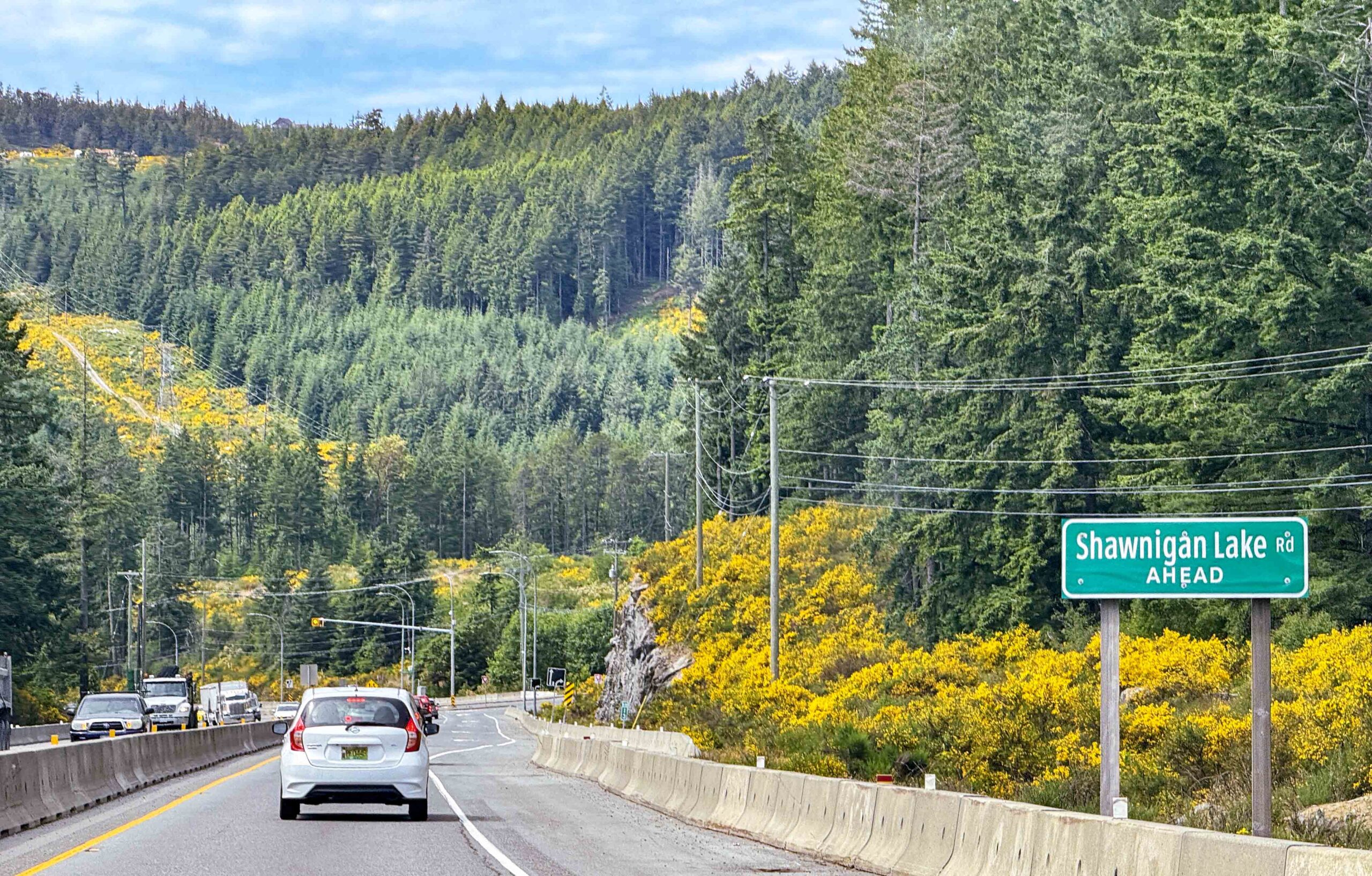 QUALICUM BEACH, BC — Alien invasive species like Scotch broom do not move into a void. They displace something that was originally present. Broom displaces grasses and native plants – but while grass is food, broom is toxic to grazing animals, wild and domestic. Broom provides flowers for bees in May – but wipes out the native flowers that bees rely on for the rest of the season. Farmers call broom the Scourge of Pastureland – and it affects our food security. Broom competing with young trees on forest land creates millions of dollars in losses to forest companies – and the loss to the future of our forests is beyond measure. Biodiversity? Researchers designate Scotch broom as THE invasive species doing the greatest harm to species at risk in all of B.C. Broom is the top offender of biodiversity. Wildfire? Broom’s high oil content, naturally occurring dry branches, and dense growth patterns make broom extremely flammable. FireSmart classifies broom in the highest risk category.
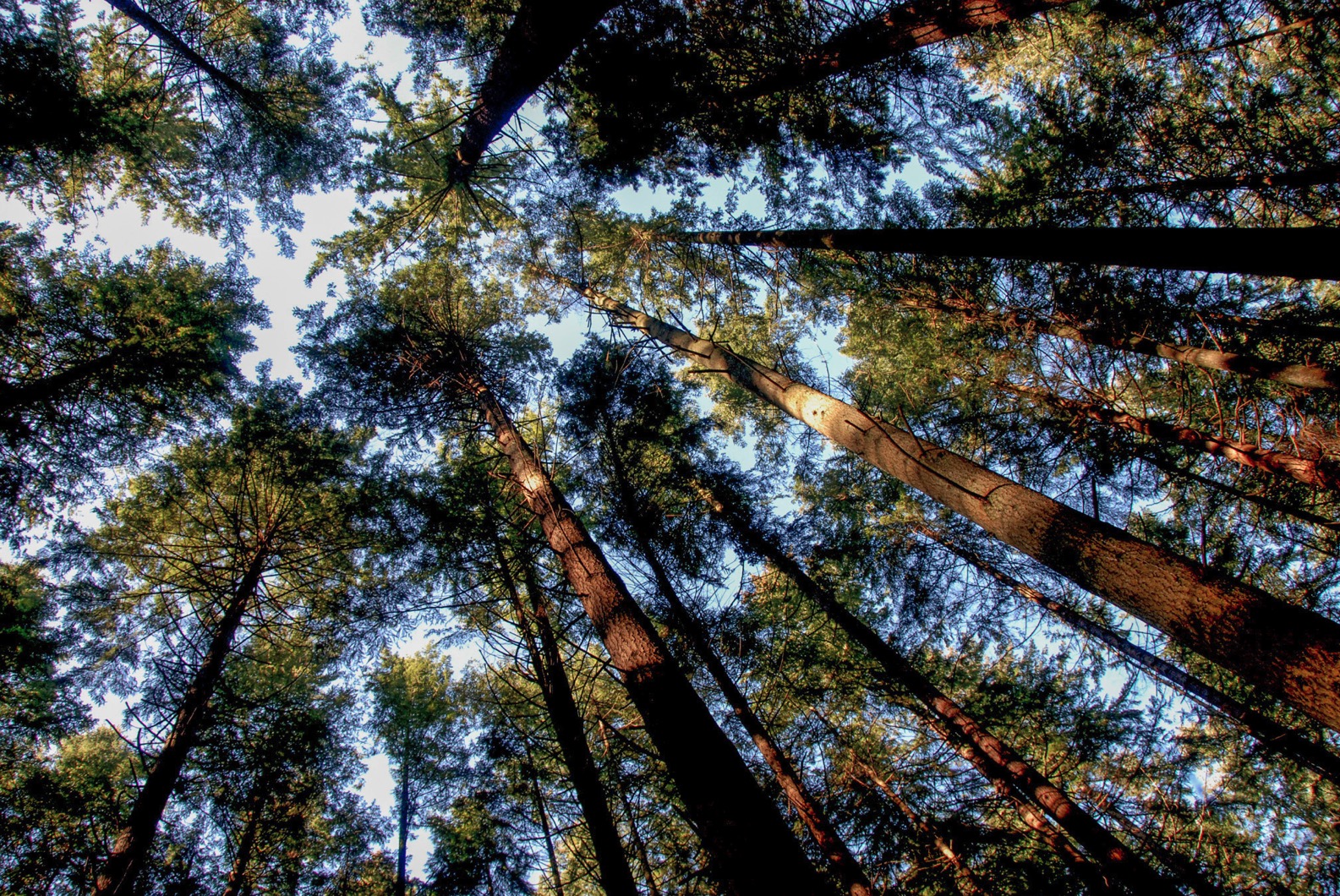 Elphinstone and West Howe Sound community associations’ efforts to have B.C. Timber Sales (BCTS) defer the 35.2 hectare Elphinstone Highlands cutblock (TA0519) from its current Q1 sales schedule received support from the Sunshine Coast Regional District (SCRD) board. Provision of a letter of support for the deferral requests was endorsed at the board’s June 12 meeting. According to the BCTS Chinook area sales schedule released April 17, TA0519 was slated to go to auction by June 30. In a June 18 email response to Coast Reporter, the Ministry of Forests stated that “Sales schedules are issued to notify of upcoming proposed timber sales auctions. BC Timber Sales starts accepting bids when a licence is placed on BC Bid for auction… TA0519 is a partial harvest/commercial thin sale and was pulled from BC Bid due to an administrative error. It is anticipated that TA0519 will be reposted this fiscal year.”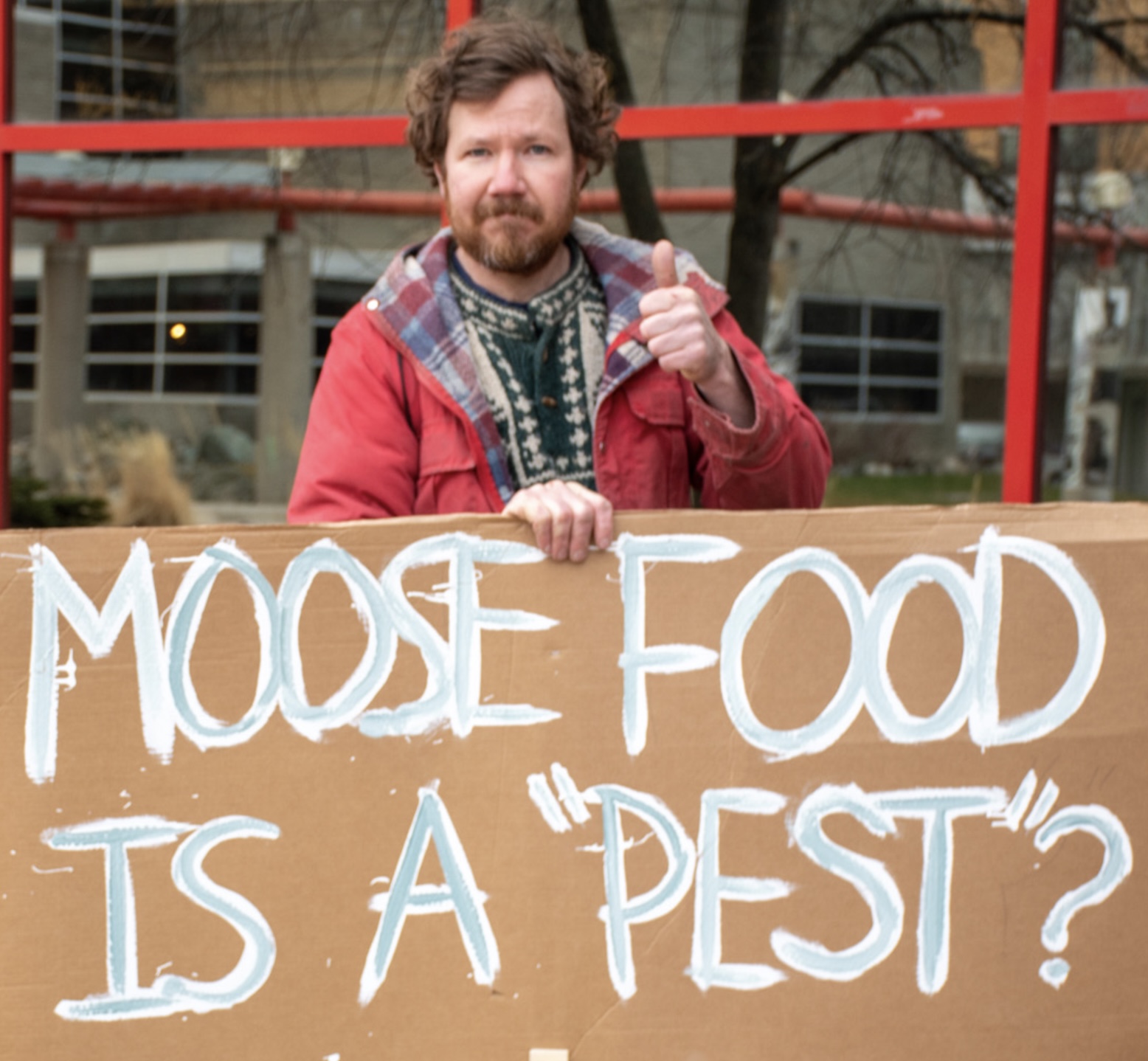

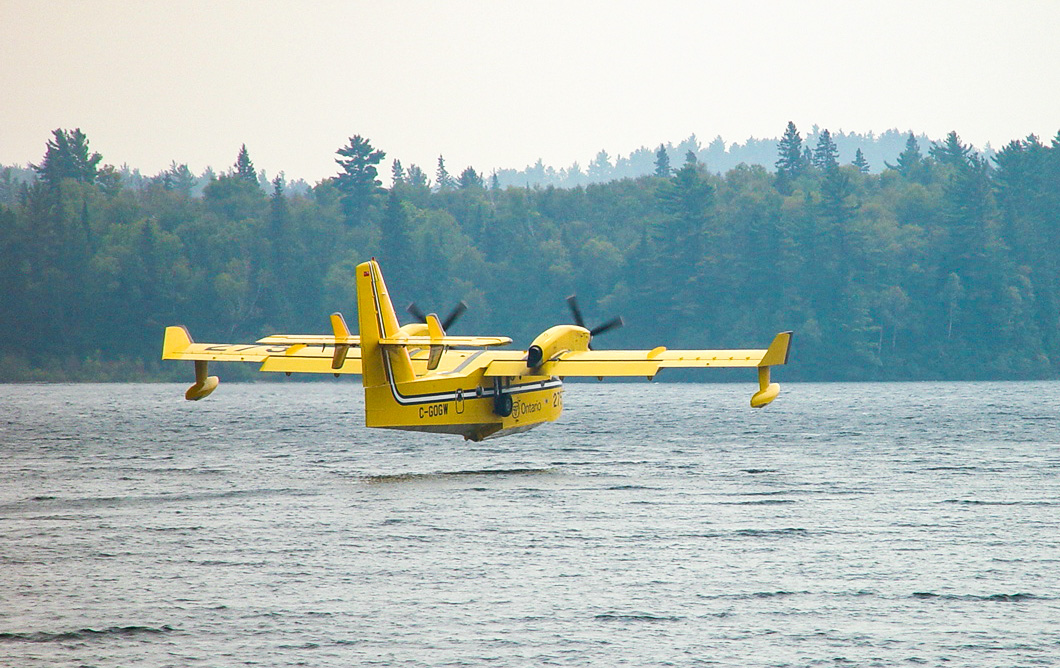 For years, forest firefighters in Ontario have been calling on the provincial government to reclassify their jobs to recognize them as an emergency service in a bid to stem recruitment and retention issues. It’s a change the Ford government promised it would take on after sustained pressure from front-line staff and union officials. The province now says work to reclassify forest firefighters — officially called resource technicians — has been “completed,” and is blaming the Ontario Public Service Employees Union for a delay in announcing the move. Whether the terms the government has put forward address the substantive changes called for by forest firefighters is contested. Draft information seen by Global News shows the reclassification involves renaming positions within the existing union structure — and moving people one category further up the grid, for a raise of roughly $3 per hour.
 A new study suggests small, consistent amounts of exposure to the herbicide glyphosate can lead to higher incidents of cancer – a finding that has Green party Leader David Coon calling on the province to take the issue seriously. The study, by the Italian-based non-profit Ramazzini Institute, involved exposing rats to small levels of the herbicide and two other products for 2+ years. It found that “statistically significant dose-related (amounts of glyphosate) increased incidences of benign and malignant tumors.”…Bayer, which uses glyphosate in its Roundup herbicide, denounced the study. “It is clear this study has serious methodological flaws, which is consistent with the Ramazzini Institute’s long history of making misleading claims about the safety of various products,” the company said. …A government spokesperson initially told Brunswick News that the study’s findings weren’t applicable in New Brunswick because two products studied aren’t used in Canada.
 It has only been in the past few years that wildfire smoke from Canada has become a persistent risk to the air we all breathe. Why is this? …A vast swath across northern Canada has a subarctic climate. The types of vegetation best adapted to these conditions are conifer forests dominated by black and white spruce with some pine, balsam fir, larch, aspen and birch. Fire has always been an element of this biome. Historically, about 7.3 million acres have burned annually but in 2023, an astonishing 67 million acres burned. This year’s acreage is on pace to meet or exceed the record-breaking year of 2023. …The fire season is changing in Canada because the climate of Canada is changing. …What this means is that large, long-duration wildfires in Canada’s boreal forest and the smoke plumes they produce are likely to be a new and persistent phenomenon going forward.
 Work on climate change has largely focused on preventing it from getting worse, but as a new RBC report points out, businesses are also starting to think more about potential spending on adaptation and preparation as the costs of disasters pile up. The report says that extreme weather and natural disaster costs already totalled US$368 billion last year, 14 per cent above the long-term average since 2000, and that this year could match or exceed the total. The trend is expected to get worse, because as the report notes there’s expected to be a 2.7 degree rise in average temperatures by 2100 based on current global policies and actions, while an optimistic scenario pegs the rise at 1.9 degrees. The costs stemming from rising temperatures are leading to more attention in boardrooms, with the report noting mentions of climate change on the rise in both U.S. and Asia.
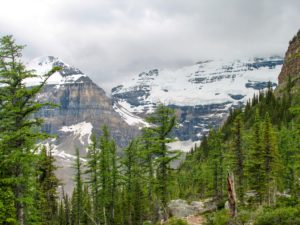 The Great Bear Rainforest on British Columbia’s North and Central Coast sequesters millions of tonnes of carbon dioxide across 6.4 million hectares of snow-capped mountains, ancient western red cedars, and Sitka spruce. It is considered one of the world’s largest carbon sinks—meaning it absorbs more carbon dioxide (CO2) than it releases. Under the Great Bear Carbon banner, a collection of coastal First Nations has entered the voluntary carbon offset market. The organization generates carbon offsets by preserving trees and ecosystems that naturally store CO2, with each carbon offset verifying the removal of one tonne of carbon from the atmosphere. Businesses, governments and individuals can purchase carbon offsets to compensate for their environmental impact. The Great Bear Carbon program helps raise revenue to support the local First Nations and their stewardship efforts.

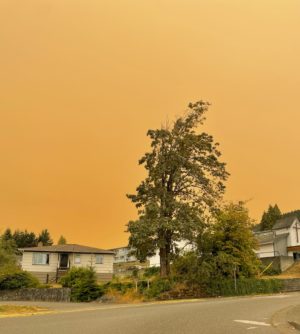 Wildfire smoke and extreme heat are combining to create a lethal cocktail of environmental conditions that multiply the risk of death in Metro Vancouver, a
  In the recent WorkSafeBC Health and Safety News, you’ll find these stories and more:
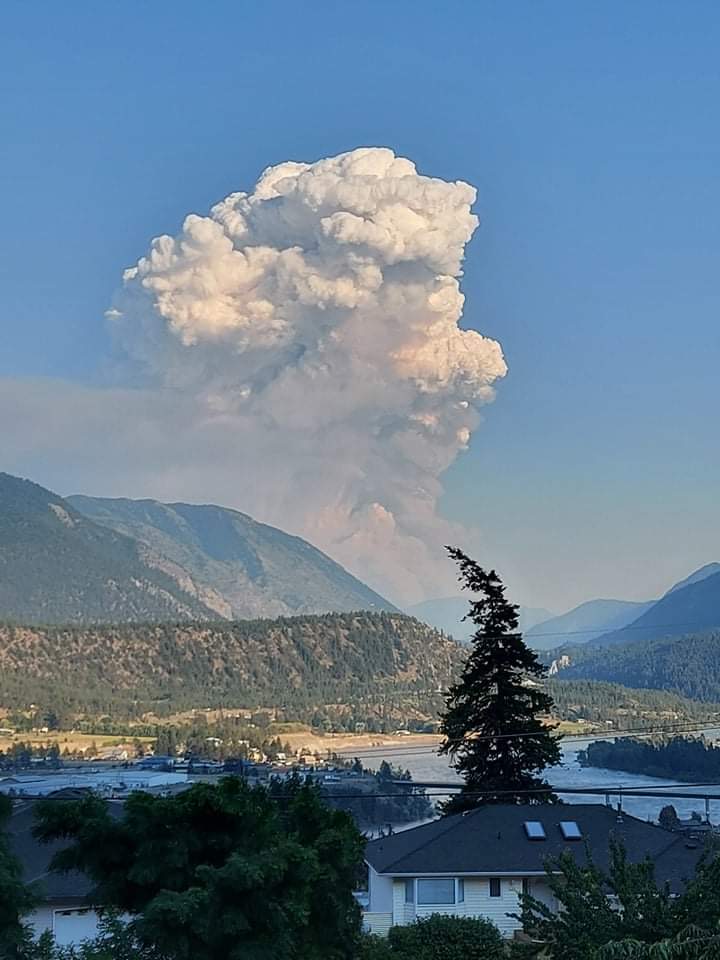 The Thompson-Nicola Regional District has declared a local state of emergency for the Blue Sky Country region due to an encroaching out-of-control wildfire near Lytton, B.C. It has also issued an evacuation order for two properties on Spencer Road South as the blaze poses “immediate danger to life.” The BC Wildfire Service says the Nikaia Creek wildfire is about six hectares in size and is one of more than 70 wildfires burning across the province. It says crews, supported by firefighters from Lytton First Nation, made “good progress” overnight and they are now focused on the north and south flanks of the blaze. The Thompson-Nicola Regional District also issued an evacuation alert Monday night for nine properties in the Harper Lake area near Chase, B.C., due to the rapidly growing Mount Scatchard wildfire.
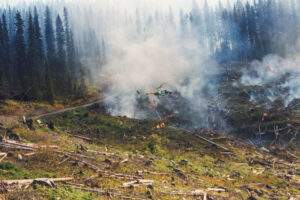 Recent rainfall has reduced the wildfire hazard across northwestern Ontario, though the region’s largest wildfire is now more than 194,000 hectares large. Red Lake 12 — the fire that has forced community evacuations in Deer Lake First Nation and Sandy Lake First Nation — remains not under control. However, precipitation and cooler temperatures have given FireRangers more breathing room over the past few days and have also reduced smoke levels. However, thunderstorms this past weekend have created the potential for holdover fires caused by lightning, which crews will be monitoring over the next week. Red Lake 12 has 23 firefighting crews assigned to three divisions on the fire’s south and eastern perimeters, supported by 18 helicopters, including four heavy helicopters with increased bucketing capacity, Ontario Forest Fires said in its latest update.