 The Tree Frog News featured the panels and speakers from last week’s International Pulp Week. In today’s Tree Frog News are links to all of the conference sessions in chronological order.
Day One – June 1, 2025
- Registration and Wecome Cocktail
Day Two – June 2, 2025
- Looking Back, Moving Forward: 20 Years of Industry Insights: Kevin Mason
- Economic Uncertainty: A Macro View on Tariffs and Markets: Joaquin Kritz Lara
- Metsä Fibre’s enhanced position in Softwood Pulp: Mikko Antsalo
- The Global Hardwood Market: Leonardo Grimaldi
- How Carbon Capture and Removal is Unlocking Opportunity: Jonathan Rhone
- Navigating EUDR Compliance with Automation and Digital Tools: Parker Budding
Day Two – June 3, 2025
- Managing Geopolitical Uncertainty and Its Challenges: Robert McKellar
- Reshaping China’s P&P Industry in a Shifting Global Landscape: Haidong Weng
- The Shanghai Pulp Futures Exchange Path to Internationalization: Jin Feifei
- How Luojing Terminal is Meeting China’s Pulp Demand: Tian Jun
- Current Trends in End-Use Markets: Mathieu Wener
- Global Pulp Market: Demand Drivers and Outlook: Emanuele Bona
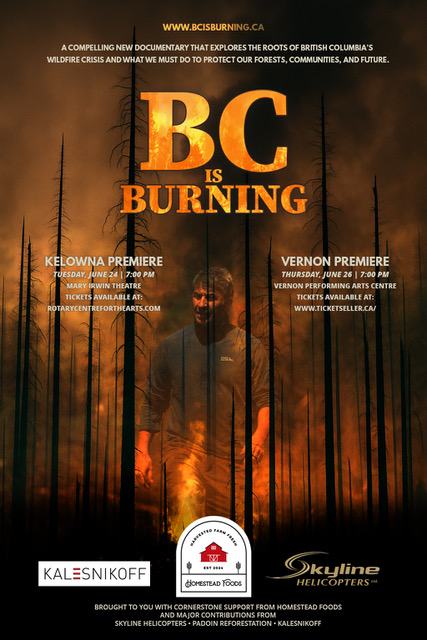 New film reveals the roots of B.C.’s wildfire crisis—and what we must do to stop it. A powerful new documentary exploring the causes and consequences of British Columbia’s escalating wildfire crisis will premiere to the public at the Mary Irwin Theatre in Kelowna on Tuesday, June 24 at 7:00 pm and at the Vernon Performing Arts Centre Thursday June 26 at 7:00 pm. Titled B.C. is Burning, the 45-minute film delivers a sobering but hopeful look at what’s fueling today’s megafires—and the science-based solutions that could protect our forests, our communities, and our future. B.C. is Burning was independently produced and funded through community support, with Homestead Foods generously contributing half of the total budget. We also gratefully acknowledge major support from Skyline Helicopters, Padoin Reforestation, and Kalesnikoff.
 The Institute is seeking an enthusiastic individual to provide strategic and operational leadership as Executive Director. The Executive Director leads the Canadian Institute of Forestry / Institut forestier du Canada (CIF-IFC), guiding the organization through strategic growth and operational excellence. This role ensures the long-term sustainability of the Institute through sound governance, financial stewardship, and stakeholder engagement. The Executive Director works closely with a small team, the Executive Committee, and a broad national network of members, volunteers and partners. They are accountable to the Board of Directors and collaborate with committees, staff, members, sponsors, and regions across Canada. This is a full-time, remote position. Individuals with the requisite qualifications are invited to apply by July 21, 2025.
 Over the past decade, Canadian forestry companies have significantly expanded their footprint in the American lumber industry. While foreign investment remains a key component of a dynamic US economy, industry analysts and policymakers are increasingly scrutinizing the long-term implications of international control over critical domestic manufacturing infrastructure. Canadian-owned firms—including West Fraser, Canfor and Interfor—now operate dozens of sawmills in the US, with many holding more assets south of the border than in their home country. Additional Canadian firms—such as Tolko, Maibec, J.D. Irving, and Kruger—also maintain active operations and land holdings throughout the country. As foreign ownership of US lumber mills grows, several key concerns are emerging: Supply Chain Autonomy… Economic Retention… Market Influence. …Industry stakeholders are urging a closer examination of the issue. Policy suggestions include incentivizing domestic ownership, increasing sourcing transparency, and evaluating regulatory frameworks around foreign investment in strategic industries.
 SURREY, BC — Mackenzie Sawmill is back in the courts, a little more than a decade after the sum of three fires ruined a large mill built in 1938. The first of three fires was on Nov. 12, 2010, followed by a second on Jan. 25, 2011 and the third on Oct. 31, 2014 essentially destroyed what was left of it. …Judge Rory Krentz, presided over a hearing in B.C. Supreme Court in Vancouver, where the defendants applied for a dismissal for want of prosecution. Mackenzie ceased operations in early 2011 after the second fire, with two groups of employees entitled to severance pay. The court heard Mackenzie told the union the company intended to build another mill on site, enabling the union employees to keep their jobs. …This was before the third fire, after which Mackenzie indicated it still planned to rebuild the mill. But the union alleges MacKenzie decided before the last fire happened that it wouldn’t rebuild.
 TORONTO – The Ontario government released
 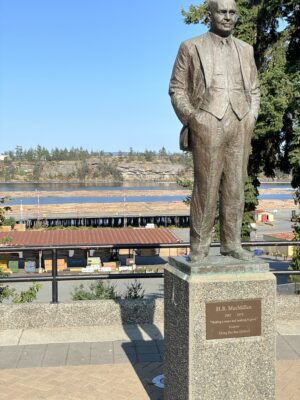 Western Forest Products says it will curtail all operations at its Chemainus sawmill next week, sidelining 150 employees for an indefinite period. The company said the curtailment, set to start June 18, is due to market challenges that include weaker lumber demand and higher US softwood lumber duties, as well as a lack of available viable log supplies. The company also blamed market conditions and a lack of log supplies for a similar shutdown in the spring of last year. Western Forest Products’ other mills at Duke Point, Ladysmith, Saltair and Cowichan Bay, and a value-added remanufacturing plant in Chemainus, will continue to operate, said Babita Khunkhun, senior director of communications for Western Forest Products. She said there is no end date for the curtailment at the Chemainus mill at this point, as the company monitors conditions. The mayor of North Cowichan said he was initially told 55 workers were facing layoffs.
 The major assets of the beleaguered San Group are under contract to be sold, awaiting only court approval. The monitor overseeing the credit-protection process has applied to the courts for approval of the sale. A court date is set for this week. …The largest creditors support the sales, despite the fact “they will suffer a significant shortfall on their debt.” The main properties in question are the Coulson manufacturing sawmills and San Group’s value-added facility in Port Alberni. There is also a mill in Langley and an adjacent agricultural parcel. The Surrey-based Fraserview Cedar has agreed to buy the Coulson facility in Port Alberni. The group has said it expects to have the mill up and running this year if the deal closes. A numbered BC company has entered into an agreement to buy the value-added facility. The buyers will lease the site to Ucluelet-based IGV Housing, which specializes in manufacturing scalable housing that combines pre-fab and on-site processes.
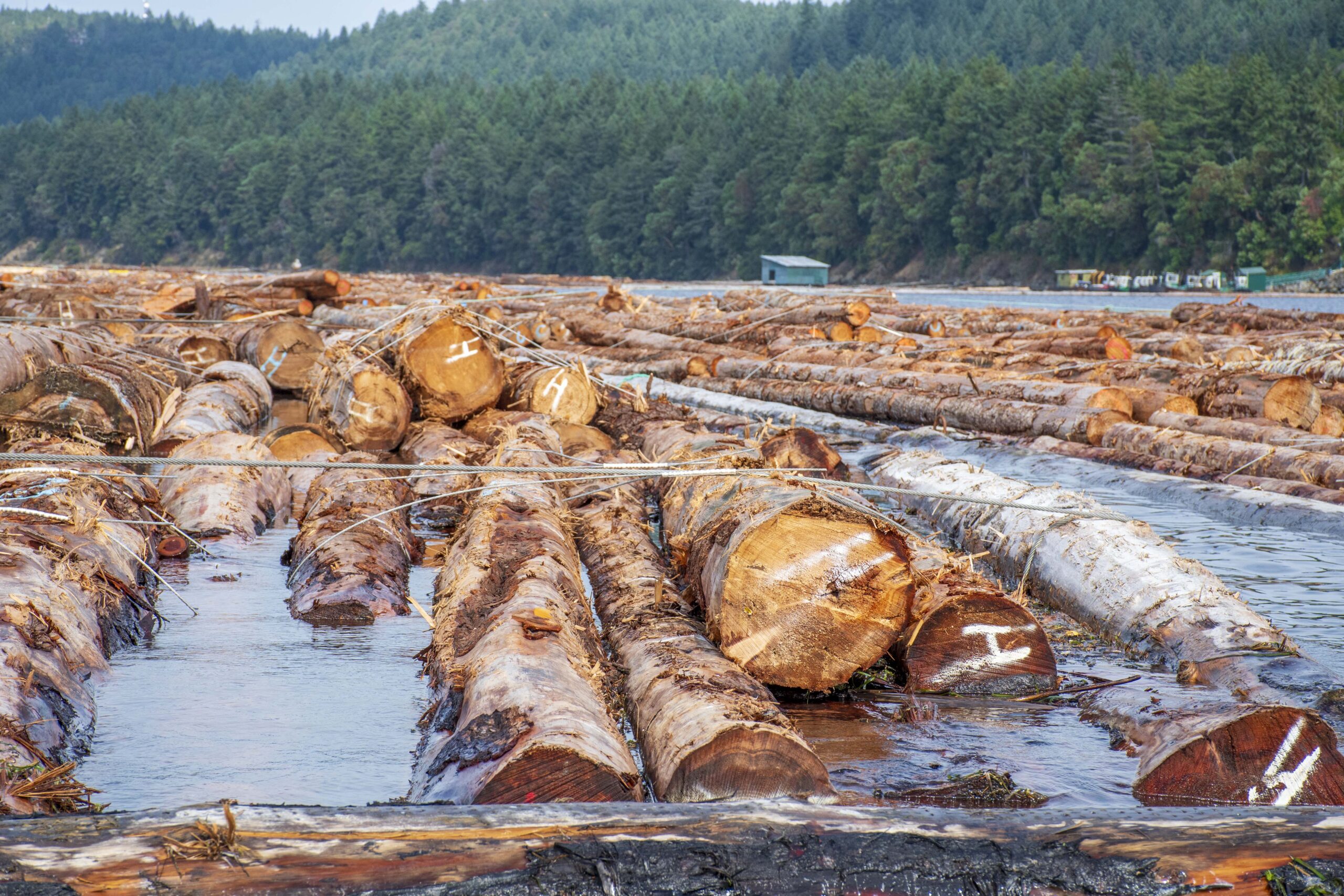 About 100 unionized forestry workers are on the picket line at operations on the mid and north Island, claiming their employer wants to contract out their work. United Steelworkers Local 1-1937 went on strike June 6, citing “significant concessions” demanded by La-kwa sa muqw Forestry Limited Partnership (LKSM Forestry). LKSM Forestry is the former Western Forest Products Mid-Island Forest operation now jointly owned by four First Nations of the Nanwakolas Council — the Tlowitsis, We Wai Kai, Wei Wai Kum and K’ómoks First Nations — as well as Western Forest Products, which still owns the majority of the company. The Steelworkers union said one of the main concessions LKSM is demanding is the use of non-union contractors to do work currently done by union members on sites. That includes jobs performed by union members working for contractors on sites. …The union said it remains open to talks with the company that focus on resolving the outstanding issues.

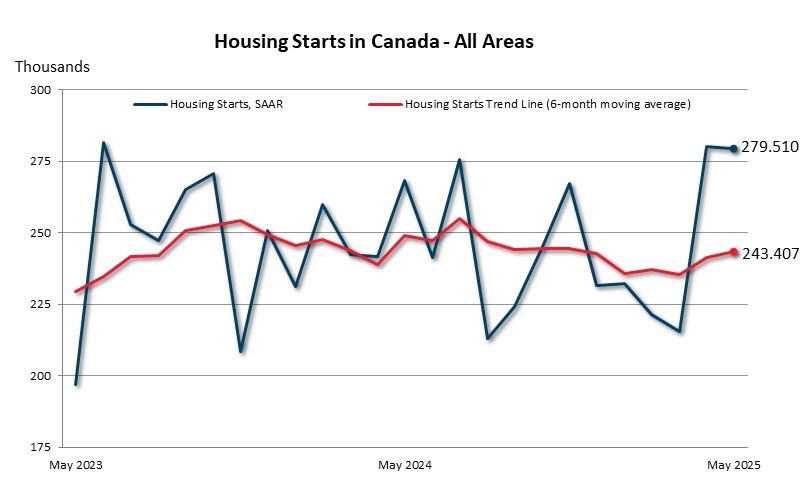
 Lumber futures rose past $610 per thousand board feet, a ten-week high, as steady construction activity met tightening supply and mounting trade barriers. US homebuilding remains steady with single-family starts flat at 1.36 million units in April and permits edging lower, while Canadian multi-unit starts jumped 34%, keeping mill orders firm. Canadian harvests are constrained by pine-beetle infestations, prairie wildfires that have burned more than 200,000 hectares this spring and strict cut limits that left British Columbia nearly 42% below its allowable quota in 2023. In the US, sawmill utilization stalled in the mid-70% range despite recent capacity additions. Tariffs of roughly 14.5% on Canadian softwood, along with threats of higher levies, have discouraged cross-border shipments, while major exporters divert supply to Asian and European markets. Elevated fuel and transportation costs further raise delivered prices.
 VANCOUVER, BC
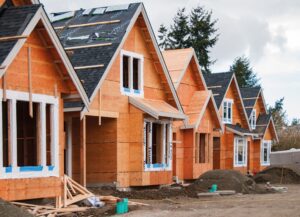 A final tally of which Ontario municipalities hit their housing targets and how many fell short last year has been finished since mid-February, according to government documents obtained, despite the province refusing to release the data for months. For the past two years, the Ford government has set targets for new homes in towns and cities, promising them extra cash if they meet those goals. The numbers Ontario uses to assess whether or not cities have hit their goals are made up of new homes, long-term care beds and additional units like basements or garden suites. The government set up a website to show which cities had hit their goals. Around October 2024, however, with housing starts across the province stuttering, the government stopped updating the tracker. …While the tracker has appeared abandoned for close to half a year, the government has had “finalized” data for months.
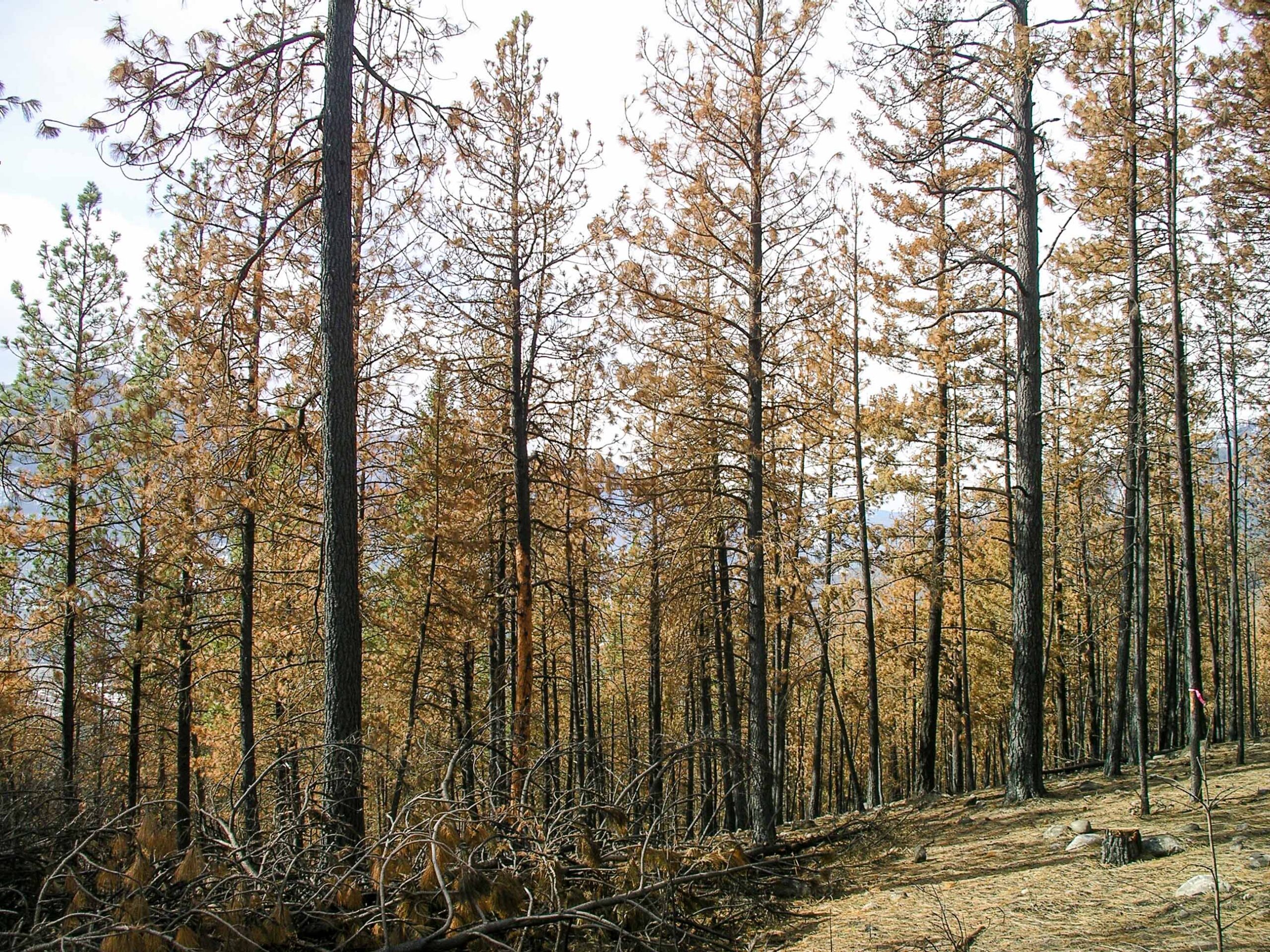 Scientists say wildfire could transform parts of the Canadian landscape, as more intense and more frequent fires push forests to adapt and prevent certain common Canadian trees from regrowing…. Canada’s native plants are hardwired to endure the effects of wildfire — to an extent. But … drier conditions and warmer weather due to climate change are making these fires more frequent and hotter. …What could happen is a shift from tall forests to grassland or savanna in some parts of the country… This would in some ways be a return to the past, said Marc-André Parisien, a scientist with the Canadian Forest Service — and not necessarily a bad thing. …“We’re moving to a place that has no historical analogue,” said Mike Flannigan, the science director of the Canadian Partnership for Wildland Fire Science at the University of Alberta. “We’re in new uncharted territory,” as climate change has exacerbated wildfires’ pace and scale. [Full story access requires a subscription to the Washington Post]
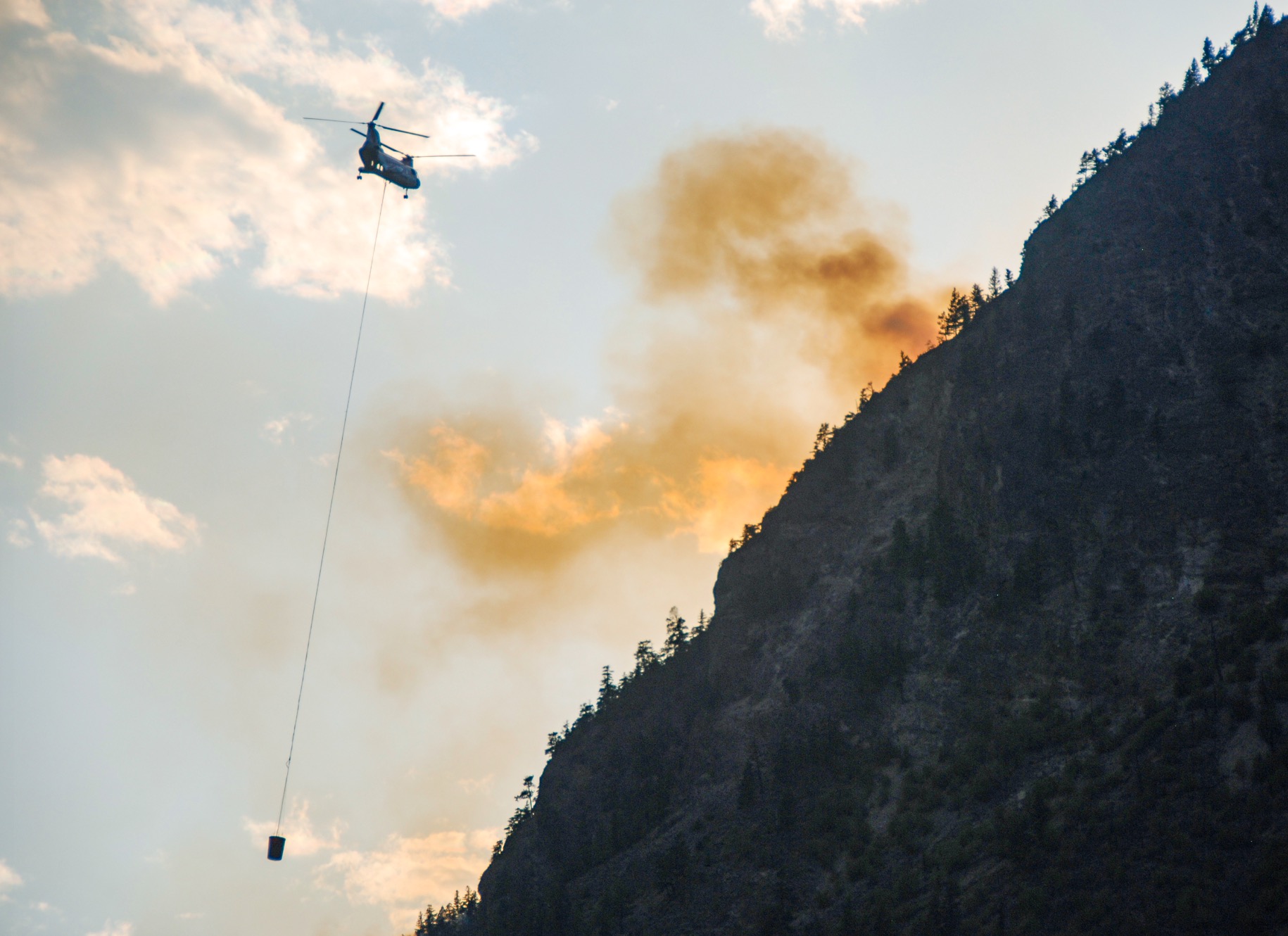 OTTAWA – This year’s wildfire season in Canada is shaping up to be the second-worst on record and federal officials are warning of a dangerous summer in parts of British Columbia. Officials … held a technical briefing Thursday in Ottawa with an update on the state of multiple wildfires and its forecast for the coming months. “We are expecting a hot and dry summer, and definitely leading to a forecast of increased fire danger conditions for much of western and northern Canada,” said Michael Norton, director general of the Northern Forestry Centre with Natural Resources Canada. Wildfires have scorched 3.7 million hectares across the country so far… Modelling by Environment and Climate Change Canada suggests temperatures will be about a degree or two above normal across the country through August, though the risk of wildfires remains highest in central and western provinces and territories.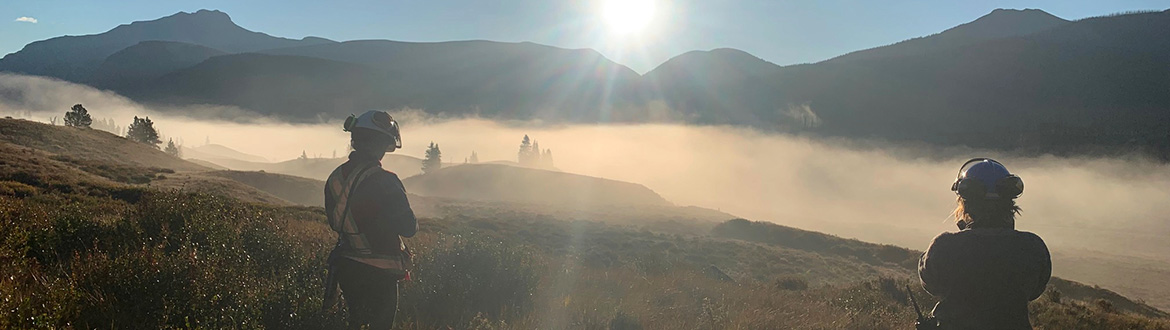
 OTTAWA, ON – Canadians are coming together to confront a severe wildfire season, driven by rising temperatures and dry conditions. It has already had devastating impacts in British Columbia, Alberta, Saskatchewan, Manitoba, and Ontario. The Minister of Emergency Management and Community Resilience and Minister responsible for Prairies Economic Development Canada and others delivered the latest assessment of the 2025 wildfire season. …Wildfires are causing widespread damage to communities, ecosystems, infrastructure and air quality, posing serious risks to public health and safety. As climate change continues to influence weather patterns, preparation and public awareness have never been so important. Canadians can access information through the Canadian Wildland Fire Information System and learn how to protect themselves by visiting Get Prepared. Looking ahead, forecasts point to above-normal temperatures from June through August this year, with potential drought intensifying across many areas in the coming weeks, especially in the northern Prairies and northwestern Ontario.
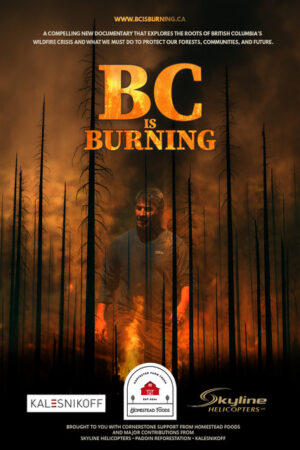 A wildfire documentary funded in part by community donations and Okanagan businesses will be screened in Kelowna and Vernon later this month. B.C. is Burning is a 45-minute film that explores the causes and consequences of the megafires that have devastated communities in the province in recent years. It also looks at science-based solutions that could protect communities, forests and B.C.’s future. The documentary was produced and written by retired forester Murray Wilson, initiated by association producer Rick Maddison and directed/edited with production support from Ryan Tebbutt of Edge Digital Media in Kelowna. It combines expert interviews, government data, and powerful footage from both British Columbia and California. …We know how to stop this,” says Wilson. “B.C. can lead — if we stop solely reacting and start managing our forests to protect lives, cut emissions, and reduce wildfire risk.”
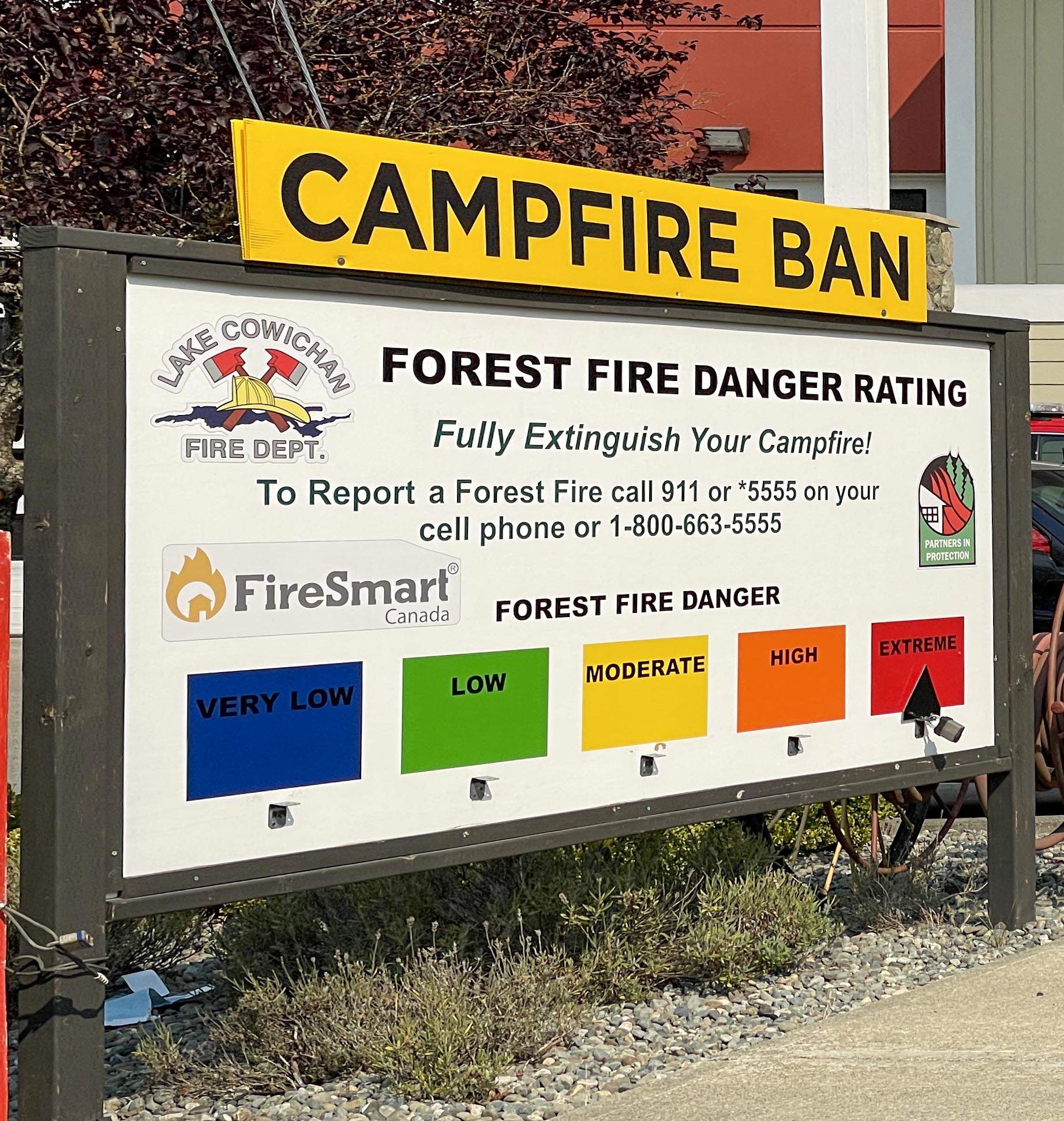 With dry conditions persisting, the Fire Danger Rating in North Saanich remains at ‘high’ since it was first raised on June 10, prompting fire and emergency services to urge residents to prioritize fire safety. “Forest fuels are extremely dry and the fire risk is serious,” the district warns. “Fires can start easily, spread quickly and be difficult to control. Use extreme caution in forested areas and during outdoor activities.” “We’re hoping the rating will encourage residents to take a proactive approach to keep their homes and properties safe in the event of a fire,” Deputy Fire Chief Aaron Kary emphasized. The fire department is offering residents valuable tools to enhance their preparedness. Wildfire automated sprinkler systems protection kits are available for purchase through the department, offering an easy-to-install solution for home protection. …While the forecast offers a glimmer of hope with potential rain … the rating will “remain high until significant precipitation occurs.”
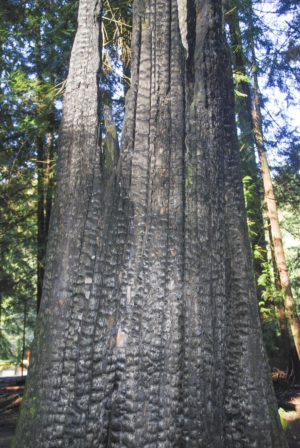 As wildfires continue to sweep across northern Saskatchewan, the toll is mounting. Not just in evacuations and lost homes, but long-term damage to the province’s forest industry. Carl Neggers, CEO of Forest Saskatchewan, says two of the largest fires, the Shoe Fire and the Ditch, have scorched 900,000 hectares of forest, an area roughly 40 times the size of Saskatoon. According to Neggers, “Saskatchewan’s forestry sector harvest around 23,000 hectares per year. That means this years wildfires have destroyed nearly 40 years of commercial timber.” “We support 12,000 jobs in this province through forestry” Neggers said in a June 9 interview on the Evan Bray Show. “If it impedes allocation or limits access to alternative timber zones, that puts our workforce and mills at risk.” The damage, he says, extends well beyond the logging industry. Forest in the commercial zone are also critical for recreation, traditional land use and Indigenous communities.

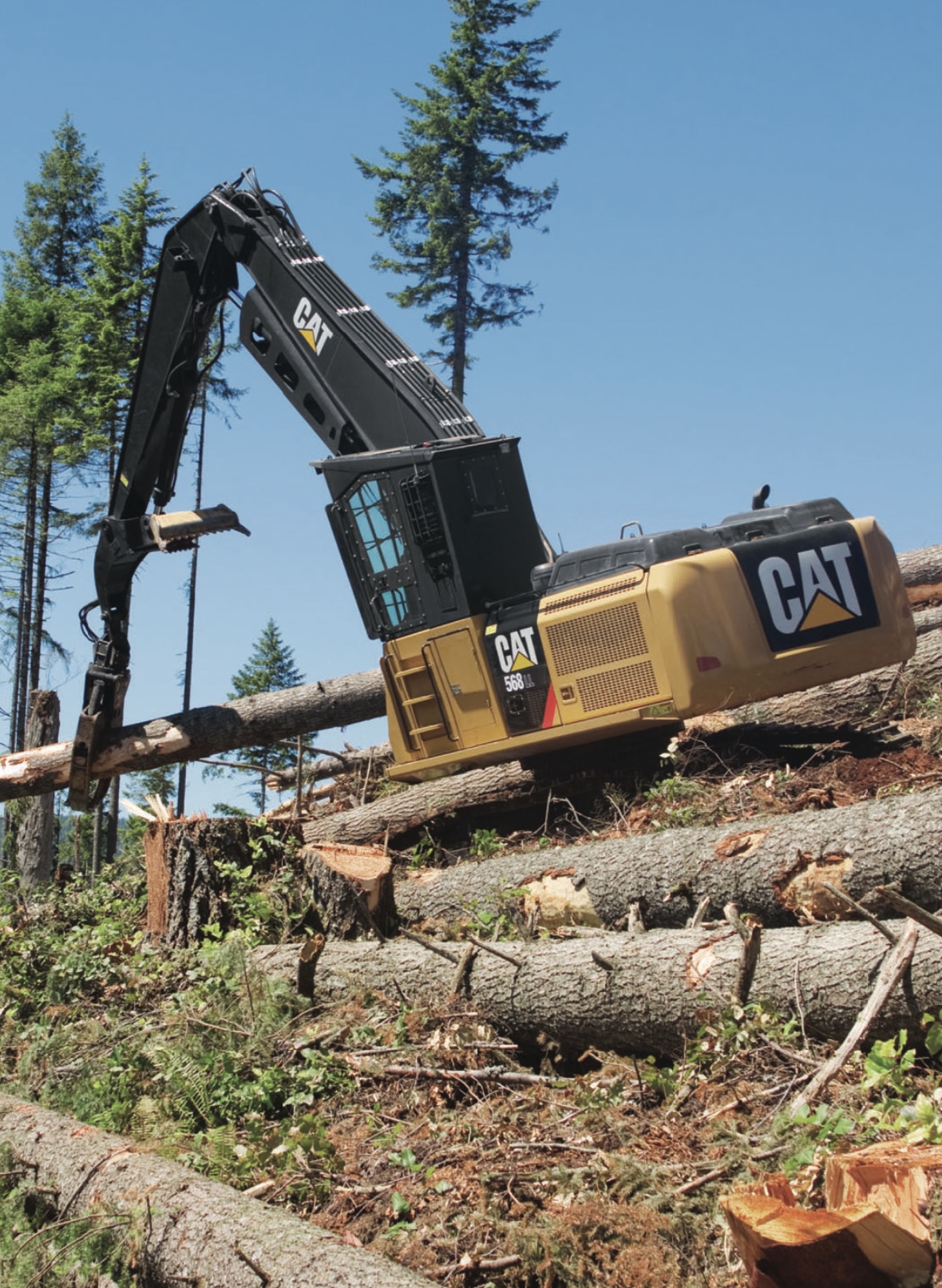 At the 2025 Council of Forest Industries (COFI) Convention in Prince George, the message coming from the stage was clear and consistent: British Columbia’s forestry sector, though challenged, was on the cusp of transformation. Words like resilience, partnership, and innovation echoed across the sessions. COFI’s President and CEO, Kim Haakstad, struck a hopeful tone in her remarks: “The forest sector is facing unprecedented challenges—but with collaboration and innovation, there is a path forward.” …Seven weeks later, I attended the Canada North Resources Expo, in Prince George. The contrast couldn’t have been more striking. This show, which typically draws the biggest names in logging and roadbuilding equipment, felt subdued. Gone were the sprawling displays from Caterpillar, Komatsu, Hitachi, Volvo, John Deere, and XCMG. These are big players – their absence was impossible to miss. …At COFI, we heard big ideas. At the Resource Expo, we saw who’s showing up—and who isn’t.
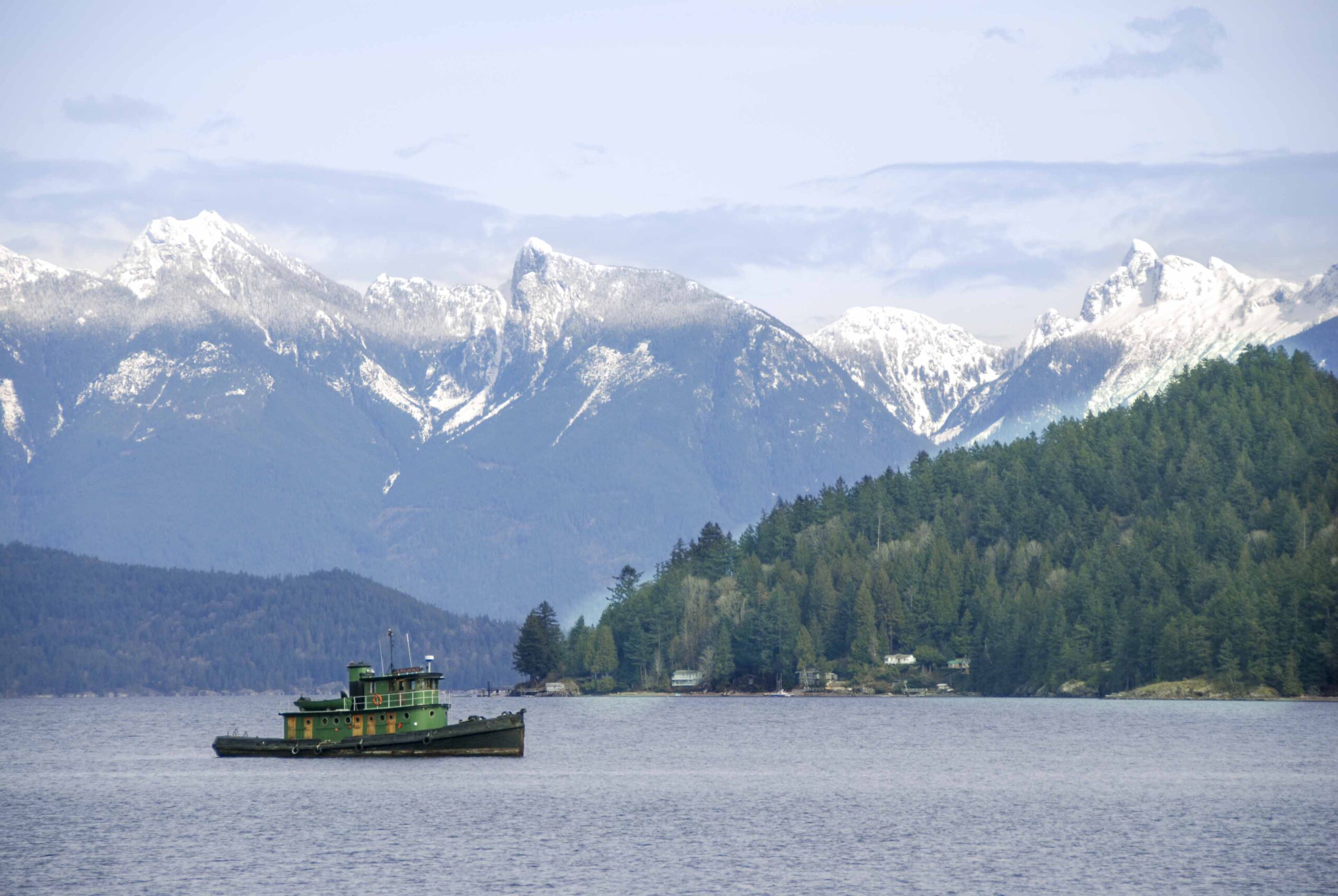 The Town of Gibsons has endorsed an ambitious urban forest plan to protect and expand tree canopy coverage across the municipality by 2045. The plan, developed by Diamond Head Consulting, was presented to council during the June 3 regular meeting, following community engagement and technical analysis. The urban forest plan establishes canopy cover targets of 31 per cent for urban areas and 39 per cent for greenfield development sites by 2045. Currently, Gibsons maintains 38 per cent overall canopy coverage, representing 160 hectares of tree canopy within the town’s 430-hectare(4.3km²) boundary. The plan notes that while greenfield areas will see reduced canopy due to expected development, strategic planting and protection measures can still achieve meaningful coverage.
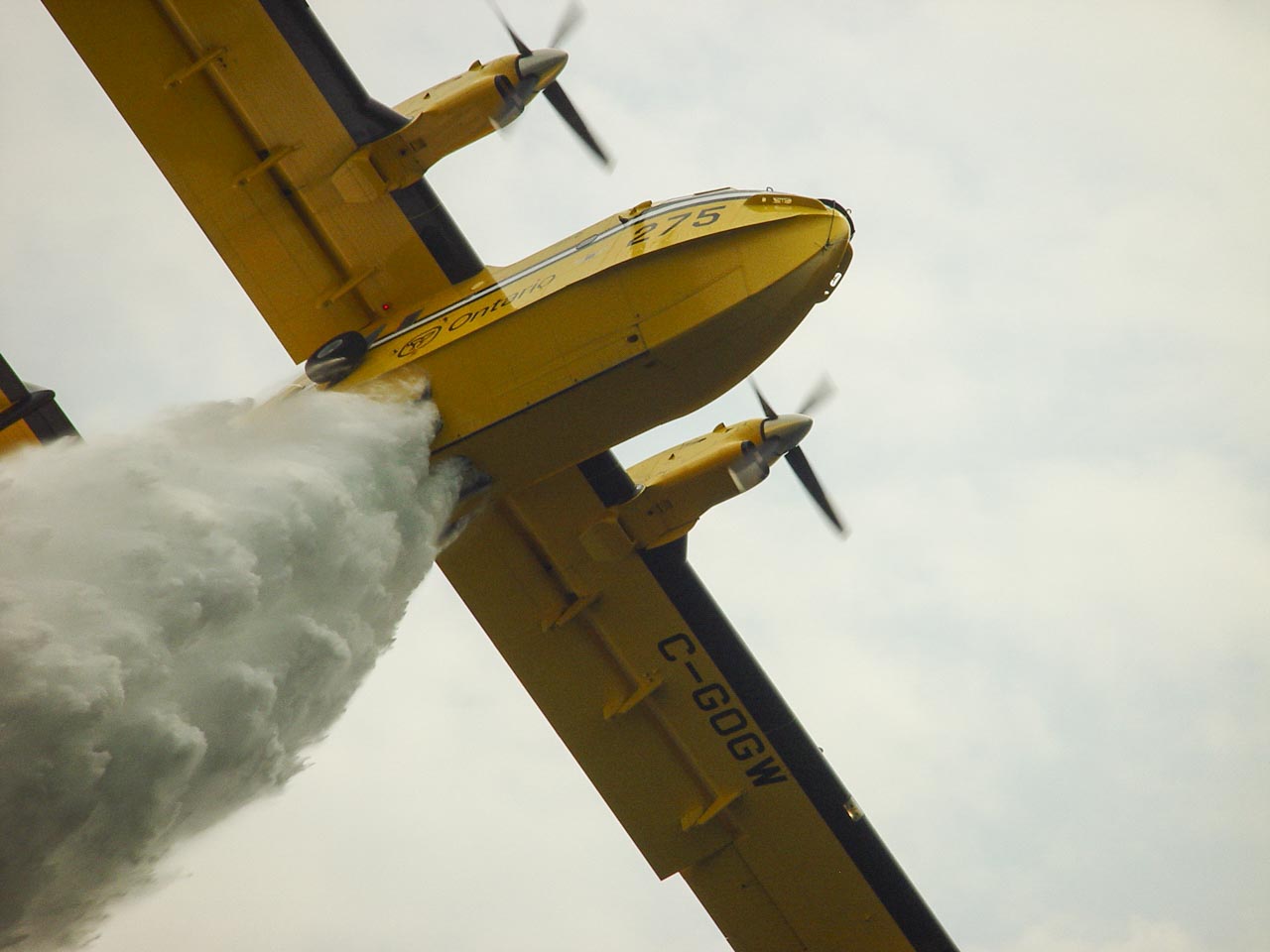 The Ontario Public Service Employees Union (OPSEU) is calling on the province to increase wages for water bomber pilots, as a shortage of pilots has led to the grounding of some aircraft. OPSEU said in a news release that pilots it represents have “resoundingly rejected an offer that would have made Ontario second to last in terms of wages for these dangerous and critical jobs.” OPSEU president JP Hornick told CBC that Ontario water bomber pilots are leaving for other provinces because they can earn better wages. “We have a government that is touting the fact that they’re purchasing six new water bomber planes, but they can’t even actually address the staffing needs that they have on the existing planes,” Hornick said. “This isn’t somebody taking off of a regular tarmac, right? They’re flying planes into the worst possible conditions, active wildfires, dipping down into lakes, filling it with water.”

 The 2023 McDougall Creek wildfire caused serious damage to the Rose Valley reservoir, which provides source water to more than half of West Kelowna residents through the Rose Valley Water Treatment Plant. During a presentation to city council this week, Interior Health medical health officer Dr. Fatameh Sabet said that damage makes it harder to treat water coming from the reservoir. “We know the land surrounding the Rose Valley reservoir has been contaminated because of the wildfire in 2023 and it means the contaminated source of water can be harder to treat because of the sediment, nutrients, metals and organic matter as a result of burned material,” said Dr. Sabet. “Fortunately, the Rose Valley Water Treatment Plant was not damaged from the fire and it has been very helpful to compensate for damage to the watershed.” The plant ensures water is safe by not only controlling levels of manganese and disinfection byproduct, but other perspectives as well.
 High winds fanned a wildfire threatening Squamish as some residents remained on evacuation alert and under a heavy blanket of smoke. On Wednesday evening, the B.C. Wildfire Service had mapped the Dryden Creek fire at about 54 hectares, or about a half-square kilometre, up from five hectares two days ago. The District of Squamish said daytime winds have contributed to the fire’s size, pushing it further north away from properties. “Existing containment lines on the southern flank are not currently threatened,” said the district in an update Wednesday evening. Aaron Foote, chief of Squamish Fire Rescue, said the fire is within 40 metres of some homes as debris from burning trees falls near properties, but added that the properties were not at risk. He said debris has been rolling down steep hillsides as local firefighters battle the blaze that’s looming over the community, next to the Sea to Sky Highway.