 Working in forestry can be challenging, not just physically, but psychologically as well. That’s why WorkSafeBC is advising forestry employers and workers about the importance of paying attention to psychological health and safety.
 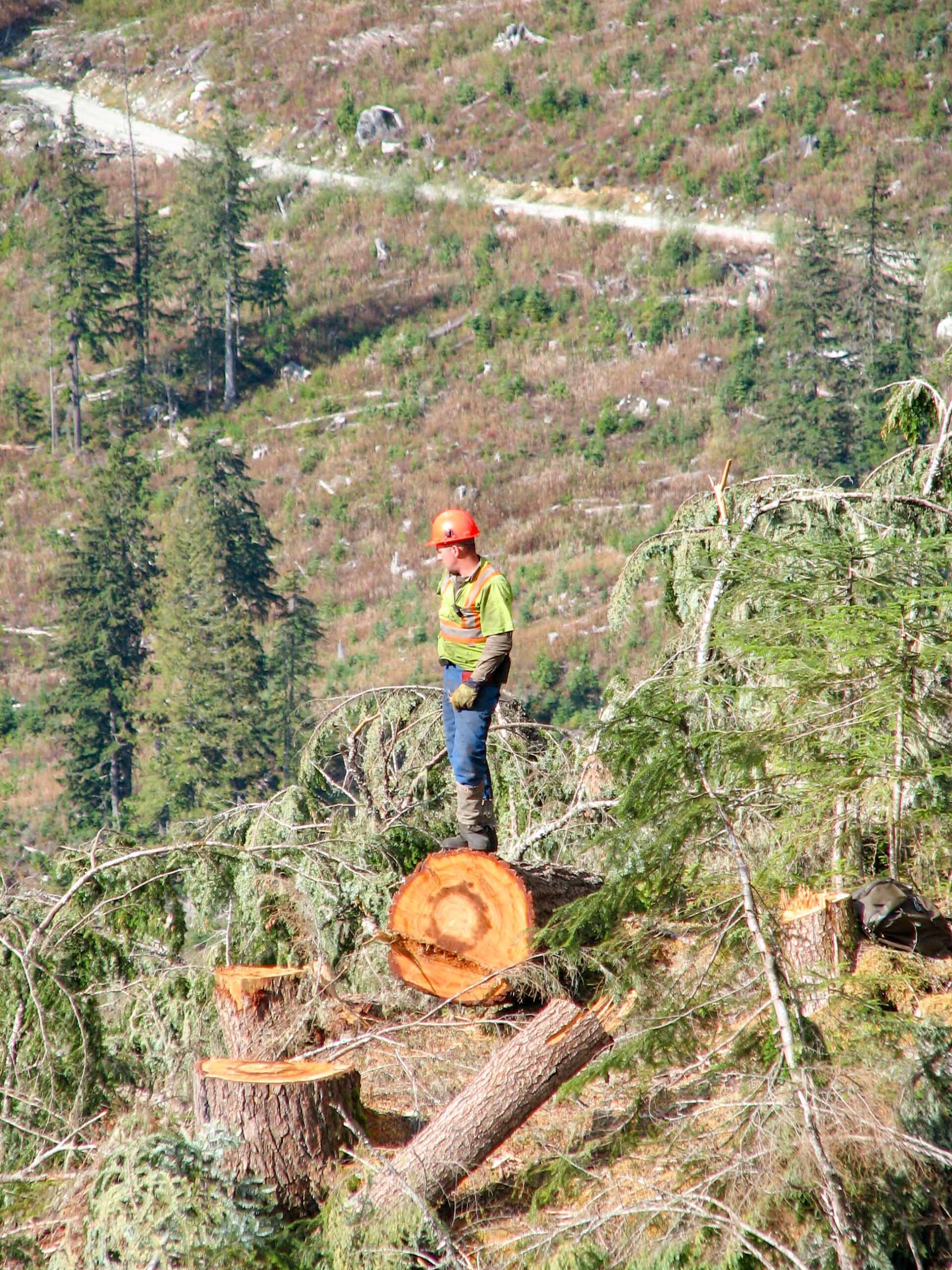 Managing psychological health and safety in the workplace is as important as managing physical health and safety. A psychologically healthy and safe workplace prevents harm to workers’ mental health and promotes mental well-being. While many factors outside the workplace can affect mental health, it is an employer’s responsibility to address the factors that are within the control, responsibility, or influence of the workplace. Psychological health and safety involves how people interact with each other daily, how working conditions and management practices are structured, and how decisions are made and communicated. In the forestry sector, workers face unique psychological challenges, including financial stress from an unstable market, job instability, social isolation, and the impact of climate change and severe weather conditions.
 They are also required to conduct regular emergency and first aid drills as part of their annual drill requirements to ensure workers understand their roles and responsibilities. As forestry operations in BC move into more remote and rugged areas, getting help to an injured worker quickly can be a serious challenge. …To help companies build stronger ERPs—especially when it comes to worker extraction—the BC Forest Safety Council and the Trucking and Harvesting Advisory Group created a video series.
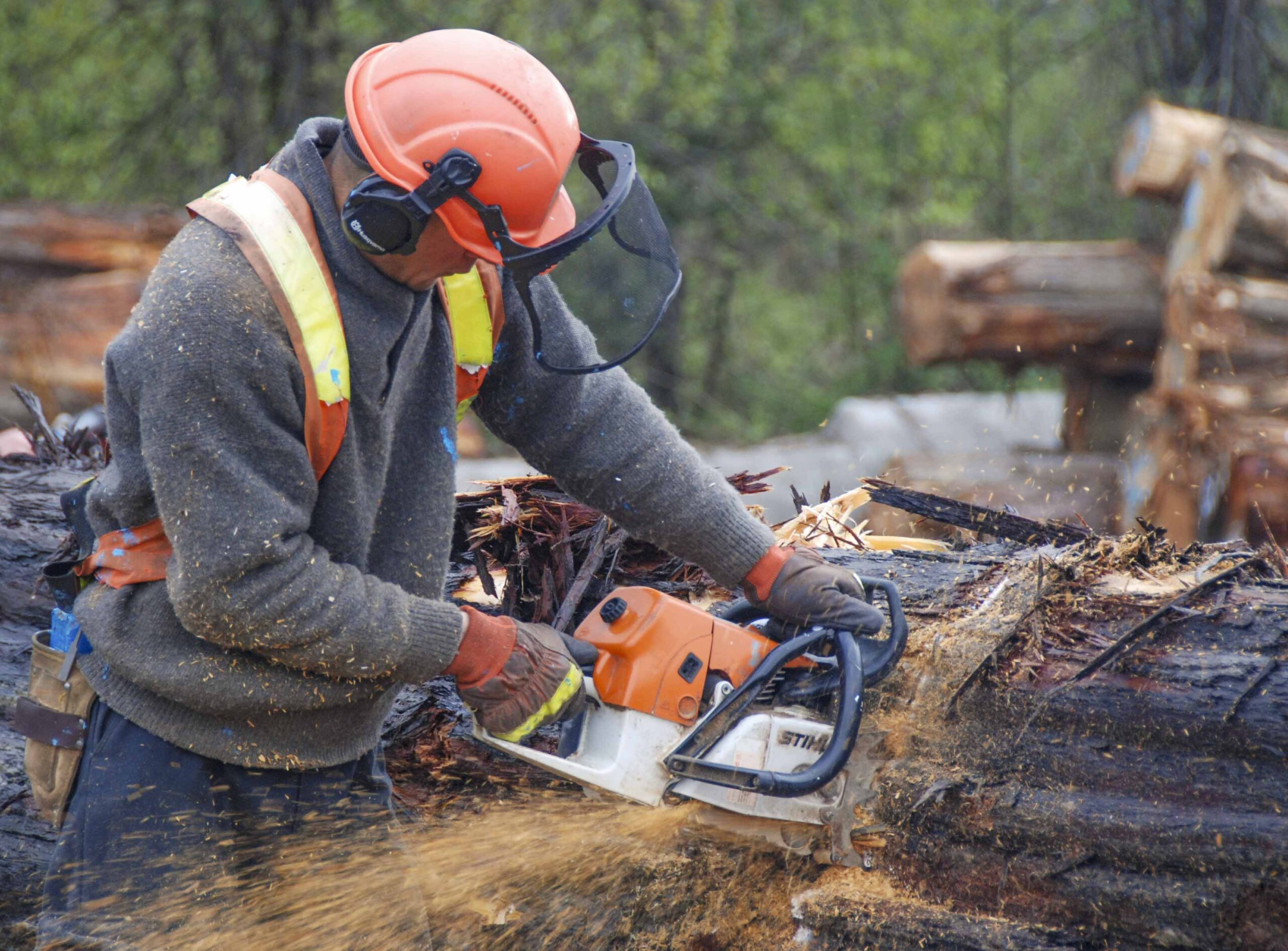 Noise-induced hearing loss (NIHL) is not just a long-term risk, it’s a fast-growing occupational disease that affects workers across the province. Over the past decade, WorkSafeBC has accepted almost 2,000 claims for hearing loss in the forestry sector. To prevent hearing loss, employers in the forestry sector must proactively recognize risks and understand the specific tasks workers will undertake, making pre-work planning a key step in injury prevention. The impact of noise on hearing “The risk of hearing loss depends on both noise level and exposure time,” says Sasha Brown, an occupational audiologist with WorkSafeBC. “For example, brief exposure to extremely loud noise or sustained exposure to moderate levels can be equally damaging to hearing.”
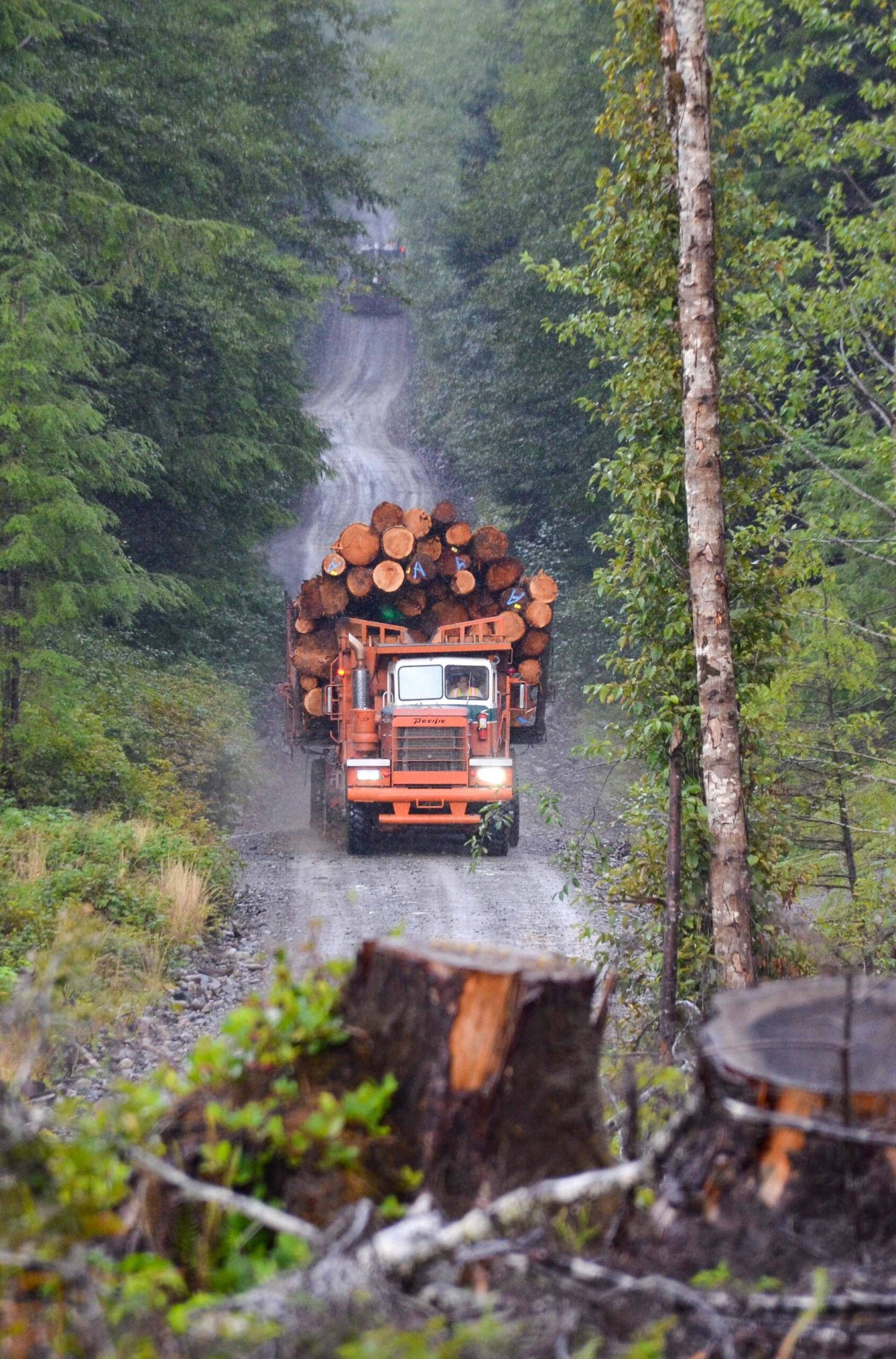 All resource road users play a key role in ensuring safe passage on these roads. Always exercise caution and have an understanding of the risks. Most resource roads have gravel surfaces and are often single lanes with limited visibility due to roadside brush and sharp, winding turns and curves. They often have soft shoulders, minimal ditches, steeper grades, changing road surfaces with loose or rough gravel and potholes. Drivers should always read and understand the signs at the start of the road and along the way as they provide important information about the road, radio channel, restrictions, expected traffic and other hazards and obstacles you may encounter while driving.
 BC Hydro data shows that severe weather events in the last 3 to 5 years have led to some of the most damaging storms in BC Hydro’s history. BC’s forest health aerial surveys show that the area of windthrown timber in 2021 (12,600+ ha) was 3 times the average over the last decade. Wind events pose significant risks to people working on and traveling to and from woodlots and community forests. This bulletin provides licensees, managers and workers with guidance and resources they can use to plan and conduct operations that minimize risk of injury to workers during those events.
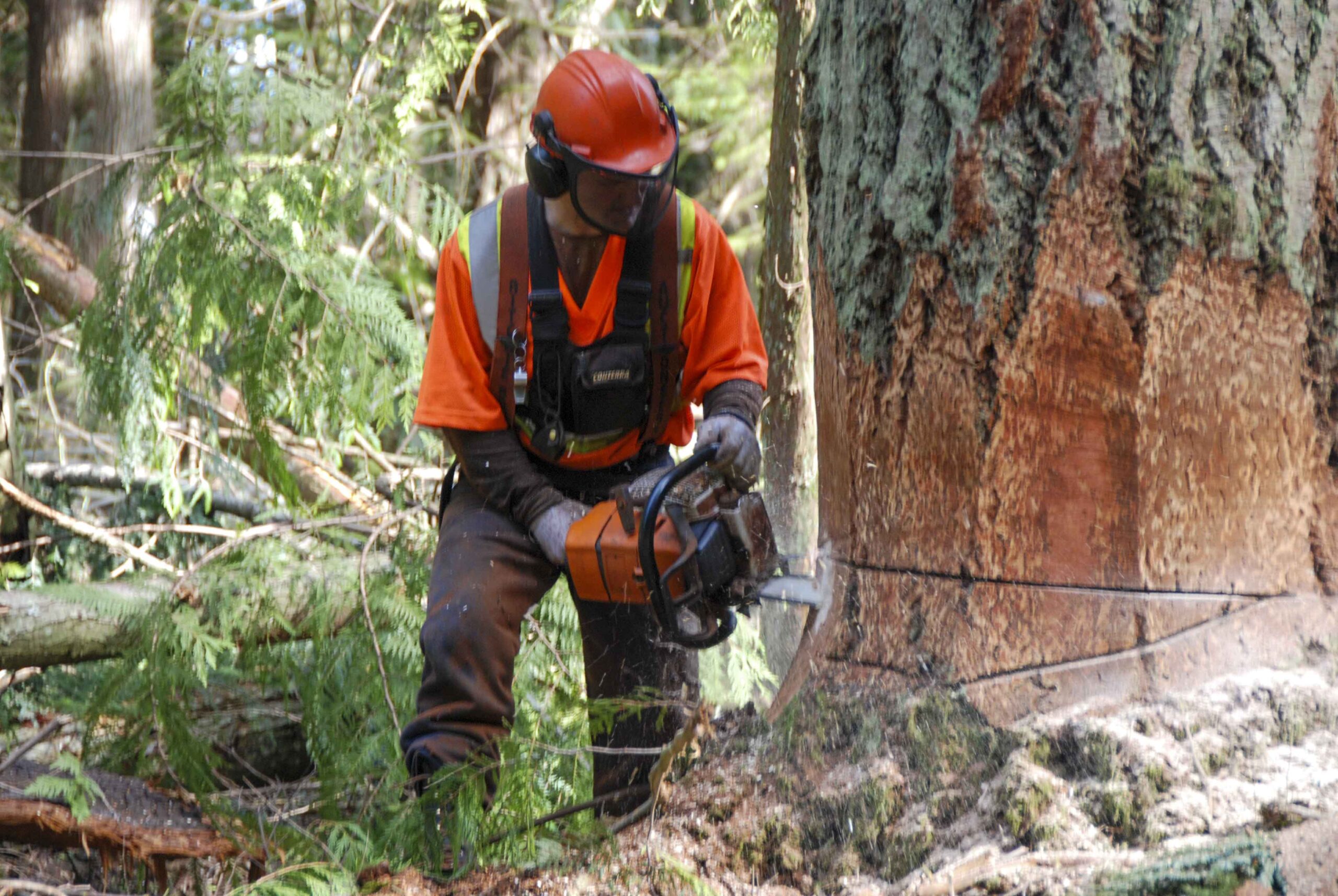 The following focuses on considerations for supervisors and owners when developing a PPE program. Components of a good PPE program include: Regulation Check; Planning; Appropriate Selection; Fitting; Education and Training; Supervisor and Management Support; Inspection and Maintenance; and Auditing the Program. Get all the details by clicking the Read More!
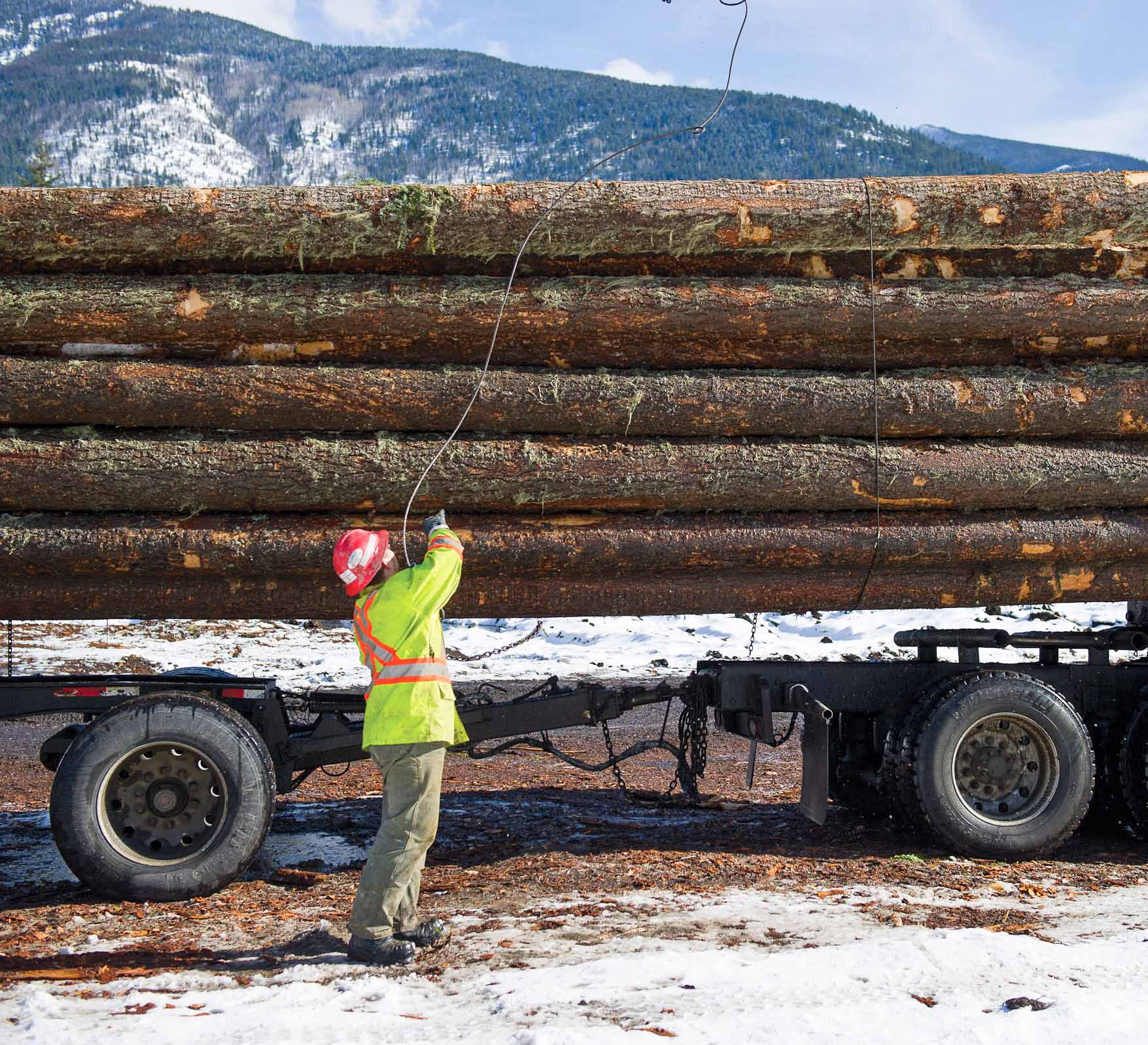 By implementing ergonomic practices, promoting proper body mechanics and fostering a culture of early reporting and prevention, employers and workers can work together to significantly reduce the occurrence and impact of MSIs across the industry. Although musculoskeletal injuries can affect workers across all areas of forestry, certain roles are particularly vulnerable due to the physical demands and repetitive nature of their tasks.
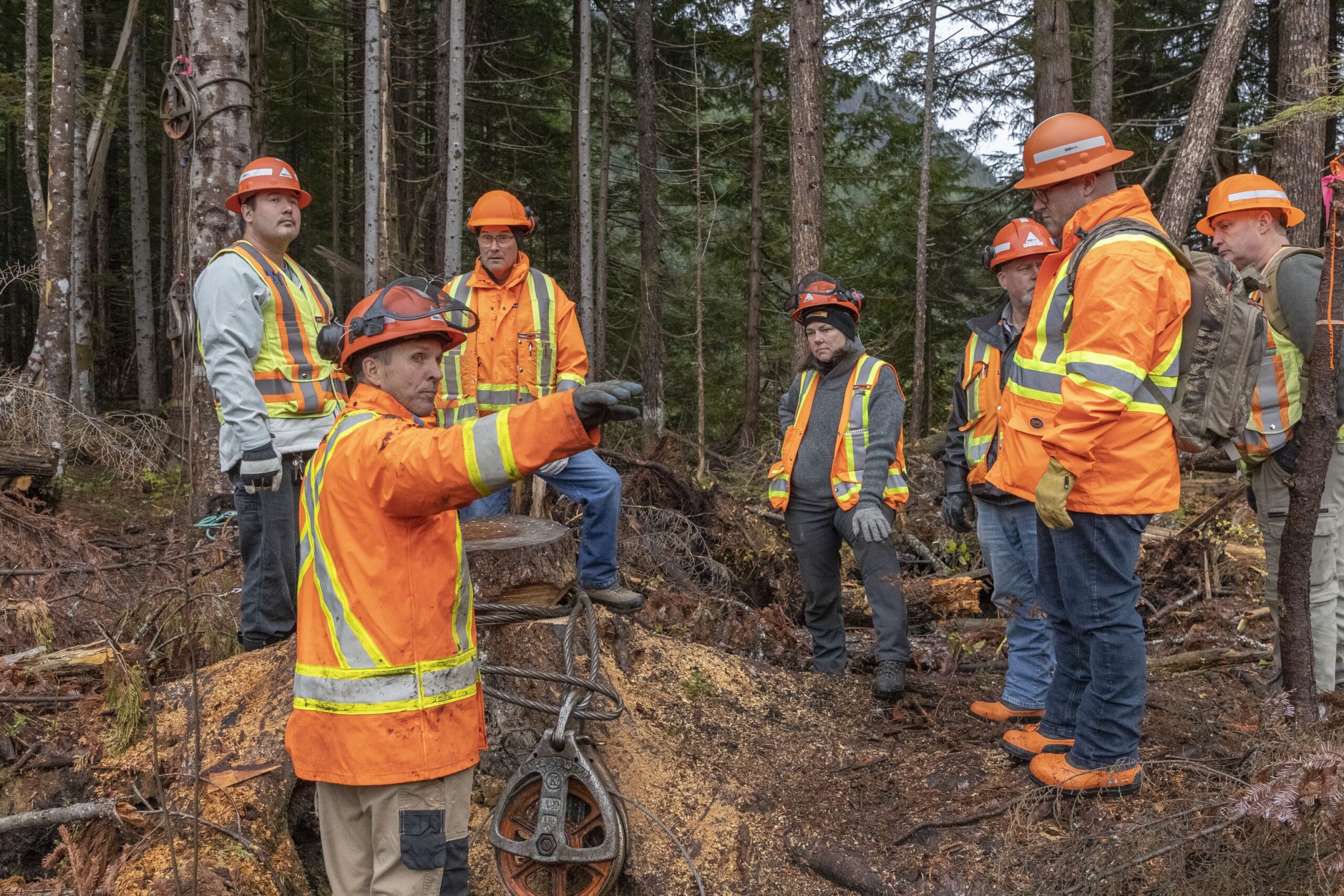 Steep slope harvesting can be approached in several ways, each with its own set of challenges and safety considerations. …Steep slope harvesting presents significant risks, but with careful planning, proper equipment, and a culture of safety, these risks can be managed. “Safety is not a one-time effort but an ongoing process that requires daily attention,” says Pawlowski. “By consistently prioritizing hazard assessment, equipment suitability, proper setup, and staying in the clear, employers and workers can minimize risks and help ensure that steep slope harvesting remains a safe and effective method of timber harvesting.”
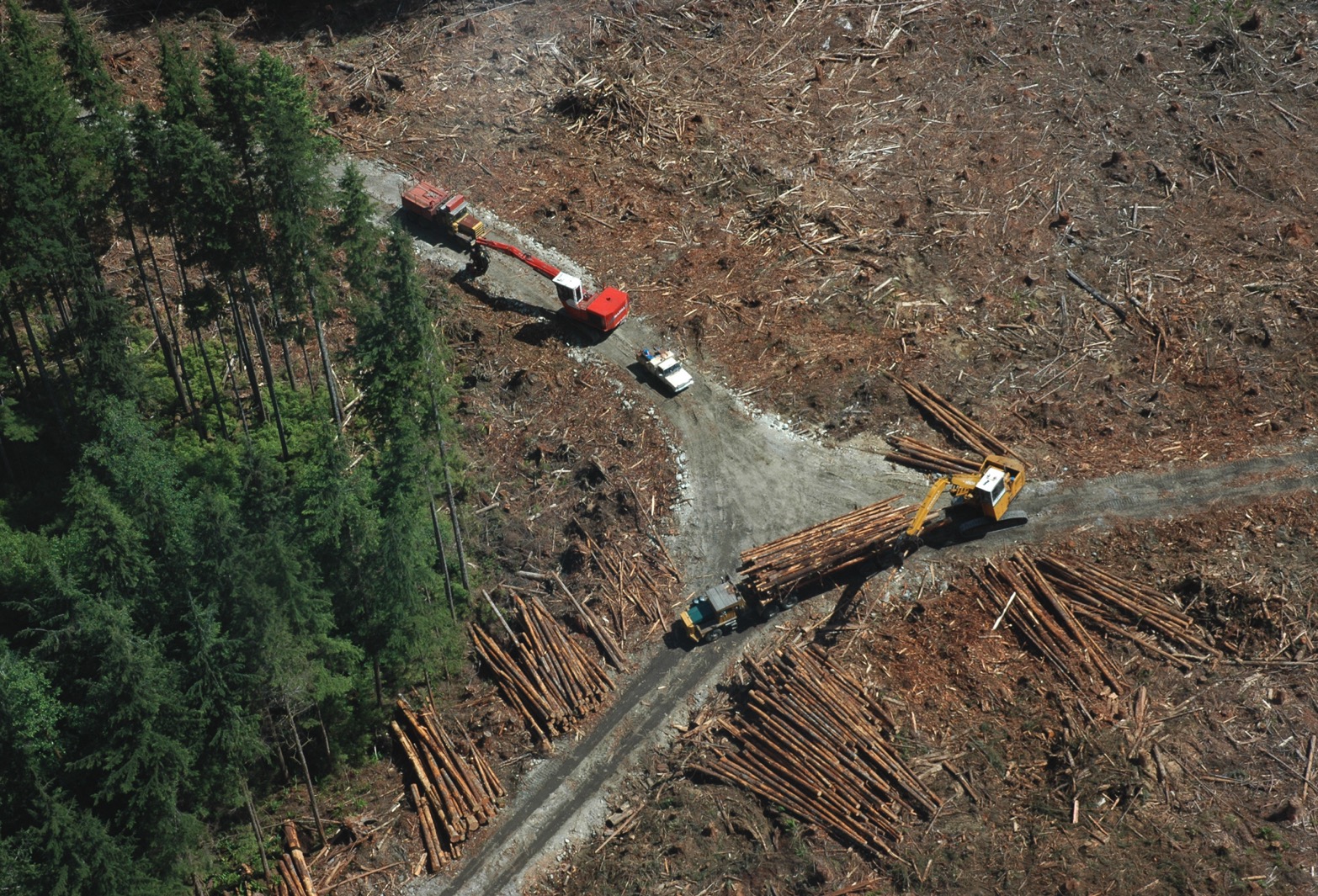 Here again in 2025, phase congestion has become a heightened concern as forestry operations are scrambling to produce in the face of uncertainty which could lead to dangerous situations for workers. History has proven that during uncertain times, productivity becomes the main driver, not for all contractors, but for some, and safety can be put on the backburner which puts everyone at risk, even those who put safety first.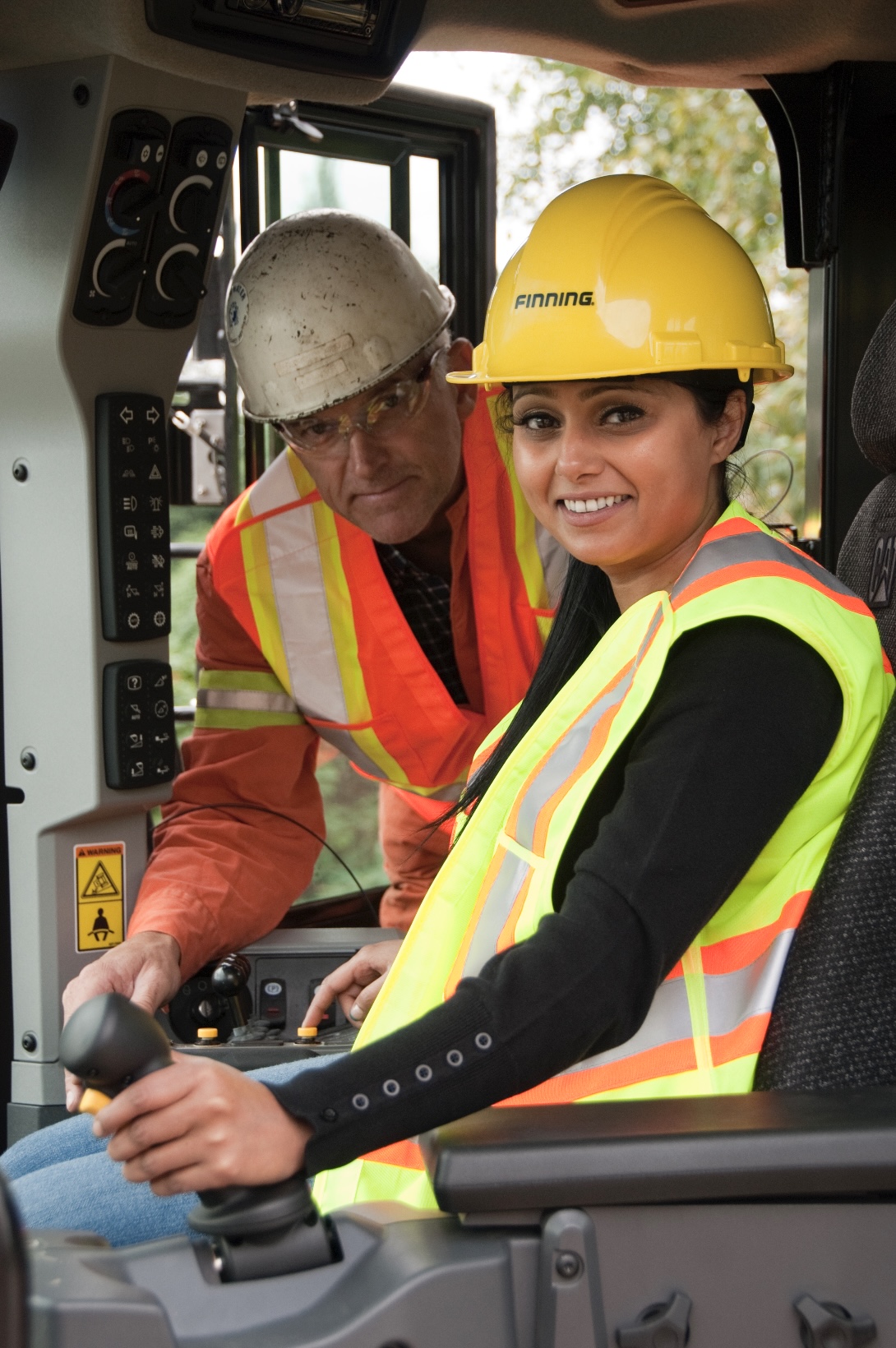
 The federal government has no plans to use legislative tools to penalize Canadian businesses for offshoring jobs to the United States or other countries to avoid American tariffs, the finance ministry says. The clarifying statement comes after Unifor urged Ottawa last week to use existing measures to prevent the loss of Canadian jobs to south of the border, and strengthen the law through legislative amendments. “The government is not implementing legislative tools to penalize Canadian companies who relocate abroad,” a finance ministry official said. “On the contrary, the government has put in place measures to support Canadian companies so they can continue to do business at home.” …The statement comes as Parliament returns for its first session in more than five months, finally allowing legislators to consider measures to respond to US President Trump’s trade war with Canada.


 Tariff uncertainty from the Trump administration continues to impact home builders across the country, as builders prepare for potential price hikes and supply chain issues. …Lumber remains a primary concern, with countervailing and antidumping duties expected to more than double this fall. Steve Martinez, president of Tradewinds General Contracting in Boise, Idaho, recently spoke with CNBC to emphasize just how much lumber goes into the construction of a new home. “This entire house is built out of wood,” Martinez said. “I mean, we really do have wood on the floor, wood on the walls, wood on the ceiling. Can’t really get away from building a house like this without using a large number of wood products in the home.” As a result, price increases to lumber can cause a huge disruption for home builders. And lack of certainty adds complexity to the home-building process.

 Domtar has been penalized $17,200 for nearly two dozen failures to control the release of emissions from its Skookumchuck, BC, mill. The kraft pulp mill was found to have violated pollution levels 23 times over eight months starting in 2021, according to a decision from director of the Environmental Management Act Bryan Vroom. On at least six occasions, the decision found Domtar failed to keep smoke emissions from a wood-waste-fired power boiler below the 40 per cent opacity required under its 2013 permit. …The company disputed the findings, arguing that a nearby air quality impact assessment showed the impacts to human health were “not significant” and that the ministry failed to show the violations would impact workers. In his decision, Environmental Management Act Bryan Vroom responded by reducing the severity of the failures to a level of “low to none.” …Domtar acknowledged the penalties in an email, and said it is working with B.C.’s environment ministry in response.
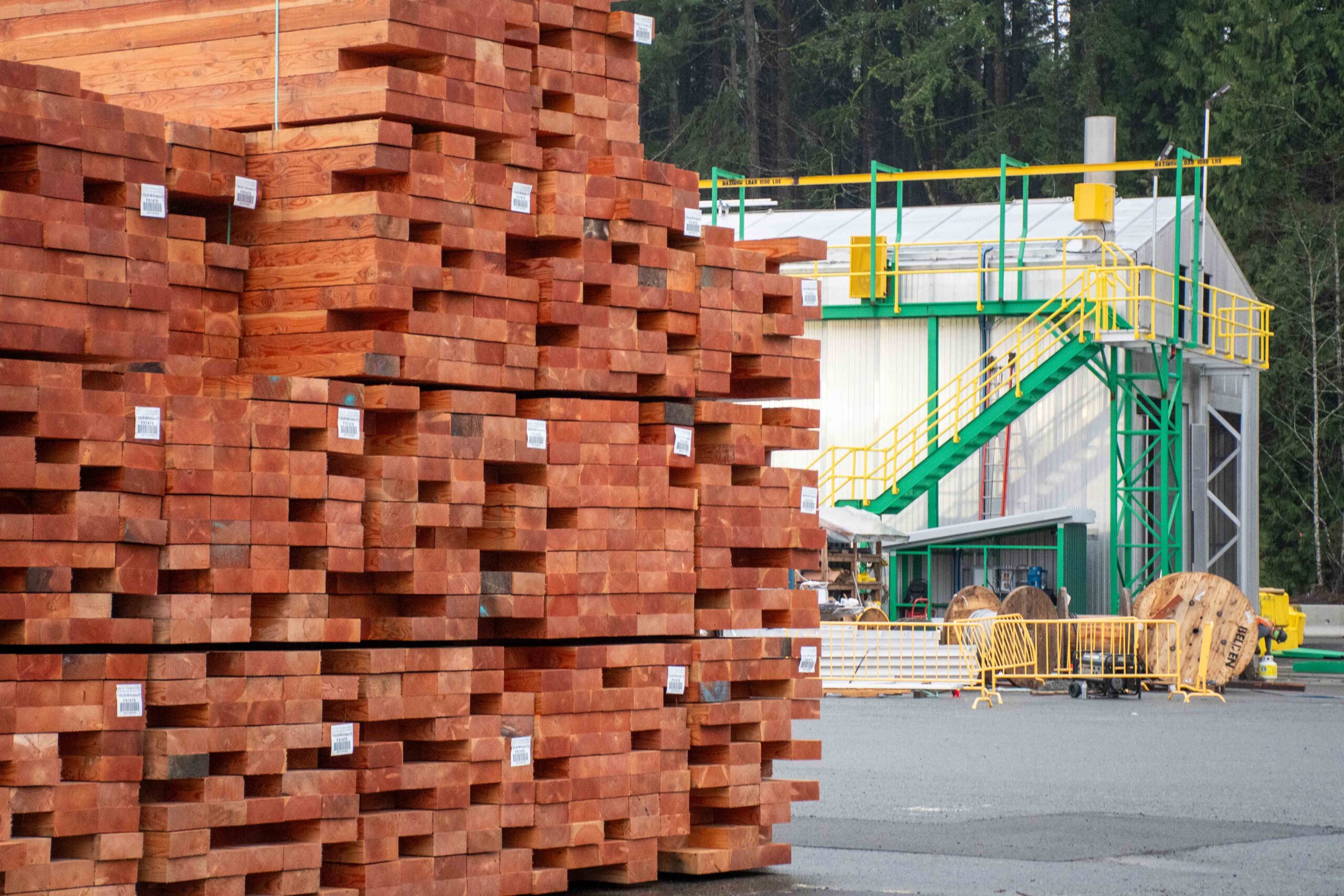 Canada has challenged both duties in our free trade arrangements with the US and at the WTO — often successfully but to no avail. …Clearly, putting an end to 40 years of a softwood lumber trade war should be a top priority for Canada in its list of fixes it seeks in any CUSMA renegotiation. …Nevertheless, a looming trade crisis may present some interesting opportunities in the confluence of at least three policy priorities of the new federal and BC governments. …In the recent election, Carney promised to double the number of homes built in Canada annually to 500,000, entrusting the implementation of this plan to a new Build Canada Homes (BCH) agency that will act as a developer overseeing the construction of affordable housing. …Hence, BC lumber displaced from the US market can be redirected at home to drive down the cost of a significantly increased inventory of new homes throughout Canada.
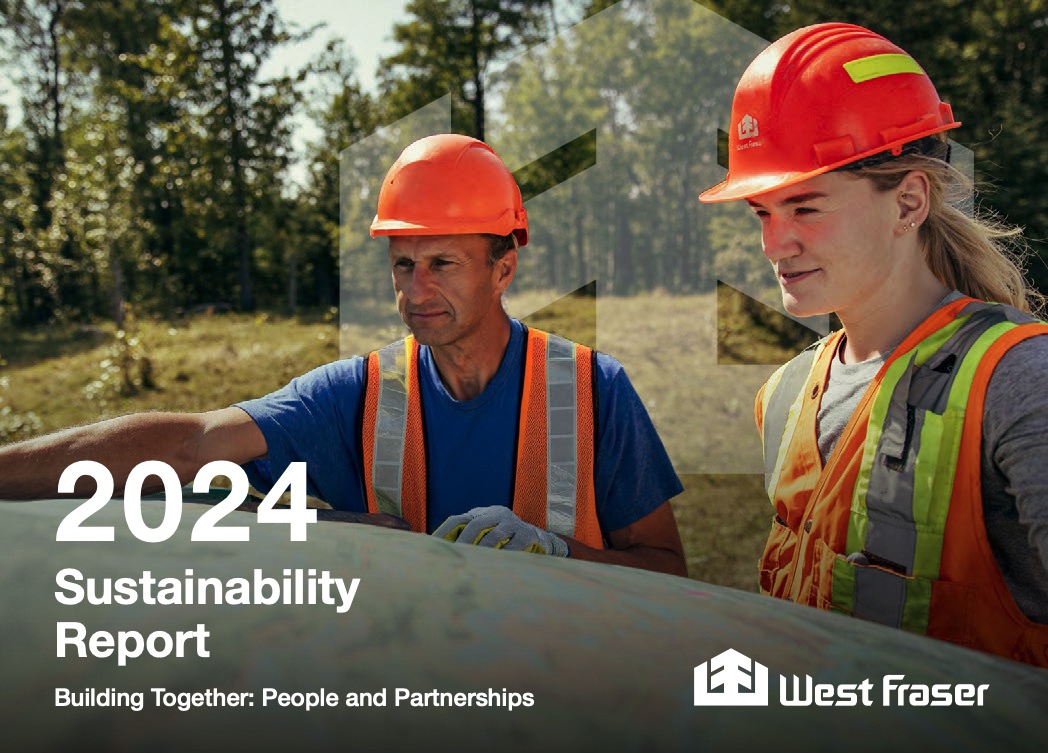 VANCOUVER, BC – West Fraser Timber Co. Ltd. released its 2024 Sustainability Report, Building Together: People and Partnerships. The report highlights the Company’s sustainability performance across a variety of environmental, social, and governance goals and disclosed targets. “Since our founding 70 years ago, West Fraser has recognized our responsibility to the environment and society while delivering solid financial performance,” said
  Culturally significant land in the Cowichan Valley has been returned to Lyackson First Nation and Cowichan Tribes communities, a reconciliation landmark between the Nations and B.C. The lands that are now in possession of the Nations are near an existing Cowichan Tribes Indian Reserve known as Skutz Falls IR8 and adds to an area that has historically been used by the Nations for gathering, harvesting and other activities of cultural importance for their communities. “The acquisition of this parcel of land could not have been made possible without the commitment of British Columbia, our kinship ties with Cowichan Tribes and willing seller Mosaic,” said Hereditary Chief Laxele’wuts’aat Chief Shana Thomas of Lyackson First Nation.


 To state the obvious, in Ontario homebuilding is not keeping pace with population growth. This imbalance is driving sky-high home prices and rents, not only in the GTA but many other Ontario cities. What’s to be done? In the Ford government’s recent budget, “housing” appears not as a central theme but as one of several areas to receive “support” in light of Trump’s tariffs, mainly in the form of more money for local infrastructure. …And as part of this “housing” spending spree, the Ford government will continue to spend millions on the Community Infrastructure Fund—which targets smaller communities—and programs to encourage skilled trades, which could support housing development. … The Ontario government has already spent billions on its housing strategy, yet has not moved the needle on housing supply. Even Ford’s new budget with its massive housing “support” includes an abysmal forecast for new home construction.
  Packaging is going back to its roots. Long before the advent of plastics, before the rise of mass production and the widespread adoption of synthetic materials, early civilisations relied on what the natural world had to offer – pressed bark, woven plant fibres, and rudimentary pulps – to store and transport food and goods. Paper, in particular, has long served as a trusted material for containment and communication alike. Today, that ancient material is undergoing a resurgence and is evolving to not only meet contemporary functional needs but also to respond to an urgent call for environmental responsibility. The rapid shift away from single-use plastic has created new momentum behind paper-based alternatives. From luxury goods wrapped in soft textured, bespoke papers to barrier coated containers engineered for performance and recyclability, fibre-based packaging is no longer confined to brown boxes or rustic aesthetics. It is becoming more refined, more versatile, and, crucially, more sustainable – at least on the surface.

 The new Cowichan District Hospital will be British Columbia’s first fossil fuel-free hospital, Island Health announced on Earth Day, April 22. The new hospital is under construction on Bell McKinnon Road near Duncan on Vancouver Island and is scheduled to open in 2027. It is also Canada’s first hospital to achieve Zero Carbon Building – Design certification from the Canada Green Building Council. “We’re building hospitals that will care for people in our communities for generations,” said Bowinn Ma, B.C.’s minister of Infrastructure. “This certification shows that through innovative design, we can create hospitals that support the well-being of families and a sustainable future.”.. The hospital’s leading-edge sustainability measures will free up resources for patient care while supporting patient and staff well-being and delivering environmental benefits.
 The new La Pêche Town Hall, built on a promontory facing Route Principale, is a mass timber, highly energy-efficient building that will soon become the first Passive House-certified institutional building in Quebec. Rectangular in shape and located on an east-west axis, the building, by BGLA architecture + urban design, features a long façade which faces directly south onto the main road. This façade offers views of the hills of Gatineau Park from the inside, while also using natural solar gain to serve as the building’s primary heating source. The presence of wood is felt inside and outside the project. Eastern cedar cladding envelops all the façades, while the glulam and cross-laminated timber structure is exposed and highlighted in each of the interior spaces.


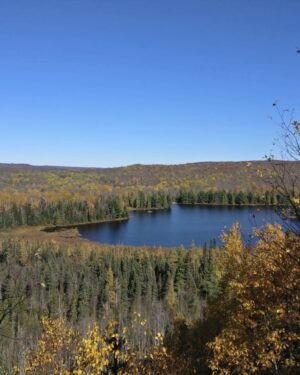 The Quw’utsun Nation and the Municipality of North Cowichan are moving forward on a co-management framework for the Municipal Forest Reserve. The initiative is being developed with the help of Your Wayfinders Management Solutions, a project management consulting firm. The goal is to create a partnership in key areas like shared decision-making, economic opportunities, Indigenous forest practices, recreation, and stewardship of culturally sensitive areas. A final draft plan is expected by early 2026. In the meantime, North Cowichan has paused new decisions on the forest reserve, but essential activities like FireSmart work and invasive species control will continue. North Cowichan had a technical review and public engagement done for the forest reserve between 2020 and 2023, and a preferred forest management scenario favouring ecological and sustainable values was presented to council.
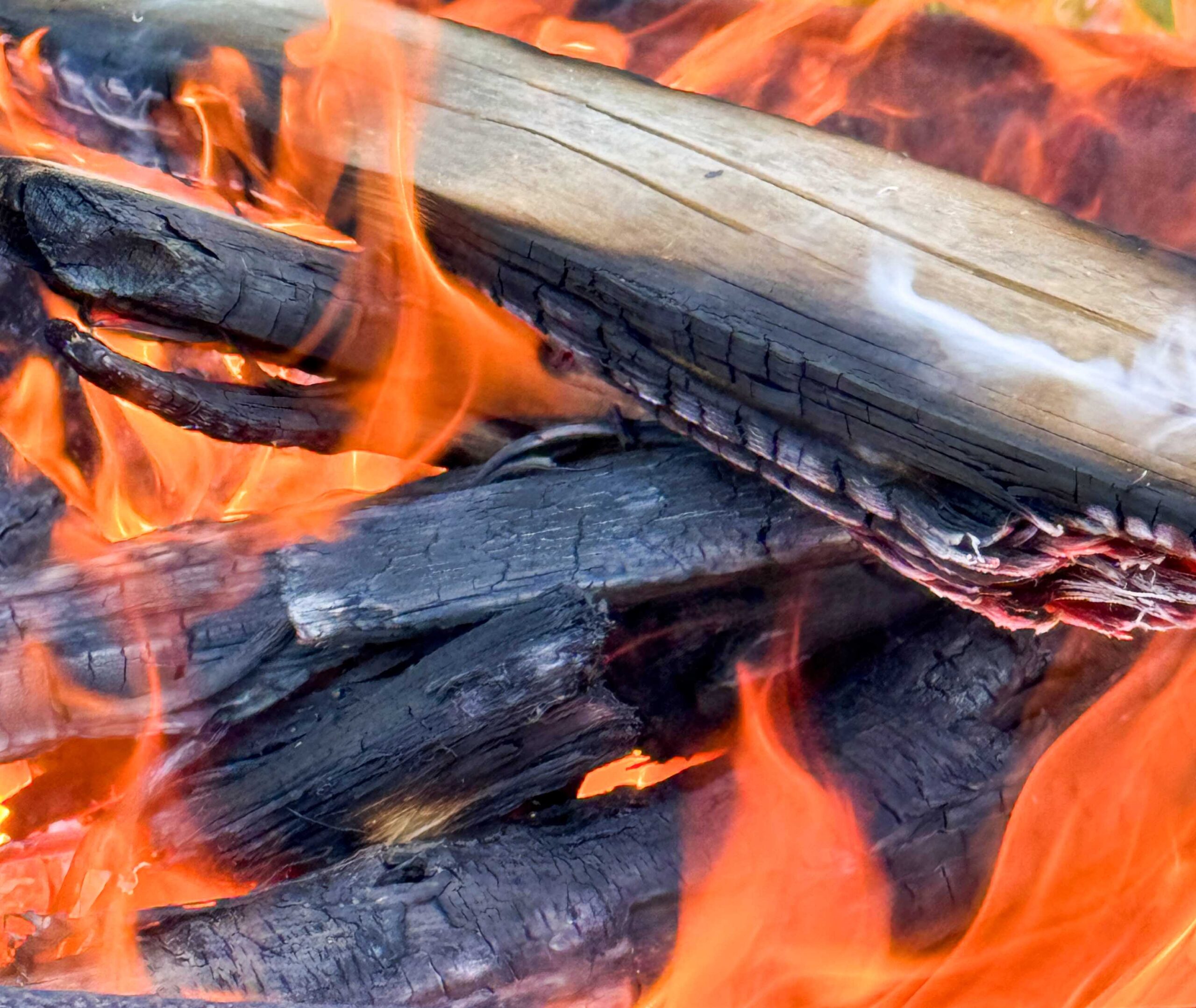 NANAIMO — Larger, open fires are set to be banned for the summer months, effective at the end of this week. The Coastal Fire Centre will enact a sweeping ban on category two and three fires beginning at noon on Friday, May 30, a typical first step in their fire prevention efforts every summer. Banned across Vancouver Island and a vast majority of coastal B.C. will be large burn piles or burns over stubble or grass to certain measurements. Also banned are fireworks, exploding targets, burn barrels and cages, air curtain burners and other, similar open flames. …“Anyone found in contravention of an open fire prohibition may be issued a violation ticket for $1,150, required to pay an administrative penalty of up to $10,000 or, if convicted in court, fined up to $100,000 and/or sentenced to one year in jail,” the BC Wildfire Services stated.



 To celebrate the dedication of our industry and our collective love for Alberta forests, the Alberta Forest Products Association (AFPA), will be hosting a raffle The prize? Be entered into a draw for a chance to win a $200 Mountain Equipment Co-op (MEC) or Marks Work Warehouse gift card (choice between the two) and a
  The southernmost herd of endangered woodland caribou in Manitoba might not be able to recover from wildfire-caused habitat and population losses, experts say. Fire burn patterns and maps suggest a fire that has ravaged more than 100,000 hectares in and west of Nopiming Provincial Park in eastern Manitoba has destroyed a substantial part of the habitat of the Owl-Flintstone caribou herd. Boreal woodland caribou are classified as threatened under the Manitoba Endangered Species Act. There are an estimated 1,500 to 3,000 in the province. Daniel Dupont, a professor at St. Boniface University, is worried that last week’s inferno will weaken the woodland caribou population in several ways. “The caribou have just lost the habitat where their females give birth from mid-May to June,” Dupont said. …The Nopiming area is home to between 40 and 60 woodland caribou, he said.


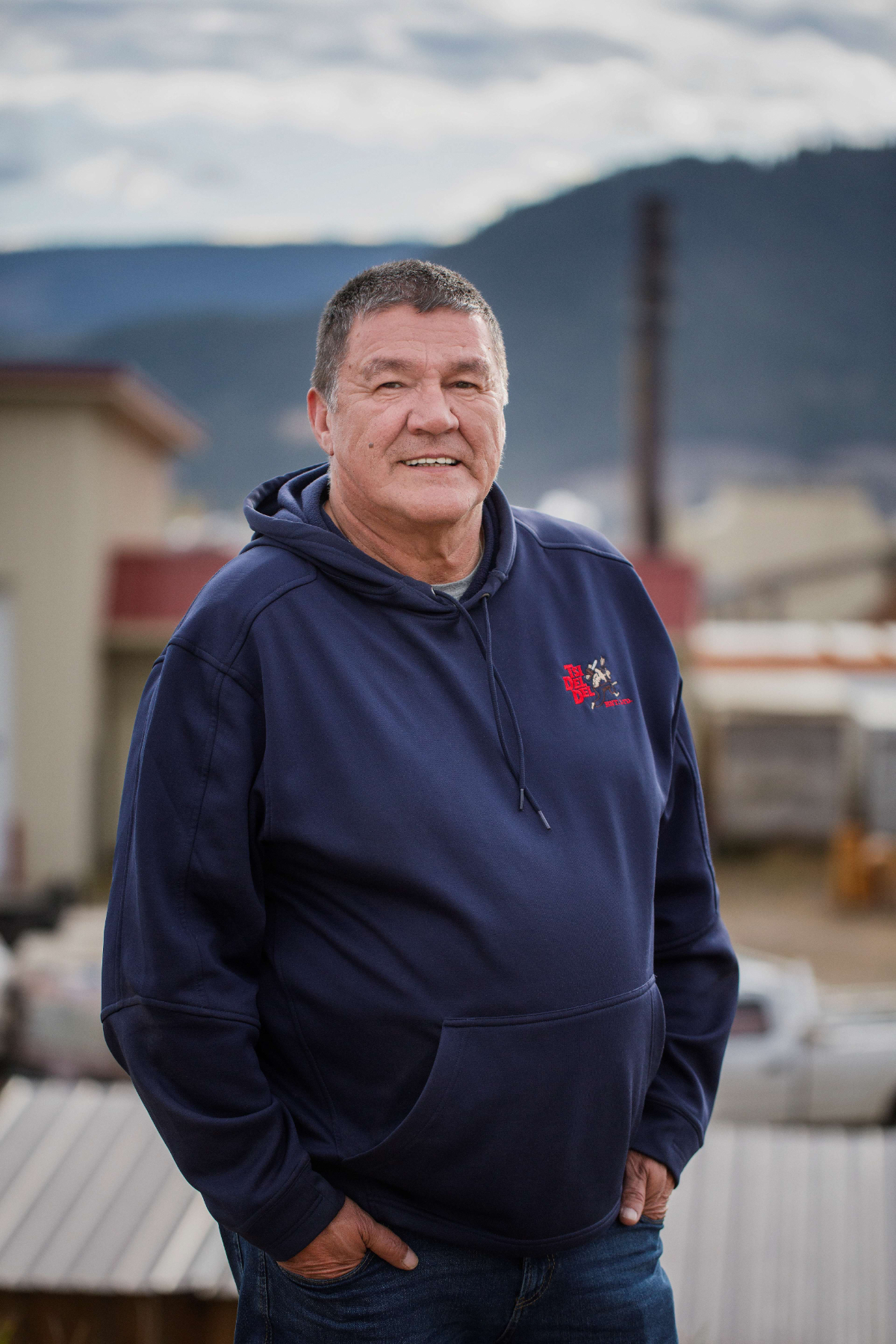


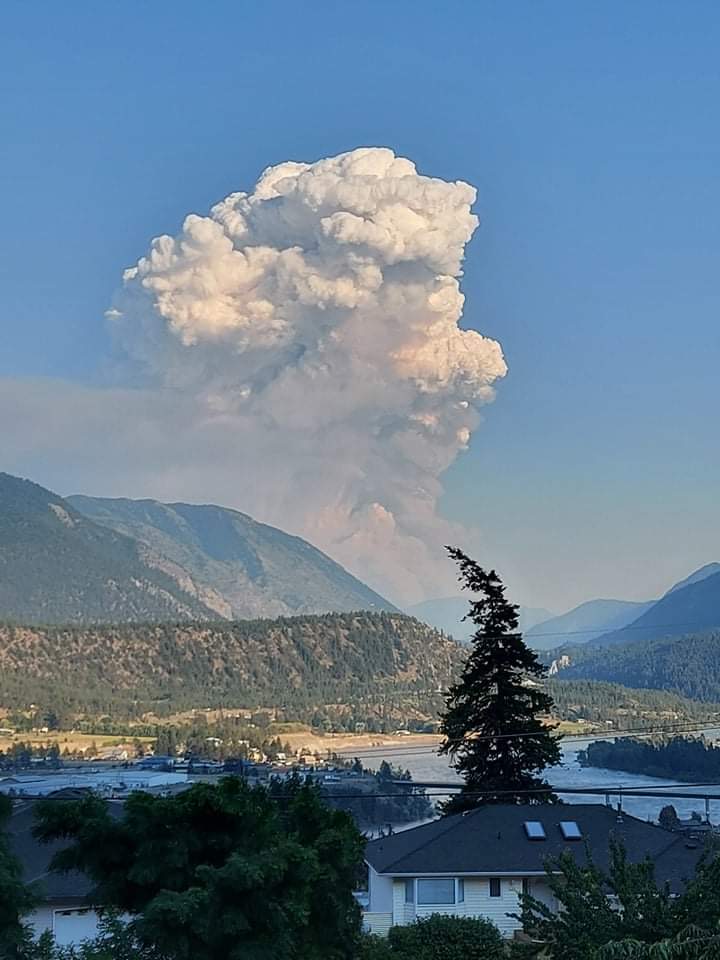 With drought and tinder dry conditions hitting many parts of the province, a number of municipal mayors are raising concerns about yet another potentially record-breaking wildfire season in B.C. Clearwater Mayor Merlin Blackwell, who has seen flames dance around his community for years, says current temperatures are well above normal. “We are in drought conditions up here. We are expecting an above normal, higher risk wildfire season for sure,” he said. …Mayor Barbara Roden has lived in Ashcroft for 28 years. She says, given the fire seasons in the last several years, fear now hangs over residents. …she says the increasingly extreme heat facing this province year after year is also becoming an equally serious concern. A sentiment understood and echoed by Lytton Mayor Denise O’Connor. She moved back to her family home not that long ago after the village was leveled by a massive wildfire during the 2021 heat dome.
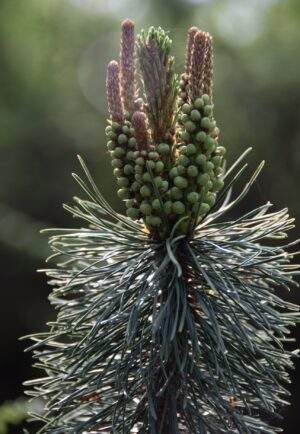 It doesn’t look like much from the grid road. Just an approach with deep tire ruts chewed into the summer Saskatchewan mud, tall jack pine and spruce trees clustered at its opening like a gateway. But if you walk past that first line of trees and down the narrow working trail, it fans out into a pocket of open space. Scattered there are stumps, piles of dirt and roughage, logs that are too small or too large stacked to the side — the aftermath of a logging sweep, both bare and messy. That pocket opens further into a clearing, a few hundred acres in size, that was logged the spring before. Grass now pokes through the churned-up dirt; grasshoppers chirp in the still July heat. Across the clearing, even if you can’t see it through the trees that dot the far side, is the northern town of Big River, Sask. It’s just a few hundred metres away.
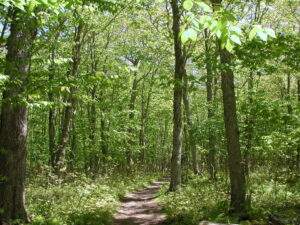 When outdoor enthusiasts Jeff Woodgate, Shaun Peter and Joey Reinhardt learned of West Fraser Timber Cochrane’s plans to harvest parts of their beloved forests near Moose Mountain and West Bragg Creek, they didn’t sit back. Fueled by a deep connection to the land and a sense of urgency, the trio founded Guardians of Recreational Outdoor Wilderness (GROW) and launched a petition to cancel the logging plans. Their message struck a chord. Today, more than 20,000 people have signed in support of preserving these cherished landscapes… After listening to public concerns, West Fraser reduced the scope of its plan by 37 per cent, now targeting 556 hectares — 268 in West Bragg Creek and 288 in Moose Mountain. According to West Fraser, the revised plan will now affect only five of 26 trails, with just 2.1 km directly impacted. Another 18.3 km of trail — about 17 per cent of the network — falls within 50 metres of harvest areas.
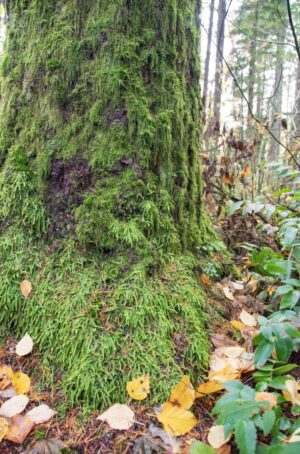 Improvements are coming to the Ancient Forest, one hour east of Prince George. The Enhancement Project is funded through the Investing in Canada Infrastructure Program – Community, Culture, and Recreation Program, with a total project cost of approximately $8.7 million. The Ancient Forest Provincial Park, known as Chun T’oh Whudujut in the Dakelh language, is one of the world’s few inland temperate rainforests, and was saved from logging in 2005… The project was originally funded in late 2019, and was expected to be finished by March of this year. However, it faced significant delays due to the COVID-19 pandemic in 2020, which disrupted planning and operations. This was followed by the tragic loss of both the Project Coordinator and Project Manager due to cancer, resulting in a loss of leadership and continuity.

 Boeing Canada says it’s investing millions of dollars into business ventures in B.C. and Quebec with the eventual goal of producing close to 200 million litres of sustainable jet fuel every year. The announcement, made Wednesday, includes nearly $17.5 million split between two projects looking to turn wood waste and carbon captured from industrial smokestacks into sustainable aviation fuel. The fuel, known in industry as SAF, has the potential to reduce carbon emissions by up to 80 per cent over its lifecycle and “offers the fastest route to decarbonization in the aviation sector,” according to Boeing. Boeing’s latest investment will direct $10 million to Project Avance, a joint venture between Bioenergie AECN and Alder Renewables in Port Cartier, Que. The project aims to convert wood residue from sawmills into low-carbon bio-crude that can later be converted into almost 38 million litres of unblended jet fuel every year.
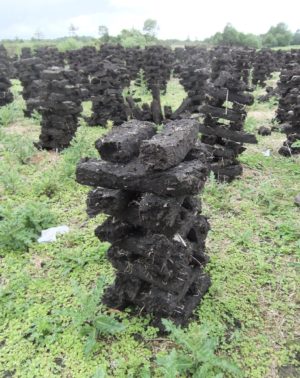 A love of the outdoors and a deep desire to make a meaningful impact on communities affected by climate change keeps Greg Verkaik going back to Western Canada. The PhD student studies peatlands and their role in wildfires. Climate change isn’t an abstract concept in his research, it’s something he’s been seeing and experiencing in the landscapes he’s visited since 2018 as part of this work. The 2025 wildfire season is already shaping up to be another intense year for Canada. Early signs point to another active and dangerous season, particularly in Western Canada. As peatlands dry and fire seasons lengthen, the risk of deep-burning, smouldering fires – the kind that can persist underground and reignite months later, continues to grow. This only strengthens Verkaik’s commitment to his research, which aims to better understand how peatlands influence wildfire behaviour and how they might be managed to reduce risk.


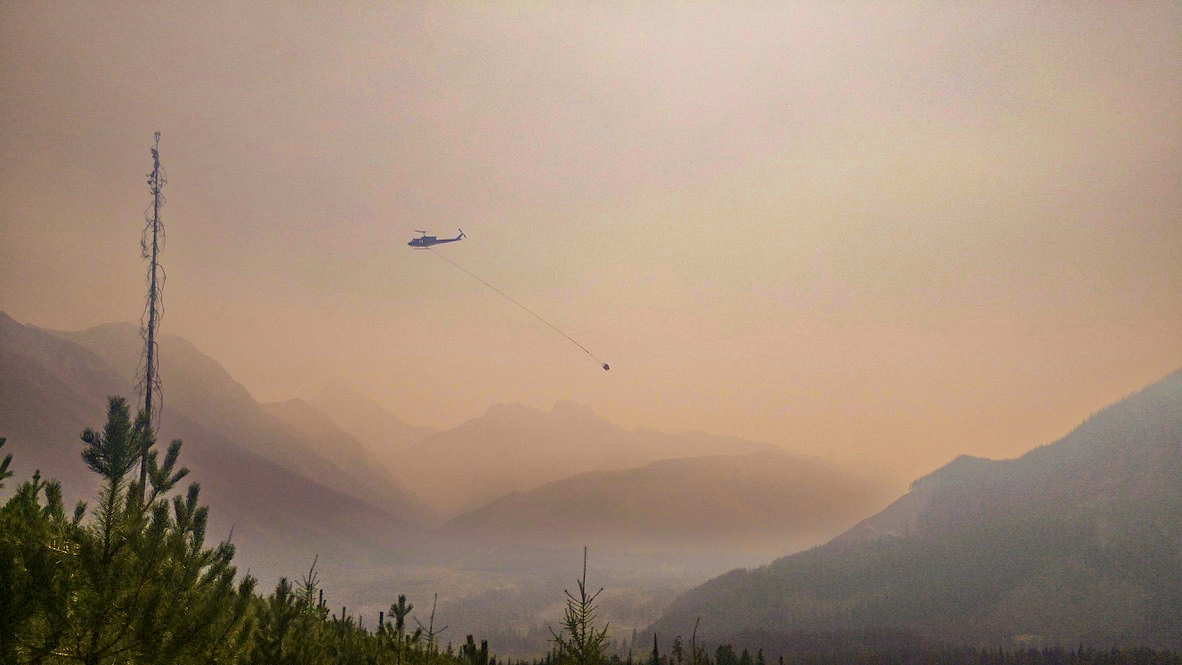 BC Wildfire Service are handling a new wildfire discovered on Saturday afternoon west of Princeton. Fire Information Officer Shae Stearns said they have one initial attack crew and a response officer on site, along with one helicopter assisting with water tanking. The fire is near Arrastra Creek and behind Black Mine Road. The fire is estimated at just over one hectare in size and is classified at out of control. The fire is believed to be human-caused, but further details on how the fire started are not known. …As of Friday, May 16, category 3 open fires were ordered prohibited across the Kamloops Fire Centre.
 Emergency crews are dealing with a fire in the woods east of Churchill Falls — an area of central Labrador currently under an extreme fire risk warning. The provincial government confirmed the fire is moving east, away from the town. It said crews and two water bombers were deployed. The Royal Newfoundland Constabulary closed part of the Trans-Labrador Highway between the company town and Happy Valley-Goose Bay, 300 kilometres east along the isolated road, for a stint Wednesday night. It has since reopened. N.L. Hydro said helicopters fought the fire from the air. The fire knocked out the power in Labrador City and Wabush for nearly three hours. N.L. Hydro restored electricity to all customers shortly after 9 p.m.
 Thunder Bay – The Northwest Fire Region continues to face escalating wildfire activity, with 12 active fires currently being managed across the region. According to Aviation, Forest Fire and Emergency Services, 4 of the fires are not under control, 3 are being held, and 5 are under control. As of Tuesday evening, five new wildland fires were confirmed: THUNDER BAY 13: Located at the south end of Dog Lake in Silver Falls Provincial Park, this 0.1-hectare fire is not under control. NIPIGON 3: Located 2 km west of Longlac, along the north end of Long Lake, this 0.1-hectare fire remains uncontrolled. RED LAKE 9: Found on the east side of Pikangikum First Nation beside Pikangikum Lake, this 0.1-hectare fire is now out. …The wildland fire hazard is high to extreme across most of the Northwest Region, driven by persistent dry conditions and strong winds.