
Robert McKellar
At International Pulp Week, political risk expert Robert McKellar delivered a timely and unconventional keynote that used a real-world policy shift to test a scenario-based approach to geopolitical uncertainty. Titled “Managing Geopolitical Uncertainty and Its Challenges,” the presentation featured a hypothetical pulp company navigating a shifting landscape of US tariffs, culminating in an unexpected twist: a policy reversal on tariffs the day after the analysis was completed. McKellar, Director of Harmattan Risk, emphasized from the outset that his session was not about delivering forecasts or policy advice, but about helping companies become more comfortable working with uncertainty. The tool he introduced—a scenario-based assessment—was less about pinpoint accuracy and more about creating a “living intelligence picture” to guide decisions in real time.
The unique twist, however, was that McKellar’s own process of preparing for the keynote presentation mimicked the very conditions of uncertainty he was seeking to illustrate. As he developed the ‘fictional company’ Thor Wood Pulp AB’s case study throughout late March and early April, the global trade landscape kept shifting. His assessment was finalized on April 8. On April 9, the Trump administration abruptly announced a 90-day pause on reciprocal tariffs. This reversal not only disrupted his planned narrative, but underscored his entire thesis: in volatile times, any analytical framework must remain adaptive, fluid, and responsive. …In a world of rapid political change, pulp producers and global businesses don’t need perfect foresight. What they need is a way to stay balanced, make timely decisions, and keep moving forward—even when the path ahead is constantly shifting.
 International Pulp Week 2025 opened in Vancouver with a note of celebration and reflection as delegates marked the event’s 20th anniversary. “After decades of being in Montreal in January… we decided to move the event to Vancouver and into the spring and summer months,” said Tim Brown, Vice-President at Numera Analytics.


 VANCOUVER, BC —
 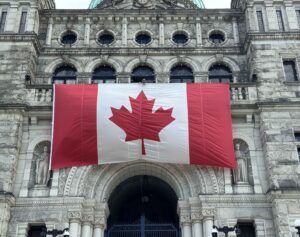 “Today, Canada’s First Ministers met in Saskatoon, Saskatchewan, to build a stronger, more competitive, and more resilient Canadian economy… “This is a first step in implementing a broader set of reforms to overhaul the project assessment process. A significantly improved, streamlined project assessment process is necessary for Canada to grow its economy to become the strongest in the G7 and a global energy superpower. “First Ministers are committed to immediately begin to address project approval and permitting efficiency and timelines for all projects. Premiers welcomed the Prime Minister’s commitment to ensuring all federal assessment decisions are rendered within two years, beginning with projects of national interest. First Ministers also agreed to work toward efficiently and effectively implementing ‘one project, one review’ with the goal of a single assessment for all projects, in a manner that respects federal, provincial, and territorial jurisdiction, enhancing co-ordination activities on permitting and eliminating duplication.
 As Prime Minister Mark Carney’s Liberal government plans billions in financing for builders of prefabricated homes, one expert says it’s a “significant amount of money” and “a very healthy kick-start” for the industry. The federal government’s Build Canada Homes (BCH) plan promises, among other things, more than $25 billion in financing to “innovative prefabricated home builders in Canada,” according to the Liberals’ website. Ramping up prefabrication could result in cheaper, faster and better-quality homes, said Tony Yang, professor of structural and earthquake engineering at University of British Columbia. “We are building too slowly right now,” he said. “We are lacking skilled workers on site.” The goal of prefab is to shift manufacturing from construction sites, which he called relatively inefficient, onto production lines that operate more quickly through repetition.
 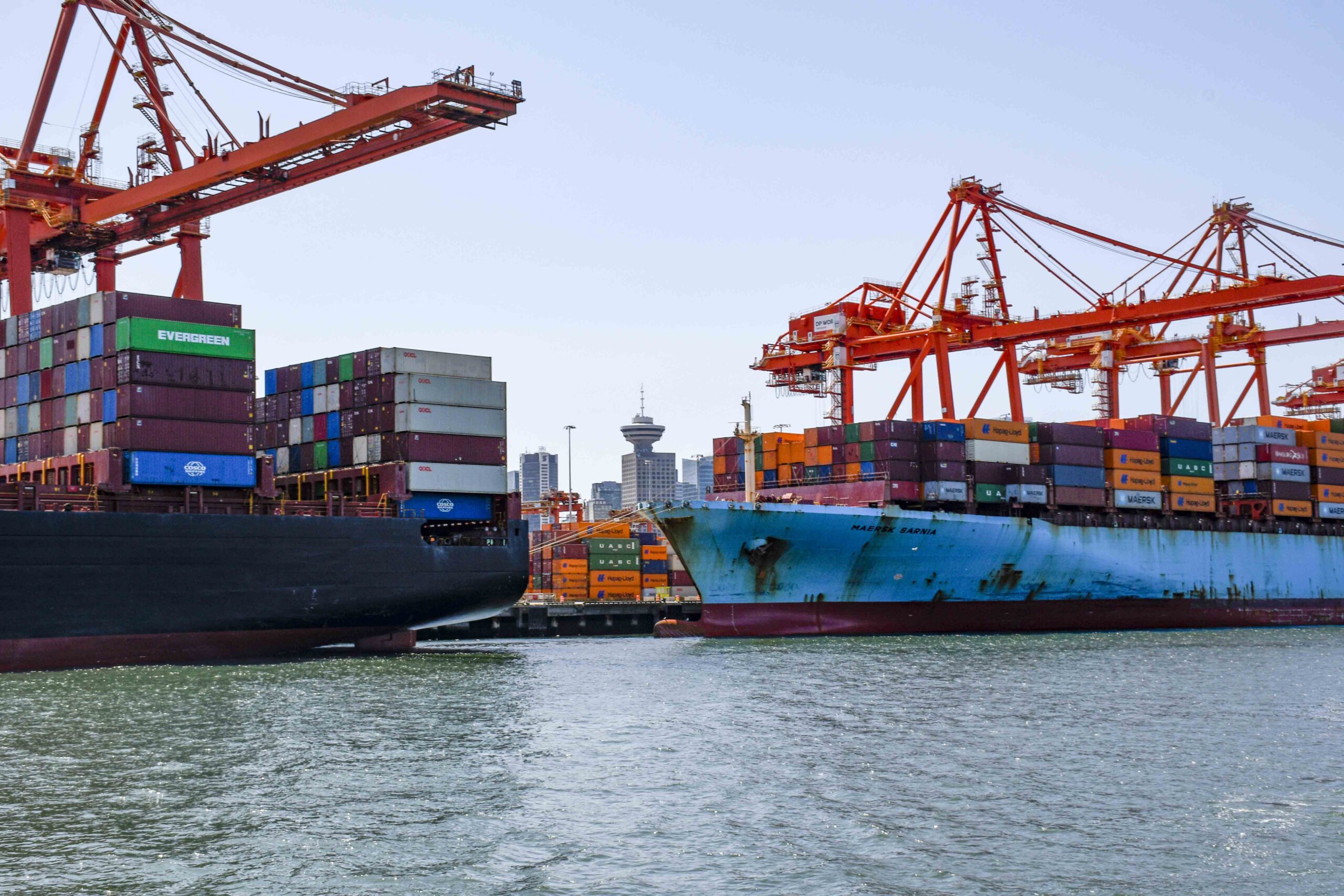 Maritime employers in British Columbia and the union representing port foremen say they have ratified a new four-year collective agreement, after a dispute that saw workers locked out of container terminals last year. The British Columbia Maritime Employers Association and the International Longshore and Warehouse Union Ship and Dock Foremen Local 514 said in a joint statement that the new collective agreement extends from April 1, 2023, to March 31, 2027. …It is the second major labour deal for Canada’s West Coast ports that will be in place until March 2027, after an earlier agreement with thousands of port workers that was signed in August 2023 following a strike. The details of the new deal with supervisors have not been released, and neither the employers association nor the union representing roughly 700 supervisors immediately responded to requests for comment. They had been without a deal since the last accord expired in March 2023.
 In partnership with the Province, the Tahltan, Taku River Tlingit, Kaska Dena, Gitanyow and Nisga’a Nations are kicking off land-use planning in the northwestern corner of B.C., engaging with industry, community and other partners to implement world-leading land-use plans that will provide greater certainty for investors, First Nations and communities alike. Last week, Premier David Eby outlined government’s vision for building prosperity centred on the pillars of economic growth, reconciliation and conservation in northwestern B.C. The vision includes partnering with First Nations to achieve large-scale conservation and strengthen reconciliation envisioned by the Declaration on the Rights of Indigenous Peoples Act (DRIPA). …To that end, over the next year, the Province, Tahltan, Taku River Tlingit, Kaska Dena, Gitanyow and Nisga’a Nations will undertake expedited, inclusive land-use planning and essential stakeholder and public engagement.
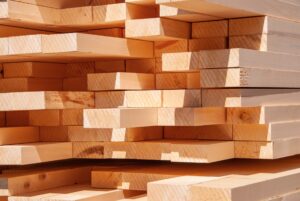 One of Canada’s lumber producers, Groupe Rémabec, will temporarily lay off most of its workers as the industry faces rising US duties and weakening demand. The manufacturing division, Arbec Forest Products, is shutting down indefinitely, leading to more than 1,000 immediate job cuts. The number may reach 1,400 in the coming weeks, according to a company statement that blamed “persistent imbalances in both access to the resource and international markets.” Groupe Rémabec employs about 2,000 people and is headquartered in La Tuque, Quebec, about 300 kilometers north of Montreal. President Trump’s administration is poised to more than double the duties on Canadian softwood lumber. …Rémabec said, with Arbec’s deposits representing an “astronomical amount.” …Rémabec also said a “feeling of exasperation is widespread” in the Quebec forestry industry over regulations that have created “an increasingly unstable ecosystem, without predictability or coherence.” The Quebec government has been trying to modernize its forestry legislation.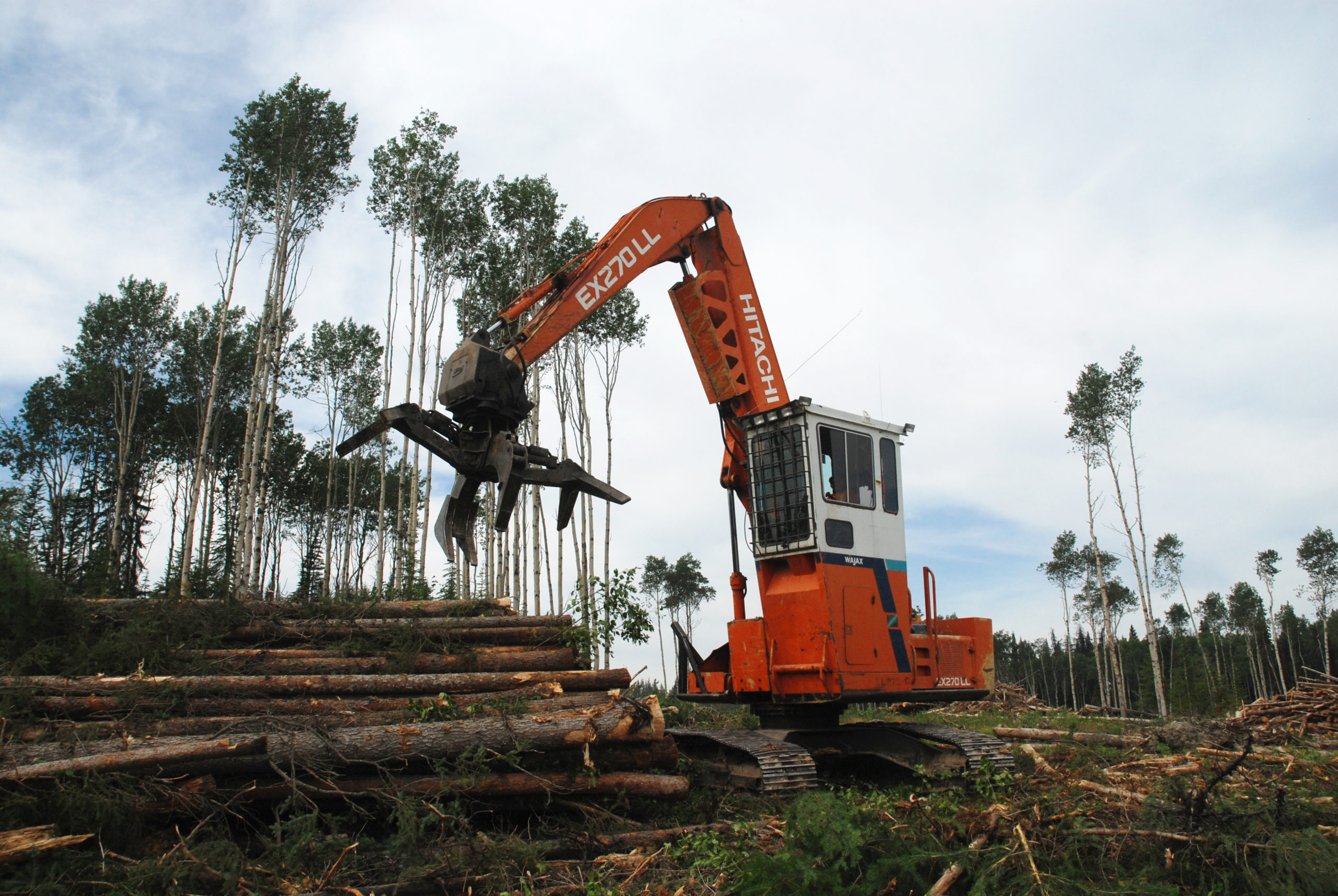
 Uncertainty regarding tariffs continues to challenge companies across industries. It’s a common theme in every conversation I’ve had with fellow business owners lately: How do we plan, price or grow when the rules are constantly shifting? In our case, the lumber industry got a temporary break—framing lumber from Canada, which makes up over 30% of the US market, was exempt from the original tariffs. That’s good news for now, especially for residential construction. But there’s still no clarity on imports from other key countries like Brazil and China, where tariffs remain in full effect. That could have a serious impact on specialty products like Ipe and hardwood veneers. Other building materials—fasteners, finishes, flooring, and more—are also caught in the middle. …That cost will be passed on to the end user. Businesses like ours don’t have the luxury of absorbing increased costs indefinitely. If we did, we’d be out of business.
 There has been a lot of news recently on higher tariffs between the U.S. and its trading partners, including Canada and Mexico. One concern that is top of mind for many LBM dealers is how these new tariffs will affect lumber and other materials sold at yards and stores across the country. How concerned should I be and what action, if any, can I take to protect my business? Responses from lumberyards, full-line building material dealers, and specialty dealers/distributors:
 The Bank of Canada today maintained its target for the overnight rate at 2.75%, with the Bank Rate at 3% and the deposit rate at 2.70%. Since the April Monetary Policy Report, the US administration has continued to increase and decrease various tariffs. China and the US have stepped back from extremely high tariffs and bilateral trade negotiations have begun with a number of countries. However, the outcomes of these negotiations are highly uncertain, tariff rates are well above their levels at the beginning of 2025, and new trade actions are still being threatened. Uncertainty remains high. While the global economy has shown resilience in recent months, this partly reflects a temporary surge in activity to get ahead of tariffs. …In Canada, economic growth in the first quarter came in at 2.2%. …CPI inflation eased to 1.7% in April. …Excluding taxes, inflation rose 2.3% in April.

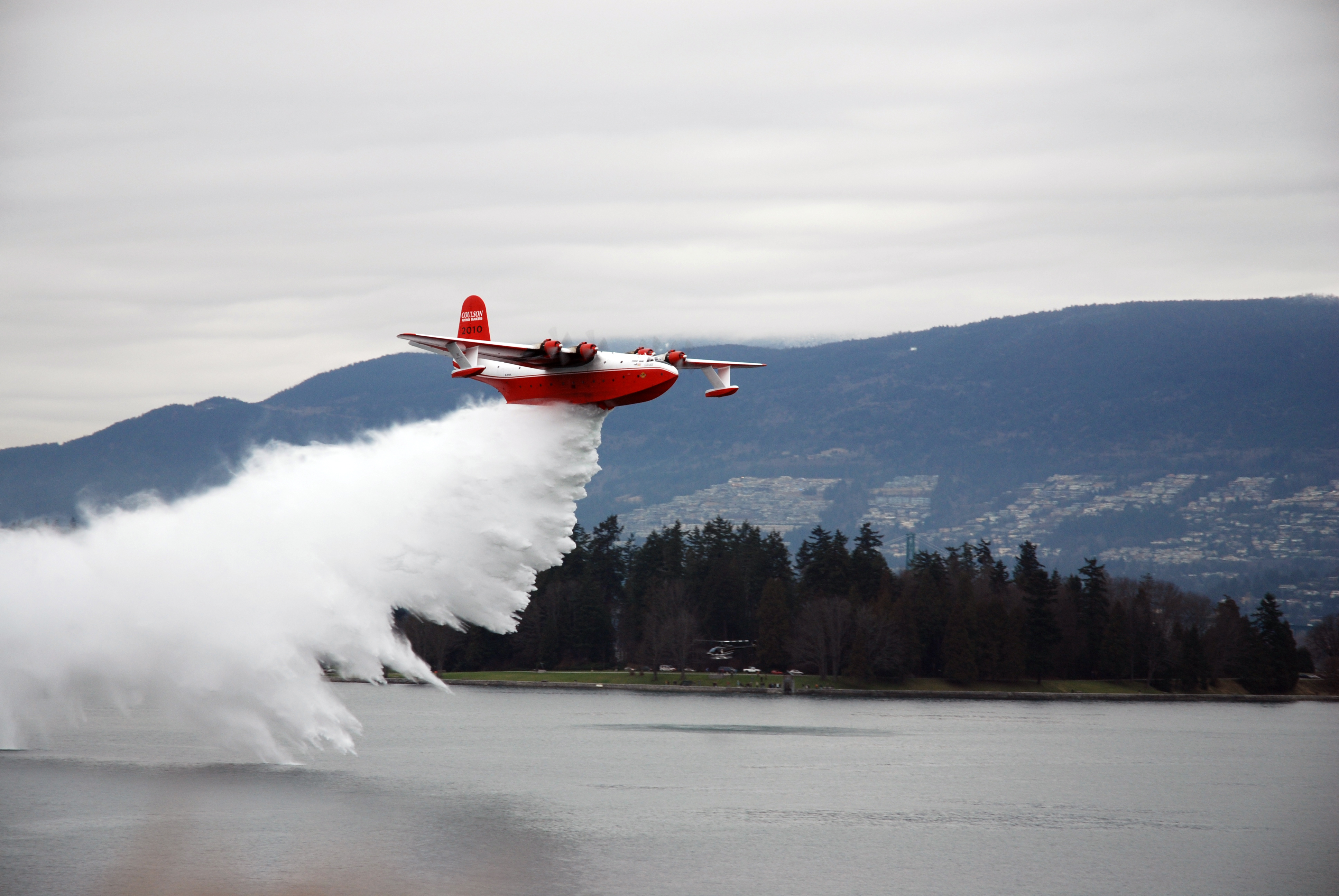 As Canada is again dealing with massive wildfires, the increasing severity of the natural disasters is having the knock-on effect of spiking the demand for water bomber planes — and it will be years before Canada gets its hands on a new one. Premiers gathered in Saskatchewan this week, one of the provinces currently gripped by wildfires. They were primarily meeting to discuss major infrastructure projects, but a number of premiers talked to reporters about dealing with the wildfire situation. Manitoba Premier Wab Kinew, whose province has also seen thousands flee wildfires in recent weeks, mentioned that his government is waiting for an order of water bombers — but he doesn’t expect them to be delivered any time soon. …John Gradek, an aviation management lecturer at McGill University, agreed [with Premier Ford] that it’s well past time for Canada to have a nationalized water bomber fleet.
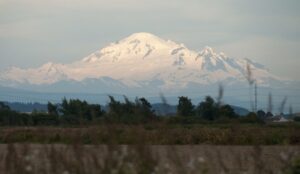 Eruptions can’t be prevented, so scientists have focused on improving early detection technologies. New work being done by NASA and the Smithsonian Institution builds upon the existing knowledge that changes in tree leaves can signify a volcanic eruption. Magma releases carbon dioxide, sulphur dioxide, and other gases as it ascends. Nearby trees absorb the carbon dioxide and become greener and more lush in response. According to the new research, these changes are detectable from space. The greener foliage can be read by NASA satellites like Landsat 8, as well as airborne instruments from the Airborne Validation Unified Experiment: Land to Ocean (AVUELO). There are roughly 1350 active volcanoes in the world, many of them in remote or hard-to-navigate terrain. Volcanic carbon dioxide is difficult to detect remotely. Scientists often have to travel to volcanoes to take direct measurements, which is a difficult and sometimes hazardous assignment.
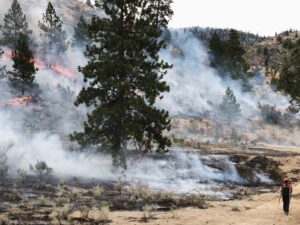 While images of wildfires capture their ferocity, data can provide insight into how bad a fire season is. Such is the case with two graphics, powered by satellite data, that showcase a Canadian wildfire season off to a wild — and scary — start. Twice a day a NASA satellite sends images to the ground, giving a real-time view of where fires are burning. This is especially useful for remote areas where no sensors are stationed. As of Tuesday that satellite had picked up four times as many fire hot spots across Canada than is typical for early June. Based on data from the
 This month’s news includes:
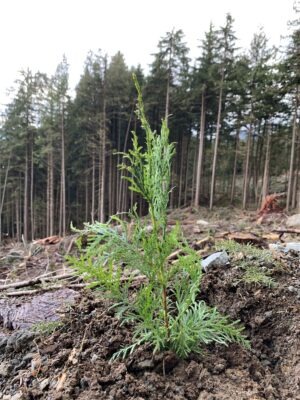 Following fire mitigation efforts in and around the 108 Mile Ranch, a new generation of trees have been planted to restore the land. West Fraser 100 Mile donated 1,200 trees that were planted by treeplanters from Zanzibar Holdings Ltd. on behalf of the 108 Mile Ranch Greenbelt Commission. Greenbelt commissioner Chris Betuzzi said it’s all part of the commission’s work to secure the 108 Mile Ranch against future fire seasons and avoid a repeat of the 2017 Gustafsen fire, which burned parts of Walker Valley. As a registered forest technologist, he said helping manage the forest is a responsibility close to his heart. In May of 2024, Betuzzi said they carried out fire mitigation efforts in three areas along the Greenbelt, including Donsleequa Road, Qua Place and Gloinnzum Drive to reduce forest fuel in the event of a wildfire. Betuzzi said they had Tsi Del Del Enterprises Ltd come up to process the slash piles and fibre.
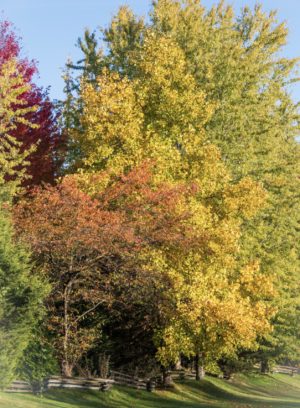 are expected to go up around Edmonton this week to capture the emerald ash borer. The shining and dangerous pest is poised to wreak havoc on Edmonton’s $400-million population of ash trees, and the city has two staffers working full time to detect any advance here as the invasive bug closes in from the west or east into Alberta. “We have the largest percentage of our urban forest canopy in green ash of almost any city in North America,” said Michael Jenkins, senior scientist with the City of Edmonton. Ranging from 8.5 mm to 14 mm long and 3.1 mm to 3.4 mm wide, the beetle is difficult to spot. “A single piece of firewood can destroy millions of trees,” warns a poster depicting a stack of ash firewood as dynamite sticks with an emerald ash borer at the tip of the fuse.
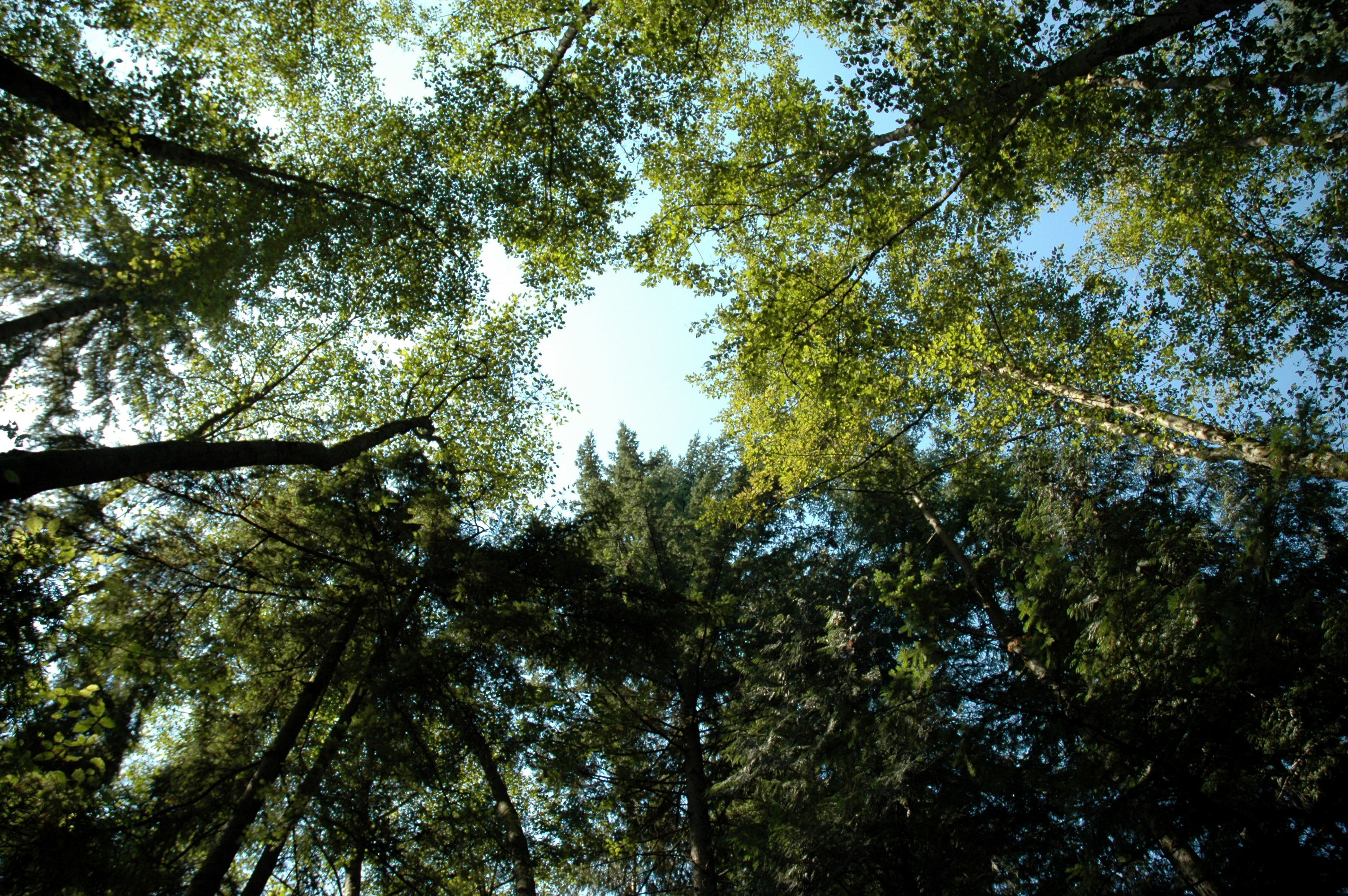 Quebec’s sweeping reform of how forests are managed is causing concerns among Indigenous leaders, conservation groups and unions, who warn the changes prioritize logging over long-term health of the ecosystem. Bill 97, tabled this spring by Minister of Natural Resources and Forests Maïté Blanchette Vézina, proposes to divide the forest into three zones: one that prioritizes conservation, one focused on timber production and a third zone for multiple uses. At least 30 per cent of Quebec’s forests will fall into that second category, Blanchette Vézina said. Speaking at the legislative hearing on Bill 97, Lac-Simon Anishnabe Nation Chief Lucien Wabanonik says he wants to see it scrapped and rewritten from scratch in collaboration with First Nations people. “They call it triade in French, meaning 30 per cent of the territory will be specifically used by the industry in exclusion of other users,” he said. “It’s very negative on our rights as First Nations.”
 Join us in Halifax, Nova Scotia, September 23-24, 2025 for Biomass for a Low-Carbon Future. As the world moves toward a low-carbon future, biomass and wood pellets play a key role in ensuring Canada has renewable and responsible energy. Join us to explore the numerous opportunities biomass presents, from reducing greenhouse gas emissions to supporting economic growth in the transition to a net-zero economy. Who Should Attend? Anyone interested in advancing electrification, including pellet producers, customers, First Nations and government officials, policymakers, regulators at every level, researchers, safety specialists, logistics personnel and equipment manufacturers.
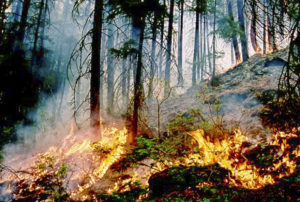 Fighting forest fires has always been a physically demanding and dangerous job. But it can take a toll on firefighters’ mental health as well. In 2023, the deaths of six wildland firefighters in B.C. highlighted the importance of mental health, both for frontline responders and support staff. Wildland firefighters are challenged with stress and exhaustion, but the loss of colleagues heavily contributed to the mental toll on firefighters during the 2023 wildfire season, said Jessa Barber, a former wildland firefighter who is now a safety officer with the BC Wildfire Service. …BC Wildfire said it is being proactive, implementing policies and practices to support the mental health of its staff. …One of these practices is the New Recruit Boot Camp, which prioritizes educating recruits about the risks and dangers of being a wildland firefighter both physically and mentally. Ongoing support is provided to recruits.
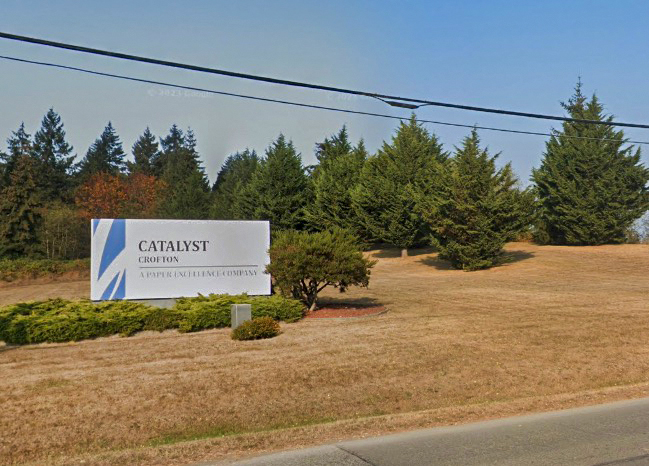 North Cowichan/Duncan RCMP are investigating the drowning of a machinery operator in an industrial incident at the Crofton pulp mill on Wednesday. Police responded about noon to the Catalyst Pulp and Paper Mill after receiving a report that a piece of heavy equipment had fallen into the ocean with its operator trapped inside. Canadian Coast Guard divers attempted a rescue, but the 30-year-old man could not be revived. RCMP spokesperson Alex Bérubé said the B.C. Coroners Service and WorkSafeBC are both investigating what led to “this tragic outcome.”
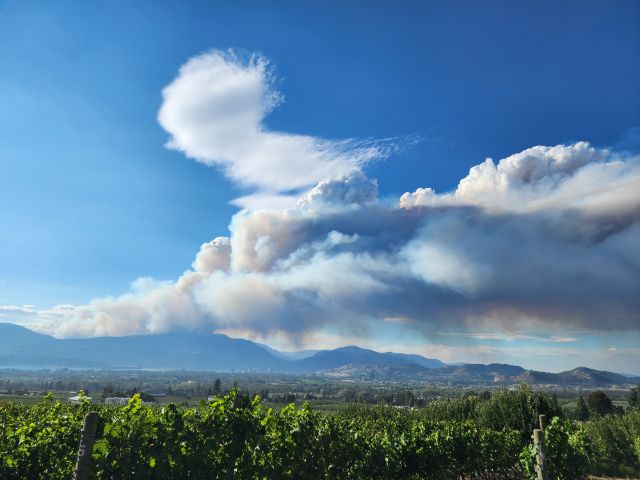 “Wildfires are happening more frequently. They’re getting bigger. They’re emitting more smoke,” Paige Fischer, a professor of environmental sustainability at the University of Michigan says. “The climate models are projecting that we’re going to have more frequent, more severe wildfires.” As of Thursday, the
  Canada’s wildfires have forced evacuations of more than 26,000 people and continue to spread with heavy smoke choking millions of Canadians and Americans and reaching as far away as Europe. Hazardous air quality alerts were issued for parts of Canada and the neighbouring United States. A water tanker air base was consumed by flames in Saskatchewan province, oil production has been disrupted in Alberta, and more communities are threatened each day. “We have some challenging days ahead of us,” said Saskatchewan Premier Scott Moe, adding that the number of evacuees could rise quickly. …Heavy smoke has engulfed part of the continent, forcing residents of four Canadian provinces and the US states of Michigan, Minnesota, Nebraska and Wisconsin to limit outdoor activities. …Elsewhere, extensive forest fires have been raging in Russia’s Far Eastern Federal District since early April, generating carbon emissions of around 35 million tons, Copernicus reported.

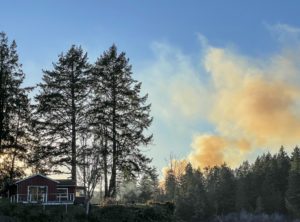 Hundreds of Manitoba First Nations are seeking refuge in Niagara Falls, hundreds of kilometres away from home, as fires continue to ravage the Prairies. Though thecentral province is expecting some precipitation across northern Manitoba, the provincial government said it will be insufficient to supress the wildfires, as the forecasted rain comes with a risk of lightning. The Canadian Red Cross registered thousands of evacuees—more than 14,300—having to flee their homes because of the active fires, a figure that includes roughly 2,400 households forced to leave First Nations lands. The Manitoba Keewainowi Okimaknak (MKO) said on May 28 that around 17,500 people across six First Nations communities were trying to get to safety. With the province declaring a national emergency, Manitoba Premier Wab Kinew announced 1,000 rooms have been made available to those who have been displaced from their homes after First Nations leaders asked for more space to be made available.
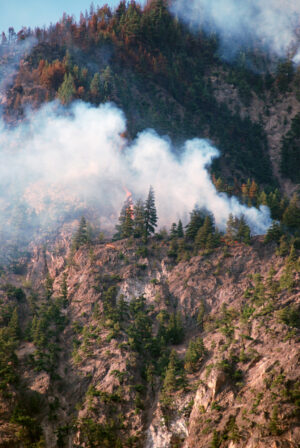 The forest fire west of Wabaseemoong is no longer the largest in Northwestern Ontario now that a blaze farther north has grown to more than 65,000 hectares. The Red Lake 12 fire that caused the evacuation of Deer Lake First Nation last week was blanketing 65,186 hectares as of Wednesday afternoon, according to the Ministry of Natural Resources. That’s more than 3.5 times the size estimated on Monday. Smoke from fires to the west hurt the ministry’s ability “to monitor the growth of Red Lake 12 consistently throughout the operational window,” MNR fire information officer Allison Lake told Newswatch in an email. “After several days of reduced visibility, conditions improved, allowing for high-level infrared scanning of wildland fire Red Lake 12. “As a result of the scanning, the fire has now been remapped at 65,186 hectares, which accounts for growth that has occurred over the past few days.”