 Although personal protective equipment (PPE) shouldn’t be solely relied upon to protect workers from injuries, it is an important part of safety programs and should be chosen to make sure it offers the best protection available.
 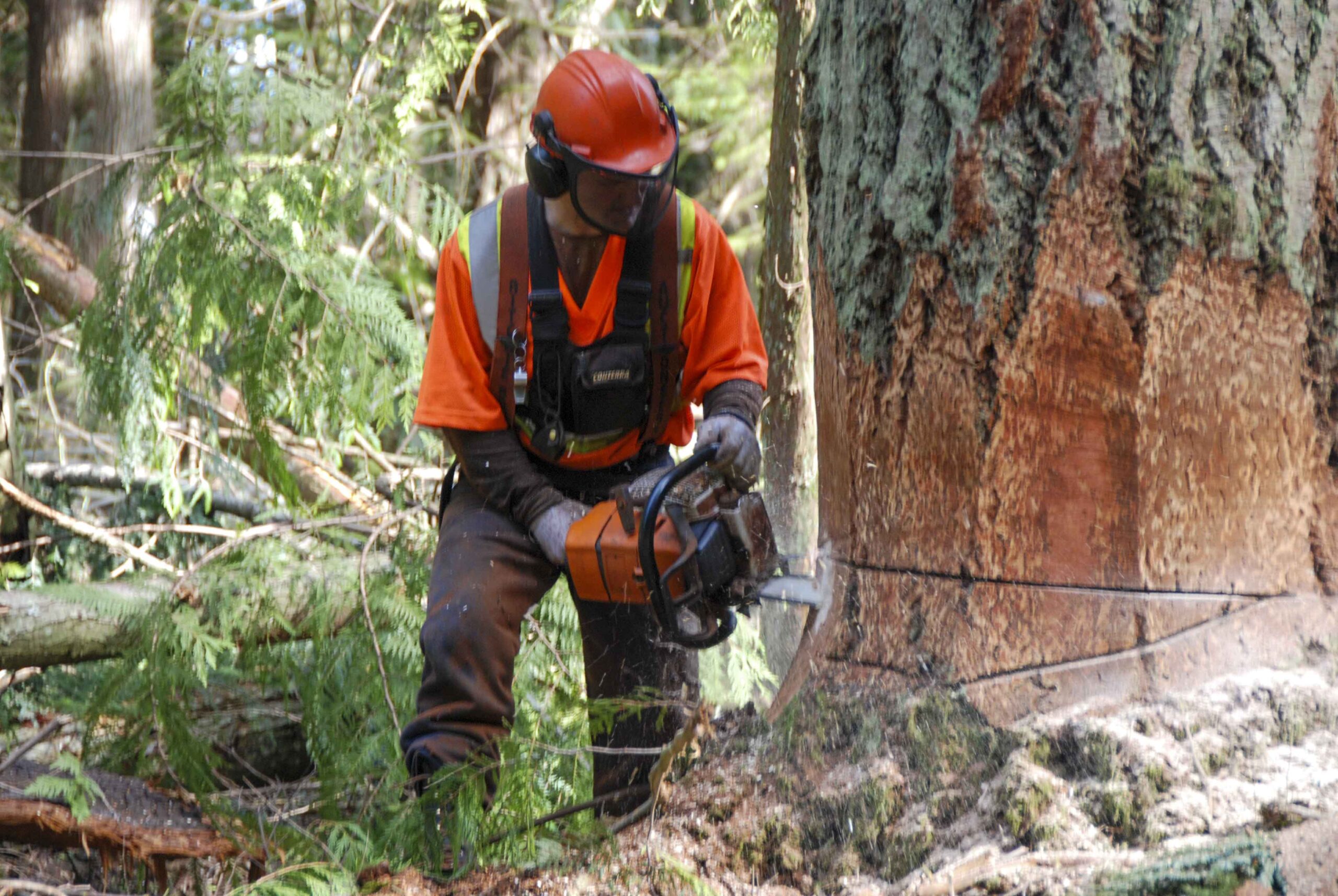 The following focuses on considerations for supervisors and owners when developing a PPE program. Components of a good PPE program include: Regulation Check; Planning; Appropriate Selection; Fitting; Education and Training; Supervisor and Management Support; Inspection and Maintenance; and Auditing the Program. Get all the details by clicking the Read More!
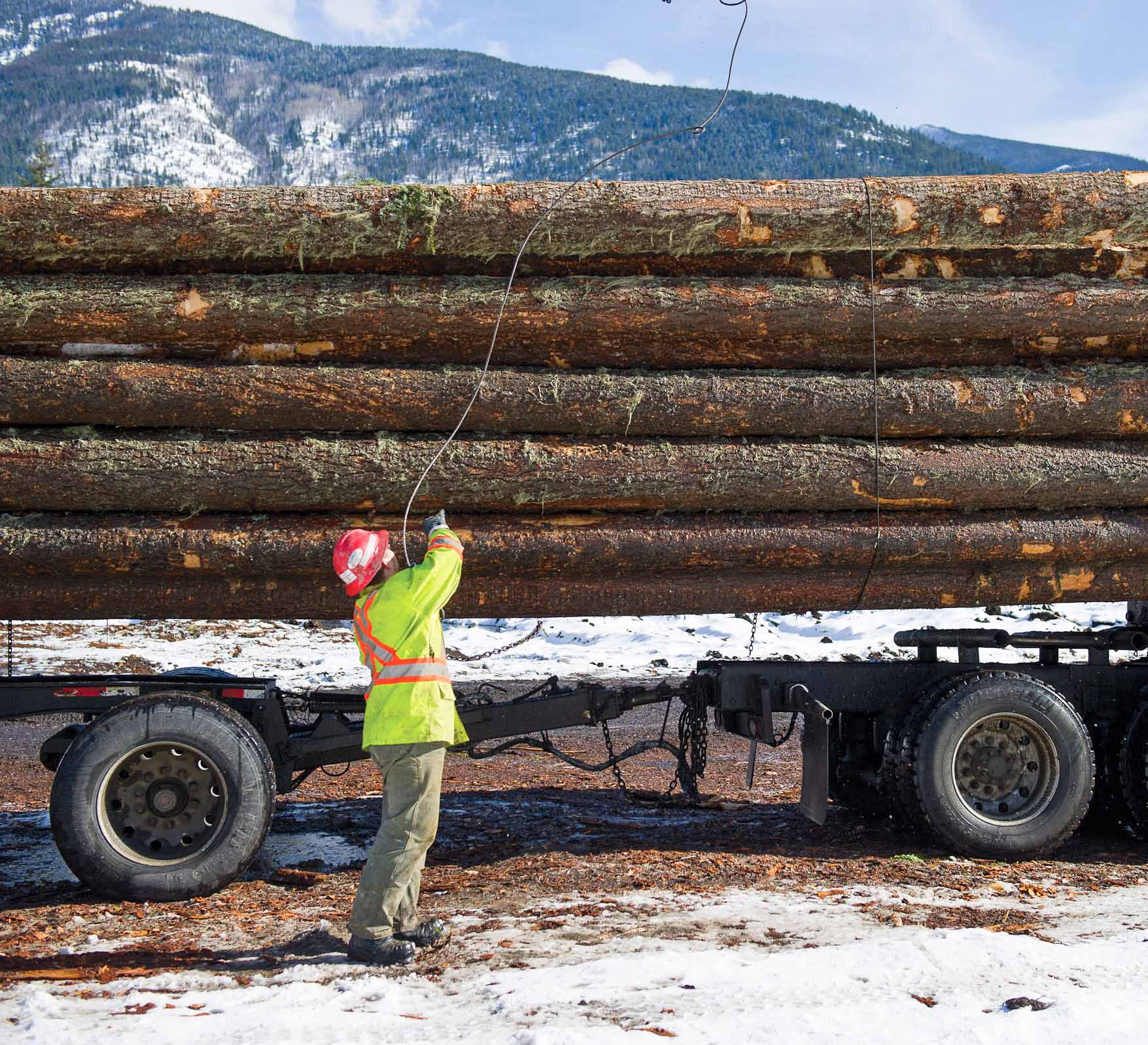 By implementing ergonomic practices, promoting proper body mechanics and fostering a culture of early reporting and prevention, employers and workers can work together to significantly reduce the occurrence and impact of MSIs across the industry. Although musculoskeletal injuries can affect workers across all areas of forestry, certain roles are particularly vulnerable due to the physical demands and repetitive nature of their tasks.
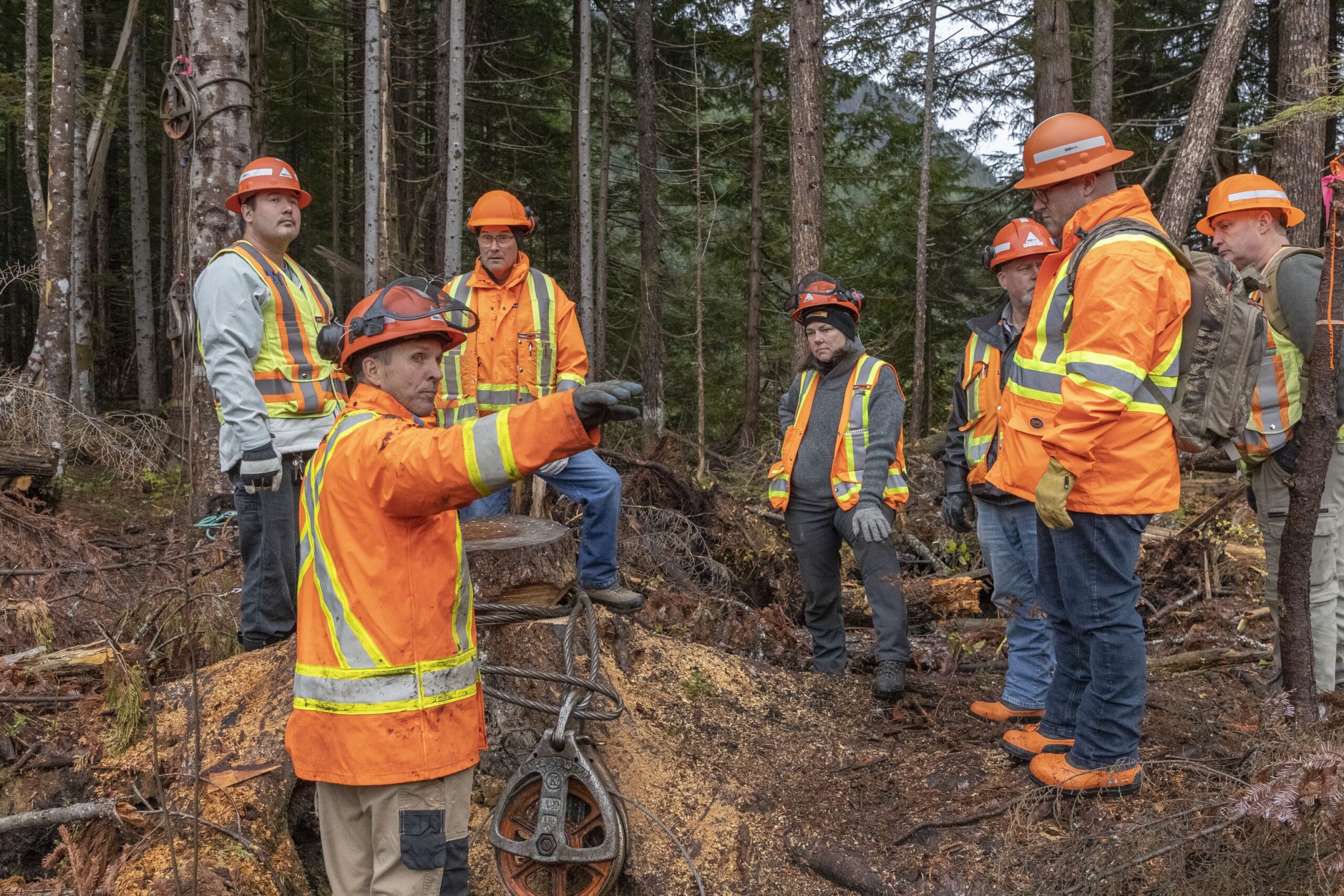 Steep slope harvesting can be approached in several ways, each with its own set of challenges and safety considerations. …Steep slope harvesting presents significant risks, but with careful planning, proper equipment, and a culture of safety, these risks can be managed. “Safety is not a one-time effort but an ongoing process that requires daily attention,” says Pawlowski. “By consistently prioritizing hazard assessment, equipment suitability, proper setup, and staying in the clear, employers and workers can minimize risks and help ensure that steep slope harvesting remains a safe and effective method of timber harvesting.”
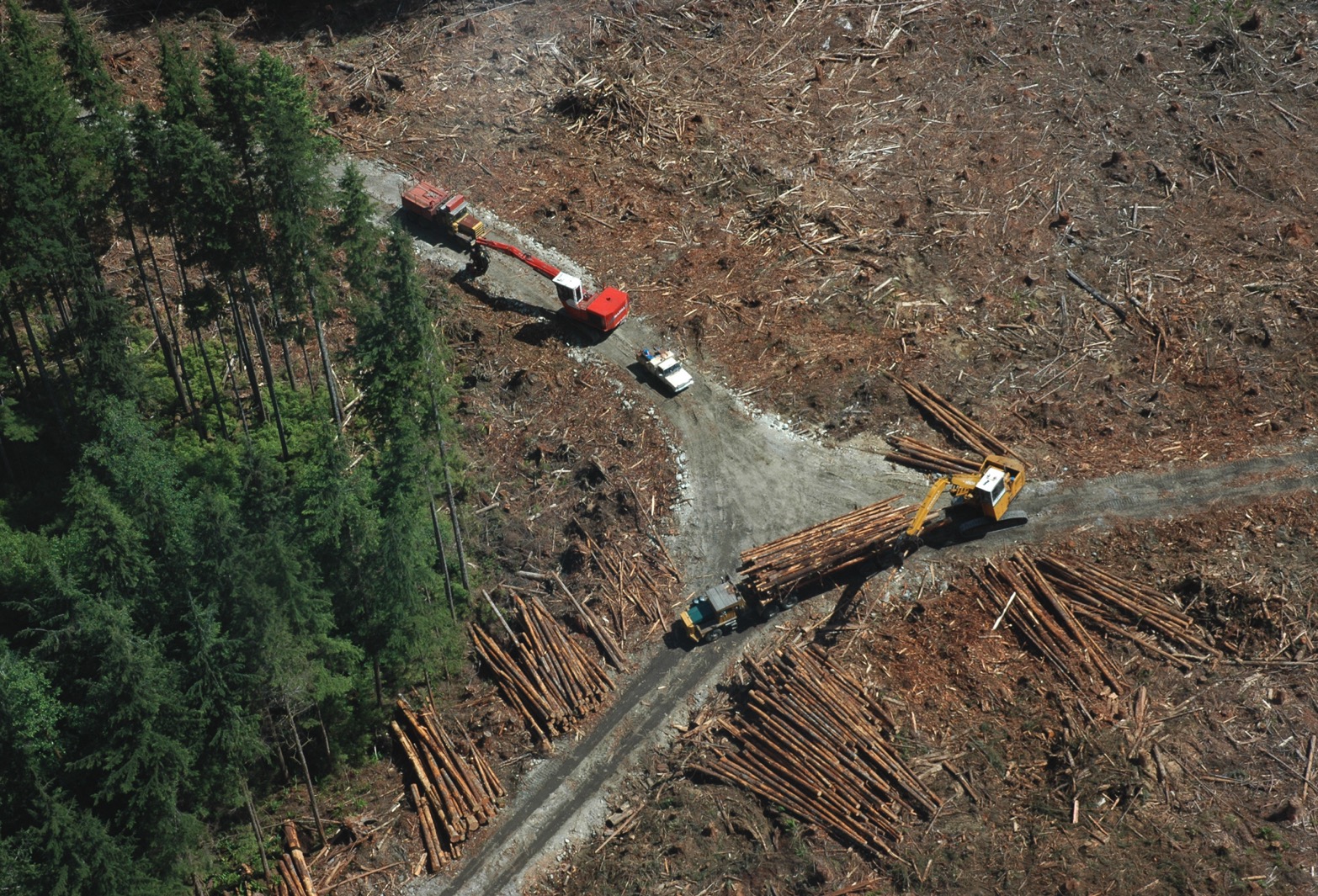 Here again in 2025, phase congestion has become a heightened concern as forestry operations are scrambling to produce in the face of uncertainty which could lead to dangerous situations for workers. History has proven that during uncertain times, productivity becomes the main driver, not for all contractors, but for some, and safety can be put on the backburner which puts everyone at risk, even those who put safety first.


 Tariff uncertainty from the Trump administration continues to impact home builders across the country, as builders prepare for potential price hikes and supply chain issues. …Lumber remains a primary concern, with countervailing and antidumping duties expected to more than double this fall. Steve Martinez, president of Tradewinds General Contracting in Boise, Idaho, recently spoke with CNBC to emphasize just how much lumber goes into the construction of a new home. “This entire house is built out of wood,” Martinez said. “I mean, we really do have wood on the floor, wood on the walls, wood on the ceiling. Can’t really get away from building a house like this without using a large number of wood products in the home.” As a result, price increases to lumber can cause a huge disruption for home builders. And lack of certainty adds complexity to the home-building process.
 Domtar has been penalized $17,200 for nearly two dozen failures to control the release of emissions from its Skookumchuck, BC, mill. The kraft pulp mill was found to have violated pollution levels 23 times over eight months starting in 2021, according to a decision from director of the Environmental Management Act Bryan Vroom. On at least six occasions, the decision found Domtar failed to keep smoke emissions from a wood-waste-fired power boiler below the 40 per cent opacity required under its 2013 permit. …The company disputed the findings, arguing that a nearby air quality impact assessment showed the impacts to human health were “not significant” and that the ministry failed to show the violations would impact workers. In his decision, Environmental Management Act Bryan Vroom responded by reducing the severity of the failures to a level of “low to none.” …Domtar acknowledged the penalties in an email, and said it is working with B.C.’s environment ministry in response.
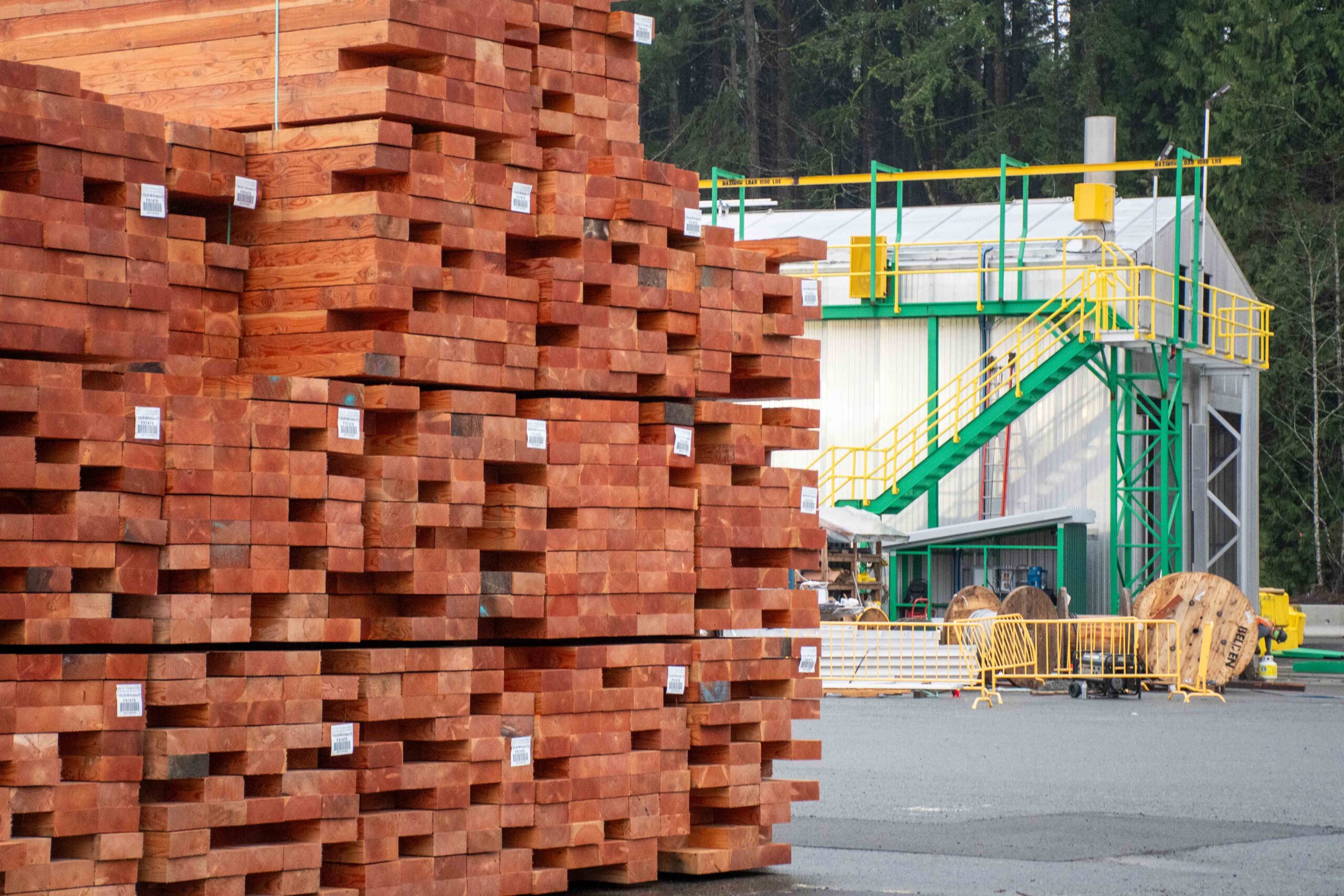 Canada has challenged both duties in our free trade arrangements with the US and at the WTO — often successfully but to no avail. …Clearly, putting an end to 40 years of a softwood lumber trade war should be a top priority for Canada in its list of fixes it seeks in any CUSMA renegotiation. …Nevertheless, a looming trade crisis may present some interesting opportunities in the confluence of at least three policy priorities of the new federal and BC governments. …In the recent election, Carney promised to double the number of homes built in Canada annually to 500,000, entrusting the implementation of this plan to a new Build Canada Homes (BCH) agency that will act as a developer overseeing the construction of affordable housing. …Hence, BC lumber displaced from the US market can be redirected at home to drive down the cost of a significantly increased inventory of new homes throughout Canada.
 VANCOUVER, BC – West Fraser Timber Co. Ltd. released its 2024 Sustainability Report, Building Together: People and Partnerships. The report highlights the Company’s sustainability performance across a variety of environmental, social, and governance goals and disclosed targets. “Since our founding 70 years ago, West Fraser has recognized our responsibility to the environment and society while delivering solid financial performance,” said
  Culturally significant land in the Cowichan Valley has been returned to Lyackson First Nation and Cowichan Tribes communities, a reconciliation landmark between the Nations and B.C. The lands that are now in possession of the Nations are near an existing Cowichan Tribes Indian Reserve known as Skutz Falls IR8 and adds to an area that has historically been used by the Nations for gathering, harvesting and other activities of cultural importance for their communities. “The acquisition of this parcel of land could not have been made possible without the commitment of British Columbia, our kinship ties with Cowichan Tribes and willing seller Mosaic,” said Hereditary Chief Laxele’wuts’aat Chief Shana Thomas of Lyackson First Nation.
  To state the obvious, in Ontario homebuilding is not keeping pace with population growth. This imbalance is driving sky-high home prices and rents, not only in the GTA but many other Ontario cities. What’s to be done? In the Ford government’s recent budget, “housing” appears not as a central theme but as one of several areas to receive “support” in light of Trump’s tariffs, mainly in the form of more money for local infrastructure. …And as part of this “housing” spending spree, the Ford government will continue to spend millions on the Community Infrastructure Fund—which targets smaller communities—and programs to encourage skilled trades, which could support housing development. … The Ontario government has already spent billions on its housing strategy, yet has not moved the needle on housing supply. Even Ford’s new budget with its massive housing “support” includes an abysmal forecast for new home construction.
  Packaging is going back to its roots. Long before the advent of plastics, before the rise of mass production and the widespread adoption of synthetic materials, early civilisations relied on what the natural world had to offer – pressed bark, woven plant fibres, and rudimentary pulps – to store and transport food and goods. Paper, in particular, has long served as a trusted material for containment and communication alike. Today, that ancient material is undergoing a resurgence and is evolving to not only meet contemporary functional needs but also to respond to an urgent call for environmental responsibility. The rapid shift away from single-use plastic has created new momentum behind paper-based alternatives. From luxury goods wrapped in soft textured, bespoke papers to barrier coated containers engineered for performance and recyclability, fibre-based packaging is no longer confined to brown boxes or rustic aesthetics. It is becoming more refined, more versatile, and, crucially, more sustainable – at least on the surface.

 The new La Pêche Town Hall, built on a promontory facing Route Principale, is a mass timber, highly energy-efficient building that will soon become the first Passive House-certified institutional building in Quebec. Rectangular in shape and located on an east-west axis, the building, by BGLA architecture + urban design, features a long façade which faces directly south onto the main road. This façade offers views of the hills of Gatineau Park from the inside, while also using natural solar gain to serve as the building’s primary heating source. The presence of wood is felt inside and outside the project. Eastern cedar cladding envelops all the façades, while the glulam and cross-laminated timber structure is exposed and highlighted in each of the interior spaces.


 The southernmost herd of endangered woodland caribou in Manitoba might not be able to recover from wildfire-caused habitat and population losses, experts say. Fire burn patterns and maps suggest a fire that has ravaged more than 100,000 hectares in and west of Nopiming Provincial Park in eastern Manitoba has destroyed a substantial part of the habitat of the Owl-Flintstone caribou herd. Boreal woodland caribou are classified as threatened under the Manitoba Endangered Species Act. There are an estimated 1,500 to 3,000 in the province. Daniel Dupont, a professor at St. Boniface University, is worried that last week’s inferno will weaken the woodland caribou population in several ways. “The caribou have just lost the habitat where their females give birth from mid-May to June,” Dupont said. …The Nopiming area is home to between 40 and 60 woodland caribou, he said.


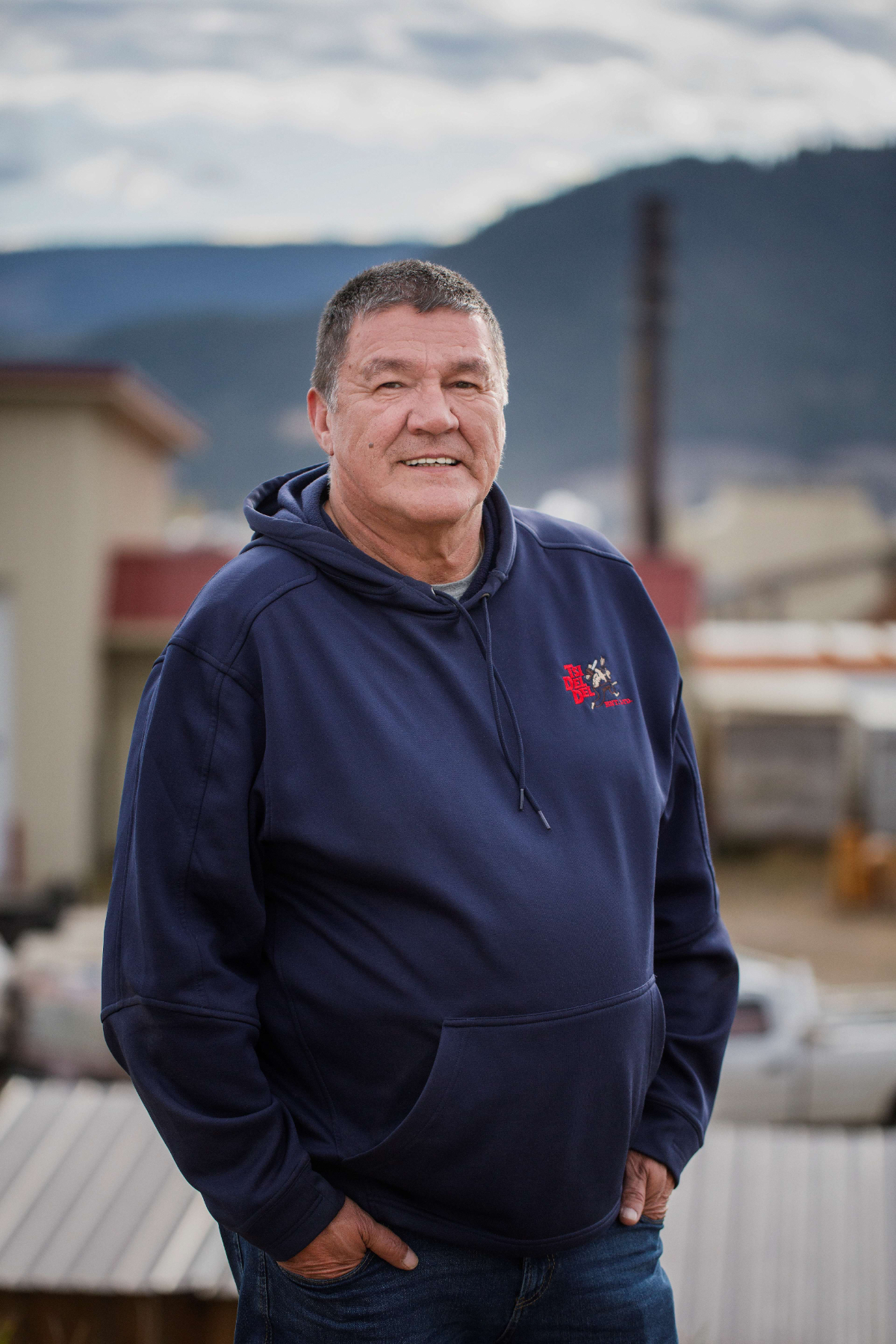


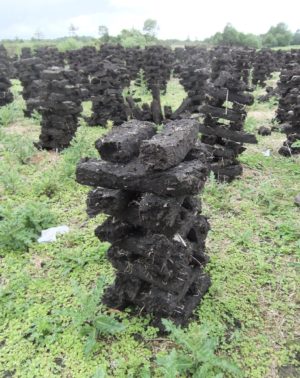 A love of the outdoors and a deep desire to make a meaningful impact on communities affected by climate change keeps Greg Verkaik going back to Western Canada. The PhD student studies peatlands and their role in wildfires. Climate change isn’t an abstract concept in his research, it’s something he’s been seeing and experiencing in the landscapes he’s visited since 2018 as part of this work. The 2025 wildfire season is already shaping up to be another intense year for Canada. Early signs point to another active and dangerous season, particularly in Western Canada. As peatlands dry and fire seasons lengthen, the risk of deep-burning, smouldering fires – the kind that can persist underground and reignite months later, continues to grow. This only strengthens Verkaik’s commitment to his research, which aims to better understand how peatlands influence wildfire behaviour and how they might be managed to reduce risk.

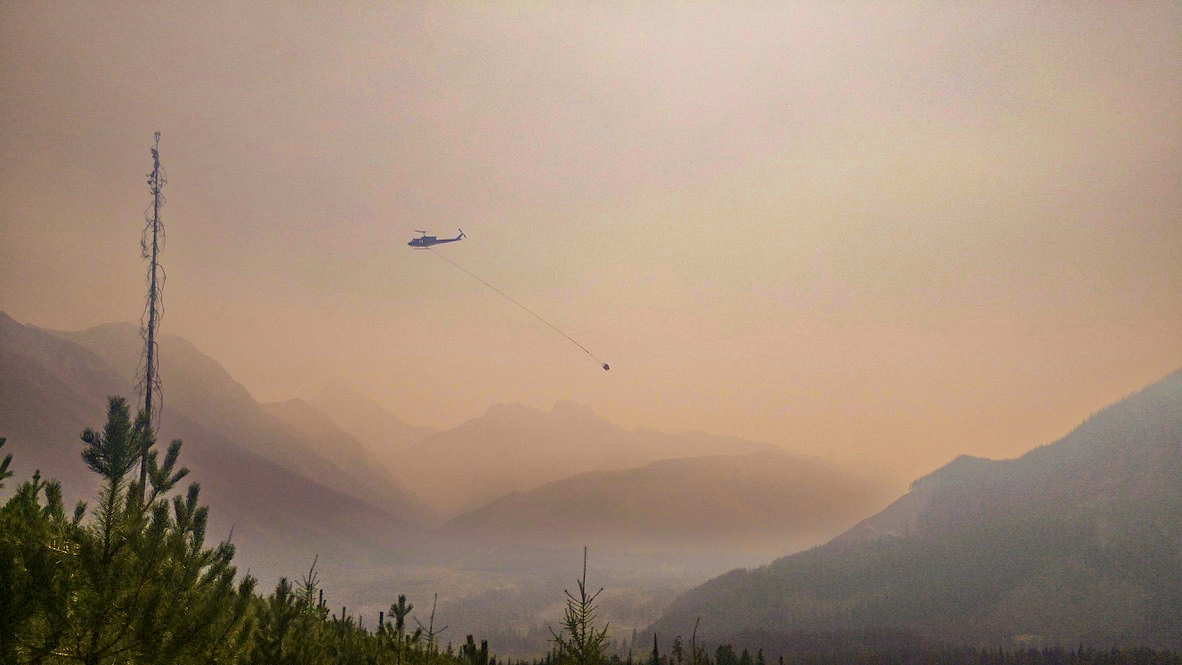 BC Wildfire Service are handling a new wildfire discovered on Saturday afternoon west of Princeton. Fire Information Officer Shae Stearns said they have one initial attack crew and a response officer on site, along with one helicopter assisting with water tanking. The fire is near Arrastra Creek and behind Black Mine Road. The fire is estimated at just over one hectare in size and is classified at out of control. The fire is believed to be human-caused, but further details on how the fire started are not known. …As of Friday, May 16, category 3 open fires were ordered prohibited across the Kamloops Fire Centre.