 VANCOUVER, BC – Canfor announced today that its 77%-owned subsidiary, Vida AB, has entered into an agreement to purchase AB Karl Hedin Sågverk from Mattsbo Såg AB and certain minority shareholders for a purchase price of $164 million, including working capital of ~$39 million. AB Karl Hedin Sågverk operates three sawmills located in Central Sweden and will add approximately 230 million board feet to Vida’s annual production capacity. Following completion of this acquisition, Vida will have annual production capacity of approximately 2.1 billion board feet. Annual synergies of approximately $15 million are expected to be achieved within three years as a result of this transaction principally related to alignment of marketing programs as well as log procurement and operational practices. …These operations have access to exceptionally high-quality timber and are well positioned to complement Vida’s high-value product offering,” said CEO Susan Yurkovich. …The transaction is expected to close over the next several months.
 Is Brazil playing fair when it comes to trade? An investigation launched July 15 by the Office of the United States Trade Representative (USTR) aims to find the answer. The Section 301 investigation will seek to determine whether acts, policies, and practices of the Government of Brazil related to a host of trade issues — including ethanol market access and forestry practices — are “unreasonable or discriminatory and burden or restrict U.S. commerce.” “Brazil has walked away from its willingness to provide virtually duty-free treatment for U.S. ethanol and instead now applies a substantially higher tariff on U.S. ethanol exports,” the USTR office wrote in announcing the investigation. The announcement also said Brazil appears to be failing to effectively enforce laws and regulations designed to stop illegal deforestation — which undermines the competitiveness of U.S. producers of timber and ag products.
 Amid global economic uncertainties and tightening trade policies, Việt Nam’s wood industry is navigating through significant headwinds. While long considered a strong export sector, local enterprises are now re-evaluating their strategies to not only sustain growth but also reposition Vietnamese wood products on the global trade map. According to Nguyễn Liêm, chairman of the Bình Dương Furniture Association, major shifts in trade policies among importing countries have been felt since early this year. …The US remains the largest market, accounting for nearly 50% of the industry’s export value. …Recently, the US Department of Commerce (DOC) initiated anti-dumping and countervailing investigations into plywood imported from Việt Nam. …Besides the US, the European Union has also implemented new technical and legal requirements. Regulations such as the EU Deforestation Regulation (EUDR), the Carbon Border Adjustment Mechanism (CBAM), and the Corporate Sustainability Reporting Directive (CSRD) are demanding more rigorous environmental and traceability standards.
 Investigators at UK-based non-profit, Earthsight, have uncovered a booming trade in illegal Russian timber stretching throughout Europe and breaching war sanctions. The investigation ‘
 President Trump announced his team struck a trade deal with Indonesia on Tuesday and said details would be forthcoming. …The announcement comes after Trump unveiled a new batch of letters to over 20 trade partners outlining tariffs on goods imported from their countries beginning in August. The letters set new baseline tariff levels at 20% to 40% — except for a 50% levy on goods from Brazil. …Trump has also escalated tariff tensions with Canada, Mexico, and the European Union recently. On Thursday, Trump announced a 35% tariff on Canadian goods and followed that up with promises of 30% duties on Mexico and the EU. The EU has been preparing options for a trade deal, while also preparing an extensive list of counter-tariffs that would affect 72 billion euros ($84 billion USD) of American products should talks fail. “There will be a huge impact on trade,” the EU’s chief negotiator said Monday.
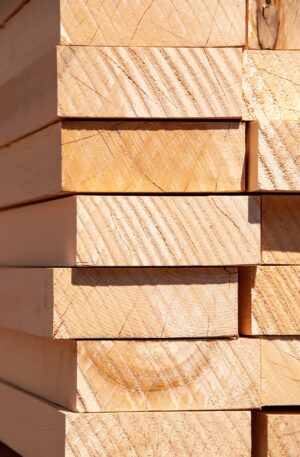 UK softwood traders enjoyed a period of strong trading through the first two months of Q2, supported by a rise in demand gaining momentum through both April and May. This followed on from a stable Q1 when imports increased by just under 2% against the same period in 2024. Since the beginning of this year, a number of Nordic producers were short of spruce logs for structural grades, and in many cases switched to pine. That move had a knock-on effect on the amount of redwood available for production at some mills. With good demand and some shortages, Q2 prices moved upwards, not only to the UK but other markets in Europe and the US as well. However, the UK merchants adopted a more sceptical and cautious approach. Many held back from making longer-term commitments on the forward market to ensure the recovery and stability in the market was sustainable.
 Timber and forestry investment is gaining ground in Europe, as private equity increasingly shifts towards climate-aligned strategies. A recent EY report highlights growing momentum behind timber and forestry funds, previously seen as niche, now positioned as core components of sustainability-focused portfolios. Despite global private equity fundraising falling to $680 billion in 2024, the lowest since 2015, investors are favouring fewer, larger deals. Europe is leading in sustainable asset allocation, with over half of all new fund launches in Article 8 and 9 categories under the EU Sustainable Finance Disclosure Regulation, according to Morningstar. Timber and forestry funds attracted $8.4 billion in 2024, slightly down from 2023 but above the five-year average. These funds often deliver double-digit internal rates of return, with top-performing vintages exceeding 16 percent.

 GALWAY, Ireland — Minister of State with responsibility for Forestry, Michael Healy-Rae, announced a new report “
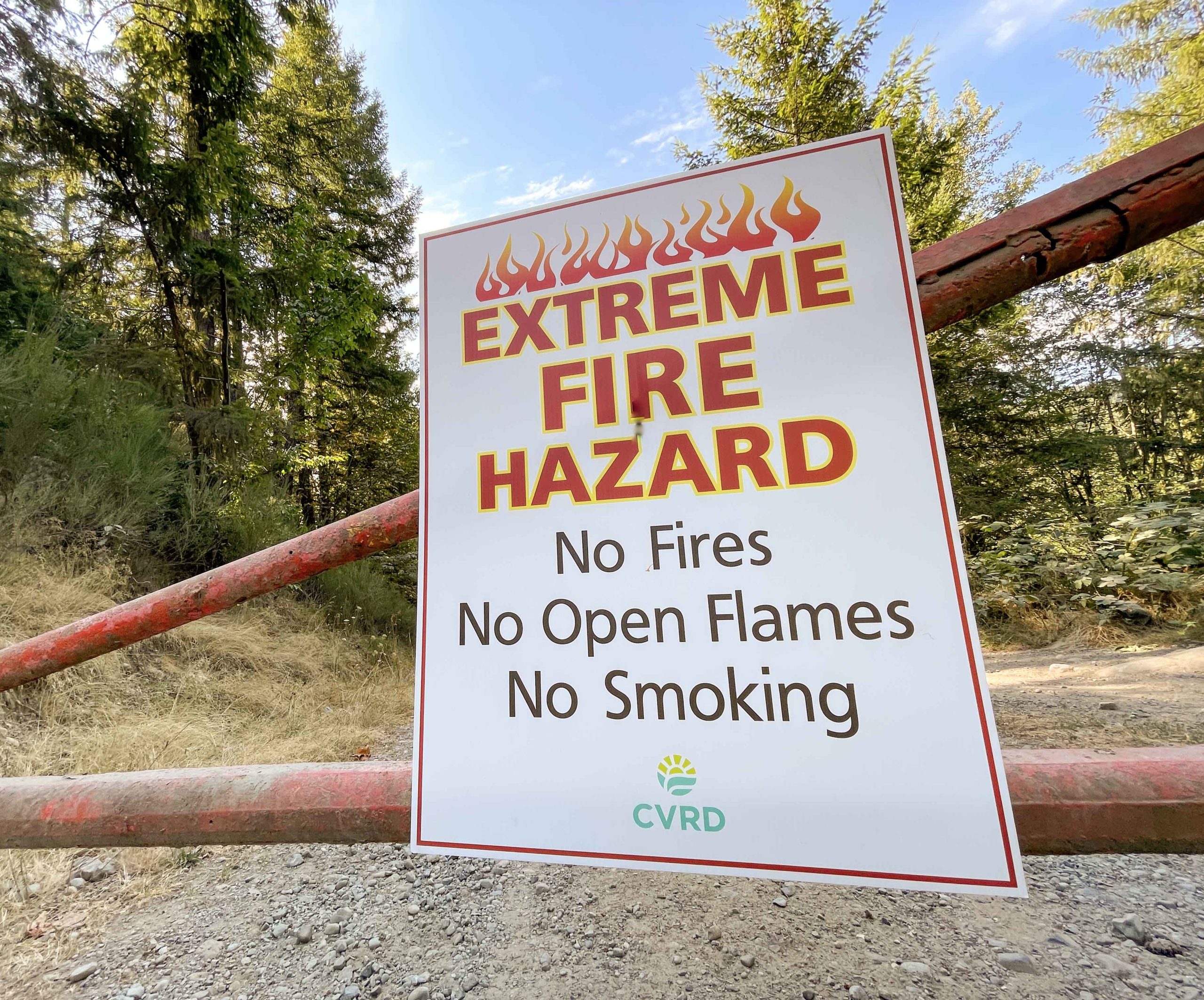 In 2023 and 2024 the world’s forests absorbed only a quarter of the carbon dioxide they did in the beginning of the 21st century, according to data from the World Resources Institute’s Global Forest Watch. Those back-to-back years of record-breaking wildfires hampered forests’ ability absorb billions of tons of carbon dioxide, curbing some of the global warming caused by fossil fuel emissions. Those two years also marked the first time wildfires surpassed logging or agriculture-driven deforestation as the biggest factor lowering forests’ carbon-capturing ability. It’s an emerging pattern that’s different from the last big drop, in 2016 and 2017, which was largely the result of increased deforestation for agriculture. …Other recently published studies suggest that climate change is making extreme-forest-fire years more common, and the worst events more frequent and intense. …“We’re reaching the point where global warming is feeding the warming,” said Werner Kurz, an emeritus scientist for the Canadian Forest Service. [A subscription to the New York Times is required to access the full story]
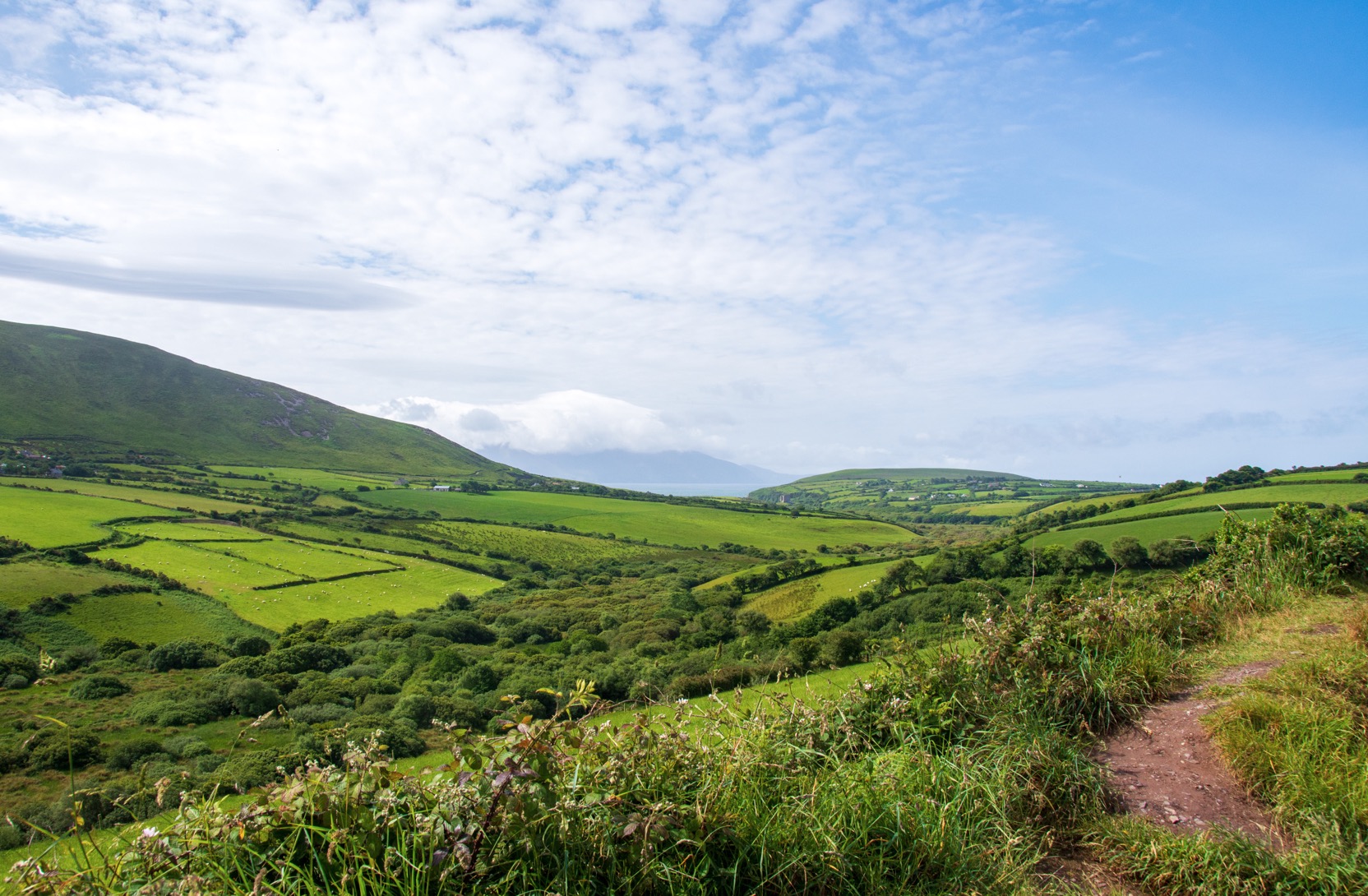 Alastair Collier is right to point out that to build forests that can withstand future conditions, we must invest in resilience from the outset (Britain’s forests need help to adapt to the changing climate
 At the southern tip of Europe’s largest river island, the ground falls away into a vast and unexpected vista. From a high, rocky ledge on Khortytsia Island, the view opens on to a sea of swaying young willows and mirrored lagoons. Some of the trees are already many metres tall, but this is a young forest. Just a few years ago, all of it was under water. “This is Velykyi Luh – the Great Meadow,” says Valeriy Babko, a retired history teacher and army veteran, standing on the former reservoir shoreline at Malokaterynivka village. For him, this extraordinary new-old environment represents more than nature alone. “It is an ancient, mythic terrain, woven through Ukrainian folklore,” he says. “Think of all those Cossacks galloping through its valleys of forests so dense the sun barely pierced them.”
 The General Directorate of Forestry (OGM) under Türkiye’s Ministry of Agriculture and Forestry has issued a stark warning, urging extreme caution as temperatures are forecast to rise by 6 to 12 degrees Celsius between July 19 and 25. As record-breaking summer heat and dry winds sweep across the Mediterranean basin, Türkiye is once again on the front lines of a growing global crisis: forest fires. Citing meteorological data, the OGM emphasized that a combination of soaring heat, low humidity and wind can create a dangerous trifecta, fueling wildfires that spread rapidly and with devastating intensity. “Even a moment of carelessness can ignite a fire of catastrophic scale,” the statement read. Citizens are urged not to burn brush, discard cigarette butts, light open fires or leave glass bottles in nature during this critical period. With 86% of wildfires caused by human activity, the risk is real and preventable.

 Russia’s timber industry is warning of widespread production shutdowns as the sector reels from Western sanctions, declining demand and a surging ruble that has battered the country’s export competitiveness. …The Russian Association of Organizations and Enterprises of the Pulp and Paper Industry described the current moment as one of the industry’s most difficult periods in modern history. Industry data show that timber harvesting fell 13% in 2024 compared with pre-war levels in 2021, lumber production dropped 11% and plywood output declined 23%. Even pulp production, one of the sector’s more stable outputs, decreased by 3%. Major industry players including Segezha Group and ULK Group have been restructuring loans over the past two years in response to falling output, sliding prices and soaring costs. But the situation has continued to deteriorate, especially within the export-heavy pulp and paper sector. Compounding the problem is the Central Bank’s steep 20% key interest rate along with a hike in the profit tax rate from 20% to 25%.
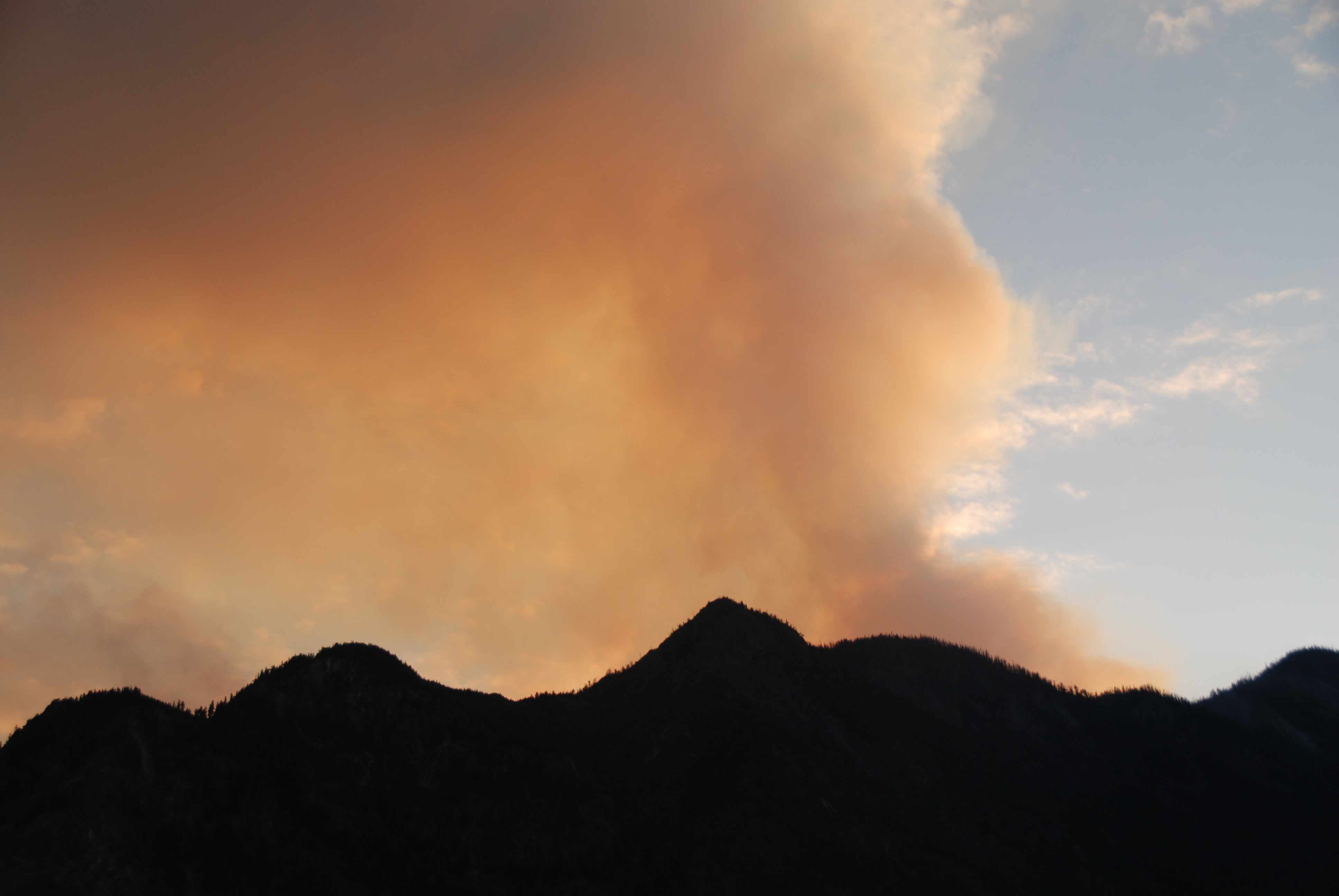 BRUSSELS – Wildfires have scorched hotspots in several Mediterranean countries this month, with blazes forcing thousands of people into lockdown in Catalonia in Spain, and encroaching on France’s second-biggest city of Marseille. …European wildfires have burnt 227,000 hectares of land since the beginning of the year – more than double the average for this time of year over the past two decades, according to the EU’s European Forest Fire Information System. …It’s not yet clear if 2025 will be a record year, as that will depend on how the fire season evolves in the coming months. The number of fires in Europe has also surged this year so far, with 1,118 blazes detected as of July 8, versus 716 in the same period last year, EFFIS said. …Scientists say the Mediterranean region’s hotter, drier summers put it at high risk of wildfires. …Climate change exacerbates this risk , by creating hotter and drier background conditions.
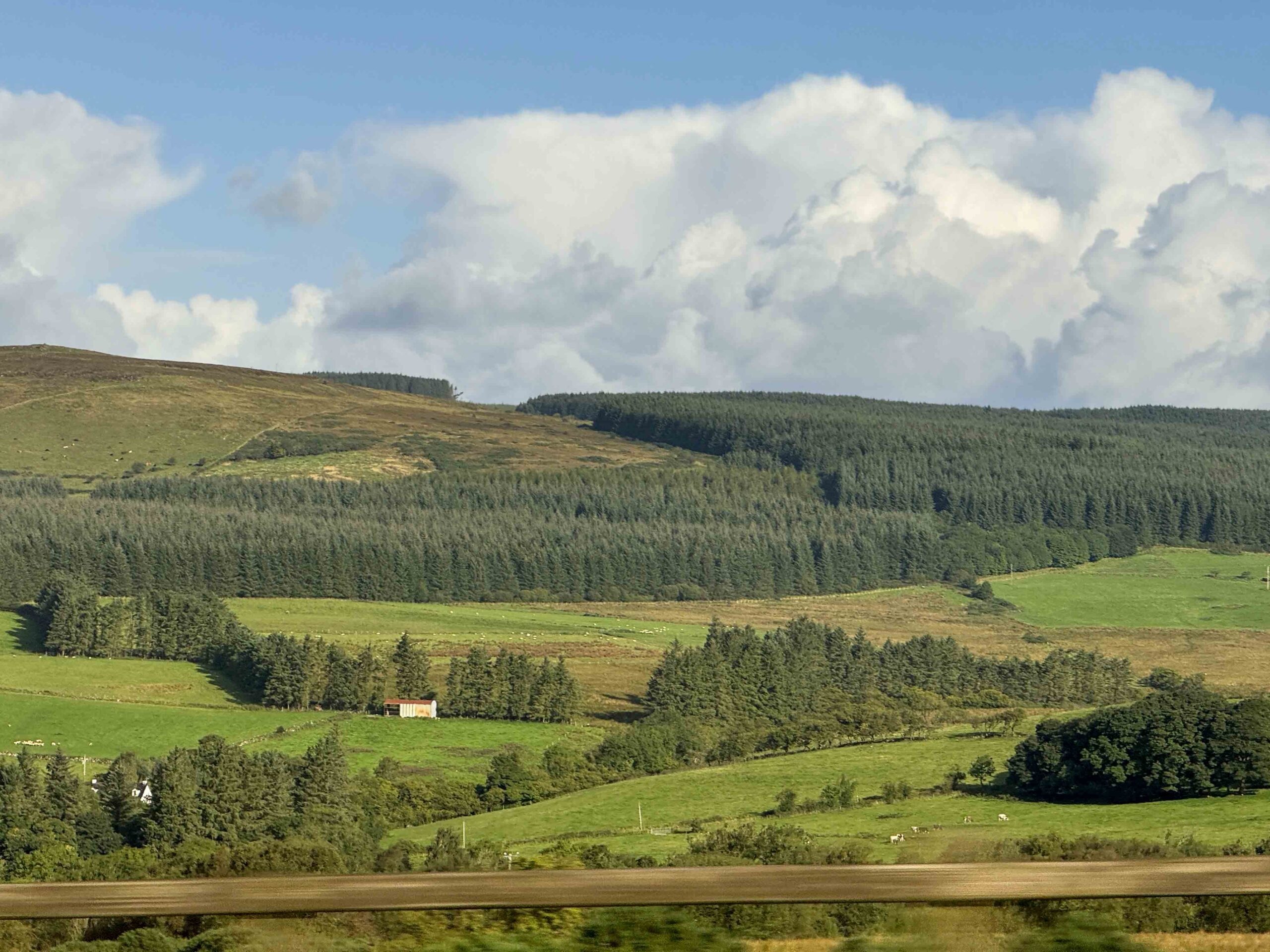 The current glorious weather provides an opportunity for all to recreate and enjoy. However, such weather patterns give rise to extreme fire risk. Teagasc Forestry advisors tell us more on the nature of such risks and offer practical advice on mitigating forest fire danger threats. On July 10, 2025, the Department of Agriculture, Food and the Marine issued a
 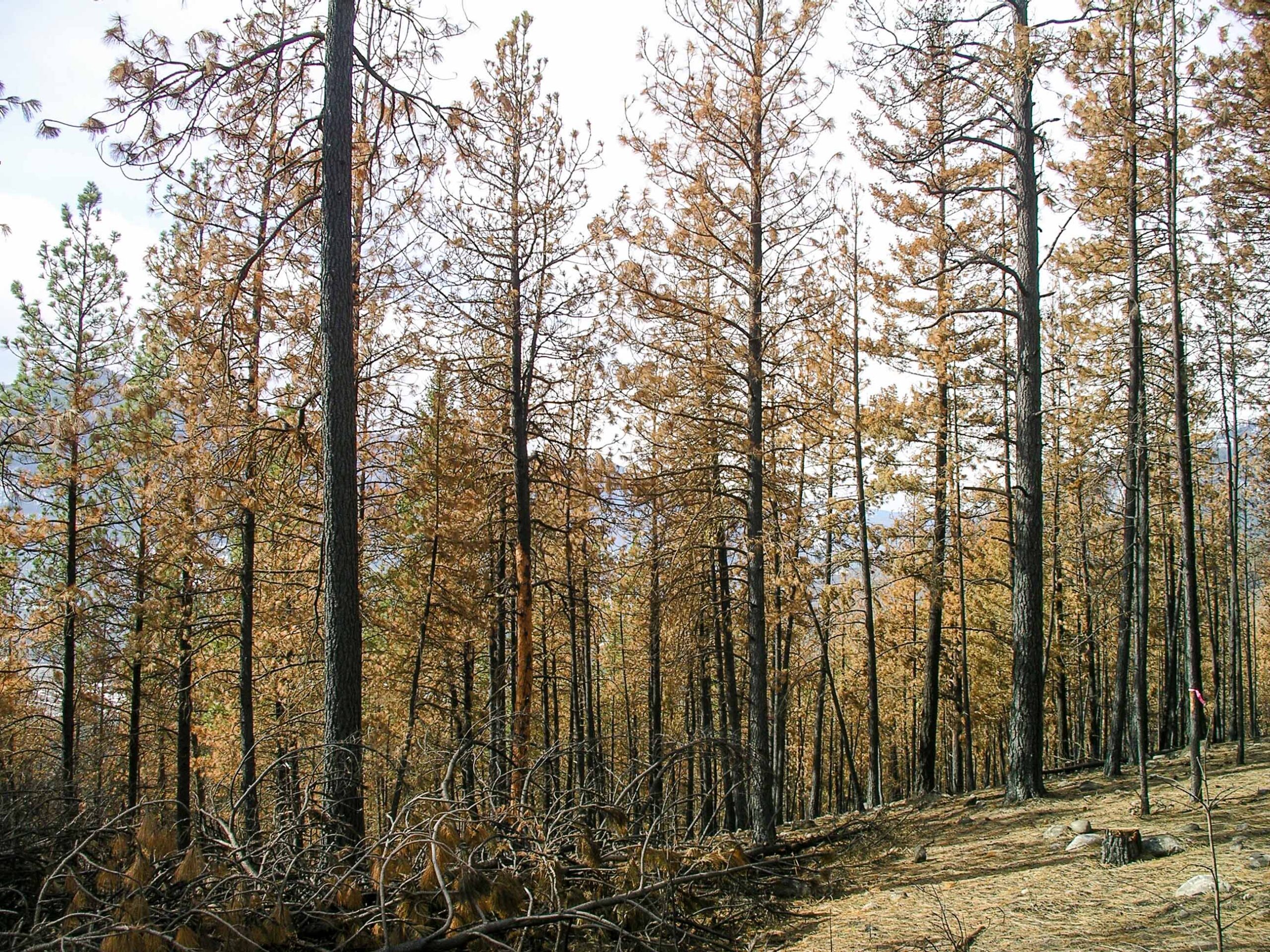 Last year, more than 112 thousand hectares of dry forests were listed in the Estonian Natura 2000 habitats. These are forests with minimal anthropogenic load, and in Estonia they are overgrown dunes, old natural forests and spruce forests with rich ground cover. The Estonian Environmental Service, the University of Tartu and the Estonian University of Life Sciences are jointly developing a plan for the maintenance of dry forests. Taavi Tattar, Head of the Nature Conservation Planning Department of the Environmental Service, pointed out that dry forests are in poor condition both in Estonia and throughout Europe. “They’re either too uniform in age or have impoverished structure. Certain species need forests with diverse structures for their life and activities, coarse woody debris, dead trees, and so on. On a broader scale, diverse forests are also more resistant to disease and better able to adapt to climate change,” Tattar said.
 A new paper published in
 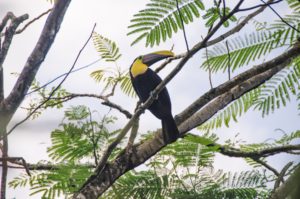 Brazil once again leads the world in the loss of primary tropical forests. New data shows the country accounted for 42% of global primary rainforest loss in 2024, largely due to widespread fires throughout the nation and in neighboring Bolivia, Colombia and Peru. The 2024 spike in Amazon forest loss was due in large part to one of the worst fire seasons on record. But what’s often missed is the fact that recent fires in tropical primary forests are by no means a “natural” disaster. Rather, the conflagration represents a perfect storm of climate change-induced environmental conditions, governance failures and unchecked, organized criminality. Fires in the Amazon are largely started by arson and related criminal activity accompanying agriculture, logging, mining and road building. In fact, a recent survey of government data concluded that 91% of forest loss in the Brazilian Amazon is linked to illegal activity like land-clearing for agriculture and artisanal mining, often orchestrated by well-structured international criminal enterprises.
 A new study in The Journal of Cleaner Production confirms that Forest Stewardship Council (FSC) certification contributes to maintaining and increasing forest cover, especially in lower-middle income countries. These findings reinforce the conclusions of previous research and provide insights on adapting regional certification strategies to increase sustainable forest management. The study investigated the critical role of FSC certification in promoting sustainable forest management and mitigating deforestation across diverse economic and climatic contexts. Using dynamic panel data model and Generalized Method of Moments estimations on 70 countries from 2000 – 2021, the researchers examined forest cover as a measure for impact of FSC certification. Results indicate that FSC certification contributes to maintaining and increasing forest cover across diverse economic and climatic contexts. This positive impact is most strongly observed in lower-middle income countries. Scaling up certification and integrating it into national policies could benefit countries of this economic category.
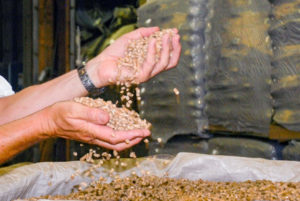 …In the aftermath of the earthquake and tsunami, Japan shut down not just Fukushima but all of its nuclear plants, a move that resulted in the loss of a third of its electrical power. …Japan faced a daunting energy crisis that it addressed… with conventional fuels such as natural gas and “bioproducts” including wood pellets derived from the logging of BC’s Interior forests. …Last year, roughly two million tonnes of those pellets arrived Japanese ports from BC, linked to a dozen mills in the province that make wood pellets derived from trees logged in the province’s rapidly dwindling primary forests — natural forests never previously subject to industrial logging. …Which means that in the name of creating allegedly clean energy, forests are being razed just to burn the wood. …The strain on the province’s stressed forests is [also] coming from other bioenergy producers, including those who want to use wood to make jet fuel.
 Drax power station is once again the UK’s largest single source of carbon emissions, according to new analysis from think tank Ember. Emissions from the biomass-burning power plant rose to 13.3 million tonnes of CO2 in 2024, a 16% increase from the previous year. Drax biomass power plant has been the UK’s top emitter for the last 10 years running. Drax now emits more than the next four largest polluters combined and more than the six most emitting gas power plants combined. Emissions from the Drax power plant are equivalent to over 10% of the UK’s total transport emissions and nearly 3% of the country’s territorial total. Despite its emissions increase, Drax received around £2 million per day in subsidies in 2024, an average of £10 per household. The power station burned 7.6 million tonnes of wood, 99% of which was imported. Recent investigations have found instances of old growth forests being cut down for this purpose.
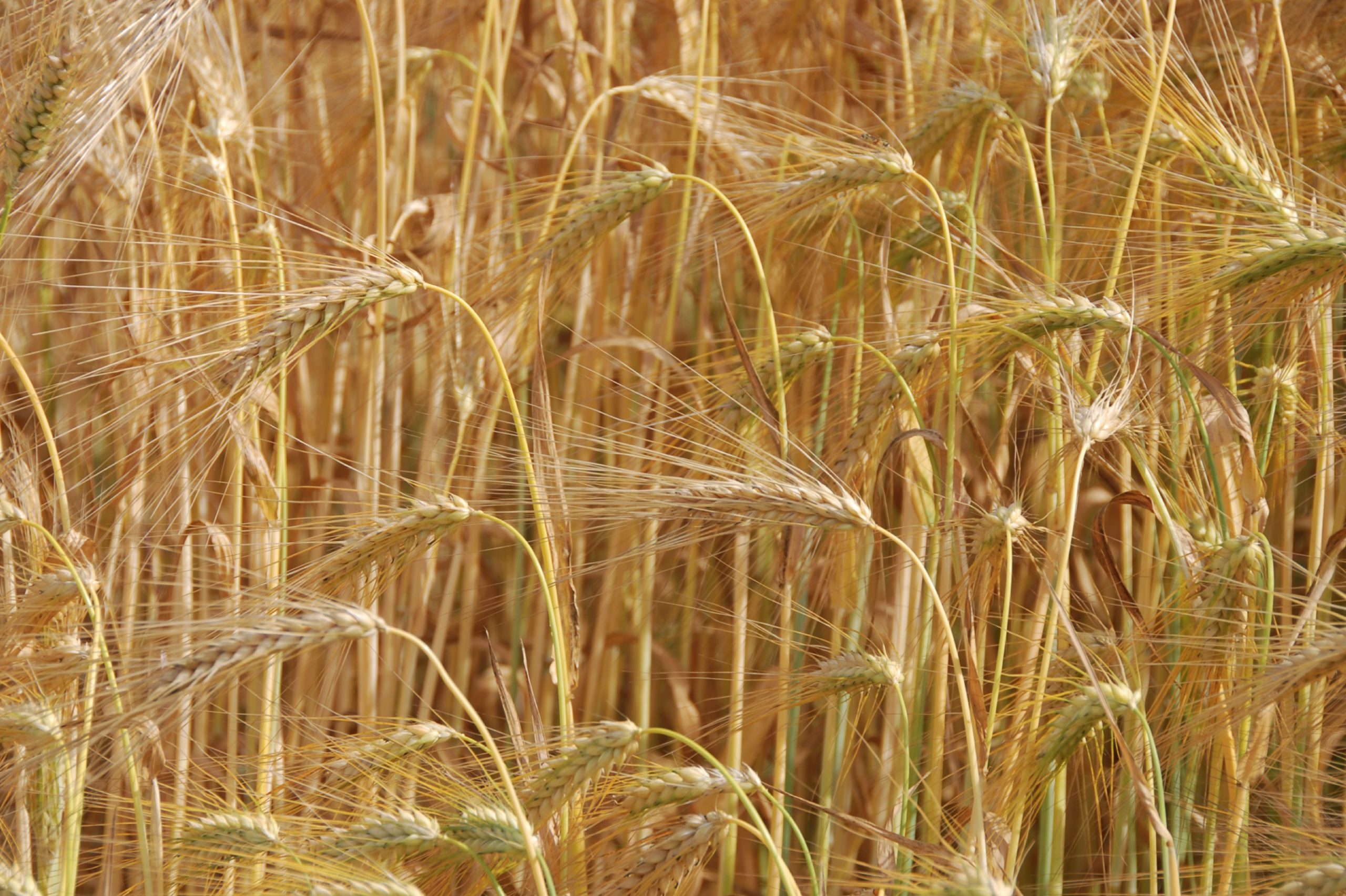 A Norwegian start up is showing how a little black powder could have a big impact on farming — from healthier livestock to stronger soils and a more climate-friendly future. Why it matters: The ongoing emphasis on reducing antibiotic use in livestock production and increasing soil health means farmers are looking for new tools to help them achieve this. Obiochar, based in rural Norway about 120 kilometres north of Oslo, is using a fully automated system to turn biomass – in this case dead trees from nearby forests that can’t be used by the lumber industry – into a powerful tool for agriculture. And while biochar itself isn’t new, Obiochar ‘s unique, dual-focused approach to using biochar is setting it apart from its competitors. The company is developing biochar products both for livestock gut health in the form of feed additives and soil enhancement as an amendment.
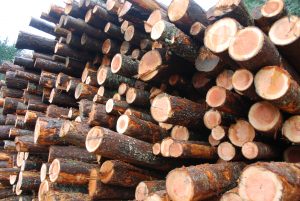 Companies around the world have poured hundreds of millions of dollars into conservation projects in Brazil designed to protect the Amazon rainforest in return for carbon credits offsetting their emissions. Reuters found that many of those projects are profiting people and businesses fined by Brazilian authorities for destroying the rainforest. Reporters analyzed 36 conservation projects in the Brazilian Amazon offering voluntary carbon offsets on the global market’s biggest registries. At least 24 of those involved landowners, developers or forestry firms that have been punished by Brazil’s environmental agency Ibama for their roles in illegal deforestation, Reuters found. The offenses ranged from clear-cutting the rainforest without authorization to transporting felled trees without valid permits and entering false information in a government timber tracking system. Government officials and experts said these infractions reflected the range of roles in the illicit timber trade devouring the rainforest.
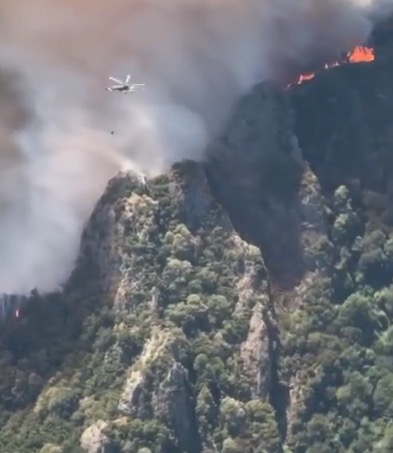 At least 10 forestry and rescue workers have been killed while battling wildfires in Turkey’s central Eskisehir province. Some 24 forest workers and volunteer rescue personnel were left “trapped inside the fire” following a change in the direction of the wind, Turkey’s Agriculture and Forestry Minister Ibrahim Yumakli said in a post on X. Five forestry workers and five volunteers from the AKUT rescue organisation lost their lives and 14 forest workers were taken to hospital, he said. The blaze in the Seyitgazi district of the province began on Tuesday morning and started spreading towards nearby areas, local media said.
 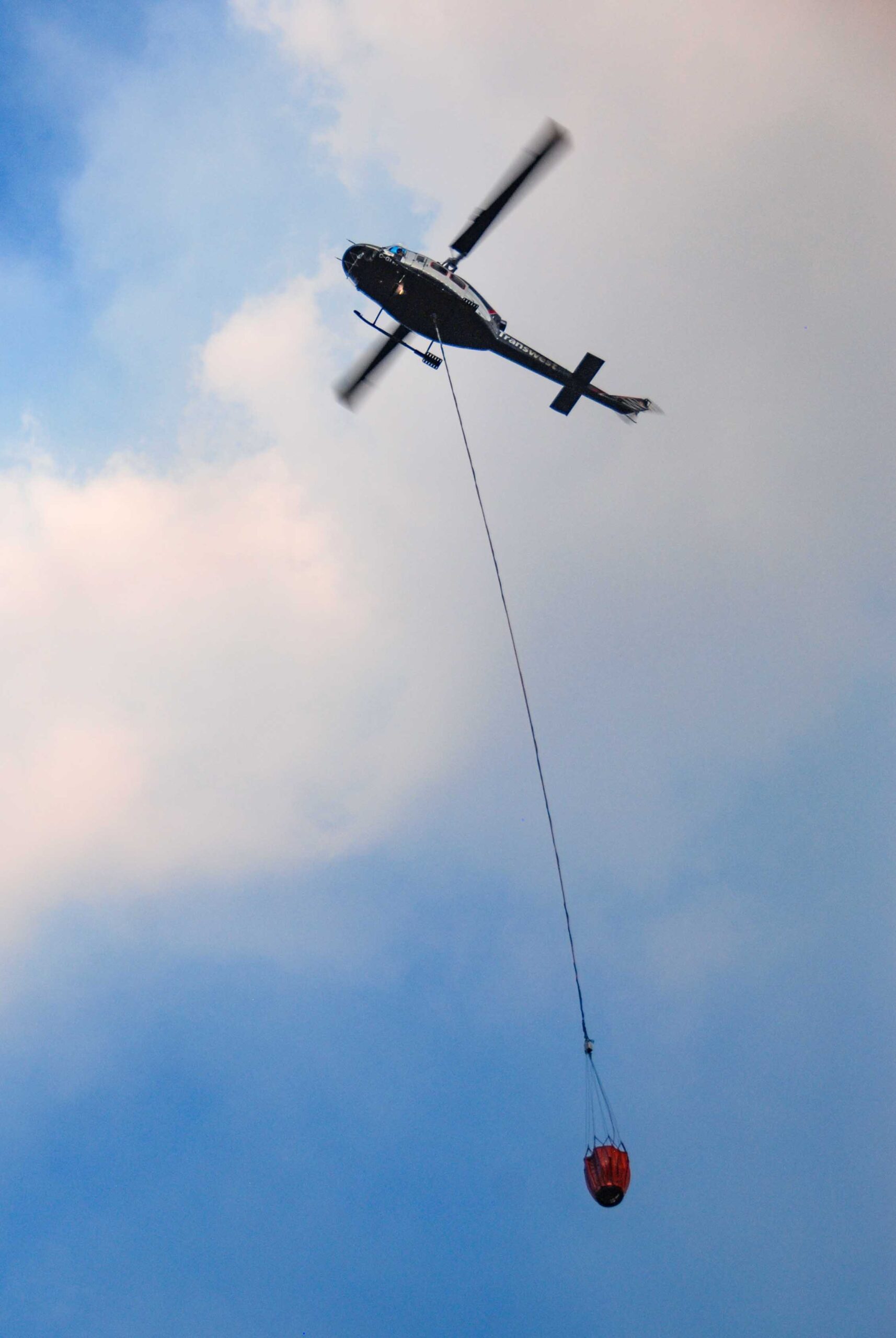 A firefighting helicopter crashed into the sea while attempting to collect water to combat a blaze in Athens. All three crew members were rescued and taken to a nearby hospital. Greece is combating a surge in wildfires amid soaring temperatures. A large wildfire broke out near the southern Greek city of Corinth on Tuesday, forcing the evacuation of several villages as firefighters battled flames under scorching conditions, authorities said. More than 180 firefighters, supported by 15 aircraft and 12 helicopters, were deployed to tackle the blaze in a pine forest in the mountainous area of the municipality, according to the local fire department. There were no immediate reports of injuries.
 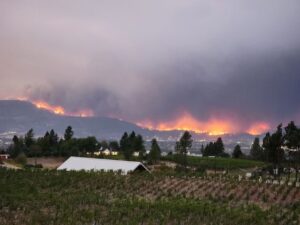 More than 15,000 residents of Marseille confined to their homes have been allowed out after a wildfire on the outskirts of France’s second city was brought under control, but officials have warned the country faces an exceptionally high-risk summer. Fanned by gale-force winds and kindled by parched vegetation, several fires have burned swathes of southern France in recent days, including Tuesday’s just north of the port city. The weather service has said the weeks ahead could be critical. “The fire is receding, but with a blaze this severe, over this big an area, it’s clear there may be fresh flare-ups, flames can jump, embers can reignite,” the prefect of the Bouches-du-Rhône department, Georges-François Leclerc, said on Wednesday.