 Alabama Republicans are asking the Trump administration to set the duty rate on timber and lumber products to at least 60 percent, as it pursues a Section 232 investigation, according to a letter first obtained by Morning Trade. “In recent years, our $12 billion domestic cabinet industry has been devastated by unfairly traded imports of kitchen cabinets and cabinet components,” wrote Sens. Katie Britt and Tommy Tuberville, as well as Reps. Barry Moore, Gary Palmer, Mike Rogers, Dale Strong and Robert Aderholt in a note sent Thursday to Lutnick and Undersecretary of Commerce for Industry and Security Jeffrey Kessler. The Alabama Republicans note that the U.S. kitchen cabinet industry supports 250,000 jobs around the country and 5,000 in Alabama, and warn some U.S. manufacturers are operating at as low as 30 percent capacity. [to access the full story a PoliticoPro subscription is required]
 President Trump’s deal to dramatically slash tariffs on China thrilled markets and offered a sliver of relief for businesses across the country. It also revealed an important lesson: Even Teflon Don can’t outrun economic reality. The deal in which both sides agreed to lower tariff rates by triple-digit percentages, came as anxiety mounted about a potential downturn in the US. …The agreement is an acknowledgment that a full-on economic divorce of the US and China would be too painful for both sides. …For U.S. corporations operating across borders, the de-escalation might offer some solace. But the remaining 30 percent tariff added to Chinese goods will cut heavily into profits — and be cost-prohibitive in some sectors. …One former Trump administration official said the meeting between the U.S. and China resulted from pressure on the White House from a variety of industries. …Beijing, too, was watching its economy falter.




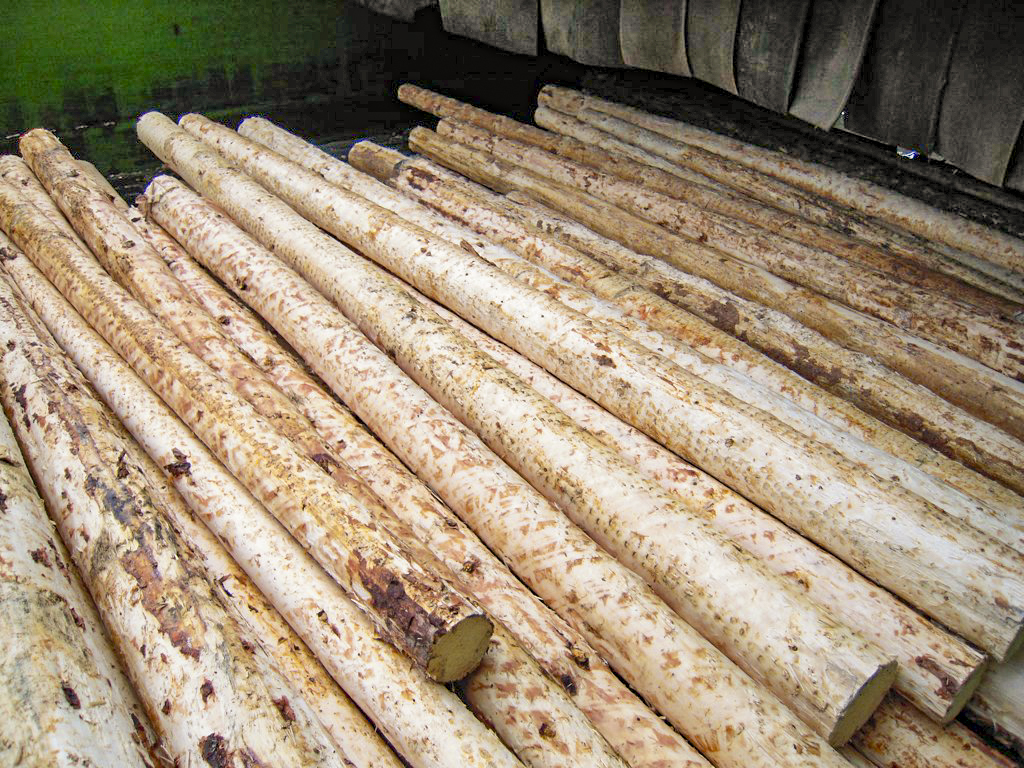 A construction industry crash in China is sending shockwaves through the timber trade here. “There’s elephants in the forest,” said Rotorua-based forestry consultant Jeff Tombleson. China was by far the largest importer of New Zealand logs – 92% in the year to June last year. But Tombleson said it had been “throttling back” on the quantity taken since China’s property market started contracting in 2021. Mega-infrastructure projects there such as new cities, ports and railways were nearing completion, he said. He said most of the New Zealand timber exported to China was used on construction sites for concrete-casting (boxing), a technique used in 60% of the country’s multi-storey builds. Since 2019, New Zealand’s isolating export log prices have occasionally “come back” to sub-$100 per cubic metre from an average of $132. At the lower level, he said harvesting for most of the small forests’ estate was not viable and because there was little or no domestic demand, they shut their gates.

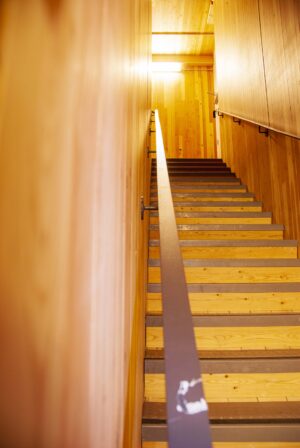 The effects have been felt by building industries in terms of increased costs, disrupted supply chains and economic uncertainty. Last week’s webinar, “Trump’s Tariffs: Transition or Turmoil?… focused on the near-term effects of tariffs, how trade environments have shifted in response, and what the next steps of the Trump Administration might be. …Ari Hawkins, a Politico trade reporter, agreed that the administration is likely looking to the USMCA renegotiations to “really get into the weeds of a lot of these tariff disputes” with Canada. …Hawkins says that further Section 232 investigations could lead to new tariffs in the coming months on a range of products, including semiconductors, lumber and critical minerals. While the administration might make exemptions on materials like lumber before those investigations are completed, Hawkins says, they are still likely to face the Section 232 tariffs as part of the administration’s focus on incentivizing manufacturing and development within the US.
 VANCOUVER — Canfor Corporation reported its Q1, 2025 results. The Company reported an operating loss of $28.5 million for the first quarter of 2025, compared to an operating loss of $45.9 million in the fourth quarter of 2024. …These results largely reflected improved lumber segment results and, to a lesser extent, the pulp and paper segment. Canfor’s CEO, Susan Yurkovich said, “While improved lumber benchmark prices provided some relief, rising global economic and trade uncertainty, and US lumber duties, create a challenging backdrop. Through our diversified operating platform in Canada, the US South and Europe, we are positioned to mitigate these challenges, while remaining focused on what we can control. …“For our pulp business” Yurkovich added, “this was another solid quarter with improved results and a strong operational performance. However, global economic uncertainty is also putting pressure on global softwood pulp markets in the near term.”
 NEW YORK, NY — Mercer International reported first quarter 2025 Operating EBITDA of $47.1 million, a decrease from $63.6 million in the same quarter of 2024 and $99.2 million in the fourth quarter of 2024. In the first quarter of 2025, net loss was $22.3 million compared to $16.7 million in the first quarter of 2024 and net income of $16.7 million in the fourth quarter of 2024. Mr. Juan Carlos Bueno, Chief Executive Officer, stated: “There was continued strength in pulp markets and an improving lumber pricing environment in the first quarter of 2025. However, our operating results in the quarter were negatively impacted by annual planned maintenance downtime at our Celgar mill and the impact of the weaker dollar against the euro.
 BEIJING — China announced a barrage of measures meant to counter the blow to its economy from US President Donald Trump ’s trade war, as the two sides prepared for talks later this week. Beijing’s central bank governor and other top financial officials outlined plans Wednesday to cut interest rates and reduce bank reserve requirements to help free up more funding for lending. …Trump’s tariffs on imports from China, have begun to take a toll on its export-dependent economy at a time when it’s already under pressure from a prolonged downturn in the property sector. China has retaliated with tariff hikes of up to 125% on US goods and stopped buying most American farm products. Late Tuesday, China and the US announced plans for talks. …The agreement to talk comes at a time when both sides have remained adamant, at least in public, about not compromising on the tariffs.
 Drax Group plc on May 1
  This newsletter includes:



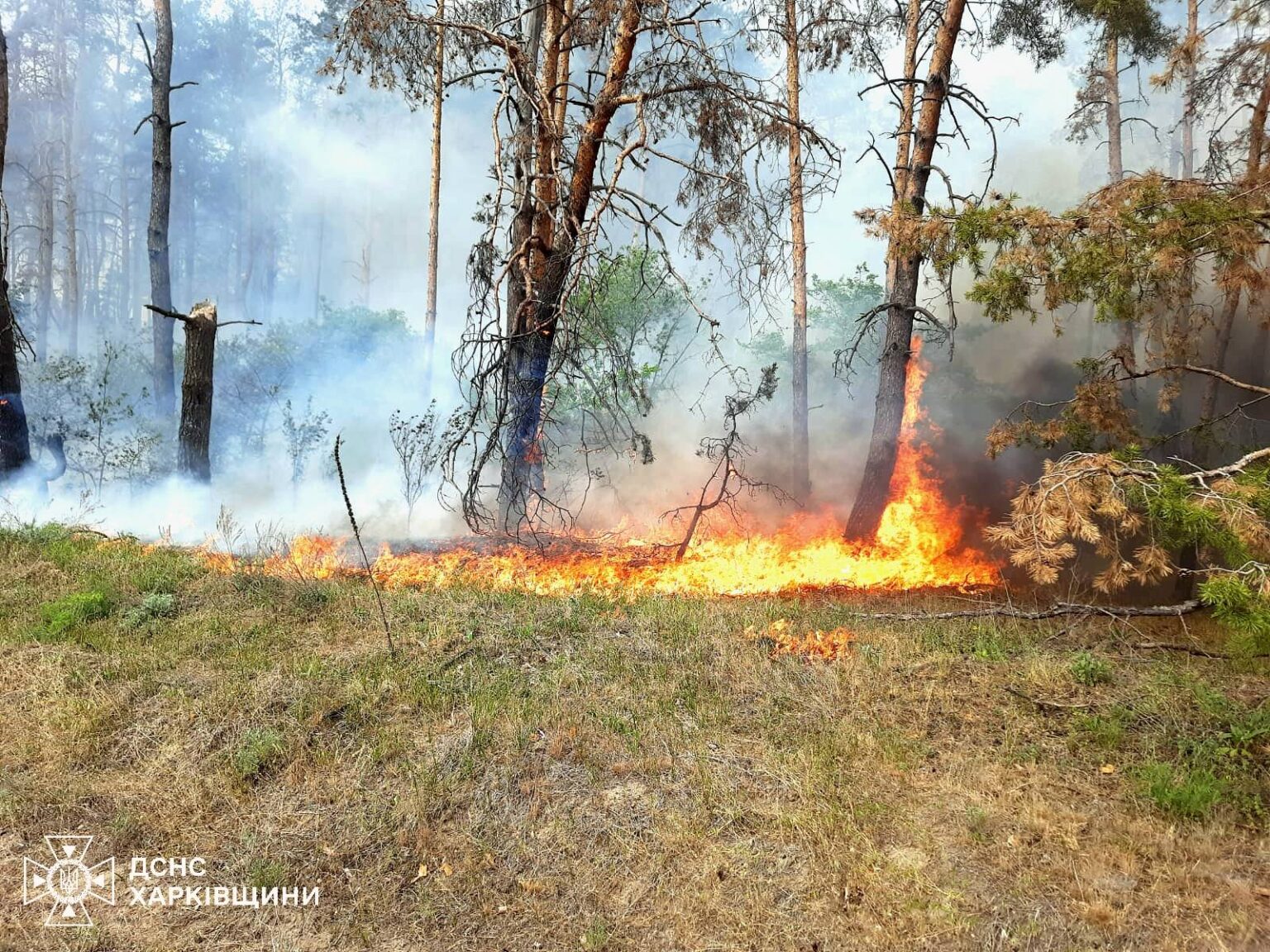
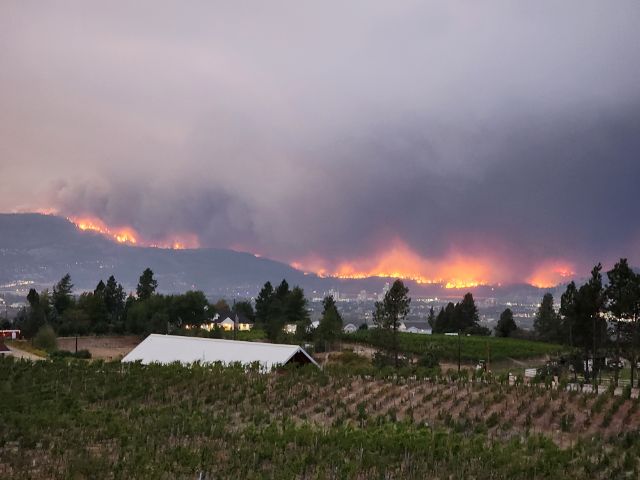 BRUSSELS — Tropical forest loss rocketed to a 20-year high in 2024 as climate change-fueled wildfires tore through some of the planet’s most important natural carbon sinks. Close to 7 million hectares of primary tropical forests were destroyed last year, with nearly half of that due to fire,
  Scientists have discovered the oldest ancestor for all Australian tree frogs, with distant links to the tree frogs of South America.
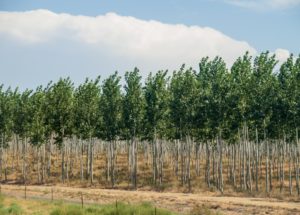 Agriculture and Forestry Minister Todd McClay has confirmed that restrictions on full farm-to-forest conversions on LUC 1-6 farmland will be in place this year, and reaffirmed that they will take effect from 4 December 2024 – the date of the original announcement. Enabling legislation will be introduced to Parliament during Q2 of this year. “The Government is focused on maintaining strong food and fibre production while supporting sustainable land use. We remain concerned about the effect that farm conversions are having on highly productive land — particularly sheep and beef farms in Northland, the East Coast and parts of Otago and Southland,” Mr McClay says. The new rules, now progressing through Cabinet, will ensure balance and recognise the value of both forestry and farming, while providing certainty for our food producers.
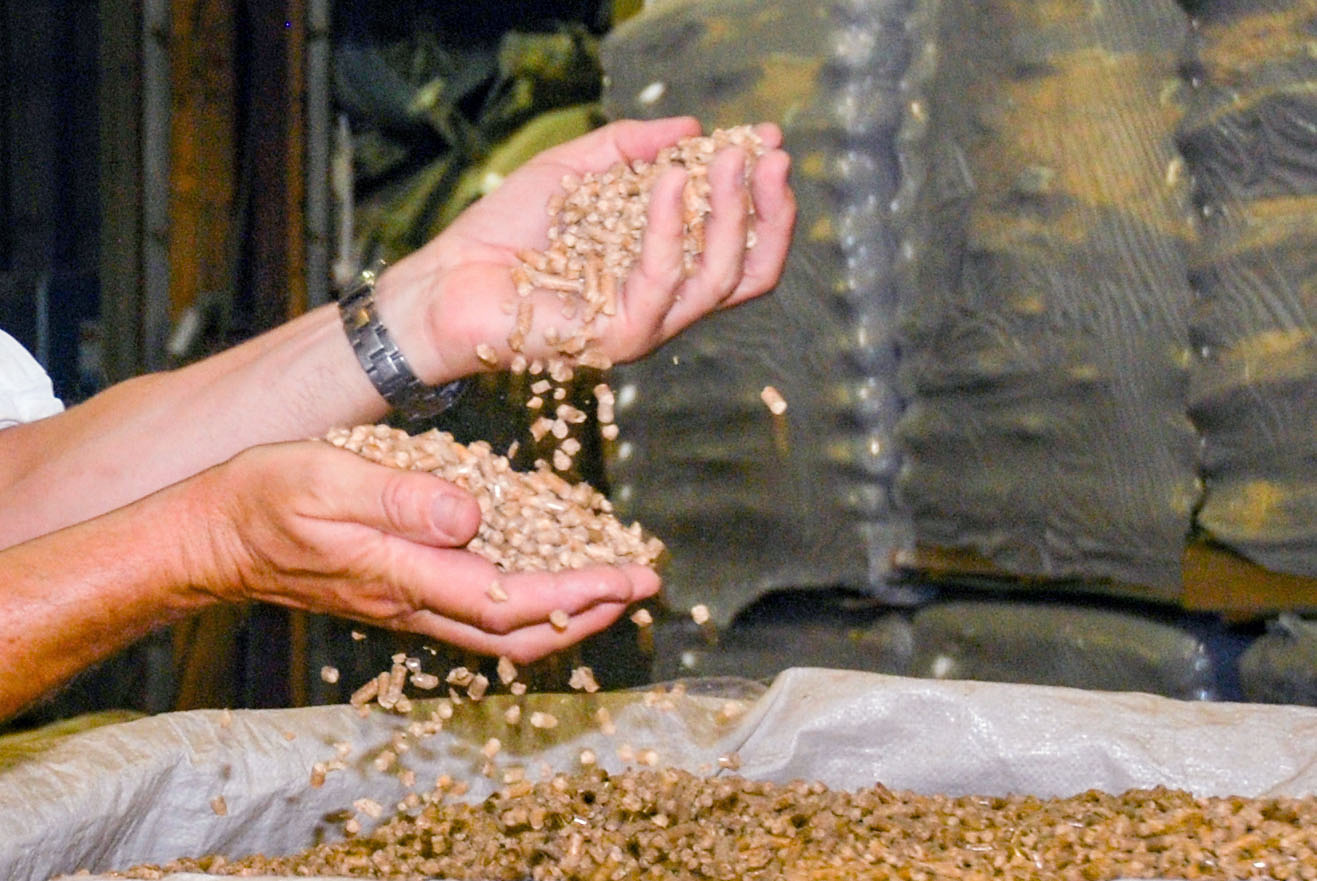 The UK could potentially take more US wood pellets to burn for electricity amid ongoing trade talks, Donald Trump’s agriculture secretary has said. Brooke Rollins, who met with Energy Secretary Ed Miliband and Energy Minister Michael Shanks on Tuesday, said America is “100% confident” that its wood chips meet the UK’s sustainability requirements. Ms Rollins has been promoting US agricultural produce, including American wood pellets, on a visit to London this week as trade talks between the two countries continue following the preliminary deal struck on Thursday. But the biomass sector has long faced accusations of sourcing and burning wood from environmentally important or rare forests. Campaign and media investigations have alleged that Drax, which runs the UK’s biggest power station in Yorkshire, has used wood from environmentally important forests in North America.

 Representing 27% of all forests worldwide, boreal forests are the planet’s terrestrial “second lung” after tropical forests. Encircling the North Pole, they span North America, Europe, and Asia, playing a vital role in global carbon sequestration and storage, biodiversity, and supporting societies and economies. Despite their importance, boreal forests do not receive the same visibility and attention among policymakers and the public as their tropical forest counterparts. A new study published by the United Nations Economic Commission for Europe (UNECE), presented today at the United Nations Forum on Forests in New York, highlights the urgent need to increase the understanding of this global “treasure trove” and to safeguard its important contributions… Boreal forests, like other forest biomes, are important to global goals such as the Sustainable Development Goals (SDGs) 8, 12, 13 and 15, the six Global Forest Goals and the Targets of the United Nations Strategic Plan for Forests 2030.
 The United Nations Forum on Forests commenced its twentieth session today, as speakers spotlighted the connection between healthy forests and a sustainable future, the increasing threats to this important global resource and the subsequent need to invest in its protection despite a shrinking fiscal space. The Forum will hold its twentieth session from 5 to 9 May in New York. Established in 2000 by the Economic and Social Council, the Forum has universal membership and is tasked with reviewing progress in the implementation of sustainable forest management. This session — a technical one — will focus on Global Forest Goals 1 (reversing forest loss), 3 (protecting forests and using sustainable forest products) and 5 (promoting inclusive forest governance). “This Forum is unique,” observed Ismail Belen (Türkiye), Chair of the Forum’s twentieth session — noting that “it is the only global intergovernmental platform with universal membership that focuses on all forest-related issues”.
 Severe wildfires raging in a Siberian region of Russia have engulfed more than 600,000 hectares of forest, local authorities have warned. In the Eastern Siberian territory of Zabaykalsky Krai, a federal-level state of emergencies has been in place since late April, Russian state news agency TASS reported. Despite huge efforts to tackle wildfire outbreaks in the region, which borders Mongolia, 49 forest fires continue to burn, with a total area exceeding 629,000 hectares, the Russian Ministry of Emergency Situations said Wednesday. Since the beginning of this year, more than 1.4 million hectares of land have been affected by wildfires, according to figures from Russia’s Federal Agency for Forestry published on Tuesday, about three times the total area affected by fires in the United States and Canada so far this year combined.