
Susan Holt
It’s the assessment Holt made after meeting with New Brunswick MP Dominic LeBlanc, minister responsible for Canada-US trade. That’s while Holt holds out hope for a breakthrough, maintaining the “unpredictability” of the US could also change talks for the better “on a dime.” …Alongside Holt in Ottawa, Ontario Premier Doug Ford stated “we’re all worried” about the trade agreement’s future, while also saying he believes it’s going to be extended, although “with a few tweaks.” …Holt said “when you have one customer that’s responsible for the vast majority of your business – and in New Brunswick’s case it’s 92% of our exports that go to the US – that’s a vulnerability. …“We have a sense that at any given moment, a big lumber producer in the US could put in a call to the president, and things could change tomorrow in terms of the 45% tariffs on softwood lumber.
 Canada’s new government is forging a new economic and security relationship with the United States. Prime Minister Carney has secured the best deal of any major U.S. trading partner – 85% of our trade with the United States remains tariff-free, the lowest average tariff rate in the world. As Canada approaches the Joint Review of the Canada-United States-Mexico Agreement (CUSMA), our aim is to preserve that unique Canadian advantage and to build on it. To that end, the Prime Minister, Mark Carney, today announced the creation of the new Advisory Committee on Canada-U.S. Economic Relations. The committee will serve as a forum for expertise and strategy on all aspects of the Canada-U.S. economic relationship. The Advisory Committee will include leaders from major sectors of the Canadian economy, representing extensive experience in business, investment, trade, and labour. It will be chaired by the President of the King’s Privy Council for Canada and Minister responsible for Canada-U.S. Trade, Intergovernmental Affairs, Internal Trade and One Canadian Economy, Dominic LeBlanc.
 The Trump administration has begun processing refunds for billions of dollars in tariffs that the US Supreme Court struck down in February. In what is to be the biggest repayment programme in history, companies can apply online for money they were charged under the “Liberation Day” tariffs – plus interest – to be returned. …But individual consumers, who were hit by the tariffs indirectly through higher prices, are not expected to be compensated. …”All importers of record whose entries were subject to IEEPA duties are entitled to the benefit” from the high court’s ruling, Judge Richard Eaton wrote. As of early April, more than 56,000 importers had completed the necessary steps to apply for refunds online when the portal opened, with their claims worth $127bn. The portal, known as the Consolidated Administration and Processing of Entries (Cape), went live on Monday.
 Canada-United States Trade Minister Dominic LeBlanc said the government wants to resolve trade frictions with the Trump administration as part of a comprehensive agreement, rather than through “one-off” deals. LeBlanc said the irritants U.S. officials raise privately are the same ones they’ve outlined publicly. A recent report by U.S. Trade Representative Jamieson Greer’s office flagged Canada’s supply-managed dairy system, regulations affecting major US technology firms and other long-standing trade concerns. “If we’re going to resolve some of these issues that Ambassador Greer referred to, Canada is ready and willing to do that work,” LeBlanc said. But he said any progress must come as part of a “larger agreement” that would ease pressure on tariff-affected sectors of Canada’s economy and provide greater certainty around the Canada-U.S.-Mexico Agreement review process. The minister’s comments shine a light on the strategic considerations of the US, Canada and Mexico in the trade discussions.
 The U.S. Department of Commerce plans to reduce duty rates for most Canadian softwood producers, but they would still need to pay hefty levies of 34.83%. US import taxes on softwood lumber currently total 45.16% on most Canadian producers, including combined countervailing and anti-dumping duties of 35.16% and tariffs of 10%. In its announcement on Thursday, the Commerce Department said it expects to decrease the anti-dumping duty rates to 10.66% from 20.53 %. Most Canadian producers also face paying 14.17% for countervailing duties, down slightly from 14.63%. The revised anti-dumping and countervailing duties equal 24.83%, and when combined with the tariffs, the levies total 34.83%. …Kurt Niquidet, of the BC Lumber Trade Council said, “These duties continue to make it more expensive to build homes at a time when both countries should be working together to improve housing affordability.” …New duty rates are intended to take effect by late summer of 2026, subject to further revisions in a final determination. [to access the full story a Globe & Mail subscription is required]
 Researchers at the U.S. Forest Service’s Southern Research Station and Louisiana State University have published a paper that investigates how the European Union Deforestation Regulations could alter global wood pellet trade patterns. The paper is titled “Wood pellet market restructuring under the European Union deforestation regulation: A dynamic spatial equilibrium analysis.” …“Our results suggest the EUDR reallocates global trade rather than reducing global production,” the researchers wrote. While the regulation succeeds in reducing the European Union’s reliance on imports and increases its share of consumption of deforestation-free products, it does not materially lower the total amount of wood pellets produced and burned worldwide. …The main economic result is a shift in trade flows, where pellets that are blocked from the European market are redirected to Asian buyers. …The large production losses projected for the US Southeast, compared to the much smaller losses for Canada.
 BRUSSELS — The European Union’s trade surplus with the rest of the world shrank by 60 per cent in February as exports to the United States dropped by more than a quarter, with U.S. import tariffs of 15 per cent largely in place on EU goods. EU exports as a whole were 9.3 per cent lower in February than a year earlier, while imports were down 3.5 per cent, EU statistics office Eurostat said on Friday. The largest export decline was towards the U.S., with a drop of 26.4 per cent, while imports from the United States were 3.2 per cent lower. EU exports to China were also down. A year ago, EU exporters had begun front-loading shipments to the U.S. in anticipation of U.S. President Donald Trump’s tariffs, inflating the export figures for early 2025 and potentially explaining February’s sharp decline. Exports to the United States in February 2025 rose by 22.4 per cent year-on-year.
 The U.S. Endowment for Forestry and Communities today announced a $5 million funding opportunity to connect underutilized wood fiber with new buyers, strengthen regional supply chains and keep working forests economically viable. This effort will invest up to $1 million per year over five years in organizations that can develop durable market solutions, helping keep working forests productive and rural economies strong, especially in regions facing reduced processing capacity and shifting market conditions. An additional $500,000 is available for projects in Maine, New Hampshire, New York and Vermont through a partnership with the Northern Border Regional Commission’s Forest Economy Initiative. When local wood markets weaken, the impact ripples across entire communities, affecting landowners, loggers, hauling businesses and manufacturers. Without reliable markets, it becomes harder to keep forests actively managed and economically viable. The Endowment expects to select three to five organizations by June 2026 for five-year agreements focused on practical market-building work.
 Rising tensions between the United States and Iran are creating mounting challenges for recycled paper mills across the Gulf region, known as the GCC. The sector is heavily dependent on imported recovered paper, particularly OCC (old corrugated containers) and mixed waste paper from Europe, the United States and Asia. Geopolitical instability has led to higher freight costs, increased insurance premiums and growing uncertainty in supply chains. Although local waste paper collection remains relatively stable, the unpredictability of imports has made procurement strategies more complex. Delays and disruptions in shipments risk directly affecting production. At the same time, the cost of key inputs is rising. Prices for chemicals, starch and spare parts are increasing due to logistical bottlenecks and delayed deliveries. …Despite these pressures, the market outlook in the Middle East remains relatively stable in the short term. …However, prolonged geopolitical uncertainty could gradually dampen industrial activity and consumption.


 VANCOUVER, BC – West Fraser Timber provided notice of Q1, 2026 conference call and softwood lumber duties and operational update. …The Company expects to record a $73 million non-cash charge in Q1-26 to export duty expense, representing the difference between previously recorded expense for 2024 based on CVD cash deposit rates of 2.19% and 6.85% during the year and the preliminary CVD rate released of 15.93%. …Additionally, the USDOC is processing the liquidation of ADD for the first administrative review period (AR1) covering exports between August 2017 and December 2017. Based on the liquidation rate, the Company expects to receive a refund of $15 million in 2026. Operational Update: Full operations have resumed at the Company’s Blue Ridge Alberta lumber mill following a fire in January of 2026, and production has commenced at the new lumber facility in Henderson, Texas. Manufacturing operations at the Company’s High Level, Alberta OSB mill will be concluded by the end of April.
 For the second consecutive month, a leading index reported an increase in North American containerboard pricing. Month-over-month containerboard prices rose $30 per ton in April, following March’s $40 per ton increase, according to monthly data released Friday in Fastmarkets RISI’s Pulp & Paper Week publication. When also taking into consideration the $20 per ton decrease the index reported in February, containerboard pricing has a year-to-date net increase of $50 per ton. …On the boxboard front, most prices remained relatively flat in April. Solid bleached sulfate remains in oversupply, although demand was flat to slightly improved.
 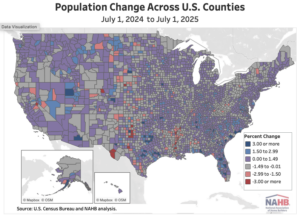 US population growth slowed notably in the latest Vintage 2025 population estimates from the U.S. Census Bureau, with the nation expanding by just 0.5% in 20251, roughly half the pace of the prior year. The deceleration was primarily driven by a sharp decline in net international migration (NIM), which dropped from 2.7 million to 1.3 million, while natural change remained relatively stable. Population gains remain concentrated in the South and parts of the West, while many areas in the Midwest and Northeast experienced slower growth or population declines. …At the county level, population growth slowed across much of the country. Among the nation’s 3,143 counties and the District of Columbia, the majority experienced decelerating population gains in 2025. …Population flows continue to shift away from the largest and most expensive counties toward smaller and less densely populated areas.


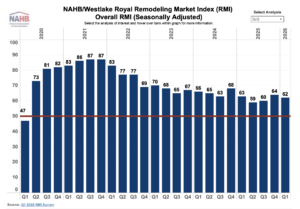 In the first quarter of 2026, the NAHB/Westlake Royal Remodeling Market Index (RMI) posted a reading of 62, down two points compared to the previous quarter. Despite this decline, the overall reading has been solidly in positive territory since Q1 2020. Remodeler sentiment remained generally positive in the first quarter, even as many remodelers are still working to manage their customers’ cost expectations. Only a relatively small share report homeowners putting projects on hold due to economic and political uncertainty. Ongoing positive remodeler sentiment is consistent with NAHB’s outlook, given an aging housing stock and the lock-in effect of elevated mortgage rates keeping owners in the homes longer. In the first quarter, remodelers reported 21% of their projects were associated with home improvements made shortly after a purchase, while only 4% were for homeowners’ projected to ready a home for sale.


 American Forest & Paper Association President and CEO Heidi Brock commented following the court’s decision to deny AF&PA’s motion to join the challenge to Oregon’s Recycling Modernization Act: “We are disappointed by the court’s decision denying our motion to join the challenge to Oregon’s Recycling Modernization Act. While we respectfully disagree with the ruling, AF&PA remains fully committed to pursuing all available legal and strategic options to protect our members’ interests. As Oregon’s program moves into implementation, it is becoming clear that the law imposes significant and unnecessary burdens on paper products that are already among the most successfully recycled materials in the United States. …We will continue working closely with partners and counsel to secure meaningful relief for our members and ensure that recycling policies are workable, fact-based and do not increase costs across the supply chain for businesses and consumers alike.”
 The News-Review newspaper in Roseburg notified staff this week that it will stop printing and shutter its newsroom, the latest casualty in the long decline of local journalism. “Due to declining revenue, increasing print costs, and broader industry decline nationwide, The News-Review has reached a level of unsustainability that we can no longer overcome. As a result, The News-Review will be shutting down in its current form at the end of April,” the paper’s owner wrote. “As part of this transition, the editorial department will be discontinued and The News-Review brand will sunset”. The newspaper’s website lists 15 employees. …The News-Review traces its roots to the founding of the Roseburg Ensign in 1867. It took its current name in 1920, with the merger of the Umpqua Valley News and Roseburg Review. The paper serves a community south of Eugene that has been struggling for decades amid the protracted decline of Oregon’s timber industry.
 The U.S. Forest Service’s plan to close scores of research stations could threaten the nation’s wildfire readiness, many foresters fear, and erode decades of work to understand timber production, soil health, pests and diseases, watersheds and wildlife. …It’s unclear how many scientists will be affected by the transition, but it comes as part of a larger agency reorganization that is expected to move roughly 5,000 employees to new outposts. …The Forest Service has not said how much money it expects to save by closing the research stations. Many Western leaders are skeptical that the consolidated operation will be able to replicate the work of the existing research stations. …Forest Service veterans say its research program is valued by loggers and tree-huggers alike. “Nobody was asking for this,” said Robert Bonnie, undersecretary of agriculture for natural resources and environment during the Obama administration. “There was no call to do anything like this.”

 Bayer CEO Bill Anderson says the German crop science and drug company is hoping to move past the long-running controversy over its Roundup weedkiller in 2026. Bayer — which acquired Roundup when it bought Monsanto in 2018 — recently announced a $7.25 billion settlement deal and is awaiting a Supreme Court ruling that could decide the product’s fate in the U.S. Anderson said that the settlement and the legal fight — which experts believe the company will win — are “major milestones” in Bayer’s turnaround. …Anderson said “This is a very important product for agriculture. It’s been demonstrated to be safe over and over again and cleared by regulators in every nation, and we’re ready to put this chapter behind us.” The Supreme Court is poised to rule on whether states have the authority to govern Roundup, or whether federal environmental regulators should control its fate.

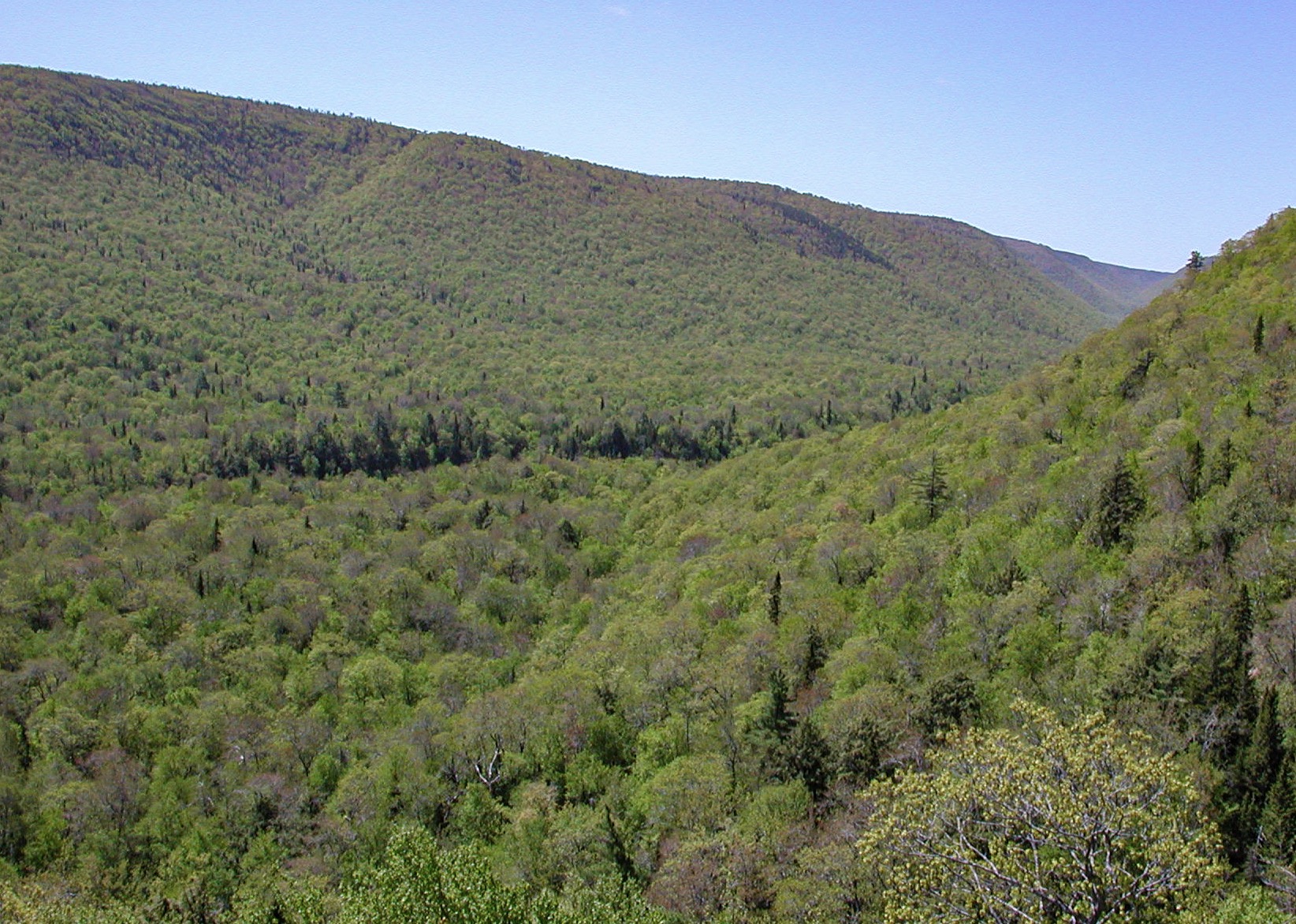
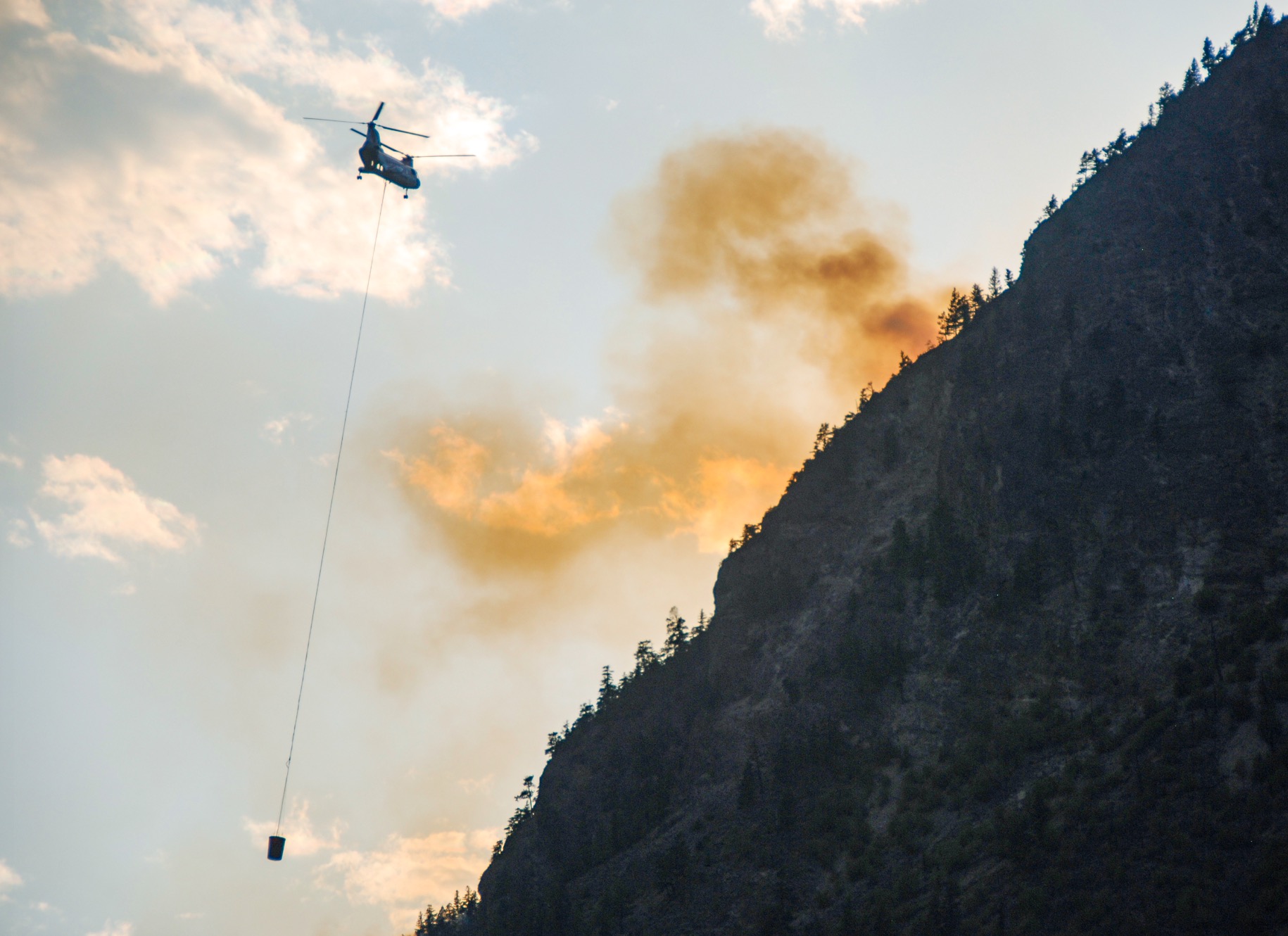 Last week, the US Forest Service announced that it will be closing three-quarters of its research facilities as part of a reorganization. Now, experts are worried not only about the number of scientists who might be leaving the agency, but also about how the disruption could affect the gathering and dissemination of crucial wildfire and climate change data. The restructuring comes as parts of the US face what is expected to be a catastrophic wildfire season. The most recent wildland fire outlook shows that wildfire activity is already “well above average,” with more than 16,000 wildfires reported this year. Under the reorganization plan, the Forest Service will close 57 of 77 research facilities, as well as move its headquarters from Washington, D.C., to Salt Lake City, Utah. It will also close all nine of its regional offices; some states will then get their own offices, but others will be consolidated.
 The recently announced major restructure of the US Forest Service may disrupt a number of forestry positions in Idaho. But the details as to how those positions will be affected and what work will continue or be eliminated under the plan remain unclear. Anna Webb, an entomologist and federal employee union representative based in Boise, received a notice about two weeks ago that her position in the agency would be affected. …Leaders of the federal employee union that represents Forest Service employees for the Boise, Payette, Salmon-Challis and Sawtooth national forests are concerned about the disruption to local employees as well as the potential long-term consequences to forest health. …Although Idaho’s forests are overseen by two out-of-state regional offices, many regional and some national positions are based in Idaho — all of these may be affected by the proposed restructure.
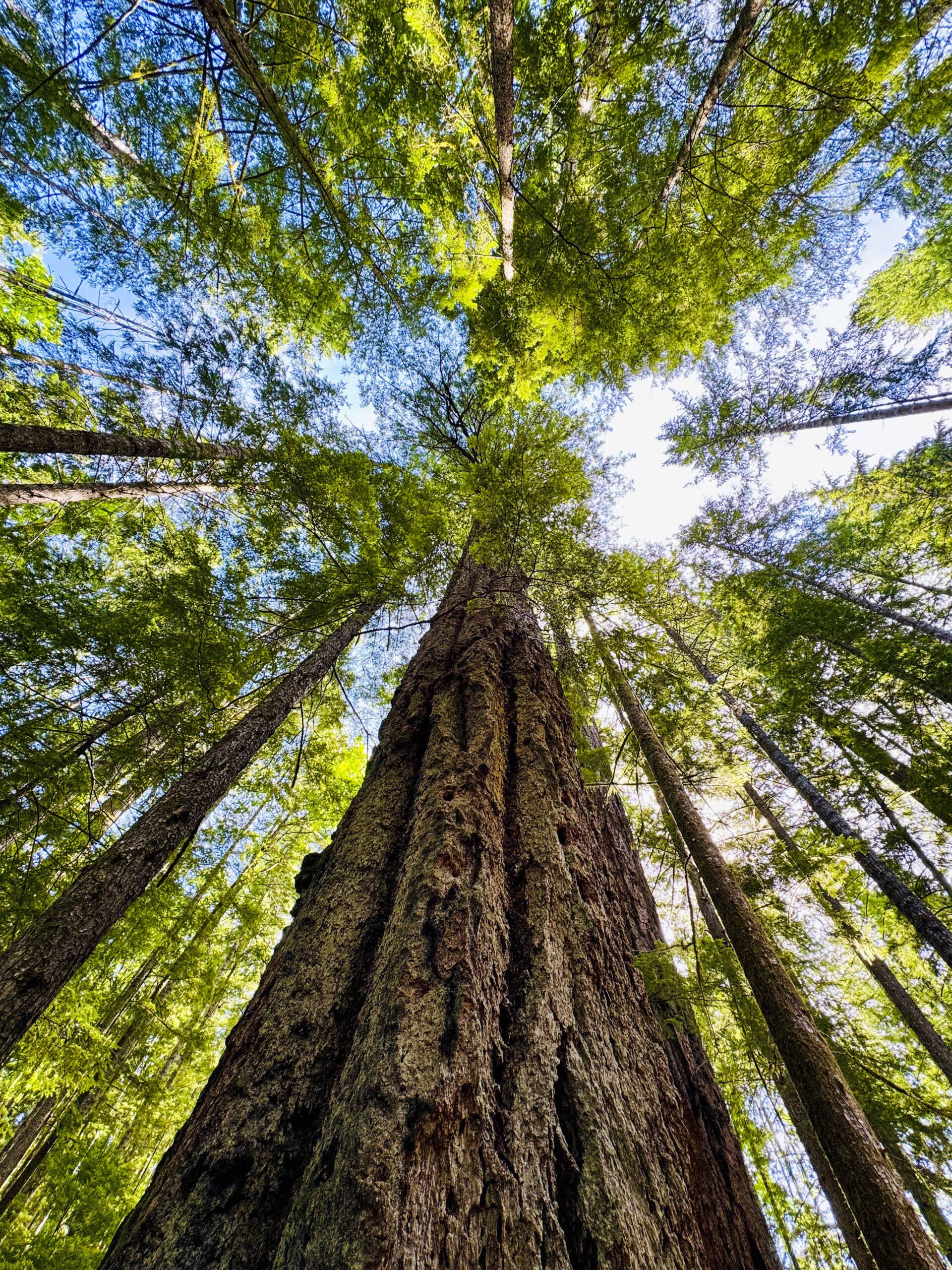 In southern Oregon they call it the “fir-mageddon” – the rapid decline of our largest and most prolific tree in the Pacific Northwest. The Douglas fir … is the most important tree species to the economy on the planet. Their ability to grow to a massive size and live for hundreds of years through all types of weather, makes it the best source for high-grade construction lumber… Douglas fir in Oregon and Washington alone make up one-quarter of the lumber industry in the United States. Since 2000, 635 acres of Douglas fir trees in our region have died — that’s roughly 175,000 trees, a trend that is only accelerating. The decline is not from the lumber industry. It’s global warming. A recent study proves is that Douglas fir trees are resilient to wildfires, but don’t fair well during a drought. During a drought they become vulnerable to a beetle that prays on distressed trees.
  A federal judge has refused to halt logging operations on a Southwest Oregon forest project that allows more than 8,000 acres of commercial timber harvest. Though a lawsuit has raised “serious questions” about errors in the environmental analysis of the Last Chance Project, those problems don’t rise to the level of warranting a preliminary injunction, said U.S. District Judge Mustafa Kasubhai. The U.S. Bureau of Land Management has authorized several timber sales to implement the Last Chance Project, which the agency finalized last year to reduce excessive forest stand density and provide a sustained log supply. Three environmental non-profits … filed a complaint alleging the project would harm the threatened spotted owl and the northwestern pond turtle, a sensitive species, contrary to several federal laws. The BLM has acknowledged there’s a discrepancy among its environmental reports about the acreage of spotted owl critical habitat that is slated for treatment.
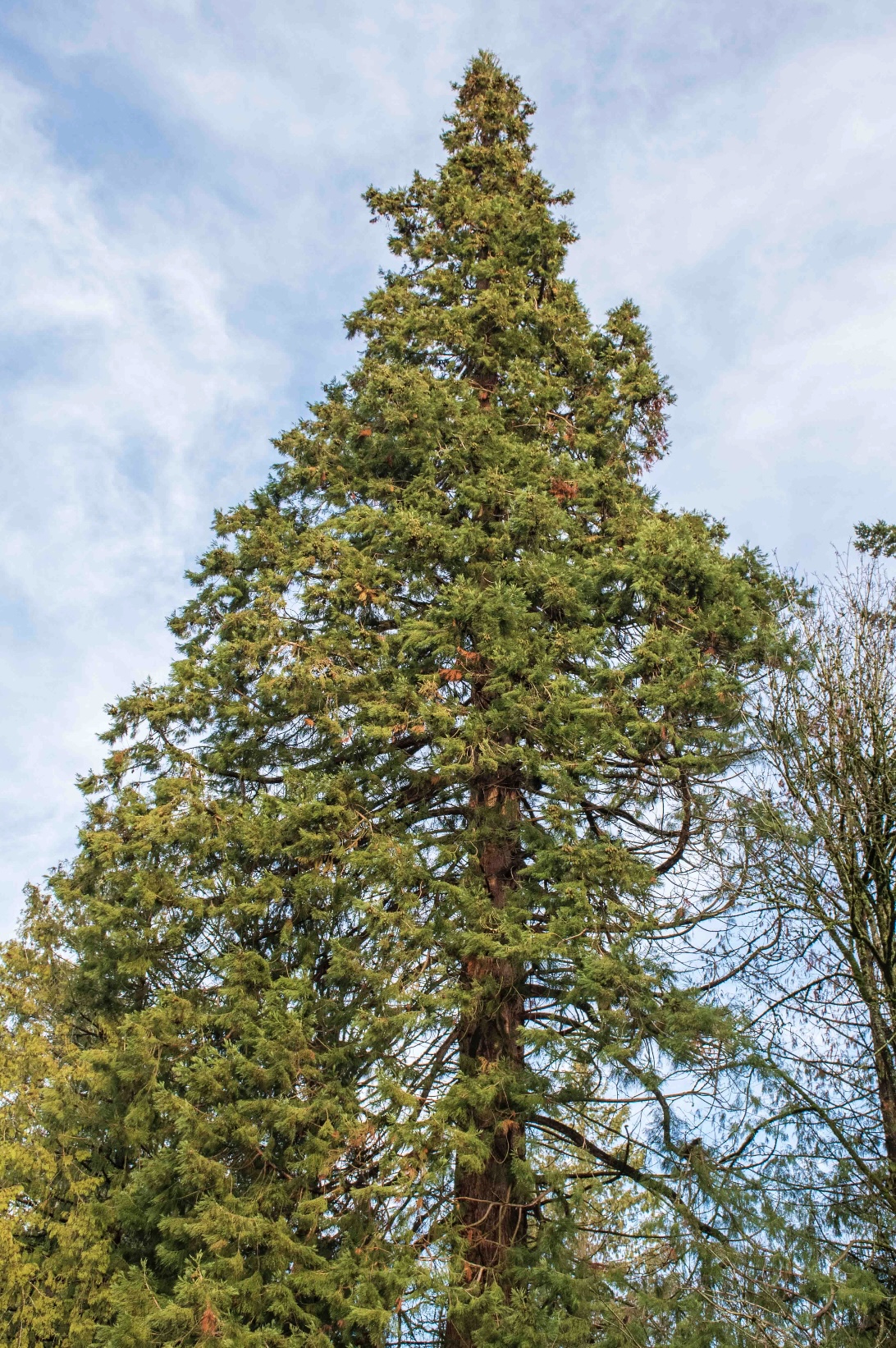 Five years ago, a tragic and depressing environmental story unfolded when thousands of giant sequoia trees, an iconic California species that tower 300 feet high and can live for 3,000 years, were killed during multiple large wildfires that roared across the southern Sierra Nevada. The fires in 2020 and 2021 at Sequoia National Park, Sequoia National Forest and other areas burned with unprecedented intensity, killing nearly 20% of the world’s giant sequoias, and exposing the growing vulnerability of the most massive trees on the earth. …After the fires, stunned scientists, park managers and environmental groups formed a partnership to reduce the chances of similar catastrophic outcomes in the years ahead. Now, with another summer fire season looming, they say they are making encouraging progress. Since their efforts began in 2022, the partnership has thinned the overgrown brush and small trees that provide fuel for fires to burn hotter in 44 of the 94 giant sequoia groves in California.
 U.S. House Republicans from Western states laid out a figurative welcome mat for the U.S. Forest Service Thursday as its chief pitched plans to whittle down the agency’s budget, move its headquarters to Salt Lake City and rely more heavily on states to manage millions of acres. “I think it’s very interesting what you’re proposing to do, and I support it,” said Idaho Republican Rep. Mike Simpson, chair of the House Appropriations Subcommittee on the Interior, Environment, and Related Agencies. Democrats on the budget panel grilled Forest Service Chief Tom Schultz about how billions of dollars in cuts to the agency proposed by President Donald Trump could drive up costs for states and stamp out important research. The subcommittee’s ranking Democrat, Rep. Chellie Pingree of Maine, said she’s deeply worried.
 A dry winter has forecasters predicting a potentially active fire season in Oregon. Federal agencies are trying to minimize the threats from large wildfires by first clearing fuels near communities. Chainsaws were buzzing along Grants Pass’ Cathedral Hills Trail System this week, part of a 240-acre fuels reduction project meant to reduce the risk of wildfire amid warnings from climatologists. Grayback Forestry cut down small-diameter trees — below 8 inches for hardwoods like oak — and piled the timber to be dried out and burnt in the fall. Sean Hendrix, base manager at Grayback, said that while the trees are too wet to burn now without producing large amounts of smoke, they should be wetter. Oregon is coming off a dry winter and record-low snowpack. “In fire and fuels we talk about fuel moisture,” he said. “Live fuel moisture just three weeks ago, they were 60%. In the middle of May they should be 160% saturated.”
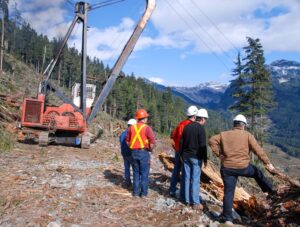 MONTANA — After the US Forest Service unveiled a proposal last month to give Montana’s lumber industry a “predictable” timber supply from three national forests, questions about the agency’s plan to incorporate an 82-year-old law into a modern forest-management framework abounded. Broadly speaking, the Tri-Forest Federal Sustained Yield Unit would direct the Helena-Lewis and Clark, Beaverhead-Deerlodge and Custer Gallatin national forests to supply local businesses with at least 35 million board feet of timber per year. The Forest Service is pitching the proposal as a tool to sustain local economies and encourage investment in the lumber industry for the 22-county region included in the unit. It’s necessary, the agency says, because the closure of the Pyramid Mountain Lumber sawmill and the Roseburg Wood Products facility have demonstrated the industry’s vulnerability. But at a recent hearing the Forest Service hosted in Helena, the proposal drew a mixed reception.
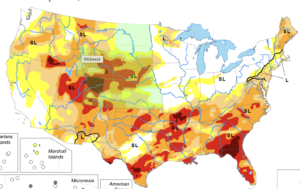 ARIZONA — Rim Country and the White Mountains are not alone in bracing for the 2026 fire season, which is approaching. A national April-to-July forecast shows nearly the entire Western United States faces an above-normal risk of wildfires over the next four months. Fire officials said two weeks of cloudy weather with scattered rain showers have given Northern Arizona some breathing room, but the lack of snowpack and above-normal temperatures will still result in an early start to the fire season. The National Interagency Coordination Center predicted above-normal fire threat in every Western state at some point between now and summer. Much of the Southwest faced high-risk conditions during an unusually warm March, and those hazardous conditions are expected to expand into other Western states this month. Forecasters point to record-low snowpack across much of the West.
 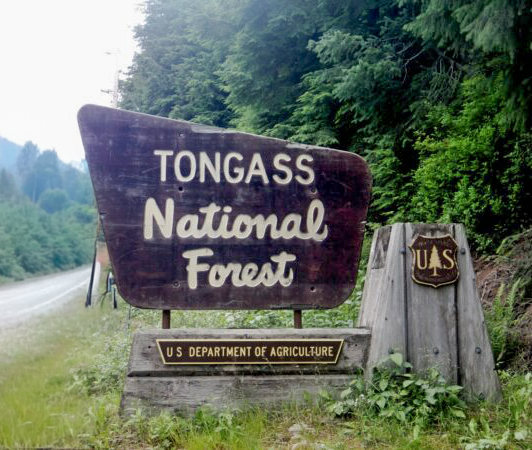 Impacts to Alaska of the announced U.S. Forest Service “restructuring” that would close regional offices and most of the agency’s research facilities remain unclear. … Among the facilities on the closure list were two that are important to Alaska: the Anchorage Forestry Sciences Laboratory and the Oregon-based Pacific Northwest Research Station in Portland. But other impacts on the 17-million-acre Tongass National Forest and the 5.4-million-acre Chugach National Forest were not disclosed. …Sen. Lisa Murkowski, R-Alaska, and her staff are in a “fact-finding” mode and preparing to mount a “defense of the Forest Service in Alaska and make sure the employees are able to continue the good work that they’re currently doing,” said Murkowski spokesperson Joe Plesha. …The Anchorage lab that is scheduled for closure is located in downtown Anchorage. It supports research in the Tongass National Forest, which is the nation’s largest, and the Chugach National Forest, the second largest.
 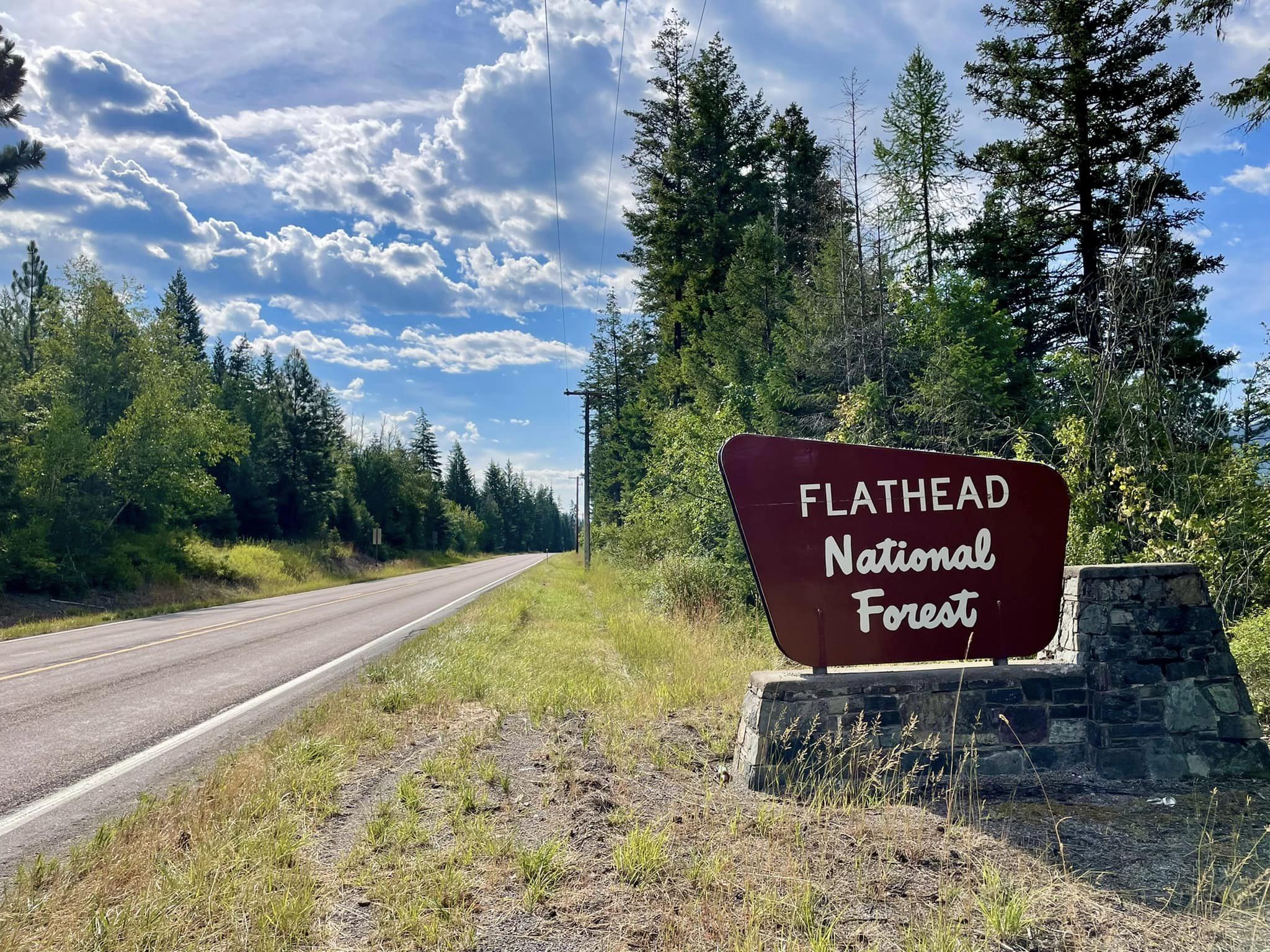 Flathead National Forest officials have authorized an emergency logging and thinning project in the Salish Mountains near Lakeside, three miles west of Blacktail Mountain, with the aim of reducing wildland fire risk and improving forest health. The decision authorizes 2,823 acres of commercial vegetation treatment and construction of approximately 5.6 miles of temporary roads. Crews will use more than 67 miles of existing roads and haul routes. First proposed last October, the West Truman Project advanced quickly through the U.S. Forest Service’s environmental compliance process under a categorical exclusion, receiving final approval on April 14. Implementation of the project could begin “as early as fall 2027,” according to the decision and finding of applicability and no extraordinary circumstances (FANEC) signed by Swan Lake District Ranger Sarah Canepa. …The project would commercially thin 736 acres while using improvement cuts on 939 acres. It would treat 346 acres for shelterwood and 802 acres for seed tree.
 A reorganization of the U.S. Forest Service signals that the agency is planning to lean heavily on states to help manage millions of acres of federal land. State officials and timber industry leaders say they’ve been given scant details about the plan to move the agency’s headquarters to Salt Lake City and close scores of research stations in dozens of states. While they wait for the dust to settle, they’re preparing for the Forest Service … to ask more of its partners under the new model. “The Forest Service itself is unable to uphold its mission and cannot alone manage the many challenges on these landscapes,” said Nick Smith, with the American Forest Resource Council. “The transition … is a recognition that partnerships are the future for the Forest Service.” But many forestry veterans fear the shake-up will cause more attrition… [Seeing the move to] Utah — a state whose leaders are often hostile to federal land ownership — as designed to undermine the Forest Service’s management of its lands.
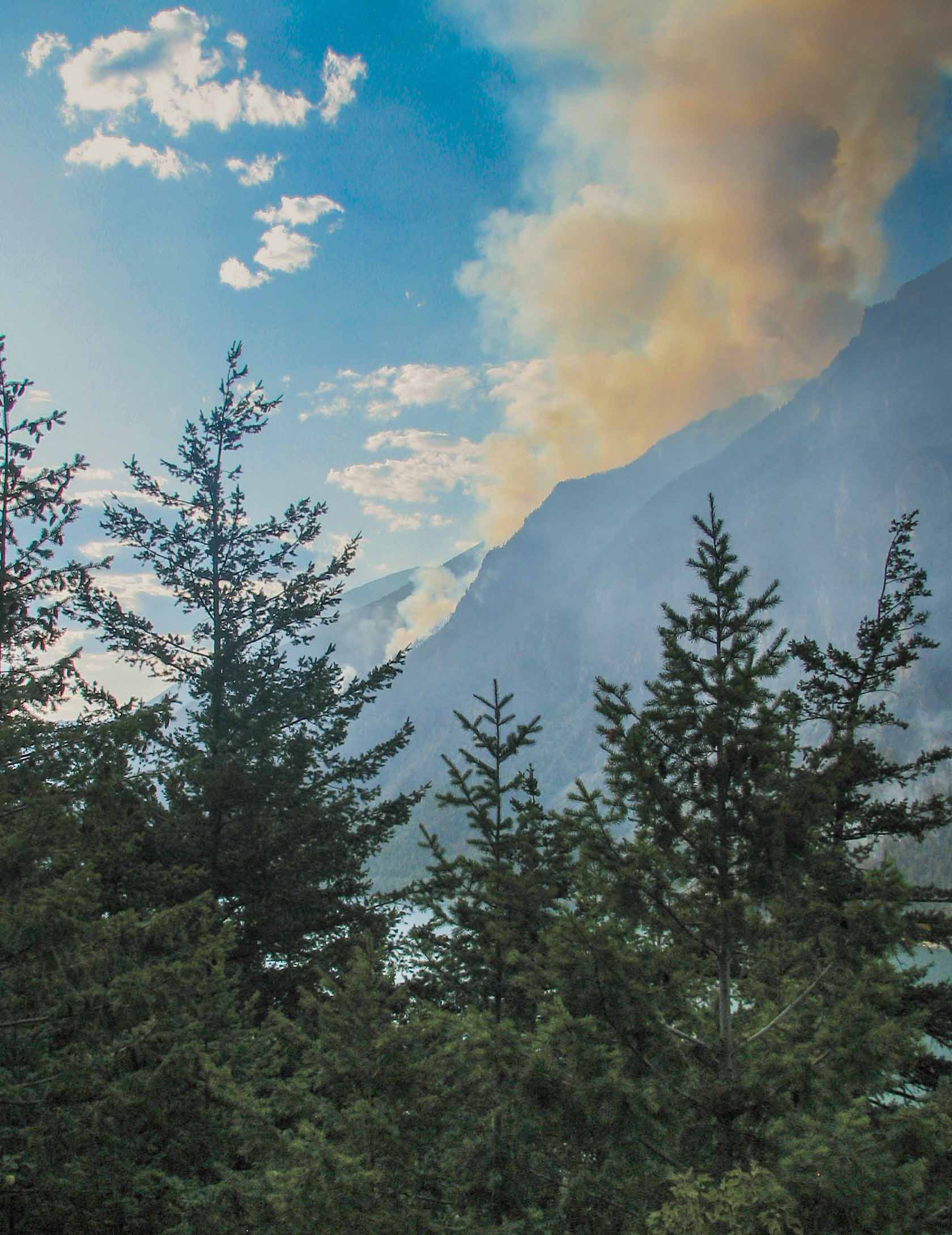 With extreme drought gripping most of Utah and spring heat melting reserves of mountain snow to an all-time low, the state is staring down a tinder dry wildfire season that could come with big changes to its federal funding. Maps of the national wildfire forecast show Utah covered in red by July — and with southern Utah getting there by June. “It has the potential to be a real season,” said State Forester Jamie Barnes, “but we’re going to make it through it, and we’re going to make sure that we do all we can to keep Utah safe.” The Division of Fire, Forestry and State Lands have more money for prevention efforts thanks to a state law passed last year. But they’re also keeping an eye on Washington, D.C. President Donald Trump is proposing budget cuts to forestry programs, along with research and development…
 Placerville, Calif., bears all the markers of a community at risk of a wildfire. The city’s rolling hillsides are dense with brush, which dries out during the hot summers. Older homes made of wood, which are more prone to igniting, are dotted throughout. …Local officials are trying to do something about it. The community is one of a handful
 The U.S. Forest Service is shutting down research stations around the country, including centers in Portland, Seattle, and Wenatchee, Washington. Though much of the stations’ research is long-term, some fire experts say the cuts could hamper firefighting efforts as soon as this summer. …The agency is shutting down 50 of its 70 research stations. More than 200 people work in the Northwest research stations that are closing. …“There is a position for every permanent employee willing to accept reassignment,” Forest Service Chief Thomas Schultz Jr. said in a memo to research branch staff. Schultz Jr., a Trump appointee, was previously a lobbyist for Idaho Forest Group, one of the nation’s largest lumber producers, based in Coeur d’Alene. …Nick Smith, a spokesperson for the American Forest Resource Council, a Western states timber industry group, said he welcomes the Forest Service restructuring.
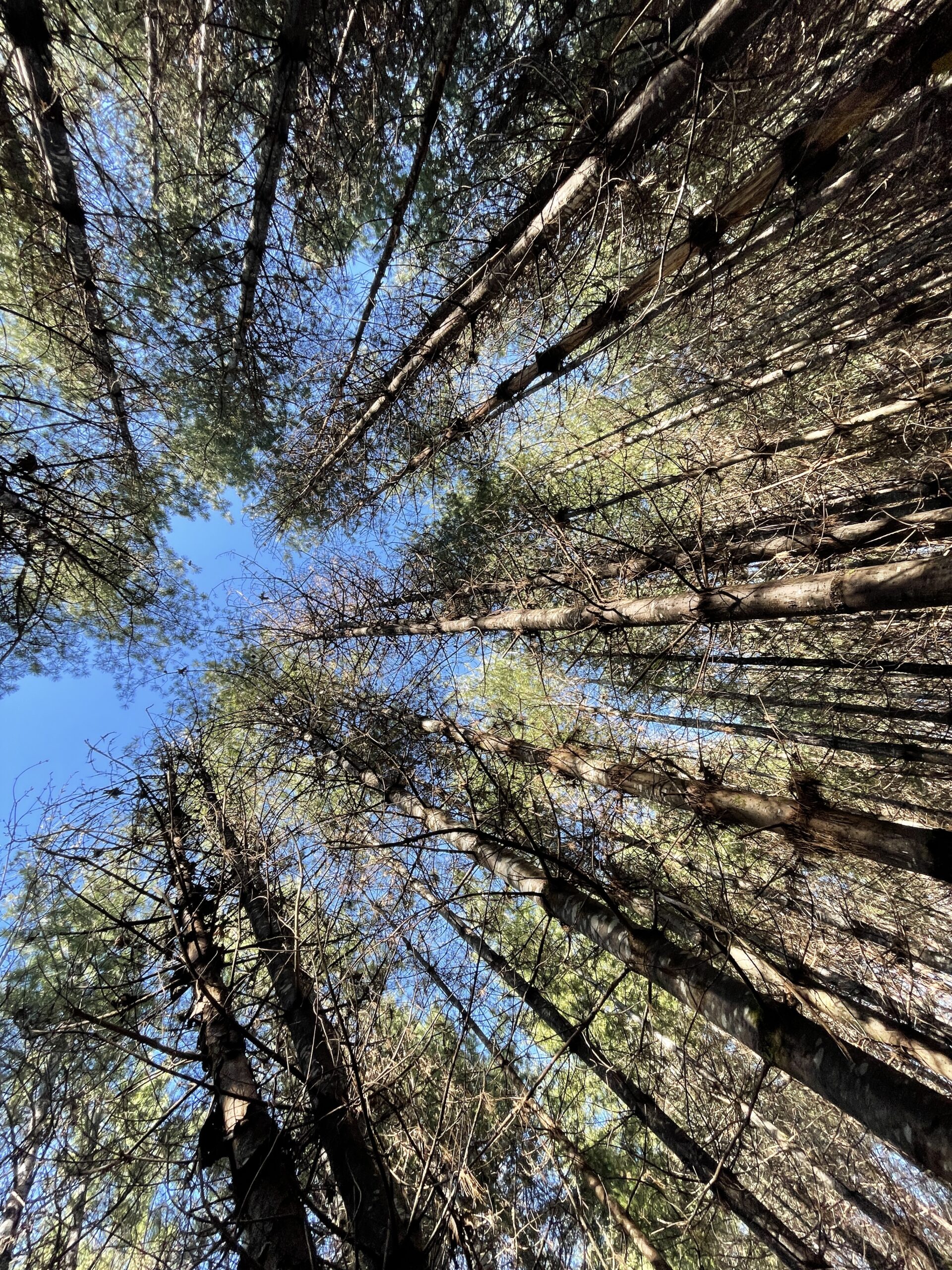 As Washington’s current snowpack conditions become worse than last year, a statewide drought emergency has been declared. It’s the fourth drought emergency for the state in as many years. According to Casey Sixkiller, director of the Washington State Department of Ecology, “widespread shortages and challenges across our state” are expected. “Going into April with half of our usual snowpack is alarming,” Sixkiller said. “… Issuing a drought emergency now helps water users prepare for what is likely to be a very difficult summer. This is becoming an all-too-common experience and is another example of how climate change is visibly reshaping our landscape.” The Department of Ecology declared the drought emergency on April 8.
 MONTANA — The U.S. Forest Service plans to create a logging unit across regional national forests, seeking to boost economic stability by committing to process timber only via local businesses. The new Sustained Yield Unit – a concept created by 1944 federal law – would include 22 Montana counties and all of Helena-Lewis & Clark and Beaverhead-Deerlodge national forests, as well as most of Custer Gallatin. …Speaking for the Governor’s Office, Amanda Kaster, director of Montana’s Department of Natural Resources and Conservation, expressed the state’s strong support. …The draft plan estimates that the unit would directly support 192 jobs per year over the next decade, plus an additional 225 jobs via economic ripple effects. But the Marks saw the yield unit’s harvest plan as inadequately ambitious. …Barb Cestero, Montana director at the Wilderness Society, feared that given the Forest Service’s recent staff cuts, a potential over-emphasis on logging could be problematic.
 COULTERVILLE, California – Teddy Roosevelt, John Muir and Gifford Pinchot are turning over in their graves as Donald Trump launches a devastating war against the conservation movement. “With the subtlety of a wrecking ball and the morality of a foreclosure notice the Trump administration announced the most devastating attack on the US Forest Service in the agency’s 121-year history. …The administration announced it would move the USFS headquarters out of Washington, D.C. to Salt Lake City, Utah. “They’re shuttering every single one of the 10 regional offices that have governed this agency and with them, the career professionals,” wrote Jim Pattiz. More than 50 research outlets across 31 states are set to close, labs that house decades of irreplaceable long-term science, “the kind you literally cannot restart once it’s gone,” Pattiz says. …Unfortunately, conservation groups like the Sierra Club built by John Muir have lost their focus and their power to bring change.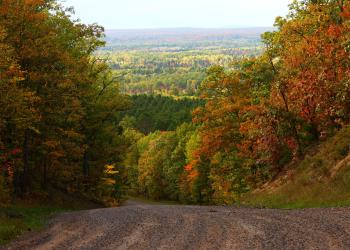
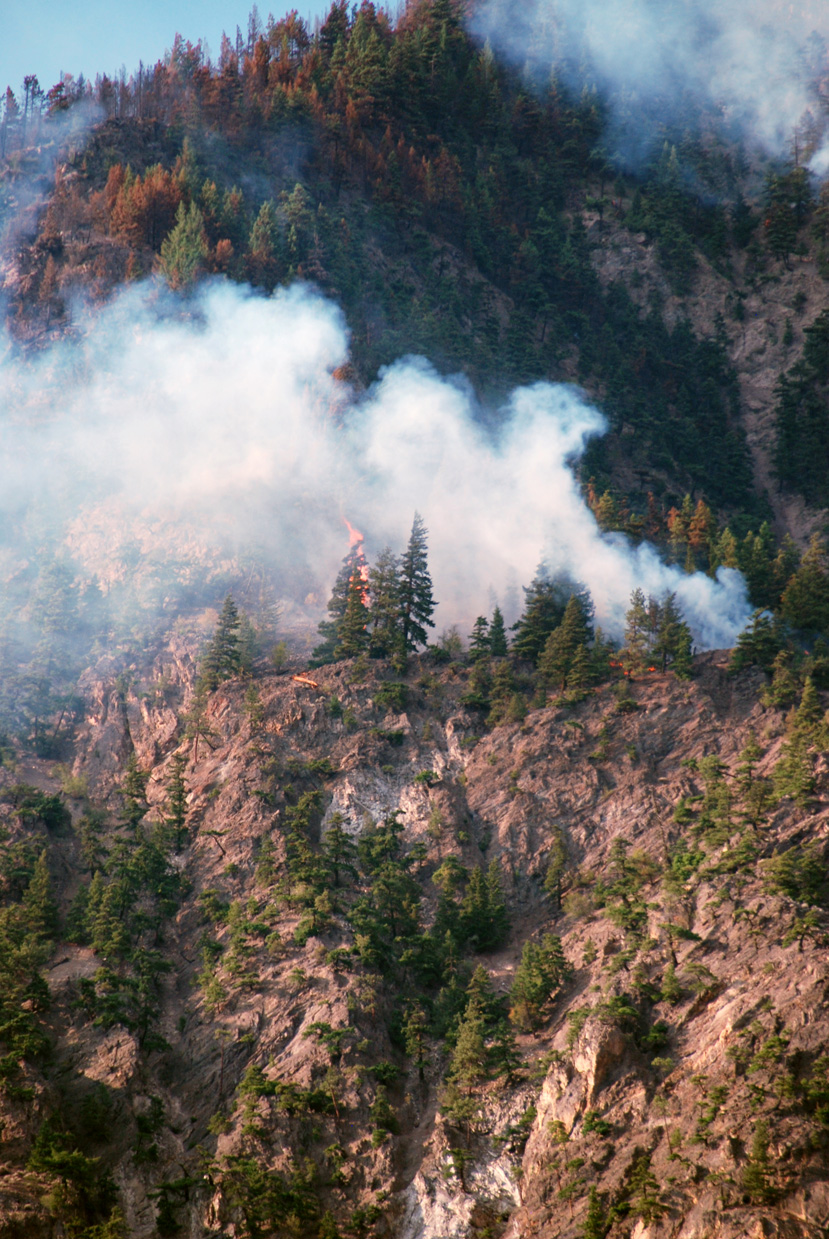 Despite several strong snowstorms across New Hampshire this winter and some rain in the past week, state officials warn that drought conditions persist statewide — along with an elevated risk of wildfires. The January-March period was the sixth-driest first quarter on record for the state, dating back to when measurements were first recorded in 1895, according to the New Hampshire Forest Protection Bureau. The data comes on the heels of an autumn with wildfire conditions so severe that a burn ban was declared statewide from Sept. 22 through Oct. 8. “Last year, New Hampshire experienced a 27.6% increase in the number of wildfires and a 16.8% increase in the number of acres burned,” said Chief Steven Sherman of the Forest Protection Bureau. “Many homes in New Hampshire are located in the wildland-urban interface — the area where homes and flammable wildland fuels intermix.” The U.S. Drought Monitor reports that 78% of the state is currently experiencing moderate to severe drought.
 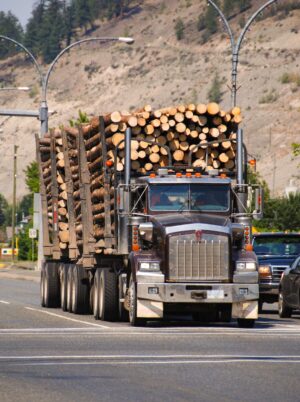 Louisiana’s timber industry is at a critical turning point. For generations, forestry has been one of the economic backbones of our state, especially in north Louisiana. Families like mine have built their livelihoods around logging, trucking and land management. But today, that foundation is weakening — not because our forests are failing, but because our markets are. Over the past several decades, Louisiana has lost a significant portion of its wood-using infrastructure. Mill closures across north Louisiana have reduced demand for fiber, leaving a growing supply of timber without a market. While our forests continue to thrive and produce, the outlets that once supported them have steadily disappeared. …Expanding markets like pellet-to-power could help restore demand for low-grade timber, which is essential to keeping logging operations viable. These industries have the potential to sustain hundreds of jobs, increase fiber demand and bring new economic activity to rural parishes.
 CONNECTICUT –Plant science researchers and the UConn Fire Department are using prescribed burns to mitigate brush fires and study the role of microbes in soil recovery to generate new insights to help Connecticut manage rising wildfire risk. …In the fall of 2024, Connecticut saw a record 605 wildfires, which burned more than 500 acres and prompted a statewide emergency declaration, a temporary burn ban, and multi‑agency firefighting support. …
 “Can’t see the forest for the trees” is an old cliche, but an apt one for the Trump administration’s latest decision to reorganize the US Forest Service. Instead of local headquarters and research centers located near national forests, the USFS will implement a “state-based” structure, where employees report to a smaller number of regional headquarters. The agency will close the Northern Research Center in Grand Rapids, among 57 such facilities across the nation. …When you go to the forests where paper comes from, you realize that forestry research requires sustained presence in the woods. If staff are located hundreds of miles away, often in cities, quality research will become virtually impossible to conduct without additional new funding. …Despite the administration’s claims to the contrary, this decision retreats from some of the most important forest ecology research in history. One of the Grand Rapids lab’s biggest projects is evaluating how peatlands and tree species adapt to our changing climate. [to access the full story a StarTribune subscription is required]
 Drax has extended its wood pellet shipping contract with Ultrabulk through March 2031, with a mechanism to reduce carbon emissions year on year from sea freight journeys, according to Drax. The agreement follows the first UK arrival of the M.V. Ultra Yorkshire, a Handymax carrier operated by Ultrabulk, which completed its first transatlantic voyage carrying over 29 thousand tonnes of biomass pellets from the Port of Greater Baton Rouge to the Port of Liverpool. The cargo is set for rail transport to Drax Power Station in Selby. …The company estimated the voyage produced around 90% less CO2 than standard maritime fuels such as VLSFO or ULSGO.
 UK — Burning wood for power generation can be worse for the climate than burning gas, even when the resulting carbon dioxide emissions are captured and stored,
  SEATTLE — Mast Reforestation today announced that less than six weeks after issuance, it has sold 100% of the 4,277 biomass burial carbon removal credits from Mast Wood Preserve MT1, its pioneering post-wildfire restoration project in southern Montana. New buyers include Bain & Company, a global management consulting firm, and BMO, a North American financial institution, joining earlier participants including Royal Bank of Canada (RBC), CNaught, a major corporate buyer advised by SE Advisory Services, Muir AI, and others. The sell-out follows MT1’s January 2026 issuance under the Puro.earth registry, which represented the largest issuance to date under Puro.earth’s Terrestrial Storage of Biomass (TSB) methodology and one of the fastest project development timelines globally for a carbon removal project, at just nine months. “High-integrity carbon removal is an important part of Bain’s strategy to address residual emissions while helping scale the climate solutions the world needs,” said Sam Israelit, Partner and Chief Sustainability Officer, Bain & Company.
 HAYWARD, Wis. – A new refinery planned for Hayward will convert wood into sustainable aviation fuel, using waste wood, such as scrap wood or invasive species. Hayward companies FutureWood and Johnson Timber Corporation will source and process the wood, while Synthec Fuels will handle the fuel refining process. President of FutureWood DJ Aderman says the facility will harness products not currently utilized in the forestry industry. “What’s really cool about this is we’re gonna use a lot of mill residuals. We’re gonna use a lot of products that we’re not currently using right now, unmerchable tops, species that have no or little value,” said Aderman. Last week, Wisconsin Gov. Tony Evers signed the Forestry Revitalization Act, which approved up to $120 million in tax credits for the $1.7 billion project. The legislation aims to bolster the forestry industry, which has seen major downturns due to mill closures in recent years.