 It’s not behind a paywall. It doesn’t chase clicks. And it doesn’t try to be everything to everyone. Instead, it’s quietly become a daily habit for thousands across the forest sector—industry, government, First Nations, researchers, students, and retirees alike—all looking for a simple way to stay informed. What started as a small idea has grown into something much bigger than we imagined. Today, Tree Frog directly reaches more than 100,000 readers across BC, Canada, the US and beyond, with thousands more picking it up through company circulations, association newsletters, and even university classrooms. In many ways, it has become shared infrastructure for the sector—a common starting point for understanding what’s happening and why it matters.
But like many things that are widely used, it can be easy to assume it will always just be there. Tree Frog has remained free and open-access by design. We’ve always believed the sector is better off when information flows easily—when a student can access the same news as a CEO, and when smaller operators have the same visibility as larger ones. That only works, however, because a portion of the organizations and individuals who rely on it choose to support it. And in a year when the forest sector is facing real challenges, that support matters more than ever. To those organizations already supporting Tree Frog—thank you.
If Tree Frog is something you or your organization rely on, we’d encourage you to consider being part of that support—whether as a sponsor, a Friend of the Frog, or simply by spreading the word. Even small steps help ensure we can continue delivering this service in its current form. Either way, we’re grateful you’re here and part of the community.

 We find ourselves once again compelled to address the

 OTTAWA — Provincial rules around alcohol and the federal government’s “Buy Canadian” policy have been flagged in a new report citing several trade irritants between Canada and the US. The annual document prepared by the Office of the US Trade Representative said market access barriers imposed by provincial liquor control boards “greatly hamper” exports of US wine, beer and spirits to Canada. …The report says U.S. companies have reported concerns about barriers in competing for contracts, including proving their Canadian subsidiary’s independence from a US parent company. Other issues listed in the report include delays with aircraft validation in Canada and high tariffs on U.S. dairy products. …Canada is still being slammed by Trump’s separate tariffs on industries like steel, aluminum, autos, lumber and cabinets. The Trump administration has launched investigations of a long list of countries, including Canada, citing forced labour in supply chains.
  The US says in a new report that Canada is failing to stop foreign goods made with forced labour from entering its market, a finding that coincides with Washington’s probe into the matter, which could lead to more tariffs. The 2026 National Trade Estimate Report on Foreign Trade Barriers from the US government says it appears Canada is importing goods that cost less than they should because they were made with forced labour. It’s an early indication of how the US will rule on Canada. …US customs policy treats all goods from China’s Xinjiang region as though they were made with forced labour unless importers can provide “clear and convincing evidence” to the contrary. …Canada passed a law, the



 GREENVILLE, SC — The
 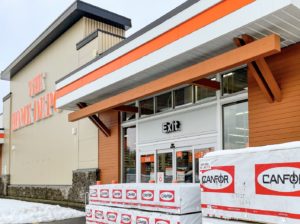 The Home Depot currently offers more than a dozen AI-powered capabilities, with numerous others in development. …The Home Depot is simplifying the DIY journey by providing personalized, real-time advice that makes even the most complex projects feel achievable, paired with more seamless AI search and product discovery capabilities thanks to new technology integrations. Magic Apron & Outdoor Assistant—This virtual expert brings employee knowledge to customers virtually. With the Outdoor Assistant, customers can take a photo of a plant for immediate guidance on care, safety and sunlight. …Customers can now discover the latest Home Depot product catalog in ChatGPT. …Pros shop at The Home Depot an average of 60 times per year. Pros can create actionable job lists in minutes using natural language, voice-to-text or spreadsheet uploads. Pros can use AI to deliver complete material lists and project quotes in days instead of weeks.
 On March 31, USDA announced that the U.S. Forest Service will relocate its headquarters from Washington, D.C. to Salt Lake City, bringing roughly 260 positions and the agency’s top leadership to the Intermountain West. For Utah, a state with more than 8 million acres of national forest land and a $12.3 billion outdoor recreation economy, this is a significant development. The relocation does not arrive in a vacuum. In January 2026, Utah finalized a 20-year cooperative agreement with the Forest Service giving the state a substantially larger role in managing its national forests, covering decisions about logging, grazing, recreation, wildlife, and forest restoration. The Forest Service’s Intermountain Regional Office has been based in Ogden for decades. That office will close under the reorganization, but the new national headquarters in Salt Lake City places an even higher level of decision-making authority in the state.
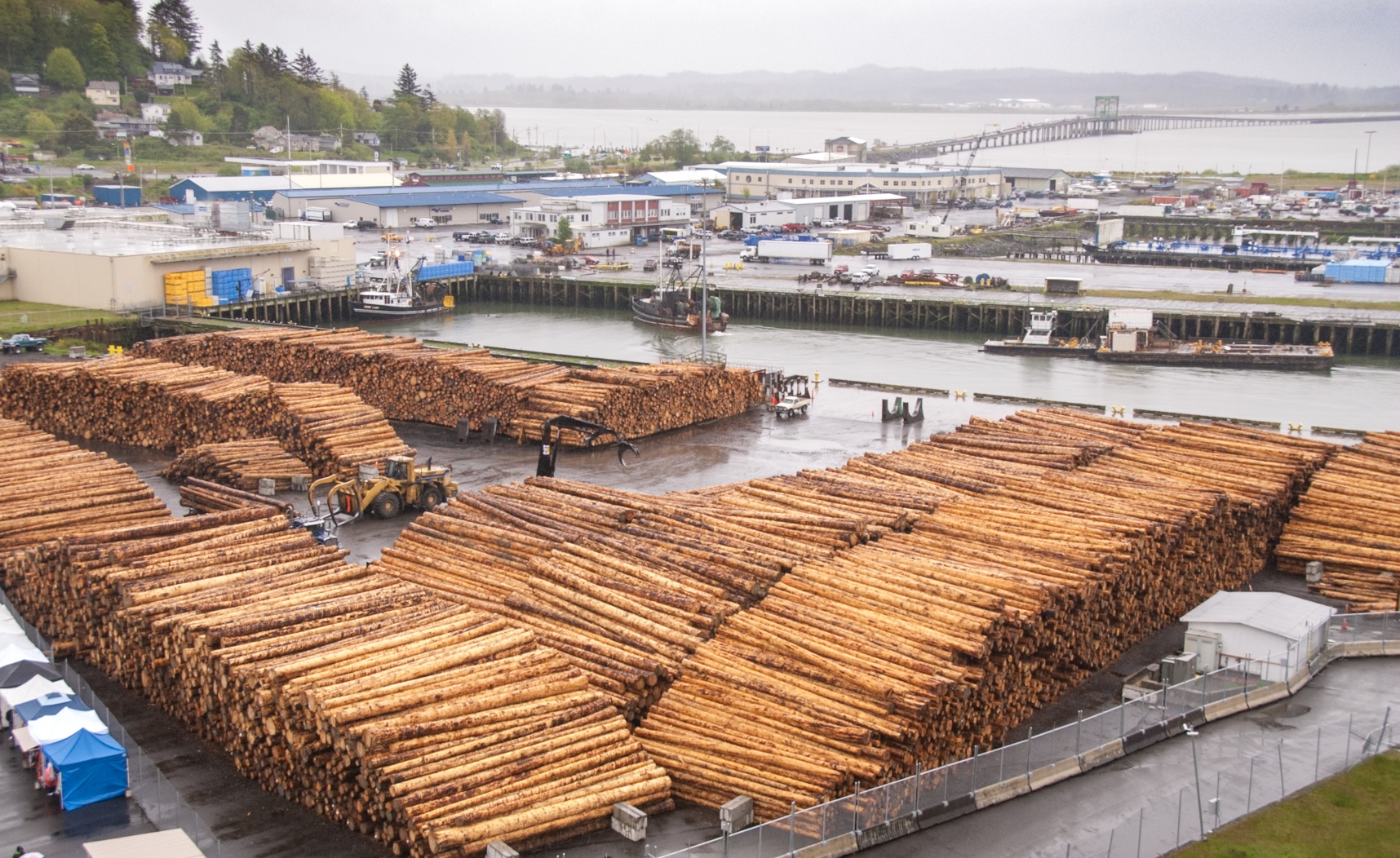 WASHINGTON — Countless logging trucks rumbled through timber country, their drivers headed toward Hampton Lumber’s sawmill in Morton. …”We take our logs and get every bit out of it that we possibly can. And we replant,” said plant superintendent Tony Gillispie. “We want this to last for hundreds of years.” But will Washington’s timber industry overcome its ongoing slump and endure for centuries? Myriad issues are at play, with fingers pointing in every direction. The private sector, which harvests the majority of Washington’s wood, feels squeezed by policies restricting its access to state trust lands in the fight against climate change. …Meanwhile, the state government points to the residual effects of trade wars, particularly with China, after Washington’s exports of forest products hit a 21-year low in 2025. Local demand for lumber has also dropped in line with the recent slowdown in construction activity across the state.
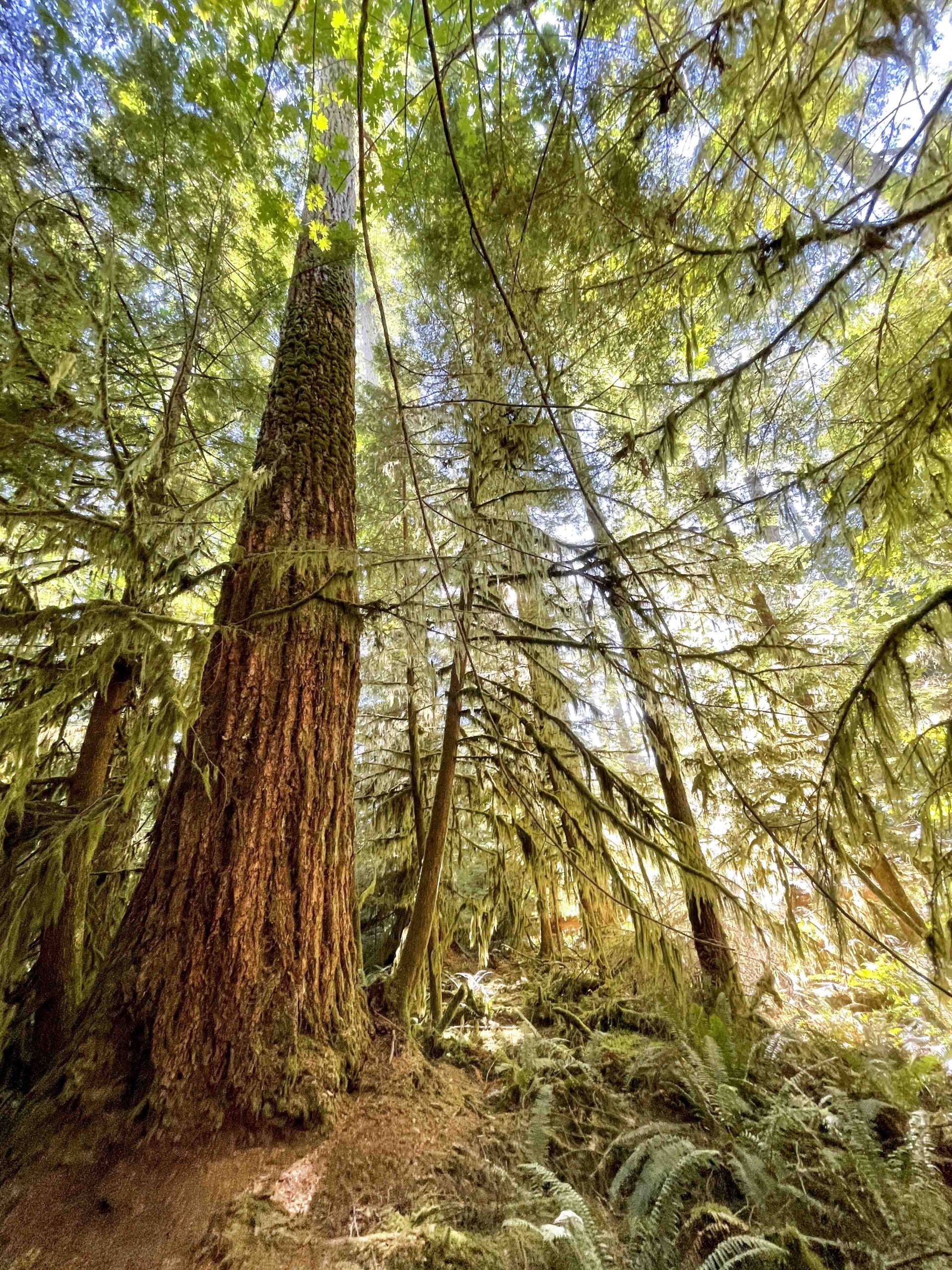 The U.S. Forest Service plans to close a century-old Portland-based forest research station and a regional U.S. Forest Service headquarters but open a new federal office in Salem in a massive restructuring of the federal agency. The movements are part of a broad plan Forest Service officials announced Tuesday to move the agency operations
 KINGSPORT, Tennessee — A new wastewater treatment system at Domtar’s Kingsport mill is still on schedule to start running later this year, part of an effort by the mill to mitigate odors affecting neighboring residents. Mill Manager Tony Clary updated the Kingsport Economic Development Board on the project’s timeline, the construction of an anaerobic digester, at the board’s monthly meeting Tuesday. The project is at a halfway point, and the new system is expected to ramp up at the end of the year. The mill faced scrutiny from city officials and residents over odors emitting from its wastewater after the site converted from manufacturing paper to recycling containerboard in 2023. The company secured funding to construct a new wastewater treatment system in December 2024 and broke ground in August 2025.

 MOBILE COUNTY, Alabama — A lumber company is set to make a multi-million dollar investment into its Port City location. According to a release, a subsidiary of Canfor Southern Pine, New South Lumber Company Inc., is investing $10.5 million in the Mobile County location. The company will be adding “a new dual-path continuous dry kiln.” This move aims to increase efficiency and drying capacity, as well as provide room for growth in the future. “This investment reinforces the company’s commitment to maintaining and strengthening its existing workforce and ensuring the long-term sustainability of the operation,” said Canfor Southern Pine Inc. President Lee Goodloe. Construction is set to begin in April and be completed in June.
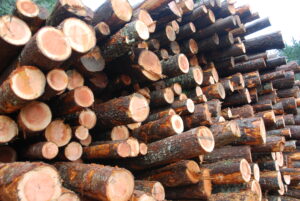 MAINE — As gas and diesel prices climb during the war in Iran, some of Maine’s most recognizable industries are feeling the strain. From the coast to the woods, people who rely on fuel to do their jobs say the higher costs are changing how they work and raising concerns about what comes next. Lobstermen are rethinking trips on the water, while logging contractors say the math is getting harder for truckers and mills across the state. …“I mean, there is no equipment that does not use diesel as its primary fuel for both harvesting and trucking,” Dana Doran, executive director of the Professional Logging Contractors of the Northeast, said. Doran said spiking diesel prices are adding roughly 20% to the cost of each trip a driver makes to and from a mill. That increase, he said, creates uncertainty for contractors and for mills that depend on a steady supply of wood.
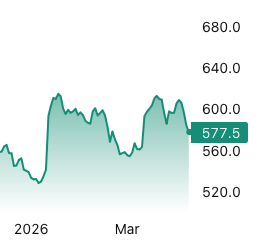 Lumber futures tumbled toward $580 per thousand board feet, marking a one month low as the combination of high interest rates and falling home construction has crushed demand faster than sawmills can reduce supply. This downward pressure is driven by a 14.2% collapse in single family housing starts and a 5.4% decline in building permits that signaled an abrupt cooling of spring activity. While ongoing sawmill closures have removed 1.3 billion board feet of capacity and US duties on Canadian imports remain at 45% these supply factors are failing to support prices against a sharp loss of buyers. The recent surge in mortgage rates to 6.46% has stifled traffic and left builders managing a 2.4% increase in unsold inventory that necessitates immediate price cuts. Furthermore the April 2nd announcement of C$2.1 billion in Canadian forestry subsidies has introduced expectations of more wood availability that offsets the risks of shipping delays through the Strait of Hormuz.

 Higher inflation and weaker growth ahead are inevitable for the global economy as a consequence of the Iran war, the head of the International Monetary Fund warned on Monday as the institution prepares to cut its forecasts. “All roads now lead to higher prices and slower growth,” IMF managing director Kristalina Georgieva said Monday night. Before the war, the IMF anticipated issuing a small upgrade on its outlook for global growth of 3.3% in 2026 and 3.2% in 2027, according to Georgieva. But those expectations have since been upended as the Iran conflict has sent shockwaves through the global economy that are unlikely to unravel anytime soon, even if the war is brought to a rapid resolution. …“Directionally, it is stagflation,” said Mark Zandi, chief economist at Moody’s Analytics. “It’s higher inflation and weaker economic growth that is the result of policy — tariff policy and immigration policy.”
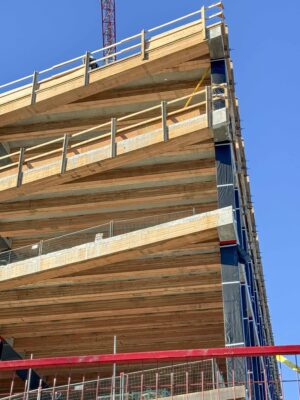 The landscape of the United States wood products industry in 2026 is being shaped by evolution from commodity lumber toward high-performance engineered wood systems. …While traditional sawmills have faced a turbulent consolidation period, the emergence of mass timber, specifically glulam and cross laminated timber, have created a high-growth sector that is increasingly more independent from the traditional volatility of the single-family residential market. …On the supply side, the wood industry is navigating a period of restructured supply and capacity following a series of significant mill closures in recent years. …Looking ahead to 2027 and beyond, as new mills come online, the industry is poised to move engineered wood products and mass timber from a niche specialty to a standard building practice. The core business challenge for the next 24 months will be the development of a more robust domestic supply chain that can support American builders amid logistics disruptions.
 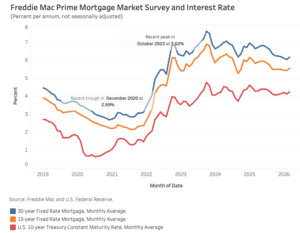 Mortgage rates, which dipped below 6% in February, climbed back up to end the month just under 6.4%. According to
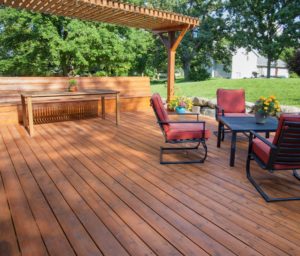 National housing data shows deck inclusion in new homes remains below 18%, according to the US Census Bureau’s Survey of Construction. For dealers and distributors, that number doesn’t tell the whole story. It does, however, set the stage for a stronger, more profitable era for decking—especially in custom home construction and high-end remodel markets. Custom builds may represent a smaller slice of total housing starts, but they also make up a disproportionately larger share of premium decking materials and system upgrades. And that’s where one opportunity lies. In the custom builder market, decks are far from an afterthought. They’re often part of the architectural plan from Day 1—particularly in markets with walkout basements, elevated foundations, and building lots with natural views. …The stakes go beyond just a nice-looking place to sit outside. Today’s builders, remodelers, and homeowners need environmentally sound, code ready, and easy to install materials.
 US consumer confidence unexpectedly edged up in March, but households anticipated higher inflation over the next 12 months amid a surge in gasoline prices and continued tariffs pass-through, a survey showed on Tuesday. The Conference Board said its consumer confidence index increased to 91.8 this month. Data for February was revised slightly down to show the index at 91.0 instead of 91.2. Economists polled by Reuters had forecast the index at 88.0. “Comments about prices and the cost of goods suggest that the cost of living remained at the top of consumers’ minds,” said Dana Peterson, chief economist at the Conference Board. Consumers’ average and median 12-month inflation expectations surged in March to levels last seen in August 2025. The month-long U.S.-Israeli war with Iran has sent global oil prices surging more than 50%.
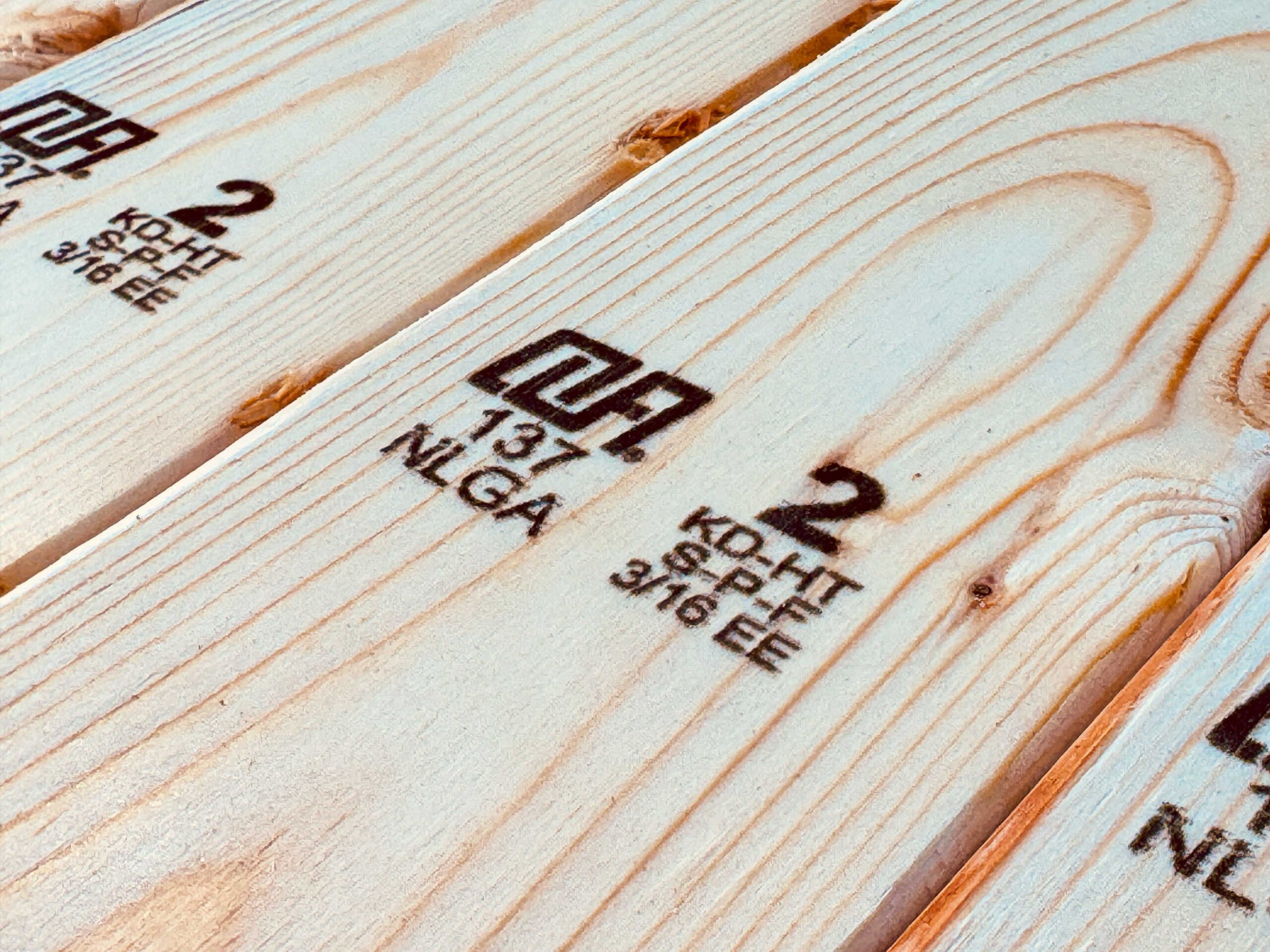 The United States is facing a housing shortage that continues to put upward pressure on home prices and limit access to affordable housing. According to the Up for Growth 2025 Housing Underproduction study, the country remains millions of homes short of meeting current demand – a gap that cannot be closed without increasing the pace and scale of home construction. …In residential construction, two primary lumber species underpin nearly all home building: Spruce-Pine-Fir (SPF) and Southern Yellow Pine (SYP). These are not interchangeable commodities, they are complementary materials with distinct structural properties, regional availability, and performance characteristics. SPF, largely grown in Canada and the Pacific Northwest, is valued for its strength-to-weight ratio, dimensional stability, and ease of use in framing applications. SYP, produced primarily in the U.S. Southeast, offers high density and strength, making it well-suited for other structural and composite uses. Both are essential, and neither alone can meet the needs of the U.S. housing market.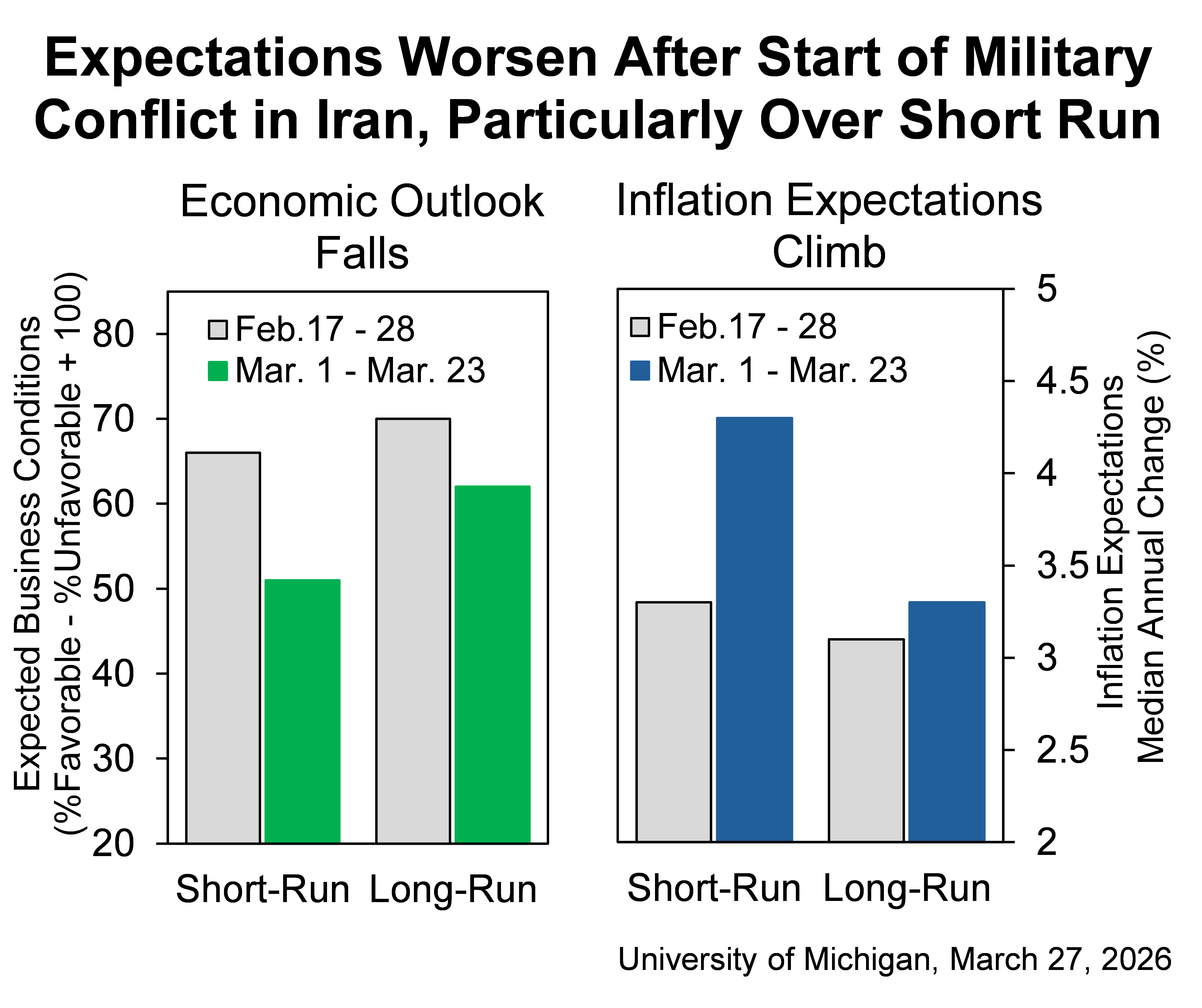
 The Associated Press, one of the world’s oldest and most influential news organizations, said Monday it is offering buyouts to an unspecified number of its US-based journalists as part of an acceleration away from the focus on newspapers and their print journalism that sustained the company since the mid-1800s. The News Media Guild, the union that represents AP journalists, said more than 120 of the staff members it represents received buyout offers on Monday. The news organization is becoming more focused on visual journalism and developing new revenue sources, particularly through companies investing in artificial intelligence, to cope with the economic collapse of many legacy news outlets. Once the lion’s share of AP’s revenue, big newspaper companies now account for 10% of its income. “We’re not a newspaper company and we haven’t been for quite some time,” Julie Pace, executive editor and senior vice president of the AP, said.
 As more U.S. states consider extended producer responsibility (EPR) laws, the American Forest & Paper Association warns the policy could raise the cost of everyday goods, Midland reports. EPR raises costs for American families because it shifts recycling expenses onto manufacturers. Global studies show when there are new regulatory fees, prices for packaged items increase. EPR works like a consumption tax. It ultimately increases the overall cost of groceries, household goods and paper products. As a result, Americans will feel the impact when shopping at the grocery store and for everyday necessities, according to AF&PA. EPR will increase costs without improving paper recycling. …Extended Producer Responsibility requires companies to pay for collecting, recycling and disposing of their products. That’s true even for materials like paper that are already widely and successfully recycled today.
 As with any other natural resource, building with wood starts with ensuring each piece is up to snuff. And while there are machines to help vis-a-vis bots spotting knots, human eyes and judgement remain essential. To help expand that human portion of the grading project, the Pacific Lumber Inspection Bureau (PLIB) has rolled out the Fundamentals of Lumber Grading.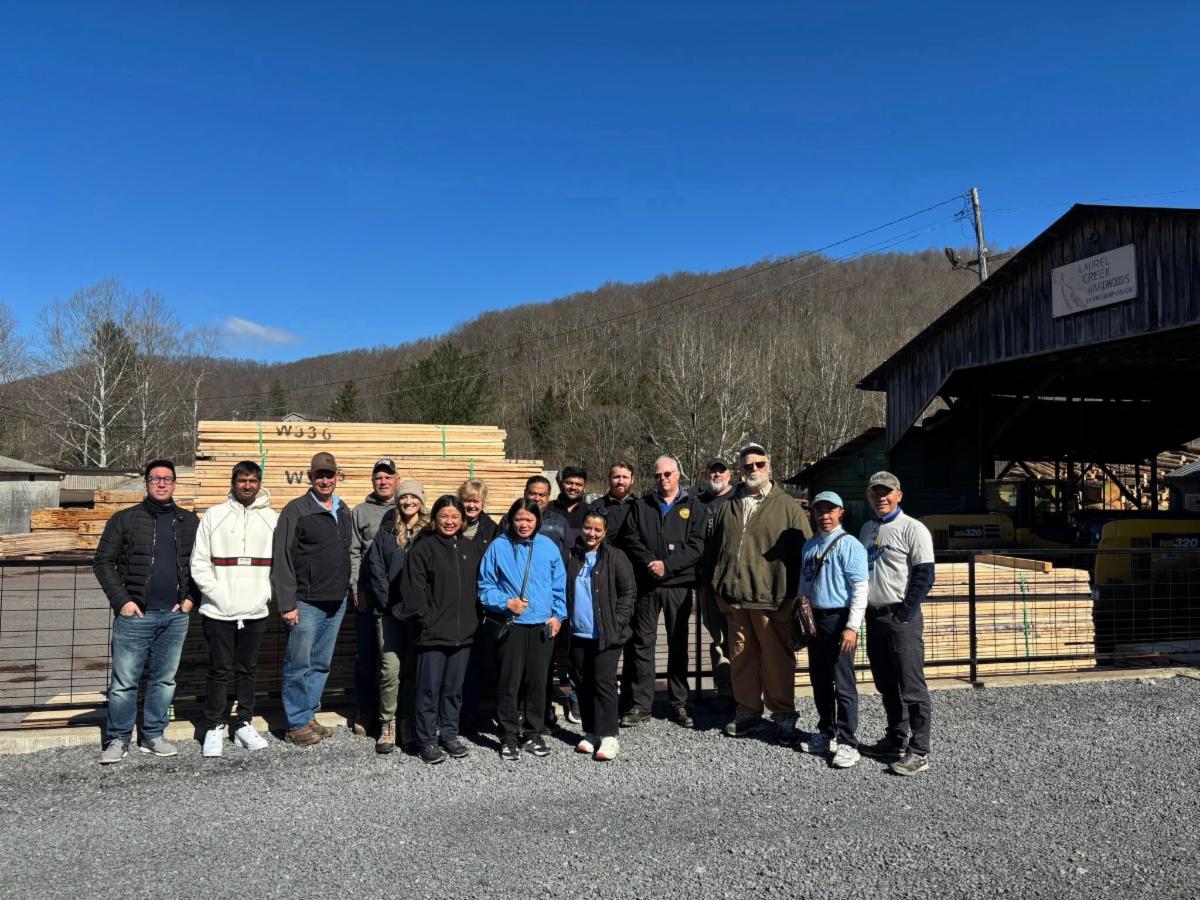

 TOKYO — Leaders from the global forestry sector met last week in Tokyo to advance the
  For more than a year, the Trump administration has said it wants to harvest more timber from national forests. Now, officials are asking Congress to pay for the promise. The administration’s budget request would more than quadruple Forest Service spending on timber preparation and sales in the fiscal year beginning Oct. 1, even as many other agency priorities face steep reductions or elimination. The proposal calls for $175 million in the forest products account, up from $39 million this year. The administration didn’t ask for an increase a year ago, as it was settling in after taking the reins from the Biden administration. Spending on forest products has been flat for years, said Nick Smith, a spokesperson for the American Forest Resource Council, which represents companies harvesting timber from federal lands… saying the requested increase was a long-overdue investment in a programme that had operated at a small scale for decades. [to access the full story an E&E subscription is required]
 The administrative architecture of America’s national forests is undergoing its most radical transformation in decades. In a series of swift moves designed to prioritize industrial output over conservation, the Trump administration has initiated a sweeping overhaul of the US Forest Service (USFS), relocating its headquarters and dismantling the regional oversight structures. …By moving the agency’s center of gravity from Washington, DC, to Salt Lake City, Utah, and shuttering nine regional offices, the administration is pivoting away from a centralized, science-driven conservation model toward a decentralized system focused on the immediate extraction of timber and wood products. For rural America, the impact is twofold. While the administration is pumping hundreds of millions of dollars into the timber industry and sawmill infrastructure, the move guts the scientific research and environmental safeguards that many rural communities rely on. This transition effectively replaces long-term ecological stewardship with a short-term commodity-driven mandate.
 Washington — The U.S. Forest Service is closing 57 of its 77 research facilities in 31 states under a reorganization plan announced this week, threatening science that looked at how wildfires, drought, pests and global warming are putting pressure on forests. The agency plans to consolidate its research division into a centralized office in Fort Collins, Colorado, and move field researchers to locations in nearby states. But employees said they feared the move would lead many scientists to leave instead. The reorganization will also move the agency’s headquarters to Salt Lake City from Washington, affecting 260 employees. …The agency is closing six research and development facilities in California, five in Mississippi, four in Michigan and three in Utah, among others. It will also close all of its nine regional offices, which currently manage 154 national forests. Some states will have their own offices and others will be consolidated. …One senior scientist, speaking anonymously, said that the Forest Service wasn’t clear about whether the scientist’s research work would continue to get funding or where the scientist would be relocated…
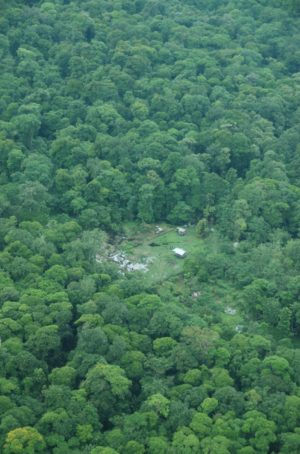 Tropical forests span 1.6 billion hectares of Earth. …But over the past two decades, an average of 10 million hectares of these forests have been lost each year, according to the United Nations Environment Programme, affecting the ecosystems and communities that depend on them. NASA scientists recently developed a new method for tracking tropical forest loss that delivers deforestation alerts more than three months faster than current methods. Although the technique was designed for the Amazon rainforest, data from a recently launched satellite are expected to expand its application globally. …To address Landsat’s cloud challenge, researchers at NASA’s Marshall Space Flight Center tuned into a different wavelength. Led by Africa Flores-Anderson, associate program manager for NASA’s Ecosystem Conservation Program, the team piloted a system for the Amazon that combines existing satellite-based approaches with cutting-edge radar data. …Synthetic aperture radar (SAR) doesn’t require daylight or clear skies.


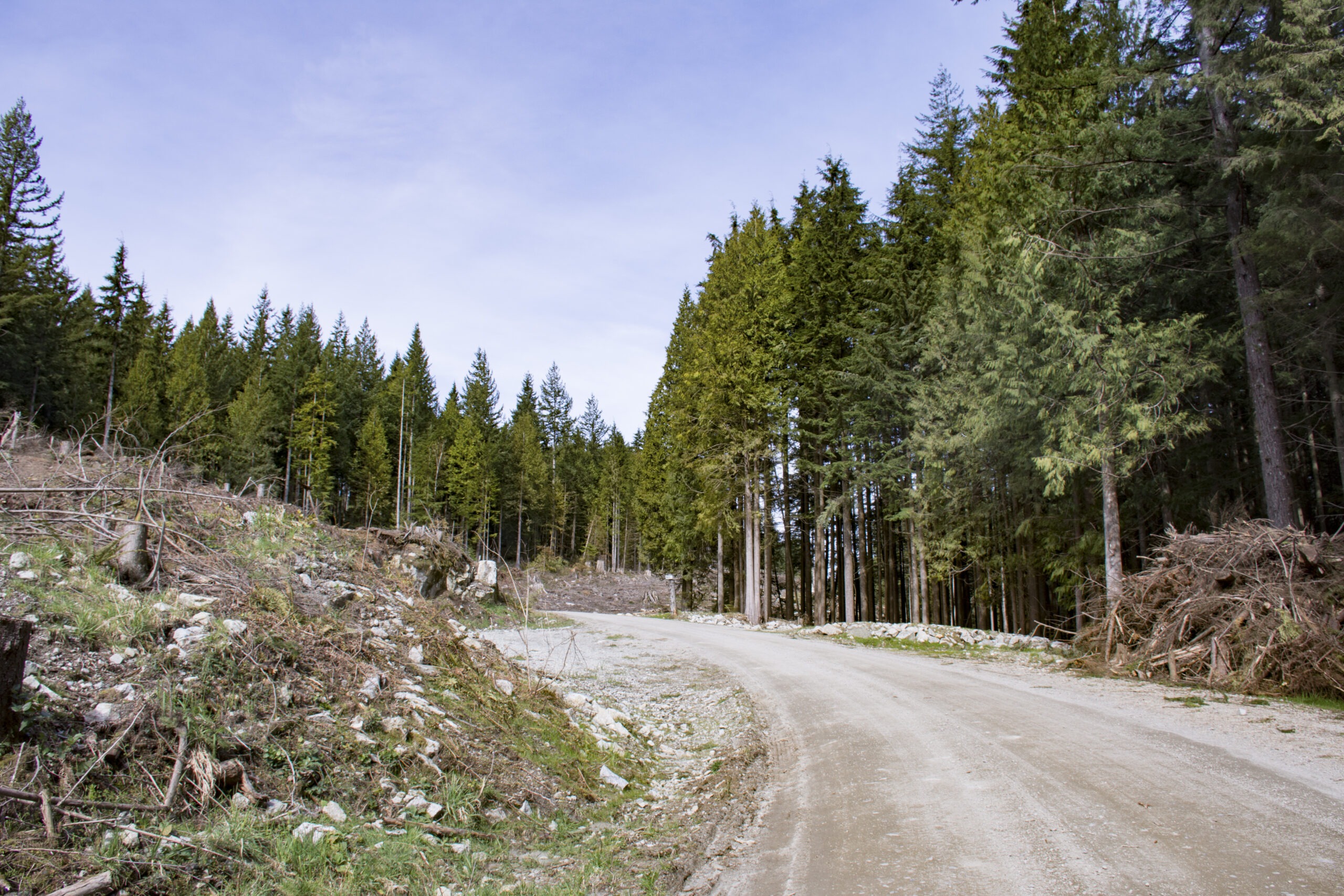 In 2001, the Forest Service signed the Roadless Rule. The Trump administration is seeking to rescind the rule. During a brief public comment period, 99% of the respondents opposed the idea. The Roadless Rule affected 58.5 million acres of Forest Service roadless lands and put them off-limits to new road construction, logging, and road reconstruction. As the Forest Service recognized in its original review, these roadless lands “have the greatest likelihood of altering and fragmenting landscapes, resulting in immediate, long-term loss of roadless area values and characteristics.” Abolishing protection from logging and roading provided by the Roadless Rule has major economic consequences, both in direct costs and in avoided costs. For instance, a practical rationale for the rule is the Forest Service’s acknowledgment that the roughly 370,000 miles of existing Forest Service road network could not be maintained. There is already an $11 billion backlog in road maintenance, and creating even more roads would exacerbate this situation.
 For the last 25 years, 58 million acres of American forest have had no new roads, no logging equipment, and no reason to appear on anyone’s industrial map. This year that is changing — and much faster than most people realize. The
 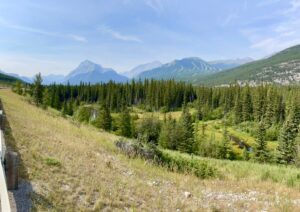 Mountains across the West have lost their usual wintry look this year. Snowpacks in the Cascade Range, the central and southern Rockies, and the Sierra Nevada are significantly below average. As of February 1, 2026, Oregon, Colorado, and Utah reported the lowest snowpack levels on record since continuous snow data collection began in the early 1980s. …This condition is a snow drought—a period when snowpack is abnormally low relative to the time of year and location. Many of the areas with low snow received ample precipitation early in the season. November and December snowfall was near normal in many parts of the West and looked to be setting the stage for a reasonable snow year. However, warm and dry January conditions and scattered rain-on-snow events in February caused much of the early accumulated snow to melt. This condition has put large parts of the West in a
 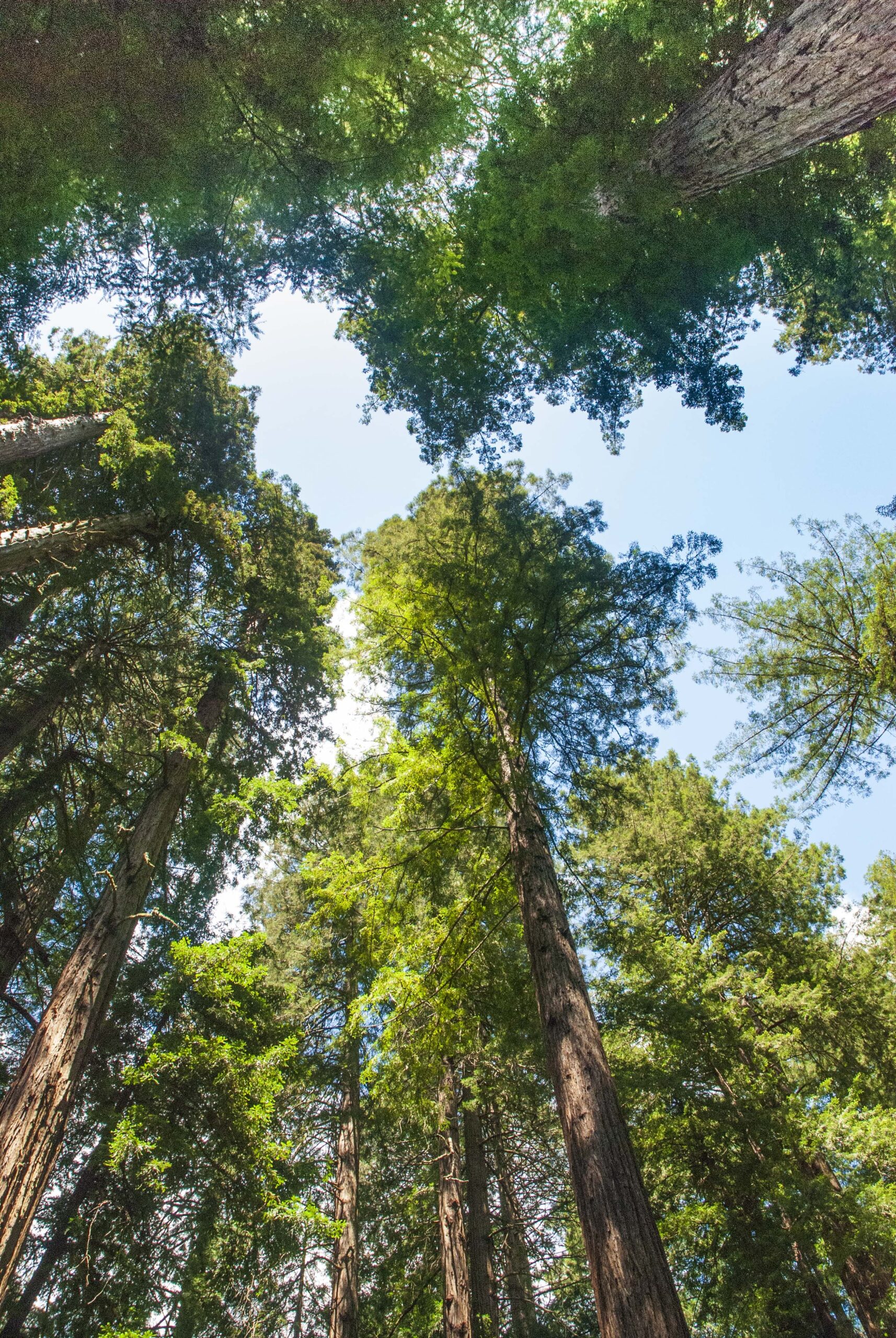 For generations, the Organized Village of Kake and other Southeast Alaska tribes have been stewards of the Tongass National Forest… This is not just land; the forest is our heritage and way of life. …The forest’s old growth trees store more carbon than they release, making the Tongass the nation’s greatest natural climate defense. …Yet this irreplaceable ecosystem faces a threat. The Trump administration is attempting to rescind the 2001 Roadless Area Conservation Rule, a policy that for more than 25 years has safeguarded nearly 58 million acres of national forests. The administration is proposing to strip protections from 44.7 million acres of ancestral homelands, including the Tongass National Forest. This is not just bad policy; it is a direct violation of tribal treaty rights, trust and federal law. The Roadless Rule is simple and effective. It prevents destructive road-building and industrial-scale logging in remote forest areas while preserving access for recreation, subsistence and cultural practices.
 In the North Cascades… the Mount Baker School District is facing a budget deficit exceeding $1 million, which local officials say is tied to declining timber sales on state lands. Three years ago, the rural district entered into what’s known as “binding conditions,” an arrangement where the state now oversees its day-to-day financial operations. Since then, it’s cut around 30 employees and increased class sizes. “Our main reason that we went in binding conditions was a precipitous drop in timber revenue,” said Russ Pfeiffer-Hoyt, school board president. The district’s timber revenue predicament is not unique among rural school districts. And it highlights rising tension around how the state is managing its public forests at a time when Lands Commissioner Dave Upthegrove has limited logging of some older tracts of trees. In the backdrop is a debate about whether Washington’s K-12 schools should depend heavily — or at all — on timber harvests.
 ANCHORAGE, Alaska – The federal government isn’t holding public meetings on a rule that could reshape logging across the nation’s largest national forest — so a conservation group is doing it instead. The Southeast Alaska Conservation Council is hosting a series of community “public hearings” this month on the Tongass National Forest’s roadless rule. …The group plans to collect public testimony and submit it directly into the federal record as the US Forest Service weighs potential changes to those protections. Nathan Newcomer, SEACC’s Tongass campaigner, said the group stepped in after learning the Forest Service had no plans to hold its own public meetings. …The Forest Service is expected to publish a draft environmental impact statement on the roadless rule — a step that would open a formal public comment period. Newcomer said that the window is expected to last 30 days and could begin as soon as late April.
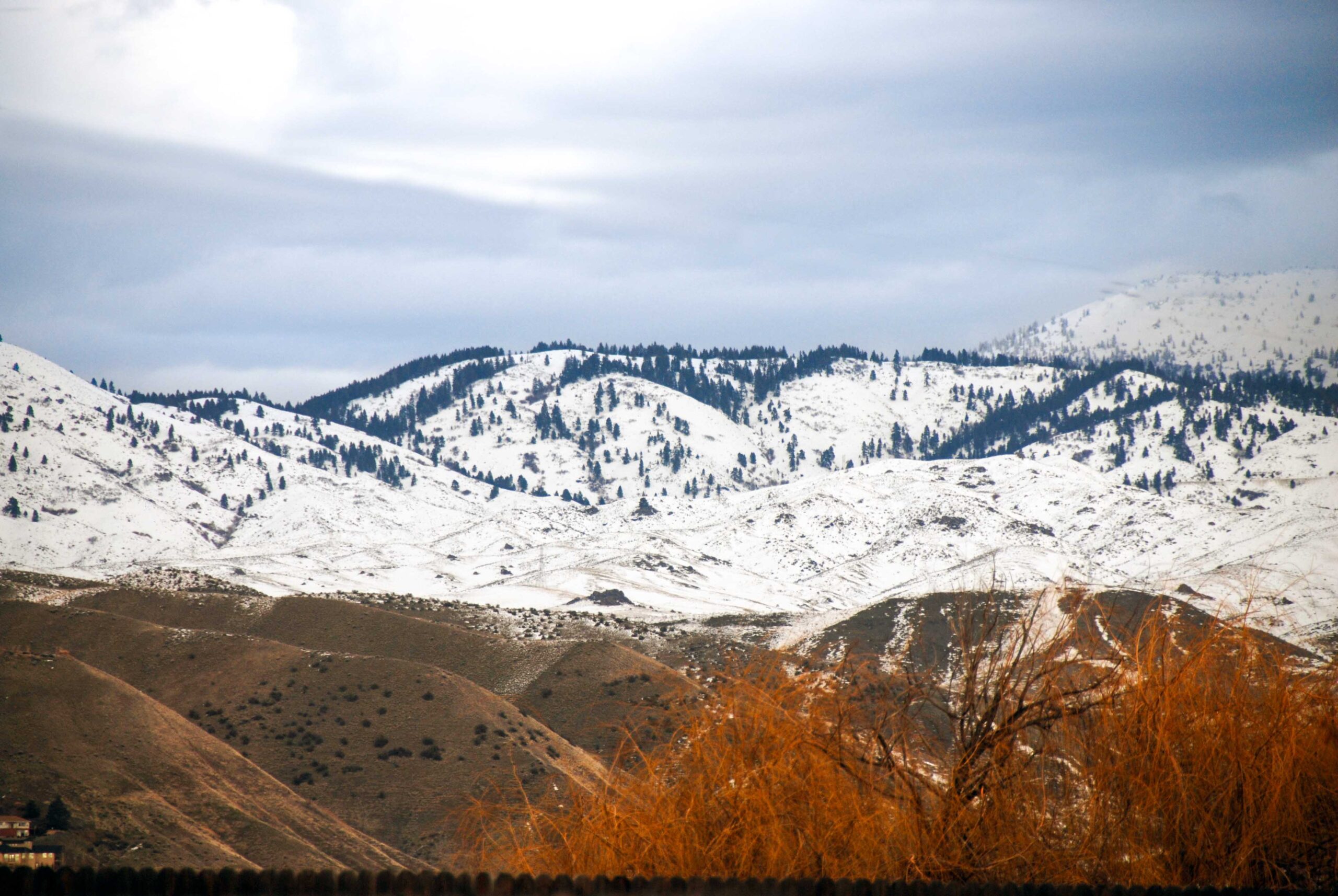 Mountains that normally see their peak snowpack in March are brown this year, thanks to a spring heat dome that baked the western U.S. for much of the second half of March. That’s raising alarm bells for the fire season, which is already ramping up. John Abatzoglu, a professor of climatology at the University of California Merced, said everything is “lining up for a potentially nasty fire season across the west… the warning signs are flashing.” The heat wave eased over the weekend after a sustained run of temperatures 11 to 17 C above normal — with highs in the 30s and 40s in some states. This would be “virtually impossible” without climate change caused by human CO2 pollution, mainly from fossil fuels. Early snow-melt has been linked to a longer fire season, as it dries out the landscape and provides more time and opportunity for fires to ignite and spread

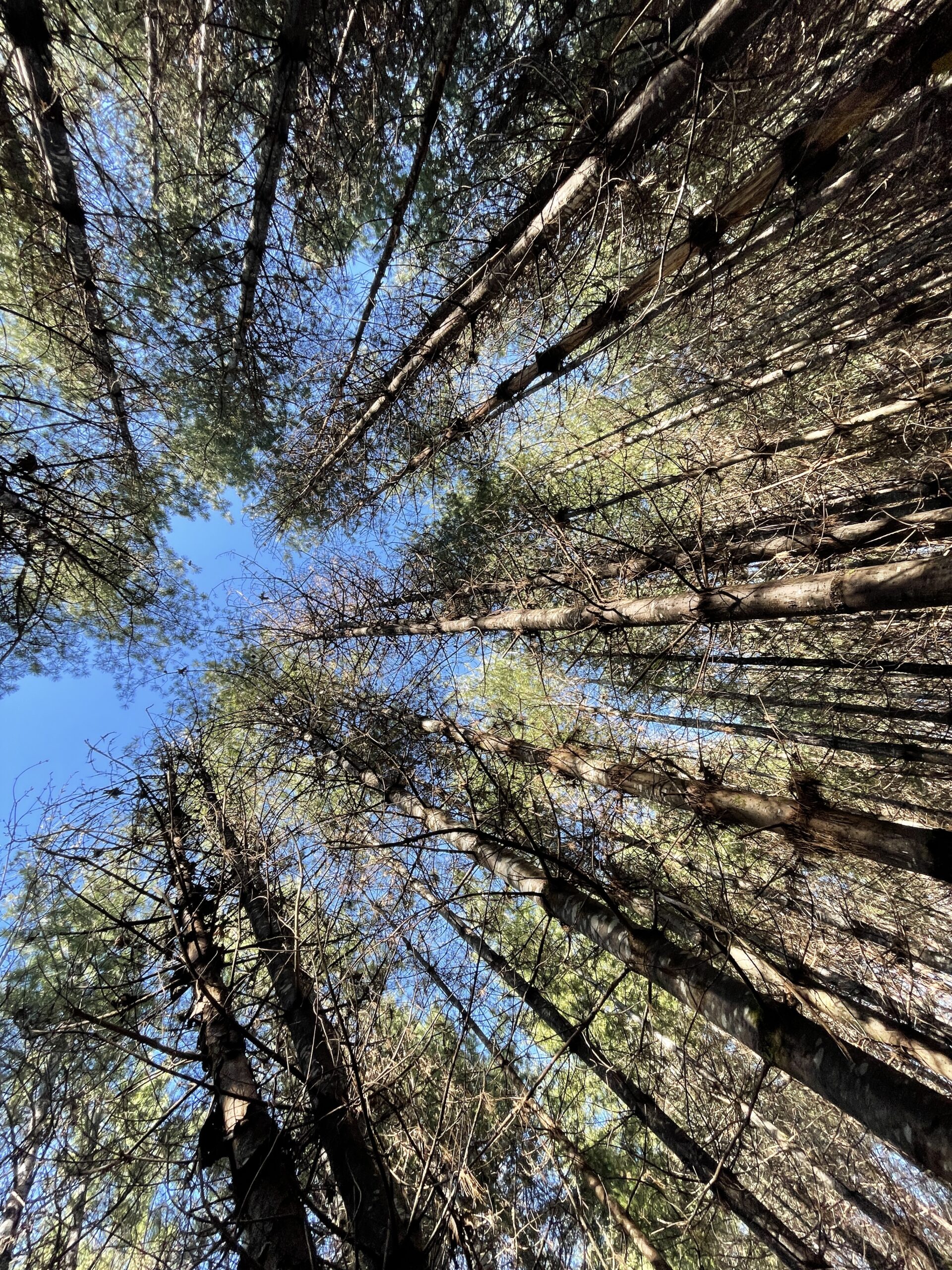 New research suggests that in just 15 years, the causes of most tree loss have flipped from human hands to a handful of natural causes. University of Vermont researchers studied forests in 18 states: in 2009, human harvesting accounted for most tree loss, but by 2024, pests, diseases, and other “natural” causes activities were causing far more tree loss. They compared nearly 324,000 records of tree mortality across 18 states and almost 62,000,000 hectares, from the federal Forest Inventory and Analysis dataset from 2009 to 2024. In 2009, human harvesting caused a bit more tree loss than natural causes. Fifteen years later, tree loss from natural causes was outpacing harvest-caused loss by nearly 40%, and overall tree loss also increased by nearly 16% during this period. It wasn’t a change the researchers were looking for.
 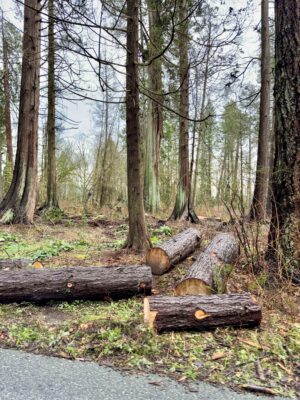 BOSTON — Urban forestry is a noble and necessary pursuit, yielding environmental and health benefits almost too numerous to count. …Urban forests, broadly speaking, also happen to be sources of large amounts of wood waste. The most recent estimates from the USDA Forest Service indicate that 46 million tons of sellable wood from urban areas is felled each year, most of which gets chipped, landfilled, or burned for energy. There is a missed opportunity afoot; not one of those pathways—with the possible exception of biomass power generation—involves making something of tangible value that’s inversely proportional to the amount of waste being generated. …Tridome Structures, a Massachusetts-based manufacturer of mass timber products, saw the gap in the Northeast market and acted accordingly. Only six months ago, the company opened a subsidiary mill operation called TimberWise in the town of Millis, a Boston suburb.
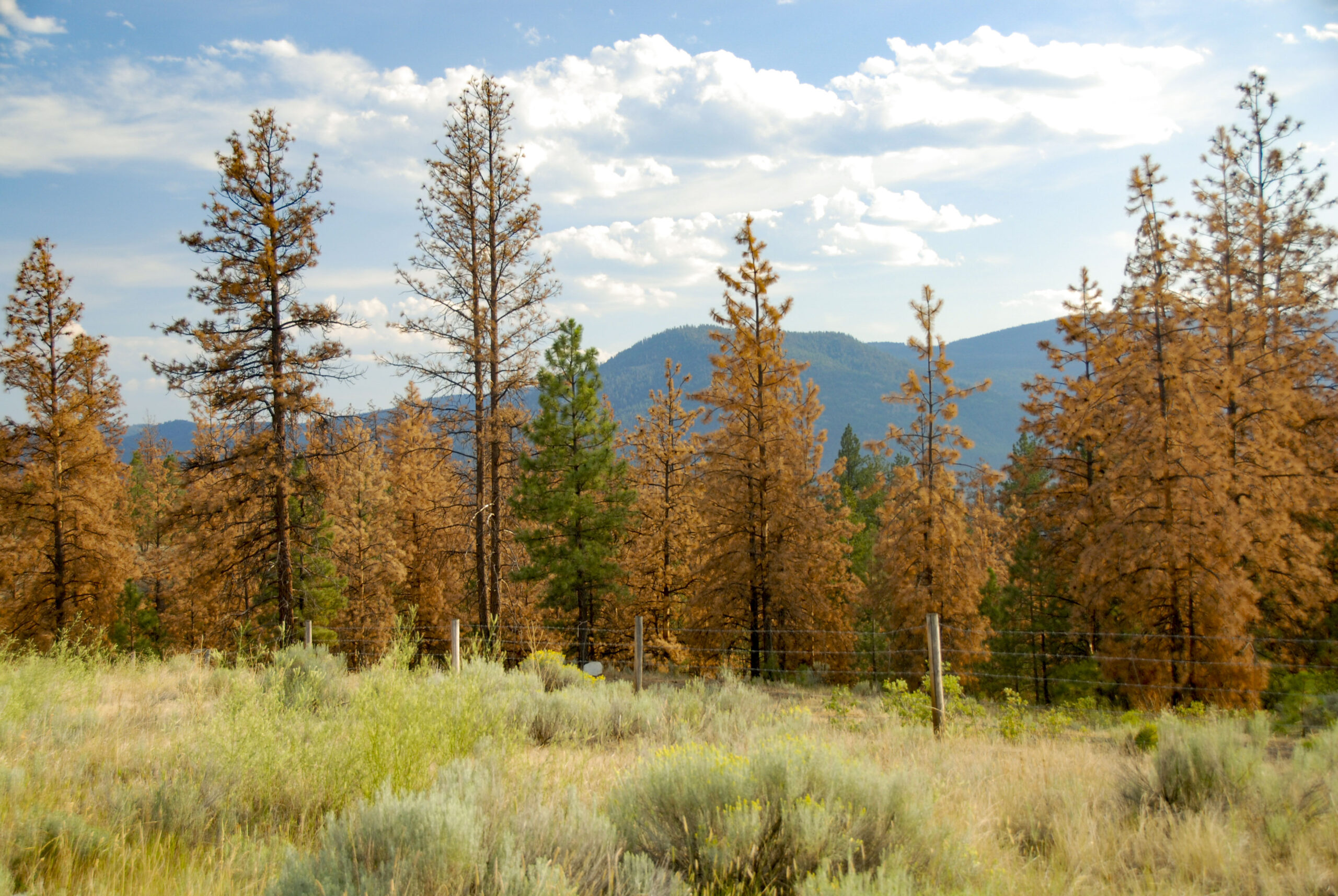
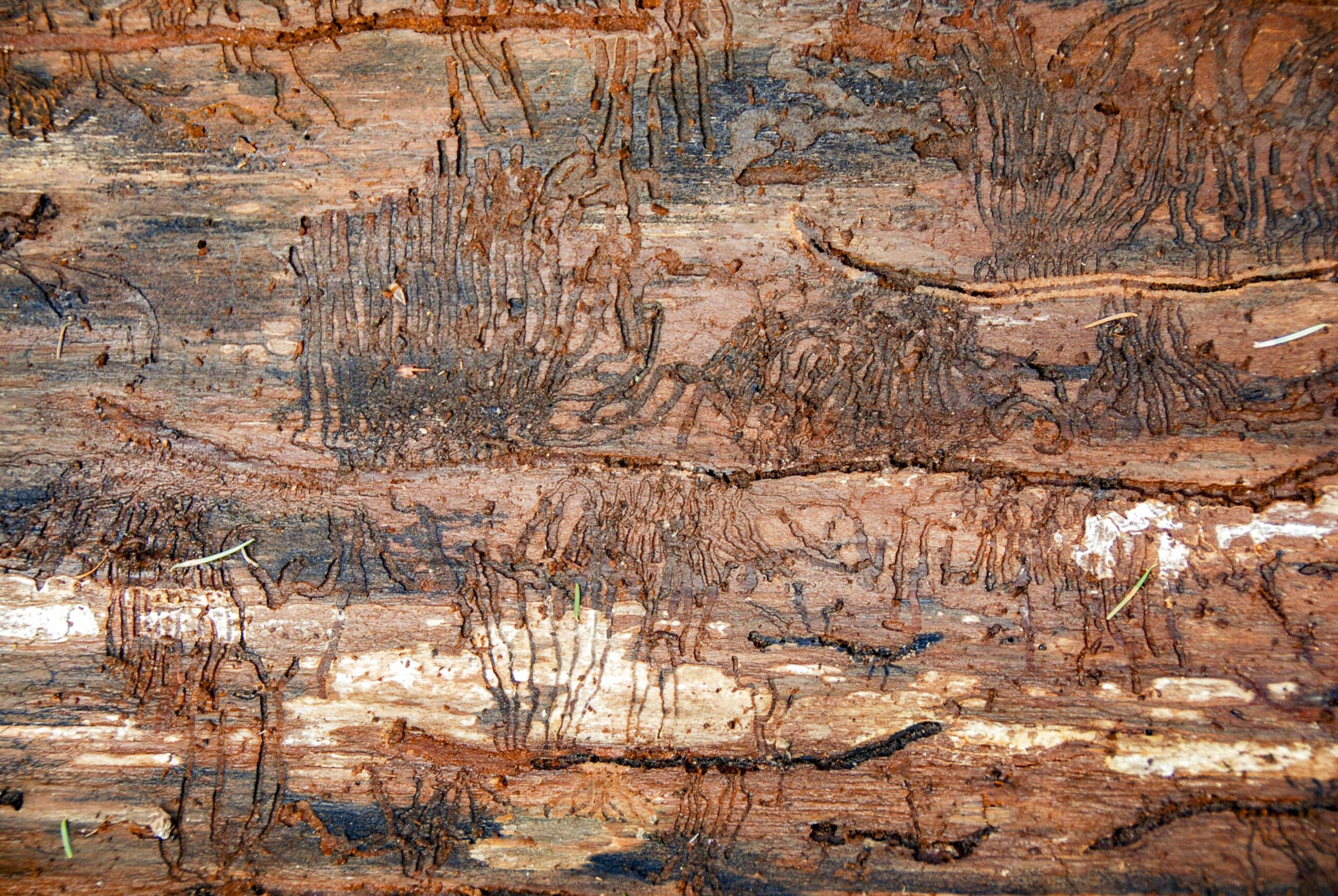 January’s ice storm stressed out trees, making it harder for them to ward off disease and insects. It may have also created an environment where species of pine bark beetles that have been documented for centuries, especially ips and southern pine beetles, can flourish and attack vulnerable evergreens. “You can go from having just a few trees that are damaged or killed by the beetles to having acres damaged or killed by beetles if you’re not really monitoring that,” said Garron Hicks, Assistant Forest Management Chief with the Mississippi Forestry Commission. “Unfortunately, often when landowners notice evidence of the beetle, it’s too late for that tree.” That’s especially true for pine trees whose needles have already begun to turn brown or red. …Hicks urges landowners especially in north Mississippi, the region hit hardest by the winter storm, to look out for signs of beetle damage like pitch tubes.


 As the Trump administration wages war on Iran, it’s citing national security to seek an exemption from the Endangered Species Act for expanded oil and gas drilling in the Gulf of Mexico — a move alarming environmental groups who say it could set a dangerous precedent for future fossil fuel projects. Environmentalists argue the government hasn’t followed proper procedure and they’re seeking to block the move before Interior Secretary Doug Burgum convenes the Endangered Species Committee on Tuesday. The committee, nicknamed the “God Squad” by groups who say it can determine the fate of a species, is comprised of six high-ranking federal officials plus a representative for states involved. …The Center for Biological Diversity sued last week to block the committee meeting. …The committee was established in 1978 as a way to exempt projects from the Endangered Species Act. …The committee has only convened three times in its 53-year history and issued only two exemptions.
