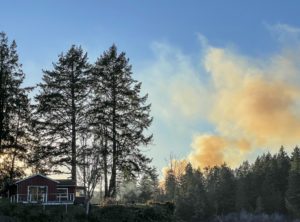
 COLORADO — The Archuleta County Board of County Commissioners (BoCC) unanimously voted to table its decision on adopting eight new building-related codes. Those are the 2024 editions of international codes, including the residential code, building code, energy and conservation code, mechanical code, fuel and gas code, existing building code, property maintenance code, and the swimming pool and spa code. During the meeting, the BoCC also considered, and unanimously approved, Resolution 2026-27, adopting the 2025 Colorado Wildfire Resiliency Code (CWRC), along with amendments to snow load requirements for manufactured structures. …Commissioner John Ranson described them as an “unfunded mandate,” adding, “there’s no two-ways about it.” He mentioned that in conversations with local builders, many are preparing for these codes to make construction costs go up.

 In a world of colourful economic pie charts and slick bar graphs, the image of a three-sided circle is both awkward and uncomfortable. Yet this image may depict the emerging fate of the Canada-US-Mexico Trade Agreement. For Canada, the wild ride through Trumpian trade policy has now entered a decisive phase. …Some rules of the road ahead are beginning to take shape. First there is a recognition and begrudging acceptance that there will be some tariffs where CUSMA had none. …Secondly, despite warm commitments to the trilateral CUSMA relationship, Canada and Mexico are engaged in separate bilateral discussions with the US. …Enter the three-sided circle. Here the current comprehensive trilateral agreement would evolve into three bilateral trade agreements bound by a core centre that holds common rules and undertakings. …In triaging the trade-wounded, no sector deserves a bigger fix than Canada’s softwood lumber industry. Its market access to the US has been battered by 40 years of aggressive protectionism.
 Trade watchers say they are shocked at the latest tactic being used by the US to shore up its tariff wall against Canada after a legal setback last month. US Trade Representative (USTR) launched investigations into 60 economies under Section 301(b) of the U.S. Trade Act of 1974 to determine whether they have failed to impose or enforce bans on imports produced with forced labour. But critics in the Washington beltway say the 301 probes are basically a “show trial” and that the verdict is sure to go against trading partners such as Canada. Canada is being grouped together with China and dozens of other countries for these investigations. The probes will examine whether Ottawa’s forced-labour rules and framework… are sufficient for screening goods produced by child or forced labour. …“This has nothing to do with forced labour,” said Inu Manak, at the Council on Foreign Relations. …He thinks the administration is constructing a pretext to defend the tariffs it’s already planning.
 While Canada’s economy is far more reliant on exports to the US than vice versa, Canadian negotiators have crucial ammunition in their efforts to land a trade deal that reduces or eliminates tariffs imposed by US President Trump. …Canada’s attempts to negotiate relief from Trump’s tariffs on such exports as steel, aluminum, automobiles and softwood lumber are now wrapped into fresh talks on renewing the Canada-US-Mexico Agreement (CUSMA). …Barry Appleton, says Canada needs to shift its strategy by exerting its leverage as a crucial U.S. customer. …Inu Manak, says the US needs Canadian natural resources to achieve the industrial policy goals set out by the US administration. …Canada is among the top sources of foreign direct investment in the U.S., largely as a result of decisions by pension funds. …The US has repeatedly emphasized the importance of steady access to a reliable supply of critical minerals.
 Acadian Timber, one of Canada’s largest forest landowners, wants to close the performance gap between New Brunswick and its business in Maine, a goal its new interim CEO says is achievable despite labour and market challenges. …Malcolm Cockwell, who was named interim boss last month, said, “There are a lot of strong companies here that are investing in their facilities and running them pretty consistently even in challenging markets. Maine is a little bit more hit-and-miss with facilities not being as consistent with their operating schedule and a number of facilities dropping out over the last couple of years.” Acadian has just under 1 million hectares of land under management across New Brunswick and northeastern Maine, with approximately 313,000 hectares of freehold timberlands – privately owned forest land – in New Brunswick and 121,000 in Maine. …One way to make that happen in Maine is to improve Acadian Timber’s contractor base.
 US companies stung by President Trump’s emergency tariffs had hoped for relief when the US Supreme Court ruled in their favor. But settling on a remedy – namely, rebate checks from the government – may be an even bigger headache. Fresh wrinkles are prompting businesses to take different routes as they try to recoup money, with many opting to sue to improve their odds. These lawsuits are also underscoring the complex ways that tariffs worked their way through corporate accounting. In some cases, their cost was a clear line item; in others, the impact was muddier – say, through changed supply lines or selective increases in retail pricing. And some have backed off from a legal fight altogether and sold their refund rights to investment firms, often at a deep discount, figuring that getting something is better than risk getting nothing. …Consider the different approaches taken by FedEx and the retail chain Costco.

 Arizona — Efforts to scale up forest thinning across northern Arizona are intensifying, as local officials, industry representatives and environmental groups warn that time is running short to reduce wildfire risk and protect critical watersheds. “Everybody is aware now that there is a biomass issue, but very, very, very few people have any real knowledge of the solution,” Eastern Arizona Counties Organization Executive Director Pascal Berlioux said during a recent Natural Resources Working Group meeting. A broad coalition is advocating for construction of a second biomass-burning power plant, arguing it is essential to prevent the collapse of the region’s wood products industry. Without that industry, leaders say, large-scale thinning efforts could stall, increasing the likelihood of severe wildfires threatening forest communities.
  WASHINGTON STATE– Current and former employees are suing Western Forest Products’ Vancouver operation, alleging the company failed to give employees breaks and pay wages owed. …Western manufactures lumber at its Fruit Valley location and formerly operated a Columbia Vista sawmill that closed after a fire last year. …The group of current and former employees also allege Western Forest Products didn’t keep accurate payroll records. The complaint states about 40 employees could have been impacted by the alleged practices. Babita Khunkhun, spokesperson for Western Forest Products, said “While we cannot comment on the specifics of the allegations at this time, we take all employee concerns seriously,” Khunkhun said. The company is reviewing the lawsuit and will respond through the appropriate legal process, she added. Western Forest Products recently unveiled plans to expand its Fruit Valley manufacturing operation.

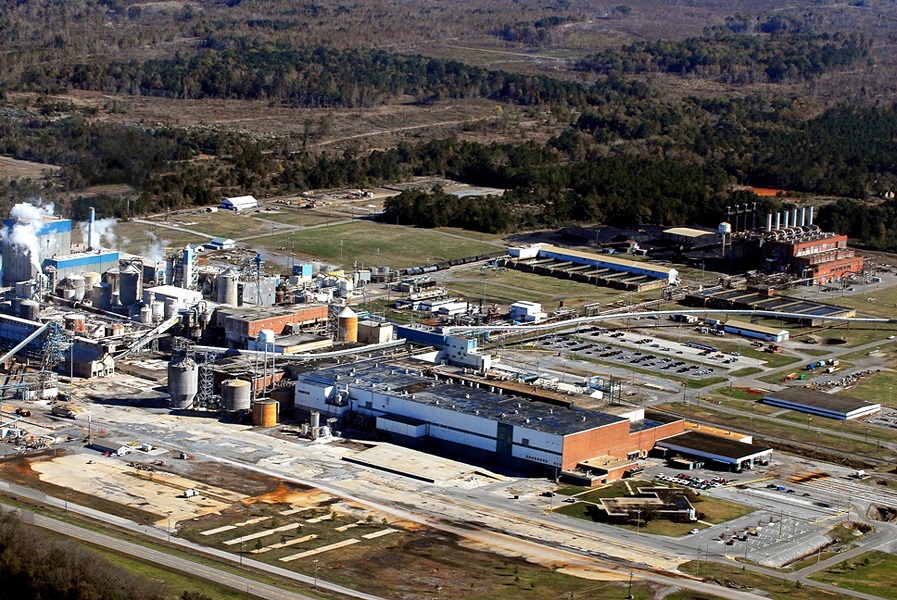
 PENSACOLA, Florida — West Fraser is requesting a tax break from Escambia County as the lumber company prepares for a planned expansion at its McDavid sawmill. Escambia County staff prepared a draft ordinance proposing the Canadian-based lumber company receive a 70% ad valorem tax exemption for a period of five years. …West Fraser applied for an EDATE for the assessed value of certain improvements. If the exemption is granted… over the next five years, the estimate of the taxable value lost to the county if the exemption is granted is $70,252,000 improvements to real property. In 2023, the board adopted a resolution supporting West Fraser’s expansion and agreed to consider the lumber company’s EDATE application when it was submitted. The county is scheduled to vote March 26 at its board meeting on scheduling a public hearing to consider establishing an EDATE for West Fraser.
  At the Advanced Bioeconomy Leadership Conference, US Department of Agriculture Administrator J.R. Claeys announced the USDA is guaranteeing $115.2 million across eight states (
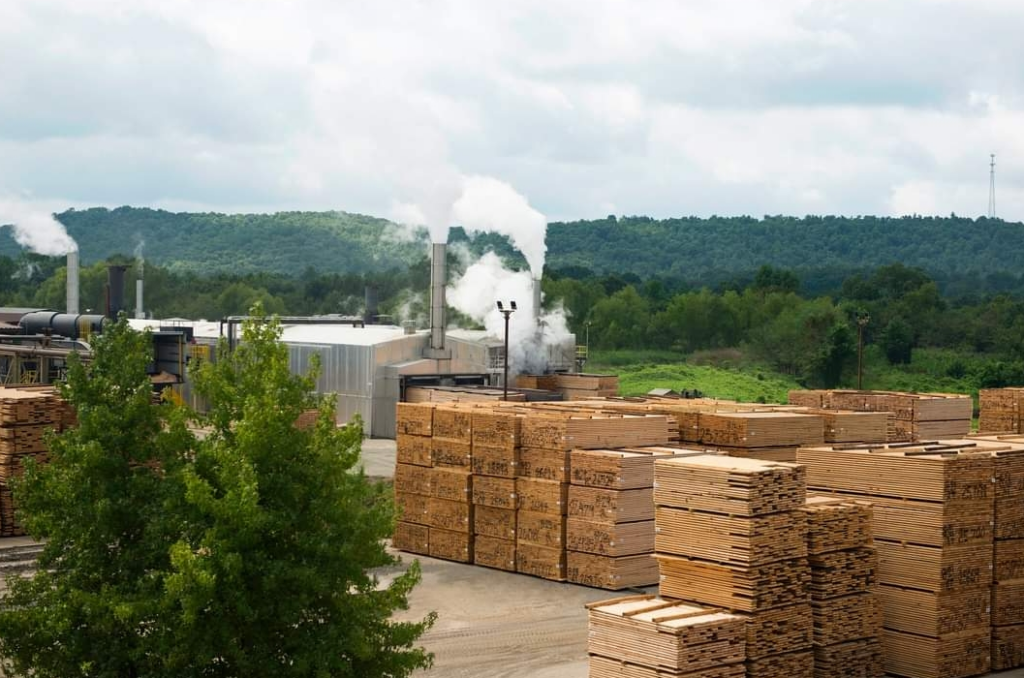
 Lumber futures retreated toward $590 per thousand board feet as the cooling of the North American residential construction sector eroded the demand floor that had supported the market since January. The primary downward pressure stems from a slowdown in housing activity where single-family starts plunged 14.2% in March and building permits fell 5.4% signaling a sharp reduction in seasonal requirements. This demand destruction was catalyzed by a 11 basis point surge in mortgage rates to 6.45% following the Federal Reserve decision to hold interest rates steady alongside global inflationary spikes. While geopolitical tensions in the Strait of Hormuz initially pushed energy costs higher, the resulting increase in financing costs and a 10% drop in US housing starts outweighed the potential for supply chain disruptions. Furthermore a 2.4% increase in unsold builder inventory forced price cuts.
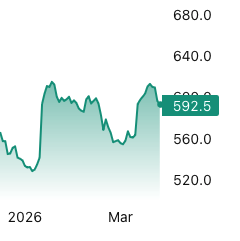 Lumber futures fell below $600 per thousand board feet as a slowdown in the North American housing market and rising financing costs outweighed persistent supply constraints. This downward pressure was driven by a 5.4% decline in building permits and a sharp 14.2% collapse in single-family housing starts, which signaled a cooling of construction activity as the spring season began. Additionally, 30-year fixed mortgage rates climbed to 6.22% following the Federal Reserve’s decision to hold interest rates steady, the market was further pressured by a sharp drop in crude oil prices that reduced the energy-heavy transport and production overheads. These factors effectively neutralized the marginal one-point gain in the NAHB Housing Market Index to 38, leaving 37% of builders reliant on deep price cuts to move a 2.4% increase in unsold inventory. Structural supply issues like the 45% combined duties on Canadian softwood and ongoing sawmill closures continue to provide a floor.

 US inflation is projected at 4.2% this year amid economic concerns surrounding the US-Israeli conflict against Iran, according to the Organisation for Economic Co-operation and Development (OECD). In a new report, the OECD made 2026 inflation projections for multiple countries, with the United Kingdom at 4%, Japan at 2.4%, Canada at 2.4% and the US at 4.2%. “The evolving conflict in the Middle East has human and economic costs for the countries directly involved, and will test the resilience of the global economy,” the OECD report reads. “A halt in shipments through the Strait of Hormuz and the closure or damage of energy infrastructure has generated a surge in energy prices and disrupted the global supply of energy and other important commodities, such as fertilisers,” it continues. …The current average price for a regular gallon of gas in the US is about $3.98, up about a dollar from last month, according to AAA.
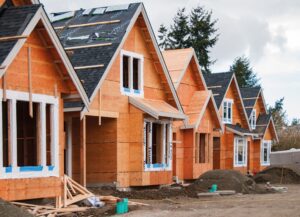 The Trump Administration is scavenging for ideas to lower costs for home-buyers. One idea being considered is to ease credit checks for loans backed by Fannie Mae and Freddie Mac—that is, backed by taxpayers. Americans saw a version of this policy two decades ago, and it didn’t end well. Mortgage rates have dropped in the last year, but many Americans still can’t afford to buy a home. Enter the Mortgage Bankers Association, which is lobbying the Administration to let lenders underwrite mortgages based on a single credit report. The outfit says this would reduce borrower costs. Maybe, but taxpayers may pay a bigger price later if this results in more defaults. The Federal Housing Finance Agency currently requires lenders to pull three credit reports. …The real reason lenders want to eliminate the tri-merge requirement is so they can make more loans to borrowers with poor credit. [to access the full story a WSJ subscription is required]
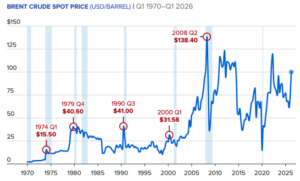 Economists have pulled up their risk assessments of a U.S. contraction amid heightened uncertainty over geopolitical risk and a labor market that for the past year has shown strains over the past year. “I’m concerned recession risks are uncomfortably high and on the rise,” said Mark Zandi, chief economist at Moody’s Analytics. “Recession is a real threat here.” Twin concerns about growth and unemployment have triggered talk of stagflation, a characterization that Fed Chair Jerome Powell has rejected. But the threat of a prolonged war, pressure on consumers and a labor market that, outside of health care, lost hundreds of thousands of jobs last year has kept concerns elevated.
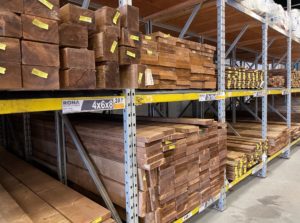 According to a joint study from the American Institute of Architects, the Associated General Contractors of America, and ConstructConnect® News, tariff-driven cost increases are causing delays and cancellations for some projects across the country. …The NAHB has worked alongside Senators Jacky Rosen and Chris Coons to introduce legislation that would address the housing affordability crisis by creating an exemption process for building materials from tariffs. The Housing Tariff Exclusion Act would exempt many home building materials from President Trump’s current and future tariffs and allow importers to apply for tariff exemptions. …Though the Housing Tariff Exclusion Act has not been passed yet, it would be a boon to not only manufacturers, but also to the construction teams and homeowners across the country that have been unable to move forward with their projects due to the current leap in pricing.



 A cross-sector group of packaging producers, farmers, restaurants and grocers has filed a class action lawsuit seeking a preliminary injunction to block enforcement of SB 343, California’s controversial recycling labeling law. The coalition argues the legislation imposes unconstitutional restrictions on free speech, ultimately working against recycling participation programs by making it harder for consumers to understand what can and cannot go in the bin. At the heart of the complaint is SB 343’s prohibition on the use of widely recognized recycling symbols and claims, even when those claims are factually accurate, according to the suit. Under the law, producers cannot label packaging as recyclable unless it meets state-defined, “rigid” criteria that allegedly fails to reflect how recycling actually works. …“SB 343 establishes labeling standards that could discourage innovation and limit the ability to provide accurate recycling information to consumers,” the American Forest and Paper Association stated.

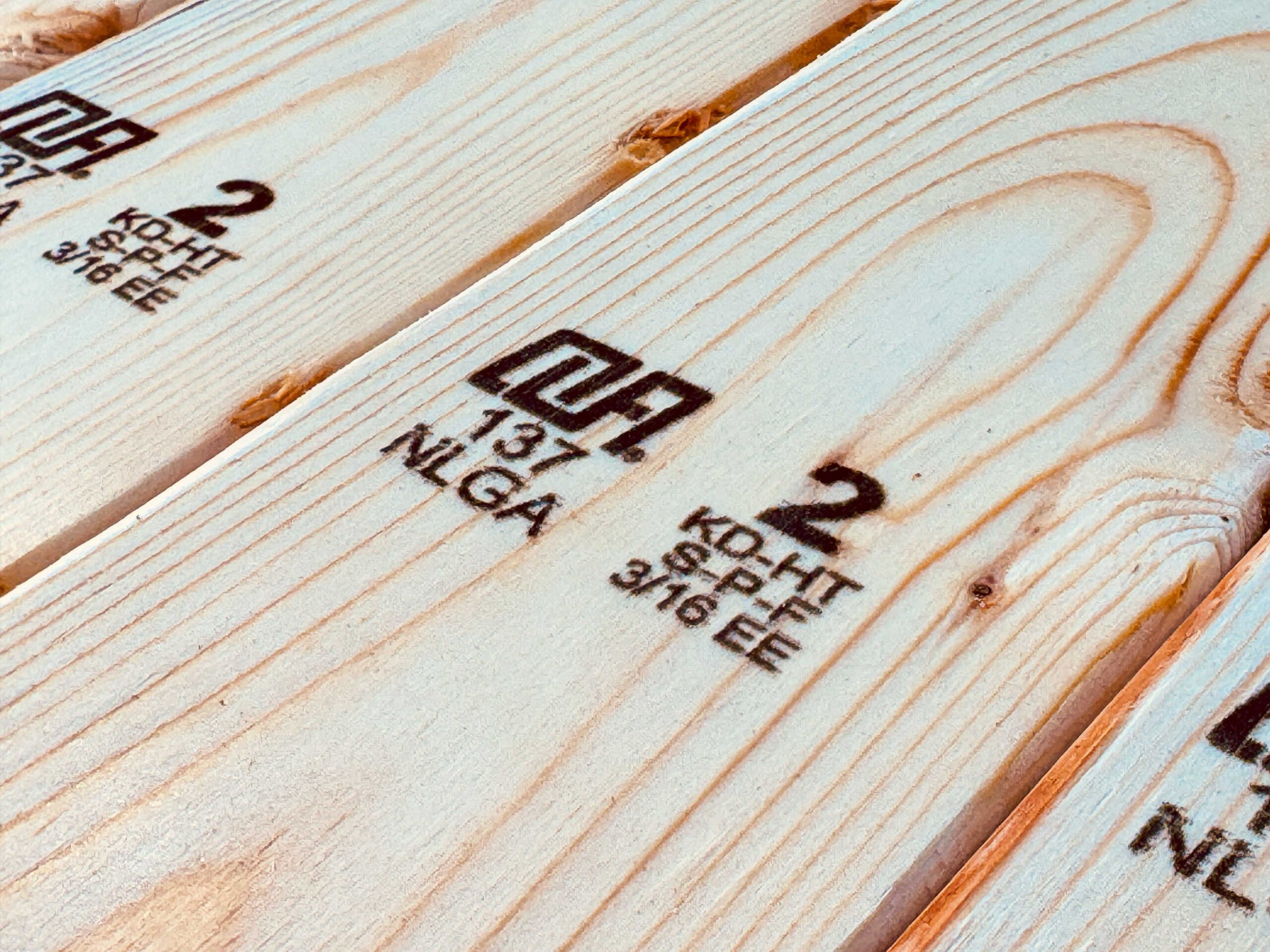 CONCORD, New Hampshire — A bill moving forward at the State House aims to address a decades-old discrepancy in how wood strength is rated. New Hampshire lawmakers approved Senate Bill 529, which gives preference to US-harvest lumber. The bill requires state-funded building projects to include design specifications for US-sourced spruce-pine-fir. …In the early 1990s, the U.S. and Canada developed separate systems to rate the strength of framing lumber. Canadian lumber is labeled SPF, while American lumber is labeled SPFs. SPFs ended up with a lower design strength value, even though the wood used on both sides of the border is nearly identical. …Over time, the difference in design specifications has given Canadian lumber a competitive advantage, putting Hampshire lumber at a disadvantage. While lawmakers can’t change international industry standards, they can influence how the state purchases lumber for its own construction projects.
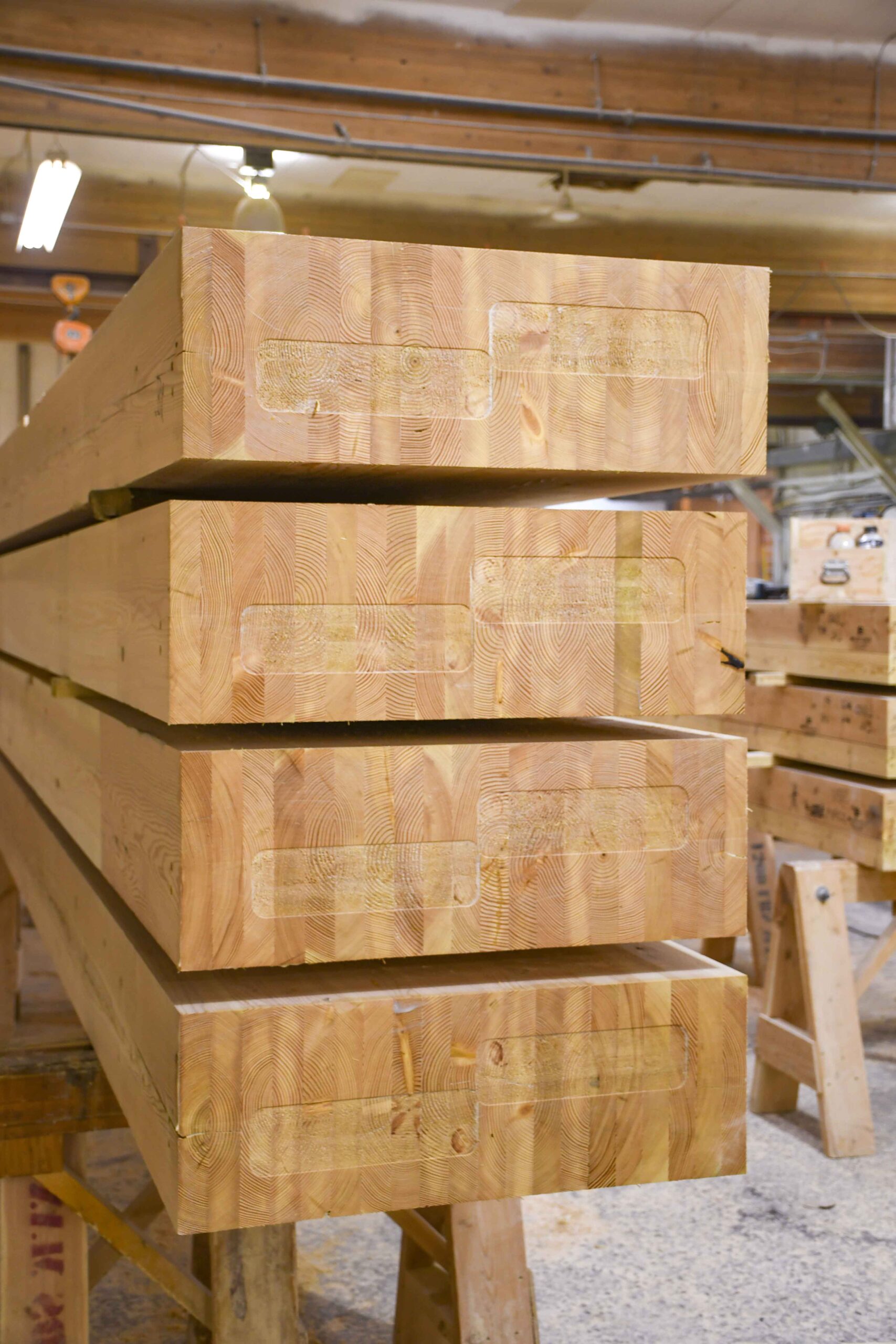 BRIMLEY, MI – The Bay Mills Indian Community will receive $50,000 in state funding to support planning and design of a long-term care facility in Brimley, making it the only Upper Peninsula project selected in the first round of Michigan’s Mass Timber Catalyst Program. The planned facility is among 10 projects statewide sharing $400,000 in grants aimed at expanding the use of mass timber construction in Michigan. The state received six applications from the Upper Peninsula. “We received six applicants for a number of different projects in the Upper Peninsula,” said Patrick Mohney, senior lands program manager with the Michigan Department of Natural Resources’ Office of Public Lands. “This shows that interest in this building technique is growing.” Nine Lower Peninsula projects were also selected, with individual grants ranging from $25,000 to $60,000. Recipients include a woodworking school in Adrian, a municipal building in Grand Rapids, and mixed-use facilities in several locations.

 US Representative Harriet Hageman (R-WY) has introduced legislation that would nullify the 2001 Clinton administration Roadless Rule and permanently restore active forest management on National Forest System lands, saying the restriction has blocked access and increased the risk of catastrophic wildfires across the West. Hageman introduced the bill in Washington with original cosponsors including Representatives Troy Downing (R-MT), Celeste Maloy (R-UT), Pete Stauber (R-MN), and Tom Tiffany (R-WI). Her measure would codify the Department of Agriculture’s recent rescission of the Roadless Rule and direct future road construction to support missions such as timber harvesting, watershed management, and wildfire prevention. …Congresswoman Hageman framed the legislation as an effort to return National Forests to their original multiple‑use mandate. “Our Forest Service lands were always to be managed and providing commodities, a continuous supply of timber, a continuous supply of water to be used for grazing, multiple use, etc.,” she said.
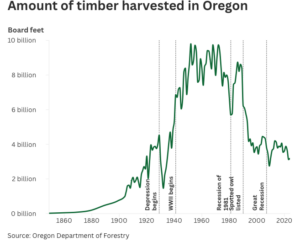 In Oregon… fights over how much to cut defined the 1980s and ’90s. Steep declines in timber harvest, meant to save Oregon’s last ancient forests, ripped an urban-rural divide that still festers. Today, Oregon still produces the most softwood lumber in the US. But the state’s timber harvest has hovered near historic lows, at least seven mills have closed since 2024 and logging on federal lands has been limited. President Trump’s administration wants to change that. …The moves have been met with cautious optimism in Oregon’s timber industry. …Environmental and outdoors groups, meanwhile, are gearing up to fight. …Battles between timber and environmental groups are quieter now than during the pitched height of the Forest Wars, but they never went away. A lot else has changed, however. Wildfires have become the state’s biggest issue, there have been historic agreements between the two sides and there’s a new industry, mass timber.
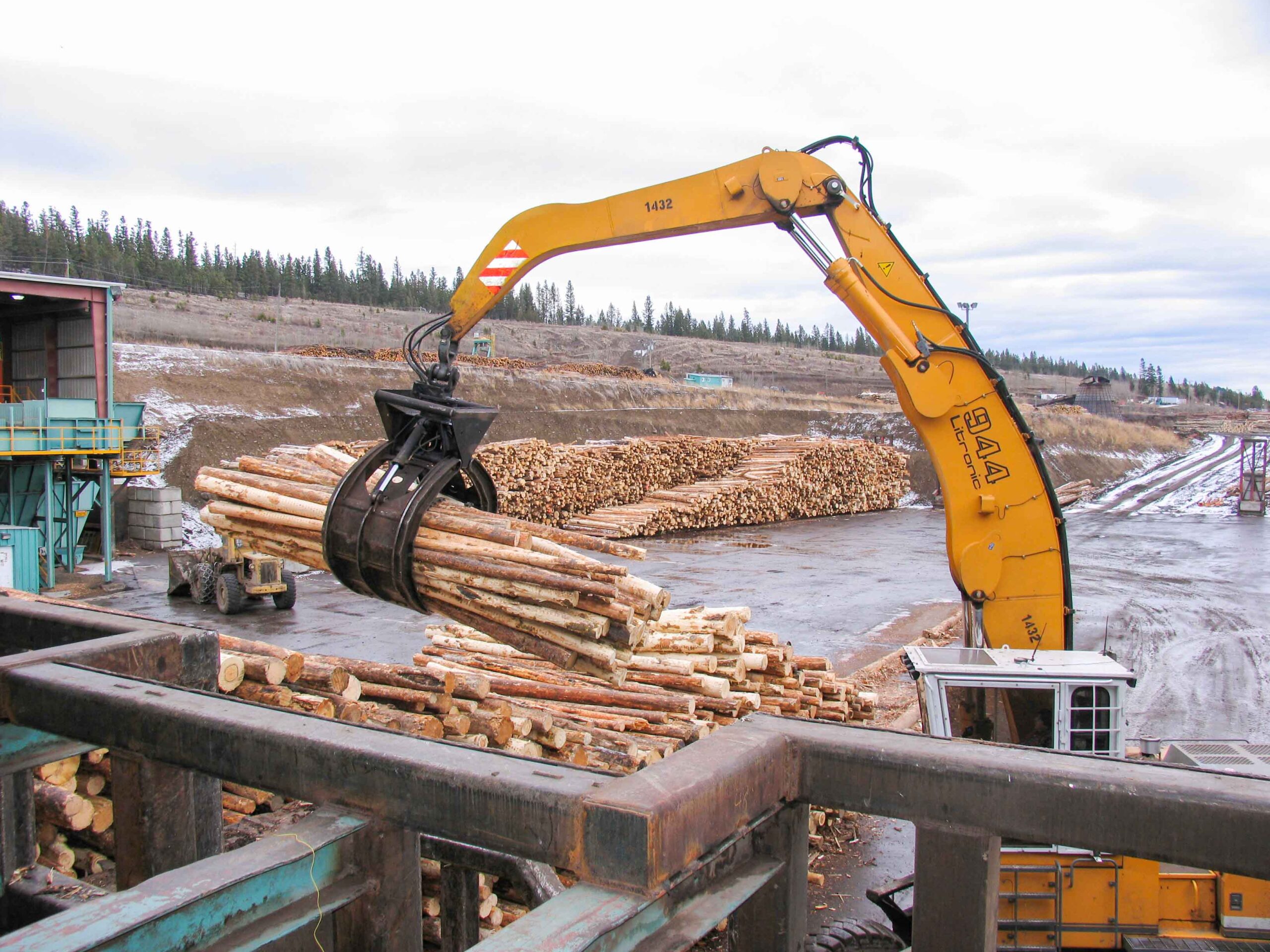 Oregon’s congressional Democrats are asking federal officials to give the public more time to learn about and comment on new plans that would open up millions of acres of federal forests in Oregon to logging activity not seen since the 1960s. The Bureau of Land Management in late February announced it would change the Western Oregon Resource Management Plans that have governed logging and conservation in Oregon counties for decades. The stated goals were “maximum” timber production to “advance Trump administration priorities,” including logging in areas that are home to federally protected, vulnerable species. The announcement kicked off a month-long public comment period that ended March 23, but the agency did not hold any public meetings. Officials said in the announcement they would not hold any meetings before releasing a draft proposal for new logging. Oregon’s U.S. Sens. Jeff Merkley and Ron Wyden and [others], all Democrats, said such generational change in logging practices deserves far more public scrutiny.
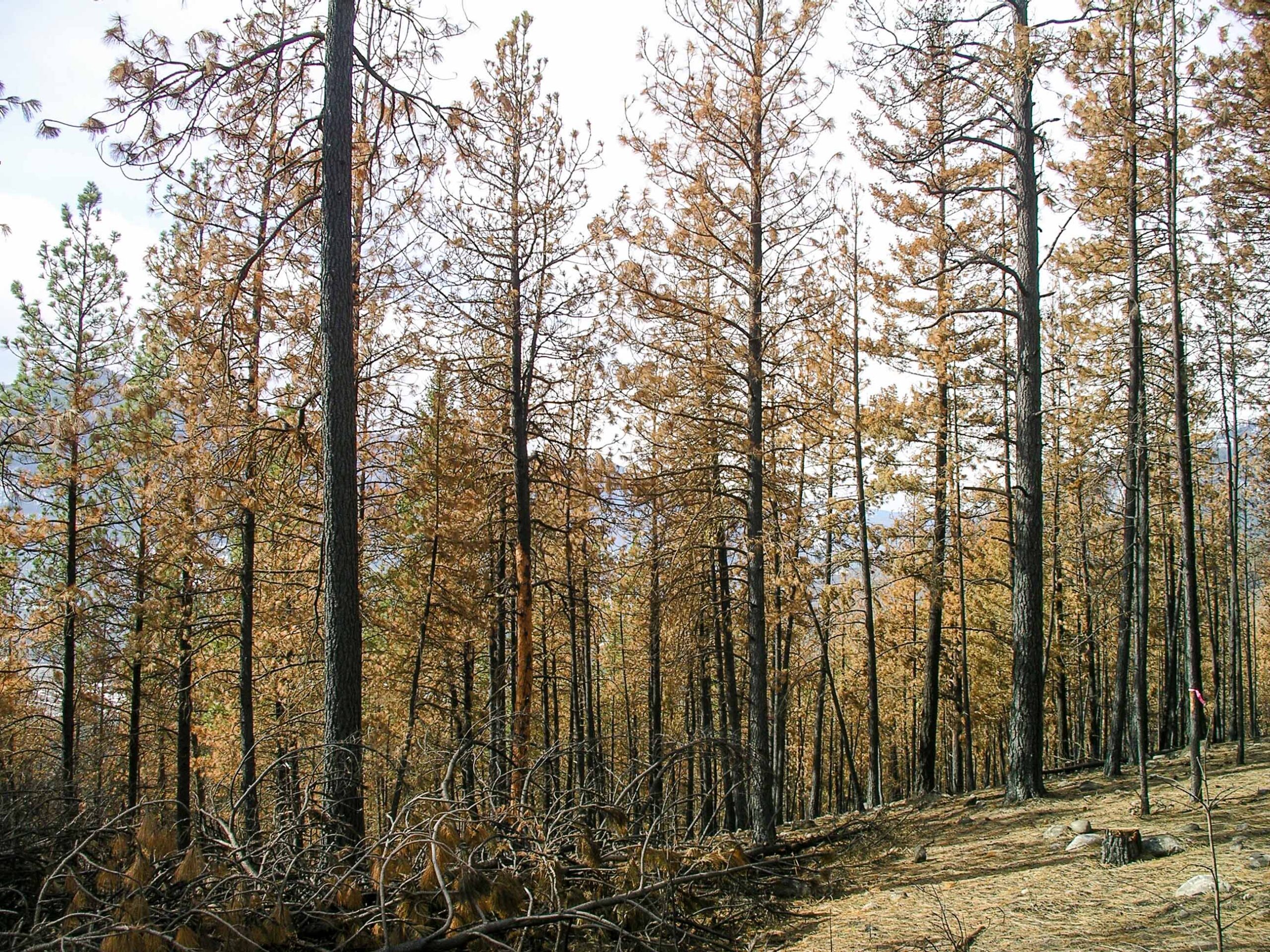 A new satellite-based study indicates widespread drought stress and insect damage across the Apache-Sitgreaves National Forests, with significant implications for wildfire risk, forest management and long-term ecosystem change. Researchers found roughly one in four ponderosa pines are experiencing moderate to high levels of drought and insect damage. More than half show signs of “fading,” a condition tied to prolonged moisture loss, though the severity varies by ranger district. The study analyzed tree “greenness” across the forest, a key indicator of health derived from satellite imagery. The Apache-Sitgreaves spans roughly 6 million acres in northern Arizona, including the White Mountains, among the state’s wetter regions. Despite that reputation, the findings reinforce a growing body of research showing that decades of drought, increasingly severe wildfires and bark beetle infestations are reshaping these forests. In some areas, ponderosa pine stands have failed to recover following high-intensity fires, particularly where drought stress was already severe.
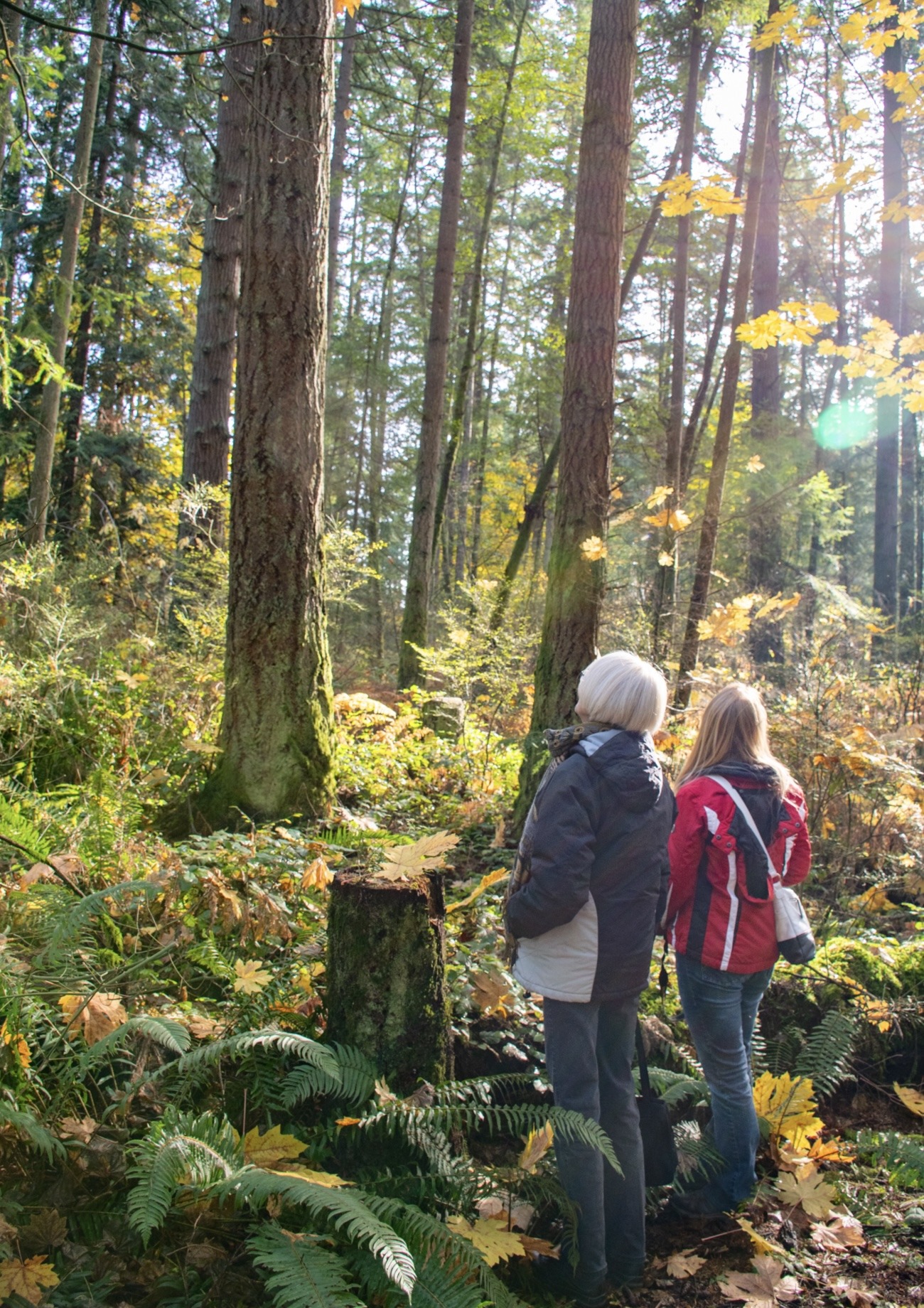 After firing about 3,400 employees nationwide and instituting a seasonal hiring freeze last year, the U.S. Forest Service is planning to hire 2,000 seasonal workers this year. A Colorado lawmaker wants more information about the U.S. Forest Service’s plans to hire seasonal staff again this summer, after the agency cut thousands of positions and did not employ seasonal help last year. U.S. Rep. Joe Neguse, whose district includes Eagle, Grand, Jackson, Routt and Summit counties, penned a letter to Forest Service Chief Tom Schultz earlier this month describing the impact that massive cuts to staffing have had on the agency and the importance of seasonal workers. Rep. Jared Huffman, D-California, also joined the letter. “As you know, seasonal employees play a critical role in the maintenance and stewardship of some of our most treasured public lands and national forests,” Neguse wrote, noting that more than 130 million people visit the country’s national forests annually.
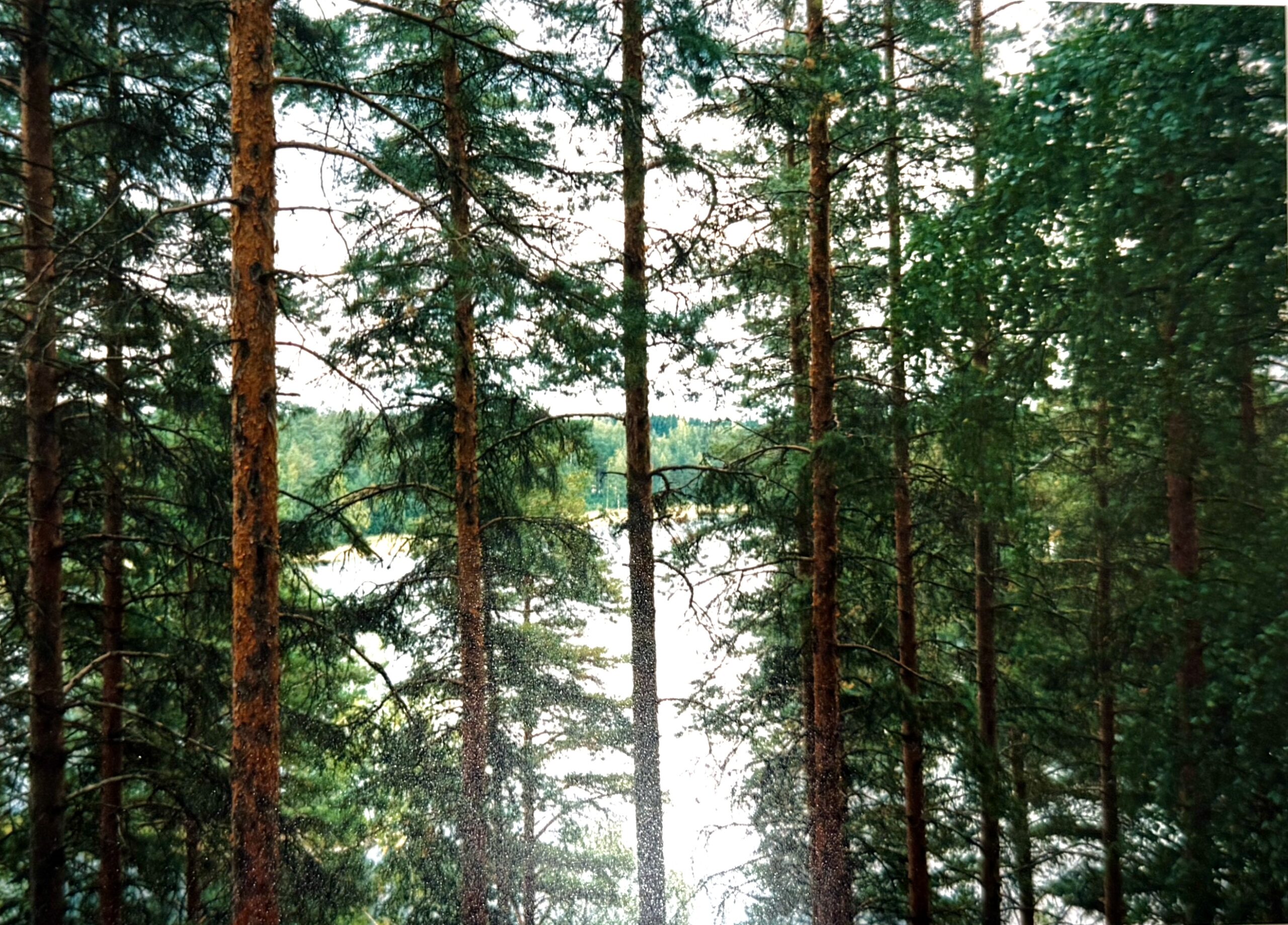 A large chunk of private forest land near Mount Spokane is now permanently protected from development. The Idaho Department of Lands announced Wednesday that more than 22,000 acres of Inland Empire Paper Co. is now protected under a conservation easement. Inland Empire is owned by the Cowles Co., which also owns The Spokesman-Review. The property is between Mount Spokane and Spirit Lake in Bonner and Kootenai counties. …It includes habitat for a variety of wildlife, such as elk, deer and westslope cutthroat trout, according to a Department of Lands news release. It also covers part of the Spokane Valley-Rathdrum Prairie Aquifer, which provides drinking water for people in Spokane and Kootenai counties. The deal locks in public access for the property, which has long been used by hunters, hikers, berry pickers and other recreationists.
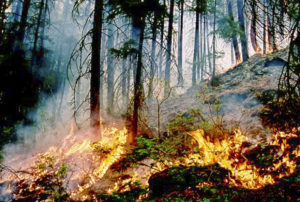 When the US announced plans to rescind a rule limiting roadbuilding and timber harvests on national forests, officials called the repeal necessary to prevent and manage wildfires. But as the USDA prepares to release its draft environmental impact statement for the rescission, that justification is unraveling. And many critics of the move see the claim that roads are needed to fight fires in remote forests as cover for a giveaway to the timber industry. …Wildfires on federal lands average about five times the size of those in the rest of the country, leading some land managers to argue that national forests are a front line for fighting the nation’s steep increase in wildland blazes. Yet a new study has fire scientists, frontline firefighters, legal experts and the agency’s own historical record saying that roads don’t reduce wildfire risk; they multiply it. [see
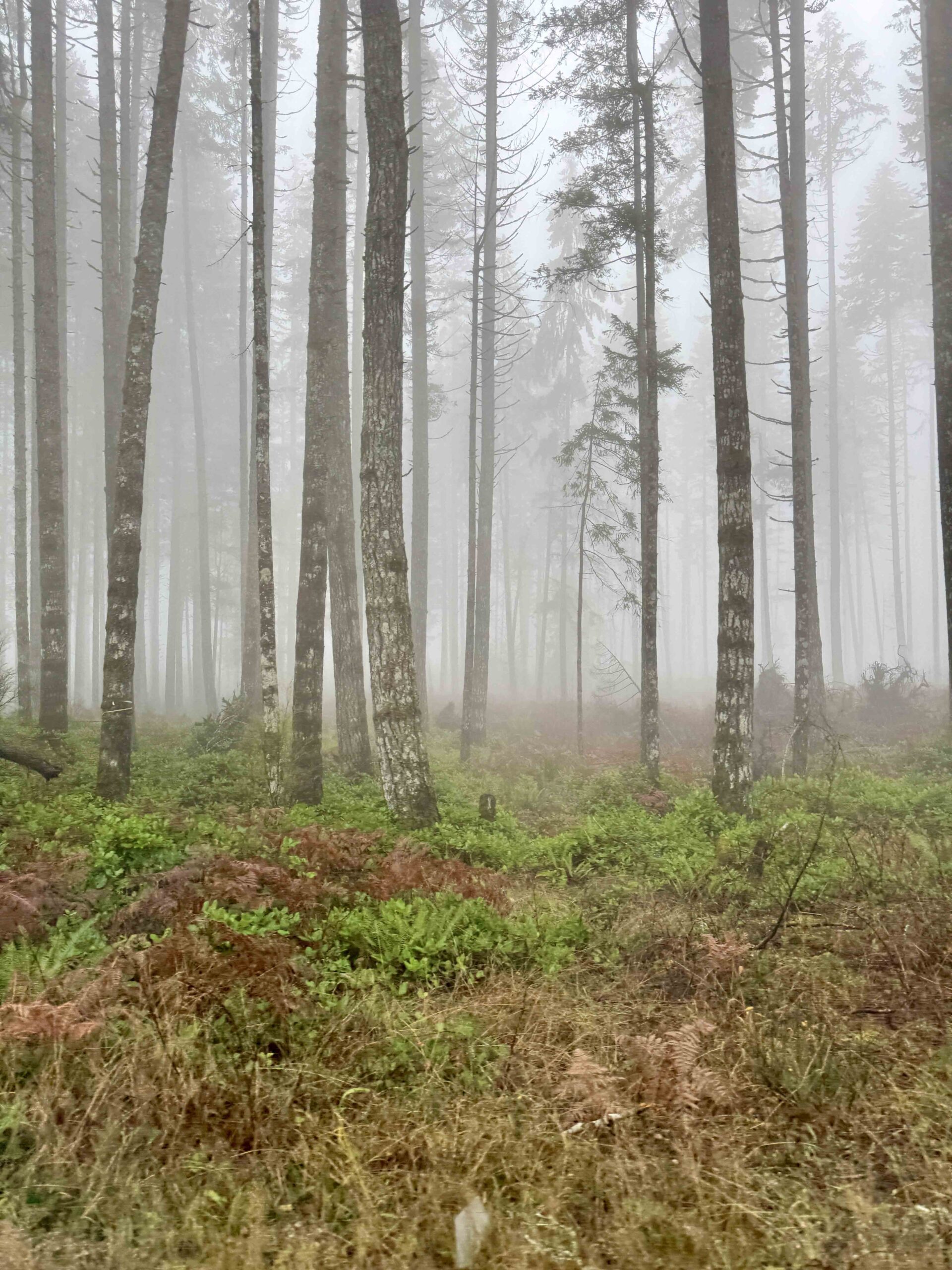 You have until Monday to provide input on the Trump administration’s plan to dramatically increase logging in western Oregon forests. Last month, the U.S. Bureau of Land Management
  Three organizations and an individual are suing the Gardiner District of the Custer Gallatin National Forest — for a plan they say hurts the already-endangered whitebark pine tree while ignoring lynx and grizzly habitat, and relying on unproven studies. The groups say the federal government is ignoring its rules and seems to be disregarding its own maps of protected lynx area in an effort to preserve the rare whitebark pine trees, despite admitting in its own documents that the efforts to preserve the trees could actually harm them. The lawsuit … centers on logging north of Yellowstone National Park. A technique, called “daylight thinning,” which involves removing trees near a whitebark pine, is not backed by scientific research according to the court documents, and the organizations point out that the Forest Service admits that in the process of thinning, it could actually wind up killing some of the whitebark pine trees.
 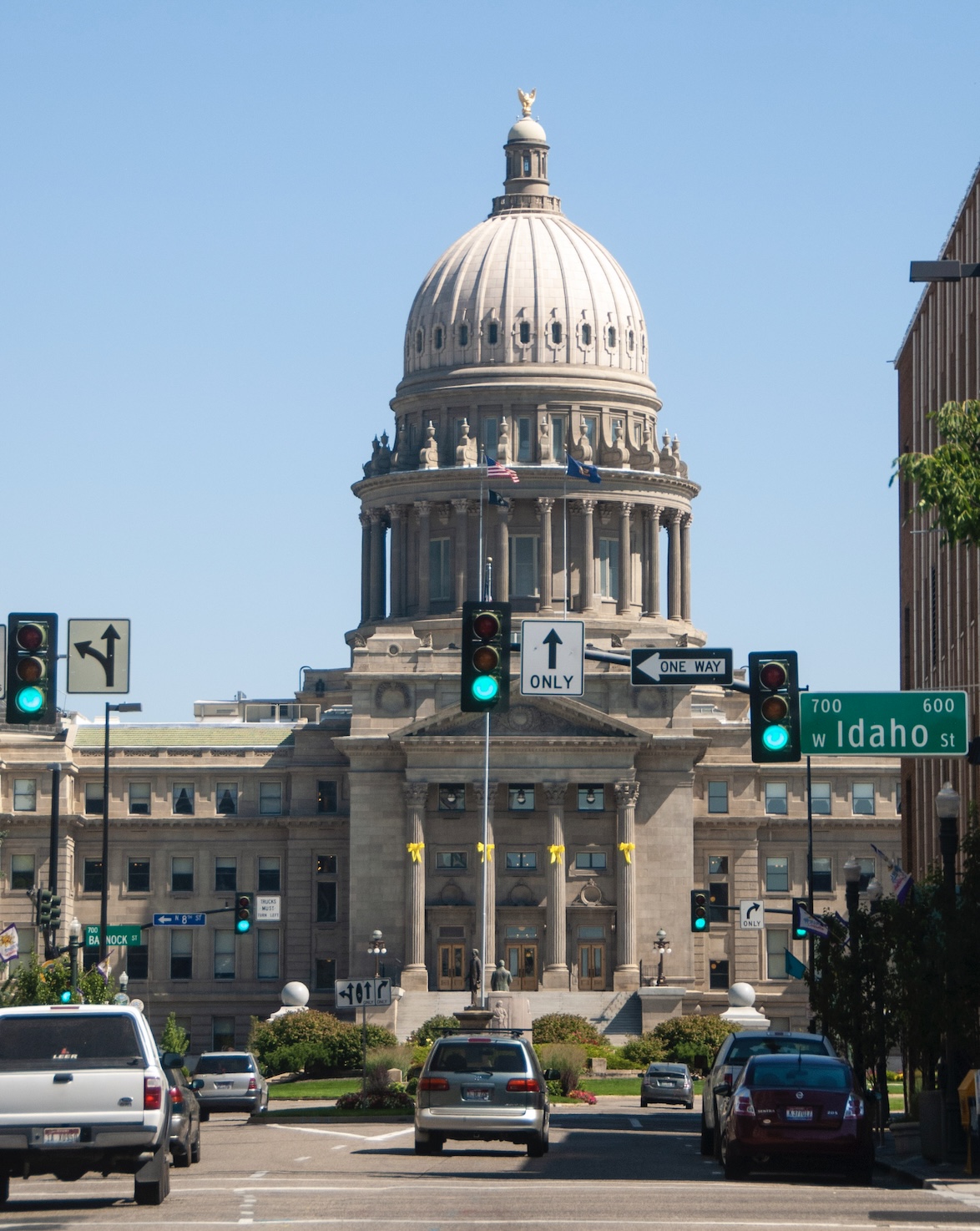 This week, we have yet another reminder that Idaho can’t possibly afford to take over or manage federal lands. A forthcoming study, which will be published Friday, provides the most recent reliable estimates of exactly how much Idaho would lose if it were to take over federal lands. The study, which was commissioned by Backcountry Hunters and Anglers, Idaho Business for the Outdoors, the Idaho Outfitters and Guides Association, and the Idaho Wildlife Federation, was performed by Peterson and Associates, which has long been a go-to source for economic analysis of this type in Idaho. While the full results won’t be released until Friday, the top-line figures are stark. Idaho would lose $837.7 million directly, in the form of spending by the U.S. Forest Service, Bureau of Land Management and other federal agencies, as well as Payment in Lieu of Taxes and Secure Rural Schools payments. That’s nearly 16% of Idaho’s general fund budget.
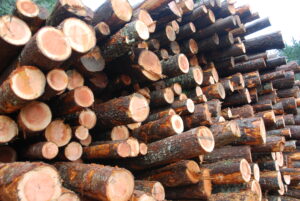 MICHIGAN — A disastrous ice storm last spring gut-punched Michigan’s multi-billion-dollar forestry sector. One year later, experts say the damage from that storm – which coated and snapped trees with up to an inch of ice accumulation across millions of acres of Northern Michigan forests – will ripple through timber markets for decades. The March 28-30, 2025, storm wiped out years of future logging contracts and reshaped forestry plans across the heart of the state’s “wood basket.” “It’s going to take 100 years to get this sorted out,” said Dan Heckman, forestry planning and modeling specialist for the Michigan Department of Natural Resources. The storm was so disruptive to existing logging plans that the state had to recalibrate its latest 10-year forest management plan. Northern Michigan’s red pine plantations and aspen stands took the brunt of the damage. Public and private foresters have spent the past year trying to salvage what financial value they can.
  At a commercial tree nursery near Evans, western Louisiana, pine seedlings are sprayed with a liquid extract teeming with hundreds of species of wild soil fungi. Brad Ouseman, the nursery manager, is confident he will see results from this fungal inoculation, which is intended to improve yields and reduce the need for artificial fertilisers. Colin Averill, the founder of Funga, the startup company that supplied the spray, likens the treatment to a faecal microbiome transplant for young pine trees. Funga treats young pine trees with wild microbes derived from the soils of thriving pine forests. “We’re taking the whole soil community,” Averill says. “As a result, we get all the complexity and all the interactions that come with it.” The goal: trees that grow fast, drawing down more carbon dioxide, with less reliance on artificial fertilisers. …“Our next big target is Douglas fir in the Pacific north-west,” says Averill.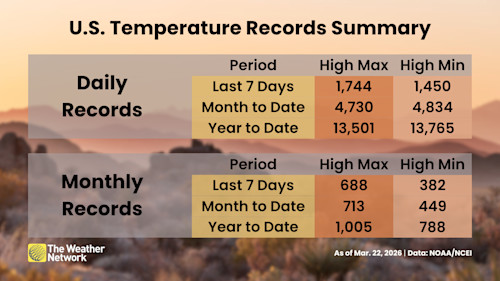
 For more than 30 years, the United Nations World Meteorological Organization has told us how terrible things are getting with global climate change. Their annual “State of the Climate” report is a compendium of climate change facts and figures collected throughout the previous 365 days. It’s an authoritative look at the state of our global climate and its increasingly precarious condition. …This year’s edition, covering 2025, is out today. The findings are stark, even frightening. But, like every year, it also feels like a bit of a rehash. …The fact that the past 11 years were the hottest on record? Yawn. The announcement that greenhouse gases in the air are at unprecedented levels for all of human history? Wake me when you’ve got something new to report. …The findings should be jarring reminders of planetary vital signs flashing red. But similar observations were made last year … and the year before that.


 LOUISIANA — Legislation to expand wood pellet manufacturing in Louisiana is gaining traction despite concerns over the industry’s connection to underground carbon storage, which has attracted a growing number of critics among state lawmakers. Louisiana is a burgeoning producer of wood pellets, which have been branded as a sustainable alternative to coal for generating electricity in overseas markets. As of 2023, mills in the South produced about 85% of the America’s wood pellet exports, according to the U.S. Department of Agriculture. Reps. Chuck Owen, R-Rosepine, and Rodney Schamerhorn, R-Hornbeck, are carrying the proposed Louisiana Wood Pellet Manufacturing Strengthening Act. It directs the Louisiana Economic Development agency to promote the expansion of the industry throughout the state. …Legislators who have become hostile to carbon dioxide sequestration projects in their local districts openly disagree with economic development officials on whether the wood pellet industry even needs to store the CO2 they generate.
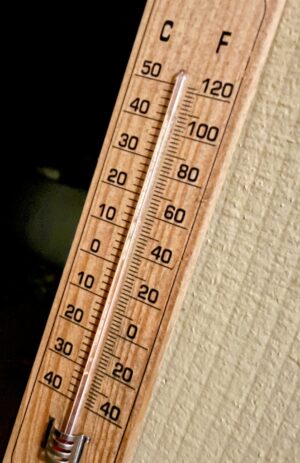 High temperatures are expected to continue baking large sections of the U.S. through the end of the week, potentially setting more than 100 new daily temperature records between Thursday and Sunday, forecasts show. Temperatures were forecast to linger around 30 or 40 degrees above average in a number of southwestern and Central states, continuing a trend that began earlier in the week as a massive heat wave expands further into the western two-thirds of the country, said CBS News meteorologist Nikki Nolan. Indianapolis reached 81 degrees Fahrenheit on Thursday, breaking a 1907 record of 80 degrees, the National Weather Service said. …The heat wave that initially brought unusual warmth to the West last week has been slowly moving eastward, with forecasts indicating it would arrive on the southeastern coast by Friday. Along the way, it may fuel a series of potentially severe storms across parts of the Midwest.
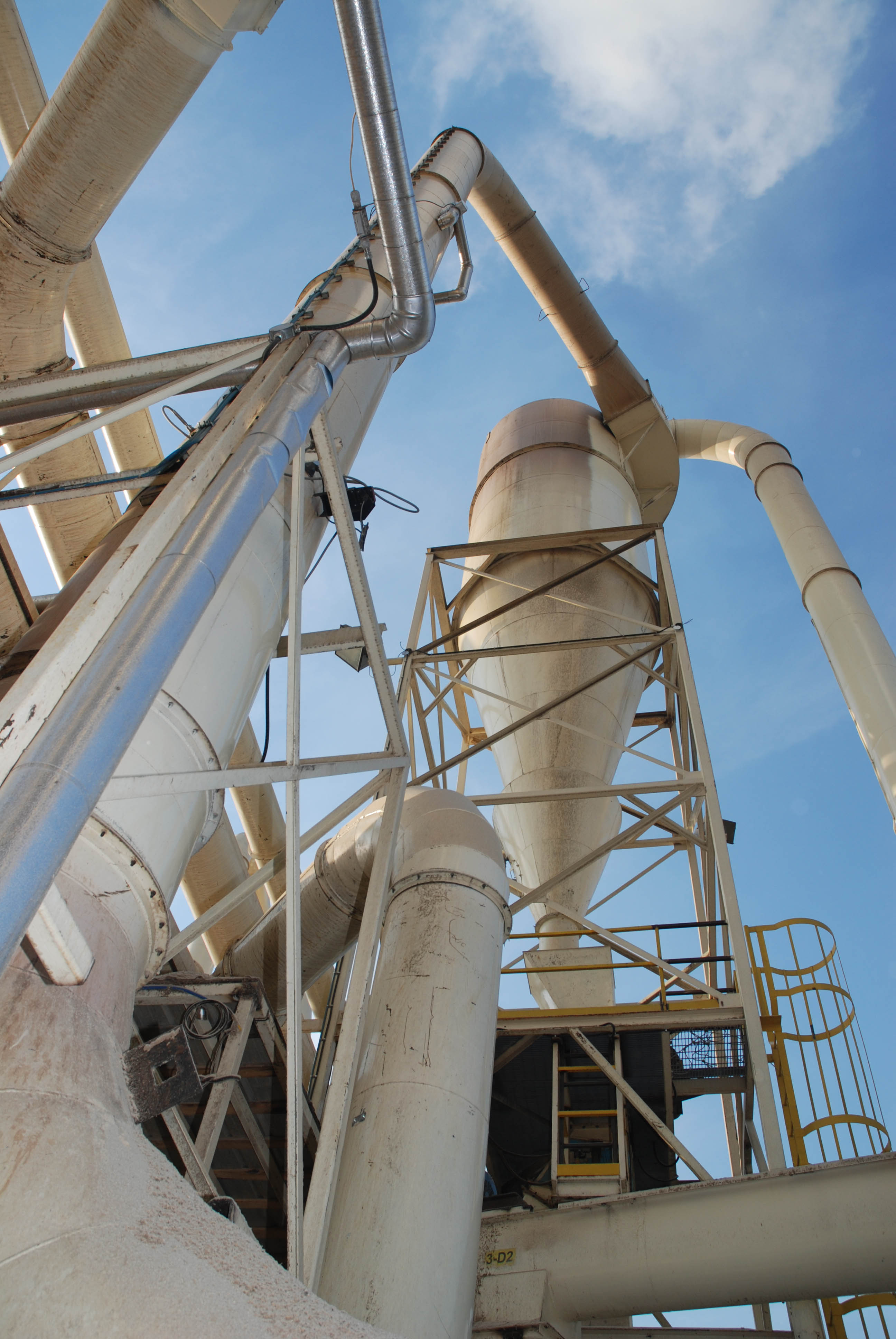
  HOLMES COUNTY, Ohio — Six people were injured following a dust explosion and fire at a moulding facility in Holmes County on Tuesday, according to local emergency officials. According to a Facebook post reporting the incident, East Holmes Fire & EMS responded at 12:43 p.m. at Holmes Custom Moulding, where crews reported a structure fire accompanied by an explosion. First units arrived within one minute and requested additional ambulances after identifying multiple burn victims. …Six patients were treated at the scene and transported to area hospitals… Preliminary information indicates the explosion was caused by sparks from a malfunctioning belt sander entering a sawdust collection system. The ignition of wood dust led to an explosion that caused extensive damage to the building, including the dust collection system and sawdust silos.
 The wildfire burning south of Colorado Springs has grown to more than 7,300 acres and officials said the state highway on the west side of Fort Carson will likely remain closed through Friday. The 24 fire started Wednesday and currently there is no containment, but in an update Monday morning officials said overnight “fire crews were successfully able to tie in all control lines, boxing in the fire. As of this morning, control lines remain strong.” The fire started near mile marker 24 on Colorado 115, which connects Colorado Springs to Penrose. The road will be closed at least through Friday, but will be reevaluated daily, officials said Monday. The cause of the fire remains under investigation but started off the highway, not on the Army base, officials said last week. The fire was mapped at 7,385 acres early Monday morning, up from 4,900 acres Sunday morning.