 CHICAGO — The North American Wholesale Lumber Association (NAWLA) announced that its wholesaler and manufacturer member companies have approved a set of recommended amendments to the association’s bylaws. …The amendments strengthen NAWLA’s ability to serve an increasingly diverse and interconnected distribution ecosystem. Key updates include:
- Expanding the definition of “wholesaler” membership to reflect the range of distribution models operating in the industry today—including one‑step and two‑step distributors, buying groups and importers/exporters who take title to the products they sell and operate within the wholesale distribution model.
- Broadening eligibility to participate on the NAWLA Board of Directors, including allowing affiliate members to serve on the Board and manufacturer members to serve as officers on the Executive Committee.
- Preserving wholesalers as the majority representation on both the Board of Directors and the Executive Committee at all times.
 WASHINGTON — Every day more than $4 billion worth of goods cross the United States’ borders with Canada and Mexico. …Much of this bustling cross-border commerce is duty-free, thanks to the US-Mexico-Canada Agreement, or USMCA, that President Trump negotiated with America’s northern and southern neighbors during his first term. But the future of the USMCA , which took effect July 1, 2020, is cloudy as the three countries begin what could be a tempestuous attempt to renew the pact this year. The United States is demanding changes to the treaty. …Trump also suggested last fall that the United States could negotiate separate deals with Canada and Mexico, ending the three-country North American bloc that previous administrations saw as crucial to competing economically with China and the European Union. The talks kick off Monday between US and Mexican trade officials. …At stake is $1.6 trillion worth of annual trade in goods.
 Richard Eaton, senior judge on the US Court of International Trade, has extended the US administration’s deadline for refunding about US$166 billion in tariffs. Eaton had orginally ordered US Customs and Border Protection to begin the refunding process at the start of the month after the US Supreme Court struck down global tariffs set by president Trump. …The administration has been inundated with lawsuits from companies like Costco, FedEx, and Pandora Jewelry – all looking to get their money back since Eaton’s order meant that everyone who had paid tariffs was entitled to a refund. Barnes, Richardson & Colburn partner
 USW members voted overwhelmingly this winter to ratify a new four-year master agreement that provides significant annual wage increases and additional benefits for about 2,400 members of nine local unions at Domtar paper facilities across the United States. The contract, which runs through December 2029, followed months of member preparations and bargaining during a period of major changes in the company and across the paper industry. It was the first time USW members bargained a new agreement since Paper Excellence acquired Domtar in 2021 and then Resolute in 2023. …“With new ownership and leadership at the table, we knew this round of bargaining would be challenging,” said International Vice President Luis Mendoza, who oversees the union’s paper sector. …The agreement… included a signing bonus, a boost in pension payments, wage increases of more than 12% over the life of the contract, and continued affordable health care coverage.
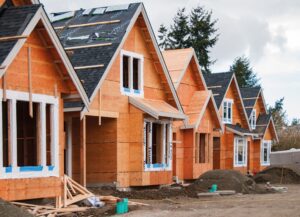 If you want to understand why the American starter home seems to have gone extinct, don’t look at greedy developers, rapacious investors or discriminating banks. Look at the government policies that make building these homes all but impossible. New research puts hard numbers on one part of the problem — and they’re staggering. …Federal, state and local governments have accelerated this decline by increasing construction costs through several channels. …In some cities, such as Los Angeles, the time it takes to get building permits amounts to almost half the construction time. …Land in many localities is made artificially expensive by regulations that dictate home sizes, yard sizes, building setbacks, parking and more. …Federal policies pile on more costs. …Canadian lumber, for example, is roughly 80% of all US imports and is currently subject to “trade remedy” taxes of more than 25%. Similar duties cover a wide range of products that US homebuilders use every day.

 WASHINGTON — The Senate passed a bill Thursday aimed at boosting the supply of housing and bringing down prices, marking a rare bipartisan breakthrough on a major issue. The 21st Century ROAD to Housing Act, written by Sens. Tim Scott, R-S.C., and Elizabeth Warren, D-Mass., won 89 votes. Ten senators voted against it. Scott is the chairman of the Banking, Housing, and Urban Affairs Committee, and Warren is the ranking member. The
  After the President’s defeat in the Supreme Court, more tariffs, with different legal foundations, are underway. …Here is a primer: …Under

 KINGSPORT — Domtar’s Kingsport mill told the Tennessee Department of Environment and Conservation that it will try a method to improve wastewater quality at its wastewater lagoon this week. The mill said it will add an oxidant near the outlet of the lagoon’s settling zone for about 30 days to see if it would improve the effluent water quality. “It will be fed at a low rate of approximately 1 [part per million] with monitoring and testing being done at our effluent sample point before the discharge to the river,” the letter states. The mill has also tried chemical treatments and injecting liquid oxygen to address sulfuric odors attributed to the 25-acre wastewater lagoon.It is currently constructing a new wastewater treatment system, an anaerobic digester, to address wastewater odors attributed to the mill. Construction is expected to complete near the end of 2026.
 METCALFE, Georgia — Plantation Pine Products officially opened their doors at the former site of Hood Industries, signaling an exciting new chapter in a timber mill with a storied history. …The $25 million investment is set to provide 100 jobs, with the first mill employees reporting for duty in July, when it will once again come alive. Operated by Steve Conner, Plantation Pine Products will be one of the many “bread and butter businesses” of Thomasville. …“Forestry is woven into the fabric of rural Georgia in a way that no other industry can match,” Michelle Shaw said for the Georgia Department of Economic Development. …The reopening of the mill comes at a crucial time following the devastation of Hurricane Helene in 2025 and reinforces the resiliency of timber producers across Georgia.

 Mercer posted Q4 earnings per share (EPS) of -$4.61 against a consensus estimate of -$0.83, a miss that signals the commodity cycle has gone from painful to existential. The headline driver was a $238.7 million non-cash impairment charge, including a $203.5 million write-down on its Peace River hardwood pulp mill. …International Paper’s Q3 2025 losses look alarming on the surface, with a $1.01 billion impairment on its Global Cellulose Fibers business and $675 million in accelerated depreciation from mill closures. But adjusted EBITDA came in at $859 million, up 28% sequentially. IP is taking pain by choice. Mercer is absorbing pain it cannot control. …IP’s pivot to pure-play global packaging via DS Smith gives it pricing leverage and diversified end markets. Mercer’s mass timber order book, at roughly $163 million in contracts including data center projects, is a genuine bright spot, but it cannot offset a pulp business bleeding cash.
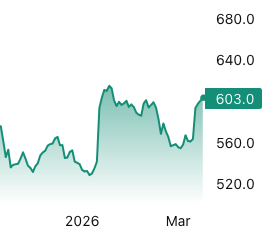 Lumber futures climbed past $600 per thousand board feet as stabilizing housing sentiment and tightening production capacity across North America reversed a two month downward trend. The NAHB Housing Market Index edged up to 38 in March with buyer traffic and future sales expectations showing marginal gains despite persistent economic uncertainty. While 37% of builders continue to offer price cuts to attract buyers the market is finding support from a 29.1% surge in multifamily housing starts and a 7.2% rise in total residential construction activity. On the supply side mill closures and elevated duties on Canadian imports are projected to remove over 1.3 billion board feet from the market this year. Geopolitical tensions in the Middle East further pressure the outlook as rising energy costs inflate transport and shipping expenses for global timber. These factors suggest a shift toward a supply constrained environment that offsets the impact of high mortgage rates.
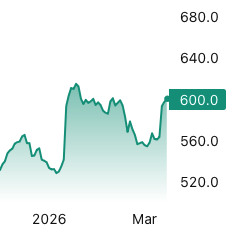 Lumber increased to 602.00 USD/1000 board feet, the highest since February 2026. Over the past 4 weeks, Lumber gained 1.1%, and in the last 12 months, it decreased 9.51%.
 VANCOUVER, BC – Canfor Pulp Products announced that at the special meeting of the holders of common shares in the capital of the Company held earlier, the Shareholders voted in favour of approving the special resolution authorizing the previously announced arrangement whereby Canfor Corporation will acquire all of the issued and outstanding Common Shares that it and its affiliates do not already own by way of a statutory plan of arrangement. …The Arrangement was approved by 96.02% of the Shareholders and 84.42% of the Shareholders excluding any votes of the Purchaser and its affiliates and any other Shareholders whose votes were required to be excluded. …Assuming that all remaining approvals are obtained and all other remaining conditions precedent to the completion of the Arrangement are satisfied or waived, the Company anticipates that the Arrangement will be completed on or about March 17, 2026.
 WASHINGTON — Federal Reserve officials, convening in a wartime setting that began less than three weeks ago, are expected to hold interest rates steady on Wednesday even as a fresh jump in oil prices and data showing a rise in some aspects of inflation even before the start of the war with Iran may prompt them to recast the outlook for the U.S. economy, inflation and monetary policy. New projections to be released by the U.S. central bank at 2 p.m. EDT (1800 GMT) will show how policymakers assess the economic impact of President Donald Trump’s decision to launch an open-ended conflict in the Middle East, but the environment remained volatile even as they began the second day of their latest two-day policy meeting. …US producer prices rose in February by 3.4% on a year-over-year basis. Rising producer prices can feed into retail costs and signal higher future inflation.
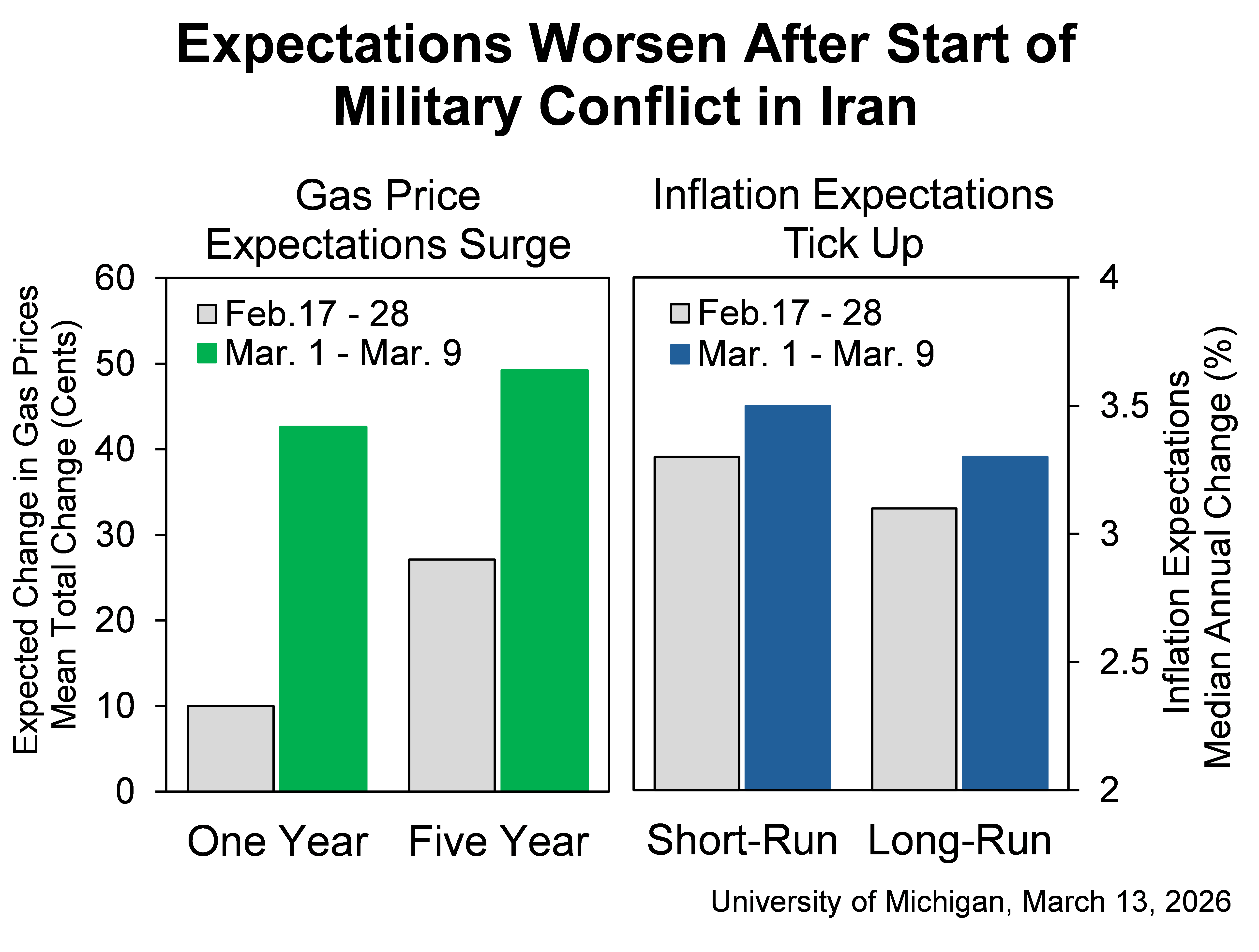


 WASHINGTON — The US economy, hobbled by last fall’s 43-day government shutdown, advanced at an unexpectedly sluggish 0.7% annual rate from October through December, the Commerce Department reported Friday in a big downgrade of its initial estimate. Growth in gross domestic product — the nation’s output of goods and services — was down sharply from 4.4% in last year’s third quarter and 3.8% in the second. And the fourth-quarter number was half the government’s first estimate of 1.4%; economists had expected the revision to go the other way — and show stronger growth. Federal government spending and investment, clobbered by the shutdown, plunged at a 16.7% rate, hacking 1.16 percentage points off fourth-quarter growth. For all of 2025, GDP grew 2.1%, solid but down from an initial estimate of 2.2% and from 2.8% in 2024 and 2.9% 2023.

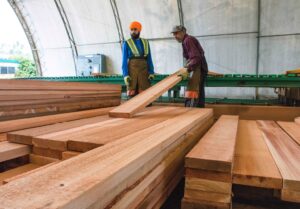 US applications for unemployment benefits inched down modestly last week as layoffs remain at historically healthy levels despite a weakening job market. The number of Americans filing for jobless aid for the week ending March 7 fell by 1,000 to 213,000 the previous week, the Labor Department reported Thursday. Analysts surveyed by the data firm FactSet forecast 215,000 new benefit applications. Filings for unemployment benefits are viewed as a proxy for U.S. layoffs and are close to a real-time indicator of the health of the job market. While weekly layoffs have remained in a historically low range mostly between 200,000 and 250,000 for the past few years, a number of high-profile companies have announced job cuts recently, including Morgan Stanley,Block, UPSand Amazon in recent weeks. …For now, the U.S. job market appears stuck in what economists call a “low-hire, low-fire” state that has kept the unemployment rate historically low, but has left those out of work struggling to find a new job.
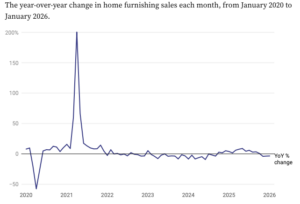 Unfortunately for retailers in the home sector, 2026 will likely look an awful lot like 2025. …While the pandemic offered a temporary financial boost, broad economic uncertainty caused many consumers to pull back on discretionary spending, leading to a decline in the high-ticket purchases. …The category has consistently seen year-over-year sales declines, according to the US Department of Commerce. …As was the case over the past few years, the weak housing market — driven by a lack of inventory and elevated interest rates — poses one of the biggest threats to the home sector this year. “The housing market is just stuck in neutral,” Zak Stambor said. “By and large, just few people are moving, and the lack of housing turnover means there’s a smaller-than-normal market for home goods.” “It’s the uncertainty that’s really driving the hesitation on the consumer side — where they should go, when they should buy, what they should buy in this market.”
 NEW YORK — Stocks fell and oil prices traded above $100 per barrel Monday as investors grappled with a potential energy crisis caused by the war with Iran. …Stocks have been jolted by nerves about the Middle East conflict disrupting the global flow of oil and reigniting inflation at a time when the US labor market appears to be on shaky ground. Oil prices Monday surged to their highest level since mid-2022 when markets were rocked by Russia’s invasion of Ukraine. US crude oil surged 11%, to $101 per barrel. Brent crude, the international benchmark, was also up 11%, to $103 per barrel. …The war with Iran has effectively halted the flow of oil through the Strait of Hormuz, the narrow waterway off Iran’s coast through which 20% of global oil consumption flows. …Wall Street’s fear gauge, the VIX, jumped 5% and hit its highest level since April, when markets were rocked by uncertainty about tariffs.
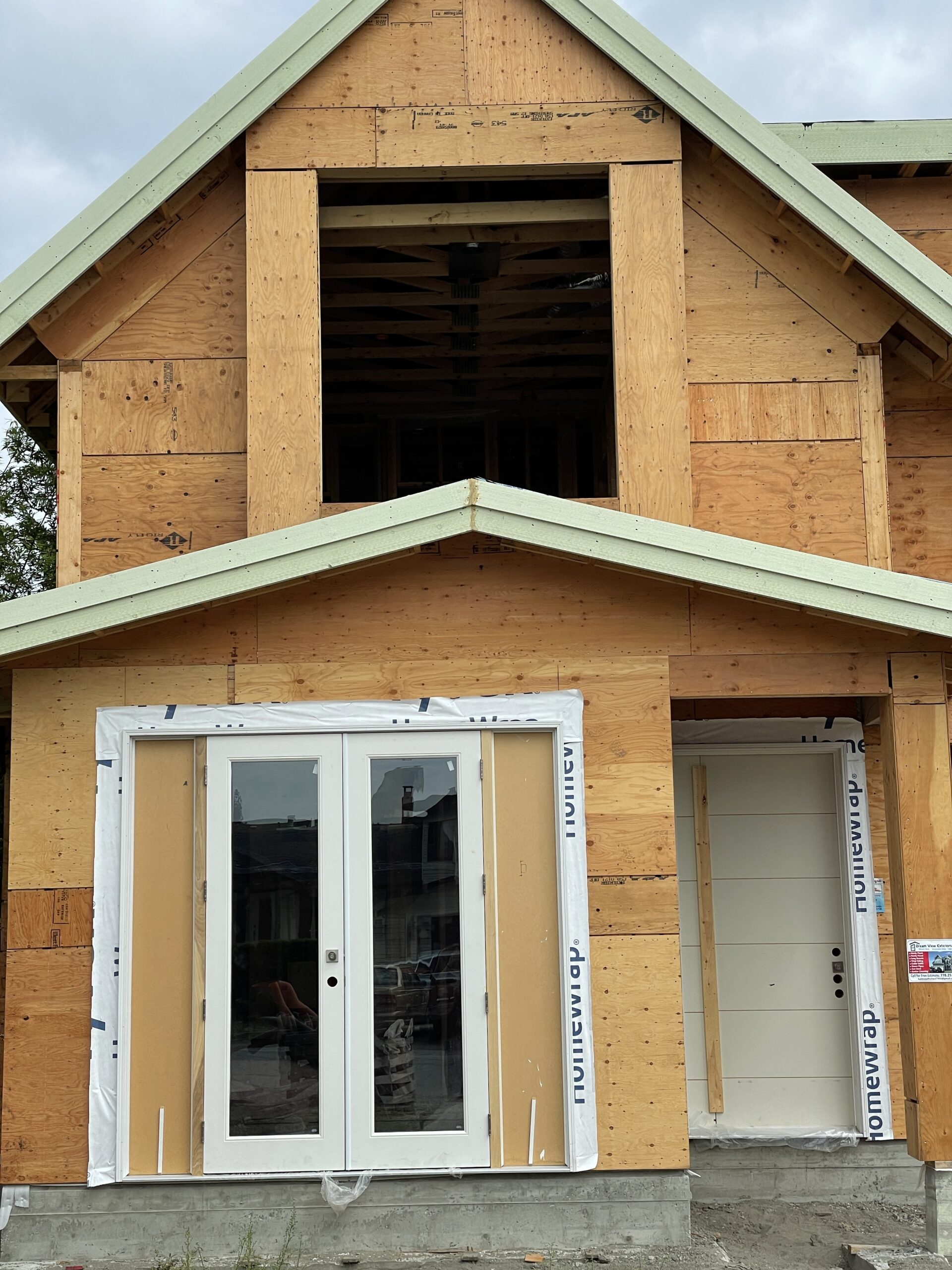 OLYMPIA, WA — A new Washington state law aimed at expanding affordable housing options will make it easier to build small “kit homes” and backyard units across the state. Gov. Bob Ferguson signed Engrossed Substitute Senate Bill 5552 into law, following four years of work by Sen. Jeff Wilson. The measure directs the Washington State Building Code Council to develop rules specifically for kit homes under 800 square feet. Supporters say the legislation is intended to help address Washington’s housing shortage by reducing costs and simplifying the construction process for smaller homes. Wilson said standardized kit-home designs could allow plans to be approved once at the state level rather than requiring separate design reviews for each project. Kit homes typically include precut lumber delivered as a package that can be assembled on site. Modern versions often use prefabricated wall and roof panels to speed construction, and start at less than $10,000.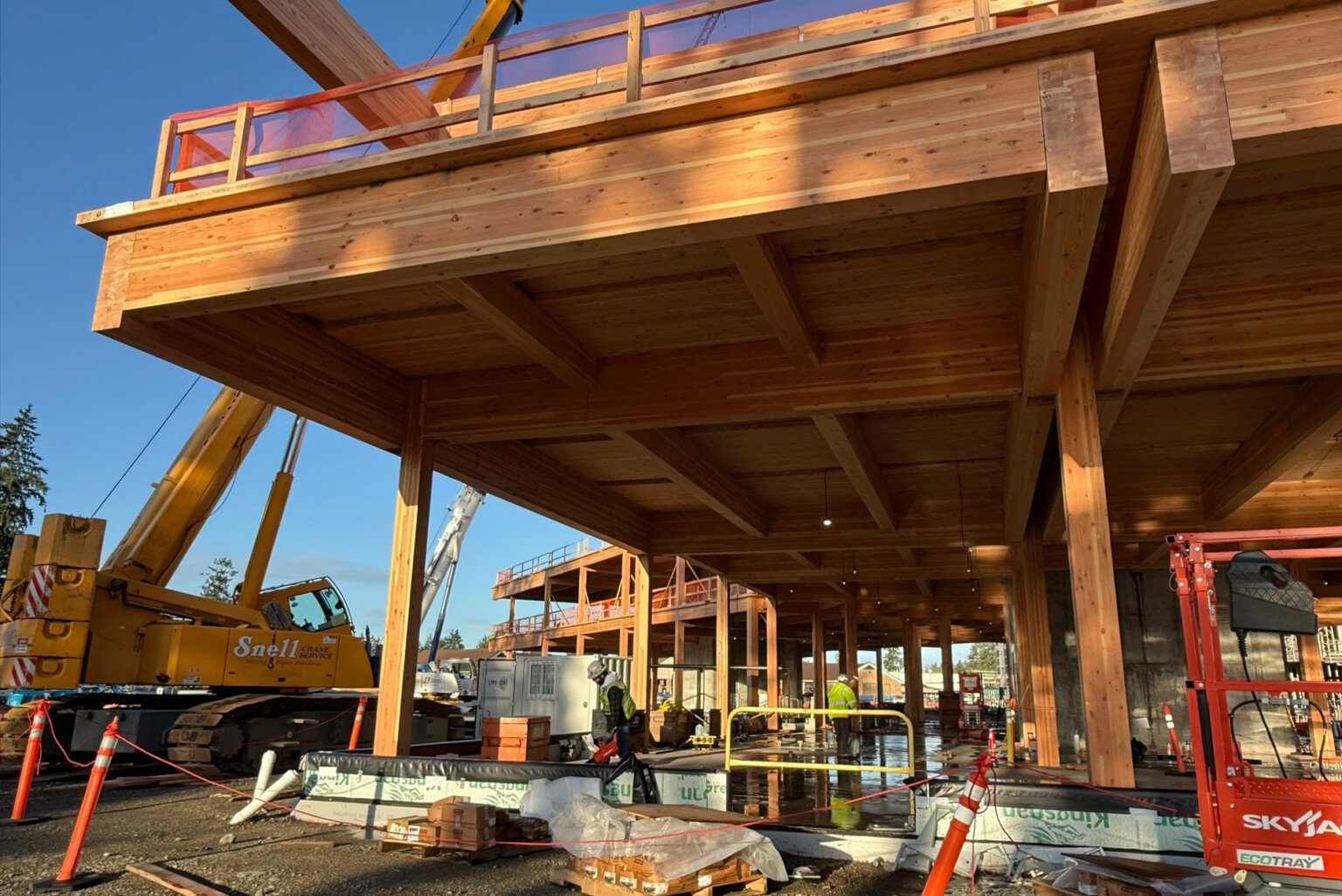

 Vermonters are weighing the impacts of a federal bill — the
  The invasive spotted lanternfly, which can cause damage to many plants, has been detected in a few Tennessee counties. …The adult female spotted lanternfly lays egg masses in September through November on host plants and other smooth surfaces, such as railroad ties, rocks, lumber, downed limbs and logs. Egg masses survive cold winter temperatures, and the first instar nymphs begin emerging in the spring. The nymphs mature through the spring and early summer before becoming adults in the beginning of June. The first, second and third instars feed on a variety of host plants. The fourth instars and adults prefer tree of heaven, grapes, black walnut, silver maple, red maple and willow. …“The best way to control spotted lanternfly outbreaks is to prevent them,” said Midhula Gireesh, University of Tennessee Extension specialist in the Department of Entomology and Plant Pathology. For more, refer to the UT Extension publication
 A federal judge in Alaska
  OREGON —
 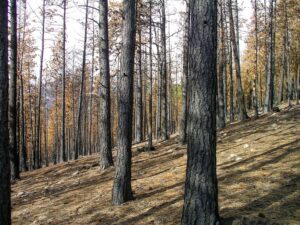 From the moment he became BC’s forests minister, Ravi Parmar has been under pressure to increase logging rates in the province. One way he has decided to do that is by expediting the logging of forests burned in recent wildfires. He issued the Fort Nelson First Nation a new licence to log 100,000 cubic metres of trees in burned forests in BC’s remote northeast corner. …A number of industry associations, including the Council of Forest Industries, asked him to set “definitive, aggressive timelines for completion” of plans to accelerate logging in burned forests. …But increasing “wildfire salvage” of forests, Parmar is travelling down the same road that has seen BC’s logging rates plummet by more than half since the heyday of the 1980s. …Accelerated logging of burned trees may help bend the curve, but history shows that it is short-lived and comes at the cost of degraded ecosystems and even sharper declines ahead.

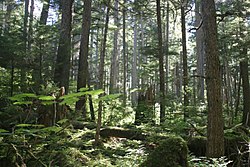

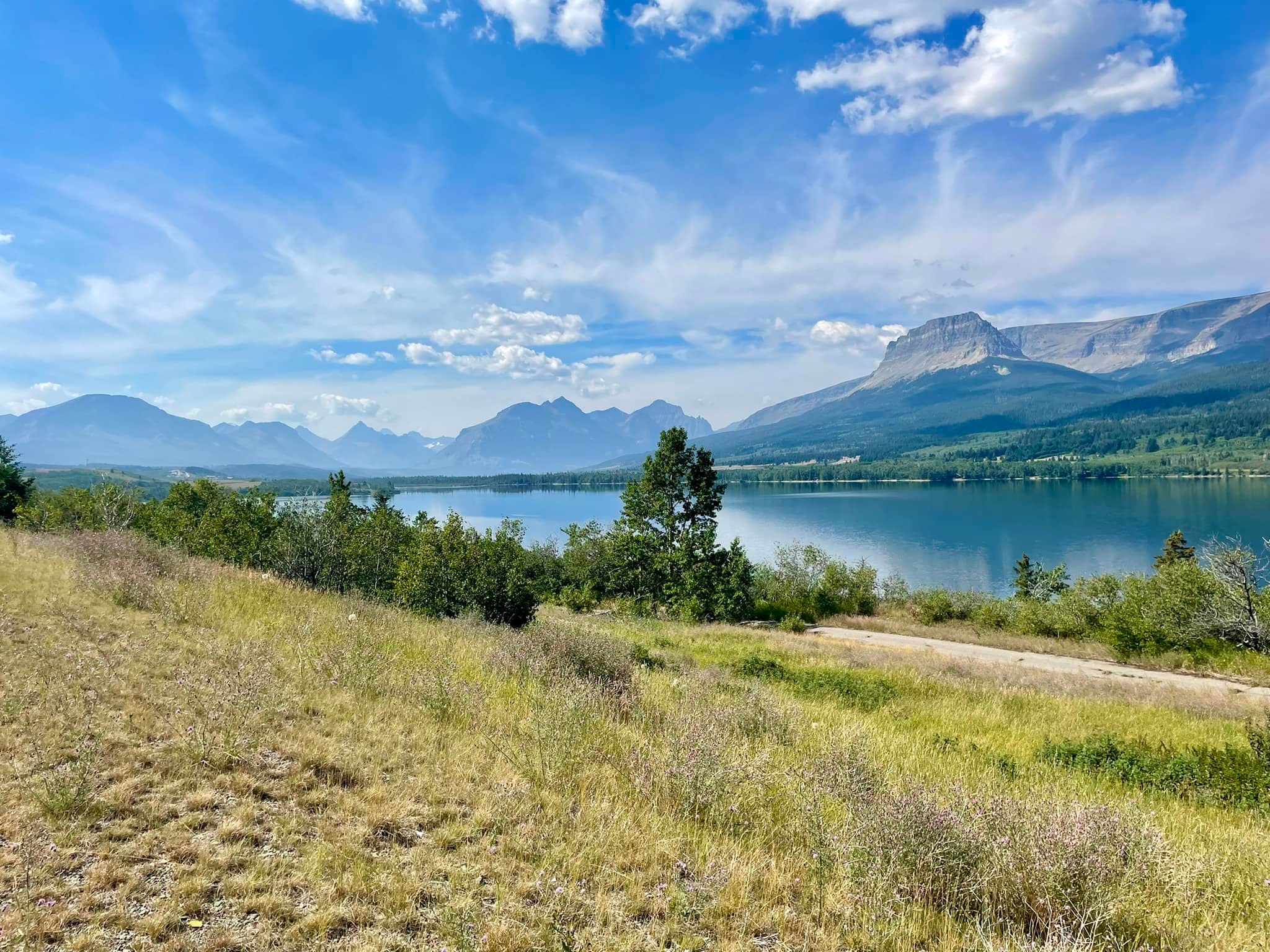 Montana and the U.S. Forest Service announced last week they were moving ahead on a shared agreement between the two to do forestry work in large swathes of the state. Last summer, the state and Forest Service signed an agreement formalizing closer cooperation between federal forest management operations and the state Department of Natural Resources and Conservation. That came about two months after a Trump Administration executive order seeking to increase domestic timber production. On Friday, Gov. Greg Gianforte, DNRC Director Amanda Kaster and U.S. Forest Service Chief Tom Schultz said that two large areas have been selected for state and federal work. The focus of the work will be on approximately 213,910 acres in the Flathead and Kootenai National Forests and 200,000 acres within the Bitterroot National Forest. The project areas were selected due to wildfire risk and how close they are to being implemented.
 Dismantling environmental protections is in vogue, even those enhancing safety and economic prosperity. But California is bucking the trend and now on the verge of modernizing how its 14 Demonstration State Forests are managed. Cal Fire manages these public lands, which span 85,000 acres and 10 counties. Redwoods and other trees are routinely logged to pay for operations, according to a 1947 law that mandates “maximum sustained yield” – that’s simply a euphemism for removing as much lumber as possible without shrinking the forest. This extractive agribusiness model prioritizes revenues, often contrary to the goals of demonstration, recreation and forward-looking research. …In February, Assemblyman Chris Rogers, a Democrat from Santa Rosa, introduced AB 2494, sponsored by the Environmental Protection Information Center, to modernize and align forestry management with the state’s broader goals. The new science-based approach prioritizes restoration and tribal co-management. It decouples funding from timber operations, financing it instead through an existing lumber tax.
 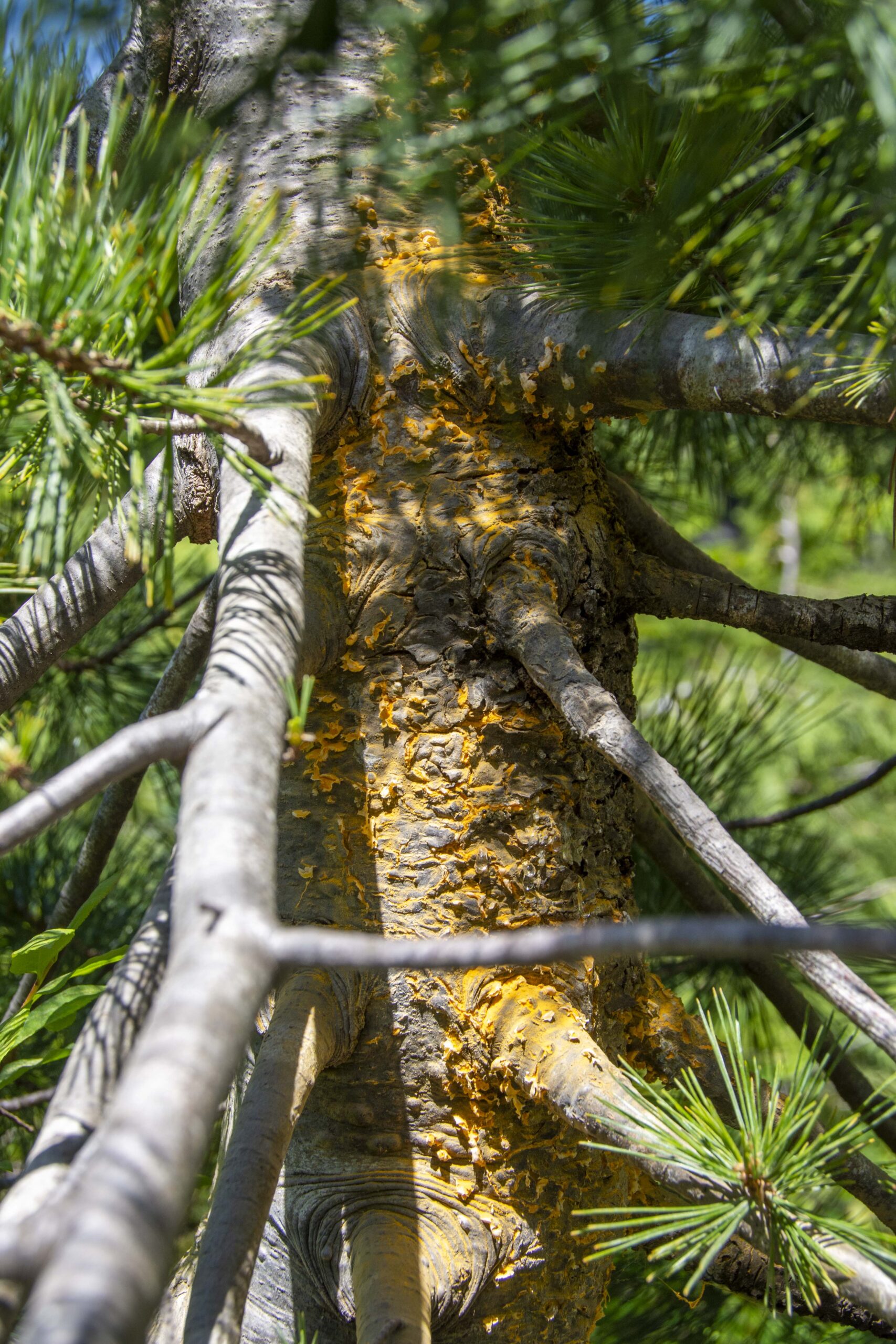 In 2002, Crater Lake National Park ecologist Michael Murray thought the park’s majestic whitebark pine trees were as good as gone. An invasive fungus called white pine blister rust was killing the trees around the crater of the lake. …It was accidentally introduced to the U.S. in a shipment of infected nursery trees from Europe around 1900. Since then, it’s wiped out millions of whitebark pine trees and threatened the survival of the species. But Oregon scientist Richard Sniezko, a geneticist with the U.S. Forest Service, said some whitebark pine trees have natural resistance to the blister rust disease. …Murray took this science with him to his current job as forest pathologist for
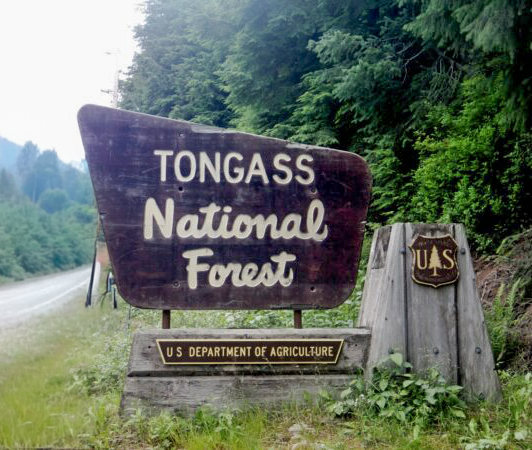
 ANCHORAGE, Alaska – A federal judge has dismissed a lawsuit brought by timber industry groups and operators seeking to force increased old-growth logging in the Tongass National Forest, ruling the industry groups had no valid legal claim. U.S. District Judge Sharon L. Gleason granted the U.S. Department of Agriculture and U.S. Forest Service’s motion to dismiss and directed the clerk to enter final judgment for the federal defendants. “This ruling is a big victory for the Tongass’ old-growth forests. I’m relieved the court squarely rejected the logging industry’s rash attempt to force large-scale logging,” said Marlee Goska, Alaska attorney at the Center for Biological Diversity in a statement. “We need to leave the Tongass standing for the sake of wildlife, climate and local communities.” The case centered on how the Forest Service manages timber sales in the Tongass, the nation’s largest national forest and the world’s largest temperate old-growth rainforest.
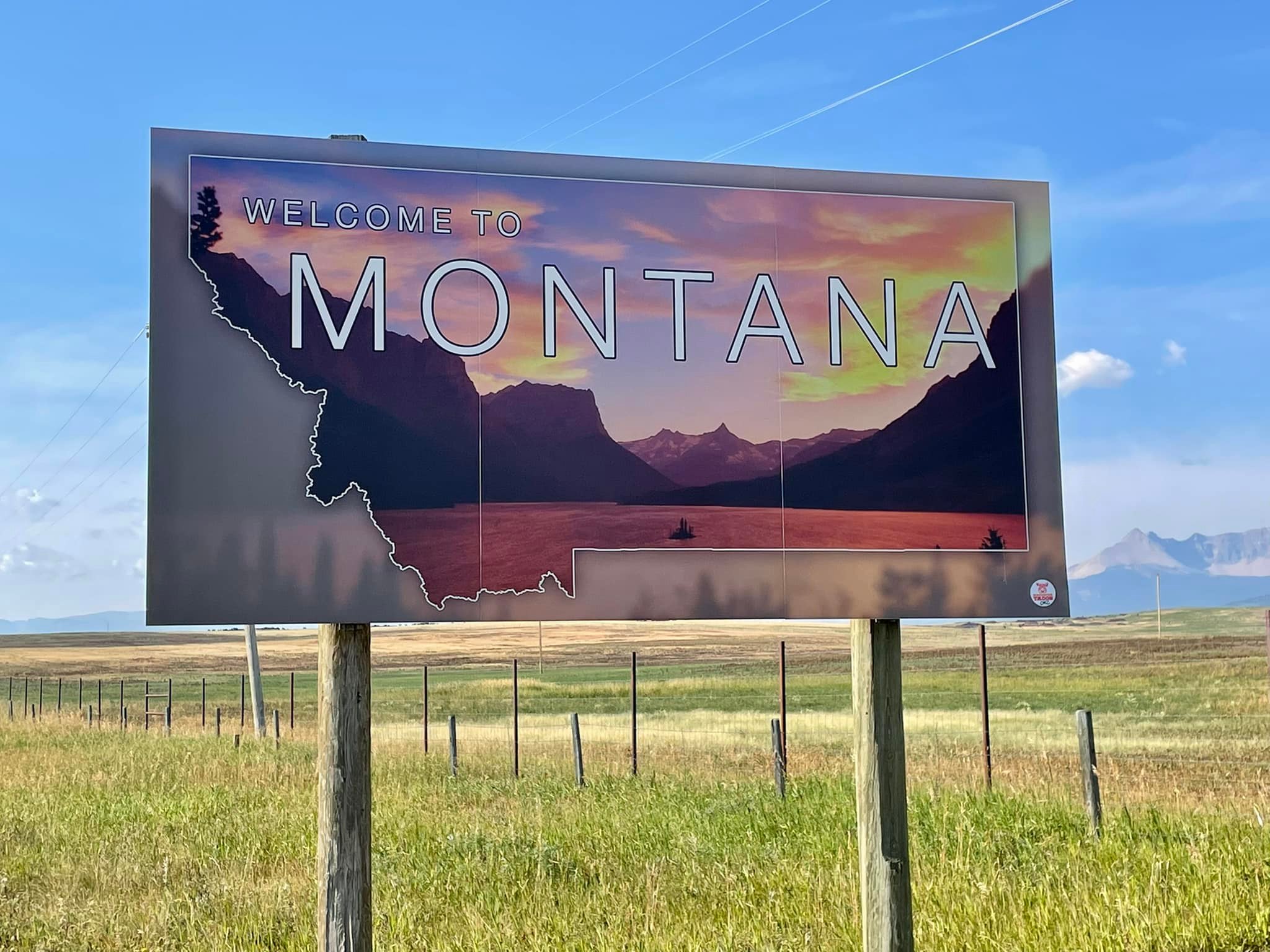 Four Montana-based Conservation Groups — Alliance for the Wild Rockies, Gallatin Wildlife Association, Native Ecosystems Council, and Council on Fish & Wildlife — sued the U.S. Fish & Wildlife Service and U.S. Forest Service for removing wildlife protections on 1.1 million acres of the Beaverhead-Deerlodge National Forest in Montana. The federal government agencies issued a “Forest Plan Amendment” in 2025 to remove protections on 1.1 million acres of habitat that was formerly mapped and protected as “lynx habitat” for the Canada lynx, a threatened species listed under the Endangered Species Act. …The lynx population in the Greater Yellowstone Area is currently at risk of extinction, but if managed properly, the Beaverhead-Deerlodge National Forest could aid the recovery of the imperiled Greater Yellowstone lynx population by serving as a connectivity corridor with the healthier lynx populations in Northern Montana.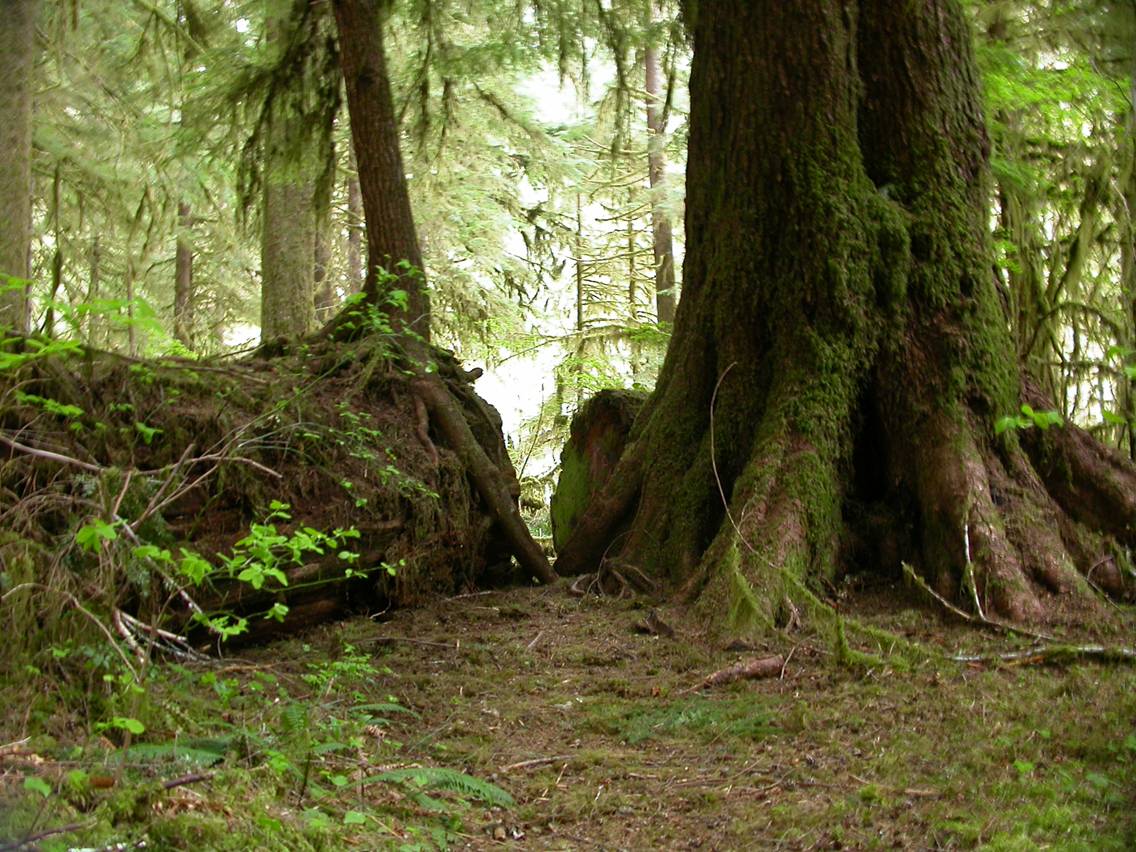
 ELOCHOMAN RIVER VALLEY, Washington — Investment companies have whittled away the land hunters can use in Wahkiakum and Pacific counties. Access to tens of thousands of acres of longtime hunting grounds is now blocked because a new generation of private landowners won’t offer access. The landowners are often investment companies, not based in the region or even the country. Not only is hunting off limits on their lands, they also often block access to adjacent properties that are state-owned — and therefore should be public — or adjacent privately owned property that still allows free hunting. Steve Ogden, an assistant manager for land operations at Washington Department of Natural Resources, said the agency’s hands are tied — private landowners can’t be forced to allow people on their land. The companies’ land restrictions have begun to erase generations-old family traditions, especially among the working class, and reduce access to affordable foods, like elk, in Washington’s second-poorest county.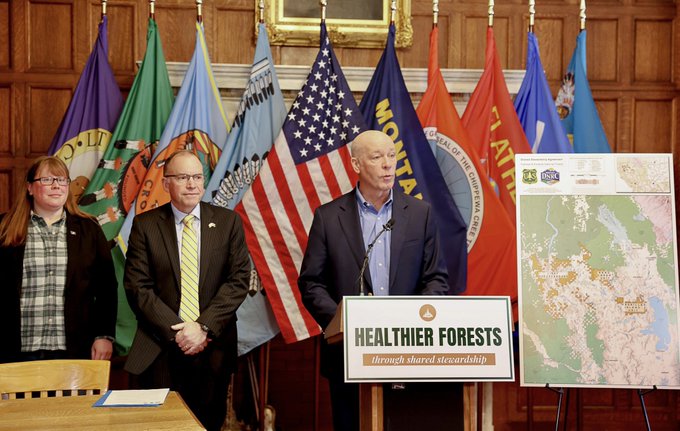
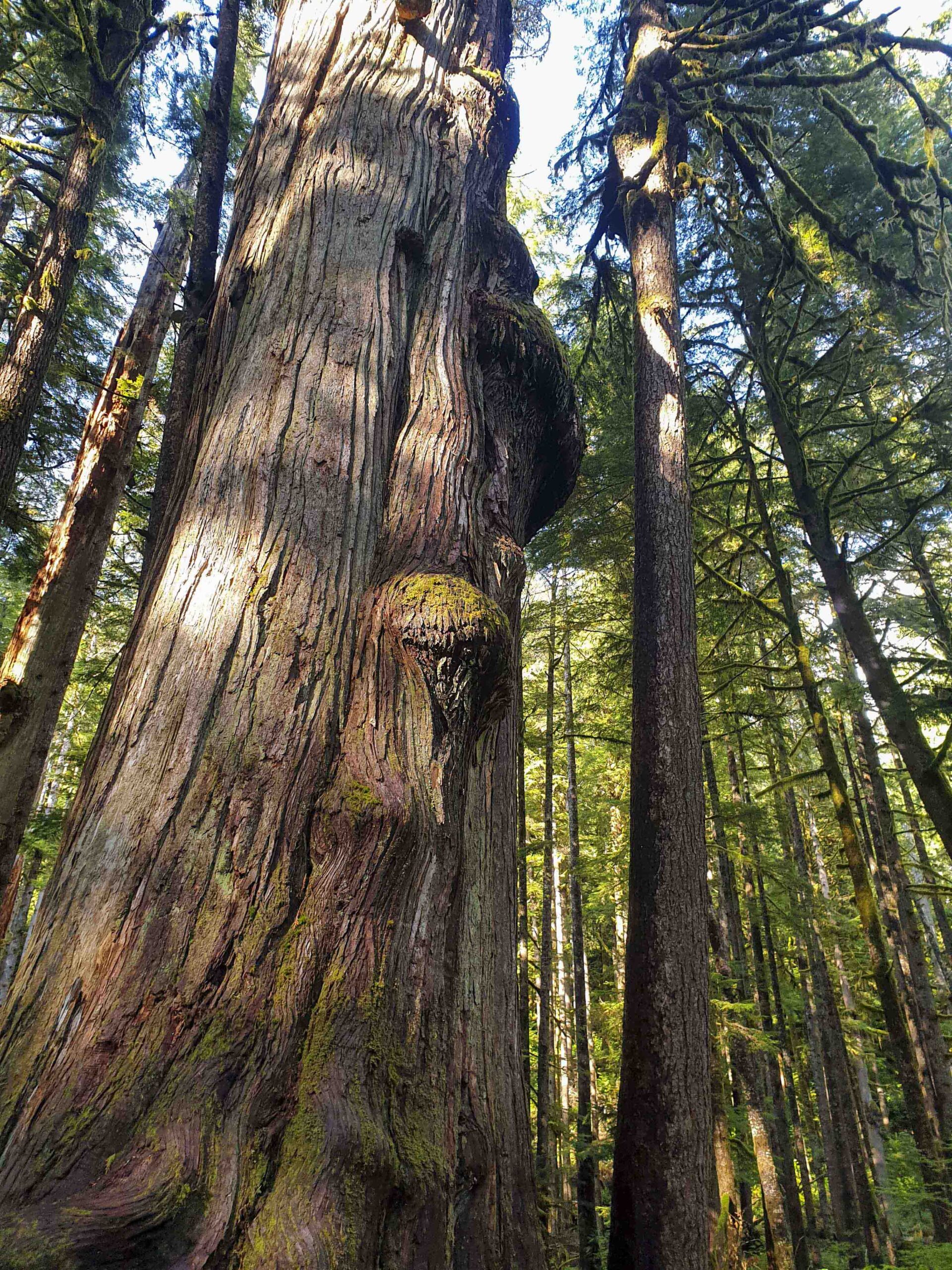
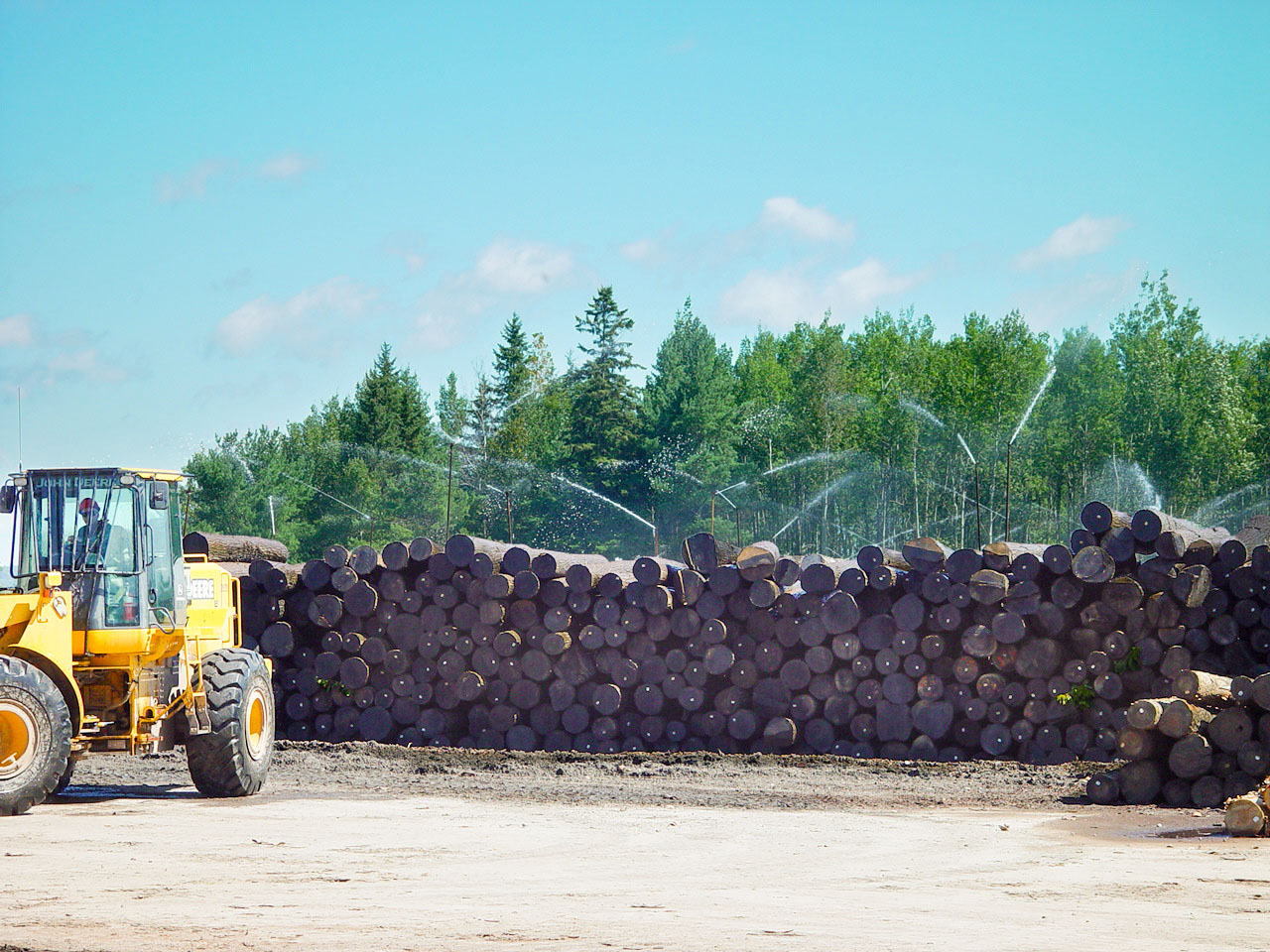 The Bureau of Land Management sold 27.6 million board feet of timber across 1,255 public acres in Oregon, for a total of $8,327,275, and indicates a strong demand in American lumber manufacturing by exceeding total appraised values by over $3 million. This timber will feed local mills and support jobs in local communities. The Coos Bay District sold the Eckley Empanada timber tract (1.8 million board feet, 105 public acres) to Harveys’ Selective Logging, Inc., of Creswell, Ore., for $$142,228. The Medford District sold the Thom Bone timber tract (6 million board feet, 585 public acres) to Estremado Logging Inc. of Gold Hill, Ore., for $458,766. The Northwest Oregon District sold the Gopher Broke timber tract (7 million board feet, 223 public acres) to Boise Cascade Wood Products of Willamina, Ore., for $2,499,716; and the John Boy timber tract (8 million board feet, 167 public acres) to Rosboro Company, LLC, of Springfield, Ore., for $3,913,070.
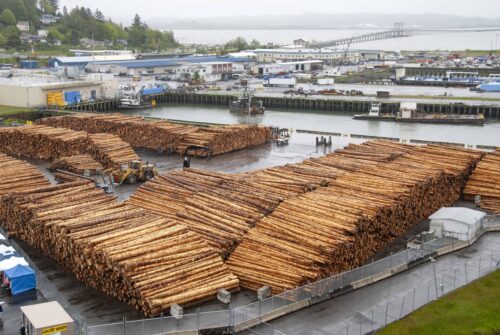 In western Oregon, public forests that once fueled rural prosperity – and later came under strict habitat protections that sharply reduced logging and local revenues – are again at the center of a political and economic storm. The Trump administration is proposing to quadruple logging in Oregon, raising timber harvests to levels not seen since before spotted owl protections in the 1990s. The plan has stirred a mix of hope and dread across the state. In cash-hungry rural counties hollowed out by decades of dwindling timber receipts … the proposal looks like a long‑awaited lifeline that could stabilize county budgets and create new jobs. … But in forested watersheds and old growth reserves, a sweeping expansion of logging would undermine hard-won conservation protections and threaten the recovery of the northern spotted owls, marbled murrelets and coho salmon…
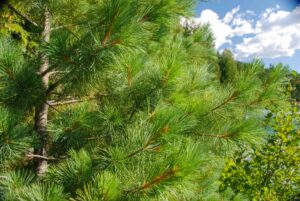 Years after logging at his Mariaville woodlot, Bob Seymour expected to see new hardwood trees growing in the understory. In fact, he took it as a given after decades in the Maine woods that natural regrowth would crop up. Instead, almost all of the young trees in some sections are eastern white pines he had planted. He believes that’s largely because deer populations are growing and eating more hardwood saplings, which means fewer trees and less diversity in the future. …It’s one of the most concerning changes that Seymour, a retired UMaine silviculture professor, has seen in almost five decades of experience researching forest management. …Such challenges to understanding and managing the Maine woods have grown in recent years amid climate change, which has brought destructive new pests, fast-moving diseases, invasive plants that take over, and warmer winters that change growing, harvesting and wildlife conditions.

 When Hurricane Helene swept through western North Carolina, forestry officials conservatively estimated the storm damaged 822,000 acres of timber. Now satellite imagery showing changes in forest cover suggests the extent of damage was much greater. Nearly 18 months after Helene, forestry officials and the state fire marshal warned legislators Thursday that North Carolina needs to be much better prepared to battle wildfires. Deputy Forester Kevin Harvell with the North Carolina Forest Service said from the air, it’s easy to spot areas where complete stands of trees were flattened, making forest roads and logging roads impassable. …In many counties, N.C. Forest Service staffing consists of just three people – a county ranger, an assistant ranger, and a heavy equipment operator. That means a local county fire department may be the first responder when a brush or woods fire is reported. As in many areas of state government, Hicks says low pay is making it increasingly difficult to keep experienced staff.
 RHNELANDER, Wisconsin — Wisconsin’s Forest Industry Roadmap and Strategies for Tomorrow, or Wisconsin Forests FIRST is a statewide initiative made for developing a plan and roadmap to ensure Wisconsin’s forests remain healthy and productive, while strengthening the timber industry. Wisconsin’s timber industry is one of the leading economic factors in the state, especially in the Northwoods. The new roadmap being developed by Wisconsin Forests FIRST Initiative aims to identify challenges within the industry to ensure long-term success. Wisconsin Council on Forestry chair, Tom Hittle, explains what the roadmap will consist of. …The research for the roadmap will last two years and seek out data-driven insights to support forest health in collaboration with local and statewide experts. The Great Lakes Timber Professionals and the Paper Council received a $1 million grant from the state to pursue the project with the Wisconsin Council on Forestry.
 MONTANA — Three national forests east of Missoula are proposing a plan to require continuous logging across almost a million acres of southwest Montana for at least the next decade. On Monday, the U.S. Forest Service released a draft plan for a Tri-Forest Sustained-Yield Unit, which would direct logging to occur on more than 925,000 acres across the Beaverhead-Deerlodge, Helena-Lewis and Clark and Custer Gallatin national forests. The plan’s stated purpose is to “to support local economies and the timber industry.” Logging is predicted to ramp up to produce 35 million board-feet of lumber annually by the end of 10 years, according to the plan. … The plan says logging won’t occur in wilderness areas, recommended wilderness or wilderness study areas. …But some regional public land advocates are questioning the plan at a time when the Trump administration has pushed a number of other initiatives that favor the timber industry and reduce public comment.
 OLMYPIA, Washington – Washington state is poised to significantly expand its efforts to combat climate change with a proposed agreement to link its carbon market with those of California and Quebec. The move, announced Tuesday by the Washington Department of Ecology, aims to stabilize and reduce the costs associated with decarbonizing the state’s economy. The draft linkage agreement is now open for public comment until May 1, 2026, with the shared market potentially launching as early as 2027. This collaboration represents a major step forward in regional climate action, building upon Washington’s 2021 Climate Commitment Act. …The linkage would allow businesses in all three jurisdictions to participate in joint auctions and trade carbon allowances freely. This expanded market is expected to stabilize Washington’s relatively new and more expensive carbon market, as California and Quebec have been operating linked markets since 2014. While aligning with California and Quebec, Washington maintains distinct climate goals.
  WASHINGTON — The Carbon Business Council announced the launch of the Direct Storage of Biomass (DSB) Coalition, a new industry working group bringing together leading companies to advance understanding, credibility, and responsible deployment of direct biomass storage as a carbon dioxide removal (CDR) pathway. Direct storage of biomass, also referred to as terrestrial storage of biomass, involves durably storing organic material such as waste wood from forests, agricultural residues like corn stover, biochar, or other plant and biological matter. Storing these organic residues allow the carbon previously absorbed by the biomass to be durably locked out of the active carbon cycle. The biomass can be safely buried, stored deep underground in sealed reservoirs, wells or other containers. DSB can deliver durable atmospheric carbon removal while leveraging existing forestry, agricultural, and biomass-handling infrastructure. …The DSB Coalition is part of the Carbon Business Council’s broader initiative to scale carbon removal across air, land, rock, and water.
  President Trump has invited farmers and biofuels producers to the White House for a big event next week as the industry awaits the government’s announcement on mandates for the fuel additives. The “celebration of agriculture” event is scheduled for March 27. The invitation said: “Later this month, following National Agriculture Week, President Trump plans to host hundreds of farmers and ranchers from around the country on the South Lawn to shine a spotlight on the men and women growing our food, fiber, and fuel.” The US Environmental Protection Agency’s decision on biofuels is expected around the end of March. The renewable volume obligations, or RVOs, mandate how much biofuel, such as corn-based ethanol and biodiesel, must be blended into the nation’s fuel supply. Next week’s meeting could have an impact on the markets amid speculation on the RVO decision coming later this month.