 President Trump has warned of disaster if the Supreme Court overturns his signature tariffs. For starters, it would unleash a bureaucratic nightmare involving reams of refund paper checks. Should the court uphold a US Court of Appeals ruling that Trump’s country-based tariffs are illegal, the government could owe the bulk of the $165 billion in duties collected so far this fiscal year back to companies that paid them. But they won’t have an easy time getting their money back; refunds are typically issued slowly and while the administration could streamline the process, experts fear that’s unlikely. …That means Trump likely won’t part with the funds easily if the tariffs are struck down, and the administration is expected to move quickly to reimpose levies using other legal authorities if that happens. The Supreme Court is expected to hear arguments in November in the case.
 WASHINGTON — Prime Minister Carney is set to return to Ottawa today with no deals to remove US tariffs from Canadian goods, but he’s leaving his key minister on Canada-US trade behind to keep pressing the Canadian case. US President Trump lavished praise on Carney during a meeting in the Oval Office on Tuesday and said the prime minister would walk away “very happy.” The president showed no signs of relenting on tariffs, however, and no deal was announced. Carney was scheduled to have a working breakfast this morning with Joshua Bolten, CEO of the Business Roundtable, while Foreign Affairs Minister Anita Anand was set to meet with Secretary of State Marco Rubio. Canada-US Trade Minister Dominic LeBlanc will be staying behind in Washington. LeBlanc told reporters Tuesday that substantial progress was made in the White House talks this week.
 TORONTO – United Steelworkers union National Director Marty Warren issued the following statement as Prime Minister Mark Carney travels to Washington, D.C., to meet with US President Trump. …“Canada’s softwood lumber industry is on the brink of collapse. Thousands of workers and entire communities are hanging by a thread while Trump’s tariffs deindustrialize our economy and threaten good jobs across the country. We need urgent action – not more concessions. If free and fair trade in strategic sectors cannot be restored, the federal government must be ready to retaliate and take all necessary measures to protect the integrity of Canadian industrial production and employment. …We cannot allow foreign producers to use Canada as a back door for cheap, dirty, or diverted imports. …If Washington wants access to our market, it must come with respect for fair trade and for the workers who keep our economy running.”
 The Canadian Lumber Trade Alliance (CLTA) issued the following statement. …Luc Theriault, President, Wood Products at Domtar and Co-Chair of the Canadian Lumber Trade Alliance, said “The U.S. government’s decision to impose a further 10% tariff – on top of existing duties of 35% – is disappointing. These measures unjustly punish Canadian producers, while also driving up costs for our neighbors in the US.” …“Canadian lumber does not pose a national security risk to the United States. Our industry directly supports 200,000 jobs and sustains over 300 forest-dependent communities across Canada. We will continue to work closely with the Government of Canada to defend against these unfortunate trade actions and to safeguard Canadian forestry jobs.” …In its recent Section 232 proclamation, the US signaled a willingness to pursue negotiations. The Canadian industry is ready to engage. It is essential that the Government of Canada match this commitment and play an active role in defending our industry.



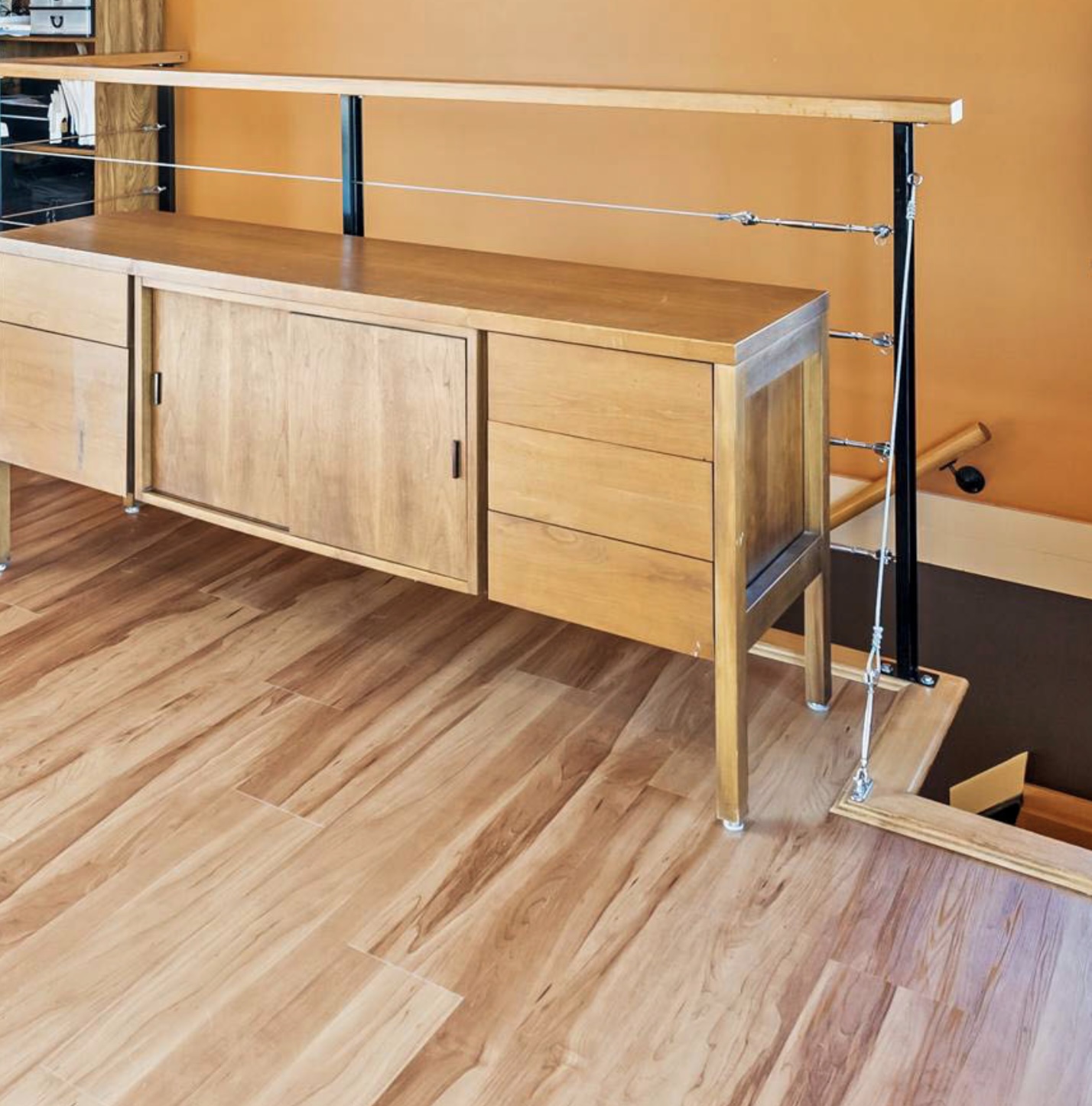 WASHINGTON, D.C. — On Oct. 1, 2025, nine presidents and CEOs representing American manufacturers of hardwood plywood, engineered wood flooring, and hardwood veneer asked President Trump to add their products to the recently announced Section 232 tariffs on wood products. The current 232 tariff proposal focuses on cabinets, vanities, lumber, upholstered furniture, and other products. Section 232 tariffs are trade restrictions, such as import duties, that the President of the United States can impose on goods that are found to threaten national security. According to the group of companies, more than 100,000 American manufacturing jobs are threatened by the “flood of dumped and subsidized decorative hardwood product imports from outside of North America.” The group pointed to the news that Roseburg Forest Products had closed its last hardwood plywood mill and exited the hardwood plywood market as a result of these imports, which the company said dominate 80% of the U.S. market.



 North America’s softwood lumber market looks likely to end 2025 no more settled than it was at the beginning. Producers and buyers alike continue navigating a landscape shaped by fluctuating demand, shifting trade patterns, and an uncertain housing outlook. Despite modest production declines in early 2025, the lumber market remains oversupplied. Mills across the US and Canada are contending with high inventories built up earlier in the year. Expectations of tariff hikes spurred an early rush of exports from Canada to the US, flooding the market while demand was soft. However, in the first half of 2025 softwood lumber exports from Canada to the US declined, while US imports from Europe in the first seven months of 2025 increased by 6% year-over-year. Underlying these supply pressures is a US housing market stuck in the doldrums. August saw an 8.5% decline in overall housing starts, with single-family construction down nearly 7%.
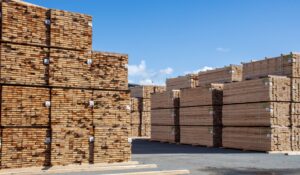 President Trump unveiled sweeping tariffs on imported lumber and wood products that his administration says are needed to protect the US economy and boost domestic manufacturing. Starting Oct. 14, softwood lumber will face 10% duties, while kitchen cabinets, bathroom vanities, and other finished wood goods will be hit with 25% tariffs that rise further in January. The biggest blow will fall on Canada, the US’s top lumber supplier, whose lumber exports are already subject to separate duties totaling 35.19%. …Though Canada dominates exports of lumber to the US, many other countries export wood products to the US. The Section 232 tariffs on lumber and wood products affect them in varying ways; some countries benefit from trade deals with the US that cap the rates, and others bear the full brunt. …Though lumber accounts for less than 20% of building costs, the National Association of Homebuilders has long said that restrictions on Canadian lumber translate to higher construction costs. [to access the full story a Bloomberg subscription is required]
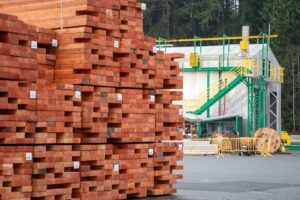 It’s hard to find anything good to say about Canadian forestry stocks right now. Some of the biggest names in the sector have been on a downward slide for the past three years. … But the onslaught of grim news has highlighted some bargains. …Okay, the definition of attractive rests on an assumption that risk-averse investors might not want to embrace just yet: Despite Mr. Trump’s bluster, the US still needs Canadian lumber in a big way to feed its lumber-intensive home construction industry. Says who? The National Association of Home Builders, for one. …Some analysts believe that US forestry companies will struggle to replace Canadian softwood. Ben Isaacson, at Bank of Nova Scotia, estimates that US producers would have to build 50 new mills to become fully independent of Canadian lumber. Just two companies build the specialized equipment required in mills. They would struggle to supply even two mills a year. [to access the full story a Globe & Mail subscription is required]
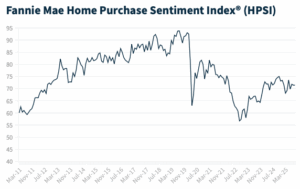 WASHINGTON, DC – Fannie Mae published the results of its September 2025
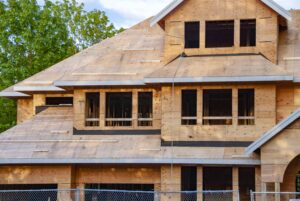 President Donald Trump has reignited debate over the nation’s housing shortage, calling on Fannie Mae and Freddie Mac to spur a wave of new home construction. Trump accused large homebuilders of “sitting on 2 million empty lots, a record,” and likened their behavior to OPEC’s control of oil prices. …“I’m asking Fannie Mae and Freddie Mac to get Big Homebuilders going and, by so doing, help restore the American Dream!” The president’s comments come as housing inventory has rebounded from historic lows in 2022, but builders continue to face limited incentives to ramp up construction. …Since taking office, Trump has made housing a central policy focus, including an executive order for emergency price relief and a campaign to pressure the Federal Reserve for lower rates. …Despite Trump’s calls, the mechanics of how Fannie and Freddie might spur more homebuilding remain unclear.
 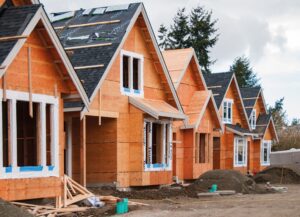 President Trump’s latest round of tariffs aimed at wood, furniture and other household furnishings could drive up the cost of building and owning homes, further weighing on an already weak housing sector. Analysts said the steep levies could aggravate the nationwide housing shortage by slowing the pace of new home construction. The higher costs, as well as hefty tariffs on steel and aluminum that went into effect in June, could also dampen any jolt the housing market might have derived as the Federal Reserve begins to lower interest rates. …“These tariffs are really hard to understand given that the president has said to his supporters, ‘I want to bring down inflation, I want to bring down interest rates,’” said Anirban Basu, at the Associated Builders and Contractors. …And there could be ripple effects, including higher prices for home insurance because houses and their components would cost more to replace. [to access the full story a NY Times subscription is required]
 FORT MILL, South Carolina — In a major stride towards its ambitious 2030 sustainability strategy, Domtar released its sustainability report. The report, entitled
 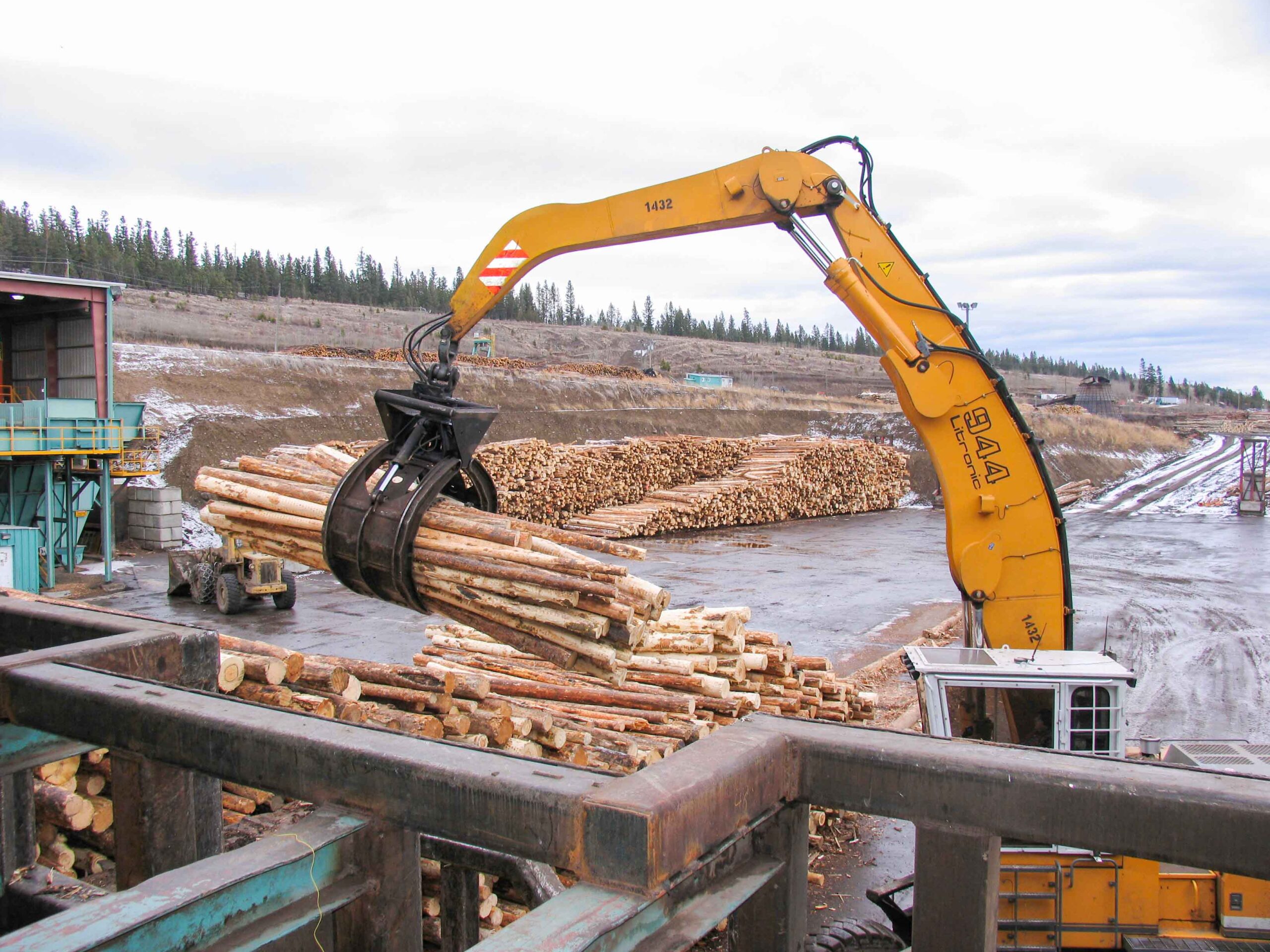 US civil society groups are urging the European Commission to resist Washington’s pressure to delay the EU’s deforestation regulation (EUDR) or tweak the rules to grant the country preferential treatment, according to a letter seen by Euractiv. The missive, sent this morning to Commission President Ursula von der Leyen and the Commissioners responsible for green rules, the economy and trade, warns against any backtracking. “We are particularly concerned by the Commission’s apparent willingness to offer the U.S. special treatment under the EUDR as part of ongoing EU-U.S. trade negotiations,” the letter reads. The organisations refer to the joint statement issued by Brussels and Washington in September, which labels the US as posing “negligible risk to global deforestation.” Rick Jacobsen, senior manager for commodities policy at the US NGO Environmental Investigation Agency, told Euractiv that US interests have “ramped up the pressure campaign” to weaken the law before it even comes into force.
 ATLANTA — Forest Stewardship Council US announced the approval of the revised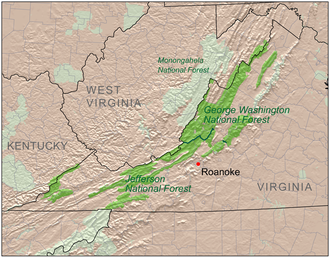
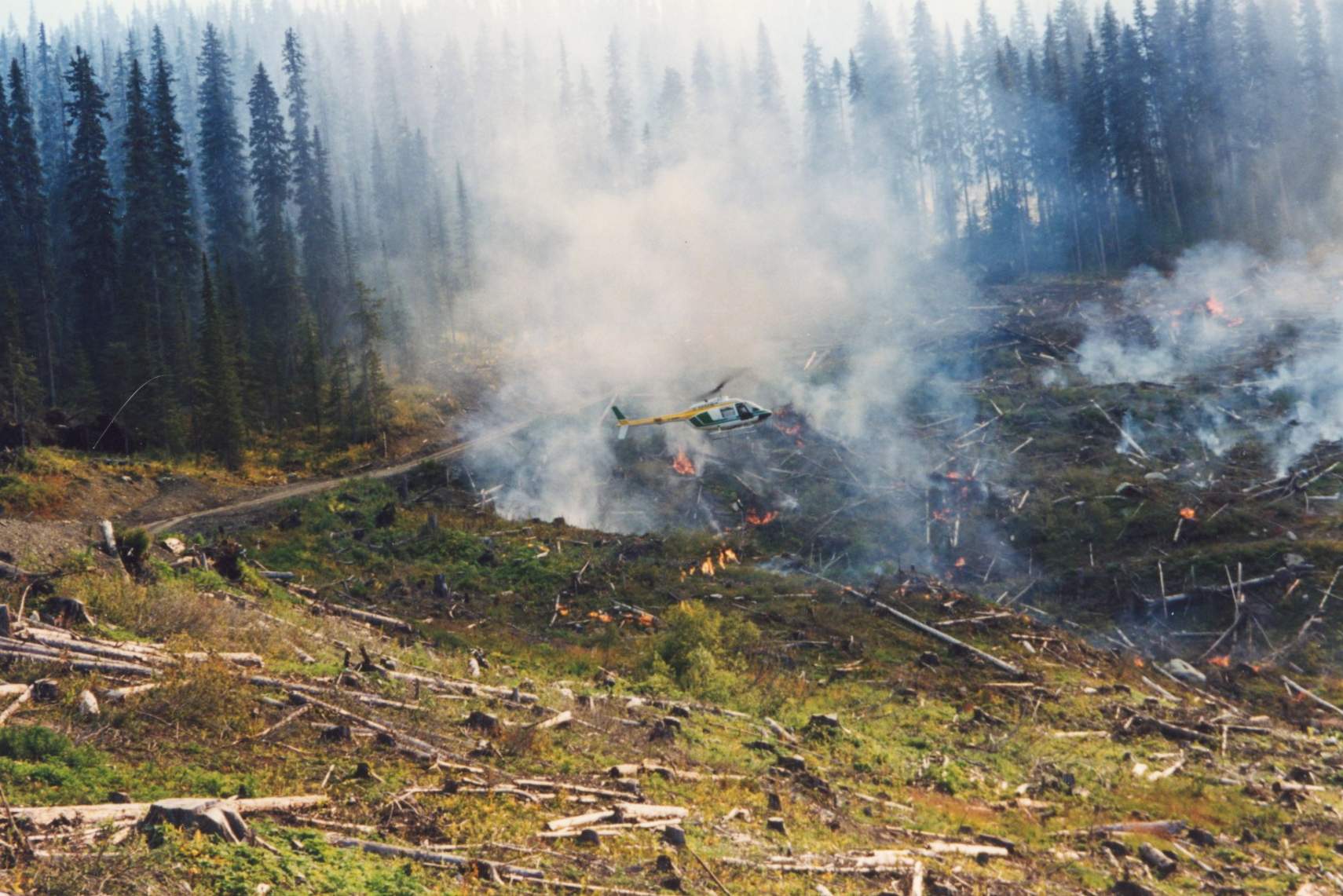 Despite the Trump administration’s pledge to aggressively clear overgrowth from national forests, the U.S. Forest Service is falling significantly short on wildfire mitigation work. By mid-September, the agency had only treated about 2.2 million acres through thinning and prescribed burns. That’s far short of the over 4 million acres treated during the last year of the Biden administration, and it’s also behind the agency’s annual average over the past decade. Forest Service Chief Tom Schultz blamed “operational challenges” and said agency resources were diverted to help battle blazes in Canada. However, Senator Ron Wyden of Oregon is blaming the slowdown in fuel treatments on the Trump administration firing thousands of Forest Service employees earlier this year. …the government shutdown has stopped wildfire prevention efforts across the country’s entire 193 million acres of national forest land [at] the ideal time for the agency to conduct safe prescribed burns across the West.
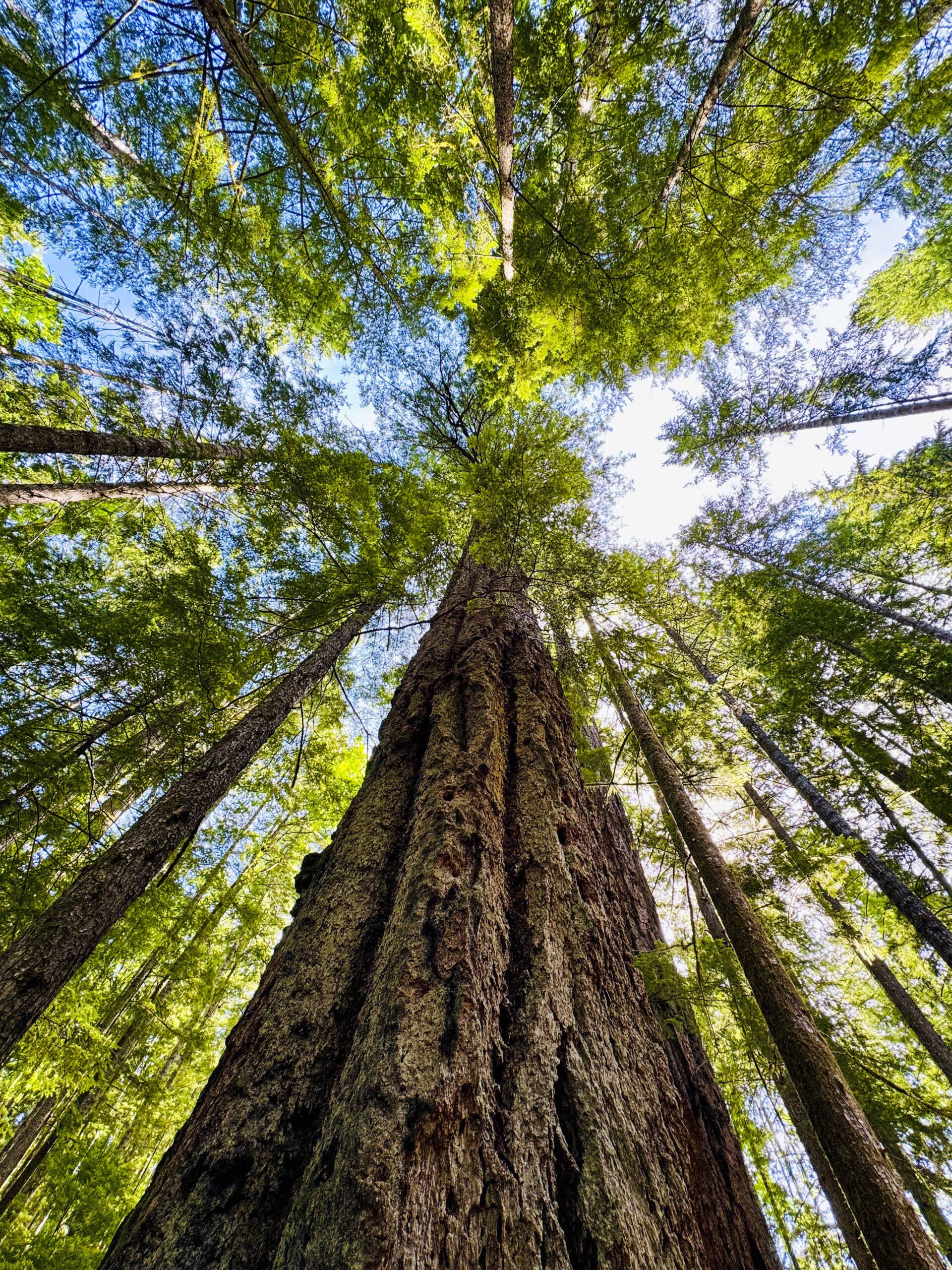
 Roughly 500 years ago in California’s High Sierra, pine cones dropped to the ground and a cycle began. …Half a millennia later, US Forest Service scientists began testing strategies to save these now ancient and massive trees in the little-known area east of Fresno called the Teakettle Experimental Forest. They had plans to light a huge prescribed burn to clear overgrowth next year. But then the Garnet Fire ignited and scorched all 3,000 federally protected acres on its path through the Sierra National Forest. …Scott Scherbinski, a biologist at the Climate & Wildfire Institute, said “It will be a start-over event for this forest.” …Malcolm North, a Forest Service ecologist said…fires with less intensity can be beneficial in California’s fire-adapted landscapes, but the Garnet Fire, when it burned through in September, may have killed most trees and sterilized the ground — making it unlikely the forest can rebound without intervention. [to access the full story a San Francisco Chronicle subscription is required]
 Drought and insects have killed an unprecedented number of Oregon’s Douglas fir trees during the last decade, costing billions in timber value, damaging infrastructure and ramping up wildfire danger. Beginning in 2015 and accelerating with the 2021 heat dome, roughly 635,000 acres of forest have been impacted by what’s known as Douglas fir “dieback” in southwest Oregon and the Willamette Valley. “It’s hitting trees of all sizes, but it’s hitting larger and older trees the hardest,” Max Bennett, a retired forest researcher with Oregon State University, told members of the Oregon Legislature on Sept. 30. “What we’re seeing now is unprecedented.” The dieback has led to $1.1 billion in lost timber value, $500 million in potential road hazard costs and created a tinderbox of forest fuel capable of spawning the West’s most destructive wildfires, a group of foresters and researchers told the House Committee on Agriculture, Land Use, Natural Resources and Water.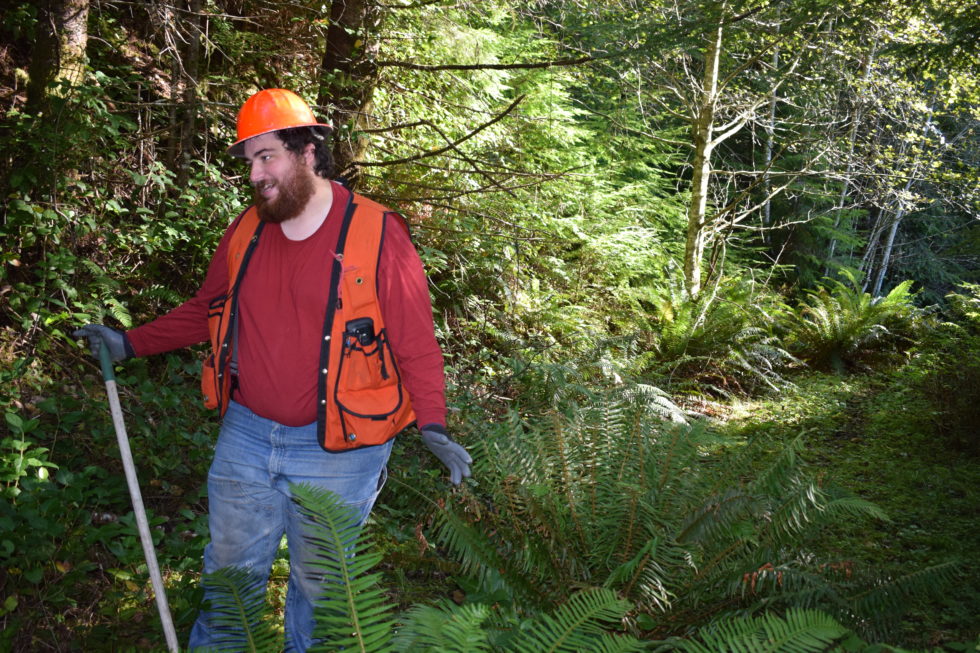
 Last April, a pair of teenage boys … set fire to wooden pallets someone had dumped in the woods. Within a few hours it became one of the fastest-moving and most destructive wildfires on record in the New Jersey Pinelands. By the time it was brought under control three weeks later, about 15,000 acres of preserved forest were destroyed, and thousands of people were forced to flee their homes and businesses. Most official accounts of what became known as the Jones Road Fire attribute its ferocious power to the intensifying cycles of drought and heat linked to climate change that continue to affect coastal areas. But forestry experts in New Jersey point to another cause. …On Sept. 18, the New Jersey Pinelands Commission took a big step toward more aggressive management of the state’s Pinelands National Preserve voting to thin out a 12,000-acre stretch of pine and oak woodland adjacent to the wildfire site.
 WASHINGTON — The US Supreme Court on Monday declined to hear a high-profile challenge to Washington’s Climate Commitment Act, marking yet another victory for the state’s keystone climate policy. The lawsuit started with the private operator of a natural gas power plant in Grays Harbor County. The plant is required to buy pollution allowances to pay for the many tons of greenhouse gasses it emits into the atmosphere under the 2021 “Cap and Invest” law. The plant’s owner, Chicago-based Invenergy, sued Laura Watson, then-head of Washington’s Department of Ecology, in late 2022, arguing that the state’s carbon market is unconstitutional. The lawsuit claimed that the state law discriminated against privately operated natural gas plants. In 2023, US District Court Judge Benjamin Settle dismissed the case. The company appealed. …The Supreme Court on Monday denied Invenergy’s petition outright. The justices did not publish any written justification for their decision.