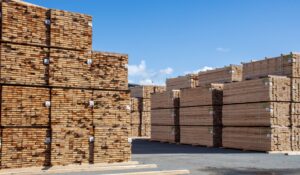
 The Nova Scotia government is defending itself after three other provinces levelled accusations that it is being secretive and undermining Canada’s fight against the United States over softwood lumber. Nova Scotia is urging the US Department of Commerce to reject requests from Quebec, Alberta and Ontario for the Atlantic province to provide much greater detail on how it calculates fees charged for harvesting timber. …Nova Scotia asserts that it should not be blamed for its surveys of private timberland owners that could result in higher fees for cutting down trees when compared with other provinces. The US has levied countervailing duties, arguing that other provinces have tree-harvesting fees that are too low when compared with Nova Scotia, which is exempt from US lumber duties. …Lawyers for Quebec, Alberta and Ontario urged the Commerce Department to make inquiries, saying the US should even consider abandoning the private surveys as a benchmark. [to access the full story a Globe & Mail subscription is required]

 The Canadian and American economies are woven together tightly. So when Donald Trump slapped 25% tariffs on Canadian imports last year, many economists—myself included saw a disaster looming. …The most exposed sectors were those most dependent on US demand: steel, aluminum, autos, energy and lumber. …In our worst-case scenario, we expected it would shrink Canada’s GDP by 2.6 per cent, leading to a moderate recession and shaving nearly $2,000 a year off income for every Canadian. So far, however, that doomsday scenario hasn’t materialized. This was possible because of the Canada-US-Mexico trade agreement. …Avoiding the worst of the tariffs doesn’t mean we’ve won or even survived the trade war. Communities across the country are still hurting. …Regions in Quebec and British Columbia are under strain, with key industrial sectors—steel, aluminum, copper, lumber—are facing additional tariffs under Section 232 authority.
 MONTREAL, Quebec – Domtar announced a curtailment in its lumber production. Due to challenging market conditions, US tariffs, and ongoing economic uncertainty, the company will temporarily reduce its lumber production by 150 million board feet for the first quarter of 2026 across its facilities in Quebec, Ontario and the United States. “The demand for lumber in North America remains weak, requiring us to adjust our production levels in line with market conditions,” said Luc Thériault, CEO, Wood Products, and President – Canada, for Domtar. “While this decision is necessary, we are fully aware of the impact it will have on our employees, contractors, suppliers and the communities in which we operate.” Domtar will continue to monitor market conditions and adjust its production plans accordingly. Domtar has a workforce of nearly 14,000 employees in more than 60 locations across North America.
 VANCOUVER, BC — West Fraser Timber announced that it will record an impairment of its Lumber segment goodwill in the fourth quarter of 2025 due to persistently challenging economic conditions. The Company is also providing initial 2026 guidance for key product shipments, operational costs and capital expenditures. In Q4-2025, West Fraser expects to record an approximately $409 million non-cash impairment of goodwill as a result of the protracted downcycle that has caused management to recalibrate certain assumptions used in its annual goodwill impairment test. Adjustments to these assumptions include, but are not limited to, species-specific product pricing trends, lower demand and pricing for wood chip residuals, and the depth and duration of the current downcycle and its expected recovery. The impairment represents the entire amount of goodwill associated with the Company’s US lumber operations.
 A new global risk assessment is warning that no country would be more “profoundly affected” by a political upheaval in the US than Canada. Published Monday, the Eurasia Group’s “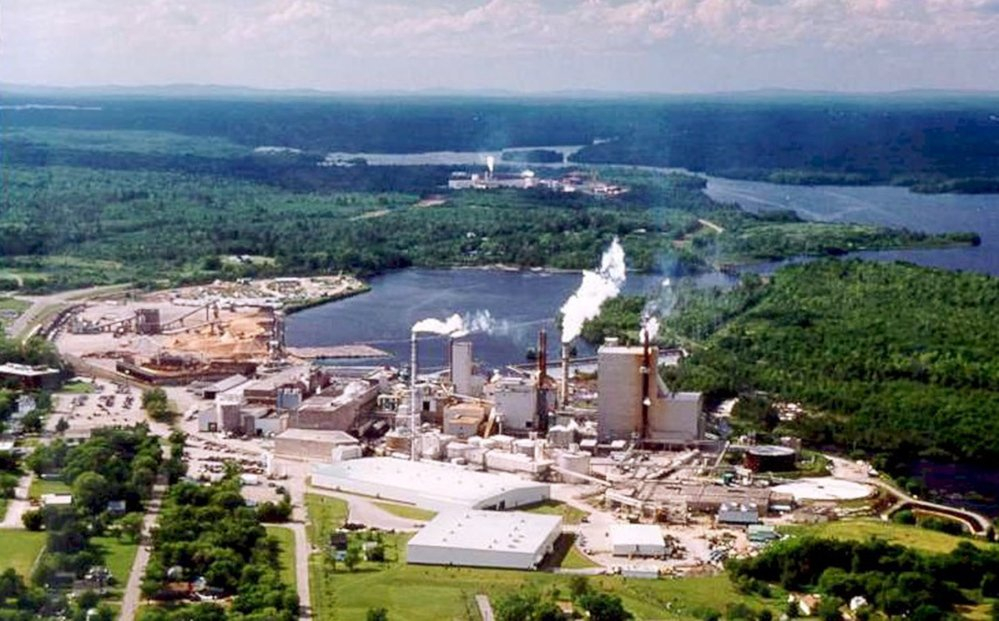


 The National Lumber & Building Material Dealers Association (NLBMDA) released its
  WASHINGTON — U.S. President Donald Trump said Tuesday the Canada-United States-Mexico Agreement on trade is “irrelevant” to him and Americans don’t need Canadian products. “It expires very shortly and we could have it or not,” Trump said while touring a Ford plant in Michigan. “It wouldn’t matter to me. I think they want it. I don’t really care about it.” Trump statements have rattled Canada and Mexico ahead of a mandatory review this year of the future of the continental trade pact, known as CUSMA. The president told reporters that “Canada wants it” but the United States doesn’t need anything from its northern neighbour. The three countries have started domestic consultations on the review and Dominic LeBlanc, the minister in charge of Canada-U.S. relations, is set to meet with U.S. counterparts in mid-January to launch formal CUSMA talks. The trade pact has shielded Canada and Mexico from the worst impacts of Trump’s tariffs.
 The U.S. Endowment for Forestry and Communities has announced a new collaboration with the Georgia Institute of Technology to address the far-reaching social, economic and environmental impacts of pulp and paper mill closures across the United States, particularly in the rural South, where these mills have long served as economic anchors. The Endowment and Georgia Tech are developing an integrated decision-making dashboard to help policymakers, community leaders and industry stakeholders quantify the effects of mill closures and identify data-driven pathways to offset them through the sustainable use of forestry residues… Over the past decade, nearly 50 paper mills have shut down nationwide … resulting in the loss of thousands of jobs and disrupted local supply chains that once connected family forest owners, loggers, sawmills and manufacturers… As markets for timber and forestry byproducts contract, landowners face reduced incentives for active management – conditions that can increase the risk of wildfire, invasive species and forest conversion to other uses.

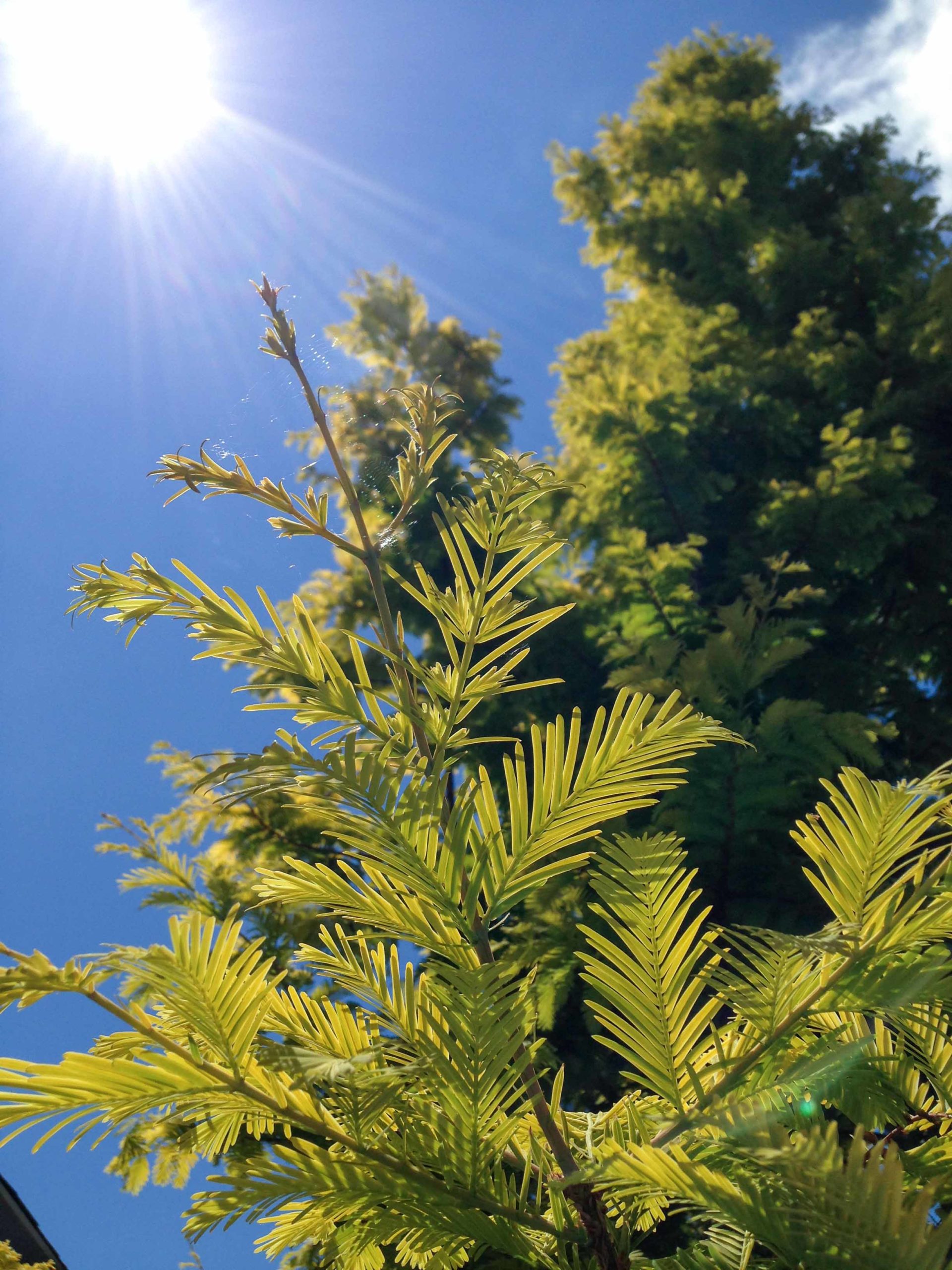 ATLANTA — A proposed amendment to the Georgia Constitution would end sales taxes on timber, a major industry battered by mill closings and storms. House Majority Leader Chuck Efstration said a bipartisan group of legislators want to help protect “a cornerstone of the state’s rural economy.” “The timber tax cut is necessary because Georgia timber farmers are facing severe economic hardship following the closure of multiple sawmills in Georgia and significant losses in the aftermath of Hurricane Helene,” said Efstration, R-Mulberry, the sponsor of House Resolution 1000. “Georgia is a national leader in forestry, and I want to help this state’s rural economy and the livelihood of many Georgians.” Georgia’s forestry industry was the largest in the nation in 2021 based on harvest volume and product export values of nearly $4 billion, according to a report by the Georgia Forestry Association. But timber producers have suffered in recent years.
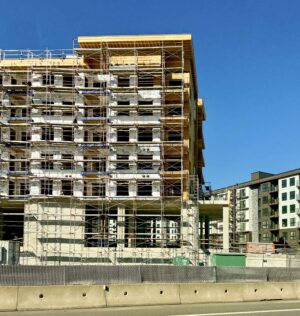 There are solid reasons to expect near-term strength in the US and Canadian construction markets. In the US, rapid technological progress and supportive federal policies are driving major investments in semiconductor fabrication, AI-related data centers, and energy infrastructure, with growing momentum toward nuclear power. In Canada, federal and provincial governments are promoting “nation-building” projects that emphasize LNG export capacity, port expansions, and new mines for critical minerals required by the digital economy. Both nations recognize that housing supply must rise substantially to meet population needs, signaling a long-term boost in residential construction. Yet, 2025 proved disappointing for overall construction performance, especially in employment. …Housing activity revealed a sharper divide between the two nations. U.S. housing starts in November 2025 dropped to an annualized 1.246 million units, the lowest since the pandemic. Most analysts believe the country needs at least 1.5 million starts per year to meet demand.
  Lumber futures rose toward $535 per thousand board feet, rebounding from the September low of $528 reached on January 7th after a low liquidity holiday sell off unwound, improving seasonal demand expectations and longer term supply tightening. Renewed engagement from market participants, signaled that forced selling and the thin trading conditions that pushed prices to multi month lows have faded. Seasonal demand expectations have strengthened as builders begin positioning ahead of the spring construction period, when consumption typically improves following year end destocking. Industry forecasts point to a modest pickup in US housing starts and repair and remodel activity in 2026 as interest rates ease and trade uncertainty recedes, supporting demand after a weak finish to 2025. At the same time, longer term supply growth remains constrained by ongoing tariffs on Canadian softwood and slower capacity expansion across North American sawmills, limiting surplus.
 Global markets plunged Tuesday after President Trump reignited fears of a US trade war with the European Union, America’s largest trading partner. The president showed no signs of backing off his threat from Saturday to hit seven EU countries and the United Kingdom with new tariffs unless they supported his push for American control of Greenland. Asked if he would be willing to use force to seize the semi-autonomous Danish territory, Trump replied, “No comment,” on Monday. The S&P 500 sold off by around 1.3% in early trading, while the Nasdaq Composite plunged 1.7%. The Dow Jones Industrial Average dropped more than 600 points. The S&P 500 has erased its gains for the year so far. Investors also sold off U.S. government bonds, driving up interest rates. Rising returns on US treasuries usually translate into higher mortgage rates and interest on new personal loans.
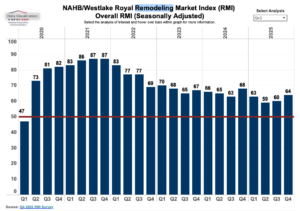 In the third quarter of 2025, the NAHB remodeling index (RMI) posted a reading of 64, increasing four points compared to the previous quarter. Most remodelers are finding reasonably strong market conditions, even with the normal seasonal slowdown during the holidays. The major headwinds the industry is experiencing continue to be rising costs and potential customers hesitating due to policy and economic uncertainty. Demand for remodeling is being supported by an aging housing stock, strong homeowner equity and increasing need for aging-in-place improvements. …In the fourth quarter of 2025, the Current Conditions Index averaged 71, increasing three points from the previous quarter. …The Future Indicators Index averaged 56, up four points from the previous quarter.


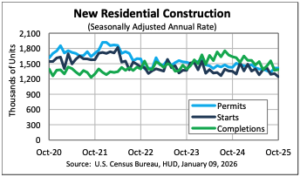
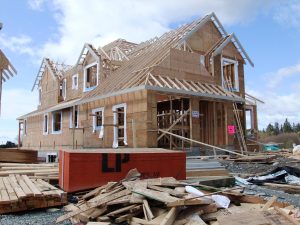 WASHINGTON — US single-family homebuilding rebounded in October, but permits for future construction eased, signaling caution among builders as new housing inventory remains high and demand soft. Single-family housing starts, which account for the bulk of homebuilding, increased 5.4% to a seasonally adjusted annual rate of 874,000 units in October, the Commerce Department’s Census Bureau said on Friday. Starts dropped to a pace of 829,000 units in September from a 869,000-unit pace in August. The reports were delayed by the 43-day government shutdown. …Permits for future single-family homebuilding fell 0.5% to a rate of 876,000 units in October. They increased to a pace of 880,000 units in September from a 858,000-unit rate in August.

 Toilet paper…is typically made with trees, energy-intensive manufacturing processes and chemicals that can pollute the environment. Experts say more consumers are seeking toilet paper made from recycled content or sustainable materials, but it can be hard to know what to look for. Sustainable toilet paper often costs more, but can have significant environmental benefits. According to the Environmental Paper Network, a coalition of nonprofits, more than 1 billion gallons of water and 1.6 million trees could be saved if every American used one roll of toilet paper made from recycled content instead of a roll made from forest fibres. Increasingly, manufacturers are making toilet paper from recycled paper products … using chlorine-free bleaching techniques. …Looking for recycled content is a good place for environmentally conscious consumers to start, said Gary Bull, at the University of British Columbia. Preconsumer materials include scrap materials from manufacturing or unsold paper. Postconsumer materials come from used paper products.
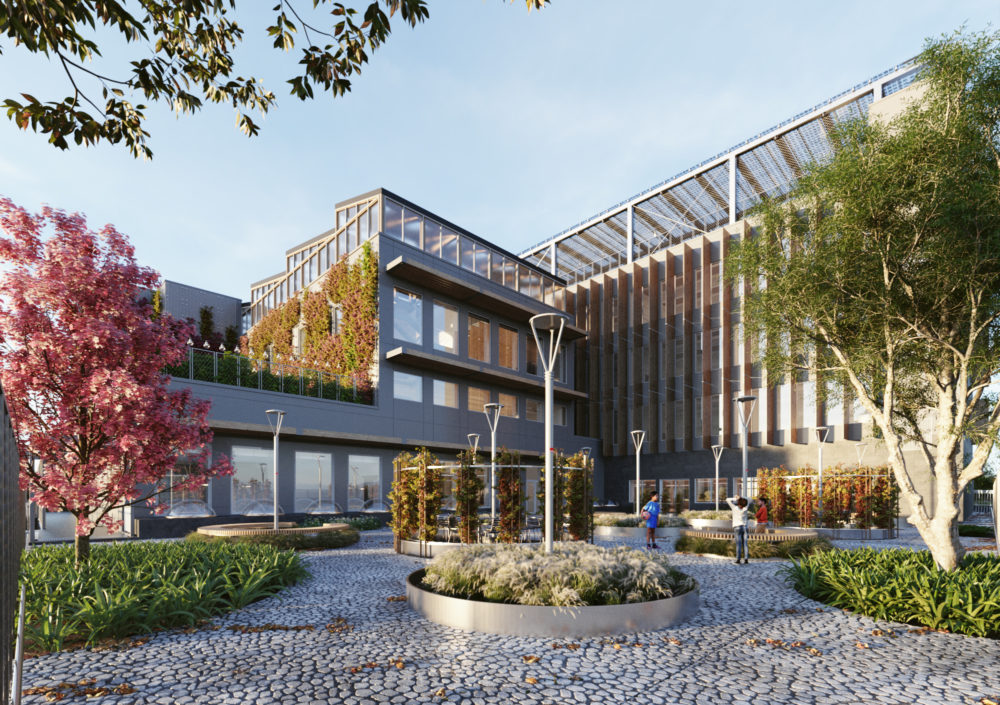
 One year after wildfires tore through neighborhoods in Los Angeles County, killing at least 31 people and destroying more than 10,000 buildings, architects and developers are rethinking what home looks like in LA, and how resilient residential architecture evolves. …So far, hundreds of new homes have been submitted for permitting, but it’s a process shaping out to be an uneven one, based on damage, insurance and wealth. Affected homeowners are grappling with the details of fire-resilient construction and landscaping techniques, along with some more fundamental questions about what their communities should look like. …These 10 projects — all in various stages of completion — showcase several of the design concepts, construction techniques and development proposals in play as LA’s post-fire rebuilding process begins. …Many forthcoming home projects emphasize the latest in wildfire-resilience features: Think noncombustible sheathing and roof materials, triple-glazed windows that can resist high heat, and defensible outdoor space.


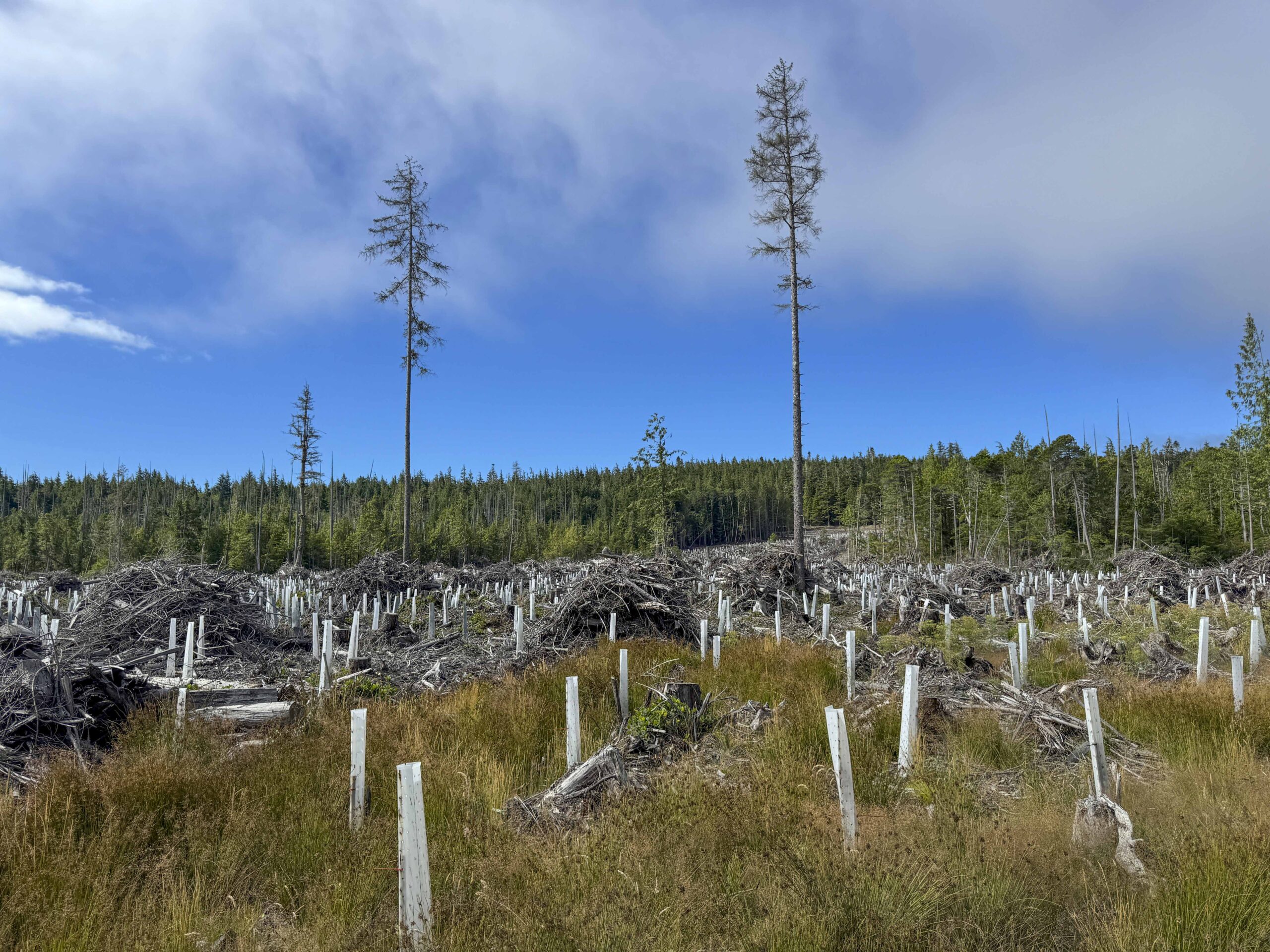 U.S. forests have stored more carbon in the past two decades than at any time in the last century, an increase attributable to a mix of natural factors and human activity. To unravel the cause behind this spike, researchers used nationwide forest data to examine how six environmental factors may have contributed to the increase in carbon sequestered by forests. They found that natural forces such as increasing temperatures, shifting precipitation, and carbon fertilization are among the largest contributors to carbon gains, but human drivers, like letting forests get older and planting trees, are also becoming bigger factors. …this new analysis aims to help researchers better separate what portion of carbon held by forests is related to human action and which portion isn’t. …This work highlights the vast difference in the amount of carbon forests can absorb naturally versus when they are actively managed.
  One of the least visible workforce developments of 2025 — the departure of more than 20,000 employees from the U.S. Department of Agriculture — became public just before the week between Christmas and New Year’s, a period that typically draws limited public attention. According to payroll data reviewed by USDA’s Office of Inspector General, 20,300 employees left the department between mid-January and mid-June, reducing total staffing from roughly 110,300 employees. The departures occurred as USDA prepares to administer an estimated $234 billion in farm, food, nutrition, conservation, and rural development programs in fiscal year 2026. …Two agencies recorded the largest number of departures in absolute terms. The U.S. Forest Service and the Natural Resources and Conservation Service experienced the highest staffing losses across USDA agencies. The Forest Service, “which oversees millions of acres of federal land,” reported Politico, “lost 5,860 workers,” while NRCS lost 2,673 employees.
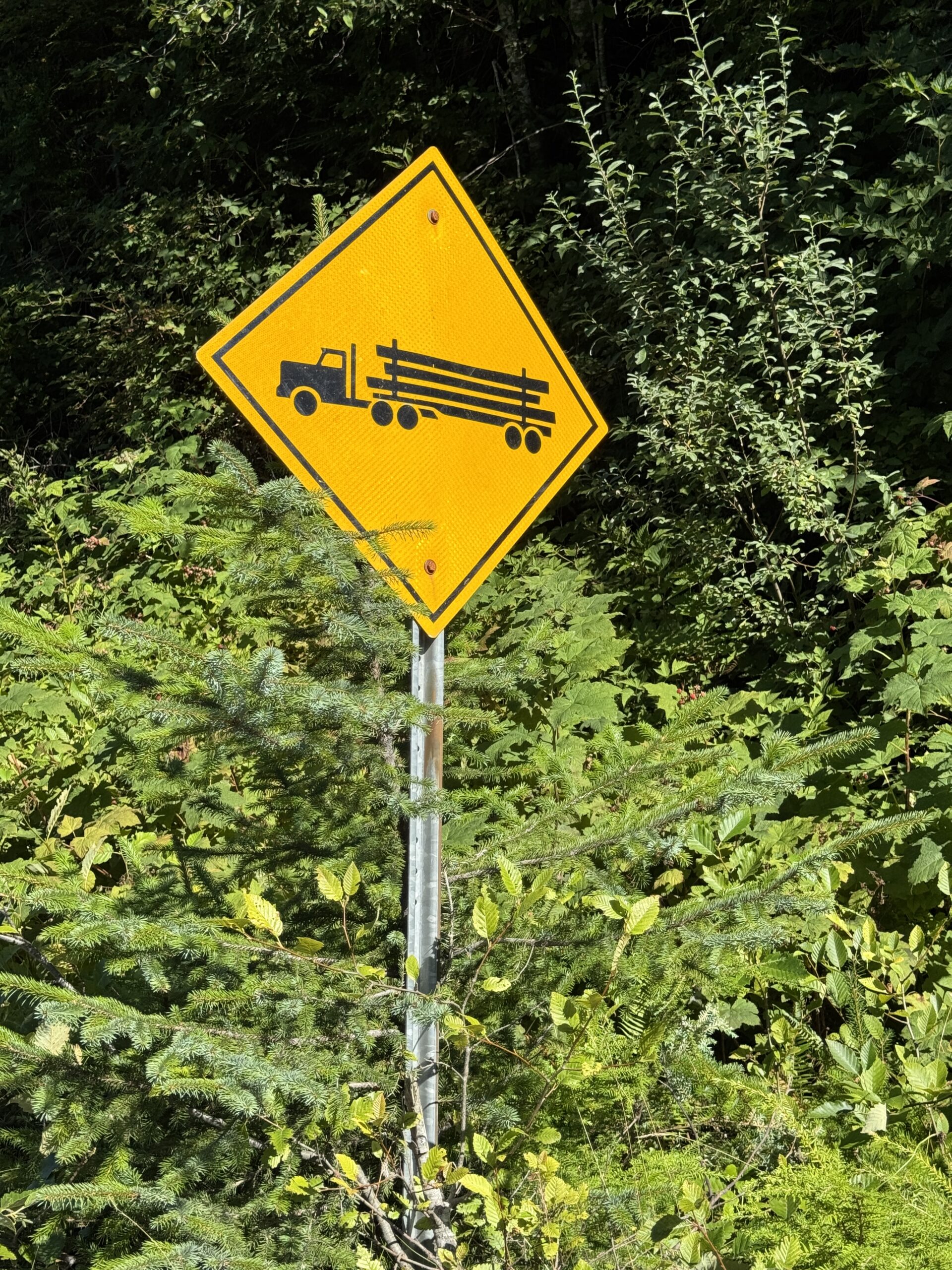 A recent federal court ruling tossing out a streamlined environmental review for three Oregon timber projects will point the way for conservation groups to challenge the Trump administration’s nationwide logging agenda, natural resources attorneys say. Judge Michael McShane of the US District Court for the District of Oregon in his Jan. 13 ruling set aside a categorical exclusion under the National Environmental Policy Act called “CE-6.” The 1992 exclusion allowed for quick approval of logging projects designed to thin forests to reduce wildfire hazards. Fast-tracking an expansion of logging on federal land is among President Donald Trump’s top priorities in order to cut lumber imports and grow domestic timber industry jobs. The administration is loosening public notice and environmental review requirements for logging and other projects under NEPA, and it’s rolling back protections for roadless areas in national forests in order to open them to possible logging projects.
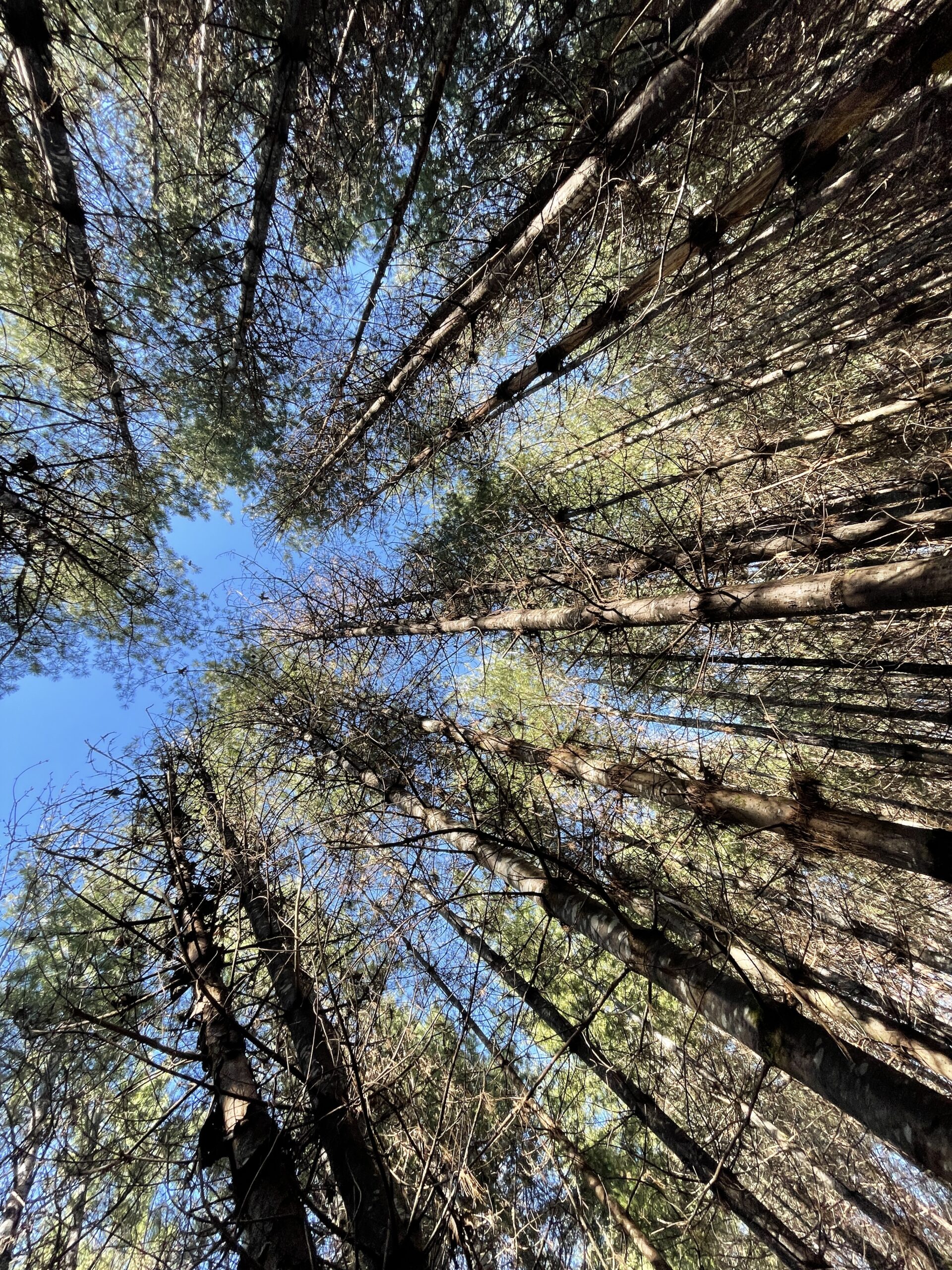 New Mexico’s Forestry Division is concerned after thousands of trees died last year due to warm temperatures, drought conditions, and native insects. Victor Lucero, the forest health program coordinator, said in 2024, about 67,000 acres of trees died. Last year, that jumped to about 209,000 acres. Most of the damage is south of I-40, including parts of the Lincoln National Forest near Ruidoso and areas west of Socorro in the Gila National Forest. The main culprit is native bark beetles. Lucero explained that when it’s warm and dry, trees get stressed and weakened, giving off chemicals that attract the beetles. Once the beetles get under the bark, they tunnel in, cut off the tree’s ability to move water and nutrients, and bring in fungi, leading to the tree’s death over time.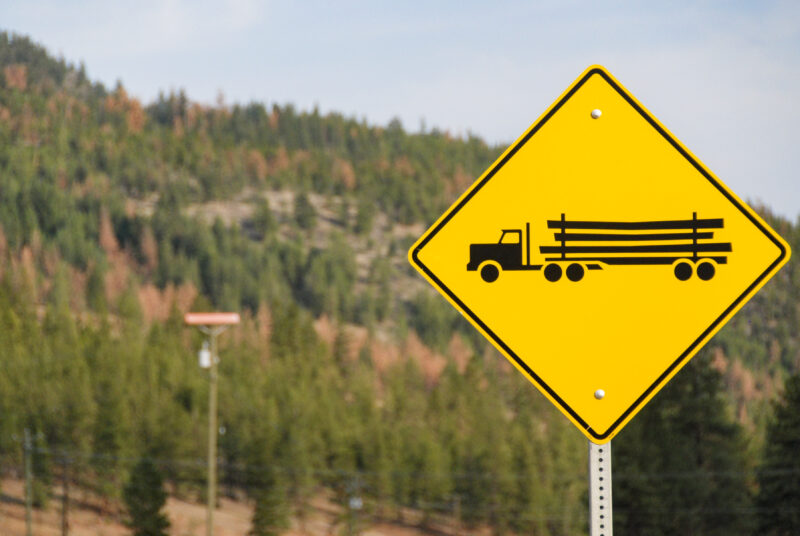
 MONTANA — A proposal to use thinning and prescribed burning to remove vegetation across portions of the Flathead National Forest bordering the Middle Fork Flathead River has gained wide attention for its inclusion of sensitive management areas in the project’s 67,536-acre footprint, which provides wildlife with critical habitat and is one of the region’s most popular havens of outdoor recreation. But even as conservation groups push for additional layers of environmental review, proponents of the project, including industry leaders, recreation advocates and residents, say it’s needed to reduce the risk of wildfire in a corridor brimming with untreated fuels that threaten infrastructure and communities on US Highway 2, as well as to support local timber mills and improve forest health. If approved, portions of the project would occur in recommended wilderness areas, although the scope of that work would be confined to whitebark pine restoration and tree planting with hand tools.
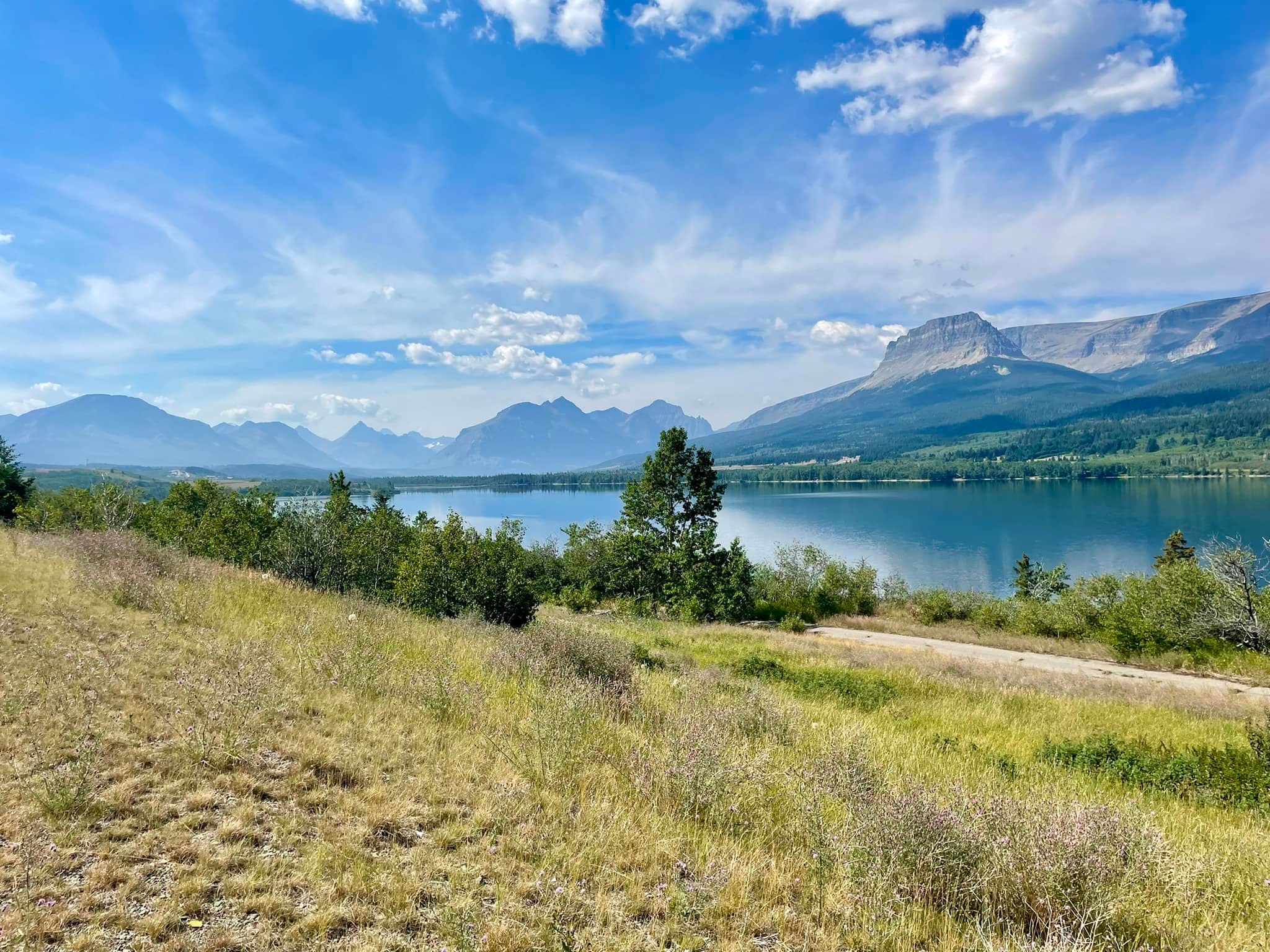 A major logging project has been proposed on the southern border of Glacier National Park, prompting concern from conservationists… “This is the heart of some of our wildest, most intact landscapes left in the U.S., anywhere south of Alaska,” said Peter Metcalf, the executive director of the Glacier-Two Medicine Alliance, a conservation organization in East Glacier Park, Montana. “We are really concerned that this kind of logging proposal would be slated for this landscape.” U.S. Forest Service district ranger Robert Davies said he plans to use the emergency authority authorized by an April 2025 executive order to expedite the project. The order calls for increasing timber production and reducing wildfire risk in areas of national forest considered to have very high or high wildfire risk. Roughly half the proposed project qualifies, but the entire project is subject to the streamlined timeline, which cuts out the majority of opportunities for public participation.
 In 1980, Washington State’s Mount St Helens erupted…causing an ecological nightmare as the volcano spewed lava, ash, and debris over the surrounding landscape that was followed by mudflows and pyroclastic flows, leaving the vegetation covered in mud and detritus as far as 27 kilometers from the volcano. …But one team of scientists had an unconventional idea to help jumpstart the process: send a few gophers on a one-day mission to the mountain. “Gophers are known as ‘hole diggers’,” says a 2024 paper assessing the long-term effects of the rodents at Mount St Helens, adding, “a single gopher can move 227 kg [500 pounds] of soil per month”. Digging is a useful quality in restoring an area devastated by volcanic eruption. Plant life was struggling to return… But while the top layers of soil were destroyed by the eruption and lava flows, the soil underneath could still have been rich in bacteria and fungi.
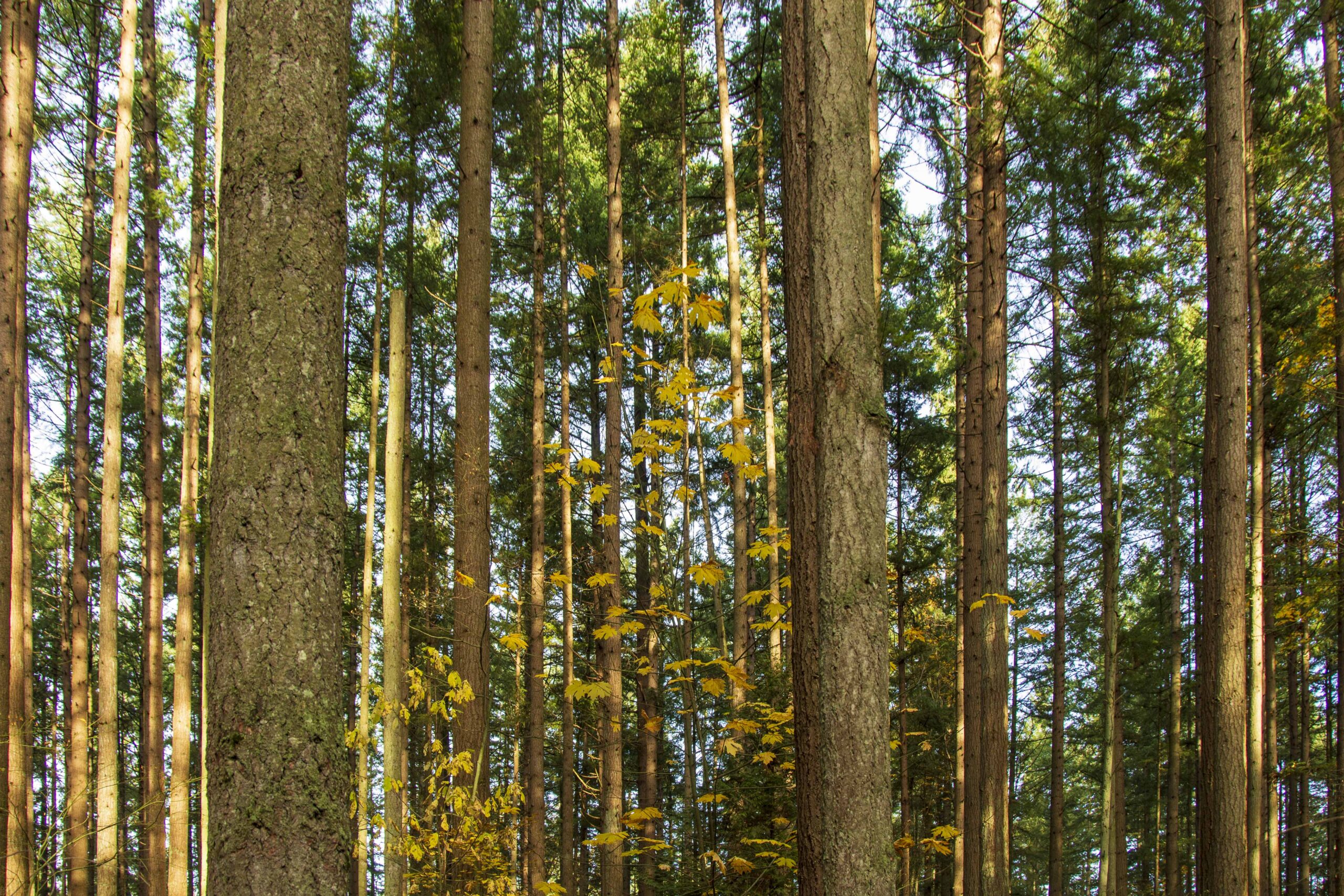 PORTLAND, Ore. — In a win for conservation groups, a federal judge
 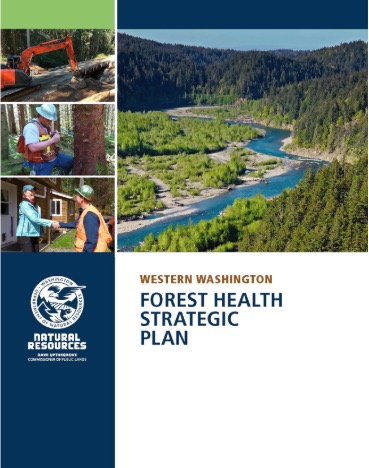 Western Washington forests are vital to the identity, economy, and quality of life vital to the region. From the Puget Sound to the Olympic Peninsula and Columbia Gorge, healthy forests provide clean air and water, sustain fish and wildlife habitat, store carbon, and support local jobs in forestry, recreation, and tourism. …The Western Washington Forest Health Strategic Plan is the result of an holistic and collaborative effort by the Washington State Department of Natural Resources to bring partners representing all lands and stakeholder groups together to identify priorities and strategies for how to steward and manage western Washington forests at a landscape scale. This plan builds on lessons learned from the development and implementation of the
  PUEBLO, Colo. — The Pike-San Isabel National Forests & Cimarron and Comanche National Grasslands began a 10-year partnership and $7.3 million investment to implement forest health treatments as part of the War Department’s Readiness and Environmental Protection Integration (REPI) program. The partners will use $3 million in REPI funds, along with $4.3 million in partner contributions, to treat 2,000 acres of National Forest System land and nonfederal lands near the U.S. Air Force Academy and Cheyenne Mountain Space Force Station. The REPI program preserves military missions by avoiding land use conflicts near military installations, addressing environmental restrictions that limit military activities and increasing military installation resilience.
 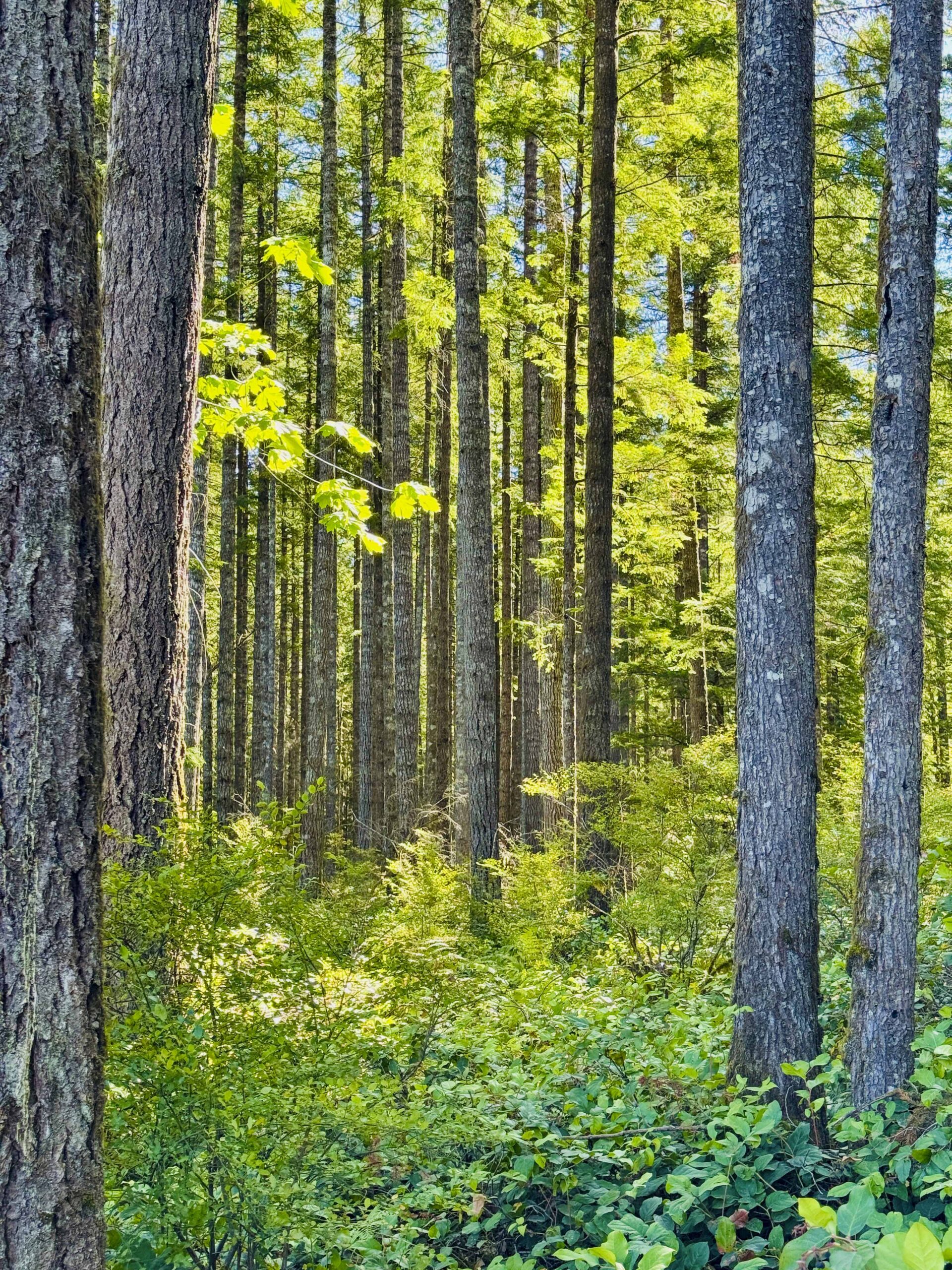 As climate change drives more frequent and severe wildfires across boreal forests in Alaska and northwestern Canada, scientists are asking a critical question: Will these ecosystems continue to store carbon or become a growing source of carbon emissions? New research published shows that when forests shift from coniferous—consisting mostly of pines, spruces and larches—to deciduous—consisting mostly of birches and aspens—they could release substantially less carbon when they burn. The study, led by researchers from the Center for Ecosystem Science and Society (ECOSS) at Northern Arizona University and published in Nature Climate Change, found that boreal forests dominated by deciduous species lose less than half as much carbon per unit area burned compared to historically dominant black spruce forests. Even under severe fire weather conditions, carbon losses in deciduous stands were consistently lower than those in conifer forests.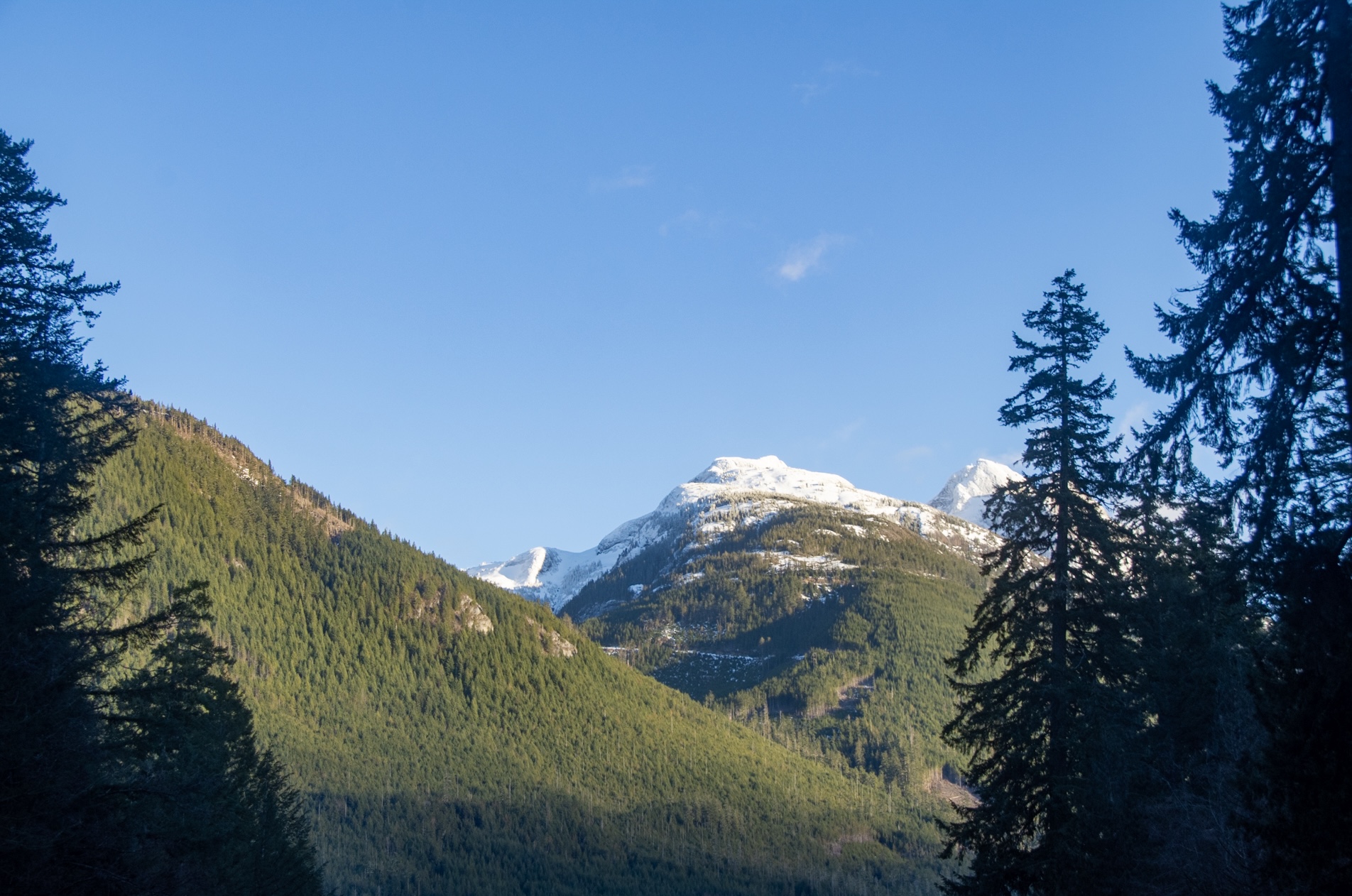
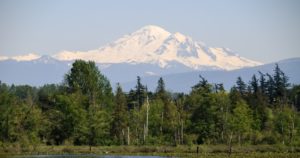 SEATTLE — Twenty-five years ago, I stood in a snowy National Arboretum in Washington, DC, shaking hands with President Bill Clinton at the signing ceremony for the most important forest conservation mandate in our country’s history. But now that landmark law, which went into effect on Jan. 12, 2001, is hanging by a thread, marked for repeal by the Trump administration — even though 99% of citizen input opposes the idea. The “Roadless Rule” was adopted to curtail harmful logging and industrial roadbuilding across 58 million undeveloped acres of our national forests. More than 2 million acres of those wild lands are in Washington, helping keep this the Evergreen State. …Trump officials claim that opening these areas to bulldozers and chain saws will protect communities from wildfire. But that’s a story that just doesn’t wash. [to access the full story a Seattle Times subscription is required]
 VALLEJO, Calif. — The USDA Forest Service Pacific Southwest Region and CAL FIRE have renewed their commitment to battling wildfires across California. This renewal extends the California Fire Master Agreement for another five years. The agreement, signed by Pacific Southwest interim Regional Forester Jacque Buchanan and CAL FIRE Chief Joe Tyler on Dec. 12, allows for a cooperative approach to wildfire response. According to the USDA Forest Service, this collaboration enables firefighters to share resources and respond across jurisdictional lines during emergencies. “This complex operating environment within California and the challenges we face year-round require this collaborative approach,” Jaime Gamboa, fire director for the Forest Service’s Pacific Southwest Region, said. The agreement emphasizes a united front in wildfire emergencies, prioritizing the closest available resources to protect lives and property. It also covers hazardous fuels reduction and streamlines training and equipment sharing.


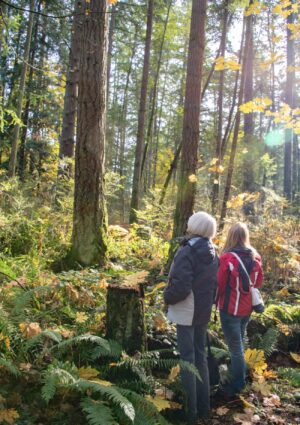 Tribes in Wisconsin and beyond are opposing the Trump administration’s proposal to end protections for millions of acres of roadless areas on national forest land. …But Wisconsin Ojibwe tribes said the move was conducted without consultation and threatens natural resources they rely on, said Conrad St. John, chairman of the St. Croix Chippewa Indians of Wisconsin. “They want to log it for the mature timber… which is revenue-based to create money for big corporations,” St. John said. …In Wisconsin, roadless areas account for less than 5 percent of the national forest’s 1.5 million acres. But Dylan Bizhikiins Jennings said they make up a vital portion of the region’s national forests, saying the administration’s actions show disregard for tribal sovereignty and treaty rights. He’s director of public information for the Great Lakes Indian Fish and Wildlife Commission, which represents 11 tribes in Wisconsin, Michigan and Minnesota.
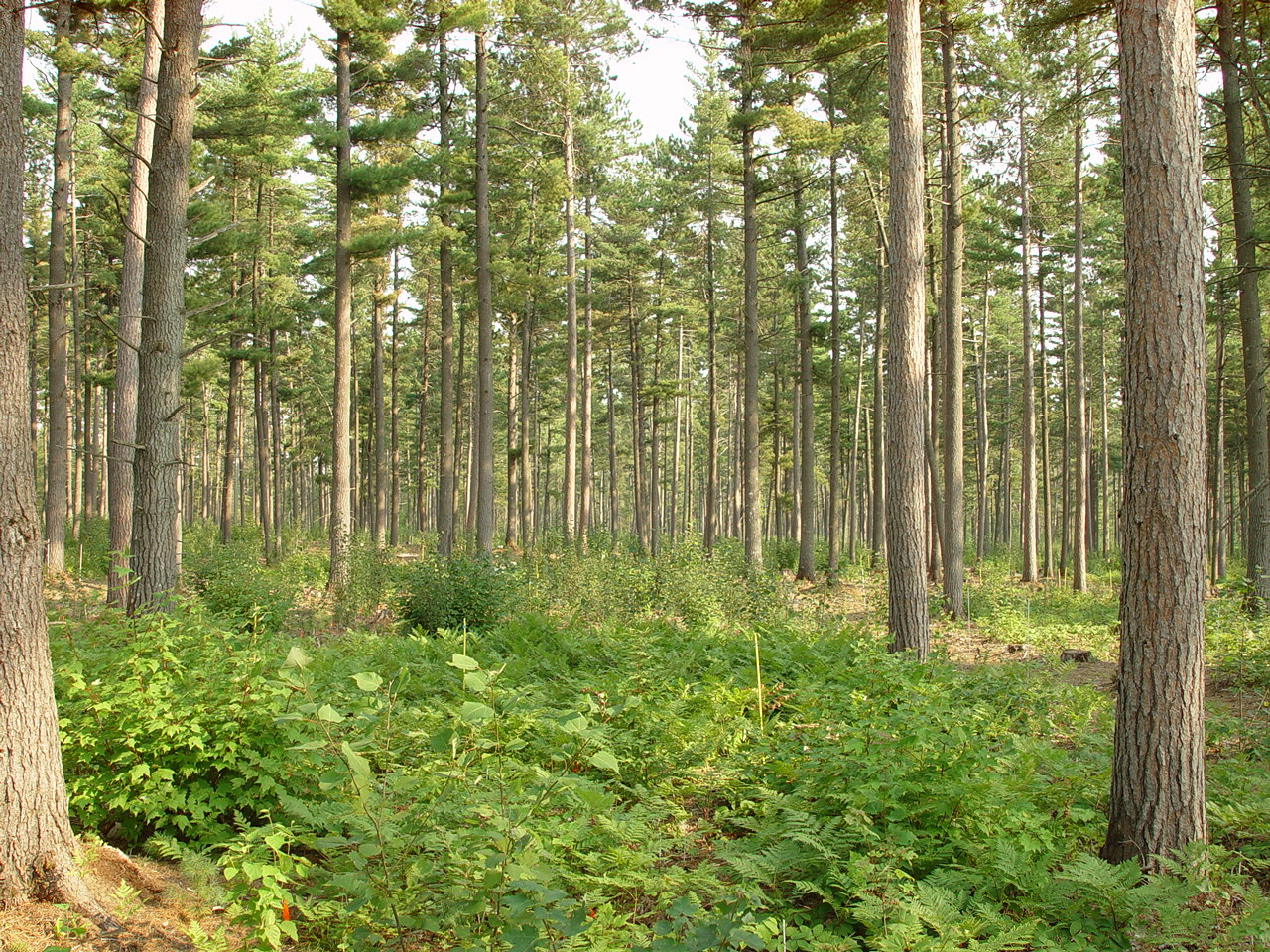 President Donald Trump’s administration has set in motion efforts to repeal the Roadless Rule, a 2001 administrative mandate that put 45 million acres of the least developed forest land under protection from logging and construction of roads. As the nation observes the rule’s 25th anniversary, Virginia’s federal lawmakers and advocates are calling for its preservation and say hundreds of thousands of acres of forests could be at stake if it is axed. The federal government has framed the proposed repeal as necessary for forest management against wildfires. …Environmental advocates have said since last summer that repealing the rule will lead to land degradation, sediment pollution, and create risks to clean water sources. It would also open up large swaths of the 400,000 acres of the protected forestland in Virginia to logging and potential new roads.

 When UN Spokesperson Stéphane Dujarric briefed correspondents in New York on Thursday following the release of the White House Memorandum, he insisted that the Organization will continue to carry out its mandates from Member States “with determination.” Wednesday’s memorandum states that the US administration is “ceasing participation in or funding to those entities to the extent permitted by law.” Several of the bodies listed in the memo are funded principally or partially by the regular UN budget, implying that voluntary funding will be impacted, although central funding will continue. However, the White House notes that its funding review of international organisations “remains ongoing,” and it is currently unclear what the impact of the announcement will be. Here’s a breakdown of the 31 UN entities mentioned in the memorandum, and how they are making a positive difference to people, communities and nations, worldwide.

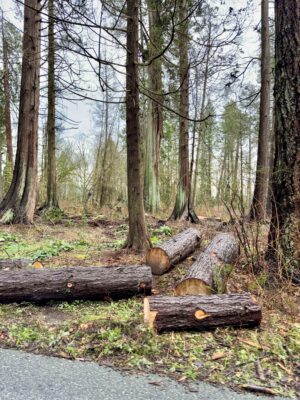 New Hampshire and its counties may soon be barred from enrolling publicly owned lands in carbon sequestration programs. “We don’t see sequestration as a traditional use,” said Rep. Mike Ouellet, a Colebrook Republican, at a hearing before the House Committee on Municipal and County Government on Tuesday. The committee later voted, 13-1, to recommend passage of House Bill 1205, which would prohibit “carbon sequestration projects” on state- and county-owned lands. …No county- or state-owned land is currently listed on the registry of New Hampshire carbon sequestration projects. But the long duration of forest carbon contracts and the possibility they would impose restrictions on land use were two reasons bill proponents cited for preventing them on public lands in the future. …Others said timber harvest could be an important source of revenue for counties and the state, and worried the contracts would have a negative impact on the timber industry.
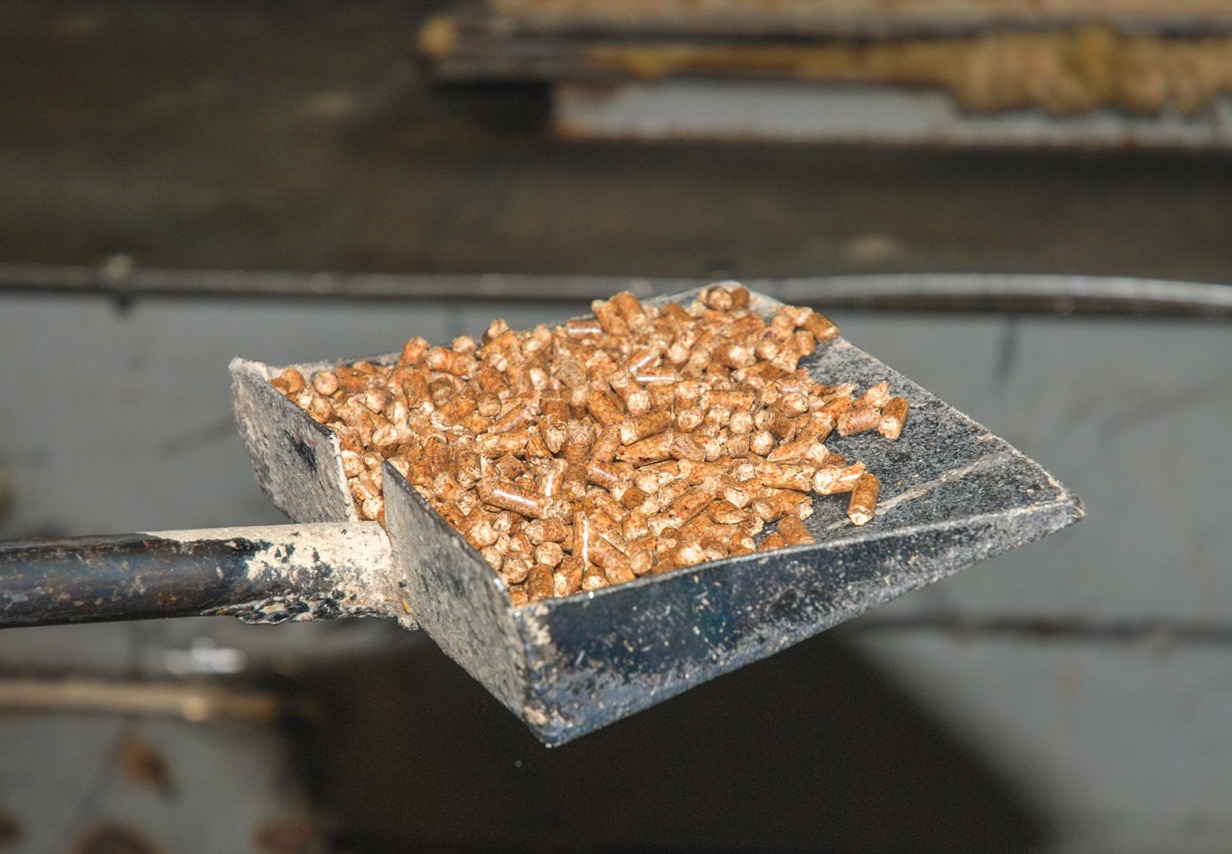 A community-led survey coordinated by the Southern Environmental Law Center across parts of the southern United States has documented concerns about pollution linked to wood pellet manufacturing facilities. The survey focused on areas where residents live near large biomass plants, including a facility in Northampton County, North Carolina. Wood pellet plants process pellets that are exported overseas…where they are burned to generate electricity. While often described as a renewable energy source, the manufacturing process produces dust and emissions that residents say affect air quality and daily life. …[Survey] participants visited households near pellet plants to gather information about health concerns, environmental conditions and quality-of-life impacts associated with nearby industrial activity. According to the survey findings, residents reported respiratory problems, persistent dust, noise and increased industrial traffic. These concerns were most frequently recorded in rural communities and in areas with lower-than-average household incomes.
Deposits $10.6 Billion CAD + Interest 2.6 Billion + FX Gain 0.5 Billion = Total $13.7 Billion
Canadian softwood lumber exporters are currently paying a combined duty deposit rate of 45.16% on lumber imported into the United States.