 CORVALLIS, Ore. – If mistletoe’s status as a nutrient-stealing freeloader has been cooling your holiday ardor, new research led by an Oregon State University scientist may help relight the fire. A survey of urban forests in seven western Oregon cities found no observable connection between mistletoe infestation and negative health outcomes for the trees it was parasitizing. So worry not: Your yuletide kissing tradition probably does not involve a tree killer. And as you’re setting concern aside, you might want to head outside. “This is the best time of year to look for mistletoe because there are no leaves on the trees,” said College of Forestry professor emeritus Dave Shaw, an OSU Extension Service forest health specialist. “Also, chances are it will be found in an oak tree – most other trees don’t get infested. So if you are looking for a kiss, keep an eye out for oaks.”
 Hopes for relief on the tariffs front are likely on hold until the new year now that the US Supreme Court has adjourned for the holiday season before ruling on the matter of President Trump’s illogical and, likely, illegal trade tariffs. Their decision could come in January, which is a long wait for affected economies around the world. …It took just 35 days for lower courts to decide Trump’s use of the act for tariffs was invalid, which he appealed. …Rampant speculation is outlined by Daniel Schramm In the Missouri Independent: “
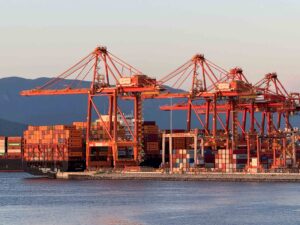 Canada-US Trade Minister Dominic LeBlanc says the door is open for American officials to restart trade talks with Canada. …”Canada believed it was making progress with the Americans — and talks would eventually move to automobiles and softwood lumber — but Trump “decided to suspend those negotiations. That’s regrettable.” …Canadian, American and Mexican officials are gearing up to review CUSMA, which offers Canada crucial protection from many of U.S. President Donald Trump’s tariffs. …On Thursday, Canada’s ambassador to the U.S. Kristen Hillman downplayed signals from the Trump administration about breaking down the trilateral pact and said she hasn’t “heard any indication from the US side that they want to change that foundation.” …All three countries must indicate by July 1 of next year whether they want to extend the agreement, renegotiate its terms or let it expire. LeBlanc said in private the conversations are “much more reassuring” about CUSMA.
 The Office of the US Trade Representative (USTR) held a hearing regarding the six-year review of the United States-Mexico-Canada Agreement (USMCA). Though some stakeholders advocated for maintaining the current framework, many called for targeted updates. Despite varied perspectives, there was broad consensus that USMCA should be preserved. Transshipment and circumvention of Section 232 tariffs emerged as recurring concerns, particularly from the automotive, steel and aluminum, and wood and lumber sectors. …Stakeholders from the wood products, millwork and cabinetry industries raised serious concerns about how USMCA’s current rules of origin are being exploited to circumvent U.S. trade remedies and undermine domestic manufacturers. …The organization’s representative urged the adoption of Labor Value Content (LVC) rules for wood products modeled after those used in the automotive sector to ensure that qualifying goods reflect substantial North American production and fair labor practices.
 The negotiations that remade the North American Free Trade Agreement were, as one participant put it, a series of “near-death” experiences. …In the years since the U.S.M.C.A was signed, Mexico and Canada have become America’s top trading partners. Millions of jobs depend on this economic alliance, which exceeds $1.8 trillion in trade. …Last week, Trump suggested that he would exit the U.S.M.C.A.: “We’ll either let it expire or, well, maybe work out another deal with Mexico and Canada.” Some observers discount Trump’s bluster as mere gamesmanship. …He returned to the White House on a promise to create jobs and lower prices—to make the country “boom like we’ve never boomed before.” Instead, tariffs are fuelling inflation, and many experts believe that it is only a matter of time before the economy starts hemorrhaging jobs. …As in the previous round of negotiations, time does not appear to be on Trump’s side.
 As US President Trump sticks with his campaign of tariffs on imports from Canada, some American industries are accusing Canadian competitors of using cheap materials from China in ways that violate free trade rules and undercut U.S. companies. The accusations emerged during recent public hearings in Washington into the future of the Canada-U.S.-Mexico Agreement (CUSMA). …Luke Meisner, counsel for the American Kitchen Cabinet Alliance, told the hearings that Canada and Mexico have become conduits for products from China, circumventing the hefty countervailing duties the US imposed on Chinese-made cabinets and materials in 2020. …Over the past five years, Canada “dramatically increased” its imports of made-in-China cabinets and cabinet materials — such as plywood, medium-density fibreboard (MDF) and moulding — while at the same time boosting exports of finished cabinets to the US, Meisner said. …The Canadian Kitchen Cabinet Association defends its products as Canadian-made.

 Montréal, Quebec – Domtar Wood Products announced today a curtailment in its lumber production. Due to challenging market conditions and ongoing economic uncertainty, Domtar will temporarily reduce its lumber production by 100 million board feet for the fourth quarter of 2025, including additional curtailments for the holiday season, at its facilities in Quebec, Ontario, and the United States. “Demand for lumber continues to stagnate in North America, exacerbating an already difficult market,” said Luc Thériault, President of Domtar Wood Products. Domtar will continue to monitor market conditions and adjust its production plans accordingly. [END]










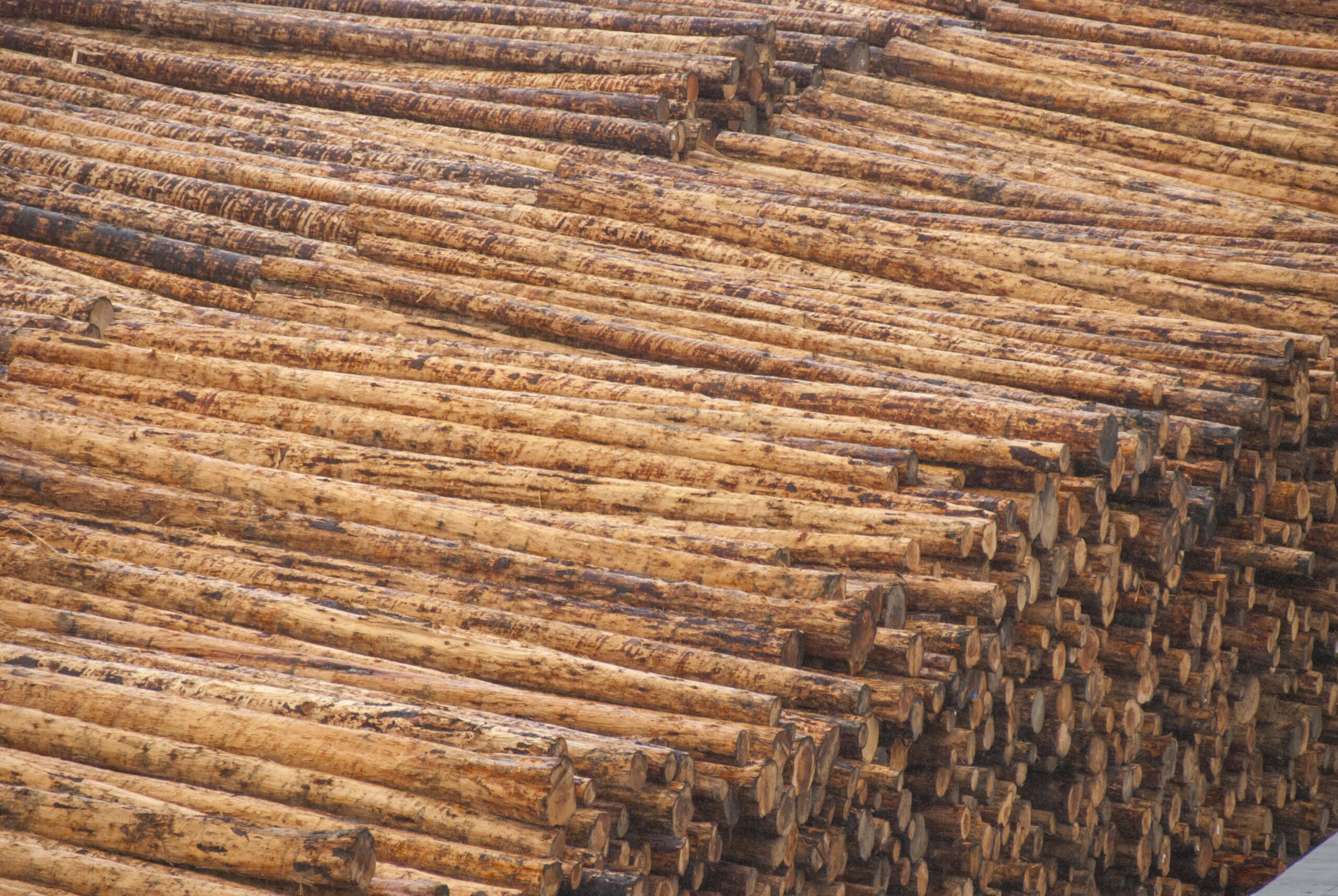 The effect of 10% tariffs on Canadian wood imports was the subject of a public hearing before the state’s Maine-Canadian Legislative Advisory Commission Wednesday. Dana Doran is executive director of the Professional Logging Contractors of the Northeast who says his members are struggling to stay afloat. “If they buy wood from Canada it’s hit by a 10% tariff on those raw logs. If they export any of their finished product they’re subject to any of the export tariffs,” Doran said. “So we’ve seen a chaotic situation that has occurred over the past 8 weeks because of the situation with tariffs.” Doran says if the U.S. had more domestic manufacturing of building and construction products it would have a bigger share of the marketplace, which could blunt tariffs. But Canada, he says, has 60% of that market.
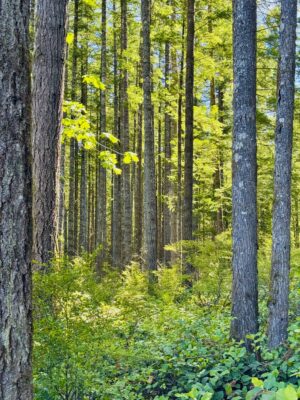 MANCHESTER, Tennessee – Several US sawmills are struggling to stay open after industry leaders said years of trade uncertainty have drained export markets and tightened margins. The Hardwood Federation estimates at least one sawmill is going out of business every week. Additionally, the National Hardwood Lumber Association (NHLA) reported that more than 4% of U.S. sawmills have been lost due to closures and consolidations. The equipment from those sawmills ends up in a growing pile of auction fliers on Johnny Evans’ desk at the Evans Lumber in Manchester, Tennessee. However, Evans is desperate to save his sawmill from being auctioned off due to ongoing trade talks. …Evans said a lot of this goes back to trade tensions that began in 2018, during the first Trump administration. That’s when some countries, like China, stopped buying American hardwood in retaliation to President Donald Trump’s tariff policies.
 Lumber futures traded above $550 per thousand board feet as markets absorbed a dovish turn from the Federal Reserve that brightened the demand outlook for construction materials. The Fed’s widely anticipated 25bp cut and Chair Powell’s dovish rhetoric pushed traders to price additional easing next year, which should put downward pressure on mortgage rates and lift homebuilding and renovation activity. Those interest rate dynamics have heightened the incentive for builders and distributors to restock, while persistent tariff and trade frictions have constrained supply. Canadian log exports are down year to date even as shipments into the US have risen, Canadian manufacturing output has slipped and US lumber exports are lower, a mix that reduces available millfeed and forces buyers to compete for the supplies that remain.
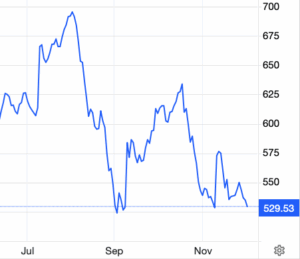 Lumber futures fell toward $530 per thousand board feet, down nearly 10% from November’s peak, as the market contends with pronounced oversupply and lingering weak demand. Mills and distributors continue to carry elevated inventories, a hangover from early 2025 when buyers front-loaded purchases in anticipation of tariffs, leaving the market with a persistent supply overhang. At the same time, US housing starts and building permits remain below last year’s levels, reflecting a prolonged construction slowdown as easing borrowing costs have yet to materialize in higher new building activity and limit near-term consumption of framing lumber. Demand from renovation and new homebuilding also remains subdued, with housing-related wood products consumption estimated to have declined in 2024 and only a modest recovery expected in 2025.
  Nonfarm payrolls grew slightly more than expected in November but slumped in October while unemployment hit its highest in four years, the Bureau of Labor Statistics reported Tuesday in numbers delayed by the government shutdown. Job growth totaled a seasonally adjusted 64,000 for the month, better than the Dow Jones estimate of 45,000 and up from a sharp decline in October. The unemployment rate rose to 4.6%, more than expected and its highest level since September 2021. A more encompassing measure that includes discouraged workers and those holding part-time jobs for economic reasons swelled to 8.7%, its peak going back to August 2021. In addition to the November report, the BLS released an abbreviated October count that showed payrolls down 105,000. While there was no official estimate, Wall Street economists were largely expecting a decline following a surprise increase of 108,000 in September.

 ATLANTA — Home Depot gave a cautious outlook for fiscal 2026 as the housing market continues to lag. Shares of the home-improvement retailer fell 2.4% to $341.62 in premarket trading on Tuesday. The company expects sales to rise between 2.5% to 4.5% in fiscal 2026, the midpoint of which is up from its guidance for 3% growth this fiscal year. Analysts polled by FactSet were looking for growth of 4.5%. …Home Depot said it expects those metrics to rise at a faster clip if the housing market gains momentum and there is increased spend on larger projects, driven by pent-up demand. The Atlanta company’s market-recovery case forecasts sales will grow about 5% to 6%, earnings per share will increase about mid- to high-single digits and comparable sales will be up 4% to 5%. “We believe that the pressures in housing will correct and provide the home improvement market with support for growth faster than the general economy”.
 The US Federal Reserve is poised to deliver its third straight interest rate cut Wednesday, while simultaneously firing a warning shot about what’s ahead. Following a period of remarkable indecision about which way central bank policymakers would lean, markets have settled on a quarter-percentage point reduction. If that’s the case, it will take the Fed’s key interest rate down to a range of 3.5% to 3.75%. However, there are complications. The rate-setting Federal Open Market Committee is split between members who favor cuts as a way to head off further weakness in the labor market and those who think easing has gone far enough and threatens to aggravate inflation. That’s why the term “hawkish cut” has become the buzzy term for this meeting. In market parlance, it refers to a Fed that will reduce, but deliver a message that no one should be holding their breath for the next one.
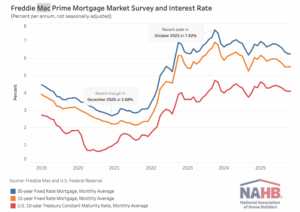 The average mortgage rate in November continued to trend lower to its lowest level in over a year. According to Freddie Mac, the 30-year fixed-rate mortgage averaged 6.24% in November, 2 basis points (bps) lower than in October. Meanwhile, the 15-year rate increased 3 bps to 5.51%. Both the 30-year and 15-year rates remain lower than a year ago, dropping by 57 bps and 52 bps year-over-year, respectively. …Falling mortgage rates have shown some impact on housing activity. Mortgage application activity continues to strengthen, led by increases in adjustable-rate mortgages and refinancing applications. Additionally, existing home sales rose to an eight-month high in October. There is no data available for new home sales in October due to the government shutdown.
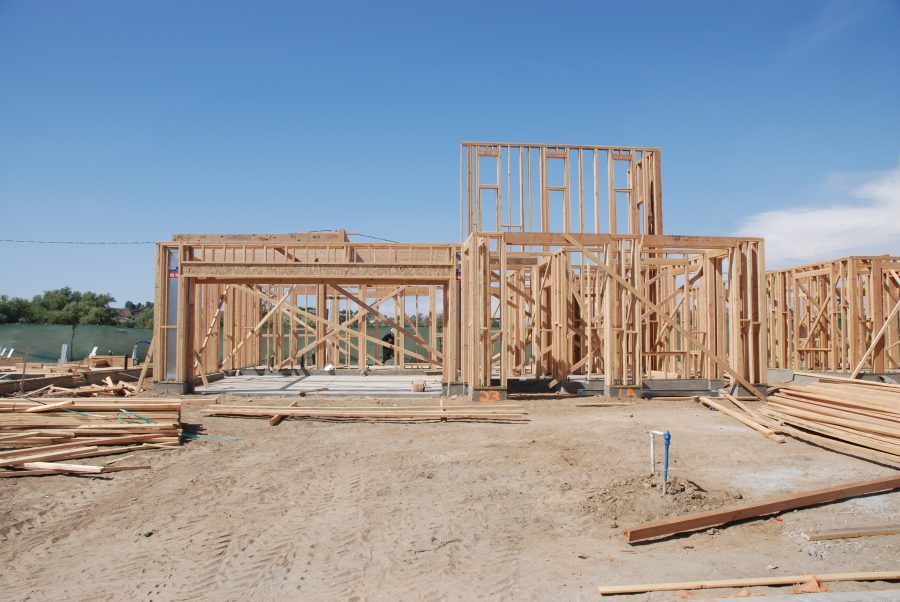 “President Donald Trump’s tariffs could increase builder costs anywhere from $7,500 to $10,000 per home,” said Rob Dietz, chief economist at the National Association of Home Builders… Last year, the NAHB estimated that every $1,000 increase in the median price of a new home prices out roughly 106,000 potential buyers. The biggest impact has been felt in lumber prices, which are expected to total about $4,900 per home on average. …about a third of the wood purchased for homebuilding comes from Canada. Domestic lumber producers generally raise their prices to match import prices. …major players like Home Depot are better able to mitigate and predict rising and volatile prices than smaller retailers. North American Builder’s Supply, based in Illinois, has filed for Chapter 11 bankruptcy protection. …“Over 50% of our inventory is not part of tariffs and is obviously sourced domestically,” Home Depot Executive Vice President William Bastek shared.
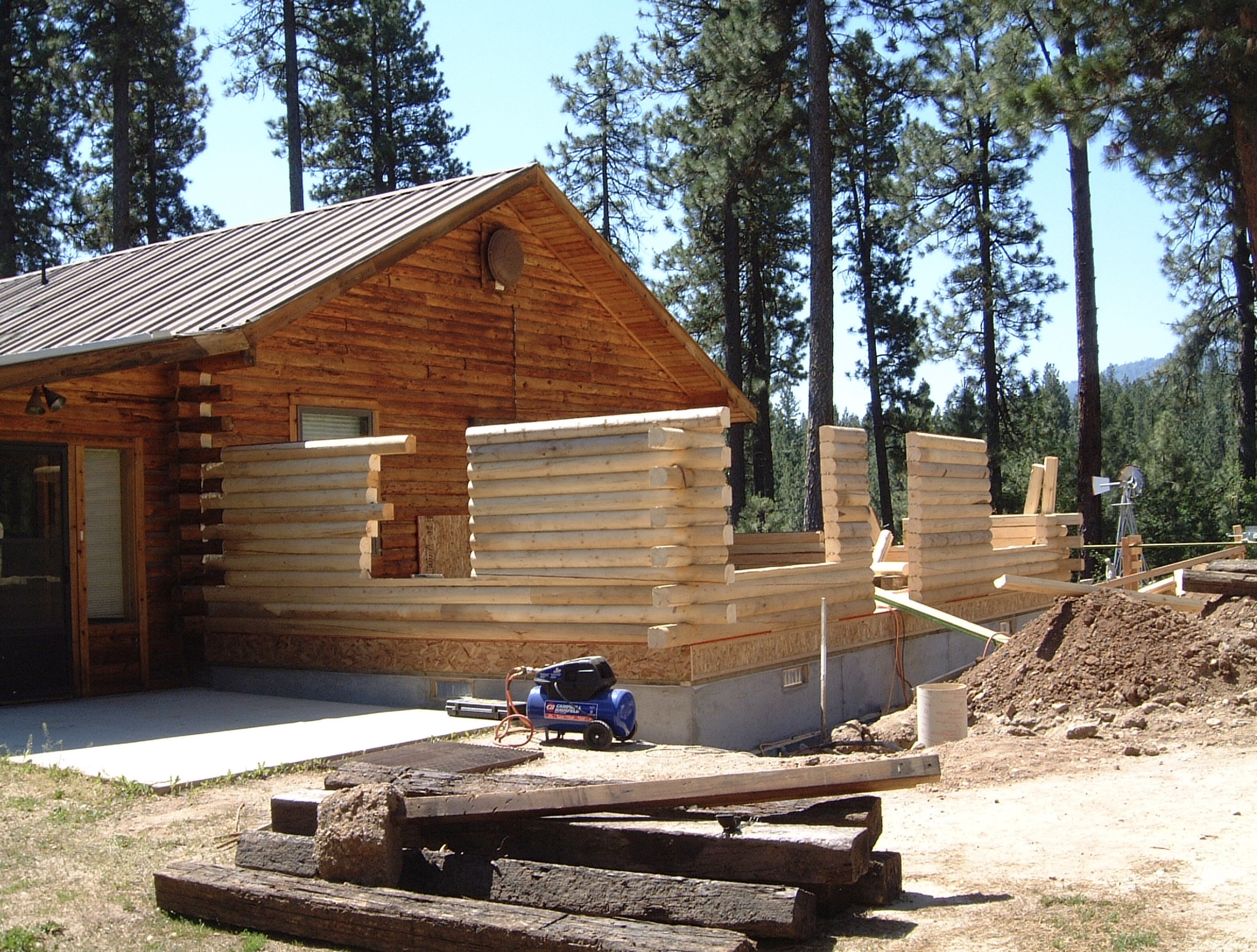 Payson sits in one of the most fire-prone regions in the country, yet the town council has repeatedly declined to adopt fire-hardening requirements for new homes. The town several years ago approved a Firewise landscaping code aimed at thinning overgrown properties and removing vegetation touching buildings. However, the council has twice rejected a Wildland-Urban Interface (WUI) building code, most recently after firefighters urged the council to adopt standards for new construction. Builders raised concerns about cost, and the council again declined to move forward. A collection of studies suggests those concerns may not align with the data. Research from federal agencies, economists and wildfire specialists shows WUI codes add little to the cost of new construction, save money over time and significantly reduce the likelihood of homes burning in a wildfire. The research also points to major long-term savings for taxpayers, who shoulder growing federal firefighting costs in high-risk areas.
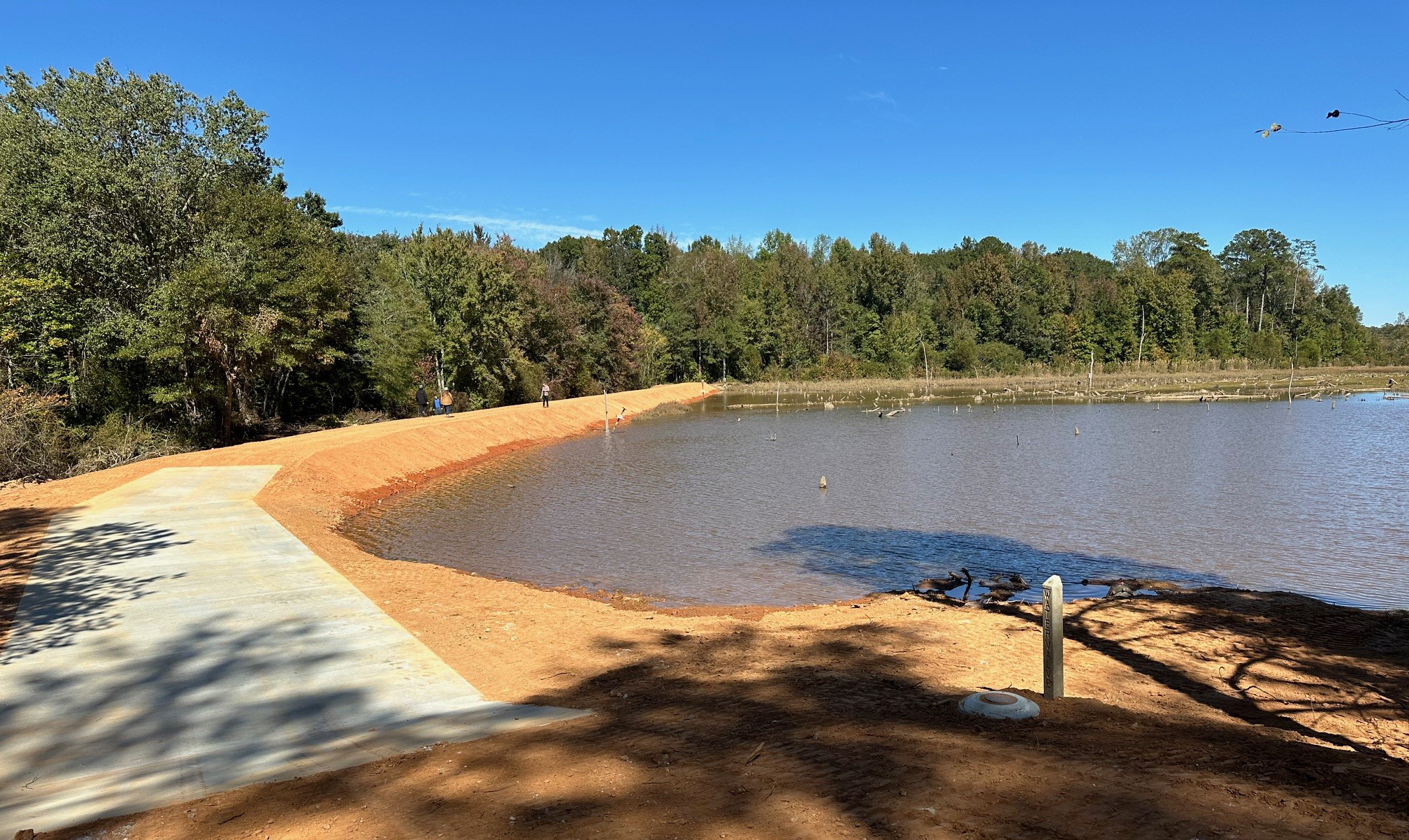




 Dr. Richard Karban, a trained ecologist and member of the UC Davis Entomology Department… who covers an array of intriguing topics, from “eavesdropping” plants to distinct plant “personalities”, is fully aware of the controversy surrounding his field. But he emphasizes that plant communication isn’t a fantasy; it is a biological response to specific cues. …Decades ago, little was known about it. Today, many researchers, such as Dr. Karban, argue that forests are highly communicative biological networks. These are sophisticated behaviors, but Karban attributes them to evolution and natural selection, not hidden sentience. He cautions against projecting human emotions onto biology, but suggests that to understand plants, we must understand their version of a “Hierarchy of Needs.” …Dr Kathryn Flinn, an ecologist at Baldwin Wallace University, believes that while mycorrhizal networks move resources, this does not mean the tree sending those resources is making a strategic or selfless decision. …Another notion gaining attention is that of a ‘Mother Tree’ recognising family members.
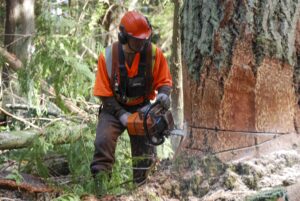 President Trump swept into office with a promise to ramp up the timber business on national forests. So far, they’re just treading water. The Forest Service reported relatively flat timber harvests and sales for the fiscal year that ended Sept. 30. …According to the agency’s cut-and-sold reports, national forests cut 2.52 billion board feet of timber for the fiscal year, down slightly from the 2.66 billion board feet cut during the last full fiscal year of the Biden administration. Sales volume totalled 2.95 billion board feet, a slight increase from the prior year but a drop from 3.08 billion board feet the year before that. The suppressed returns reflect some of the challenges in meeting Trumps’s directive to use national forests to reduce the nation’s reliance on wood imports. Those include wildfires, market conditions… and the Forest Service’s ability to set up and run timber sales after the administration whittled the workforce. [to access the full story, an E&E News subscription is required]
 WASHINGTON, D.C. —
 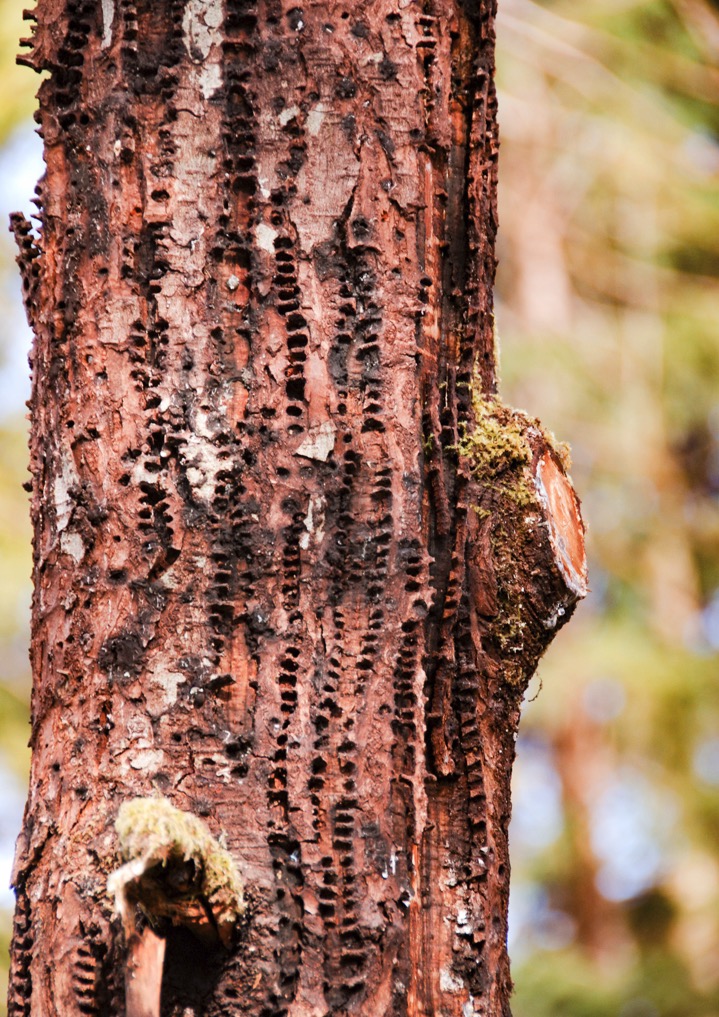 The Trump administration’s pending deletion of the Endangered Species Act’s definition of “harm” will have an outsize impact on imperiled species in Northwest forests targeted for logging, especially the northern spotted owl, environmental attorneys say. Habitat for several species, including the threatened owl and the endangered marbled murrelet seabird, overlap with federally-managed forests in Oregon, Washington, and California, where logging is expected to increase under White House emergency orders and a new law that requires a roughly 75% increase in timber harvesting in national forests by 2034. “Without adequate, suitable places to live and reproduce, species go extinct,” said Melinda Taylor, senior lecturer at the University of Texas at Austin School of Law. “Repealing the definition of harm would undermine almost all of the regulatory framework in place to protect endangered species.”
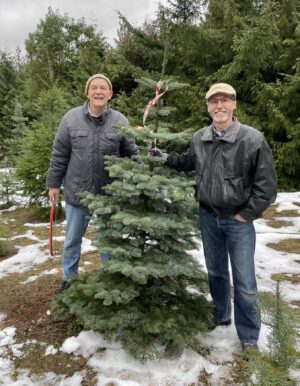 TEXAS — At Santa’s Christmas Trees in Grapevine, owner Kevin Keck has a simple motto: “Every tree deserves a home, and every home deserves a tree.” To keep people happy in a challenging economy, he has not raised his prices. …Part of why he’s able to keep his prices down is that his trees aren’t impacted by tariffs. “No, our trees come from Oregon, so they’re all United States-grown and shipped,” Keck said. “So, the tariffs won’t affect us any.”…But artificial trees are impacted. According to the National Christmas Tree Association, about 80% of fake trees in the US are manufactured in China. Some U.S. importers say those tariffs could raise the prices on trees by 10-20%. Keck thinks that the increase will make more people consider live trees.
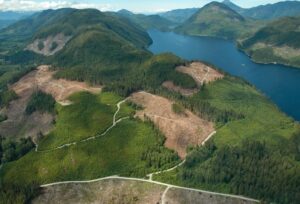 Retired federal wildlife surveyor Erich Reeder… has seen centuries-old forests targeted for destruction as President Donald Trump’s administration accelerates logging on federal lands nationwide. Earlier this year, loggers cleared out most of the forest in Galagher Canyon, part of a federal timber sale an hour south of Eugene, Oregon. …“The Trump administration is ordering the last of our publicly-owned mature and old-growth forests to be cut off and sold,” Reeder, 59, said. …Legal and political battles are heating up between Trump, who is eager to bolster the timber industry as part of his effort to create thousands of jobs and reduce the risk of wildfire, and environmentalists who are keen to protect ancient forests and the endangered wildlife that depend on them. …At least 27 court battles over federal logging and endangered species are unfolding from California to Washington, DC. Seven cases are challenging logging in eastern states.
 Gov. Jared Polis signed an
 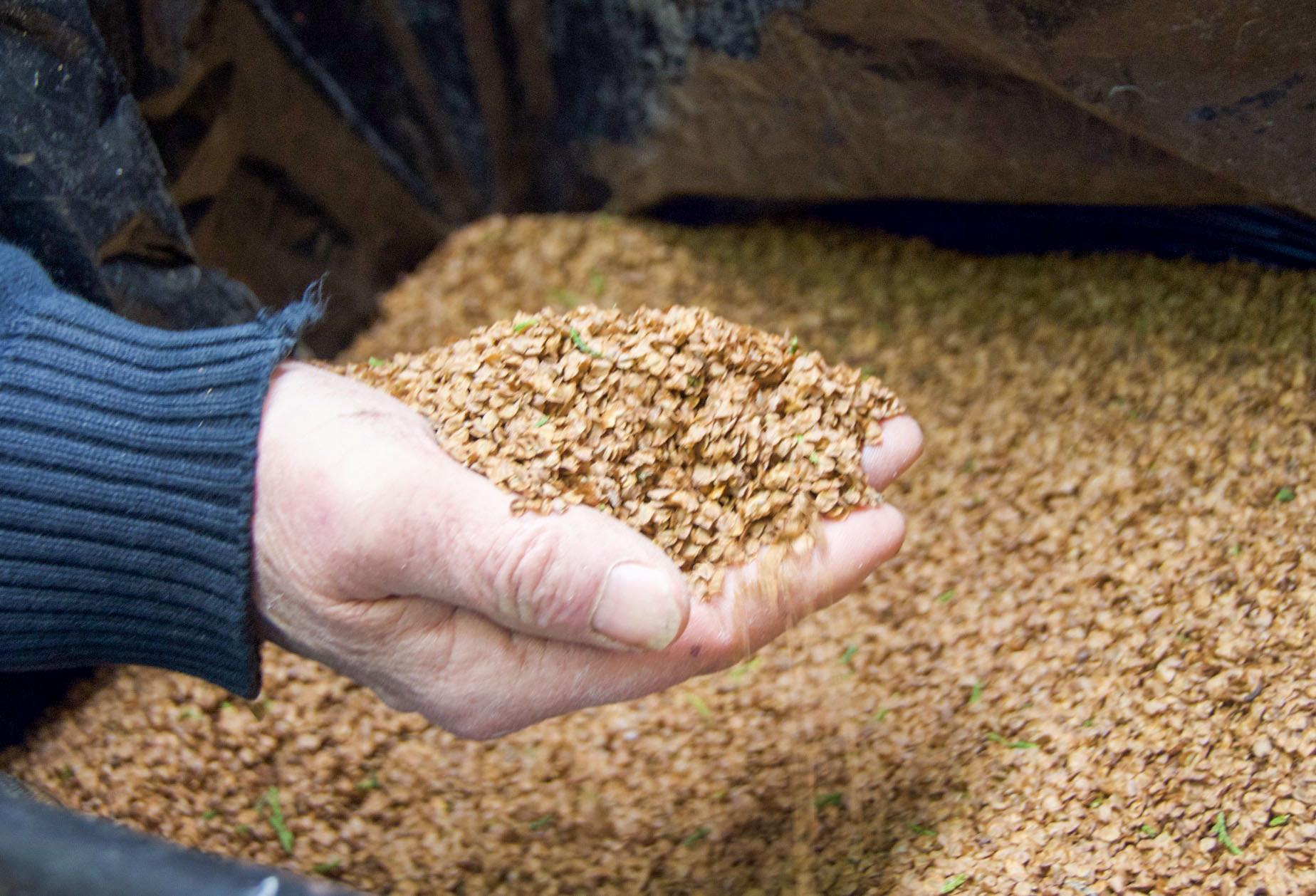 Climate change is contributing to drier conditions in the Pacific Northwest, causing wildfires to become more intense and destructive. A growing reforestation industry has emerged in their wake. The company Silvaseed is a key player in the region. Based southeast of Olympia in Roy, Washington, Silvaseed collects, cleans, catalogues and preserves seeds. It also raises millions of seedlings every year in its greenhouses and fields. Customers include private timber companies, public land managers and tribal nations. …Inside a warehouse built in the 1940s, Silvaseed general manager Kea Woodruff starts a tour of the facilities by flipping a switch to fire up a huge, old kiln. …Woodruff said most species’ cones need the kiln to reach about 100 degrees Fahrenheit. …At every step of the way, as the seed gets refined and purified, the bags are meticulously labeled and tracked.
 Two meetings next week between U.S. Forest Service leadership and timber industry representatives in Southeast Alaska are raising concerns among tribal and other officials about the possibility a years-long revision of the management plan for the Tongass National Forest will be halted by the Trump administration. At least one additional meeting is now planned next week because of those concerns, scheduled next Friday in Juneau between Forest Service leaders and members of the Central Council of the Tlingit and Haida Indian Tribes of Alaska, according to officials. A request to halt work on the revised plan is being made by the Alaska Forest Association, which states less than 10% of old-growth trees allotted to the timber industry in a 2016 revision of the plan have actually been authorized for harvest. The allocation of 430 million board feet (mmbf) was intended to support a 15-year industry transition to harvesting new-growth trees, according to AFA.


 A federal judge on Thursday vacated the U.S. Forest Service’s approval of a massive logging project [to harvest] about 16,500 acres of pine trees in the Custer Gallatin National Forest in southern Montana, just north of Yellowstone National Park. Senior U.S. District Judge Donald Molloy in Missoula, Montana, agreed with a collective of environmental advocates that the U.S. Forest Service failed to meet the requirements of the National Environmental Policy Act by relying on a condition-based management approach, which doesn’t identify the location of the 56.8 miles of temporary roads for the project and, as such, doesn’t adequately consider their impact on “secure habitat” for grizzly bears. Condition-based management defers specific decisions on how to proceed until the Forest Service has conducted field reviews. Here, it means the Forest Service has preliminarily identified areas as suitable for logging without identifying the precise location and size of the area to be cleared…
 WASHINGTON — On Tuesday, the U.S. House of Representatives passed two major bills for Washington state Tribes, the Lower Elwha Klallam Tribe Project Lands Restoration Act, and the Quinault Indian Nation Land Transfer Act. Both bills initiate the first step to return land back to the Tribes by transferring ownership from the federal government to the Bureau of Indian Affairs to be held in trust for the benefit of the Tribes. [The bills were introduced into] legislation in April 2025. The bills now go to the Senate for consideration. “Today, we took an important step in upholding our treaty obligations by passing legislation to transfer land into trust for the Lower Elwha Klallam Tribe and the Quinault Indian Nation,” said Rep. Randall. “I urge my colleagues in the Senate to quickly pass these two bills to ensure we meet our trust responsibilities to restore Tribal lands.”
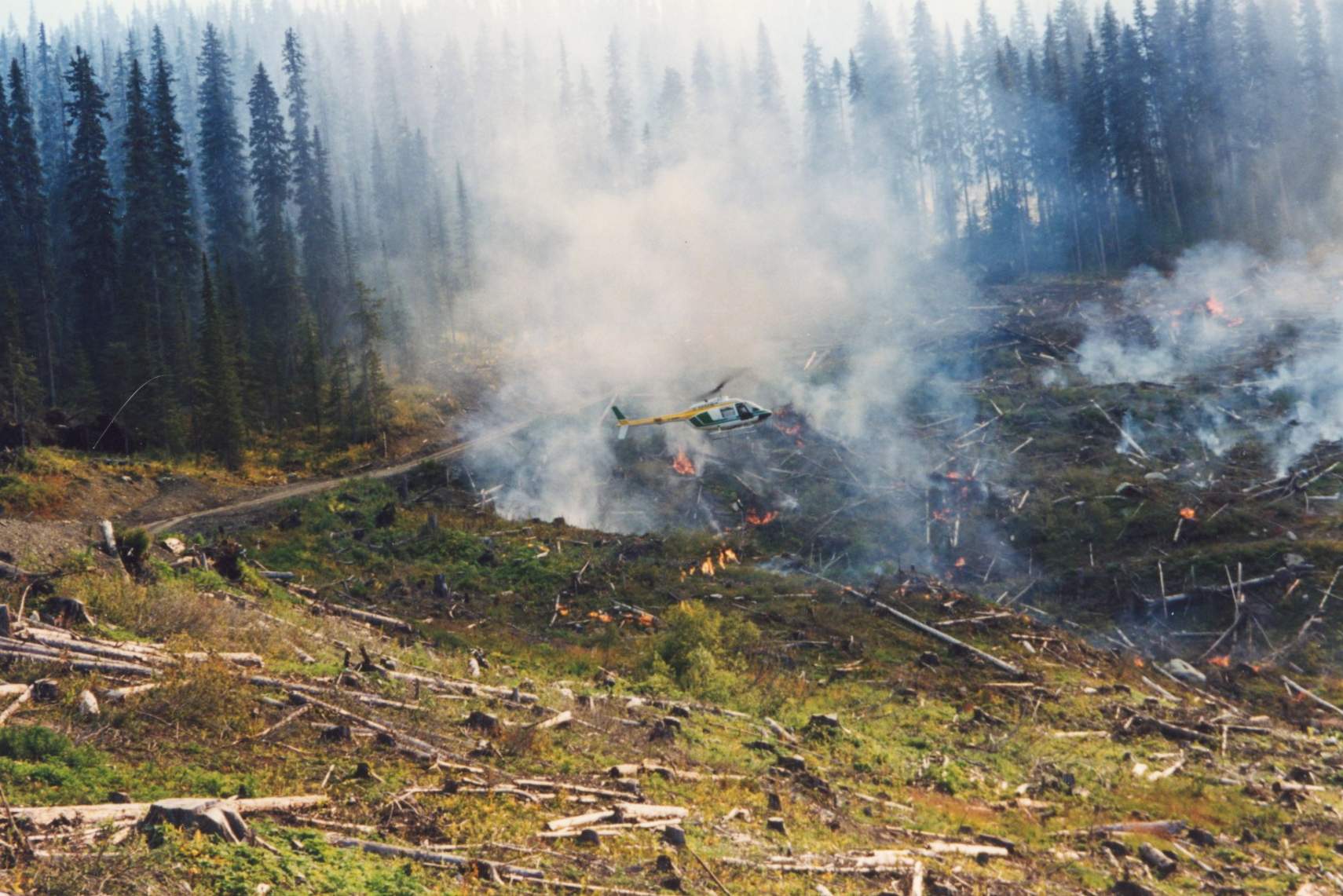 A new analysis making the rounds on Capitol Hill says the U.S. Forest Service sharply scaled back prescribed burns, thinning and other fuel-reduction work this year, leaving far fewer acres treated than in recent years. Through the first nine months of 2025, the agency logged under 1.7 million acres of treatments, well below the roughly four-year average that wildfire experts say is needed to protect communities and watersheds. The drop-off has Democratic senators and veteran firefighters pressing the agency for staffing numbers and a concrete plan to catch up before next fire season. As reported by Times of San Diego, the data cited by lawmakers comes from an analysis compiled by Grassroots Wildland Firefighters that compares the January-September 2025 total to a roughly 3.6 million-acre annual average from 2021-2024. Senators circulated that tally in a letter demanding detailed staffing and mitigation plans from the Forest Service.

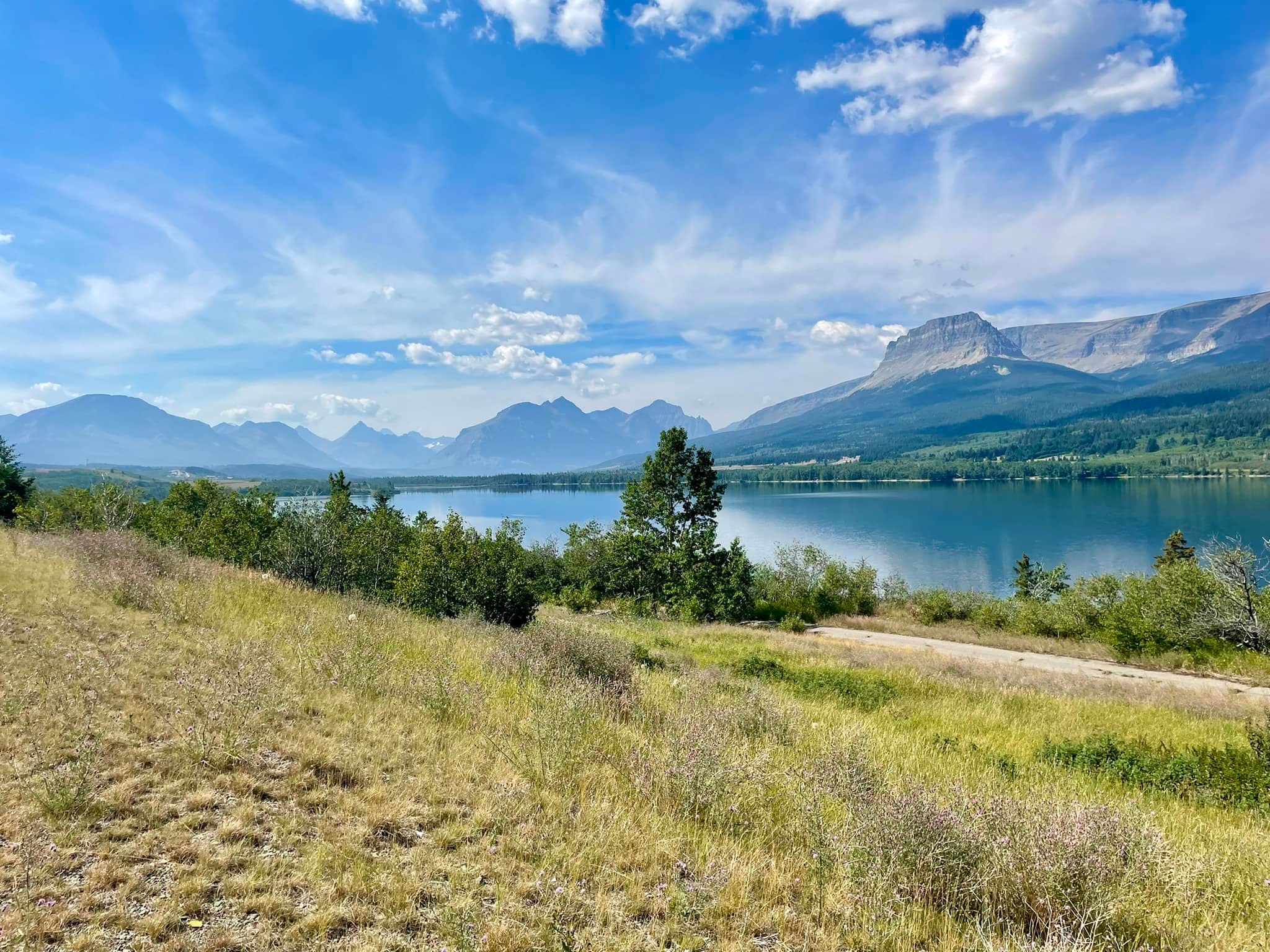 Despite a growing chorus of conservation advocates calling on Montana’s congressional delegates to defend roadless wildlands through permanent protections, a bill to do so seems unlikely to advance without Republican support, including that of U.S. Sen. Steve Daines. A Senate Energy and Natural Resources subcommittee on which Daines serves held a hearing Dec. 2 to consider a slate of 26 public lands and wildfire bills, among them a measure to enshrine the decades-old Roadless Rule into law. Re-introduced in June … the Roadless Area Conservation Act would protect nearly 60 million acres of national forestland. Although it has failed before, its supporters say this version comes at a pivotal moment as the Trump administration moves to roll back safeguards introduced in 2001. Hoping to capitalize on the bipartisan support that helped cleave a public land sale provision out of [the] One Big Beautiful Bill Act … conservation groups this week mounted a similar pressure campaign on Daines.
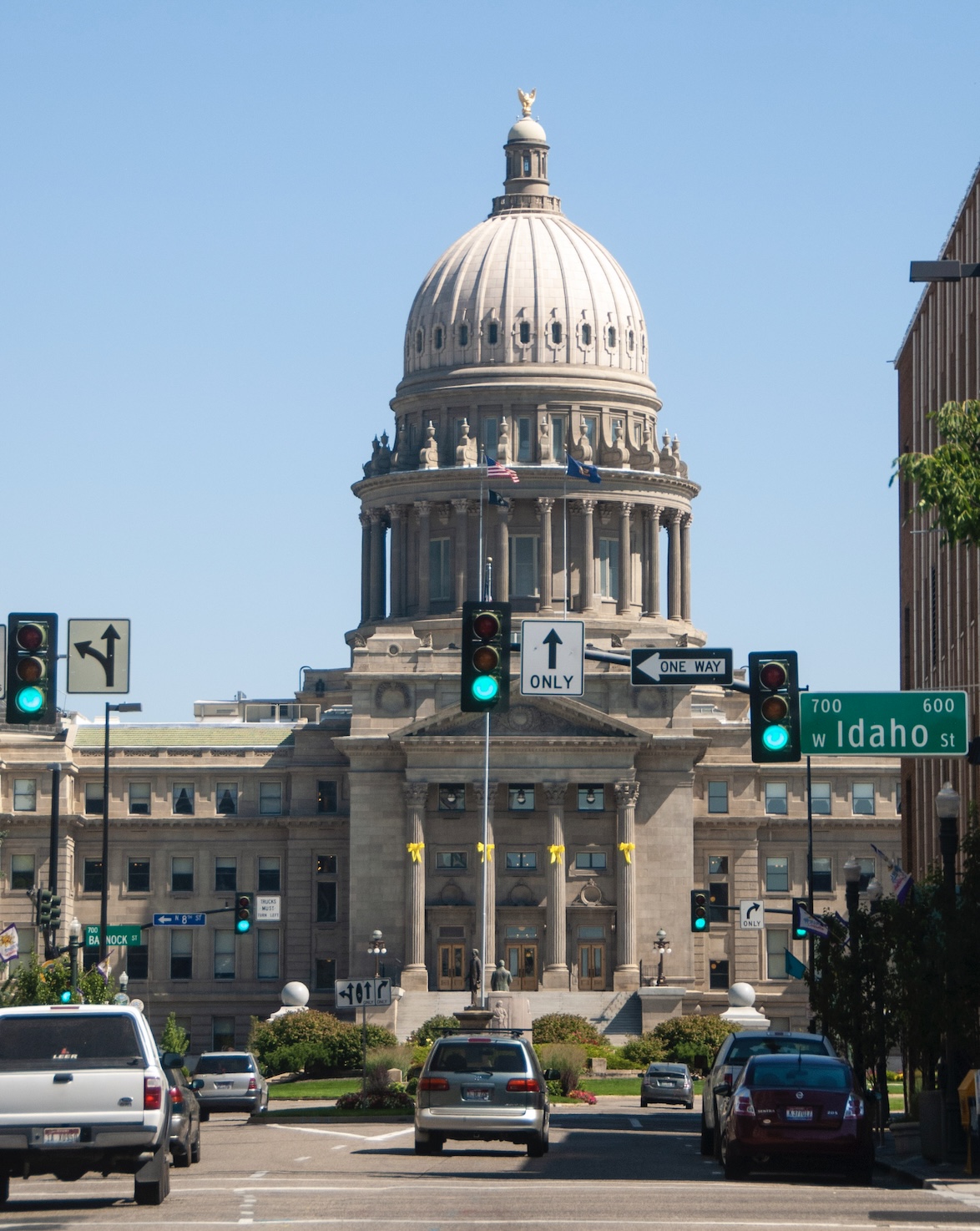 BOISE, Idaho — Governor Brad Little joined U.S. Forest Service Chief Tom Schultz and Idaho Department of Lands Director Dustin Miller on Friday to renew and expand Idaho’s Shared Stewardship agreement with the federal government — a move aimed at increasing the pace and scale of forest management across the state. The updated agreement establishes a collaborative framework between the U.S. Forest Service and the State of Idaho to strengthen policies related to forest restoration, land management, and wildfire mitigation “across Idaho’s forests and nearby communities.” Building on the landmark 2018 Shared Stewardship agreement, the new plan deepens joint efforts to boost timber production, accelerate wildland restoration, and expand forest health projects on national forests and adjacent state and private lands. The partnership reaffirms each side’s commitment to proactive landscape management as fire seasons grow increasingly longer and more intense.
 WARREN COUNTY, Pittsburgh — Local leaders and timber industry professionals are hoping for an economic boost as logging increases in the Allegheny National Forest. The timber industry has strong roots in the four counties that contain the Allegheny National Forest: Elk, Forest, McKean, and Warren. With fewer than 150,000 residents, it’s a small enough region where almost everyone knows everyone else in the business. …“If you’re somebody who lives here, almost everybody is touched in some way by the timber industry,” said Julia McCray, at the Allegheny Forest Alliance, a coalition dedicated to the national forest’s health that includes local officials and people from the timber industry. As logging expands on federal lands amid a Trump administration push for more timber, the effects could be felt for years to come — in the forest and beyond. A single logging operation relies on a multi-step chain of work that employs many.



 The Family Forest Carbon Program pays landowners not to timber their trees, then sells the additional growth as carbon credits. But critics question whether it leads to overall emissions reductions. David Funk has spent decades working to restore the native forest ecosystems of southeast Ohio. Now, he’s finally getting paid for it—through a carbon credit program. “The Nature Conservancy reached out and knew that I was very active in the preservation of woodlands in southeastern Ohio,” Funk said. “It was just a perfect fit for what we do.” That’s why Funk was eager to become the first Ohio member of the Family Forest Carbon Program. An initiative of the American Forest Foundation and the Nature Conservancy, the FFCP pays private landowners not to timber the forests on their properties for 20 years. It also provides free consultations with forest managers to facilitate whatever goals landowners may have for their woods—hunting, hiking, even sustainable harvesting.