 The Tree Frog News featured the panels and speakers from last week’s International Pulp Week. In today’s Tree Frog News are links to all of the conference sessions in chronological order.
Day One – June 1, 2025
- Registration and Wecome Cocktail
Day Two – June 2, 2025
- Looking Back, Moving Forward: 20 Years of Industry Insights: Kevin Mason
- Economic Uncertainty: A Macro View on Tariffs and Markets: Joaquin Kritz Lara
- Metsä Fibre’s enhanced position in Softwood Pulp: Mikko Antsalo
- The Global Hardwood Market: Leonardo Grimaldi
- How Carbon Capture and Removal is Unlocking Opportunity: Jonathan Rhone
- Navigating EUDR Compliance with Automation and Digital Tools: Parker Budding
Day Two – June 3, 2025
- Managing Geopolitical Uncertainty and Its Challenges: Robert McKellar
- Reshaping China’s P&P Industry in a Shifting Global Landscape: Haidong Weng
- The Shanghai Pulp Futures Exchange Path to Internationalization: Jin Feifei
- How Luojing Terminal is Meeting China’s Pulp Demand: Tian Jun
- Current Trends in End-Use Markets: Mathieu Wener
- Global Pulp Market: Demand Drivers and Outlook: Emanuele Bona

 The second Trump administration has come out swinging on trade. New tariffs have reignited uncertainty across global supply chains and forced America’s economic allies to find ways of placating the White House. For Canada and Mexico, Washington’s partners in Trump’s U.S.-Mexico-Canada Agreement, this has been a stark reminder of how easily trust can erode, even in the most integrated trade relationship in the world. …In terms of trade, the stakes could not be higher: Mexico and Canada are the United States’ no.1 and no. 2 trading partners. But the partners don’t just trade enormous amounts with each other; they build things together. Therefore, the review process is also a chance to modernize North America’s trade architecture, reinforce strategic industries, and rebuild the foundations of regional trust and cooperation. America’s competitiveness depends heavily on the integrated North American manufacturing platform, and thus on the success of Mexico and Canada, its partners.
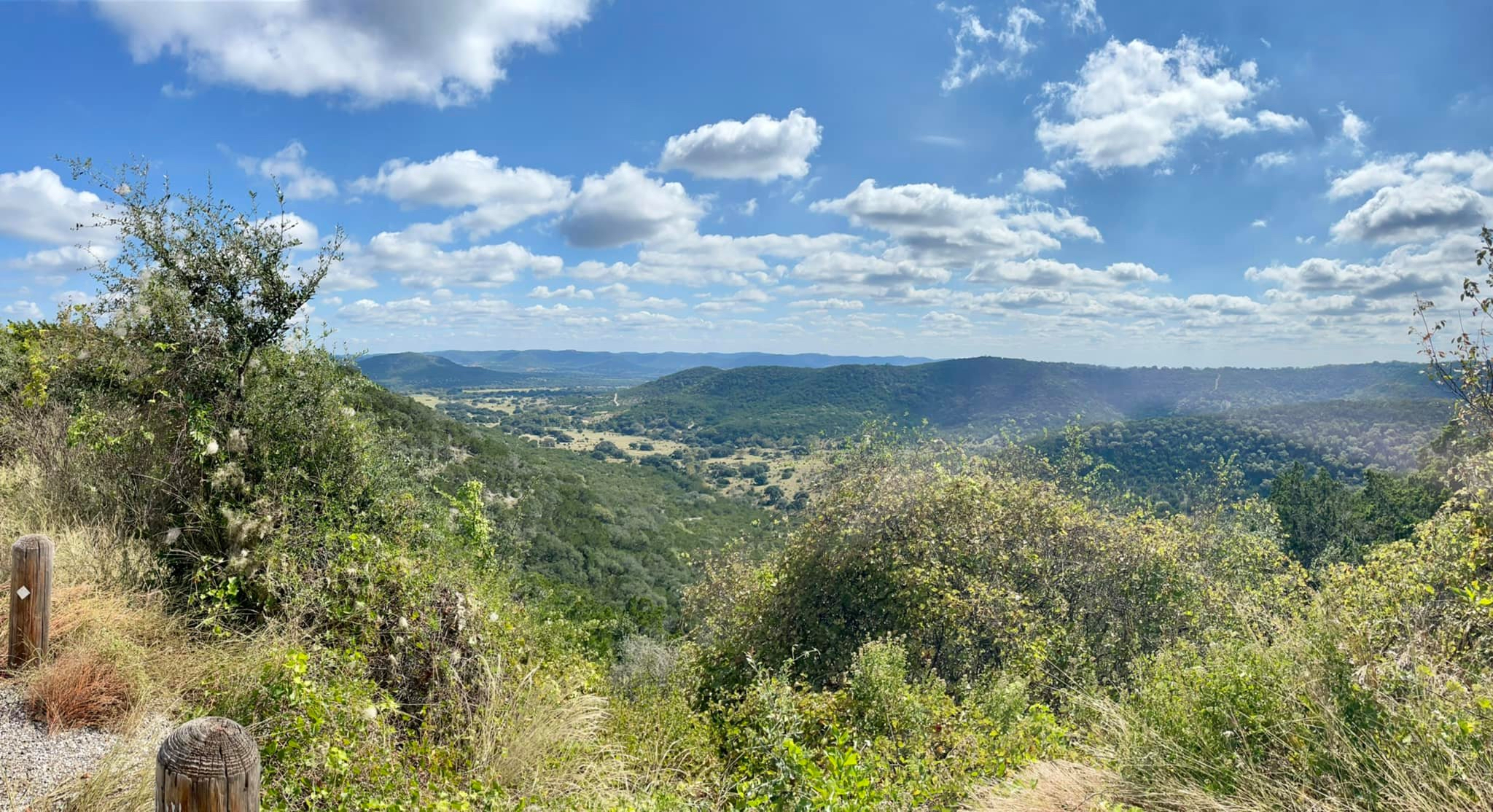 The Trump administration will rescind protections that prevent logging on nearly a third of national forest lands, including the largest old growth forest in the country, the agriculture secretary, Brooke Rollins, announced on Monday. …Republican lawmakers from western states celebrated the announcement while environmental groups expressed dismay. On social media, the Republican representative for Alaska, Nick Begich, said: “…the ‘Roadless Rule’ has long stifled responsible forest management, blocked access to critical resources, and halted economic opportunity.” Meanwhile, the Sierra Club’s Alex Craven, said: “Once again, the Trump administration is ignoring the voices of millions of Americans to pursue a corporate giveaway for his billionaire buddies. Stripping our national forests of roadless rule protections will put close to 60m acres of wildlands across the country on the chopping block.”

 …In August 2024, a lumber mill owned by K & D Products and nestled in Panguitch, Garfield County’s largest city, went up in flames. Reports stated that, while the blaze didn’t get to the timber, the site’s machinery was severely damaged. The destruction landed a heavy blow to the community and the Frandsen family, who have owned and operated the mill for generations. …Between the area’s lumber heritage and the need to balance out tourism’s seasonal employment waves, Fiala gained enthusiastic support from state and local governments to build another sawmill. With his business partner, Barco — a logging company — Fiala acquired 25 acres north of Panguitch and began clearing space and bringing in power, water and gas. When the K & D Products sawmill burned during Fiala’s development, he spoke to the Frandsens and together they worked out a way for Fiala to take over what was left of the old mill and utilize it for his new business.
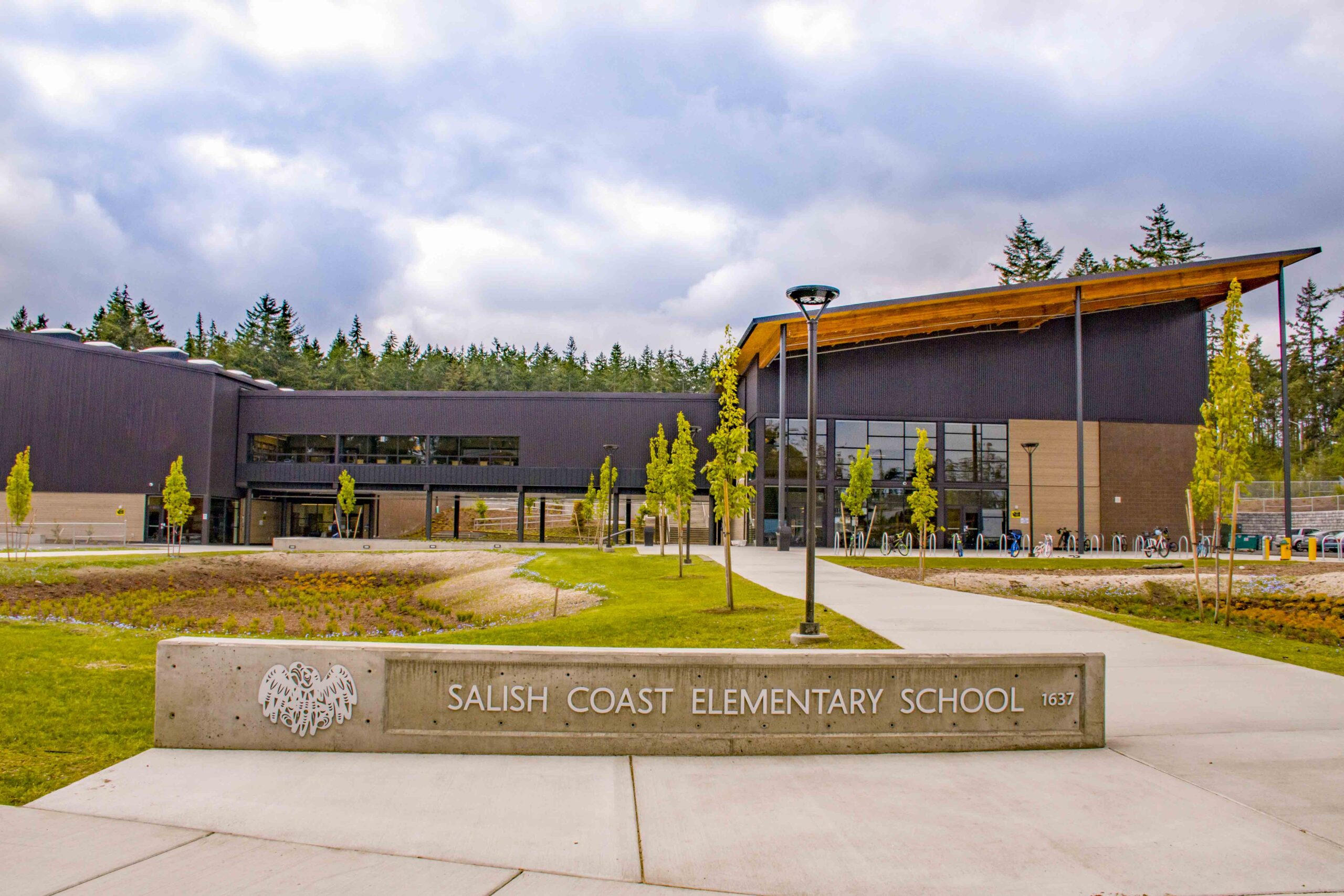 The U.S. Senate unanimously passed a bill to reauthorize a program that has provided billions to schools, roads and other services in rural Oregon and Idaho. The U.S. Forest Service’s “Secure Rural Schools and Self-Determination Program,” was initially crafted in 2000 to help offset the loss of timber revenue in rural counties. The program expired at the end of 2023, but the recently passed “Secure Rural Schools Reauthorization Act of 2025” would reauthorize the funding for more than 4,000 school districts and 700 counties across the country through the 2026 fiscal year. The bill’s lead sponsors include U.S. Sens. Ron Wyden and Jeff Merkley, both Oregon Democrats, and U.S. Sens. Jim Risch and Mike Crapo, both Idaho Republicans. …This year, bill sponsors are urging the U.S. House to reauthorize the program. Without its passage in the House, rural counties in Oregon, Idaho and across the country will fall short of funds that support local services.


 EUGENE, Oregon — Sierra Pacific Industries plans to spend $253 million on upgrades to its Eugene, Oregon, sawmill site, according to published reports. The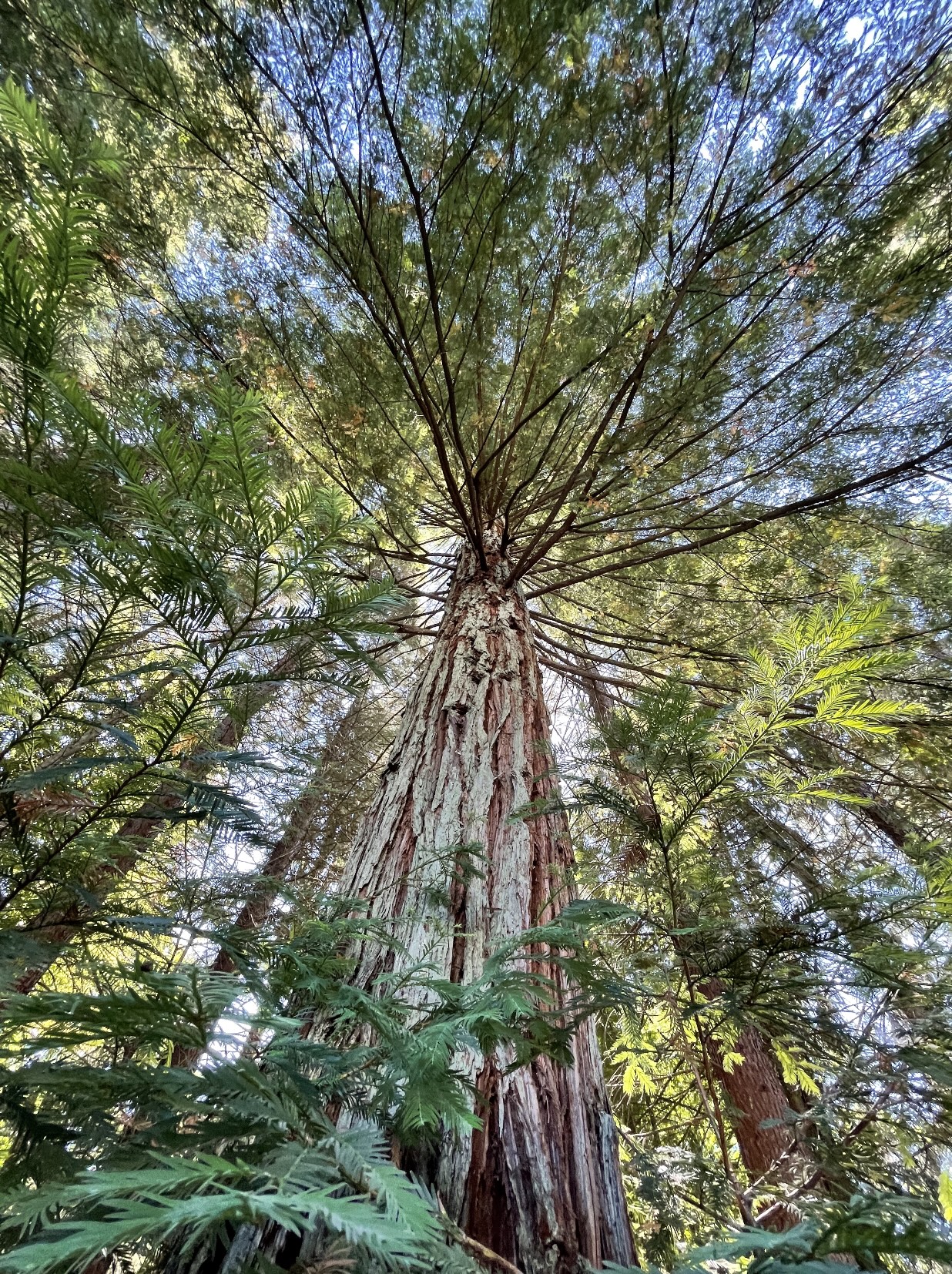
 USK, Washington — The owners of the defunct Ponderay Newsprint Mill plan to sell its equipment at auction next month after years of empty promises to reopen what had been one of the largest employers in northeast Washington. The sprawling 927-acre property in Usk has 29 buildings and storage facilities. It is situated adjacent to the Pend Oreille River and the Pend Oreille Valley Railroad. Instead of making paper or reconfiguring the mill to make cardboard, as the new owners promised multiple times in public hearings, the site has produced nothing for the past several years. Instead the owners used vast amounts of electricity to run computers mining for cryptocurrency. The paper mill previously was owned by Lake Superior Forest Products, a subsidiary of Quebec-based Resolute Forest Products, and five major U.S. publishers. They declared bankruptcy in 2020, ending the jobs of about 140 workers. Now that equipment is being listed by Capital Recovery Group to be viewed on July 21 with online auctions to commence on July 22 and July 23.



 Lumber futures traded below $610 per thousand board feet, easing from two-month highs of $626 seen June 13th, driven by improving supply while demand slowed. This pullback reflects a temporary surge in supply as sawmills and wholesalers restocked early-season safety stocks, while builders delayed purchases after earlier buying . The decline also stems from softer demand: high mortgage rates continue to suppress new house builds and remodeling activity, with treaters and end-users scaling back orders. Although longer-term forecasts expect a pickup in Q3, driven by renewed tariff pressure and projected housing recovery, the current correction is supply-led, driven by modest restocking, seasonal slowdown, and rate-constrained construction spending. [END]›
 Lumber futures rose past $610 per thousand board feet, a ten-week high, as steady construction activity met tightening supply and mounting trade barriers. US homebuilding remains steady with single-family starts flat at 1.36 million units in April and permits edging lower, while Canadian multi-unit starts jumped 34%, keeping mill orders firm. Canadian harvests are constrained by pine-beetle infestations, prairie wildfires that have burned more than 200,000 hectares this spring and strict cut limits that left British Columbia nearly 42% below its allowable quota in 2023. In the US, sawmill utilization stalled in the mid-70% range despite recent capacity additions. Tariffs of roughly 14.5% on Canadian softwood, along with threats of higher levies, have discouraged cross-border shipments, while major exporters divert supply to Asian and European markets. Elevated fuel and transportation costs further raise delivered prices.

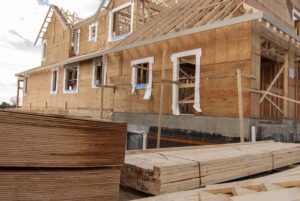 Construction of new homes fell 9.8% in May, as builders pulled back amid waning demand from home buyers. Housing starts fell to a 1.26 million annual pace from 1.39 million the previous month, the government said. The annual pace refers to how many houses would be built over an entire year if May’s rate of construction were to continue. The pace of home building is down to the lowest level since May 2020 — during the peak of the COVID-19 pandemic. New-home construction is down 4.6% from the same period a year ago. Building permits, a sign of future construction, also fell 2% from the previous month to a 1.39 million rate. Builders have slowed down the construction of new homes primarily due to a pullback in buyer demand. Rising inventory levels and weak buyer demand have resulted in homes sitting longer on the market. More builders are also resorting to home prices to encourage buyers.
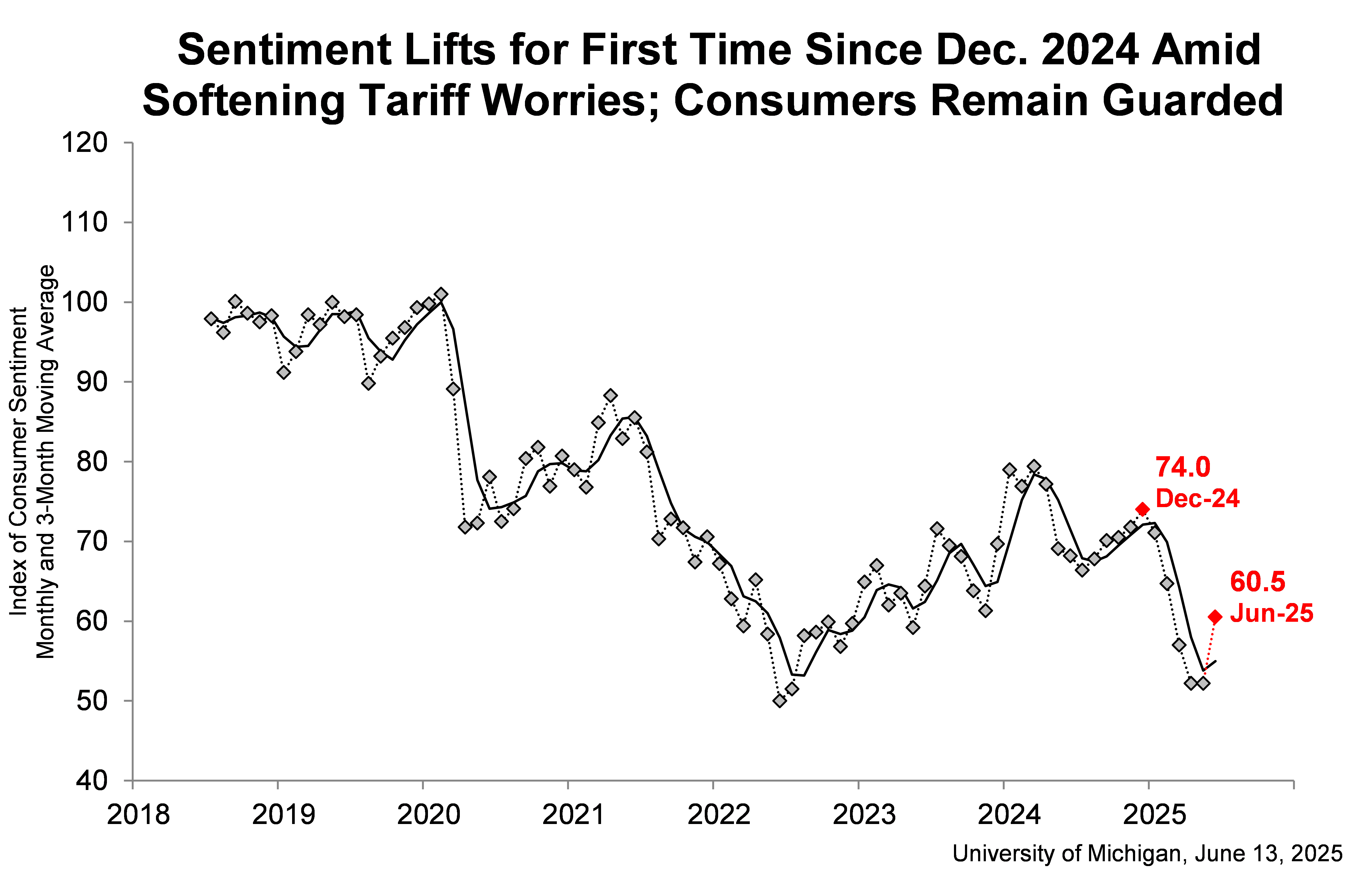
 April 2025 Southern Pine lumber exports (treated and untreated) were up 22.7% over the same month in 2024 at 57.4 MMBF and up 34.8% over March 2025, according to April 2025 data from the USDA’s Foreign Agriculture Services’ Global Agricultural Trade System. Year-to-date exports, however, are running 4% behind the same period in 2024 at 179.7 MMBF. When looking at the report by dollar value, Southern Pine exports were up 27% to $22.6 million in April – a 12-month high – compared to the same month in 2024 and up 26% over March 2025. Mexico leads the way YTD 2025 at $20.7 million, followed by the Dominican Republic at $15.8 million, and Canada at $5 million. Treated lumber exports, meanwhile, were up 47% compared to April 2025 at $15 million and up 53% over March 2025. …Softwood lumber imports were down 5% in April to 1.2 MMBF over the year and down 13.7% over March 2025.
 The American military is looking at the possibility of using 3D printing, additive construction methods and cross-laminated timber (CLT) to build new military barracks and other buildings at various bases. The U.S. Army Corps of Engineers has already built new barracks at Fort Bliss, Texas, using 3D printing. …CLT is also being used in another centre planned at Joint Expeditionary Base Little Creek-Fort Story, also in Virginia. …Engineers at the Air Force Civil Engineer Center of the Air Force Installation and Mission Support Center are leading the way with research and development on the possibility of implementing concrete building construction techniques in future military construction projects. They discussed a number of topics, including additive construction, 3D-printed buildings, high performance cement and concrete mixes, geosynthetics, mass timber, composite materials, industrialized construction, tension fabric structures and carbon fiber-reinforced polymers.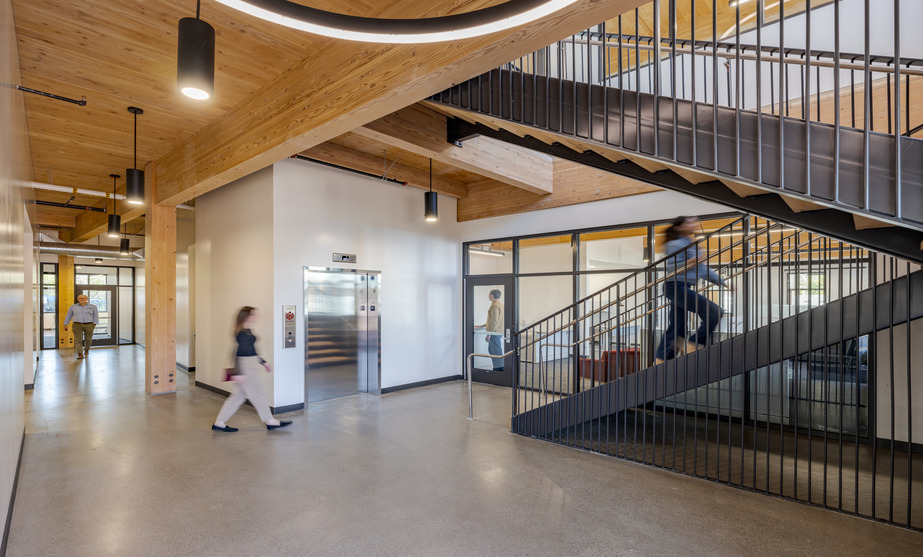
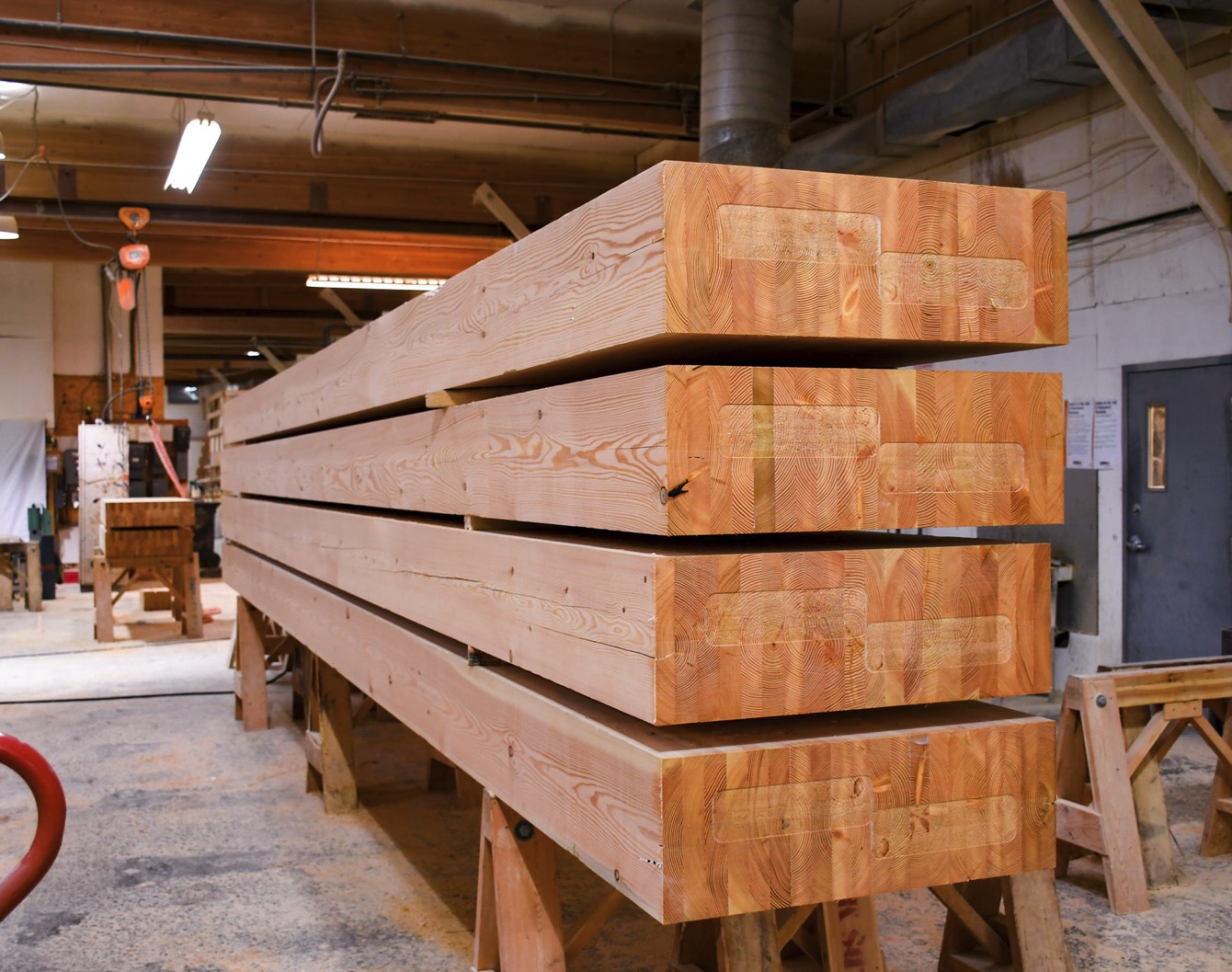

 I recently gave my electric pressure washer a vigorous workout. …Years ago, I walked into a lumber company to purchase materials and saw a placard on the counter advertising new maintenance-free pressure-treated lumber. Yes, at one time, residential pressure-treated lumber was a new thing. …We all discovered the claim was wrong. Pressure-treated lumber requires extensive maintenance. …This reality led to the first generation of composite decking. I remember when Trex was introduced. It dominated the marketplace, even though it was quite unattractive. It, too, was marketed as maintenance-free. Millions of other homeowners demanded a more realistic composite deck material. Generations two and three of composite decking followed. …The corporate attorneys for some decking manufacturers have reined in the optimistic marketing managers. You’ll now see clever descriptions such as “minimal maintenance.”
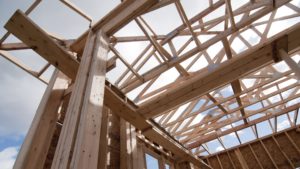 In an age of sleek finishes and synthetic shortcuts, timber framing offers something few modern materials can: substance. There’s a quiet grandeur to exposed beams that hold not only the weight of a home but the stories it gathers over time. The appeal isn’t rooted in nostalgia—it comes from discernment. Choosing timber is a commitment to craftsmanship, to the feel of hand-hewn structure beneath polished design. Bespoke estates, mountain retreats, and coastal getaways are embracing timber as both a form and a functional element. No longer reserved for rustic cabins or historical reproductions, it’s becoming the architectural signature of homes designed with permanence in mind. That kind of durability begins with sourcing, ensuring the materials behind the beauty are as intentional as the design itself. Timber framing is one of the oldest construction methods still in use, with roots stretching back over a thousand years.



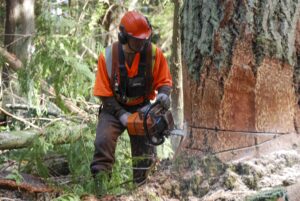 The buzz of saw teeth and scent of crushed pine needles filled the air as Roy Blackburn walked up a muddy path tucked away in the Willamette National Forest. …Timber once drove the economies of states like Oregon. But forest harvests nosedived beginning in the early 1990s due to stricter environmental regulations, a changing lumber market and other factors. President Trump hopes to reverse that trend by executive fiat, ordering the US Forest Service to ramp up logging on federal lands in what environmental groups like Earthjustice call a “cynical attempt to justify destructive logging.” …The amount of timber harvested on Forest Service land has decreased nearly 80% since reaching a high in 1987. …Canadian competition was on Trump’s mind in March when he signed an executive order to immediately expand timber production on federal lands. …Previous administrations allowed environmental groups to drive “the decision-making on our forests.” That’s changing.
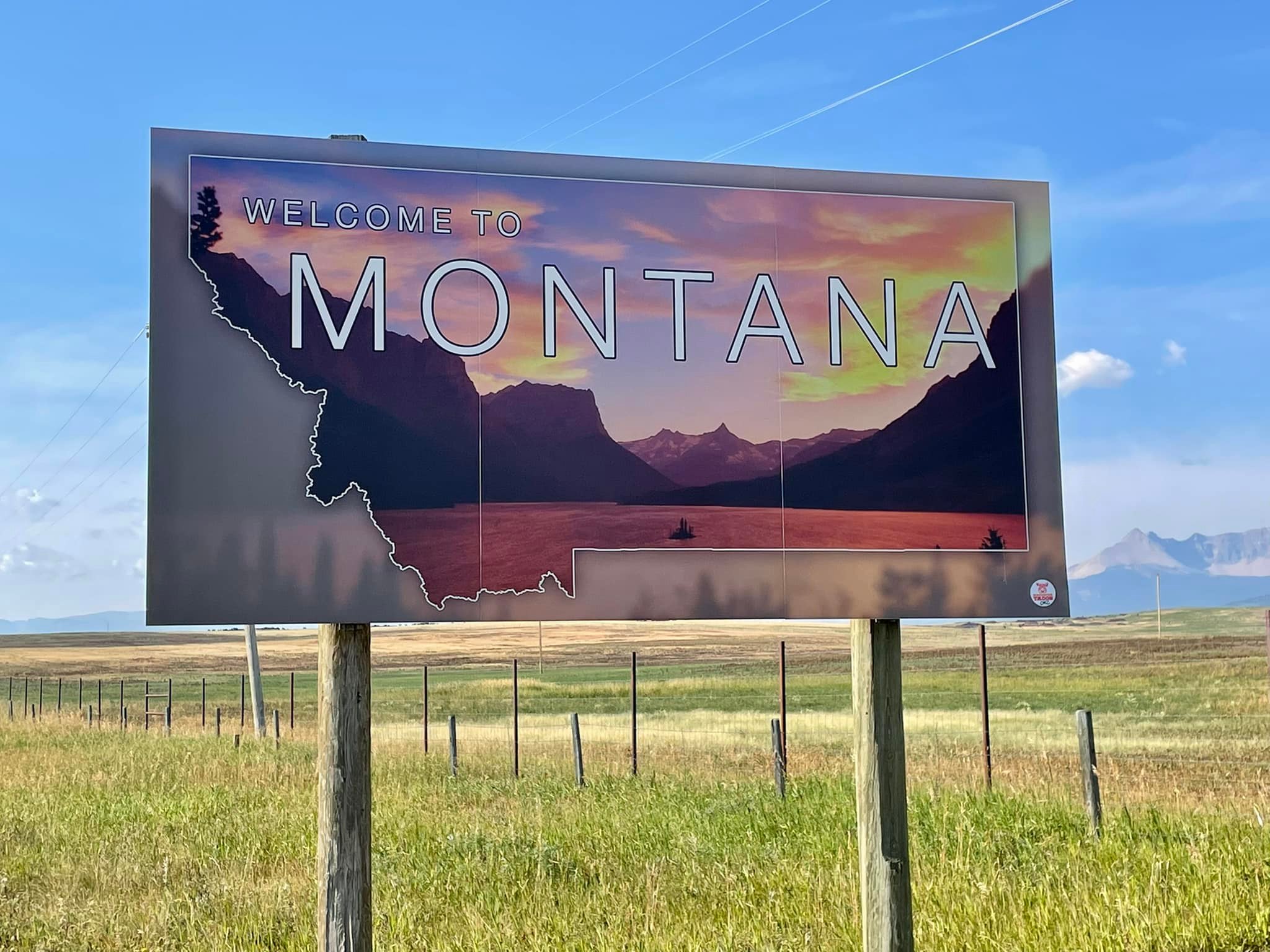 Less than two weeks have passed since the public learned of a Senate proposal to sell off public lands, and now, the U.S. Department of Agriculture has removed roadless protections for more than 58 million acres of federal land across the nation. …Helena Hunters and Anglers …decided to call an emergency meeting for Tuesday to discuss the implications of the announcement. If roadless areas were truly gone, the group might not continue their yearly monitoring of roadless areas. Montana has almost 6.4 million acres of inventoried roadless areas… Helena Hunters and Anglers has been monitoring some of those roadless areas for the past few years to assess their condition, and some of the findings aren’t good. …A number of other conservation organizations immediately criticized the action, calling it another handout to corporations to the detriment of the American public and future generations. The Colorado-based Center for Western Priorities said Rollins’ reasons were suspect.
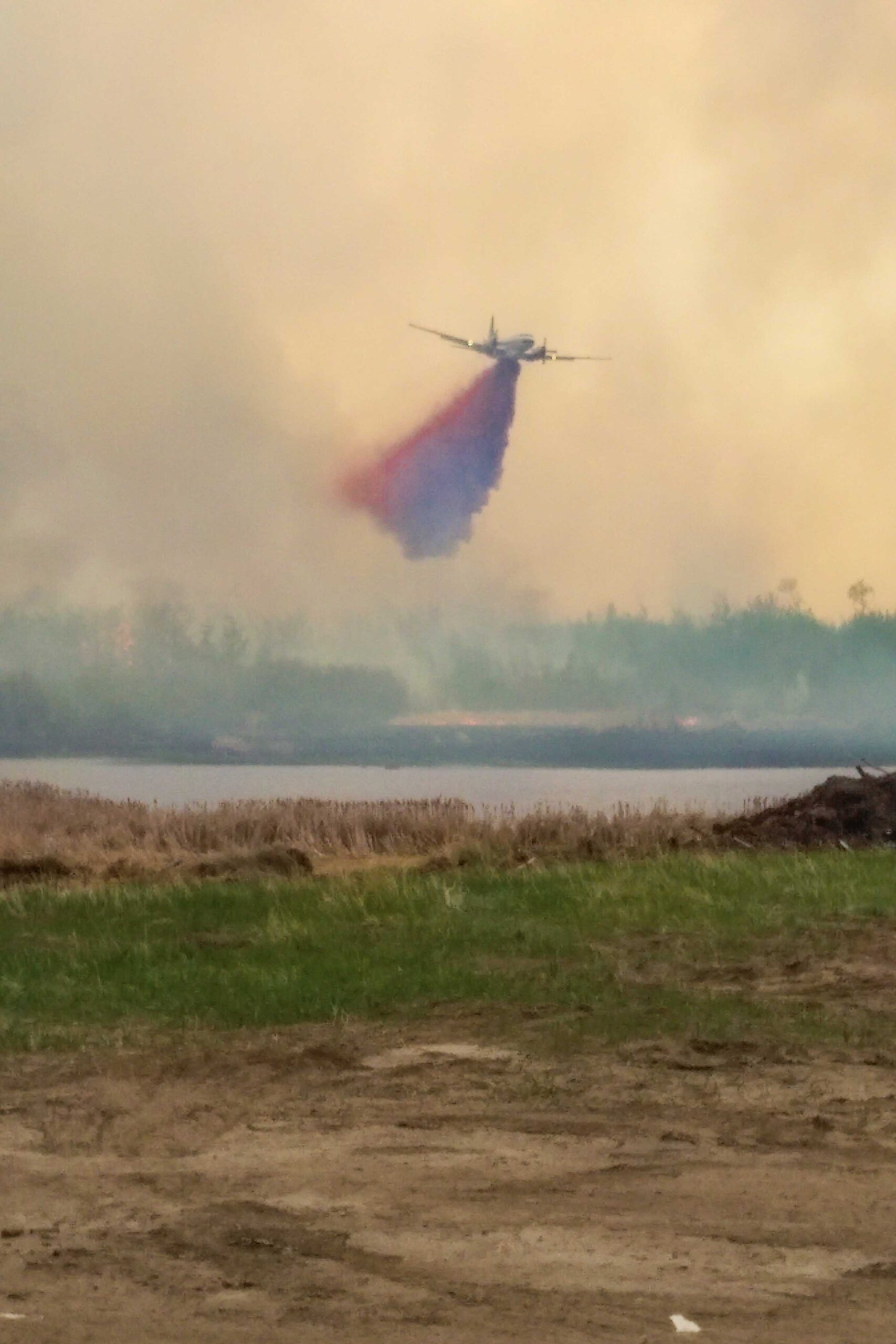 HELENA — Aerial resources have been critical in reaching the Jericho Mountain Fire, and Helena has … a tanker base that can support the largest firefighting planes. …The around three thousand gallons of retardant the average plane holds is just one of the reasons it is so effective. Another factor is the team on the ground who get it refueled and refilled and back in the air in just minutes. …The tanker base typically opens for operations on July 7th but kicked off their wildfire season on June 15th nearly a month early this year due to the Jericho Mountain Fire. Once they got the call, the team had the base operational in two hours. So far the tanker base has already helped planes drop more than 32-thousand gallons of retardant this year compared to zero at this time last year.
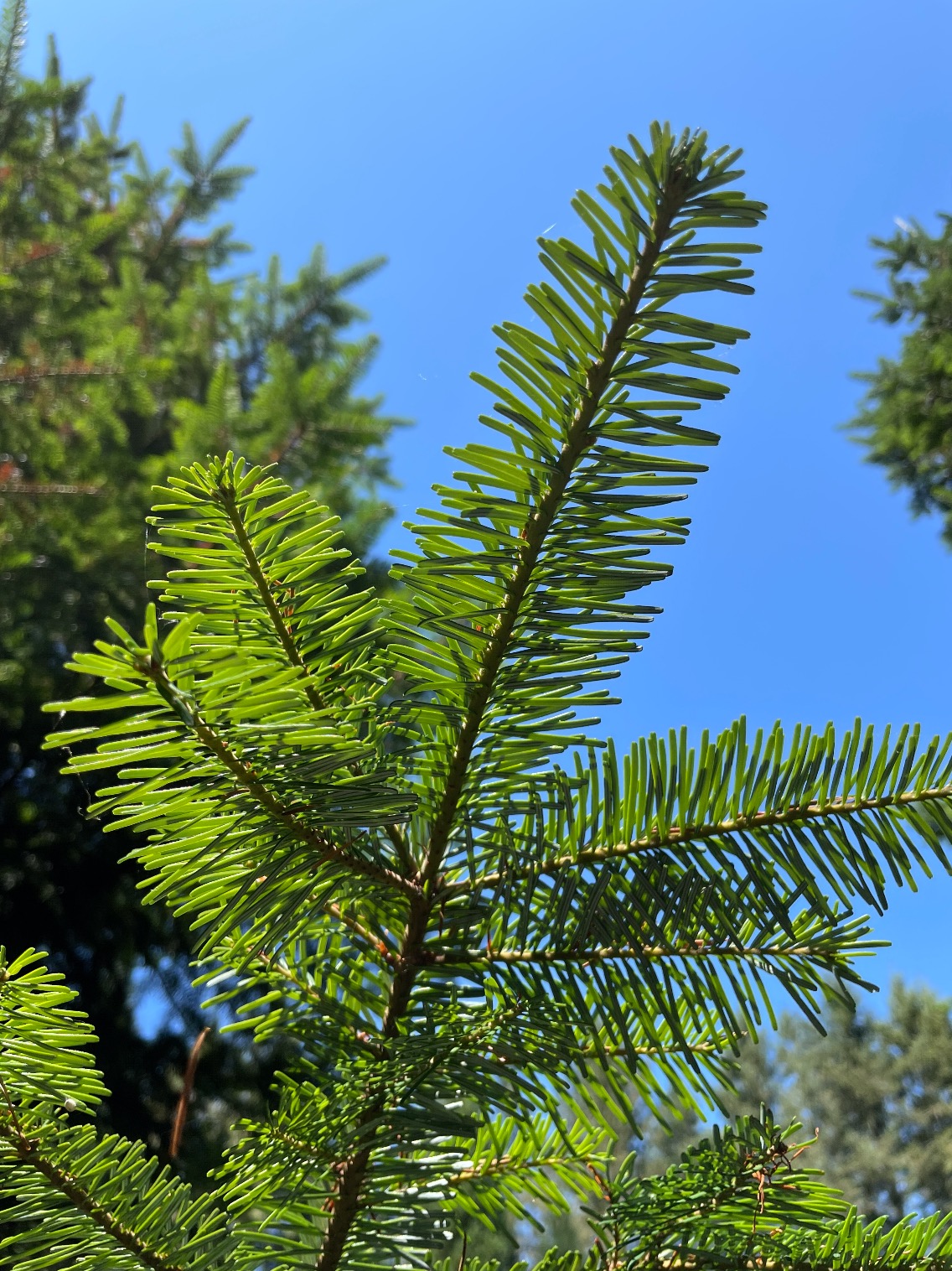 The U.S. Forest Service is headed for obsolescence due to recent personnel reductions, proposed budget cuts and re-organization plans. The ability of the Forest Service to meet its legislatively mandated multiple-use mission to the American public is being systematically dismantled. …over the last several months we’ve seen an agency deliberately dismantled by indiscriminate firings, forced retirements and coerced resignations. …The gutting of the Forest Service is a national crisis that will take years or decades to recover from once we, as a society, choose to stop the damage to our federal system of governance. We must individually and collectively speak out to all our elected officials and demand a stop to the out-of-control damage being done. We need to begin to rebuild a federal government that we can rely on to deliver critical services to the American public, including the Forest Service, and protect our wild landscapes from destruction.
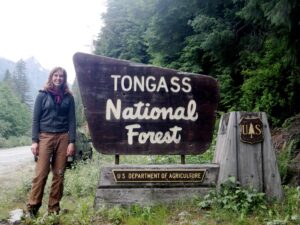 Members of the U.S. Senate last week proposed a major sale of federal land as part of the “Big, Beautiful Bill” proposed by Republicans to fund the U.S. government. If adopted, the proposed sale could be significant for Alaska, where the federal government owns and manages 61% of all land in the state… The concept would significantly increase the amount of logging required on federal land. The U.S. Forest Service would be required to significantly increase the amount of timber sold to loggers, and the Forest Service would be required to sign at least 40 long-term timber sales contracts involving national forests. Those kinds of long-term sales contracts contributed to the establishment of Southeast Alaska’s pulp mills, which relied on harvests from the Tongass National Forest. Most timber harvests from the Tongass currently are exported internationally without processing in the United States.
 The Oregon Department of Forestry and the USDA Forest Service will conduct low-level flights in June to monitor forest health. This survey, which began in the 1940s and paused only during the 2020 pandemic, is the longest continuous annual survey of its kind in the United States. Airborne researchers conduct the survey from fixed-wing aircraft, flying between 1,500 and 2,500 feet above ground level at speeds of 90 to 140 miles per hour. They follow a systematic grid pattern, four miles apart, to identify areas where trees are in distress. “Oregon has about 30 million acres of forest so flying in a grid pattern over it allows us to find problems even in remote areas hard to reach by vehicle or on foot,” said Christine Buhl, an entomologist with the Oregon Department of Forestry.
 Sitting in an old-growth spruce fir forest, Doug Smith says he can see first-hand the impact of reintroducing wolves on the larger ecosystem of Yellowstone National Park. Long before Yellowstone became the world’s first national park in 1872, wolves thrived in the U.S. Rocky Mountains. But early Yellowstone rangers killed off the last of the park’s wolves by 1926. Then, in 1995, the U.S. government reintroduced wolves to Idaho and Yellowstone using wolves captured in Canada. Smith helped bring them back to the park and was in charge of Yellowstone’s wolf project for nearly 30 years until he retired in 2022. “Yellowstone is a very different place, with and without wolves,” Smith said. “Wolves definitely have changed this landscape with the help of other predators,” he added. “It’s very different.” And one wolf, in particular, fascinated wolf watchers for longer than almost any other.
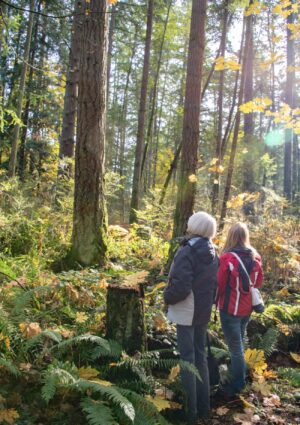 The Portland City Council made a major change last week to the team of inspectors that enforces the city’s Tree Code, which regulates all street trees and some trees on private land across the city. The council voted to move the entire tree regulation team—which currently falls under the Urban Forestry division, a program nested within the parks bureau—to Portland Permitting & Development. …Councilor Eric Zimmerman called into question Urban Forestry and how it polices and fines Portlanders seeking to trim or remove trees on or near their property. …The tree regulators—who also process and vet permits for tree removals, replantings and prunings—will no longer be the under the oversight of city forester Jenn Cairo, whose management has come under scrutiny.The council also voted to transfer $2.1 million of Parks Levy funds from the Tree Code regulation division to backfill maintenance cuts to outdoor parks.
 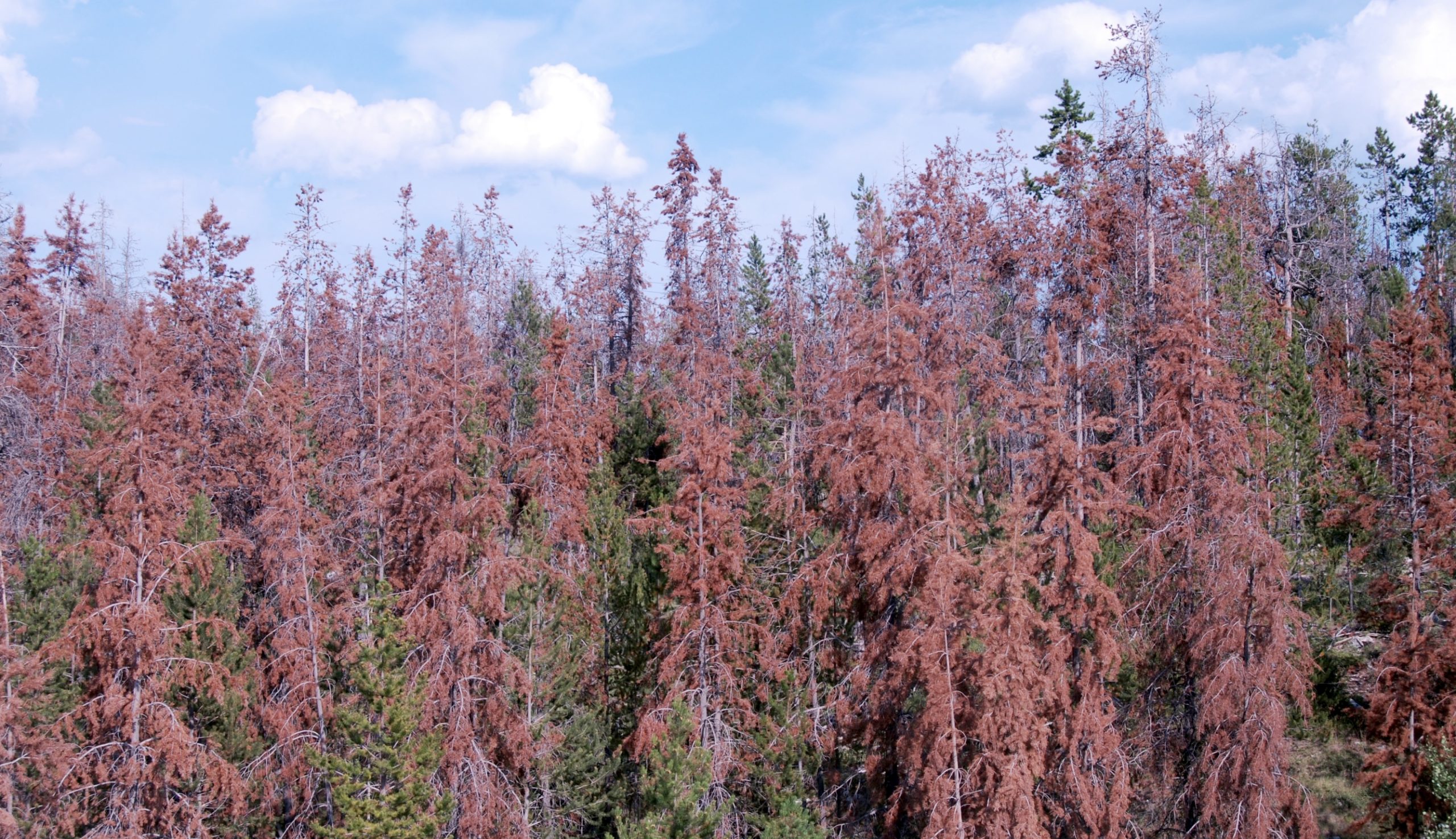 SALEM, Ore. – Researchers are taking to the skies this month to survey Oregon’s forests for damage from pests and other threats, according to the Oregon Department of Forestry and USDA Forest Service. Forest officials said that the Pacific Northwest Aerial Detection Survey is the longest continuous annual survey of its kind in the U.S. Airborne researchers use fixed-wing aircraft to identify trees in distress, flying between 1,500 to 2,500 feet above ground. “Oregon has about 30 million acres of forest so flying in a grid pattern over it allows us to find problems even in remote areas hard to reach by vehicle or on foot,” said Christine Buhl, ODF Forest Entomologist. The survey has highlighted a concerning trend of increasing tree deaths due to drought stress and beetle attacks.
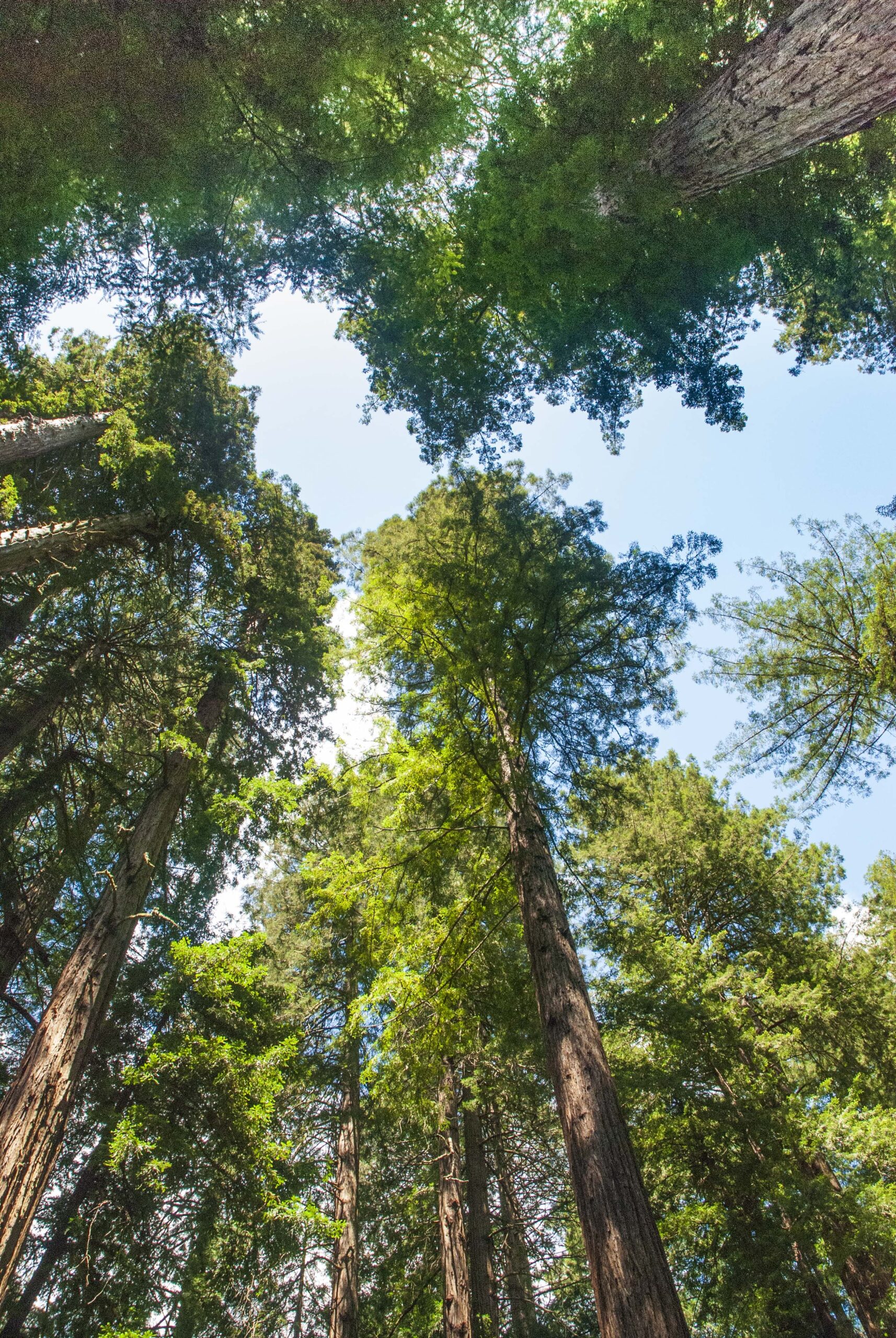 As California continues to reel from the historic firestorm that decimated portions of Los Angeles, the state is now facing the prospect of an exceptionally active wildfire season fueled by hot, dry conditions. It may not be ready: Experts say sweeping changes at federal agencies that play key roles in California’s wildfire preparation and response could make a challenging season even worse. …The forecast arrives as the Trump administration is enacting budget cuts, layoffs, office closures and restructuring at the U.S. Forest Service, the National Oceanic and Atmospheric Administration and the Federal Emergency Management Agency. Trump says changes will help eliminate federal waste and save tax dollars. However, these three agencies are critical components of California’s wildfire response capabilities… Weakening them at the start of fire season — and at a moment when human-caused climate change is driving larger and more destructive blazes — puts California at a dangerous disadvantage, multiple experts said.
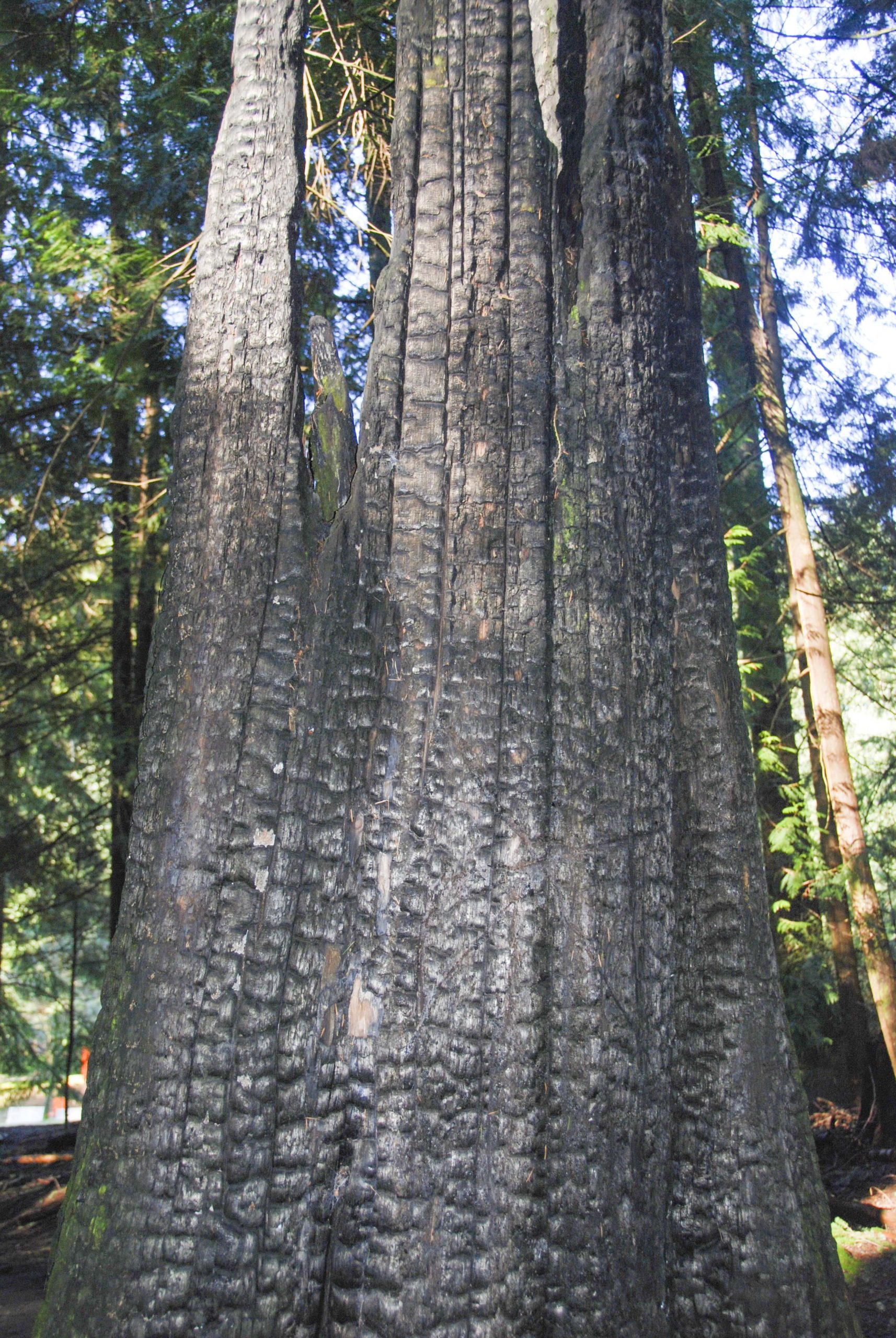 Each year, Oregon braces for wildfire season. And each year, we spend tens of millions (sometimes hundreds of millions) trying to put those fires out. But despite our best efforts, the fires keep getting worse — more dangerous and more destructive. Science tells us that suppression alone isn’t enough. To meaningfully reduce risk, we must invest in proactive mitigation, restoring the health and resilience of fire-prone landscapes, and helping communities prepare for wildfire and smoke. This legislative session, Oregon lawmakers have a chance to make an important initial investment to protect our forests, our homes, and our public health in the long run. A package of bills now under consideration would provide $280 million per biennium for a comprehensive wildfire response. These bills reflect recommendations from the Wildfire Funding Work Group, convened by the State Fire Marshal, Oregon Department of Forestry, Governor Tina Kotek, Tribal Nations, and shaped by a wide array of stakeholders.
  The California Department of Forestry and Fire Protection (Cal Fire) has announced the allocation of nearly $72 million to support extensive land management projects aimed at restoring forest health and resilience across the state. Through its Forest Health Program, Cal Fire has distributed 12 grants to various local and regional partners working on projects spanning state, local, tribal, federal, and private lands. These initiatives are designed to tackle critical forest health issues, reduce wildfire risks, improve ecosystem resilience, and enhance carbon sequestration across California’s diverse landscapes. The forest health grant projects must focus on large-scale forestlands that involve multiple landowners and jurisdictions, with a minimum size of 800 acres. These projects are expected to be applied across expansive areas to achieve regional forest resilience, prioritizing initiatives that incorporate a mix of activities involving experienced partnerships.
 A late-in-the-session Hail Mary proposal to redirect the bulk of the state’s “kicker” tax rebate to fund statewide wildfire work would still kick some of the rebate back to most Oregonians. Under a forthcoming amendment to Senate Bill 1177 — still a placeholder bill for some mechanism to fund wildfire prevention and response work in the state — Sen. Jeff Golden, D-Ashland, proposes the Legislature move $1 billion of the expected $1.64 billion state tax rebate to an interest-bearing wildfire account. “The notion of walking into every session with $100 to $150 million waiting for us for wildfire, is really attractive, as opposed to starting from scratch every two years,” Golden said. Under his proposal, $1 billion from next year’s kicker would be put into an interest-bearing account that could, if earning 5% each year, send $100 million each biennium to the state for wildfire — covering about one-third of the total $300 million the state hopes to budget each biennium.
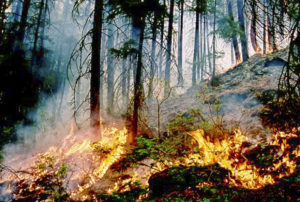 HOPLAND, California — …Dripping gasoline onto dry grass and deliberately setting it ablaze in the California countryside felt wildly reckless, especially for someone whose job involves interviewing survivors of the state’s all too frequent, catastrophic wildfires. But “good fire,” as Nielson called it, is essential for reducing the fuel available for bad fire, the kind that makes the headlines. The principle is as ancient as it is simple. …With that in mind, the state set an ambitious goal in the early 2020s to deliberately burn at least 400,000 acres of wilderness each year. …But California officials worry their ambitious goals are likely to be thwarted by deep cuts to those federal agencies. Gov. Gavin Newsom added $72 million to the state’s forest management budget to bridge some of the gap expected to be left by federal agencies. But wildfire experts say that’s just a drop in the bucket.
 The federal government could start selling off thousands of acres of Oregon public lands if provisions added to the Big Beautiful Bill win Congressional approval. A draft of the legislation was released Wednesday. Housing is also part of this latest push to sell Bureau of Land Management and Forest Service land. US Senator Mike Lee is calling for the heads of the US Interior and Agriculture departments to dispose of between 2.2 and 3.3 million acres of federal BLM and Forest Service land from 11 states – including Oregon. …Separately, the legislation calls for the Forest Service to boost logging by 75% over the next decade. It’s not clear if those logging goals are realistic. The Forest Service has missed its timber targets every year for more than a decade, though it’s possible that tariffs on Canadian lumber could boost demand for logging in the United States, according to industry analysts.
 It has only been in the past few years that wildfire smoke from Canada has become a persistent risk to the air we all breathe. Why is this? …A vast swath across northern Canada has a subarctic climate. The types of vegetation best adapted to these conditions are conifer forests dominated by black and white spruce with some pine, balsam fir, larch, aspen and birch. Fire has always been an element of this biome. Historically, about 7.3 million acres have burned annually but in 2023, an astonishing 67 million acres burned. This year’s acreage is on pace to meet or exceed the record-breaking year of 2023. …The fire season is changing in Canada because the climate of Canada is changing. …What this means is that large, long-duration wildfires in Canada’s boreal forest and the smoke plumes they produce are likely to be a new and persistent phenomenon going forward.
  A new analysis quantifies
 As Western North Carolina’s forests recover from Hurricane Helene, environmental groups say Pisgah and Nantahala face a one-two punch from the federal government, potentially setting the stage for further destruction. For as long as the country has had national forests, logging has been a part of their management, but those needs are also weighed against the need to maintain habitat, recreational opportunities, protect local water systems and defend wildlife. In the past few years, the U.S. Forest Service has opened up more land to logging and now with a recent executive order calling for increased timber production across the country, environmental nonprofits like Center for Biological Diversity, the Sierra Club, Defenders of Wildlife and Asheville-based MountainTrue are suing to prevent what they believe could severely damage habitat in a way that could take decades to recover from.
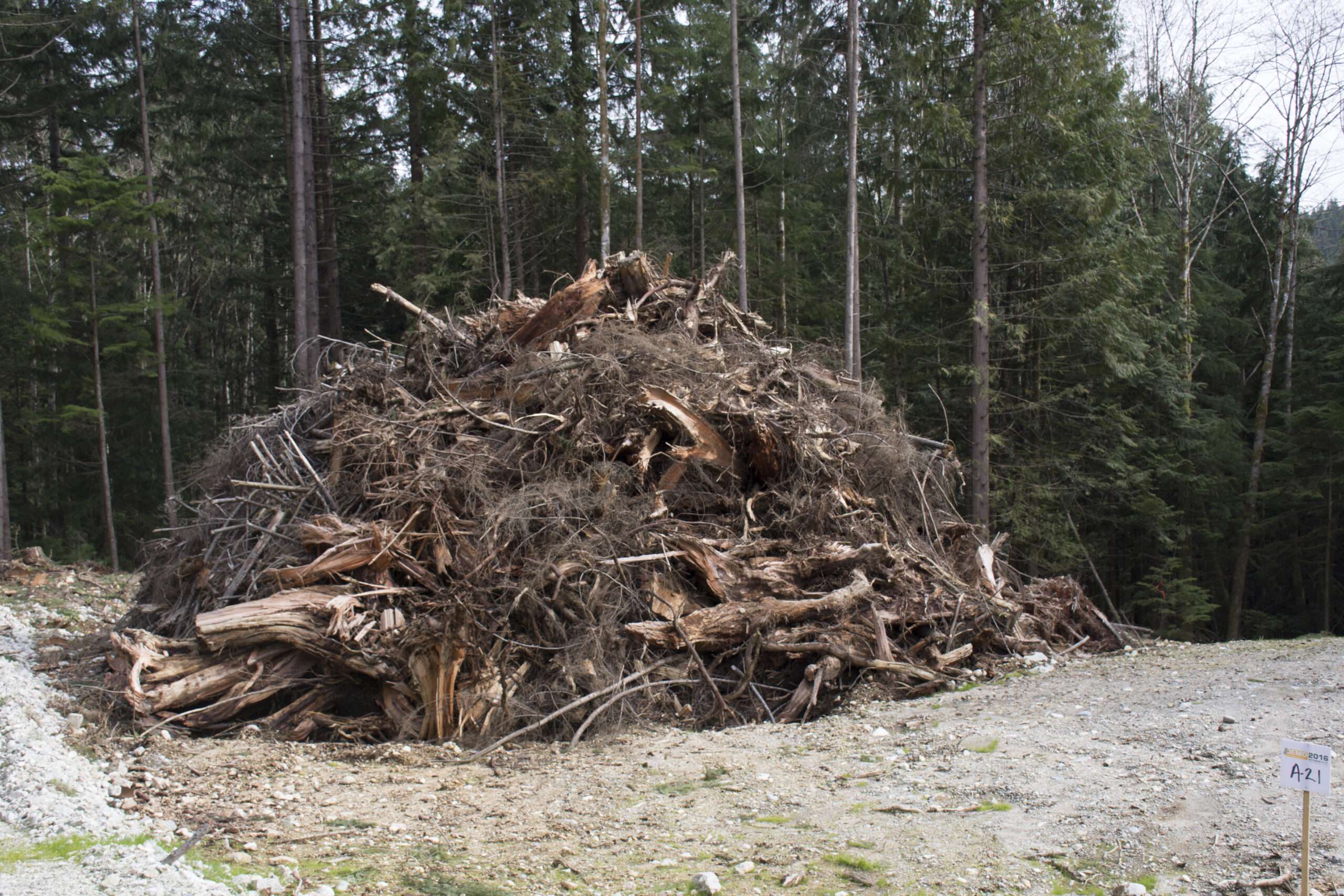 The world’s sawmills and plantation forests offer a powerful weapon against climate change, a new study has found. A paper published in Nature Geosciences found that burying the vast quantities of wood waste produced in the course of logging and processing trees could markedly slow Earth’s heating. Heat waves like the one currently afflicting the East Coast in the U.S. have been made far more likely by centuries of unchecked burning of fossil fuels — which release heat-trapping chemicals like carbon dioxide. …But in addition to the need to halt that burning, researchers found that burying waste from trees … offers an unparalleled way to counteract its impacts. …the study burying waste could reduce the Earth’s heating by 0.42 degrees Celsius, or about one-sixth of the estimated 3 degrees Celsius that scientists believe the Earth is on track to heat up by the end of the century.
 Satellite data used by archaeologists to find traces of ancient ruins hidden under dense forest canopies can also be used to improve the speed and accuracy to measure how much carbon is retained and released in forests. Understanding this carbon cycle is key to climate change research, according to Hamdi Zurqani, for the Arkansas Forest Resources Center and the College of Forestry, Agriculture and Natural Resources at the University of Arkansas at Monticello. The center is headquartered at UAM and conducts research and extension activities through the Arkansas Agricultural Experiment Station. …In a study recently published in Ecological Informatics, Zurqani shows how information from open-access satellites can be integrated on Google Earth Engine with artificial intelligence algorithms to quickly and accurately map large-scale forest aboveground biomass, even in remote areas where accessibility is often an issue.
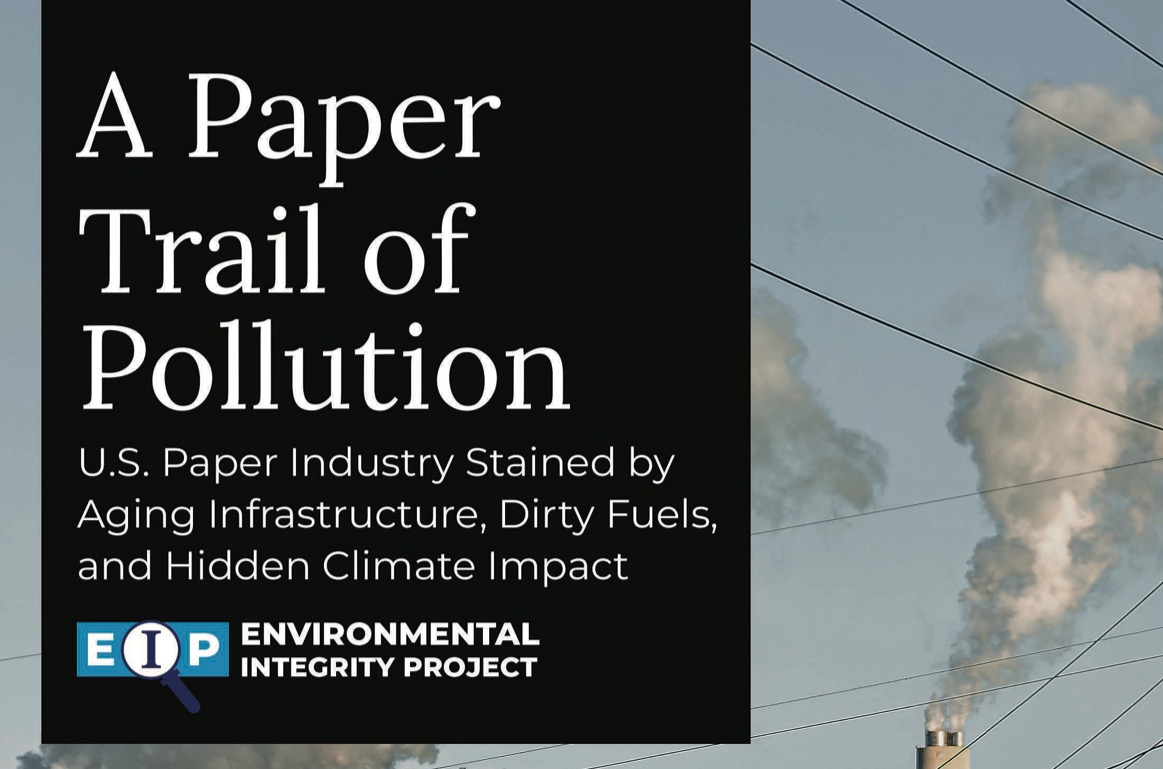 A
A  NAHB is joining with official safety sponsor Builders Mutual to highlight jobsite safety resources during
 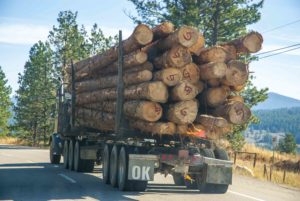 The trucking industry has been facing unprecedented challenges in recent years, with a shortage of qualified drivers, rising fuel and insurance costs… and now economic uncertainty caused by tariffs. …Now, one large lawsuit against a trucking company highlights a dangerous practice that has been going on. …The Estate of Sarah Susman v. Starker Forests, Inc., R&T Logging of Oregon, Wolf Cr. Timber Services, Shane Mcvay – is a $65 million wrongful death claim. Sarah Susman… was driving to work in September 2021 when a logging truck operated by a 67-year-old driver rolled over and lost its load. …Family members of the victim believe that the incident can be attributed to a dangerous injury practice referred to as “double brokering.” …Court filings explained that double-brokering is a practice within the trucking industry where multiple contractors pass hauling jobs between them with very little oversight or enforcement of safety regulations.
 PANGUITCH, Utah — The France Canyon fire has increased to 23,353 acres and is currently at 10% containment, according to the latest information posted by the U.S. Forest Service – Dixie National Forest. Officials say fire activity increased at around 2 p.m. on Sunday, June 22, pushing eastward into the Kings Creek Campground area. Firefighters had to conduct a tactical firing operation to protect the campground. A total of 749 personnel are battling the fire and working on securing structures within Wilson Peak, the Hillsdale and Johnson Canyons. Firefighters are also working to keep the fire west of East Fork Road. Efforts are also underway to protect the Bryce Woodland community on the southwest side of the wildfire perimeter.
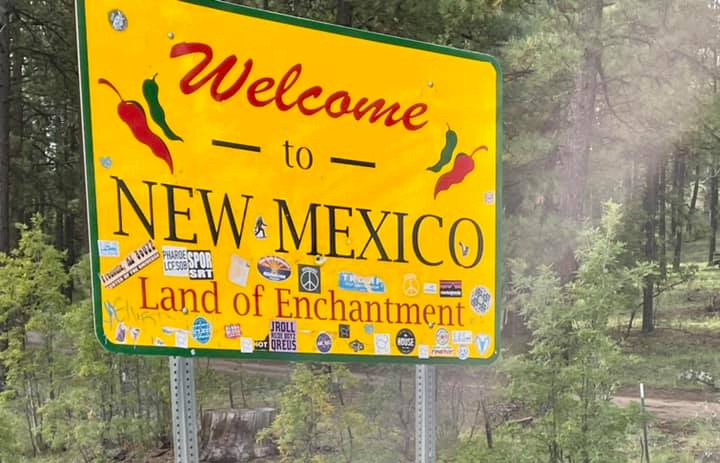 Forest fires have broken out in parts of New Mexico that state forecasters had already warned would see an elevated wildfire risk this summer due to high temperatures, low snowpack and ongoing drought. At least 25 New Mexico jurisdictions imposed some level of fire restriction this spring. State Forester Laura McCarthy said the peak of fire season is still a week away, beginning June 26. …On Tuesday, New Mexico Governor Michelle Lujan Grisham declared a state of emergency in response to the Trout Fire, which is burning in the Gila National Forest, forcing residents to evacuate. The Buck Fire also has burned more than 57,000 acres in the same area of Southwest New Mexico. The governor has urged localities to ban fireworks and restrict water usage. …”If you look at every single big fire we’ve had, there was either a lightning strike or a person behind it,” she added.
 New Jersey — A wildfire that began Friday in the Wharton State Forest in Burlington County is now 80% contained, fire officials said Sunday. The New Jersey Forest Fire Service posted on its Facebook page a total of 5,750 acres were scorched since the blaze began Friday morning. It was first spotted near the Carranza Memorial in the state forest. By 11 p.m. Friday, flames had grown to 3,250 acres, state fire officials had said. The blaze, dubbed the Mines Spung Wildfire, is located within Wharton State Forest in Shamong Township. A wildfire is defined by state fire officials as an uncontrolled fire burning different types of vegetation covering the land, with a “major wildfire” being anything that exceeds 100 acres in size. Crews on Sunday were continuing to mop up hot spots and patrol the fire perimeter, state fire officials said.