 Despite persistently high mortgage rates, elevated financing costs for builders, and a shortage of buildable lots, single-family starts rebounded in 2024, following two straight years of declines. According to the NAHB analysis of the 2024 Survey of Construction (SOC), a total of 1,009,315 new single-family units started construction nationwide. This is a 7% increase compared to 2023. Among the nine Census divisions, the South Atlantic division led the nation with 344,313 starts in 2024, representing a 34% share. The second highest was the West South Central division at 187,690 starts, followed by the Mountain division with 125,911 starts. …Meanwhile, there were 99,166 new single-family units started in the Pacific division (10% of total starts) and 81,106 in the East North Central division (8%) in 2024. The other four divisions, including East South Central, West North Central, Middle Atlantic, and New England, accounted for the remaining 17% of the total new single-family housing starts.
 In celebration of Canada Day, the Tree Frog News team is taking a short break on Monday. We’ll return to our lily pad bright and early Wednesday morning with your full dose of forestry news and insight.
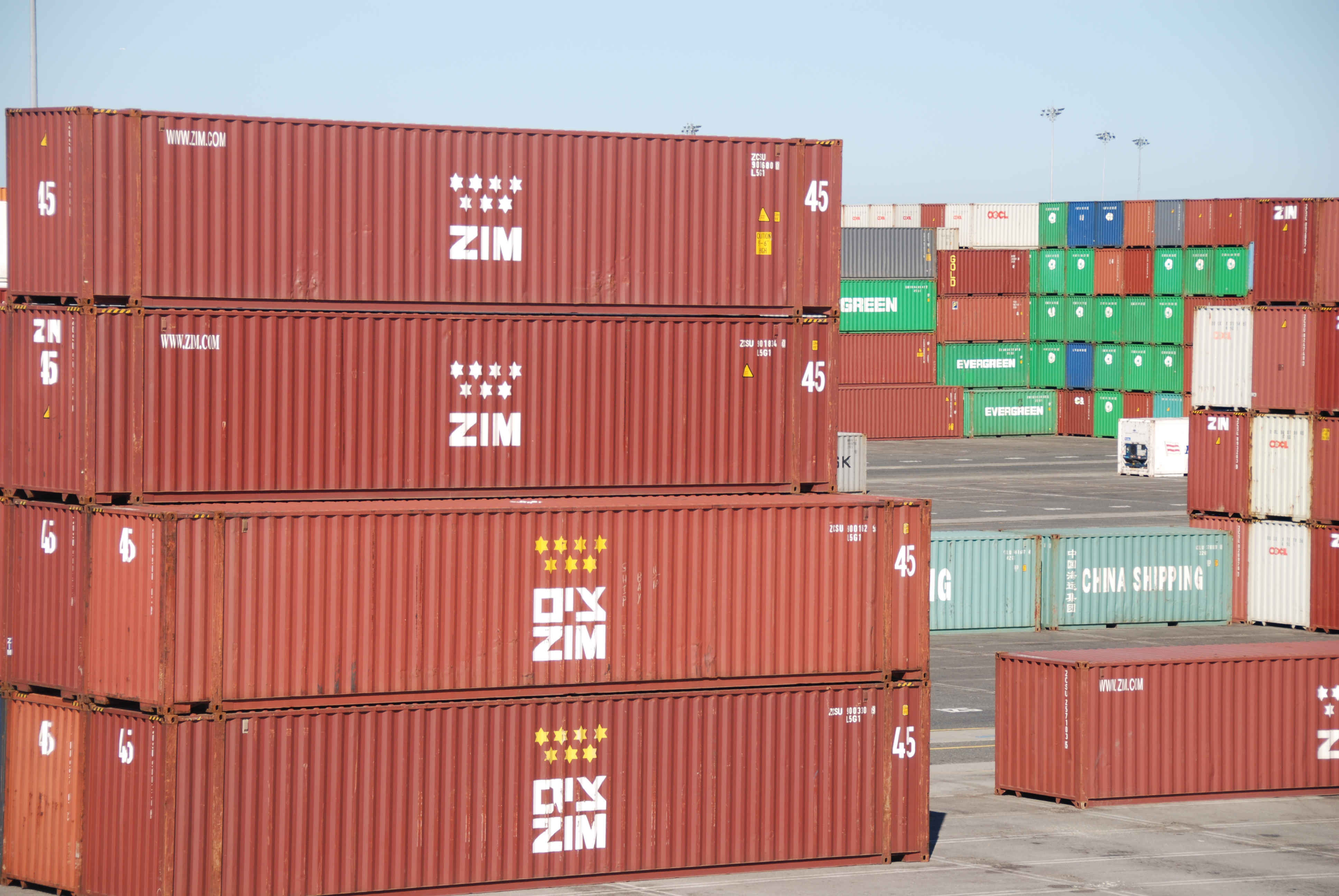 President Donald Trump’s trade war risks reigniting next week when a
 WASHINGTON — Sen. Mike Lee, R-Utah, said late Saturday that he had dropped his contentious plan to sell millions of acres of public lands from the sweeping domestic policy package that the Senate will soon begin debating. Lee made the announcement on social media after it became clear that the plan faced insurmountable opposition from within his own party. At least four Republican senators from Western states had said they planned to vote for an amendment to strike the proposal from the bill. The plan had also triggered intense pushback from conservative hunters and outdoorsmen across the American West, who had warned that it threatened the lands where they hunted and fished. …Lee said that, because of the strict rules governing the budgetary process … he was “unable to secure clear, enforceable safeguards to guarantee that these lands would be sold only to American families — not to any foreign interests.”

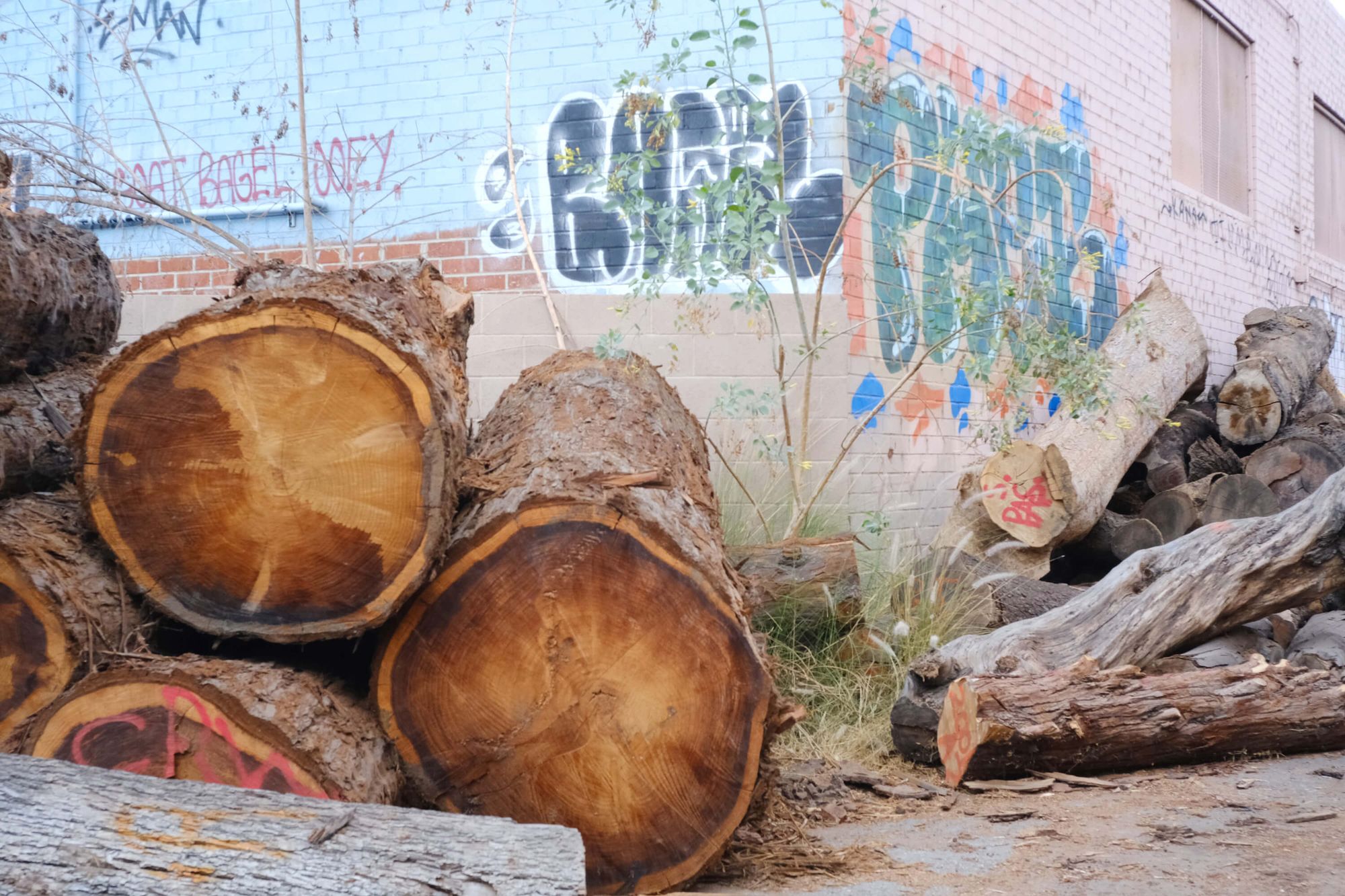
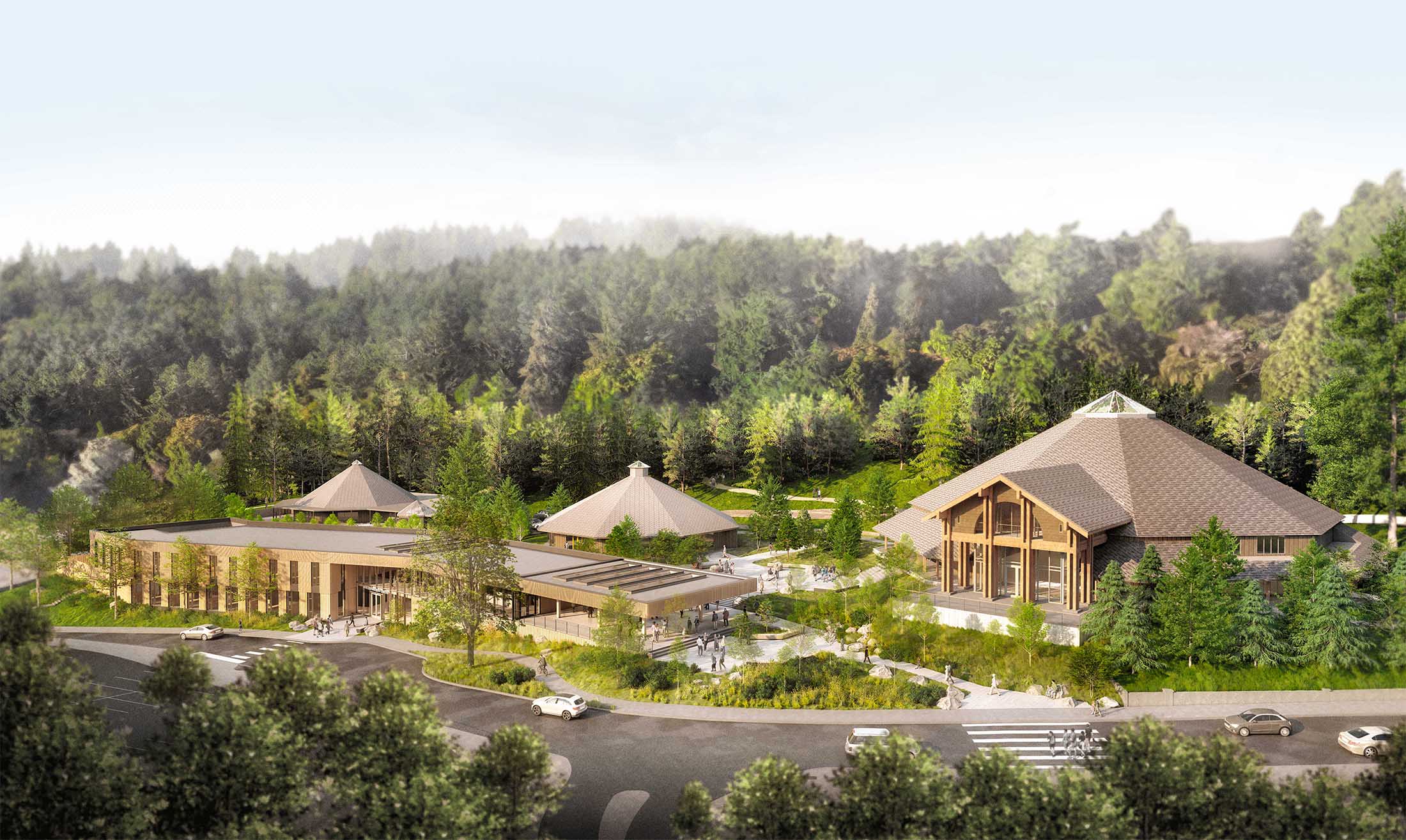
 VANCOUVER, British Columbia – Western Forest Products announced today that the sawmill at its Columbia Vista Division, located in Vancouver, Washington, sustained extensive damage in a fire, rendering the mill inoperable. “On behalf of Western, I want to extend my sincere gratitude to the firefighters and first responders who attended the fire at our site,” said Steven Hofer, Western’s President and CEO. “While we are shocked by the damage to the mill, we feel incredibly fortunate that no employees or emergency personnel were injured. We are focused on supporting our team members and completing an incident investigation and assessment.” The Columbia Vista Division produced approximately 53 million board feet of lumber in 2024, with production focused on Douglas Fir specialty products for Japan and U.S. markets.


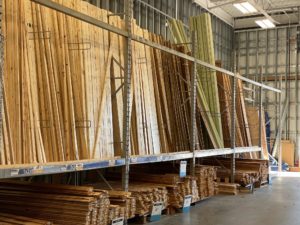 Simon Varney pre-ordered extra hardwood from Canada in February when President Donald Trump threatened broad 25 percent import tariffs on goods from that country. The next month, the administration exempted that wood. That left Varney, co-owner of Wells Wood Turning & Finishing in Buckfield, spending more money ahead of time and holding onto extra inventory, eating into cash flow. Ironically, the pearlescent gold pigment the company purchased from its Vermont supplier to make its famous wooden eggs for the White House Easter Egg Roll — a color specifically requested by the president in both of his terms in office — had to be imported from Germany and falls under Trump’s tariffs. “The tariffs were a real concern because they basically would raise our wood costs by 25 percent, which is pretty significant,” Varney said. “The wood manufacturing business is not a high margin or high profitability business.”
 KINGSPORT, Tennessee — Domtar’s Kingsport mill received a long-awaited permit last week leading to the start of the anaerobic digester project. The Tennessee Department of Environment and Conservation issued the 142-page permit Wednesday. …“Receiving this permit is an important milestone in our efforts to advance the anaerobic digester project at the Kingsport Mill,” Charlie Floyd, VP of strategic capital projects, said. “This investment underscores Domtar’s commitment to sustainable innovation and environmental stewardship, while supporting good jobs and economic vitality here in Kingsport.” …Start-up of the new wastewater treatment system is expected by the third or fourth quarter of 2026, according to Domtar’s latest timeline. Around 150 contractors are expected to be on site to build the digester and associated equipment, Floyd said. Domtar estimates a $12.8 million economic impact from the project — including labor, hotel and dining within the community.
 VANCOUVER, BC – Canfor announced today its decision to permanently close the Estill and Darlington sawmills in South Carolina, effective August 2025. These closures follow an extended period of persistently weak market conditions and sustained financial losses, which have made continued operations at these facilities no longer viable. “We understand the significant impact this difficult decision will have on our employees,” said Lee Goodloe, President, Canfor Southern Pine. “This outcome is in no way a reflection of the dedication and hard work of our teams. We are committed to supporting our employees through this transition, including providing severance payments and exploring opportunities for redeployment within our other operations where possible.” Approximately 290 employees will be affected by the closures, which will also reduce Canfor’s U.S. lumber production capacity by 350 million board feet annually.
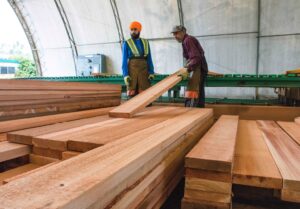 When you think about Indiana’s ag industry, you might not think about hardwoods and lumber, which play a huge role in the state’s economy. Indiana’s hardwood industry has an annual economic impact of over $10 billion to the state’s economy. In fact, Indiana is the number one producer of wooden hardwood and office furniture in the US. Indiana’s hardwood sector also ranks: 2nd in wood kitchen cabinets and countertops, manufactured homes, 3rd in engineered wood products, 4th in pre-fabricated wood buildings, and 5th in upholstered household furniture. Much of the lumber that is harvested and used here in Indiana comes from private woodland owners. “There’s over 4.5 million acres of forest land in Indiana, and of that 85 percent of that is privately owned, so there are a lot of farmers and families who own forest land,” says Tyler Smith, Sales Manager of Cole Hardwood in Logansport.
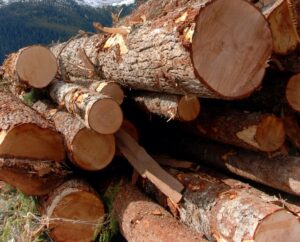 ONTARIO — A northern Ontario forestry company says a train crossing Highway 560 collided Wednesday morning with logs that were spilled by an overturned contractor’s trailer. It happened at the railroad crossing near Interfor’s Gogama Division and resulted in the road being closed between highways 144 and 560A. “There are no injuries or derailment,” Ontario Provincial Police said in a social media post at 8:40 a.m. “A train stop order is in place.” Interfor also confirmed this. …“At Interfor, the safety of our people and the communities where we operate is our highest priority. We are focused on supporting those affected and are actively monitoring the situation.” There is no estimated time of reopening, said OPP Const. Michelle Simard. “The officers are still investigating,” Simard said.
 GEORGETOWN COUNTY, S.C. —
 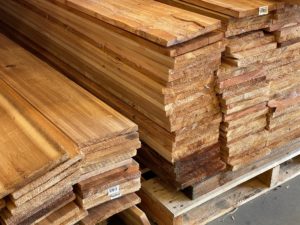 SOUTH PITTSBURG, Tennessee – Recent missile attacks put global trade on alert as the Baltic and International Maritime Council warned the Strait of Hormuz and the Persian Gulf could face disruption. …Mike Cardin, Cardin Forest Products Chief Manager, said the conflict could hurt the American lumber industry as well. Cardin’s hardwood sawmill reported fewer orders coming out of the Middle East. Uncertainties about President Trump’s future tariff policies forced Cardin to change how his sawmill operates. Before Trump took office, Cardin said his sawmill shipped wood products across the globe. He said foreign buyers proactively stopped buying American wood because they expect Trump to slap new tariffs on timber imports by the end of the year. Most of Cardin’s sales now come from Mexico and within the U.S. …”Right now, no one knows what’s going to happen,” Jarrod Cardin, Cardin’s Controlling Member, said.
 A new Canada-US trade deal will likely carry forward the Canada-United States-Mexico Agreement tariff exemptions shielding most Canadian exports from American tariffs, says Deloitte Canada chief economist Dawn Desjardins. …US President Donald Trump has set July 9 as the deadline for countries to ink a trade deal in order to avoid his “Liberation Day” tariffs. For Canada, Prime Minister Mark Carney and Trump agreed on the sidelines of the recent G7 meeting in Alberta to strike a deal by July 21. “Our baseline view assumes that at a minimum, we continue to operate with our CUSMA carve-outs. “The sounds we’re hearing seem to be moving in the right direction. Obviously, I have no inside information. It’s just an assumption that we will not be severely hit by 25 per cent tariffs across the board.” …Deloitte Canada’s latest economic forecast, published on Wednesday, calls for a “modest recession” in the second and third quarters of the year.

 The United States is close to finalizing several trade pacts in coming days and will notify other countries of higher tariff rates by July 9, President Donald Trump said on Sunday, with the higher rates set to take effect on August 1. Since taking office, Trump has set off a global trade war that has roiled financial markets and sent policymakers scrambling to protect their economies, through efforts such as deals with the United States and other countries. In April Trump unveiled a base tariff rate of 10% on most countries and additional duties ranging up to 50%, although he later delayed the effective date for all but 10% until July 9. The new date offers countries a three-week reprieve. …Bessent told CNN the Trump administration was focused on 18 important trading partners that account for 95% of the US trade deficit.
  New Zealand has a strong story to tell about free trade, farming and renewable forestry resources. …Given the healthy relationship between the US and New Zealand on the trade front, the temporary relief of tariffs on timber and lumber imported into the US has been welcomed. Though we realise that this tariff exemption could be short lived based on the outcome of the Section 232 investigation aimed at determining the global effects imports of timber, lumber and their derivative products have on the US supply chain. As a small niche supplier of wood products that are needed by the US domestic building market, there is a strong argument for keeping New Zealand timber and lumber imports tariff free to avoid any additional price hikes and further supply chain disruptions. …Like many, we now wait for completion of the section. 232 Investigation.


 The US economy contracted in the beginning of the year at a much faster pace than previously reported, after new data factored in much weaker consumer spending. Gross domestic product, the broadest measure of economic output, registered an annualized rate of -0.5% from January through March, the Commerce Department said Thursday in its third and final estimate. That’s worse than the 0.2% decline reported in the second estimate. …The latest estimate showed that consumer spending — the lifeblood of the US economy — was tepid in the beginning of the year. Spending in the first quarter grew at a rate of just 0.5%, down from 1.2% in an earlier estimate. That’s the weakest rate in more than four years. …Economic data released Thursday provides a clearer picture how the US economy has fared in the face of Trump’s policy shifts, which includes fresh figures on new applications for unemployment benefits, and mortgage rates.

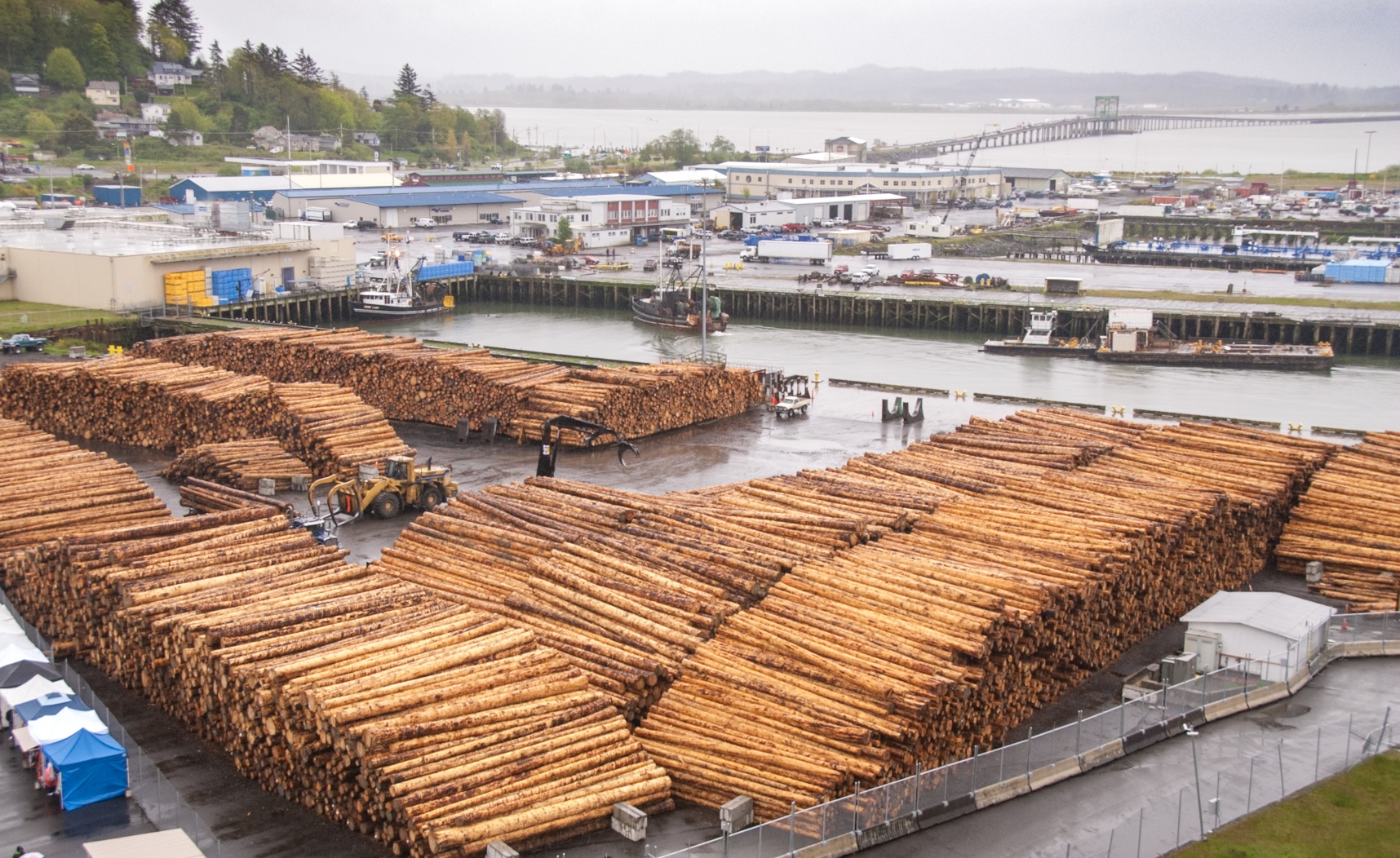 Congressional Republicans have passed their domestic policy bill that makes sweeping changes to entitlement programs like Medicaid and SNAP, significantly increases funding for immigration enforcement efforts and cuts funding for a number of environmental programs. …In Oregon, the impacts of the legislation will be significant. An analysis …found the state would be disproportionately hit by the cuts to Medicaid. The Senate’s version of the bill would also cut funds to the state’s timber counties, and could reshape Oregonian college tuition and student loans. …Oregon will see more logging, less timber money going to local communities and less support for private forest owners. …However much more is logged, Oregon counties will not get a cut. That’s a change from current practice. Many counties in rural areas rely on a cut of revenues from timber sales on federal public lands to pay for schools, law enforcement and public infrastructure.
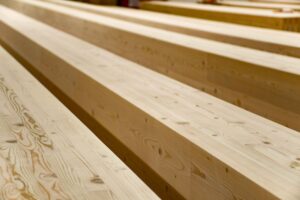 Mass timber is transforming how America builds—but supply hasn’t kept pace with demand. A gap in domestic manufacturing has slowed widespread adoption, leaving many developers with few options beyond overseas suppliers or traditional steel and concrete. Through strategic support from the USDA Forest Service Wood Innovations Program, the Forest Service is helping close that gap—boosting U.S. capacity, strengthening rural economies and growing new markets for American wood. One partner answering the call is SmartLam North America. Mass timber products like cross-laminated timber (CLT) and glued laminated timber (glulam) offer a carbon-storing, renewable alternative to conventional building materials. But even as the benefits are clear—strength, fire resistance, design flexibility—developers have faced supply constraints. Limited domestic production has slowed construction timelines, raised costs and stifled innovation.

 A decade-spanning political battle between housing developers and defenders of California’s preeminent environmental law likely came to an end this afternoon with only a smattering of “no” votes. The forces of housing won. With the passage of a state budget-related housing bill, the California Environmental Quality Act will be a non-issue for a decisive swath of urban residential development in California. In practice, that means most new apartment buildings will no longer face the open threat of environmental litigation. It also means most urban developers will no longer have to study, predict and mitigate the ways that new housing might affect local traffic, air pollution, flora and fauna, noise levels, groundwater quality and objects of historic or archeological significance. And it means that when housing advocates argue that the state isn’t doing enough to build more homes amid crippling rents and stratospheric prices, they won’t — with a few exceptions — have CEQA to blame anymore.
 Researchers in the Department of Forest Biomaterials are developing a proprietary material that could serve as a sustainable alternative to one of the world’s most significant sources of pollution: plastic foam. “Our material eliminates polystyrene foam materials that are filling landfills and persisting as litter in the environment,” said Richard Venditti, the Elis-Signe Olsson Professor of Pulp and Paper Science and Engineering. Plastic foam, often known by the brand name Styrofoam, is used in many everyday products — from disposable food and beverage containers like cups and plates to shipping materials such as packing peanuts and protective packaging. While convenient, plastic foam presents a significant environmental challenge due to its lack of biodegradability and difficulty in recycling. Estimates indicate that plastic foam takes up to 30% of landfill space globally.

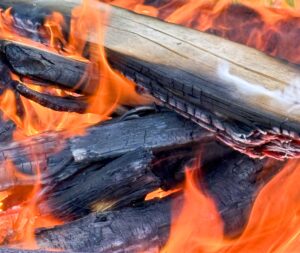 The hills of Louis Creek Valley are covered in lovely, towering Douglas fir, healthy evergreens climbing from the grassy meadow at the valley floor up to the ridges where the mountains meet the sky. It’s lush, like much of interior British Columbia, where densely packed conifers line the innumerable wooded valleys, the heavy cone-laden branches reaching down to the ground. Joe Gilchrist, a fire steward of Secwepemc people, and a firefighter for more than 30 years, stands on the valley floor and looks at the beautiful trees. But what he sees first is danger. “It’s been over 100 years since it’s been illegal for Indigenous people to use fire on the land, and so in that time, the trees have overgrown the area, and some of the trees have got diseased,” he says.
  The clock is ticking to register and make plans for the 38th Forest Products Machinery & Equipment EXPO from August 6-8 in Nashville, and you do not want to miss it! EXPO is the epicenter of the entire wood products manufacturing sector – held only every other year – with numerous exhibitors showcasing state-of-the-art machinery and specialized services designed for the forest products industry. This event brings together thousands of industry leaders and decision-makers eager to explore cutting-edge products and solutions, spanning advancements in hardwood and softwood log processing, remanufacturing, pallet industries, bioenergy, engineered wood products, and pressure treatment. Seize this unparalleled opportunity to explore new machinery, engage with key decision-makers, reimagine your sawmill operations, and propel your business to new heights.
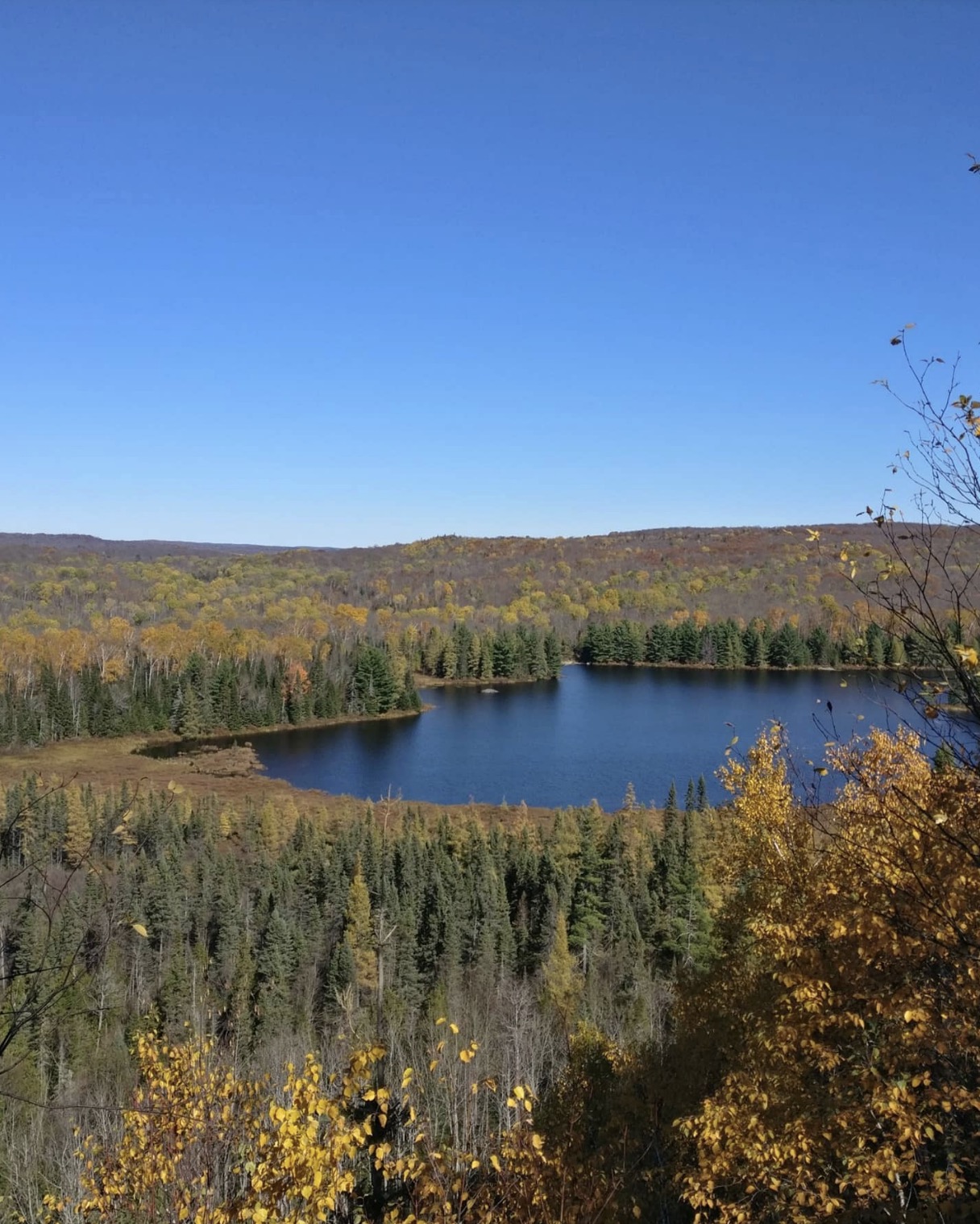 The U.S. Forest Service has proposed lifting the rule that bars roads in designated wilderness areas. The change could open 1.2 million acres of federal land in Arizona to logging. Agriculture Secretary Brooke Rollins proposed canceling the 25-year-old “roadless rule” that created some 58 million acres of wilderness areas throughout the west. Arizona’s forested wilderness areas come to about 1.2 million acres of the 11 million acres of Forest Service land in Arizona. …Environmental groups immediately decried the proposal. They said it would increase the danger of wildfires and destroy wilderness areas essential to wildlife and many forms of recreation. …However, a century of logging, cattle grazing and fire suppression has dramatically increased tree densities across forested Northern Arizona … from about 50 per acre to more like 1,000 per acre in the past century. …The Four Forests Restoration Initiative has tried and mostly failed to ramp up logging on six million acres of non protected forest already criss-crossed with roads.
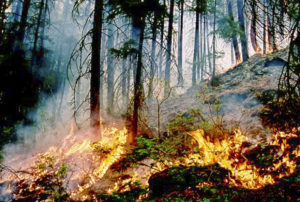 President Trump’s Executive Order (EO) “Empowering Commonsense Wildfire Prevention and Response” is the latest of several significant federal policy efforts aimed at tackling the wildfire crisis. The Federation of American Scientists (FAS) focuses on embedding science, data, and technology into government to support communities in preparing for, responding to, and recovering from wildfires. FAS applauds several elements of President Trump’s EO. For instance, the EO correctly recognizes that wildfire technology and prescribed fire are powerful tools for reducing risk and strengthening wildfire resilience. FAS is also glad to see the Administration promote interagency coordination; emphasize the importance of state, local, and Tribal leadership; and recognize the intersection of wildfire resilience and other sectors, such as the grid and our bioeconomy. We are encouraged that the Administration and Congress are recognizing the severity of the wildfire crisis and elevating it as a national priority. Yet the devil is in the details when it comes to making real-world progress.
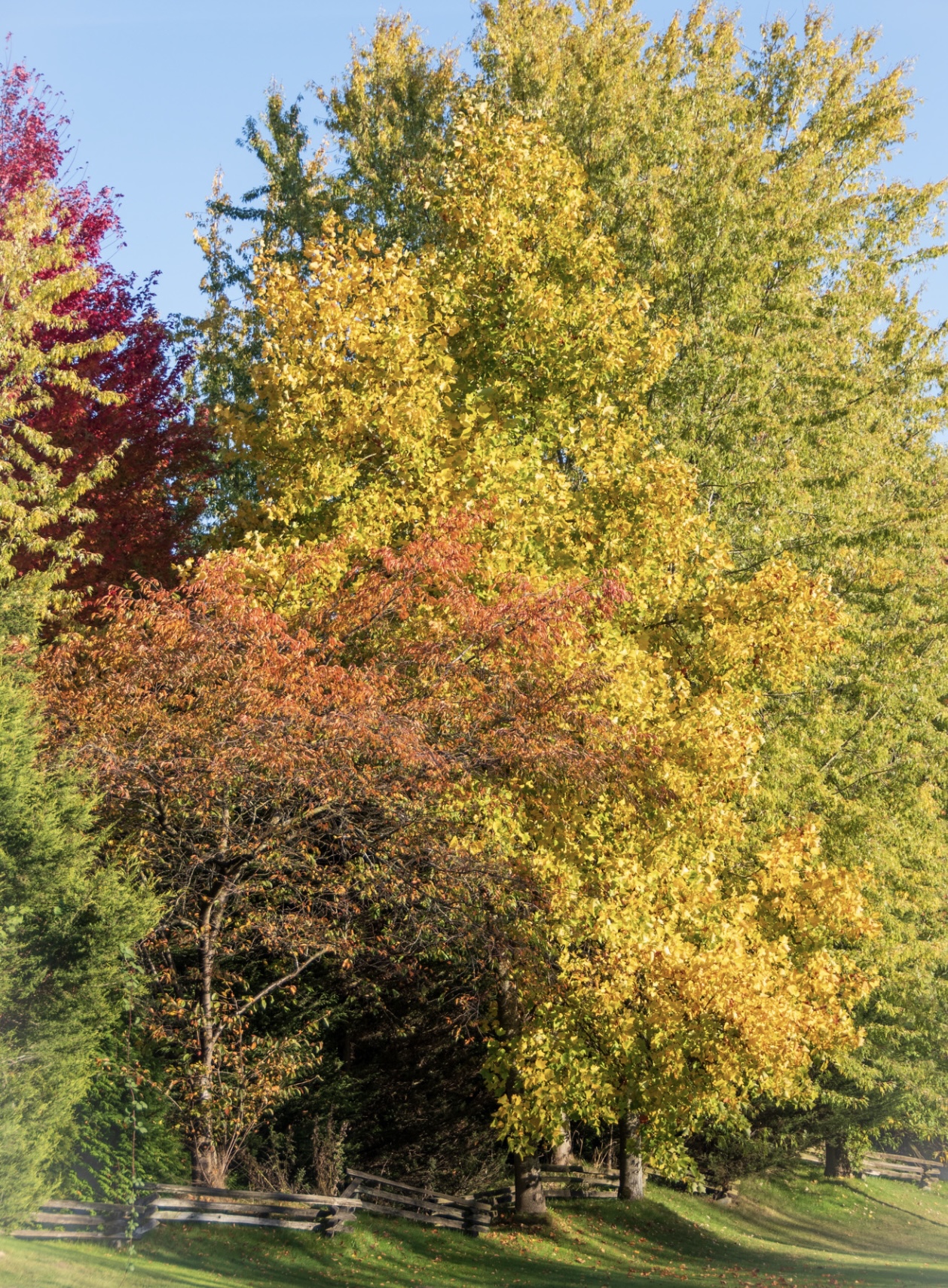 A proposal to sell public lands through the U.S. Senate’s budget reconciliation bill died by the sword of parliamentary procedure Monday, though the budgetary battle over public lands is not yet over. The Senate parliamentarian … nixed a provision to sell up to three million acres of Bureau of Land Management and U.S. Forest Service land across 11 states, including Wyoming, finding that it violated a rule limiting budget reconciliation bills to measures that are directly related to federal spending. The provision, which framed the sale as a way to alleviate the housing crisis by opening up more land for development, has roiled Westerners of all political persuasions since it was unveiled June 11. …U.S. Sen. Mike Lee, R-Utah, the architect of the provision, will introduce a new measure removing Forest Service land from the bill and narrowing the amount of BLM land for sale to tracts within 5 miles of population centers.
 A plan to sell more than 2 million acres of federal land in Oregon, Washington and 9 other Western states has been ruled out of Republicans’ big tax and spending cut bill after the Senate parliamentarian determined the proposal by Senate Energy Chairman Mike Lee would violate the chamber’s rules. Lee, an Utah Republican, has proposed selling public lands to states or other entities for use as housing or infrastructure. The plan would revive a longtime ambition of Western conservatives to cede lands to local control after a similar proposal failed in the House earlier this year.The proposal received a mixed reception Monday from the governors of Western states. New Mexico Gov. Michelle Lujan Grisham, a Democrat, called it problematic in her state because of the close relationship residents have with public lands. …Lee said he would keep trying. …Environmental advocates celebrated the ruling late Monday, but cautioned that Lee’s proposal was far from dead.
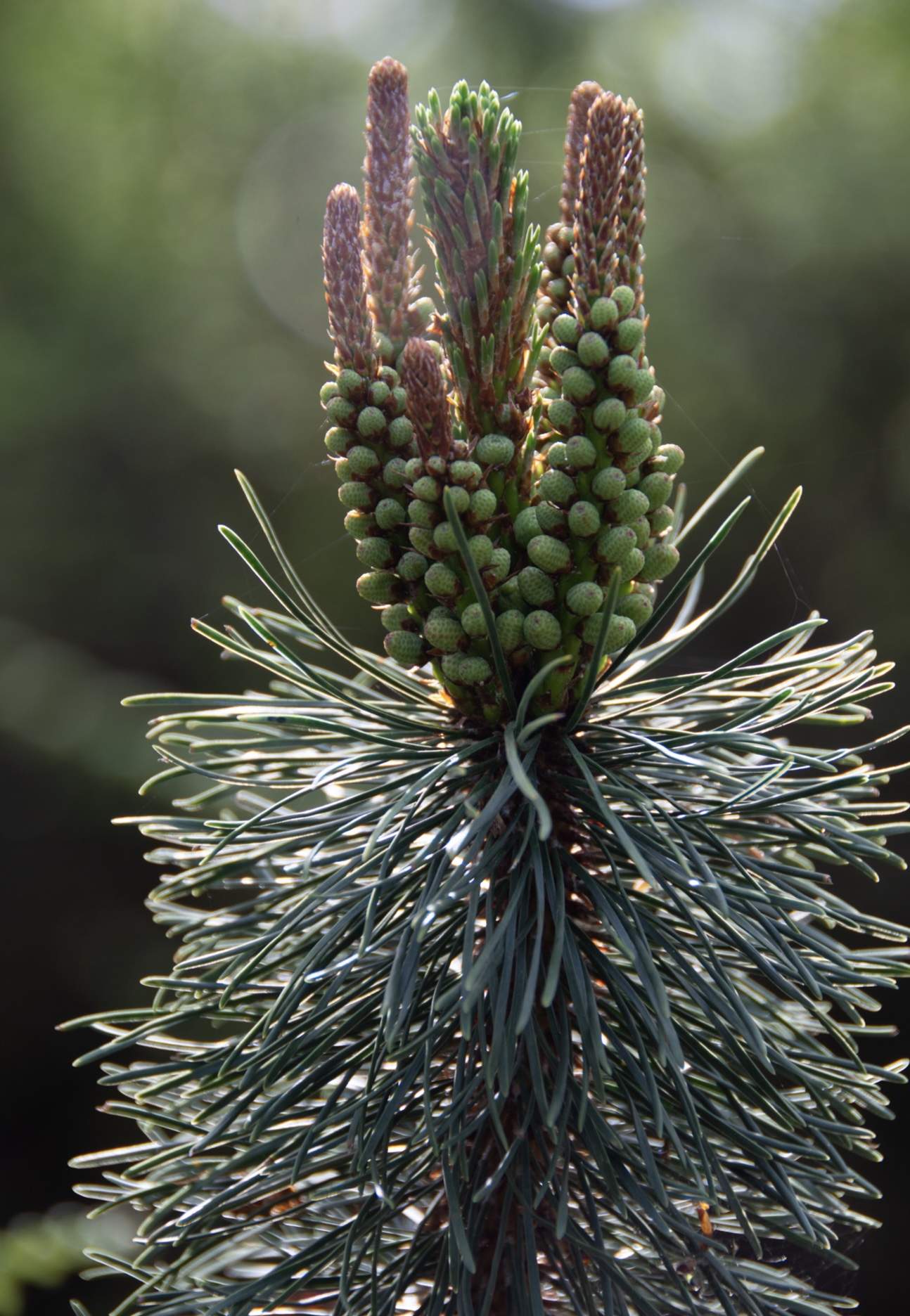 In the parched summer of 1988, wildfires ripped through more than one-third of Yellowstone National Park during the most severe fire year in park history. Approximately 1.2 million acres scorched by September. …While new forests sprouted in most of Yellowstone’s charred woodlands, recent research has identified that 16 percent of the forests consumed by the fires still have few trees. A recent study found that much of this land has transformed into green meadows full of grasses and wildflowers. Of the roughly 965 square miles of forest killed by the fires, 158 remain unforested, largely due to a lack of available seeds to start the next generation of trees. Seventy square miles of the previously forested land is now open meadow… The forests that [recovered quickly] were full of lodgepole pines with serotinous cones. …Alternatively, the areas that remain unforested were mainly above 8,200 feet in elevation and dominated by subalpine fir, Engelmenn spruce and non-serotinous lodgepole pines.
 More than half a million acres of trees spread across Washington were sick, struggling, or dead last year, according to the results of an aerial survey of forests by the state’s Department of Natural Resources. Surveyors identified about 545,000 acres with some level of tree mortality, defoliation, or disease, the department said this week. That’s less than 1% of the total forestland surveyed. The amount of forest with problems is up nearly 30,000 acres from 2023 and more than the 10-year average of 519,000 acres, but well below the acres mapped with diseased or dead trees in 2022, according to the Department of Natural Resources. The Department of Natural Resources and the U.S. Forest Service partnered to conduct an aerial survey of 22 million forested acres in Washington state to observe recently killed and damaged trees. They carried out the survey between June and September last year.
 HELENA, Montana — US Secretary of Agriculture Brooke L. Rollins announced US Forest Service Chief Tom Schultz and Montana Governor Greg Gianforte signed a historic Shared Stewardship Memorandum of Understanding, establishing a new framework between the US Forest Service (USFS) and the State of Montana to advance forest restoration and reduce wildfire risk across the state. Montana’s Shared Stewardship Agreement expands collaborative efforts to accelerate active forest management, safeguard communities, and support sustainable timber production. …“By cutting burdensome, unnecessary red tape and empowering Montana to lead, we’re proving that through real partnership, conservation and economic growth can go hand-in-hand. …The Forest Service and Montana Department of Natural Resources and Conservation (DNRC) will jointly identify and execute large-scale forest management projects, initially focusing on approximately 200,000 acres in northwest Montana.

 WHITE SULPHUR SPRINGS, Montana — The Helena-Lewis and Clark National Forest has released a final decision for the Bonanza Project, located in the Castle Mountains just east of White Sulphur Springs. Primary management activities planned include timber harvest and prescribed fire. “The project area is highly impacted by the mountain pine beetle and some areas have experienced 90% tree mortality,” said District Ranger Jason Oltrogge. “The timber generated from this project will provide wood products to local companies and prescribed fire will restore forests and reduce wildfire severity.” The Helena-Lewis and Clark National Forest partnered with the Montana Department of Natural Resources and Conservation to plan this project, and the joint effort made this project a reality. …The project includes commercial timber harvest on 1,980 acres and prescribed burning on 918 acres. Project implementation is anticipated to start later this summer.

 When U.S. Agriculture Secretary Brooke Rollins announced on Monday that her department would be opening up more US Forest Service land to development, she did so with the caveat that just two states — Colorado and Idaho — would not be impacted. Rollins, who serves in President Donald Trump’s cabinet, unveiled the plans during a meeting of Western state governors in Santa Fe, where she told reporters that the Agriculture Department would be rescinding the 2001 “roadless rule” established under former President Bill Clinton. The rule, hailed by conservationists as a landmark preservation effort, protects roughly 58.5 million acres of backcountry Forest Service land from road construction, logging and other development. “For too long, Western states, especially those with large swaths of land administered by our incredible Forest Service, have been inhibited from innovating because of burdensome regulations imposed by the federal government,” Rollins said.
 After a longer wait than expected, the a bill that would eliminate the unpopular Oregon Wildfire Hazard Map passed the Oregon House on June 24. Senate Bill 83 repeals a map meant to identify parts of Oregon at high risk of catastrophic wildfires but has become a lightning rod for anger from rural residents who say it places an unfair burden on them. The bill, which passed the Senate in April, now heads to the desk of Gov. Tina Kotek. The map, which was released earlier in 2025 and identifies areas at high wildfire risk, requires stricter building codes and creation of defensible space for roughly 100,000 properties in the name of wildfire prevention. The map was roundly condemned by impacted residents who said it was inaccurate, decreased property values and imposed burdensome regulations.
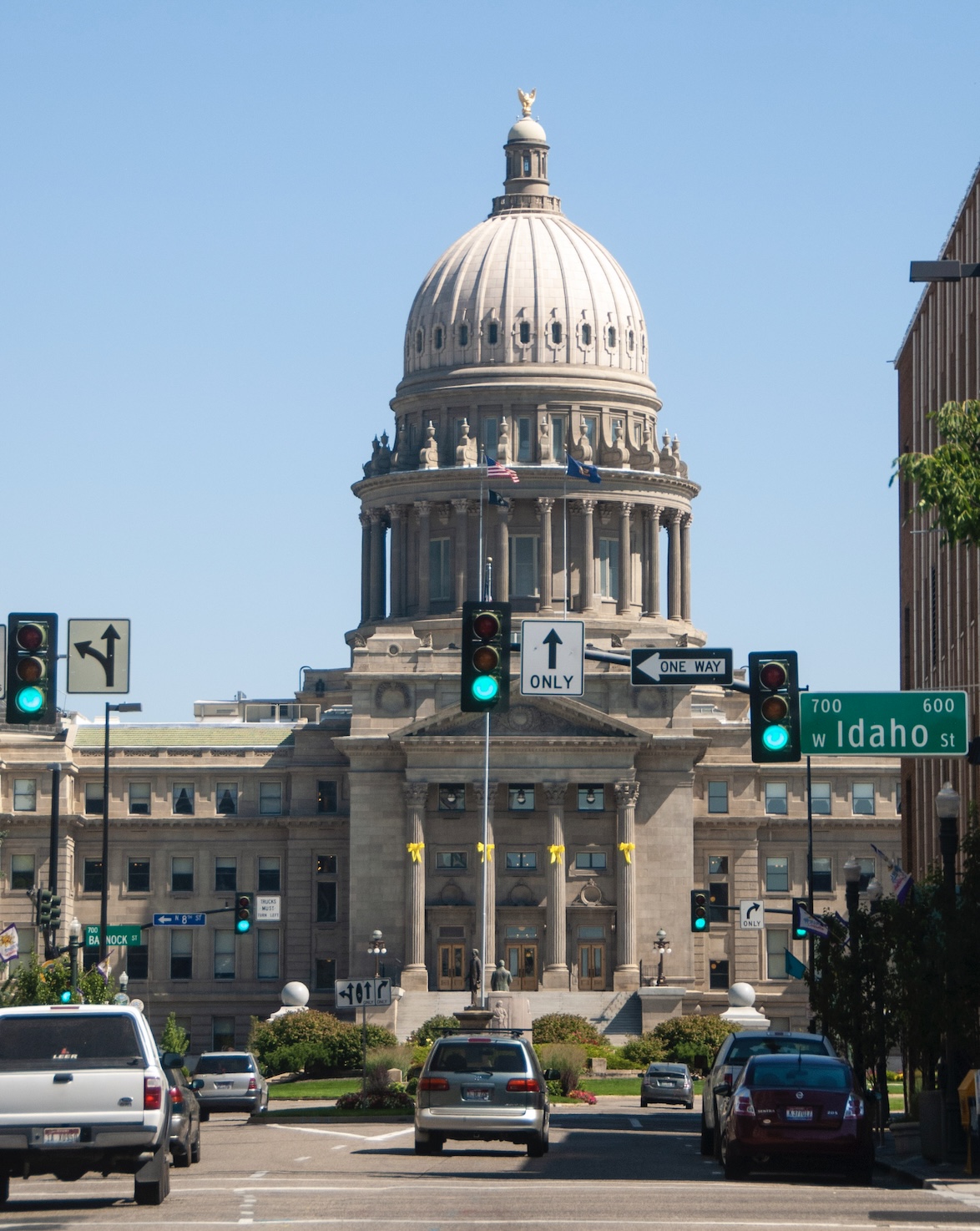 The Idaho roadless rule is not included in the effort by the Trump administration to rescind the national rule. A spokesperson for the U.S. Department of Agriculture said, “the Idaho state-specific roadless rule was part of the Administrative Procedures Act petitions and will not be affected by rescinding the 2001 Roadless Rule.” The rule, a collaboratively written offshoot of the national rule, was spearheaded by then-Gov. Jim Risch in 2006. It is more flexible than the national rule and allows limited logging and road building in some of the state’s roadless forests that are not otherwise protected as wilderness areas. But it also offers more stringent protections to the most remote areas. …Risch’s Idaho-specific roadless rule, implemented in 2008, overrides the national rule and forbids logging and roads on 3.2 million acres of the state’s 9 million acres of inventoried roadless areas. Some logging and roads are allowed, under limited circumstances, on the remaining 6 million acres.


 The Trump administration on Monday shut down a federal website that had presented congressionally mandated reports and research on climate change, drawing rebukes from scientists who said it will hinder the nation’s efforts to prepare for worsening droughts, floods and heat waves. The U.S. Global Change Research Program’s website, globalchange.gov, was taken down along with all five versions of the National Climate Assessment report and extensive information on how global warming is affecting the country. “They’re public documents. It’s scientific censorship at its worst,” said Peter Gleick, a California water and climate scientist. …In May, Trump signed an executive order saying that his administration is committed to “restoring a gold standard for science to ensure that federally funded research is transparent, rigorous.” …The president cited an example relating to climate science, saying federal agencies previously used a “worst-case scenario” of warming “based on highly unlikely assumptions.”
 Power plants and industrial facilities that emit carbon dioxide are hopeful that Congress will keep tax credits for capturing the gas and storing it deep underground. The process, called carbon capture and sequestration, is seen by many as an important way to reduce pollution during a transition to renewable energy. But it faces criticism from some conservatives, who say it is expensive and unnecessary, and from environmentalists, who say it has consistently failed to capture as much pollution. …The most commonly used technology allows facilities to capture and store around 60% of their CO2 emissions during the production process. Anything above that rate is much more difficult and expensive, according to the IEA. …Even so, carbon capture is an important tool to reduce CO2 emissions, particularly in heavy industries, said Sangeet Nepal at the Carbon Capture Coalition. “It’s not a substitution for renewables … it’s just a complementary technology”.
 A California nonprofit organization has decided to revise its controversial plan to build two wood pellet processing plants that would turn excess biomass in the state’s forests into pellets to be shipped overseas for use in renewable energy generation. Golden State Natural Resources said Wednesday it will develop a reduced-scale project focused on domestic, rather than international, use of sourced wood, producing wood chips instead of pellets. The project will target emerging demand in California and nearby regions for sustainable energy and alternative wood products. The organization’s proposed Forest Resiliency Project has drawn the ire of environmentalists who say California needs to rethink “falling for the biomass delusion.” Golden State Natural Resources was formed by rural counties to reduce massive wildfires fueled by overgrown, undermanaged forests. The project aims to use low-value forest material like ladder fuels and dead trees to lower wildfire risk and improve forest health.
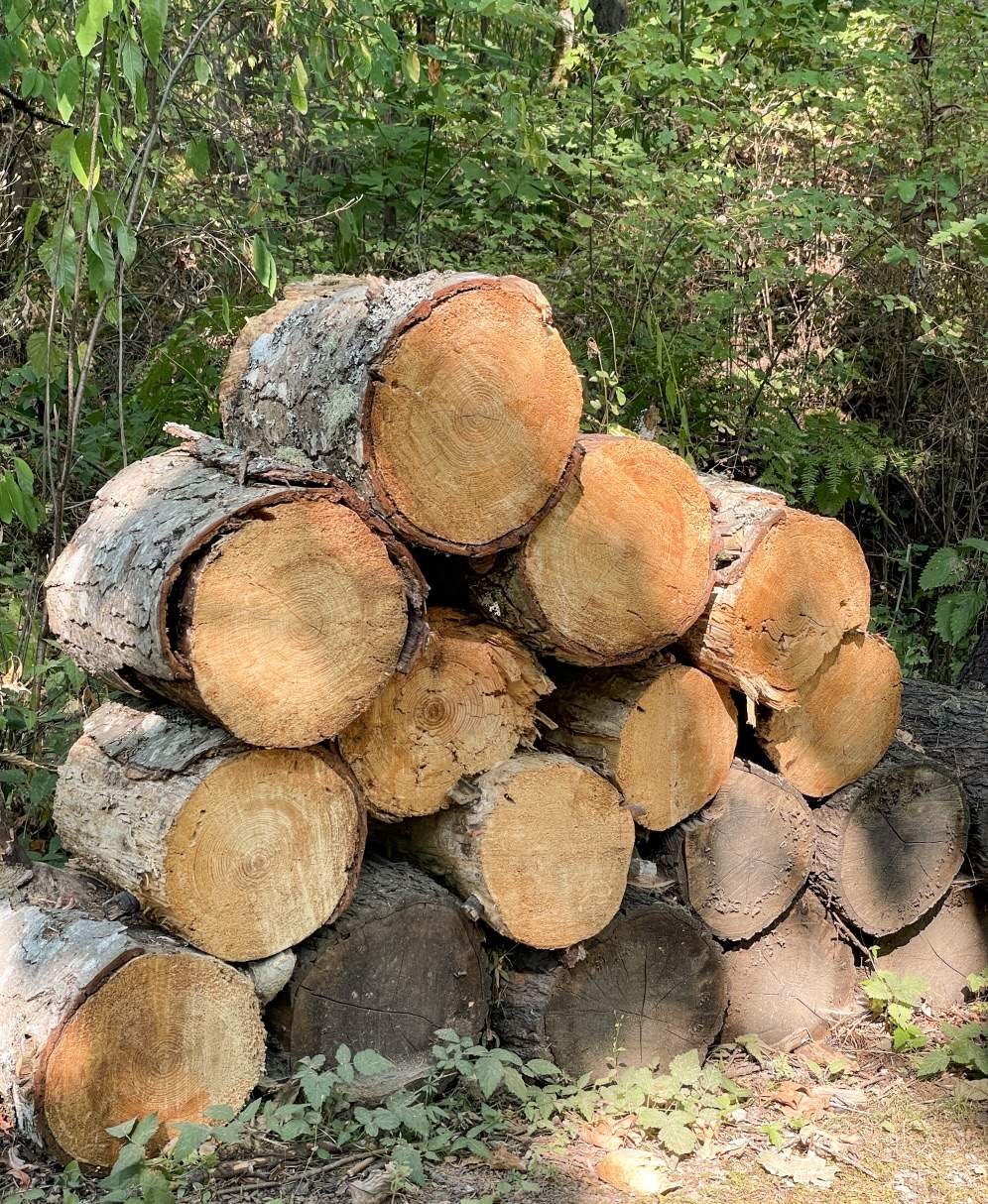
  After Georgetown’s International Paper mill shut down at the end of last year, the pressure is on for South Carolina’s forestry industry to find new local markets. The solution may be as simple as burning wood, a type of renewable energy. …South Carolina produces wood pellets but much of the product is shipped abroad. …Some lawmakers hope wood biomass specifically could address two problems the state faces: the forestry industry’s need for new local markets and consumers’ demand for more energy. State lawmakers attempted to address the latter in the South Carolina Energy Security Act. The new law is aimed at generating more energy in the state. …Forestry industry leaders delivered
  The herbicide ingredient used to replace glyphosate in Roundup and other weedkiller products can kill gut bacteria and damage organs in multiple ways, new research shows. The ingredient, diquat, is widely employed in the US as a weedkiller in vineyards and orchards, and is increasingly sprayed elsewhere as the use of controversial herbicide substances such as glyphosate and paraquat drops in the US. But the new piece of data suggests diquat is more toxic than glyphosate, and the substance is banned over its risks in the UK, EU, China and many other countries. …Despite the risks amid a rise in diquat’s use, the EPA is not reviewing the chemical, and even non-profits that push for tighter pesticide regulations have largely focused their attention elsewhere.
 Engineered wood manufacturers from across North America were named winners of APA – The Engineered Wood Association’s 2024 Safety and Health Awards — the premier safety award program for North America’s engineered wood products industry. The program promotes and recognizes operational excellence with the goal of reducing injury and illness rates. The Safest Company Award went to three members: Domtar won in the category of three or fewer mills, West Fraser won for companies with four to 10 mills, and LP earned the title for companies with 11 or more member mills. There were two winners in the prestigious Innovation in Safety Award category. Domtar’s Larouche, Quebec, mill won the Equipment-Based Innovation in Safety Award for their submission, “Distancing Handle,” while LP’s Jasper, Texas, mill won the Jack Wagner Process-Based Innovation in Safety Award for their submission, “Safety Champions – Future Leader Development – Safety Projects.”