 International Pulp Week 2025 opened in Vancouver with a note of celebration and reflection as delegates marked the event’s 20th anniversary. “After decades of being in Montreal in January… we decided to move the event to Vancouver and into the spring and summer months,” said Tim Brown, Vice-President at Numera Analytics.
  Over the years, Brown noted, the event has drawn participants from more than 50 countries and consistently focused on the industry’s most pressing challenges and opportunities. “It’s an industry that has innovated, adapted, and is one that itself is smarter and more sustainable.” Following Brown’s welcome, he introduced Kevin Mason, Managing Director of ERA Forest Products Research, who returned to the IPW stage to reflect on two decades of transformation in the global pulp sector—and to look ahead.
…Mason highlighting four key developments that have defined the past two decades: “A dramatic rise in demand for market pulp from China… Chinese demand met by massive growth in hardwood capacity in Latin America… hardwood steadily gained share versus softwood… and tissue expanded while printing and writing papers contracted.”  Looking ahead, Mason projected the estimated end-use composition of pulp demand in 2040: tissue at 54%, specialty papers at 24%, packaging at 12%, fluff-based products at 7%, and graphic paper at 3%. He also shared a slide titled “Potential Developments Over the Next 20 Years,” listing several scenarios: continued expansion of domestic pulp capacity in China; hardwood gaining further share over softwood (though possibly nearing saturation); and the potential for dramatic growth in specialty papers and packaging—if government policy supports a shift away from plastics.

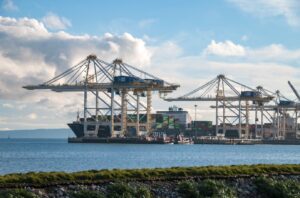 A federal appeals court temporarily reinstated the most sweeping of President Trump’s tariffs, a day after a US trade court ruled that Trump had exceeded his authority in imposing the duties and ordered an immediate block on them. The United States Court of Appeals for the Federal Circuit in Washington said it was pausing the lower court’s ruling to consider the government’s appeal. Wednesday’s surprise ruling by the US Court of International Trade had threatened Trump’s Liberation Day tariffs and additional tariffs on goods from Canada, Mexico and China. The trade court ruled that the Constitution gave Congress, not the president, the power to levy taxes and tariffs, and that the president had exceeded his authority by invoking the International Emergency Economic Powers Act. …Trump administration officials had said they were undeterred by the trade court’s ruling, saying they expected either to prevail on appeal or employ other presidential powers to ensure the tariffs go into effect.
 Canada continues to stare down the barrel of the American trade war. The United States-Mexico-Canada Agreement faces its first big review in 2026. This country remains in a uniquely high-stakes moment. …This will, and will always be, an uneven fight. Canada is 40 million people and only the world’s ninth largest economy. A middle power is going up against the world’s richest and most powerful country. How exactly is it even possible for Canada to win in this asymmetric trade war? Crucially, this conflict isn’t just about steel, soybeans or softwood lumber – it’s about narrative and power. …US President Trump frames trade deficits as proof that the US is “losing”:
 A U.S. court delivered a sharp rebuke of President Donald Trump’s trade policy on Wednesday, declaring he abused his authority and striking down many of his tariffs — at least for now. The upshot for trading partners, including Canada: Certain specific tariffs on steel and aluminum remain in place, but gone, for now, are sweeping levies on entire countries. The order by the Manhattan-based U.S. Court of International Trade quashes Trump’s 10 per cent across-the-board tariff on most nations and his declaration of a fentanyl emergency to impose 25 per cent tariffs on numerous Canadian and Mexican goods. The White House vowed to fight back with every available tool. This means an

 Tariff uncertainty from the Trump administration continues to impact home builders across the country, as builders prepare for potential price hikes and supply chain issues. …Lumber remains a primary concern, with countervailing and antidumping duties expected to more than double this fall. Steve Martinez, president of Tradewinds General Contracting in Boise, Idaho, recently spoke with CNBC to emphasize just how much lumber goes into the construction of a new home. “This entire house is built out of wood,” Martinez said. “I mean, we really do have wood on the floor, wood on the walls, wood on the ceiling. Can’t really get away from building a house like this without using a large number of wood products in the home.” As a result, price increases to lumber can cause a huge disruption for home builders. And lack of certainty adds complexity to the home-building process.
 The Coalition for Fair Trade in Hardwood Plywood has petitioned for antidumping and countervailing duties to counter unfair trade practices by Indonesia, Vietnam, and China. These petitions were filed on Thursday, May 22, with the U.S. Department of Commerce and the International Trade Commission and have significant implications for our economy, in which hardwood plywood plays a critical role in producing numerous downstream products. The Coalition for Fair Trade in Hardwood Plywood alleges that the governments of Indonesia, Vietnam, and China are actively subsidizing dozens of programs benefiting their industries, including providing products at subsidized rates and multiple grant, tax, and lending programs.
 SEELEY LAKE, Montana — A law passed during the 2025 legislative session could provide $6 million in low-interest rate loans for an entity that wants to start up a wood products facility. The measure could impact Seeley Lake, where Pyramid Mountain Lumber once operated. “I think the likelihood of you know, somebody coming here, obviously, there’d be opportunity at other mills as well, but they really like the, the ability to source timber from this site,” said Pyramid Mountain Lumber owner Todd Johnson. Johnson says the new law would incentivize anyone looking to open a new facility by providing funding for one portion of the total for opening a new mill. “I think the, the main designs behind it were so that it would allow somebody to secure a site. Six million dollars would go a long ways towards securing, you know, a site here in Montana,” said Johnson.
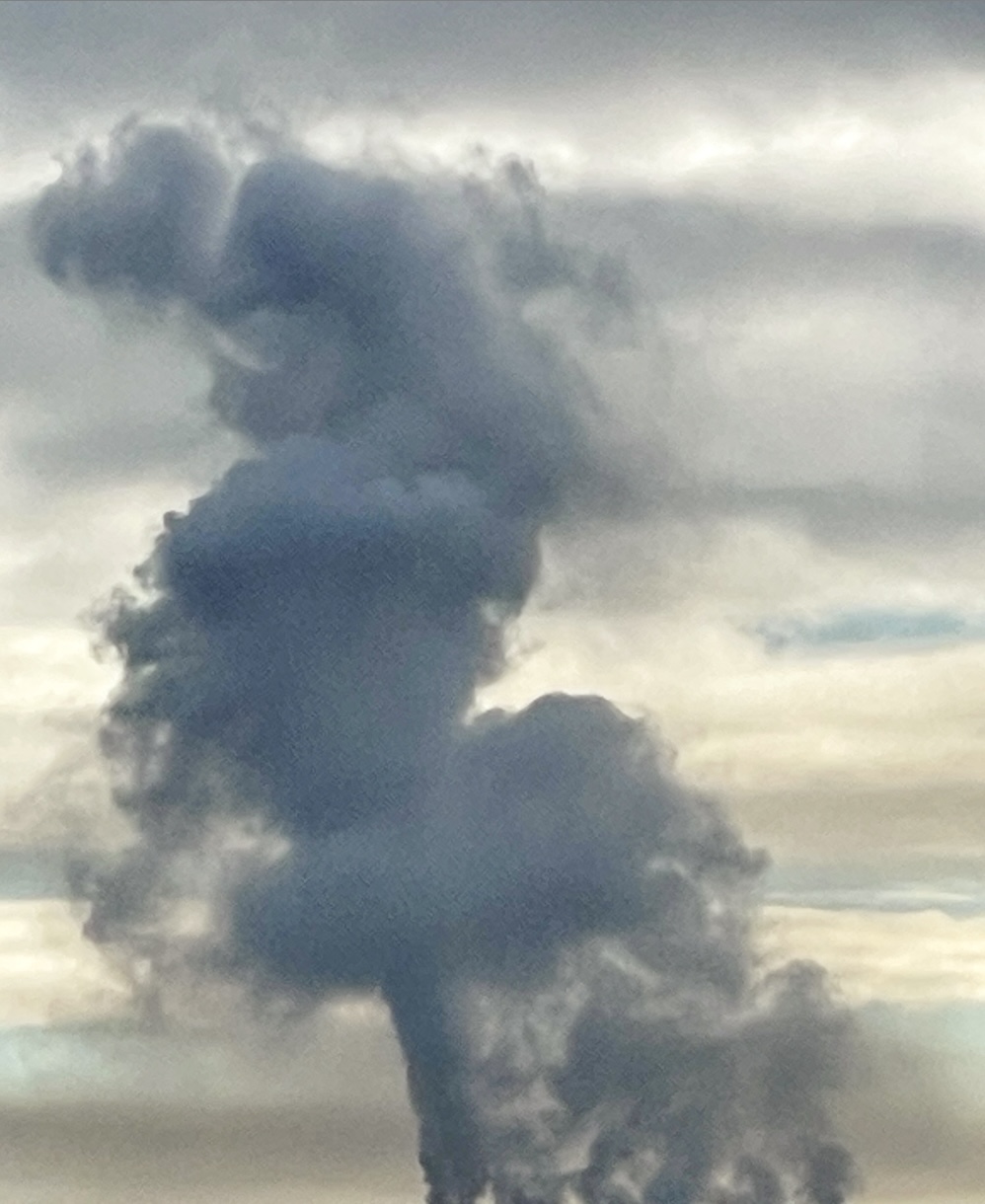 YORK COUNTY — South Carolina’s New Indy paper mill… releases more of a powerful neurotoxin into the air than any other major paper plant in the country, a new report says. The amount of mercury leaving New Indy’s York County plant is
 Economic growth forecasts for the US and globally were cut further by the Organisation for Economic Co-operation and Development (OEDC) as President Trump’s tariff turmoil weighs on expectations. The US growth outlook was downwardly revised to just 1.6% this year and 1.5% in 2026. In March, the OECD was still expecting a 2.2% expansion in 2025. The fallout from Trump’s tariff policy, elevated economic policy uncertainty, a slowdown of net immigration and a smaller federal workforce were cited as reasons for the latest downgrade. Global growth, meanwhile, is also expected to be lower than previously forecast, with the OECD saying that “the slowdown is concentrated in the United States, Canada and Mexico”. “Global GDP growth is projected to slow from 3.3% in 2024 to 2.9% this year and in 2026. It had previously forecast global growth of 3.1% this year and 3% in 2026. …The OECD adjusted its inflation forecast, saying “higher trade costs will also push up inflation.”
 US market conditions have been lackluster since the Trump tariffs on Canadian lumber were postponed for the second time in early April. …The proposed 25% tariffs were the catalyst for SPF prices rising in the first two months of 2025. …Today, this puts BC Interior SPF mills back near break-even levels at current lumber prices and 14.4% duties with other Canadian regions looking to be marginally profitable. With tariffs in suspension mode, the US market fundamentals have now been exposed – the market is weak and remain weak – and there is too much supply – again! ….The silliness of the Trump administration’s irrational rhetoric as well as biased trade policies will only result in raising all lumber prices to the US home builder, the renovation contractor, and the consumer. How much of the tariffs (or Canadian duties) are passed on to the consumer is the only wild card, but it will likely be the majority.
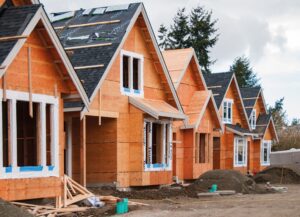 A pause on some tariffs creates a window for Canadian companies to re-examine their risk profiles and work with brokers to secure needed coverage. Both Bay Street and Wall Street are cheering the ruling from the US Court of International Trade that, at least temporarily, tamps down the 10% tariffs the White House imposed on most countries, and drug-related emergency orders setting 25% tariffs on some goods from Canada and Mexico. …Some companies may use tariff lulls to stock up on certain key materials. …Construction companies, for example, often import flooring products from the US, even though Canadian builders have good access to lumber. For them, stockpiling those materials reduces the economic impacts of both US tariffs and Canadian retaliatory tariffs. …Additional optimism arrived via King Charles III’s Speech from the Throne this week. The document opening Canada’s parliament commits to major economic initiatives, including large-scale increases in housing construction.
 Weyerhaeuser Company and Firefighter Behavioral Health Alliance (FBHA) today announced an extension of their Fighting Fires Together campaign, a partnership that provides specialized mental health support for wildland firefighters and their families across the Pacific Northwest. Fighting Fires Together, now in its fourth year, addresses the often-overlooked mental health impacts of wildland firefighting in isolated, hazardous and highly stressful conditions. Through a free online resource hub, first responders can find specially designed content, including videos about Post Traumatic Stress Disorder, depression, anxiety and suicide prevention, along with mental health tips, educational articles and contacts for occupationally aware support groups and counselors in Oregon, Washington and British Columbia. Weyerhaeuser’s support for wildland firefighting efforts in the Pacific Northwest began in the aftermath of the Yacolt Burn in 1902, when the company began advocating for Washington’s first forest fire legislation and the funding of community fire prevention education and patrols.


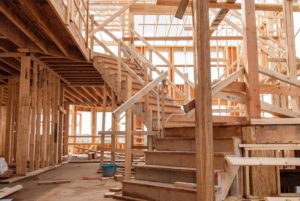 Economic uncertainty has produced a double whammy for the housing market: sluggish home sales and plodding construction. Last month was the slowest April for existing home sales in 16 years — a sharp rebuke to hopes that this spring the housing market would recover after two very sleepy years. In a May survey of builder confidence conducted by Wells Fargo and the National Association of Home Builders, home builder sentiment dropped to a level last seen in November 2023. The problem, as ever, is the cost of housing: Home prices are out of reach for many who would like to buy. And the tariff drama under President Trump has both made it more expensive to build new homes and made the future more unpredictable for would-be homebuyers. The result is a country where builders want to build, and buyers want to buy — but the future is too much in doubt.
 Q1 2025 exports of Southern Pine lumber (treated and untreated) were 12% behind the same quarter in 2024 at 122 MMBF, but up 2% over the fourth quarter of 2024. On a monthly basis, Southern Pine lumber exports were down 20% in March over March 2024 but up 4.6% over February 2025. When looking at the report by dollar value, Southern Pine exports are down 7% to $50 million in the first quarter of 2025 compared to the same period in 2024, but down 17% over the fourth quarter of 2024. Mexico led the way at $13.2 million, followed by the Dominican Republic at $10.4 million, and Canada at $4.3 million. The total global value in March hit a six-month high of $18 million. Treated lumber exports, meanwhile, were down 19% compared to the first quarter of 2024 at $28 million and down 6% over the fourth quarter of 2024.
 Packaging is going back to its roots. Long before the advent of plastics, before the rise of mass production and the widespread adoption of synthetic materials, early civilisations relied on what the natural world had to offer – pressed bark, woven plant fibres, and rudimentary pulps – to store and transport food and goods. Paper, in particular, has long served as a trusted material for containment and communication alike. Today, that ancient material is undergoing a resurgence and is evolving to not only meet contemporary functional needs but also to respond to an urgent call for environmental responsibility. The rapid shift away from single-use plastic has created new momentum behind paper-based alternatives. From luxury goods wrapped in soft textured, bespoke papers to barrier coated containers engineered for performance and recyclability, fibre-based packaging is no longer confined to brown boxes or rustic aesthetics. It is becoming more refined, more versatile, and, crucially, more sustainable – at least on the surface.
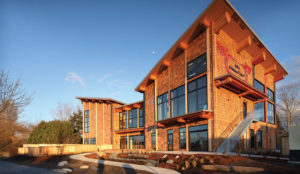 The American Wood Council (AWC) has released a national Mass Timber Alternative Materials and Methods (AMM) Guide for use with the 2018 International Building Code (IBC). This new resource is designed to support building code officials as they review, permit and approve mass timber projects across the country. The AMM Guide is designed to help bridge the gap between the codes adopted in each state and the newer mass timber provisions in the 2024 IBC. Adopting the most recent edition of the Building Code, like the 2024 IBC, can be a slow multi-year process for states or jurisdictions. As a result, there is sometimes a gap between what is included in the currently adopted code in a state and what is allowable based on the latest available ICC I-codes. The AMM guide serves to fill that space by offering code provisions for jurisdictions without mass timber specific guidance.
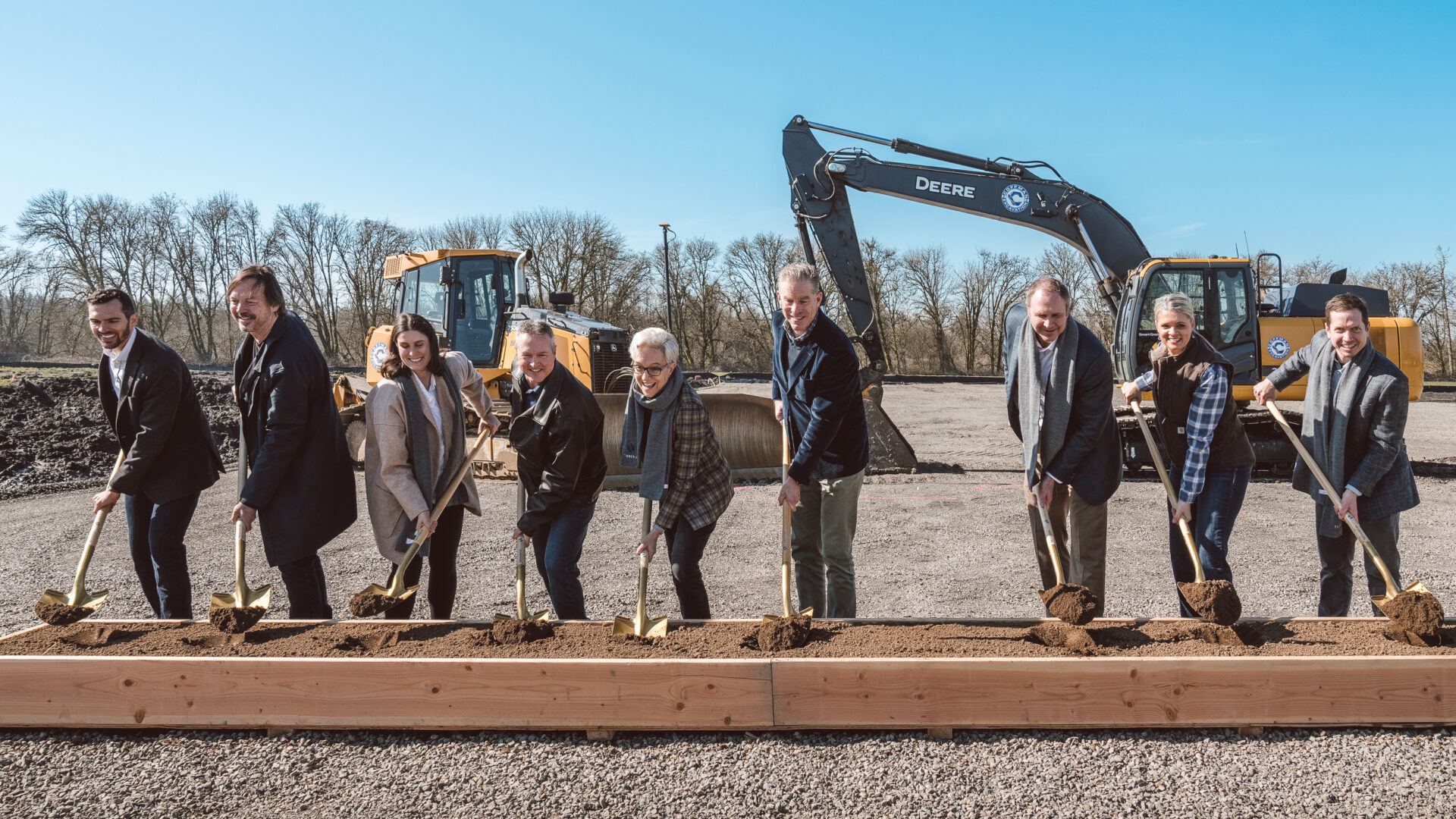
 Pulp and paper company Green Bay Packaging will be breaking ground on a $1 billion expansion to its Morrilton packaging plant Tuesday, according to a news release from Gov. Sarah Huckabee Sanders’ office. The company announced an expansion of its Arkansas Kraft Mill in Morrilton in December. The news release from Sanders’ office lauded the investment as the “largest capital investment project in Central Arkansas’ history.” It comes about a month after the announcement of a $1 billion data center in Little Rock, which was referred to as the “largest economic development capital investment” in Little Rock’s history. Green Bay’s multi-year expansion is geared toward modernization. According to a release, it will “significantly enhance the infrastructure of the mill” and, among other investments, it will involve the installation of an electric turbine generator, which will “substantially reduce” the plant’s Scope One and Scope Two greenhouse gas emissions.
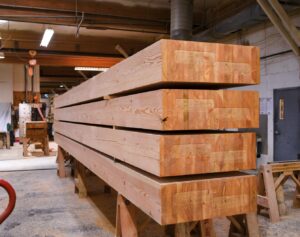 Mass timber continues to gain traction in the United States for its sustainability, strength and aesthetic appeal. …In just the last four years, Texas saw a 168% increase in the amount of mass timber projects either in design, construction or completed. As mass timber developments in Texas increase in popularity, owners and contractors face a critical decision: whether to source the material domestically or internationally. The decision isn’t as simple as price — although it is a big factor. There are other points to consider when selecting your mass timber provider. …With threats of tariffs and rising material costs, builders might feel inclined to source mass timber from domestic providers. According to Forisk, an industry research and consulting firm, there are 38 mass timber production facilities across the United States and Canada —24 of which can produce cross-laminated timber (CLT). Nearly 51% of those facilities are located in the Northwest region of the United States.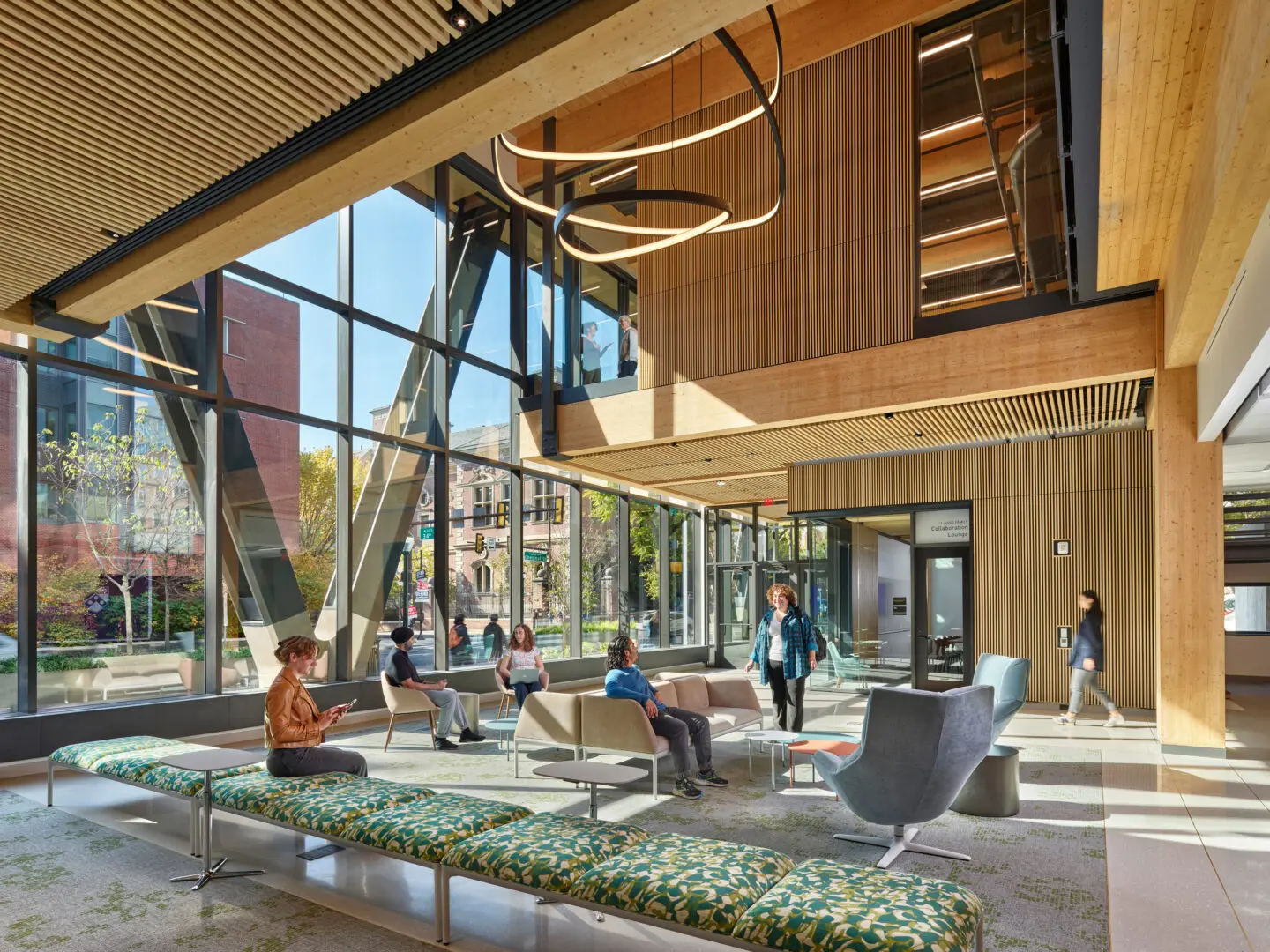
 As dozens of wildfires continue to burn across Canada, flames are sending far-reaching plumes of smoke into the sky and unhealthy air to distant places. Some of the more gigantic blazes have been delivering thick smoke that spread southward into the United States over recent days. The fires are burning from British Columbia, through Alberta and Saskatchewan to Manitoba and Ontario — with several between 100,000 and 300,000 hectares apiece. More smoky skies are expected as this week begins, although the smoke is not expected to be as thick as it’s been in recent days. Prime fire season in Canada is just beginning, though already about half a year’s worth of land has been scorched, according to the long-term average. [a paid subscription is required to read this article]
 A new
A new  Washington, D.C. – U.S. Secretary of Agriculture Brooke Rollins announced a bold $200 million investment to implement the U. S. Department of Agriculture (USDA) Forest Service’s National Active Forest Management Strategy, a key initiative to increase timber harvest, improve forest health and productivity, reduce wildfire risk, and support rural prosperity in forest communities. The strategy supports President Trump’s Executive Order: Immediate Expansion of Timber Production by streamlining burdensome regulations, leveraging emergency authorities, and expediting project approvals—ensuring faster access to critical timber resources. Increasing the use of long-term contracts to carry out these projects, the strategy envisions a more stable supply of wood products, healthier forests, and stronger rural economies. “Trump is committed to cutting red tape, rolling back burdensome regulations and unleashing the potential of America’s abundant natural resources. This is a win for … forest management which will help keep our forests safer and reduce wildfire risk,” said Secretary Rollins.
 In Sequoia and Kings Canyon National Parks in California, trees that have persisted through rain and shine for thousands of years are now facing multiple threats triggered by a changing climate. Scientists and park managers once thought giant sequoia forests nearly impervious to stressors like wildfire, drought and pests. Yet, even very large trees are proving vulnerable, particularly when those stressors are amplified by rising temperatures and increasing weather extremes. The rapid pace of climate change – combined with threats like the spread of invasive species and diseases – can affect ecosystems in ways that defy expectations based on past experiences… To protect these places, which are valued for their natural beauty and the benefits they provide for recreation, clean water and wildlife, forest and land managers increasingly must anticipate risks they have never seen before. And they must prepare for what those risks will mean for stewardship as ecosystems rapidly transform.
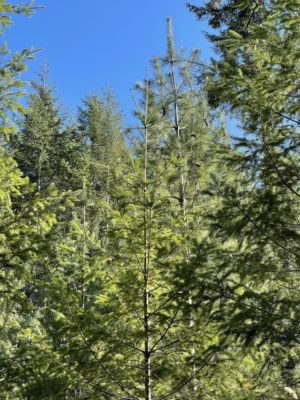 If you’re wondering why squirrels seem to vastly outnumber raccoons—or why certain car brands dominate city streets—a team of University of Virginia researchers may be able to help. Some species are abundant while most are rare. For nearly a century, scientists have sought a mathematical model to describe this pattern, the “hollow curve” species-abundance distribution, found universally within ecological communities. A recent breakthrough by a team within UVA’s Department of Biology seems to have finally cracked this ecological puzzle. By analyzing 30,000 datasets ranging from the distribution of tree species across the United States to bacterial communities living in the human gut, they found that a model called the “powerbend distribution” accurately describes the species abundance across plant, animal and microbial communities. Their findings were
 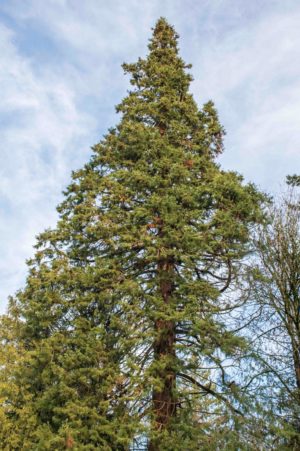 The federal government is awarding Utah $3 million to purchase conservation easements in southern Utah near Zion National Park. The funding — awarded to the Utah Division of Forestry, Fire and State Lands by the U.S. Department of Agriculture — was announced Monday and will go toward ongoing forest preservation efforts outside of the national park. Called the Zion Connectivity Project, the state will direct the funding at two properties totalling 766 acres near the north section of the national park. A conservation easement — a legally binding agreement between a landowner and government that places restrictions on the land for environmental purposes — will prevent the land from being fragmented or developed. That will help preserve the ecologically rich stretch of forest. Old-growth ponderosa pines, some of them hundreds of years old, can be found in the area.

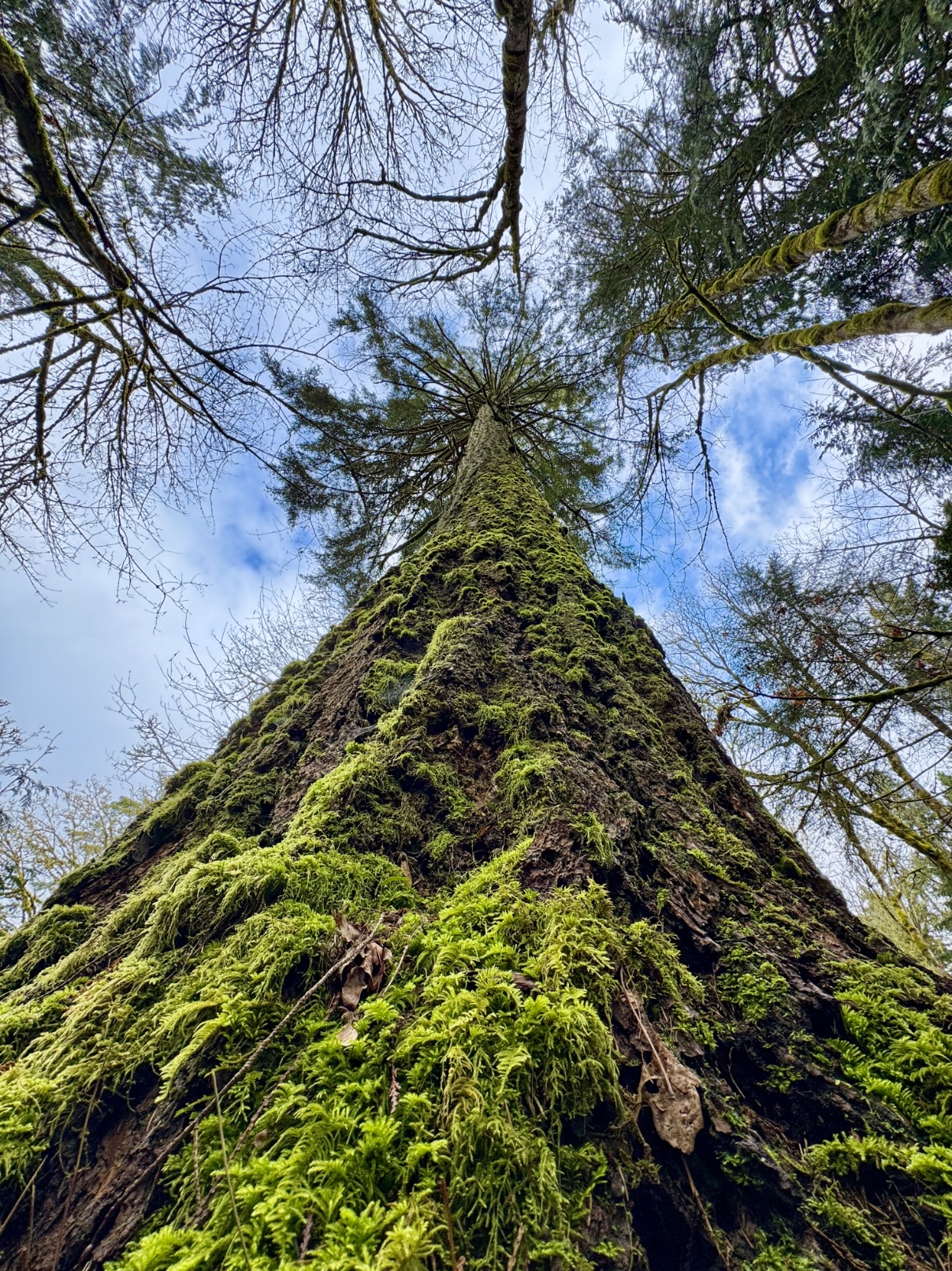 The Clallam County Superior Court denied environmentalists’ request for an administrative stay on two local Department of Natural Resources parcels, although it granted a motion to compel information from the state agency. If the stay had been granted, it would have barred logging-related activities for 90 days on the parcels named Parched and Tree Well. The motion to compel will require the Department of Natural Resources (DNR) to file administrative records relevant to the case by June 18 — a five-month delay from the original required date of Jan. 2. The logging rights for these two forests were bought by Oregon-based Murphy Company in December. The sale to the Eugene, Ore.-based Murphy Company was approved by the Washington State Board of Natural Resources in December. The Murphy Company is a more-than-a-century-old, family-owned wood products company based in Oregon, with a veneer mill in Elma.
 The Clallam County Superior Court denied environmentalists’ request for an administrative stay on two local Department of Natural Resources parcels, although it granted a motion to compel information from the state agency. If the stay had been granted, it would have barred logging-related activities for 90 days on the parcels named Parched and Tree Well. The motion to compel will require the Department of Natural Resources (DNR) to file administrative records relevant to the case by June 18 – a five-month delay from the original required date of Jan. 2. The logging rights for these two forests were bought by Oregon-based Murphy Company in December. Although road building has begun, there is no planned logging on these properties until next year at the earliest, according to Murphy’s intervenor.

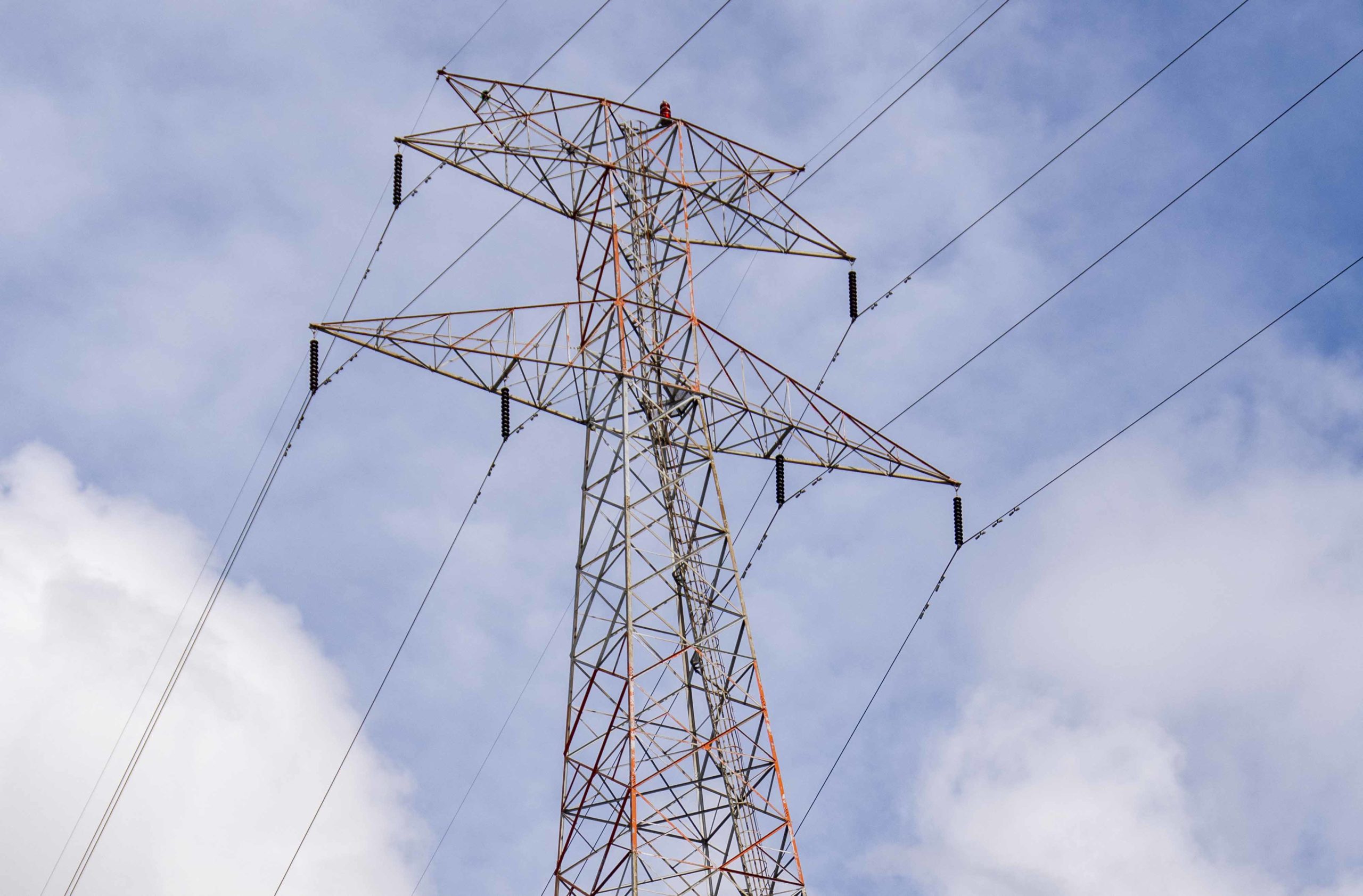 As Arizona utility companies make aggressive plans to mitigate wildfire risks, many met in Payson to update a state regulatory body. On May 15, the Arizona Corporation Commission hosted a special open meeting on wildfire mitigation at the Payson Public Library. ACC Vice-Chairman Nick Myers moderated the nearly three-hour town hall, which included stakeholder presentations from Arizona Public Service, Tucson Electric Power & UniSource, Salt River Project, Navopache Electric Cooperative, Alliant Gas, Arizona Water Company, and the Arizona Department of Forestry and Fire Management. Following brief opening remarks and commissioner comments, utility companies from throughout the state provided insight and information regarding their ongoing wildfire mitigation efforts. The electric companies focused on both grid hardening and creating defensible space around their infrastructure, before providing updates about each of their Public Safety Power Shutoff programs.
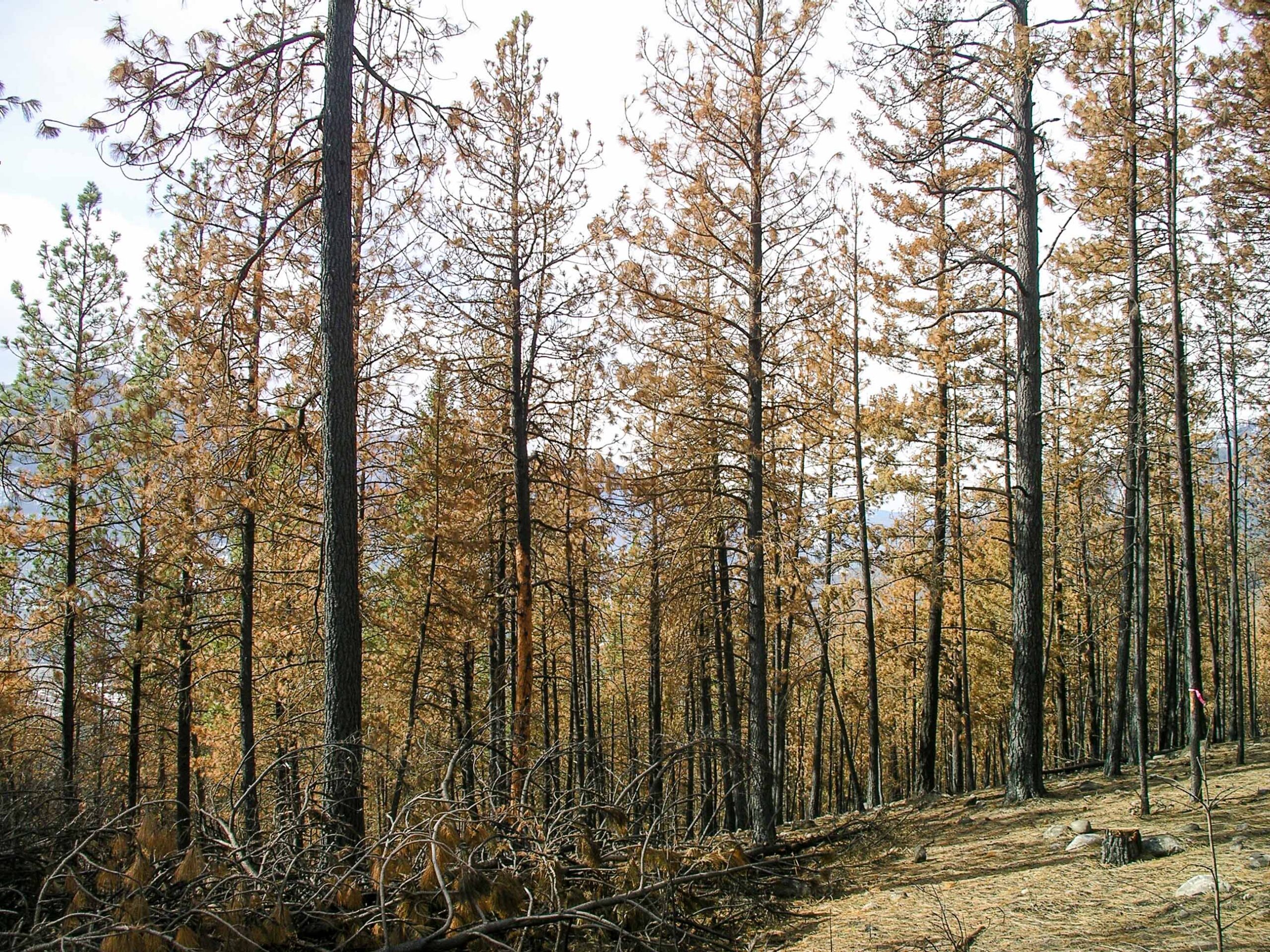 Across the western U.S., wildfires are becoming larger and more severe — and even trees that initially survive are dying in subsequent years, making it harder for forests to regenerate, according to new research from Portland State University. Building on previous research exploring fire refugia — the green islands of live trees that remain after forest fires — researchers in PSU’s Global Environmental Change lab mapped annual changes in the extent of live tree cover up to three years after the unprecedented 2020 Labor Day fires in Oregon’s western Cascades. The study quantifies changes in the spatial distribution and attributes of fire refugia as a result of delayed tree mortality. …there is potential for delayed fire effects to cause trees to die in subsequent years, including direct burn injuries as well as a combination of direct and indirect effects related to climate, insects, pathogens and heatwaves.
 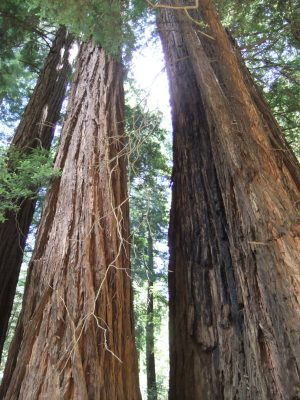 The rate at which trees are dying in California has hit a 10-year low, according to a survey from the U.S. Forest Service. Trees were dying at an alarming rate from 2015 to 2018, but after significant snow and rainfall in recent years, trees are getting their necessary nutrients. “We’ve had a couple good years of precipitation,” said Jeffrey Moore, aerial survey manager with the Forest Service. “We expected the amount of mortality to start tapering off, and indeed that was the case.” Severe droughts, he says, are the main culprits for the amount of trees that die. Less water means fewer nutrients, which then allows for a greater chance of trees to get disease or infected with bugs that feed on dry bark.

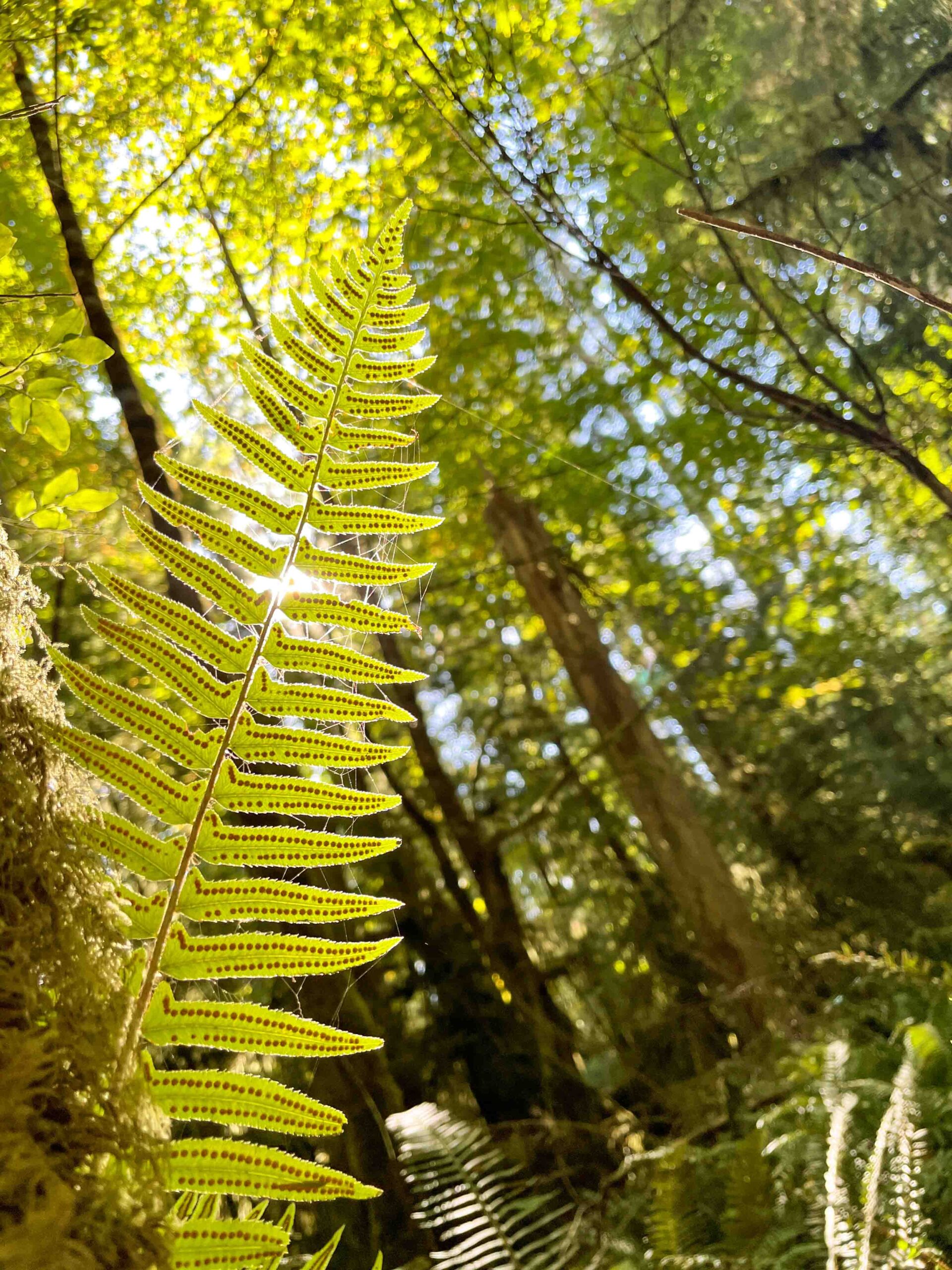 Mike Lithgow, director of policy and outreach for the Kalispel Tribe joined panelists Amanda Parrish, executive director of The Lands Council, and Todd Myers, vice president for research at the Washington Policy Center, for the 2025 Forum on the Environment in Spokane. Parrish introduced her organization’s work with the Northeast Washington Forestry Coalition, the U.S. Forest Service, and regional tribes. The Lands Council is currently working with the city of Spokane’s urban forestry program to plant trees in low-income neighborhoods. …On a broader scale, the Kalispel Tribe reaches out from their small reservation in collaborative work across 2.3 million acres of Washington, Idaho, Montana and British Columbia, Canada. Lithgow said the tribe focuses on restoration, which might not be high on the list for other partners. In addition to water, their conservation efforts include forests and wildlife. Forest management in Washington is a concern going into the summer, owing to the potential for wildfires.
 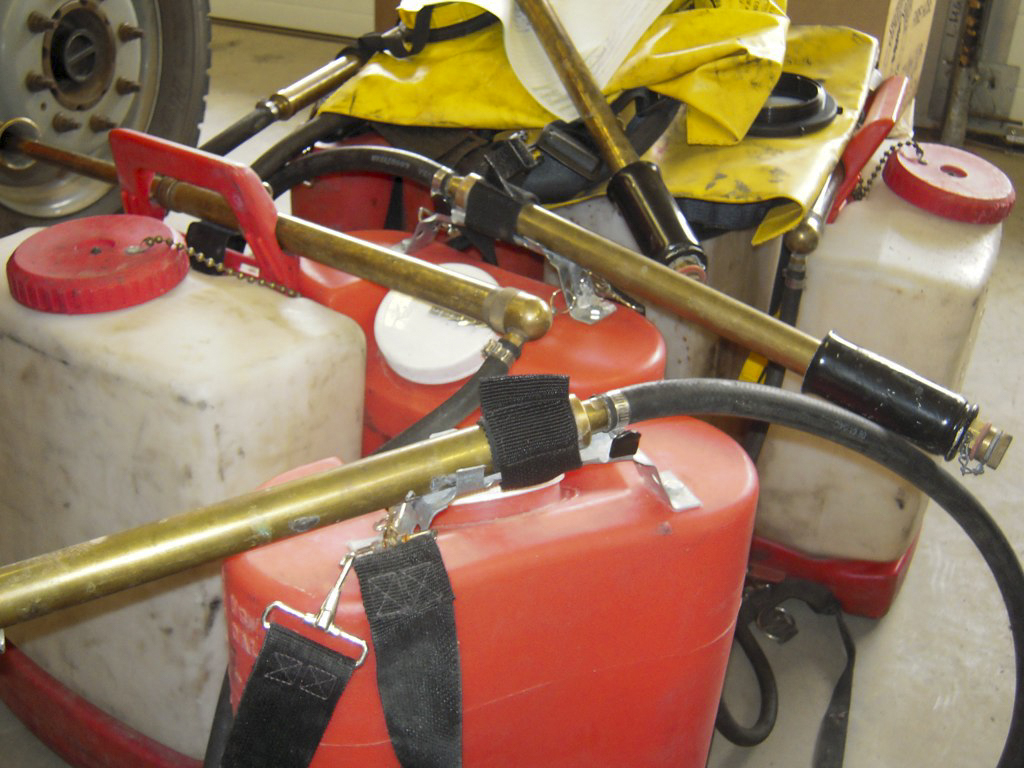 In fire-prone Southern Oregon, residents of the Greensprings joined forces to carry out a 12-acre prescribed burn… The effort reflects a growing movement to use“good fire” to reshape landscapes and build community resilience. …The volunteers — a mix of firefighters, Greensprings residents, and fire experts with the Rogue Valley Prescribed Burn Association — were there to put “good fire” on a 12-acre triangle of land owned by Deb Evans and Ron Schaaf. …In fire-prone Southern Oregon, intentionally setting fire to a forested hillside might seem reckless, especially as summers have grown hotter and wildfire seasons more intense. But under the right conditions, fire can burn away vegetation that would otherwise fuel dangerous wildfires in warmer, drier months, helping protect homes and forests before the next wildfire strikes. Now, a growing number of residents are learning how to use prescribed burns to make their communities safer.
 U.S. House Republicans narrowly passed a budget reconciliation bill early Thursday morning that pushes forward President Donald Trump’s domestic policy on health care, energy, immigration, and more. …Included in the package were provisions pushing Trump and Republicans’ policy around increasing domestic energy, timber and mineral production, and restoring the federal multiple-use mandate on public land. …House Democrats in the committee, who have criticized Trump’s reconciliation package as a way to fund tax cuts for billionaires, referred to the legislation as one of the most destructive and extreme anti-environment bills in the country’s history. …Now, the big bill is heading to the Senate, where advocates are hopeful changes will continue to be made. Louis Geltman, the vice president of policy and government relations for the recreation member group Outdoor Alliance, said in a statement that the act is still “very bad for public lands and waters.”
 By executive order, President Donald Trump reinstated the Tongass National Forest Roadless Rule exemption, reversing action taken by President Joe Biden in January 2023. For Alaska-based environmental organizations, that means redeploying propaganda about how much of the old-growth forest in the Tongass could be subjected to large-scale logging. And they often get help from journalists and opinion writers who don’t do their homework. …In a joint press release responding to the Biden administration’s plan to consider restoring the Roadless Rule …Rep. Don Young accurately described that “only 9 percent of the Tongass is available for any kind of development.” …Environmentalists have a choice. They acknowledge these facts and stop challenging the Roadless Rule exemption for the Tongass. Or they can continue undermining their credibility by peddling the kind of disinformation that’s making our political discourse so toxic.
 Sawmills are working to recycle trees blown down by Hurricane Helene to assist wildland firefighters while boosting domestic timber production. Many of the trees downed by the storm are usable, according to Johnny Evans, owner of EvAns Lumber Co. in Manchester, Tennessee. About 6% of the lumber produced at his facility comes from trees that fell during natural disasters. The Tennessee Department of Agriculture’s Forestry Division estimated it could take at least three years for the thickest trees downed by Hurricane Helene to dry out enough to become potential wildfire fuel. However, those trees can still hinder firefighting efforts by getting in the way of bulldozers used to create firelines. “Those trees are there just blocking the dozers. So we have to send in crews to clear a path for the dozers,” Megan Carpenter, a spokesperson for the Tennessee Department of Agriculture’s Forestry Division, said.
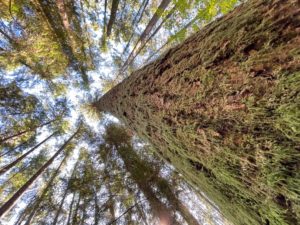 MAINE, USA — A law signed by Gov. Janet Mills last week requires landowners who are participating in the forest carbon credit market to report basic data — including a landowner’s name, contact information, date of enrollment and total enrolled acreage — to the state on an annual basis, information the state will use to create a database and track the impact of carbon credits on Maine’s forests. “We need to understand how Maine woodland owners are participating in the emerging forest carbon market, given both Maine’s forest-based economy and its climate change initiatives,” said Morten Moesswilde, the division director of Forest Policy and Management for the Department of Agriculture, Conservation and Forestry, in a work session on the legislation in February. …The law was supported by conservation organizations as well as the Maine Forest Products Council and several woodlot owners, who stressed the importance of understanding an emerging market.
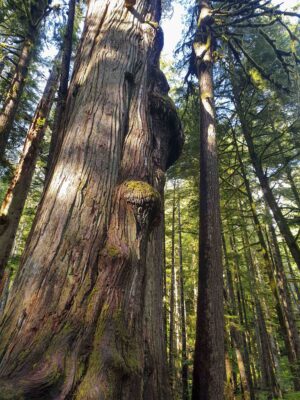 Thousands of acres of deep-woods habitats at Arcadia Dunes are now part of a nationwide network of current and future old-growth forests. The wooded areas at the C.S. Mott Nature Preserve in Benzie County this week became the latest place in Michigan to be inducted into the Old-Growth Forest Network, which now includes more than 270 permanently protected forests nationwide. The forest near the Lake Michigan shoreline boasts unique microclimates teeming with old beech and hemlock trees, spring wildflowers, and rare native plants. Grand Traverse Regional Land Conservancy hosted a two-mile hike Wednesday, May 21, along the preserve’s Dryhill Trail Chestnut Loop to celebrate the northern mesic forest being added to the nationwide old-growth roster. The nature preserve is the conservancy’s largest and includes a mix of secondary hardwoods, coastal dunes, and open fields around old farmland and pastures.
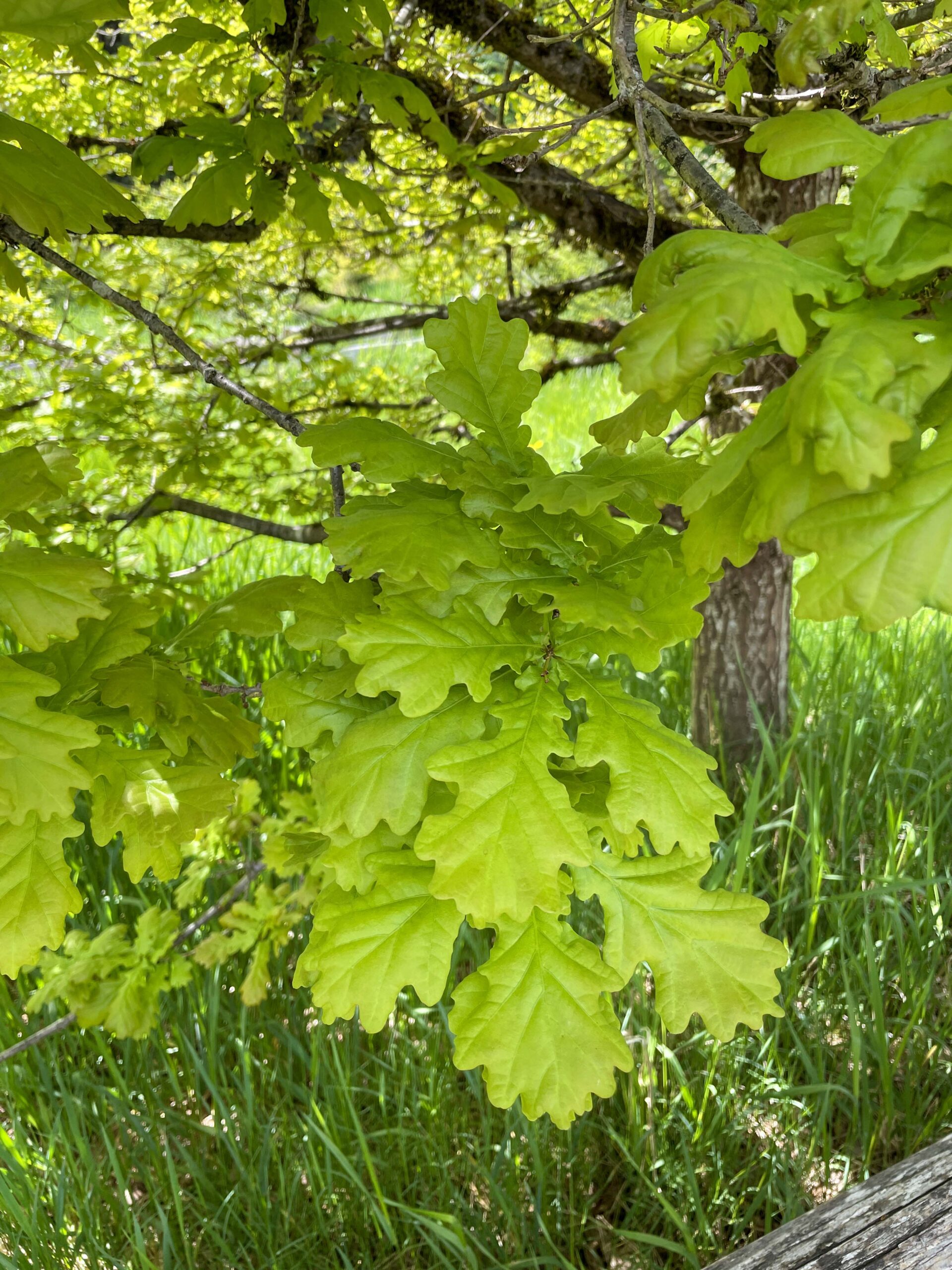 Jim Thorpe – Pennsylvania — It was a sight like no other, last month, smoke clouded the air as a wildfire spread on Bear Mountain in Jim Thorpe. The fire burned 500 acres in what the Department of Environmental and Natural Resources called the Packerton fire. “We are really still evaluating; it’s probably still too early to tell. Certainly, some trees got killed in that process, and we are still evaluating how extensive the damage was, explained Seth Cassell, Director of the Bureau of Forestry with DCNR. On Arbor Day, DCNR launched an online donation drive for communities impacted by wildfires. … Officials with DCNR say there are several types of trees that make up the forests of Carbon County. “Where the fire was, there is often pine trees, oak trees, we see a lot of chestnut oak trees in those areas, and some of those trees are there because of repeat fires in those areas.”

 A law signed by Gov. Janet Mills last week
  Of the two dozen people who showed up for a meeting to talk about a proposed biomass energy plant in Georgetown, five were from conservation groups. Another five were reporters.
 CHICAGO and OTTAWA, ON – As devastating wildfires continue to increase throughout North America, the American and Canadian Lung Associations are collaborating for a second year to raise awareness about the health risks associated with wildfire smoke, educate people on how to protect themselves, and promote strategies to mitigate the occurrence of catastrophic wildfires. …To protect residents in both countries from the harmful health impacts of wildfires, the American Lung Association and the Canadian Lung Association are once again working together, concentrating their efforts on three key areas: awareness, education and advocacy.
 Smoke from Canadian wildfires continues to blanket parts of the Midwest and Great Plains, leading to air quality alerts across several states. More than 90 fires scattered across Canada are burning out of control, according to the Canadian Interagency Forest Fire Centre, a nonprofit that supports the government’s wildfire response. Active fires in the central Canadian province of Manitoba have forced roughly 17,000 people to evacuate. Winds high in the atmosphere pushed that smoke into the Upper Midwest on Friday, and the plumes continued to travel southeast over the weekend, reaching as far as the Georgia-Florida border. Some U.S. states may experience poor air quality through Monday, meaning sensitive groups such as pregnant people, newborns, older adults or those with respiratory or heart problems should limit their time outdoors. People in the affected areas may notice a campfire smell and hazy skies, as well as colorful sunrises and sunsets.
 FLIN FLON, Manitoba — More than 25,000 residents in three provinces have been evacuated as dozens of wildfires remained active Sunday and diminished air quality in parts of Canada and the US, according to officials. Most of the evacuated residents were from Manitoba, which declared a state of emergency last week. About 17,000 people there were evacuated by Saturday along with 1,300 in Alberta. About 8,000 people in Saskatchewan had been relocated as leaders there warned the number could climb. Smoke was worsening air quality and reducing visibility in Canada and into some US states along the border. “Air quality and visibility due to wildfire smoke can fluctuate over short distances and can vary considerably from hour to hour,” Saskatchewan’s Public Safety Agency warned Sunday. “As smoke levels increase, health risks increase.” …In some parts of the U.S., air quality reached “unhealthy” levels Sunday in North Dakota and small swaths of Montana, Minnesota and South Dakota.
 WASHINGTON D.C. — The U.S. Department of Agriculture (USDA) Forest Service has sent resources to Canada as wildfires spread across multiple parts of the country. On May 29, the Canadian Interagency Forest Fire Center raised its wildfire preparedness level as Saskatchewan, Manitoba, Ontario, and Alberta, Canada, have seen very high wildfire activity. “We are here to help our neighbors during their time of need, and our Forest Service Wildland Firefighters are the best in the business,” said Brooke L. Rollins, the U.S. Secretary of Agriculture.
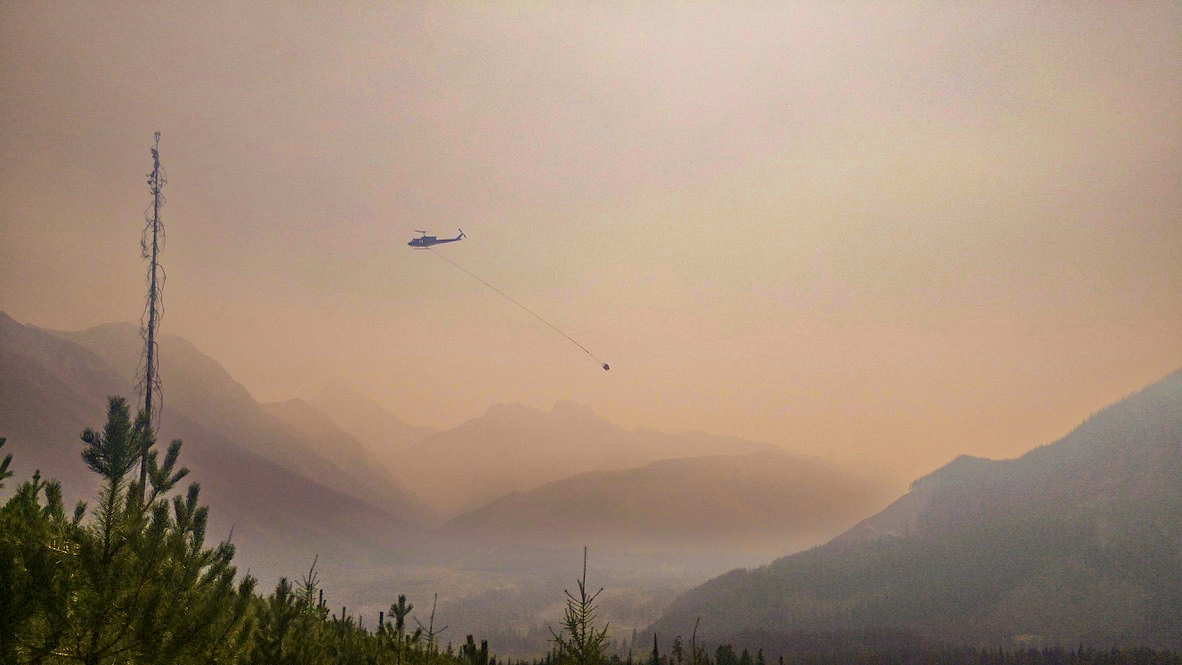 Oregon’s first major wildfire of the season, the Butte Creek Fire, has been mapped at 1,776 acres burning on the John Day River 9 miles north of Clarno in eastern Oregon as of May 27. Firefighters were suppressing the blaze with multiple crews, engines, dozers and aircraft. Some structures are threatened by the fire, officials said. Wheeler County Fire & Rescue and South Gilliam County Rural Fire Protection District are providing structure prevention. No evacuations or closures were in place. However, boaters on the popular stretch of the John Day River “are being asked to use caution as helicopters will continue dipping water out of the John Day River today,” according to Central Oregon Fire Information.