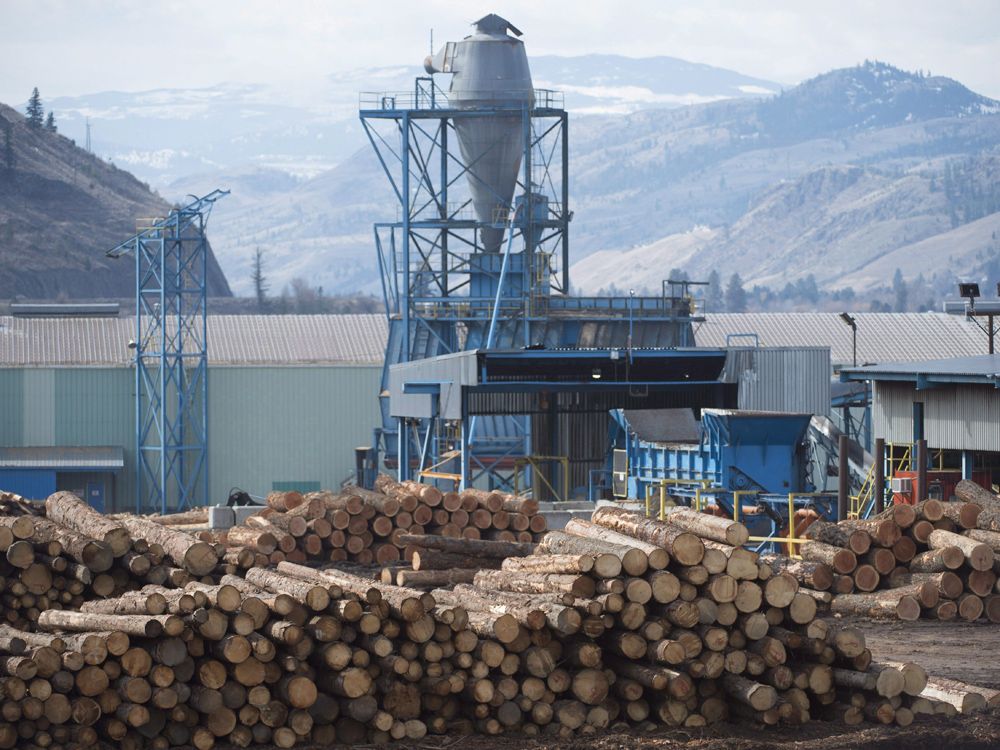
 In a move that NAHB has encouraged, President Trump signed an executive order that calls for a 25% increase in timber production from federal lands. NAHB has taken a leading role in urging the administration and Congress to increase the domestic supply of timber from federally owned lands in an environmentally responsible manner. …This new development will help the nation move in the direction of self-sufficiency. However, due to logistical issues and the long time to ramp up sawmill production, it is projected to take months, if not years, before the market feels any impact from this action. …Offsetting the good news to expand domestic timber output is the fact that tariffs on Canadian lumber shipments into the US are expected to more than double by September.
These duties are completely separate from the global reciprocal tariffs announced by President Trump last week. When the president made his announcement, NAHB scored an important win when Trump chose to continue current exemptions for Canadian and Mexican products, including a specific exemption for lumber from any new tariffs at this time. It’s clear we are not out of the woods yet on the possibility that Canadian lumber tariffs could run even higher than 34.5% later this year. The White House issued an executive order in March commanding the Commerce Department to investigate the national security impacts of imports of timber and lumber. NAHB has argued that housing is a critical component of national security and that no further lumber tariffs should be imposed. …For now, Canadian lumber tariffs stand at 14.5%, but members should be forewarned to expect higher tariffs later this year and plan accordingly.
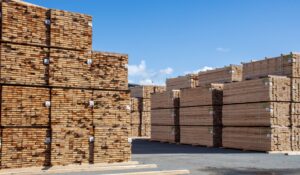 A coalition representing part of the US lumber industry is firing a shot at BC’s Forests Minister, who has suggested the State-side industry is not willing to engage. “

 WASHINGTON — U.S. President Donald Trump partially reversed course Wednesday on his global trade war following days of market turmoil — but he’s not offering any changes to the tariffs hitting Canada. Trump immediately paused for 90 days the levies on nations slapped with the highest duties under his “reciprocal” tariff regime. A White House official later clarified that a 10 per cent baseline tariff will remain in place for all countries. The president has held fast to his plan to rapidly realign global trade through a benchmark “reciprocal” tariff — but his tariffs have spread chaos throughout global markets. …On social media, Trump said he made the decision after more than 75 countries called his administration “to negotiate a solution.” Later at the White House, the president said he lowered the levies because “people were jumping a little bit out of line.” “They were getting yippy, you know,” Trump said. “They were getting a little bit yippy, a little bit afraid.”
 American consumers could be paying more to build new homes after the U.S. announced it will more than double existing duties on Canadian softwood lumber. “In the end, the U.S. consumer ends up paying additional money,” Supply-Build Canada president said on Tuesday. “It is an extra cost that is being passed on to the U.S. consumer and that’s not an ideal situation when you are looking for housing affordability.” Claiming that the Canadian lumber industry is unfairly subsidized, the U.S. Department of Commerce announced Friday that it planned to hike duties on Canadian softwood lumber from
  BURNABY, BC – The United Steelworkers union (USW) District 3 and the USW Wood Council locals in BC applaud the approach of Premier Eby in fighting for workers and federal government supports in light of the announcement by the US Department of Commerce that will increase the current tariff and countervailing duty average to 34.45% from 14%. “The continual application of tariffs and duties by the US on our USW membership in Canada is wrong and unwarranted,” said USW District 3 Director Scott Lunny. “Premier’s Eby’s approach in pressing the federal government in Ottawa for worker supports is key.” …“The Trump administration and the U.S. Department of Commerce continue to be subjected to the influence of the US Softwood Lumber Coalition, wrongfully claiming the Canadian industry is subsidized,” said Jeff Bromley, USW Wood Council Chair. …“It’s protectionism, pure and simple,” added Bromley.
 Premier David Eby cautioned last week that BC should not make too much of the appearance that the country “dodged a bullet” in the latest round of tariff fire from the US. …Eby’s fears were borne out, when the US announced a plan to more than double the duty against Canadian softwood. …Eby told the legislature that Forests Ministry staff are “working on a proposal to defer stumpage.” The tariff threat likely means a setback for the ambitious goal that Eby set for the forest minister, Ravi Parmar. He directed Parmar to “work toward…a harvest of 45 million cubic metres per year”. The increase would be 50 per cent greater than last year’s 30 million cubic metres harvest, but still well short of the almost 60 million harvested the year the New Democrats took office. …Though the industry welcomed the premier’s target for increasing the harvest, it remains privately skeptical that the NDP can make the necessary changes in regulation and permitting to bring about the increase.
 As tariffs reshape supply chains, more Americans may be checking packaging for the “Made in USA” label, either to sidestep import taxes or to support domestic businesses. …According to the Federal Trade Commission, to qualify for the label, US authorities must determine that a product’s final assembly or processing has taken place in the US, and that a significant portion of its manufacturing costs must also be incurred domestically. …That said, some foreign components are allowed to still qualify as “Made in USA.” — as long as they don’t substantially transform the product. …However, bilateral trade agreements can override these rules. Under the United States-Mexico-Canada Agreement, a one-time importation of a commercial product valued under $2,500 is exempt from country of origin labeling requirements.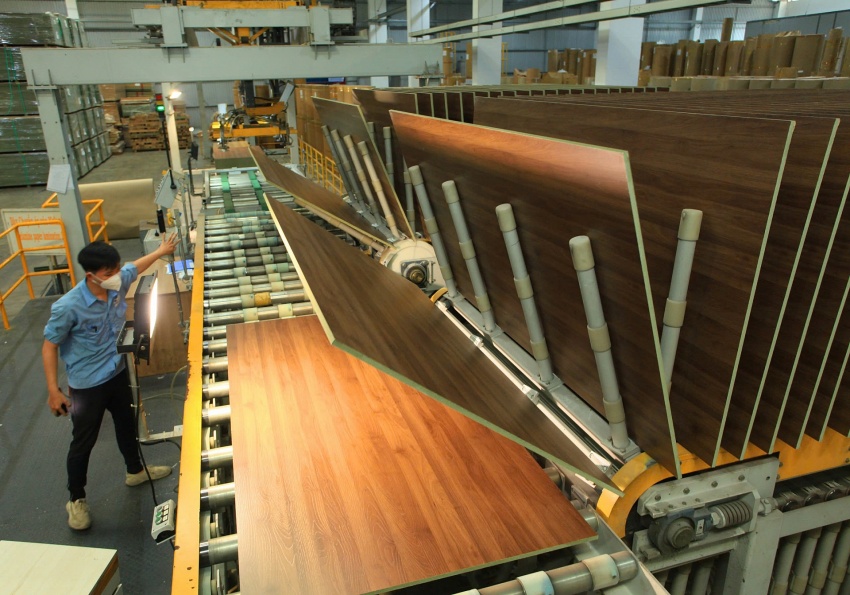

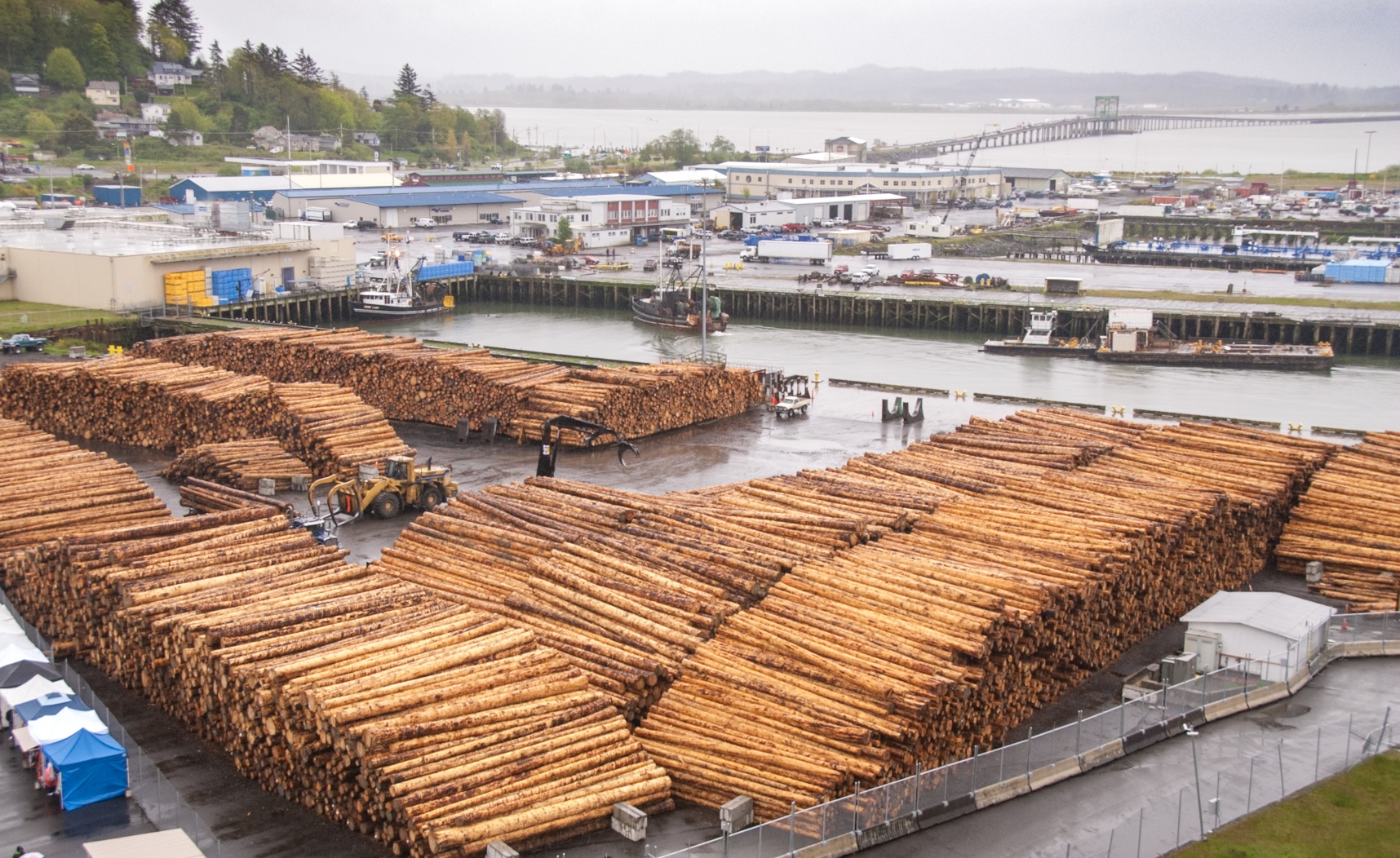 The United States has announced sweeping changes to encourage more logging in the country’s national forests. A new emergency order requires rolling back environmental protections on national forests… A big question for forestry economists is whether the U.S. is in need of significantly larger lumber production. …The forest products industry will only begin quickly cutting and milling more U.S. timber if there is demand, Jeff Reimer, an economics professor at Oregon State University said. Much of the lumber needs in the eastern part of the U.S. are met by private forests he said, that won’t be impacted by the new Forest Service requirements. But lumber in the west is almost all from Canada. …”Loggers and mills need to have …assurance that they can sell their products at a profit,” Reimer said. “If we see high inventories of unsold housing and low (weak) housing starts, then the demand for lumber is probably low.”



 Lumber futures fell toward $580 per thousand board feet, sliding further from a two-and-a-half-year high of $685 on March 24th, reflecting a steep decline in construction demand amid disruptive trade policies. The US decision to raise duties on Canadian softwood lumber to roughly 34% has sparked significant uncertainty and raised homebuilding costs, prompting builders to delay projects. Concurrently, Canadian production has been restricted by widespread sawmill closures, diminished timber stocks due to the mountain pine beetle, and tightening forestry policies in key regions like British Columbia, resulting in a surplus that further drives down prices. While there is a gradual shift toward lower-cost Southern Yellow Pine from the US South, logistical and technical hurdles limit its ability to fully offset the reduced Canadian supply. Market participants are adjusting to lower demand expectations amid ongoing trade tensions and a slowing construction sector.
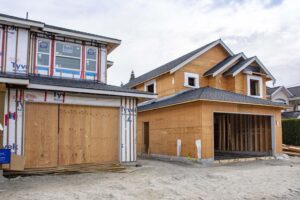 Homebuilder stocks plunged Monday following reports that the US is preparing to sharply increase tariffs on Canadian lumber, independent of President Donald Trump’s new “reciprocal” tariffs. …After reports of the new lumber duties emerged over the weekend, however, shares of homebuilders plunged swiftly Monday. …”Tariffs are the clear culprit for the stock market pullback and fears of recession,” says Realtor.com® Senior Economist Joel Berner. “Recession risk is especially poignant for builders.” …The latest round of tariffs, however, will likely increase materials costs for all homebuilders, to some extent, with a recent survey of builders finding that they expect an average cost increase of $9,200 per home as a result of tariffs. …Over the weekend, Moody’s Analytics Chief Economist Mark Zandi raised his outlook for the odds of a recession this year to 60%, up from just 15% a few months ago.
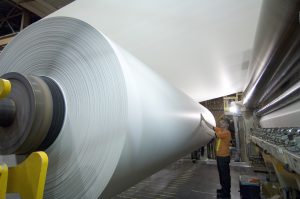 The European pulp and paper industry is struggling to assess the possible impact of tariffs. …Europe has a marginally negative trade balance with the US for pulp and paper. In 2024, it imported 2.6 million tonnes of P&P from the US. In the same year, it exported 2.3 million tonnes of P&P to the country. The largest trade deficits appear to be around pulp (-975,000 tonnes) and containerboard (-310,000 tonnes, mostly kraftliner). On the other hand, Europe has a surplus in graphic paper and cartonboard sales. …“The only certainty we have is that there will be negative consequences for businesses on both sides of the Atlantic. Trade wars are always detrimental for consumers, but we are a ‘made in Europe’ industry, with local capacities to meet the European demand,” he added. …Most market participants believe the stuttering trade war initiated by Trump will further hurt the already stagnating European economy.



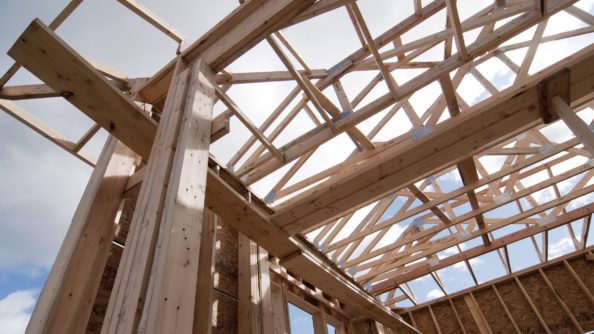
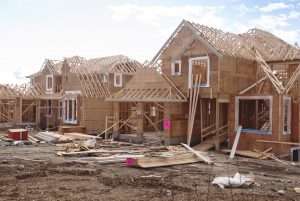 While the current tariff war is justifiably on the minds of many Americans, another type of import tax may be coming later this summer that could have a big impact on new home construction. …The US is preparing to raise duties on Canadian softwood lumber from 14.5% to 34.45%. …A final review of the levies will be published in August or September, with the rate increase taking effect then, according to the National Association of Home Builders. The NAHB has previously estimated that Trump’s tariffs could increase the cost of building a new home by $9,200. ….The proposal to more than double the tax would be a blow to Canadians, but it would also mean “driving up housing costs for Americans,” BC Premier David Eby said. …Some have praised the proposal, suggesting that it will give domestic lumber companies an opportunity to increase production, even if that means higher costs.
 Marie Fallon, the general manager of AR Chambers Supply in Lawrenceville, is nervous about the future of her business. The threat of tariffs has prices fluctuating and she’s worried her supply sources are at risk. …As President Donald Trump’s international trade war rages on, Pennsylvania homebuilding and construction businesses are weathering the dizzying pace of cost increases and then abrupt pauses in tariffs as they try to ensure that long-term projects are completed. Pennsylvania is highly dependent on foreign countries for construction materials, with 63% of the state’s wood imports, 66% of its iron and steel, and 68% of its aluminum coming from Canada and Brazil. …Despite the whiplash changes, some in the industry see the new tariffs as good for the long-term outlook. Hodgkiss Lumber owner Jon Hodgkiss sees Trump’s tariffs as simply a temporary negotiating tactic that will give the US better trade deals.


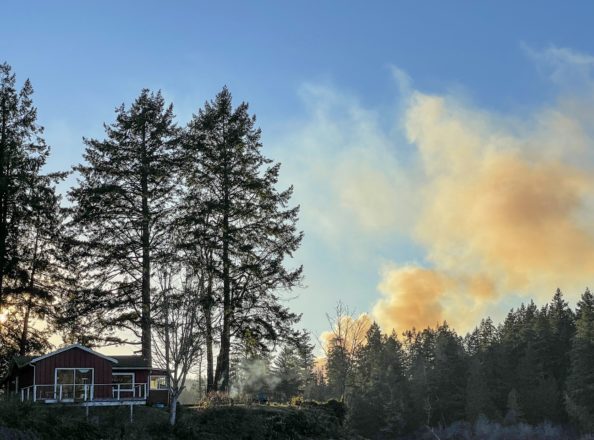 President Donald Trump wants to create a new federal agency that will be responsible for “all wildland fire fighting nationwide” by 2026, according to a draft executive order currently under review at the White House. The draft order, which was obtained by POLITICO and confirmed by three people familiar with the situation, would launch a national wildland firefighting task force in the next 90 days, combining resources from the Departments of Agriculture, Interior and Homeland Security. The White House’s eventual goal, according to the document, is to have Congress create a National Wildland Fire Agency in the next two years. The order aims to “eliminate red tape, reform our agencies and reforge our efforts around the priority to address fighting fire fast,” the document reads. It comes four months after wildfires devastated Los Angeles, a disaster that has created a sense of bipartisan urgency to improve forest management and cut down on wildfire risk. [A Politico subscription is required for full access]
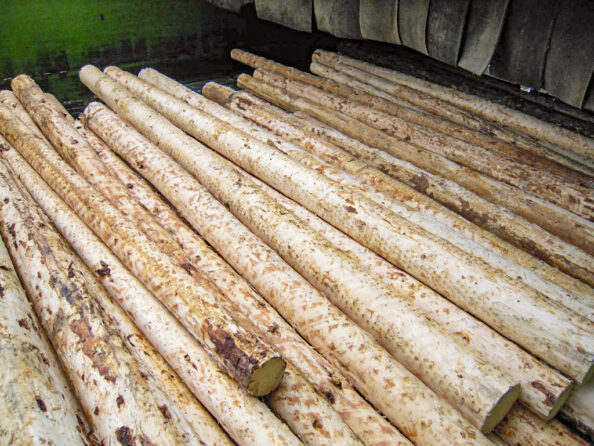 WASHINGTON, D.C. — U.S. Senators Angus King (I-ME) and Jim Risch (R-ID), co-chairs of the
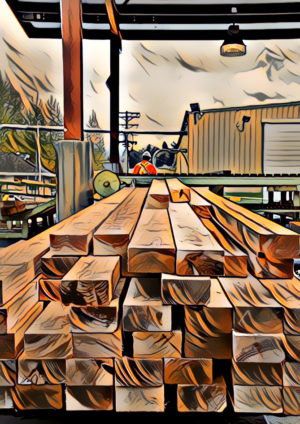 The Trump administration’s drive to harvest more timber from national forests will lead to a “thriving wood products economy” that doesn’t rely on imports, a top Forest Service official told the agency’s top brass in a memo last week. But the timber goal acting Associate Chief Chris French pinpointed — a 25 percent increase from current levels offered for sale — would fall short of the first Trump administration’s ambitions and barely make a dent in U.S. timber supplies, data shows. The chasm between the new administration’s rhetoric — cut more trees on national forests to reduce the country’s reliance on wood imports and rejuvenate the economy — and the math behind French’s memo reflect the hurdles to returning to the timber industry’s prosperous times around national forests… Timber industry representatives and others familiar with the Forest Service’s timber program point to several flaws in the administration’s timber-boom narrative, although the industry welcomes the Forest Service’s moves to step up production.
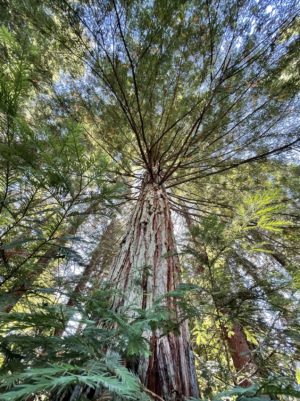 A federal order to increase US timber production by 25% will touch all 18 of the Golden’s State’s national forests, officials said. The USDA said it does not yet have information about how many acres in each forest will be affected. California’s national forests are on the chopping block — literally — in the wake of the Trump administration’s April 5 order to immediately expand timber production. Last week, US Secretary of Agriculture Brooke Rollins issued an emergency declaration that ordered the US Forest Service to open up some 112.5 million acres of national forestland to logging. The announcement included a grainy map of affected forests, which did not specify forest names or the amount of impacted acreage in each. However, USDA officials have confirmed that the order will touch all 18 of the Golden State’s national forests, which collectively span more than 20 million acres. [to access the full story a Los Angeles Times subscription is required]
 BONNERS FERRY, ID – A federal district court has stopped a logging project in northern Idaho that would have carved more roads into the area and harmed the Selkirk grizzly population habitat. Only about 50 grizzlies live in the region. Mike Garrity, executive director of the Alliance for the Wild Rockies, which has been in litigation with the U.S. Forest Service over this issue for nearly six years, said the project would have resulted in more roads than is allowed under the agency’s rules. “The Forest Plan, which is their management plan that governs the forest, limits road density in Selkirk grizzly bear habitat,” he said, “because most grizzly bears are killed within a third of a mile of a road, and it’s usually a logging road.” The court decision found the government had been violating road construction limits for years. Court documents show the goal of the Hanna Flats Good Neighbor Authority Project was to reduce wildfire risk.
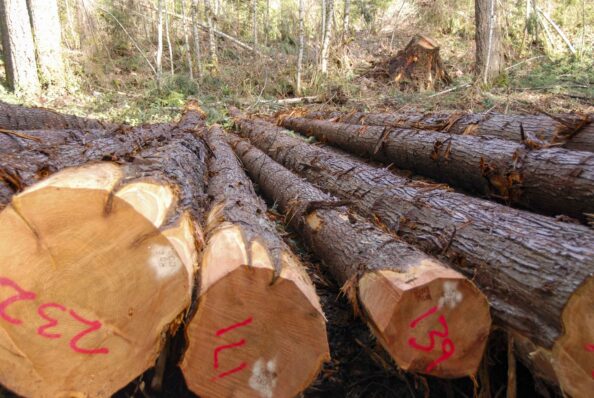 CALIFORNIA — State experts said they’re dubious about President Donald Trump’s claims that his directive opening up well over half of the country’s forests to logging will reduce wildfire risk and “save American lives.” Some, such as University of California Agriculture and Natural Resources climate-change scientist Daniel Swain, flatly called the administration’s rhetoric disingenuous and misleading. “It’s BS, frankly,” Swain told The Examiner. “Are we going to try and justify logging forests commercially under the guise of wildfire-risk reduction? …The Trump administration says the benefits of these actions are largely twofold: It will reinvigorate the economy by boosting a stagnant timber industry and significantly mitigate wildfires tearing through the West. …UC Berkeley wildfire researcher Scott Stephens said that logging can be a viable way to mitigate fire risk, as long as it’s done sustainably and arborists are strategic about what trees they’re chopping down.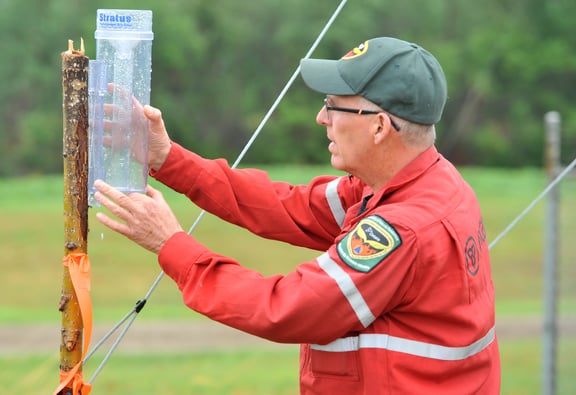
 Amid a growing number of wildfires, mostly across Western states, a U.S. Senate bill is aiming to protect areas where communities are most vulnerable to fires, using “good neighbor” agreements, cross-boundary collaboration and the expansion of tools to prevent fire hazards. The bill, titled the
 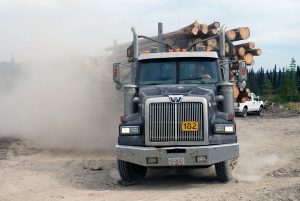 A Salmon, Idaho man has pleaded guilty to a seven-count indictment for his role in schemes to rig bids, allocate territories, and commit wire fraud over an eight-year period while providing fuel truck services to the U.S. Forest Service’s wildfire fighters. Kris Bird, 62, pleaded guilty at the end of March to all counts two weeks before trial, with no assurances from the government as to what sentence will be recommended when he goes before a judge with another involved executive in June 2025. The men were indicted after a federal wiretap investigation in December 2023… “The defendant illegally profited from American taxpayer money,” said Special Agent in Charge Mehtab Syed of the FBI Salt Lake City Field Office. “The FBI and our partners are committed to rooting out fraud and protecting fair competition in the bidding for government contracts.”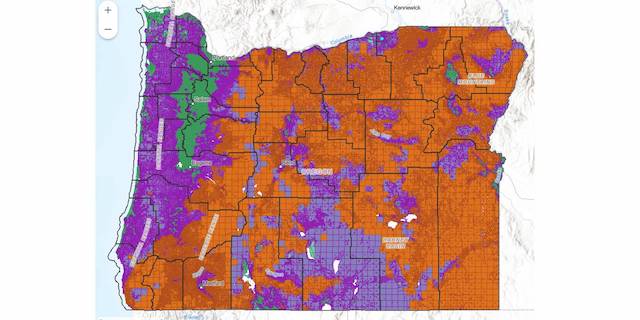


 FORT COLLINS, Colo. — The latest findings about the health of Colorado’s forests are a “mixed bag”, according to forestry experts. On Tuesday, the Colorado State Forest Service released its annual report tracking the damage from forest pests. “Insects are so closely tied to a lot of that temperature and precipitation so in Colorado it’s really been a number of years, actually 31 years, since we’ve been below average temperatures so that makes it really hard to be a tree in Colorado,” CSFS forest entomologist Dr. Dan West said. …According to the report, the front range is experiencing a surge in activity from the mountain pine beetle. In 2021, the insect impacted 1,500 acres statewide. In 2024, that number grew to 5,600 affected acres and included areas in Jefferson County and Castle Rock. …Not only do the dead trees cause forests to be less visually attractive, but they also create more fuel for more damaging wildfires.

 Governor Stitt said he’s standing by his firings of staff from the Forestry Service after the March deadly fires. Several fire crews have now called for an independent investigation into what happened and what the state could do better. “It’s tough to believe anything – he’s been fact-checked several times by fire departments and the media and his facts have been incorrect. So right now you just can’t believe anything that comes out of the governor’s office,” said Fire Chief Jason Dobson of the Olive Volunteer Fire Dept. His department was one of the first to share the Change.org petition which called for Governor Stitt’s impeachment… “If the governor can’t fire the head of the forestry, who can?,” said Gov. Stitt.
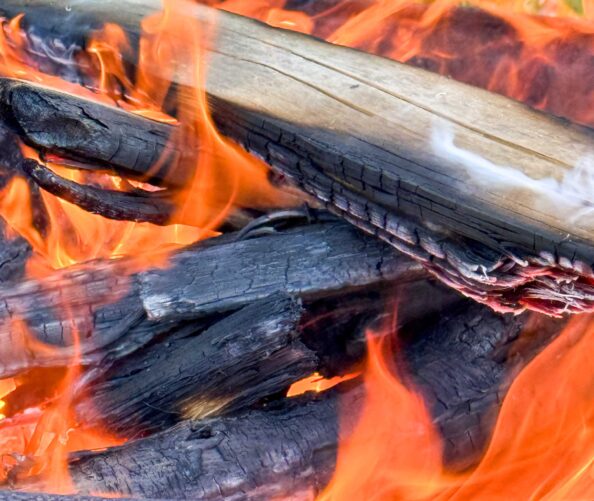 COLUMBIA, S.C. – A group of South Carolina lawmakers will continue considering a bill that would increase penalties for illegal burning in the state. The South Carolina Criminal Law Subcommittee discussed H.4265 during a meeting on Wednesday. The bill, filed by Rep. Tim McGinnis of Horry County, came after a wildfire allegedly started by a Carolina Forest woman burned more than 2,000 acres last month. McGinnis’s bill would increase fines and even jail time for burning during a ban issued by the South Carolina Forestry Commission. He spoke during Wednesday’s meeting, saying that an amendment to the bill was also made after meeting with the SCFC on Tuesday. …The bill would also repeal a section of South Carolina law that allowed exemptions for fire regulation, such as fire pits and chimineas.
 DULUTH — The U.S. Forest Service will not log in designated wilderness areas like the Boundary Waters, federal officials clarified Tuesday evening, days after issuing an emergency order intended to boost logging on national forest land throughout the country. … Wide swaths of several wilderness areas, like the Boundary Waters, were included in that total, and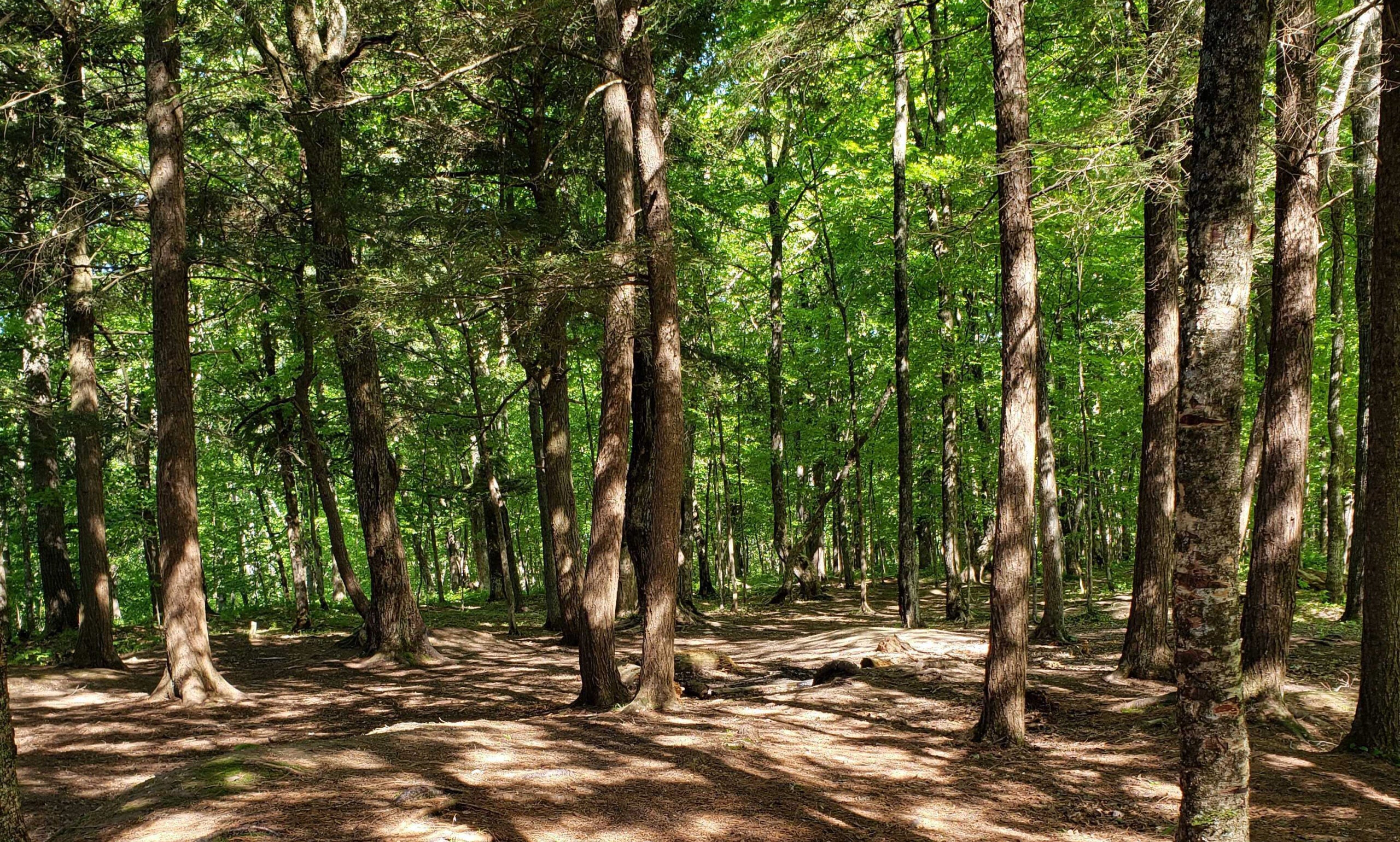
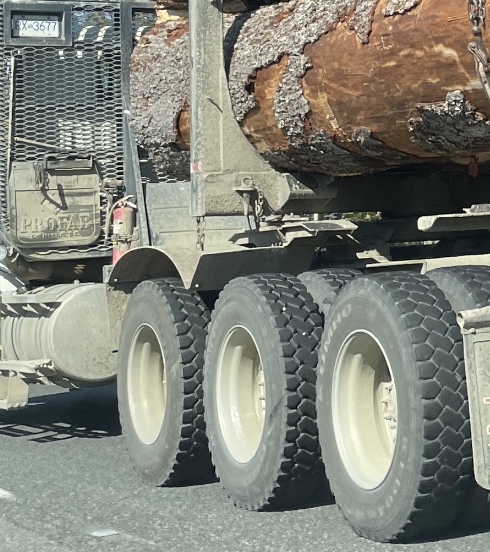 Leaders from the Texas forest industry urged Angelina County commissioners Tuesday to table a proposed road use agreement they say unfairly targets timber haulers and could lead to legal challenges. Dave Durren, speaking on behalf of the Texas Logging Council and the Texas Forestry Association, said the proposed policy would require permits and potential financial responsibility for road maintenance, placing an undue burden on loggers. “Other agricultural sectors… are not subject to this level of scrutiny or regulation, despite using the same rural road systems. This selective enforcement places an undue burden on the forestry sector and creates an uneven playing field,” the speaker said. The speaker also cited the passage of Texas Proposition 1, a constitutional amendment approved by Texas voters in 2023 protecting the right to farm, ranch and produce timber. He argued that regulating the transportation of timber directly interferes with the constitutionally protected activity.
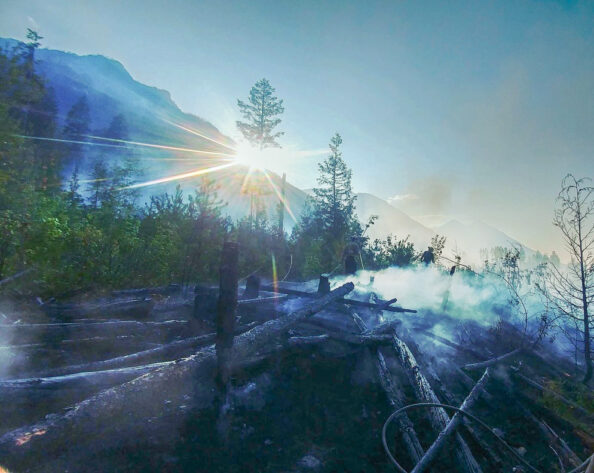 OKLAHOMA CITY — There is more fallout from what has largely divided Governor Kevin Stitt and the entire firefighting community. Governor Stitt confirms two more top-level employees within Oklahoma Forestry Services. The two unnamed employees follow the firing of lauded Forestry Director Mark Goeller. …Since Goeller’s firing, Stitt has continued making shocking changes — and suggestions — within and about forestry. He has suggested eliminating OFS altogether and called for an investigation, claiming 50% of resources went untapped during the March wildfires. …“Forestry is an integral part of what we do,” said Rep. Stan May, who worked for the Tulsa Fire Department for 30 years. …May said it would also likely disrupt inter-state agreements that aid in a multitude of disasters. He said if we don’t help others, it will hinder our efforts to get help. “We have to make sure those agreements are in place,” he said.


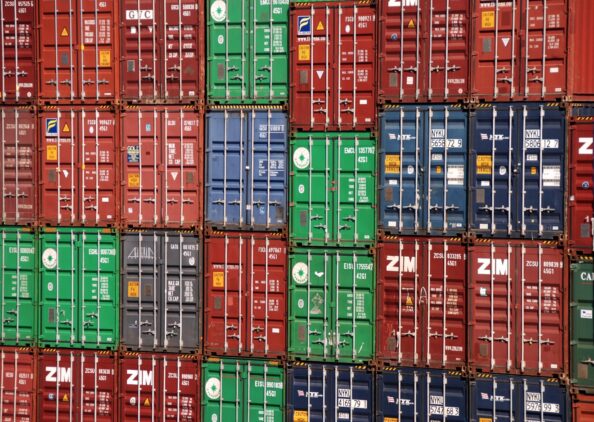 LONDON – The United States has withdrawn from talks in London looking at advancing decarbonisation in the shipping sector and Washington will consider “reciprocal measures” to offset any fees charged to U.S. ships, a diplomatic note said. Delegates are at the UN shipping agency’s headquarters this week for negotiations over decarbonisation measures, aimed at enabling the global shipping industry to reach net zero by “around 2050″. …”The U.S. rejects any and all efforts to impose economic measures against its ships based on GHG emissions or fuel choice,” according to a diplomatic demarche sent to ambassadors by the United States. …”Should such a blatantly unfair measure go forward, our government will consider reciprocal measures so as to offset any fees charged to U.S. ships and compensate the American people for any other economic harm from any adopted GHG emissions measures,” the note from Washington said.
 There are many contradictory myths about Northwoods lumberjacks and the work they did in the late 19th and early 20th centuries. They were depicted as hard-living, violent men, but also as upstanding, conservation-minded gentlemen. Recently, Willa Hammitt Brown, the author of the book “