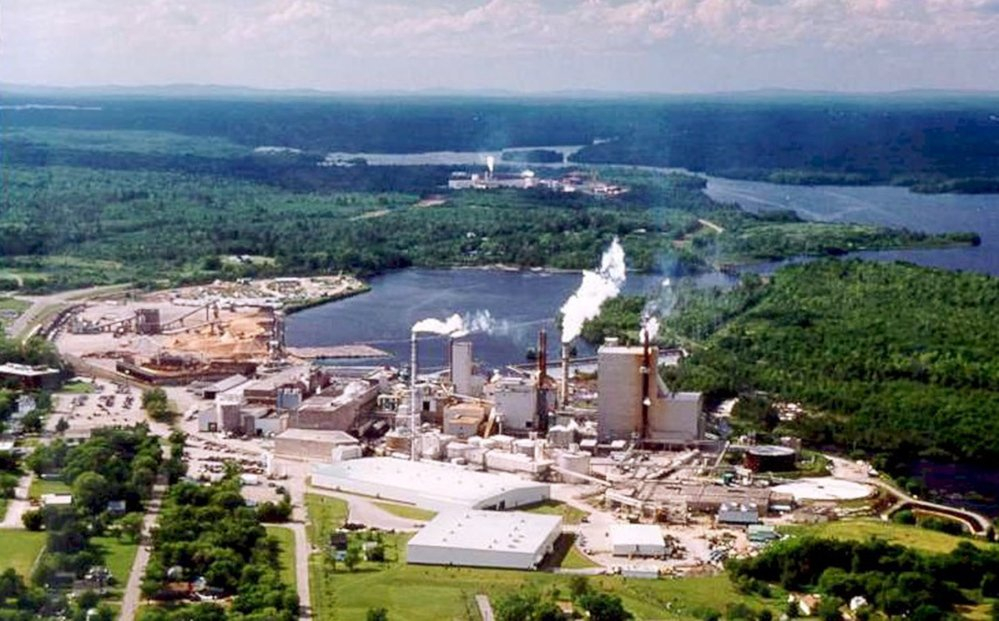
 BAILEYVILLE, Maine — Woodland Pulp announced to its employees on Tuesday that the company will pause manufacturing at its Baileyville pulp mill and wood chip plant from late November to mid-December. During that month-long hiatus, the company will temporarily lay off 144 employees at both facilities, said Scott Beal. Woodland Pulp is Washington County’s largest employer, and the layoffs will apply to about one third of the mill workforce. Beal attributed the “extended downtime” to declining prices in the global pulp market. …Poised on the banks of the St. Croix River across from Canada, Woodland Pulp is one of Maine’s last major mills. …Daigneault said that broader tariffs on Canadian and European manufacturing equipment may add to the financial difficulties Maine mills are already experiencing. …Woodland Pulp is one of six mills in the northeast US and Quebec that have recently paused or decreased wood deliveries.
 KINGWOOD, W.Va. — Multiple volunteer fire departments and emergency medical services responded Wednesday night to a fire at Appalachian Wood Pellets that affected multiple buildings. Officials reported the blaze has been contained, and no injuries were reported. Preston County Office of Emergency Management Director Justin Wolfe said initial reports of the blaze at 383 Mill Road were received at 11:33 p.m. Wednesday. …Initial reports noted that crews mounted an attack against the blaze, with additional fire departments being requested for assistance. Based on reports, the fire affected structures outside the main plant, including an open trailer with material, an open roofed storage structure and a belt-to-silo apparatus, and encroached on a maintenance building.
 Weyerhaeuser will use $102 million of proceeds from a municipal bond sale to help finance the construction of solid waste disposal facilities at its engineered wood plant in Arkansas. The Resource Recovery Revenue Bonds Series 2025 will be sold by the Arkansas Development Finance Authority, which will then lend the money to the timber and forest products company. …The bonds are special and limited revenue obligations of the issuer. Weyerhaeuser will use the money to help finance a portion of the costs of the acquisition, construction, equipping and installation of solid waste disposal facilities at its TimberStrand plant under construction near the city of Monticello in Drew County. Proceeds will also be used to pay the costs of bond issuance. TimberStrand is a brand name for a type of engineered wood product called laminated strand lumber and is manufactured by Weyerhaeuser.

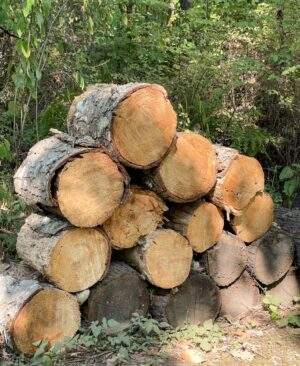 Arkansas’ timber industry, like Arkansas’ agriculture industry, is in trouble. The causes of the trouble are various, but one cause stands out for both: the Trump administration’s trade war. In October, Arkansas House Speaker Brian Evans, R-Cabot, joined the speakers of the Alabama, Georgia, Florida and South Carolina houses of representatives urging Congress to move to relieve “an industry in crisis.” “Under current US trade policy, products and shipments from US exporters are becoming stuck en route to their final destination due to immediately imposed tariffs,” the letter said. The state’s forestry sector supports more than 50,000 jobs and contributes about $6.1 billion to Arkansas’ economy, more than 4% of the state’s GDP. “The trade war has impacted our ability to export hardwood logs out of Arkansas,” Matthew Pelkki, at the University of Arkansas at Monticello, said. [to access the full story an Arkansas Business subscription is required]
 …Arkansas’ forestry industry is feeling the weight of a slowing housing market, a declining demand for many of its products and trade disputes and regulations that have closed off foreign markets. In recent years, several mills in Arkansas have closed — evidence of economic struggles for the industry. In September, Domtar’s sawmill in Glenwood announced a temporary shut down, affecting 150 workers. Shields Wood Products also shut down. Arkansas House Speaker Brian Evans signed on to a letter … calling on Congress to step in and help expand the export market for their states’ foresters. …the Arkansas Economic Development Commission said the state exported $6.45 billion in forestry products in 2023, the largest destinations being Canada, Mexico and Japan. The letter from the state house speakers to Congress makes specific mention of the Chinese market, which cut off the import of logs from the U.S. in March as part of retaliation for American tariffs, Reuters reported. [Access to the full story may require a subscription to the Gazette]
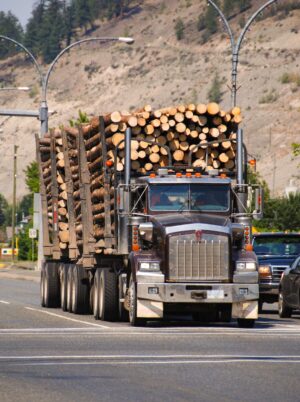 LITTLE ROCK — Arkansas’ leading industry, agriculture, is facing a crisis. But it’s not just row-crop farmers that are struggling — the forestry industry is as well. The market for timber has become so bad that mills are closing and loggers are getting out of the business. “This is devastating to the timber industry in South Arkansas. Eight of the last 11 weeks, we have experienced mill closures in Arkansas, some permanent, some temporary,” said John Dawson, president of Arkansas Pulpwood Co. in Camden. “We’re seeing loggers drop out. Lifelong families that are two, three, four generations of loggers are getting out of the business. Banks in South Arkansas are moving away from loaning money to loggers,” Dawson said. As you’d expect, demand for paper has plummeted. …But demand for lumber is down too. …There’s simply too much supply for the diminishing demand.
 TILLEDA, Wis. – A groundbreaking moment in Tilleda, with the introduction of the first chip mill in the United States purchased by a logger co-op, marking the start of a new chapter for the industry. “Because it’s the first of its kind in the country there were a lot of hoops that we had to go through first to figure out what it all looked like legally and logistically,” said Dennis Schoeneck, president of Timber Professionals Cooperation Enterprises. Founded five years ago, Timber Professionals Cooperation Enterprises aims to sustain and grow the timber industry. The co-op is made up of loggers and truckers, and it was those groups who helped raise the $418,000 that went towards the purchase of the mill. They don’t want to stop here, the co-op has big plans for the future.








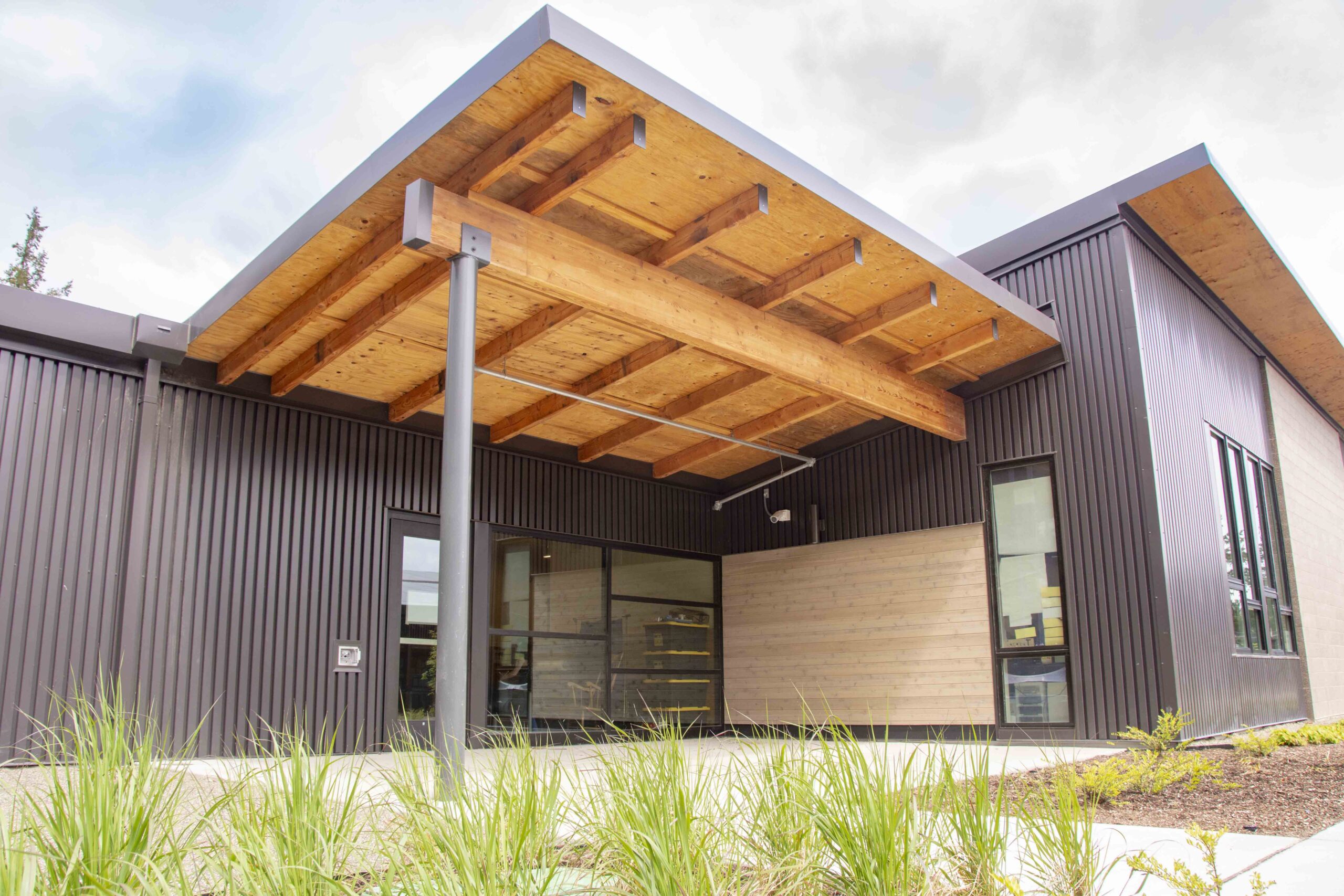 Michigan is the latest state to launch an initiative aimed at accelerating mass timber construction. The new Michigan Mass Timber Catalyst Program will provide cash awards ranging from $25,000 to $75,000, along with technical assistance and peer-learning opportunities, to encourage the use of engineered wood in new buildings. Although mass timber products are not yet manufactured in Michigan, interest in the material is growing rapidly. …The Catalyst program, produced collaboratively by the Michigan DNR, MassTimber@MSU, the Michigan Green Building Collaborative, and WoodWorks, will support early-stage projects that use mass timber as a primary structural or architectural material. …Awarded teams will join a cohort led by MassTimber@MSU and Woodworks to work through design, procurement, cost estimation, and code approval challenges. …In New York City, the NYCEDC’s Mass Timber Studio offers $25,000 Grants and technical support for early-stage projects…. In the Southeast, the Georgia Mass Timber Accelerator… provides funding and technical assistance to teams exploring timber-based design solutions.
 Chinese tissue paper made from bamboo has emerged as a trendy choice for eco-friendly shoppers. However, new research suggests these bamboo paper products may not offer significant climate benefits over tissue produced in the United States and, in some cases, may be more detrimental to the environment. North Carolina State University researchers compared the carbon footprint of bamboo tissue paper manufactured in China with that of conventional tissue paper manufactured in the U.S. and Canada. They found that… the fossil fuel-heavy power grid in China led to significant increases in emissions compared with cleaner fuel sources used in North America. “As far as emissions go, the technology used to create hygiene tissue paper is far more important than the type of fiber it’s made from,” said Naycari Forfora, lead author of the study…. “Because the Chinese power grid is so reliant on coal for power, emissions … are higher than the wood-based option.”

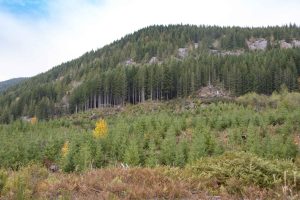 Durable, renewable and biodegradable, wood is an ideal material. And as we grapple with the aftermath of synthetic materials, such as forever chemicals and microplastics, the humble material growing in our literal backyards is suddenly looking pretty appealing again. But how do you know it wasn’t clearcut from a rainforest? Figuring out logging practices, deforestation policies, impact on wildlife, pesticide use, and impact on indigenous communities “can be really challenging”, said Linda Walker at the World Wildlife Fund. …That’s where certifications come in. A growing number of wood industry certifications are designed to guide consumers. They’re not perfect. Some have rules written by big timber. Almost all of them receive payments from companies seeking certifications. There is no seal that encompasses every issue, but don’t let perfect be the enemy of good – even the most flawed badges have some baseline value.
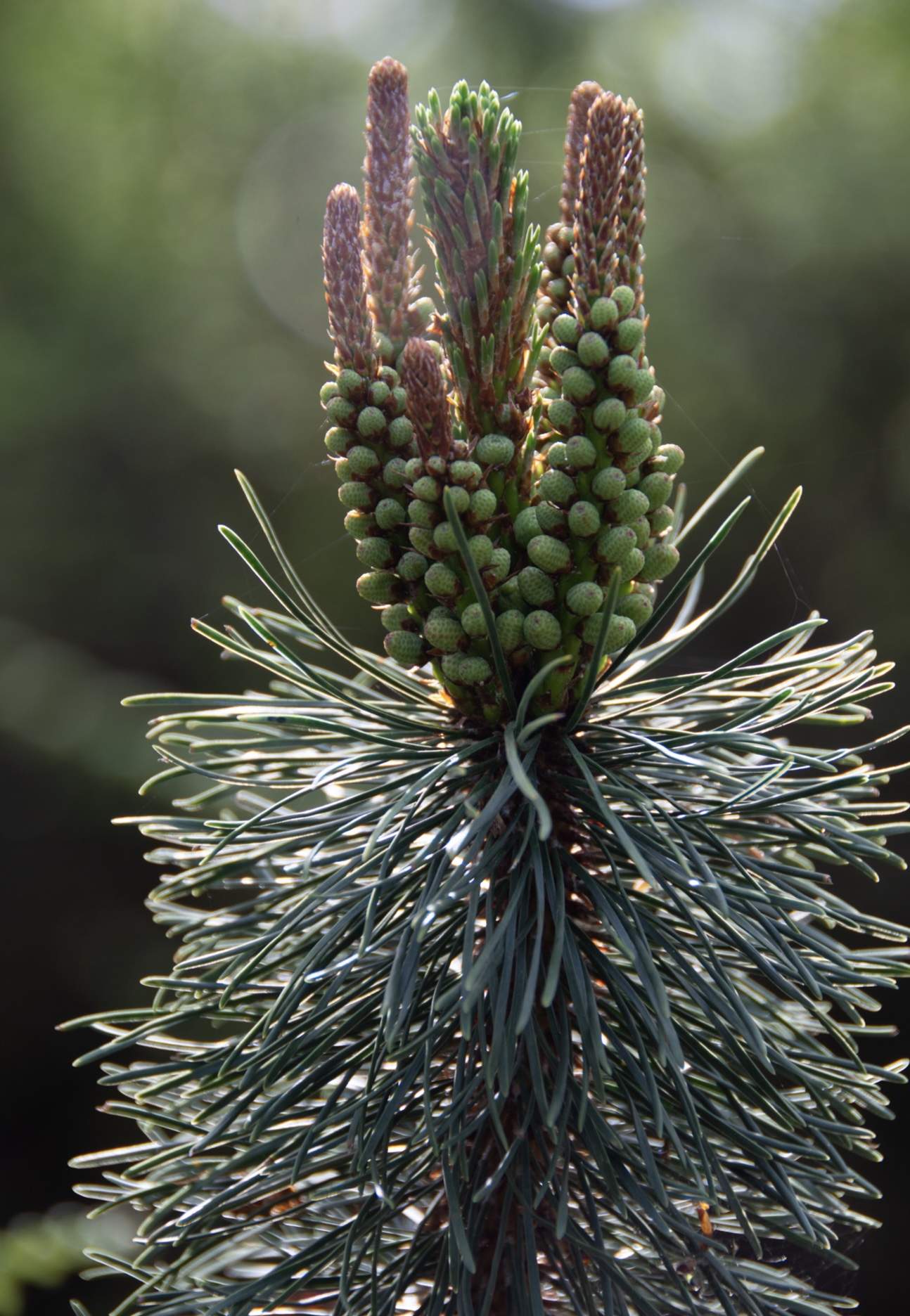 In the southeastern United States, pine plantations serve as critical components of the forestry economy, predominantly managed through intensive site preparation techniques designed to enhance tree growth and accelerate harvest cycles. These plantations often employ soil bed construction to improve drainage and the application of herbicides to mitigate competition from weeds and woody shrubs. While earlier studies have documented that such interventions yield promising early growth in pine species such as slash pine (Pinus elliottii) and loblolly pine (Pinus taeda), the long-term efficacy of these practices remains ambiguous, necessitating comprehensive longitudinal research to unravel their sustained impact on forest productivity. Addressing this knowledge gap, a recent extensive study conducted in the Lower Coastal Plain of North Florida monitored pine plantations for up to 27 years, offering unprecedented insights into how various site preparation strategies influence extended growth trajectories and timber yield.
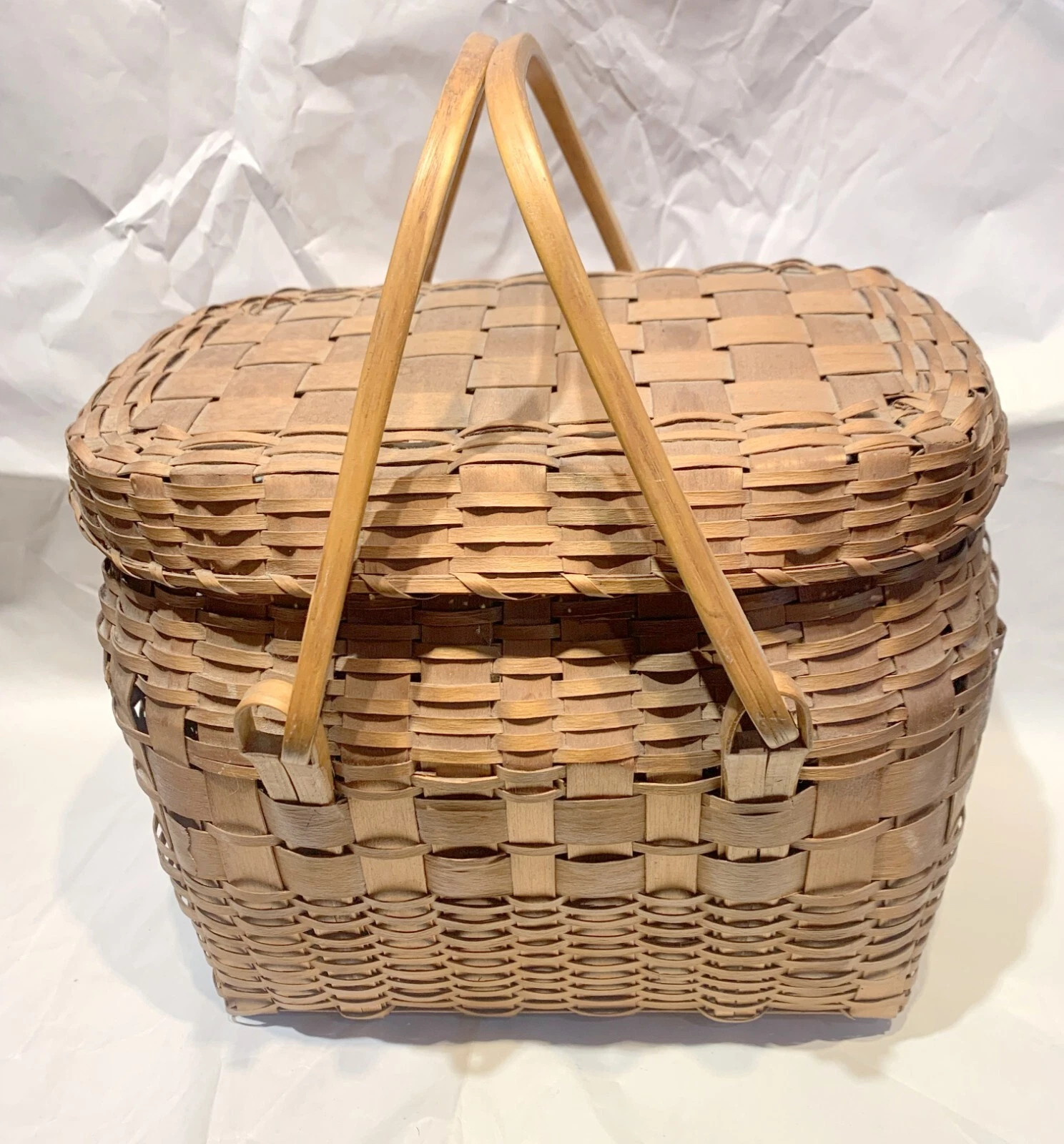 Ash trees are an important part of the basket weaving tradition, which has long played a significant cultural, spiritual and practical role in the lives of tribal citizens across the country, including John Daigle, a citizen member of the Penobscot Nation in Maine. But the emergence of the emerald ash borer beetle …has posed challenges for Indigenous basket makers. A grant awarded to Daigle, a professor of forest recreation management at the University of Maine, could help preserve and advance the craft. It’s part of the Indigenous Forest Knowledge Fund, a program run by the Northeastern States Research Cooperative to support projects related to tribal homelands or ancestral territories of the Northern Forest region… Daigle’s project was one of three winners this year. His team will also develop technologies to support the processing and storage of ash splints before widespread ash mortality, which could help sustain basket-making supplies.
 …An ice storm


 As the European Commission prepares a further postponement of its Deforestation-free Regulation (EUDR), proposals to simplify the law are abundant in Brussels. The undersigned organizations, representing the U.S. forestry and forest products sector value chain, urge the Commission to avoid a rushed process and take the time necessary to pursue simplification with great care. An additional year provides a valuable opportunity for the Commission to engage in productive dialogue with forest owners and operators in highly forested, low-risk countries like the U.S. to understand implementation challenges and reduce unintended consequences. “Simplifying a law as significant as the EUDR requires thoughtful and purposeful review,” said Eric Gee, executive director of the Southern Forest Products Association (SFPA). “A measured approach will help ensure that any changes both strengthen the law’s effectiveness and uphold fairness for producers in low-risk, sustainably managed regions like the Southeastern United States.”
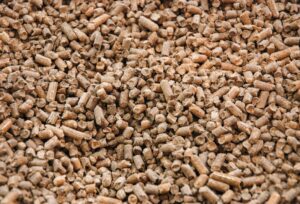 PASCAGOULA, Mississippi — A fire is burning inside one of the wood pellet domes at the Port of Pascagoula. The fire started Monday afternoon inside one of the two Enviva domes at the port. Jackson County Emergency Management Director Earl Etheridge said there is no danger of explosion. Jackson County firefighters are on scene to assist Enviva and port crews. The fire started Monday afternoon inside one of the two Enviva domes at the port. …Etheridge says that Enviva is injecting the dome with pressurized nitrogen to suppress the fire. The fire is contained to the dome. Crews are working to offload the 20,000 metric tons of wood pellets.

