 On March 31, USDA announced that the U.S. Forest Service will relocate its headquarters from Washington, D.C. to Salt Lake City, bringing roughly 260 positions and the agency’s top leadership to the Intermountain West. For Utah, a state with more than 8 million acres of national forest land and a $12.3 billion outdoor recreation economy, this is a significant development. The relocation does not arrive in a vacuum. In January 2026, Utah finalized a 20-year cooperative agreement with the Forest Service giving the state a substantially larger role in managing its national forests, covering decisions about logging, grazing, recreation, wildlife, and forest restoration. The Forest Service’s Intermountain Regional Office has been based in Ogden for decades. That office will close under the reorganization, but the new national headquarters in Salt Lake City places an even higher level of decision-making authority in the state.

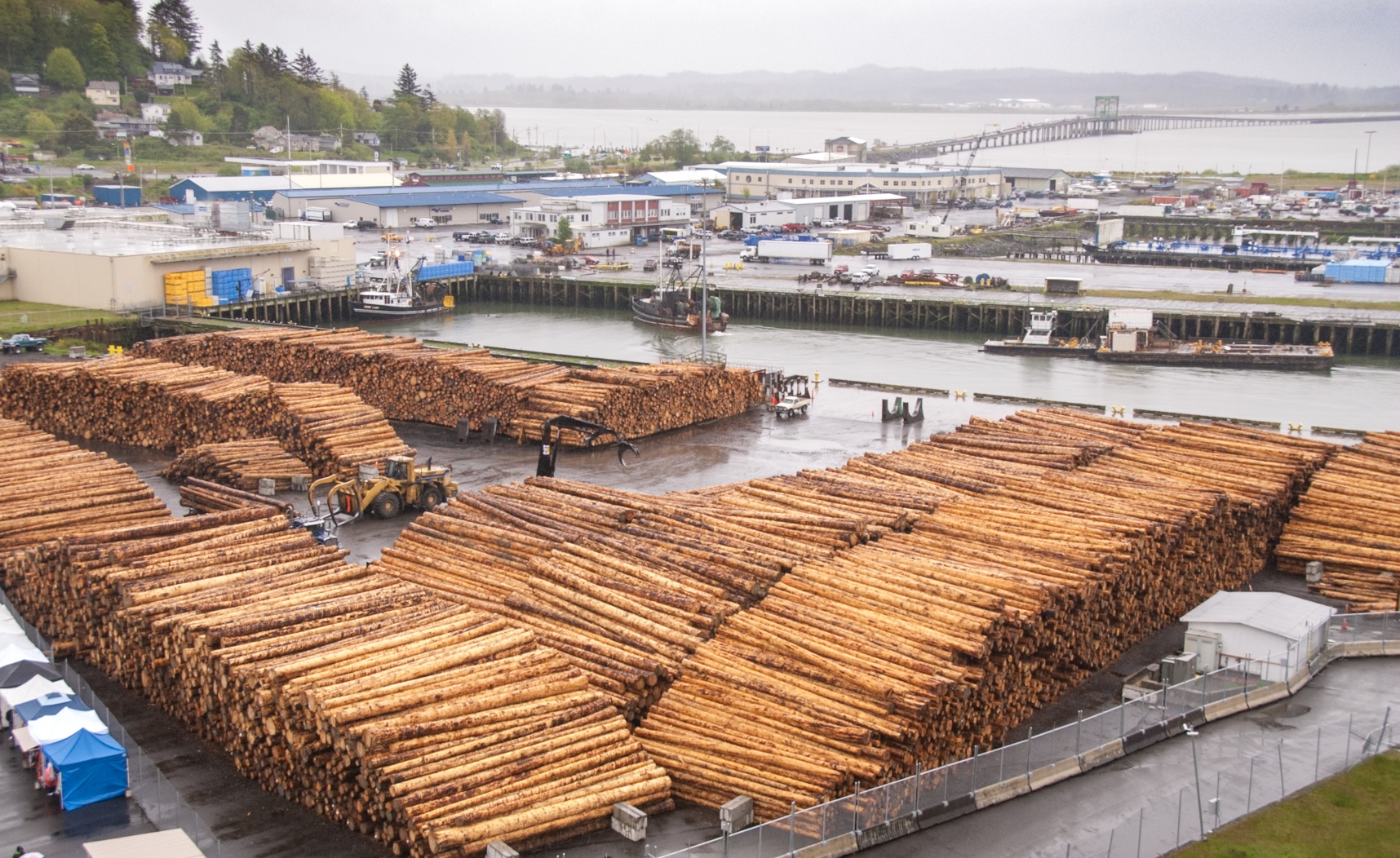 WASHINGTON — Countless logging trucks rumbled through timber country, their drivers headed toward Hampton Lumber’s sawmill in Morton. …”We take our logs and get every bit out of it that we possibly can. And we replant,” said plant superintendent Tony Gillispie. “We want this to last for hundreds of years.” But will Washington’s timber industry overcome its ongoing slump and endure for centuries? Myriad issues are at play, with fingers pointing in every direction. The private sector, which harvests the majority of Washington’s wood, feels squeezed by policies restricting its access to state trust lands in the fight against climate change. …Meanwhile, the state government points to the residual effects of trade wars, particularly with China, after Washington’s exports of forest products hit a 21-year low in 2025. Local demand for lumber has also dropped in line with the recent slowdown in construction activity across the state.
 The U.S. Forest Service plans to close a century-old Portland-based forest research station and a regional U.S. Forest Service headquarters but open a new federal office in Salem in a massive restructuring of the federal agency. The movements are part of a broad plan Forest Service officials announced Tuesday to move the agency operations
 Arizona — Efforts to scale up forest thinning across northern Arizona are intensifying, as local officials, industry representatives and environmental groups warn that time is running short to reduce wildfire risk and protect critical watersheds. “Everybody is aware now that there is a biomass issue, but very, very, very few people have any real knowledge of the solution,” Eastern Arizona Counties Organization Executive Director Pascal Berlioux said during a recent Natural Resources Working Group meeting. A broad coalition is advocating for construction of a second biomass-burning power plant, arguing it is essential to prevent the collapse of the region’s wood products industry. Without that industry, leaders say, large-scale thinning efforts could stall, increasing the likelihood of severe wildfires threatening forest communities.
  WASHINGTON STATE– Current and former employees are suing Western Forest Products’ Vancouver operation, alleging the company failed to give employees breaks and pay wages owed. …Western manufactures lumber at its Fruit Valley location and formerly operated a Columbia Vista sawmill that closed after a fire last year. …The group of current and former employees also allege Western Forest Products didn’t keep accurate payroll records. The complaint states about 40 employees could have been impacted by the alleged practices. Babita Khunkhun, spokesperson for Western Forest Products, said “While we cannot comment on the specifics of the allegations at this time, we take all employee concerns seriously,” Khunkhun said. The company is reviewing the lawsuit and will respond through the appropriate legal process, she added. Western Forest Products recently unveiled plans to expand its Fruit Valley manufacturing operation.
 American Forest & Paper Association President and CEO Heidi Brock commented following the court’s decision to deny AF&PA’s motion to join the challenge to Oregon’s Recycling Modernization Act: “We are disappointed by the court’s decision denying our motion to join the challenge to Oregon’s Recycling Modernization Act. While we respectfully disagree with the ruling, AF&PA remains fully committed to pursuing all available legal and strategic options to protect our members’ interests. As Oregon’s program moves into implementation, it is becoming clear that the law imposes significant and unnecessary burdens on paper products that are already among the most successfully recycled materials in the United States. …We will continue working closely with partners and counsel to secure meaningful relief for our members and ensure that recycling policies are workable, fact-based and do not increase costs across the supply chain for businesses and consumers alike.”
 The News-Review newspaper in Roseburg notified staff this week that it will stop printing and shutter its newsroom, the latest casualty in the long decline of local journalism. “Due to declining revenue, increasing print costs, and broader industry decline nationwide, The News-Review has reached a level of unsustainability that we can no longer overcome. As a result, The News-Review will be shutting down in its current form at the end of April,” the paper’s owner wrote. “As part of this transition, the editorial department will be discontinued and The News-Review brand will sunset”. The newspaper’s website lists 15 employees. …The News-Review traces its roots to the founding of the Roseburg Ensign in 1867. It took its current name in 1920, with the merger of the Umpqua Valley News and Roseburg Review. The paper serves a community south of Eugene that has been struggling for decades amid the protracted decline of Oregon’s timber industry.
 As with any other natural resource, building with wood starts with ensuring each piece is up to snuff. And while there are machines to help vis-a-vis bots spotting knots, human eyes and judgement remain essential. To help expand that human portion of the grading project, the Pacific Lumber Inspection Bureau (PLIB) has rolled out the Fundamentals of Lumber Grading.
  A cross-sector group of packaging producers, farmers, restaurants and grocers has filed a class action lawsuit seeking a preliminary injunction to block enforcement of SB 343, California’s controversial recycling labeling law. The coalition argues the legislation imposes unconstitutional restrictions on free speech, ultimately working against recycling participation programs by making it harder for consumers to understand what can and cannot go in the bin. At the heart of the complaint is SB 343’s prohibition on the use of widely recognized recycling symbols and claims, even when those claims are factually accurate, according to the suit. Under the law, producers cannot label packaging as recyclable unless it meets state-defined, “rigid” criteria that allegedly fails to reflect how recycling actually works. …“SB 343 establishes labeling standards that could discourage innovation and limit the ability to provide accurate recycling information to consumers,” the American Forest and Paper Association stated.
 COLORADO — The Archuleta County Board of County Commissioners (BoCC) unanimously voted to table its decision on adopting eight new building-related codes. Those are the 2024 editions of international codes, including the residential code, building code, energy and conservation code, mechanical code, fuel and gas code, existing building code, property maintenance code, and the swimming pool and spa code. During the meeting, the BoCC also considered, and unanimously approved, Resolution 2026-27, adopting the 2025 Colorado Wildfire Resiliency Code (CWRC), along with amendments to snow load requirements for manufactured structures. …Commissioner John Ranson described them as an “unfunded mandate,” adding, “there’s no two-ways about it.” He mentioned that in conversations with local builders, many are preparing for these codes to make construction costs go up.
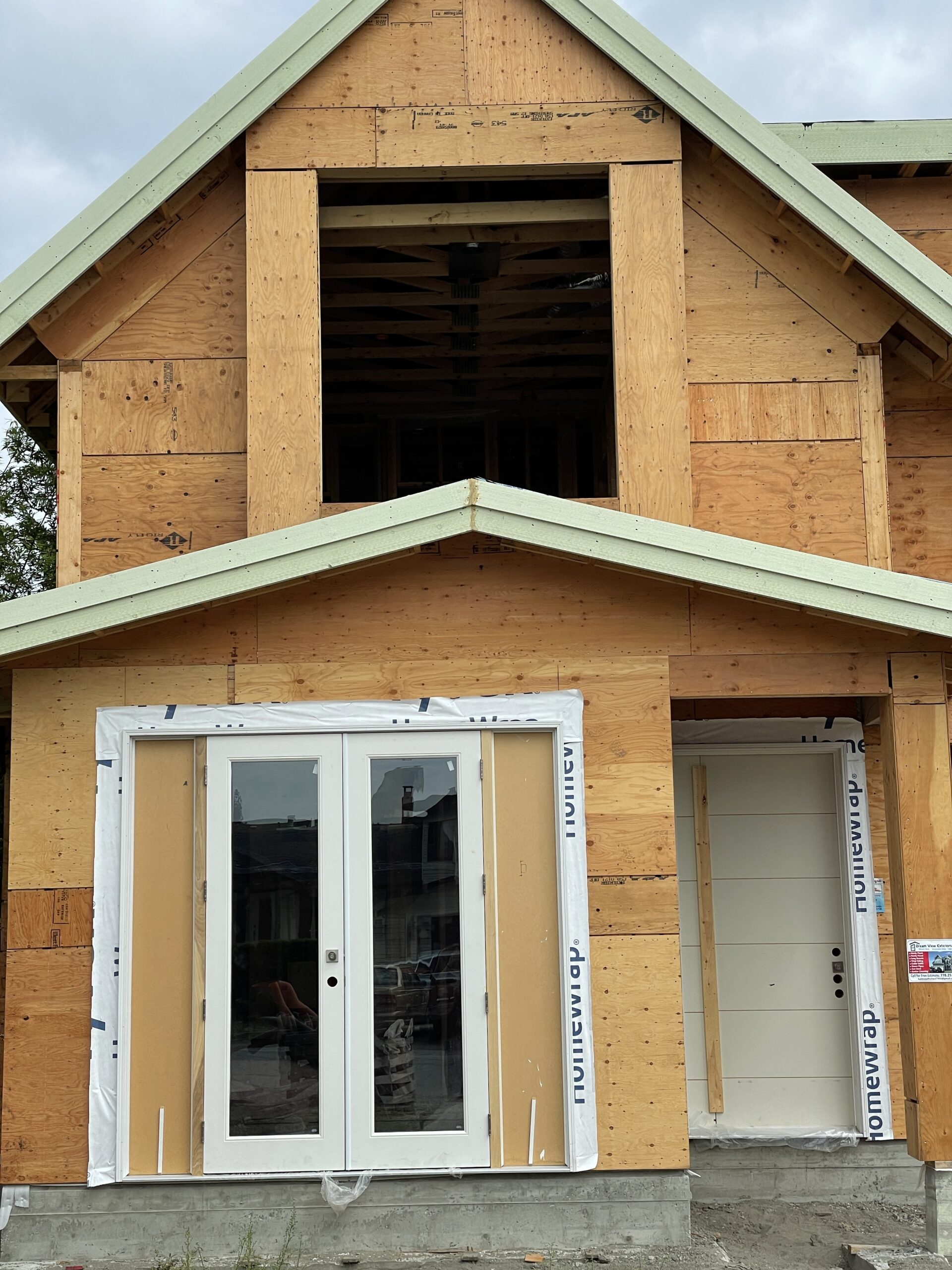 OLYMPIA, WA — A new Washington state law aimed at expanding affordable housing options will make it easier to build small “kit homes” and backyard units across the state. Gov. Bob Ferguson signed Engrossed Substitute Senate Bill 5552 into law, following four years of work by Sen. Jeff Wilson. The measure directs the Washington State Building Code Council to develop rules specifically for kit homes under 800 square feet. Supporters say the legislation is intended to help address Washington’s housing shortage by reducing costs and simplifying the construction process for smaller homes. Wilson said standardized kit-home designs could allow plans to be approved once at the state level rather than requiring separate design reviews for each project. Kit homes typically include precut lumber delivered as a package that can be assembled on site. Modern versions often use prefabricated wall and roof panels to speed construction, and start at less than $10,000.
 “Surely old-growth logging won’t be happening in five years.” That was my belief in 2020, when I was a 17-year-old activist who — almost by accident — helped initiate the Fairy Creek blockades and the largest act of civil disobedience in Canadian history. …In that moment, it seemed inevitable that the old paradigm of forestry in BC would not last. Today, that old paradigm seems more entrenched than ever, with old-growth deferrals getting canceled across the province and an NDP government more focused on short-term economic development than long-term sustainability. …At this moment, the prospect of true forestry reform in BC seems bleak. But Washington protected its state-owned old-growth forests 20 years ago and maintains a thriving forest products industry today. How did they do it? And what can Washington’s success teach us about BC’s forestry predicament?

 The recently announced major restructure of the US Forest Service may disrupt a number of forestry positions in Idaho. But the details as to how those positions will be affected and what work will continue or be eliminated under the plan remain unclear. Anna Webb, an entomologist and federal employee union representative based in Boise, received a notice about two weeks ago that her position in the agency would be affected. …Leaders of the federal employee union that represents Forest Service employees for the Boise, Payette, Salmon-Challis and Sawtooth national forests are concerned about the disruption to local employees as well as the potential long-term consequences to forest health. …Although Idaho’s forests are overseen by two out-of-state regional offices, many regional and some national positions are based in Idaho — all of these may be affected by the proposed restructure.
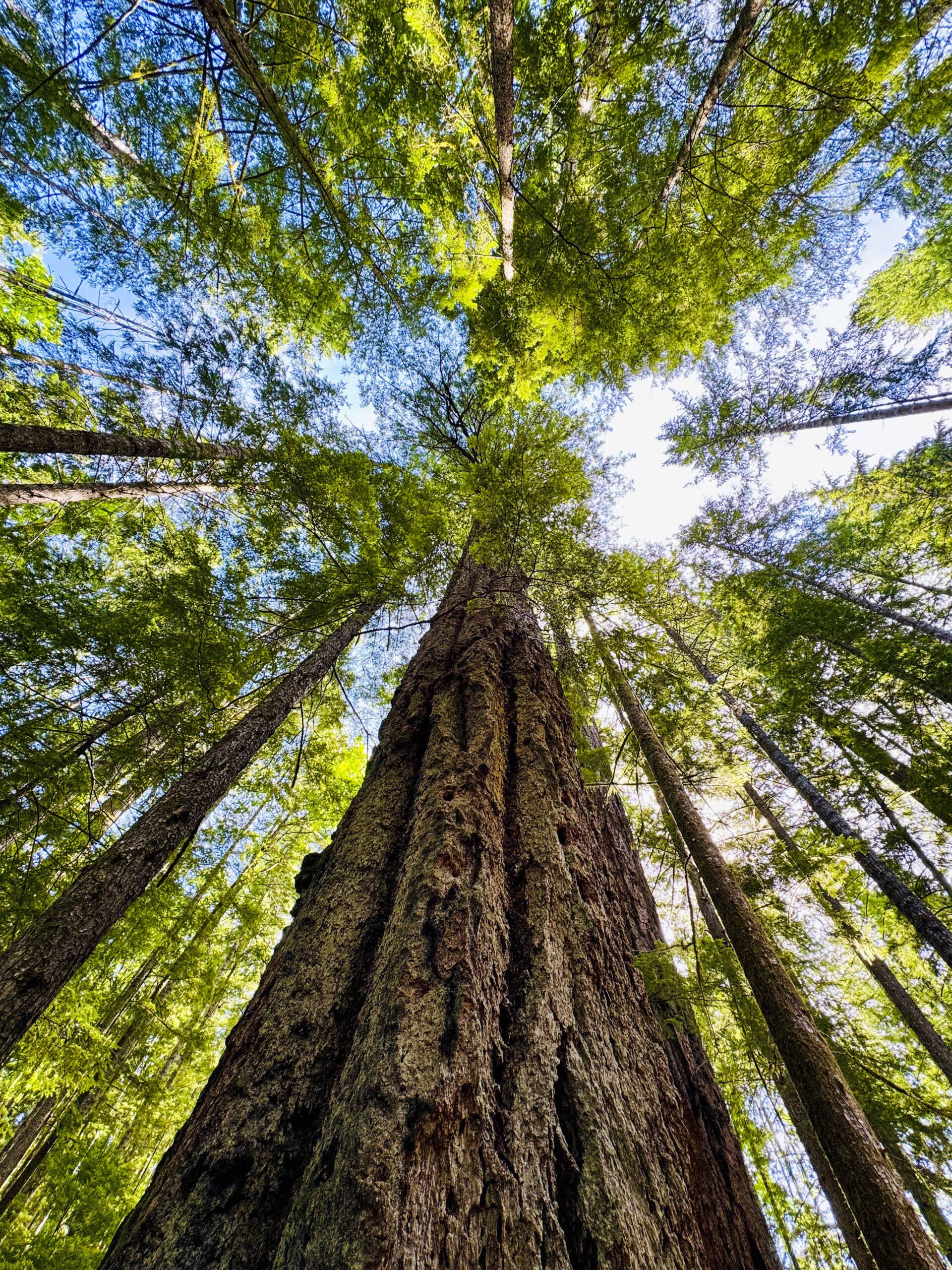 In southern Oregon they call it the “fir-mageddon” – the rapid decline of our largest and most prolific tree in the Pacific Northwest. The Douglas fir … is the most important tree species to the economy on the planet. Their ability to grow to a massive size and live for hundreds of years through all types of weather, makes it the best source for high-grade construction lumber… Douglas fir in Oregon and Washington alone make up one-quarter of the lumber industry in the United States. Since 2000, 635 acres of Douglas fir trees in our region have died — that’s roughly 175,000 trees, a trend that is only accelerating. The decline is not from the lumber industry. It’s global warming. A recent study proves is that Douglas fir trees are resilient to wildfires, but don’t fair well during a drought. During a drought they become vulnerable to a beetle that prays on distressed trees.
  A federal judge has refused to halt logging operations on a Southwest Oregon forest project that allows more than 8,000 acres of commercial timber harvest. Though a lawsuit has raised “serious questions” about errors in the environmental analysis of the Last Chance Project, those problems don’t rise to the level of warranting a preliminary injunction, said U.S. District Judge Mustafa Kasubhai. The U.S. Bureau of Land Management has authorized several timber sales to implement the Last Chance Project, which the agency finalized last year to reduce excessive forest stand density and provide a sustained log supply. Three environmental non-profits … filed a complaint alleging the project would harm the threatened spotted owl and the northwestern pond turtle, a sensitive species, contrary to several federal laws. The BLM has acknowledged there’s a discrepancy among its environmental reports about the acreage of spotted owl critical habitat that is slated for treatment.
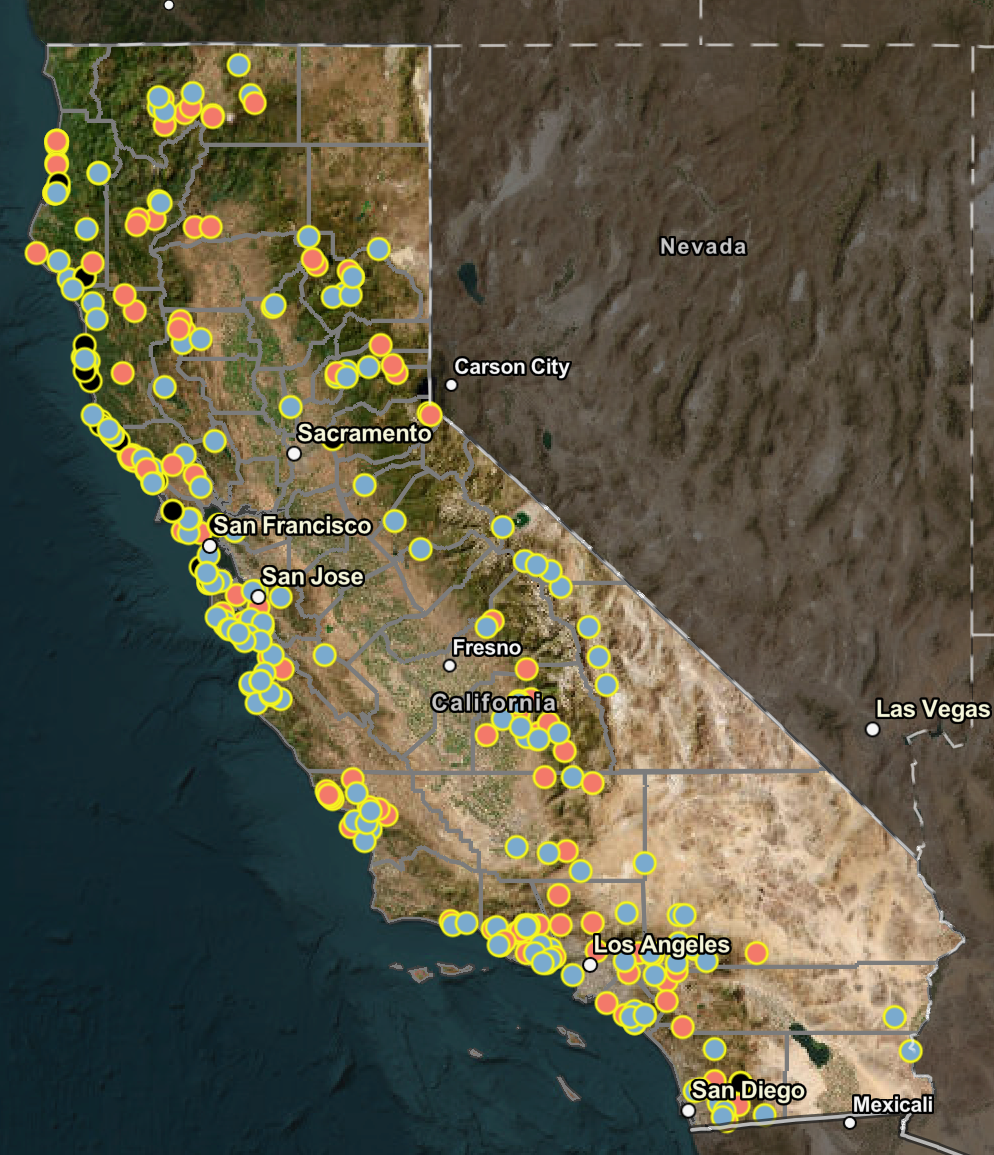
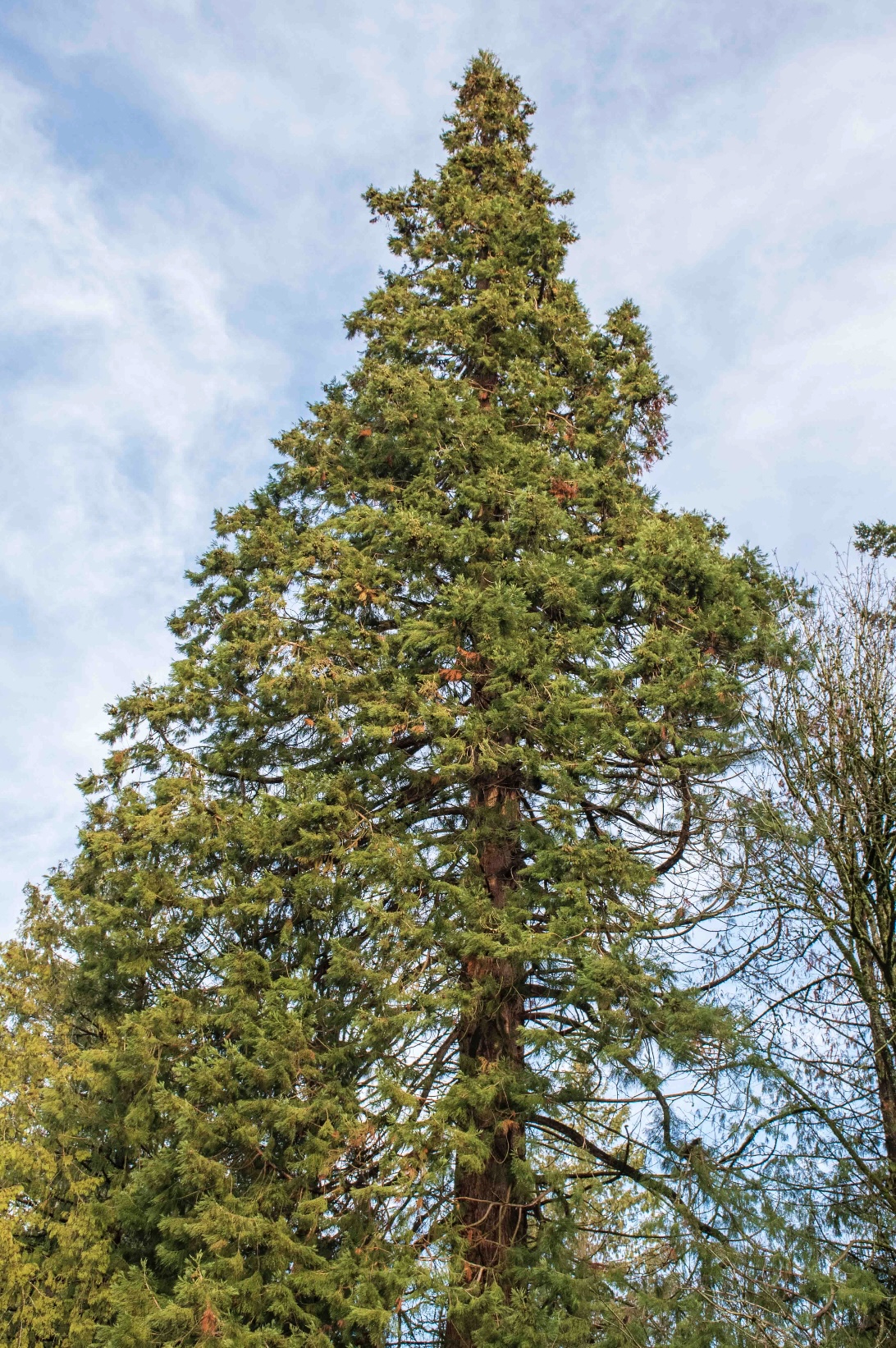 Five years ago, a tragic and depressing environmental story unfolded when thousands of giant sequoia trees, an iconic California species that tower 300 feet high and can live for 3,000 years, were killed during multiple large wildfires that roared across the southern Sierra Nevada. The fires in 2020 and 2021 at Sequoia National Park, Sequoia National Forest and other areas burned with unprecedented intensity, killing nearly 20% of the world’s giant sequoias, and exposing the growing vulnerability of the most massive trees on the earth. …After the fires, stunned scientists, park managers and environmental groups formed a partnership to reduce the chances of similar catastrophic outcomes in the years ahead. Now, with another summer fire season looming, they say they are making encouraging progress. Since their efforts began in 2022, the partnership has thinned the overgrown brush and small trees that provide fuel for fires to burn hotter in 44 of the 94 giant sequoia groves in California.
 U.S. House Republicans from Western states laid out a figurative welcome mat for the U.S. Forest Service Thursday as its chief pitched plans to whittle down the agency’s budget, move its headquarters to Salt Lake City and rely more heavily on states to manage millions of acres. “I think it’s very interesting what you’re proposing to do, and I support it,” said Idaho Republican Rep. Mike Simpson, chair of the House Appropriations Subcommittee on the Interior, Environment, and Related Agencies. Democrats on the budget panel grilled Forest Service Chief Tom Schultz about how billions of dollars in cuts to the agency proposed by President Donald Trump could drive up costs for states and stamp out important research. The subcommittee’s ranking Democrat, Rep. Chellie Pingree of Maine, said she’s deeply worried.
 A dry winter has forecasters predicting a potentially active fire season in Oregon. Federal agencies are trying to minimize the threats from large wildfires by first clearing fuels near communities. Chainsaws were buzzing along Grants Pass’ Cathedral Hills Trail System this week, part of a 240-acre fuels reduction project meant to reduce the risk of wildfire amid warnings from climatologists. Grayback Forestry cut down small-diameter trees — below 8 inches for hardwoods like oak — and piled the timber to be dried out and burnt in the fall. Sean Hendrix, base manager at Grayback, said that while the trees are too wet to burn now without producing large amounts of smoke, they should be wetter. Oregon is coming off a dry winter and record-low snowpack. “In fire and fuels we talk about fuel moisture,” he said. “Live fuel moisture just three weeks ago, they were 60%. In the middle of May they should be 160% saturated.”
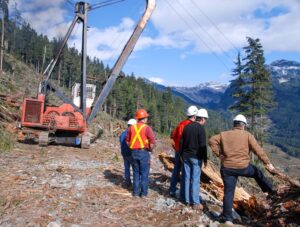 MONTANA — After the US Forest Service unveiled a proposal last month to give Montana’s lumber industry a “predictable” timber supply from three national forests, questions about the agency’s plan to incorporate an 82-year-old law into a modern forest-management framework abounded. Broadly speaking, the Tri-Forest Federal Sustained Yield Unit would direct the Helena-Lewis and Clark, Beaverhead-Deerlodge and Custer Gallatin national forests to supply local businesses with at least 35 million board feet of timber per year. The Forest Service is pitching the proposal as a tool to sustain local economies and encourage investment in the lumber industry for the 22-county region included in the unit. It’s necessary, the agency says, because the closure of the Pyramid Mountain Lumber sawmill and the Roseburg Wood Products facility have demonstrated the industry’s vulnerability. But at a recent hearing the Forest Service hosted in Helena, the proposal drew a mixed reception.
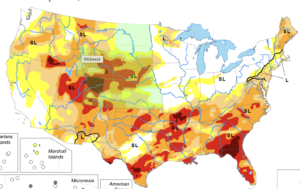 ARIZONA — Rim Country and the White Mountains are not alone in bracing for the 2026 fire season, which is approaching. A national April-to-July forecast shows nearly the entire Western United States faces an above-normal risk of wildfires over the next four months. Fire officials said two weeks of cloudy weather with scattered rain showers have given Northern Arizona some breathing room, but the lack of snowpack and above-normal temperatures will still result in an early start to the fire season. The National Interagency Coordination Center predicted above-normal fire threat in every Western state at some point between now and summer. Much of the Southwest faced high-risk conditions during an unusually warm March, and those hazardous conditions are expected to expand into other Western states this month. Forecasters point to record-low snowpack across much of the West.
 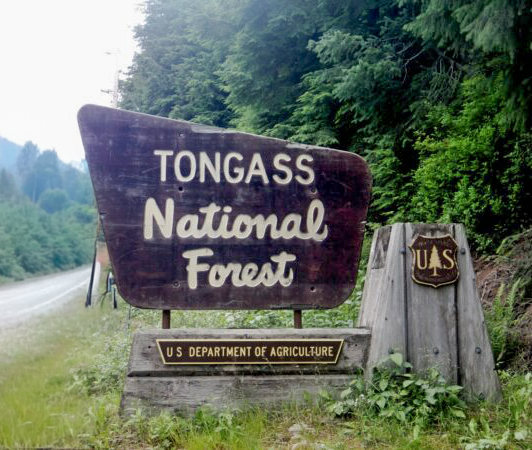 Impacts to Alaska of the announced U.S. Forest Service “restructuring” that would close regional offices and most of the agency’s research facilities remain unclear. … Among the facilities on the closure list were two that are important to Alaska: the Anchorage Forestry Sciences Laboratory and the Oregon-based Pacific Northwest Research Station in Portland. But other impacts on the 17-million-acre Tongass National Forest and the 5.4-million-acre Chugach National Forest were not disclosed. …Sen. Lisa Murkowski, R-Alaska, and her staff are in a “fact-finding” mode and preparing to mount a “defense of the Forest Service in Alaska and make sure the employees are able to continue the good work that they’re currently doing,” said Murkowski spokesperson Joe Plesha. …The Anchorage lab that is scheduled for closure is located in downtown Anchorage. It supports research in the Tongass National Forest, which is the nation’s largest, and the Chugach National Forest, the second largest.
 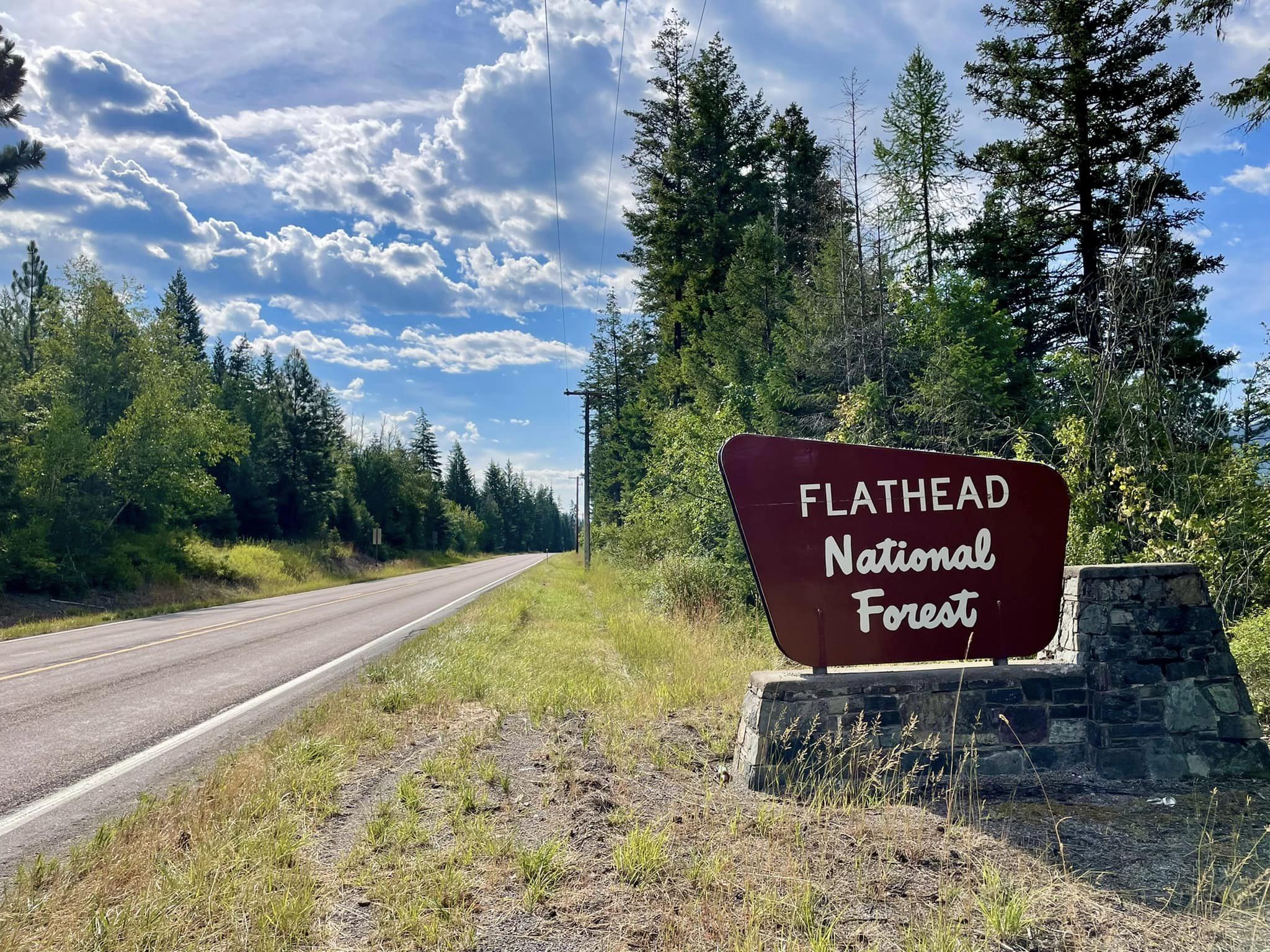 Flathead National Forest officials have authorized an emergency logging and thinning project in the Salish Mountains near Lakeside, three miles west of Blacktail Mountain, with the aim of reducing wildland fire risk and improving forest health. The decision authorizes 2,823 acres of commercial vegetation treatment and construction of approximately 5.6 miles of temporary roads. Crews will use more than 67 miles of existing roads and haul routes. First proposed last October, the West Truman Project advanced quickly through the U.S. Forest Service’s environmental compliance process under a categorical exclusion, receiving final approval on April 14. Implementation of the project could begin “as early as fall 2027,” according to the decision and finding of applicability and no extraordinary circumstances (FANEC) signed by Swan Lake District Ranger Sarah Canepa. …The project would commercially thin 736 acres while using improvement cuts on 939 acres. It would treat 346 acres for shelterwood and 802 acres for seed tree.
 A reorganization of the U.S. Forest Service signals that the agency is planning to lean heavily on states to help manage millions of acres of federal land. State officials and timber industry leaders say they’ve been given scant details about the plan to move the agency’s headquarters to Salt Lake City and close scores of research stations in dozens of states. While they wait for the dust to settle, they’re preparing for the Forest Service … to ask more of its partners under the new model. “The Forest Service itself is unable to uphold its mission and cannot alone manage the many challenges on these landscapes,” said Nick Smith, with the American Forest Resource Council. “The transition … is a recognition that partnerships are the future for the Forest Service.” But many forestry veterans fear the shake-up will cause more attrition… [Seeing the move to] Utah — a state whose leaders are often hostile to federal land ownership — as designed to undermine the Forest Service’s management of its lands.
 Placerville, Calif., bears all the markers of a community at risk of a wildfire. The city’s rolling hillsides are dense with brush, which dries out during the hot summers. Older homes made of wood, which are more prone to igniting, are dotted throughout. …Local officials are trying to do something about it. The community is one of a handful
 The U.S. Forest Service is shutting down research stations around the country, including centers in Portland, Seattle, and Wenatchee, Washington. Though much of the stations’ research is long-term, some fire experts say the cuts could hamper firefighting efforts as soon as this summer. …The agency is shutting down 50 of its 70 research stations. More than 200 people work in the Northwest research stations that are closing. …“There is a position for every permanent employee willing to accept reassignment,” Forest Service Chief Thomas Schultz Jr. said in a memo to research branch staff. Schultz Jr., a Trump appointee, was previously a lobbyist for Idaho Forest Group, one of the nation’s largest lumber producers, based in Coeur d’Alene. …Nick Smith, a spokesperson for the American Forest Resource Council, a Western states timber industry group, said he welcomes the Forest Service restructuring.
 As Washington’s current snowpack conditions become worse than last year, a statewide drought emergency has been declared. It’s the fourth drought emergency for the state in as many years. According to Casey Sixkiller, director of the Washington State Department of Ecology, “widespread shortages and challenges across our state” are expected. “Going into April with half of our usual snowpack is alarming,” Sixkiller said. “… Issuing a drought emergency now helps water users prepare for what is likely to be a very difficult summer. This is becoming an all-too-common experience and is another example of how climate change is visibly reshaping our landscape.” The Department of Ecology declared the drought emergency on April 8.
 MONTANA — The U.S. Forest Service plans to create a logging unit across regional national forests, seeking to boost economic stability by committing to process timber only via local businesses. The new Sustained Yield Unit – a concept created by 1944 federal law – would include 22 Montana counties and all of Helena-Lewis & Clark and Beaverhead-Deerlodge national forests, as well as most of Custer Gallatin. …Speaking for the Governor’s Office, Amanda Kaster, director of Montana’s Department of Natural Resources and Conservation, expressed the state’s strong support. …The draft plan estimates that the unit would directly support 192 jobs per year over the next decade, plus an additional 225 jobs via economic ripple effects. But the Marks saw the yield unit’s harvest plan as inadequately ambitious. …Barb Cestero, Montana director at the Wilderness Society, feared that given the Forest Service’s recent staff cuts, a potential over-emphasis on logging could be problematic.
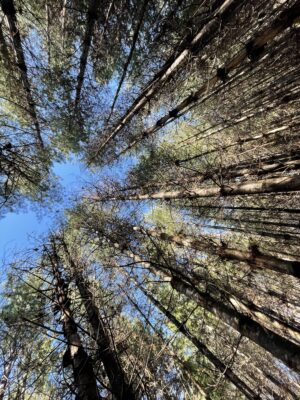 COULTERVILLE, California – Teddy Roosevelt, John Muir and Gifford Pinchot are turning over in their graves as Donald Trump launches a devastating war against the conservation movement. “With the subtlety of a wrecking ball and the morality of a foreclosure notice the Trump administration announced the most devastating attack on the US Forest Service in the agency’s 121-year history. …The administration announced it would move the USFS headquarters out of Washington, D.C. to Salt Lake City, Utah. “They’re shuttering every single one of the 10 regional offices that have governed this agency and with them, the career professionals,” wrote Jim Pattiz. More than 50 research outlets across 31 states are set to close, labs that house decades of irreplaceable long-term science, “the kind you literally cannot restart once it’s gone,” Pattiz says. …Unfortunately, conservation groups like the Sierra Club built by John Muir have lost their focus and their power to bring change.
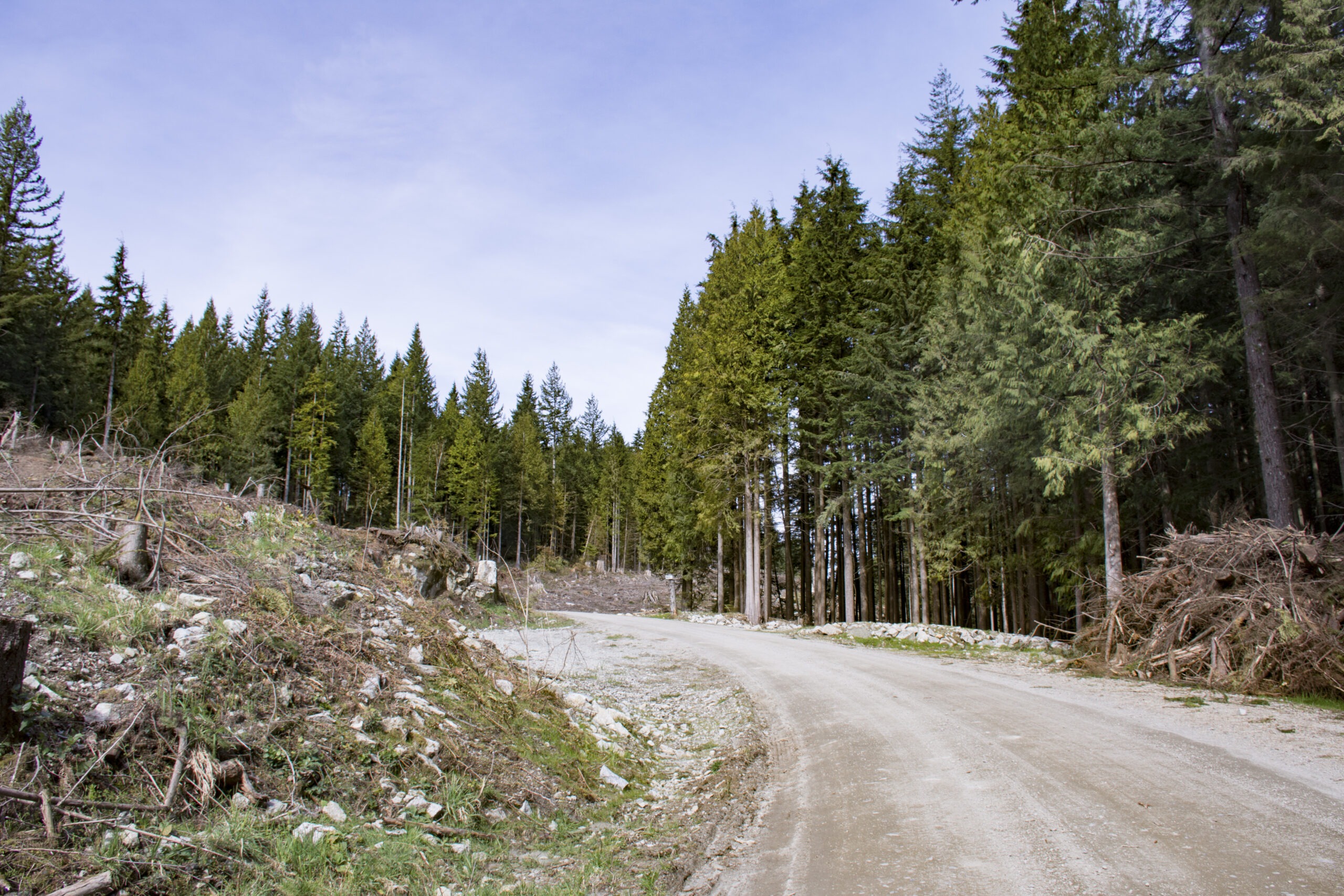 In 2001, the Forest Service signed the Roadless Rule. The Trump administration is seeking to rescind the rule. During a brief public comment period, 99% of the respondents opposed the idea. The Roadless Rule affected 58.5 million acres of Forest Service roadless lands and put them off-limits to new road construction, logging, and road reconstruction. As the Forest Service recognized in its original review, these roadless lands “have the greatest likelihood of altering and fragmenting landscapes, resulting in immediate, long-term loss of roadless area values and characteristics.” Abolishing protection from logging and roading provided by the Roadless Rule has major economic consequences, both in direct costs and in avoided costs. For instance, a practical rationale for the rule is the Forest Service’s acknowledgment that the roughly 370,000 miles of existing Forest Service road network could not be maintained. There is already an $11 billion backlog in road maintenance, and creating even more roads would exacerbate this situation.
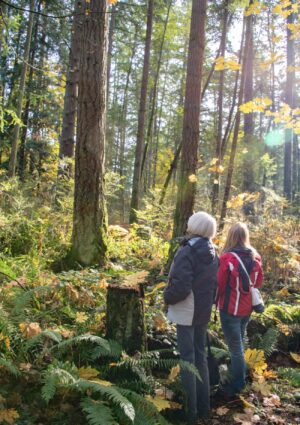 For the last 25 years, 58 million acres of American forest have had no new roads, no logging equipment, and no reason to appear on anyone’s industrial map. This year that is changing — and much faster than most people realize. The
  Mountains across the West have lost their usual wintry look this year. Snowpacks in the Cascade Range, the central and southern Rockies, and the Sierra Nevada are significantly below average. As of February 1, 2026, Oregon, Colorado, and Utah reported the lowest snowpack levels on record since continuous snow data collection began in the early 1980s. …This condition is a snow drought—a period when snowpack is abnormally low relative to the time of year and location. Many of the areas with low snow received ample precipitation early in the season. November and December snowfall was near normal in many parts of the West and looked to be setting the stage for a reasonable snow year. However, warm and dry January conditions and scattered rain-on-snow events in February caused much of the early accumulated snow to melt. This condition has put large parts of the West in a
  For generations, the Organized Village of Kake and other Southeast Alaska tribes have been stewards of the Tongass National Forest… This is not just land; the forest is our heritage and way of life. …The forest’s old growth trees store more carbon than they release, making the Tongass the nation’s greatest natural climate defense. …Yet this irreplaceable ecosystem faces a threat. The Trump administration is attempting to rescind the 2001 Roadless Area Conservation Rule, a policy that for more than 25 years has safeguarded nearly 58 million acres of national forests. The administration is proposing to strip protections from 44.7 million acres of ancestral homelands, including the Tongass National Forest. This is not just bad policy; it is a direct violation of tribal treaty rights, trust and federal law. The Roadless Rule is simple and effective. It prevents destructive road-building and industrial-scale logging in remote forest areas while preserving access for recreation, subsistence and cultural practices.
 In the North Cascades… the Mount Baker School District is facing a budget deficit exceeding $1 million, which local officials say is tied to declining timber sales on state lands. Three years ago, the rural district entered into what’s known as “binding conditions,” an arrangement where the state now oversees its day-to-day financial operations. Since then, it’s cut around 30 employees and increased class sizes. “Our main reason that we went in binding conditions was a precipitous drop in timber revenue,” said Russ Pfeiffer-Hoyt, school board president. The district’s timber revenue predicament is not unique among rural school districts. And it highlights rising tension around how the state is managing its public forests at a time when Lands Commissioner Dave Upthegrove has limited logging of some older tracts of trees. In the backdrop is a debate about whether Washington’s K-12 schools should depend heavily — or at all — on timber harvests.
 ANCHORAGE, Alaska – The federal government isn’t holding public meetings on a rule that could reshape logging across the nation’s largest national forest — so a conservation group is doing it instead. The Southeast Alaska Conservation Council is hosting a series of community “public hearings” this month on the Tongass National Forest’s roadless rule. …The group plans to collect public testimony and submit it directly into the federal record as the US Forest Service weighs potential changes to those protections. Nathan Newcomer, SEACC’s Tongass campaigner, said the group stepped in after learning the Forest Service had no plans to hold its own public meetings. …The Forest Service is expected to publish a draft environmental impact statement on the roadless rule — a step that would open a formal public comment period. Newcomer said that the window is expected to last 30 days and could begin as soon as late April.
 The U.S. Department of Agriculture’s Agricultural Marketing Service (AMS) announced the launch of an innovative new tool, the
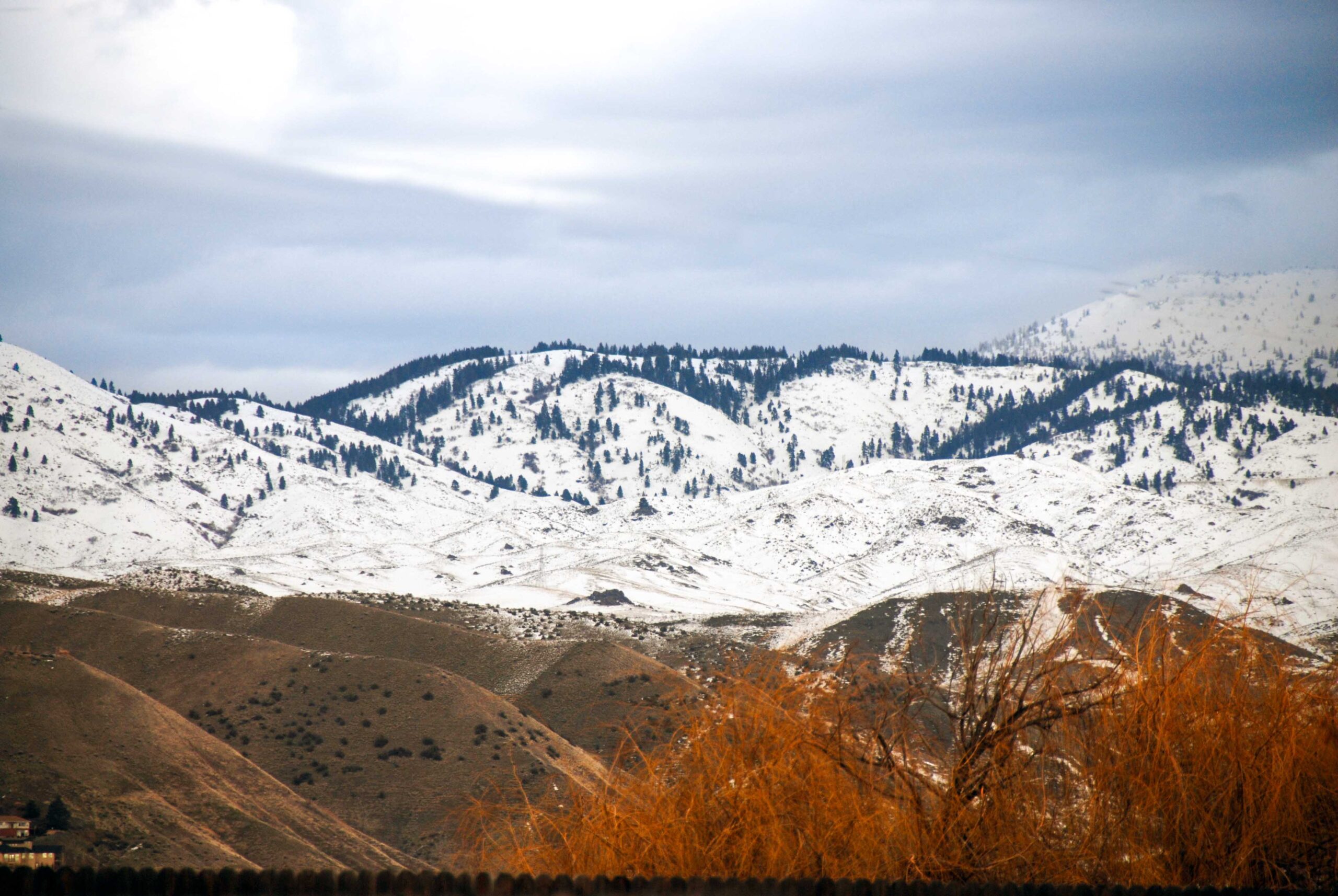 Mountains that normally see their peak snowpack in March are brown this year, thanks to a spring heat dome that baked the western U.S. for much of the second half of March. That’s raising alarm bells for the fire season, which is already ramping up. John Abatzoglu, a professor of climatology at the University of California Merced, said everything is “lining up for a potentially nasty fire season across the west… the warning signs are flashing.” The heat wave eased over the weekend after a sustained run of temperatures 11 to 17 C above normal — with highs in the 30s and 40s in some states. This would be “virtually impossible” without climate change caused by human CO2 pollution, mainly from fossil fuels. Early snow-melt has been linked to a longer fire season, as it dries out the landscape and provides more time and opportunity for fires to ignite and spread

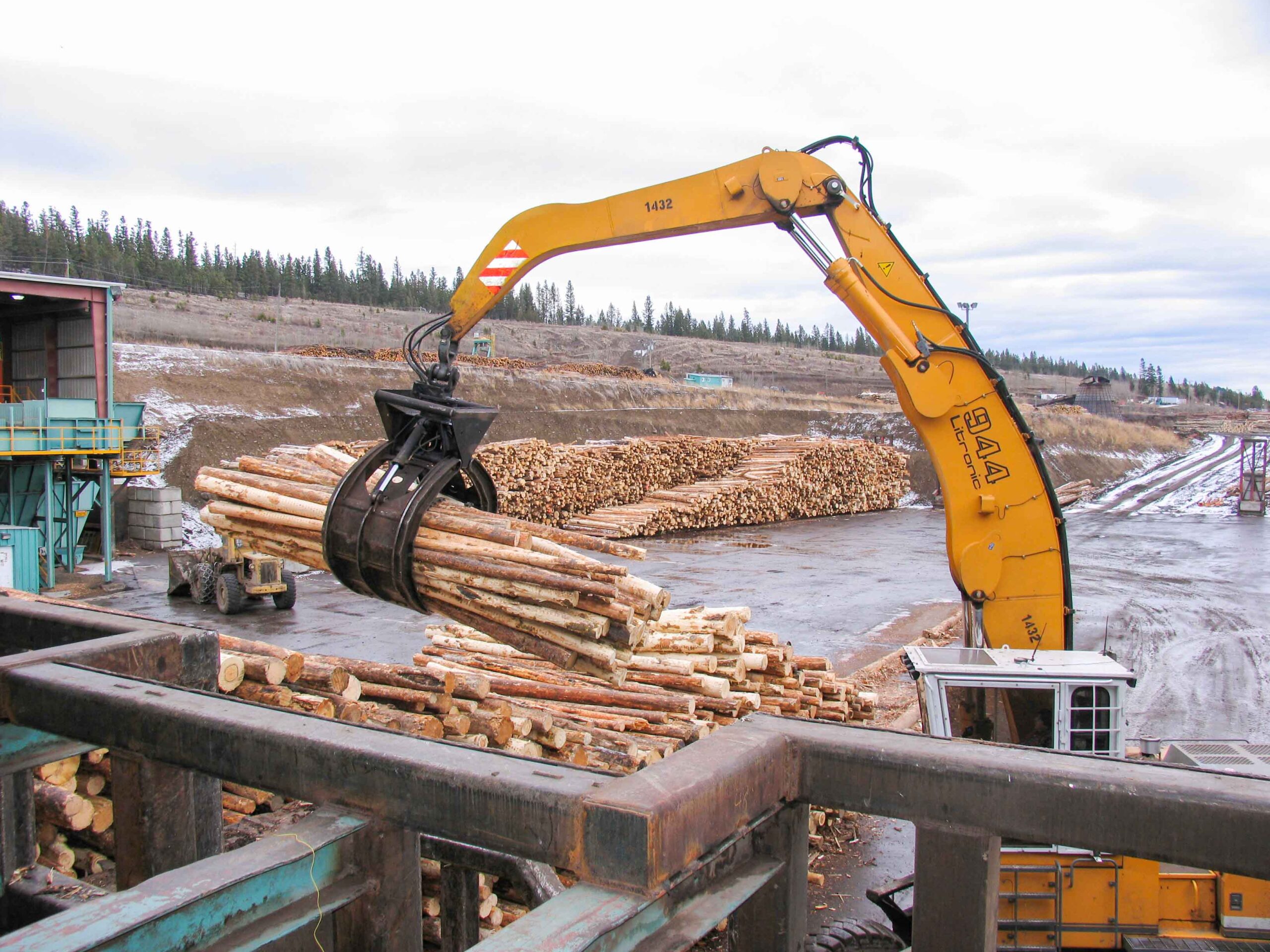 Oregon’s congressional Democrats are asking federal officials to give the public more time to learn about and comment on new plans that would open up millions of acres of federal forests in Oregon to logging activity not seen since the 1960s. The Bureau of Land Management in late February announced it would change the Western Oregon Resource Management Plans that have governed logging and conservation in Oregon counties for decades. The stated goals were “maximum” timber production to “advance Trump administration priorities,” including logging in areas that are home to federally protected, vulnerable species. The announcement kicked off a month-long public comment period that ended March 23, but the agency did not hold any public meetings. Officials said in the announcement they would not hold any meetings before releasing a draft proposal for new logging. Oregon’s U.S. Sens. Jeff Merkley and Ron Wyden and [others], all Democrats, said such generational change in logging practices deserves far more public scrutiny.
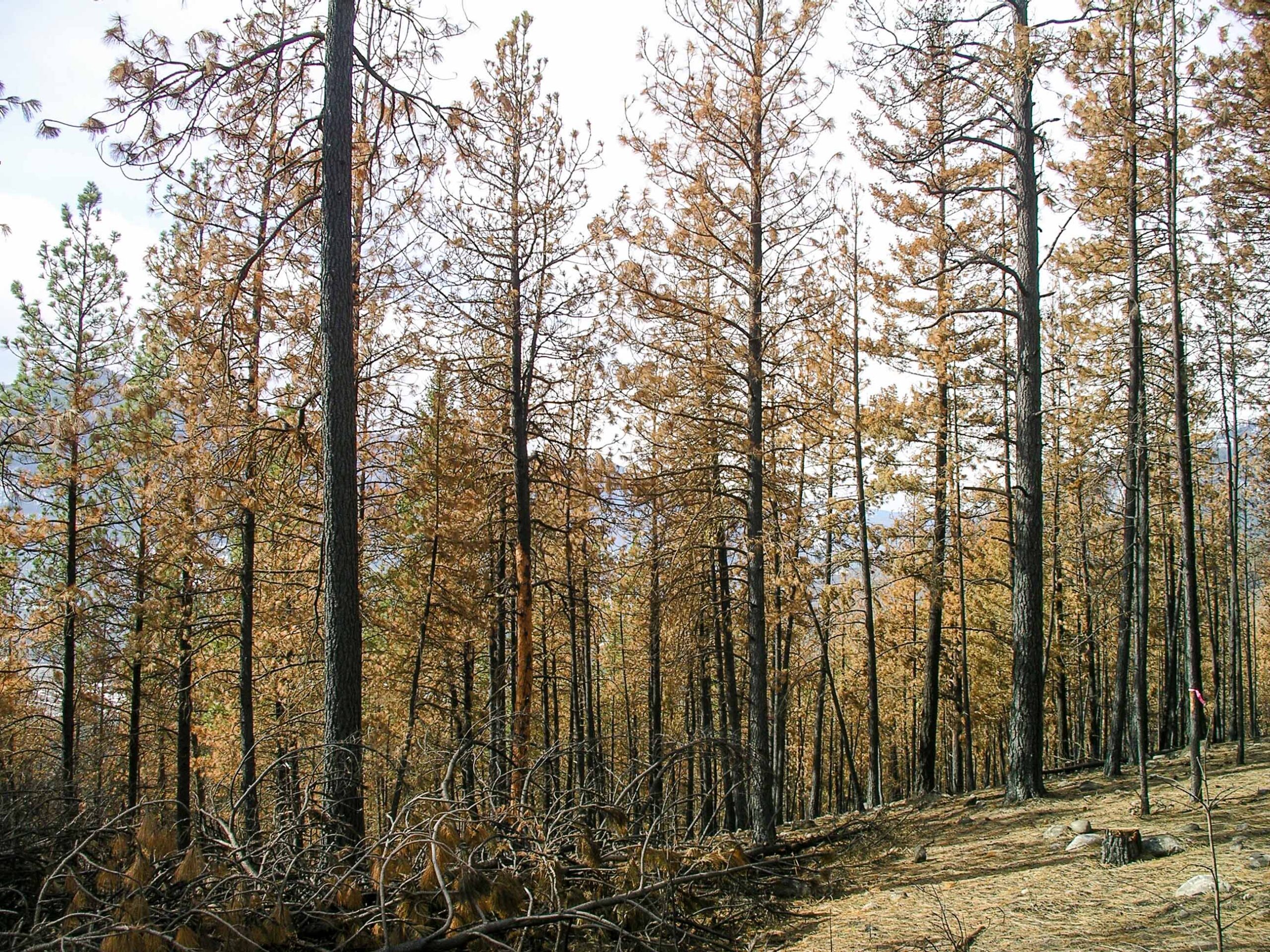 A new satellite-based study indicates widespread drought stress and insect damage across the Apache-Sitgreaves National Forests, with significant implications for wildfire risk, forest management and long-term ecosystem change. Researchers found roughly one in four ponderosa pines are experiencing moderate to high levels of drought and insect damage. More than half show signs of “fading,” a condition tied to prolonged moisture loss, though the severity varies by ranger district. The study analyzed tree “greenness” across the forest, a key indicator of health derived from satellite imagery. The Apache-Sitgreaves spans roughly 6 million acres in northern Arizona, including the White Mountains, among the state’s wetter regions. Despite that reputation, the findings reinforce a growing body of research showing that decades of drought, increasingly severe wildfires and bark beetle infestations are reshaping these forests. In some areas, ponderosa pine stands have failed to recover following high-intensity fires, particularly where drought stress was already severe.
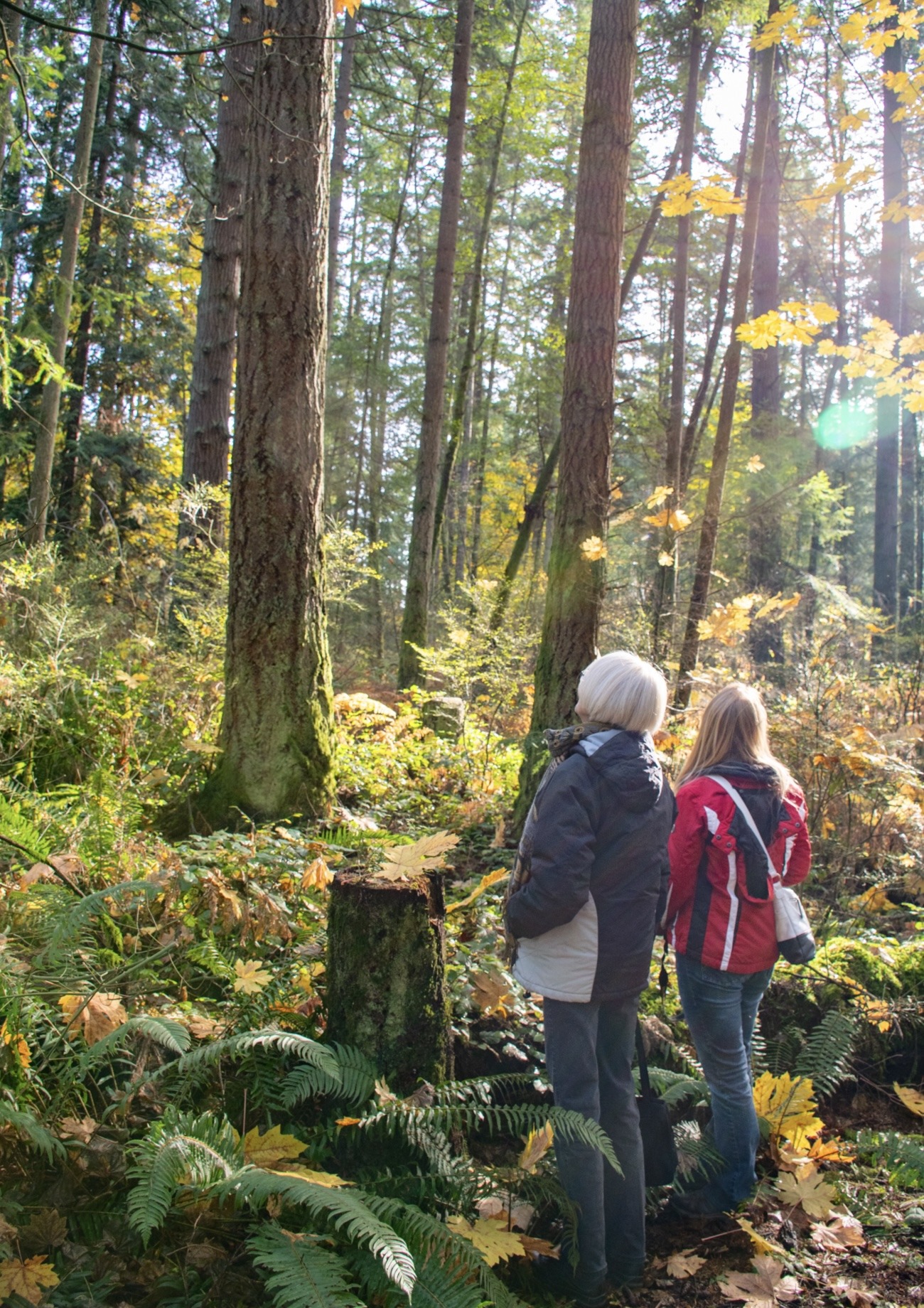 After firing about 3,400 employees nationwide and instituting a seasonal hiring freeze last year, the U.S. Forest Service is planning to hire 2,000 seasonal workers this year. A Colorado lawmaker wants more information about the U.S. Forest Service’s plans to hire seasonal staff again this summer, after the agency cut thousands of positions and did not employ seasonal help last year. U.S. Rep. Joe Neguse, whose district includes Eagle, Grand, Jackson, Routt and Summit counties, penned a letter to Forest Service Chief Tom Schultz earlier this month describing the impact that massive cuts to staffing have had on the agency and the importance of seasonal workers. Rep. Jared Huffman, D-California, also joined the letter. “As you know, seasonal employees play a critical role in the maintenance and stewardship of some of our most treasured public lands and national forests,” Neguse wrote, noting that more than 130 million people visit the country’s national forests annually.
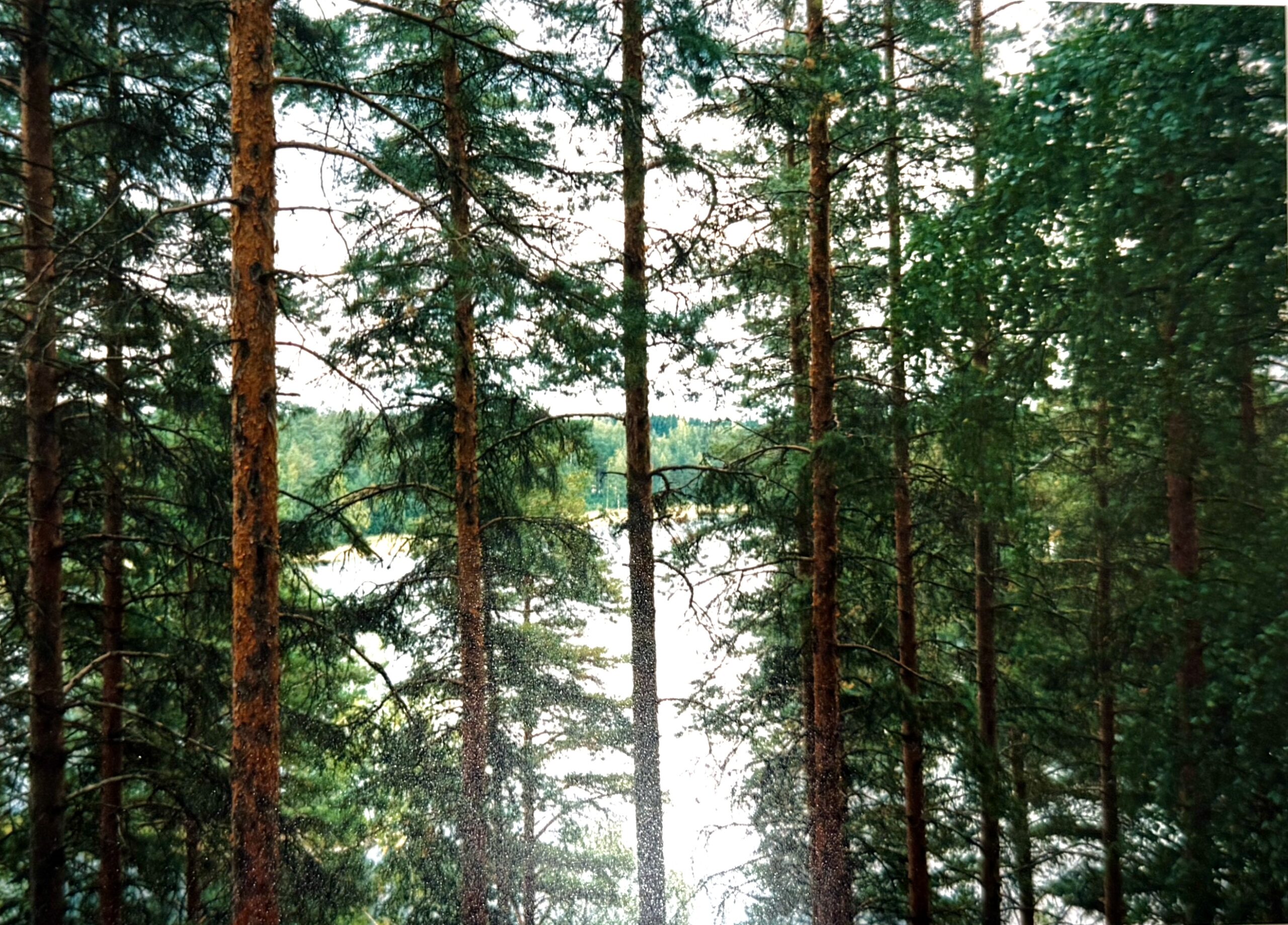 A large chunk of private forest land near Mount Spokane is now permanently protected from development. The Idaho Department of Lands announced Wednesday that more than 22,000 acres of Inland Empire Paper Co. is now protected under a conservation easement. Inland Empire is owned by the Cowles Co., which also owns The Spokesman-Review. The property is between Mount Spokane and Spirit Lake in Bonner and Kootenai counties. …It includes habitat for a variety of wildlife, such as elk, deer and westslope cutthroat trout, according to a Department of Lands news release. It also covers part of the Spokane Valley-Rathdrum Prairie Aquifer, which provides drinking water for people in Spokane and Kootenai counties. The deal locks in public access for the property, which has long been used by hunters, hikers, berry pickers and other recreationists.
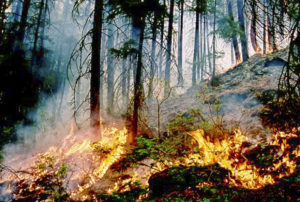 When the US announced plans to rescind a rule limiting roadbuilding and timber harvests on national forests, officials called the repeal necessary to prevent and manage wildfires. But as the USDA prepares to release its draft environmental impact statement for the rescission, that justification is unraveling. And many critics of the move see the claim that roads are needed to fight fires in remote forests as cover for a giveaway to the timber industry. …Wildfires on federal lands average about five times the size of those in the rest of the country, leading some land managers to argue that national forests are a front line for fighting the nation’s steep increase in wildland blazes. Yet a new study has fire scientists, frontline firefighters, legal experts and the agency’s own historical record saying that roads don’t reduce wildfire risk; they multiply it. [see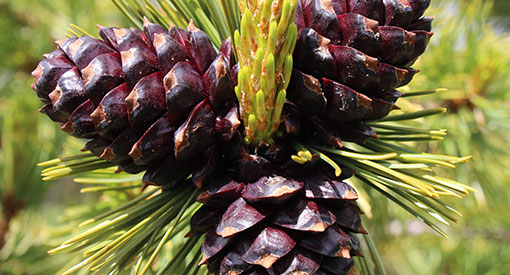
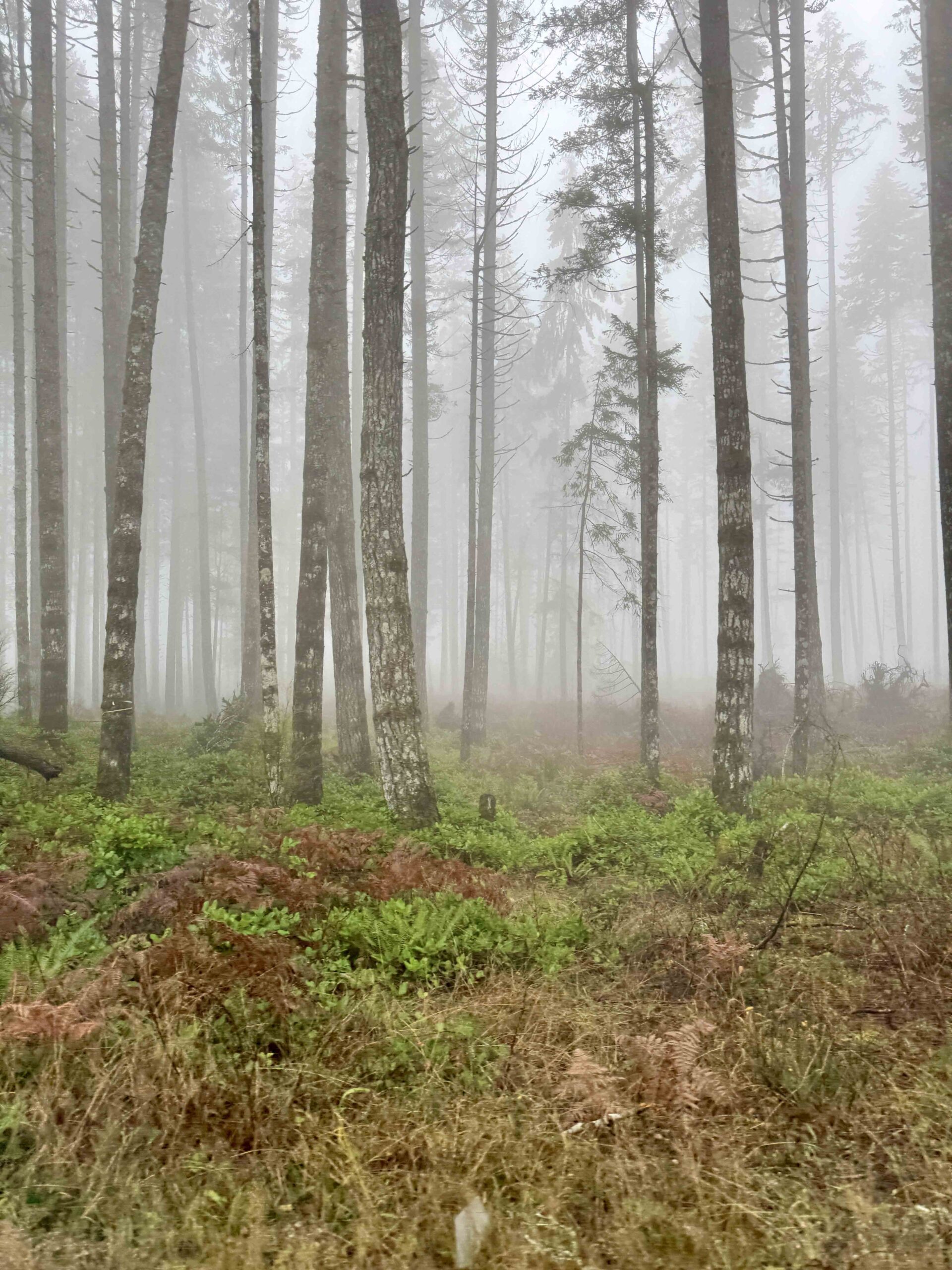 You have until Monday to provide input on the Trump administration’s plan to dramatically increase logging in western Oregon forests. Last month, the U.S. Bureau of Land Management
  Three organizations and an individual are suing the Gardiner District of the Custer Gallatin National Forest — for a plan they say hurts the already-endangered whitebark pine tree while ignoring lynx and grizzly habitat, and relying on unproven studies. The groups say the federal government is ignoring its rules and seems to be disregarding its own maps of protected lynx area in an effort to preserve the rare whitebark pine trees, despite admitting in its own documents that the efforts to preserve the trees could actually harm them. The lawsuit … centers on logging north of Yellowstone National Park. A technique, called “daylight thinning,” which involves removing trees near a whitebark pine, is not backed by scientific research according to the court documents, and the organizations point out that the Forest Service admits that in the process of thinning, it could actually wind up killing some of the whitebark pine trees.
 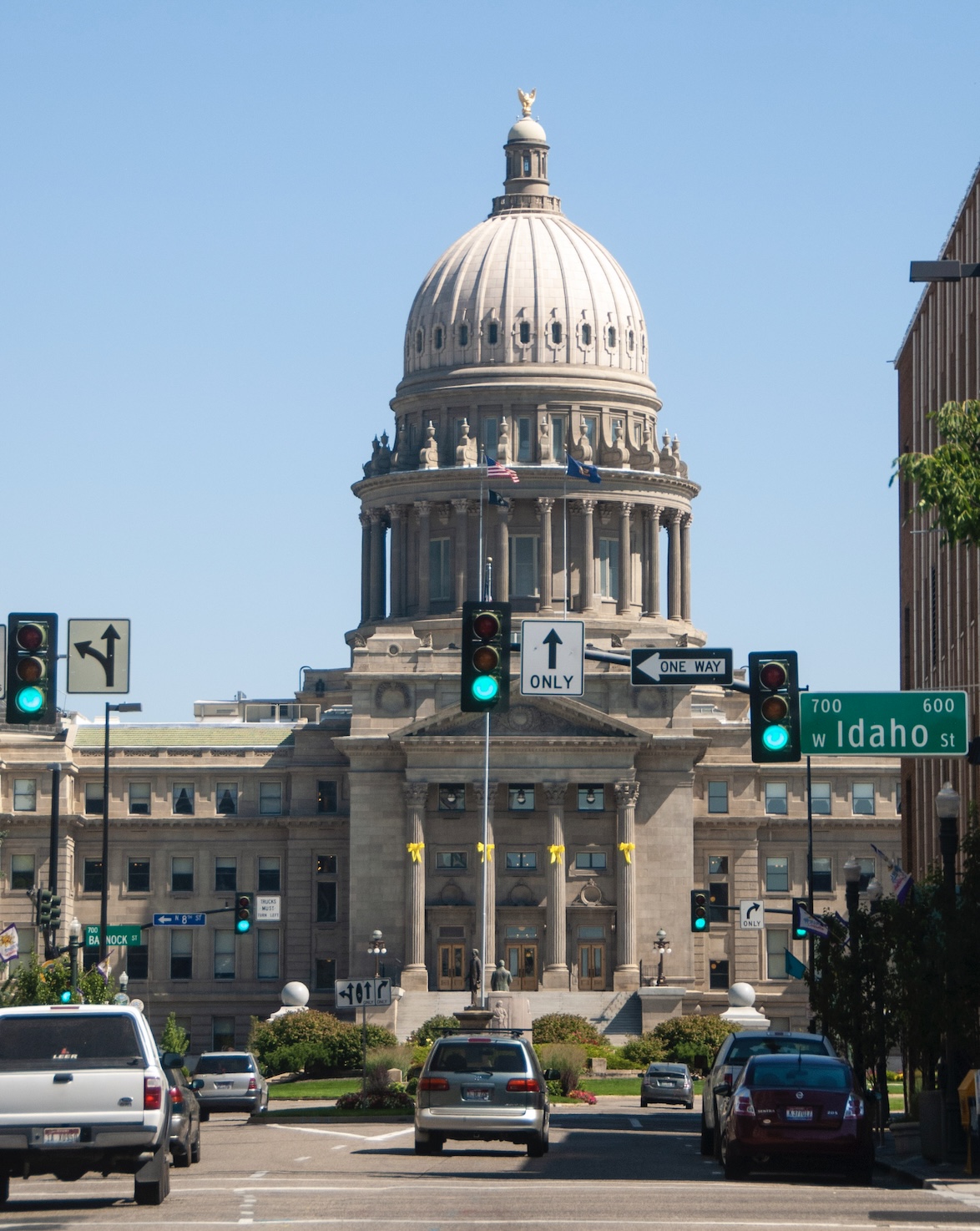 This week, we have yet another reminder that Idaho can’t possibly afford to take over or manage federal lands. A forthcoming study, which will be published Friday, provides the most recent reliable estimates of exactly how much Idaho would lose if it were to take over federal lands. The study, which was commissioned by Backcountry Hunters and Anglers, Idaho Business for the Outdoors, the Idaho Outfitters and Guides Association, and the Idaho Wildlife Federation, was performed by Peterson and Associates, which has long been a go-to source for economic analysis of this type in Idaho. While the full results won’t be released until Friday, the top-line figures are stark. Idaho would lose $837.7 million directly, in the form of spending by the U.S. Forest Service, Bureau of Land Management and other federal agencies, as well as Payment in Lieu of Taxes and Secure Rural Schools payments. That’s nearly 16% of Idaho’s general fund budget.
 OREGON —
  From the moment he became BC’s forests minister, Ravi Parmar has been under pressure to increase logging rates in the province. One way he has decided to do that is by expediting the logging of forests burned in recent wildfires. He issued the Fort Nelson First Nation a new licence to log 100,000 cubic metres of trees in burned forests in BC’s remote northeast corner. …A number of industry associations, including the Council of Forest Industries, asked him to set “definitive, aggressive timelines for completion” of plans to accelerate logging in burned forests. …But increasing “wildfire salvage” of forests, Parmar is travelling down the same road that has seen BC’s logging rates plummet by more than half since the heyday of the 1980s. …Accelerated logging of burned trees may help bend the curve, but history shows that it is short-lived and comes at the cost of degraded ecosystems and even sharper declines ahead.


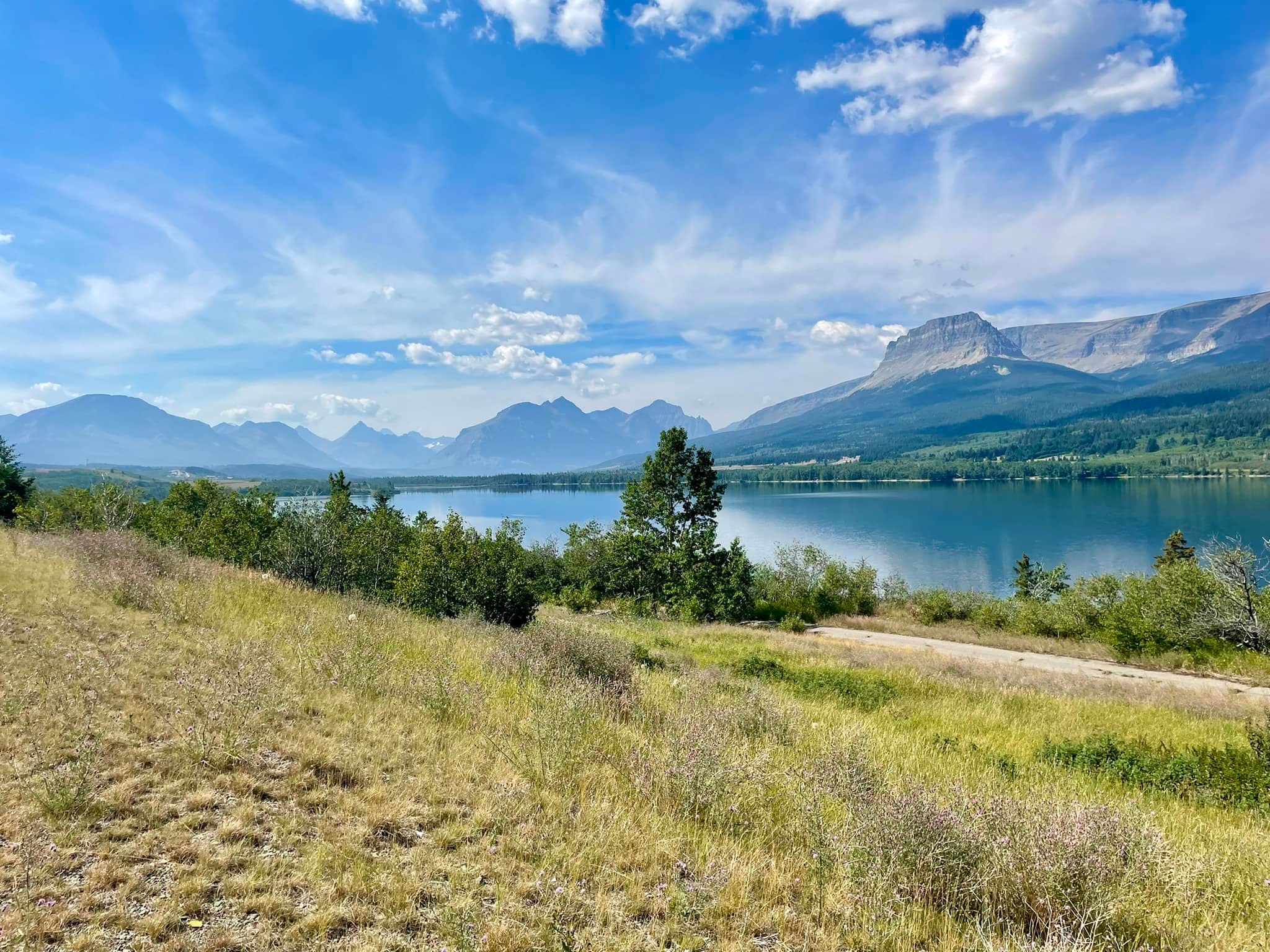 Montana and the U.S. Forest Service announced last week they were moving ahead on a shared agreement between the two to do forestry work in large swathes of the state. Last summer, the state and Forest Service signed an agreement formalizing closer cooperation between federal forest management operations and the state Department of Natural Resources and Conservation. That came about two months after a Trump Administration executive order seeking to increase domestic timber production. On Friday, Gov. Greg Gianforte, DNRC Director Amanda Kaster and U.S. Forest Service Chief Tom Schultz said that two large areas have been selected for state and federal work. The focus of the work will be on approximately 213,910 acres in the Flathead and Kootenai National Forests and 200,000 acres within the Bitterroot National Forest. The project areas were selected due to wildfire risk and how close they are to being implemented.
 SEATTLE — Mast Reforestation today announced that less than six weeks after issuance, it has sold 100% of the 4,277 biomass burial carbon removal credits from Mast Wood Preserve MT1, its pioneering post-wildfire restoration project in southern Montana. New buyers include Bain & Company, a global management consulting firm, and BMO, a North American financial institution, joining earlier participants including Royal Bank of Canada (RBC), CNaught, a major corporate buyer advised by SE Advisory Services, Muir AI, and others. The sell-out follows MT1’s January 2026 issuance under the Puro.earth registry, which represented the largest issuance to date under Puro.earth’s Terrestrial Storage of Biomass (TSB) methodology and one of the fastest project development timelines globally for a carbon removal project, at just nine months. “High-integrity carbon removal is an important part of Bain’s strategy to address residual emissions while helping scale the climate solutions the world needs,” said Sam Israelit, Partner and Chief Sustainability Officer, Bain & Company.

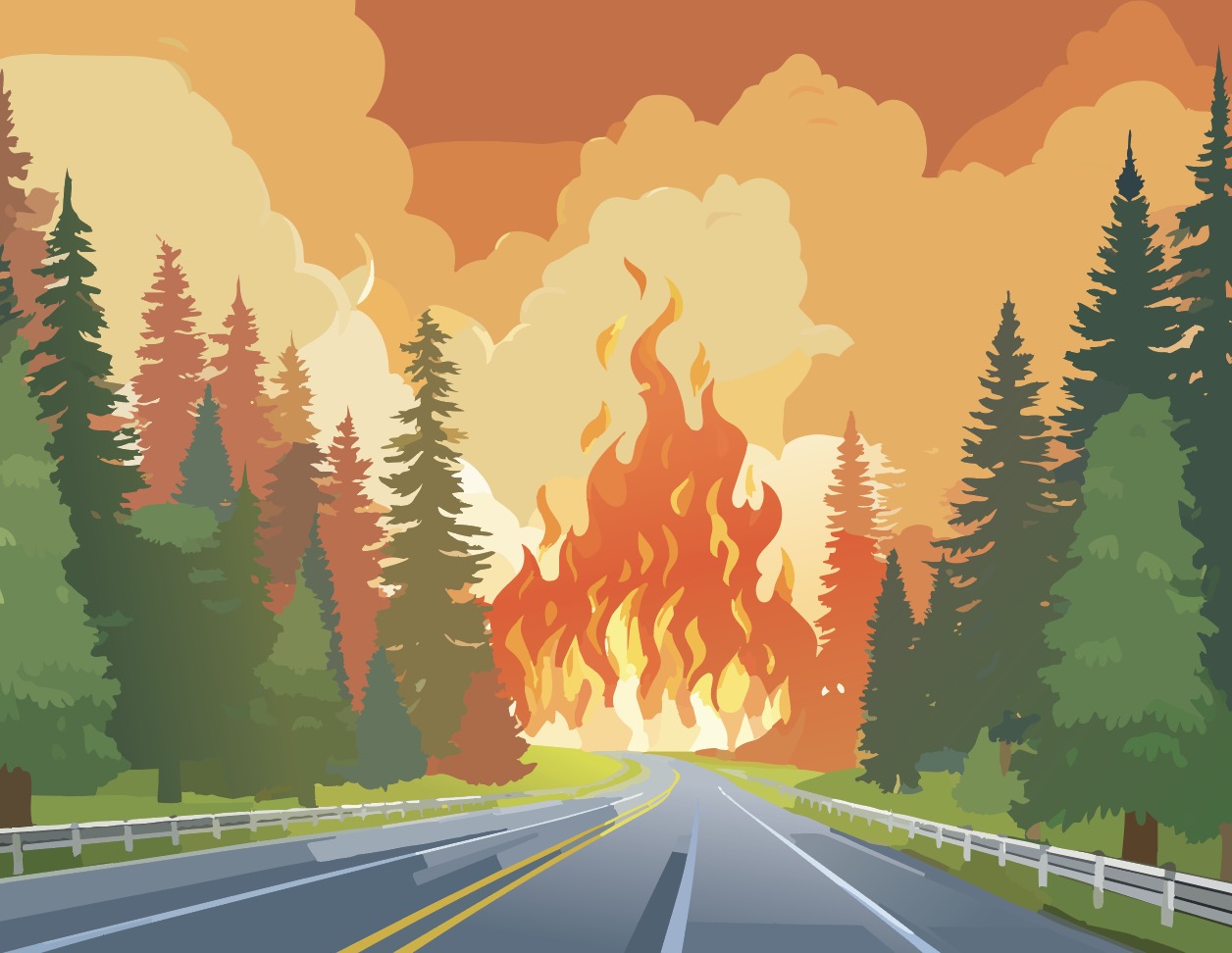 The wildfire burning south of Colorado Springs has grown to more than 7,300 acres and officials said the state highway on the west side of Fort Carson will likely remain closed through Friday. The 24 fire started Wednesday and currently there is no containment, but in an update Monday morning officials said overnight “fire crews were successfully able to tie in all control lines, boxing in the fire. As of this morning, control lines remain strong.” The fire started near mile marker 24 on Colorado 115, which connects Colorado Springs to Penrose. The road will be closed at least through Friday, but will be reevaluated daily, officials said Monday. The cause of the fire remains under investigation but started off the highway, not on the Army base, officials said last week. The fire was mapped at 7,385 acres early Monday morning, up from 4,900 acres Sunday morning.