 WASHINGTON – The U.S. Department of Labor today awarded $224,994 to Oregon to support employment and training services for workers affected by layoffs at Roseburg Forest Products. On Sept. 25, 2025, Roseburg Forest Products permanently closed its Dillard, Oregon facility, laying off 107 workers and causing significant economic disruption to the region. Administered by the department’s Employment and Training Administration, this National Dislocated Worker Grant will allow the Southwestern Oregon Workforce Investment Board to provide retraining and skills development services for dislocated workers seeking assistance in Douglas County. Supported by the Workforce Innovation and Opportunity Act of 2014, National Dislocated Worker Grants provide a state or local board with funding for direct services and assistance in areas experiencing a major economic dislocation event that leads to workforce needs exceeding available resources.
 Portland based Hampton Lumber, one of the nation’s largest lumber manufacturers, confirmed on Thursday that it has parted ways with CEO Randy Schillinger. Steve Zika, vice chair of the Hampton board and its chief executive for 20 years before Schillinger was named to the position in June 2023 has served in an interim capacity since early December, the company said in an emailed statement. [A Portland Business Journal subscription is required to access this full story]
 VANCOUVER, Washington — Canadian-owned Western Forest Products plans to expand its Fruit Valley manufacturing operation, according to pre-planning documents submitted to the city of Vancouver. Plans show the company expects to build up to three prefabricated steel buildings and an office building, as well as demolish its existing Fruit Valley lumber drying kilns and storage buildings. “We are supporting a modest expansion of our product and service portfolio,” Babita Khunkhun, the company’s senior director of communications, said. Khunkhun said planning for the expansion will continue throughout the year. The company intends to invest in new machinery at its Fruit Valley manufacturing site and make ready-to-install fabricated glulam beams, she said. The Fruit Valley operation is currently used for secondary lumber manufacturing. …A summer blaze left the company’s Columbia Vista sawmill beyond repair according to a state layoff notification from July. The company has decided to sell that site.
 An Oregon jury has awarded $305 million to 16 wildfire survivors harmed by the Santiam Canyon wildfire that burned across hundreds of thousands of acres in 2020. This is the largest jury verdict issued in relation to the James v. PacifiCorp class-action lawsuit, pushing PacifiCorp’s total liability past $1 billion. PacifiCorp — the parent company of Pacific Power, Oregon’s second-largest electric utility — kept its lines charged over the 2020 Labor Day weekend, despite fire officials’ warnings about hot, windy weather. Five people died in the Santiam Canyon fire, and more than 400,000 acres burned across four counties. In 2023, a jury found PacifiCorp was reckless and acted in “gross negligence” in relation to multiple wildfires, including the Santiam fire. In addition to the 17 plaintiffs who sued the company in that case, the jury found a broader class of thousands of people can bring additional claims against PacifiCorp for those wildfires.

 PORTLAND, Ore. – Layoffs are expected at the beginning of April for Roseburg Forest Products Co.’s Riddle Plywood facility, according to a WARN notice filed this week. The notice, filed Feb. 4, says the company expects to permanently lay off 146 team members at the Riddle By-Pass Road location, though the facility will remain open. These layoffs are expected to take place after a 60-day WARN period. The company said April 5 “will be the last day of work for a majority of the affected team members before the layoff and that the remaining affected team members, if any, will be within 14 days of that date.” Impacted positions span a number of job titles, though the majority consist of Layup WAT Operators, Finish End WAT Operators, and Common Laborers.
 Real estate professionals active in the Los Angeles market are bracing themselves for another wave of tariff-induced uncertainty following the US Supreme Court’s ruling. …Despite the Feb. 20 ruling, President Donald Trump has been adamant that he will find other avenues to impose his tariffs. Trump’s tariff policies have already caused upheaval for local businesses, and now the country’s heightened situation with tariffs will further disrupt L.A.’s real estate market, according to experts across development, manufacturing and finance. “This is a very shifting landscape for American companies,” said Ken Calligar, founder of RSG 3•D. …Garret Weyand, at Cedar Street Partners, said, “If costs are too high because of these tariffs, then projects don’t get built.” Banks will likely make borrowers increase the amount of equity so that the bank is covered in the event tariffs and inflation raise project costs.

 MESA COUNTY, Colorado. – Mesa County commissioners have passed a wildfire resiliency code that will affect the construction of new houses and projects on current structures, including re-roofing. The code, required by state legislation, applies only to buildings in the Wildland Urban Interface — a designated area marking locations close to potential wildfires. It mandates that projects in those areas use more fire-resistant materials and regulates where new structures can be built. “It’s not going to keep houses from burning down…,” Davis said. “What it’s designed to do is to keep it from burning as quick and as violently so that people can get out and get to safety.” Davis said the new code could make building in affected areas slower and more expensive. “To make things fire resistant, it costs money. The cheapest siding out there is wood-based and more affordable, but it’s also going to be more flammable,” Davis said.
 Building homes inside a factory has long been seen as a way to revolutionize the American housing industry, ushering in a new era of higher quality homes at lower price. That dream has never quite panned out. Can California finally make it happen? …For decades engineers, architects, futurists, industrialists, investors and politicians have been pining for a better, faster and cheaper way to build homes. Now, amid a national housing shortage, the question felt as pressing as ever: What if construction could harness the speed, efficiency, quality control and cost-savings of the assembly line? …What if the United States could mass-produce its way out of a housing crisis? …This year, state legislators in California believe the turning-point might actually be here. With a little state assistance, they want to make 2026 the Year of the Housing Factory. At long last.
 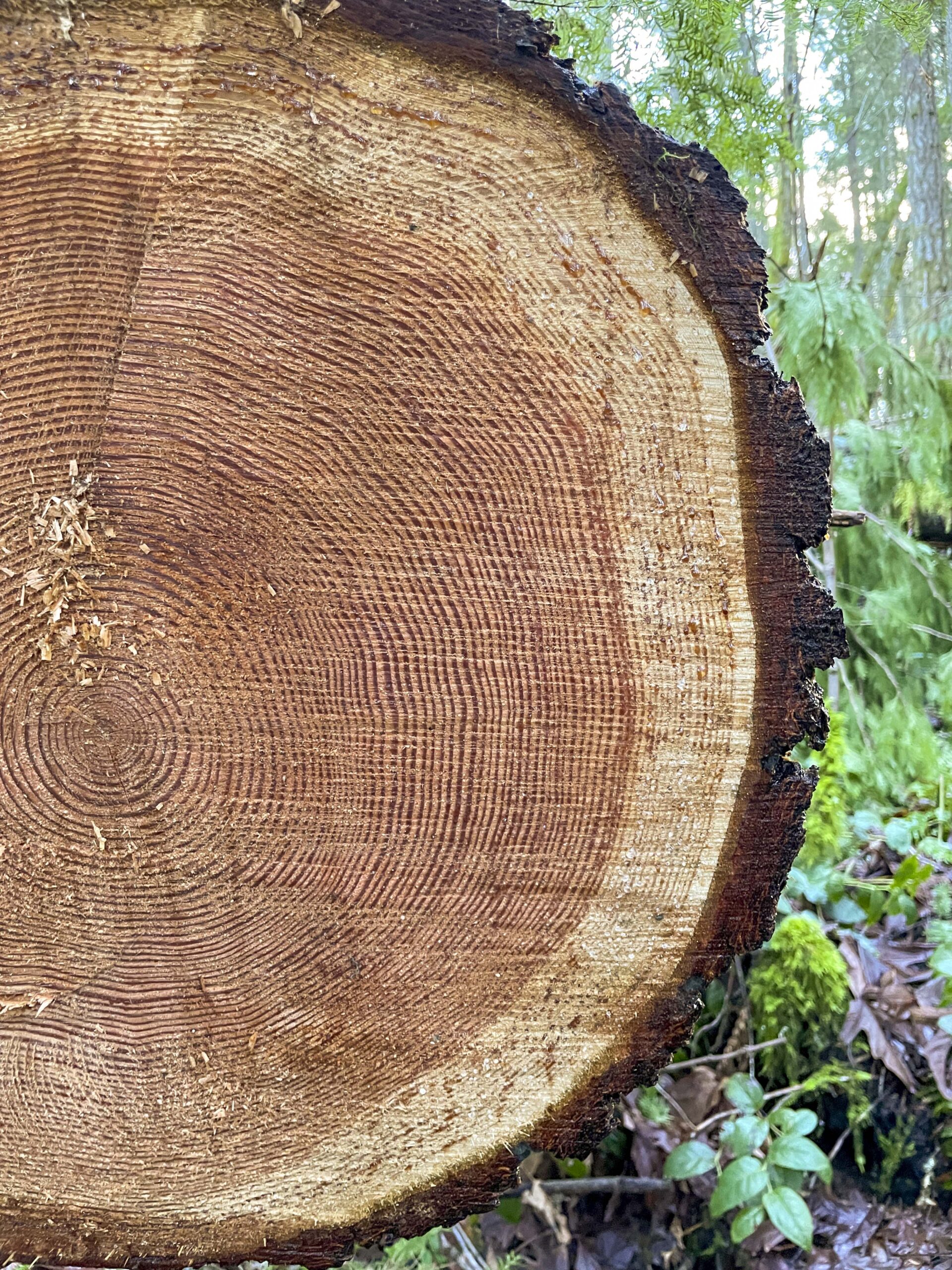 The Berkeley Wood Lab’s research on mass timber production has the potential to improve California’s sustainability by sourcing from local forests. The lab is collaborating with Northern Californian lumber company Mad River Mass Timber, or MRMT. The company will use Californian trees that otherwise would have either been turned into woodchips or burned in a forest fire to build panels that can be used in new housing and commercial buildings. This is the first time these types of panels will be produced locally in California instead of being shipped in from other countries. The technology to create dowel-laminated timber, or DLT, has existed for decades, but the Berkeley Wood Lab adapted it for use in Californian forests. Through the process of making DLT, glue is not required, which enables the timber to be recycled in the future and turned into new material.
 Four Montana-based Conservation Groups — Alliance for the Wild Rockies, Gallatin Wildlife Association, Native Ecosystems Council, and Council on Fish & Wildlife — sued the U.S. Fish & Wildlife Service and U.S. Forest Service for removing wildlife protections on 1.1 million acres of the Beaverhead-Deerlodge National Forest in Montana. The federal government agencies issued a “Forest Plan Amendment” in 2025 to remove protections on 1.1 million acres of habitat that was formerly mapped and protected as “lynx habitat” for the Canada lynx, a threatened species listed under the Endangered Species Act. …The lynx population in the Greater Yellowstone Area is currently at risk of extinction, but if managed properly, the Beaverhead-Deerlodge National Forest could aid the recovery of the imperiled Greater Yellowstone lynx population by serving as a connectivity corridor with the healthier lynx populations in Northern Montana.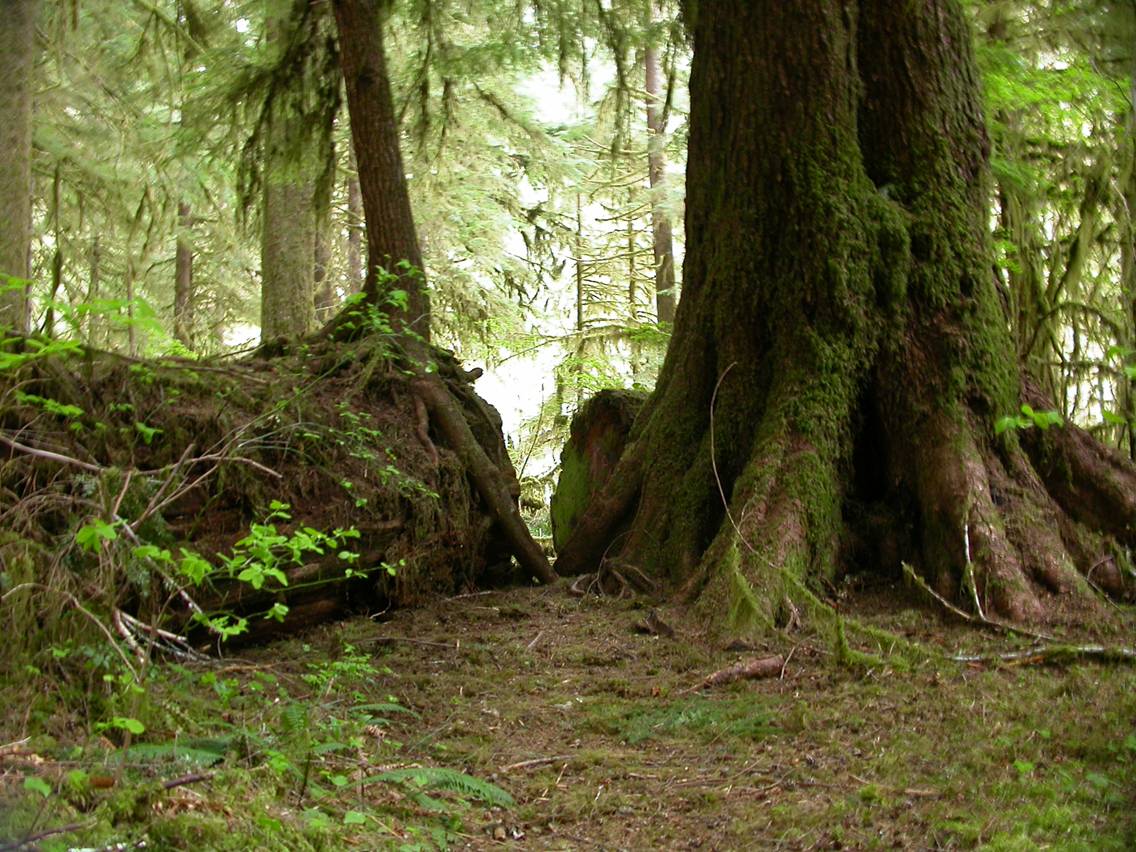
 ELOCHOMAN RIVER VALLEY, Washington — Investment companies have whittled away the land hunters can use in Wahkiakum and Pacific counties. Access to tens of thousands of acres of longtime hunting grounds is now blocked because a new generation of private landowners won’t offer access. The landowners are often investment companies, not based in the region or even the country. Not only is hunting off limits on their lands, they also often block access to adjacent properties that are state-owned — and therefore should be public — or adjacent privately owned property that still allows free hunting. Steve Ogden, an assistant manager for land operations at Washington Department of Natural Resources, said the agency’s hands are tied — private landowners can’t be forced to allow people on their land. The companies’ land restrictions have begun to erase generations-old family traditions, especially among the working class, and reduce access to affordable foods, like elk, in Washington’s second-poorest county.
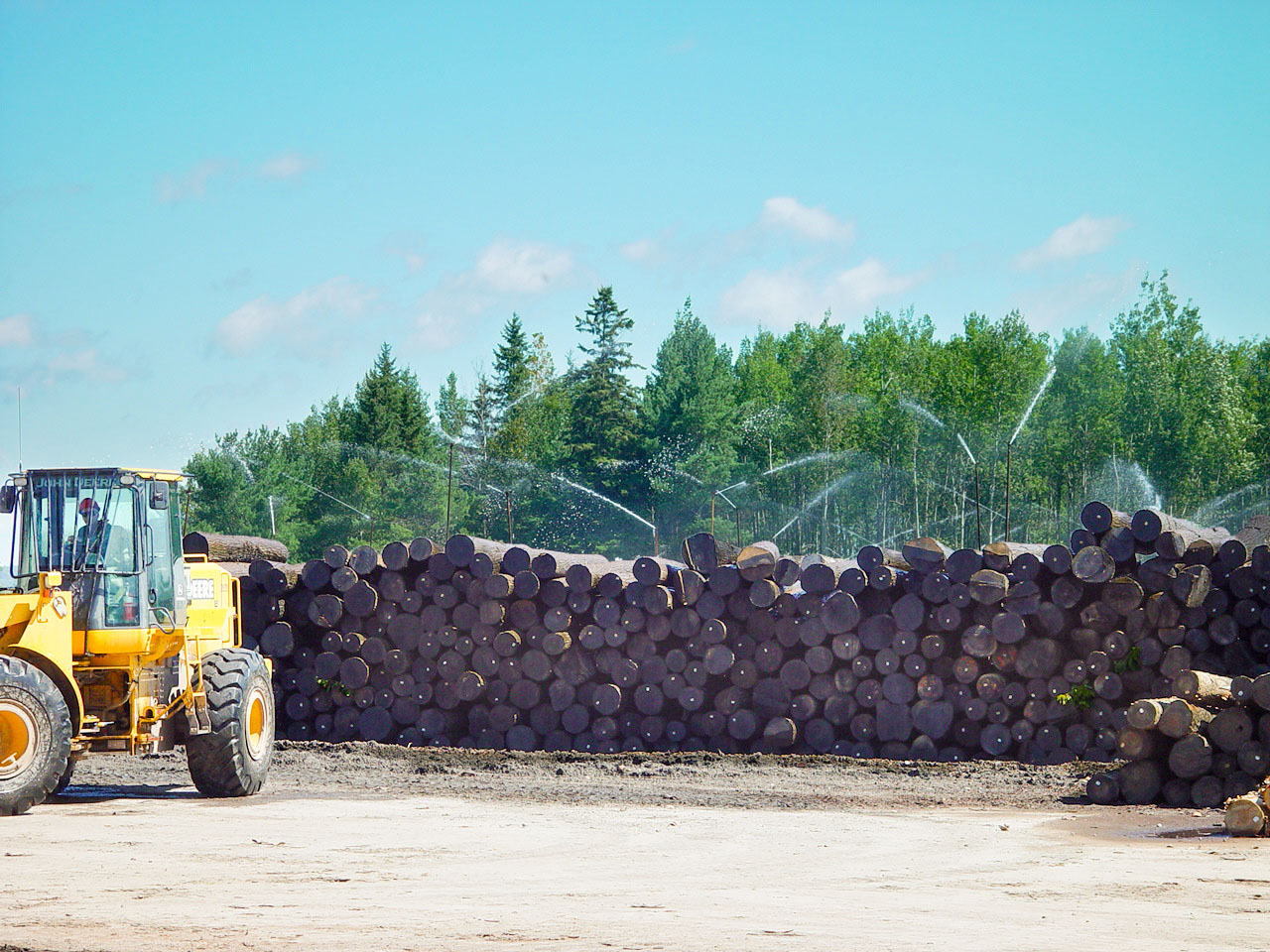 The Bureau of Land Management sold 27.6 million board feet of timber across 1,255 public acres in Oregon, for a total of $8,327,275, and indicates a strong demand in American lumber manufacturing by exceeding total appraised values by over $3 million. This timber will feed local mills and support jobs in local communities. The Coos Bay District sold the Eckley Empanada timber tract (1.8 million board feet, 105 public acres) to Harveys’ Selective Logging, Inc., of Creswell, Ore., for $$142,228. The Medford District sold the Thom Bone timber tract (6 million board feet, 585 public acres) to Estremado Logging Inc. of Gold Hill, Ore., for $458,766. The Northwest Oregon District sold the Gopher Broke timber tract (7 million board feet, 223 public acres) to Boise Cascade Wood Products of Willamina, Ore., for $2,499,716; and the John Boy timber tract (8 million board feet, 167 public acres) to Rosboro Company, LLC, of Springfield, Ore., for $3,913,070.
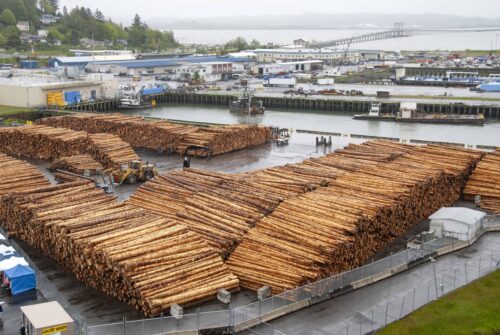 In western Oregon, public forests that once fueled rural prosperity – and later came under strict habitat protections that sharply reduced logging and local revenues – are again at the center of a political and economic storm. The Trump administration is proposing to quadruple logging in Oregon, raising timber harvests to levels not seen since before spotted owl protections in the 1990s. The plan has stirred a mix of hope and dread across the state. In cash-hungry rural counties hollowed out by decades of dwindling timber receipts … the proposal looks like a long‑awaited lifeline that could stabilize county budgets and create new jobs. … But in forested watersheds and old growth reserves, a sweeping expansion of logging would undermine hard-won conservation protections and threaten the recovery of the northern spotted owls, marbled murrelets and coho salmon…
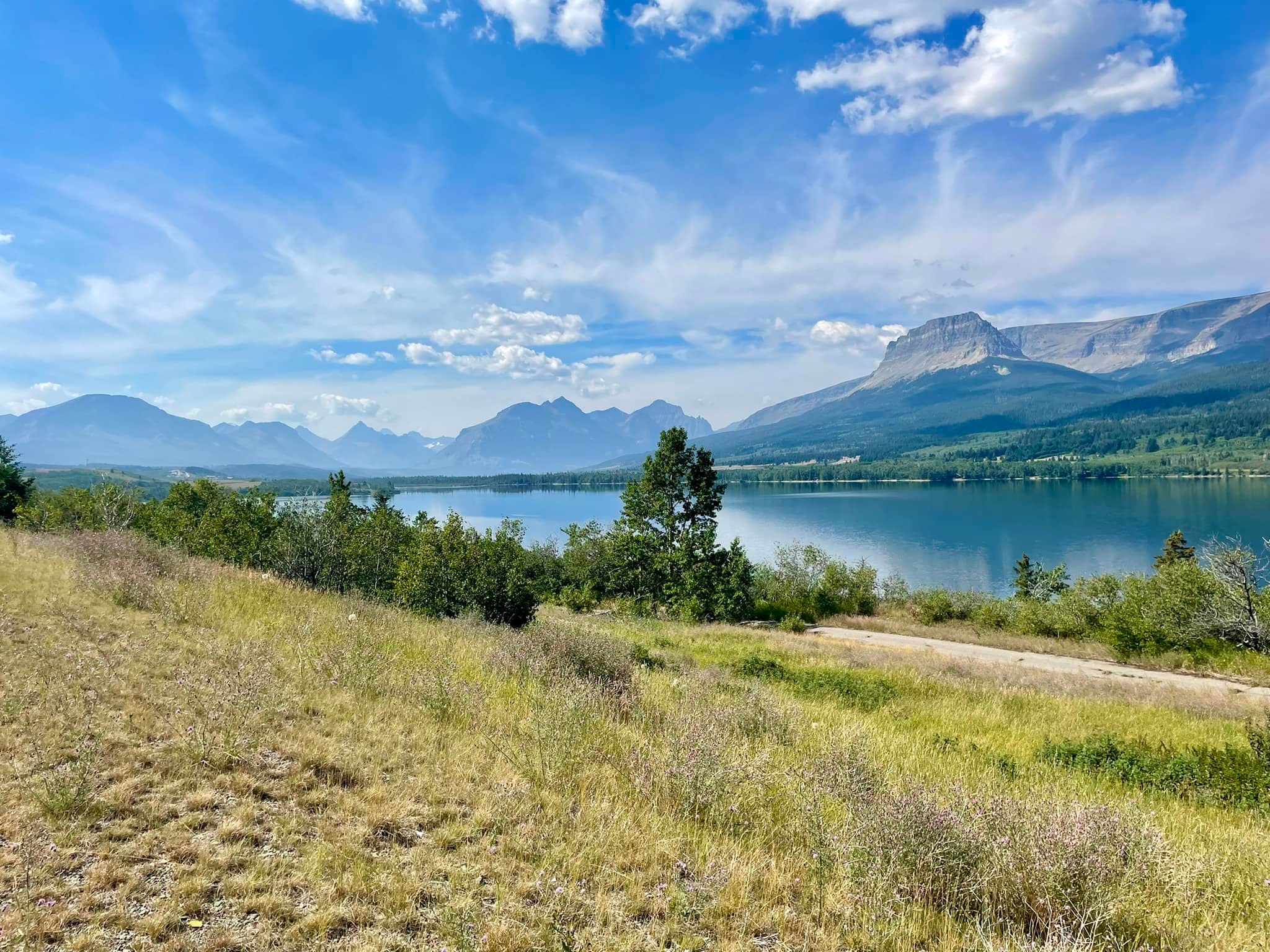 As retired Forest Service leaders who had the privilege of managing millions of acres of national forests across the West, we understand the importance of stewarding these lands for the benefit of local communities and the nation. Full repeal of the Roadless Area Conservation Rule would undermine trust in agency managers, hinder collaborative agreements, adversely affect resources the public cares about and ultimately restrict efficient land management. Repealing the rule is favored by many of those who opposed it from the beginning or perceive that it undermines effective forest management. …after over two decades of implementation and learning, forest managers and partners know there could be thoughtful improvements to the Roadless Rule. …Rather than seeking to repeal the rule, the Forest Service should meaningfully engage stakeholders to update the rule and improve implementation based on what has been learned over the past 25 years. This will allow future land managers to benefit local communities and the nation.
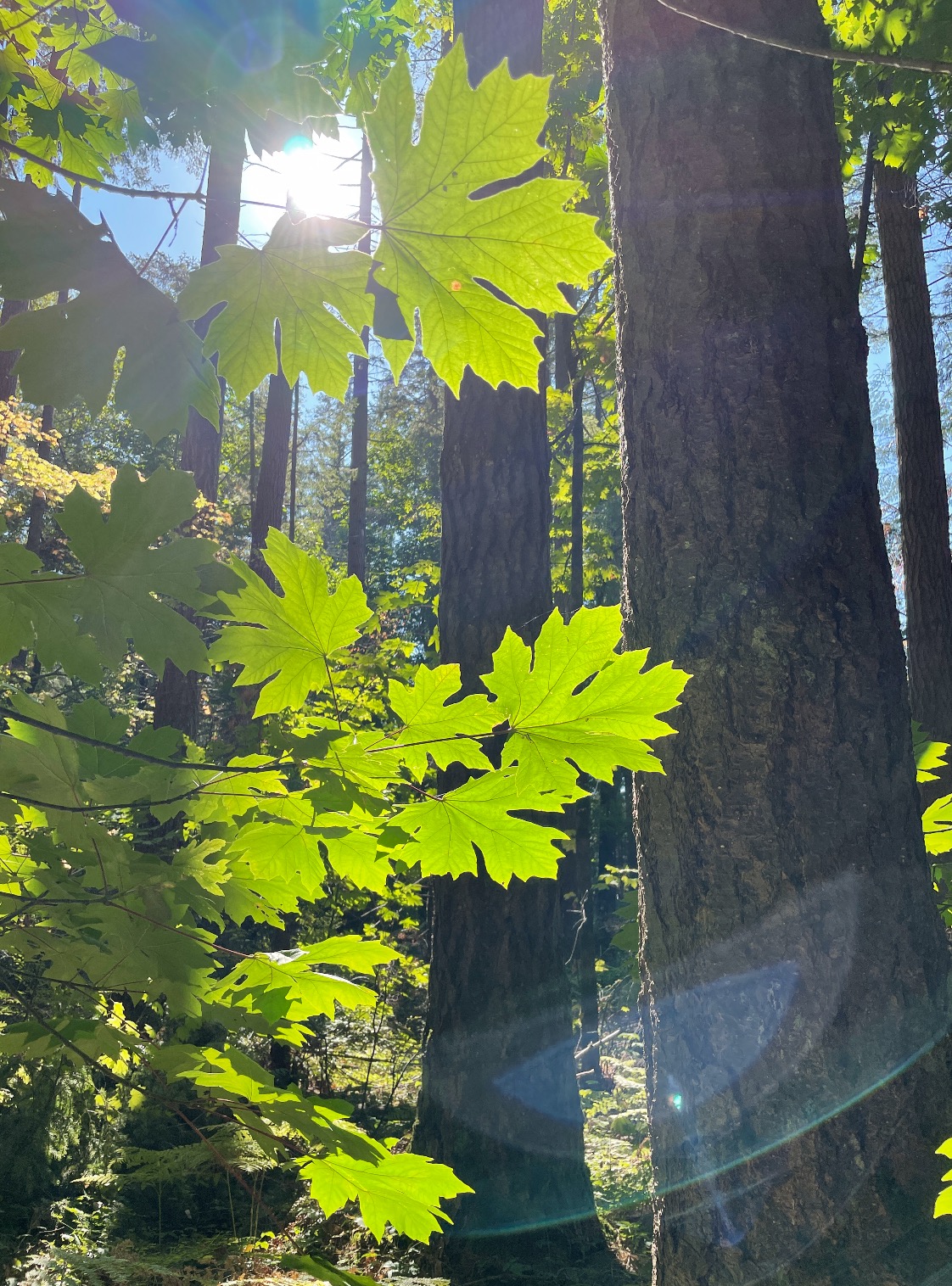 OREGON — The Pacific Northwest isn’t known as maple syrup country, but a burgeoning syrup industry in Oregon and Washington is trying to change that perception, one gallon of sap at a time. The Northwest’s more temperate climate and more watery maple sap make it harder to make syrup at a commercial scale. Producers can invest in technology, much of it developed in Canada, to improve their harvests, but that means steeper initial investments for farmers, and it doesn’t solve the fact that making bigleaf maple syrup still requires long, grueling hours that producers say can be a barrier to entry. Because of that, the Northwest maple syrup industry has required more effort to get off the ground. But those passionate about local syrup say the delicious, boutique product is well worth the trouble.
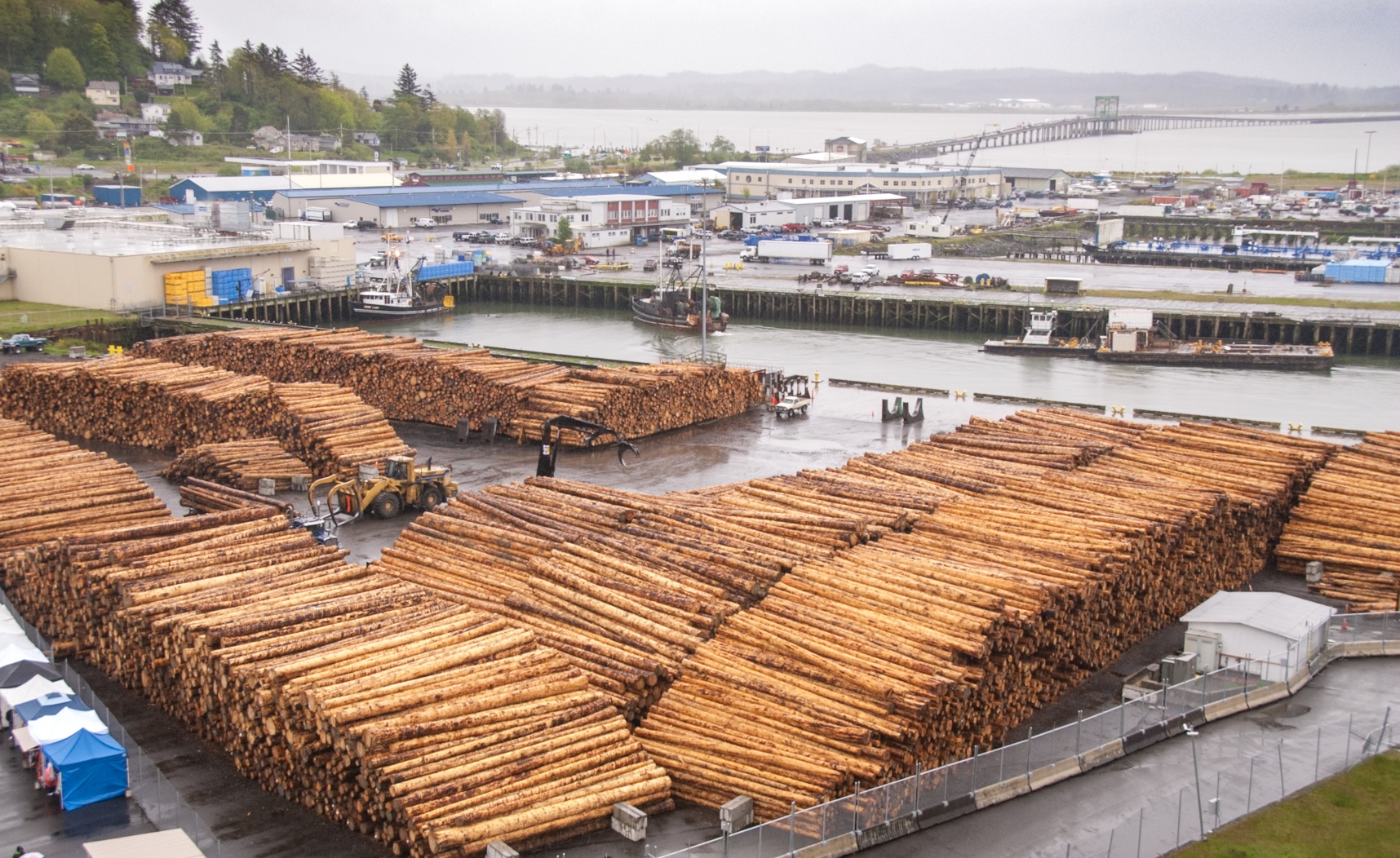 The Trump administration is turning to rarely used laws to circumvent environmental restrictions and expand logging in certain Pacific Northwest forests, legal analysts and advocates say. In plans announced in February to expand logging in Alaska’s Tongass National Forest and on federal land in western Oregon … administration is using the 1990 Tongass Timber Reform Act to prioritize logging in the largest national forest in the US, and BLM is citing a 1937 law, the Oregon and California Revested Railroad Lands Act, to do so on its land in western Oregon. Both apply only to specific forests and envision logging as a primary use of those lands. The agencies are using federal laws that “privilege timber harvesting and will use that argument to short circuit environmental protections,” especially at the expense of endangered species, said Andrew Mergen, a Harvard Law School professor who was previously a lawyer at the Justice Department’s Environment & Natural Resources Division.
 Across the Front Range, century-old, iconic ponderosa pines span thousands of acres …But over the past three years, that landscape has noticeably shifted. More hillsides are now marked by … signs of a growing pine beetle outbreak, according to the state’s Forest Service lead entomologist, Dan West. “The ability for these small, little insects to work in concert to all attack one tree all at the same time and to overcome the tree’s defenses that have been there for a century is truly staggering,” West said. It only took a few years for these tiny insects, no bigger than a grain of rice, to explode across the Front Range and impact more than 7,000 acres of forested land. Now, Gov. Jared Polis has launched an aggressive response. …Whether the state’s new task force can slow the outbreak remains to be seen.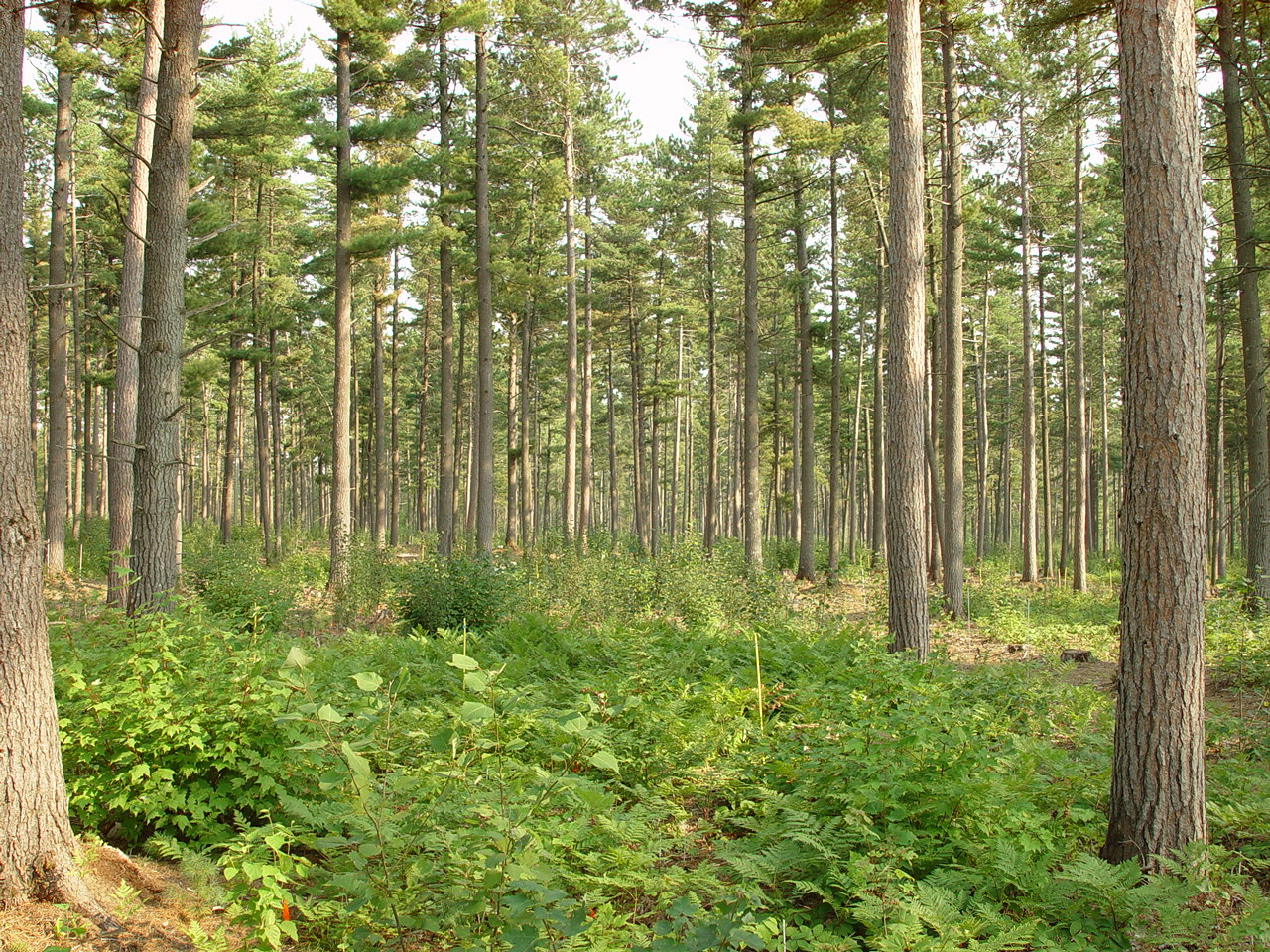
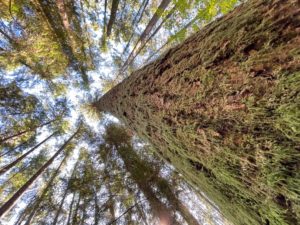 OREGON — A historic state-tribal collaboration in Oregon has stalled after a charitable foundation pulled out of a potential land deal. The Oregon Department of Fish and Wildlife was preparing to purchase 11,438 acres of private timberland using a federal grant. The area is about 10 miles southwest of La Grande in the Blue Mountains. The agency planned to manage the land alongside the Confederated Tribes of the Umatilla Indian Reservation — the first such collaboration in Oregon. But the landowner, the Harry A. Merlo Foundation, has withdrawn from the deal “for undisclosed reasons,” according to the Oregon Department of Fish and Wildlife. The state wildlife department and tribes had secured $22 million in federal funding to acquire and co-manage the land. …The plan was to restore this swath of forests and meadows for elk and salmon habitat.
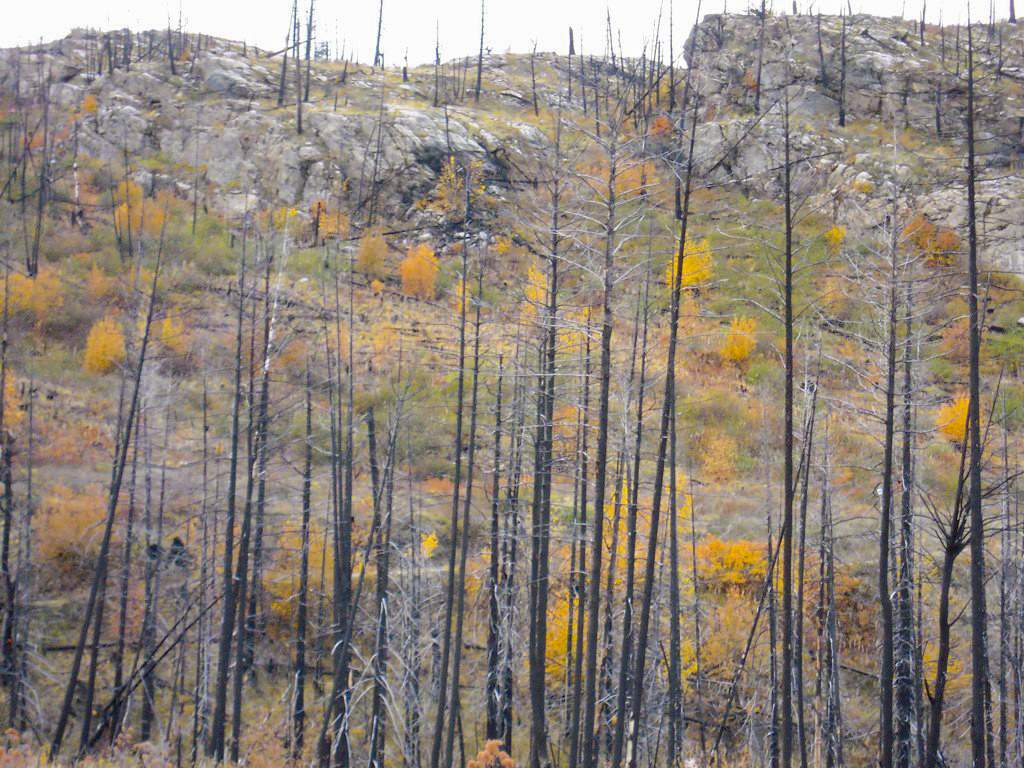 Wildfires in the northern boreal forests of Alaska, Canada, Scandinavia and Russia may be more damaging to the climate than previously thought, a new UC Berkeley-led study suggests. That’s because these fires don’t just burn through trees; they can also penetrate deep into the carbon-rich layers of soil underneath many boreal forests, releasing carbon that has been accumulating for hundreds or even thousands of years. These carbon-rich soils, also known as peat, are primarily found in the far north, where the cold, wet climate prevents vegetation from fully decomposing and leads to a buildup of partially decayed organic matter over time. The study found that major models of wildfire carbon emissions — which are largely based on data from fires at lower latitudes, and use satellite images of visible flames to guide their estimates — are not properly accounting for the impact of fire on these underground carbon stores.
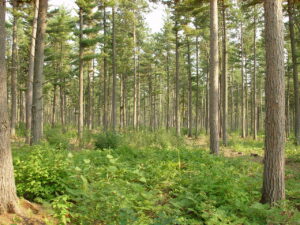 ARIZONA — The Forest Service budget to thin the forest is down. But hey, at least there’s a budget. That is the bad news/good news gist of a report on the 4-Forests Restoration Initiative (4-FRI) delivered last week at the Natural Resources Working Group meeting. Fortunately, the state Forestry Department is also continuing to fund thinning projects, including creating buffer zones around forested communities like Payson. However, time may be running out to restore the overgrown, drought-plagued forest. The meeting also featured a report documenting the worsening condition of the forest as thinning efforts falter. Jon Orona, with Arizona Department of Forestry and Fire Management, reported that 2025 was the fifth-driest year ever recorded – with average temperatures between 6 and 12 degrees above normal.
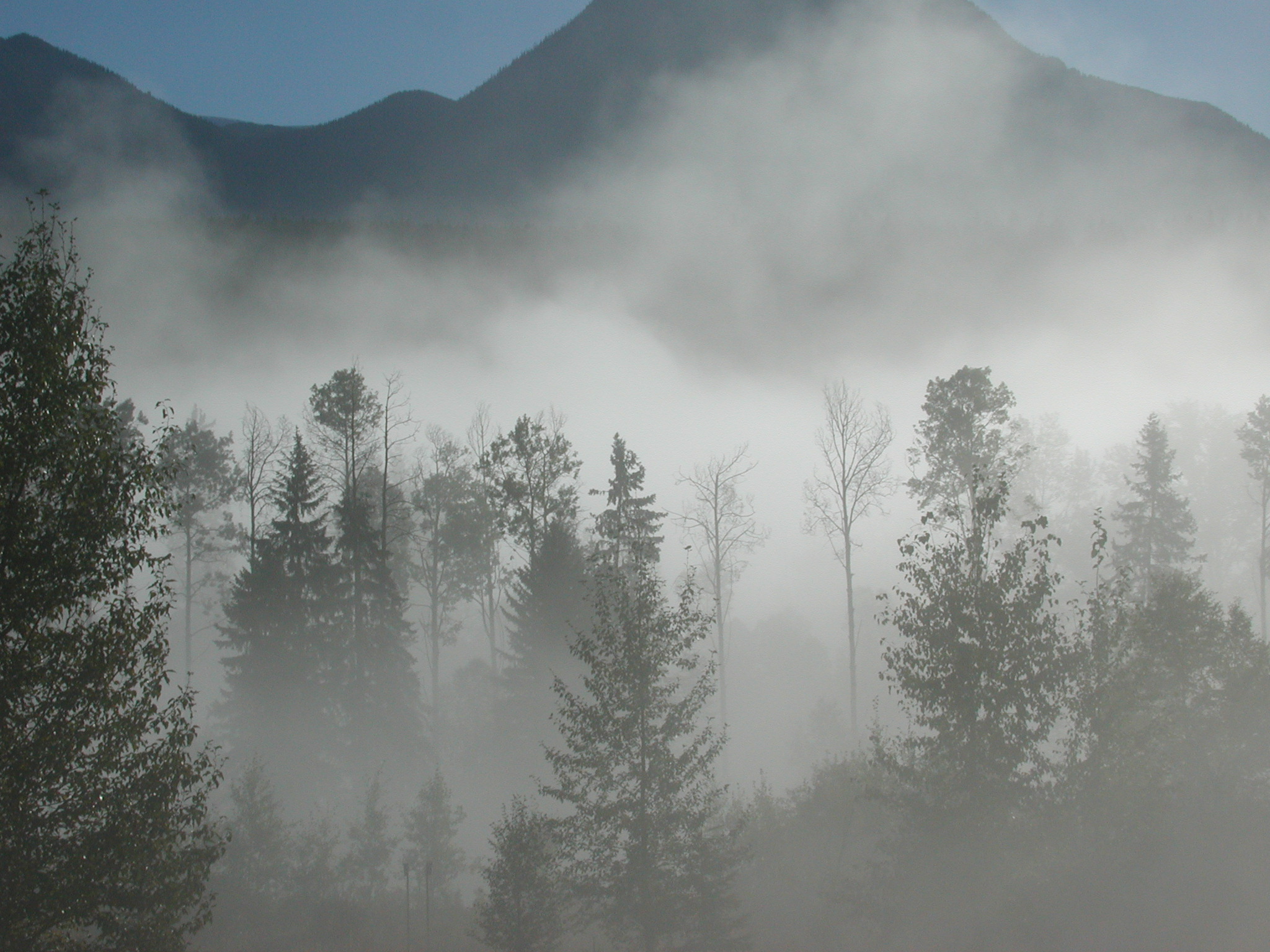 More than 110 million acres of land across the U.S. are protected in 806 federally designated wilderness areas – together an area slightly larger than the state of California. For the most part, these places have been left alone for decades, in keeping with the 1964 Wilderness Act’s directive that they be “untrammeled by man.” But in a time when lands are experiencing the effects of climate change and people are renewing their understanding of Indigenous knowledge and stewardship practices, protecting these places may require action, not inaction. …First, the American ideal that wildlands flourish best in the absence of human management – conflicts with the growing understanding that many wilderness areas are part of the ancestral homelands of Indigenous peoples, who tended those lands for thousands of years. …And second, as climate change and ecological stressors affect wilderness, human intervention could help sustain the very ecological qualities that are protected.
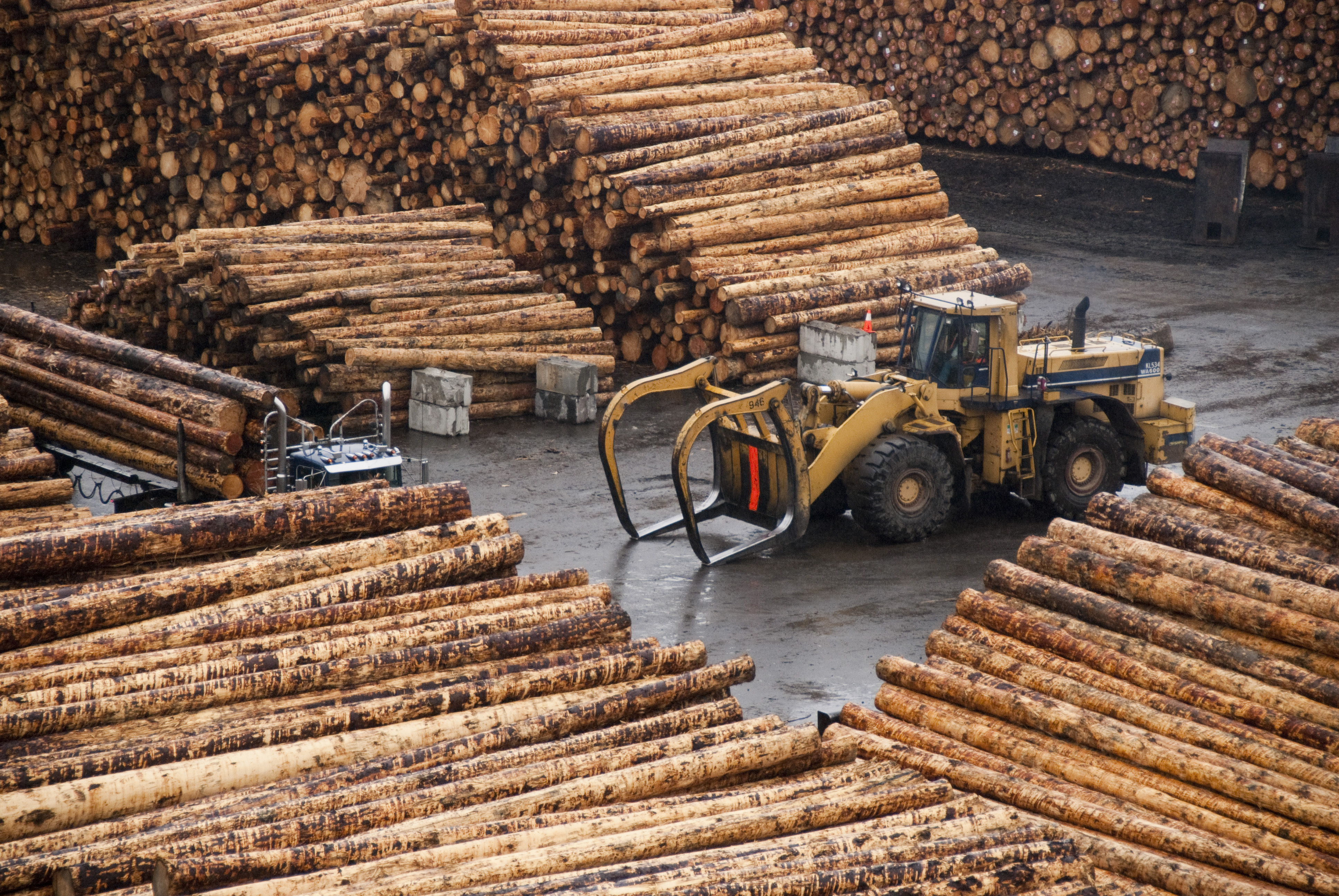 Federal officials are proposing to ramp up logging on 2.5 million acres of western Oregon forests as part of a Trump administration priority to expand domestic timber production. The Bureau of Land Management is asking for public comment on its plan through March 23. The federal agency said last week it would update the Western Oregon Resource Management Plan that governs logging on the state’s checkerboard “O&C forests” located in 18 Oregon counties. Known as O&C lands for having once belonged to the Oregon and California Railroad, the forests produced more than 1 billion board feet of timber annually from 1960 and 1989. …BLM’s latest proposal, issued Feb. 19 … could mean a timber harvest that returns to 1 billion board feet. …Oregon’s timber industry celebrated the latest news… Environmental groups strongly opposed the decision…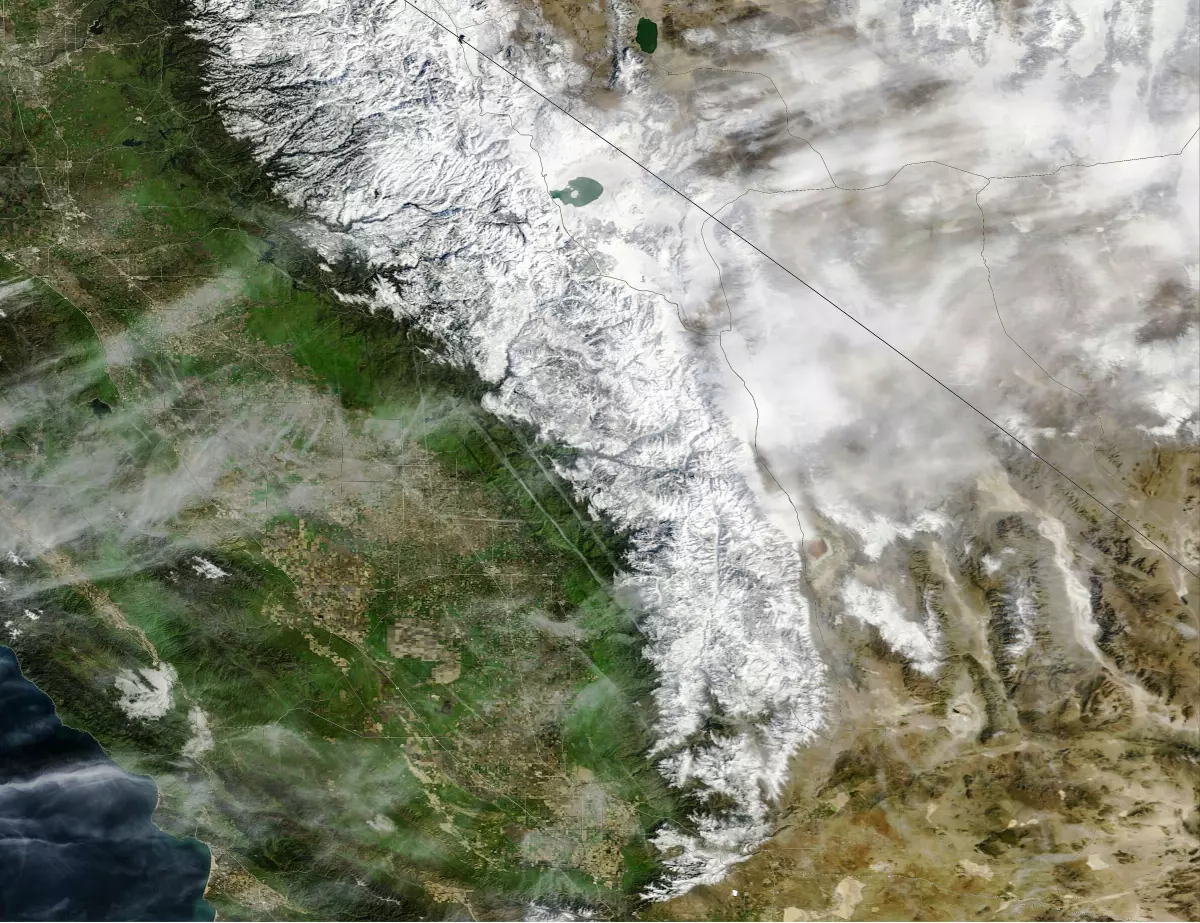
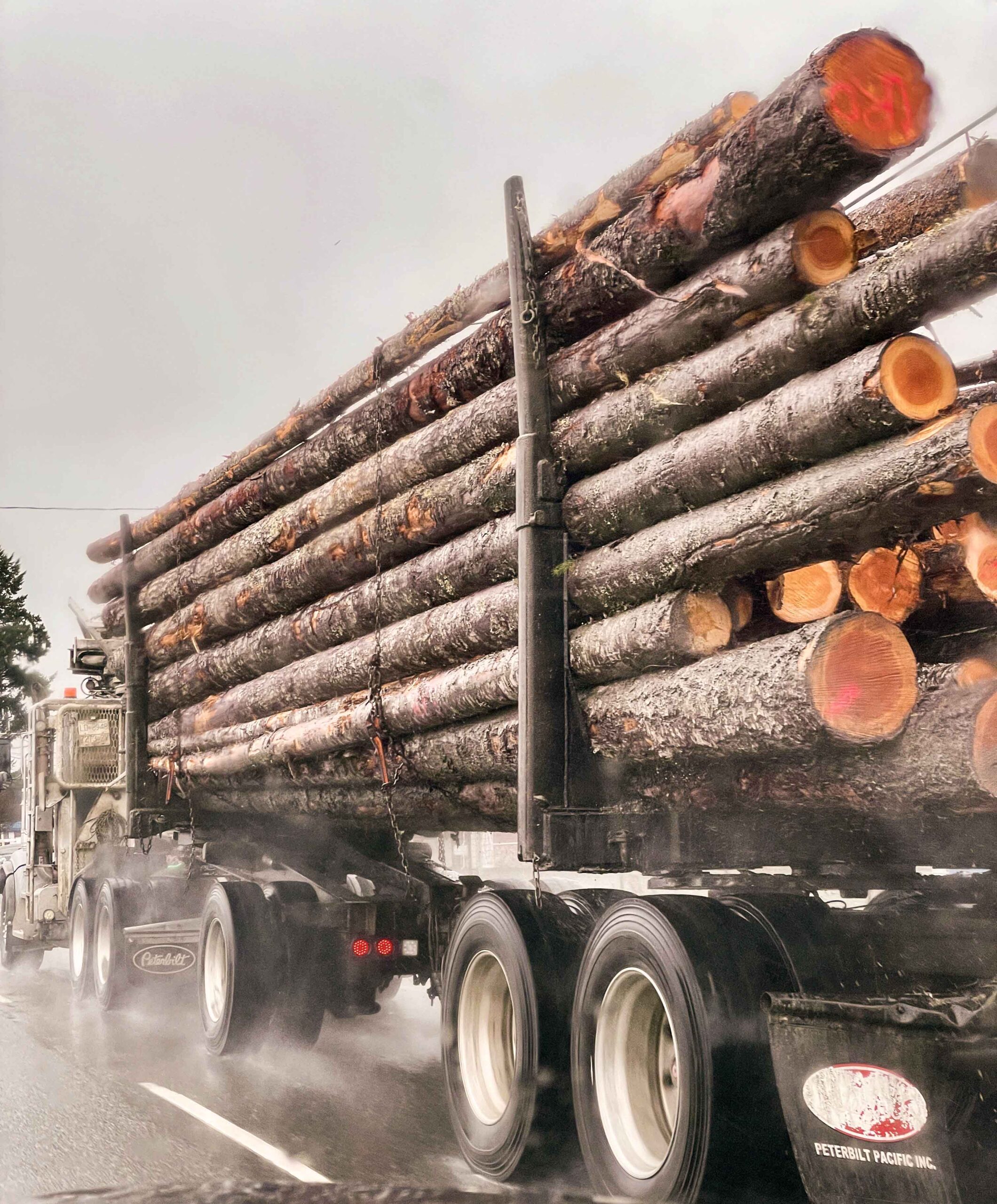

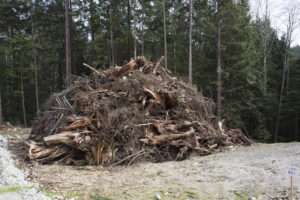 ARIZONA — A coalition of local governments, timber industry representatives and environmental groups plans to tell congressional leaders and US Forest Service officials this week that Northern Arizona’s forests — and the timber industry that depends on them — face collapse without construction of a second, 30-megawatt biomass-burning power plant. The group will carry that message to Washington, DC, arguing that a “biomass bottleneck” threatens forest restoration efforts, watersheds and rural communities. Two concurring reports outline the concern: one issued by the Eastern Arizona Counties Organization and the Natural Resources Working Group in the White Mountains, and another from the Greater Flagstaff Forest Partnership (GFFP) and the Forest Biomass Coalition Working Group. …The report concludes that, while private industry may eventually develop products such as fiberboard or biochar from forest byproducts, only a second biomass-burning plant near Flagstaff or Winslow offers a proven, near-term solution.
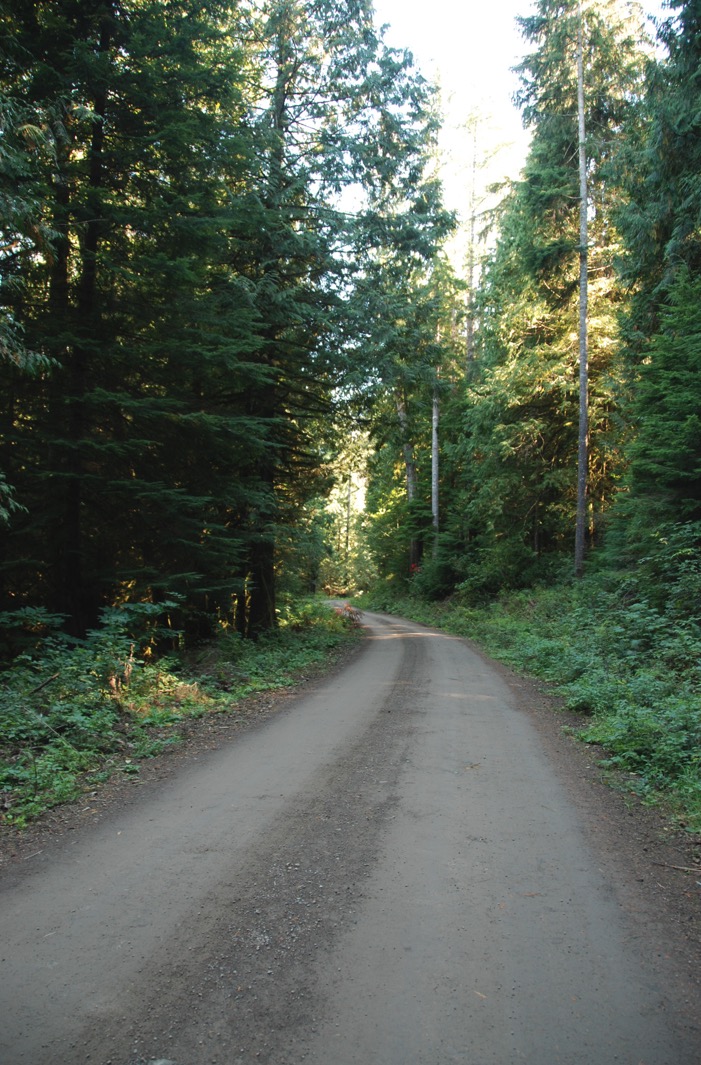 Montana — Punch more roads through the forest, and you’ll get more people starting fires, fewer bull trout and an even heftier maintenance bill. Keep the 2001 Roadless Rule in place, and you’ll ensure elk have a healthy habitat, and you’ll still be able to reduce wildfire risk. Those were some of the arguments former U.S. Forest Service employees made Friday at the edge of the Silver King Inventoried Roadless Area east of Missoula. Montana Trout Unlimited and the Montana Chapter of Backcountry Hunters and Anglers hosted the event as the Trump administration takes steps to repeal the 2001 Roadless Rule. The rule prohibits building roads and harvesting timber on 30% of Forest Service land in the country, or 60 million acres. In Montana, that’s 6.4 million acres, or 37% of Forest Service land in the state.

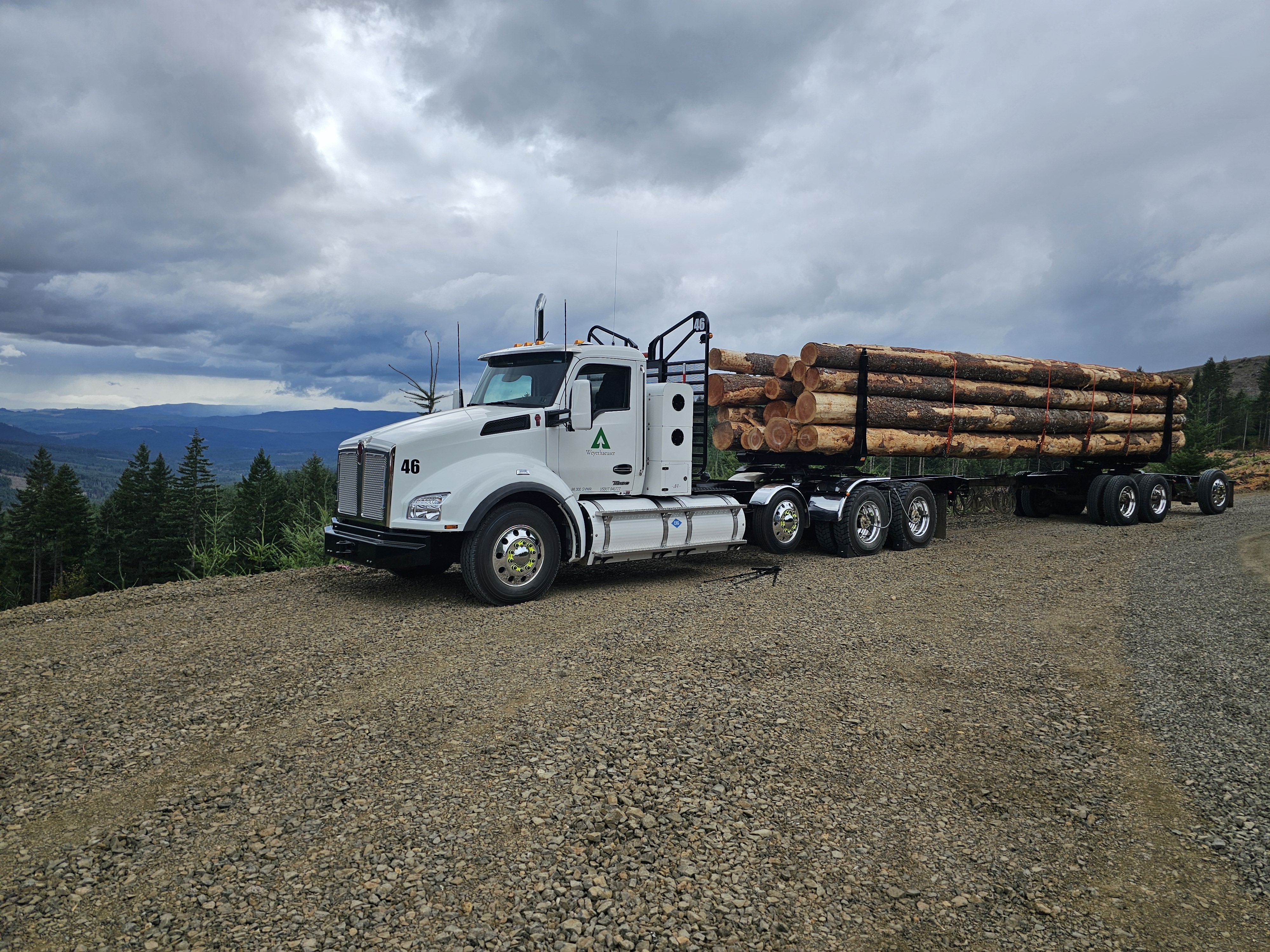
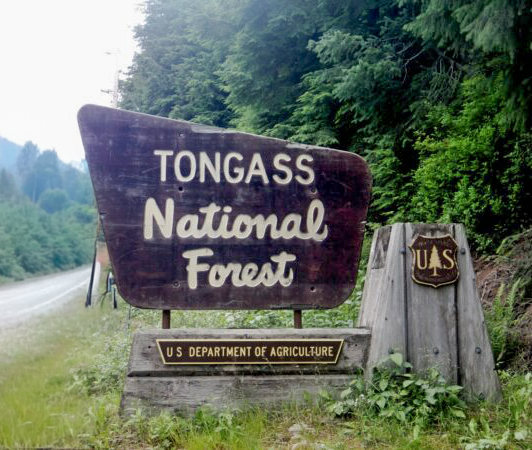 A plan to revise the Tongass National Forest Land and Resource Management plan, with a new emphasis on timber and other resource industries as mandated by President Donald Trump, is set to begin a 30-day public comment period. … The 1979 plan for the 16.7-million-acre forest has been revised three times, most recently in 2016, and the agency hopes to publish a new draft plan by this fall. A forest service press release spells out the past and new parameters that will be considered in the revised draft. “Public comments will help identify changes that are needed to the current plan, adopted in 1997, to align with best available science, as well as laws and regulations, including Presidents Trump’s Executive Order 14225 – Immediate Expansion of American Timber Production to support American economies and improve forest health and Executive Order 14153 Unleash Alaska’s Extraordinary Resource Potential, benefitting the Nation and the American citizens who call Alaska home.”
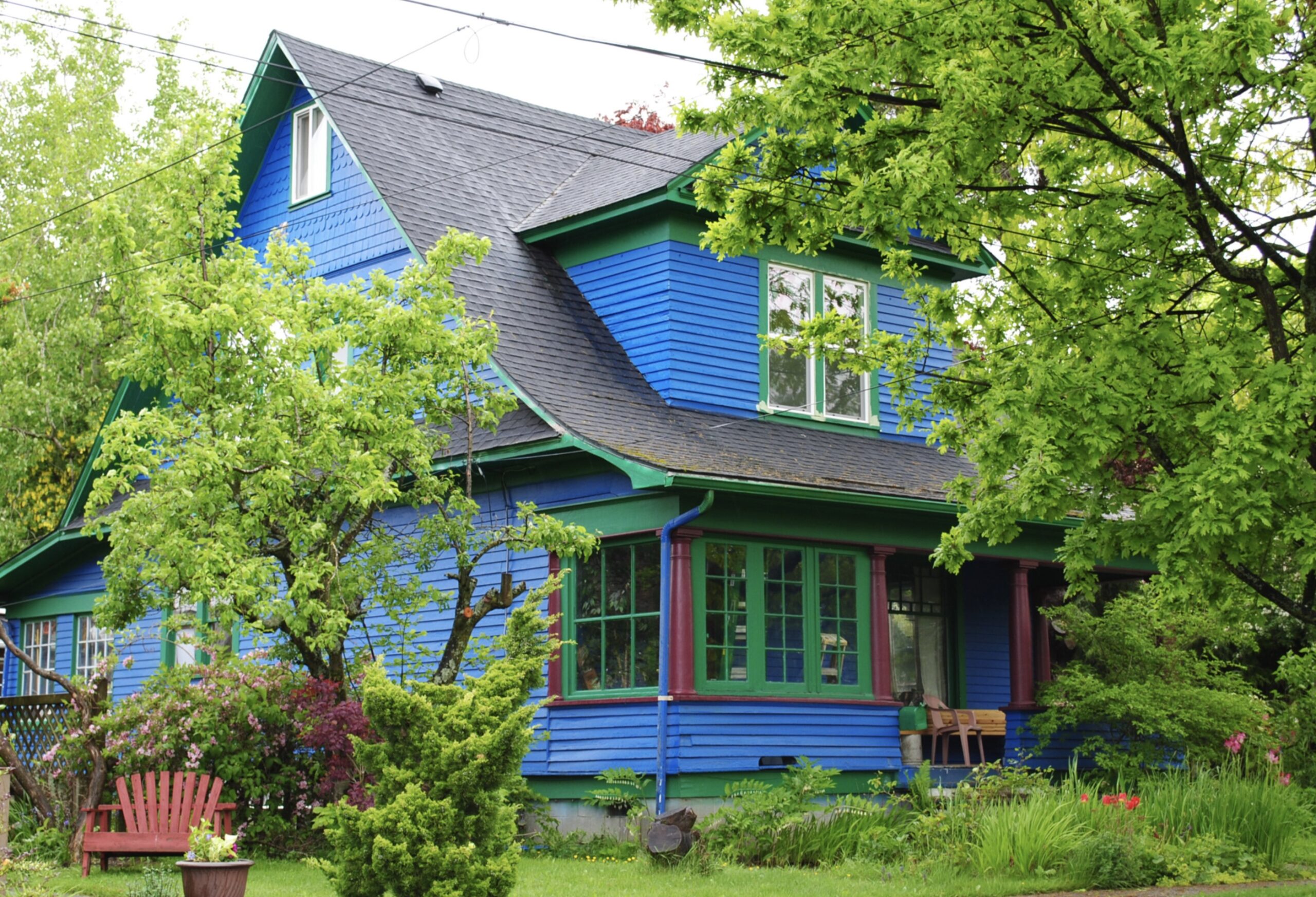 SALEM — A bill meant to reward Oregon landowners for wildfire risk mitigation with more affordable insurance rates will survive until the end of the 2026 legislative session. However, supporters of Senate Bill 1540 haven’t yet reached complete agreement with the insurance industry on the proposal, which could threaten its passage given this year’s time constraints. “It is a challenge to get this done in a 35-day session,” said Kenton Brine, president of the NW Insurance Council, which represents the regional industry. In broad terms, SB 1540 will require insurance companies to consider wildfire mitigation actions in their models for assessing risk, which inform pricing and policy decisions. Insurers will have to submit these models for verification with Oregon’s Department of Consumer and Business Services, but if they don’t, they will still have to offer discounts to landowners who undertake wildfire mitigation steps.
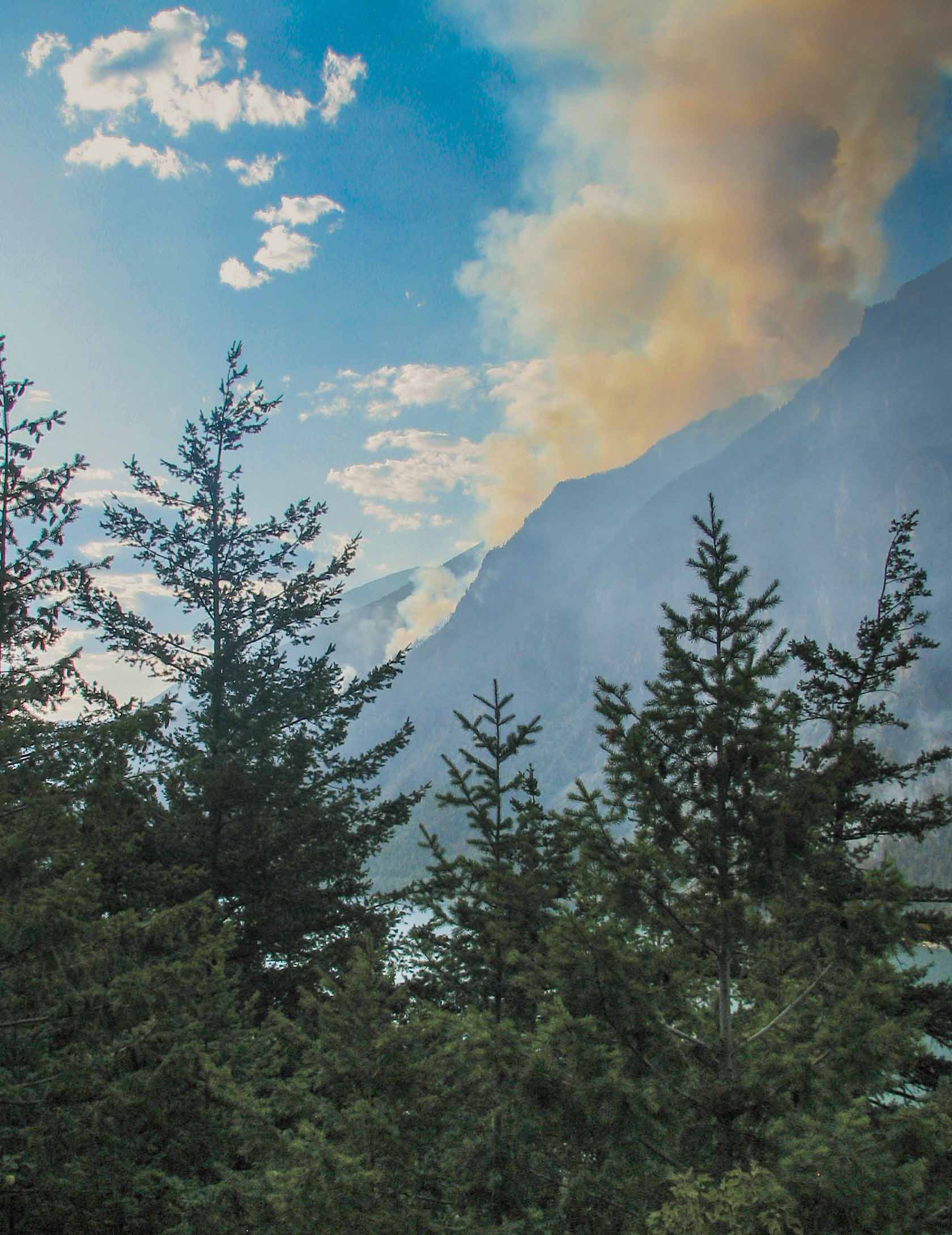 CHEYENNE—A $5.1 million investment that would create the first two ground-based professional wildland firefighting teams in Wyoming history is gaining momentum in the statehouse. On Monday, the Wyoming House of Representatives passed House Bill 36, “Forestry division wildland fire modules.” The bill included an earmark of $2.7 million for one team of firefighters going into the day, but Buffalo Republican Rep. Marilyn Connolly brought an amendment that doubled the funding, providing enough to finance two crews — one each in the eastern and western sides of the state. The former Johnson County emergency management coordinator spoke about her experience being on the ground while wildfires were spreading and resources were lacking. “We need some strike teams, we need engines — and they’re not available,” Connolly said on the House floor.
  Oregon entities funded by timber sales want to ensure revenue. For the third consecutive legislative session, a group of Oregon county governments hope to pass a bill requiring more predictable timber harvests in state forests. Similarly to past proposals, House Bill 4105 would require the Oregon Department of Forestry to annually log enough trees to comply with a 10-year “sustainable harvest level” adopted by the agency. If fewer trees are logged than required by the sustainable harvest level, that amount of timber would be added to the next 10-year plan, unless the reduction was due to wildfire, disease or storm damage. …Environmental groups are opposed to HB 4105, similarly to previous versions of the proposal that failed to pass in 2025 and 2024, because they say the ODF already does a good job of estimating logging levels.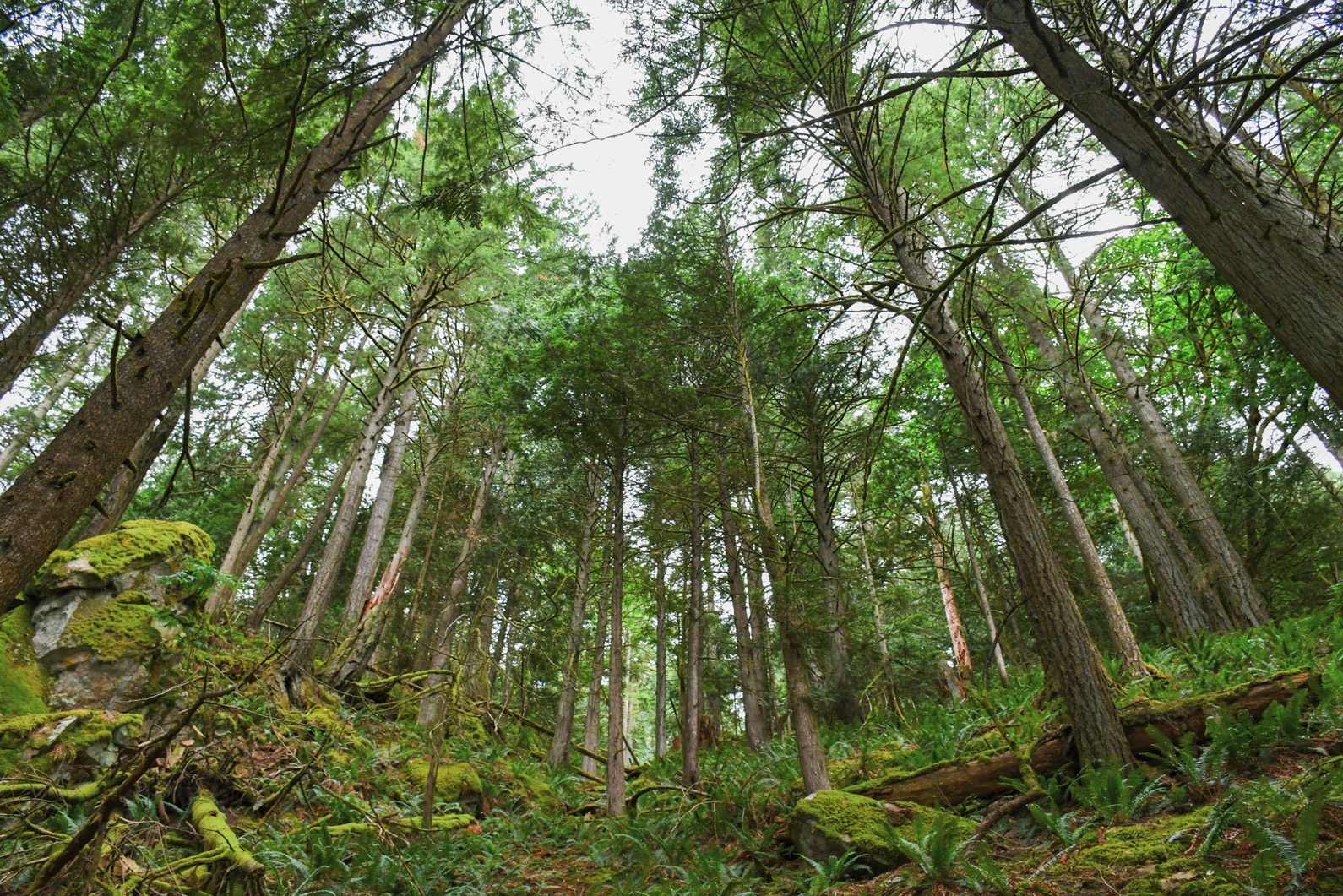
 COLORADO — Forest experts are warning that Boulder’s foothills could look markedly different this year as a mountain pine beetle outbreak intensifies, with potentially far-reaching impacts on recreation and fire risk. Landowners are urged to watch for signs of beetle infestation. The state has taken action: Gov. Jared Polis announced a task force in December aimed at protecting Front Range forests from mountain pine beetle over the next decade. Boulder County has seen increased beetle activity in several areas, including upper Lefthand Canyon and Jamestown. Years of drought, warmer temperatures and overcrowded forests have weakened trees, creating ideal conditions for beetles to spread rapidly and overwhelm remaining healthy stands. …The brood of beetles already in trees and poised to spread this summer is substantial, according to Colorado State Forest Service entomologist Dan West. “It’s kind of this cake that’s already being baked,” West told Boulder Reporting Lab.
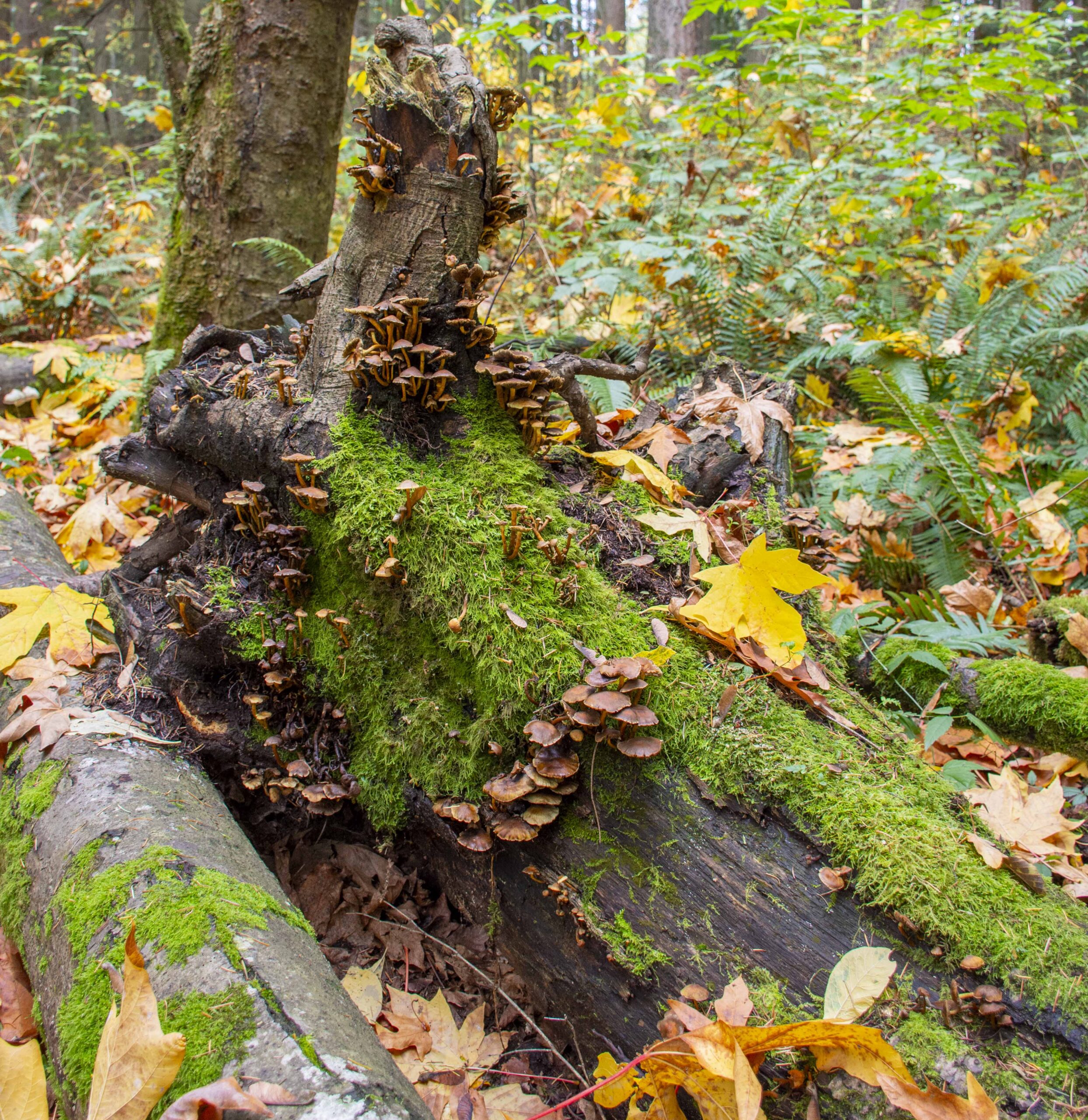 Biological legacies (i.e., materials that persist following disturbance; “legacies”) shape ecosystem functioning and feedbacks to future disturbances, yet how legacies are driven by pre-disturbance ecosystem state and disturbance severity is poorly understood—especially in ecosystems influenced by infrequent and severe disturbances. Focusing on wet temperate forests as an archetype of these ecosystems, we characterized live and dead aboveground biomass 2–5 years post-fire in western Washington and northwestern Oregon, USA, to ask: How do pre-fire stand age and burn severity drive variability in initial post-fire legacies, specifically aboveground biomass carbon and fuel profiles? …Our findings demonstrate the importance of pre-disturbance ecosystem state in dictating many aspects of initial post-disturbance structure and function, with important implications for managing post-fire recovery trajectories in some of Earth’s most productive and high-biomass forests.
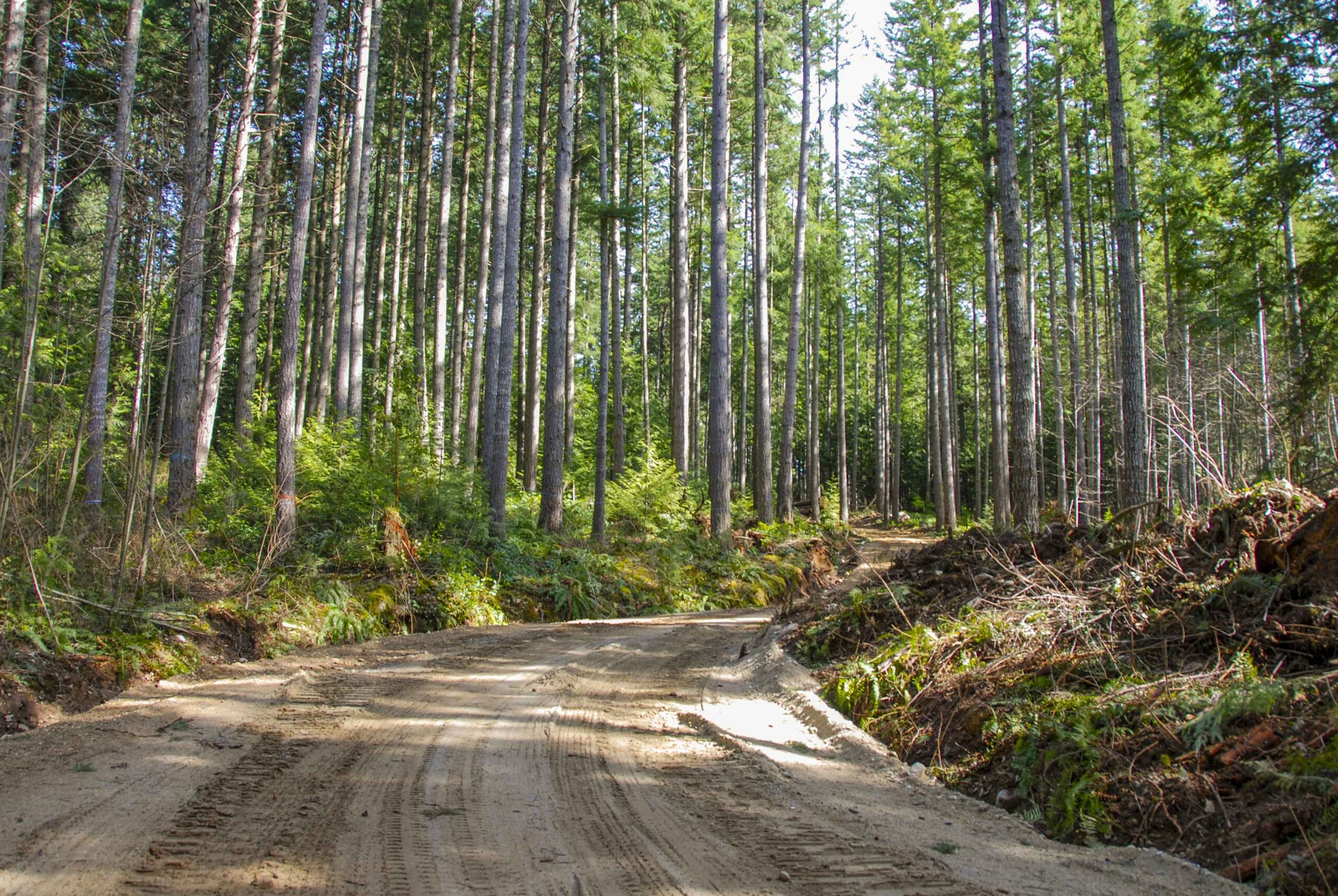 COLORADO — The U.S. Forest Service is proposing logging southwest of Glenwood Springs, involving about 2,600 acres in what’s known as the Fourmile area along the borders of Pitkin, Mesa and Garfield counties. The White River National Forest’s proposal includes acreage in all three counties. It involves selective thinning and vegetation clearing in two treatment areas and along several roads to improve forest health, reduce wildfire risk and provide timber, the Forest Service said in a news release. “The timber treatments would improve the forest’s ability to withstand and recover from drought and insect outbreaks by creating more diversity in the size and ages of trees. Additionally, work along roads will strengthen predetermined areas where firefighters could more effectively engage wildfires,” the Forest Service said in its release. …“Active forest management is an important tool for maintaining healthy forests,” Acting Aspen-Sopris District Ranger Jennifer Schuller said in the release.
 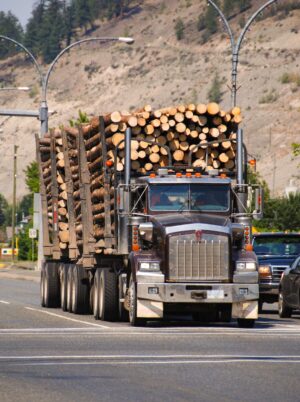 MISSOULA, Montana — Forester Sean Steinebach felt stunned when US District Court Judge Donald Molloy in Missoula vacated a federal magistrate judge’s favorable recommendations about the proposed South Plateau timber project. “Judge Molloy is a thorn in my side,” said Steinebach, outreach forester for Sun Mountain Lumber, based in Deer Lodge. …Molloy’s ruling was filed Dec. 11, vacating March 31 recommendations by Magistrate Judge Kathleen DeSoto that had allowed the project to proceed. Sun Mountain Lumber operates a sawmill in Deer Lodge and one in Livingston. …Steinebach said incessant lawsuits by environmental groups like the Alliance for the Wild Rockies, the Center for Biological Diversity and the Council on Wildlife and Fish sabotage timber projects, threaten sawmill communities, loggers and others. …One key issue for Judge Molloy was secure habitat for grizzly bears, but Canada lynx habitat was also a concern. Both are considered threatened species under the Endangered Species Act.



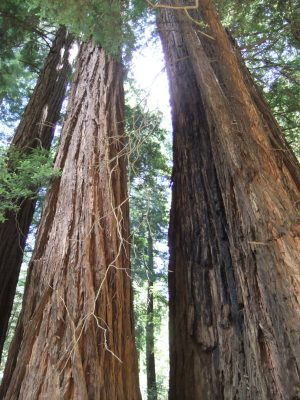 University of Oregon Assistant Research Professor James Johnston said he was taught that when a large fire burned a moist, Western Cascade forest to the ground, and the area didn’t burn for hundreds of years afterward, that’s what created a complex, old-growth landscape. Instead, his study found that ancient tree stumps in the Mount Hood and Willamette National Forests had burn scars from multiple fires over their long lives. It’s the first time tree-ring scars have been used to document fire records in the region. Johnston said forests are complex because of—not in spite of—lower-severity wildfires which don’t kill many of the trees. …Johnston said to figure out the best ways to foster healthy forests, relatively recent upheavals also need to be considered. Those include clearcuts, human infrastructure at the margins of forests, and hotter and drier weather patterns.
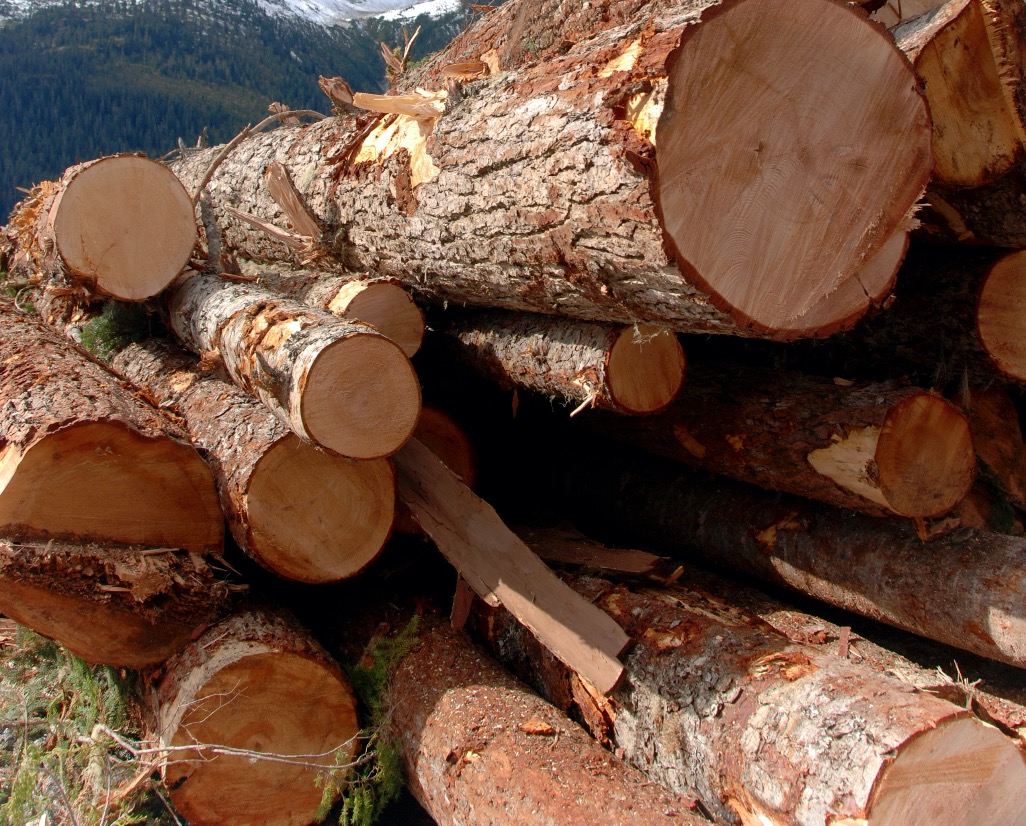 OLYMPIA, WA – Two Washington tribal leaders could soon sit on the state’s Board of Natural Resources, which guides logging sales and other management decisions on public land. Sen. Claudia Kauffman, a Democrat and first Native American woman to serve in the state Senate, proposed Senate Bill 5838. On Monday, it was voted out of the Senate Committee on Agriculture and Natural Resources. The bill originally called for only one tribal representative, but it was changed to two members as it moved through the committee process. The proposal is backed by Public Lands Commissioner Dave Upthegrove, who chairs the board and leads the Department of Natural Resources. The department requested the legislation. If enacted, the governor would appoint a tribal representative from each side of the Cascades… Eligible tribal members must hold an elected position in a federally recognized tribe whose reservation or treaty-ceded lands are in Washington.
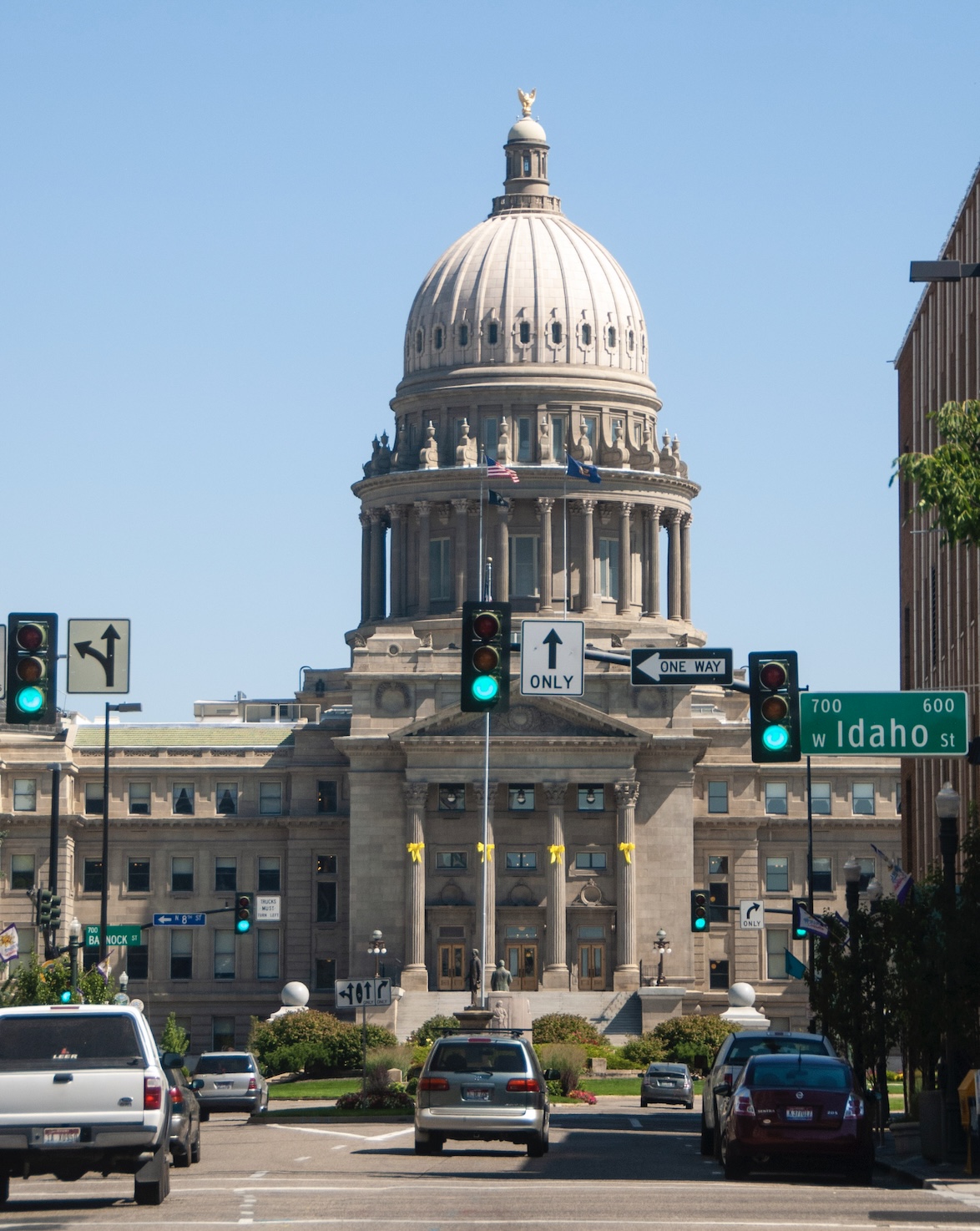 Anytime someone talks about shifting management of federal lands to Idaho, know that they have a bigger goal in mind. In a recent interview on The Ranch Podcast, Rep. Jordan Redman, R-Coeur d’Alene, was frank about his goals for public lands in Idaho. He said his father, former Rep. Eric Redman, dreamed of Idaho taking ownership of federal lands, and his goal is the same. The first step is for Idaho to manage public lands for a bit, then the state takes ownership of them. “How do we get that federal land back in ownership for the state?” Rep. Jordan Redman said. Back? It should be said that Idaho has never owned federal land. Redman should try reading the Constitution he swore to uphold: “… the people of the state of Idaho do agree and declare that we forever disclaim all right and title to the unappropriated public lands lying within the boundaries thereof … .” You can’t get back what you never owned; you can only take it. In service of the goal of taking federal land, Redman made a familiar argument.
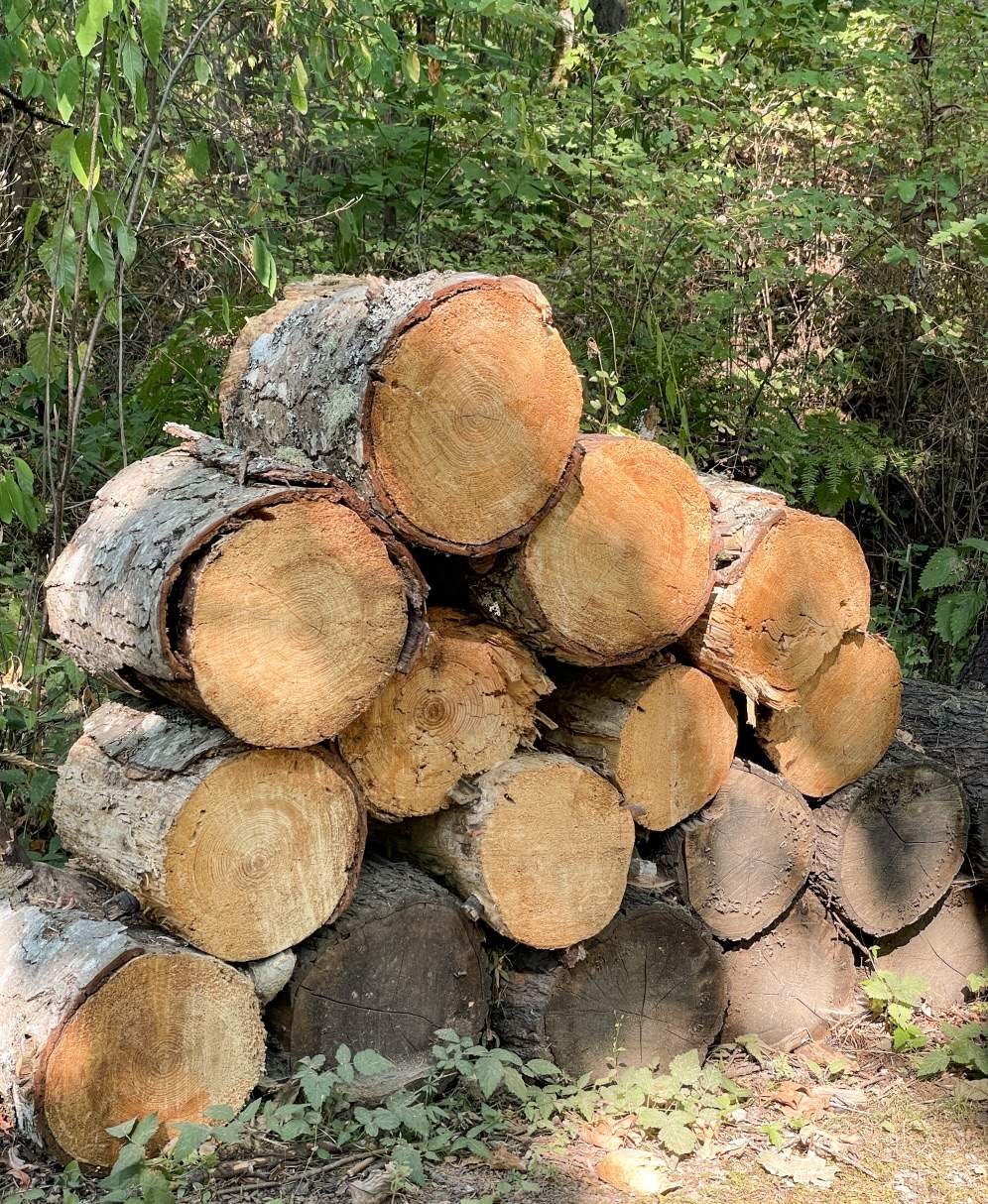 Baker City, Oregon — Baker County Commissioner Christina Witham lauded the Wallowa-Whitman National Forest for cutting and piling trees southwest of Baker City, the start of a project that will continue for several years with a goal of reducing the risk of a wildfire in the city’s watershed. “It’s looking really nice,” Witham said during commissioners’ meeting Wednesday morning, Feb. 4. Witham, whose focus areas as a commissioner include natural resources, said she recently toured some of the work areas with Forest Service officials. …According to the Wallowa-Whitman, the project, which totals about 23,000 acres, is designed not only to reduce the fire risk within the watershed, but also to curb the threat of a fire spreading into the watershed, particularly from the south, a path that summer lightning storms often follow.
 CORVALLIS, Ore. – Scientists say multiple Earth system components appear closer to destabilization than previously believed, putting the planet at increased risk of a “hothouse” trajectory driven by feedback loops that can amplify the consequences of global warming. “The risk of a hothouse Earth
  FREMONT, Nebraska — Fremont wood processor Horizon Biofuels will be fined up to $147,500 by the Occupational Health and Safety Administration for “willful and serious safety violations after a deadly explosion at the company’s Fremont facility in July 2025,” the US Department of Labor announced. Horizon has until Feb. 19 to decide whether it wants to appeal the citation, according to a spokesperson with the Kansas City OSHA office. …The explosion killed 32-year-old employee Dylan Danielson and his two daughters, both under the age of 12. The violations include “combustible dust buildup, failure to ensure equipment within the facility was protected from creating an ignition source and lack of fall protection for employees working at heights greater than four feet,” the Department of Labor said. …The Nebraska State Fire Marshal’s office also has a pending investigation.