Four of BC’s leading forest sector CEOs delivered a frank and at times sobering assessment of the industry’s current state at the 2026 COFI Convention, telling delegates that conditions are among the most difficult any of them have encountered in careers spanning more than three decades. The session, moderated by Bridgitte Anderson, President and CEO of the Greater Vancouver Board of Trade, brought together Susan Yurkovich, President and CEO of Canfor; Sean McLaren, President and CEO of West Fraser; John Mohammed, President and Owner of A&A Trading Ltd.; and Steven Hofer, President and CEO of Western Forest Products. The panel was structured around questions, with the CEOs offering distinct perspectives shaped by their different roles across the sector’s value chain. …On current operating conditions, the panelists were unified in their assessment. Hofer said this is the most challenging business environment for a BC forest products company he has encountered in 33 years. …Yurkovich said BC used to be the last company standing in a downturn — with well-placed fibre, excellent sawmills, and skilled workers. That has changed. BC is now the first down.



 We find ourselves once again compelled to address the
 Mercer International’s bonds slumped after it sought to ditch rules requiring equal treatment for all creditors — a move that would give the struggling pulp producer the power to pick and choose which lenders to favor in a restructuring. The company asked owners of its bonds due in 2028 and 2029 to remove a provision that forces it to pay all lenders equally when it seeks to strike a debt deal, according to people familiar with the matter who asked not to be identified discussing private information. Separately, a group of Mercer’s creditors has organized in anticipation of debt talks with the company and plans to sign a cooperation pact binding them to act together. …Mercer is grappling with weak earnings and dwindling cash flow that’s left it struggling under the weight of its debt, which stood at about $1.6 billion at the end of last year. S&P Global Ratings downgraded the firm to CCC+ in February.
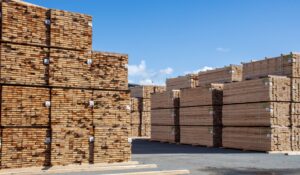 The U.S. Department of Commerce plans to reduce duty rates for most Canadian softwood producers, but they would still need to pay hefty levies of 34.83%. US import taxes on softwood lumber currently total 45.16% on most Canadian producers, including combined countervailing and anti-dumping duties of 35.16% and tariffs of 10%. In its announcement on Thursday, the Commerce Department said it expects to decrease the anti-dumping duty rates to 10.66% from 20.53 %. Most Canadian producers also face paying 14.17% for countervailing duties, down slightly from 14.63%. The revised anti-dumping and countervailing duties equal 24.83%, and when combined with the tariffs, the levies total 34.83%. …Kurt Niquidet, of the BC Lumber Trade Council said, “These duties continue to make it more expensive to build homes at a time when both countries should be working together to improve housing affordability.” …New duty rates are intended to take effect by late summer of 2026, subject to further revisions in a final determination. [to access the full story a Globe & Mail subscription is required]


 OTTAWA — Provincial rules around alcohol and the federal government’s “Buy Canadian” policy have been flagged in a new report citing several trade irritants between Canada and the US. The annual document prepared by the Office of the US Trade Representative said market access barriers imposed by provincial liquor control boards “greatly hamper” exports of US wine, beer and spirits to Canada. …The report says U.S. companies have reported concerns about barriers in competing for contracts, including proving their Canadian subsidiary’s independence from a US parent company. Other issues listed in the report include delays with aircraft validation in Canada and high tariffs on U.S. dairy products. …Canada is still being slammed by Trump’s separate tariffs on industries like steel, aluminum, autos, lumber and cabinets. The Trump administration has launched investigations of a long list of countries, including Canada, citing forced labour in supply chains.
  The US says in a new report that Canada is failing to stop foreign goods made with forced labour from entering its market, a finding that coincides with Washington’s probe into the matter, which could lead to more tariffs. The 2026 National Trade Estimate Report on Foreign Trade Barriers from the US government says it appears Canada is importing goods that cost less than they should because they were made with forced labour. It’s an early indication of how the US will rule on Canada. …US customs policy treats all goods from China’s Xinjiang region as though they were made with forced labour unless importers can provide “clear and convincing evidence” to the contrary. …Canada passed a law, the
  Ravi Parmar, Minister of Forests, issued the following statement in response to the US Department of Commerce’s release of preliminary results of the seventh administrative review of its anti-dumping and countervailing duty orders on Canadian softwood lumber: “BC stands with all those across Canada in our disappointment that the US has signalled that it will continue to impose unwarranted and unfair duties on Canadian softwood lumber products. “These duties serve only to damage both of our economies by harming BC and Canadian communities, and increasing the cost of housing and renovations for American families. “Duties on Canadian softwood lumber needlessly favour offshore imports that endanger North American jobs across the supply chain. Workers in BC, in Canada and in the US are worse off from duties on softwood lumber.
 Canadian officials are considering unusual measures to protect domestic producers of vegetables and wood products from low-priced imports. The move threatens to complicate Prime Minister Mark Carney’s efforts to fight US tariffs and strengthen Canada’s trade relationships with other countries, while also tackling cost-of-living challenges. Finance Minister Francois-Philippe Champagne ordered an investigation last month into imports of frozen and canned vegetables. …He also said he’d received an “urgent” request for trade protection from makers of wood furniture, cabinets and flooring, adding that his department would respond soon. …The group behind the appeal on wood products, the Canadian Wood Products Alliance, is seeking a temporary tariff of 100 per cent to 125 per cent for four years, representative Alain Ouzilleau said. The measure would apply to all imports except those from the US. or Mexico, he added. …Canada wood-products manufacturers were already facing increased competition from China.

 The Home Depot currently offers more than a dozen AI-powered capabilities, with numerous others in development. …The Home Depot is simplifying the DIY journey by providing personalized, real-time advice that makes even the most complex projects feel achievable, paired with more seamless AI search and product discovery capabilities thanks to new technology integrations. Magic Apron & Outdoor Assistant—This virtual expert brings employee knowledge to customers virtually. With the Outdoor Assistant, customers can take a photo of a plant for immediate guidance on care, safety and sunlight. …Customers can now discover the latest Home Depot product catalog in ChatGPT. …Pros shop at The Home Depot an average of 60 times per year. Pros can create actionable job lists in minutes using natural language, voice-to-text or spreadsheet uploads. Pros can use AI to deliver complete material lists and project quotes in days instead of weeks.
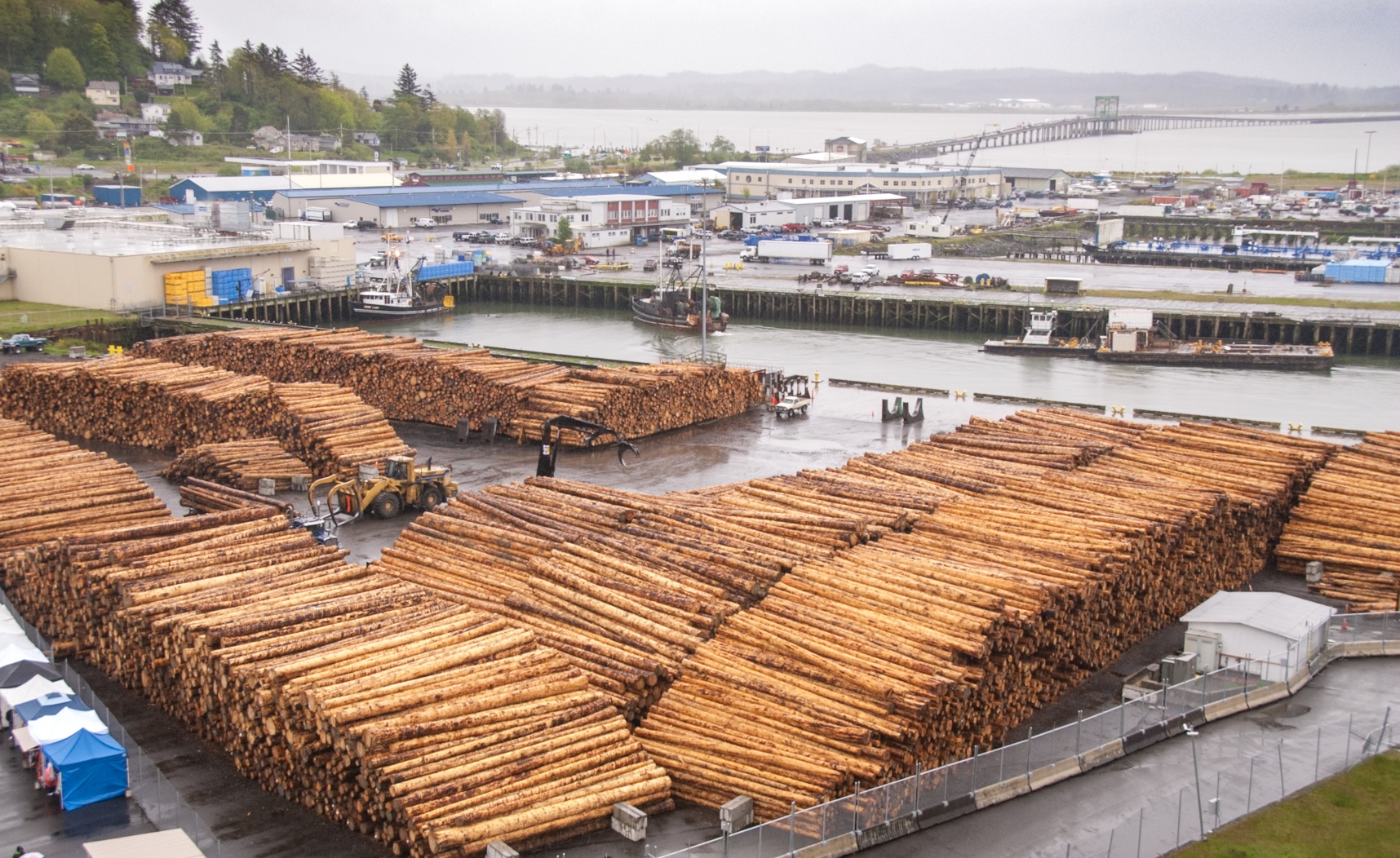 WASHINGTON — Countless logging trucks rumbled through timber country, their drivers headed toward Hampton Lumber’s sawmill in Morton. …”We take our logs and get every bit out of it that we possibly can. And we replant,” said plant superintendent Tony Gillispie. “We want this to last for hundreds of years.” But will Washington’s timber industry overcome its ongoing slump and endure for centuries? Myriad issues are at play, with fingers pointing in every direction. The private sector, which harvests the majority of Washington’s wood, feels squeezed by policies restricting its access to state trust lands in the fight against climate change. …Meanwhile, the state government points to the residual effects of trade wars, particularly with China, after Washington’s exports of forest products hit a 21-year low in 2025. Local demand for lumber has also dropped in line with the recent slowdown in construction activity across the state.
 KINGSPORT, Tennessee — A new wastewater treatment system at Domtar’s Kingsport mill is still on schedule to start running later this year, part of an effort by the mill to mitigate odors affecting neighboring residents. Mill Manager Tony Clary updated the Kingsport Economic Development Board on the project’s timeline, the construction of an anaerobic digester, at the board’s monthly meeting Tuesday. The project is at a halfway point, and the new system is expected to ramp up at the end of the year. The mill faced scrutiny from city officials and residents over odors emitting from its wastewater after the site converted from manufacturing paper to recycling containerboard in 2023. The company secured funding to construct a new wastewater treatment system in December 2024 and broke ground in August 2025.

 MOBILE COUNTY, Alabama — A lumber company is set to make a multi-million dollar investment into its Port City location. According to a release, a subsidiary of Canfor Southern Pine, New South Lumber Company Inc., is investing $10.5 million in the Mobile County location. The company will be adding “a new dual-path continuous dry kiln.” This move aims to increase efficiency and drying capacity, as well as provide room for growth in the future. “This investment reinforces the company’s commitment to maintaining and strengthening its existing workforce and ensuring the long-term sustainability of the operation,” said Canfor Southern Pine Inc. President Lee Goodloe. Construction is set to begin in April and be completed in June.
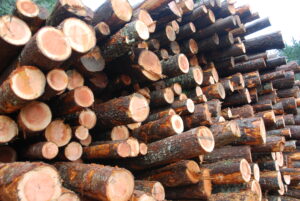 MAINE — As gas and diesel prices climb during the war in Iran, some of Maine’s most recognizable industries are feeling the strain. From the coast to the woods, people who rely on fuel to do their jobs say the higher costs are changing how they work and raising concerns about what comes next. Lobstermen are rethinking trips on the water, while logging contractors say the math is getting harder for truckers and mills across the state. …“I mean, there is no equipment that does not use diesel as its primary fuel for both harvesting and trucking,” Dana Doran, executive director of the Professional Logging Contractors of the Northeast, said. Doran said spiking diesel prices are adding roughly 20% to the cost of each trip a driver makes to and from a mill. That increase, he said, creates uncertainty for contractors and for mills that depend on a steady supply of wood.
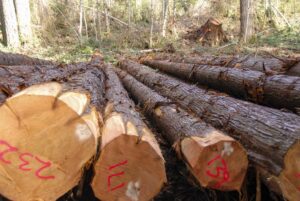 Russia’s forest industry warns that up to 50% of companies could shut by the end of 2026 as lower export prices, higher transport costs and a strong ruble push producers deeper into losses. Regional lawmakers and industry participants ask First Deputy Prime Minister Denis Manturov to approve a three-year moratorium on creditor-initiated bankruptcy cases in the sector, along with tax deferrals and a pause on debt collection for liabilities accumulated by January 1, 2026, Russian Kommersant newspaper reports, citing a committee of the Arkhangelsk regional assembly. The draft says even large companies in the region have exhausted their financial reserves, are operating at a loss and are starting to miss tax and other mandatory payments. It puts total sector losses over the past three years at more than 15 billion rubles. State support for exporters also drops sharply, with compensation for forest export costs falling from 7.6 billion rubles in 2023 to 550 million in 2026.
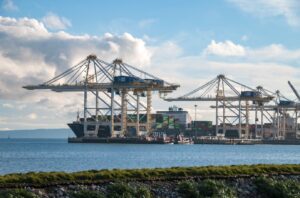 If the US-Israeli ceasefire with Iran holds, it could offer the clearest hope of an end to the energy crisis since Iran’s Revolutionary Guards assumed control of the strait of Hormuz. …Even if the temporary detente manages to hold and hundreds of tankers stranded in the Gulf start to transit once more, analysts fear that will not be enough to return the flow of oil, gas, chemicals and other vital items to pre-crisis levels. An estimated 2,000 vessels have been trapped in the Gulf. …Shipping analysts predict operators will gain confidence once a ship owned by a large European company has safely made the crossing. However, they caution that it is a different matter for empty ships to decide to enter the strait to load up at the region’s ports, and it is unclear when this may start to happen. …Experts have said it could take months or years to fully restore the Gulf’s energy production.
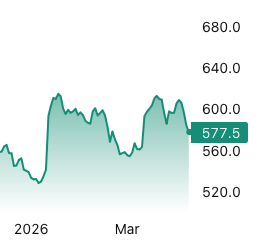 Lumber futures tumbled toward $580 per thousand board feet, marking a one month low as the combination of high interest rates and falling home construction has crushed demand faster than sawmills can reduce supply. This downward pressure is driven by a 14.2% collapse in single family housing starts and a 5.4% decline in building permits that signaled an abrupt cooling of spring activity. While ongoing sawmill closures have removed 1.3 billion board feet of capacity and US duties on Canadian imports remain at 45% these supply factors are failing to support prices against a sharp loss of buyers. The recent surge in mortgage rates to 6.46% has stifled traffic and left builders managing a 2.4% increase in unsold inventory that necessitates immediate price cuts. Furthermore the April 2nd announcement of C$2.1 billion in Canadian forestry subsidies has introduced expectations of more wood availability that offsets the risks of shipping delays through the Strait of Hormuz.
 OTTAWA — New data released by Statistics Canada suggests the economy was rebounding in the first few months of the year after a mild contraction to close 2025. The agency said on Tuesday real gross domestic product edged up 0.1% in January, helped by strength in goods-producing industries, which expanded by 0.2%. Looking ahead, the agency added that its preliminary estimate for February suggests the economy grew 0.2% for the month, though it cautioned the figure would be revised. Statistics Canada’s initial estimates for January published last month expected real GDP to be relatively flat. Doug Porter, chief economist at BMO, said “it does look like we had moderate growth in the first quarter of the year, which, given a lot of the other indicators, is not a bad place to be”. …Statistics Canada estimated the economy contracted 0.5% on an annualized basis in the final quarter of 2025.
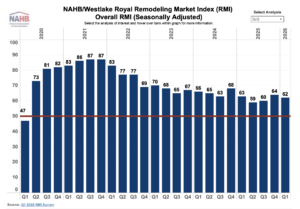 In the first quarter of 2026, the NAHB/Westlake Royal Remodeling Market Index (RMI) posted a reading of 62, down two points compared to the previous quarter. Despite this decline, the overall reading has been solidly in positive territory since Q1 2020. Remodeler sentiment remained generally positive in the first quarter, even as many remodelers are still working to manage their customers’ cost expectations. Only a relatively small share report homeowners putting projects on hold due to economic and political uncertainty. Ongoing positive remodeler sentiment is consistent with NAHB’s outlook, given an aging housing stock and the lock-in effect of elevated mortgage rates keeping owners in the homes longer. In the first quarter, remodelers reported 21% of their projects were associated with home improvements made shortly after a purchase, while only 4% were for homeowners’ projected to ready a home for sale.


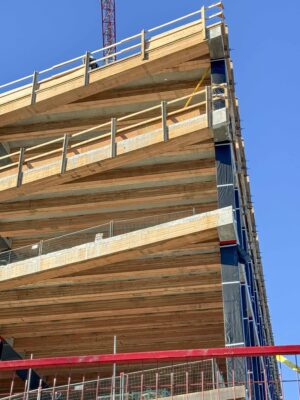 The landscape of the United States wood products industry in 2026 is being shaped by evolution from commodity lumber toward high-performance engineered wood systems. …While traditional sawmills have faced a turbulent consolidation period, the emergence of mass timber, specifically glulam and cross laminated timber, have created a high-growth sector that is increasingly more independent from the traditional volatility of the single-family residential market. …On the supply side, the wood industry is navigating a period of restructured supply and capacity following a series of significant mill closures in recent years. …Looking ahead to 2027 and beyond, as new mills come online, the industry is poised to move engineered wood products and mass timber from a niche specialty to a standard building practice. The core business challenge for the next 24 months will be the development of a more robust domestic supply chain that can support American builders amid logistics disruptions.
 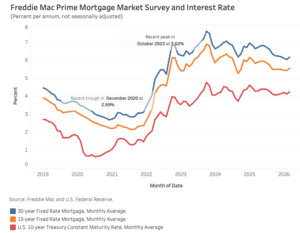 Mortgage rates, which dipped below 6% in February, climbed back up to end the month just under 6.4%. According to
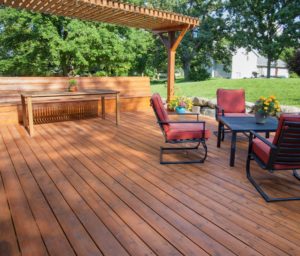 National housing data shows deck inclusion in new homes remains below 18%, according to the US Census Bureau’s Survey of Construction. For dealers and distributors, that number doesn’t tell the whole story. It does, however, set the stage for a stronger, more profitable era for decking—especially in custom home construction and high-end remodel markets. Custom builds may represent a smaller slice of total housing starts, but they also make up a disproportionately larger share of premium decking materials and system upgrades. And that’s where one opportunity lies. In the custom builder market, decks are far from an afterthought. They’re often part of the architectural plan from Day 1—particularly in markets with walkout basements, elevated foundations, and building lots with natural views. …The stakes go beyond just a nice-looking place to sit outside. Today’s builders, remodelers, and homeowners need environmentally sound, code ready, and easy to install materials.
 Today, not only is Canada in a housing affordability crisis, but Build Canada Homes (BCH), the new federal agency-turned-Crown Corporation tasked with building affordable housing at record speed and scale, is already largely staffed, selecting projects, and hoping to break ground by this fall.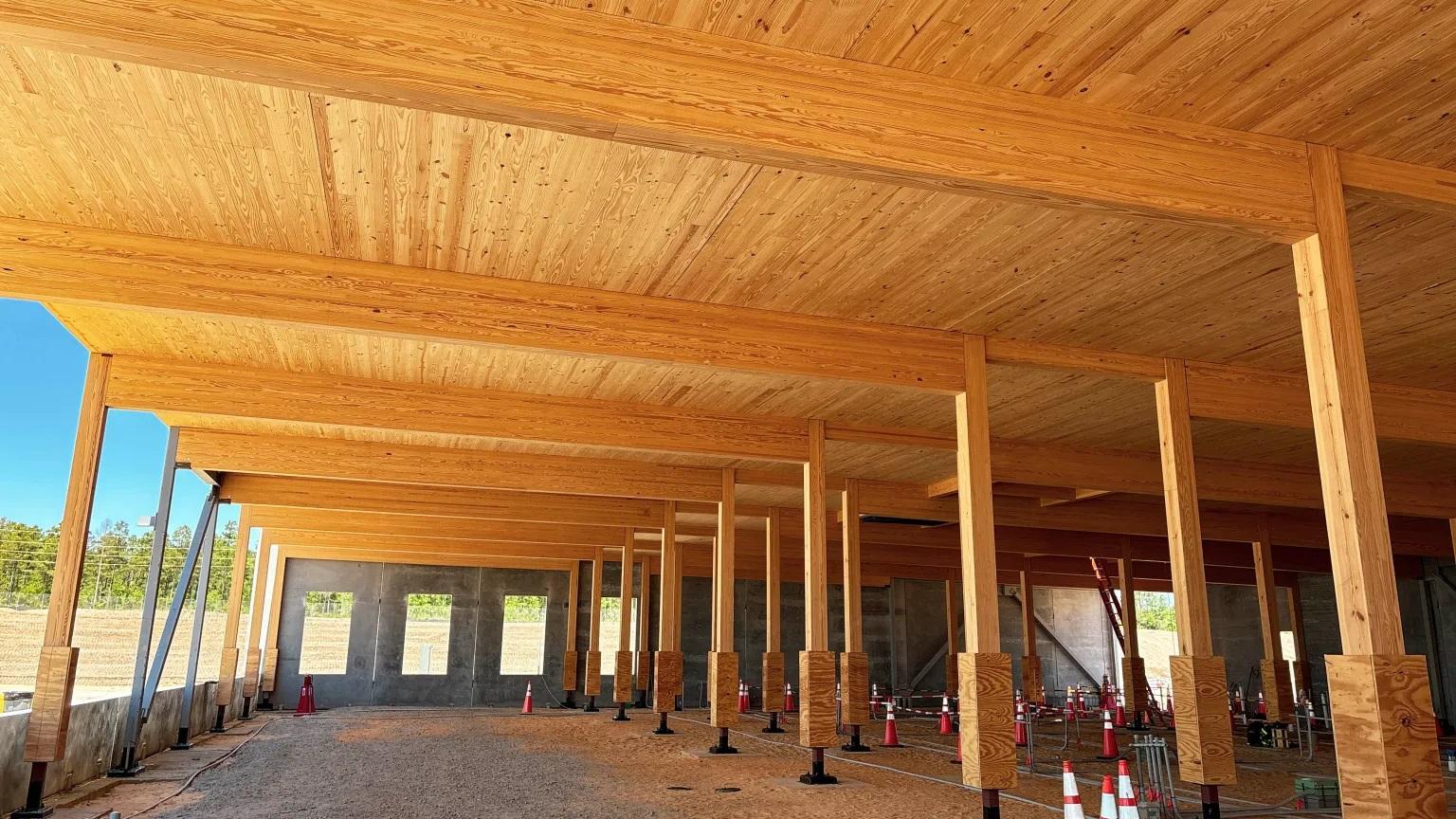
 The Associated Press, one of the world’s oldest and most influential news organizations, said Monday it is offering buyouts to an unspecified number of its US-based journalists as part of an acceleration away from the focus on newspapers and their print journalism that sustained the company since the mid-1800s. The News Media Guild, the union that represents AP journalists, said more than 120 of the staff members it represents received buyout offers on Monday. The news organization is becoming more focused on visual journalism and developing new revenue sources, particularly through companies investing in artificial intelligence, to cope with the economic collapse of many legacy news outlets. Once the lion’s share of AP’s revenue, big newspaper companies now account for 10% of its income. “We’re not a newspaper company and we haven’t been for quite some time,” Julie Pace, executive editor and senior vice president of the AP, said.
 As more U.S. states consider extended producer responsibility (EPR) laws, the American Forest & Paper Association warns the policy could raise the cost of everyday goods, Midland reports. EPR raises costs for American families because it shifts recycling expenses onto manufacturers. Global studies show when there are new regulatory fees, prices for packaged items increase. EPR works like a consumption tax. It ultimately increases the overall cost of groceries, household goods and paper products. As a result, Americans will feel the impact when shopping at the grocery store and for everyday necessities, according to AF&PA. EPR will increase costs without improving paper recycling. …Extended Producer Responsibility requires companies to pay for collecting, recycling and disposing of their products. That’s true even for materials like paper that are already widely and successfully recycled today.
 As with any other natural resource, building with wood starts with ensuring each piece is up to snuff. And while there are machines to help vis-a-vis bots spotting knots, human eyes and judgement remain essential. To help expand that human portion of the grading project, the Pacific Lumber Inspection Bureau (PLIB) has rolled out the Fundamentals of Lumber Grading.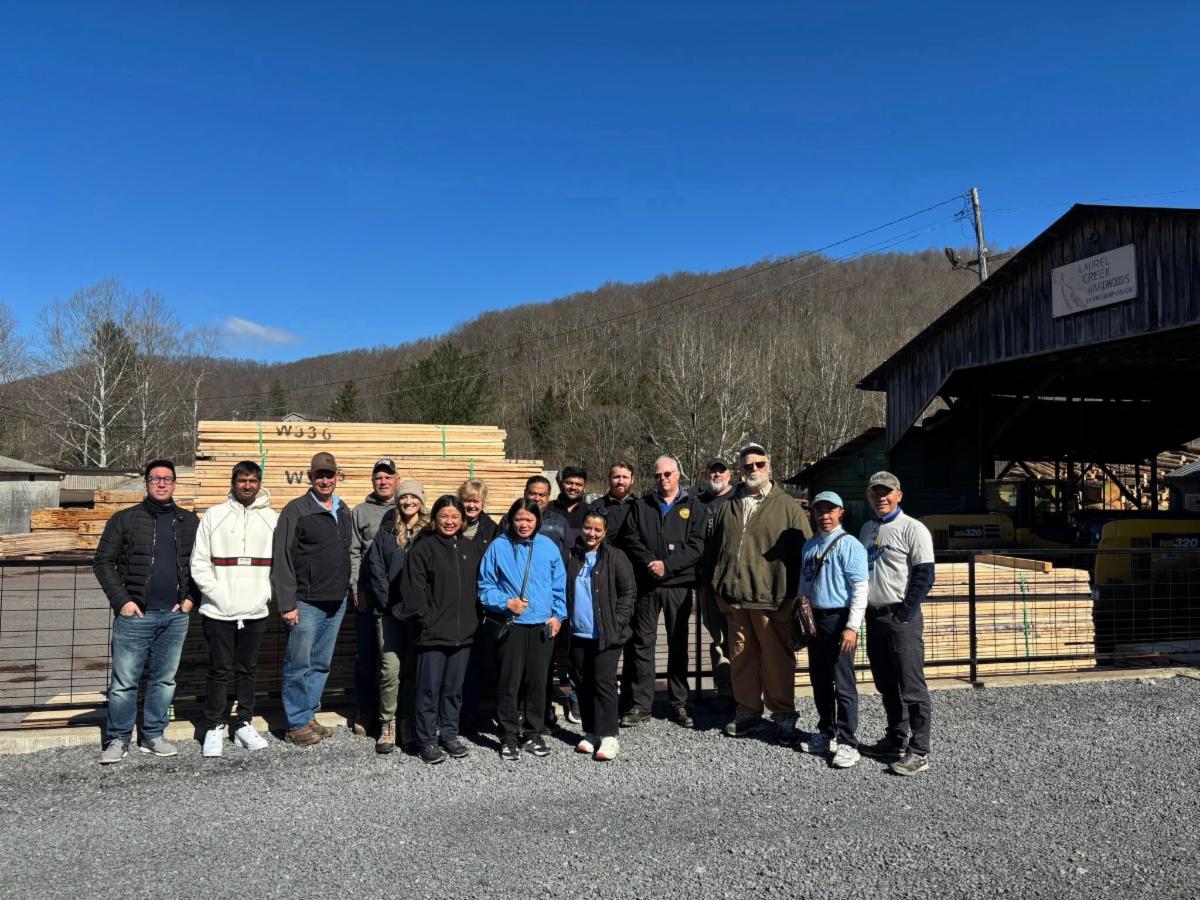


 DENMARK — The timber industry is intensifying efforts to expand the use of wood in construction, with a new action plan aiming to raise its market share to 20% by 2030. Launched under the “TiB 2.0” initiative by industry body Træ i Byggeriet, the strategy seeks to accelerate adoption by addressing key barriers, including restrictive building regulations, entrenched industry practices and limited knowledge of wood’s capabilities. Lauritz Rasmussen, head of the organisation’s secretariat, said the initiative builds on growing interest in timber as a sustainable building material but acknowledges progress has been too slow. He stated that “all reason dictates that we should use more wood for the climate, the environment and for the qualities for which wood is recognized”. The plan focuses on increasing visibility, improving documentation and promoting knowledge-sharing to influence decision-makers. Leadership changes also form part of the strategy, with Per Thomas Dahl of CLT Denmark appointed as the new chairman.
 TOKYO — Leaders from the global forestry sector met last week in Tokyo to advance the
  A non-replaceable forest licence has been awarded to Box Lake Lumber Products, enhancing its operations and the sustainable use of local timber. The opportunity is targeted to boost B.C.’s value‑added wood sector, putting to work unlogged timber. “A stable supply of wood to small-town forestry companies is a win for everyone in the community,” said Ravi Parmar, Minister of Forests. “This means more wood … for manufacturing companies, logging contracts for haulers and another boost to our value-added wood manufacturing sector. Our independent wood manufacturers put B.C. on the map as the global leader in high-quality wood products, and this licence is one more way to support that work.” A competitive opportunity provided specifically to value-added wood manufacturing companies, the non-replaceable forest licence will provide a consistent and stable supply of wood to Box Lake Lumber Products in the Kootenays.
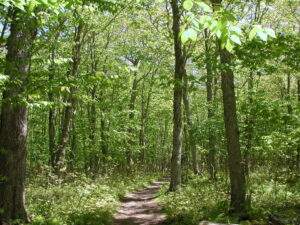 LA RONGE, Saskatchewan — With Canada aiming to protect 30 per cent of land and water by 2030, a new study shows the federal government should pursue a conservation method which takes wildfires into account. That’s according to La Ronge’s Aaron Bell, who recently had a research paper published by the Ecological Society of America on March 30 as part of his PhD in Biology. The project, which includes experiments on 42 islands in the Lac La Ronge region, focused on testing competing ideas on how government’s design protected areas such as nature reserves, or provincial and national parks. …Bell proposing government’s use a pyrodiversity-biodiversity method, which promotes and maintains diverse plants and fauna and thereby generating diversity. …“I’m hoping it enables people in the North to say we’re not managing fires at all for biodiversity and maybe this is something we should think about moving forward,” he said.
 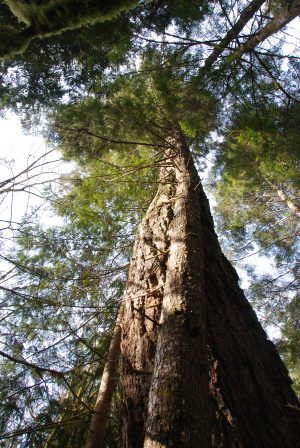 A years-long investigation into a special RCMP unit that polices protests against resource extraction in BC is finished but can’t be finalized because the RCMP’s oversight body has been without a chairperson for more than a year. The Civilian Review and Complaints Commission (CRCC) receives and oversees public complaints against the Mounties. It recently announced the completion of a systemic investigation into the Community-Industry Response Group (C-IRG), which drew national attention in 2019. …It’s unclear why the CRCC has been without a chairperson since January 2025. …At the top level of the agency there is meant to be a chairperson and up to four other members. According to the CRCC, all of those positions are currently vacant. …The majority of complaints against C-IRG came in response to civil court injunction enforcements and arrests in relation to Wet’suwet’en-led opposition to Coastal GasLink pipeline and protests against old-growth logging in the Fairy Creek area.
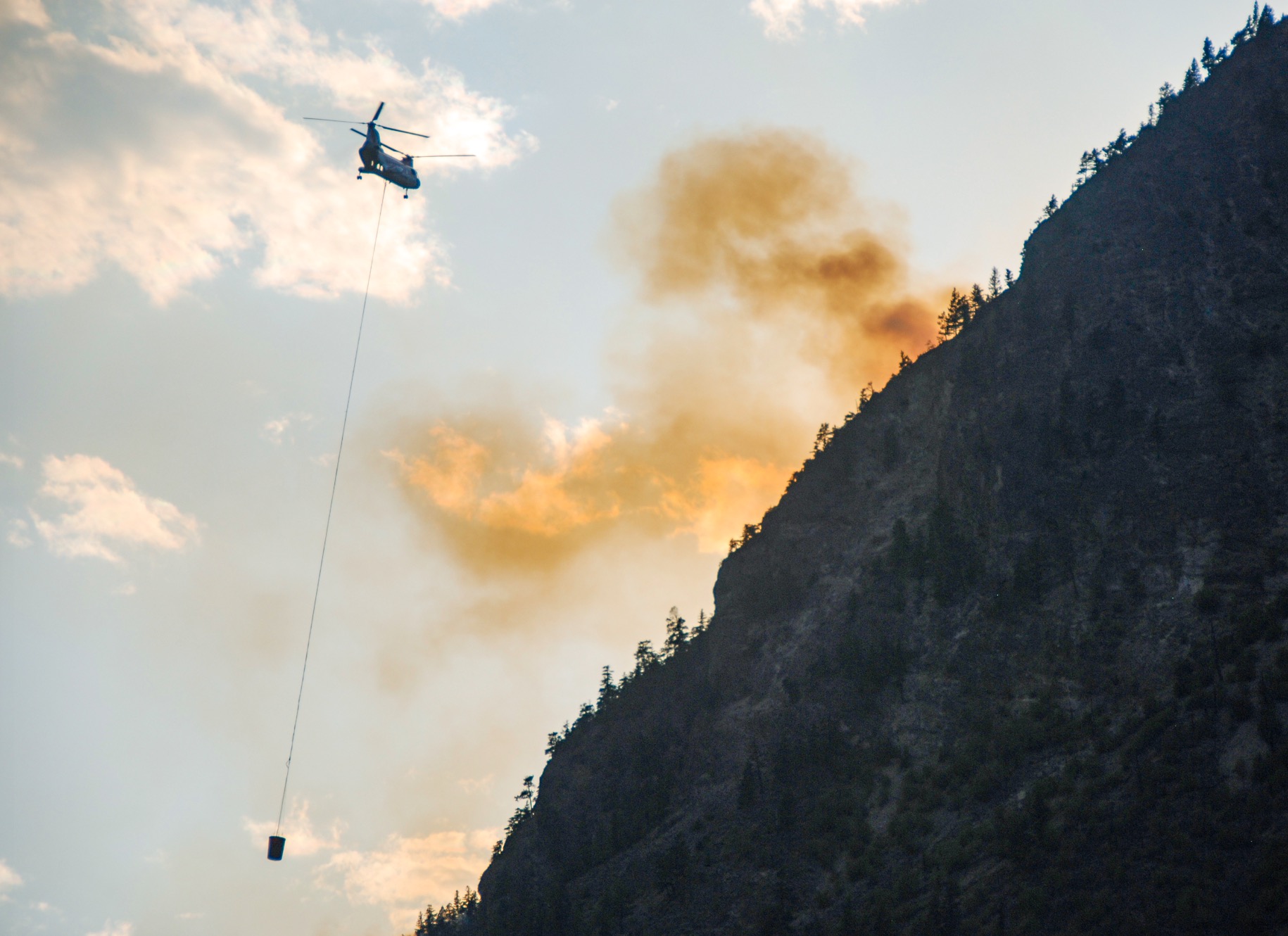 Last week, the US Forest Service announced that it will be closing three-quarters of its research facilities as part of a reorganization. Now, experts are worried not only about the number of scientists who might be leaving the agency, but also about how the disruption could affect the gathering and dissemination of crucial wildfire and climate change data. The restructuring comes as parts of the US face what is expected to be a catastrophic wildfire season. The most recent wildland fire outlook shows that wildfire activity is already “well above average,” with more than 16,000 wildfires reported this year. Under the reorganization plan, the Forest Service will close 57 of 77 research facilities, as well as move its headquarters from Washington, D.C., to Salt Lake City, Utah. It will also close all nine of its regional offices; some states will then get their own offices, but others will be consolidated.
 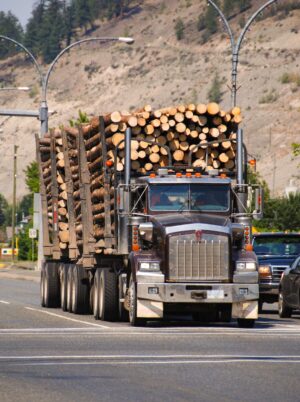 For more than a year, the Trump administration has said it wants to harvest more timber from national forests. Now, officials are asking Congress to pay for the promise. The administration’s budget request would more than quadruple Forest Service spending on timber preparation and sales in the fiscal year beginning Oct. 1, even as many other agency priorities face steep reductions or elimination. The proposal calls for $175 million in the forest products account, up from $39 million this year. The administration didn’t ask for an increase a year ago, as it was settling in after taking the reins from the Biden administration. Spending on forest products has been flat for years, said Nick Smith, a spokesperson for the American Forest Resource Council, which represents companies harvesting timber from federal lands… saying the requested increase was a long-overdue investment in a programme that had operated at a small scale for decades. [to access the full story an E&E subscription is required]
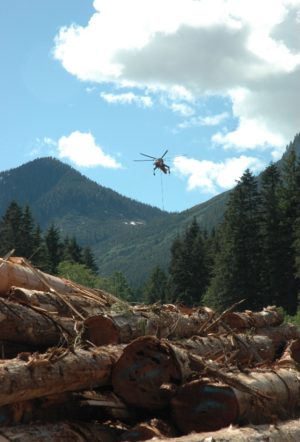 The administrative architecture of America’s national forests is undergoing its most radical transformation in decades. In a series of swift moves designed to prioritize industrial output over conservation, the Trump administration has initiated a sweeping overhaul of the US Forest Service (USFS), relocating its headquarters and dismantling the regional oversight structures. …By moving the agency’s center of gravity from Washington, DC, to Salt Lake City, Utah, and shuttering nine regional offices, the administration is pivoting away from a centralized, science-driven conservation model toward a decentralized system focused on the immediate extraction of timber and wood products. For rural America, the impact is twofold. While the administration is pumping hundreds of millions of dollars into the timber industry and sawmill infrastructure, the move guts the scientific research and environmental safeguards that many rural communities rely on. This transition effectively replaces long-term ecological stewardship with a short-term commodity-driven mandate.
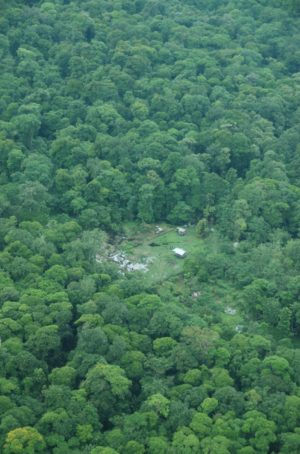 Tropical forests span 1.6 billion hectares of Earth. …But over the past two decades, an average of 10 million hectares of these forests have been lost each year, according to the United Nations Environment Programme, affecting the ecosystems and communities that depend on them. NASA scientists recently developed a new method for tracking tropical forest loss that delivers deforestation alerts more than three months faster than current methods. Although the technique was designed for the Amazon rainforest, data from a recently launched satellite are expected to expand its application globally. …To address Landsat’s cloud challenge, researchers at NASA’s Marshall Space Flight Center tuned into a different wavelength. Led by Africa Flores-Anderson, associate program manager for NASA’s Ecosystem Conservation Program, the team piloted a system for the Amazon that combines existing satellite-based approaches with cutting-edge radar data. …Synthetic aperture radar (SAR) doesn’t require daylight or clear skies.
  COULTERVILLE, California – Teddy Roosevelt, John Muir and Gifford Pinchot are turning over in their graves as Donald Trump launches a devastating war against the conservation movement. “With the subtlety of a wrecking ball and the morality of a foreclosure notice the Trump administration announced the most devastating attack on the US Forest Service in the agency’s 121-year history. …The administration announced it would move the USFS headquarters out of Washington, D.C. to Salt Lake City, Utah. “They’re shuttering every single one of the 10 regional offices that have governed this agency and with them, the career professionals,” wrote Jim Pattiz. More than 50 research outlets across 31 states are set to close, labs that house decades of irreplaceable long-term science, “the kind you literally cannot restart once it’s gone,” Pattiz says. …Unfortunately, conservation groups like the Sierra Club built by John Muir have lost their focus and their power to bring change.
 For the last 25 years, 58 million acres of American forest have had no new roads, no logging equipment, and no reason to appear on anyone’s industrial map. This year that is changing — and much faster than most people realize. The
 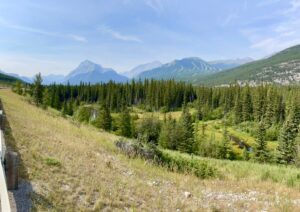 Mountains across the West have lost their usual wintry look this year. Snowpacks in the Cascade Range, the central and southern Rockies, and the Sierra Nevada are significantly below average. As of February 1, 2026, Oregon, Colorado, and Utah reported the lowest snowpack levels on record since continuous snow data collection began in the early 1980s. …This condition is a snow drought—a period when snowpack is abnormally low relative to the time of year and location. Many of the areas with low snow received ample precipitation early in the season. November and December snowfall was near normal in many parts of the West and looked to be setting the stage for a reasonable snow year. However, warm and dry January conditions and scattered rain-on-snow events in February caused much of the early accumulated snow to melt. This condition has put large parts of the West in a
  In the North Cascades… the Mount Baker School District is facing a budget deficit exceeding $1 million, which local officials say is tied to declining timber sales on state lands. Three years ago, the rural district entered into what’s known as “binding conditions,” an arrangement where the state now oversees its day-to-day financial operations. Since then, it’s cut around 30 employees and increased class sizes. “Our main reason that we went in binding conditions was a precipitous drop in timber revenue,” said Russ Pfeiffer-Hoyt, school board president. The district’s timber revenue predicament is not unique among rural school districts. And it highlights rising tension around how the state is managing its public forests at a time when Lands Commissioner Dave Upthegrove has limited logging of some older tracts of trees. In the backdrop is a debate about whether Washington’s K-12 schools should depend heavily — or at all — on timber harvests.
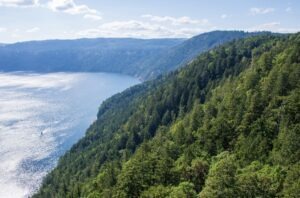 ANCHORAGE, Alaska – The federal government isn’t holding public meetings on a rule that could reshape logging across the nation’s largest national forest — so a conservation group is doing it instead. The Southeast Alaska Conservation Council is hosting a series of community “public hearings” this month on the Tongass National Forest’s roadless rule. …The group plans to collect public testimony and submit it directly into the federal record as the US Forest Service weighs potential changes to those protections. Nathan Newcomer, SEACC’s Tongass campaigner, said the group stepped in after learning the Forest Service had no plans to hold its own public meetings. …The Forest Service is expected to publish a draft environmental impact statement on the roadless rule — a step that would open a formal public comment period. Newcomer said that the window is expected to last 30 days and could begin as soon as late April.
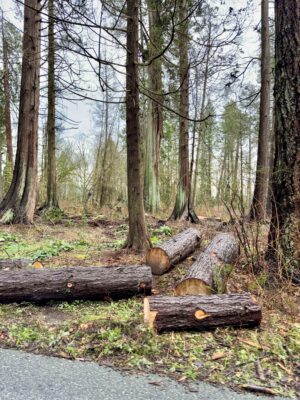 BOSTON — Urban forestry is a noble and necessary pursuit, yielding environmental and health benefits almost too numerous to count. …Urban forests, broadly speaking, also happen to be sources of large amounts of wood waste. The most recent estimates from the USDA Forest Service indicate that 46 million tons of sellable wood from urban areas is felled each year, most of which gets chipped, landfilled, or burned for energy. There is a missed opportunity afoot; not one of those pathways—with the possible exception of biomass power generation—involves making something of tangible value that’s inversely proportional to the amount of waste being generated. …Tridome Structures, a Massachusetts-based manufacturer of mass timber products, saw the gap in the Northeast market and acted accordingly. Only six months ago, the company opened a subsidiary mill operation called TimberWise in the town of Millis, a Boston suburb.