 It’s not behind a paywall. It doesn’t chase clicks. And it doesn’t try to be everything to everyone. Instead, it’s quietly become a daily habit for thousands across the forest sector—industry, government, First Nations, researchers, students, and retirees alike—all looking for a simple way to stay informed. What started as a small idea has grown into something much bigger than we imagined. Today, Tree Frog directly reaches more than 100,000 readers across BC, Canada, the US and beyond, with thousands more picking it up through company circulations, association newsletters, and even university classrooms. In many ways, it has become shared infrastructure for the sector—a common starting point for understanding what’s happening and why it matters.
But like many things that are widely used, it can be easy to assume it will always just be there. Tree Frog has remained free and open-access by design. We’ve always believed the sector is better off when information flows easily—when a student can access the same news as a CEO, and when smaller operators have the same visibility as larger ones. That only works, however, because a portion of the organizations and individuals who rely on it choose to support it. And in a year when the forest sector is facing real challenges, that support matters more than ever. To those organizations already supporting Tree Frog—thank you.
If Tree Frog is something you or your organization rely on, we’d encourage you to consider being part of that support—whether as a sponsor, a Friend of the Frog, or simply by spreading the word. Even small steps help ensure we can continue delivering this service in its current form. Either way, we’re grateful you’re here and part of the community.

 The BC Supreme Court’s decision in






 Acadian Timber, one of Canada’s largest forest landowners, wants to close the performance gap between New Brunswick and its business in Maine, a goal its new interim CEO says is achievable despite labour and market challenges. …Malcolm Cockwell, who was named interim boss last month, said, “There are a lot of strong companies here that are investing in their facilities and running them pretty consistently even in challenging markets. Maine is a little bit more hit-and-miss with facilities not being as consistent with their operating schedule and a number of facilities dropping out over the last couple of years.” Acadian has just under 1 million hectares of land under management across New Brunswick and northeastern Maine, with approximately 313,000 hectares of freehold timberlands – privately owned forest land – in New Brunswick and 121,000 in Maine. …One way to make that happen in Maine is to improve Acadian Timber’s contractor base.
 US companies stung by President Trump’s emergency tariffs had hoped for relief when the US Supreme Court ruled in their favor. But settling on a remedy – namely, rebate checks from the government – may be an even bigger headache. Fresh wrinkles are prompting businesses to take different routes as they try to recoup money, with many opting to sue to improve their odds. These lawsuits are also underscoring the complex ways that tariffs worked their way through corporate accounting. In some cases, their cost was a clear line item; in others, the impact was muddier – say, through changed supply lines or selective increases in retail pricing. And some have backed off from a legal fight altogether and sold their refund rights to investment firms, often at a deep discount, figuring that getting something is better than risk getting nothing. …Consider the different approaches taken by FedEx and the retail chain Costco.

 WASHINGTON STATE– Current and former employees are suing Western Forest Products’ Vancouver operation, alleging the company failed to give employees breaks and pay wages owed. …Western manufactures lumber at its Fruit Valley location and formerly operated a Columbia Vista sawmill that closed after a fire last year. …The group of current and former employees also allege Western Forest Products didn’t keep accurate payroll records. The complaint states about 40 employees could have been impacted by the alleged practices. Babita Khunkhun, spokesperson for Western Forest Products, said “While we cannot comment on the specifics of the allegations at this time, we take all employee concerns seriously,” Khunkhun said. The company is reviewing the lawsuit and will respond through the appropriate legal process, she added. Western Forest Products recently unveiled plans to expand its Fruit Valley manufacturing operation.


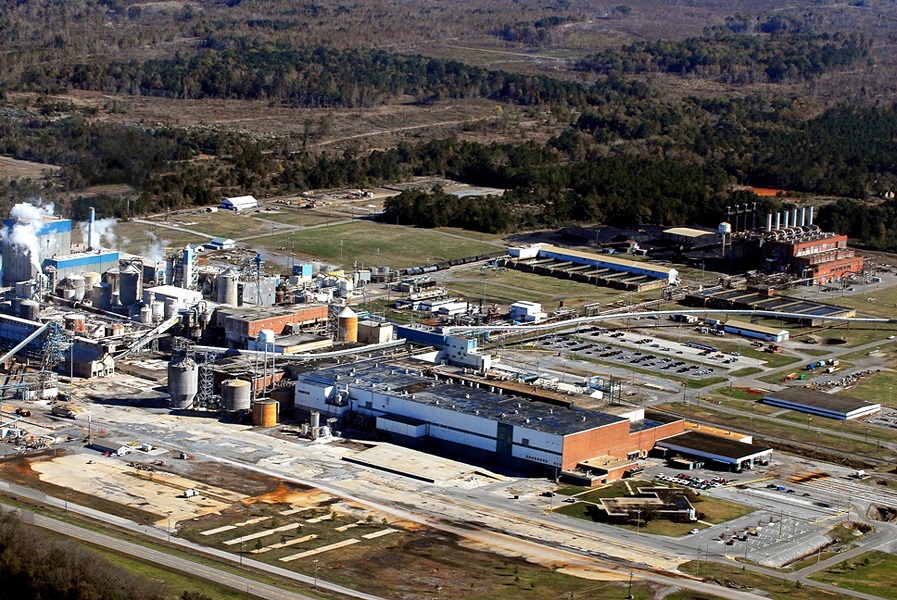
 PENSACOLA, Florida — West Fraser is requesting a tax break from Escambia County as the lumber company prepares for a planned expansion at its McDavid sawmill. Escambia County staff prepared a draft ordinance proposing the Canadian-based lumber company receive a 70% ad valorem tax exemption for a period of five years. …West Fraser applied for an EDATE for the assessed value of certain improvements. If the exemption is granted… over the next five years, the estimate of the taxable value lost to the county if the exemption is granted is $70,252,000 improvements to real property. In 2023, the board adopted a resolution supporting West Fraser’s expansion and agreed to consider the lumber company’s EDATE application when it was submitted. The county is scheduled to vote March 26 at its board meeting on scheduling a public hearing to consider establishing an EDATE for West Fraser.
  At the Advanced Bioeconomy Leadership Conference, US Department of Agriculture Administrator J.R. Claeys announced the USDA is guaranteeing $115.2 million across eight states (

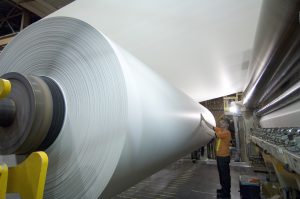 Highly exposed to energy costs, today’s unpredictable global trade politics and the crisis in the Middle East are impacting the pulp and paper industry in many ways. These developments will certainly be reflected at Pulp & Beyond 2026, the leading forest-based bioeconomy event in Northern Europe, taking place on 15–16 April 2026 at the Helsinki Expo and Convention Centre in Helsinki, Finland. However, the main theme of this year’s event—focusing on the role of artificial intelligence in process industries, innovation within the forest sector, and the future of the bioeconomy—was defined before the Middle East war broke out, along with the subsequent oil and gas crisis, turbulence in global stock markets, and the growing risk of an unprecedented global recession.
 Rising bunker prices are now hitting Swedish sawmill exporters on every trade lane, with the Strait of Hormuz closure driving up costs across routes and cutting off Middle East volumes, with no end in sight. That is according to Setra Group’s Olle Berg, Executive Vice President of market and business development at one of Sweden’s largest processors, who exports sawn timber, glulam, CLT, and structural components to Europe, North America, Asia, North Africa, and the Middle East. And according to Berg, the damage was coming through on two fronts – one from high oil prices now feeding into bunker costs regardless of destination, and the other from direct shipments to the Middle East, with container prices, surcharges and risk premiums climbing exponentially. “For Swedish sawmills, the volumes to the area are relatively small — but not insignificant,” Berg told a Timber Exchange webinar focused on the impact of the conflict on global sawmilling.
  Lumber futures retreated toward $590 per thousand board feet as the cooling of the North American residential construction sector eroded the demand floor that had supported the market since January. The primary downward pressure stems from a slowdown in housing activity where single-family starts plunged 14.2% in March and building permits fell 5.4% signaling a sharp reduction in seasonal requirements. This demand destruction was catalyzed by a 11 basis point surge in mortgage rates to 6.45% following the Federal Reserve decision to hold interest rates steady alongside global inflationary spikes. While geopolitical tensions in the Strait of Hormuz initially pushed energy costs higher, the resulting increase in financing costs and a 10% drop in US housing starts outweighed the potential for supply chain disruptions. Furthermore a 2.4% increase in unsold builder inventory forced price cuts.
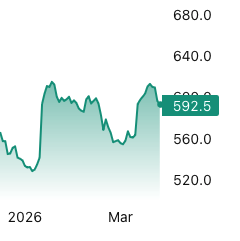 Lumber futures fell below $600 per thousand board feet as a slowdown in the North American housing market and rising financing costs outweighed persistent supply constraints. This downward pressure was driven by a 5.4% decline in building permits and a sharp 14.2% collapse in single-family housing starts, which signaled a cooling of construction activity as the spring season began. Additionally, 30-year fixed mortgage rates climbed to 6.22% following the Federal Reserve’s decision to hold interest rates steady, the market was further pressured by a sharp drop in crude oil prices that reduced the energy-heavy transport and production overheads. These factors effectively neutralized the marginal one-point gain in the NAHB Housing Market Index to 38, leaving 37% of builders reliant on deep price cuts to move a 2.4% increase in unsold inventory. Structural supply issues like the 45% combined duties on Canadian softwood and ongoing sawmill closures continue to provide a floor.
 ONTARIO — Potential buyers across Ontario are poised to receive a significant tax discount on newly-built homes, but only for a limited time, as the Ford government looks to boost a sector struggling with a slump in sales. As part of his spring budget, Finance Minister Peter Bethlenfalvy is expected to announce that the provincial portion of the harmonized sales tax will be removed for anyone buying a newly-constructed home, rewriting a policy the government introduced just months ago. …Ontario’s pledge to waive its portion of the HST came shortly after a similar announcement by the federal government — allowing first-time homebuyers to save up to $130,000 on a new home under $1 million, and lower rebates for homes costing up to $1.5 million. But the offer failed to ignite the market, forcing the government to take a second pass at the policy, and offer the discount to a wider swath of purchasers.
  US consumer confidence unexpectedly edged up in March, but households anticipated higher inflation over the next 12 months amid a surge in gasoline prices and continued tariffs pass-through, a survey showed on Tuesday. The Conference Board said its consumer confidence index increased to 91.8 this month. Data for February was revised slightly down to show the index at 91.0 instead of 91.2. Economists polled by Reuters had forecast the index at 88.0. “Comments about prices and the cost of goods suggest that the cost of living remained at the top of consumers’ minds,” said Dana Peterson, chief economist at the Conference Board. Consumers’ average and median 12-month inflation expectations surged in March to levels last seen in August 2025. The month-long U.S.-Israeli war with Iran has sent global oil prices surging more than 50%.
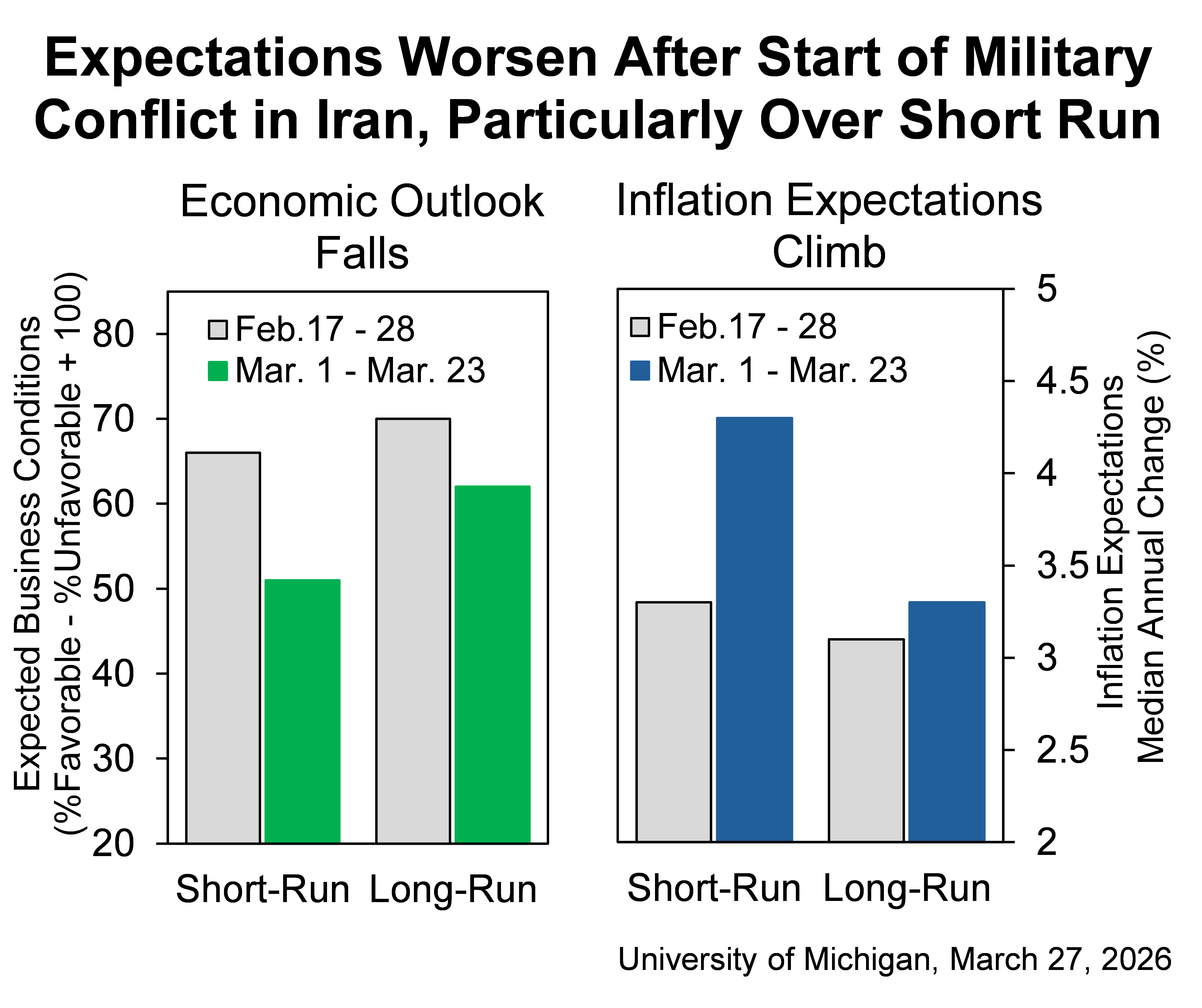

 US inflation is projected at 4.2% this year amid economic concerns surrounding the US-Israeli conflict against Iran, according to the Organisation for Economic Co-operation and Development (OECD). In a new report, the OECD made 2026 inflation projections for multiple countries, with the United Kingdom at 4%, Japan at 2.4%, Canada at 2.4% and the US at 4.2%. “The evolving conflict in the Middle East has human and economic costs for the countries directly involved, and will test the resilience of the global economy,” the OECD report reads. “A halt in shipments through the Strait of Hormuz and the closure or damage of energy infrastructure has generated a surge in energy prices and disrupted the global supply of energy and other important commodities, such as fertilisers,” it continues. …The current average price for a regular gallon of gas in the US is about $3.98, up about a dollar from last month, according to AAA.
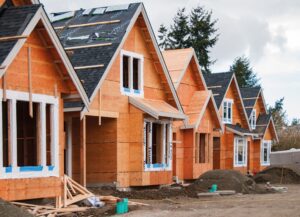 The Trump Administration is scavenging for ideas to lower costs for home-buyers. One idea being considered is to ease credit checks for loans backed by Fannie Mae and Freddie Mac—that is, backed by taxpayers. Americans saw a version of this policy two decades ago, and it didn’t end well. Mortgage rates have dropped in the last year, but many Americans still can’t afford to buy a home. Enter the Mortgage Bankers Association, which is lobbying the Administration to let lenders underwrite mortgages based on a single credit report. The outfit says this would reduce borrower costs. Maybe, but taxpayers may pay a bigger price later if this results in more defaults. The Federal Housing Finance Agency currently requires lenders to pull three credit reports. …The real reason lenders want to eliminate the tri-merge requirement is so they can make more loans to borrowers with poor credit. [to access the full story a WSJ subscription is required]
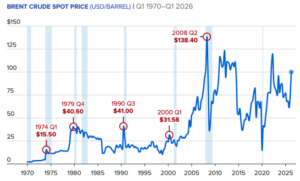 Economists have pulled up their risk assessments of a U.S. contraction amid heightened uncertainty over geopolitical risk and a labor market that for the past year has shown strains over the past year. “I’m concerned recession risks are uncomfortably high and on the rise,” said Mark Zandi, chief economist at Moody’s Analytics. “Recession is a real threat here.” Twin concerns about growth and unemployment have triggered talk of stagflation, a characterization that Fed Chair Jerome Powell has rejected. But the threat of a prolonged war, pressure on consumers and a labor market that, outside of health care, lost hundreds of thousands of jobs last year has kept concerns elevated.
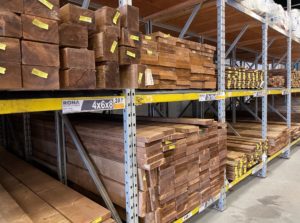 According to a joint study from the American Institute of Architects, the Associated General Contractors of America, and ConstructConnect® News, tariff-driven cost increases are causing delays and cancellations for some projects across the country. …The NAHB has worked alongside Senators Jacky Rosen and Chris Coons to introduce legislation that would address the housing affordability crisis by creating an exemption process for building materials from tariffs. The Housing Tariff Exclusion Act would exempt many home building materials from President Trump’s current and future tariffs and allow importers to apply for tariff exemptions. …Though the Housing Tariff Exclusion Act has not been passed yet, it would be a boon to not only manufacturers, but also to the construction teams and homeowners across the country that have been unable to move forward with their projects due to the current leap in pricing.
 NEW ZEALAND — The logging industry is warning that some companies could be on the brink as the conflict in Iran pushes up the cost of diesel. Logging operators say it’s increasingly difficult to get logs to port and if the situation drags on, export-reliant regions like South Canterbury and the west coast of the North Island could face shutdowns. The costs of shipping have risen dramatically, with rates going from roughly US$33 ($56) per cubic metre into China for March, through to about US$45 in April. Forest Management group director Glenn Moir said that would put some companies on the brink. “I can see that if it does continue, we’re going to face some real pressure in the higher-cost forests – so the ones that are further away from the market and have steeper country – just to make it economic.” There had been some huge cost pressures going through the chain.
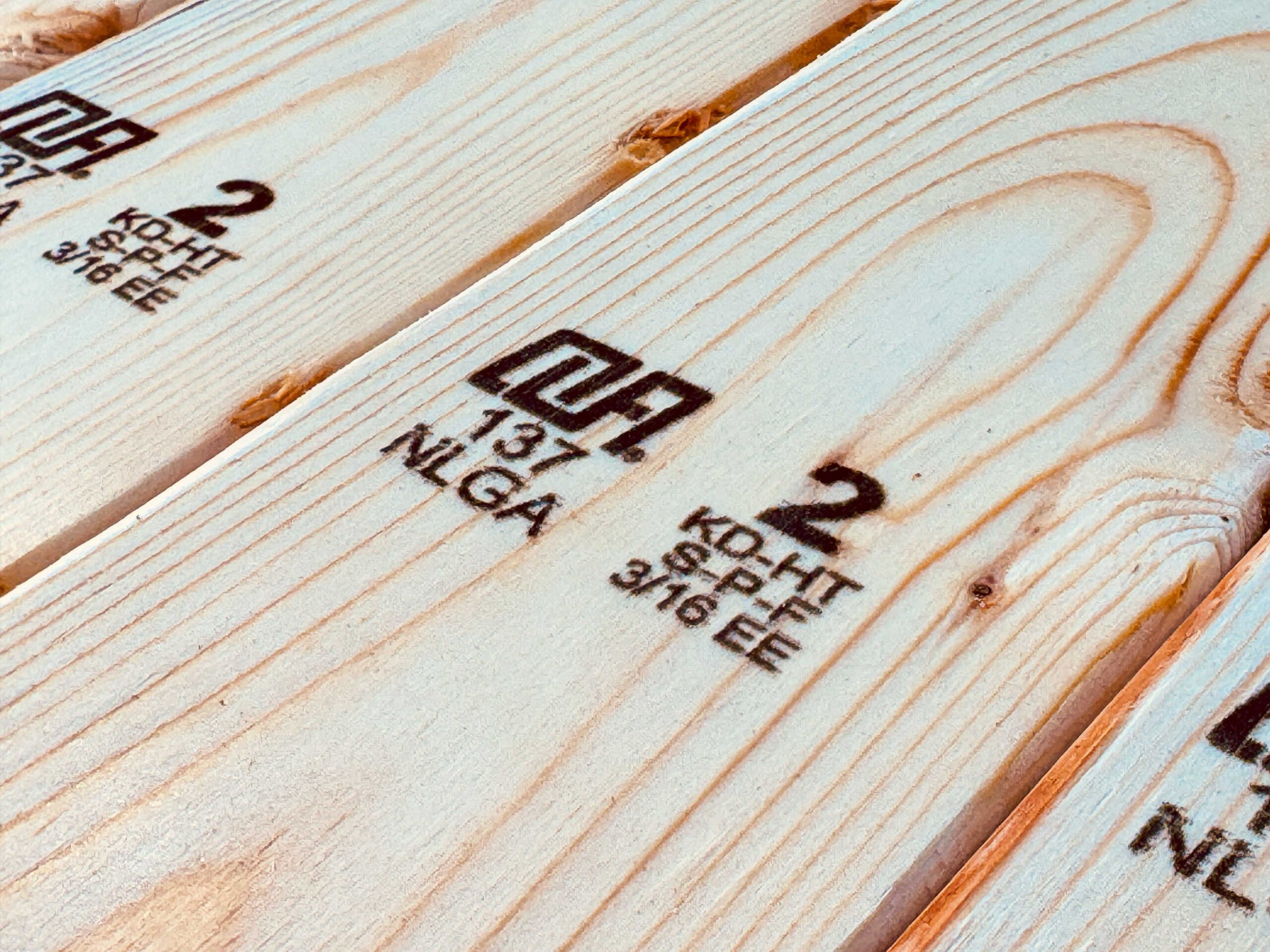 CONCORD, New Hampshire — A bill moving forward at the State House aims to address a decades-old discrepancy in how wood strength is rated. New Hampshire lawmakers approved Senate Bill 529, which gives preference to US-harvest lumber. The bill requires state-funded building projects to include design specifications for US-sourced spruce-pine-fir. …In the early 1990s, the U.S. and Canada developed separate systems to rate the strength of framing lumber. Canadian lumber is labeled SPF, while American lumber is labeled SPFs. SPFs ended up with a lower design strength value, even though the wood used on both sides of the border is nearly identical. …Over time, the difference in design specifications has given Canadian lumber a competitive advantage, putting Hampshire lumber at a disadvantage. While lawmakers can’t change international industry standards, they can influence how the state purchases lumber for its own construction projects.
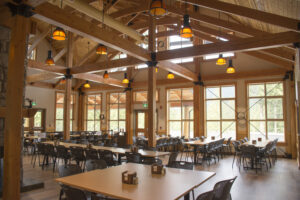 The construction industry is a major contributor to greenhouse gas emissions, mostly due to conventional materials production. Because of this, there is an urgent need for sustainable alternatives. Bio-based materials offer a promising alternative but remain underutilized. This study examines wood to derive insights that could support the broader adoption of bio-based alternatives. This research explores the systemic drivers and barriers to the diffusion of wood through interviews with key actors. A system dynamics model is developed to capture the main factors affecting wood diffusion and their interdependencies. …It shows that successful diffusion requires systemic innovation, necessitating collaboration across the ecosystem. This systemic analysis offers important insights for other bio-based materials, which differ in resource availability, applications, and production cycles, but face similar barriers such as workforce shortages, scalability, and societal acceptance. Overcoming these barriers requires targeted trainings and supportive policies.
  The European Commission published guidelines on the implementation of the Packaging and Packaging Waste Regulation (PPWR) to facilitate the uniform application of the new packaging rules across the EU and simplify compliance for economic actors and Member States. The full application of this law will contribute to a more sustainable and competitive packaging sector across the EU and to strengthening the Single Market for packaging through common rules. On average, in 2023, each European generated 178kg of packaging waste. Without intervention, total packaging waste could further rise by 19% by 2030 compared to 2018 levels, while plastic waste could rise by as much as 46%. At the same time, the packaging industry faces significant administrative burdens as a result of divergent national packaging rules across Member States. …This document also spells out the restrictions on single-use packaging, enforcement of the PFAS restriction in food contact packaging, and the application of re-use targets.
  Awareness of the Forest Stewardship Council (FSC) label for responsible forest management continues to rise in Germany, reaching 77% in 2025, a recent survey has indicated. According to the 2025 Global Consumer Awareness Survey, conducted by Ipsos on behalf of the FSC, recognition of the label has reached 77% among German consumers – up six percentage points since 2022. The study, based on more than 32,000 consumers globally, shows that 59% of German respondents trust brands more if they offer FSC-certified products. Across the DACH region, awareness remains high, particularly in Switzerland (81%) and Austria (68%). …The data reflects a broader behavioural shift: while environmental issues receive less public attention, consumers increasingly act on sustainability through everyday purchases. …For retailers and brands, the growing demand for credible sustainability claims is becoming increasingly significant.
 It’s a well-established fact that forests and water are deeply connected. For decades, paired-watershed experiments have shown that when we lose forests, the total amount of water flowing through our rivers tends to rise. But a critical question has remained unanswered: does this extra water come from previous reserves, or is it simply “new” rain that the land is failing to hold? Is forest loss causing our watersheds to lose their internal integrity and leak like a sifter? Our recent study at the University of BC analyzed 657 watersheds across the globe. By using a tool called the Young Water Fraction, we found that forest loss significantly accelerates how fast precipitation travels through a landscape. We estimate that for every 1% of forest lost, the “young water” in our streams increases by about 0.17%. Crucially, our research reveals that… the way we arrange forest patches can either aggravate or mitigate this leakage.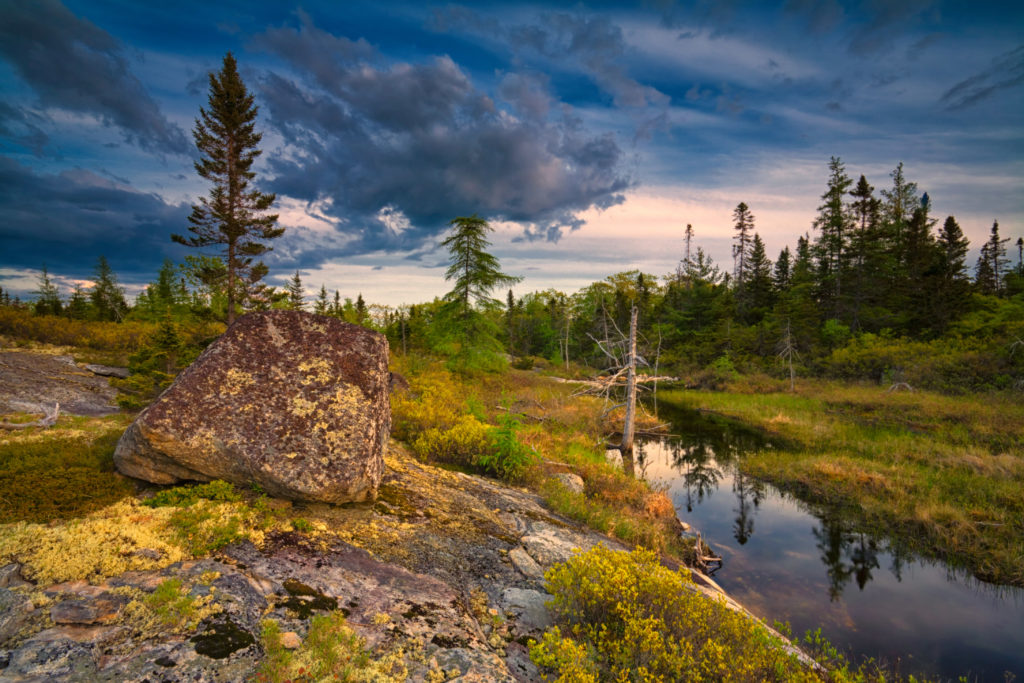

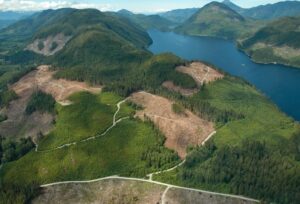 US Representative Harriet Hageman (R-WY) has introduced legislation that would nullify the 2001 Clinton administration Roadless Rule and permanently restore active forest management on National Forest System lands, saying the restriction has blocked access and increased the risk of catastrophic wildfires across the West. Hageman introduced the bill in Washington with original cosponsors including Representatives Troy Downing (R-MT), Celeste Maloy (R-UT), Pete Stauber (R-MN), and Tom Tiffany (R-WI). Her measure would codify the Department of Agriculture’s recent rescission of the Roadless Rule and direct future road construction to support missions such as timber harvesting, watershed management, and wildfire prevention. …Congresswoman Hageman framed the legislation as an effort to return National Forests to their original multiple‑use mandate. “Our Forest Service lands were always to be managed and providing commodities, a continuous supply of timber, a continuous supply of water to be used for grazing, multiple use, etc.,” she said.
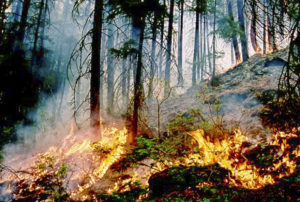 When the US announced plans to rescind a rule limiting roadbuilding and timber harvests on national forests, officials called the repeal necessary to prevent and manage wildfires. But as the USDA prepares to release its draft environmental impact statement for the rescission, that justification is unraveling. And many critics of the move see the claim that roads are needed to fight fires in remote forests as cover for a giveaway to the timber industry. …Wildfires on federal lands average about five times the size of those in the rest of the country, leading some land managers to argue that national forests are a front line for fighting the nation’s steep increase in wildland blazes. Yet a new study has fire scientists, frontline firefighters, legal experts and the agency’s own historical record saying that roads don’t reduce wildfire risk; they multiply it. [see
 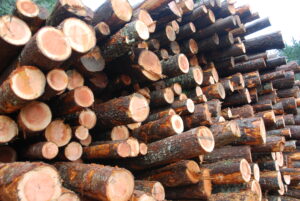 MICHIGAN — A disastrous ice storm last spring gut-punched Michigan’s multi-billion-dollar forestry sector. One year later, experts say the damage from that storm – which coated and snapped trees with up to an inch of ice accumulation across millions of acres of Northern Michigan forests – will ripple through timber markets for decades. The March 28-30, 2025, storm wiped out years of future logging contracts and reshaped forestry plans across the heart of the state’s “wood basket.” “It’s going to take 100 years to get this sorted out,” said Dan Heckman, forestry planning and modeling specialist for the Michigan Department of Natural Resources. The storm was so disruptive to existing logging plans that the state had to recalibrate its latest 10-year forest management plan. Northern Michigan’s red pine plantations and aspen stands took the brunt of the damage. Public and private foresters have spent the past year trying to salvage what financial value they can.

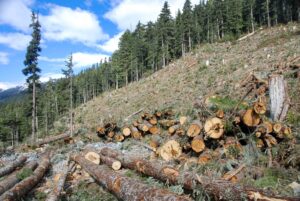 Finland’s sawmill industry is warning of serious economic fallout if proposed restrictions on logging are implemented. According to industry representatives, between 3,000 and 4,000 jobs could be lost, while export revenues and overall economic activity may decline significantly. The debate follows calls from Finland’s climate and nature panels to reduce logging levels in order to meet climate and biodiversity targets. The proposal would cut annual harvest volumes by around 15 per cent by 2035. The industry group Sahateollisuus ry says the impact could be substantial. CEO Tino Aalto argues that limiting logging poses a direct threat to the sector. …He estimates that the total economic impact could reach around 3 billion euros, as both export revenues and income from timber sales decline. …At the same time, the sector is already under pressure. Rising raw material costs and weak demand have weighed on profitability. …The conflict between climate policy and industrial competitiveness is therefore set to continue.
 Drax, the U.K. company that operates the world’s largest wood-fired power plant, recently made headlines when it said that it will stop using trees cut down in Canada as part of its feedstock. But the move, which has been hailed by some in the environmental community as a huge milestone, won’t make an iota of difference on the ground in Canada — or anywhere else for that matter. That’s because Drax is both a major consumer and producer of wood pellets, which are burned like coal, natural gas and oil in thermal power plants around the world to produce electricity. …The company will shift to sourcing those pellets from elsewhere. …One consequential but almost completely ignored aspect of the Drax story is that “switching” from coal to wood hasn’t made so much as a dent in global demand for coal — or greenhouse gas emissions. In fact, worldwide use of both wood and coal continues to rise.
 BC has quietly eliminated its Climate Action Secretariat, the long-running agency that produced and implemented climate policy across government ministries. In an email to staff, Peter Pokorny, deputy minister of energy and climate solutions, said that “to align with key priorities” some secretariat staff would move to new subject matter, including supporting LNG, pipelines and gas fracking. …Other staff will be moved to a newly formed “climate solutions” division, which will also bring in staff from the now-folded “energy decarbonization division.” The new division will focus on some of the secretariat’s previous responsibilities, including emissions accounting and efforts to reduce emissions in sectors like buildings, transportation and industry. …Stand.earth, described the move as part of the “slow-motion death” of the province’s climate plan, CleanBC. …The Ministry of Energy and Climate Solutions pushed back on the idea that it had eliminated the secretariat, instead referring to the cuts as a “reconfiguration.”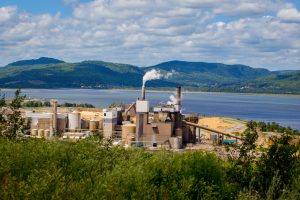

 Health officials and advocates are raising concerns about gaps in air quality monitoring across rural BC, saying some communities may be exposed to dangerous wildfire smoke levels if they don’t have access to accurate local data. It comes as the health impacts of wildfire smoke are becoming clearer, and as new monitoring stations are being installed in parts of the province to address the gaps. Air quality is typically monitored by federal and provincial governments and according to Environment Canada, 286 sites across every province and territory make up the National Air Pollution Surveillance program. “Even with nearly 300 sites, there are enormous gaps in geography — often at the expense of rural and remote communities,” said Christopher Lam, of the BC Lung Foundation. …Smoke from the record-breaking Canadian wildfires in 2023 caused an estimated 5,400 acute deaths and about 82,100 premature deaths worldwide.
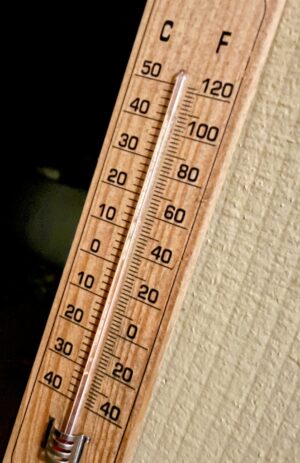 High temperatures are expected to continue baking large sections of the U.S. through the end of the week, potentially setting more than 100 new daily temperature records between Thursday and Sunday, forecasts show. Temperatures were forecast to linger around 30 or 40 degrees above average in a number of southwestern and Central states, continuing a trend that began earlier in the week as a massive heat wave expands further into the western two-thirds of the country, said CBS News meteorologist Nikki Nolan. Indianapolis reached 81 degrees Fahrenheit on Thursday, breaking a 1907 record of 80 degrees, the National Weather Service said. …The heat wave that initially brought unusual warmth to the West last week has been slowly moving eastward, with forecasts indicating it would arrive on the southeastern coast by Friday. Along the way, it may fuel a series of potentially severe storms across parts of the Midwest.